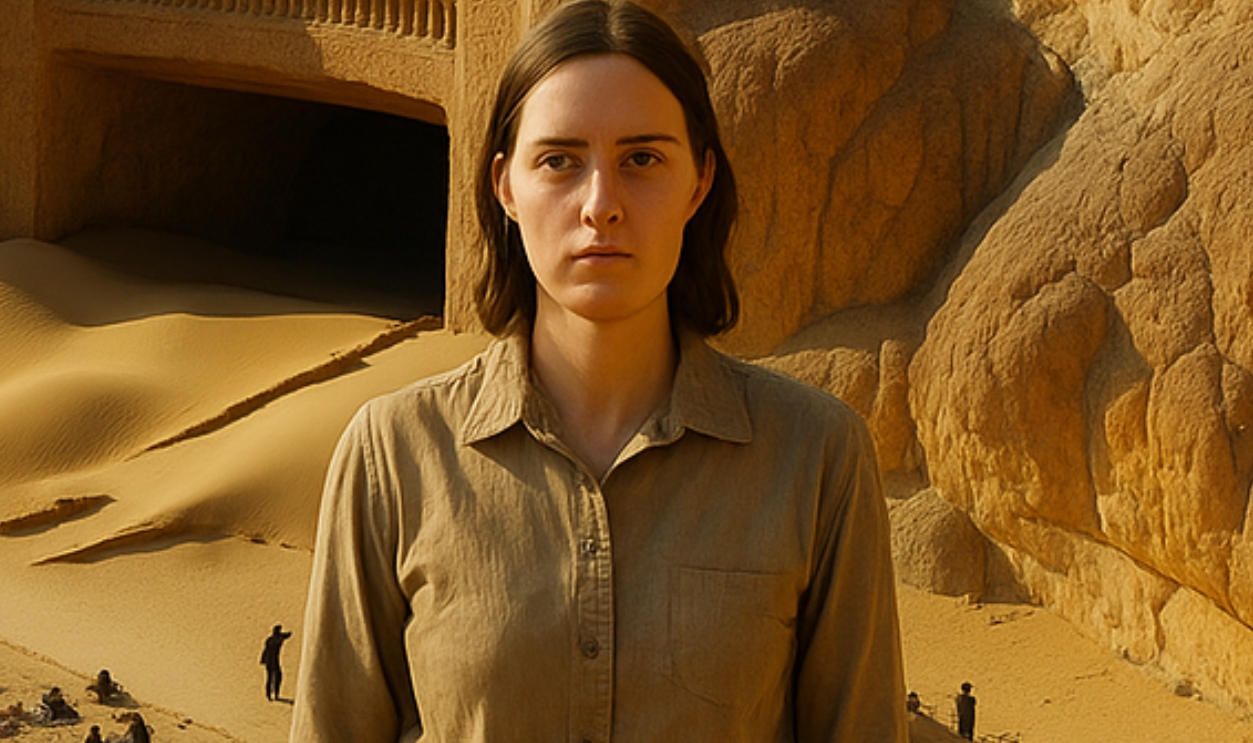
For generations, archaeologists combed the Valley of the Kings, convinced that more royal secrets were still hidden beneath its cliffs. Survey notes piled up, digs stalled, and every promising lead seemed to vanish into collapsed stone or shifting sand. After all that patient work, researchers finally uncovered the long-lost tomb of Thutmose II, a ruler who had become almost invisible in the historical record. This is the first time a previously unknown royal burial has been found since Tutankhamun’s in 1922, making it one of the most significant Egyptian archaeological breakthroughs of the past century. What emerged from the Theban cliffs is a long-hidden chapter of Egypt’s story turning itself back toward the light.
A Pharaoh Lost, Found, And Reintroduced To History
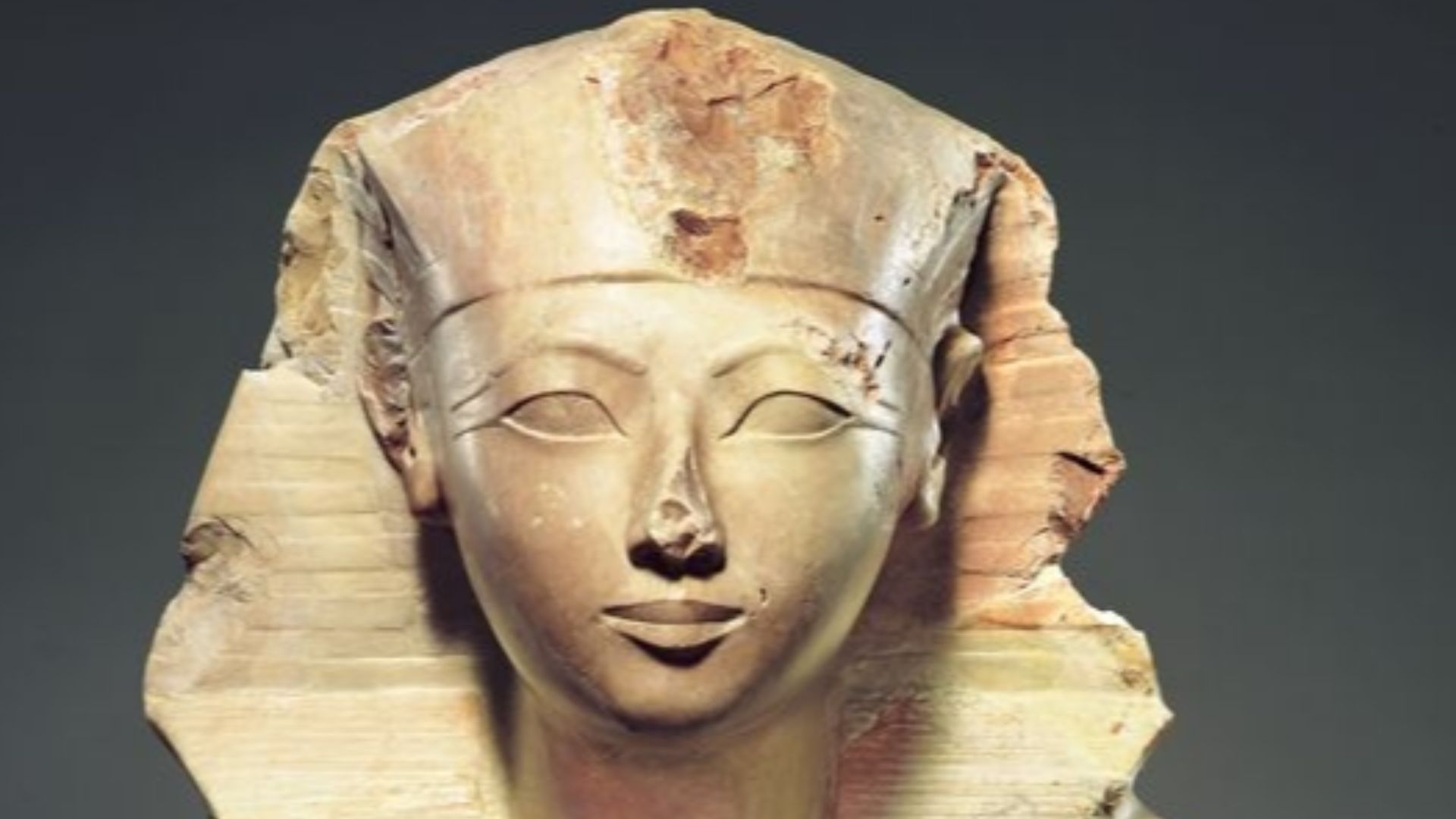
Thutmose II ruled during the 18th Dynasty around 1493 BCE, yet his presence in history always felt unusually dim. His reign was brief, and later writers devoted more attention to Hatshepsut, whose political influence reshaped the kingdom and overshadowed his legacy. Because his name appears only sparingly on monuments or inscriptions, his burial place slipped from memory and became one of Egypt’s lingering mysteries. Archaeologists long believed it had to lie somewhere near the tombs of related rulers, but every promising lead ended with disappointment, leaving the pharaoh’s whereabouts unresolved for generations.
That uncertainty finally shifted when Egypt’s Supreme Council of Antiquities joined European researchers to merge older survey maps with modern ground-penetrating radar. The updated scans revealed a carved entrance hidden beneath limestone hardened by time and layers of debris from ancient floods. Clearing the area exposed an angled passageway that matched architectural patterns from early New Kingdom burials, confirming what earlier teams had only guessed. After decades of false starts, the tomb of Thutmose II stepped back into the historical record, no longer a rumor but a real structure ready for careful study.
Inside A Tomb That Preserves Ancient Rituals And Unfinished Work
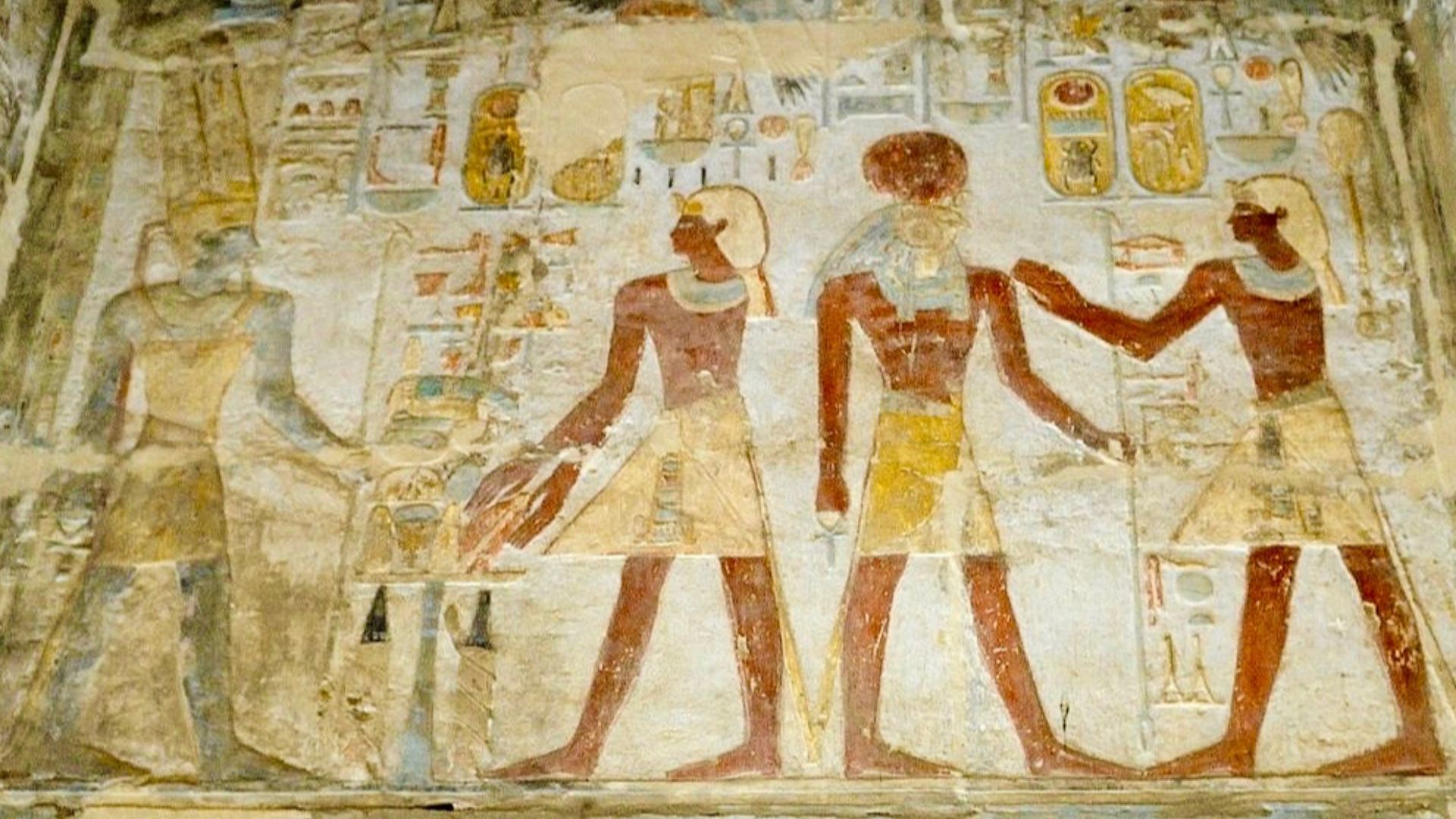
The interior revealed a mix of damage and careful artistry, creating a layered view of how royal burials were constructed. Faint stars still speckled the ceiling to offer a hint of the night sky that once stretched above the king’s resting place. Portions of plaster preserved scenes from the Amduat, meant to lead the ruler through the twelve hours of night. Although many areas had collapsed or faded over time, enough remained to show that the tomb was designed as a symbolic pathway between the worlds of the living and the dead. Each surviving detail allowed archaeologists to glimpse how spiritual beliefs shaped the chamber’s decoration and purpose.
Fragments scattered across the floor revealed the tomb’s more fragile history. Pottery pieces, damaged jars, and remnants of embalming materials suggested that priests may have moved items after ancient flooding threatened the burial goods. Despite these disruptions, the site still held surprising insight. Niches carved into the walls and tool marks left by craftsmen showed how workers labored under pressure, likely rushing to complete the burial after the pharaoh’s early death. The mix of finished artistry and halted work created a rare record of a royal tomb built during a transitional phase in Egyptian funerary tradition.
Why Thutmose II’s Tomb Changes What We Know About Royal Burials
The tomb offers far more than a celebrated find; it provides a structural bridge that helps clarify how royal burials evolved during the 18th Dynasty. Early New Kingdom tombs followed simpler layouts, while later rulers favored intricate, multi-room designs. Thutmose II’s burial fits directly between these two stages. Its angled passageway and straightforward floor plan echo earlier practices, yet its carved niches, widened surfaces, and signs of intended extensions point toward the styles that would dominate under Thutmose III and Amenhotep II. This blend positions the tomb as a missing architectural link rather than an isolated exception.
Its unfinished areas add another layer of historical value, revealing how construction teams adapted when time was limited. Tool marks, halted carvings, and incomplete surfaces capture the urgency created by the pharaoh’s short reign. These details showed the pressures craftsmen faced in preparing a royal resting place. The find also strengthens a growing understanding that the Valley of the Kings still holds untold stories. The reappearance of Thutmose II reminds researchers that Egypt’s past continues to reveal itself, adding depth to a civilization that has fascinated the world for generations.
 https://www.flickr.com/photos/rivertay/, Wikimedia Commons