When A City Realizes It Needs A Plan B
Here’s the version of ancient history we’re all used to: the climate shifts, the food supply wobbles, everyone panics, and the whole thing turns into a mess. But the story coming out of Caral, one of the oldest known civilizations in the Americas, reads very differently. When a long drought hit, the people didn’t respond with large-scale conflict or a dramatic last stand. They adjusted. They moved. They kept their cultural habits alive in new places. And they even left behind clues—art, layouts, and objects—that show how seriously they took the problem and how intentionally they dealt with it.
Meet Caral, The Oldest Big Deal In The Americas
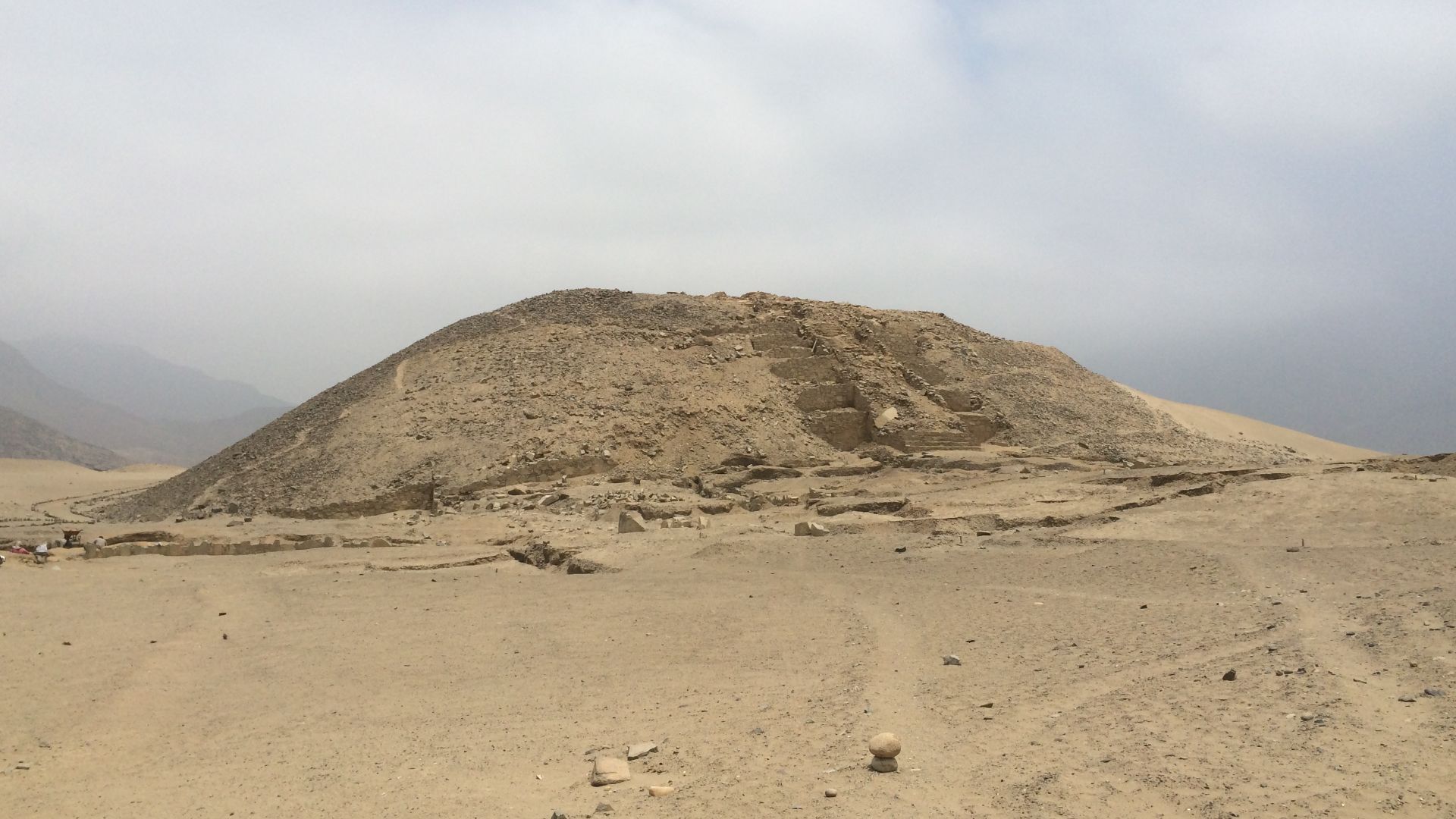
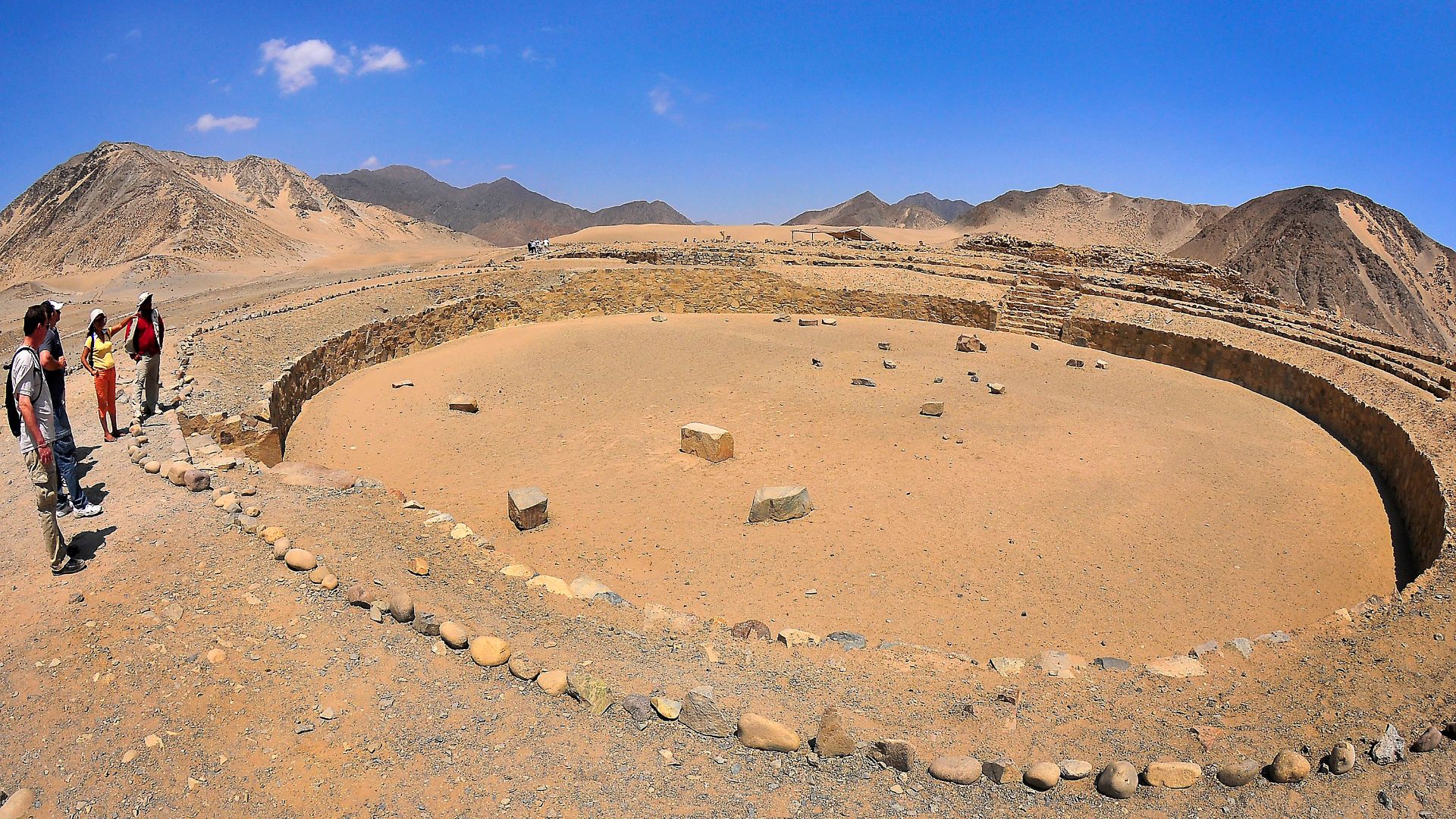
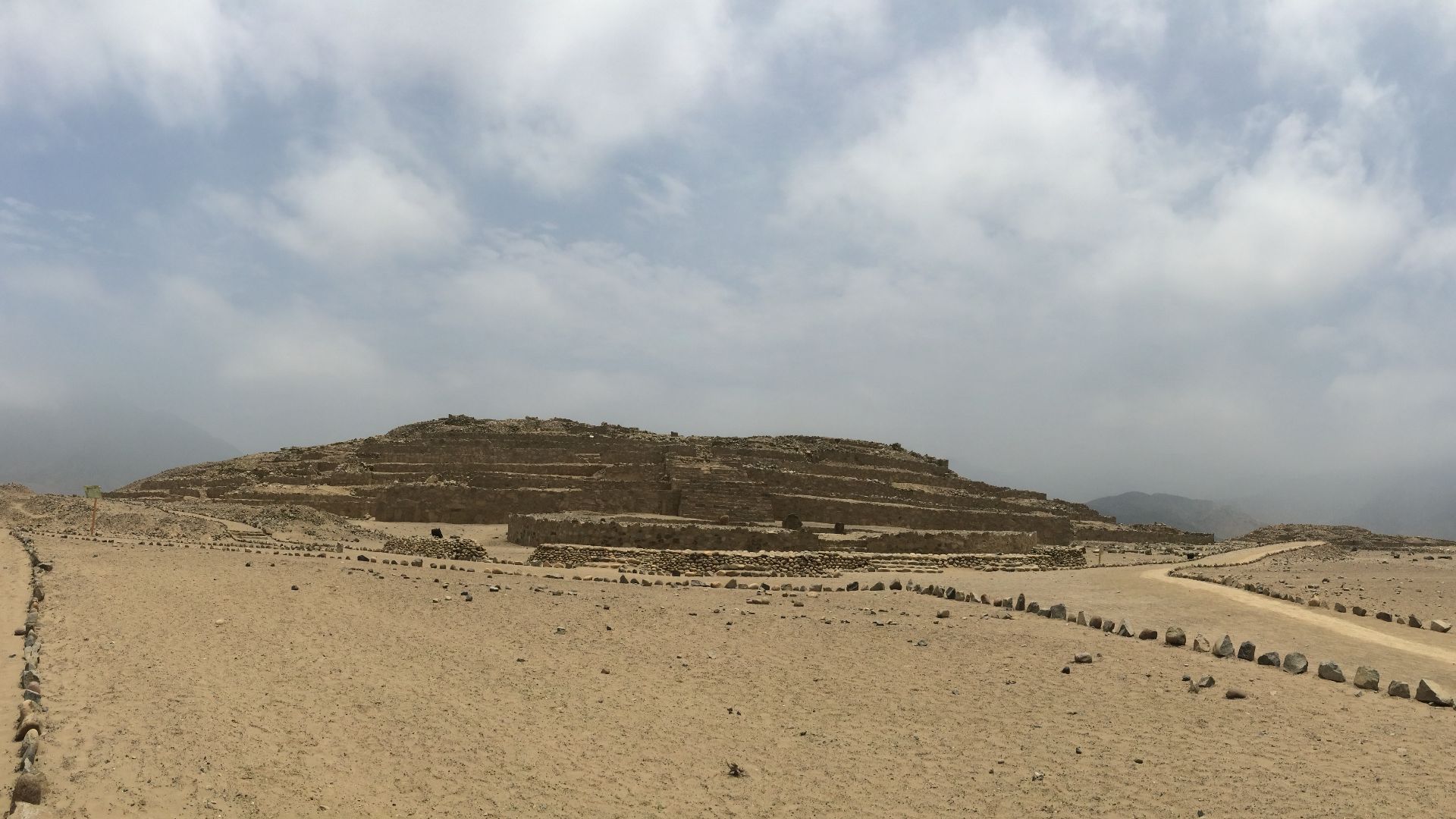
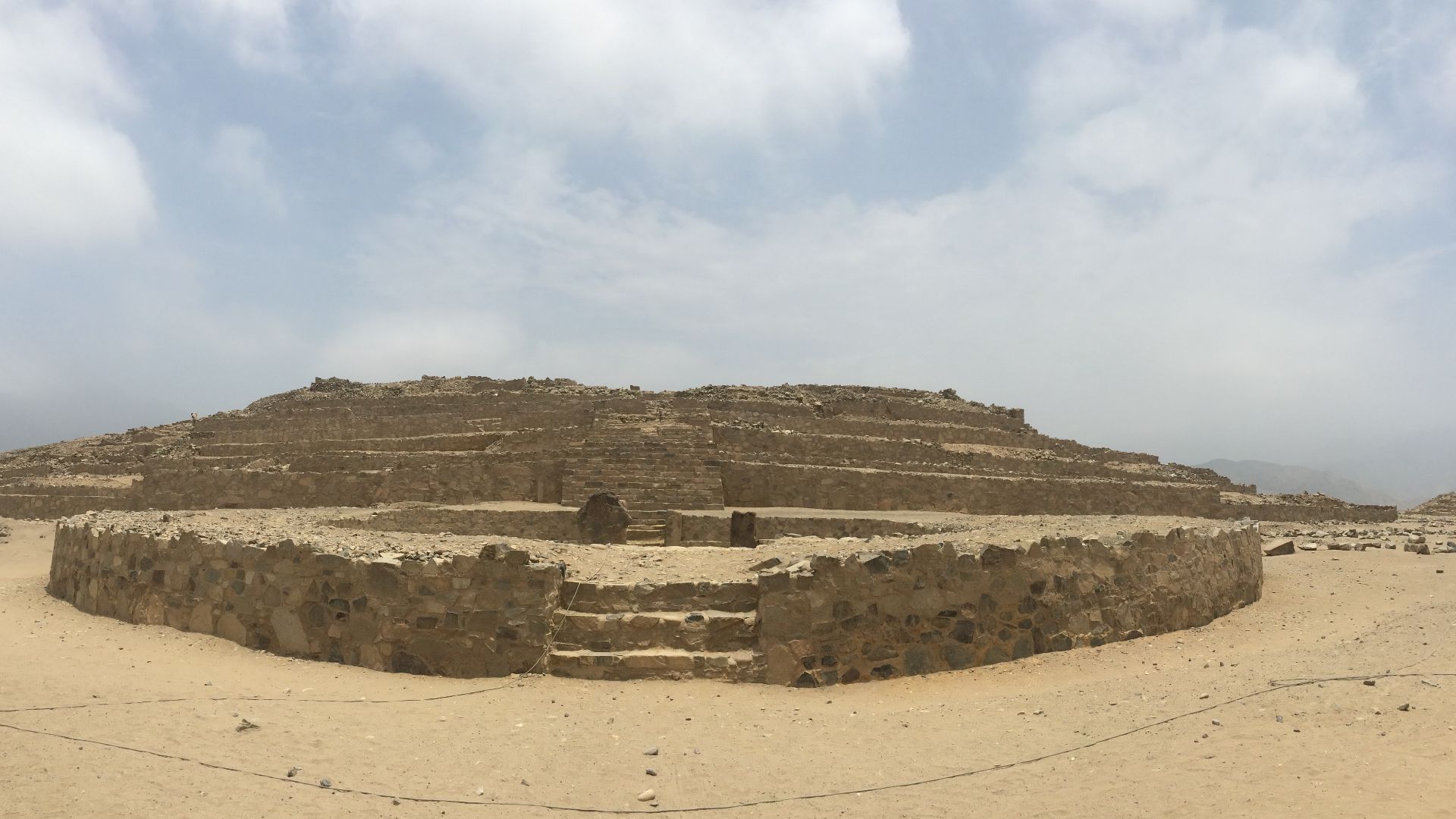
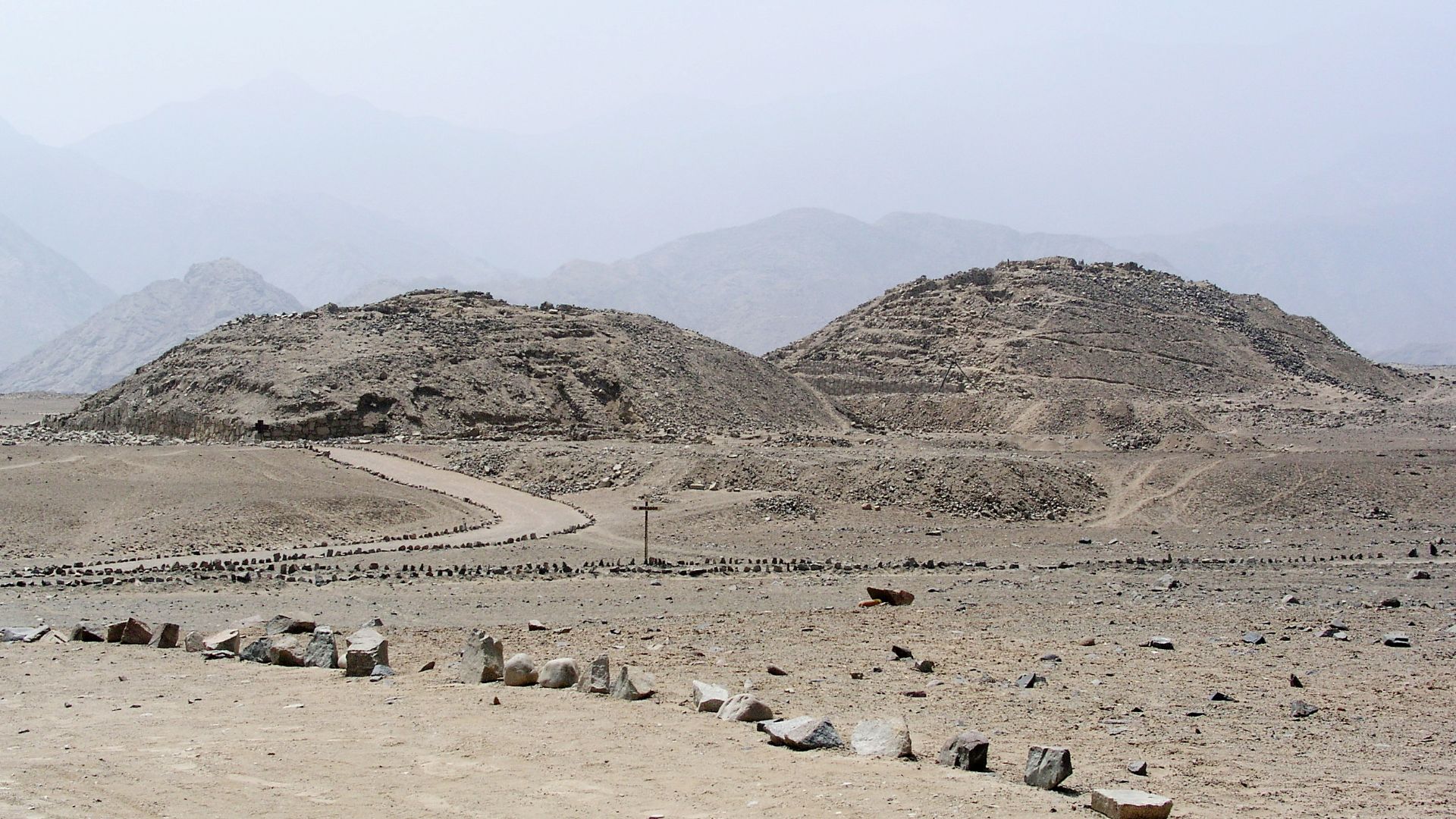
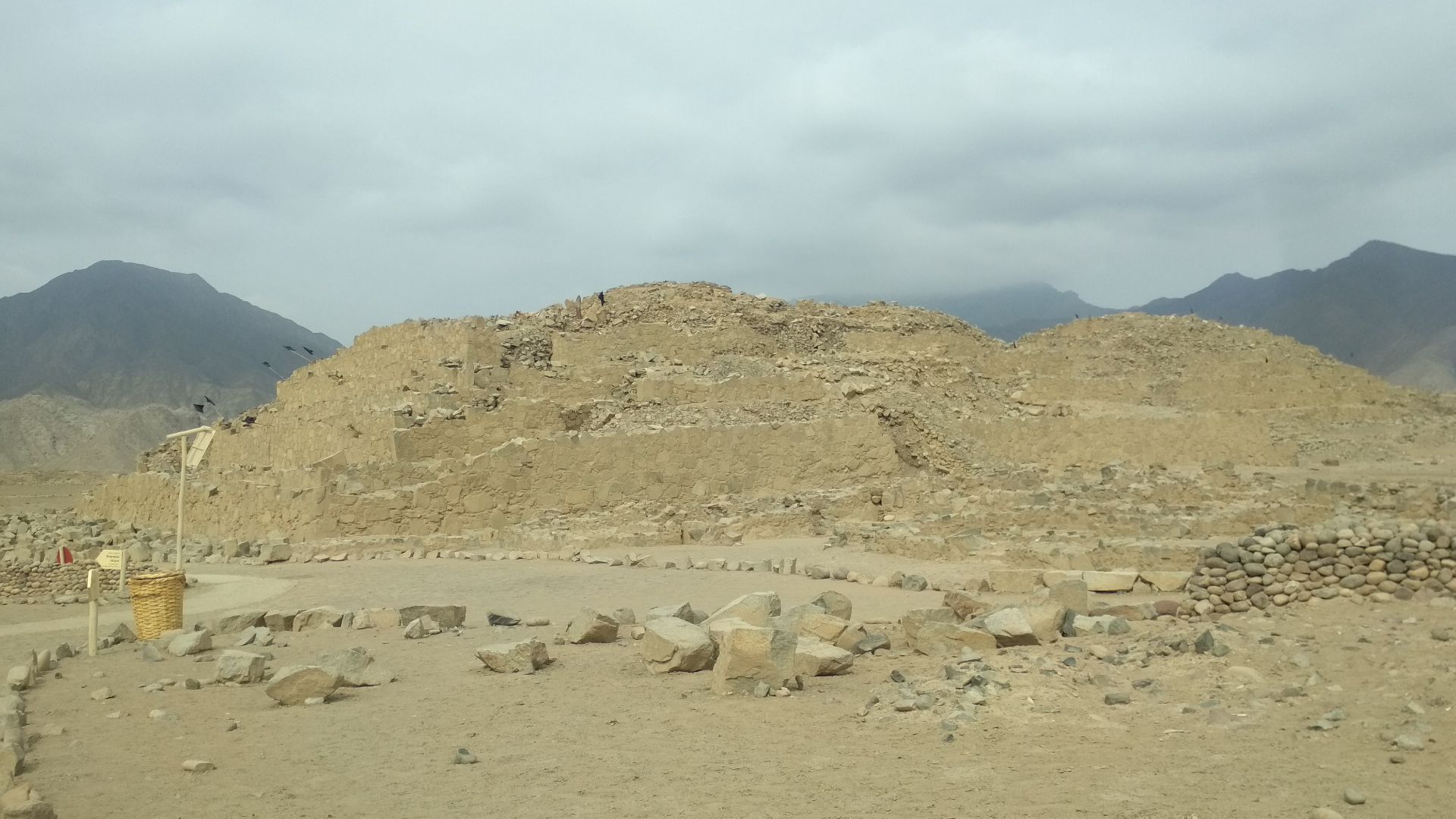
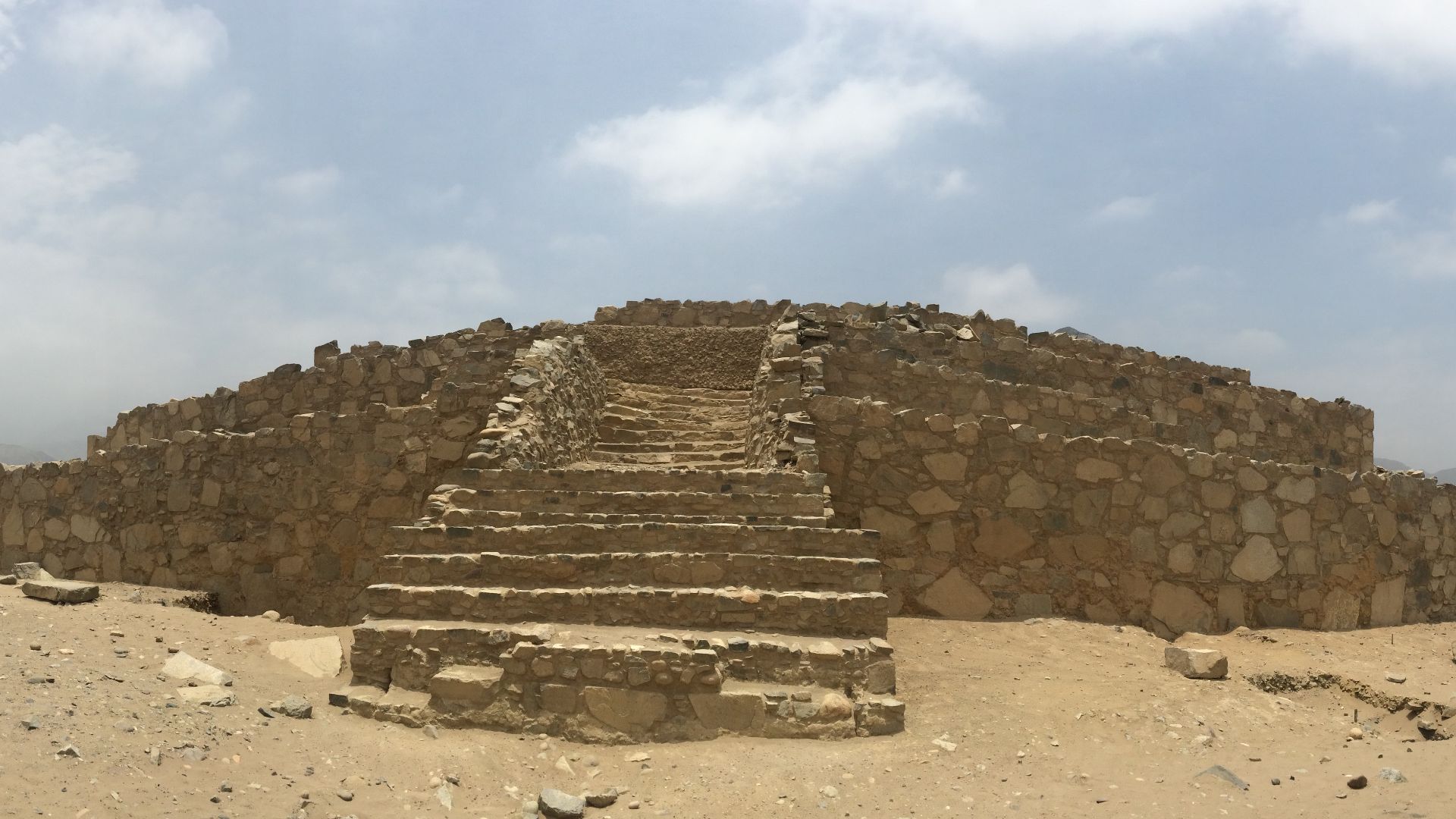
Caral sits in Peru’s Supe Valley and dates back roughly 5,000 years. That’s early enough that it belongs in the same general “humans are getting organized” era as some of the world’s earliest large societies elsewhere. And it wasn’t a tiny settlement either—it had planned spaces, big ceremonial areas, and a clear sense of public life.
 Paulo JC Nogueira, Wikimedia Commons
This Place Was Built For People, Not Battles
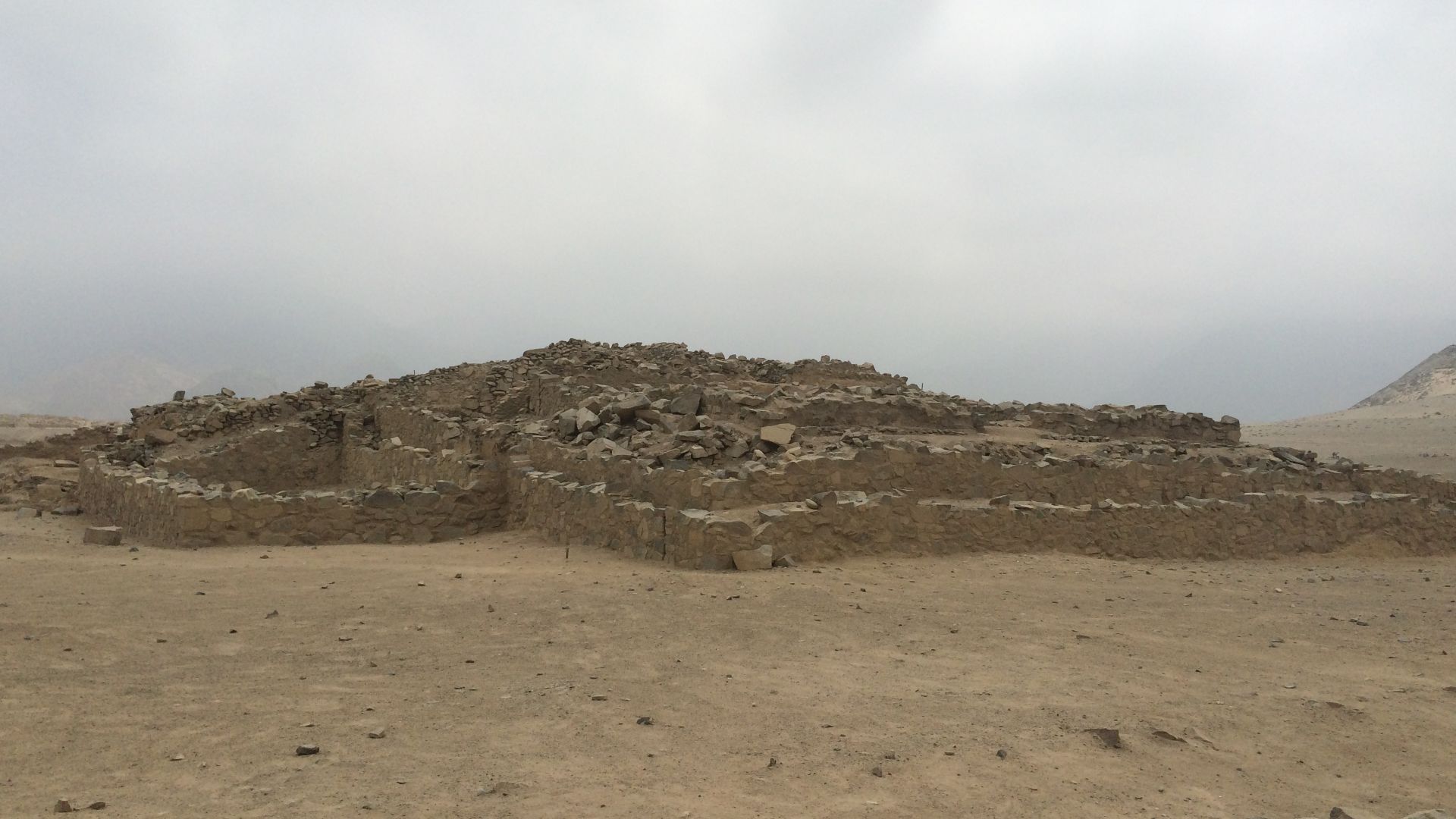
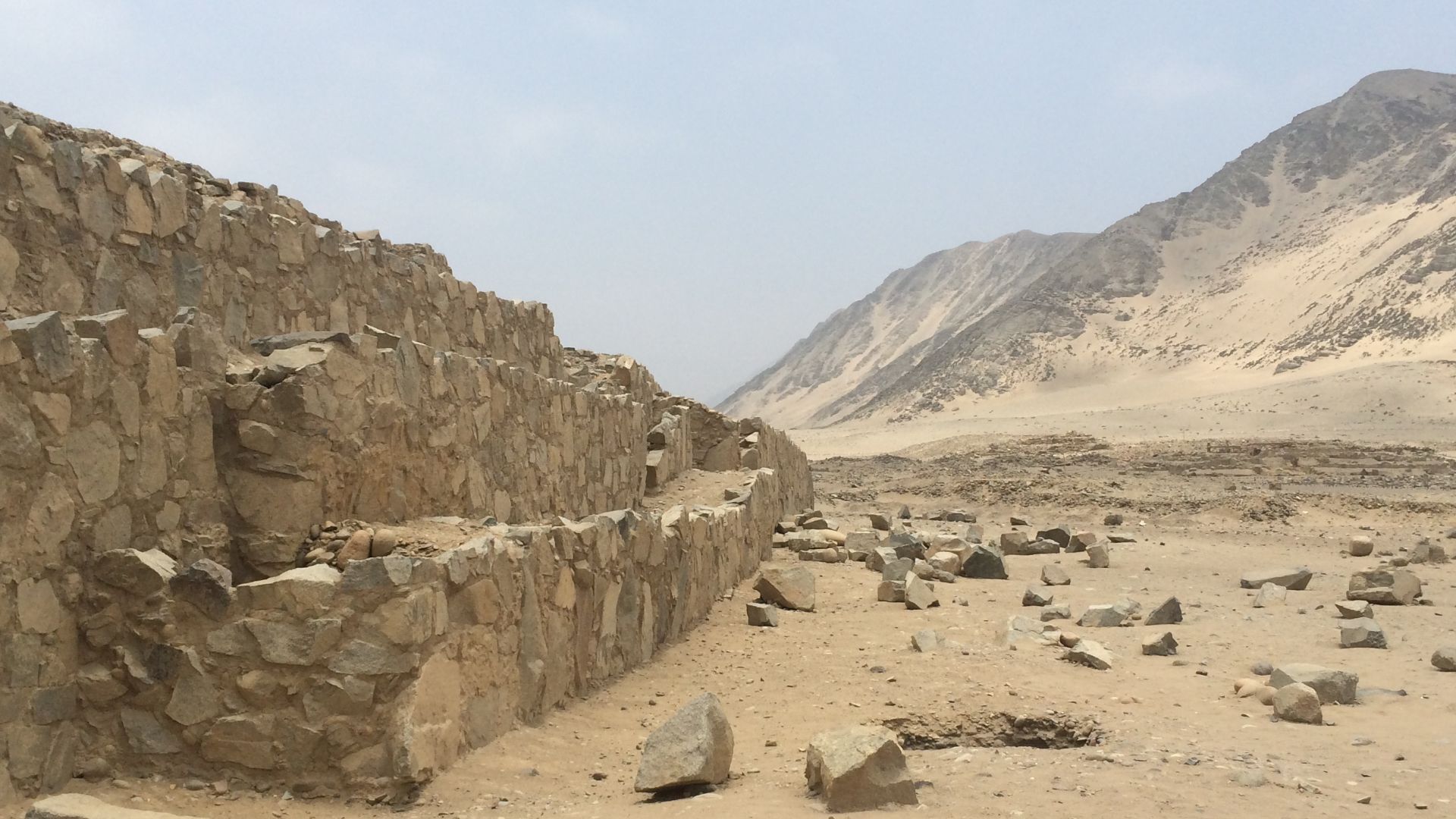
One of the most noticeable things about Caral is what’s missing. Archaeologists don’t see the usual signs of warfare like fortifications, stockpiles of weapons, or architecture designed to keep attackers out. The city’s design suggests community organization and shared spaces, not a constant expectation of raids.
 Paulo JC Nogueira, Wikimedia Commons
The Valley Was Productive—Until It Wasn’t
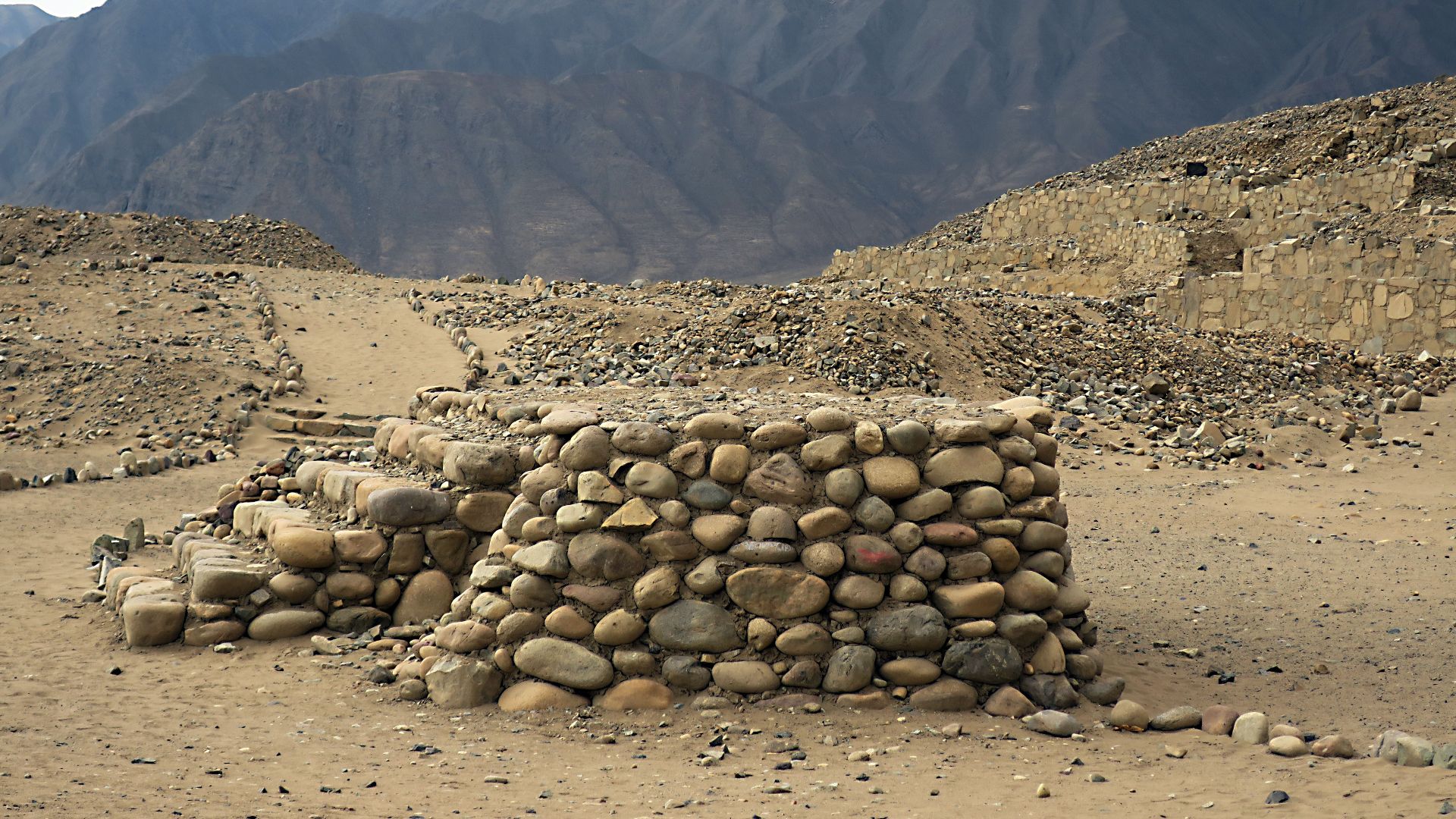
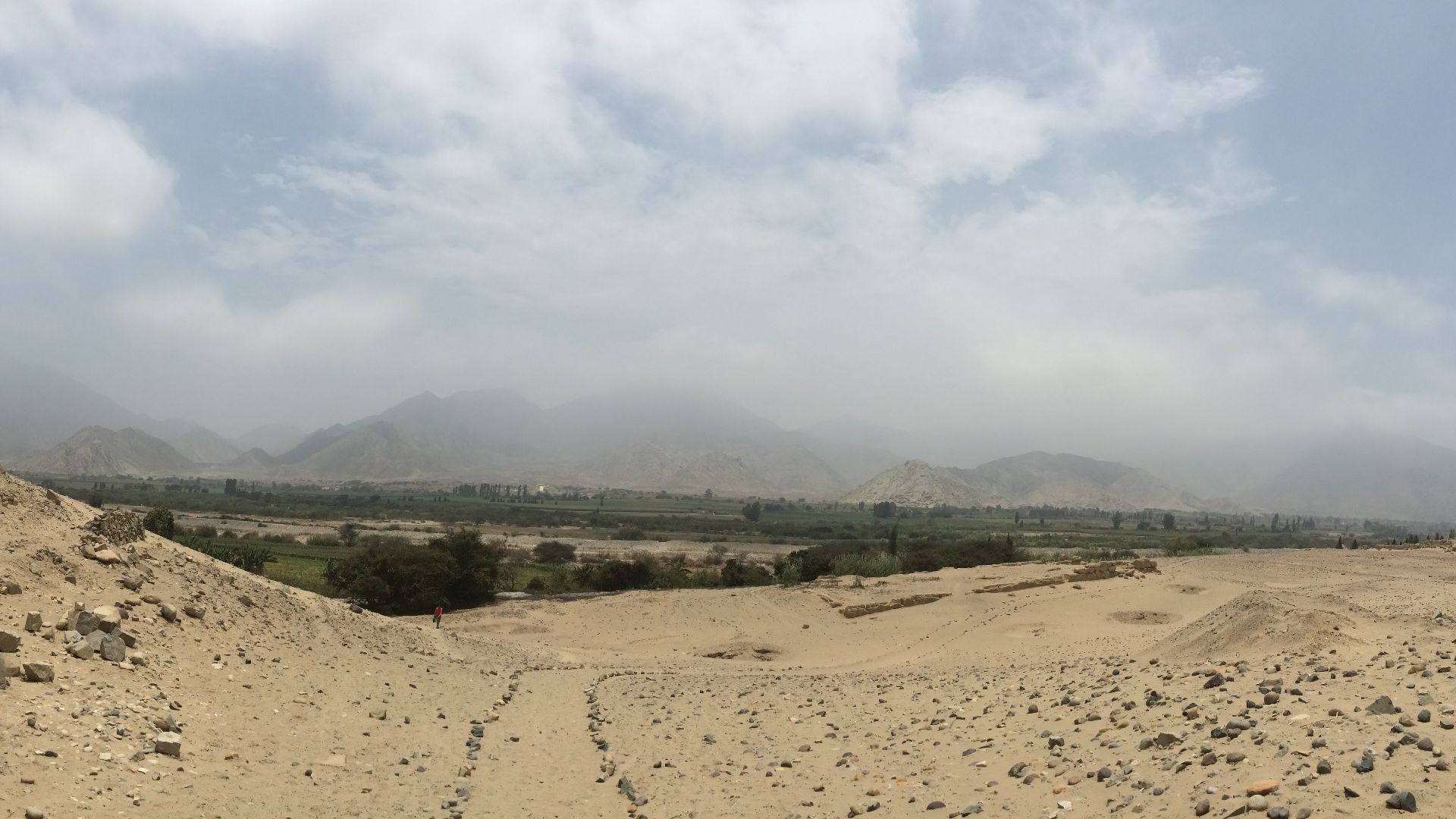
Caral depended on farming in a region where water management mattered. When rainfall patterns were stable, the system worked. When rainfall shifted and drought stretched on, that same system would have started feeling shaky fast.
 AlisonRuthHughes, Wikimedia Commons
The Drought That Put Everything Under Stress
The research points to a prolonged dry period around 4,200 years ago. In practical terms, that’s fewer reliable river flows, harder irrigation, and less predictable harvests. It’s the kind of slow-moving problem that forces a society to make tough decisions.
 Petty Officer 3rd Class Daniel Barker, Wikimedia Commons
Food Pressure Changes People’s Options
When food becomes harder to produce, every part of life gets affected. Work routines change, trade priorities change, family decisions change. A society can either spend that moment fighting over what’s left—or it can decide to reorganize how it lives.
 Paulo JC Nogueira, Wikimedia Commons
What’s Surprising Is What Didn’t Happen
In many ancient sites, climate stress lines up with evidence of conflict. Here, the evidence doesn’t point that way. Instead, the archaeological picture suggests the population responded without the kind of widespread reactivity you might expect from a prolonged resource squeeze.
 Paulo JC Nogueira, Wikimedia Commons
Leaving A Monumental City Is Not A Small Choice
Walking away from a major urban center isn’t like moving apartments. Caral’s public buildings and ceremonial areas weren’t casual projects—they were labor, time, and shared identity. If people left, it likely happened because staying no longer made sense, not because they suddenly forgot how much the place mattered.
 Paulo JC Nogueira, Wikimedia Commons
The Shift Looks Gradual, Not Chaotic
The pattern suggests an orderly relocation rather than a sudden break. That matters because it hints at planning. When people have time to plan, they can bring skills, traditions, and social structure with them instead of scattering in every direction.
 Paulo JC Nogueira, Wikimedia Commons
Some Groups Headed Toward The Coast
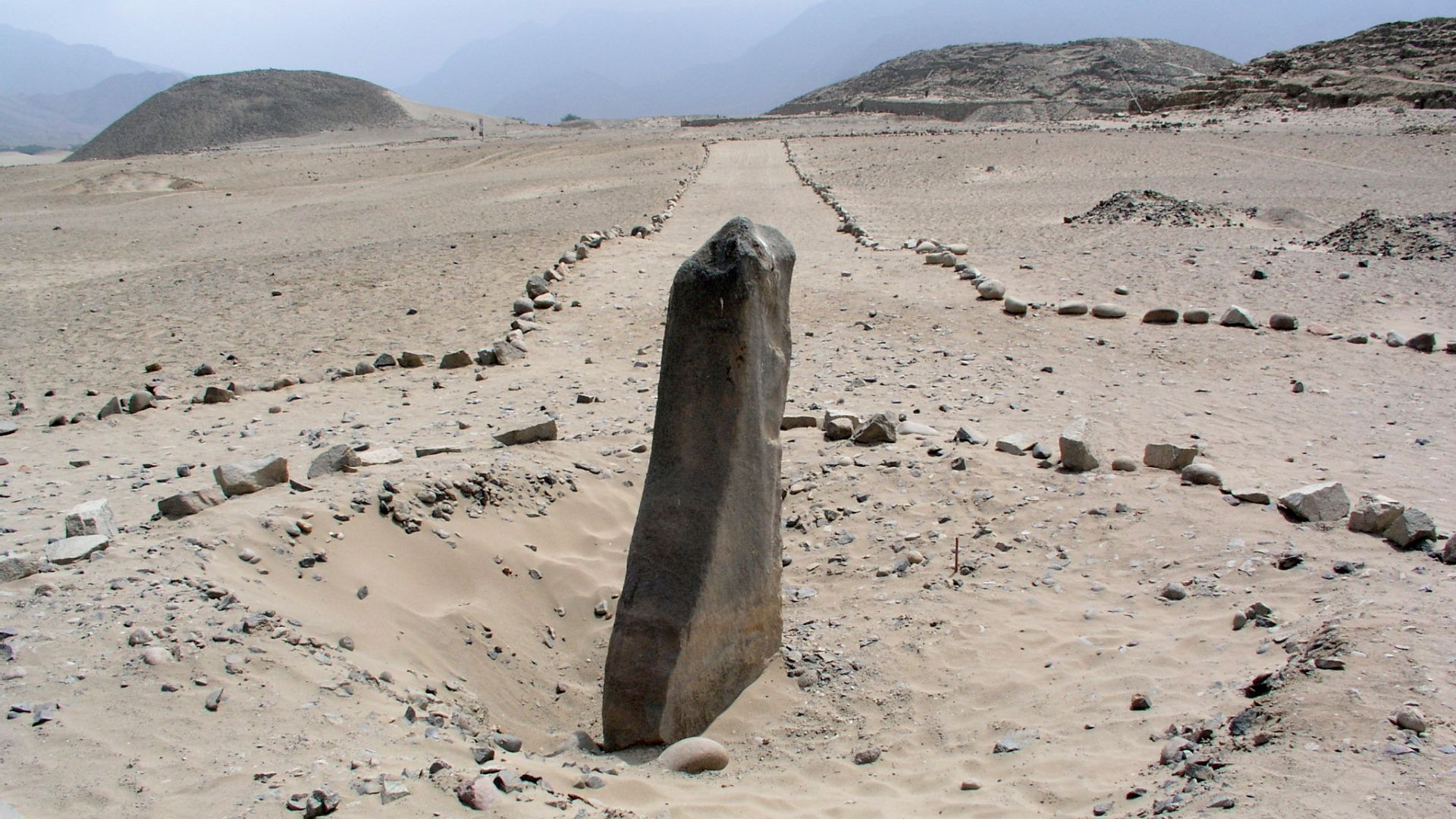
One smart option is to move closer to food sources that aren’t dependent on rainfall in the same way. Along the coast, marine resources can provide consistency even when crops struggle. This isn’t a perfect solution, but it widens the menu—and that’s a big deal in a drought.
 Hakan Svensson Xauxa, Wikimedia Commons
Vichama Shows What People Felt
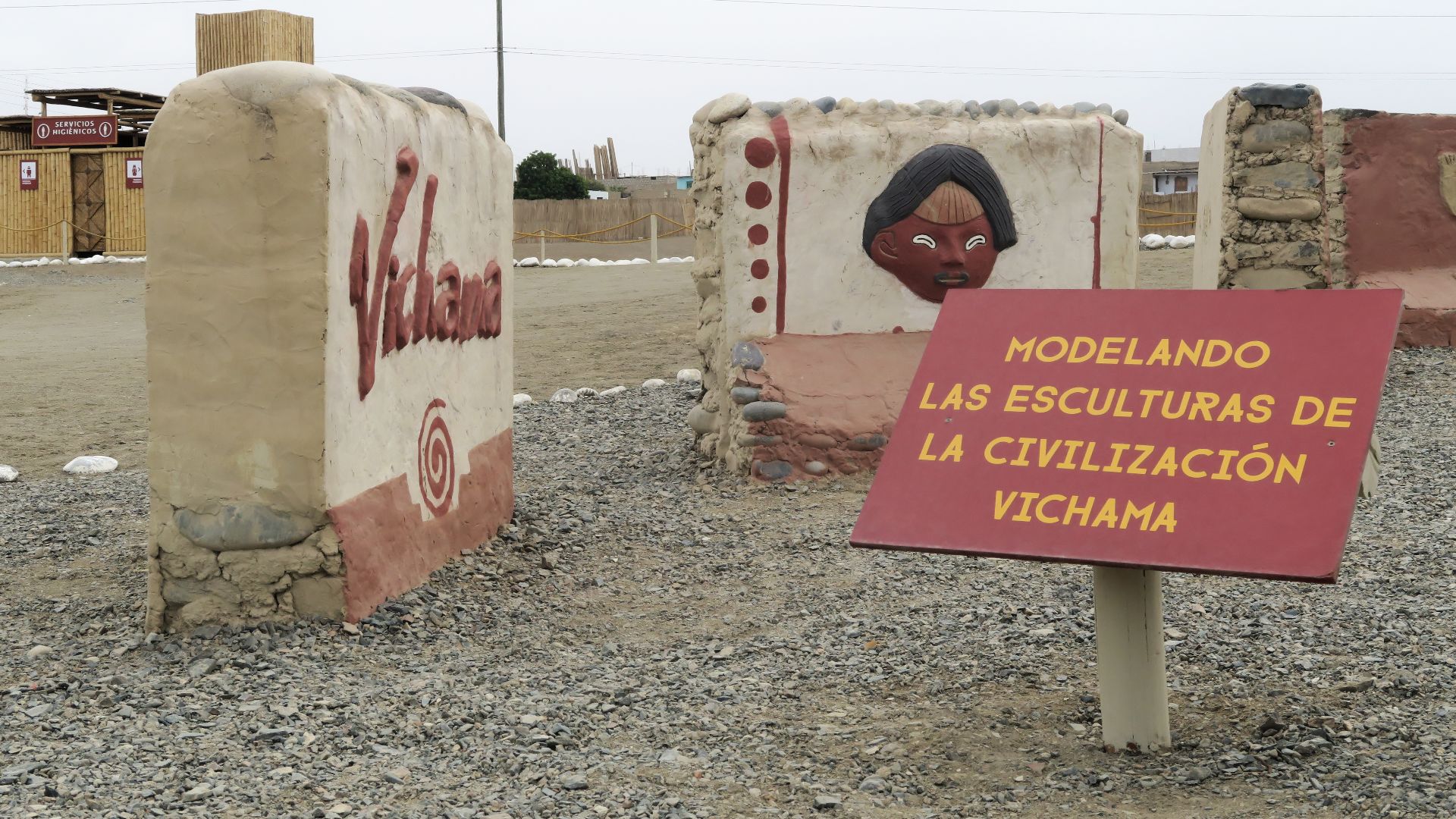
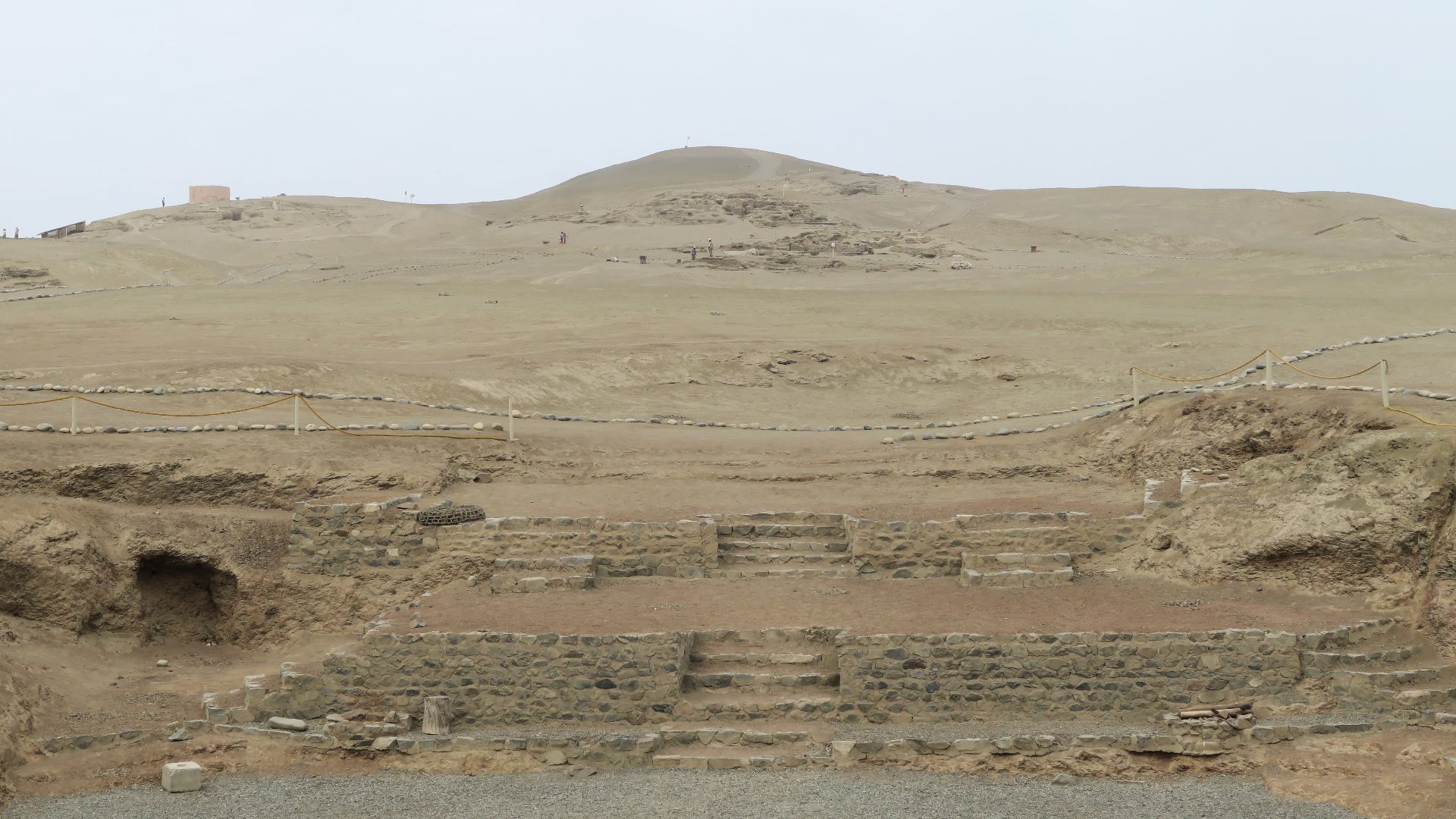
At the coastal site of Vichama, archaeologists found wall reliefs that appear to reflect hardship. The imagery includes thin human figures and scenes that look tied to scarcity. It’s a rare case where the artwork doesn’t just show status or ceremony—it seems to show experience.
 Burkhard Mucke, Wikimedia Commons
The Art Doesn’t Pretend Everything Was Fine
What’s striking is that the carvings aren’t just celebratory. They feel like documentation. Instead of burying the hard parts, the community seems to have placed them in public view, almost like a shared memory everyone could point to.
 Burkhard Mucke, Wikimedia Commons
Symbols That Suggest Cycles, Not Endings
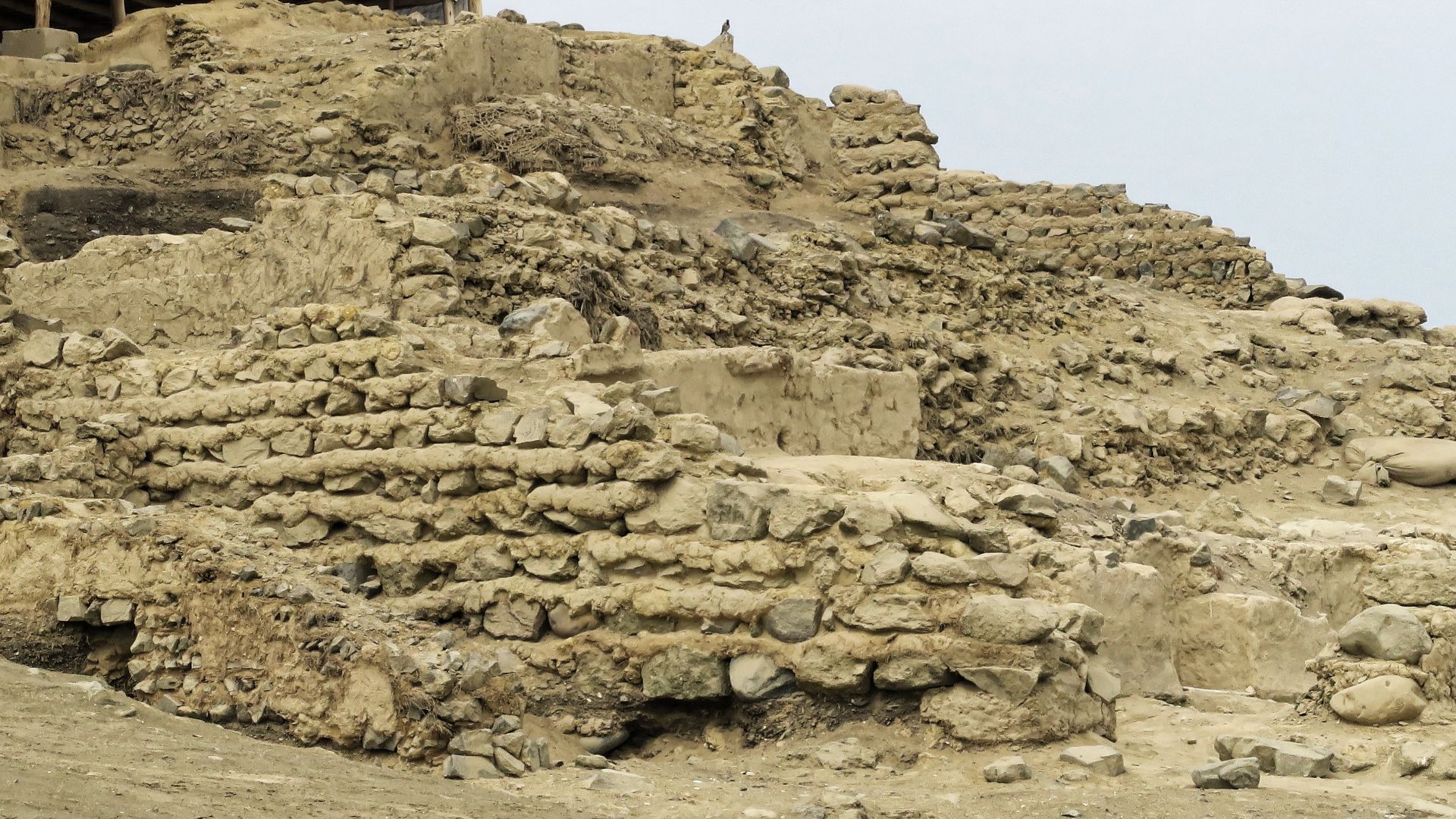
Alongside the difficult imagery are symbols linked to water, rainfall, and seasonal change. Interpreting ancient art is always delicate, but the overall vibe is less “we’re done” and more “we’re trying to understand what’s happening and what comes next.”
 Burkhard Mucke, Wikimedia Commons
Others Went Inland, Not Just Seaward
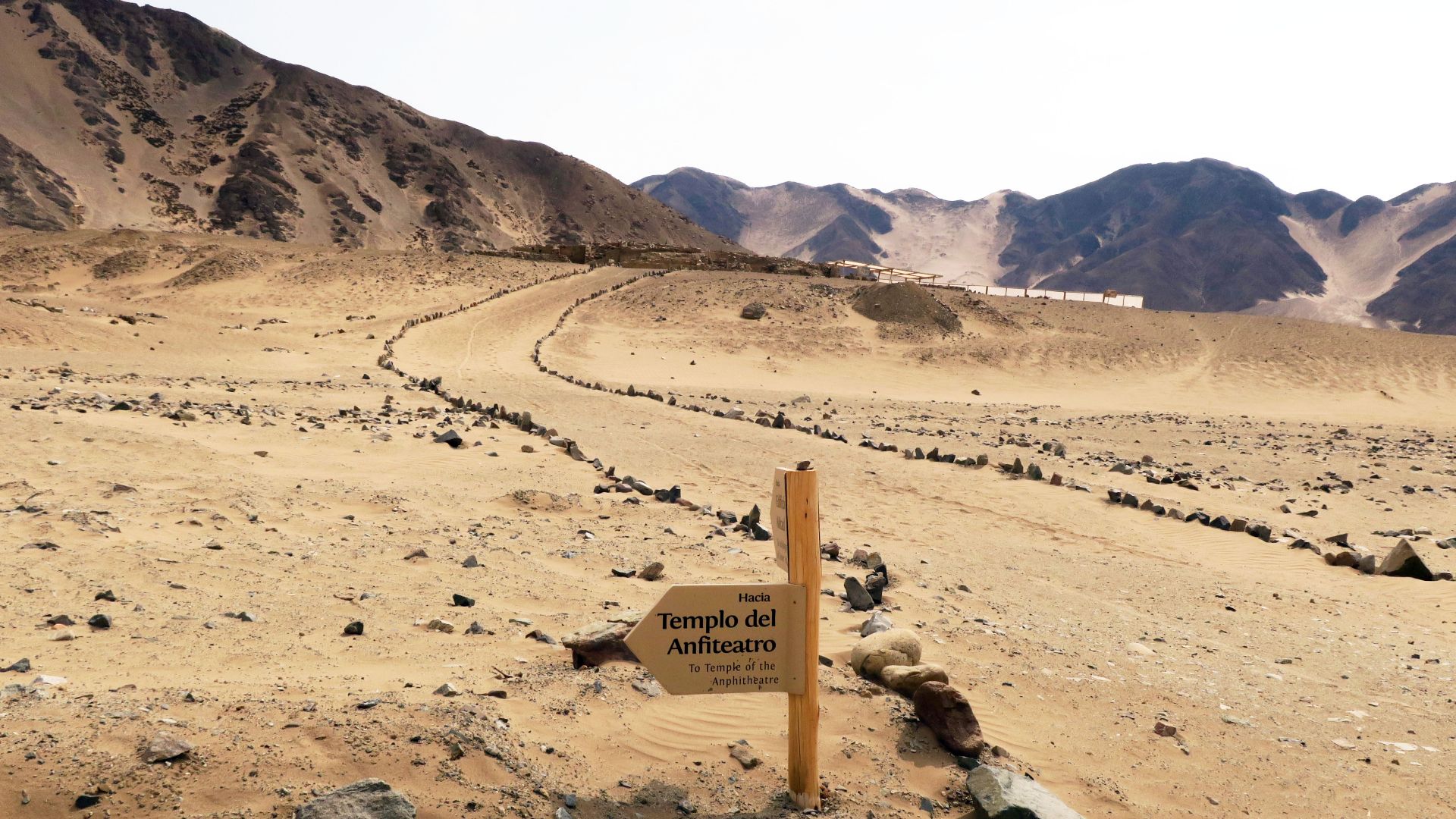
Not everyone moved in the same direction. Some groups shifted toward inland sites, including places like Peñico. That’s important because it suggests the response wasn’t one single migration route—it was a broader reorganization across the region.
 Hakan Svensson Xauxa, Wikimedia Commons
Peñico Looks Like Cultural Continuity
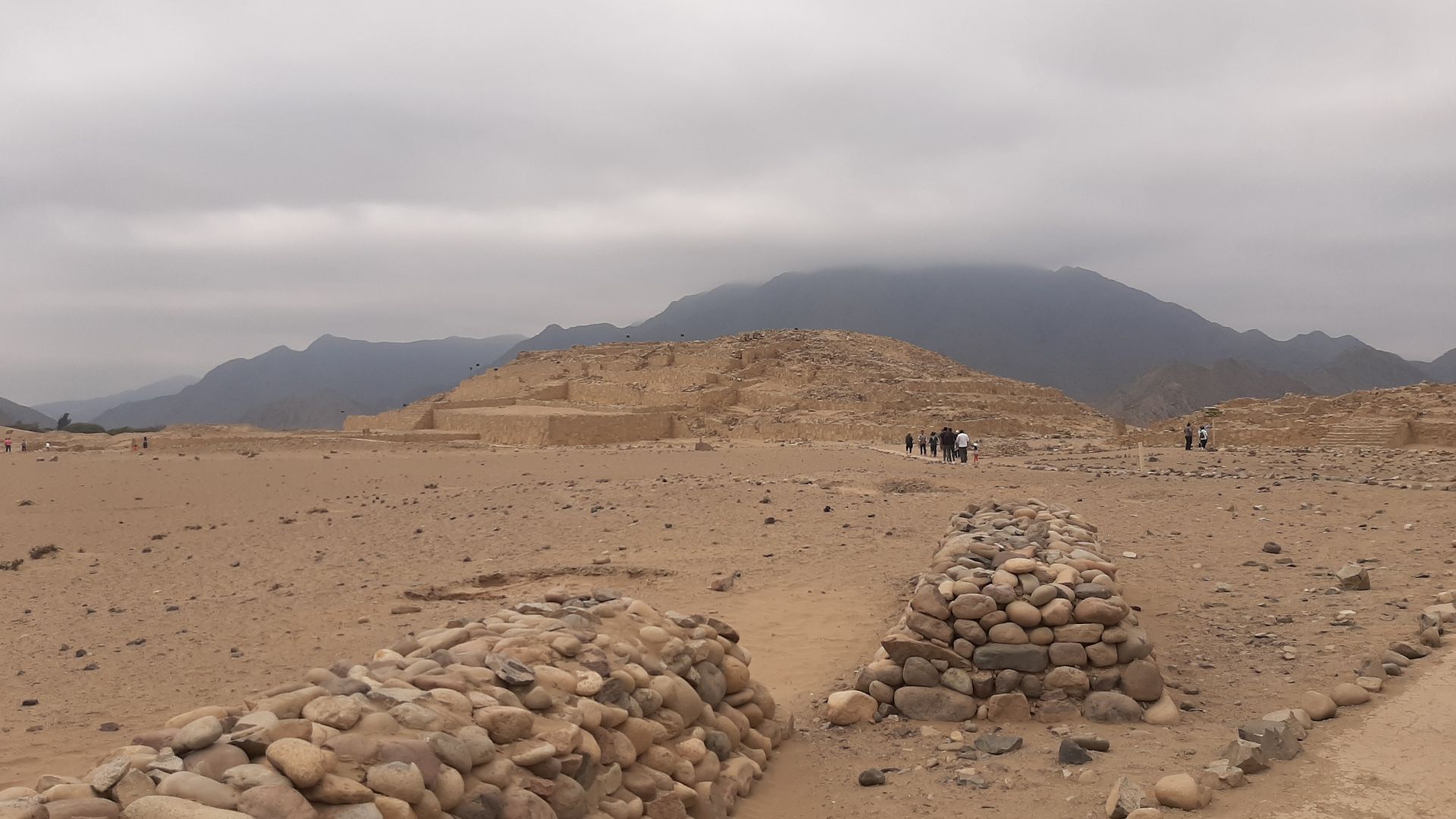
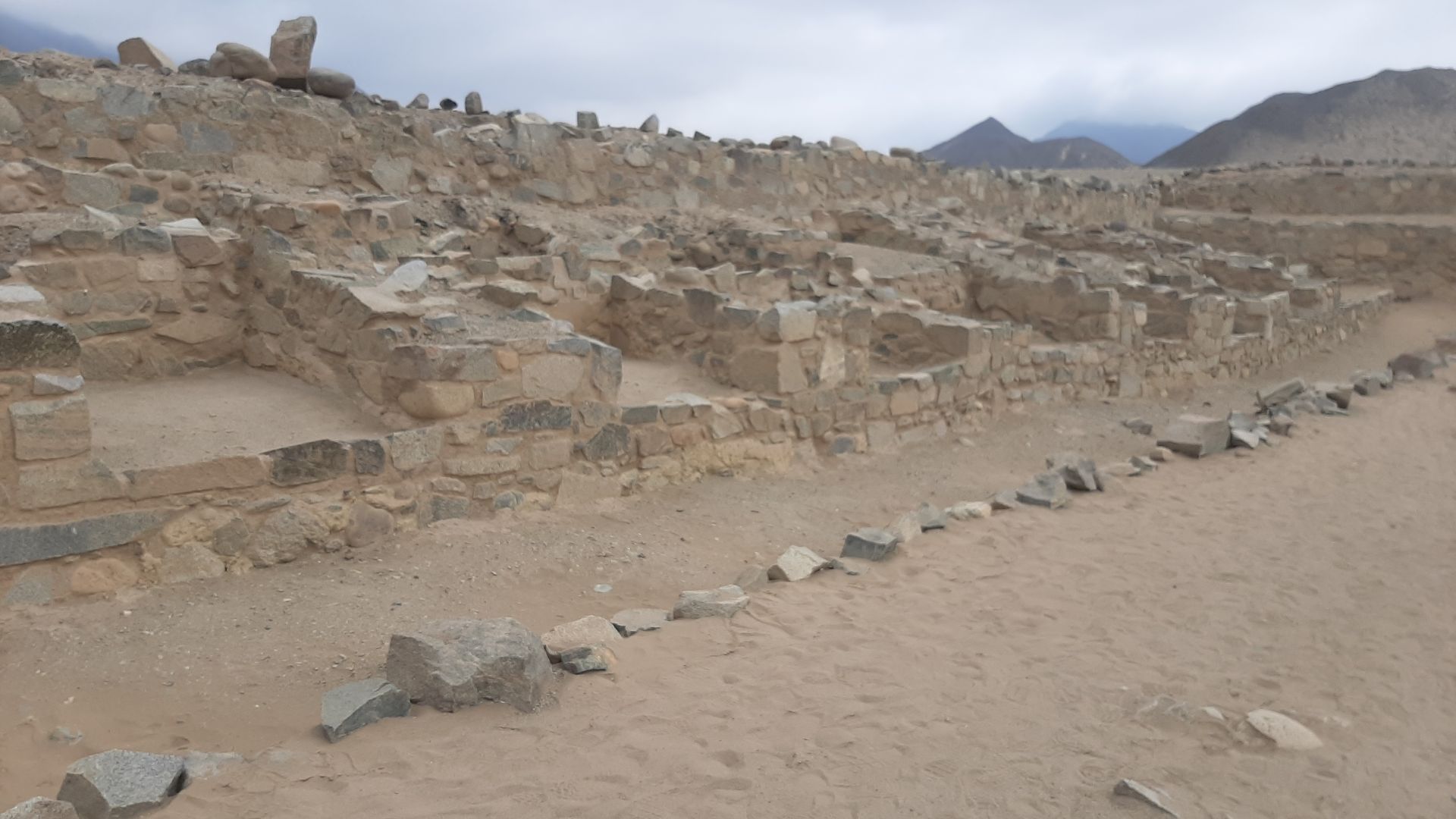
At Peñico, excavations show architecture that resembles Caral’s public and ceremonial layouts. That implies continuity. People didn’t just relocate physically—they carried design ideas, community practices, and probably the same social rhythms into new spaces.
 Ariana zafra, Wikimedia Commons
New Places, Familiar Civic Life
When a society keeps building the kinds of plazas and ceremonial structures it built before, it’s telling you something. It’s saying, “We’re still us”. That kind of continuity can help keep a community stable during major transitions.
 Luz Maria Linarez Huacausi, Wikimedia Commons
Trade Didn’t Disappear When Things Got Hard
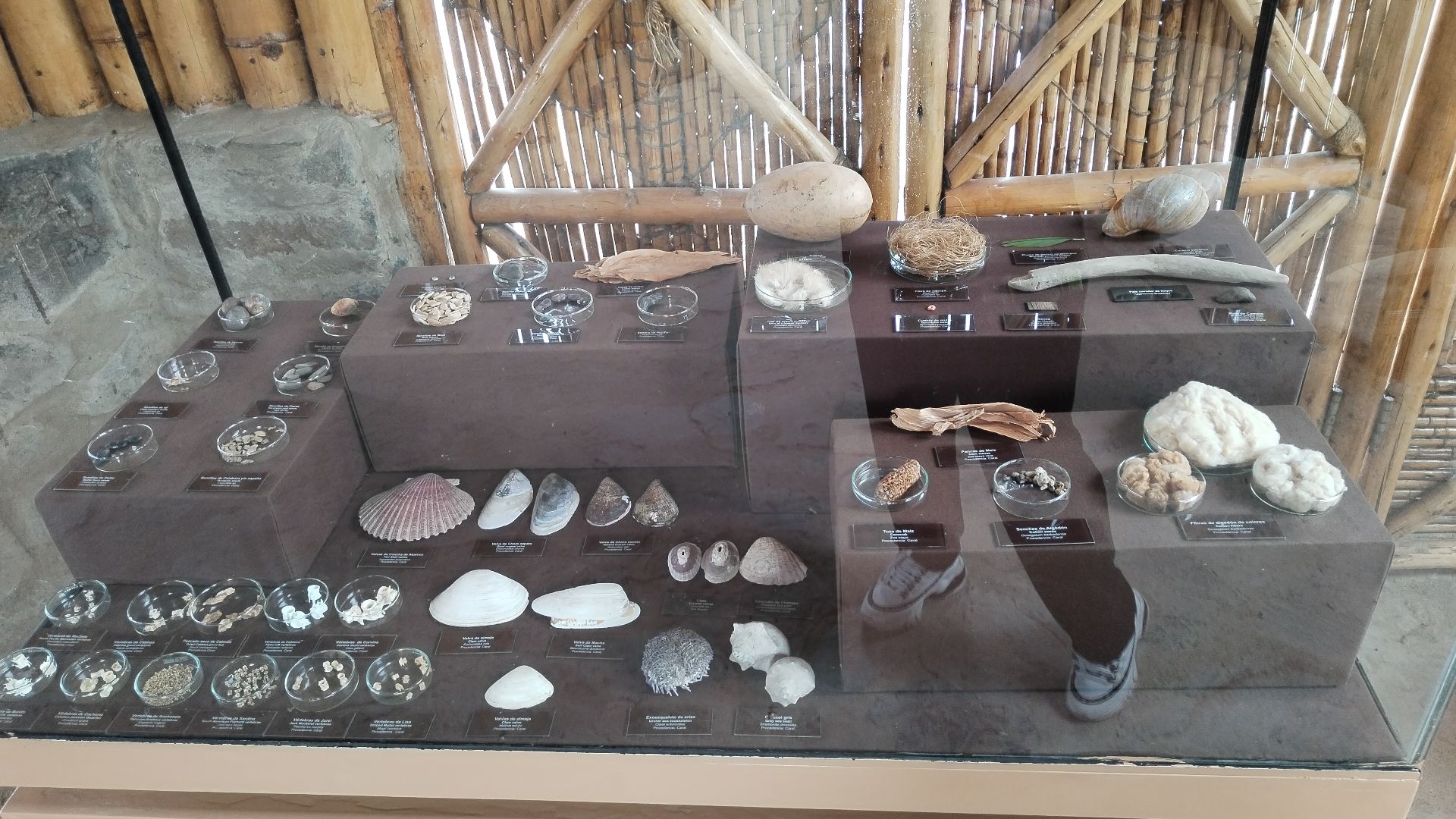
Artifacts indicate the wider exchange network remained active. That matters because trade is a stabilizer: it moves food, materials, and information. If trade continues during stress, it can reduce pressure on any one area.
 Mayumitorres, Wikimedia Commons
Flexibility Shows Up In The Food Evidence
Remains from different foods, including marine resources and cultivated crops, point to a mixed approach. When you’re dealing with unreliable rainfall, diversity is a practical survival tool. You don’t want your whole future riding on one harvest.
 Johnattan Rupire, Wikimedia Commons
The Record Doesn’t Point To Widespread Conflict
Burial evidence doesn’t show a spike in violent trauma. There aren’t the clear signals of mass fighting that appear in some other ancient contexts. That doesn’t mean life was easy—it means the response wasn’t dominated by harmful behavior.
 Paulo JC Nogueira, Wikimedia Commons
Shared Status Shows Up In Small Details
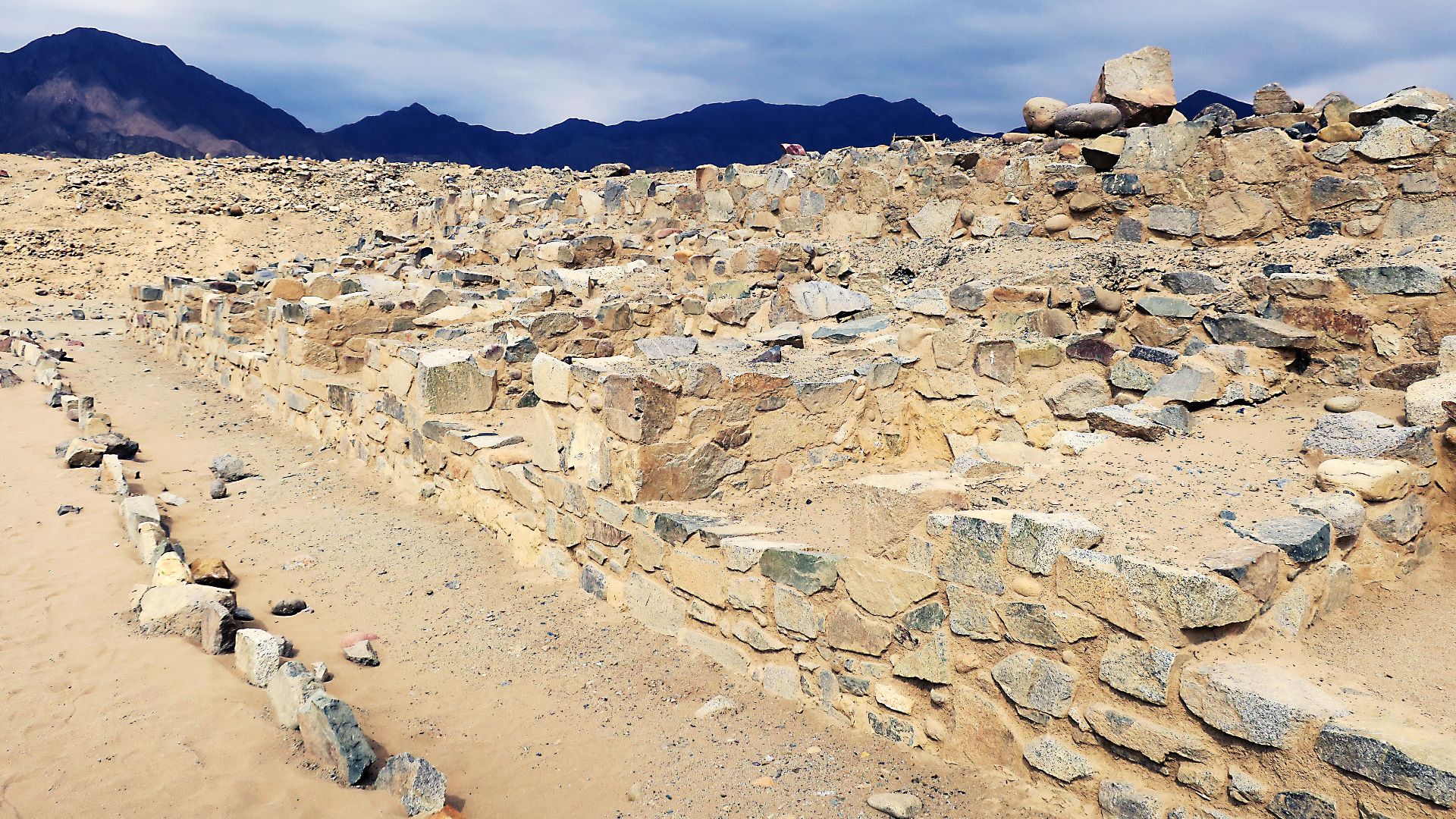
Figurines and other materials depict both men and women in prominent roles. It’s not a full political blueprint, but it does suggest status and participation weren’t limited to a single narrow group. In a stressful time, broader participation can help decisions stick.
 AlisonRuthHughes, Wikimedia Commons
Ritual Spaces Still Matter When Everything Changes
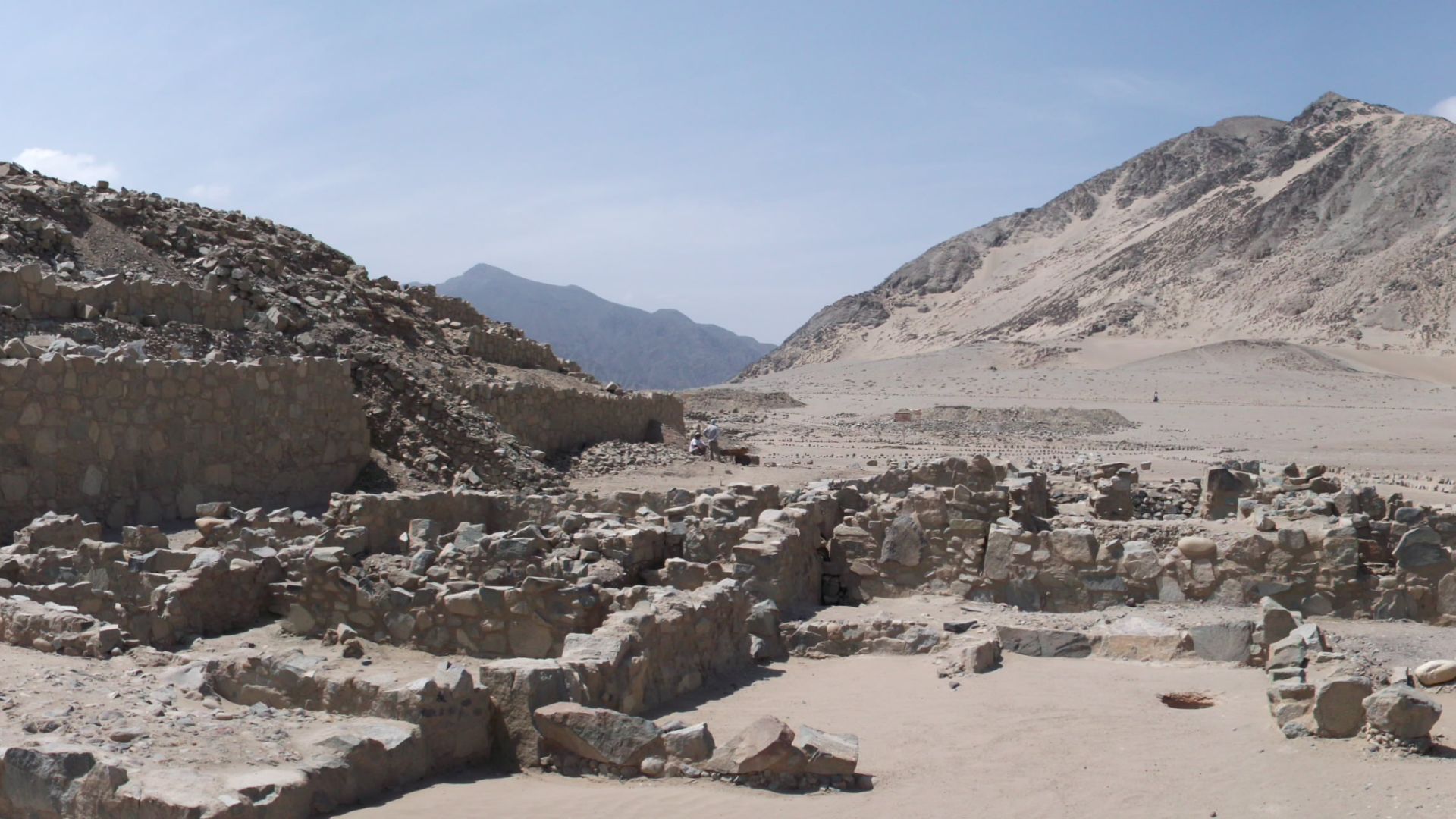
Ceremonial life appears to have continued in successor settlements. That’s not just “religion” as a separate category—it’s community structure. Shared gatherings can reinforce cooperation, especially when the normal routine is under strain.
 Pativilcano, Wikimedia Commons
The Murals May Have Been A Reminder On Purpose
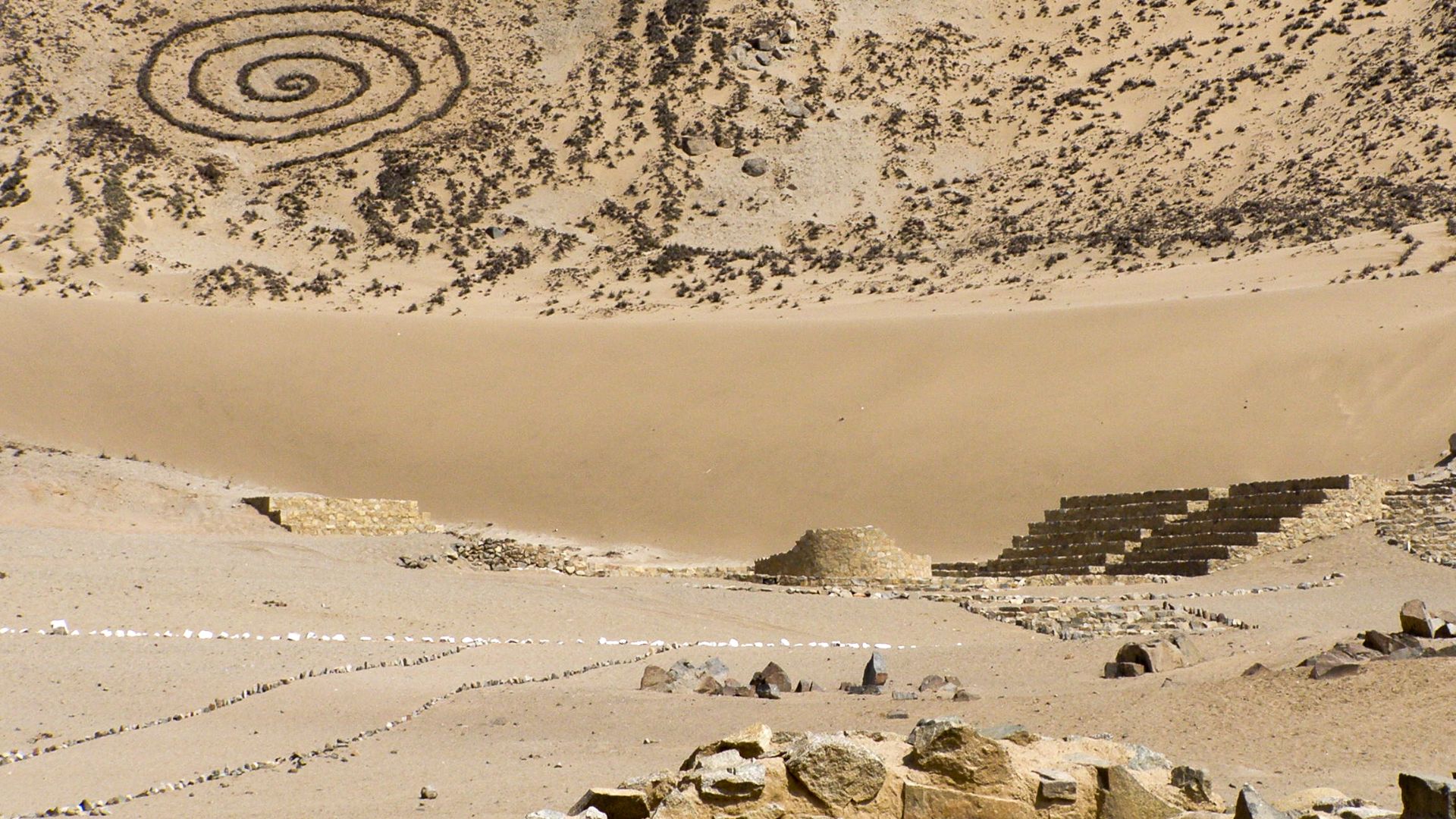
If you carve hardship into a public wall, you probably want it remembered. These images may have served as a message across time: this happened, we endured it, and you should take the environment seriously because it can change the rules.
What Caral Teaches Is Quietly Practical
The takeaway isn’t that drought was harmless or that people had some magical solution. The takeaway is that the response looks deliberate: relocate strategically, diversify food sources, keep trade links alive, and preserve community identity while adapting your footprint. It’s a story of persistence through adjustment, not through domination.
 AlisonRuthHughes, Wikimedia Commons
You May Also Like:
Source: 1