The Queen History Forgot—Until Now
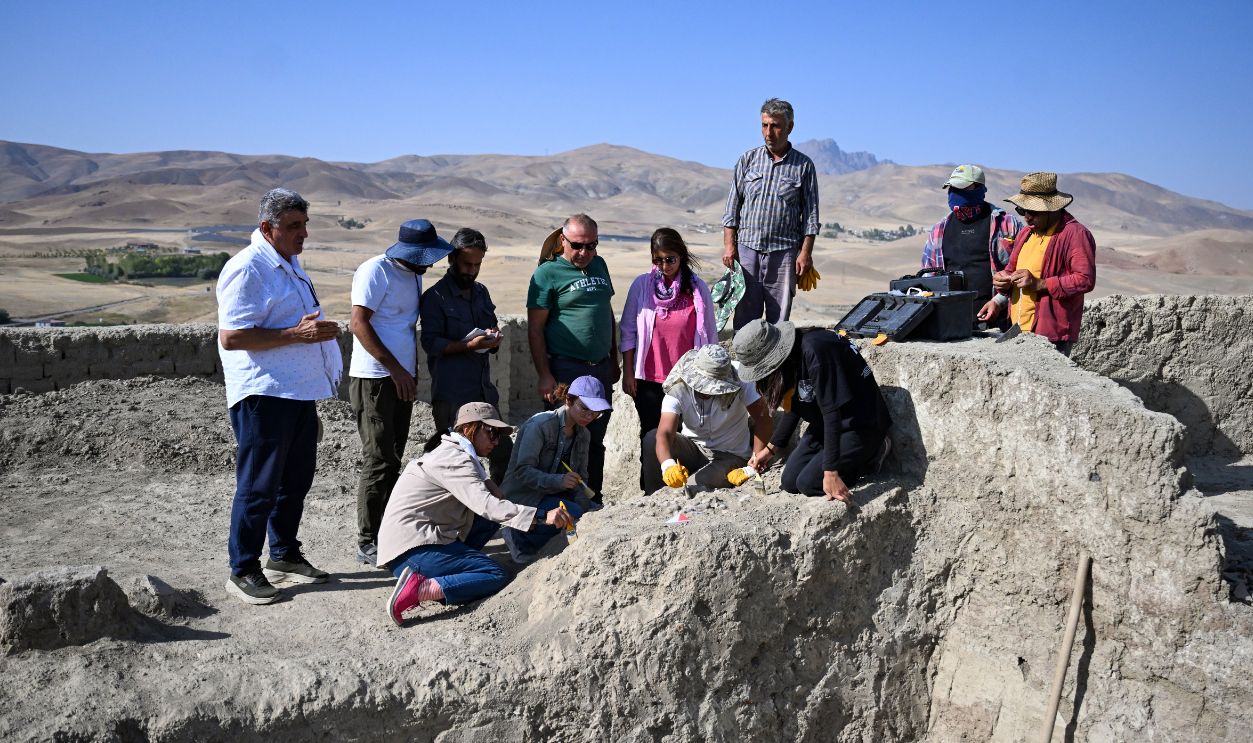
For a long time, the ancient Maya story followed a familiar script: powerful kings, stone monuments, and dynasties ruled almost entirely by men. Then archaeologists started carefully piecing together a badly eroded stone monument at the jungle-covered city of Cobá, and that script quietly fell apart. Hidden in fading hieroglyphs was the name of a woman who didn’t just exist alongside Maya power—she wielded it.
A Jungle City That Once Ruled Big
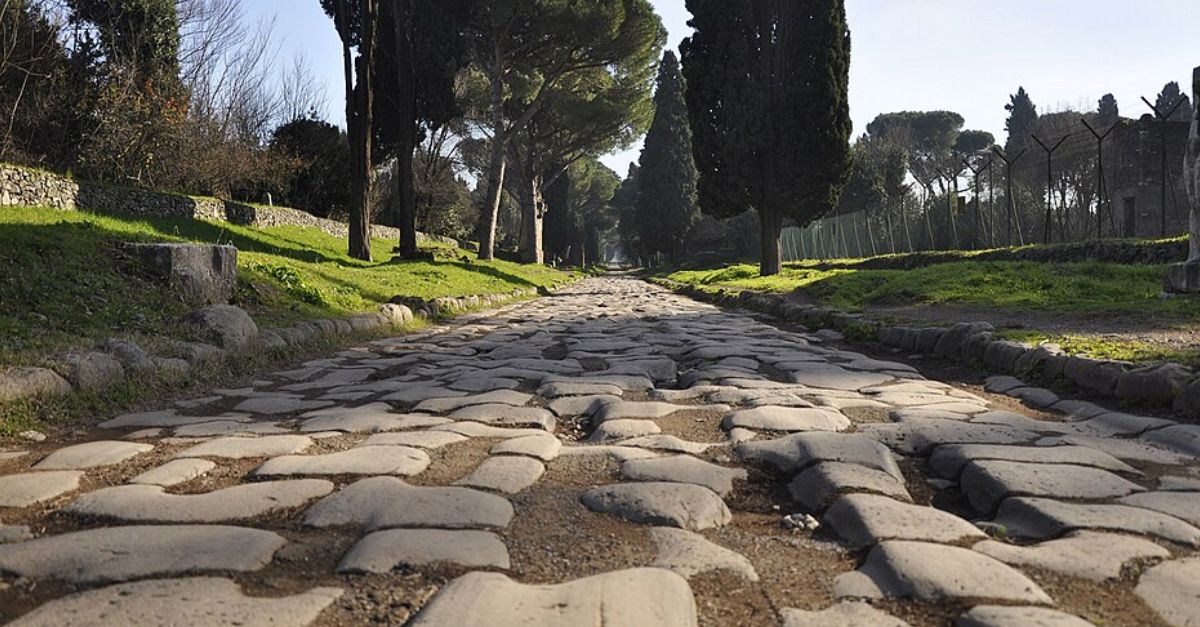
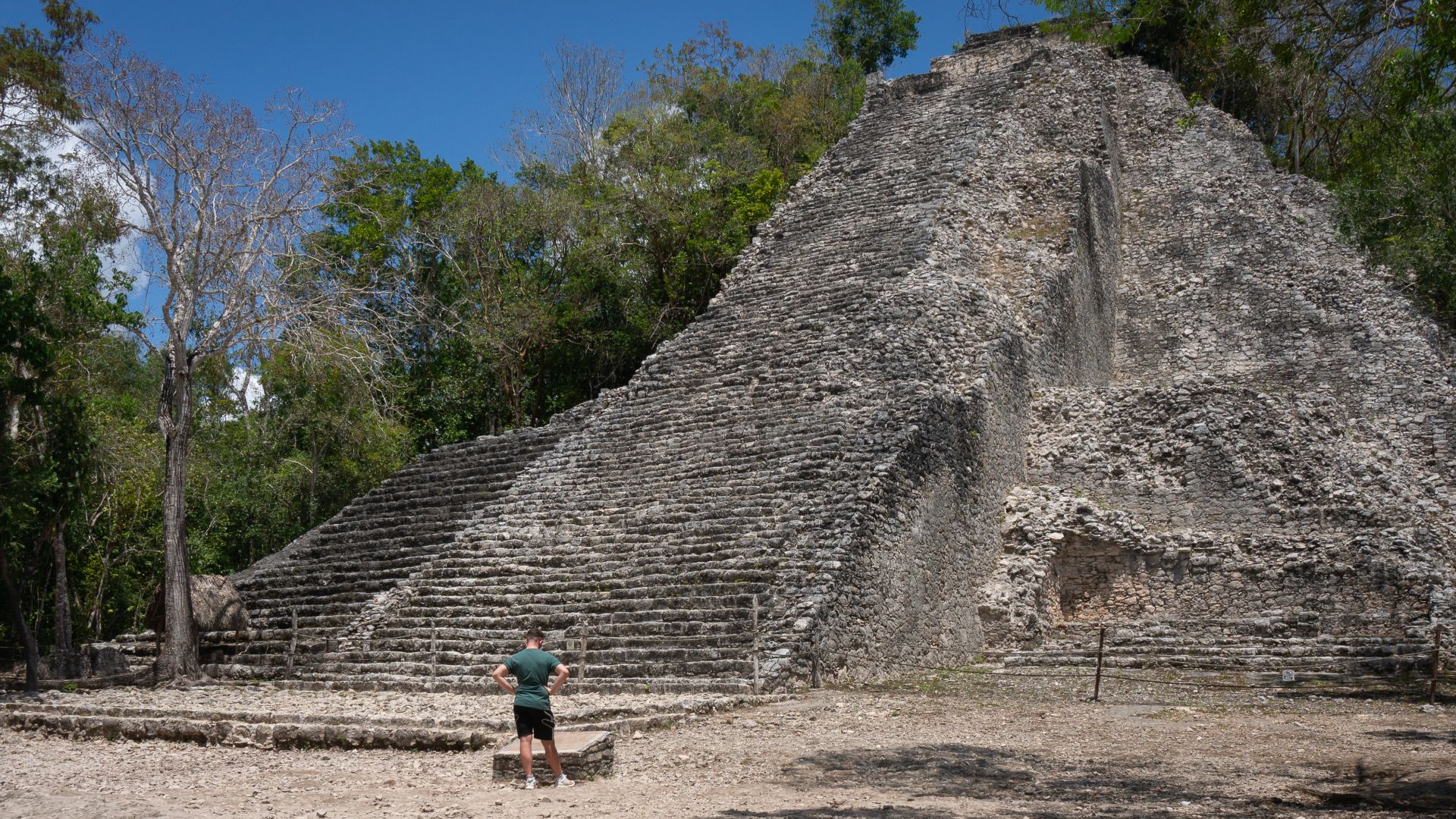
Cobá, tucked into Mexico’s Yucatán Peninsula, wasn’t some sleepy outpost. At its height, it was a sprawling, influential city with massive buildings, long stone roadways, and serious political reach across the Maya world.
The Stone Everyone Almost Ignored
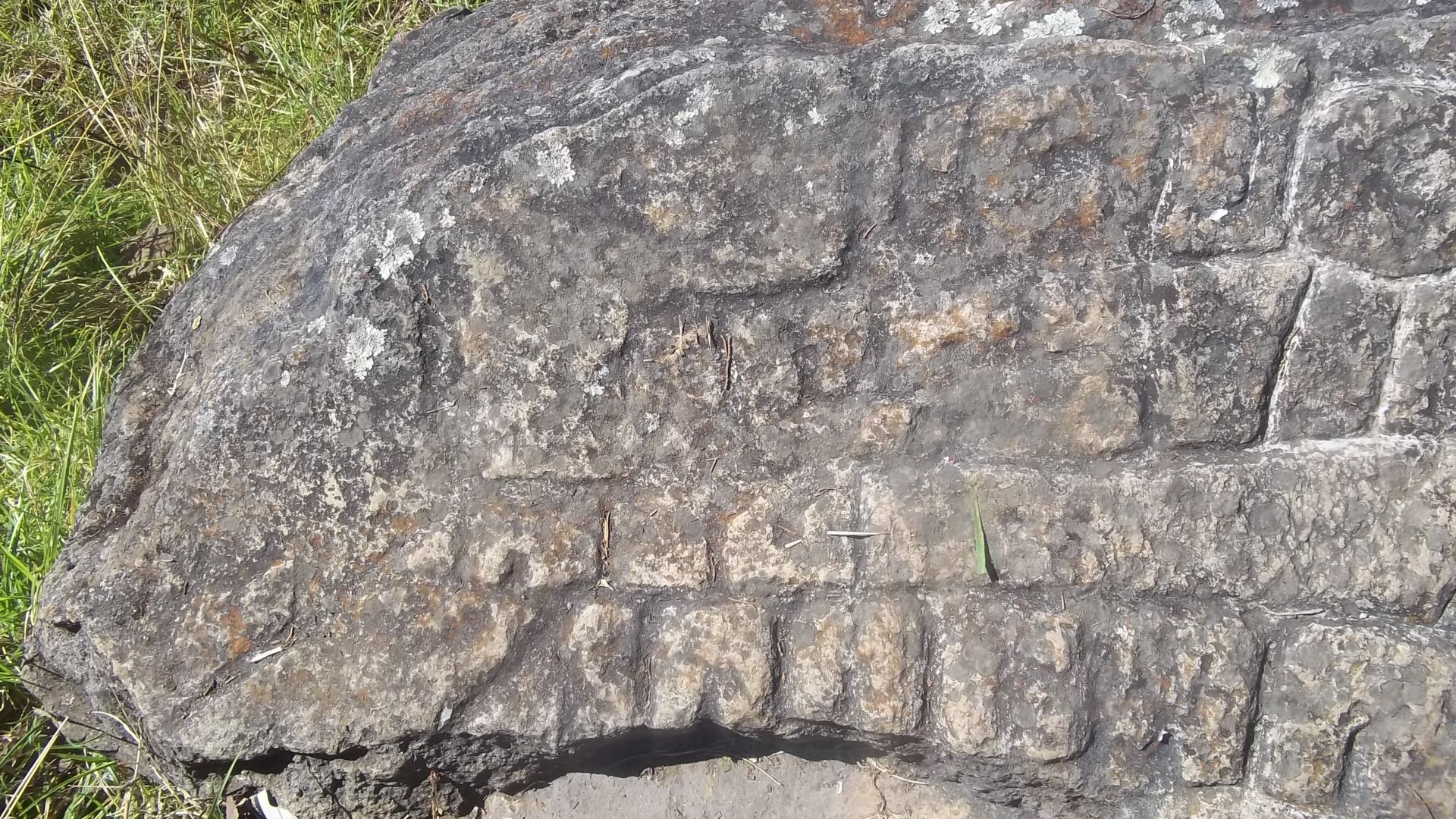
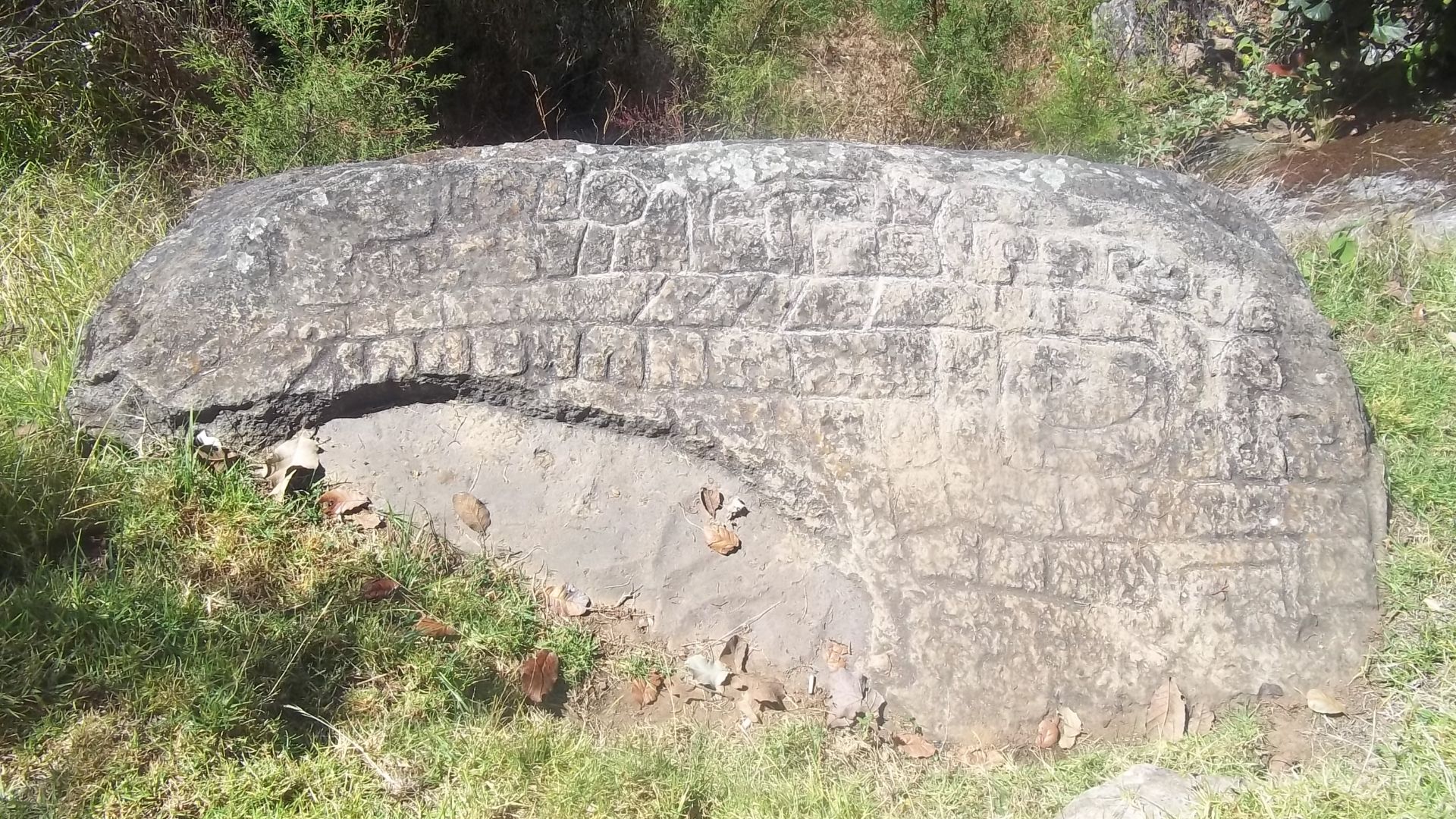
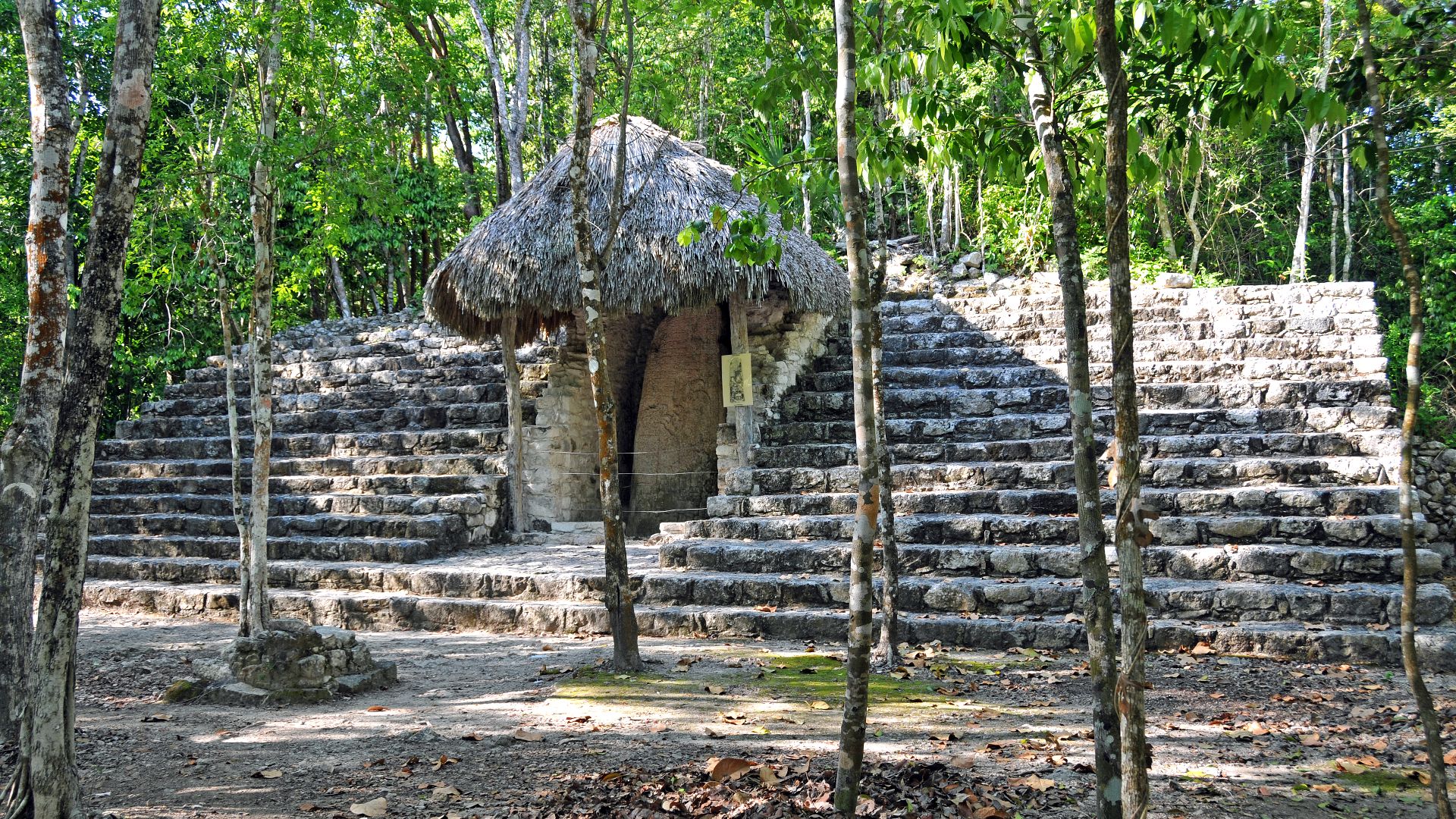
The breakthrough came from a heavily weathered monument known as the Foundation Rock. At first glance, it looked like just another damaged relic, the kind archaeologists walk past every day.
123 Glyphs, Most Barely Visible
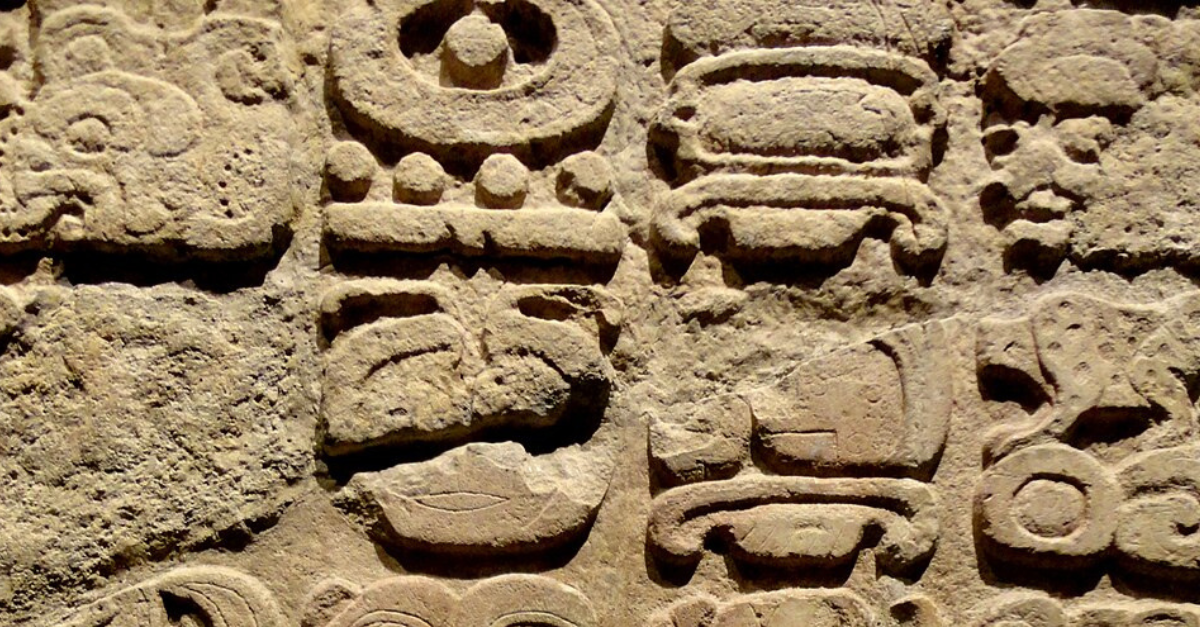
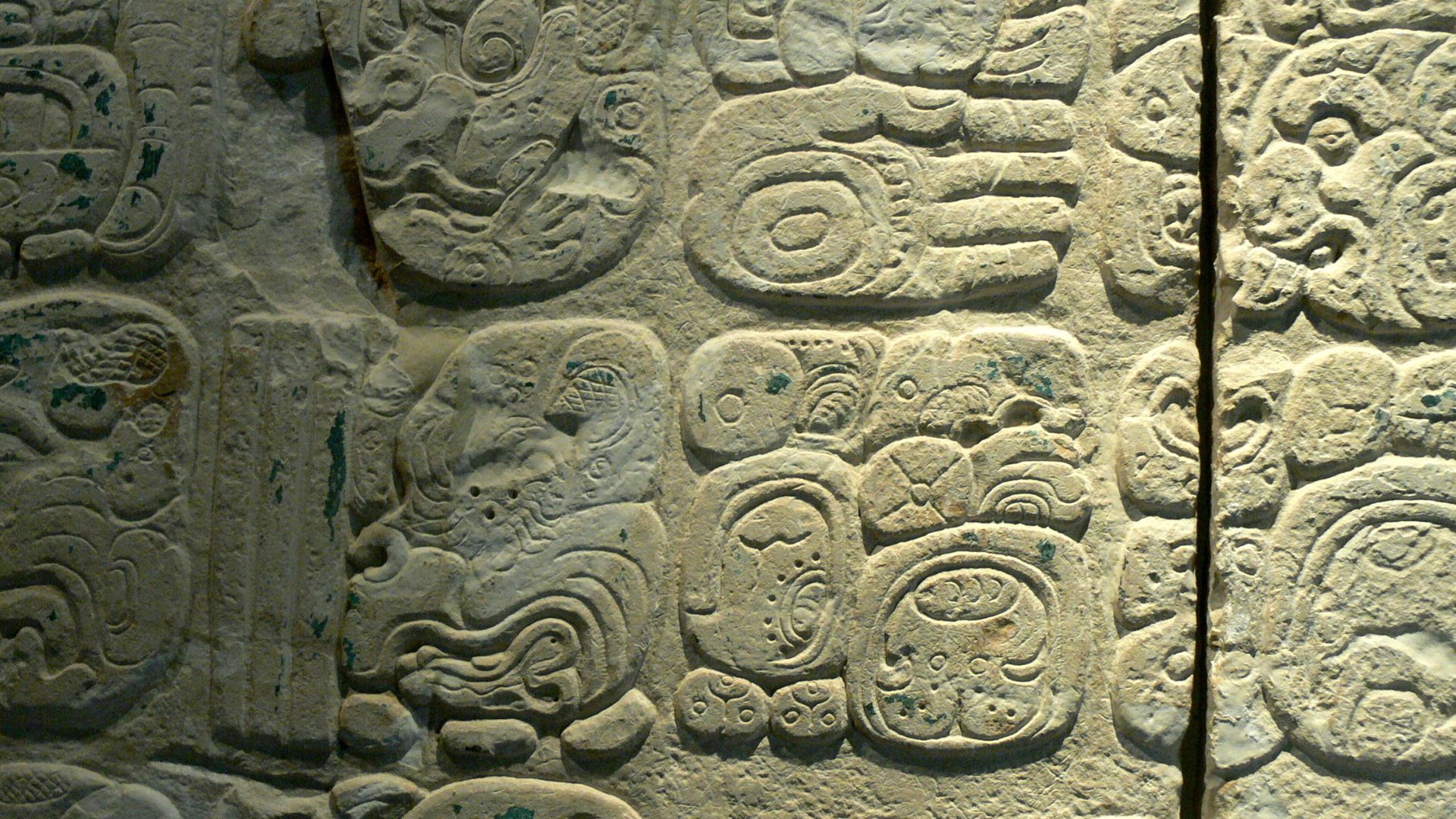
Carved into the stone are 123 hieroglyph panels, many so eroded they’re barely legible. Deciphering them wasn’t about a single “aha” moment—it took years of slow, careful work.
 Wolfgang Sauber, Wikimedia Commons
Rebuilding a Story From Fragments
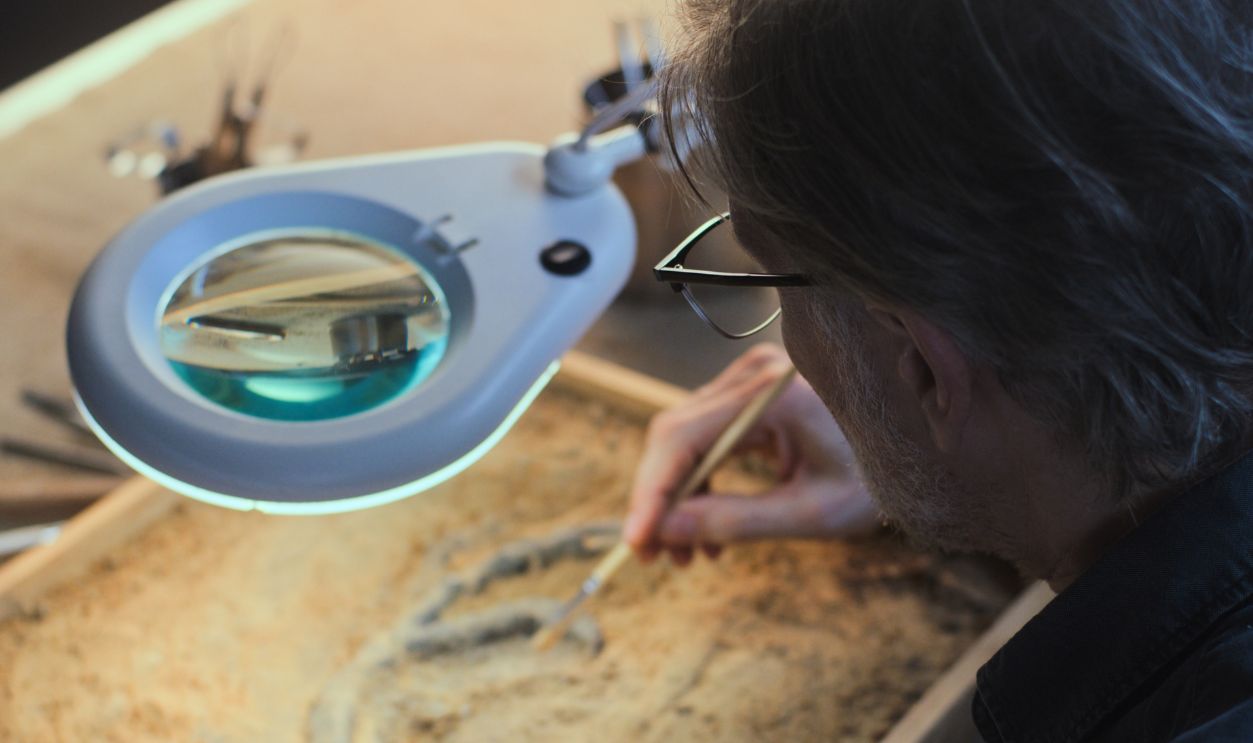
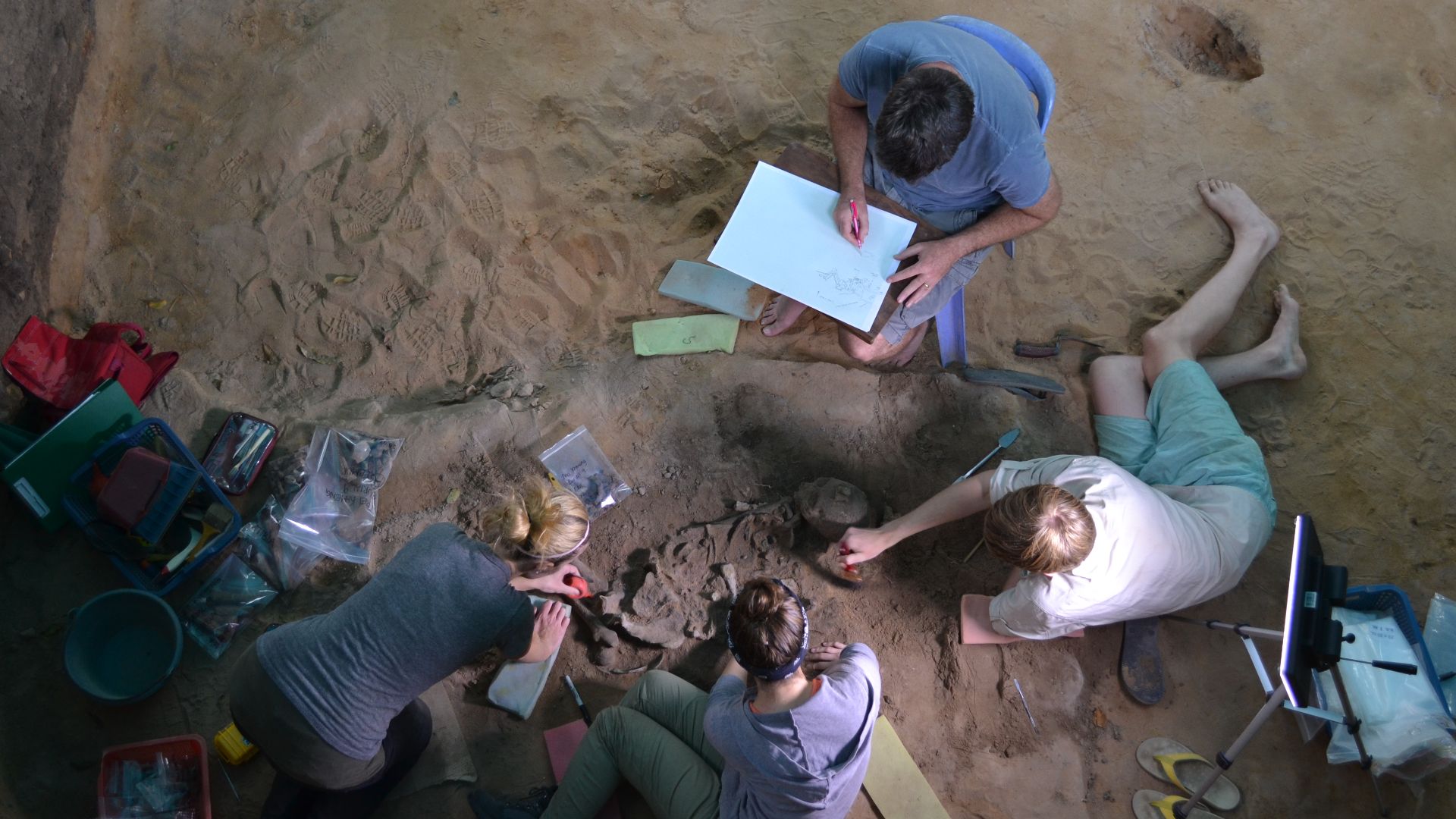
Researchers began matching bits of text from the Foundation Rock with inscriptions found on other monuments across Cobá. Piece by piece, a larger story started to emerge.
 Frame Stock Footage, Shutterstock
A Name Steps Back Into History
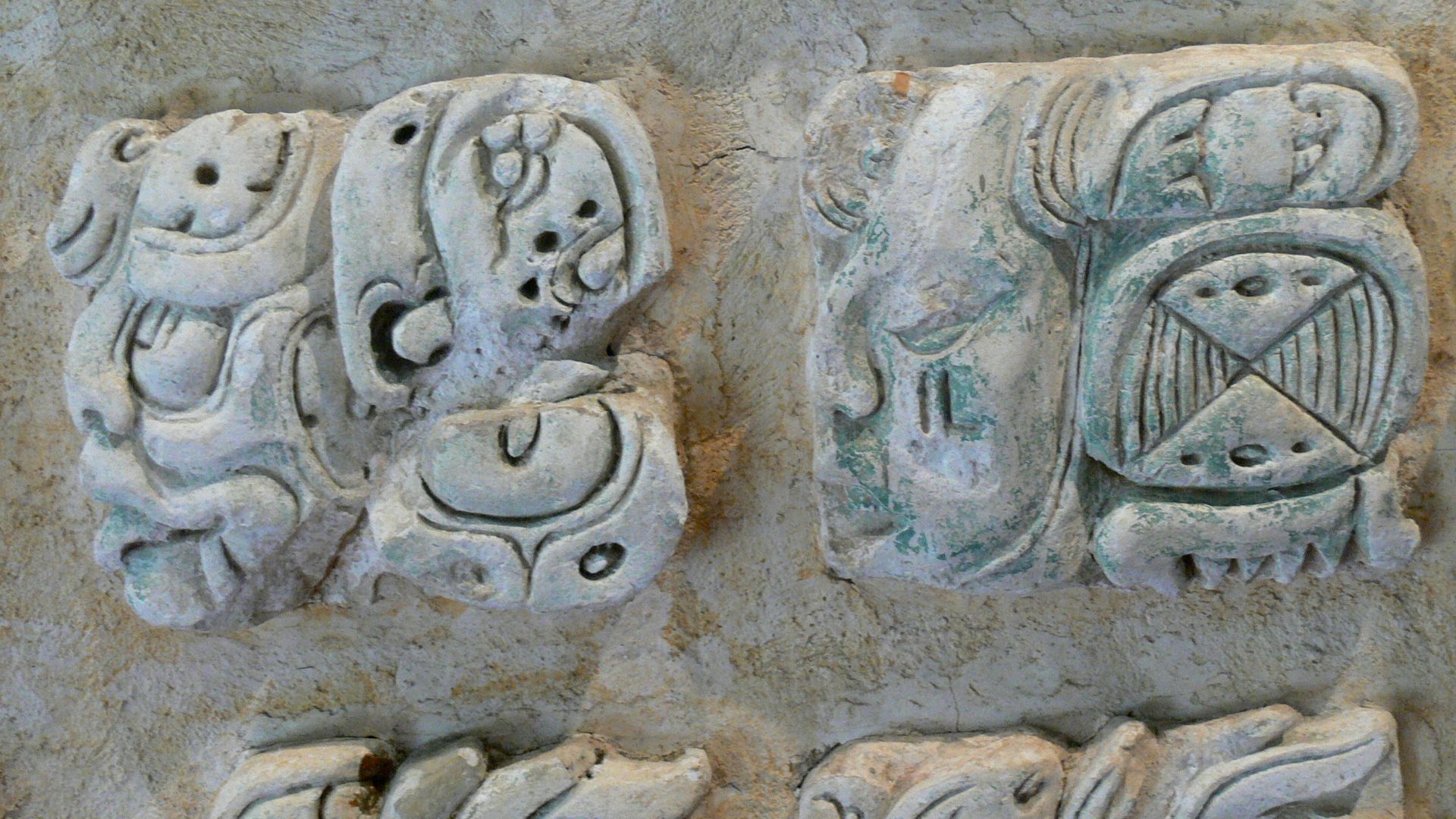
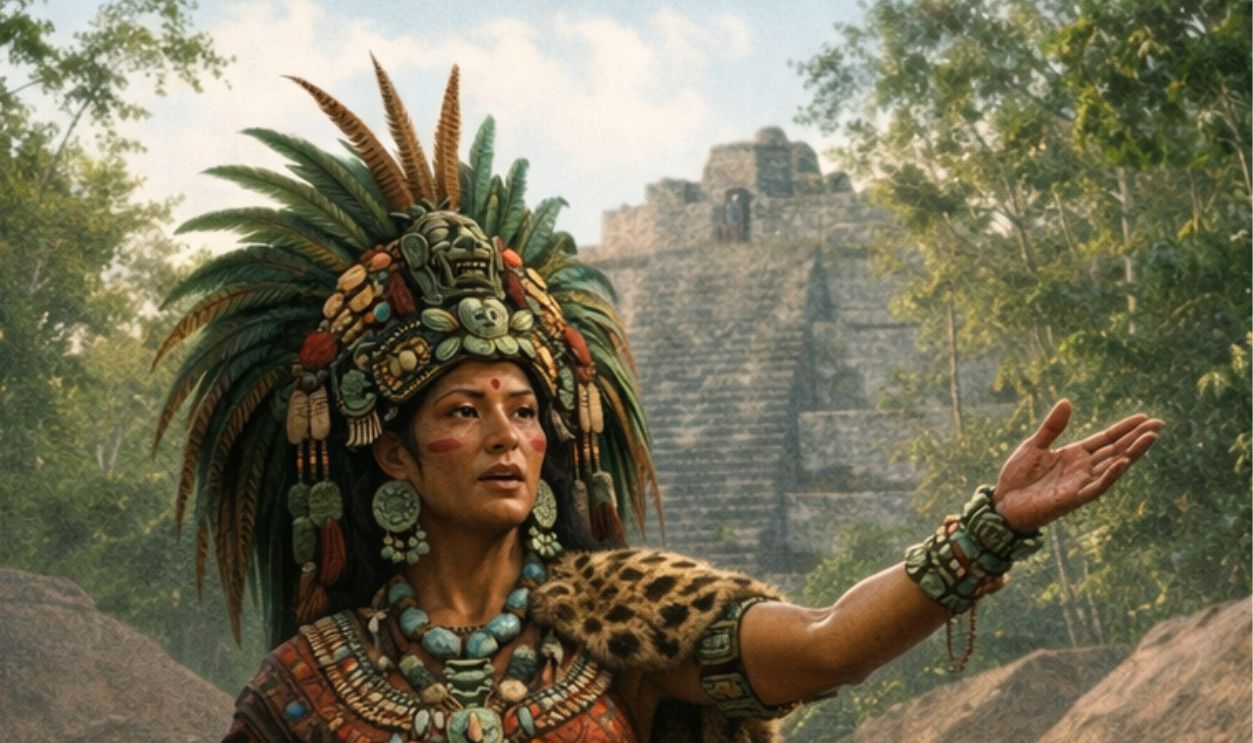
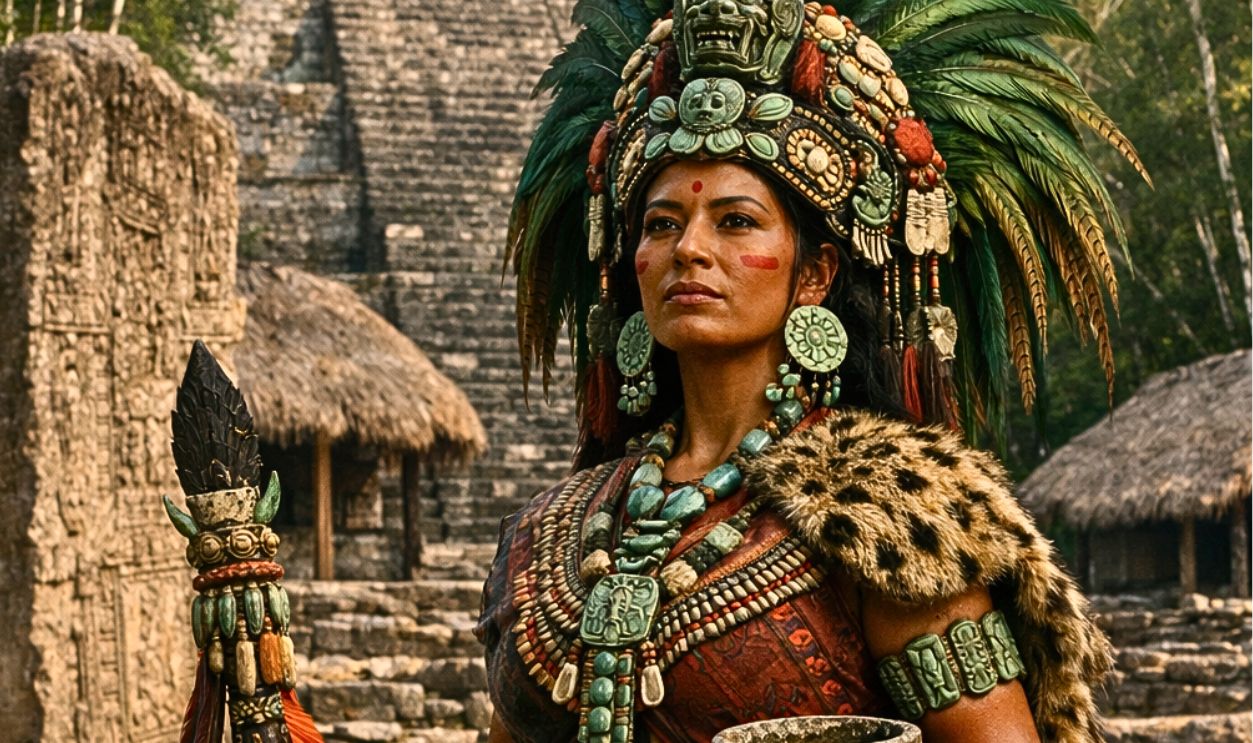
That story finally revealed a name: Ix Ch’ak Ch’een. The glyphs identify her as a ruling queen who governed Cobá in the sixth century, placing a woman squarely at the center of the city’s political life.
 Wolfgang Sauber, Wikimedia Commons
A Ruler With No Prior Record
Before this discovery, historians didn’t know who she was—or even that she existed. Her reign had effectively vanished from the historical record.
Life in the Classic Maya Period
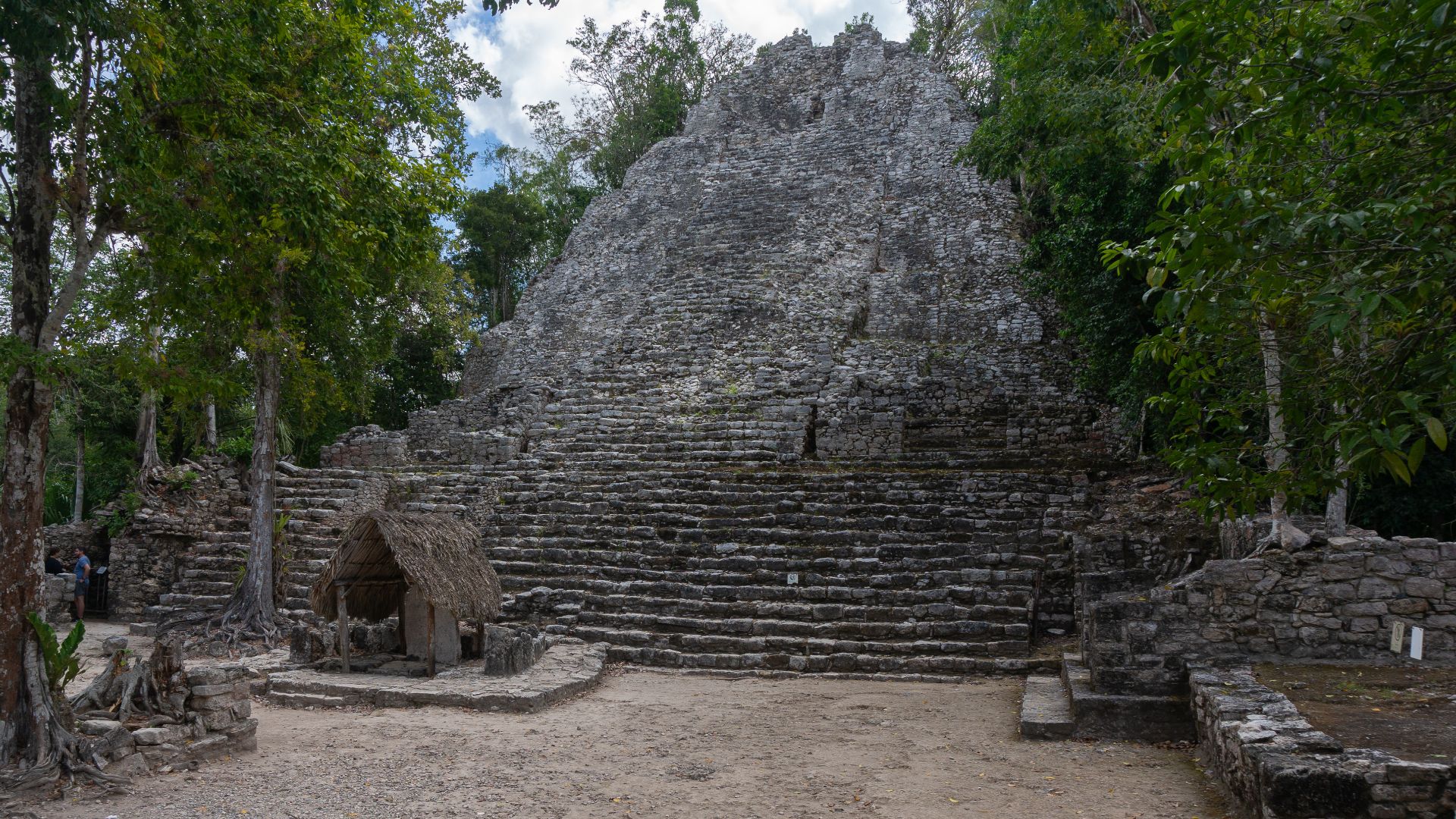
Ix Ch’ak Ch’een ruled during the Classic Maya era, a time when cities competed fiercely, monuments went up everywhere, and politics were anything but simple.
Why Female Rulers Were So Unusual
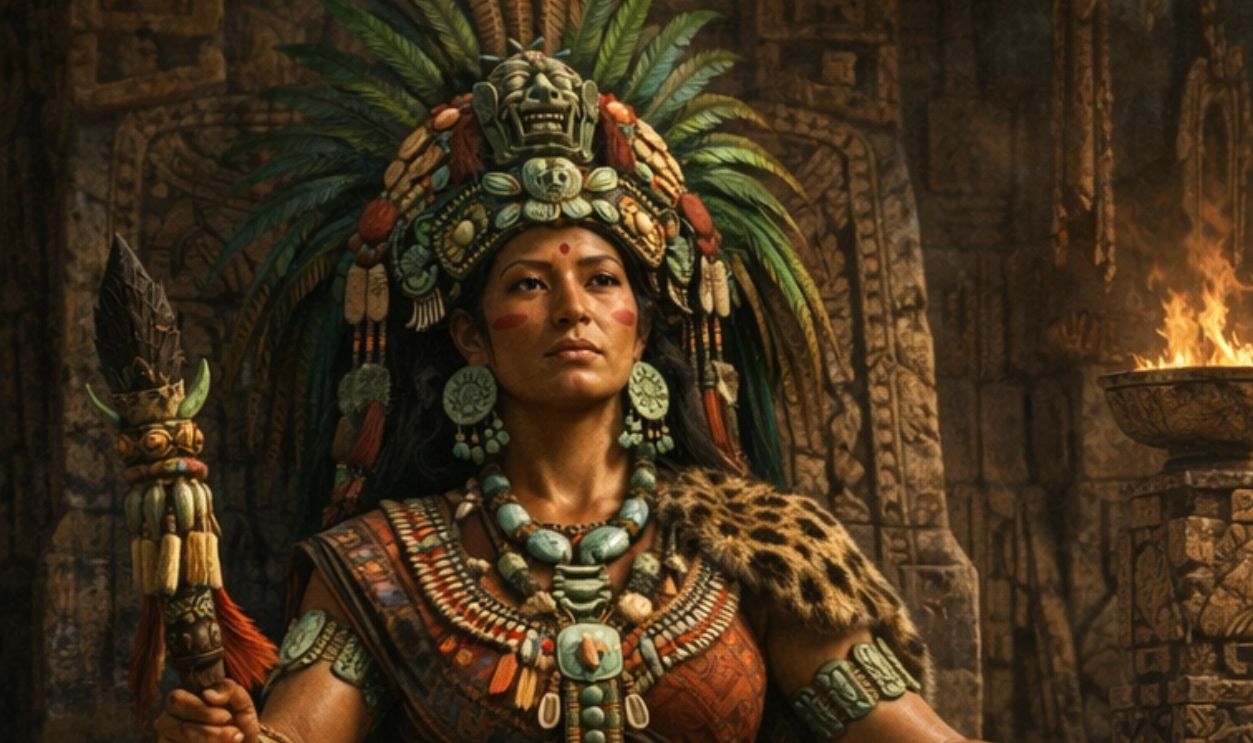
Women did rule in the Maya world, but rarely. Compared to the hundreds of known male kings, only a small handful of queens have been clearly identified.
Not a Token Queen
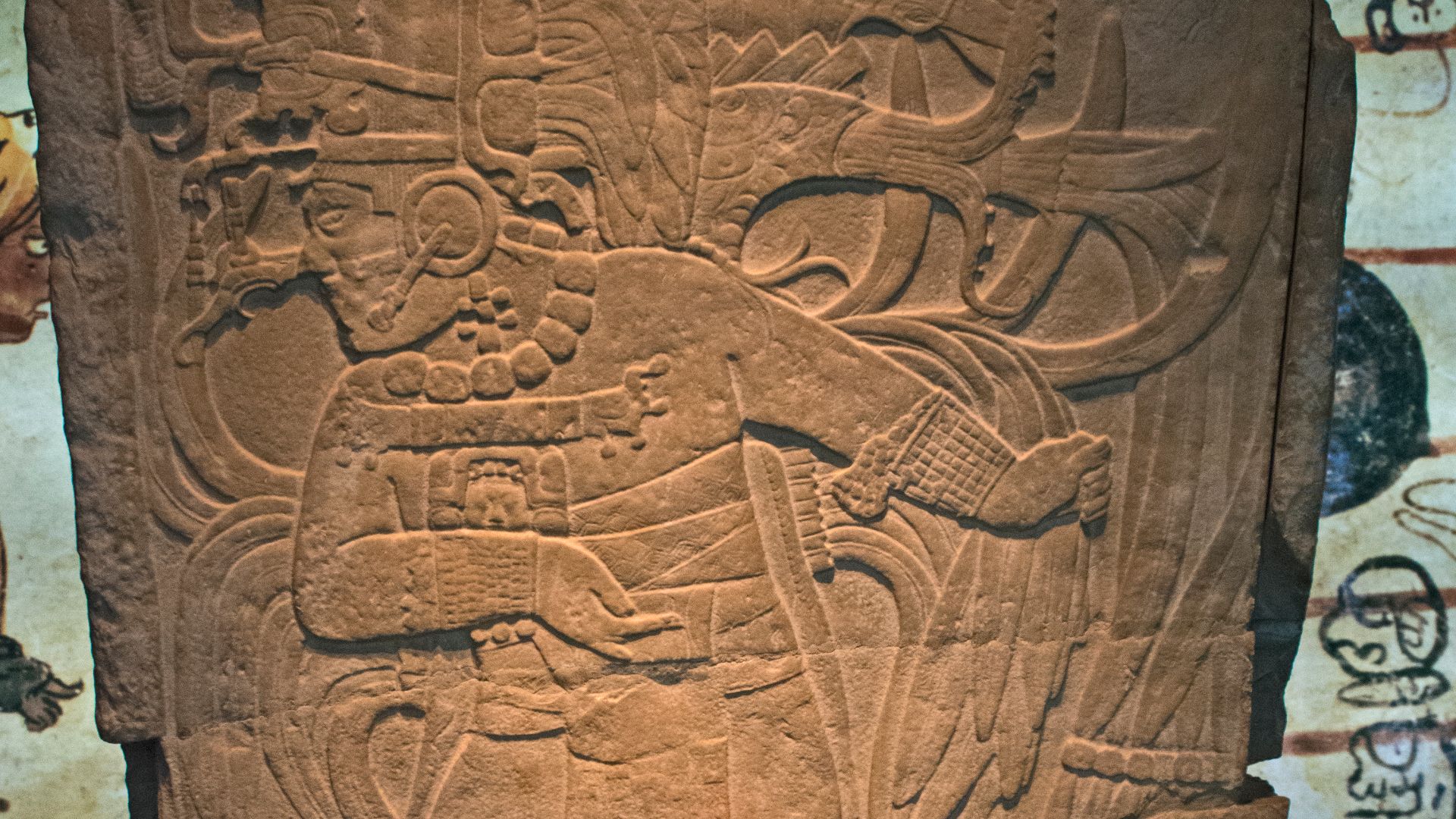
The inscriptions don’t treat Ix Ch’ak Ch’een as a ceremonial figure. Instead, they connect her directly to major construction and ritual projects, suggesting she held real power, not just a famous name.
 Geoff Gallice from Gainesville, Wikimedia Commons
The Ballcourt That Gave It Away
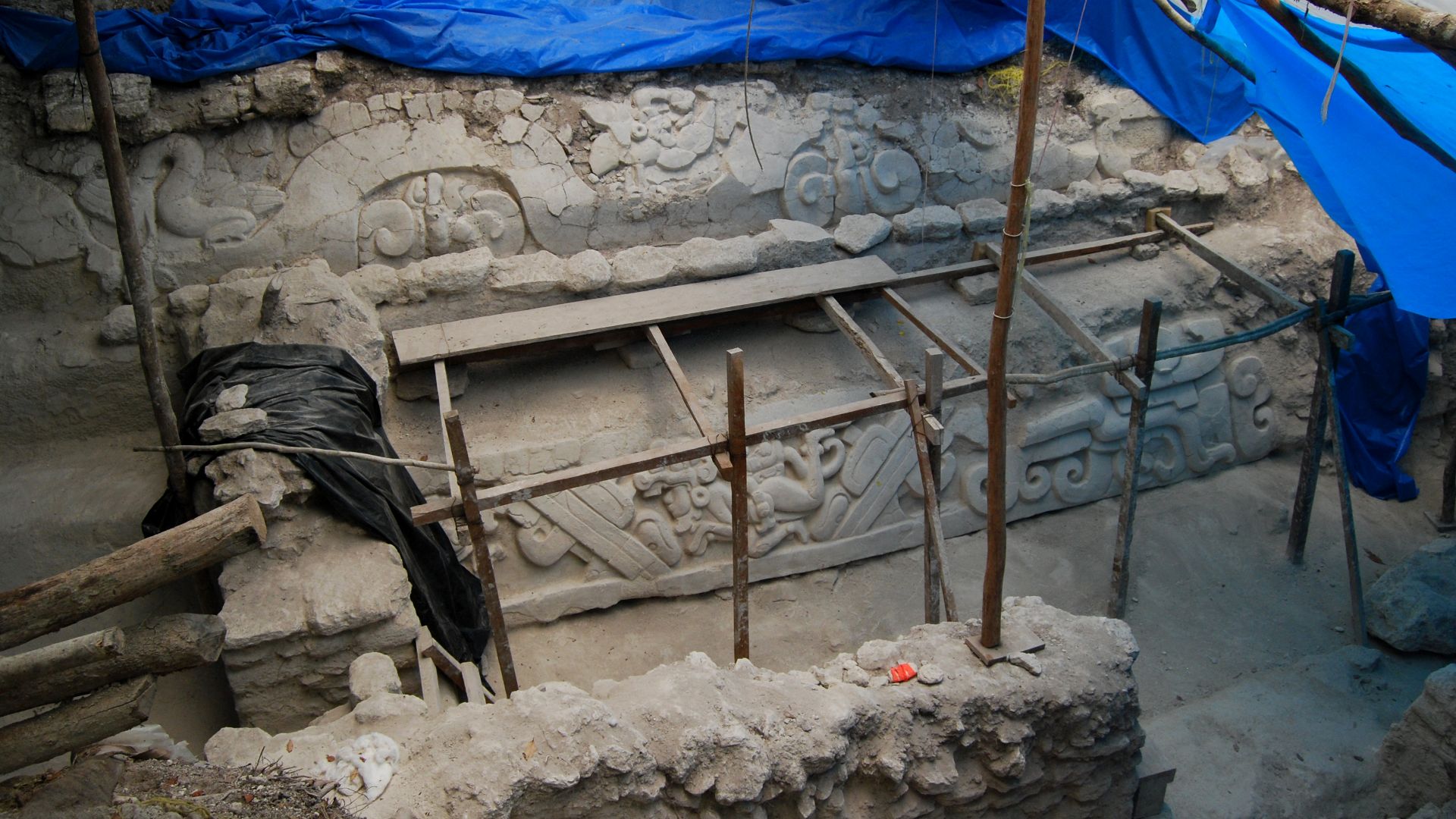
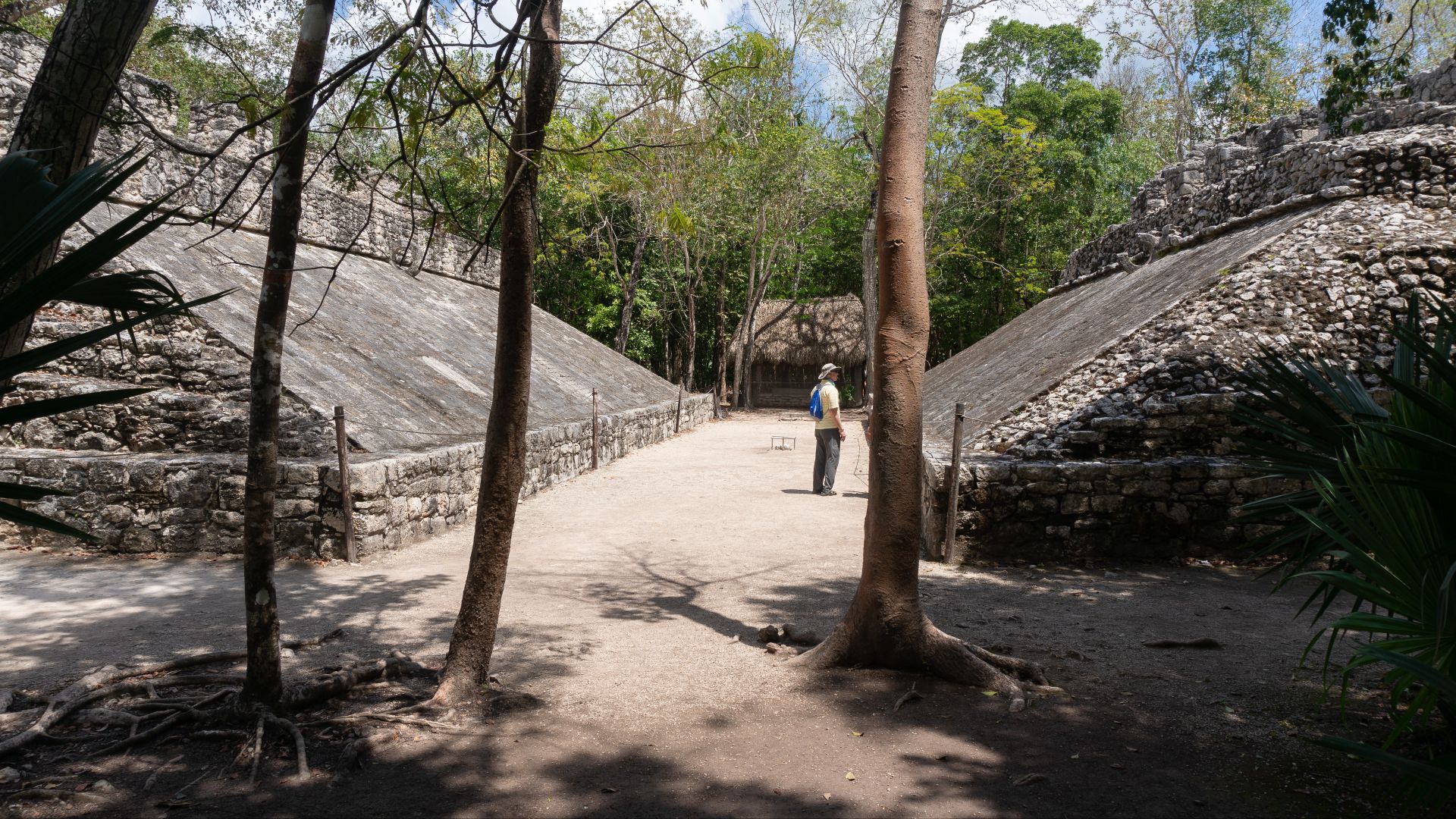
One of the clearest signs of her authority is her association with a large ballcourt. These spaces weren’t just for games—they were tied to politics, ritual, and public power displays.
A Date That Locks Everything In
The hieroglyphs include a specific calendar date that translates to December 8, 573. That single detail anchors her reign firmly in time.
 Simon Burchell, Wikimedia Commons
Stones Across the City Agree
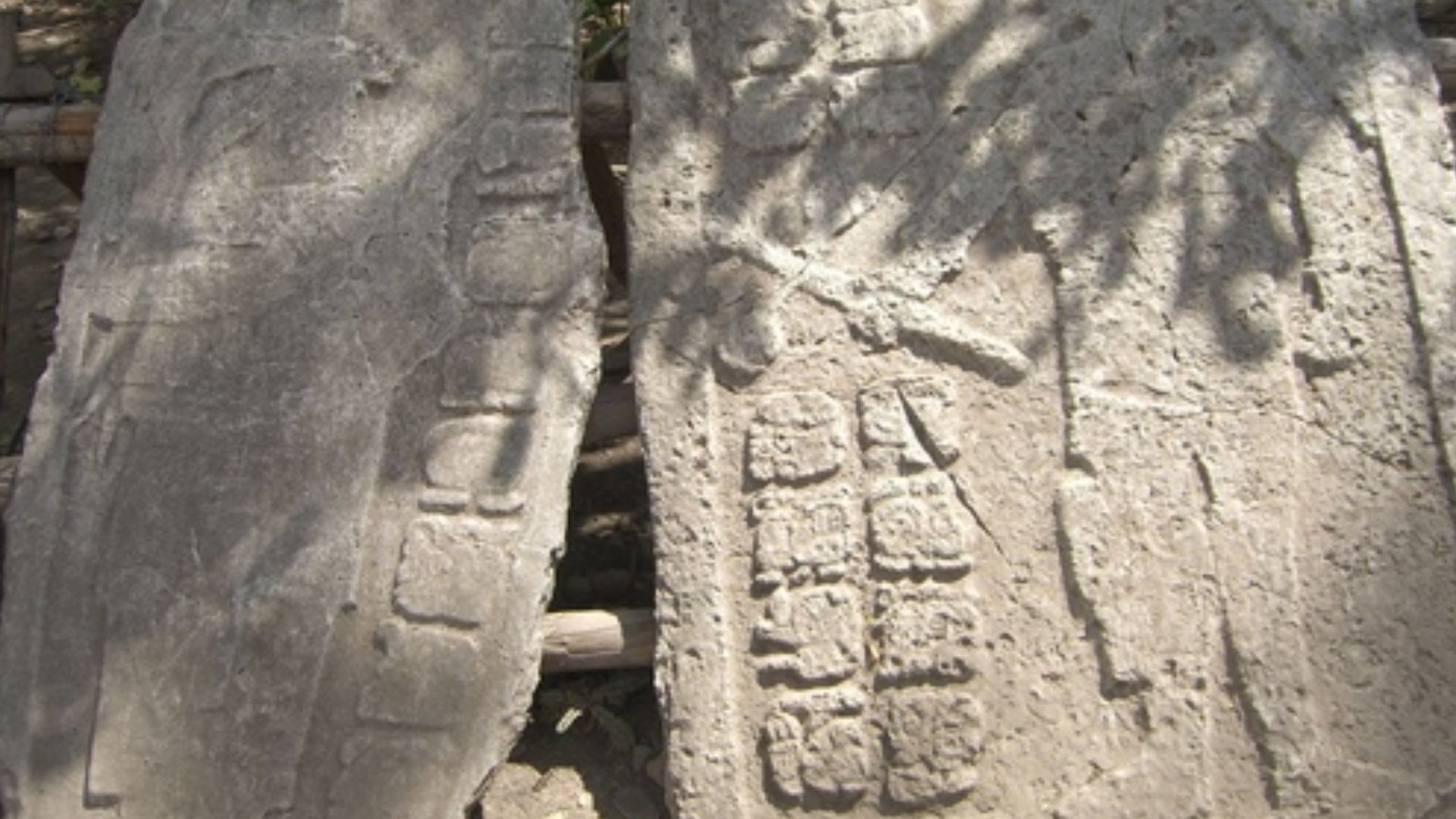
The Foundation Rock wasn’t acting alone. Inscriptions from 23 nearby stelae reference the same ruler, reinforcing the reading and strengthening the case.

The Experts Who Cracked the Code
Experienced Maya epigraphers compared glyph styles, titles, and phrasing across monuments, confirming that the inscriptions were all pointing to the same queen.
 Dougald O'Reilly, Wikimedia Commons
Political Ties Beyond Cobá
Some texts hint that Ix Ch’ak Ch’een had connections to powerful rulers outside the city. That suggests she wasn’t ruling in isolation.
 Régis Lachaume, Wikimedia Commons
Power Through Relationships
Rather than showing constant warfare, the inscriptions point toward alliances and political networking, revealing a more layered Maya political world.
 Simon Burchell, Wikimedia Commons
Why Being Named on Stone Mattered
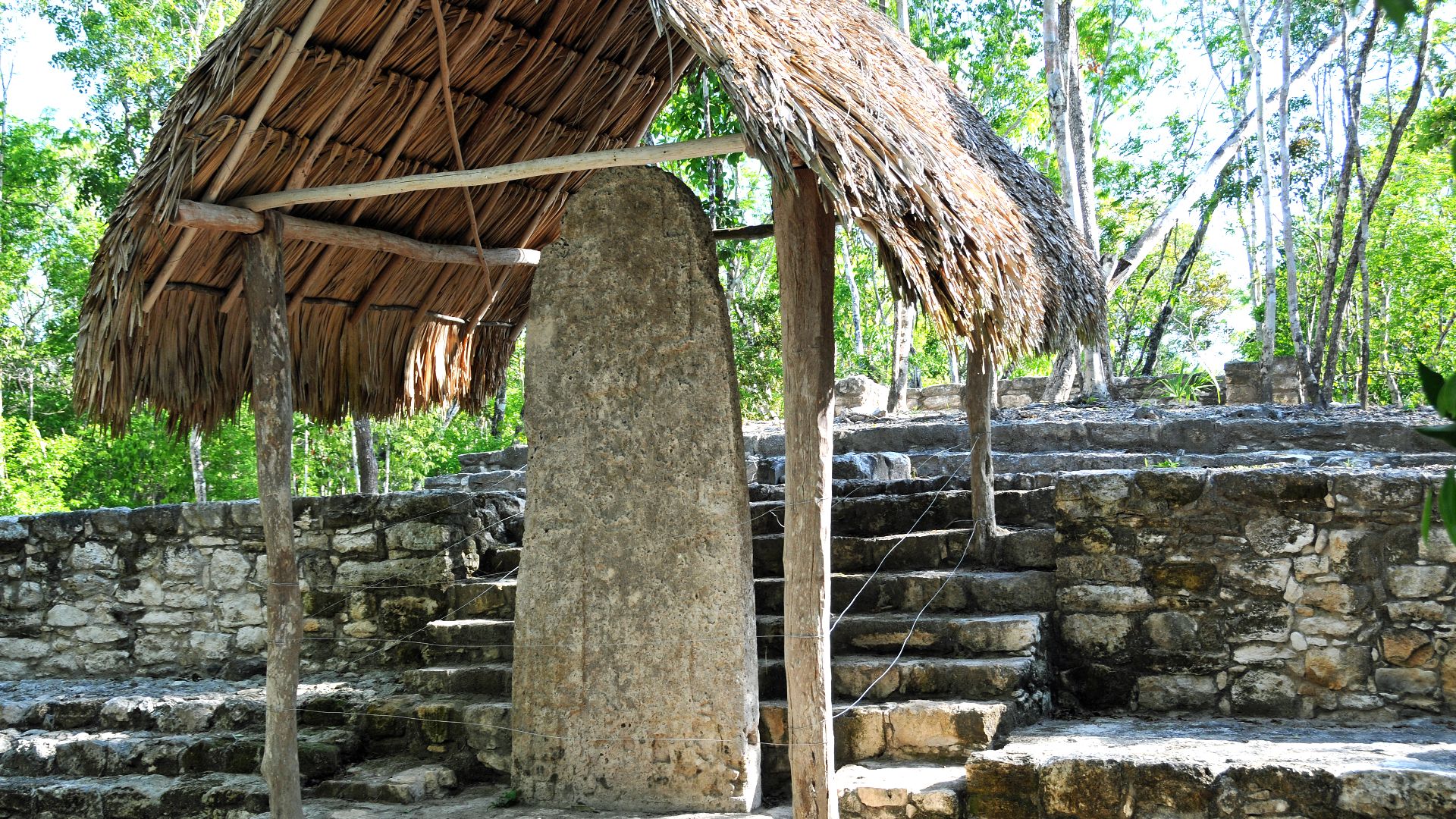
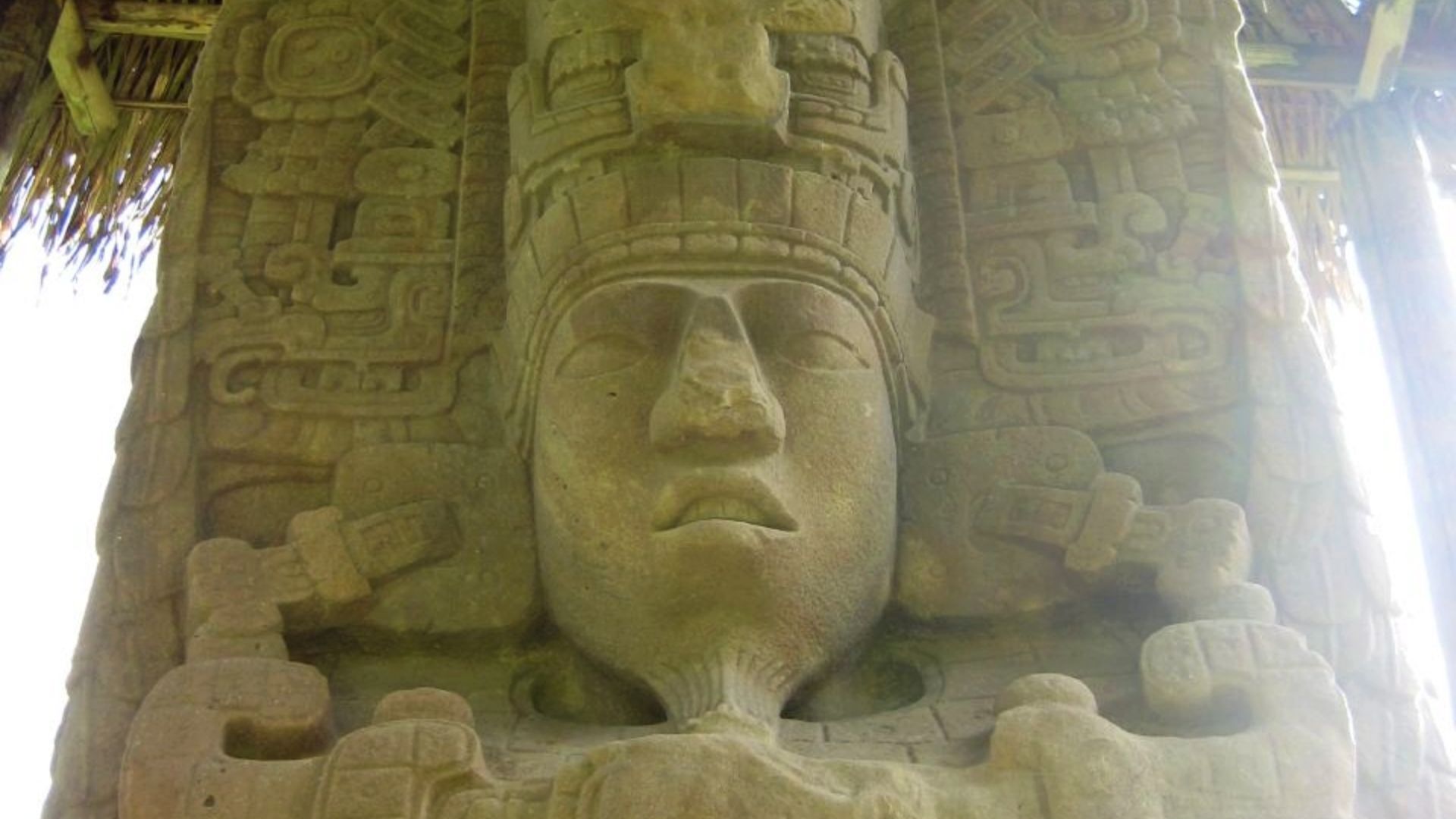
Maya stelae weren’t decorative. They were public declarations of legitimacy meant to outlast generations, which makes her presence on them especially meaningful.
 Dennis G. Jarvis, Wikimedia Commons
A Growing List of Maya Queens
Ix Ch’ak Ch’een now joins a small but important group of Maya women known to have ruled with genuine authority, not just symbolic status.
Water, Ritual, and Rule
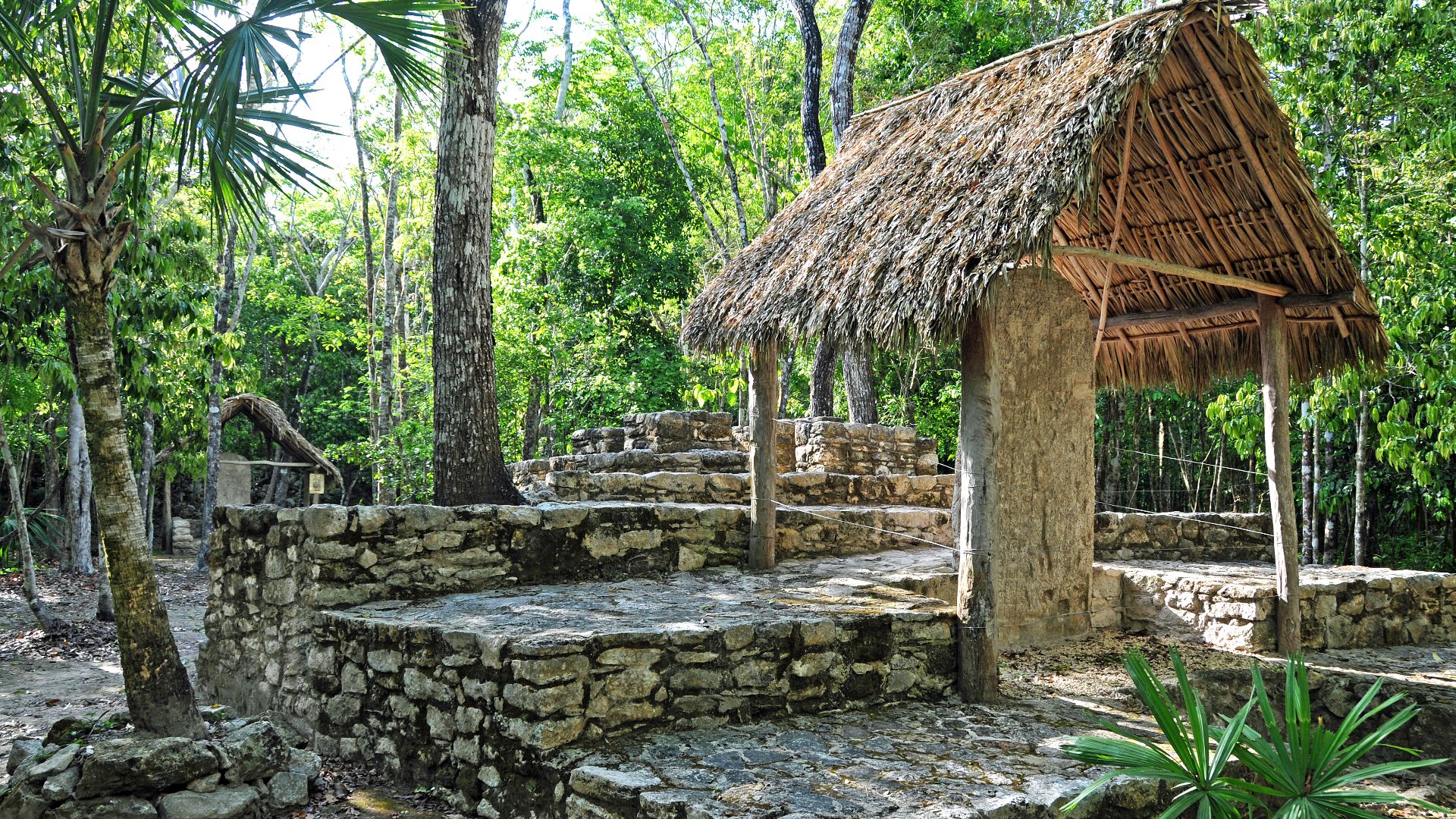
The placement of the Foundation Rock near a water source wasn’t random. For the Maya, landscape, ritual, and rulership were deeply connected.
 Dennis G. Jarvis, Wikimedia Commons
Still Reading Between the Lines
Not every glyph has been fully deciphered. As work continues, researchers expect more details about her reign to surface.
 Stuardo Herrera from Guatemala, Guatemala, Wikimedia Commons
When History Has to Adjust
This discovery doesn’t just add a new name—it forces scholars to rethink long-standing assumptions about gender and power in Maya society.
 Dennis G. Jarvis, Wikimedia Commons
A Queen Who Refused to Stay Lost
Ix Ch’ak Ch’een ruled, built, and shaped Cobá’s history. It just took 1,400 years for her story to resurface—and when it did, it changed the narrative for good.
You May Also Like:
Source: 1