When Archaeology Finally Backs Up The Horrible Stories
For a long time, historians relied on Roman artwork and dramatic ancient texts to understand how wild animals were used in public spectacles. Bears, lions, and other predators appeared constantly in mosaics and writings—but there was always a lingering question about how literal those depictions really were. Were they exaggerated for effect, or did these events truly happen as described? A battered brown bear skull found in present-day Serbia has finally answered that question.
A Discovery That Filled A Major Historical Gap
This skull represents the first confirmed skeletal evidence of a brown bear’s participation in Roman amphitheater spectacles. Until this discovery, there had been no direct physical remains linking bears to these events. What makes this discovery especially important is that it doesn’t rely on interpretation alone. The injuries preserved in the bone clearly point to human-inflicted violence in an arena setting.
 Mickey Mystique, Wikimedia Commons
Found Near The Amphitheater At Viminacium
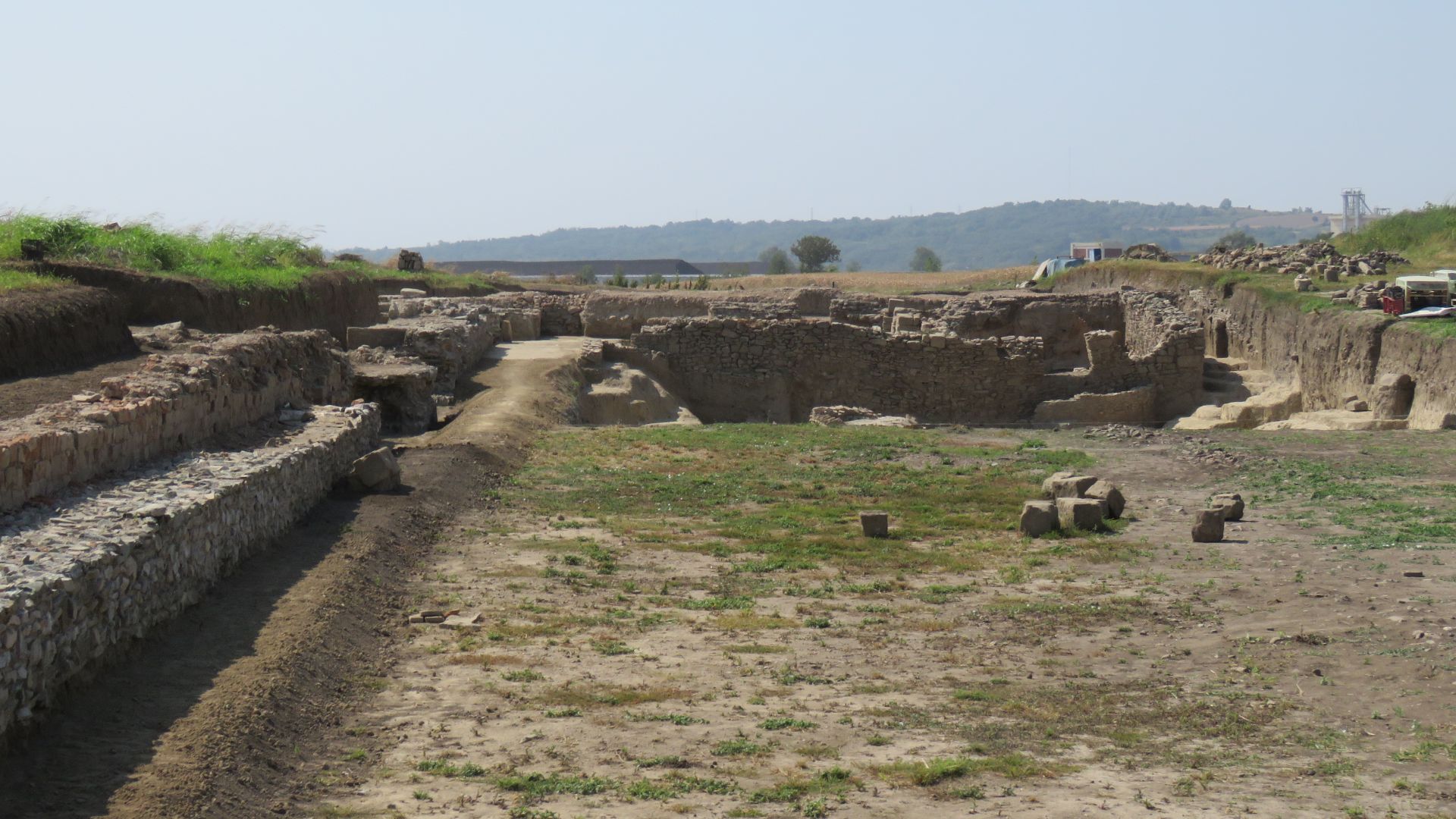
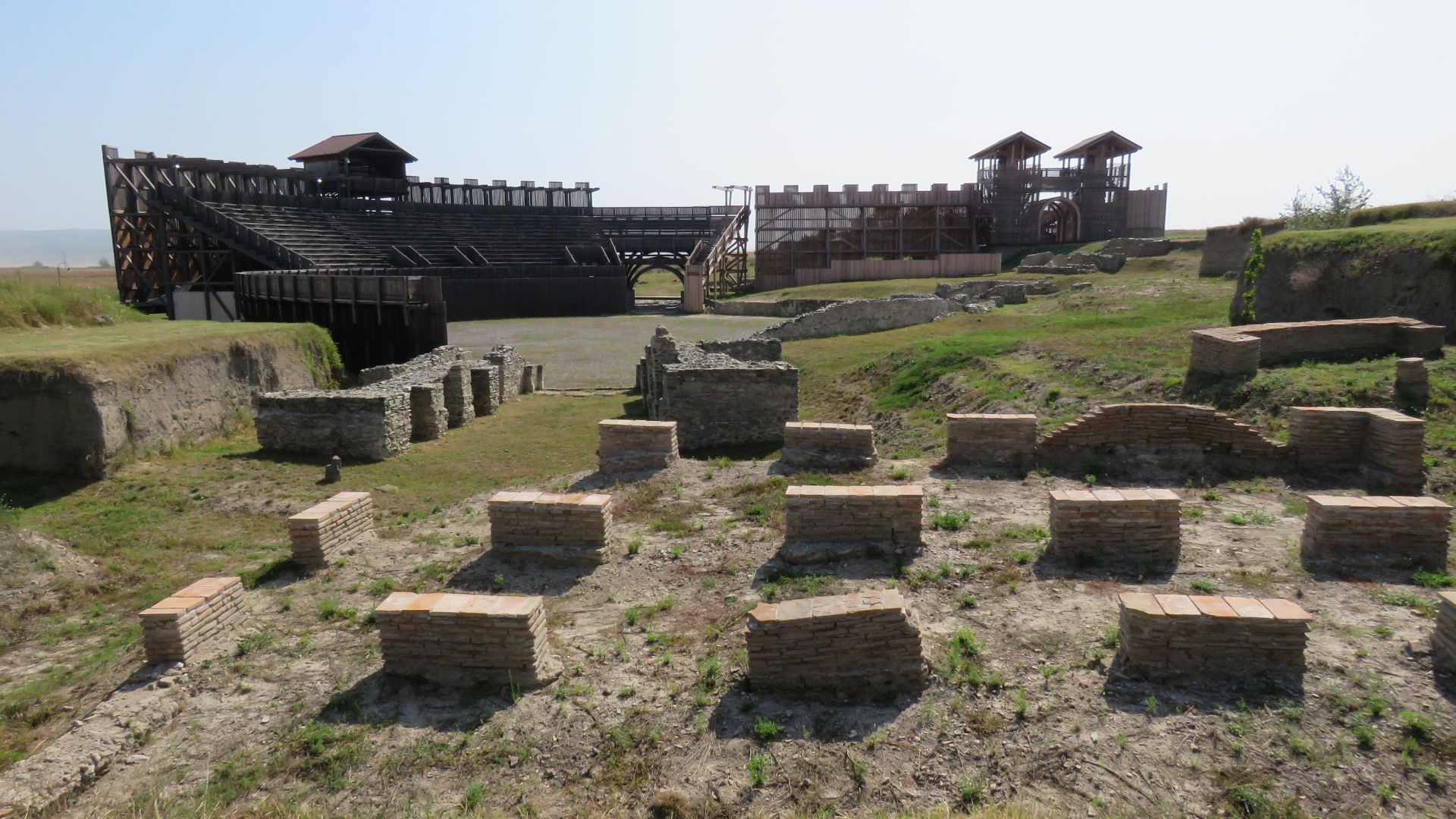
The skull was uncovered near the amphitheater of Viminacium, a major Roman city located along the Danube frontier. Archaeological work at the site has been ongoing for years, gradually revealing how the city functioned. Its proximity to the arena strongly supports the conclusion that the bear was used in public spectacles held there.
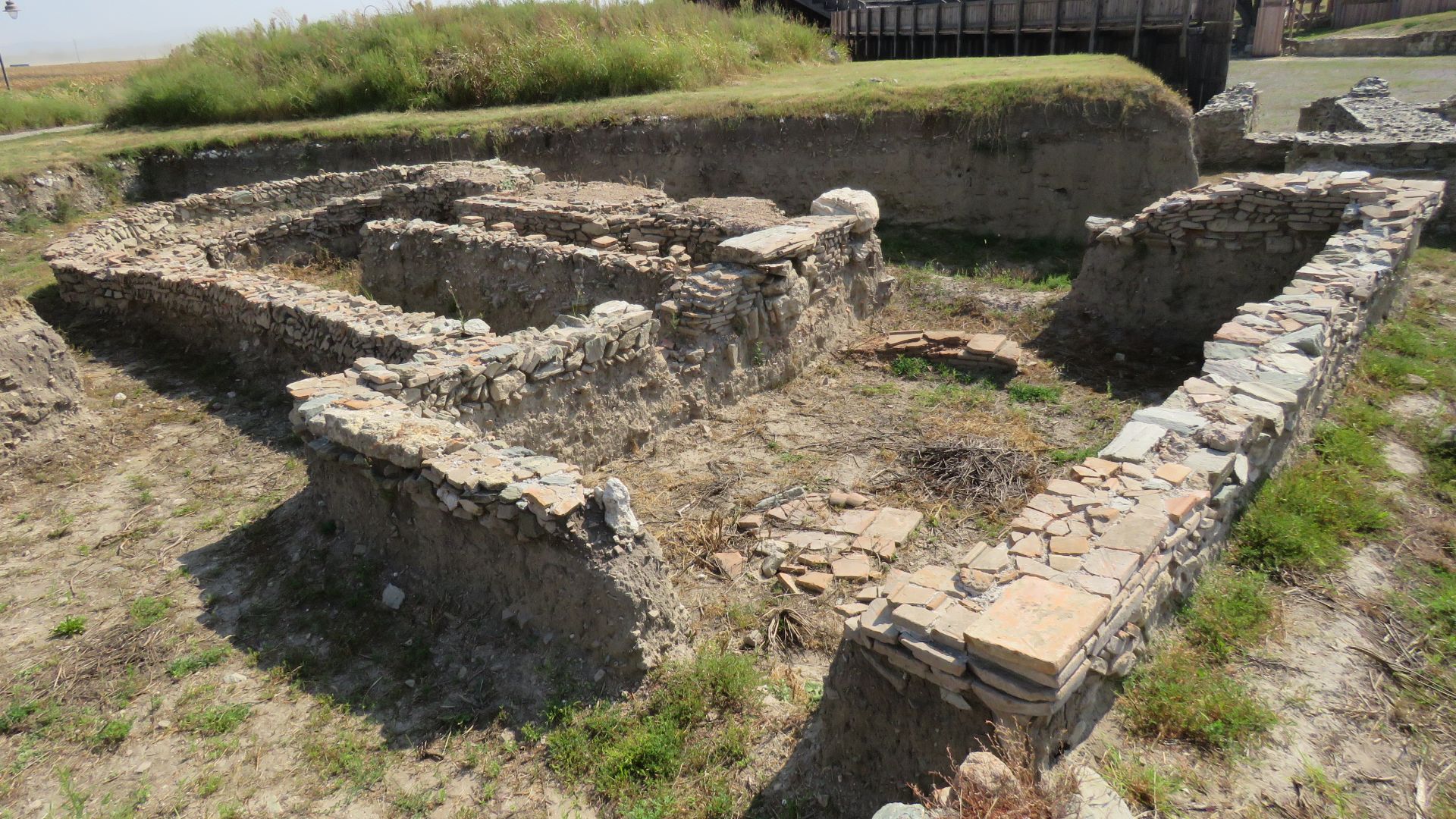 Mickey Mystique, Wikimedia Commons
Viminacium Was Built For Big Crowds
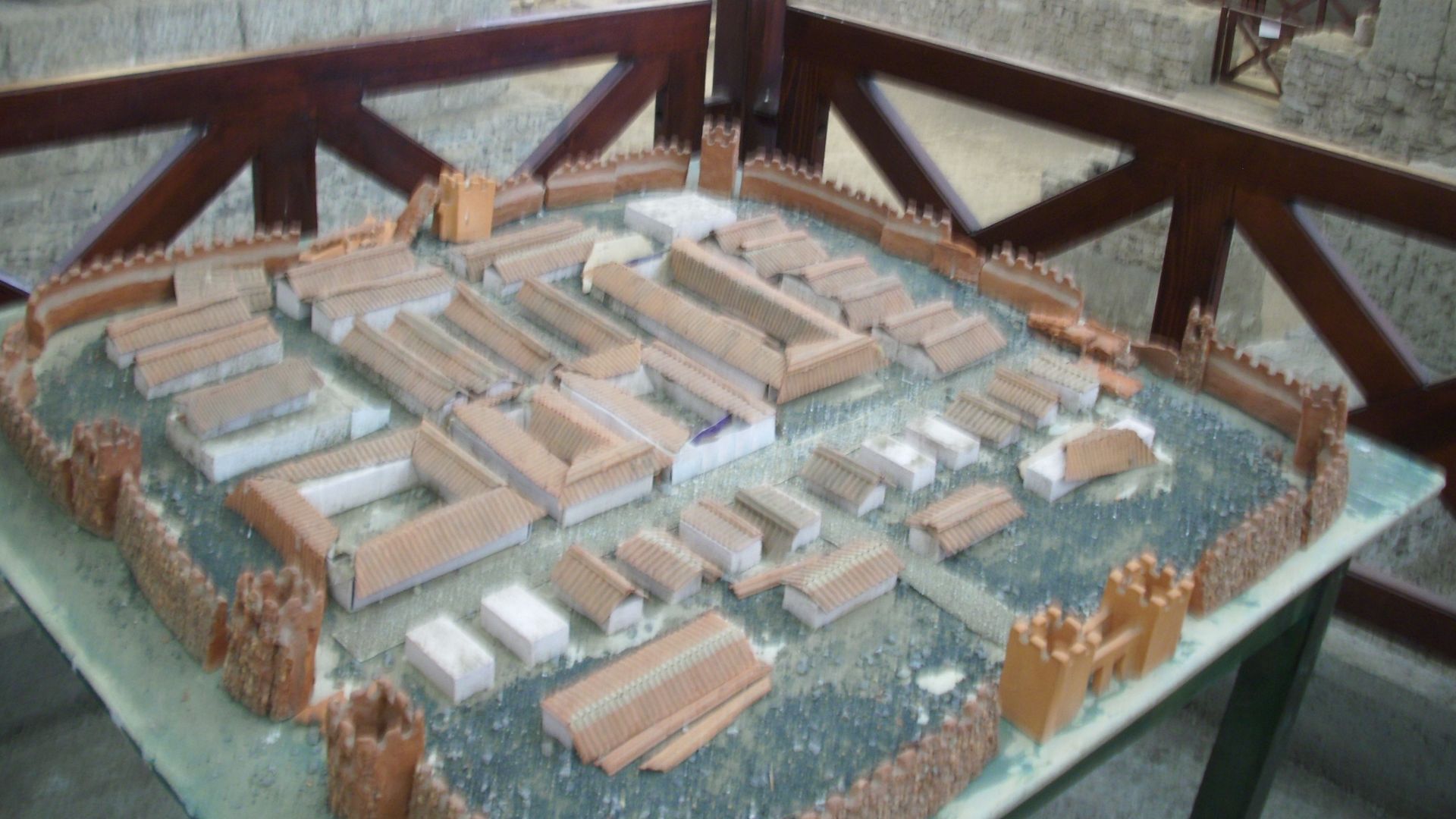
Viminacium was far from a quiet outpost. It was a large, well-developed Roman city with a military presence and a sizable civilian population. Its amphitheater could host thousands of spectators, showing that large-scale entertainment was central to daily life even outside Rome itself.
 Boris Dimitrov, Wikimedia Commons
Science Helped Tell The Bear’s Story
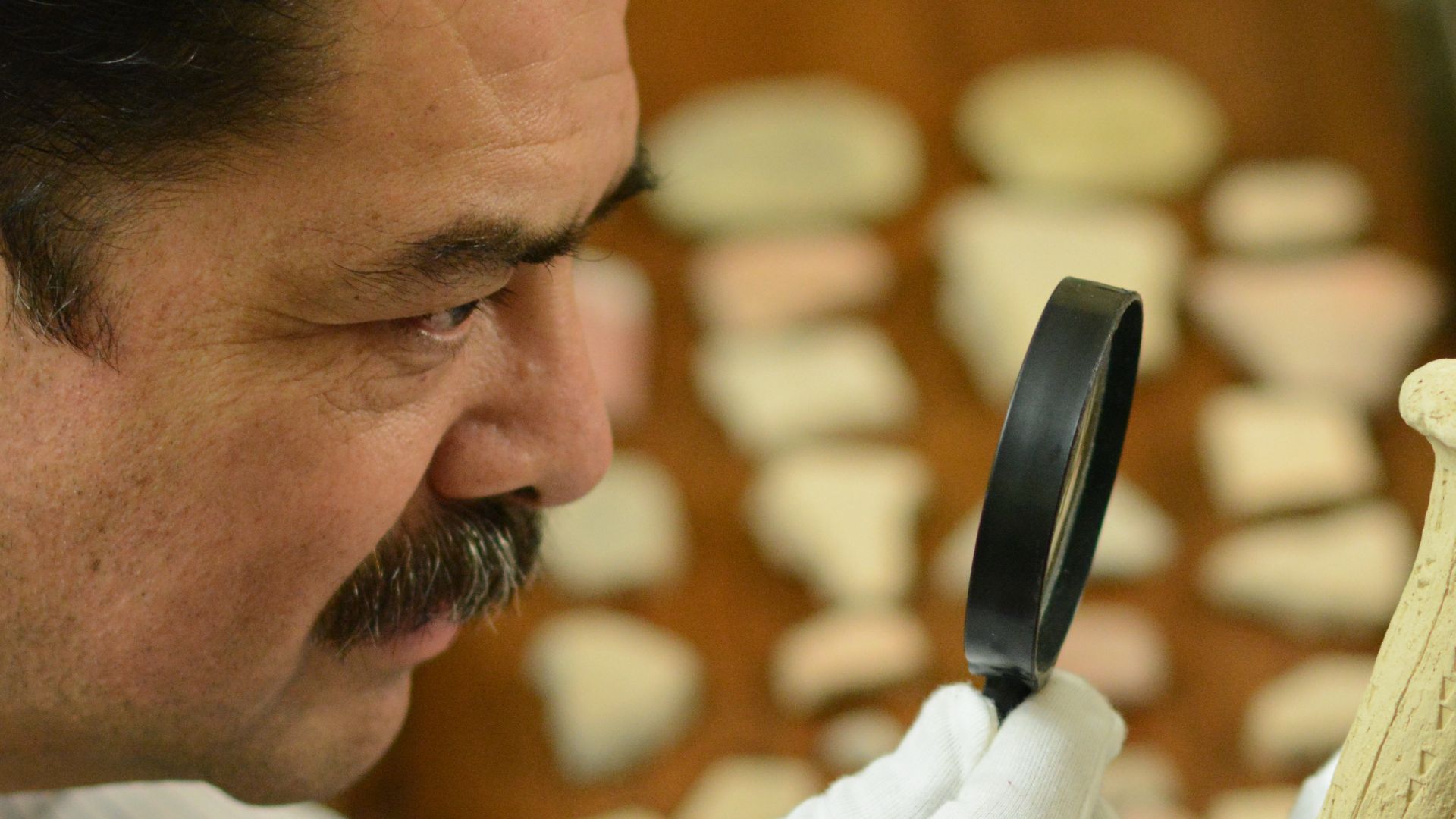
Researchers didn’t rely on a single method to analyze the skull. Instead, they used X-rays, microscopic examination, radiological imaging, and ancient DNA analysis. Together, these tools allowed scientists to reconstruct the bear’s age, origin, injuries, and overall condition.
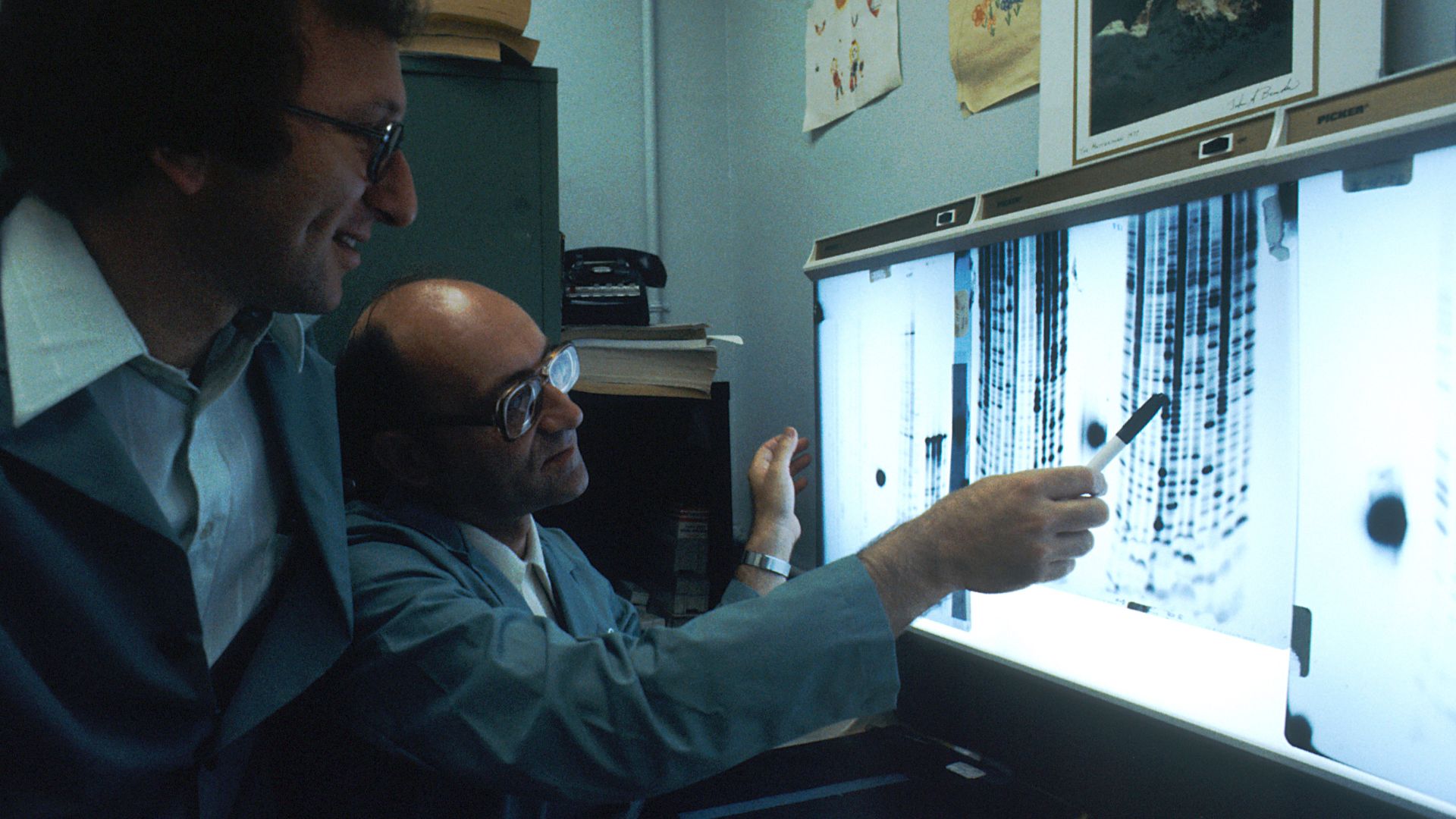 Linda Bartlett (Photographer), Wikimedia Commons
A Bear From The Local Region
DNA testing revealed that the bear was native to the Balkan region. This means it wasn’t imported from distant provinces but likely captured locally. That detail adds insight into how Roman arenas sourced animals for their spectacles.
 Charles J. Sharp, Wikimedia Commons
A Young Adult At The Time Of Death
The bear was determined to be around six years old when it passed. At that age, it would have been fully grown and physically powerful. That made it a suitable—and dangerous—animal for arena performances designed to impress crowds.
 Magnus Johansson, Wikimedia Commons
A Serious Injury To The Skull
One of the most telling features of the skull is a fracture on the frontal bone. The injury matches damage caused by a weapon rather than natural trauma. This strongly suggests the bear was struck during a staged encounter involving human participants.
 Hannes Grobe/AWI, Wikimedia Commons
Evidence The Bear Survived An Earlier Encounter
The fracture showed signs of partial healing. That means the bear lived long enough after the injury for the bone to begin repairing itself. In other words, the animal likely survived at least one violent event before eventually dying.
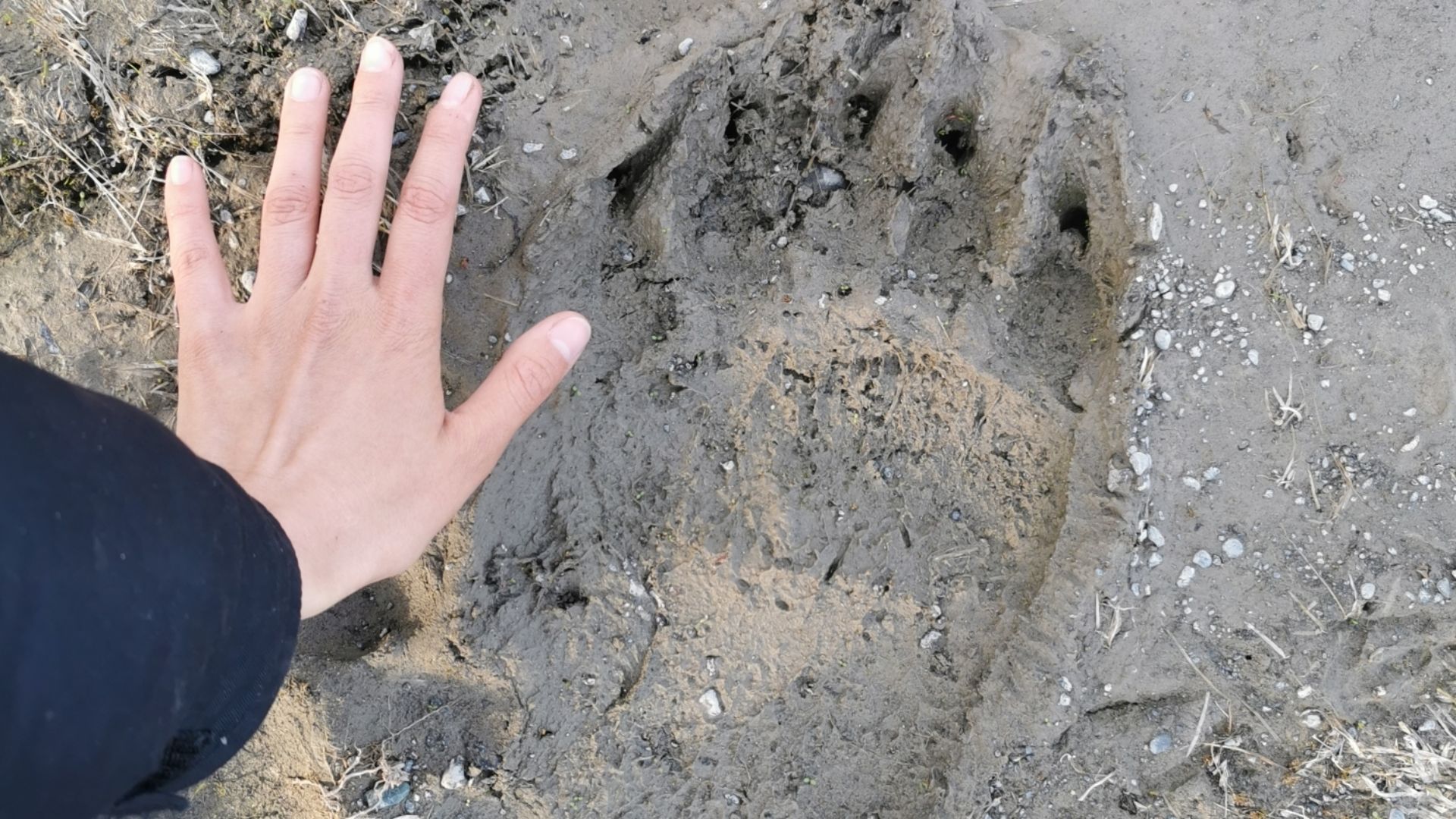 Валерия Ковалева, Wikimedia Commons
Infection Likely Played A Role
Radiological analysis revealed signs of infection around the injury. Without treatment, infections like this could become fatal. This points to prolonged suffering.
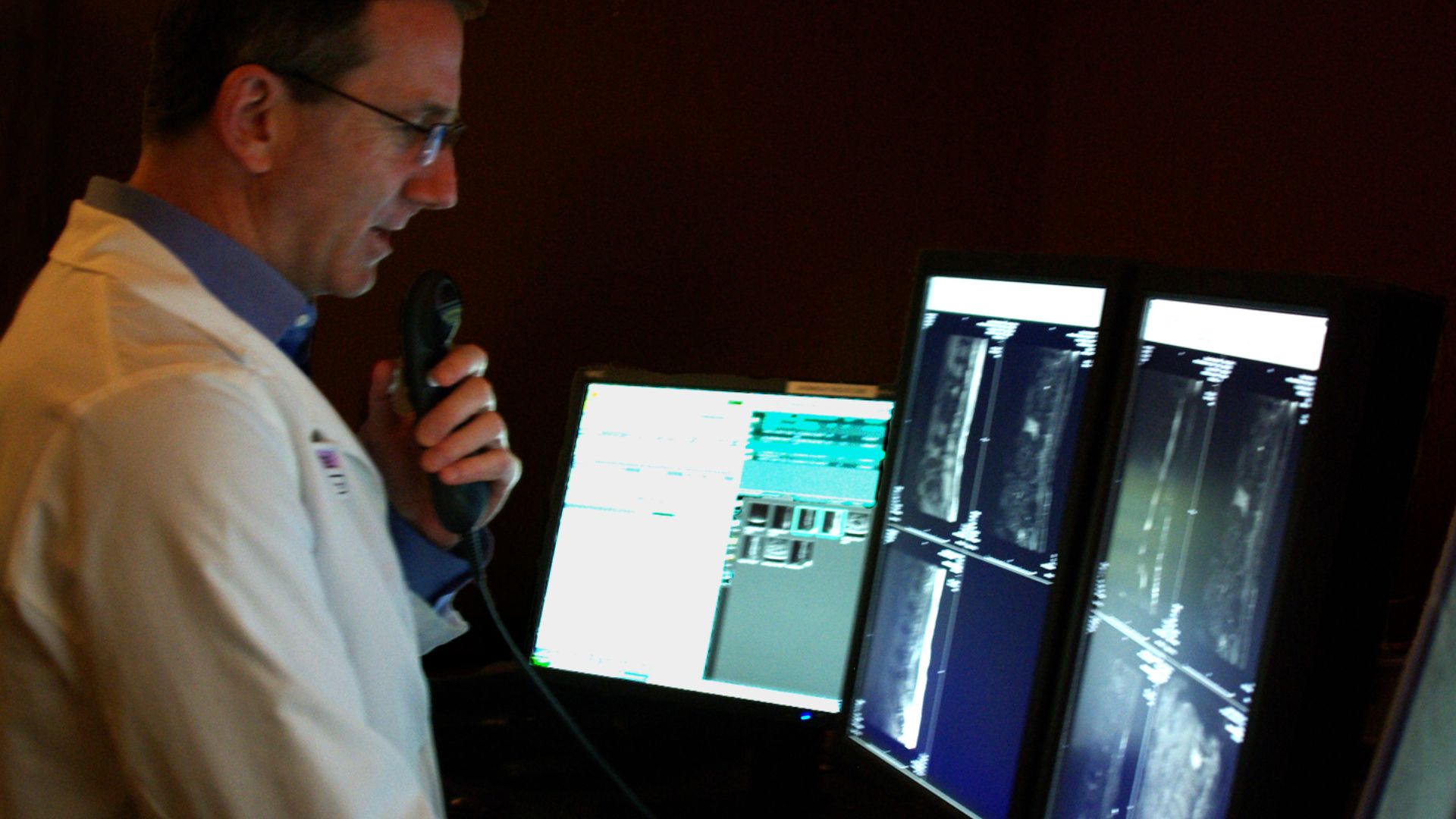 w:User:Zackstarr, Wikimedia Commons
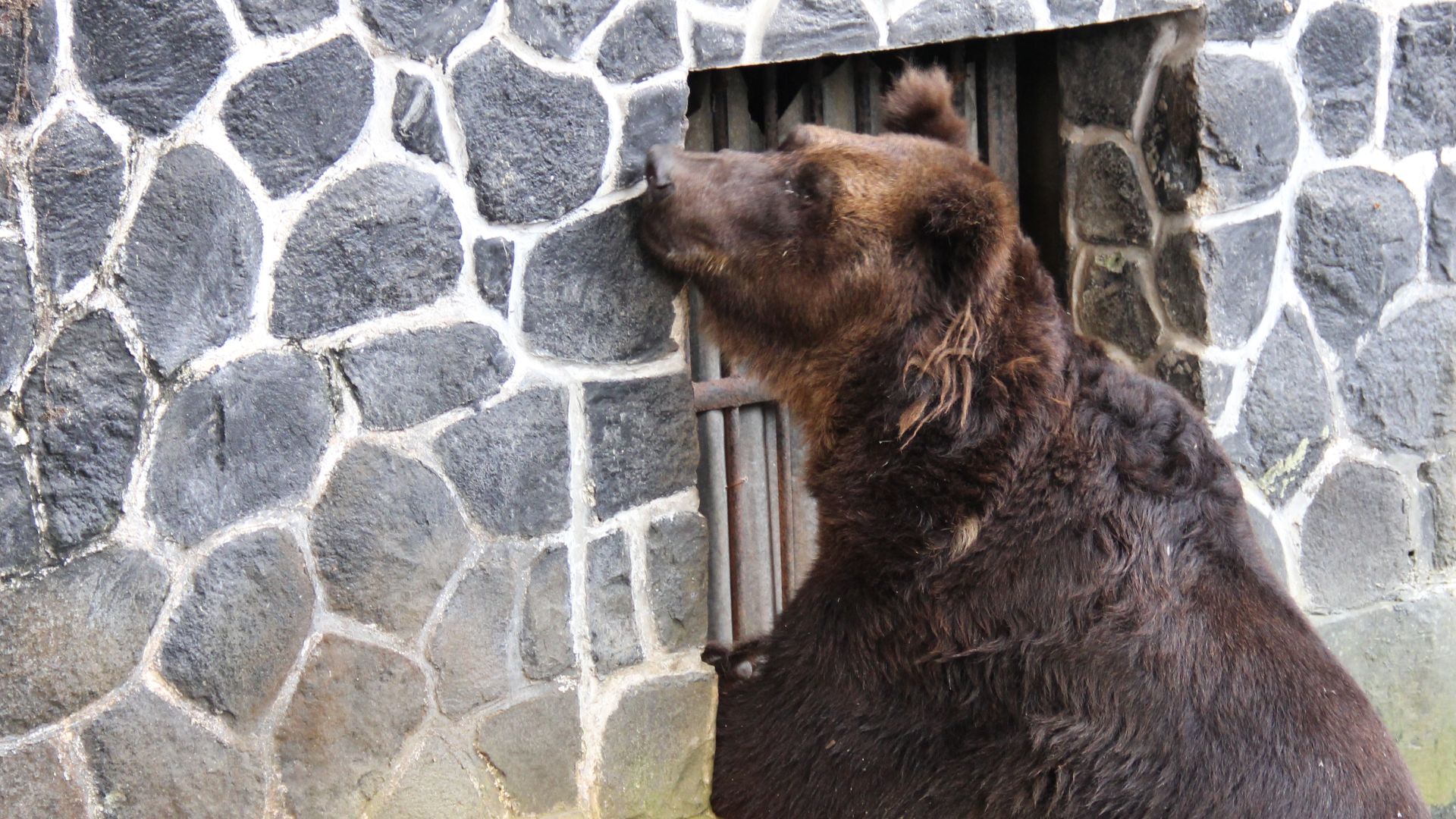
Teeth Worn Down By Captivity
The bear’s teeth—especially its canines—were severely worn. This kind of wear is consistent with gnawing on hard surfaces such as bars or enclosure walls. It’s a common sign of stress and long-term confinement in captive animals.
Signs Of Poor Overall Health
In addition to tooth wear, researchers identified signs of periodontal disease. That suggests the bear experienced poor living conditions and an inadequate diet. These details help paint a fuller picture of life behind the scenes of Roman spectacles.
 Santabiblia, Wikimedia Commons
Likely Used More Than Once
The combination of healed injuries and long-term dental damage suggests the bear wasn’t brought into the arena for a single appearance. Instead, it likely participated in multiple events. Each appearance would have increased its risk of injury.
 Mickey Mystique, Wikimedia Commons
Roman Animal Spectacles Explained
These events, known as venationes, involved wild animals fighting hunters, gladiators, or condemned prisoners. They were a popular form of public entertainment throughout the empire. The bear from Viminacium fits squarely within this tradition.
 Carole Raddato from FRANKFURT, Germany, Wikimedia Commons
Ancient Images Were Telling The Truth
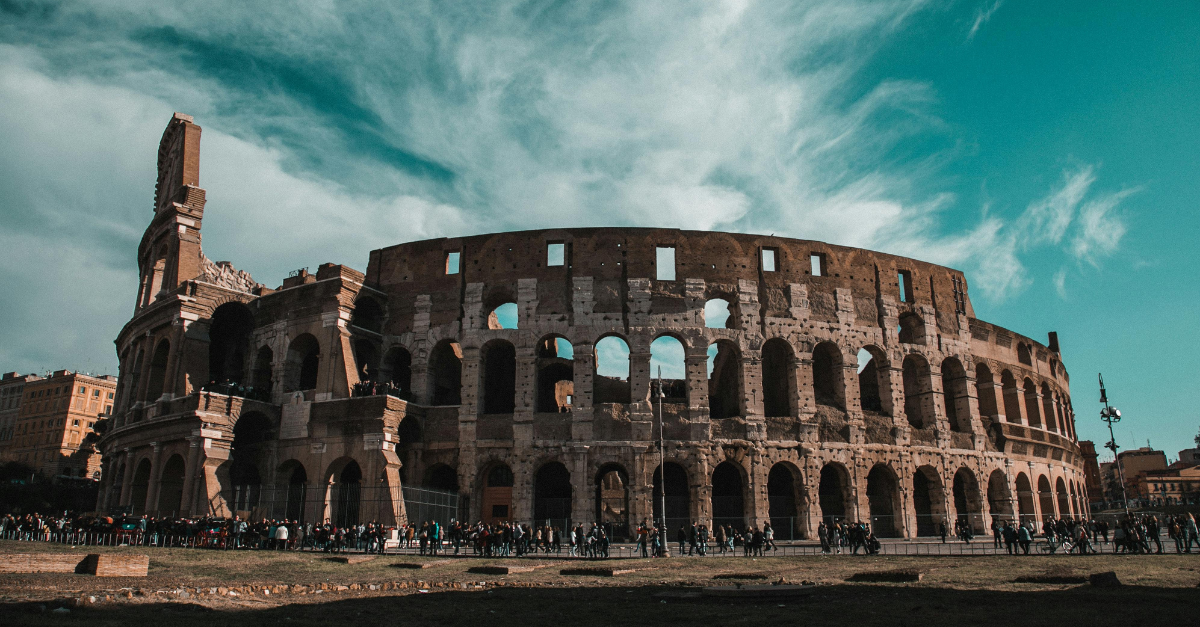
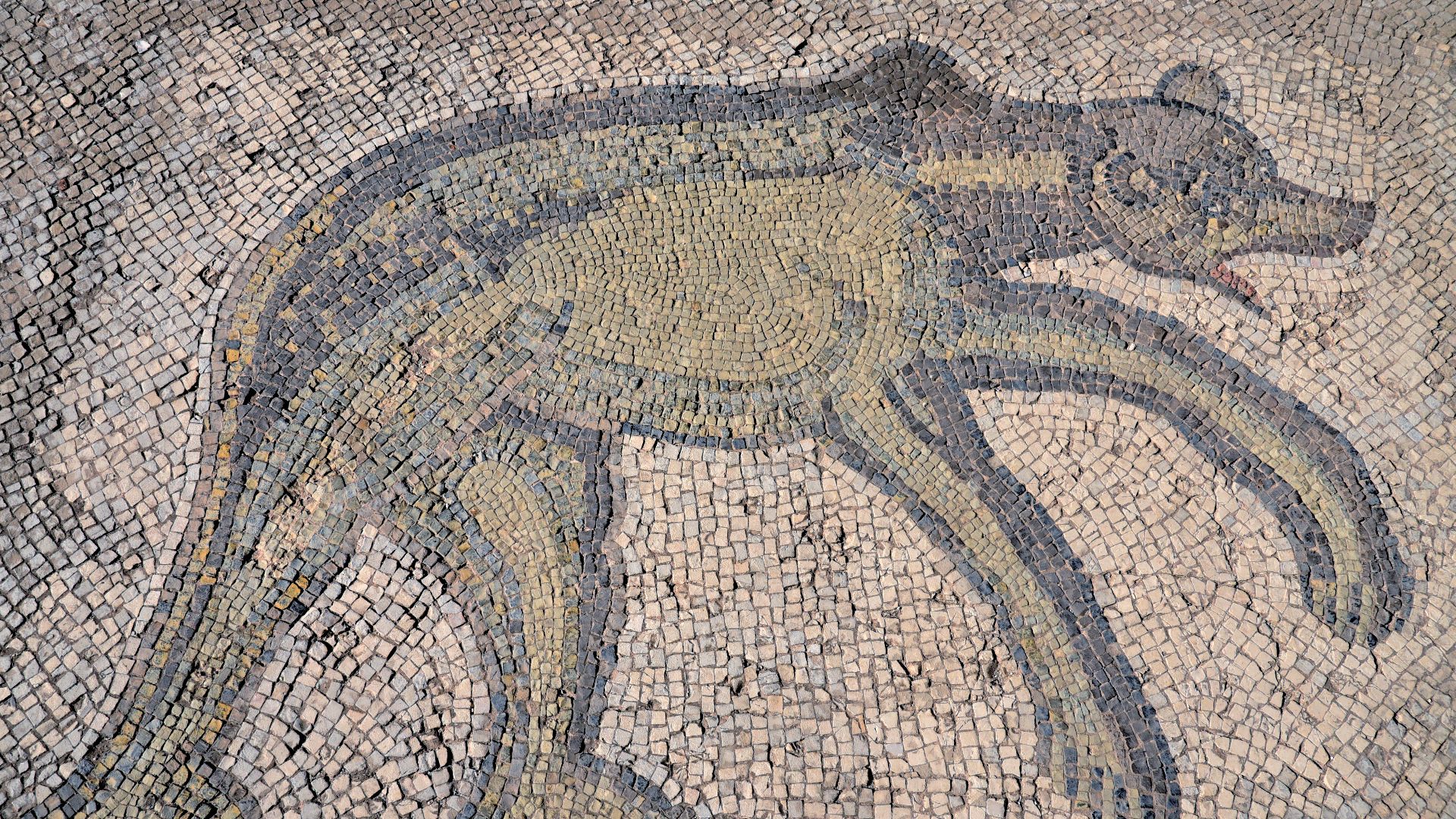
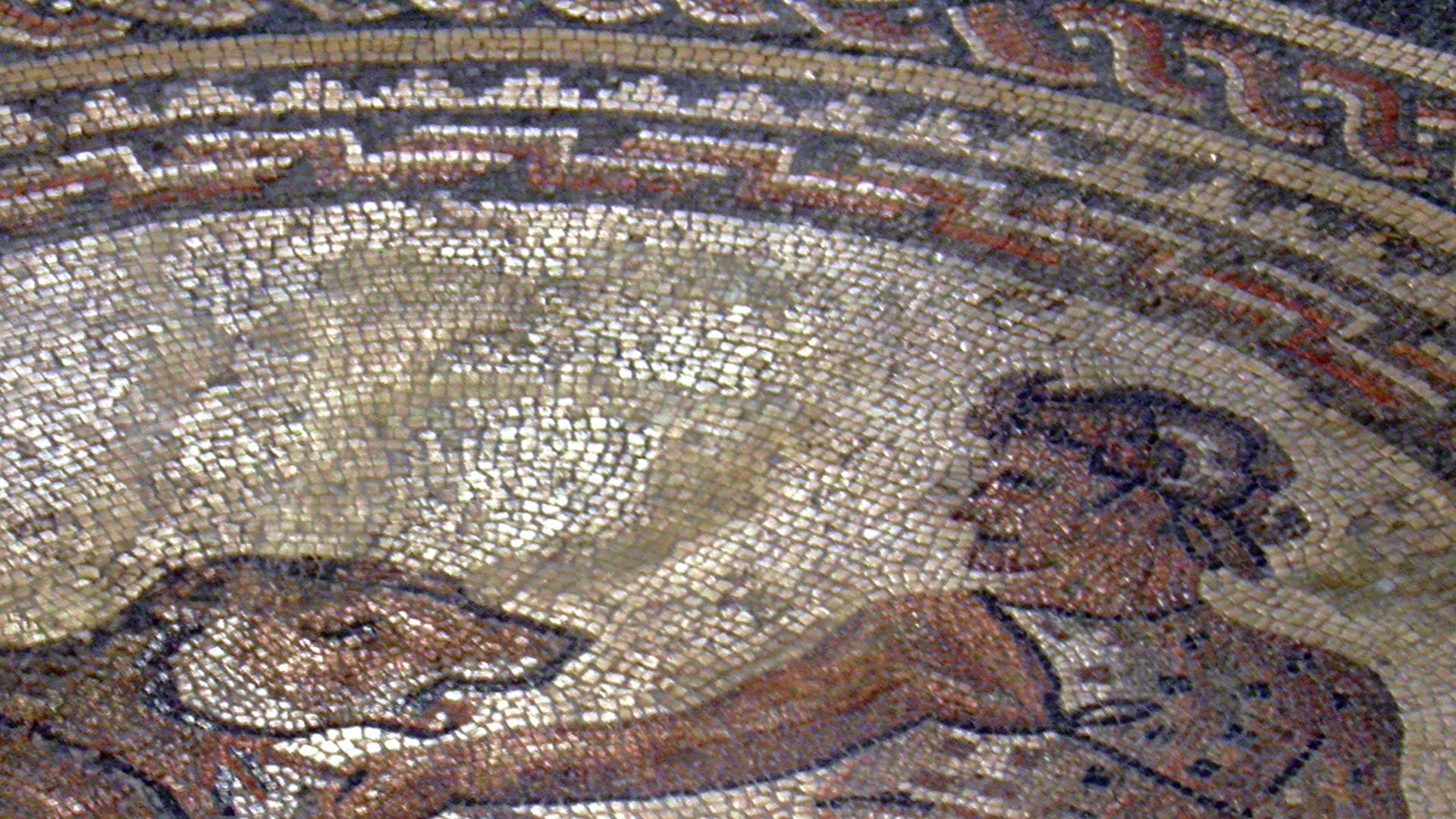
Roman mosaics and texts frequently depict bears in combat scenarios. For years, scholars debated whether these images were symbolic or exaggerated. This skull confirms they reflected real practices.
 Carole Raddato from FRANKFURT, Germany, Wikimedia Commons
Brutality Wasn’t Limited To Rome
Viminacium shows that violent entertainment wasn’t confined to the capital. Provincial cities adopted the same spectacle-driven culture. The bear’s remains are proof that this extended across the empire.
 Mickey Mystique, Wikimedia Commons
The Bear Wasn’t Alone
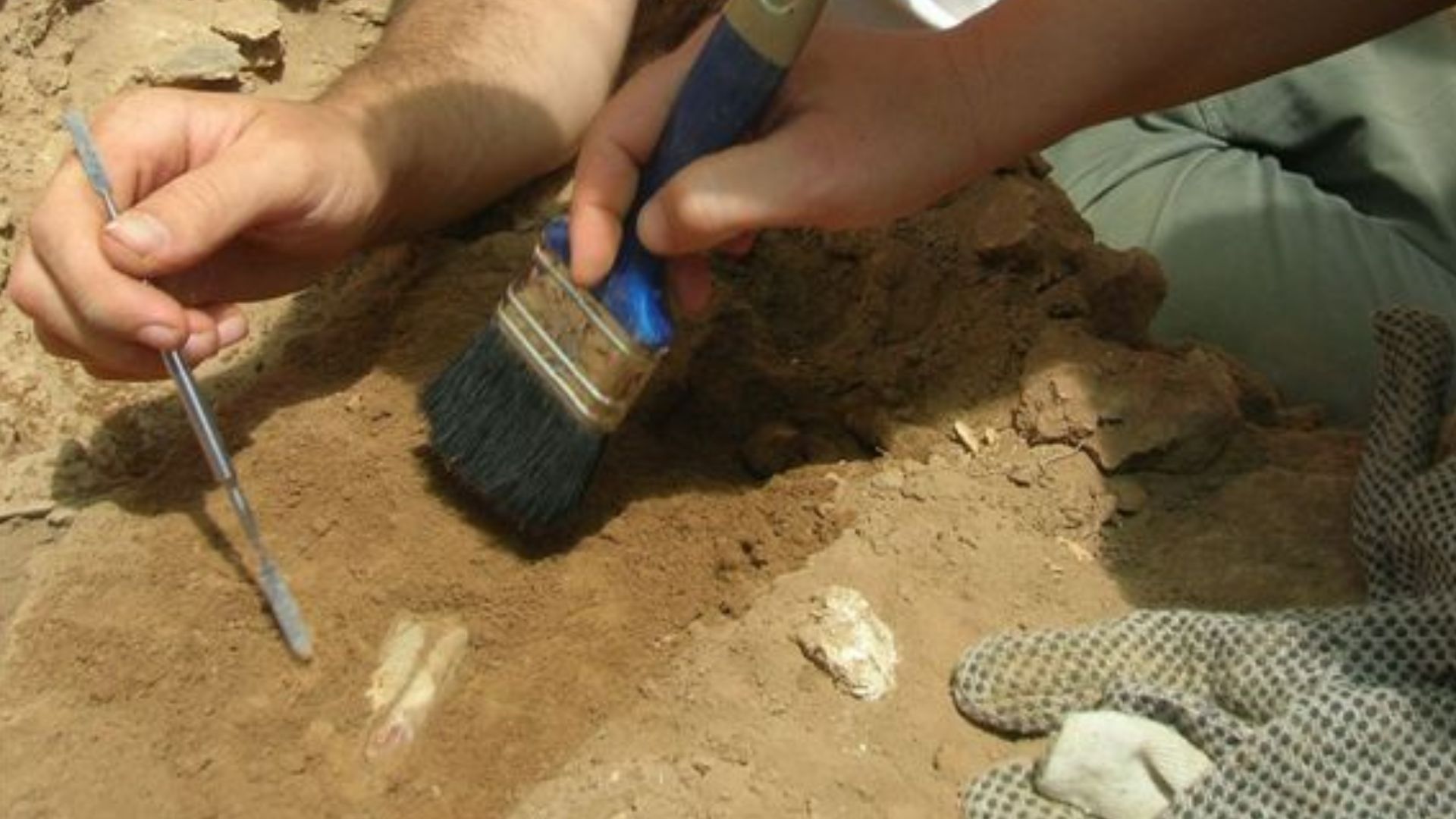
Excavations at the site have uncovered remains of other wild animals as well. Together, they show that Viminacium regularly hosted animal-based spectacles. The bear was part of a much larger system.
Changing How Scholars View Roman Entertainment
This discovery forces historians to rethink long-standing assumptions. It confirms that large native predators were actively used in provincial arenas. That changes how scholars understand both logistics and cultural priorities.
A Reminder Of The Hidden Victims
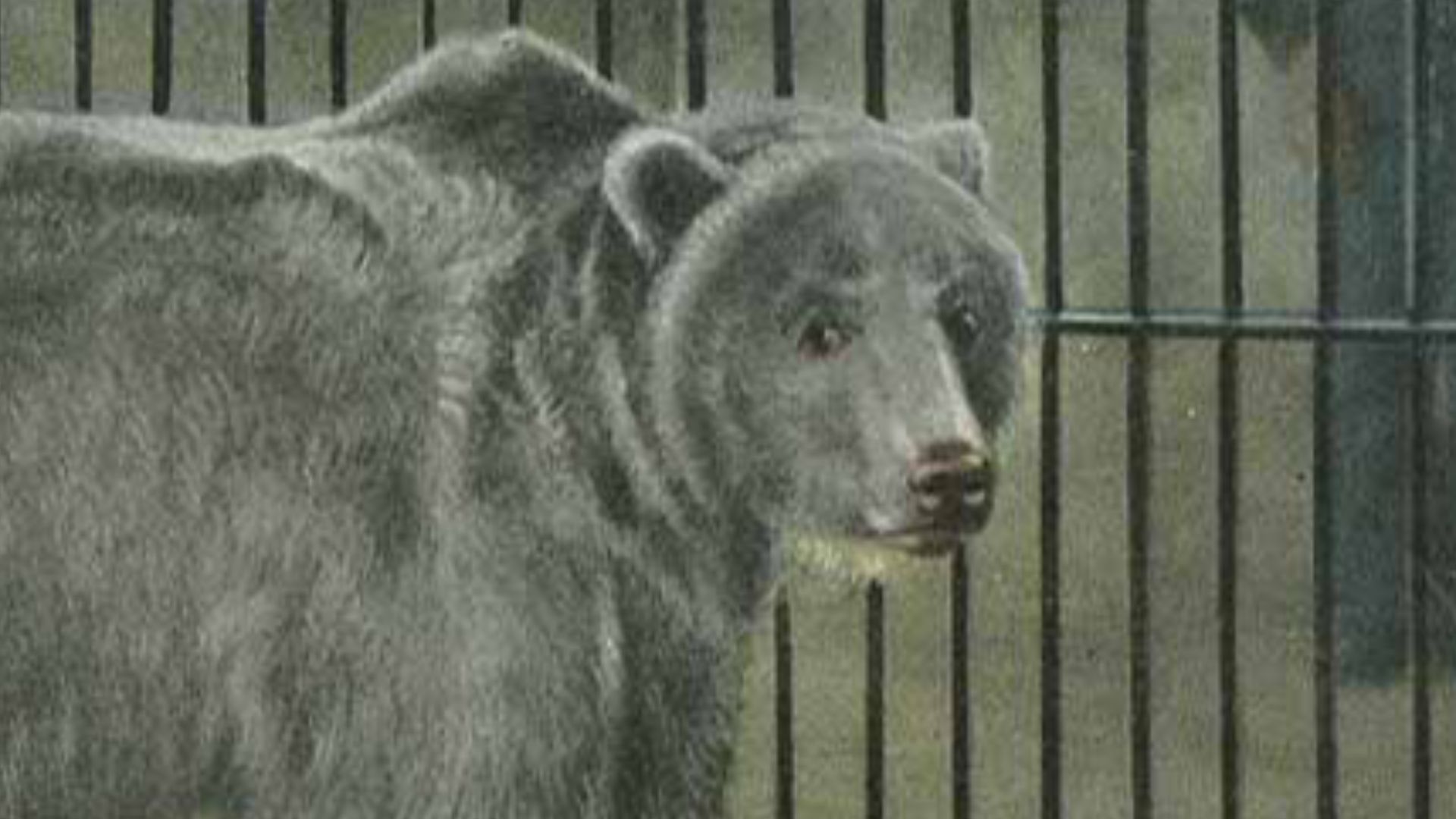
Roman spectacles are often discussed in terms of gladiators and executions. This find shifts attention to the animals forced into those events. Their suffering was real—and now documented.
A Skull That Speaks For Itself
This single skull has reshaped the archaeological record. It turns artistic depictions into physical evidence and speculation into certainty. The bear of Viminacium finally tells its story, not through words, but through bone.
You May Also Like:
The Twisted Secret We Know About The Hindenburg Disaster
Source: 1