 Son of Groucho, Wikimedia Commons, Modified
Archaeologists working in southwestern Spain have uncovered what is now identified as a fragment of the oldest known Greek marble altar in the western Mediterranean. Carved in fine marble and shaped according to early Hellenic ritual design, the column fragment pushes evidence of Greek religious influence in inland Iberia further back than previously documented for such sites. Until now, scholars believed sustained Hellenic cult activity reached this far west later, largely through established Greek colonies. However, this discovery suggests something more dynamic: earlier contact, earlier devotion, earlier exchange. If Greek ritual architecture stood on Iberian soil centuries sooner than assumed, what else traveled across those waters? Trade goods certainly did, but so did beliefs, ceremonies, and ideas about the sacred. What other forgotten traces of early Mediterranean contact still lie beneath Iberian soil, waiting to rewrite the timeline again?
The Discovery in Southern Spain
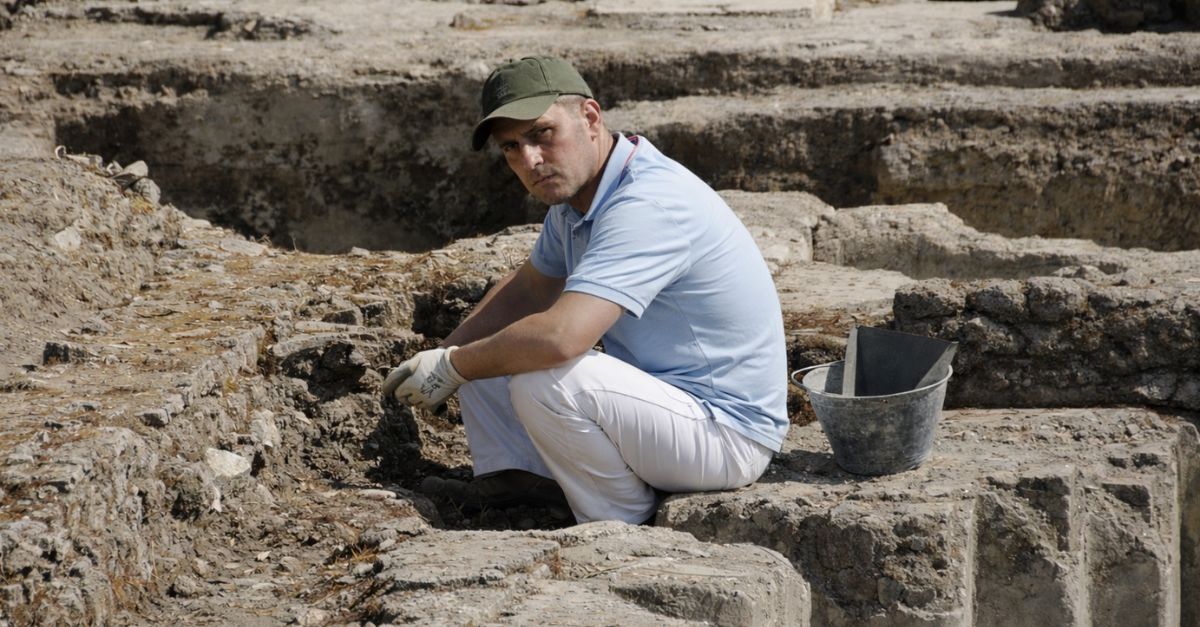
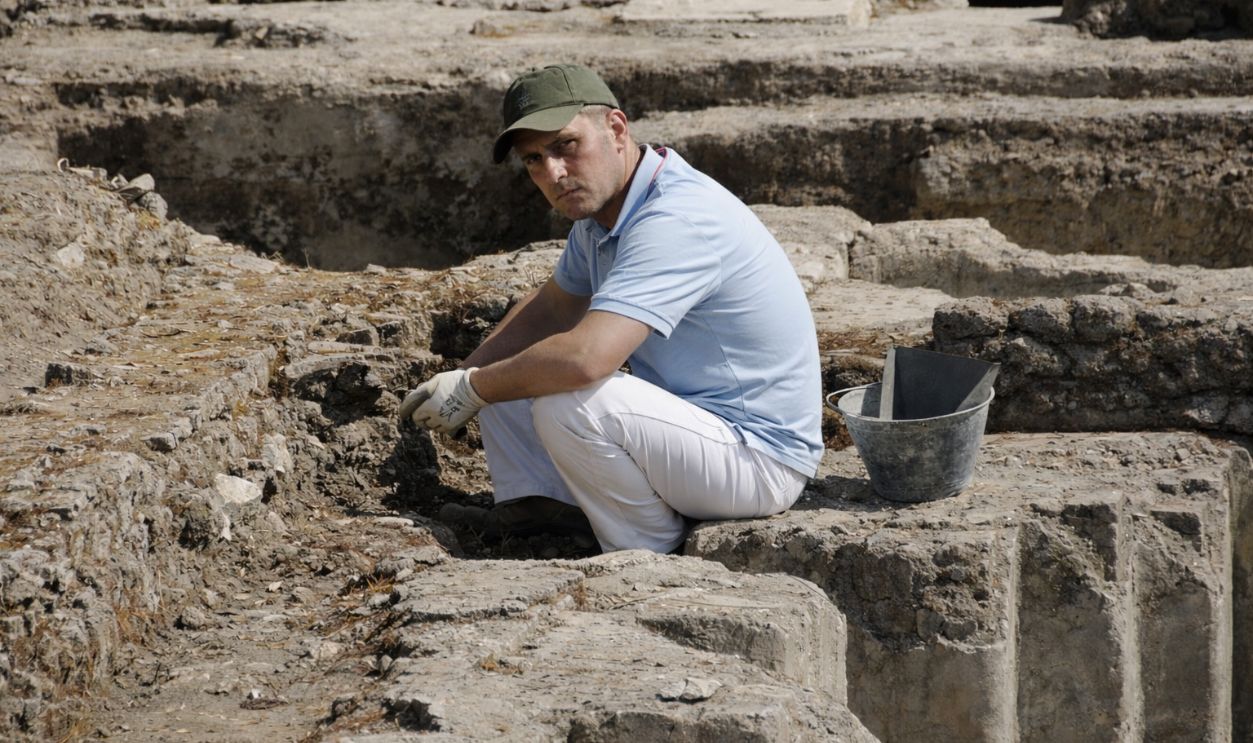
Excavation took place near the ancient inland zone of Extremadura along the Guadiana River, in an area long associated with Tartessian, Phoenician, and early Mediterranean trade. Archaeologists uncovered the altar during systematic stratigraphic excavation, carefully removing sediment layers and documenting associated ceramics. Ground penetrating surveys had first indicated buried structures at the site. Marble fragments appeared, then a column fragment with base and shaft emerged in the site. The team recorded soil composition, mapped artifact clusters, and secured surrounding materials for laboratory analysis. Context proved essential. Without clear stratigraphy, the altar might have been dismissed as a later intrusion. Instead, sealed layers confirmed its early placement and protected the integrity of the find.
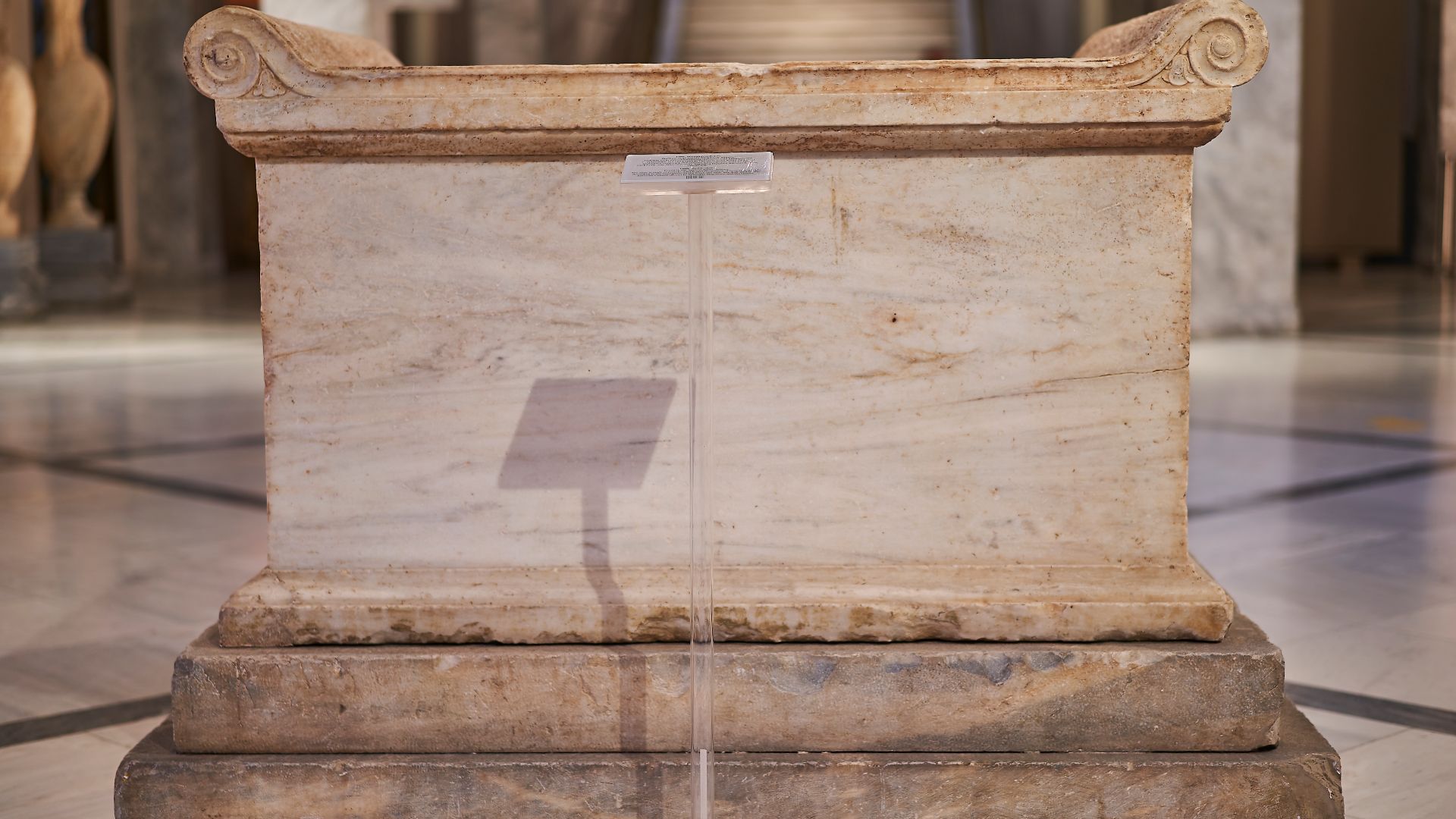
Analysis dated the altar fragment to the fifth century BCE, placing it earlier than comparable inland Greek marble ritual objects found in Iberia. Crafted from high-quality marble likely imported through Mediterranean trade routes, the altar features characteristic molding and proportional symmetry linked to early Greek cult architecture. Preservation remains notable, suggesting it was buried after a period of use. Contextual finds indicate ritual function rather than mere decoration. Most striking is its preservation. Preserved elements, including the base and shaft, provide rare physical clarity. For western Mediterranean archaeology, such a condition offers firm chronological and cultural grounding.
 Gary Todd from Xinzheng, China, Wikimedia Commons
Hellenic Cult Practices in Iberia
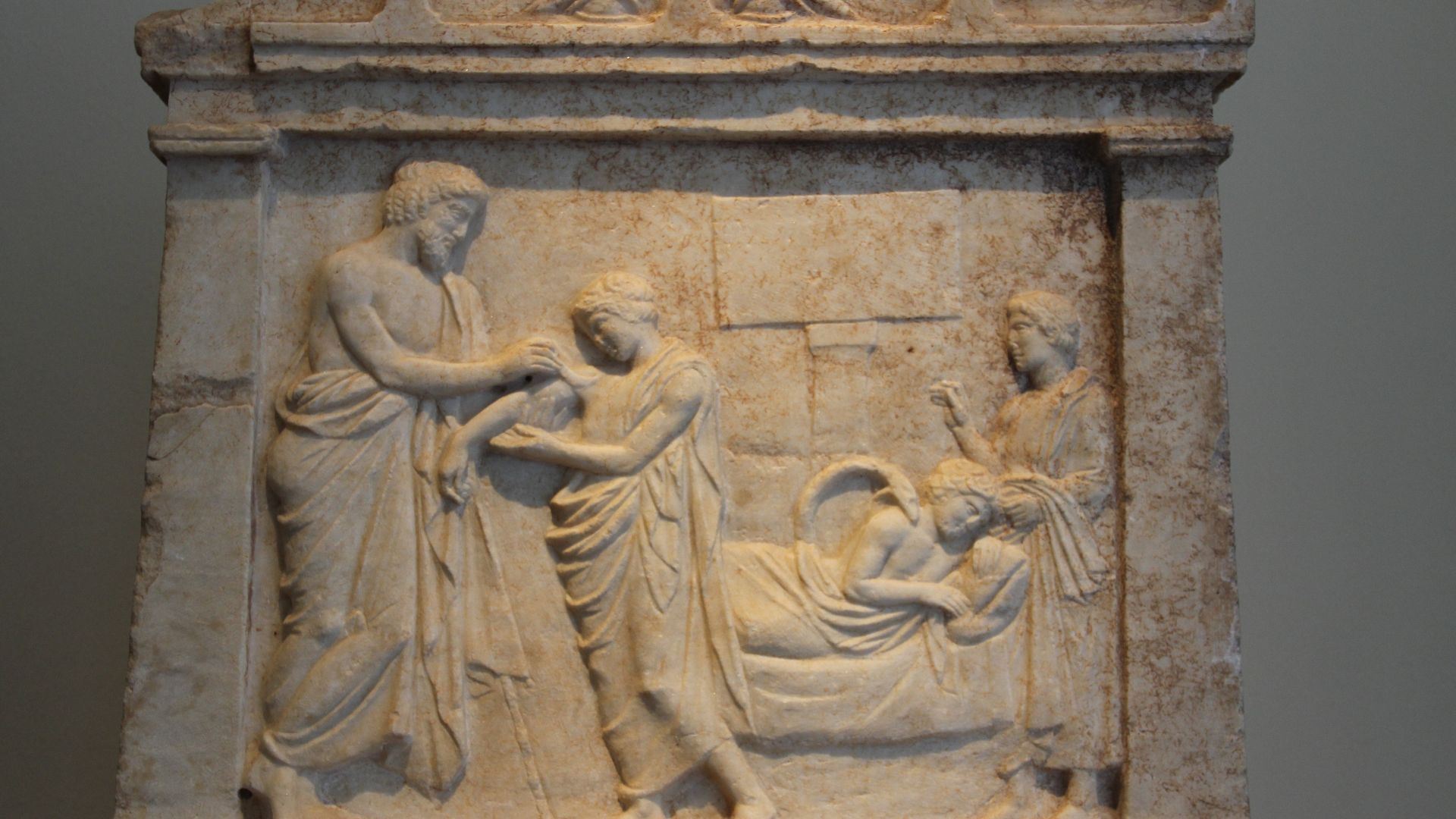
Greek cult practice centered on offerings and communal ritual performed at altars positioned in open-air sanctuaries. Fire transformed gifts into smoke, believed to reach the divine. Wine, grain, and animal sacrifice also marked seasonal festivals and civic devotion. As Greek merchants moved westward, they influenced local practices through trade. Trade established ports. Ports supported exchanges. Exchanges then introduced religious architecture to indigenous cultures. Ritual space further anchored identity abroad. Through exchange networks linking the Aegean to Iberia, belief systems traveled alongside amphorae and metalwork. Religious influences further helped local communities integrate foreign elements while maintaining cohesion.
The altar fragment’s presence in Iberia suggests more than brief contact between traders and locals. It points to sustained ritual use and a Tartessian community that adopted familiar Greek religious habits. Local groups were not passive observers; they traded, adapted, and absorbed influences over time. Greek practices likely existed alongside indigenous beliefs, shaping shared sacred spaces through gradual interaction. Cultural exchange rarely moves in clean lines. Influence shifts through contact and repetition. What began as a distinctly Greek structure may have taken on new meaning within its Iberian setting. That possibility also challenges older views of isolation.
Historical and Cultural Implications
For decades, scholars viewed Iberia as peripheral to early Greek religious expansion. This altar challenges that view. Its fifth-century BCE dating aligns with periods of intensified maritime and inland trade linking Greek settlements in southern France with routes toward the Atlantic. Iberia, on the other hand, appears less isolated and more integrated into broader Mediterranean systems. Commercial exchange facilitated contact. Contact fostered familiarity. Familiarity enabled ritual practice. Networks extended across busy, competitive, and interconnected sea lanes. So, by situating Iberia within these corridors, the find reframes the peninsula as participant rather than spectator in early Hellenic interaction.
Artifacts like this altar carry layered meaning shaped by the hands that carved them and the communities that gathered around them. Stone preserves intention over centuries, while craftsmanship reflects belief systems rooted in daily ritual. Placement within Iberian soil reveals shared horizons where Greek and local traditions met. Cultural identity did not stand still; it shifted through exchange and contact. A marble altar discovered far from its place of origin speaks of mobility and adaptation across the Mediterranean. What appears distant now once felt familiar to traders and worshippers. Therefore, through careful study, archaeology restores those voices and the connections they carried.
 George E. Koronaios, Wikimedia Commons