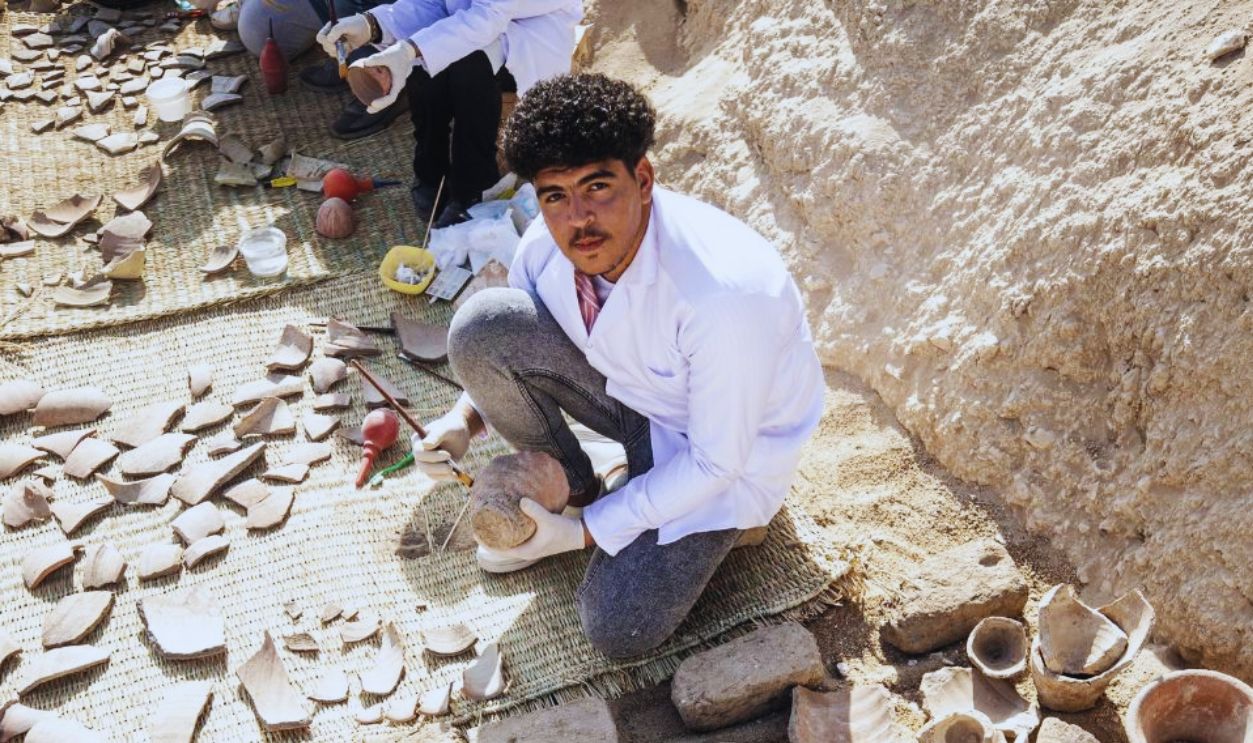
A forgotten hilltop in the highlands of Guerrero in Mexico revealed something significant: a whole city uncovered through detailed surveying and systematic mapping. Researchers documented terraces that extended down the slopes and identified plazas used for community gatherings. Archaeologists also recorded perimeter walls, ceremonial platforms, and a ballcourt linked to political activity within the settlement.
The combined evidence shows a well-organized center with long-term occupation. And anyone interested in ancient cities will find this discovery especially informative and historically valuable. Read on.
A Hilltop Built For Strength And Connection
Paso Temprano isn’t your ordinary structure on flat land. Its builders claimed a ridge with commanding views in every direction. Perimeter walls wrap the crest, creating a locked-in civic zone. These boundaries controlled entry and broadcast political presence across the valleys below. Highland centers throughout ancient Guerrero used similar strategies, though few match Paso Temprano’s size.
Inside those walls, the terrain shifts dramatically. Terraces flatten into broad plazas where sunlight spills across stone floors. These open spaces handled gatherings, trade, leadership events, and seasonal ceremonies. Walking from the fortified edges into the open plazas feels like stepping from tension into calm—architecture guiding movement and experience. That deliberate planning points to a community with structure and long-term vision.
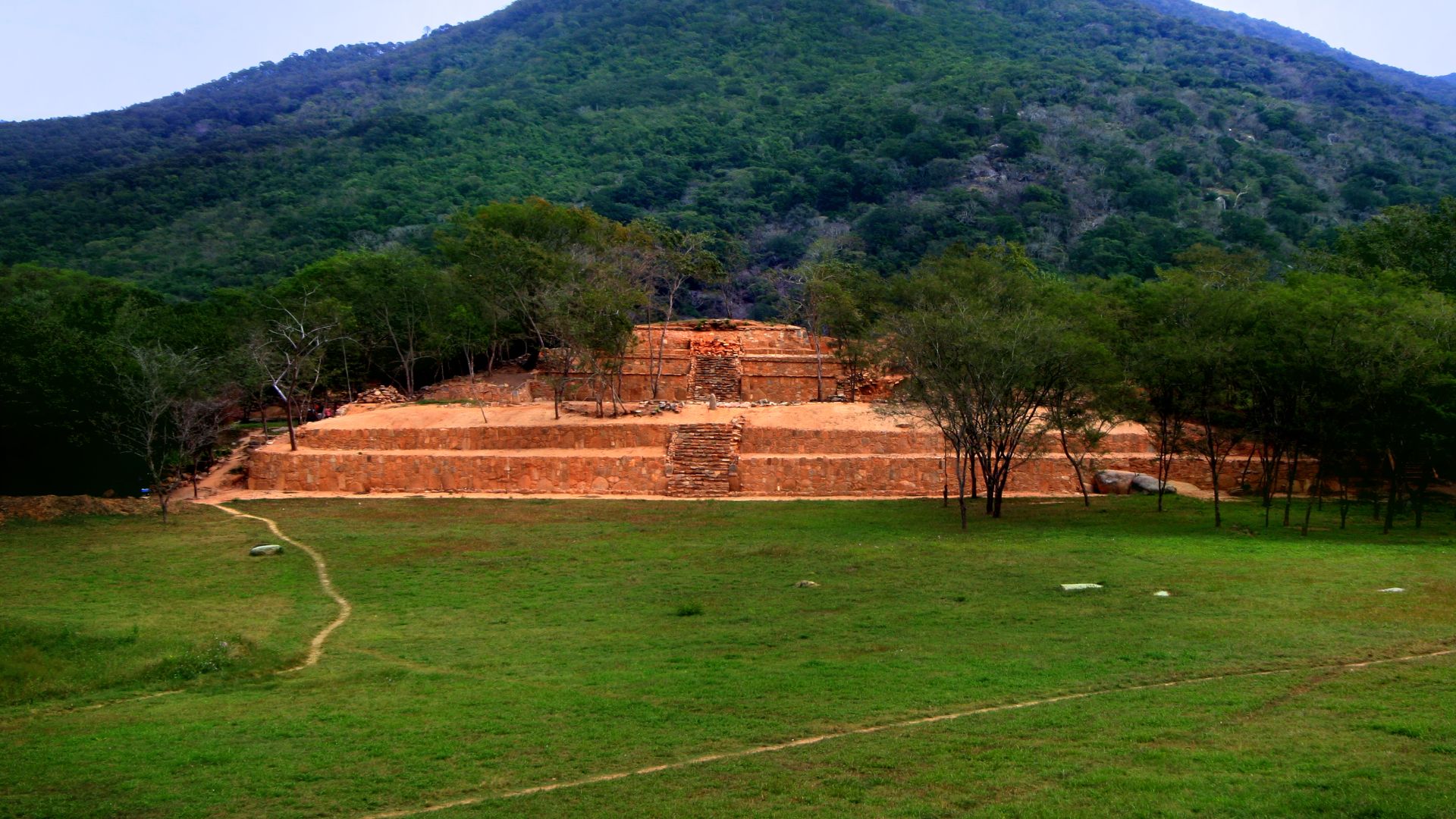 Comisión Mexicana de Filmaciones from México D. F., México, Wikimedia Commons
A Ballcourt That Anchored Public Life
The ballcourt at Paso Temprano marks the settlement as a true civic hub. In Mesoamerica, ballcourts framed political negotiations and ritual obligations. They also framed regional identity.
This one follows the traditional form: long and narrow, flanked by sloping walls that once echoed with rubber-ball strikes. Its placement near the main plaza signals that games here were community-defining moments.
Courts across the Mixtec and Amuzgo regions share similar proportions, which suggests shared cultural threads and long-standing ties between hilltop centers. Events in these spaces often coincided with feasts and cross-community visits. Paso Temprano’s court fits that pattern, confirming the settlement didn’t stand alone but participated in broader regional networks.
Mapping Revealed A City Instead Of A Settlement
Early surveys hinted at terraces. Detailed mapping showed an engineered scenery. Drones and ground instruments outlined a structured grid, with terraces wrapped around the slope like massive steps. These platforms held homes, work areas, storage buildings, and small gathering spots. Some terraces stand near waist height, others shoulder height, forming layered neighborhoods that once supported families across generations.
Comparable terrace systems are found at Mixtec sites and at highland centers in Oaxaca. Paso Temprano now joins that group, and this shows that the Amuzgo region wasn’t peripheral—it played an active role in regional exchange from roughly 700 to 1000 CE.
Archaeologists suspect trade moved along ridge routes, carrying a range of items: obsidian blades, carved shell, pigments, and woven textiles. Mapping strengthens that argument by showing Paso Temprano’s scale matched communities with robust trade activity.
From here, the cultural picture widens.
Why Paso Temprano Matters For The Story Of Ancient Guerrero
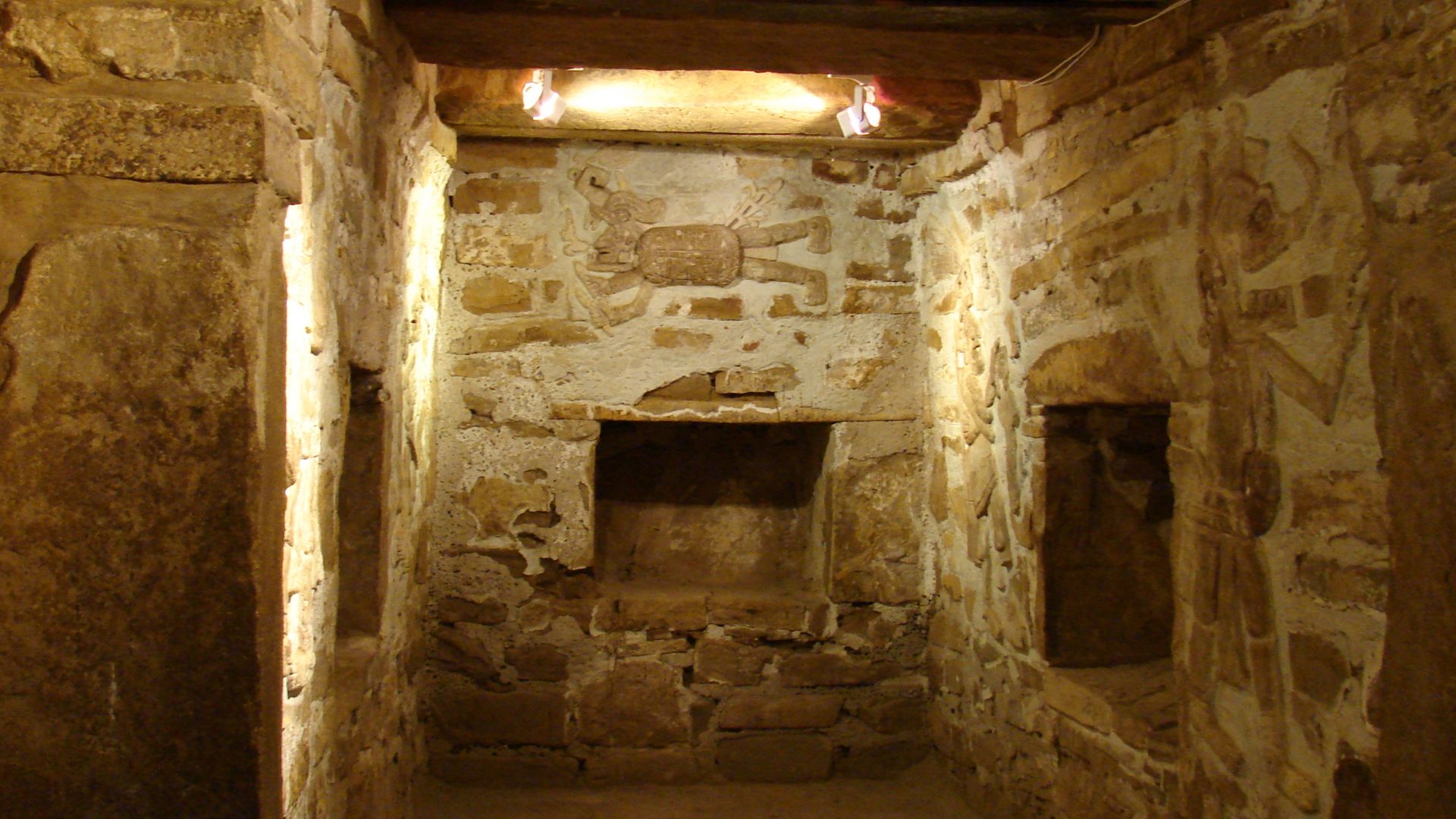
Highland sites rarely offer clear architectural lines. Erosion and slope make long-term preservation difficult. Paso Temprano breaks that pattern. Its structure gives archaeologists a rare opportunity to see an intact urban plan. City design reflects social structure, and here the structure points to intentional order—zones for defense. Zones for ritual. And zones for daily life.
This evidence challenges the idea that larger Mixtec centers overshadowed smaller Amuzgo neighbors. Paso Temprano proves the region had its own complex urban tradition. Its architecture shows planning depth, not improvisation. And its ceremonial core shows identity, not imitation.
What Comes Next For This Ancient Ridge
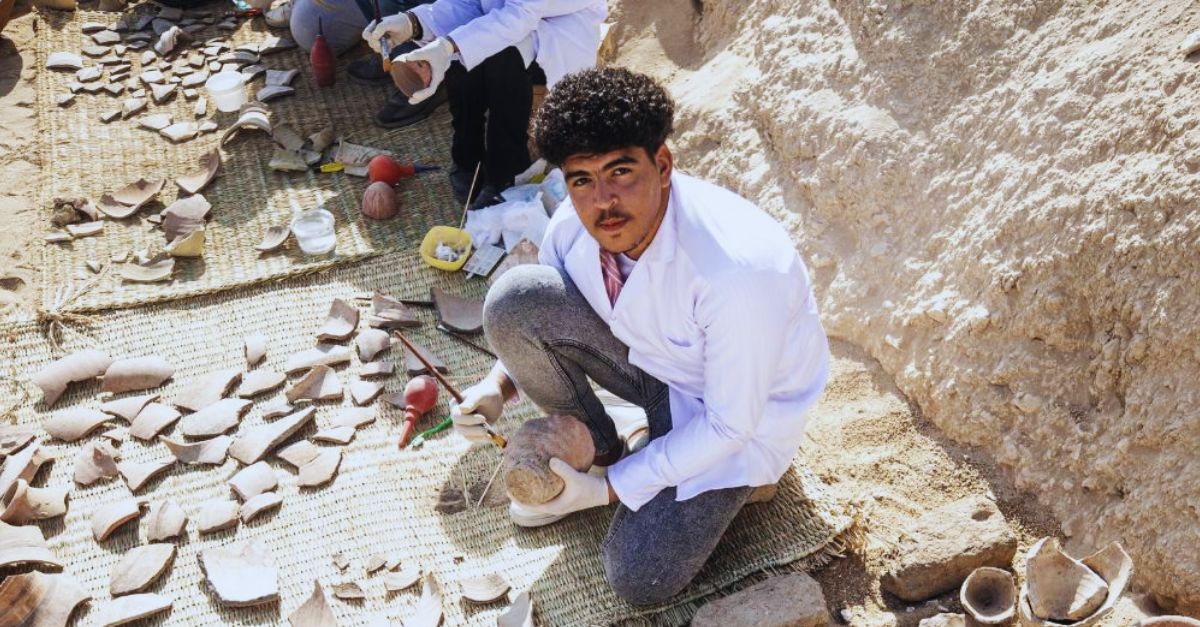
Mapping is only the first layer. Excavation will reveal pottery styles, food remains, workshop evidence, pigments, and ritual items that link Paso Temprano to known regional traditions. Those finds may uncover alliances or trade ties that haven’t yet been documented. If the city’s layout is any indication, the material culture beneath the surface is ready to push the story even further.
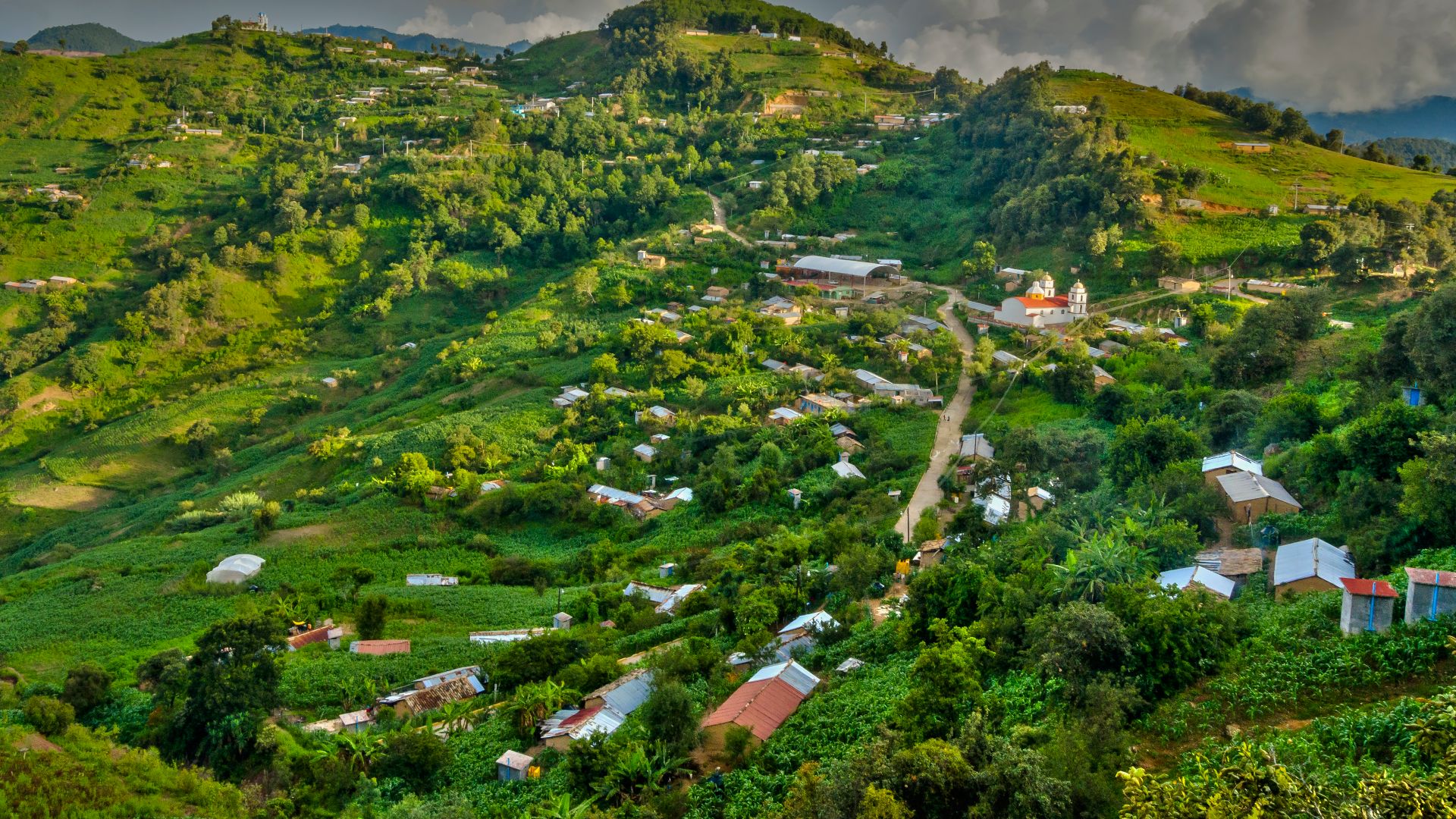 Lyn Bonilla, Wikimedia Commons