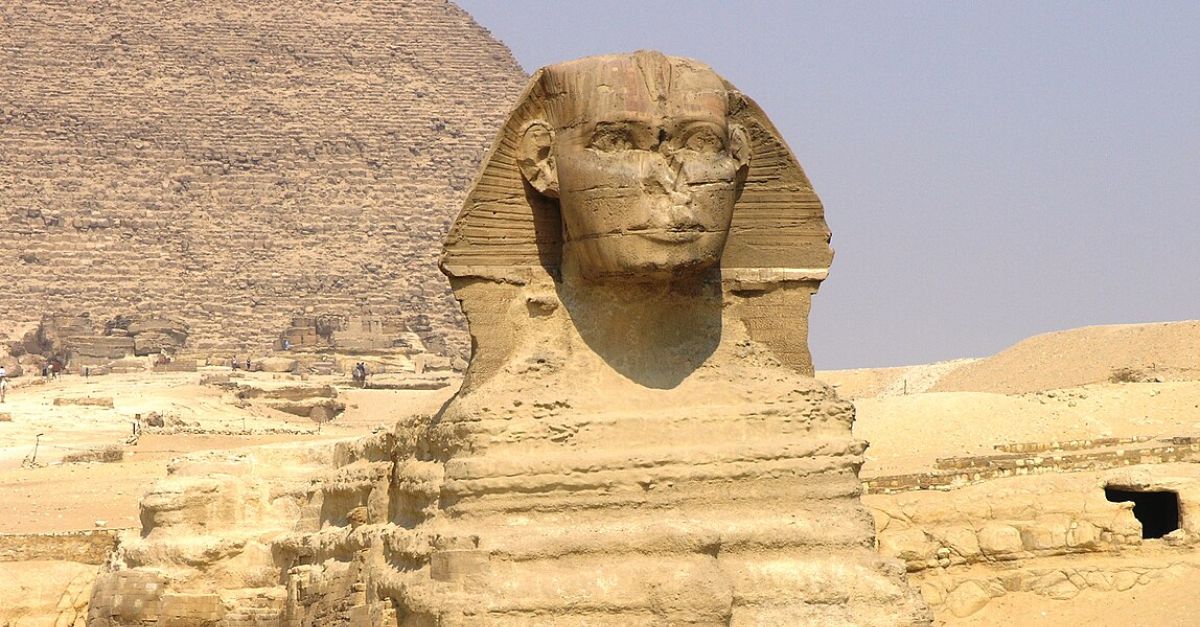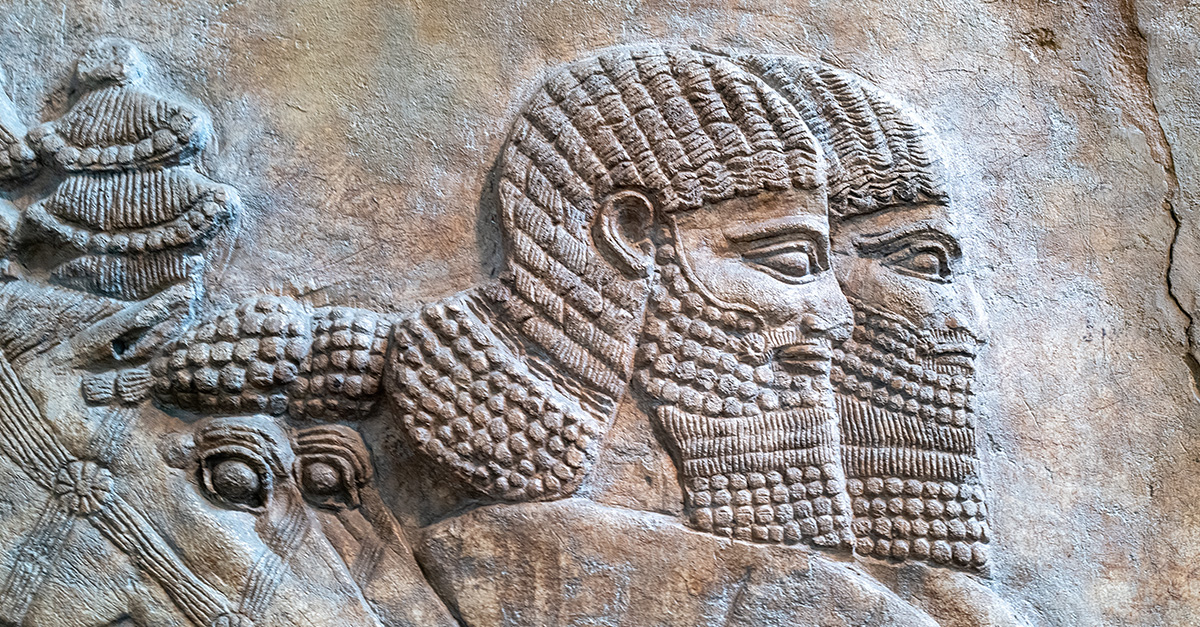
A Colossal Surprise from Ancient Mesopotamia
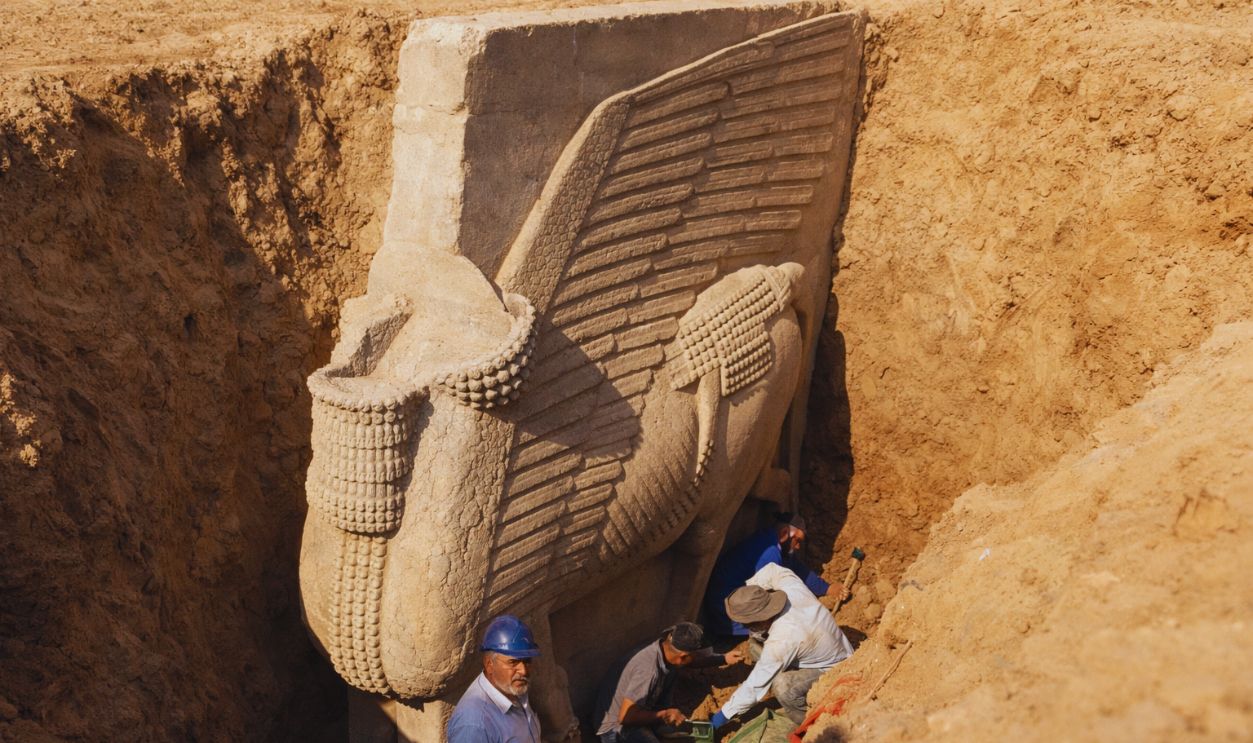
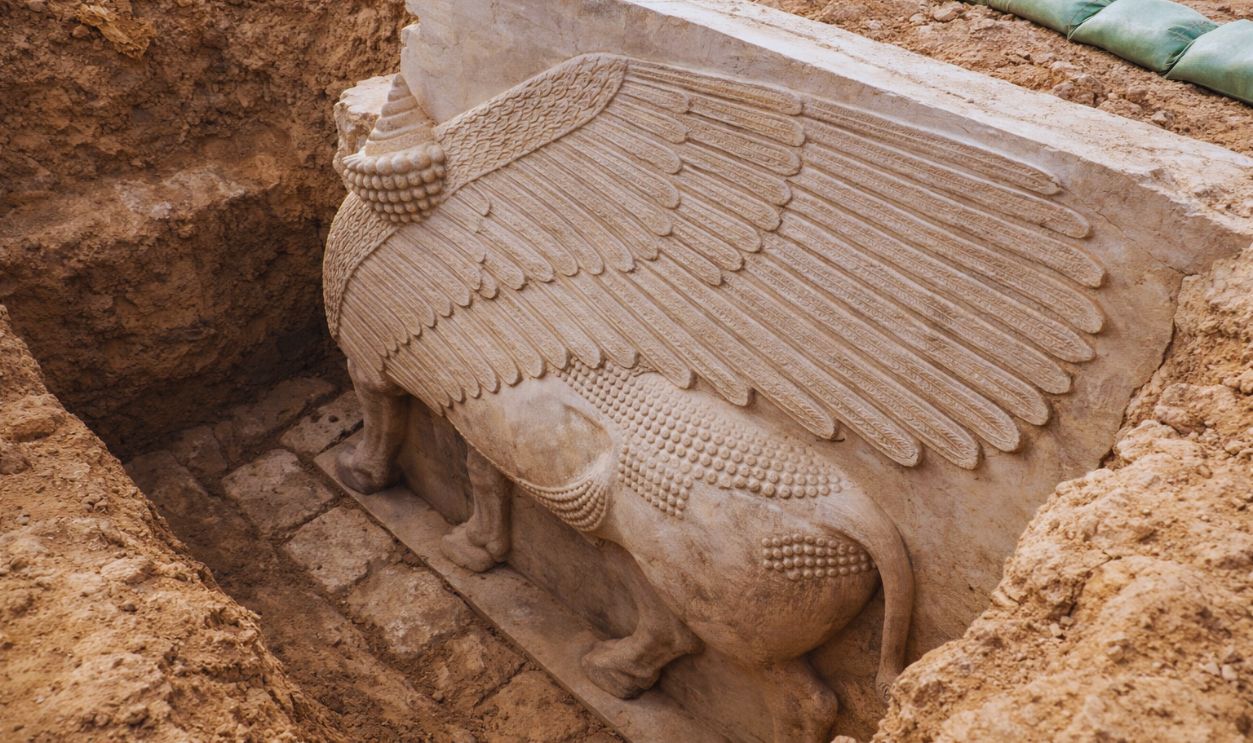
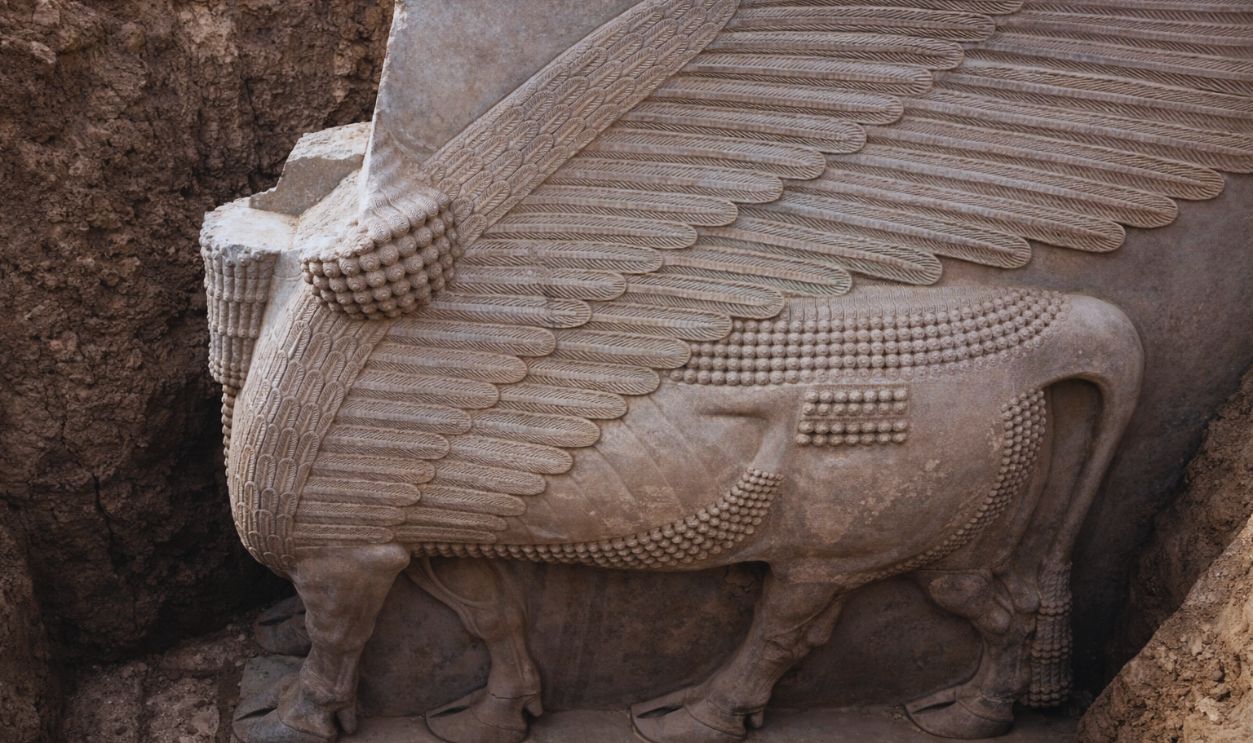
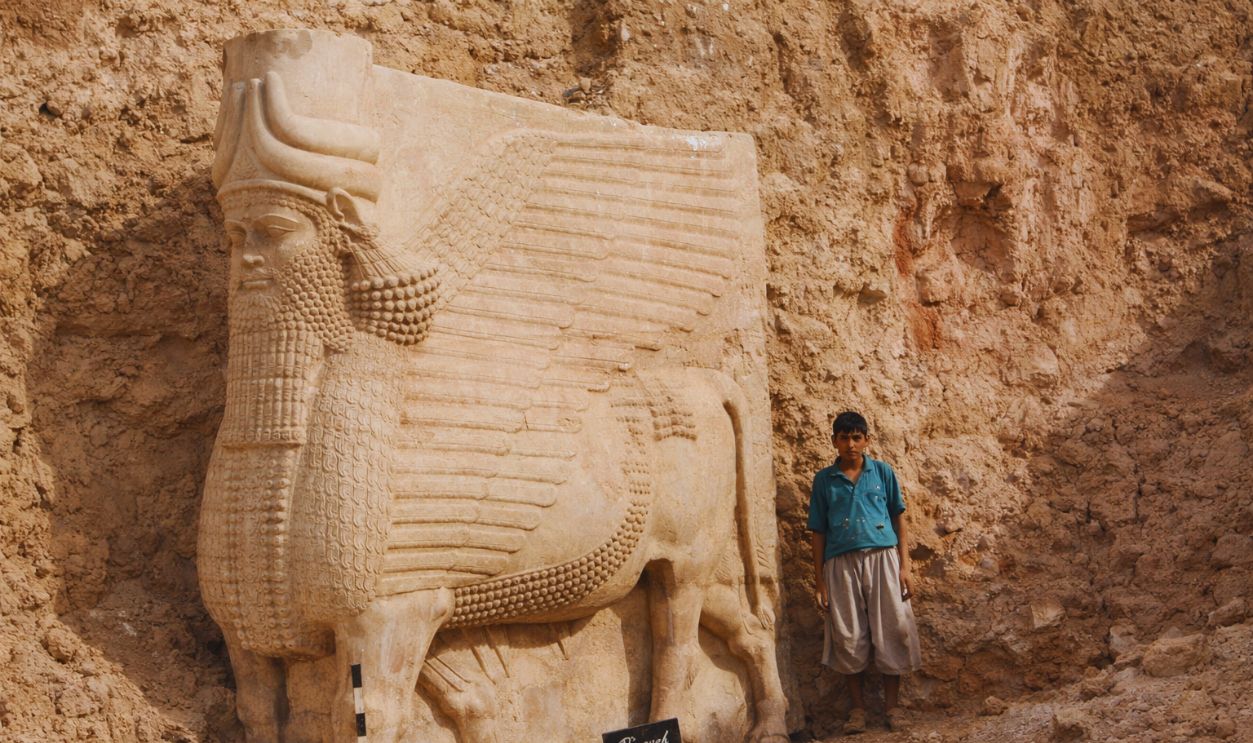
In the dusty heart of northern Iraq — beneath a mound once thought sacred and shrouded in centuries of mystery — archaeologists have uncovered something truly jaw-dropping: a massive six-meter-tall winged bull with a human head. Known in ancient Assyrian art as a lamassu, this astonishing sculpture is the largest ever found of its kind, dwarfing even the famous giants on display in the British Museum and the Louvre. Its discovery is not just about size — it’s a monumental window into the skill, power, and imagination of the Neo-Assyrian Empire at its peak.
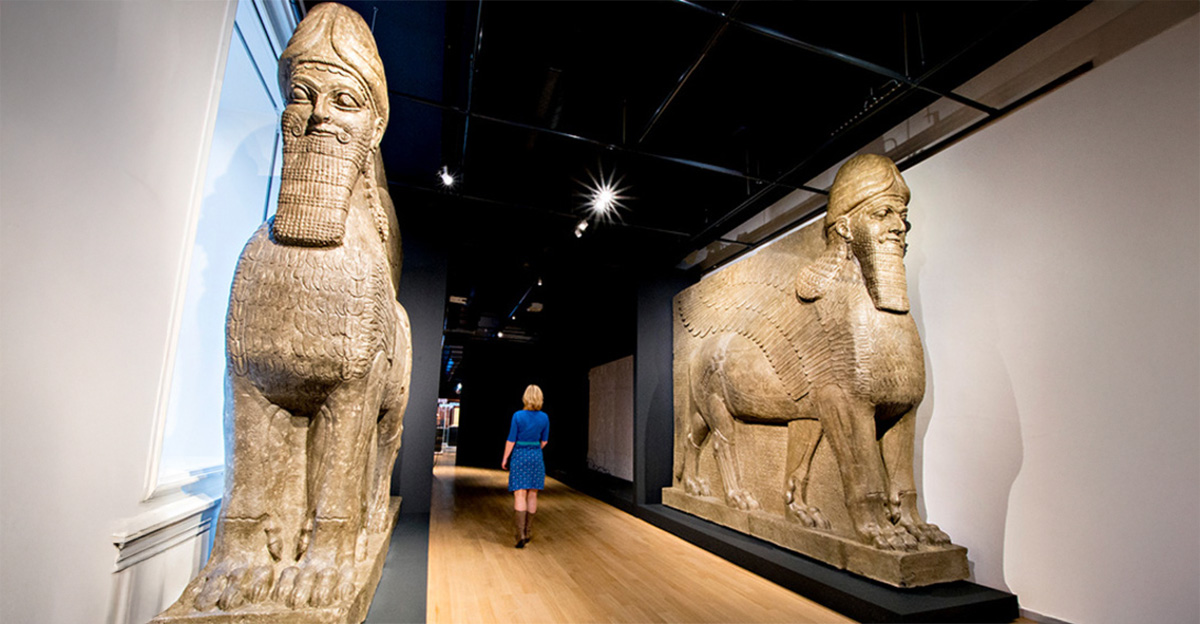
Meet the Lamassu: Guardian Spirits Of Empire
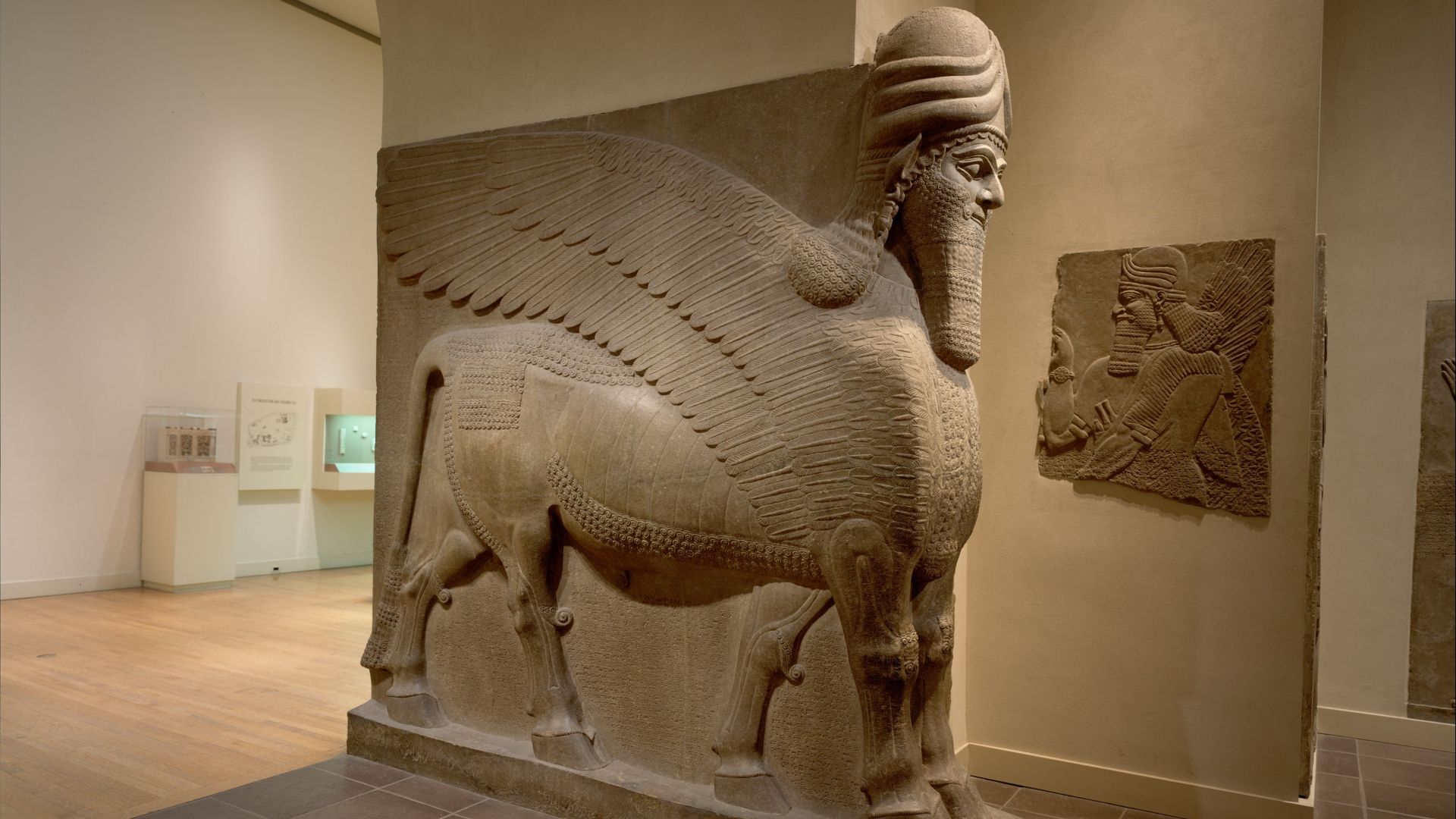
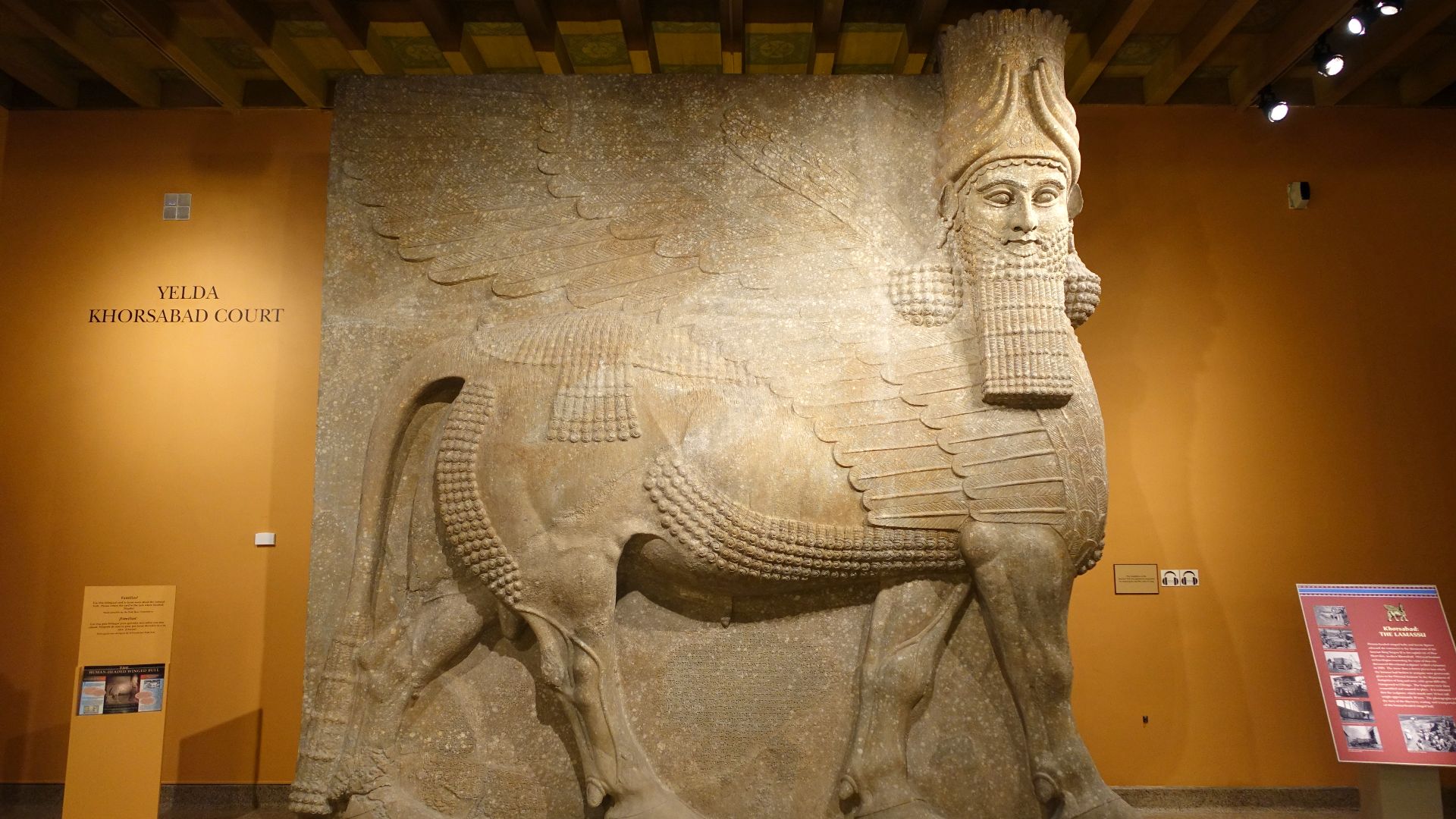
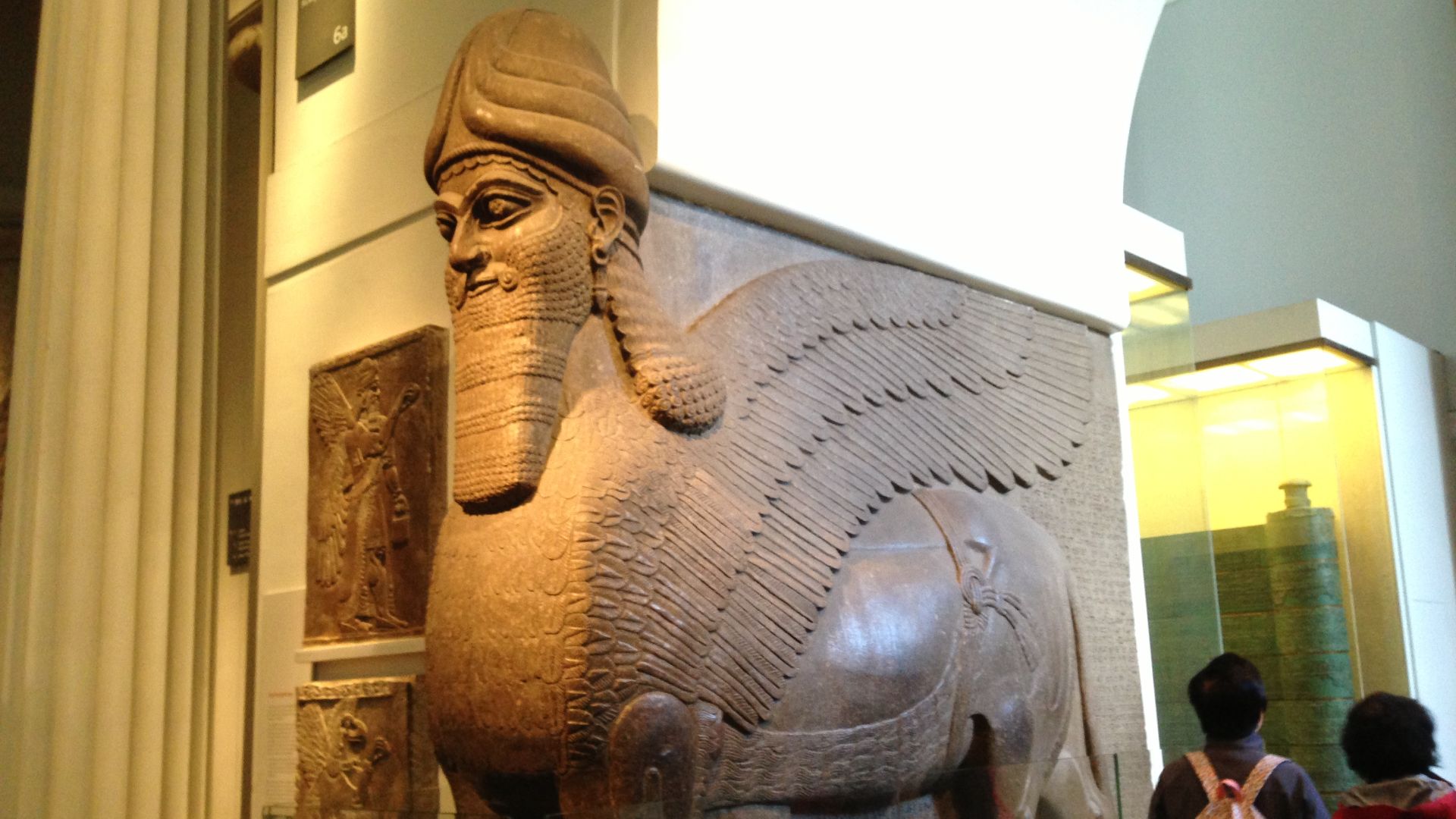
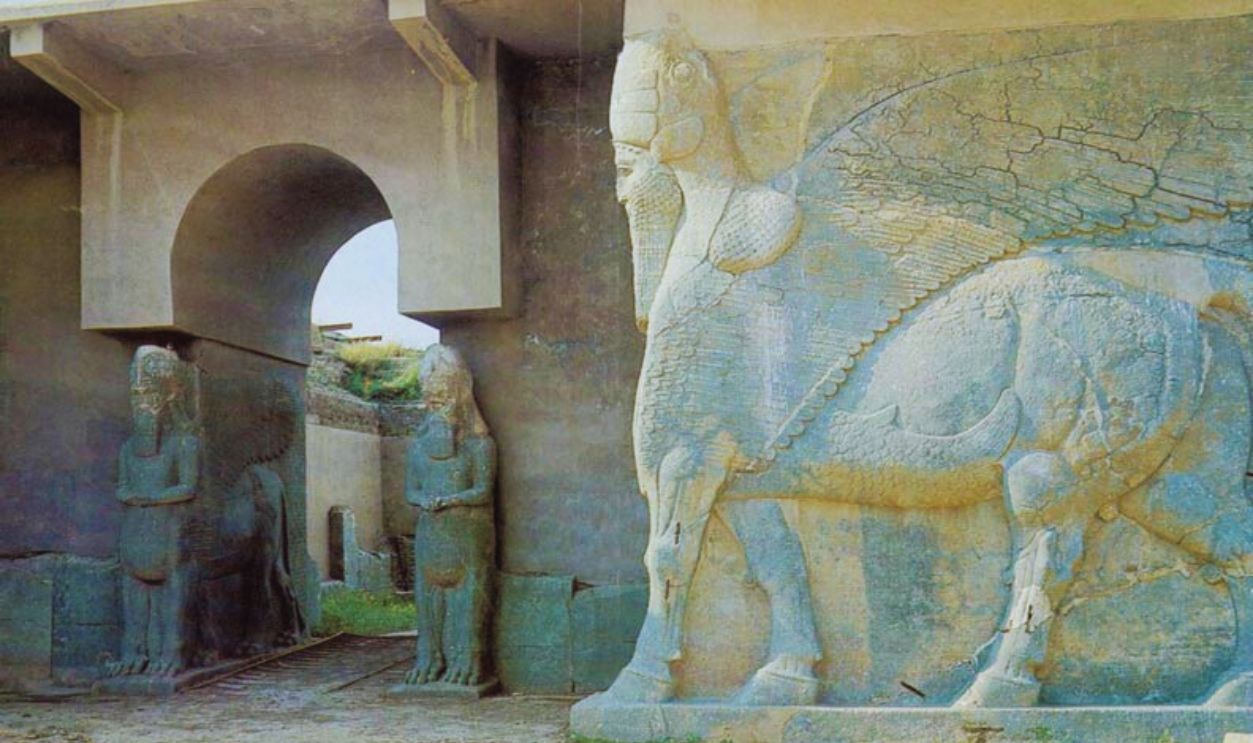
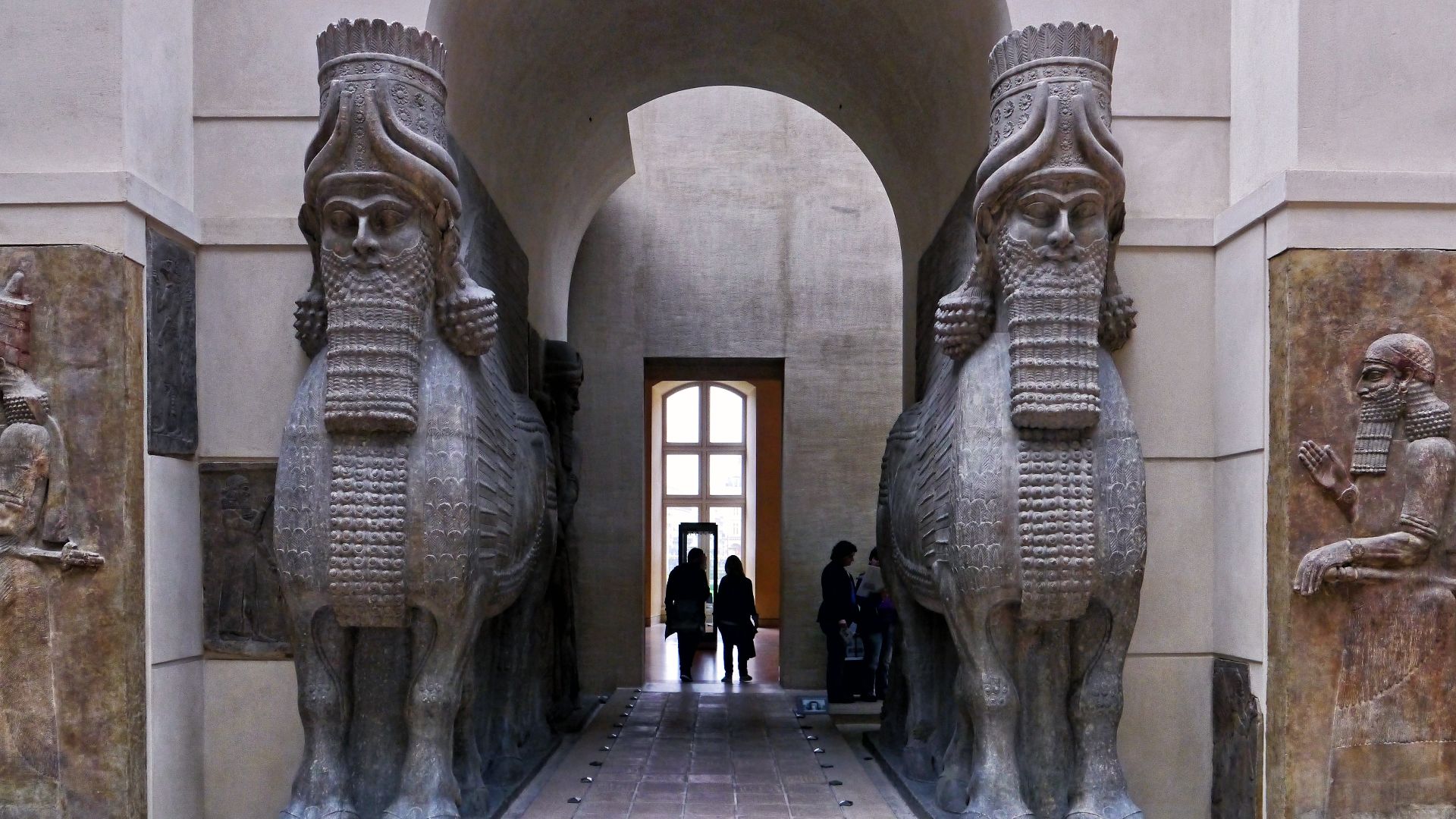
Lamassu were more than statues — they were supernatural protectors. In Assyrian belief, these hybrid beings combined the strength of a bull or lion, the majesty of an eagle’s wings, and the intellect of a human head. Placed at palace gates, they were meant to ward off evil and proclaim imperial authority.
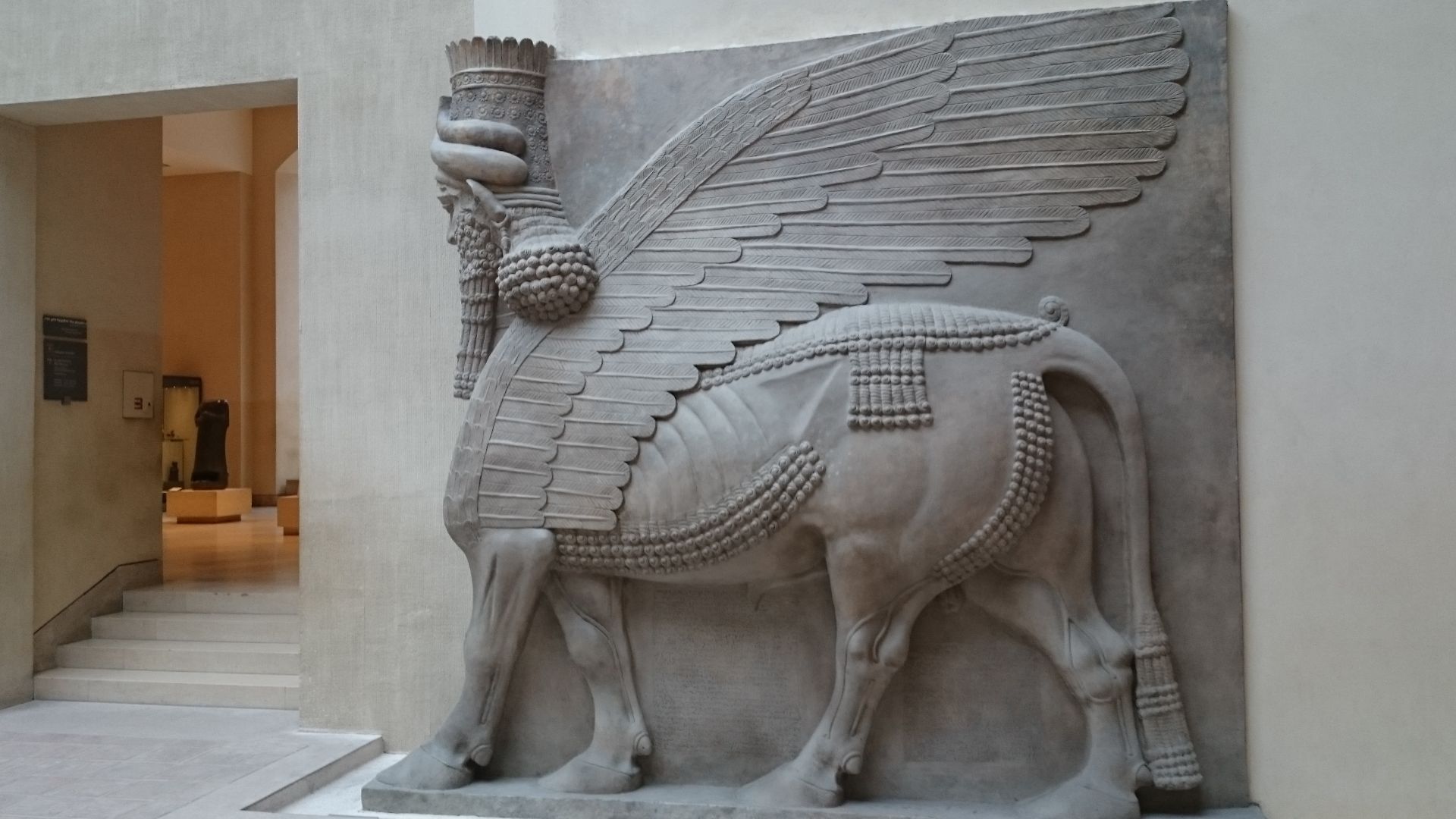
The Discovery That Redefines Scale
Earlier Assyrian lamassu typically stood between 3.5 and 4.2 meters tall. But this newly unearthed guardian reaches almost six meters (nearly 20 feet) — a full third taller than its renowned counterparts. That makes it the largest lamassu ever recorded by archaeologists.
A Palace Beneath The Prophet Jonah Mosque
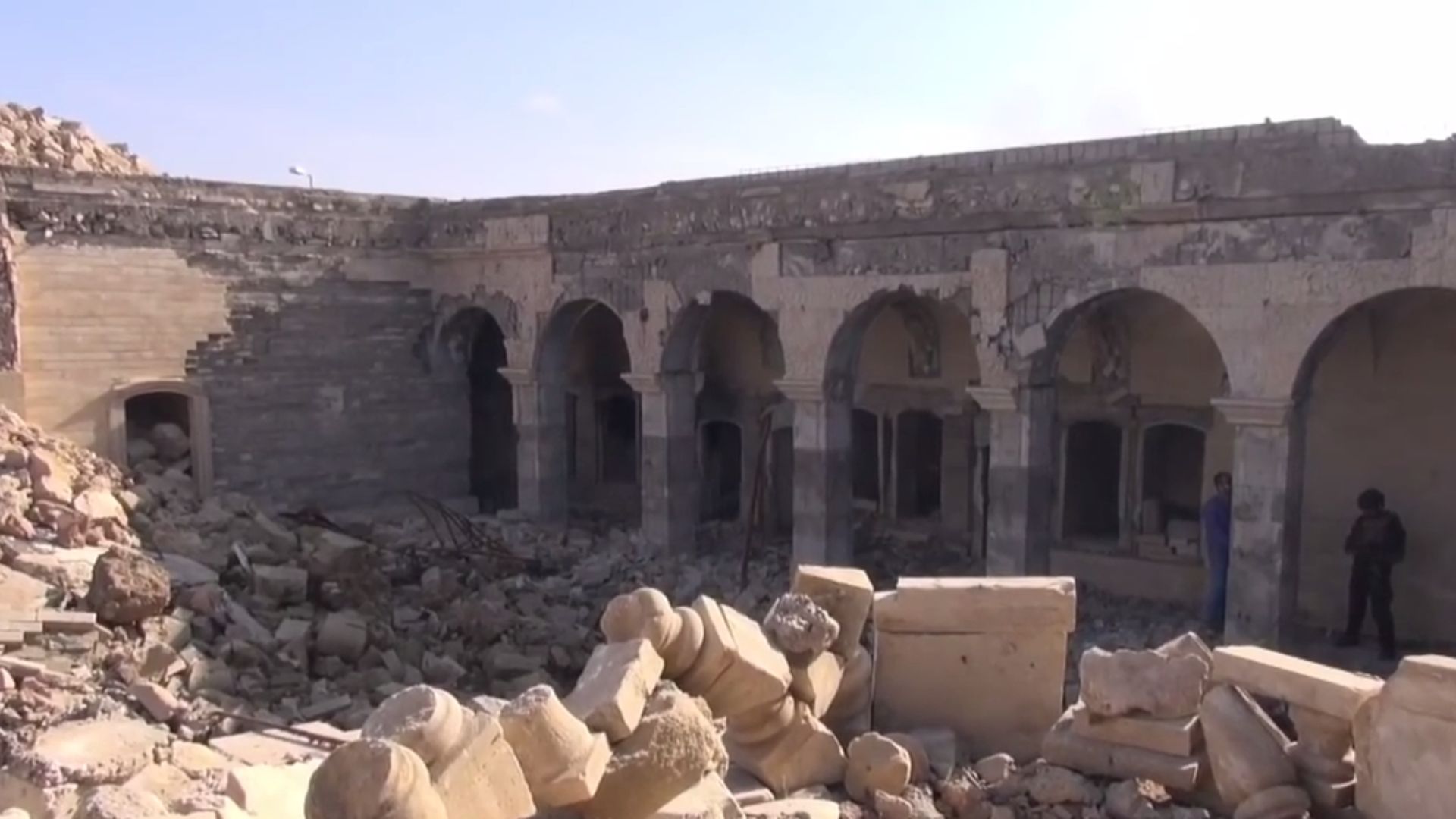
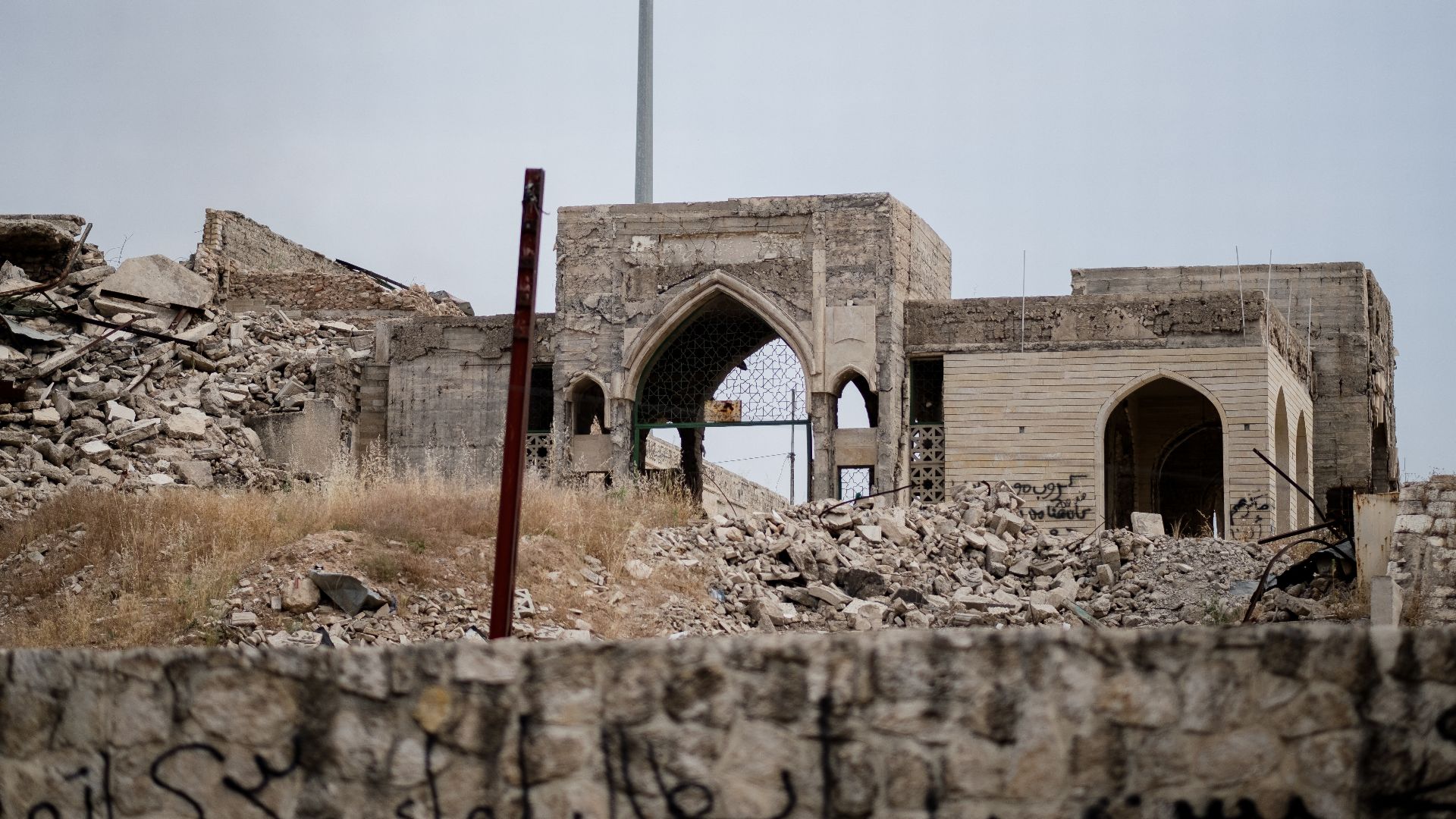
The find was made at the Nabi Yunus site, a major mound in Mosul, northern Iraq — once part of the magnificent ancient city of Nineveh. For centuries, the site was associated with the tomb of the prophet Jonah, and the presence of a mosque on the mound limited scientific exploration.
 Voice of America, Wikimedia Commons
Uncovering History After Conflict
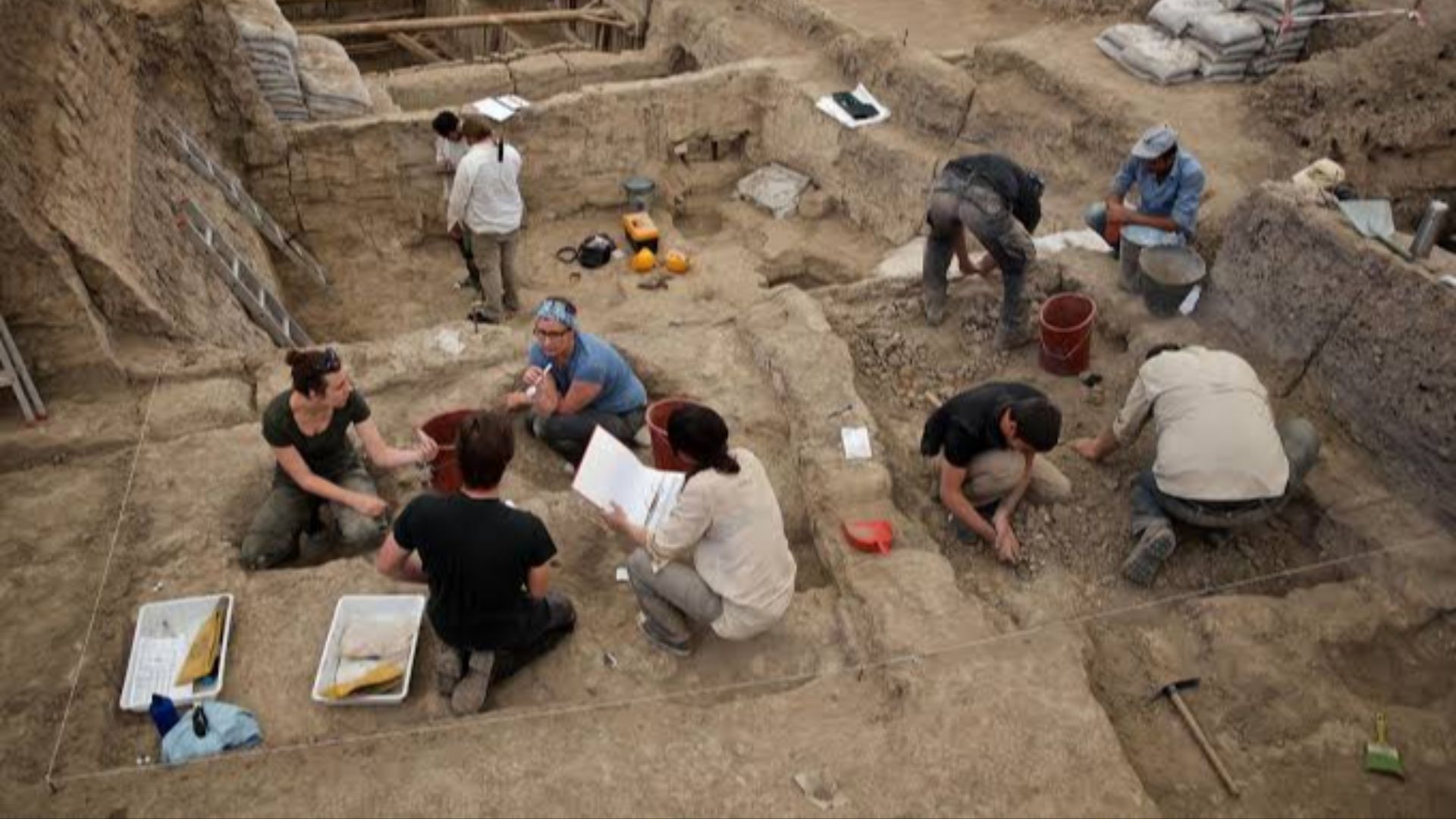
Only in recent years, following the destruction and upheavals of the 2010s and early 2020s, could archaeologists safely resume systematic excavations at Nabi Yunus. Since 2018, Iraqi teams working with Germany’s Heidelberg University have been investigating tunnels looted by militants and exposing long-hidden Assyrian architectural remains.
 Levi Clancy, Wikimedia Commons
The Voice From Baghdad: A Cultural Announcement
The discovery was announced on Iraqi state television by Culture Minister Ahmed Fakkak al-Badrani, who described the find as holding great archaeological and historical significance for both Iraq and the broader study of Mesopotamian civilization.

Standing Tall In Esarhaddon’s Throne Hall
The lamassu was uncovered within the royal throne hall of King Esarhaddon, one of the most powerful rulers of the Neo-Assyrian Empire. Esarhaddon reigned from 681–669 BCE and is known for major building campaigns and extensive conquests, including in Egypt and Babylon.

Architecture Of Power: What the Palace Tells Us
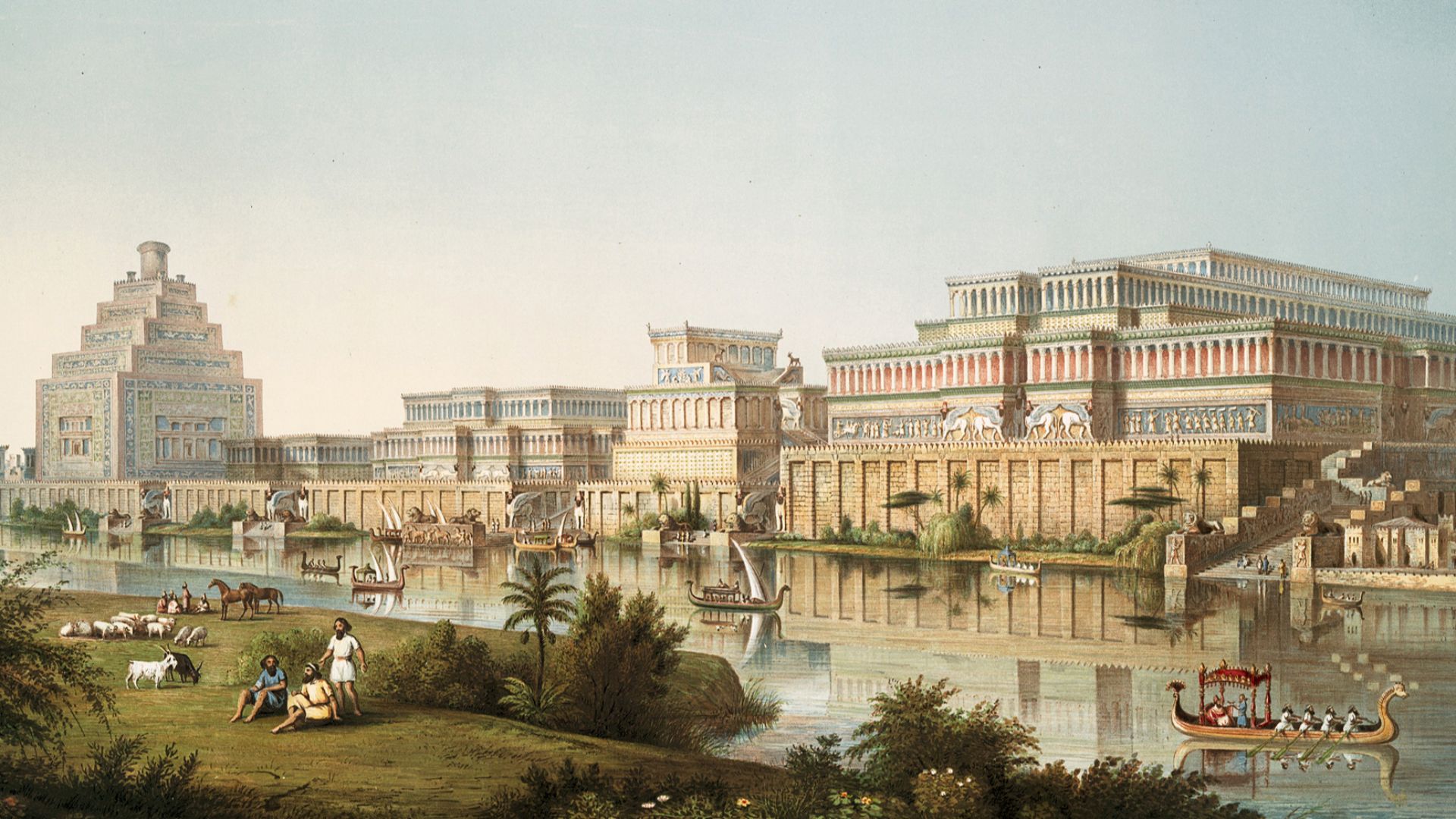
According to Iraqi antiquities officials, the palace’s interior consists of a series of halls leading up to the throne room itself. Each gateway was once flanked by pairs of lamassu — monumental symbols that both defended and dazzled.
A Statue With Siblings
This newly discovered lamassu was likely one of a pair guarding the main entrance to the throne hall. Smaller lamassu have been found at the site in previous decades, but none approached anything like six meters in height.
What Makes This The Biggest Ever?
The largest lamassu previously found — including those excavated in Khorsabad (now in the British Museum) and Dur-Sharrukin (in the Louvre) — rarely reach even four meters tall. The Mosul guardian now takes the record by a massive margin.
Ancient Nineveh: A City of Giants
Nineveh was not a small town — it was the beating heart of empire in the first millennium BCE, with lavish palaces, libraries, and temples. Today’s discovery helps confirm that its wealth and artistic ambition matched its historical reputation.
 Austen Henry Layard, Wikimedia Commons
A Mix Of Divine & Human Elements
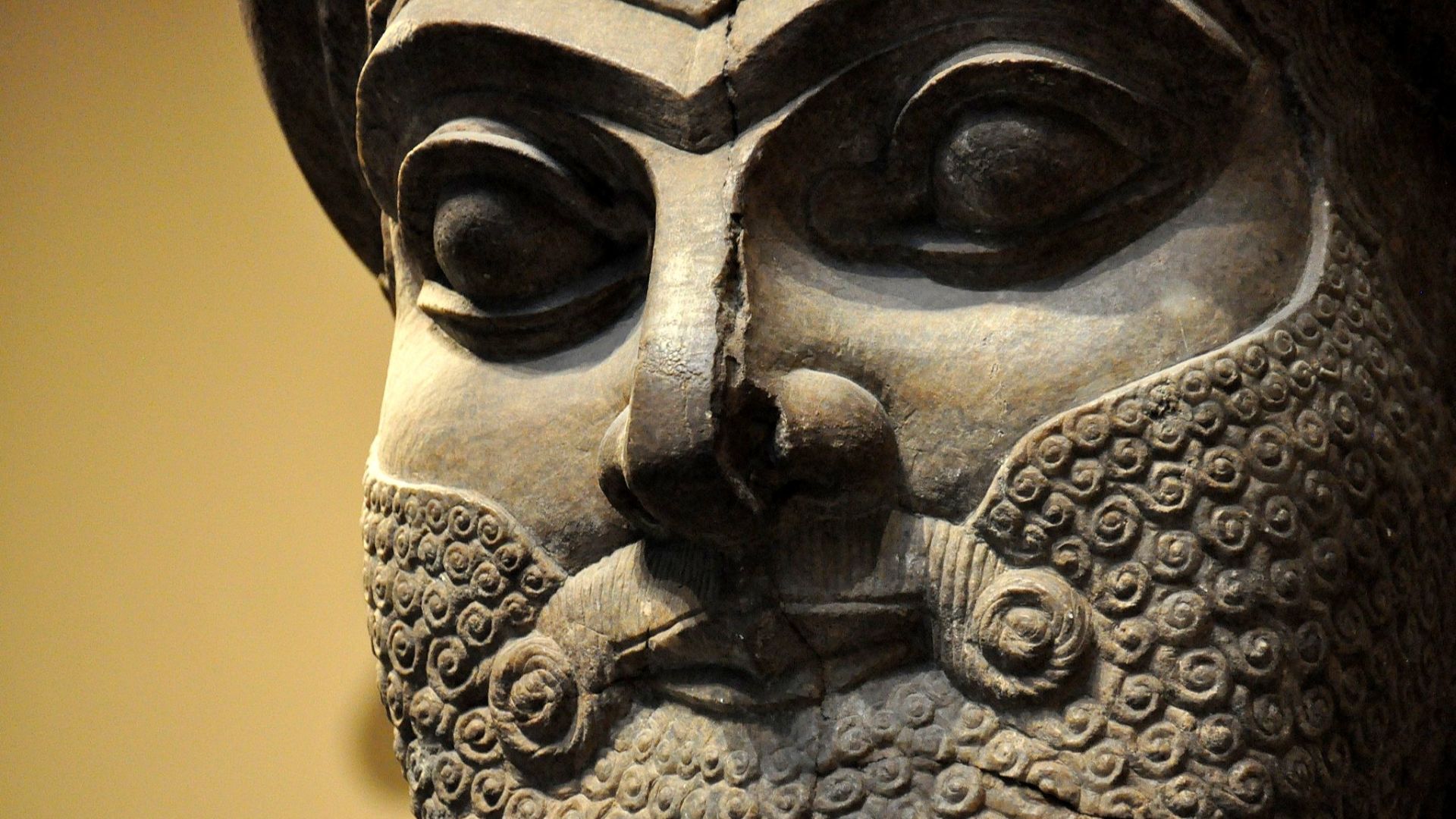
Lamassu figures are fascinating because they blend human wisdom with the animal kingdom’s might. This hybrid form symbolizes the idea that the king’s rule was both intelligent and unstoppable, guarded by divine force.
 Nate Loper from Flagstaff, AZ, USA, Wikimedia Commons
Rediscovering Lost Craftsmanship
The sheer scale and detail of the newly found sculpture pose intriguing questions: How did artisans carve it? How was it moved and installed? What tools and techniques did they use? These are the puzzles now being pieced together by researchers.
Cuneiform & Other Treasures
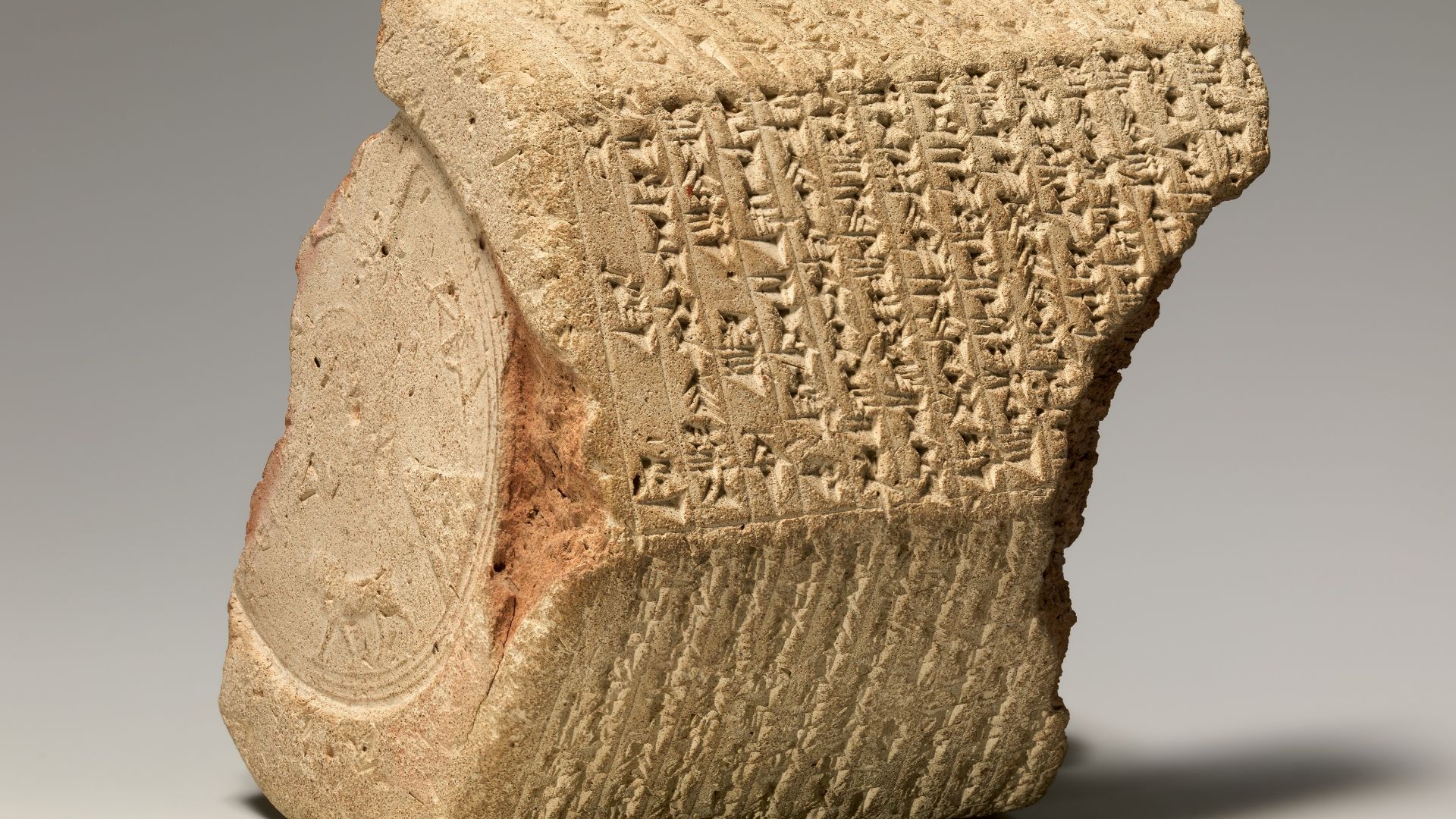
Excavation teams have found not just impressive stone — they’ve also unearthed clay tablets inscribed with cuneiform writing, some bearing the names of Assyrian kings including Sennacherib, Esarhaddon, and Ashurbanipal. These tablets may shed deeper light on the political and cultural networks of the age.
Spoils & Stories From Afar
Alongside inscriptions, artifacts believed to have been taken as war booty from Egypt and the Levant have surfaced — tangible evidence of the Assyrian Empire’s far-reaching campaigns.
Preservation Challenges Ahead
Before the lamassu can be fully studied and conserved, archaeologists insist on detailed records: precise measurements, 3D scans, and careful conservation planning are all needed to ensure its long-term survival.
 Osama Shukir Muhammed Amin FRCP(Glasg), Wikimedia Commons
Linking Past To Present
Part of the excavation team’s vision is to integrate archaeological finds with the modern heritage of Mosul. Plans are being drawn up to create a museum space that highlights Assyrian history alongside Islamic heritage connected to the Prophet Jonah Mosque above.
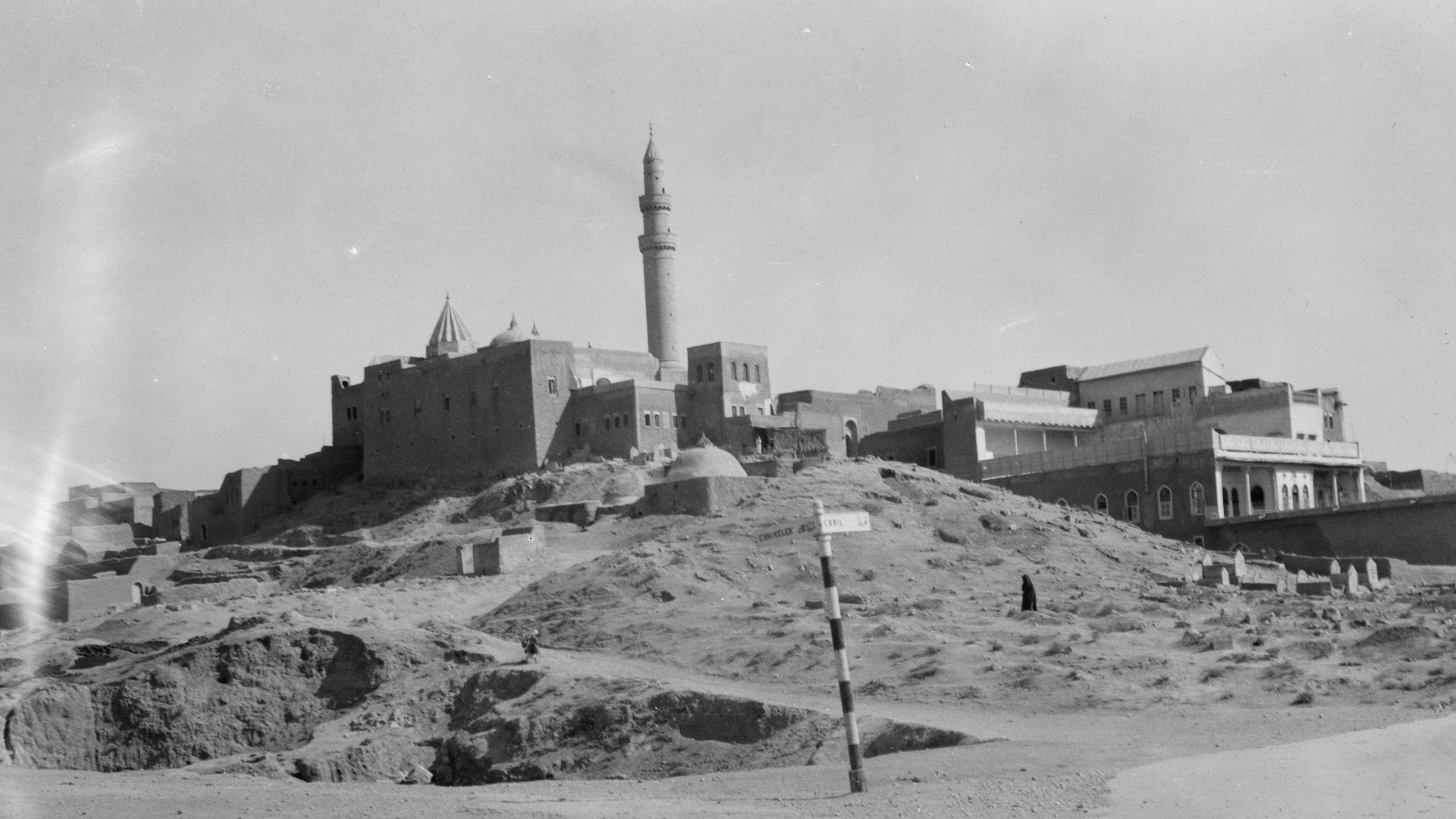 Matson Collection, Wikimedia Commons
Tourism With Respect
Officials believe the lamassu will not only advance academic knowledge but also help revitalize Mosul’s cultural tourism — bringing visitors from around the world while honoring the site’s multiple layers of history.
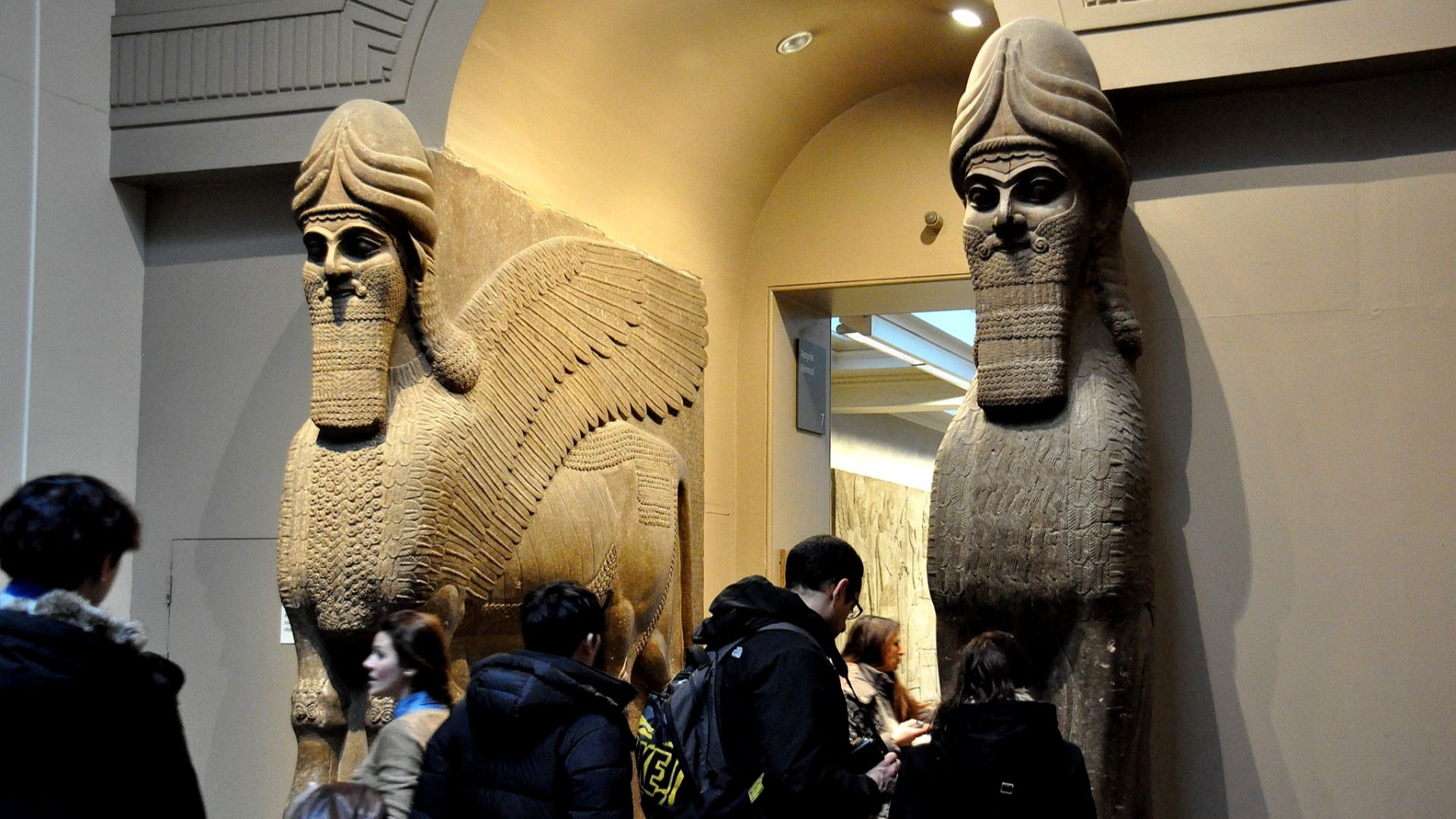 Osama Shukir Muhammed Amin FRCP(Glasg), Wikimedia Commons
What Assyriologists Are Saying
Scholars are already buzzing about this discovery. Many wonder whether this colossal lamassu was unique to Esarhaddon’s throne hall or part of a broader artistic trend now mostly lost to time.
The Art Of Power & Protection
Beyond its awe-inspiring size, this lamassu reminds us how the ancient Assyrians fused art with ideology — using grand sculpture to broadcast messages about strength, divinity, and royal authority to those who entered the palace gates.
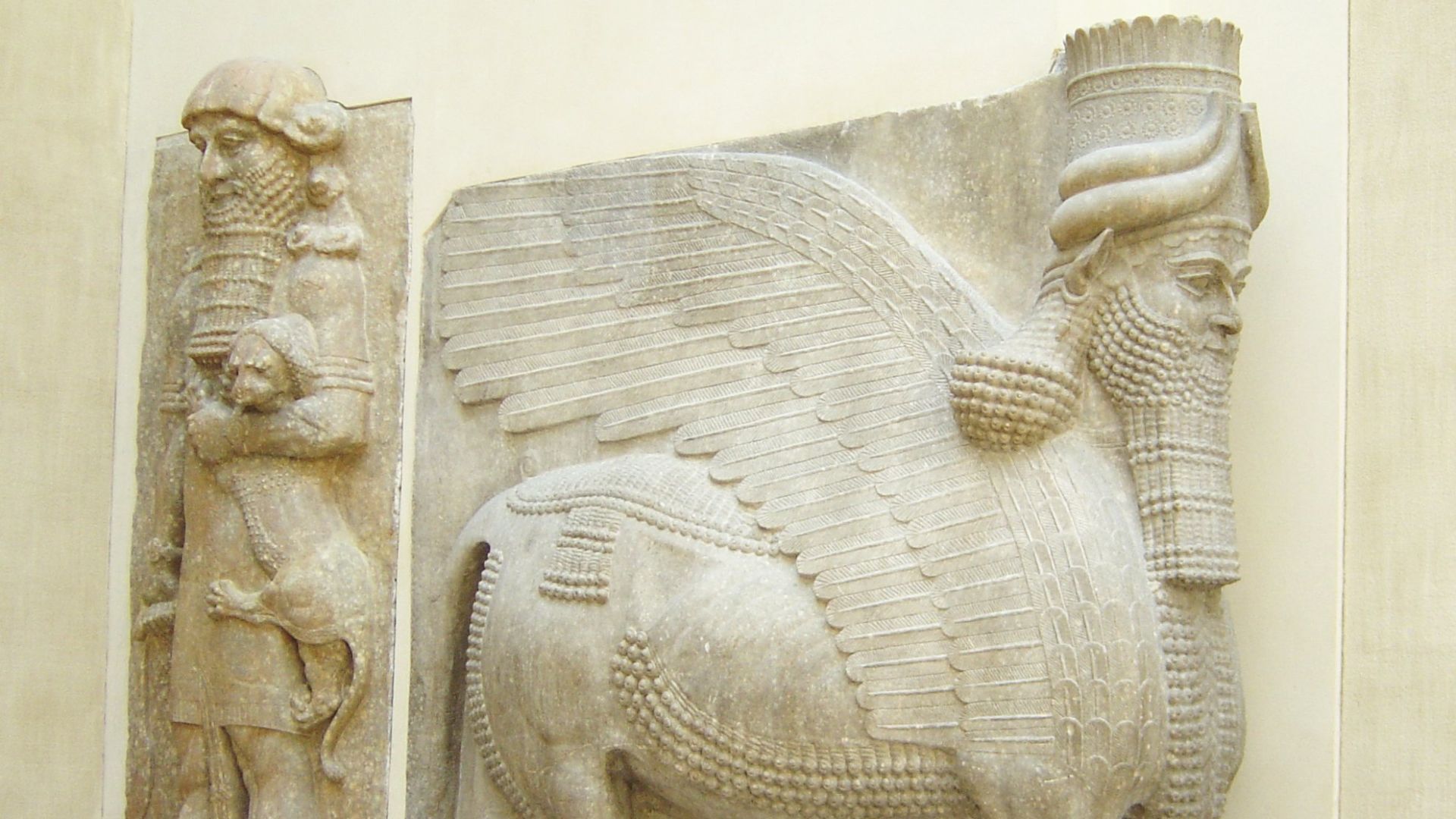 Copyright © 2003 David Monniaux, Wikimedia Commons
The Modern Story Behind The Dig
This discovery also reveals the resilience of archaeological science in Iraq. After decades of conflict and looting, cooperation between Iraqi authorities and international scholars is bringing new chapters of history to light.
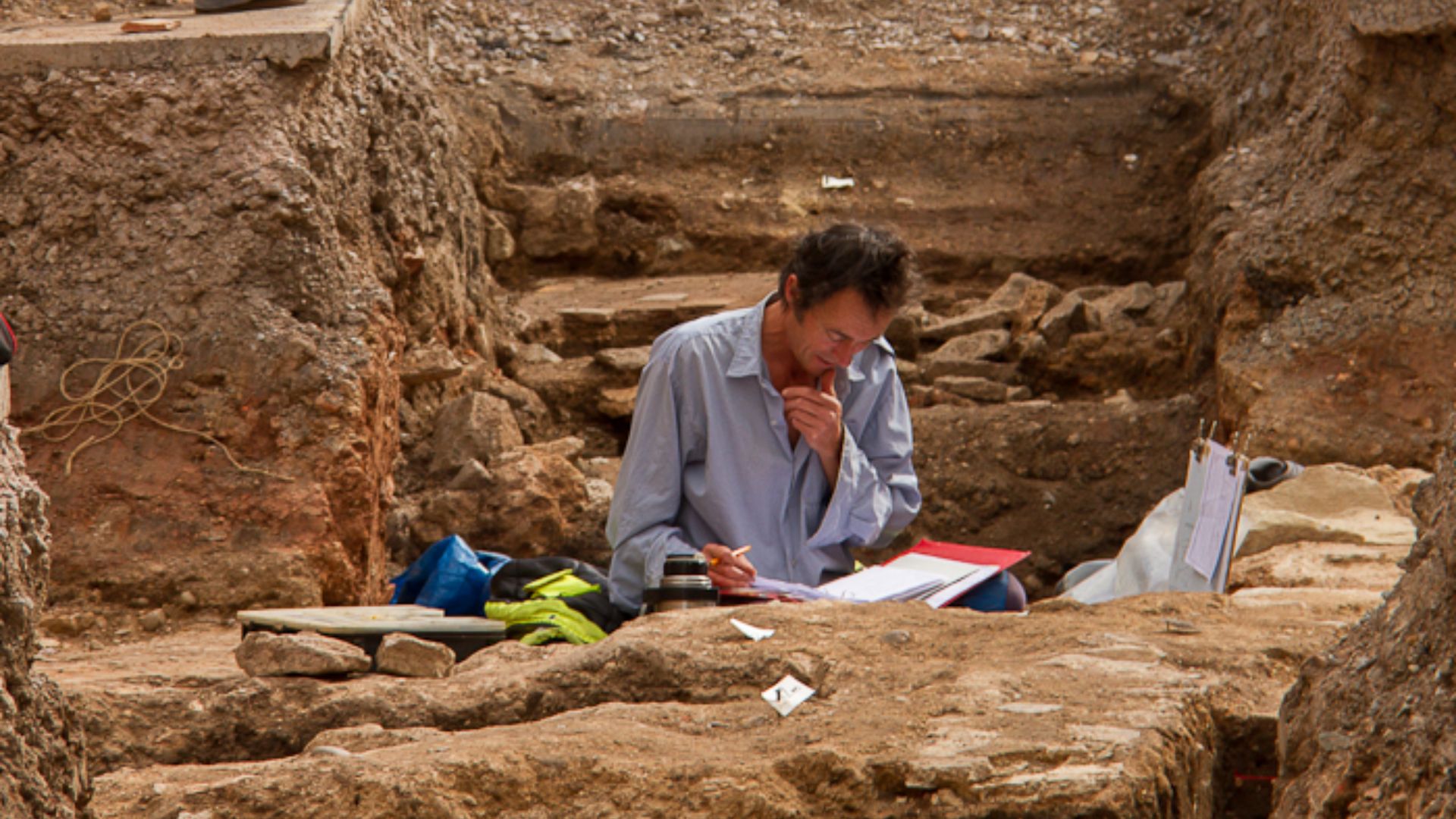
Preserving A Legacy
Experts emphasize that this find underscores the importance of protecting cultural heritage — a reminder that even in war-torn places, remarkable stories from the past still lie buried, waiting to be unearthed.
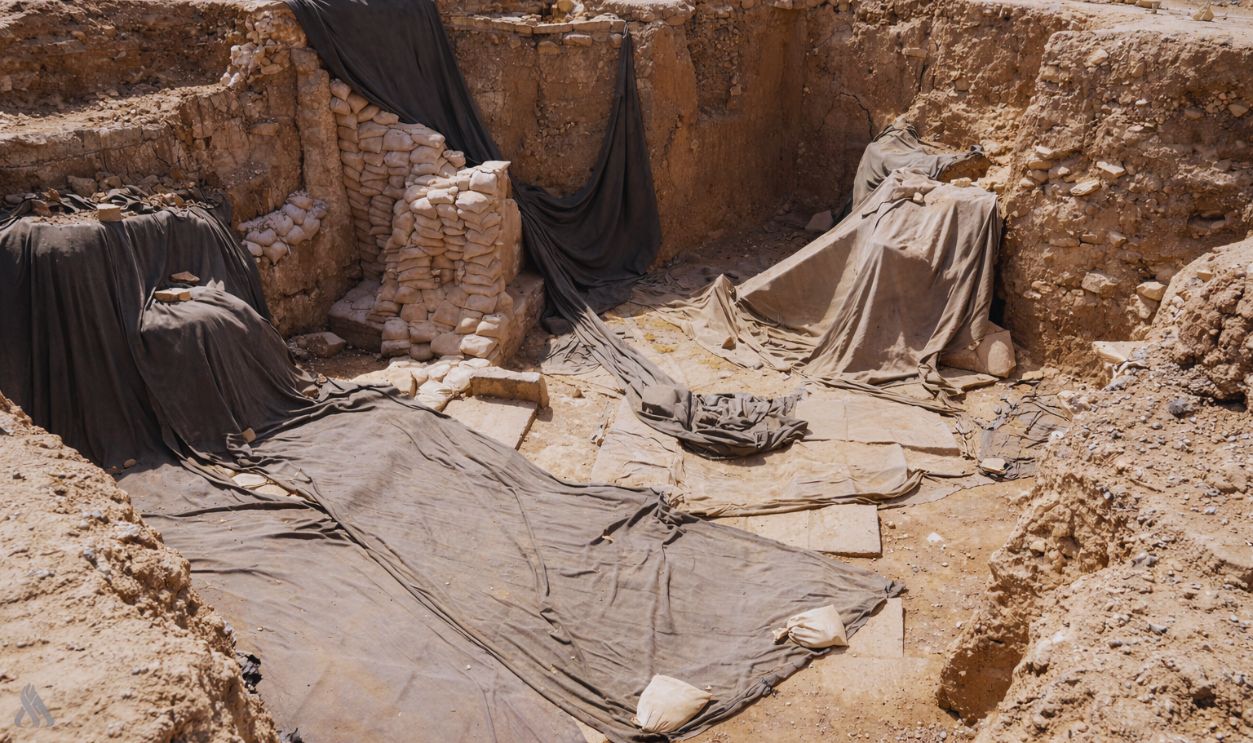
From Nineveh To The World
When complete documentation and preservation are finished, the six-meter lamassu may travel in academic publications, virtual exhibits, and international forums — becoming one of the defining archaeological images of the decade.
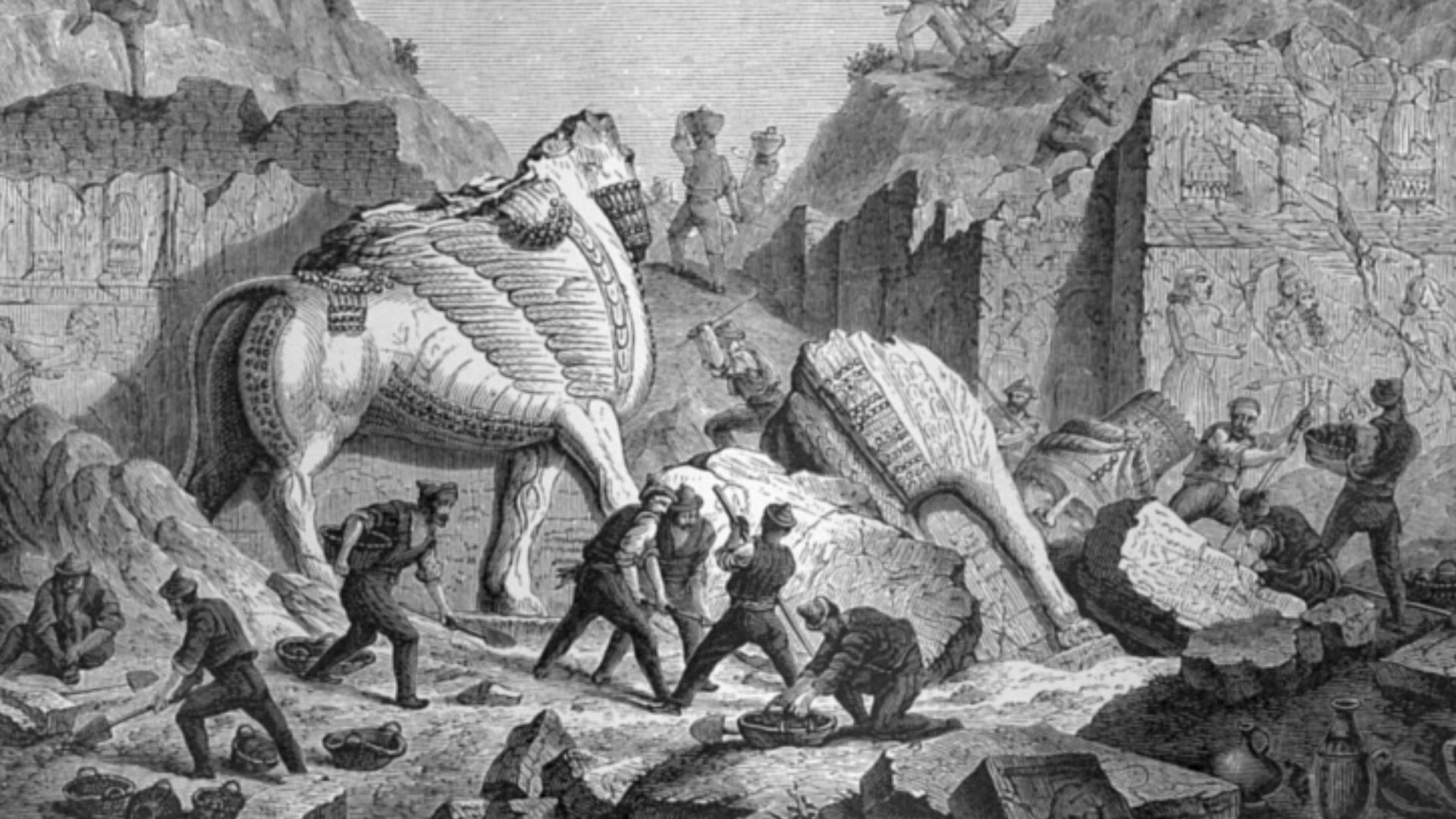 Newman, John Philip, 1826-1899, Wikimedia Commons
Connecting Generations
For Iraqis and scholars worldwide alike, this monumental figure is more than stone: it’s a bridge across time, connecting people today to the artists, rulers, and citizens of an empire that vanished millennia ago.
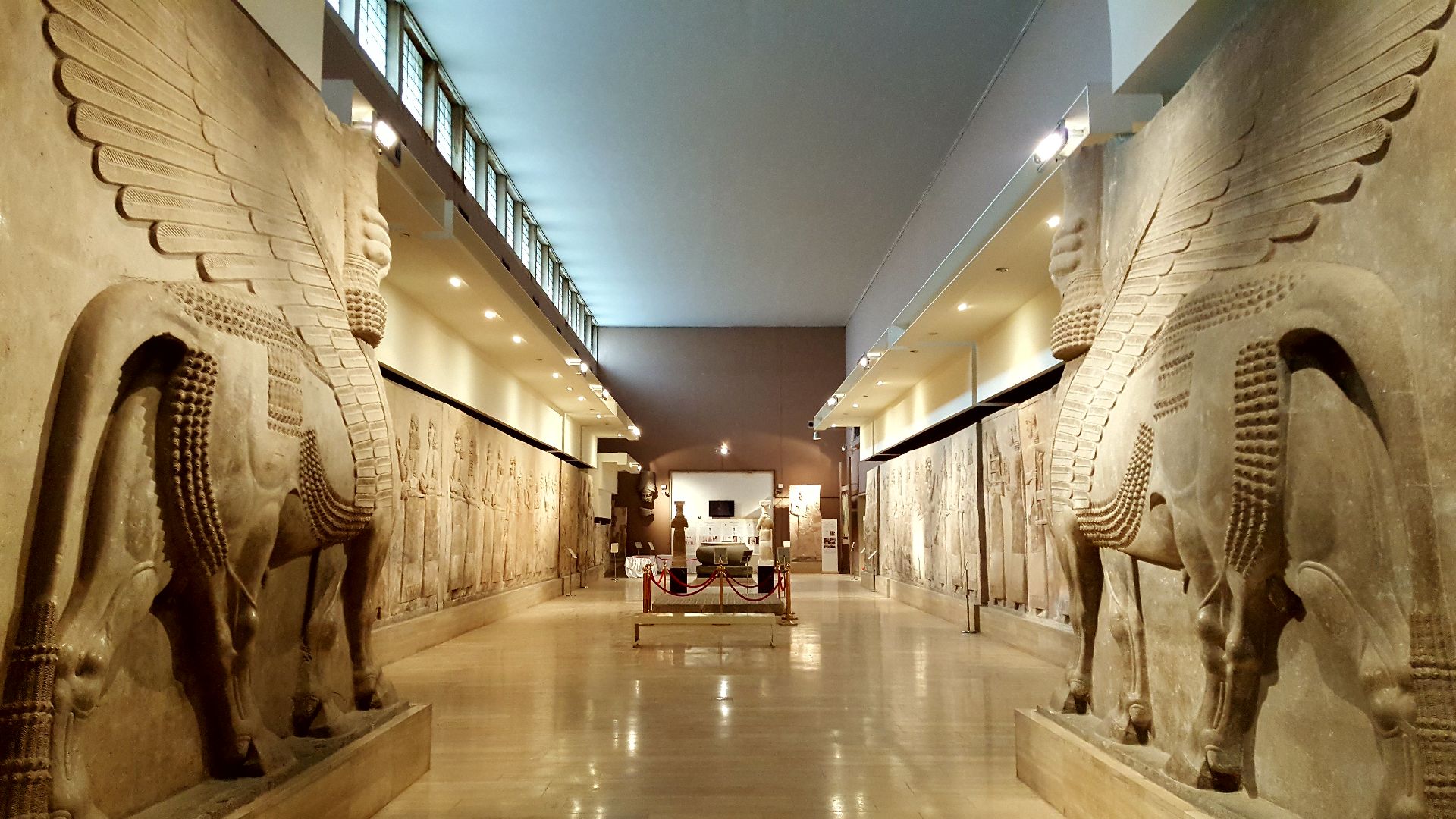 MohammadHuzam, Wikimedia Commons
Engaging A New Audience
Archaeology isn’t just for specialists — discoveries like this spark curiosity in everyone from armchair historians to schoolchildren dreaming of ancient adventure.
An Enduring Symbol of Mesopotamia
The six‐meter lamassu discovered in Mosul is more than a record-breaker. It represents a leap forward in our understanding of Assyrian monumental sculpture, imperial ideology, and ancient craftsmanship. As specialists continue to study its form, context, and inscriptions, this monumental guardian will endure not just as a heap of stone, but as a beacon of ancient artistry and an emblem of human creativity.
You May Also Like:
Pizza Is America's Greatest Food, But Who Has The Best Slice In Each State?
Archaeologists Find Ancient God In A Sewer
Every tourist who goes to Japan quickly understands why it's the most satisfying country to visit.