The Storm That Changed Everything
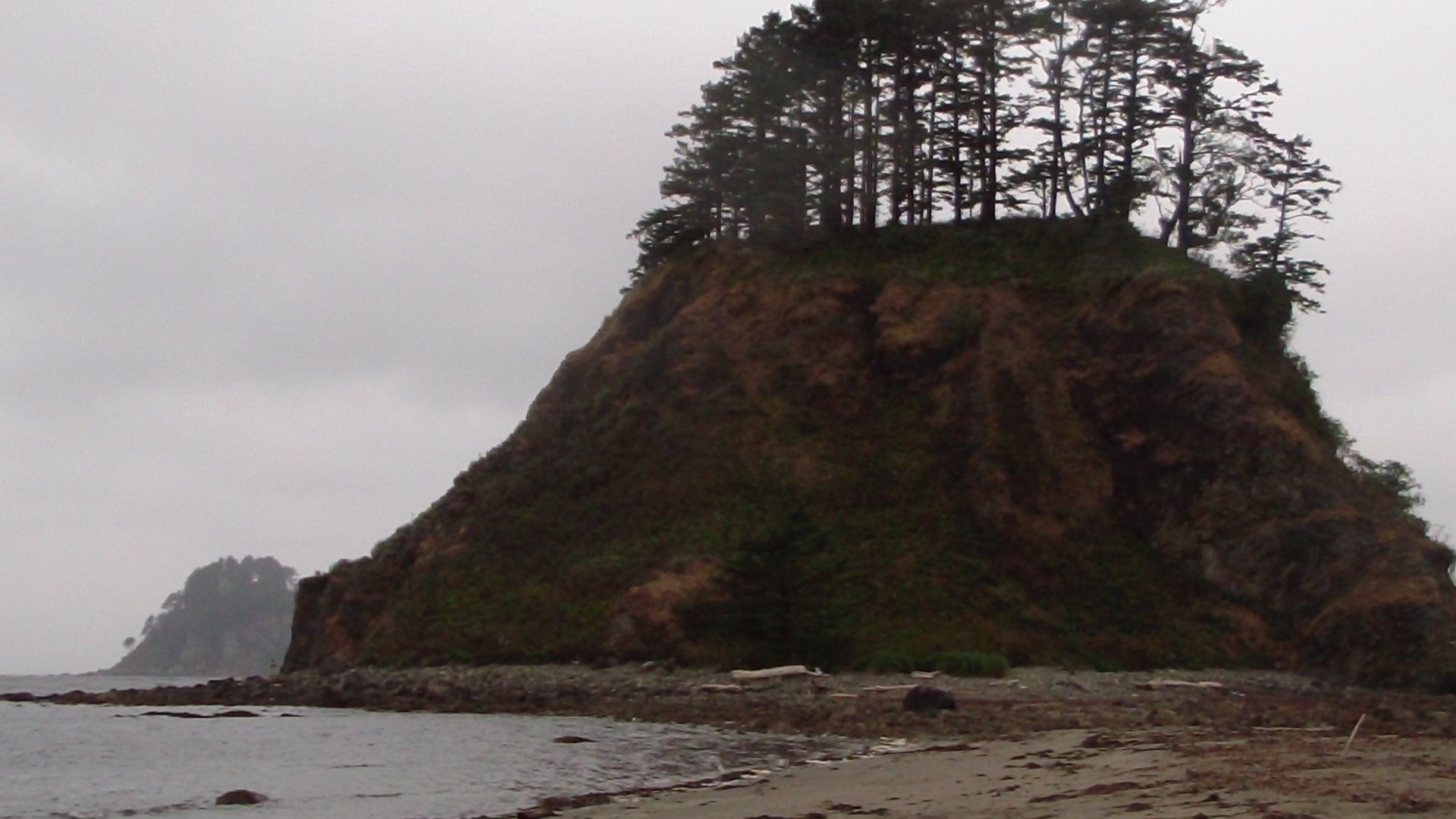
In the winter of 1969–1970, powerful Pacific storms slammed into the coast of Washington’s Olympic Peninsula. Waves pounded the shoreline near Cape Alava, tearing away chunks of earth. At first, it looked like just another case of coastal erosion.
But something strange began to appear in the mud.
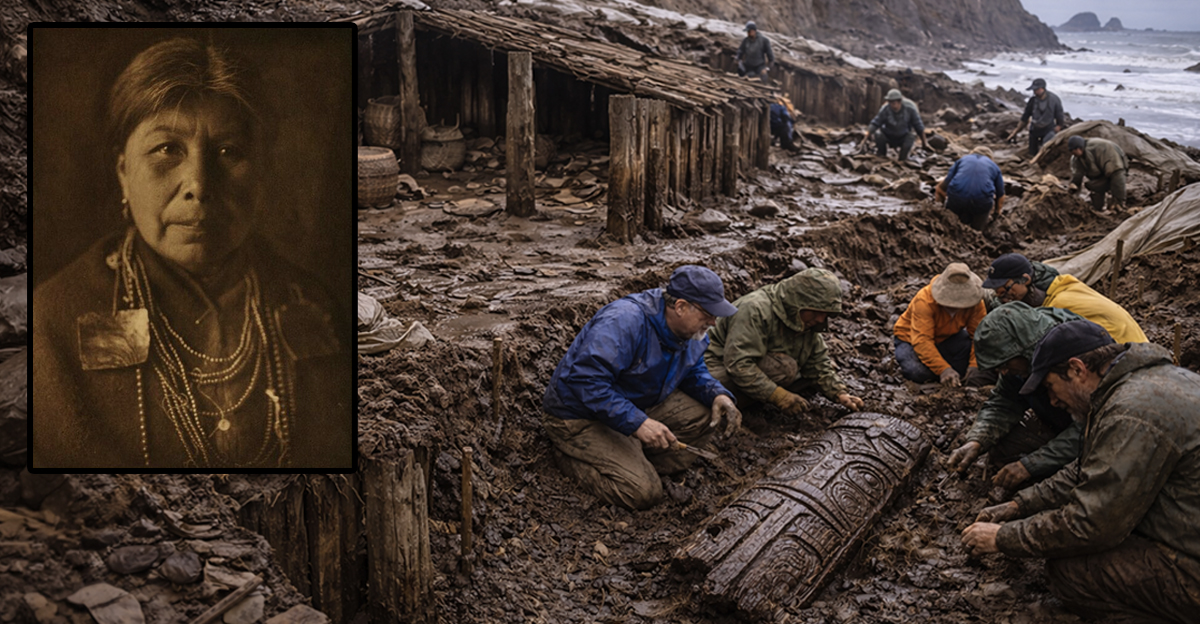 Edward S. Curtis, Public domain, via Wikimedia Commons
Something Was Sticking Out of the Cliff
As the storm pulled back layers of soil, wooden objects started poking out of the exposed bluff. These weren’t driftwood or random debris—they looked carved, shaped, and old.
Something ancient had just been uncovered.
 Anastacia12182, Wikimedia Commons
The First Person to Raise the Alarm
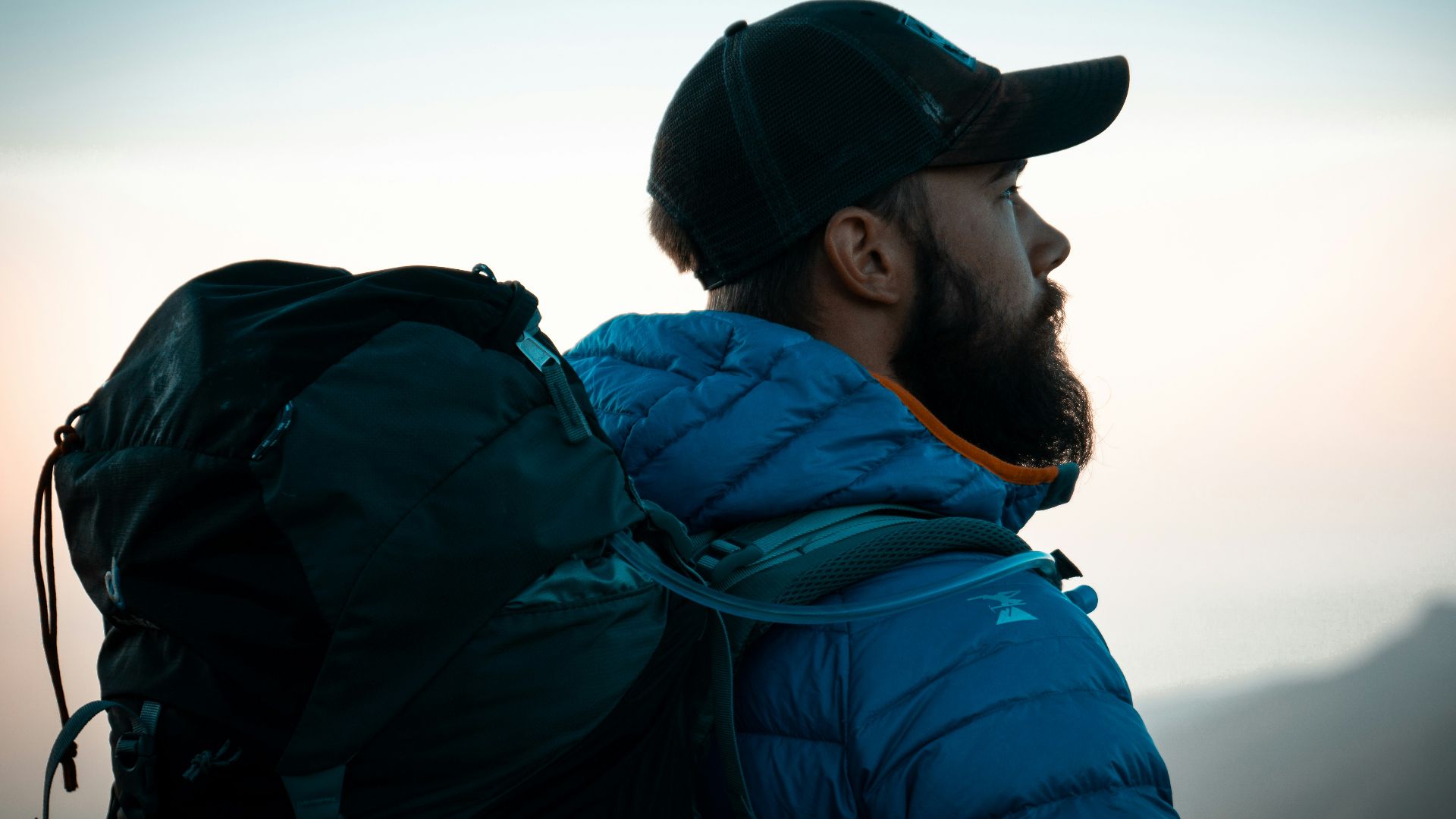
According to records, a hiker was one of the first to notice the exposed artifacts and contacted the Makah Tribe. Soon after, word spread quickly among tribal members.
This wasn’t just a random find.
The Makah Knew This Story Already
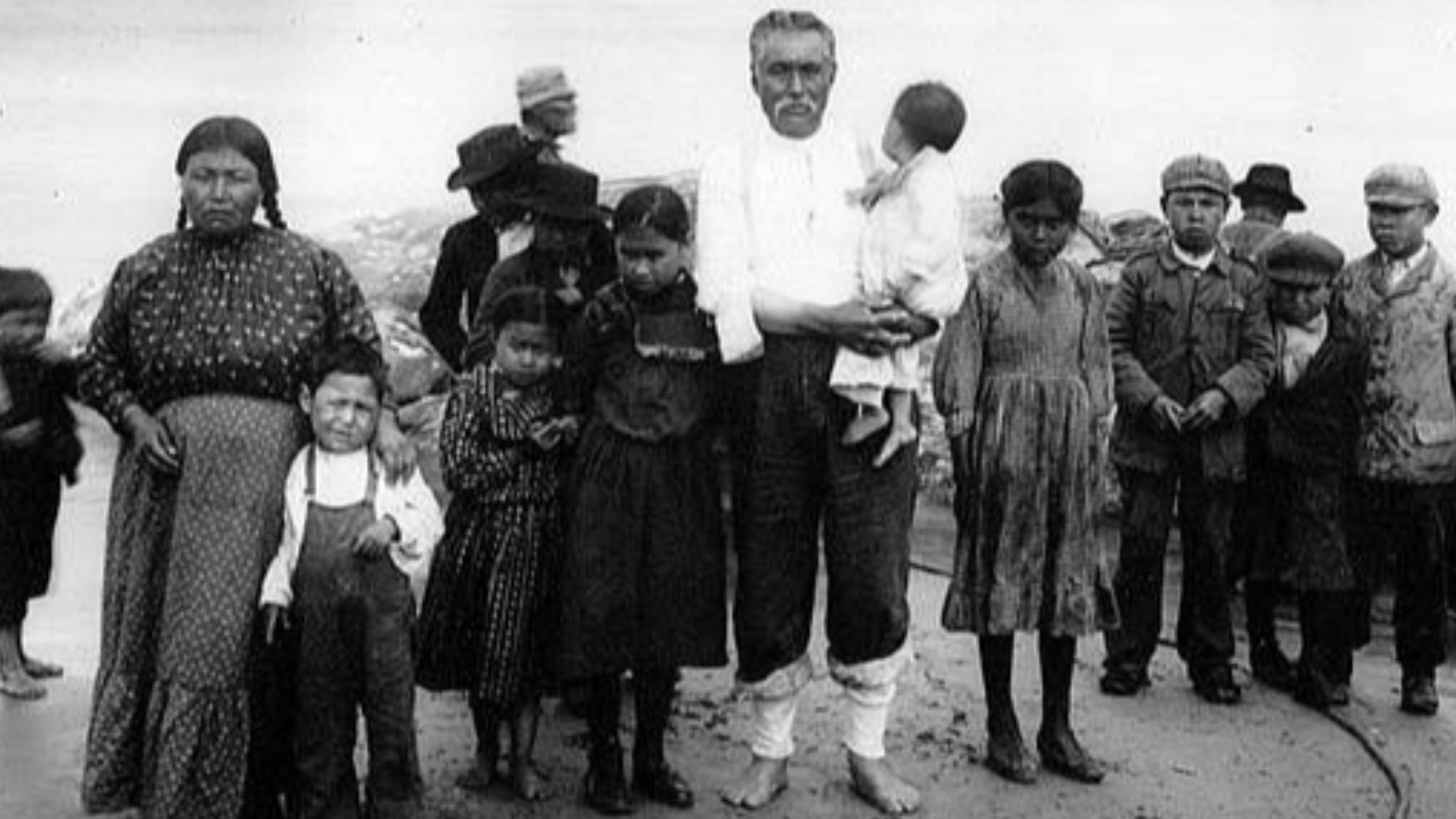
For generations, the Makah people had passed down stories of a “great slide” that buried part of a village long ago. When they saw the artifacts, they immediately recognized what this could be. Their oral history was about to be proven real.
 Asahel Curtis, Wikimedia Commons
A Call That Started It All
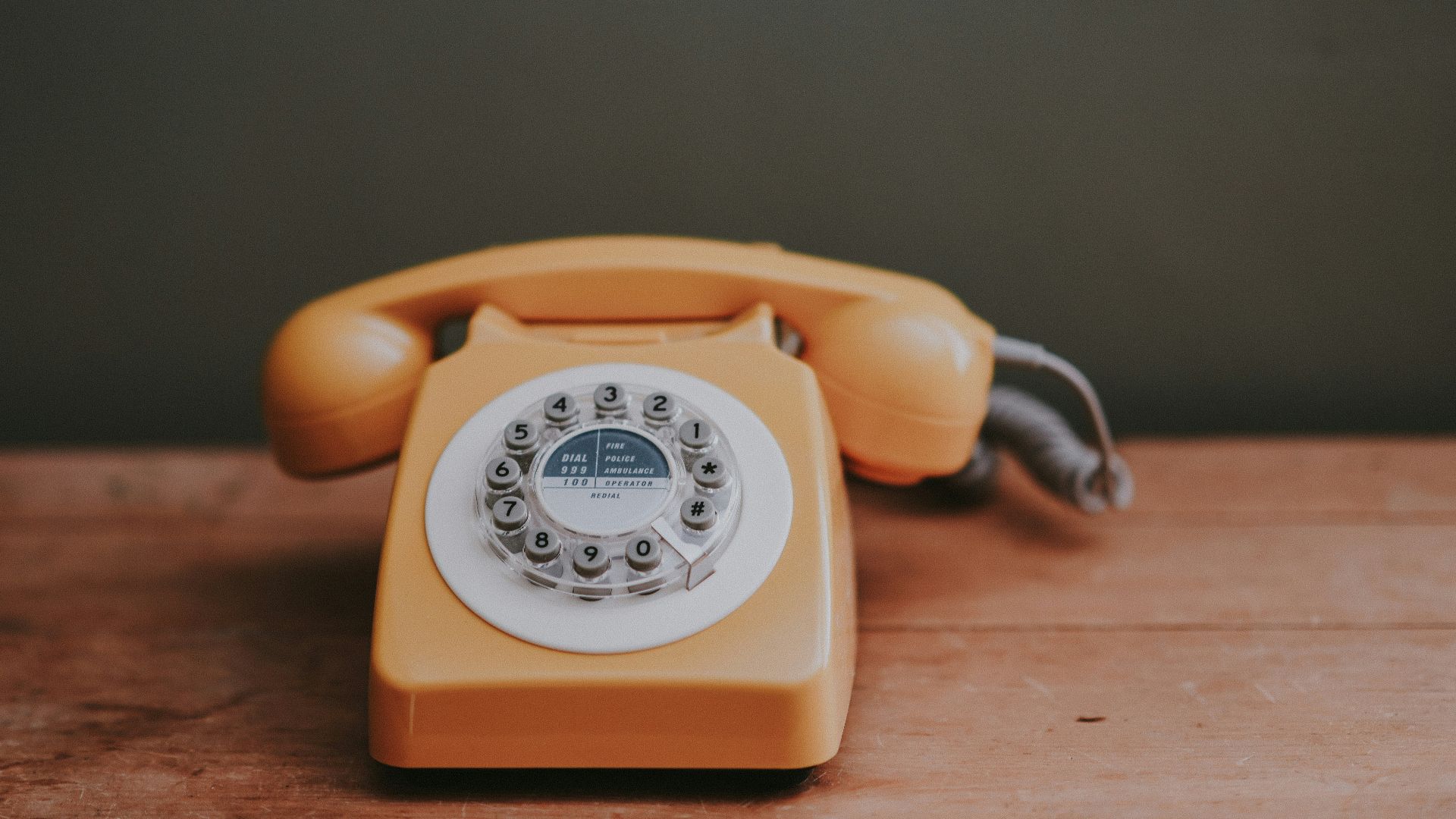
Makah Tribal Chairman Edward “Ed” Claplanhoo was alerted to the discovery. When he visited the site, he reportedly saw artifacts being exposed—and even taken. He knew they had to act fast. So he made a crucial phone call.
Enter the Archaeologist
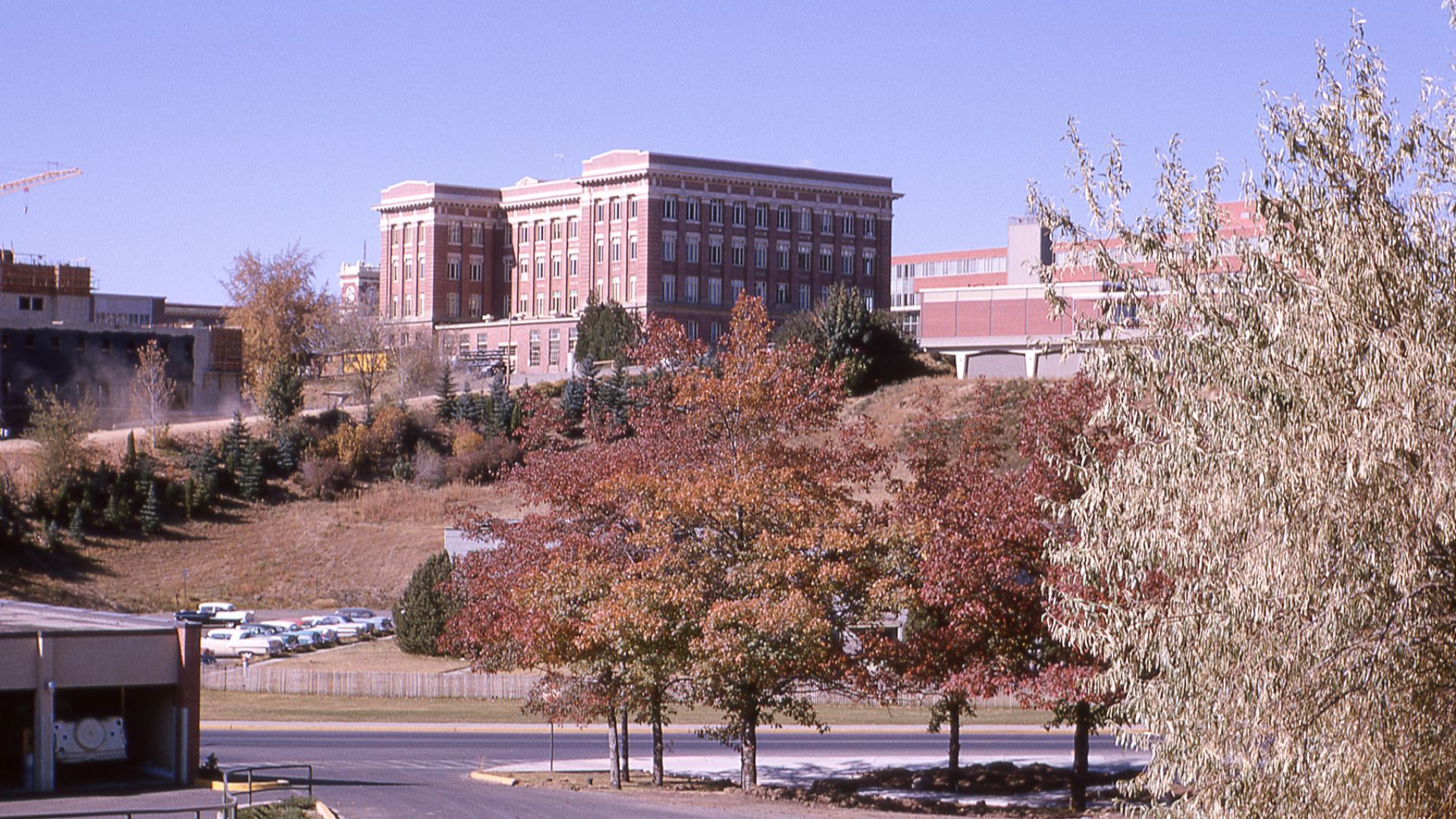
Claplanhoo contacted Dr. Richard Daugherty, an archaeologist from Washington State University who had studied the area since the 1940s. Daugherty immediately understood the importance of what was happening. This was no ordinary excavation.
 Robert Ashworth, Wikimedia Commons
The Dig Began Almost Immediately
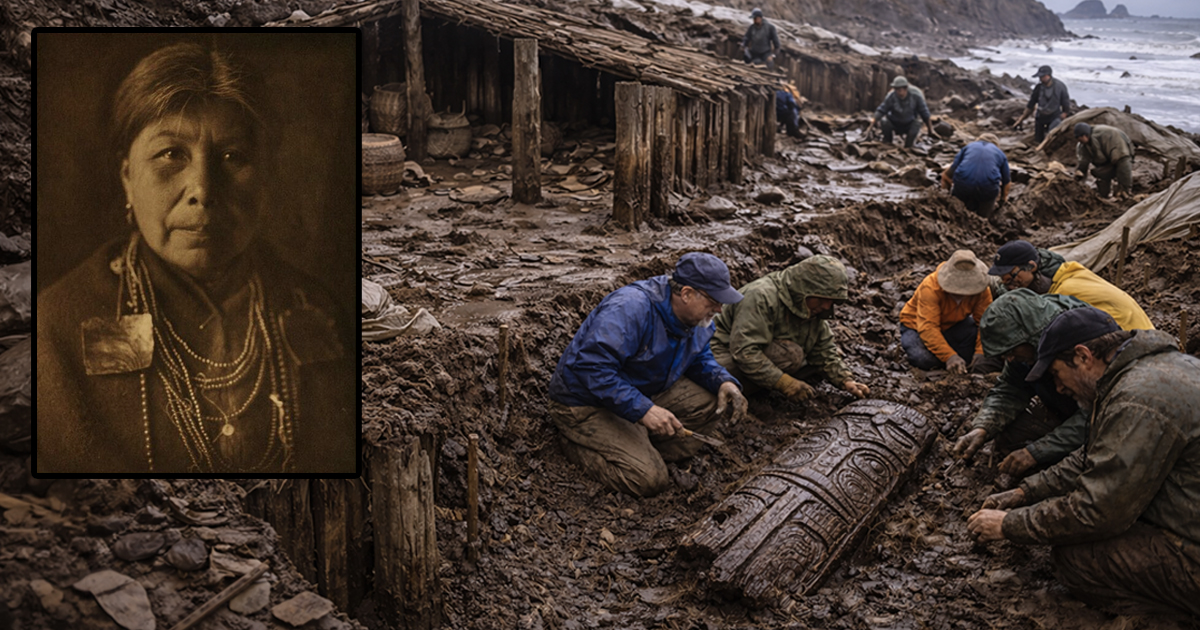
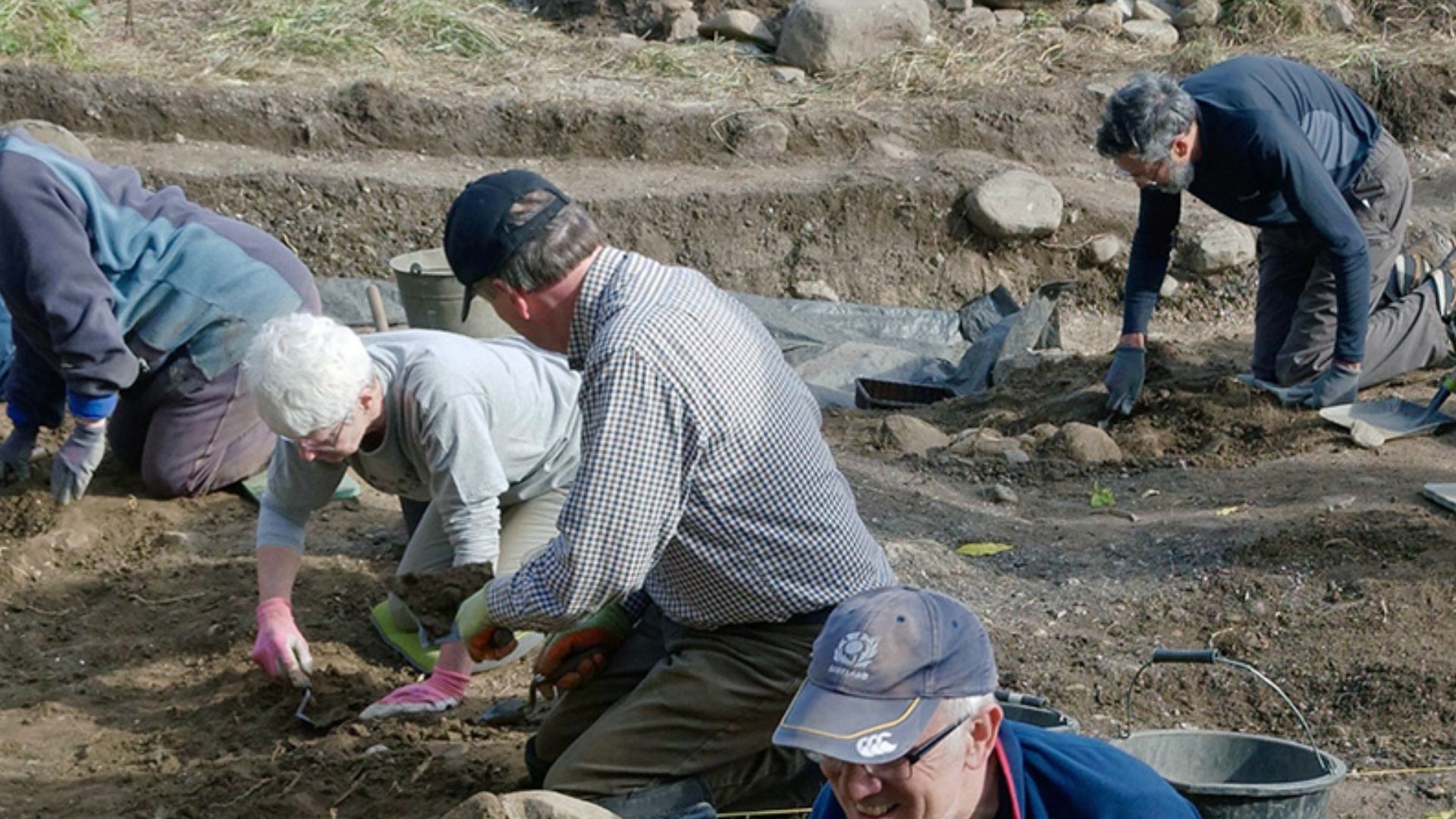
By April 1970, just months after the storm, a full excavation effort was underway. What started as a quick salvage mission quickly turned into something much bigger. They realized this site was massive.
 Julian Paren , Wikimedia Commons
What They Found Was Unbelievable
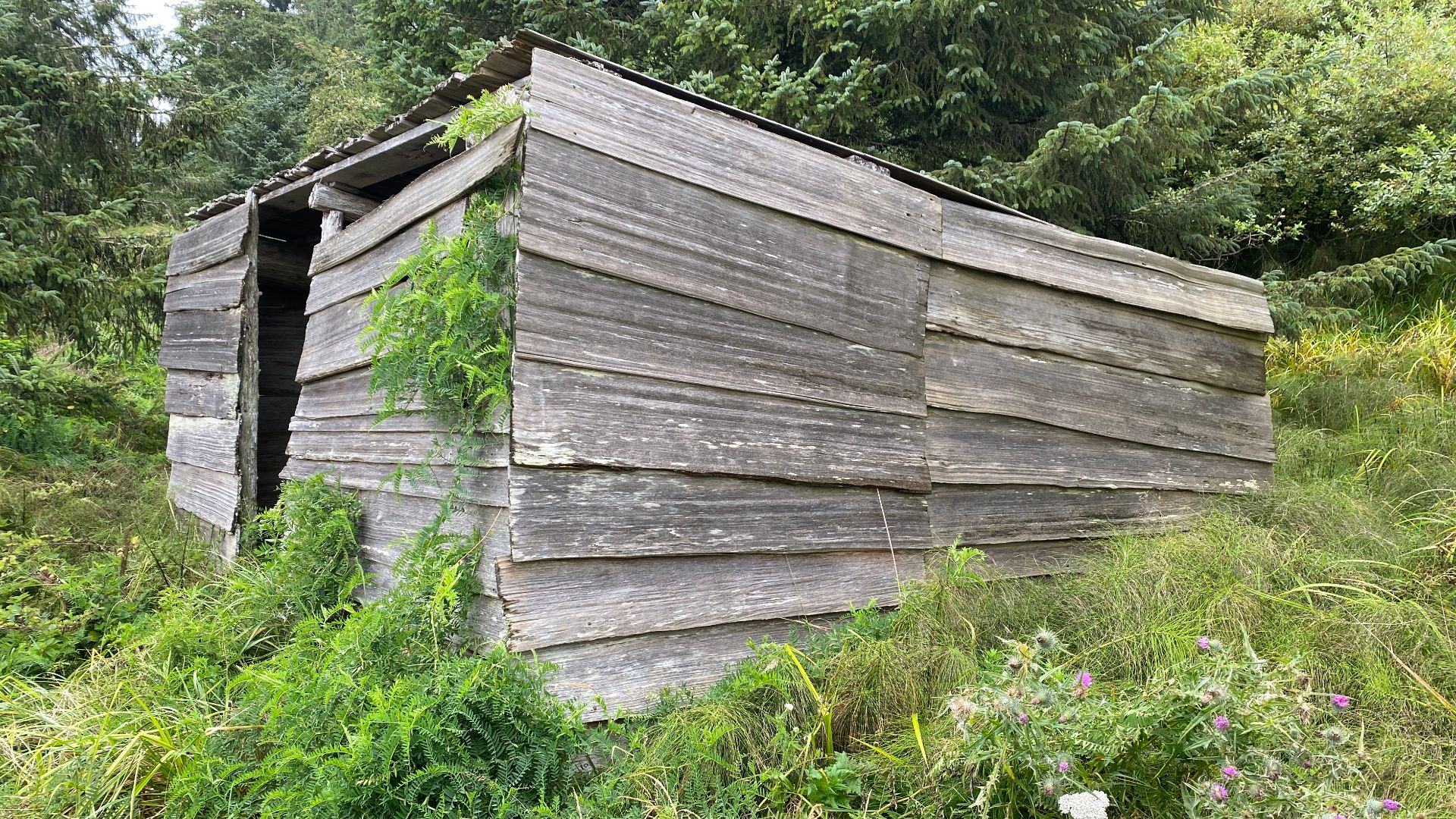
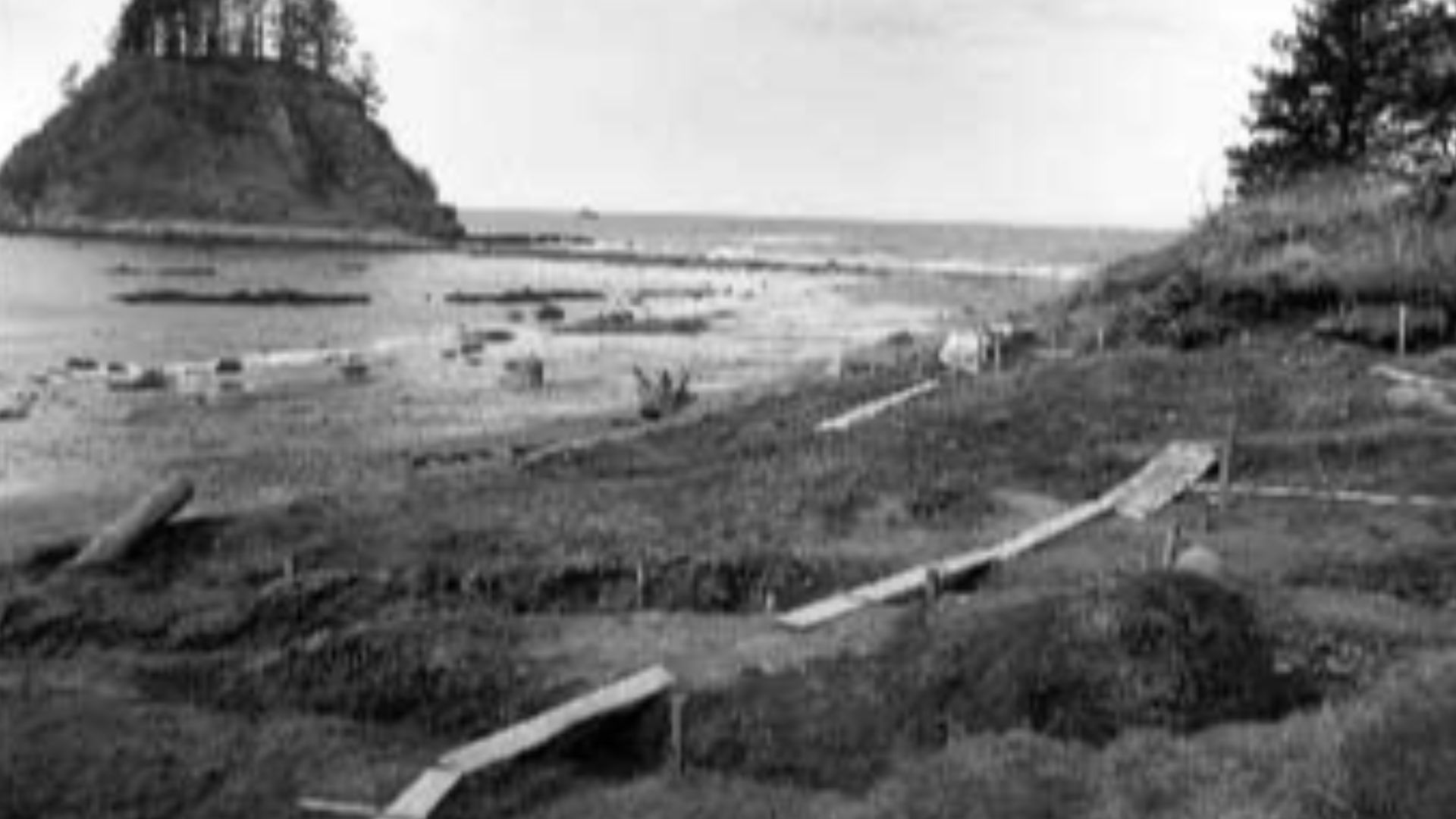
As archaeologists and Makah tribal members worked together, they uncovered entire longhouses buried beneath the mud. Not ruins—actual structures, preserved in place. It was like stepping back in time.
 Washington Our Home, Wikimedia Commons
A Disaster From Centuries Ago
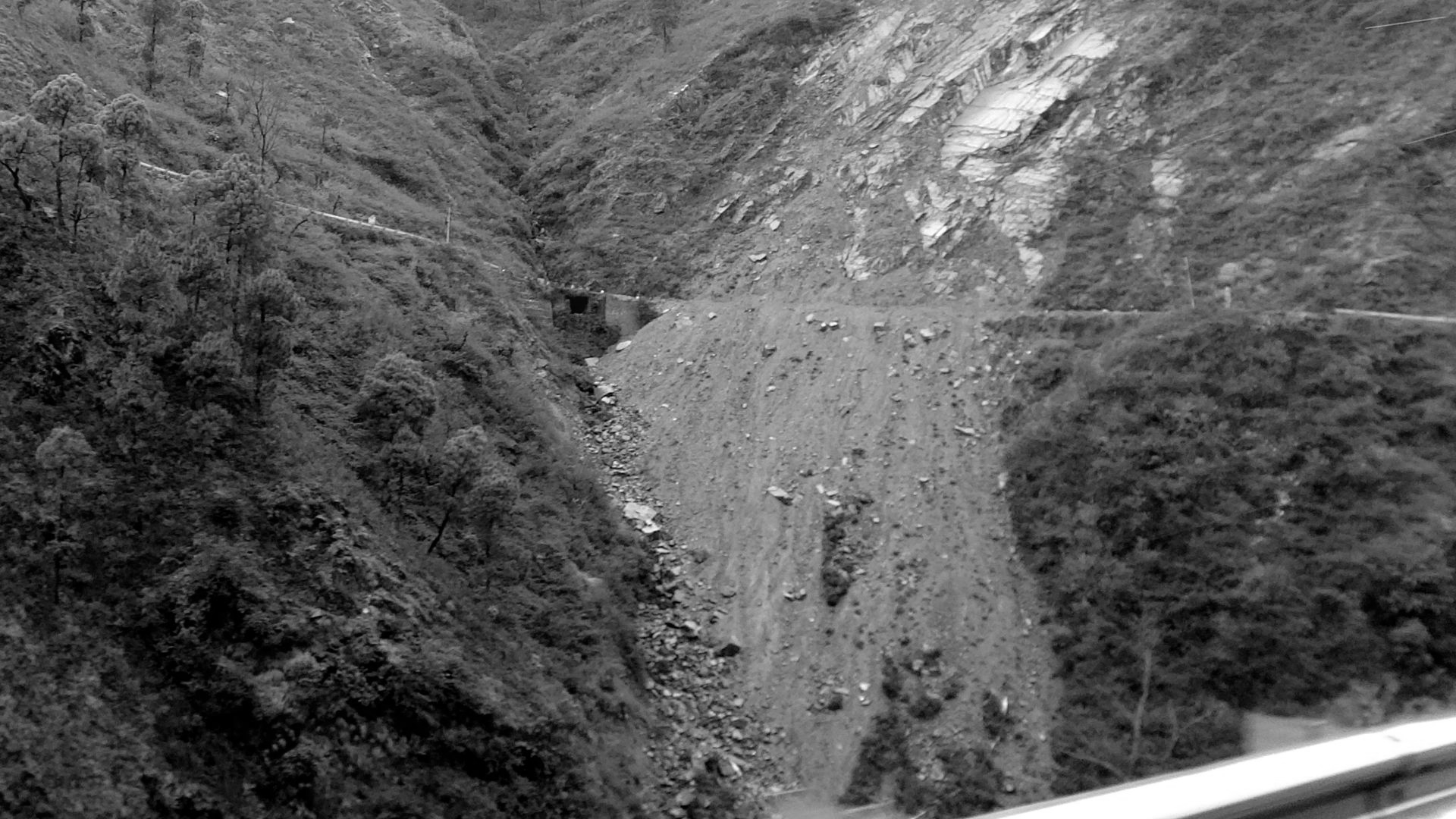
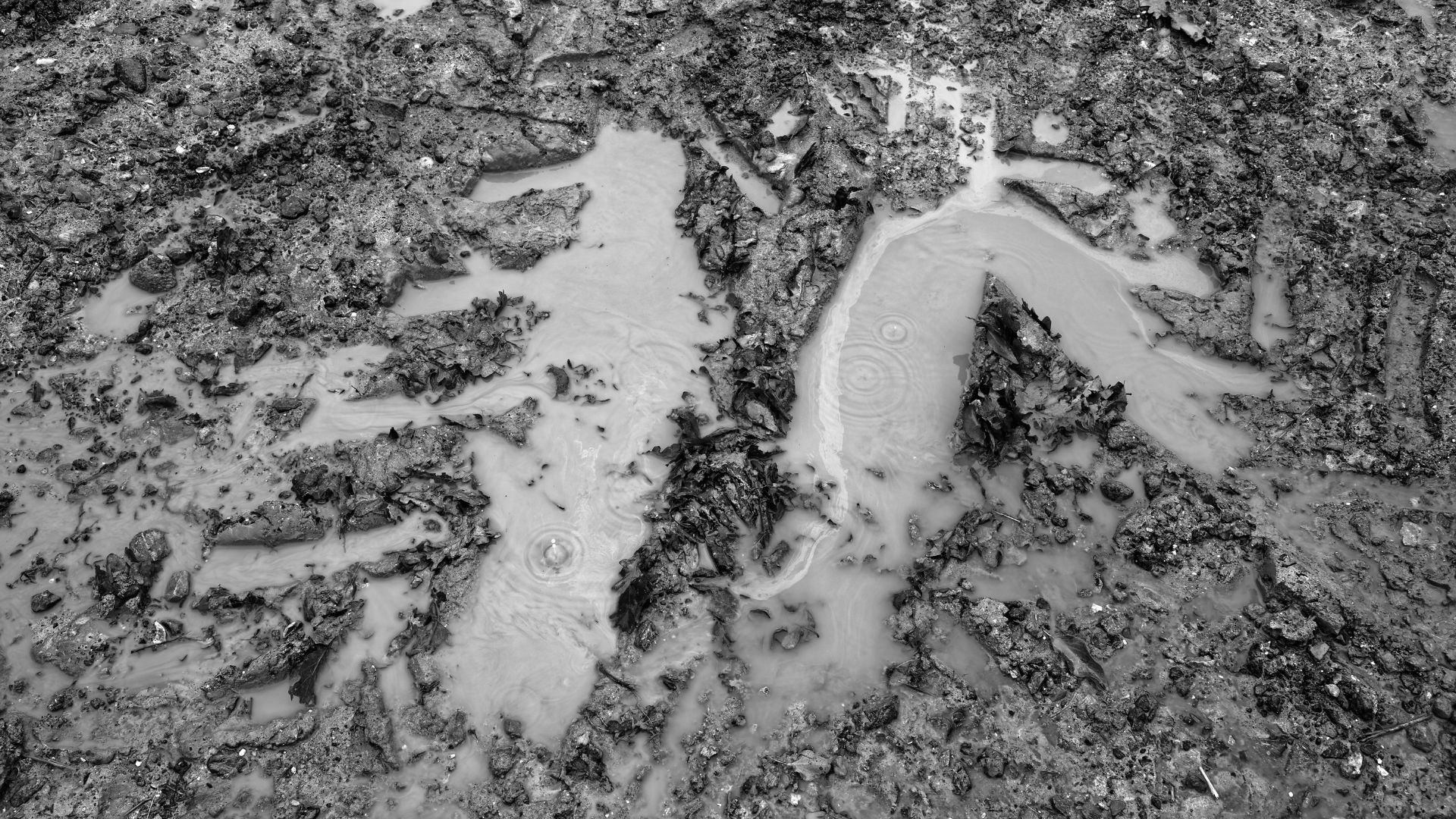
The site turned out to be part of a Makah village buried by a massive mudslide around 1750. The mud had sealed everything in an oxygen-free environment, preserving it for centuries. It was a disaster… that became a time capsule.
 Sridhar Rao, Wikimedia Commons
A Village Frozen in Time
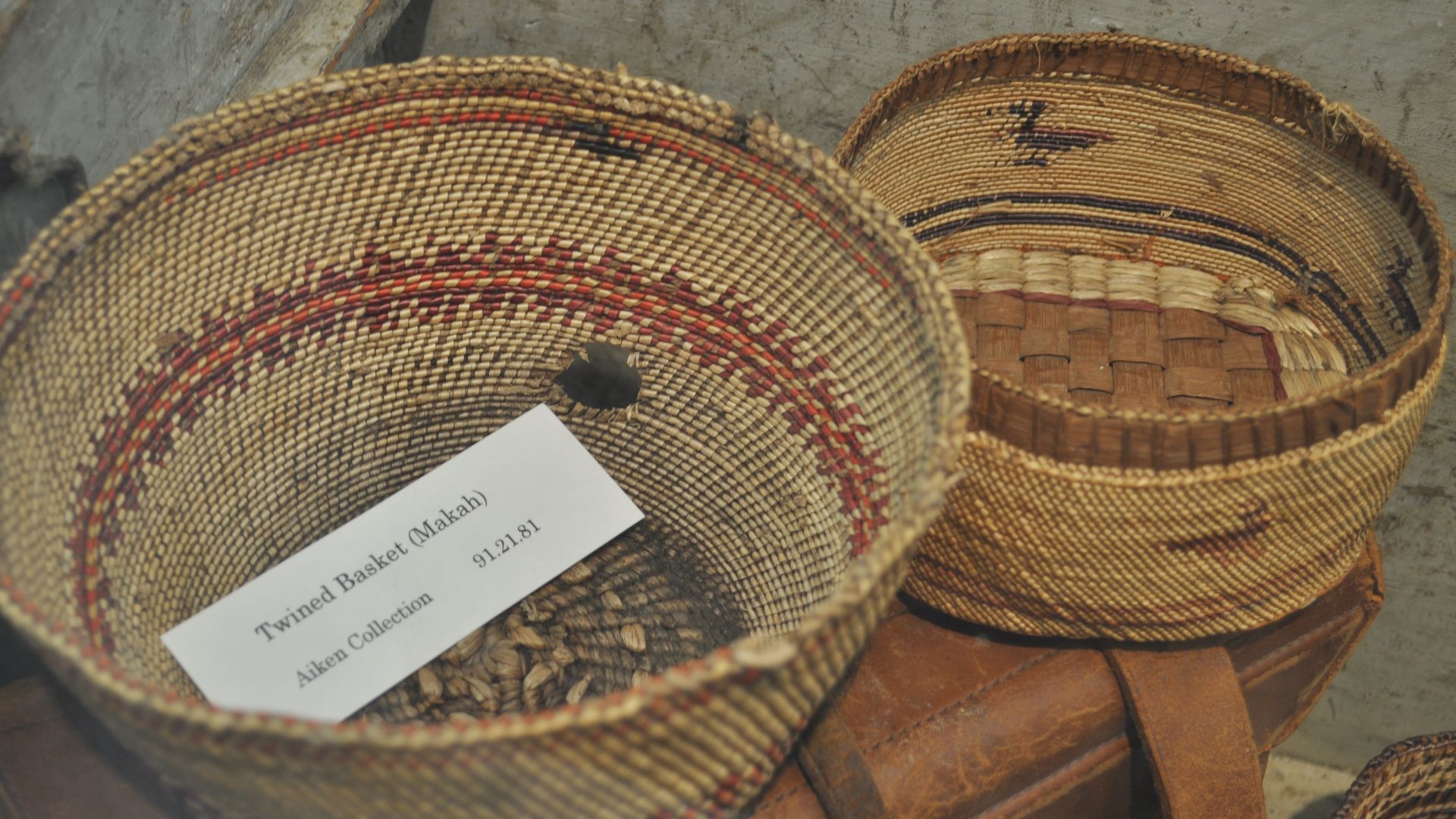
Inside the buried longhouses, archaeologists found everyday objects exactly where they had been left. Tools, baskets, clothing—even sleeping mats.
Nothing like this had been seen before.
They Called It “The Western Pompeii”
Because of its incredible preservation, scientists compared Ozette to Pompeii. Some even called it the most comprehensive collection of a pre-European-contact culture ever found in the US. That’s a big statement.
 National Register of Historic Places, Wikimedia Commons
The Makah Were Masters of the Sea
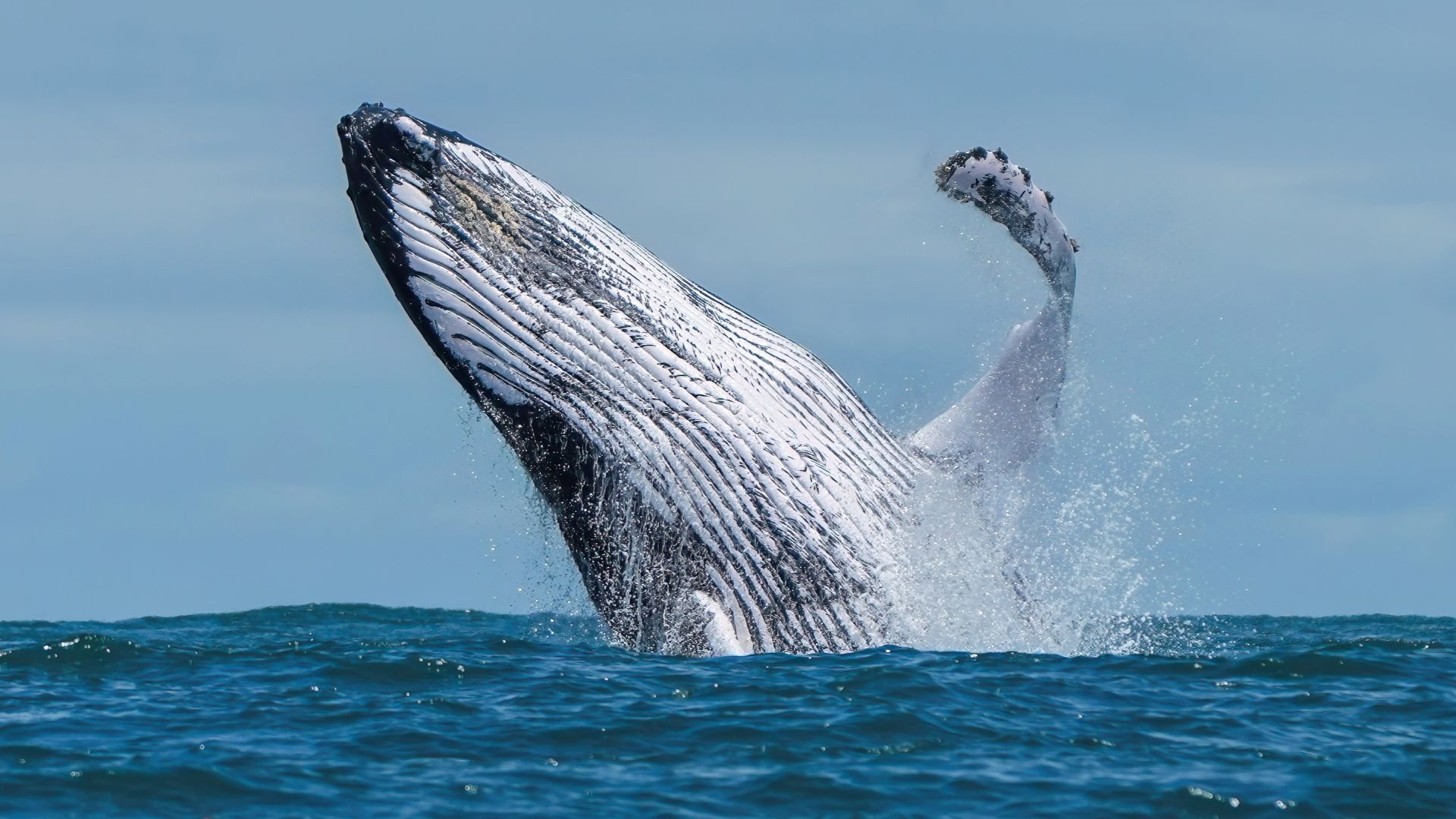
The artifacts revealed a culture deeply connected to the ocean. The Makah hunted whales, seals, and fish using advanced tools and massive cedar canoes. This was a sophisticated society.
 Giles Laurent, Wikimedia Commons
Tools, Weapons, and Everyday Life
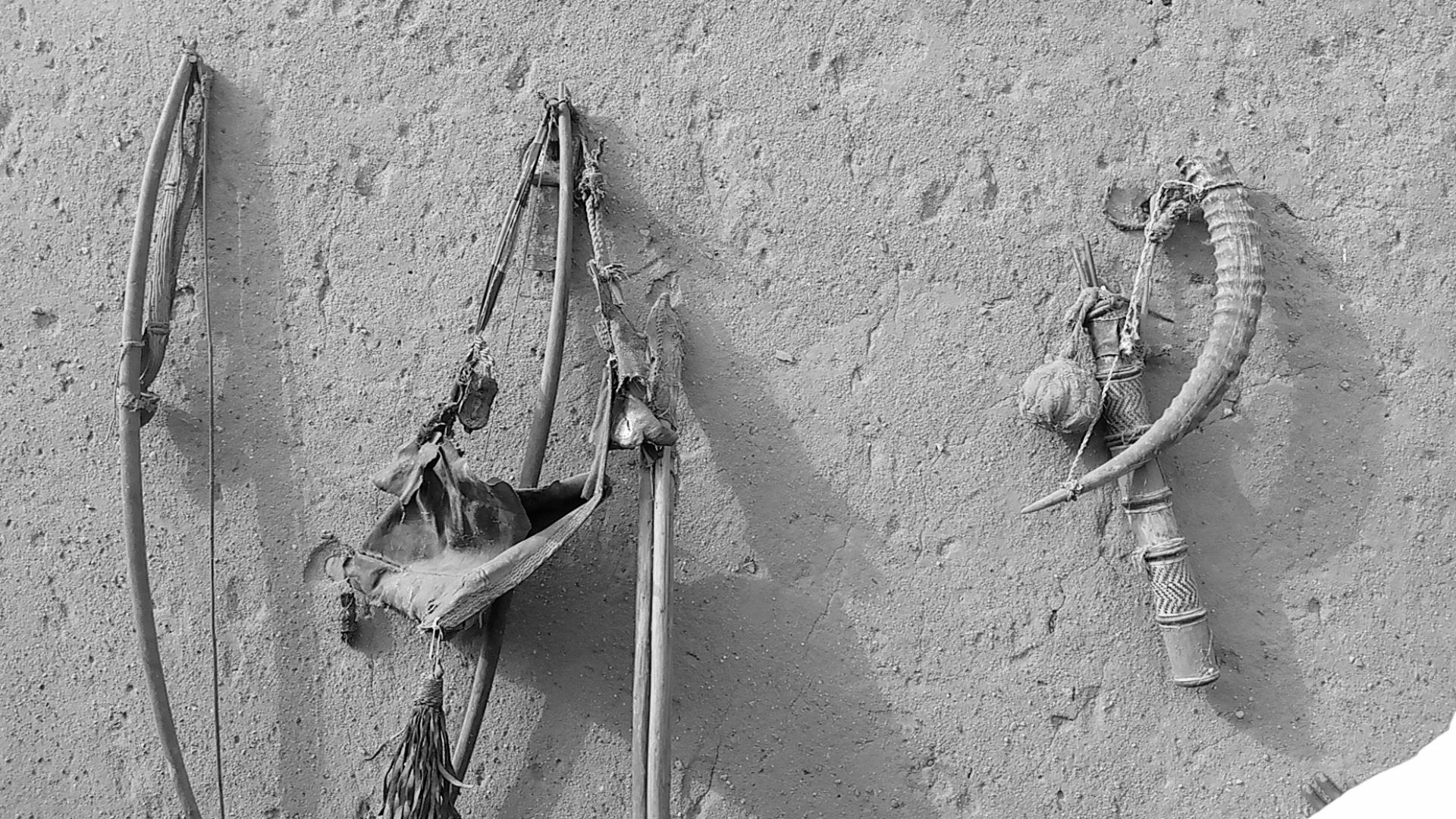
Over 55,000 artifacts were eventually uncovered, including bows, arrows, fishing gear, and even toys. Many were made of wood—something that almost never survives this long. That’s what made this discovery so rare.
Even the Small Details Survived
Because of the mud’s preservation, archaeologists found delicate items like woven baskets and clothing still intact. These details gave an incredibly personal look at life in the village. It felt almost… recent.
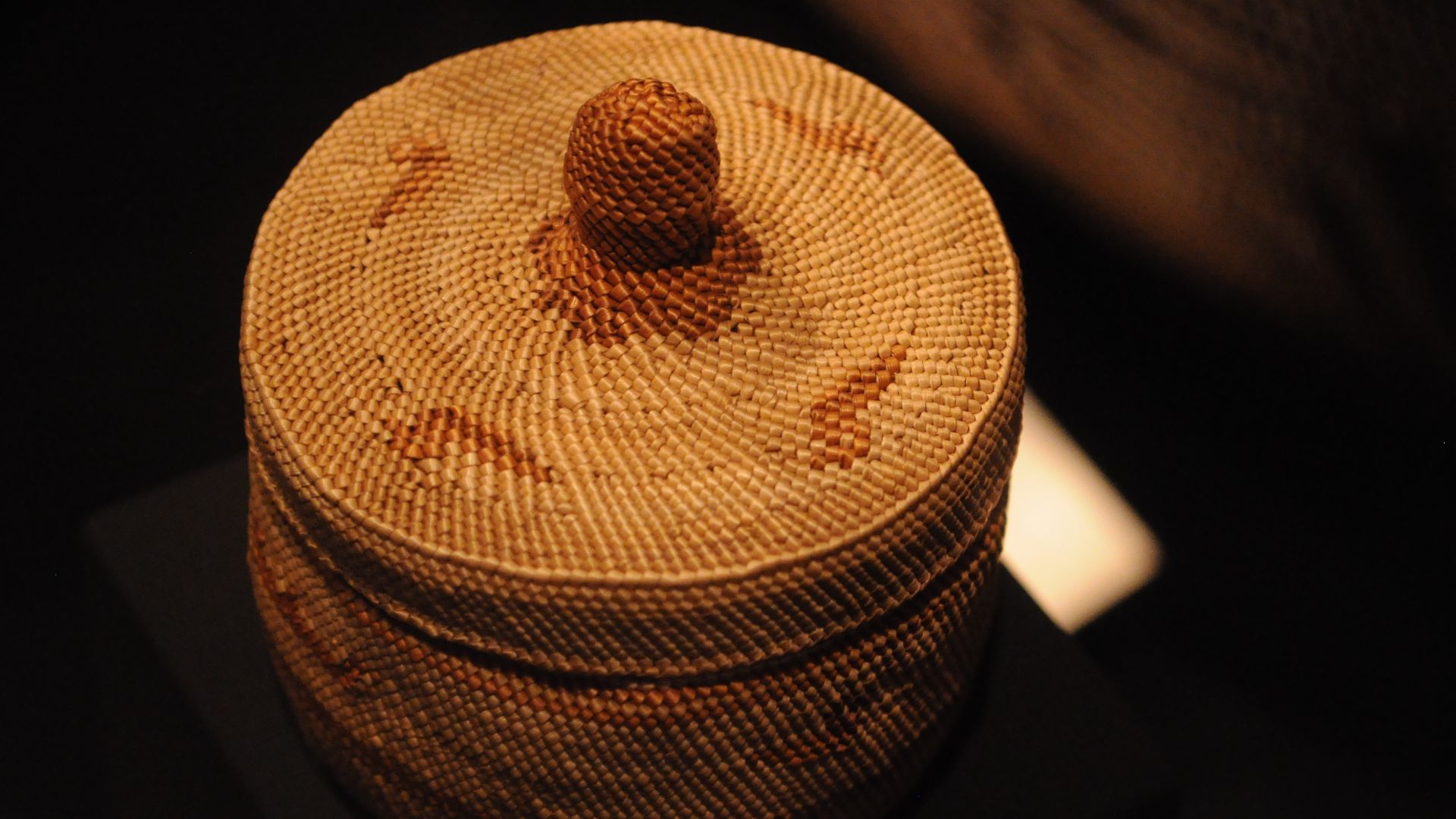 Photo: Joe Mabel, Wikimedia Commons
A Collaboration Unlike Any Other
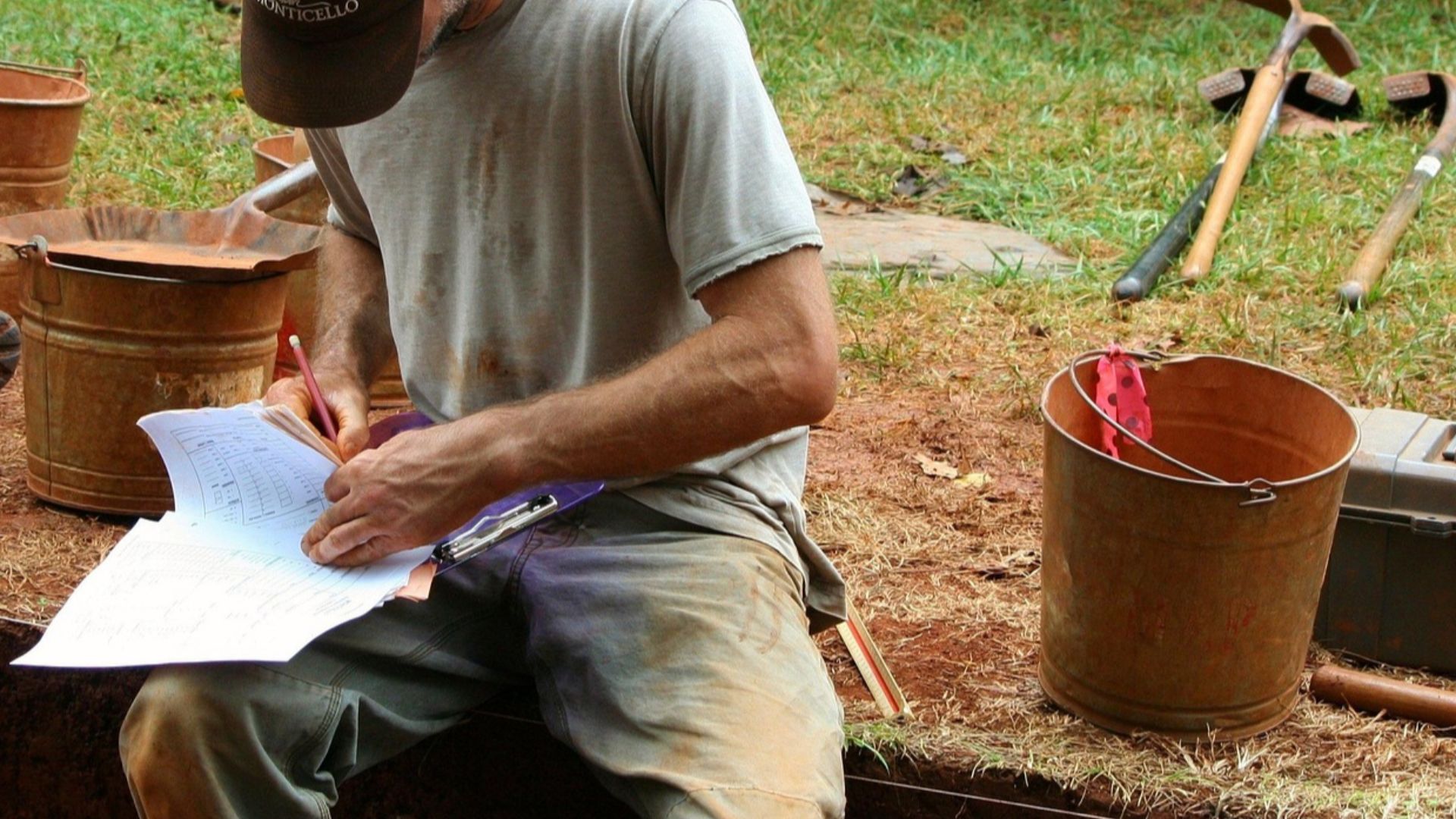
This wasn’t a typical excavation. The Makah Tribe worked side-by-side with archaeologists, guiding the process and interpreting the findings. That changed how archaeology was done.
Proving Oral History Was Right
For generations, the Makah had told the story of a great mudslide that buried their ancestors’ homes. Archaeology confirmed it was true. Science had caught up with storytelling.
 Suffolk Archaeology, Wikimedia Commons
Years of Work Beneath the Mud
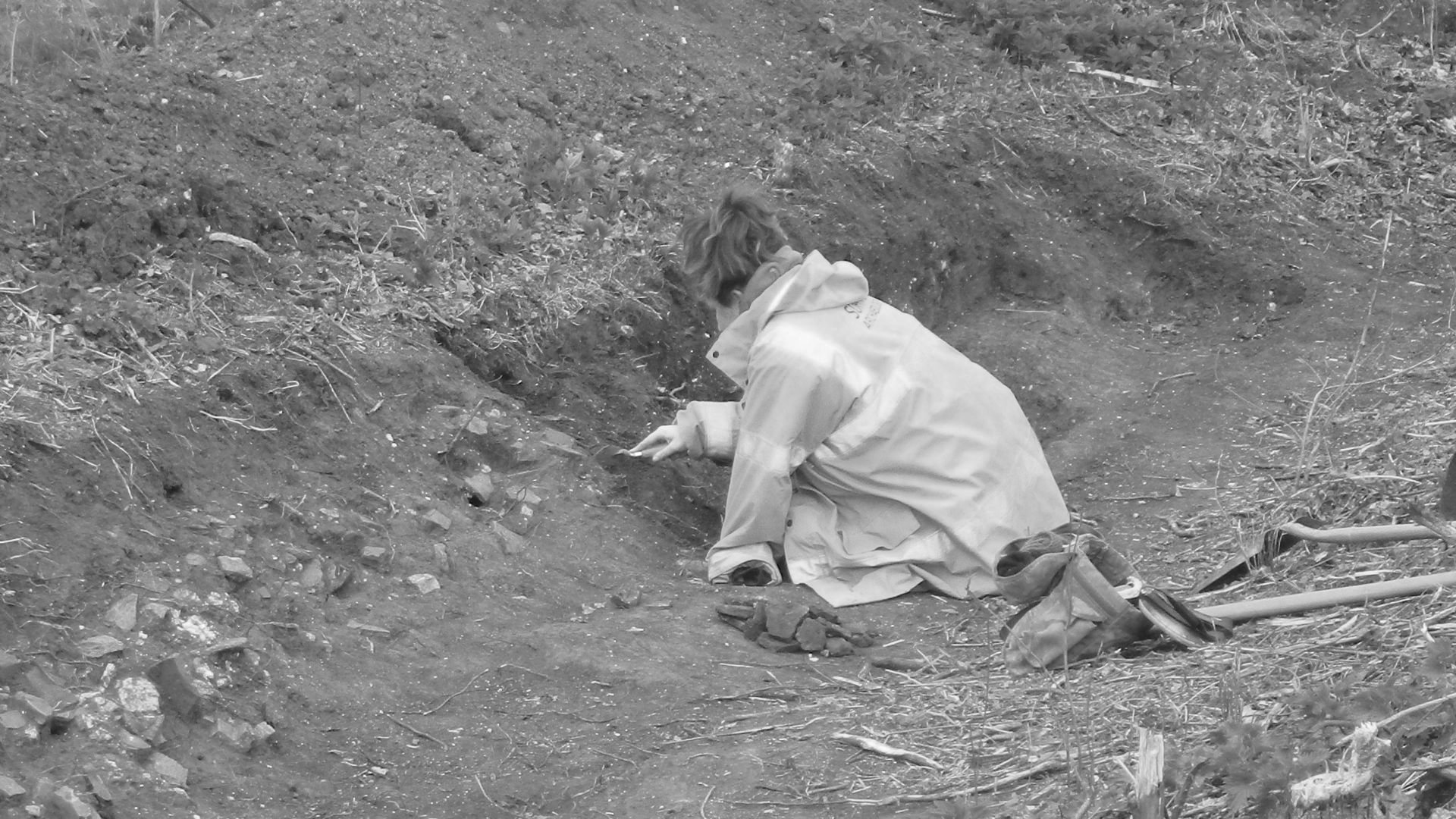
The excavation continued for over 11 years, using pressurized water to carefully remove layers of mud. It was slow, careful, and incredibly detailed work.
And it paid off.
What Ozette Taught Us
Ozette showed what life looked like before European contact changed everything. It preserved traditions, technologies, and daily routines that would have otherwise been lost. It wasn’t just about artifacts.
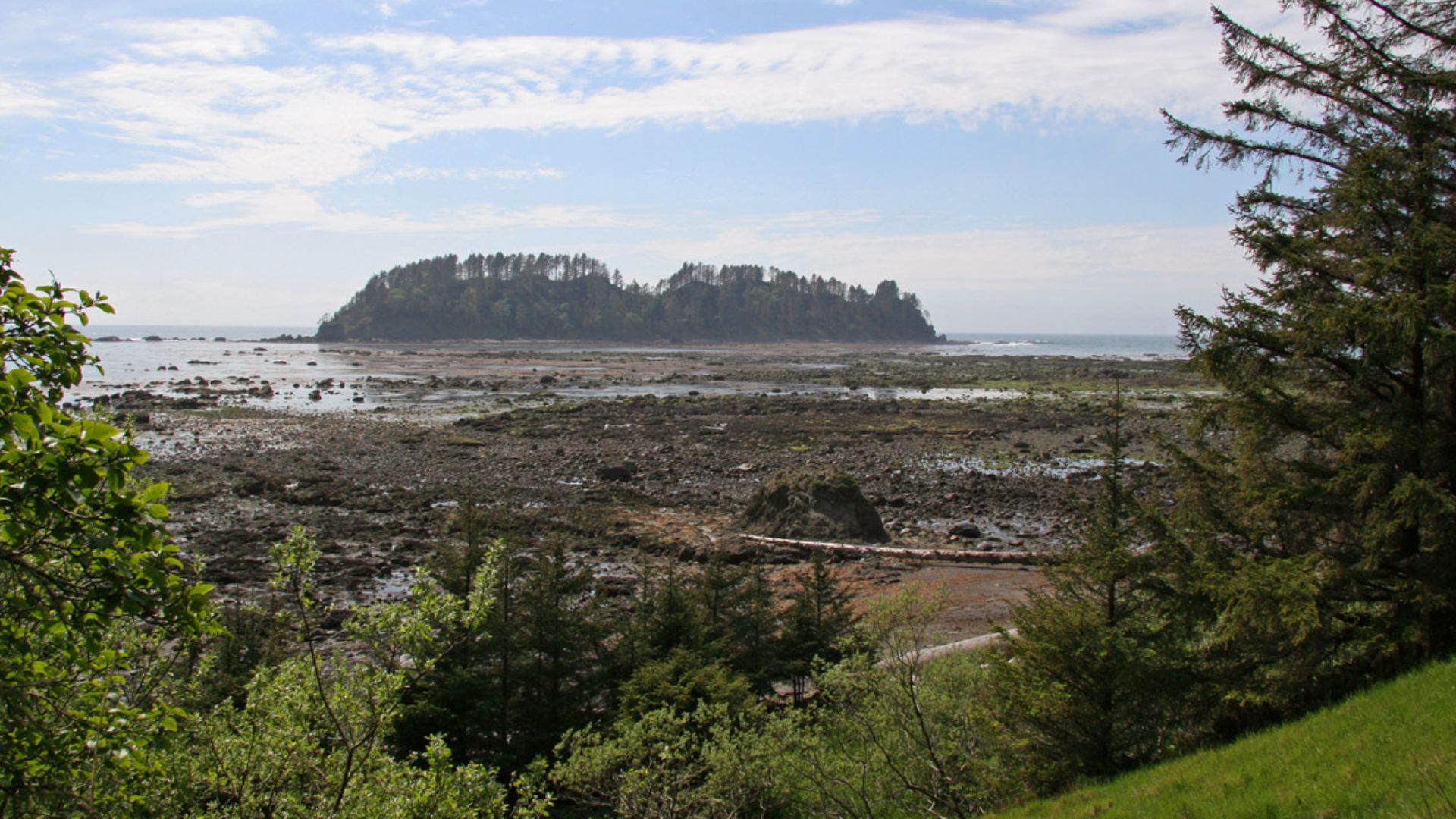 Kimon Berlin, Wikimedia Commons
A Culture That Still Lives On
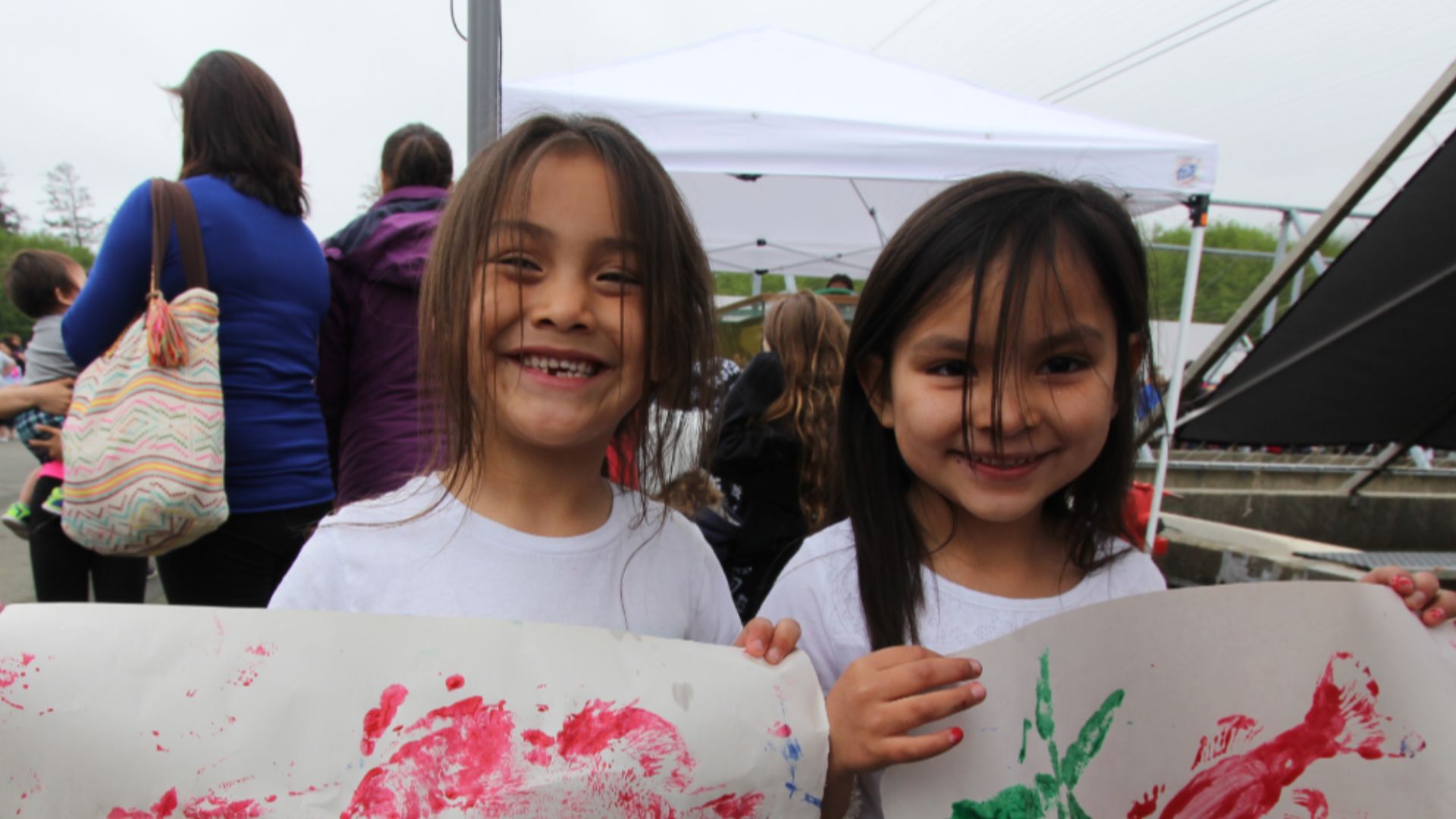
The Makah people still live in the region today, particularly in Neah Bay, Washington. The discovery wasn’t about a “lost” culture—it was about reconnecting with living history. That made it even more powerful.
From Mud to Museum
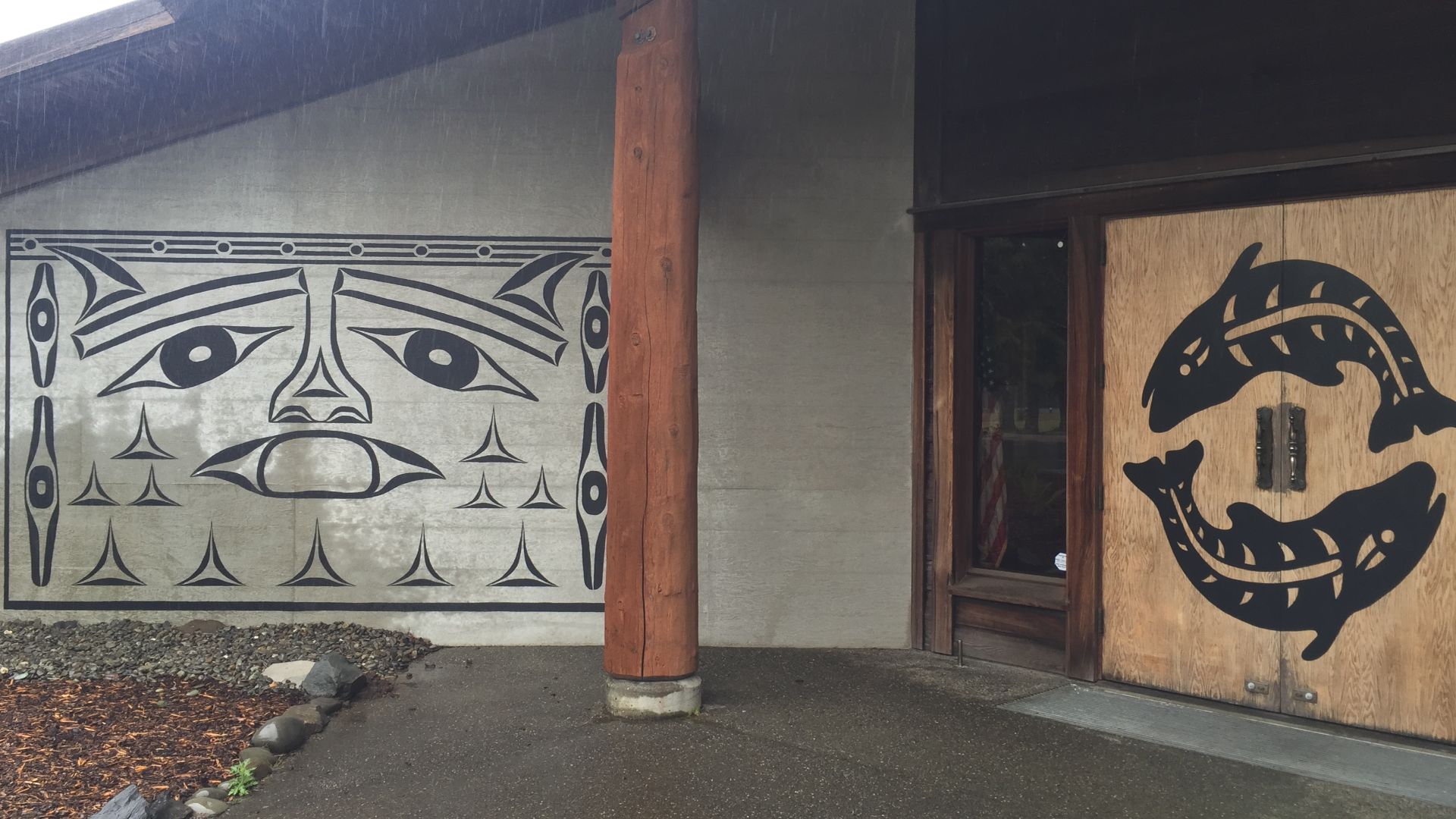
Many of the artifacts are now housed in the Makah Cultural and Research Center, opened in 1979. Visitors can see reconstructed longhouses and tools used centuries ago. The past is now on display. An entire village, perfectly preserved by a mudslide, waiting centuries to tell its story.
 Richie Diesterheft from Santa Barbara, CA, USA, Wikimedia Commons
You May Also Like: