

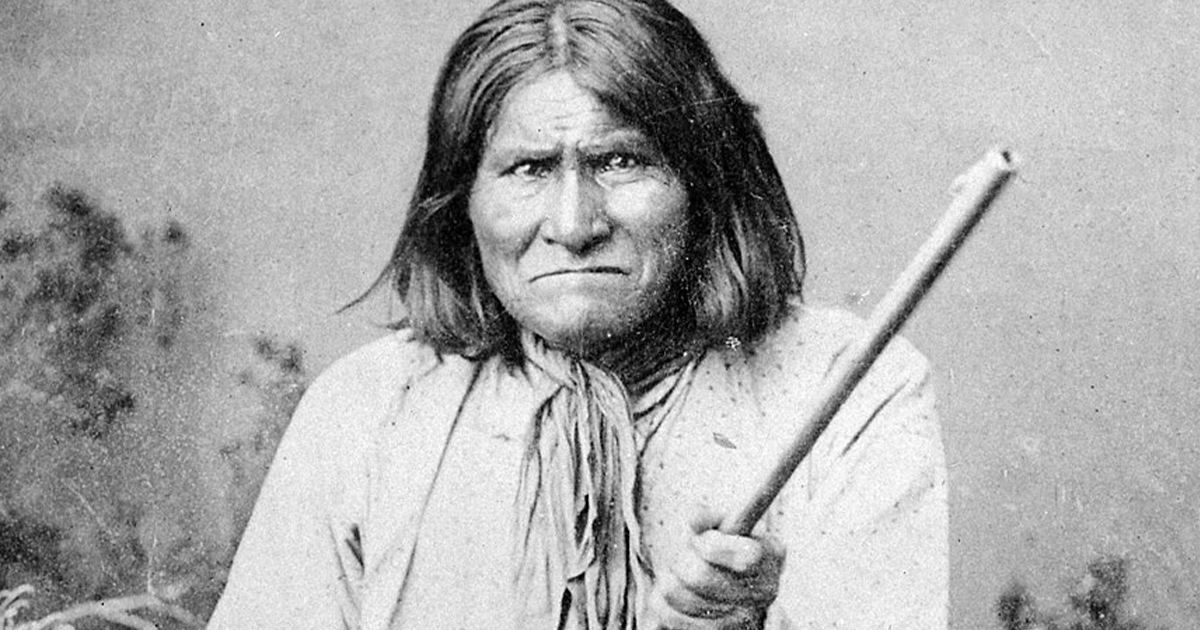
The Warriors Nobody Could Catch
For decades, some of the best-trained soldiers in North America chased Apache warriors across the deserts and mountains of the Southwest—and usually came up empty-handed. The Apache weren’t stronger, and they almost never had bigger armies. Yet somehow they kept outsmarting enemies with more men, more weapons, and more supplies. Their greatest weapon wasn’t a rifle or a bow. It was the way they fought.
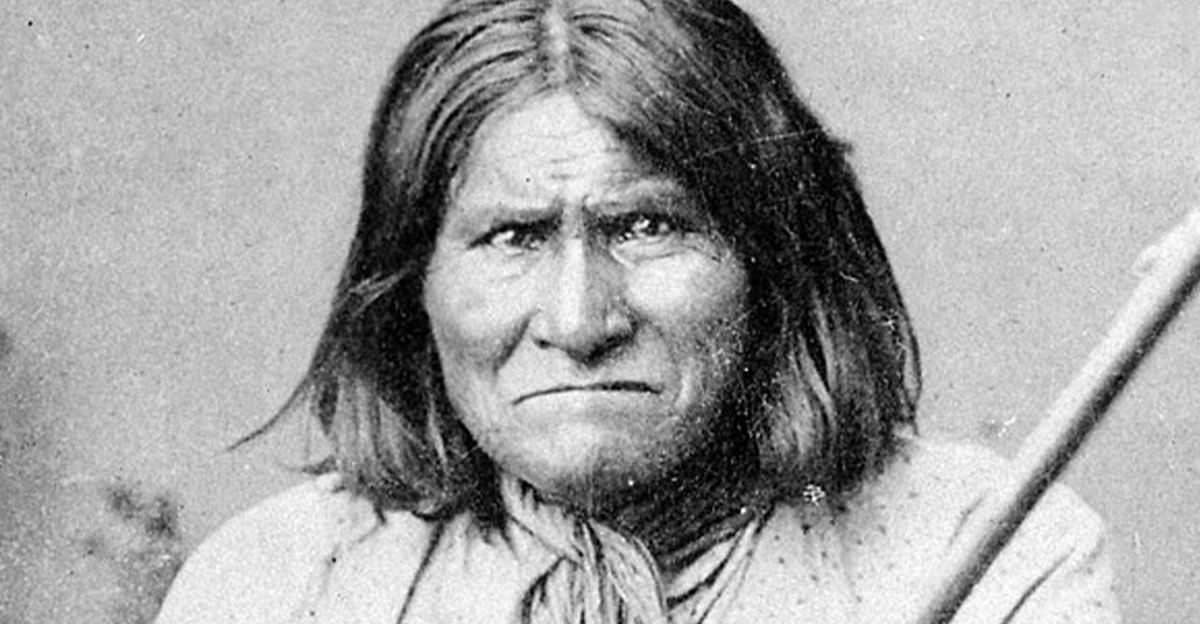 Ben Wittick, Wikimedia Commons
Meet the Apache
The Apache weren’t one single tribe but several closely related groups, including the Chiricahua, Mescalero, Jicarilla, Western Apache, Lipan, and Plains Apache. Together they lived across what are now Arizona, New Mexico, Texas, Oklahoma, and northern Mexico. Each group had its own leaders, but they shared many of the same traditions and survival skills.
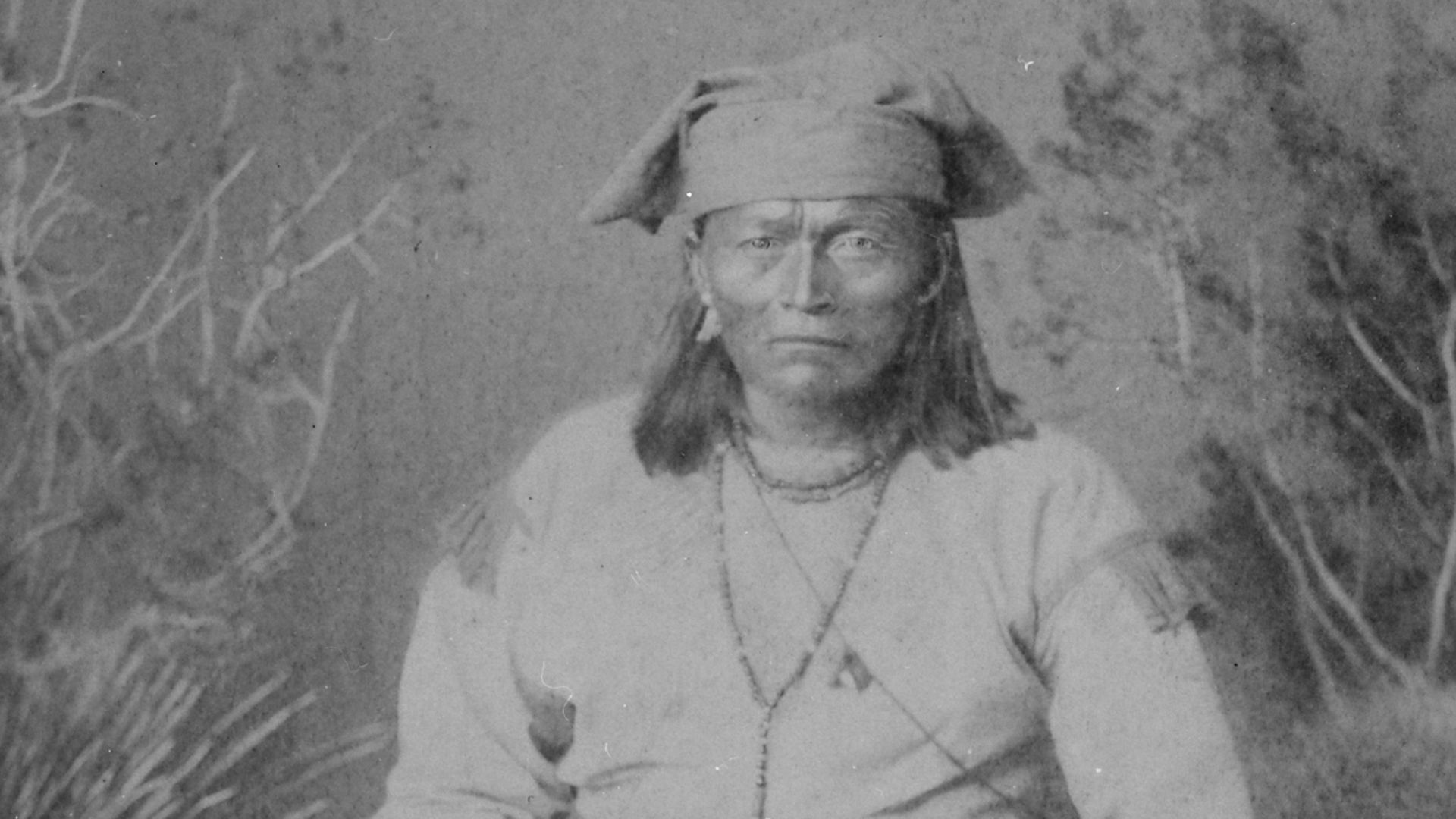 Unknown authorUnknown author or not provided, Wikimedia Commons
Life Was the Best Training Camp
Apache boys didn’t wake up one day and suddenly become warriors. They grew up learning to hunt, track animals, climb mountains, and travel long distances. At the time it probably just felt like everyday life. Later, those same skills would make them some of the most respected fighters in North America.
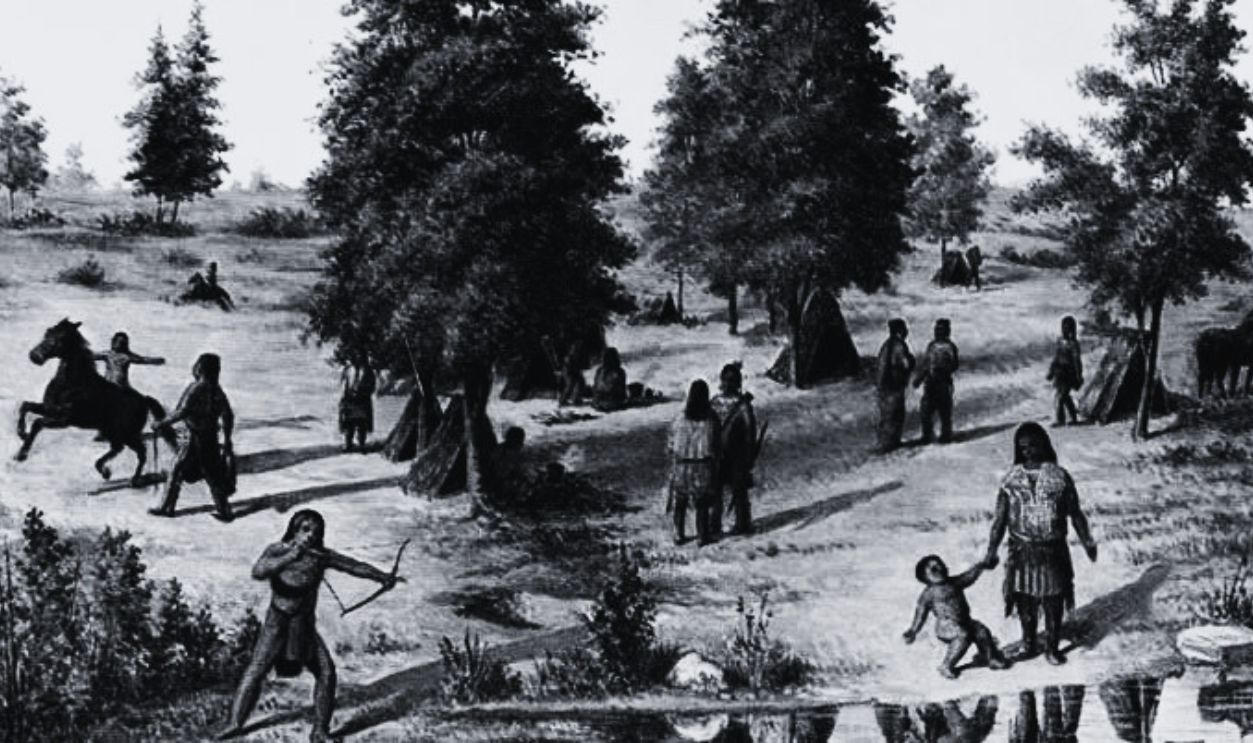 Theodore Gentilz, Wikimedia Commons
They Knew the Land Better Than Anyone
Imagine someone dropping you into a mountain range you’ve never seen before. Now imagine your opponent knowing every spring, every canyon, every shortcut, and every hiding place. That’s the situation many soldiers found themselves in when they entered Apache country.
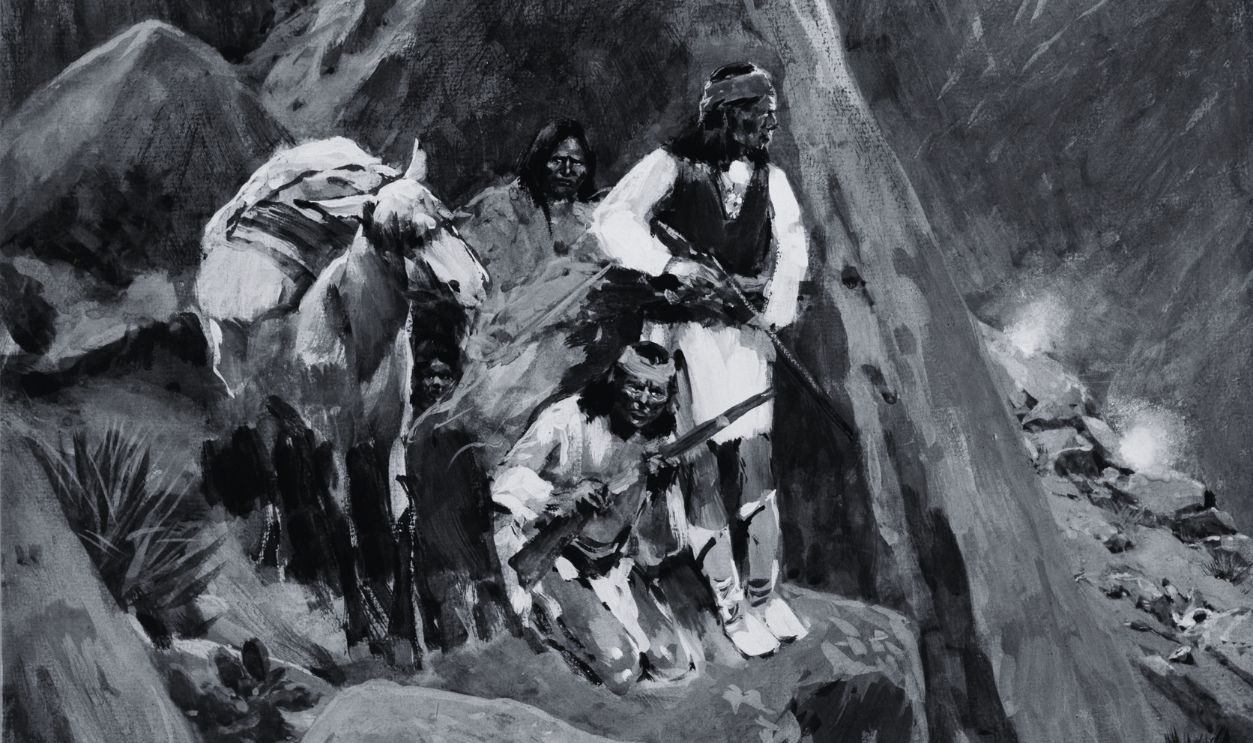 Henry Farny, Wikimedia Commons
The Desert Was Fighting on Their Side
Most outsiders saw the Southwest as hot, dry, and miserable. The Apache saw home. They knew where to find water when everyone else was running out. They knew which canyons stayed cool during the day and which mountain passes offered the quickest escape.
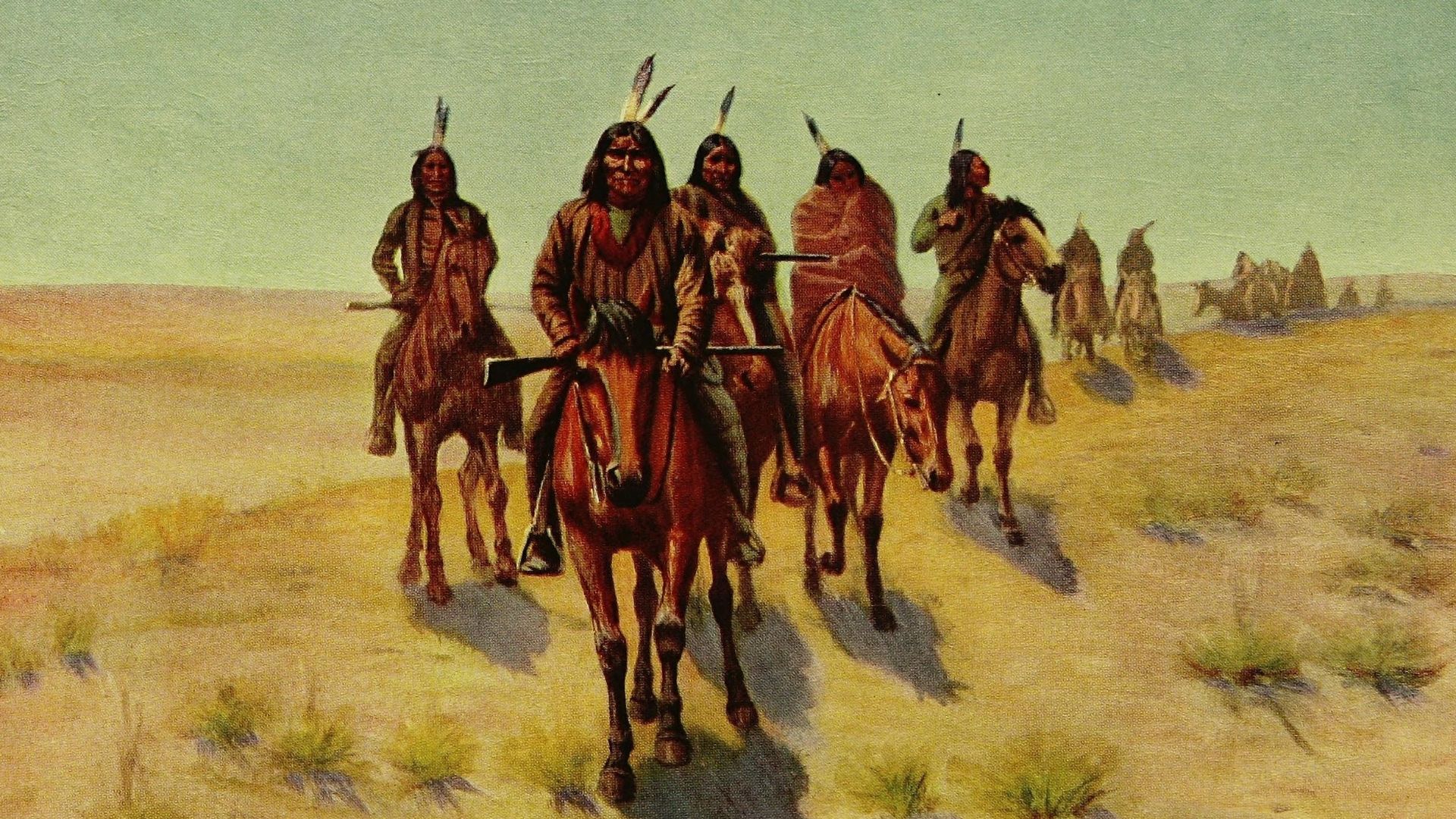 Internet Archive Book Images, Wikimedia Commons
They Didn’t Need Huge Armies
European armies often believed that bigger meant better. The Apache had a different idea. Small groups could move faster, stay quieter, and disappear much more easily. Why bring a hundred warriors if twenty could get the job done?
Traveling Light Was a Superpower
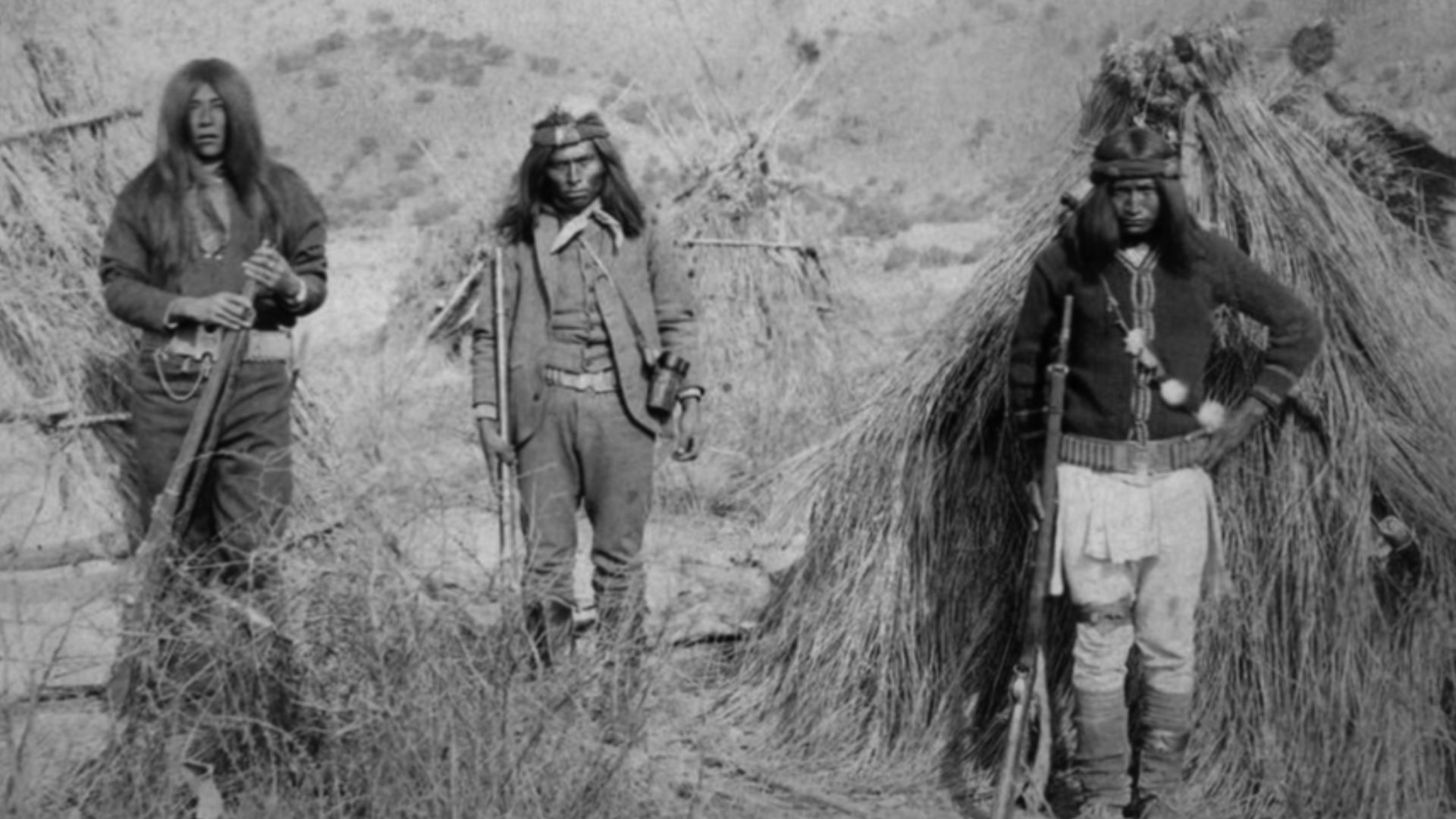
Apache warriors didn’t drag wagons full of supplies behind them. They carried only what they truly needed. That meant they could cover huge distances without slowing down. Meanwhile, larger armies often spent just as much time protecting their supplies as they did fighting.
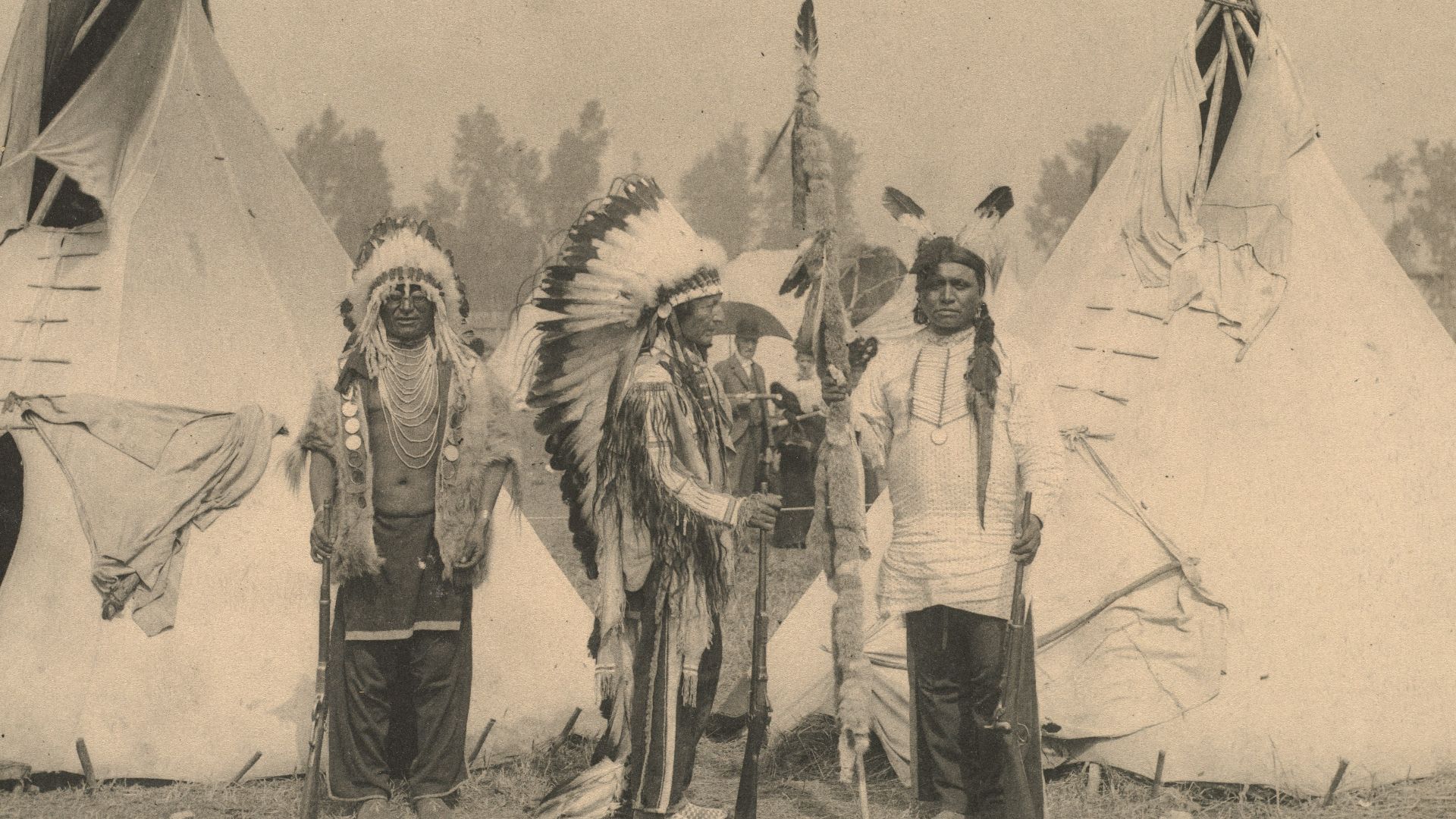 Boston Public Library, Unsplash
Every Mountain Was a Lookout Tower
The Apache loved high ground. From a ridge or rocky overlook, a scout could watch travelers for miles without being noticed. Before a battle even started, Apache leaders often knew exactly who was coming—and whether they were worth fighting.
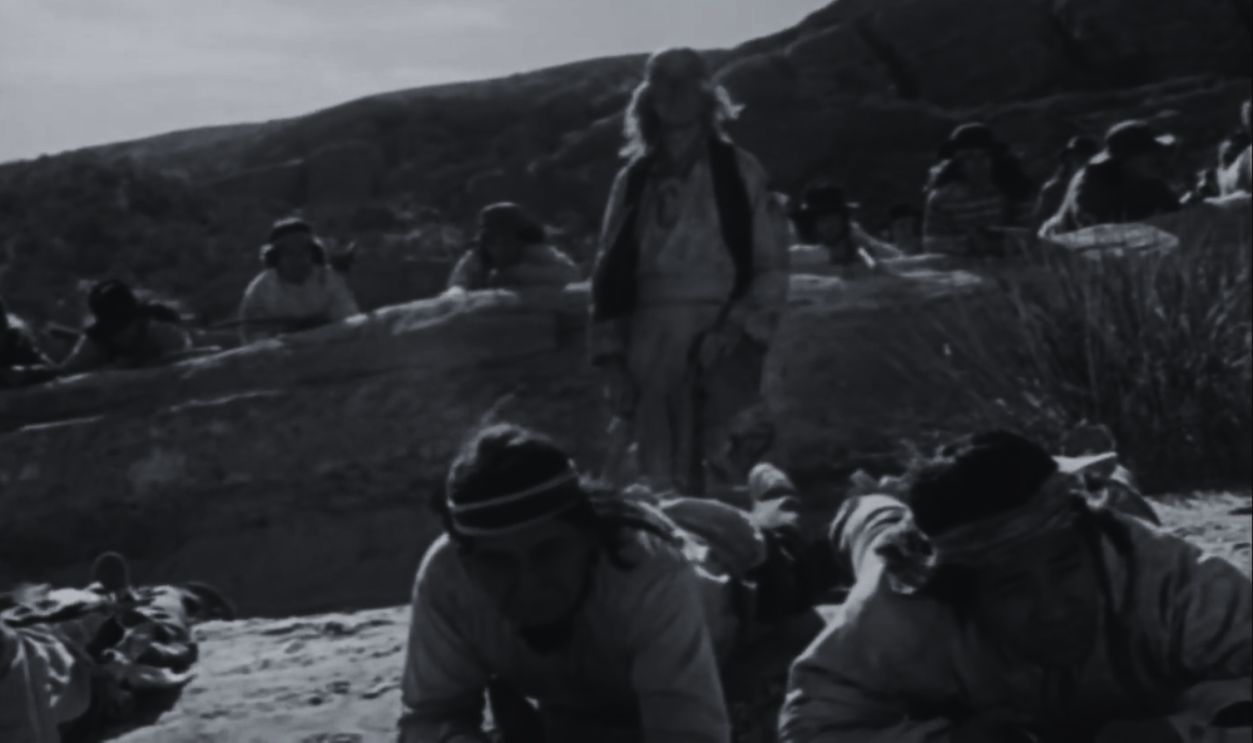 Screenshot from Apache, Hecht-Lancaster Productions / United Artists (1954)
One Scout Could Change Everything
Can you imagine being watched for hours without realizing it? Apache scouts were incredibly skilled at staying hidden. Before anyone attacked, they often knew how many soldiers were coming, what weapons they carried, how tired they looked, and even how quickly they were moving.
![Studio portrait (standing) of Dutchy (Bakeitzogie [ Yellow Coyote]), a Native American (Chiricahua Apache) man. He holds a rifle and wears moccasin boots, a breechcloth, ammunition belt, and a kerchief on his head. Title and](https://www.factinate.com/storage/app/media/splashtravels/2026/7/9/1783578775c638860b00dfa1b08dcc1e0fb58b40345352d34d.jpg) Unknown authorUnknown author, Wikimedia Commons
Unknown authorUnknown author, Wikimedia Commons
They Read Footprints Like a Storybook
Most of us barely notice footprints in the dirt. Apache trackers saw clues everywhere. A single trail could reveal how many people had passed, whether they were carrying heavy loads, whether horses were tired, and sometimes even how long ago they had been there.
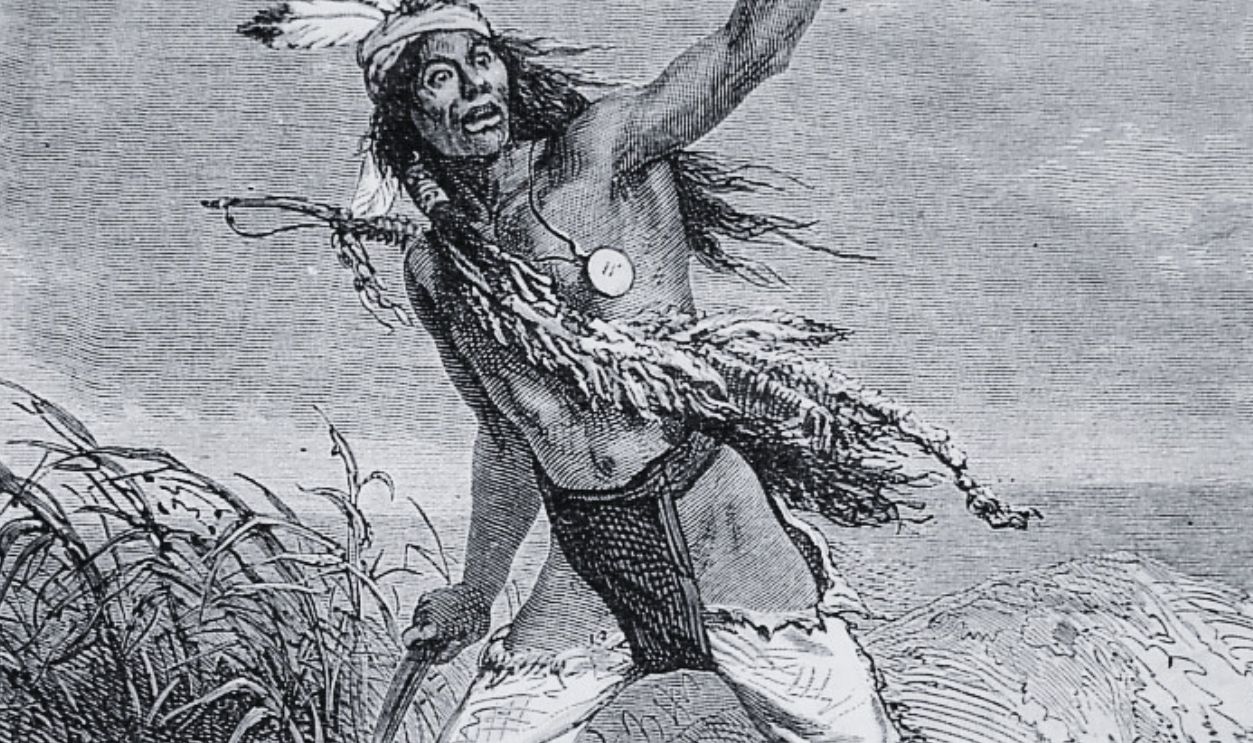 www.freewebs.com/apachevilliage/scalping.htm, Wikimedia Commons
Patience Was Part of the Plan
One of the biggest myths about Apache warfare is that battles happened suddenly. In reality, warriors often spent hours—or even days—watching an enemy before making a move. Sometimes the smartest attack was the one that never happened.
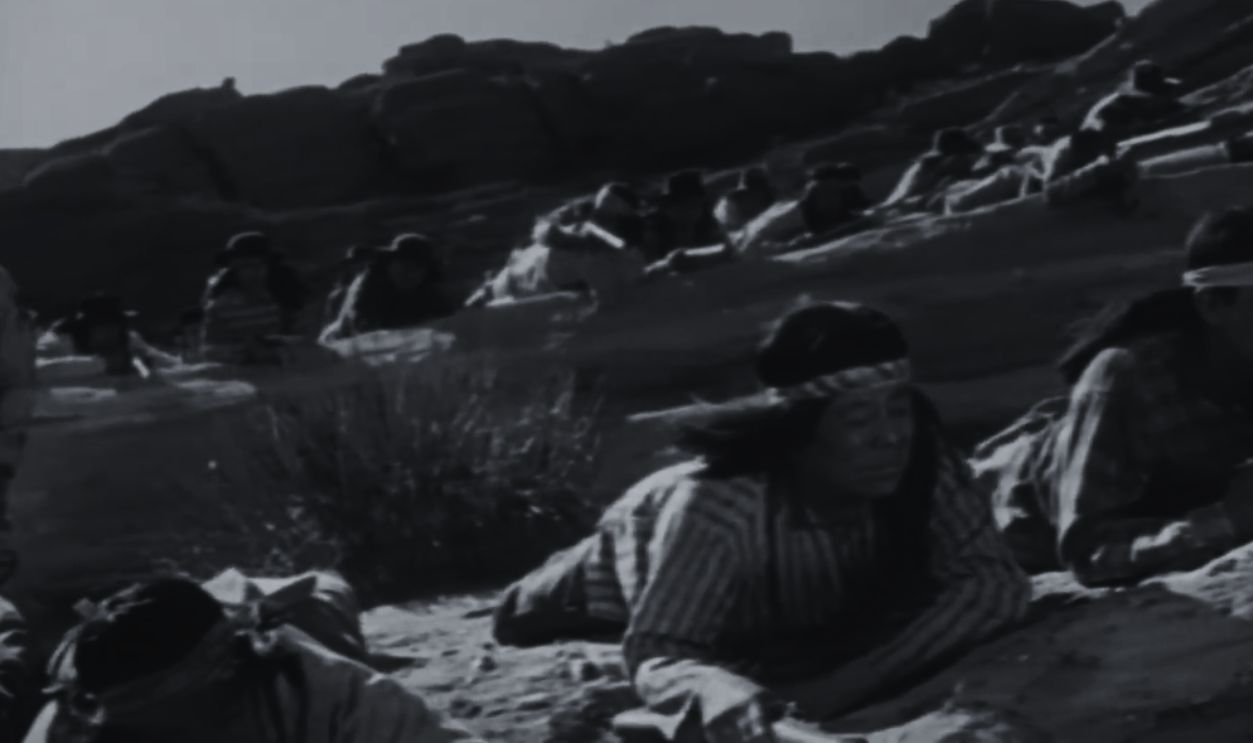 Screenshot from Apache, Hecht-Lancaster Productions / United Artists (1954)
Surprise Beat Strength
Why charge straight at a larger army when you could catch it completely off guard? Apache warriors almost never looked for fair fights. If they attacked, they wanted every possible advantage before the first arrow or rifle shot was fired.
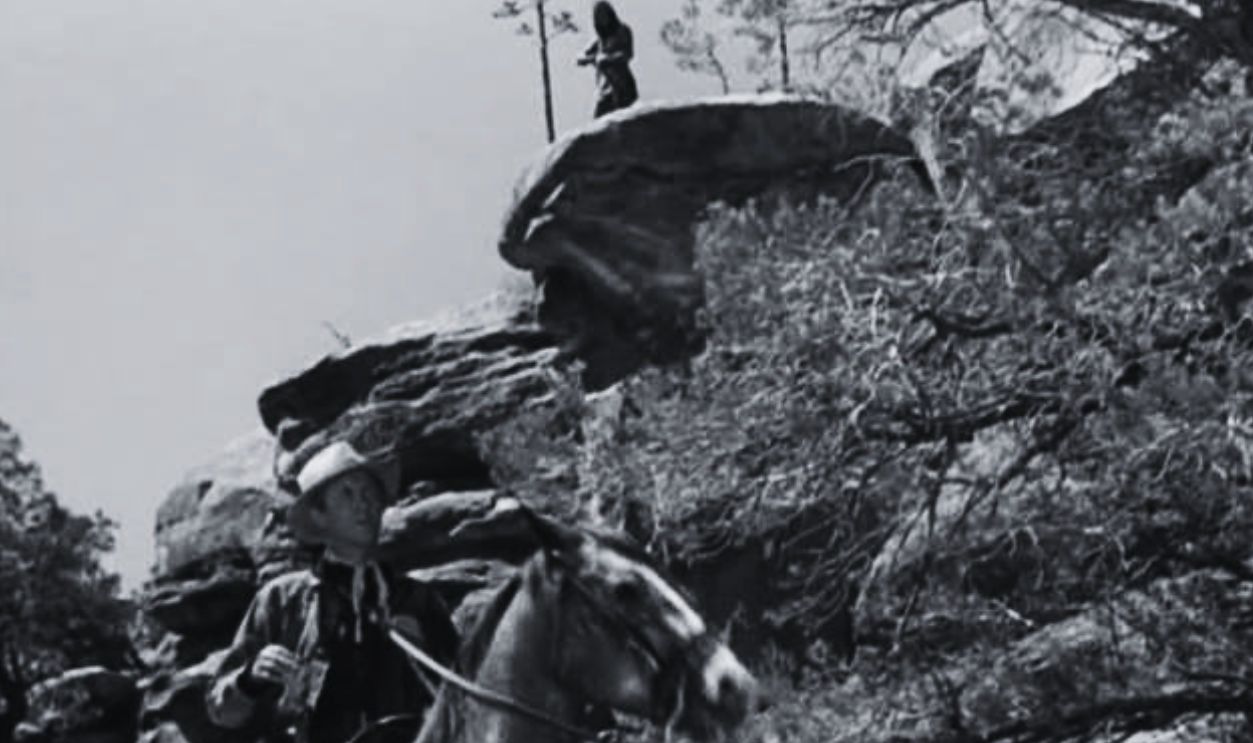 Screenshot from Broken Arrow, 20th Century Fox (1950)
Blink… and They Were Gone
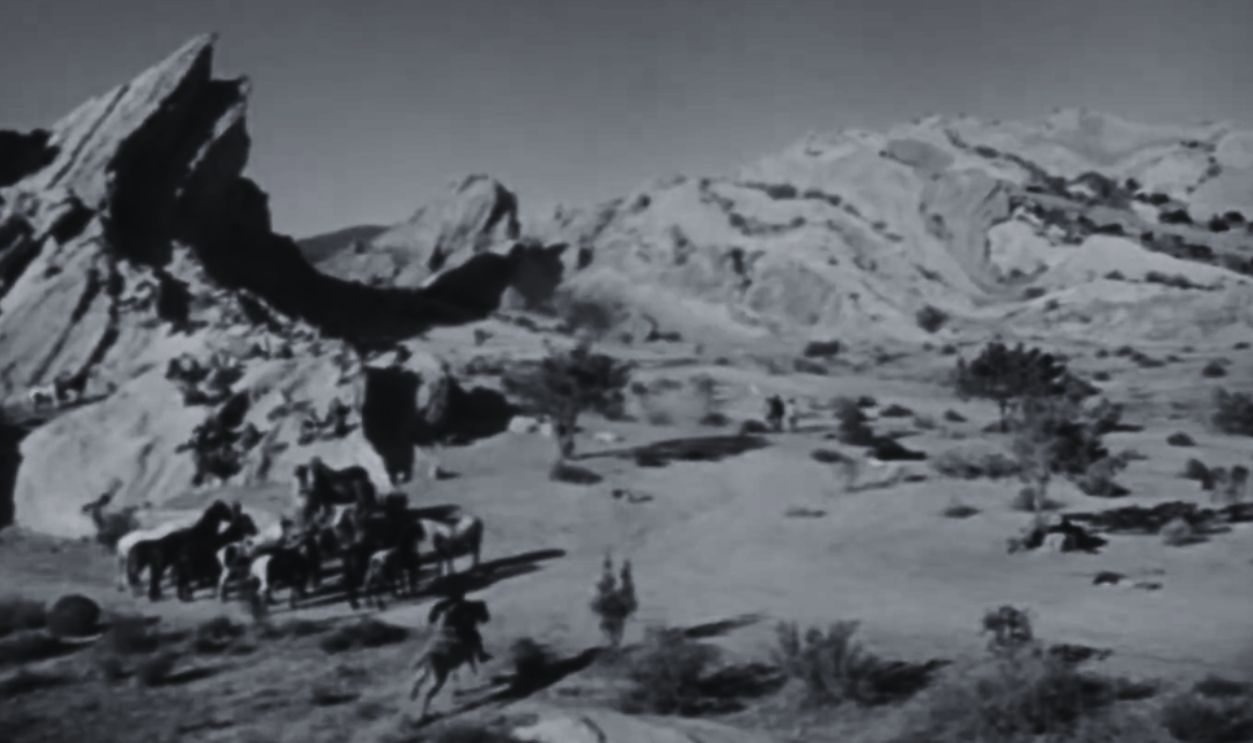
This was probably the most frustrating part for American and Mexican soldiers. Just when they thought they had the Apache cornered, the warriors disappeared into the mountains or desert. By the time soldiers caught up, there was usually nobody left to fight.
 Screenshot from Apache, Hecht-Lancaster Productions / United Artists (1954)
Confusion Was a Weapon Too
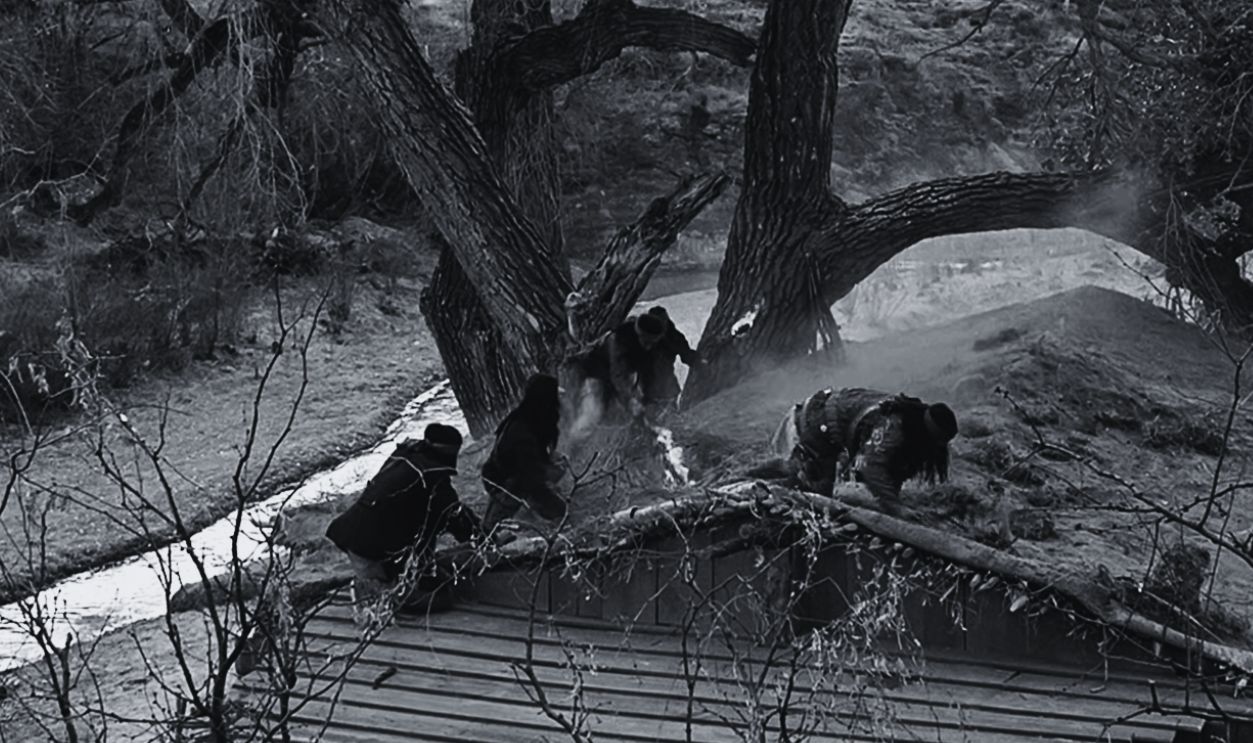
Apache attacks were often quick and carefully planned. A few warriors could create enough confusion to make a much larger force hesitate. Those few moments of uncertainty were sometimes all the Apache needed before slipping away again.
They Let the Landscape Do the Work
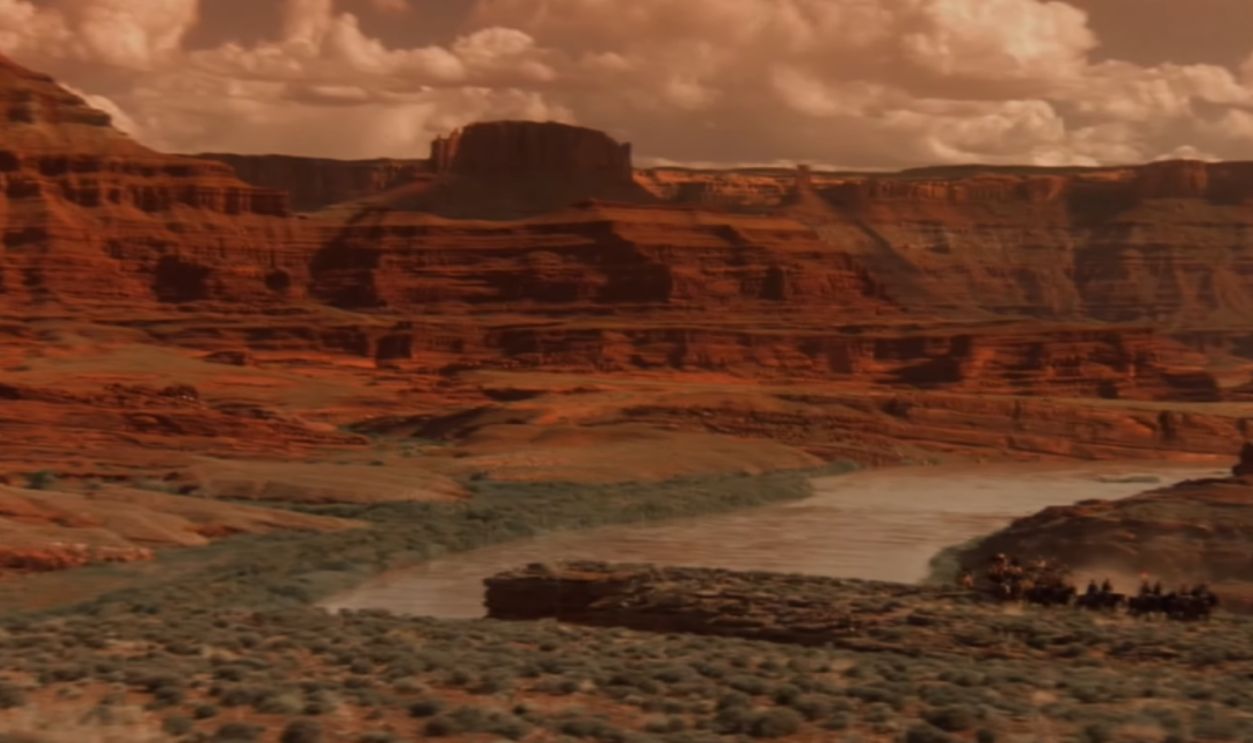
Narrow canyons, rocky cliffs, dry riverbeds, and steep hills weren’t obstacles—they were opportunities. Instead of forcing the land to fit their strategy, the Apache built their strategy around the land.
 Screenshot from Geronimo: An American Legend, Columbia Pictures (1993)
They Didn’t Waste Energy
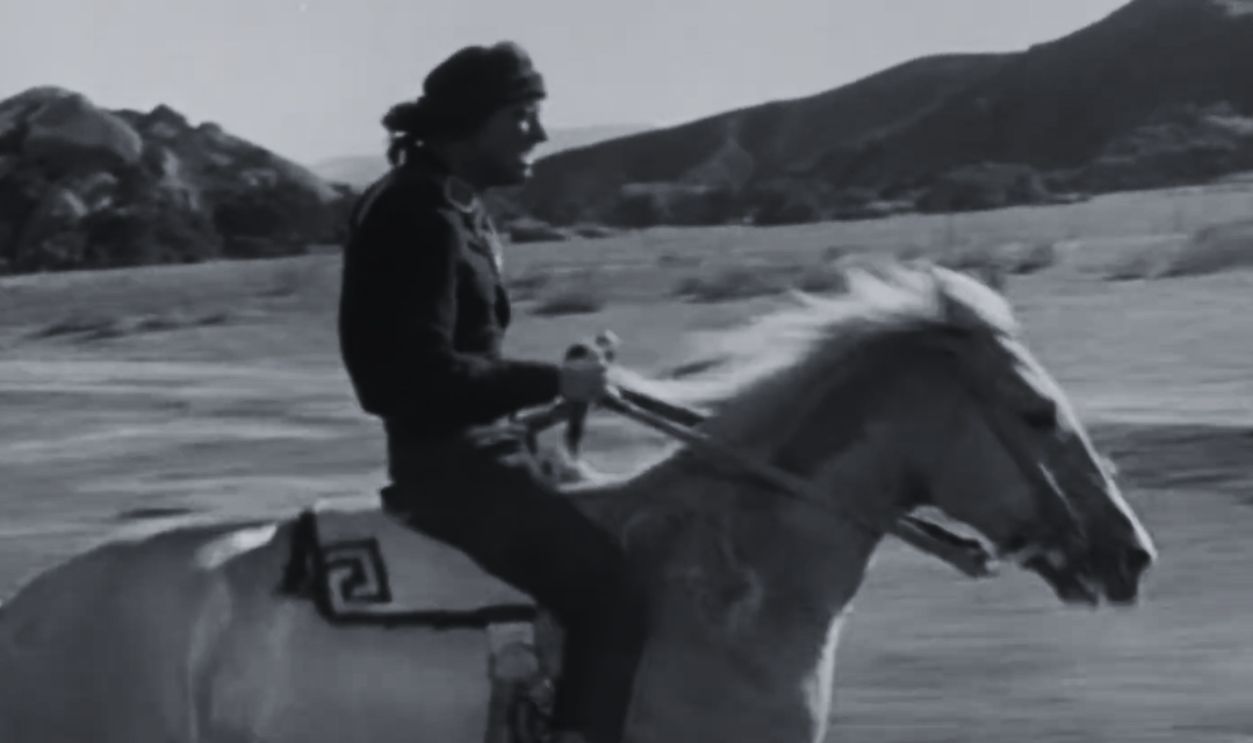
The Apache rarely fought battles simply to prove they were brave. Every fight came with risks. If the odds weren’t good, they often chose to leave instead. Living to fight another day was sometimes the smartest victory of all.
 Screenshot from Apache, Hecht-Lancaster Productions / United Artists (1954)
Raids Had a Purpose
Hollywood often makes Apache raids look random, but they usually had clear goals. Warriors might recover stolen horses, gather supplies, defend their families, or respond to earlier attacks. Every decision had a reason behind it.
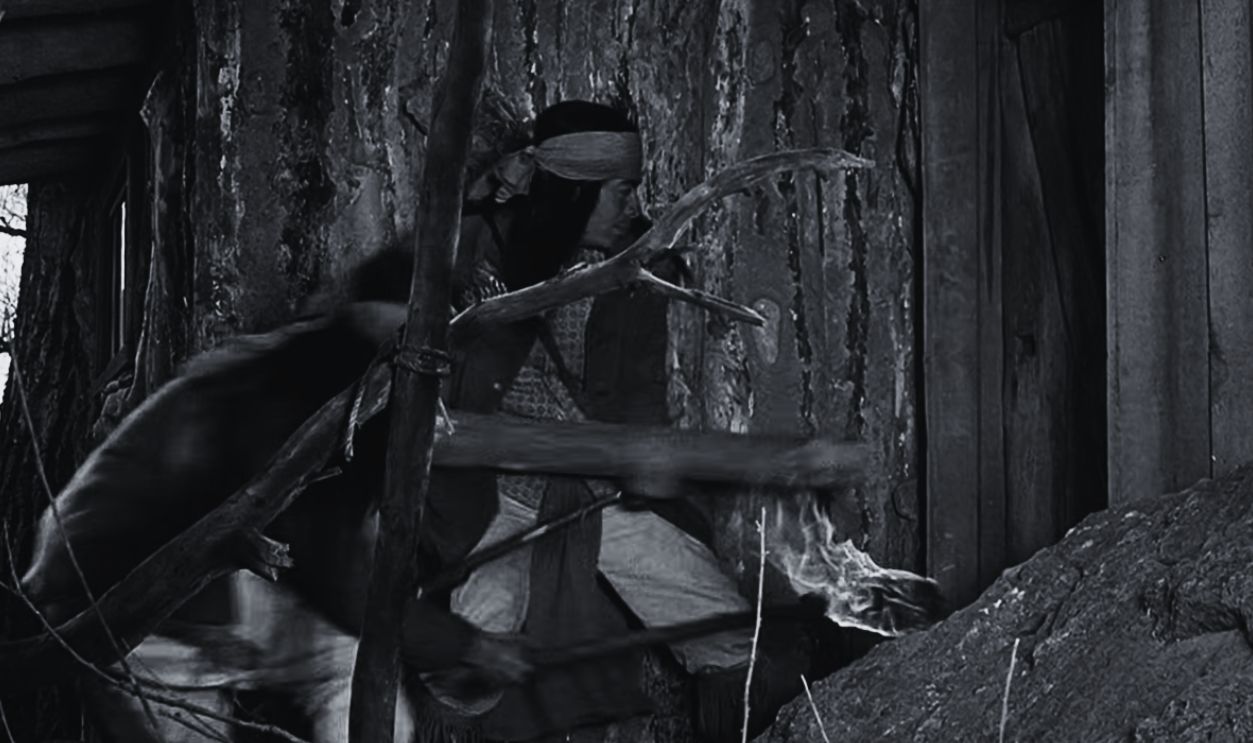
Horses Changed the Game
When horses spread across the Southwest after the arrival of the Spanish, Apache mobility became even greater. Suddenly warriors could travel farther, move faster, and disappear before larger armies had time to react.
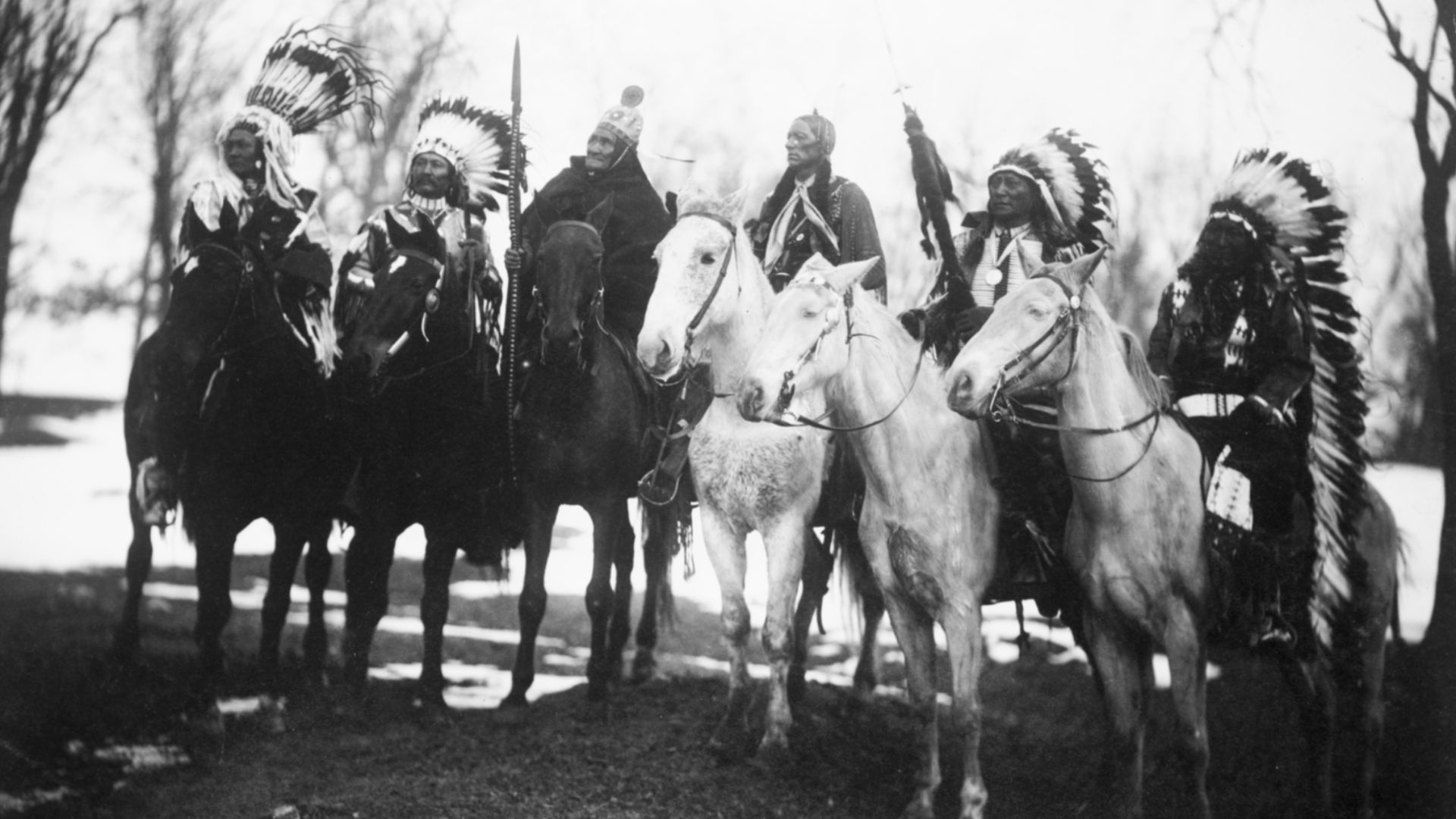 Edward S. Curtis, Wikimedia Commons
A Good Horse Was Worth Everything
To the Apache, a horse wasn’t just transportation. It meant speed, freedom, and survival. Losing one could be devastating. Gaining one could completely change the outcome of a raid.
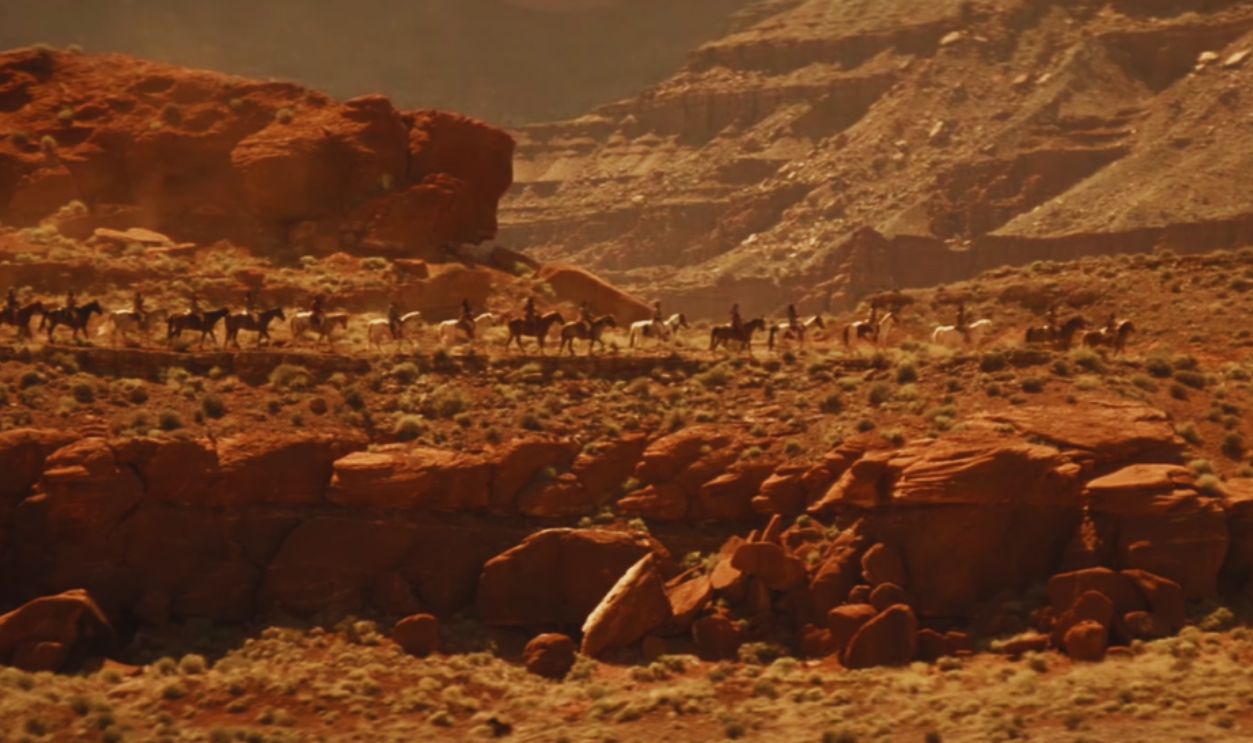 Screenshot from Geronimo: An American Legend, Columbia Pictures (1993)
They Never Forgot the Bow
Even after rifles became available through trade or capture, many Apache warriors still carried bows. They were quiet, reliable, and didn’t give away a warrior’s position with smoke or loud gunfire. Sometimes the older tool was still the better tool.
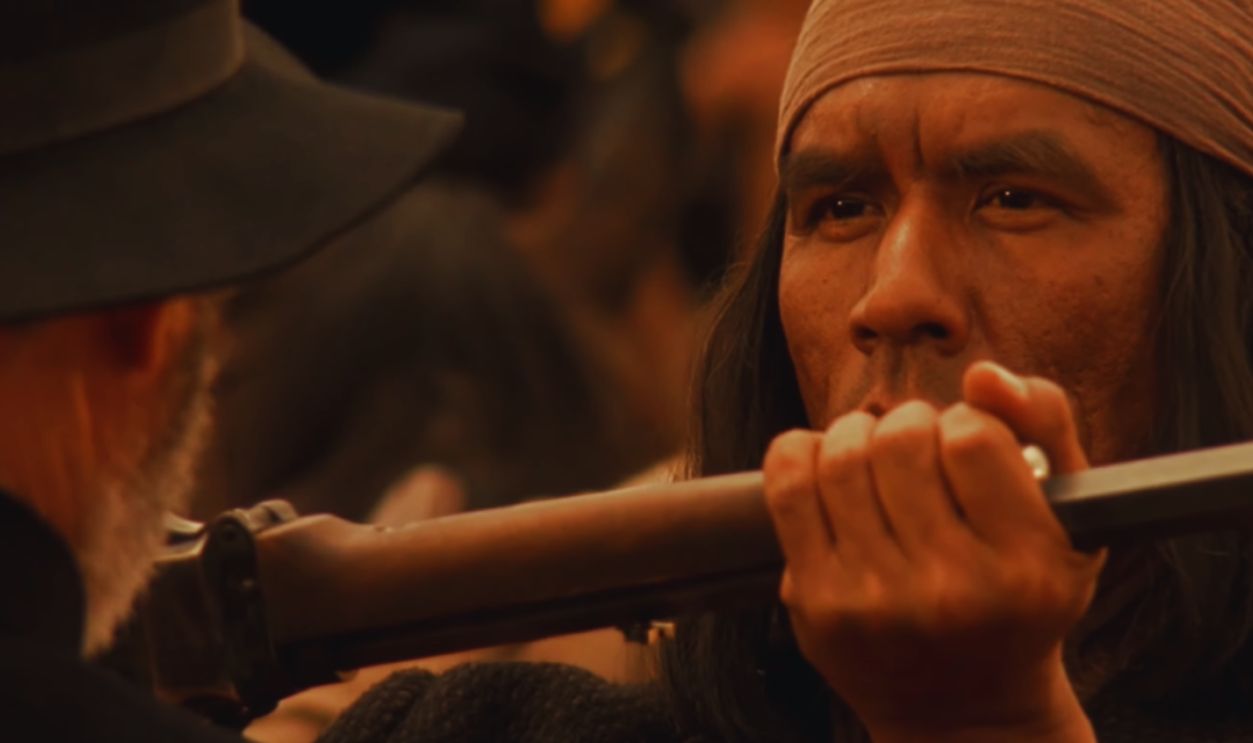 Screenshot from Geronimo: An American Legend, Columbia Pictures (1993)
They Adapted Faster Than Their Enemies
One thing made the Apache especially dangerous—they were willing to learn. When new weapons appeared, they figured out how to use them. But they never abandoned the traditional skills that had already kept them alive for generations.
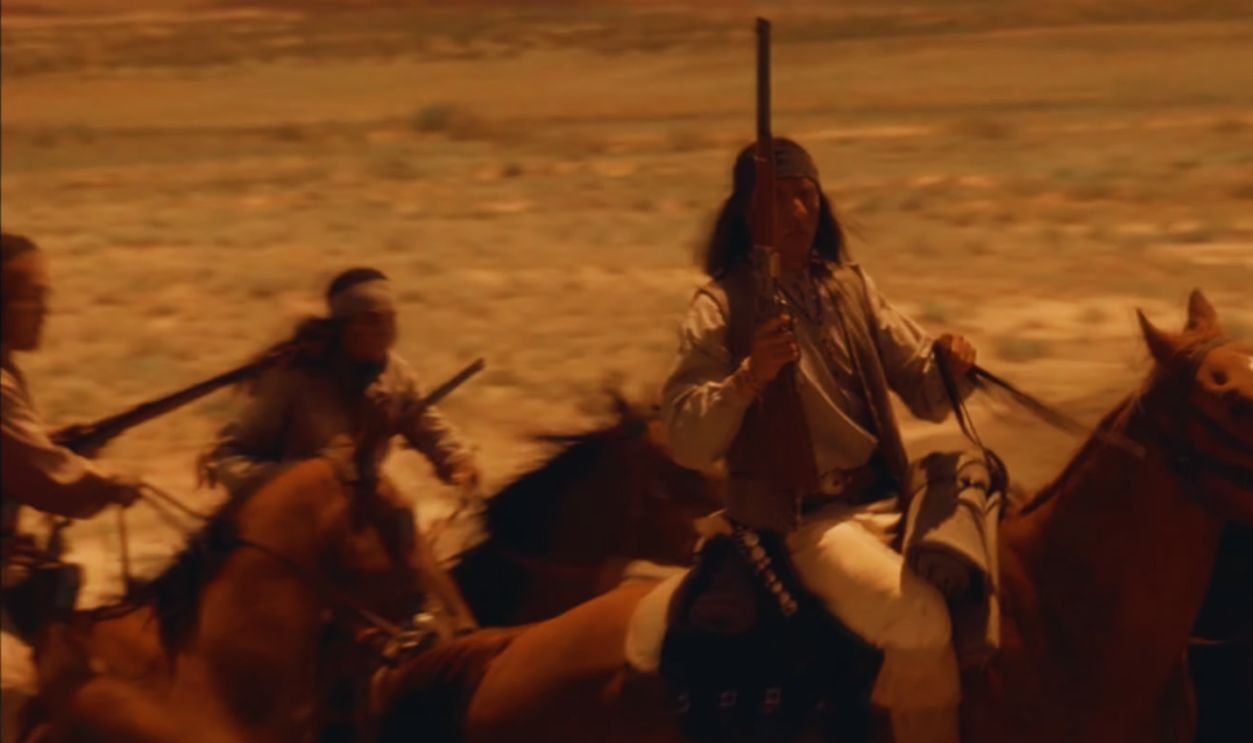 Screenshot from Geronimo: An American Legend, Columbia Pictures (1993)
Quiet Was Usually Better Than Loud
Nobody wanted someone shouting battle plans across a canyon. Apache warriors relied on hand signals, whistles, and careful planning instead. Sometimes silence was just another weapon.
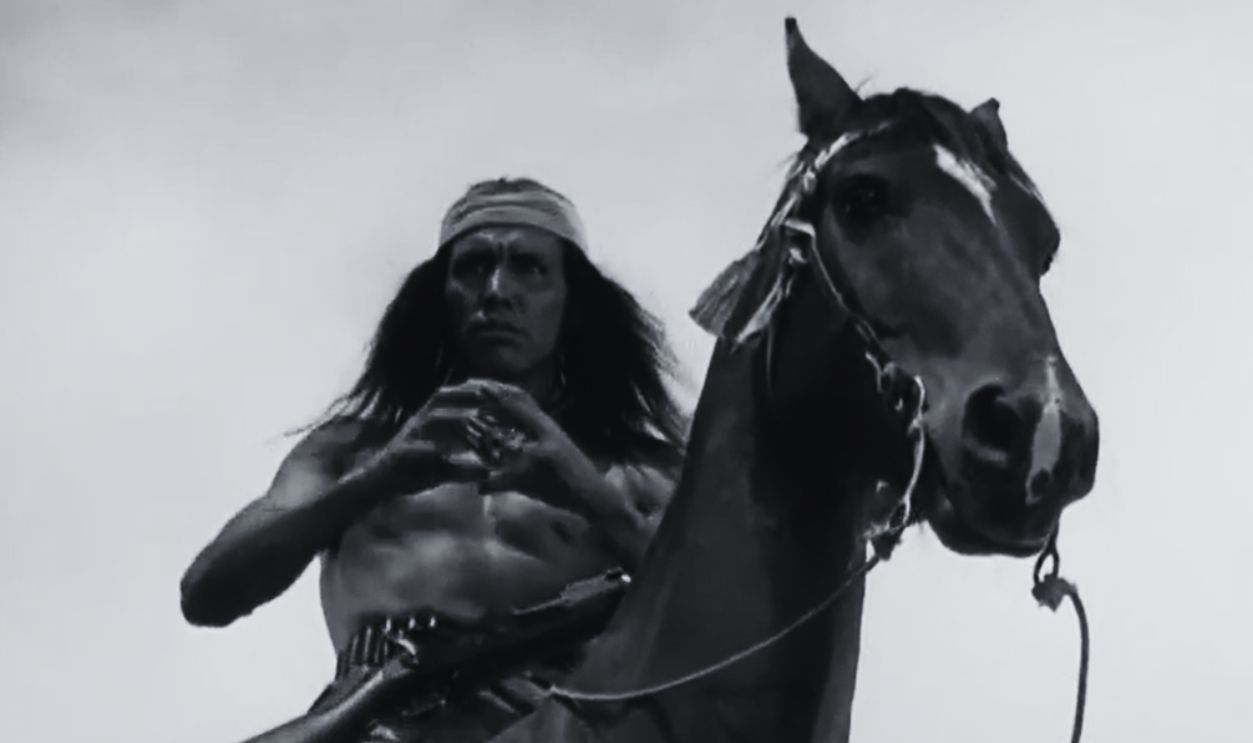 Screenshot from Broken Arrow, 20th Century Fox (1950)
Family Was Worth Fighting For
Apache warfare wasn’t about conquering huge empires. It was about protecting communities. While warriors were away, women cared for families, prepared food, maintained camps, and helped keep daily life moving forward. Everyone played a part in survival.
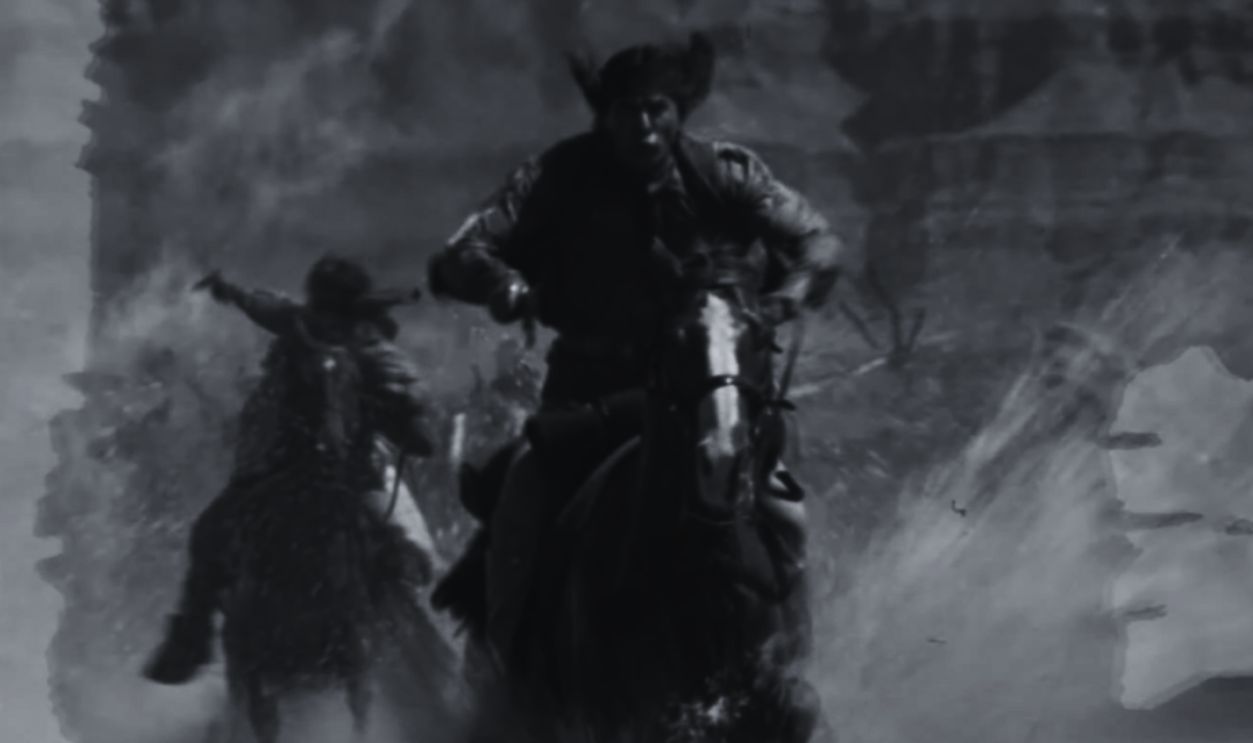 Screenshot from Geronimo: An American Legend, Columbia Pictures (1993)
Leaders Had to Earn Respect
Nobody became a war leader simply because of who their parents were. Leaders earned trust by making smart decisions and bringing people home safely. If warriors believed in someone’s judgment, they followed.
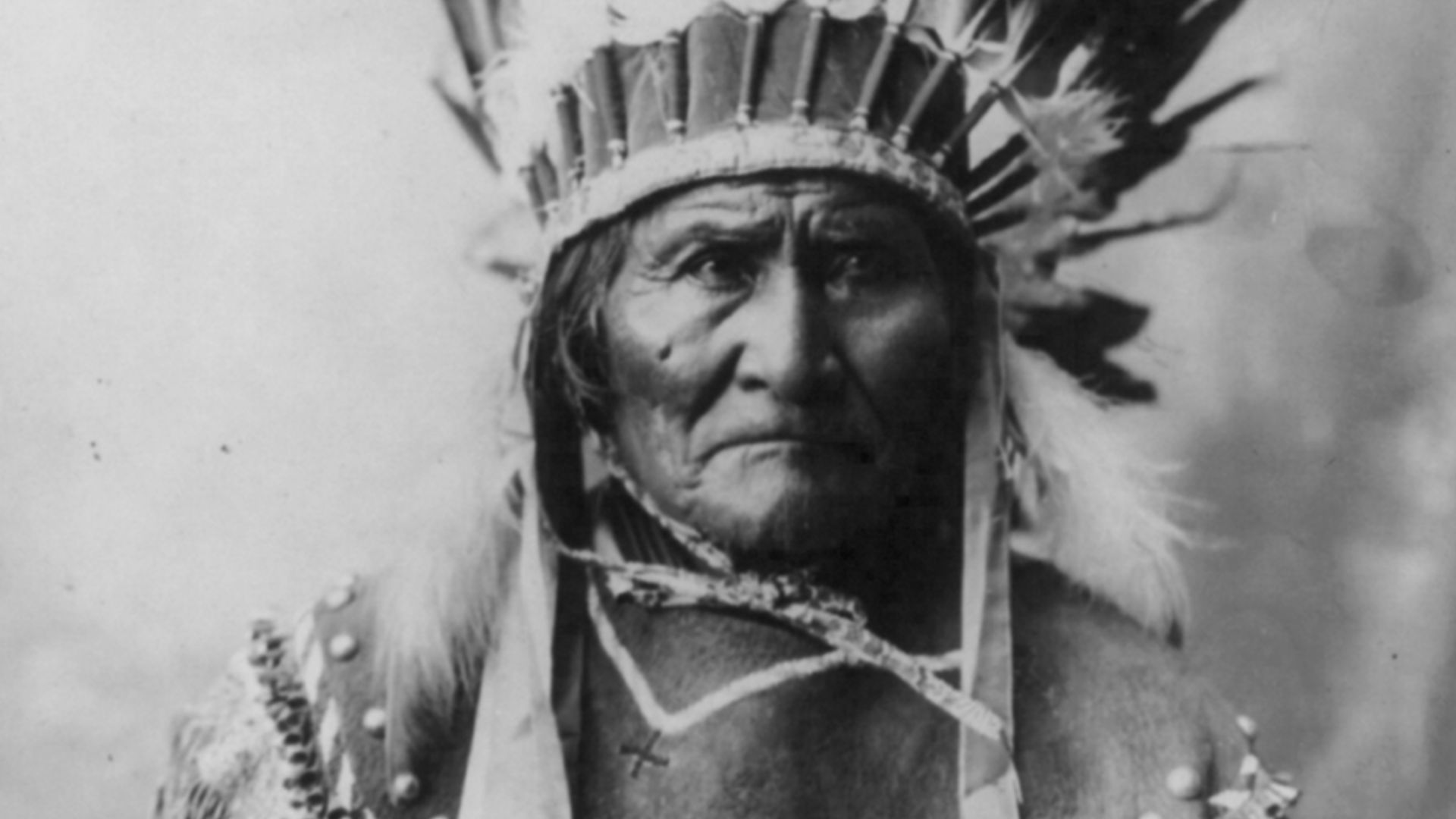
Then Came Cochise
One of the greatest Apache leaders was Cochise of the Chiricahua Apache. He knew the Dragoon Mountains of southeastern Arizona almost better than anyone alive. His knowledge of the terrain allowed his people to avoid much larger military forces for years.
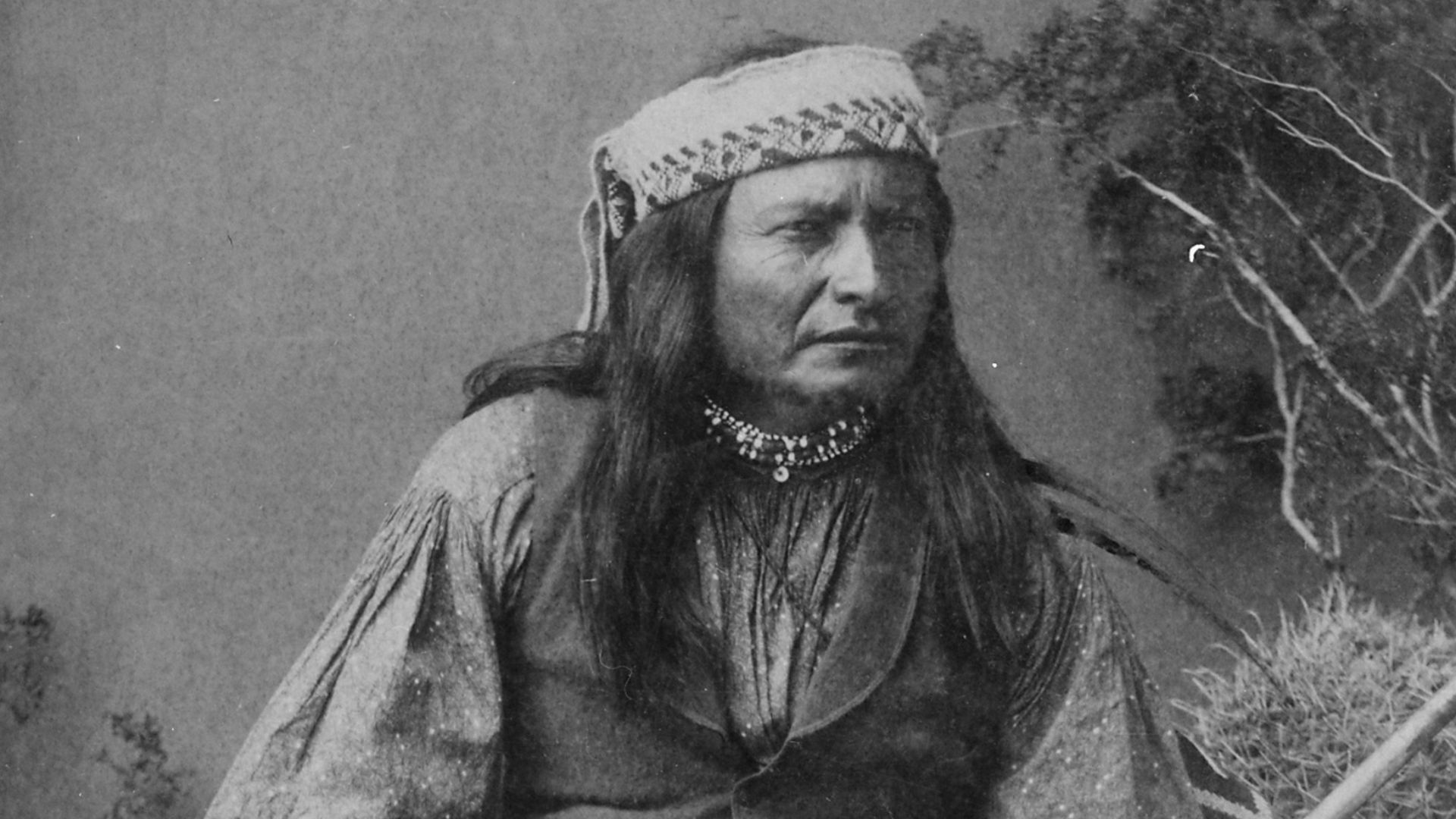 Unknown authorUnknown author or not provided, Wikimedia Commons
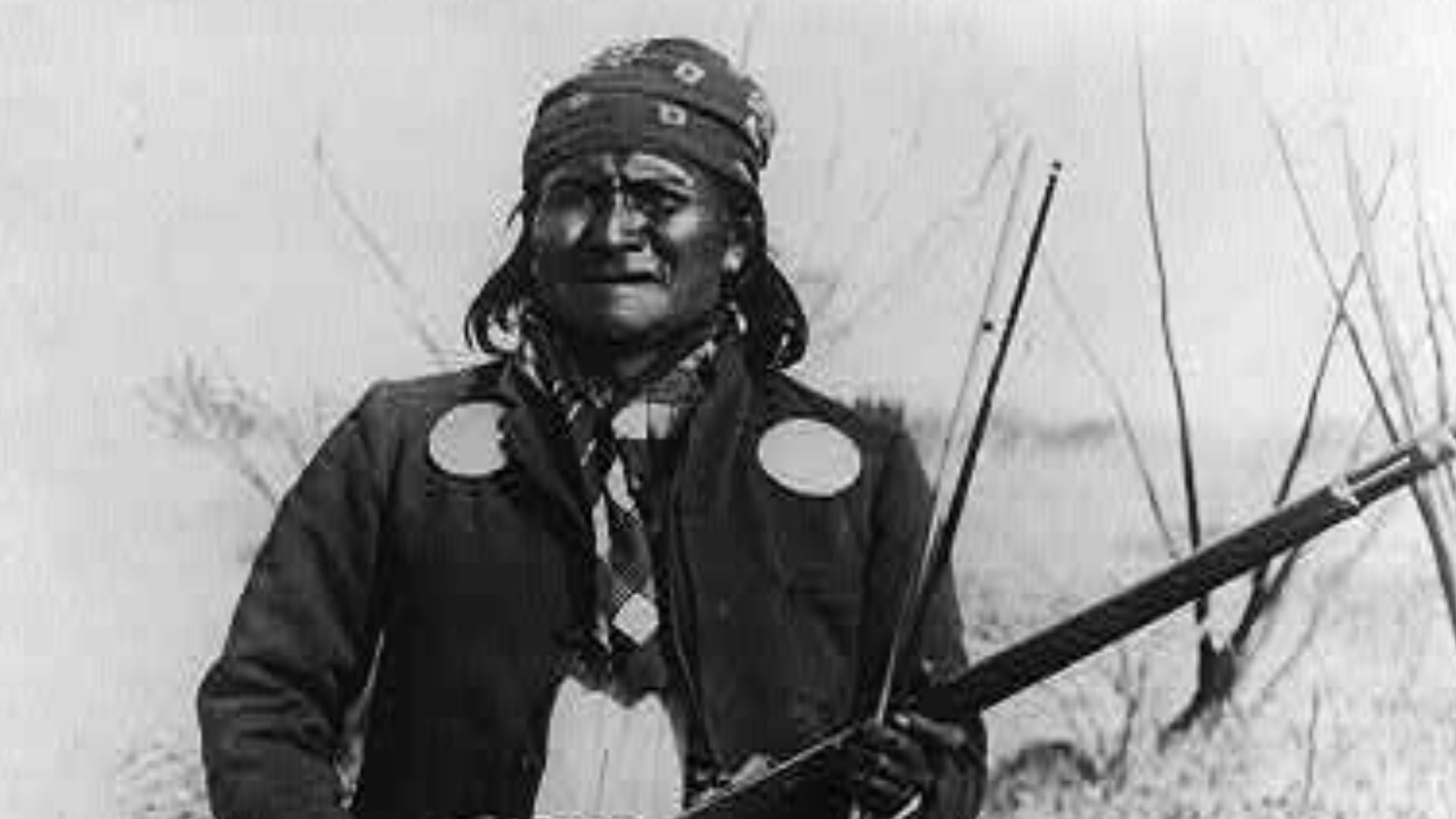
And Then Came Geronimo
Geronimo, born in 1829 near the Gila River, became famous for his determination and refusal to surrender. Even when American and Mexican troops worked together to hunt him down, he repeatedly escaped through country he knew far better than his pursuers.
Soldiers Started Respecting Their Enemy
Many officers who fought the Apache later admitted they had never faced warriors quite like them. They respected Apache tracking skills, endurance, and ability to survive in places where many outsiders struggled just to stay alive.
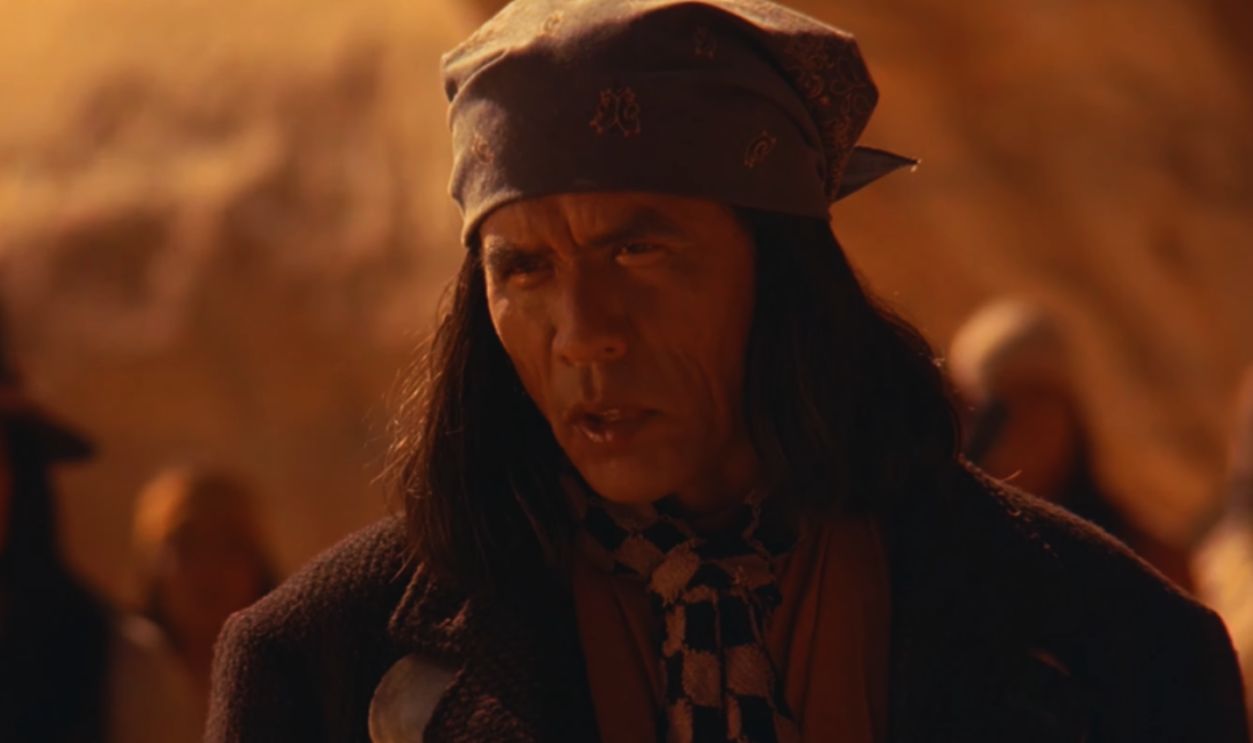 Screenshot from Geronimo: An American Legend, Columbia Pictures (1993)
Eventually, the World Changed
By the late 1800s, railroads, telegraph lines, permanent forts, and growing settlements made it much harder for Apache warriors to move freely. Their tactics still worked, but the landscape around them was changing faster than ever before.
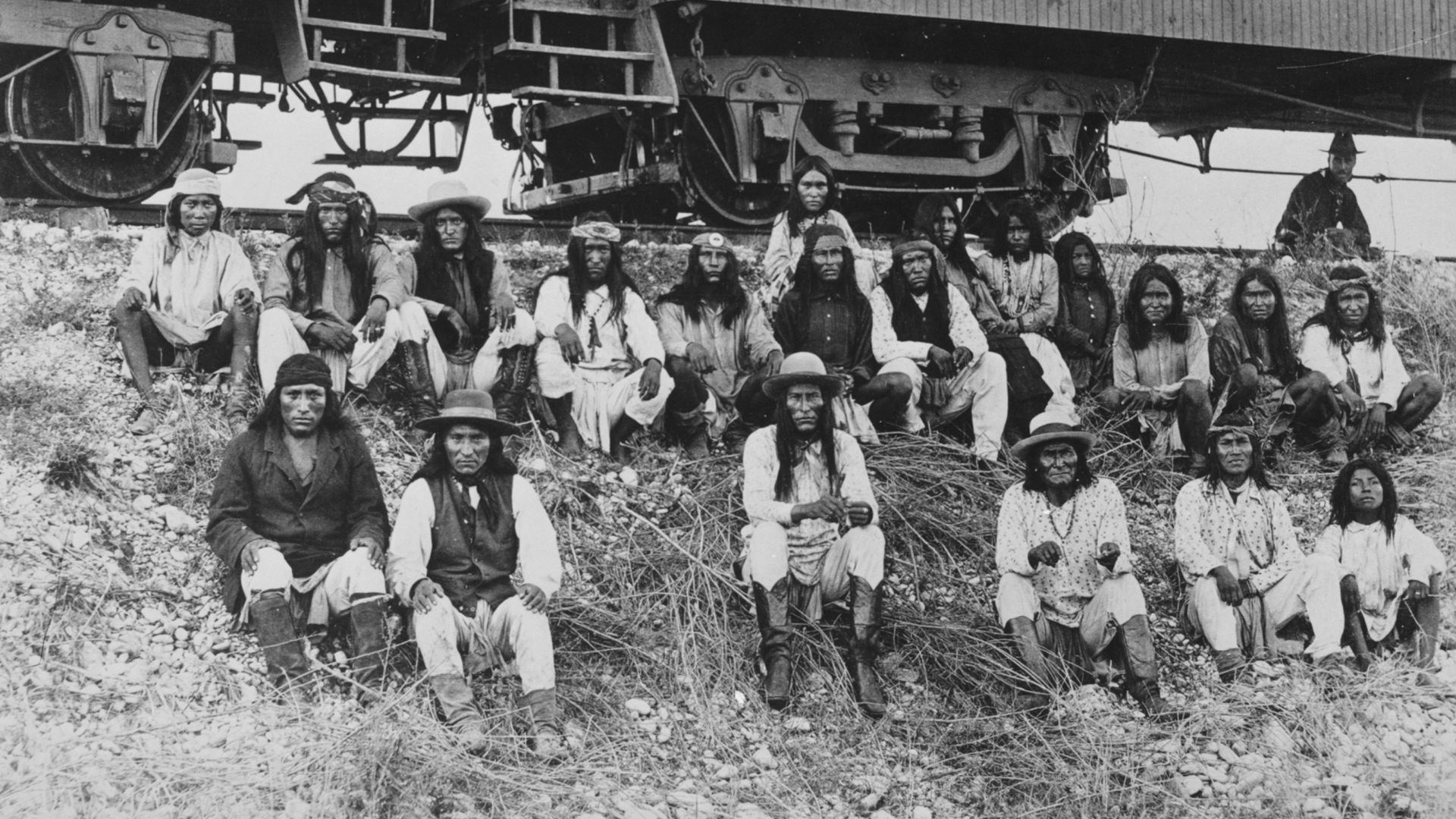 A. J. McDonald, Wikimedia Commons
Their Greatest Weapon Was Never a Rifle
People often picture Apache warriors carrying bows or rifles, but those weren’t what made them so effective. Their greatest advantage was knowledge. They understood the land, the weather, the animals, and often even their enemies better than anyone else.
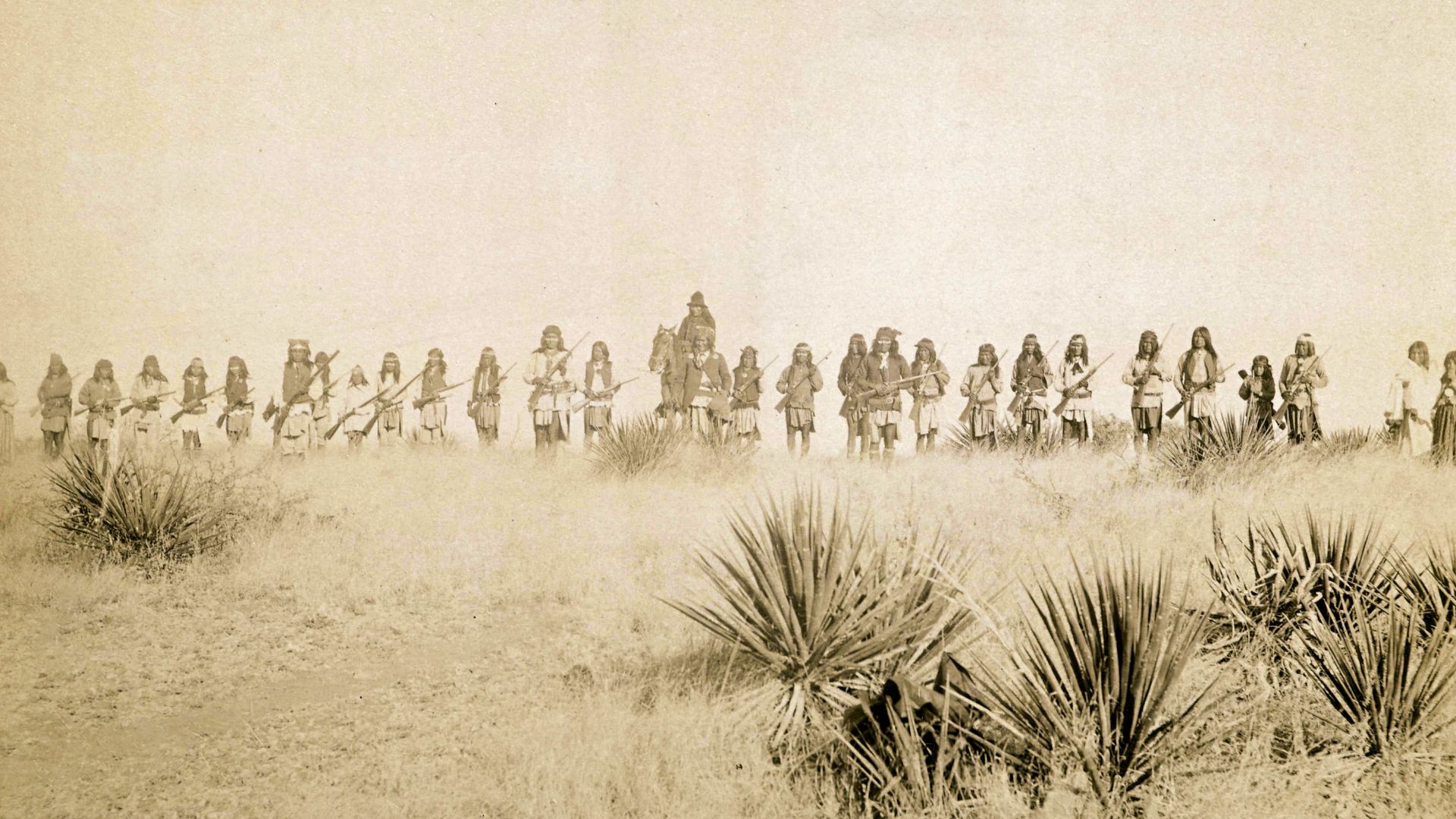
Maybe the Smartest Warrior Doesn’t Fight the Hardest
One of the biggest lessons from Apache warfare is that strength isn’t always about overpowering your opponent. Sometimes it’s about staying patient, making better decisions, and refusing to fight on someone else’s terms.
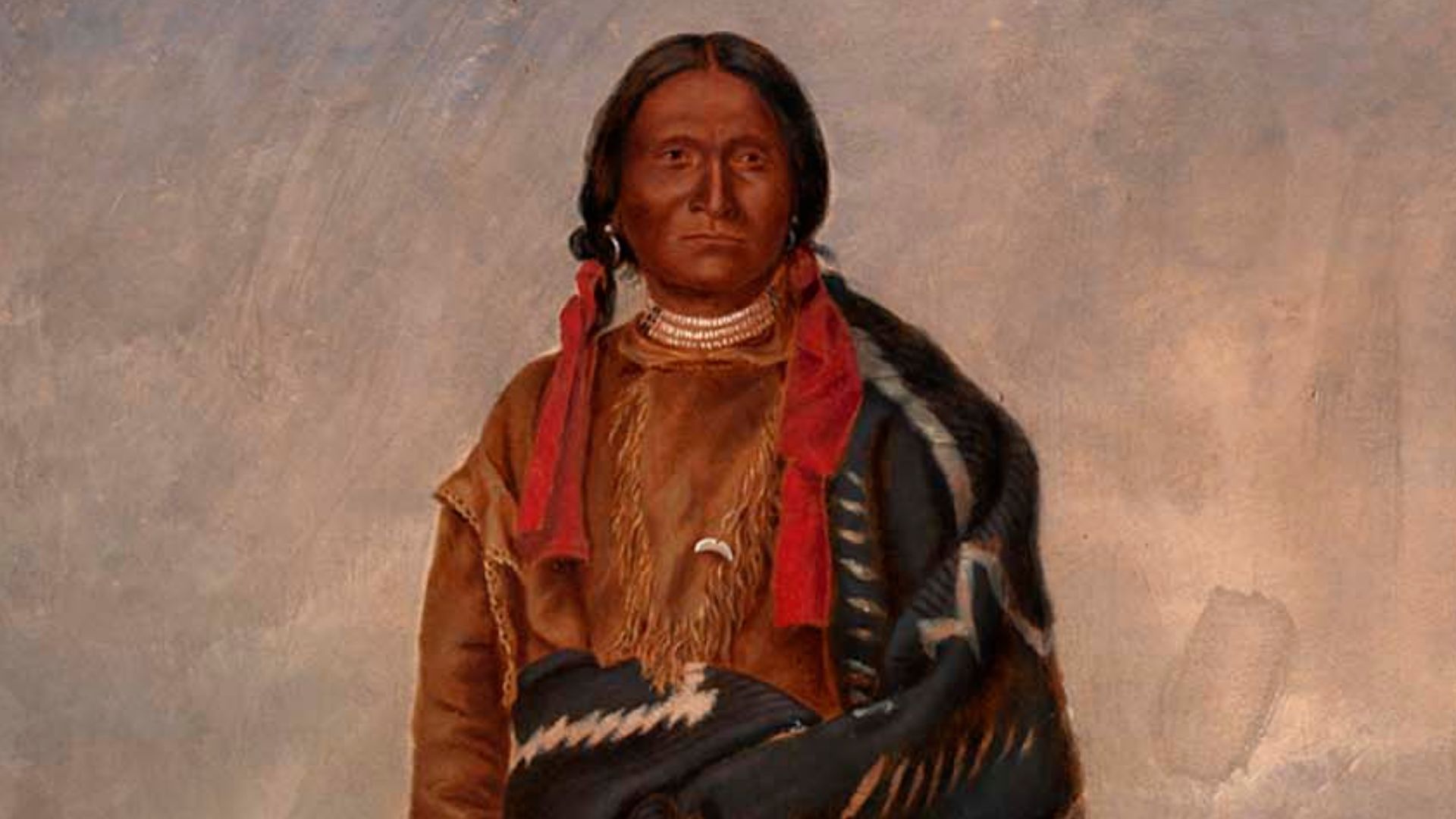 Antonio Zeno Shindler, Wikimedia Commons
What Modern Militaries Still Study Today
Military academies still teach principles that sound surprisingly familiar: mobility, surprise, intelligence gathering, flexibility, and using terrain to your advantage. The Apache practiced all of those long before anyone gave them official names.
In the end, the Apache remind us that the strongest army isn’t always the biggest one—it’s often the one that knows exactly when, where, and how to fight.
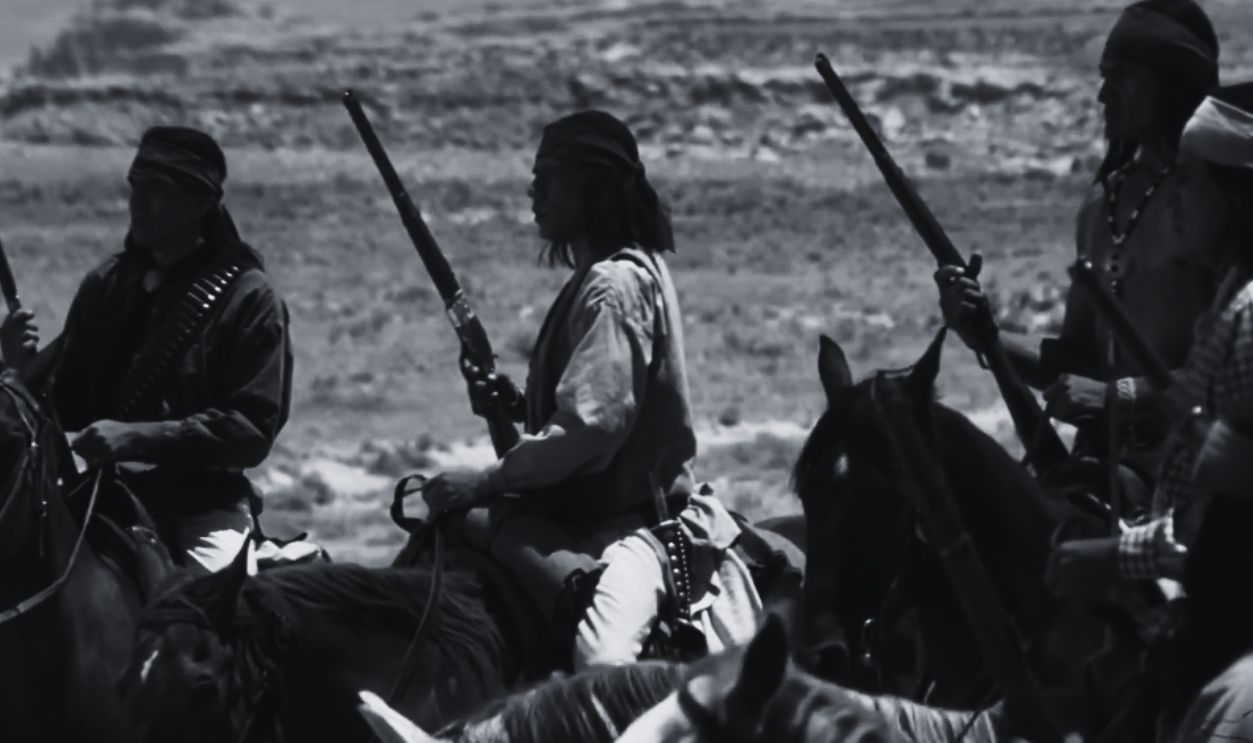 Screenshot from Geronimo: An American Legend, Columbia Pictures (1993)
You May Also Like:
Geronimo fearlessly fought to defend his homeland in a war he was never allowed to win.
Incredible Images Of The Most Feared Tribe In U.S. History: The Apache Indians
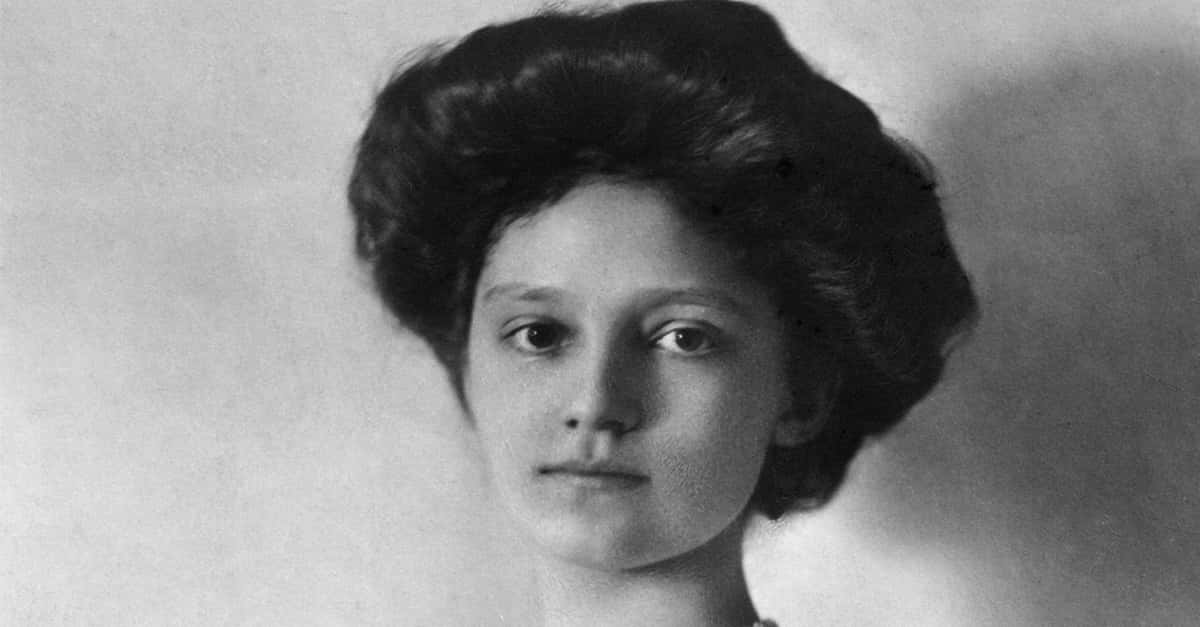


,_a_Chiricahua_Apache,_full-length,_kneeling_with_rifle,_1887_-_NARA_-_530880.jpg)


