Mysterious texts that scholars argue about
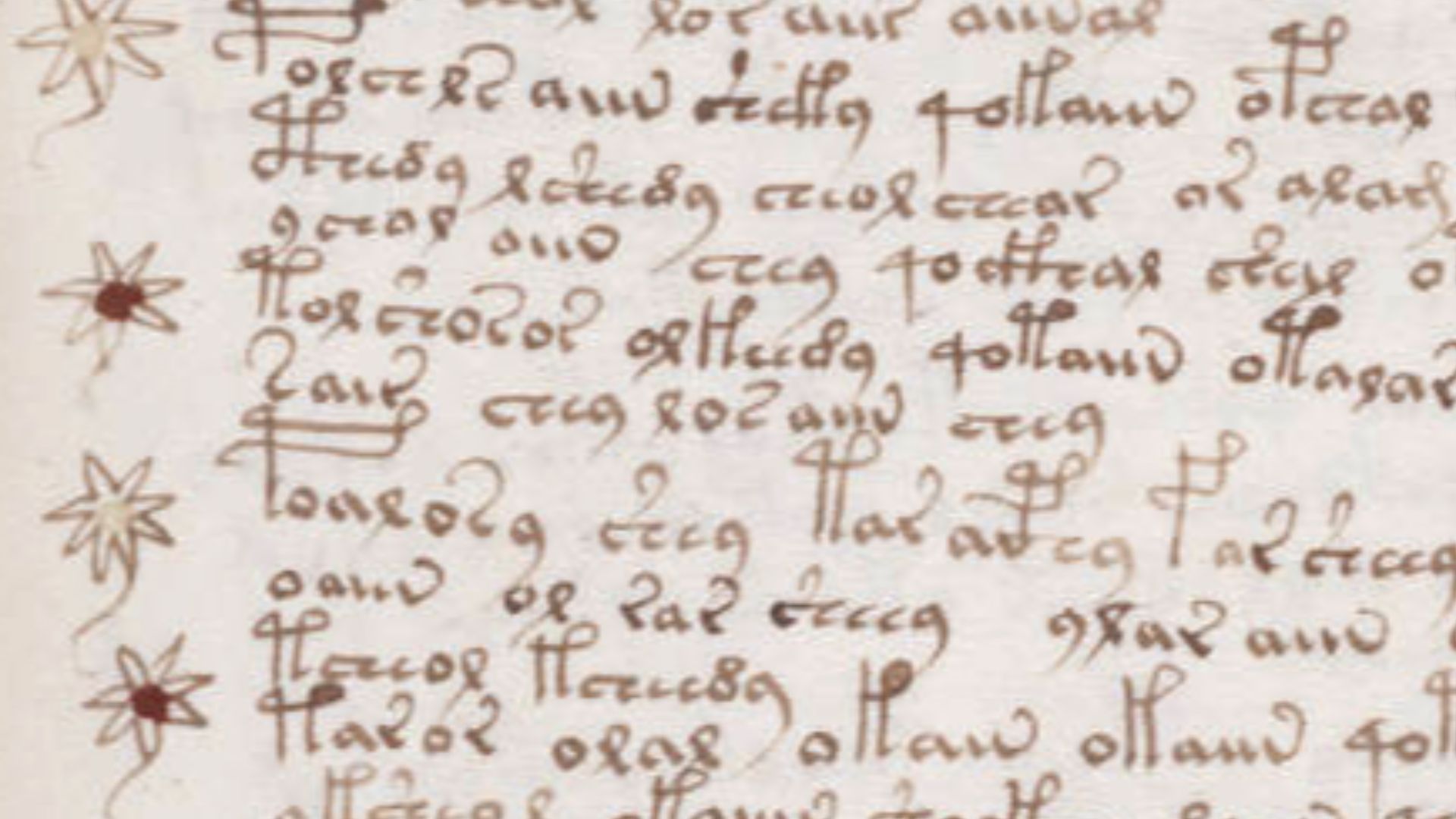
Several ancient texts seem determined to resist explanation. Found in unlikely places and written in scripts no one fully understands, these manuscripts continue to unsettle historians. Even today, modern research can’t fully explain the origin or authenticity of some.
 Unknown Author, Wikimedia Commons
Humanity’s Earliest Attempts To Preserve Meaning
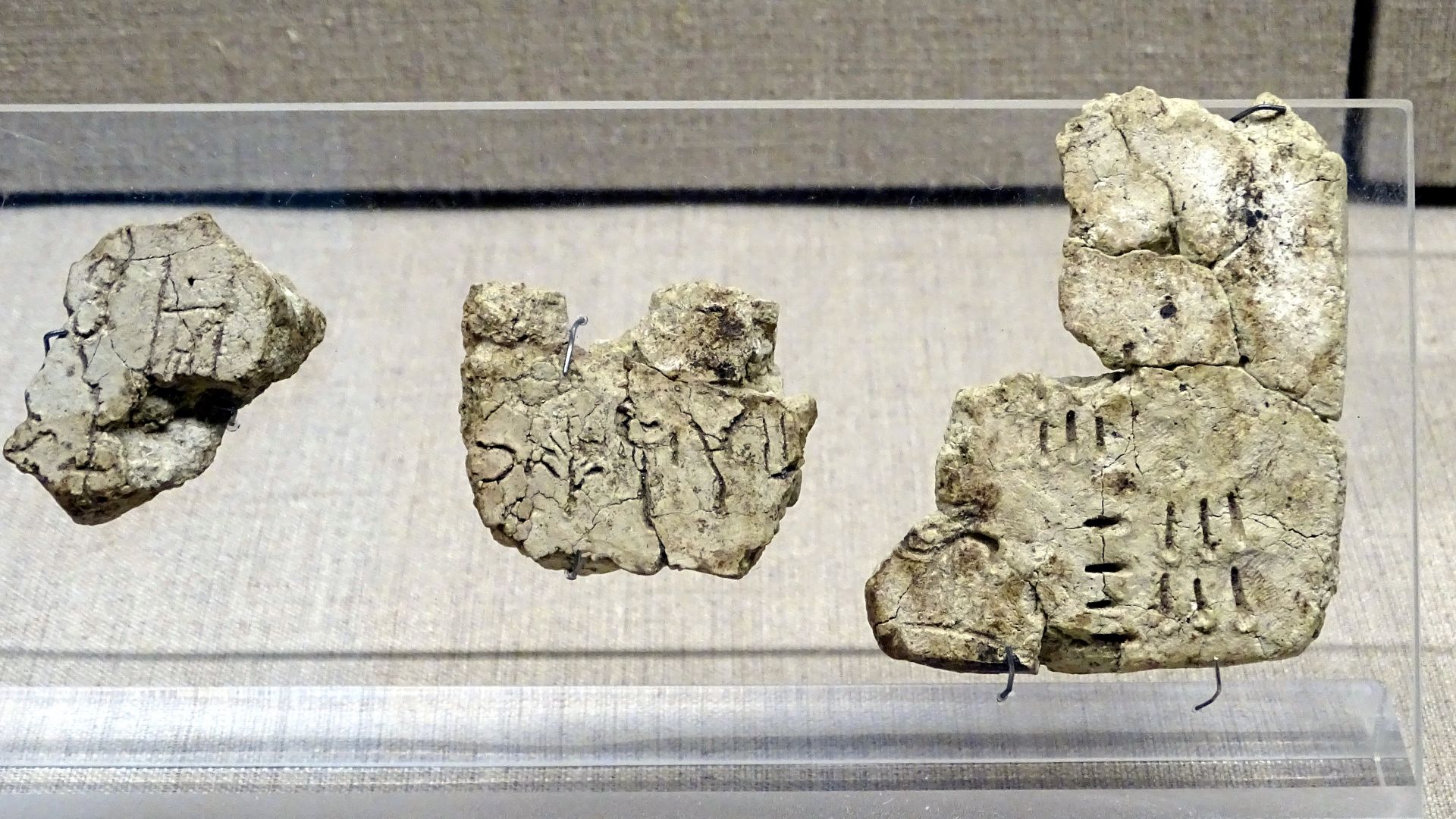
Before books existed, humans sought ways to record ideas beyond memory. Early symbols carved into stone, clay, or bone served practical and spiritual purposes. They either marked ownership or celebrated beliefs. These first records reveal a universal desire to make meaning permanent.
Before Language Took Familiar Shape
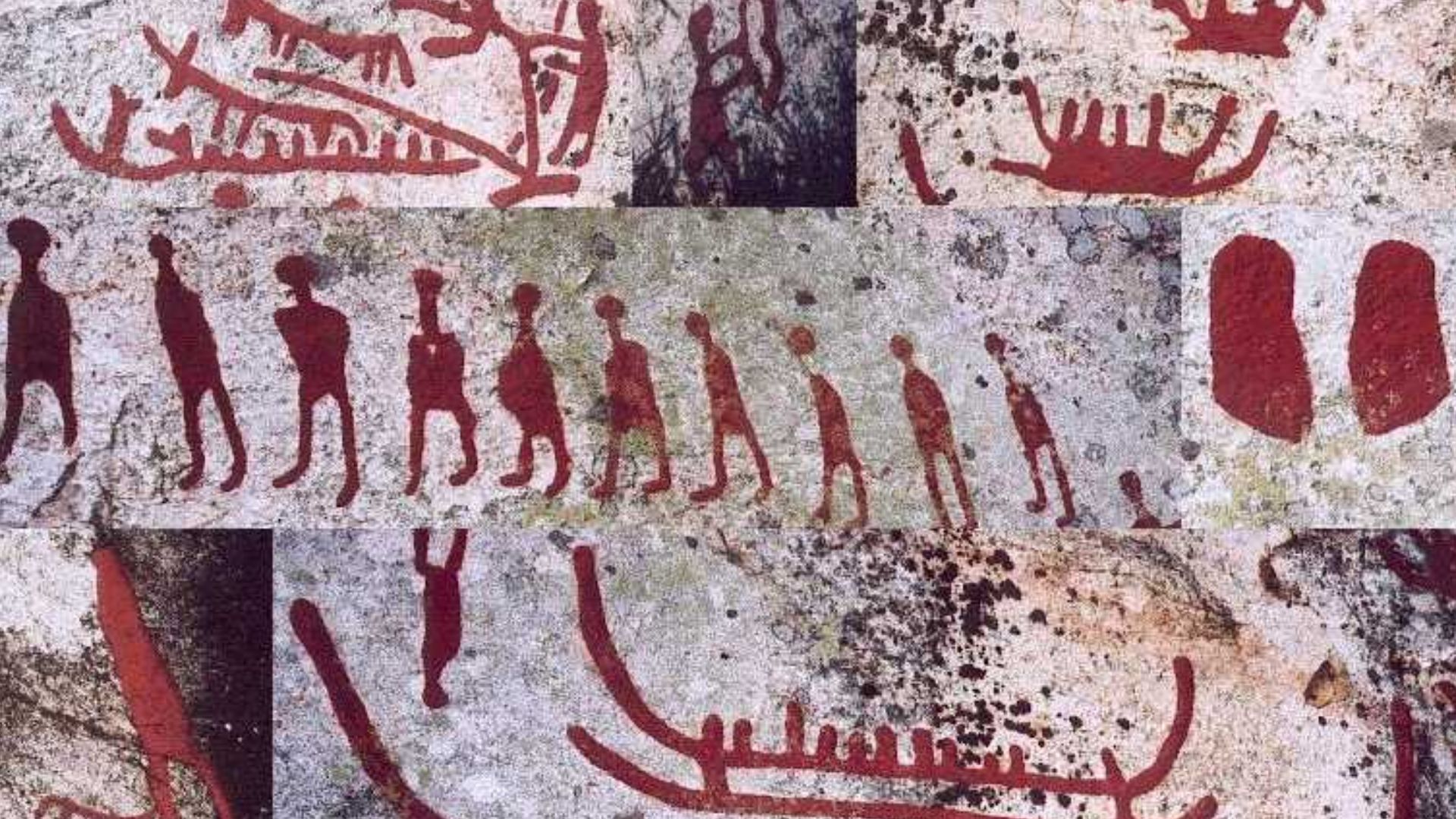
Some of the oldest markings resemble writing but lack clear grammar or vocabulary. Archaeologists debate whether these symbols represent early communication systems or ritual imagery. Their ambiguity highlights how writing likely evolved gradually by blending art and utility rather than appearing fully formed.
The Phaistos Disc And Writing Without A Key
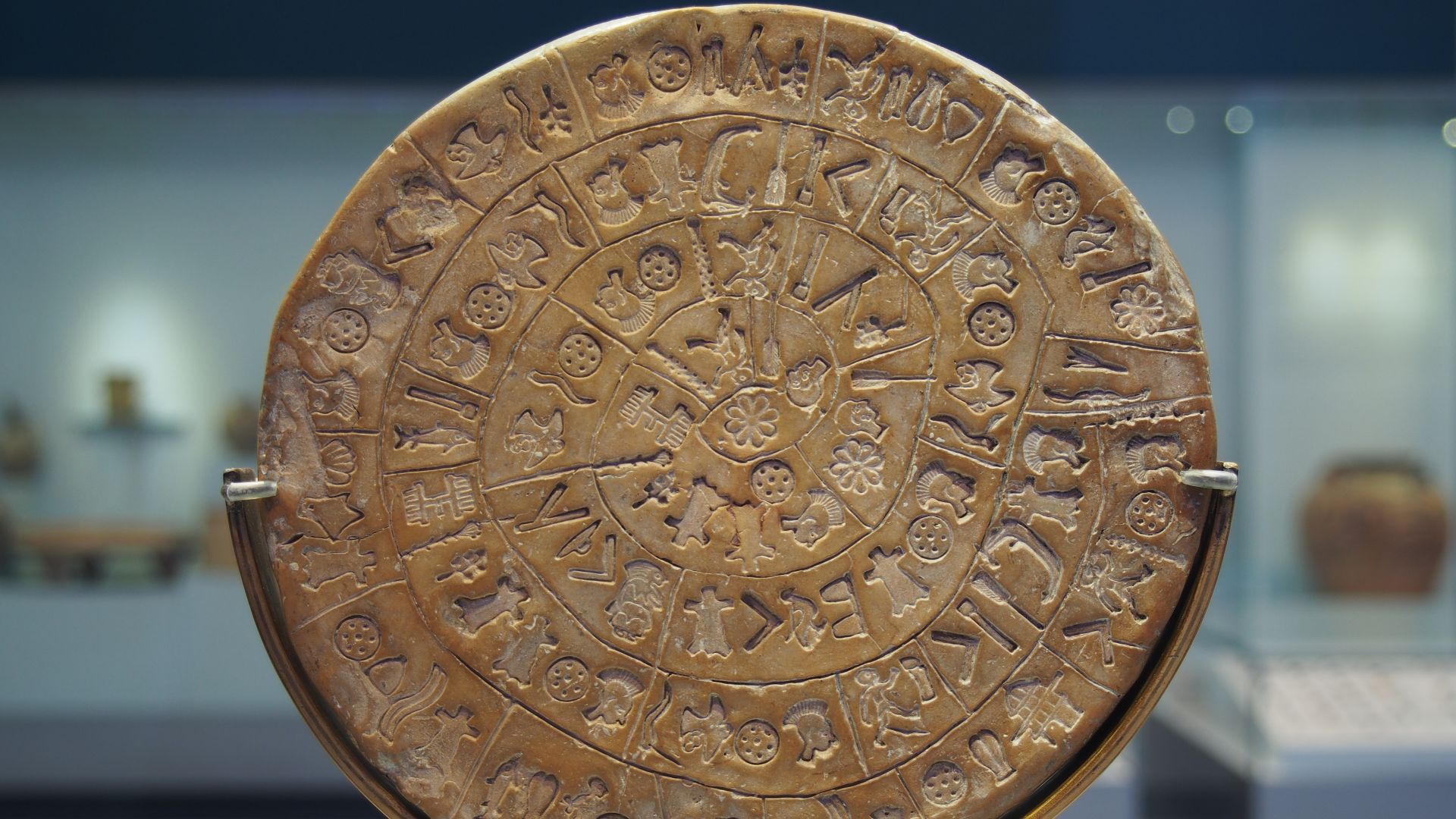
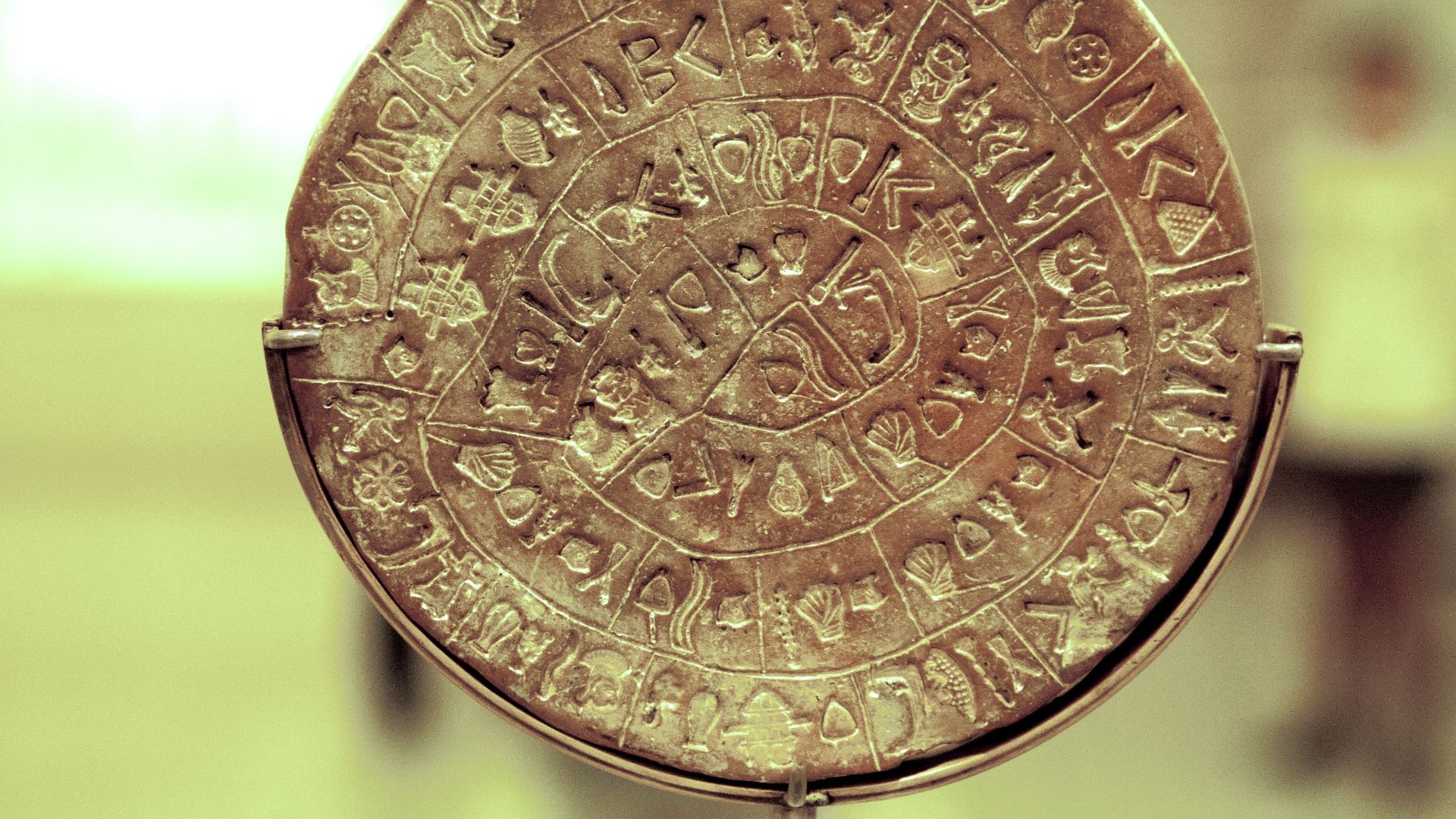
Discovered in Crete in 1908, the Phaistos Disc dates to roughly 1700 BCE and features stamped symbols arranged in a spiral. No other artifact uses the same script, leaving scholars uncertain whether it represents language or an elaborate form of ancient recordkeeping.
Some Scripts Defy Every Decoding Method
Decipherment usually depends on repetition or bilingual texts. When none exist, interpretation stalls. Scripts like those on the Phaistos Disc resist translation because there is no comparative material. As explained, literacy does not always leave enough evidence to reconstruct meaning.
 Jerzystrzelecki, Wikimedia Commons
Sacred Records In The Ancient Mediterranean World
As civilizations matured, writing became closely tied to religion and governance. Texts recorded rituals and divine obligations, often guarded by priestly classes. These manuscripts shaped social order and reinforced belief systems while preserving knowledge that later cultures would struggle to fully interpret.
The Etruscan Linen Book Hidden Inside A Mummy
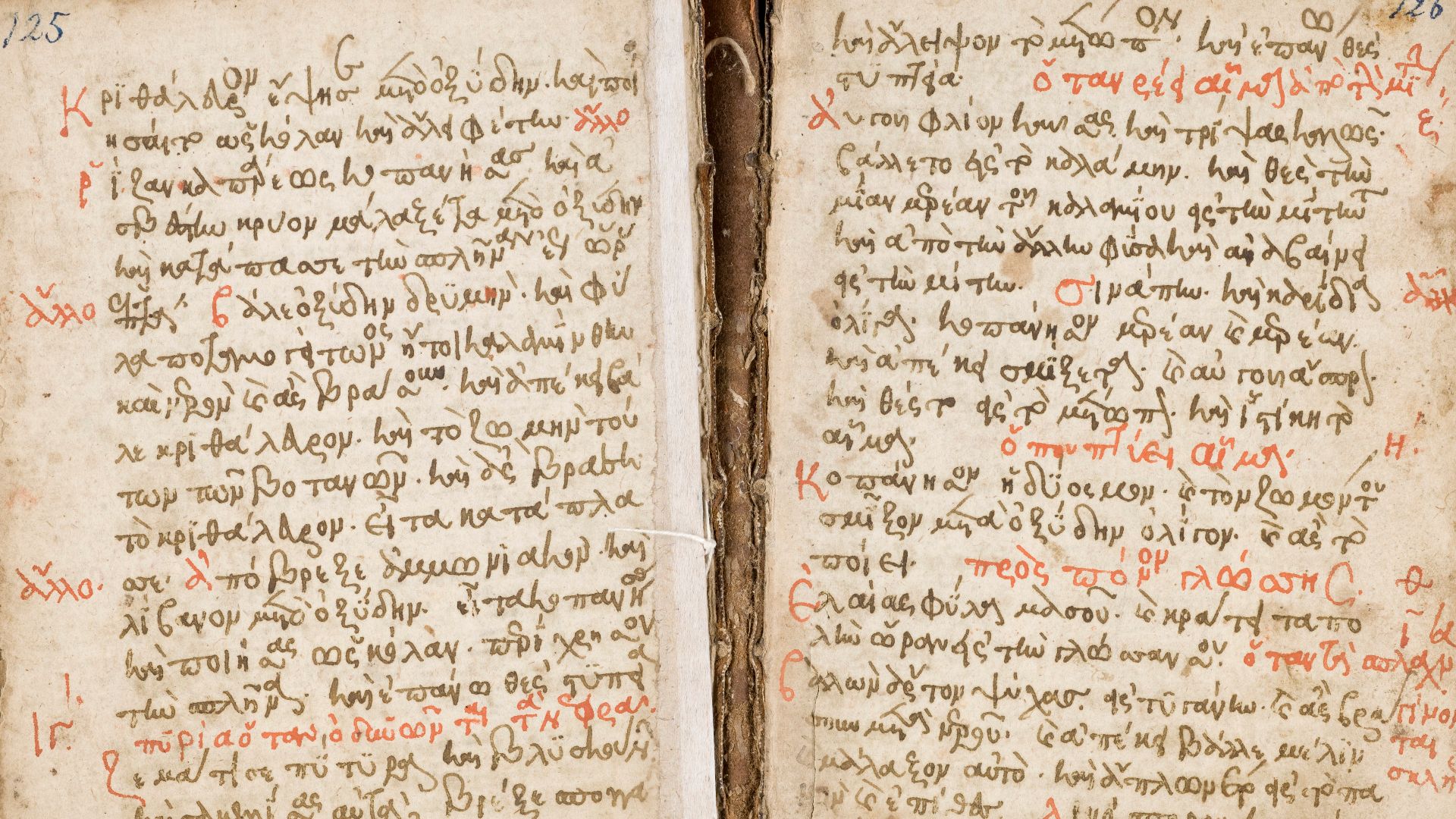
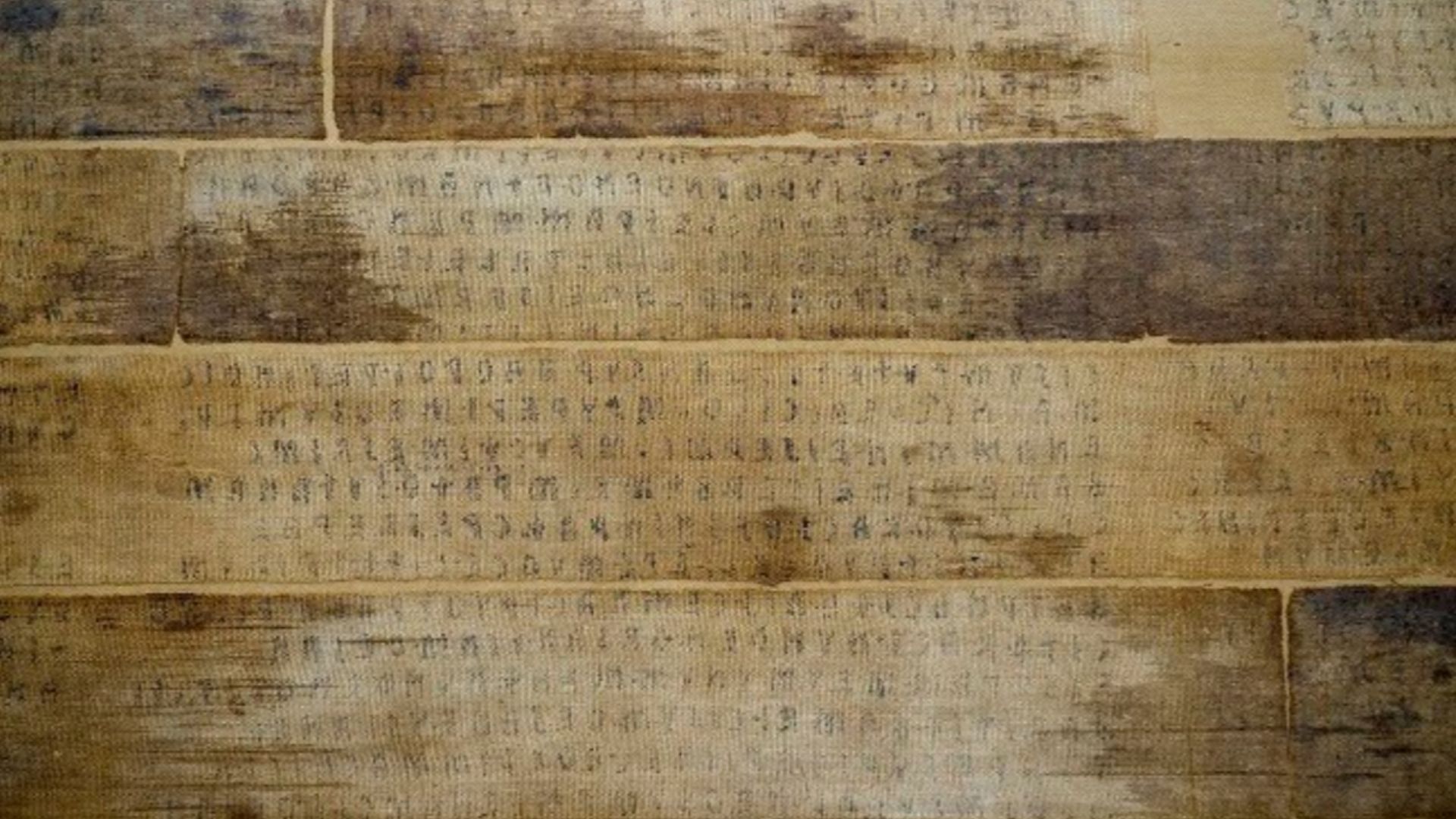
The Liber Linteus Zagrabiensis was a linen manuscript written in the Etruscan language around the third century BCE. Centuries later, the cloth was cut into strips and reused as Egyptian mummy wrappings, accidentally preserving the longest known Etruscan text in existence.
 Unknown authorUnknown author, Wikimedia Commons
How The Liber Linteus Survived By Accident
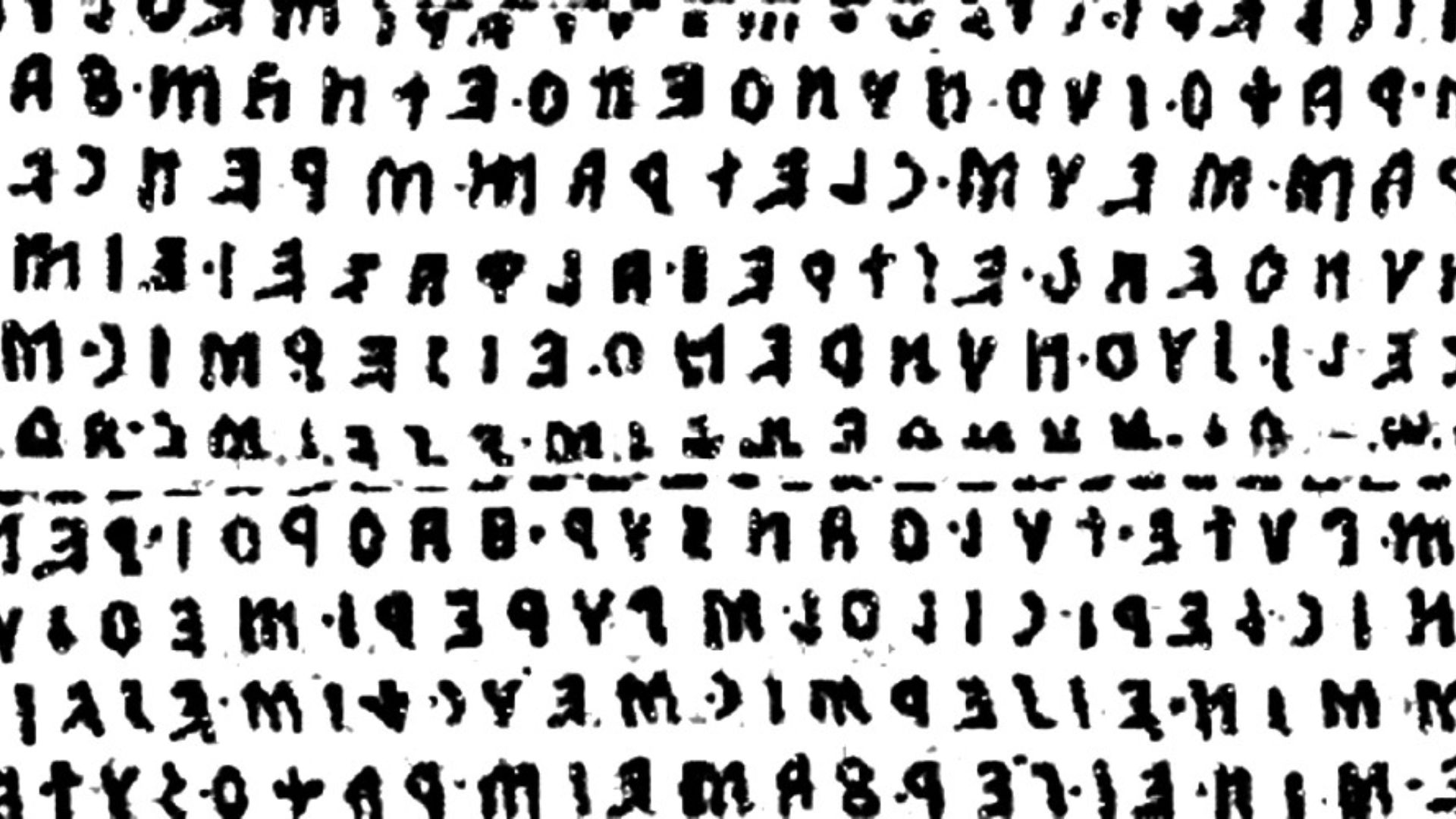
Unlike papyrus scrolls that decayed over time, the linen fragments survived because they were sealed within burial wrappings. Dry Egyptian conditions slowed deterioration and allowed scholars to later recognize the writing and reconstruct much of the original text.
 Unknown authorUnknown author, Wikimedia Commons
Religion And Timekeeping In Lost Cultures
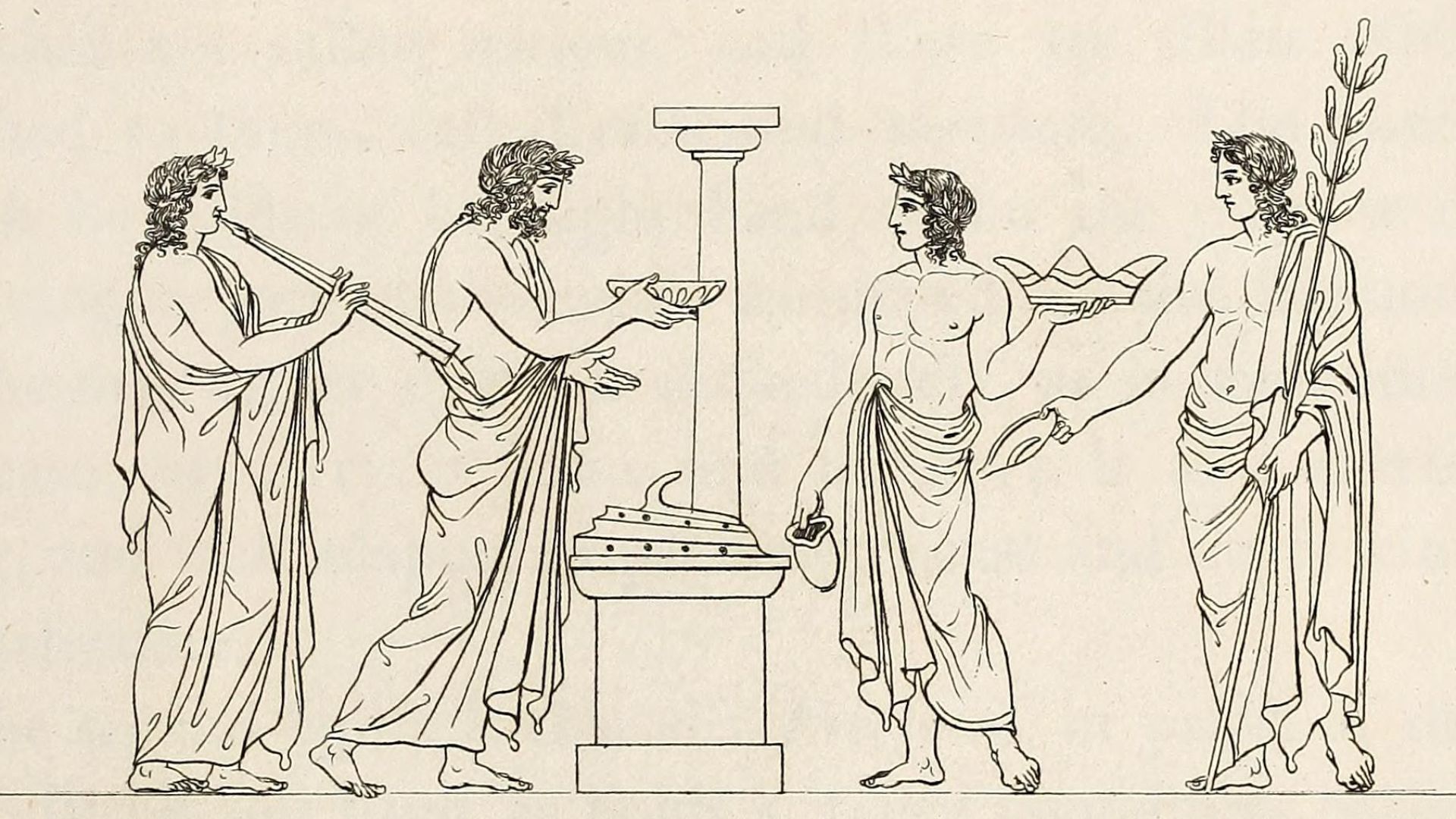
Analysis suggests the Liber Linteus records a religious calendar outlining Etruscan ceremonies and sacred days. Rather than telling stories, it regulated spiritual life by demonstrating how ancient societies used writing to organize relationships between humans and their gods.
 AnonymousUnknown author, Wikimedia Commons
When Early Christianity Produced Forbidden Gospels
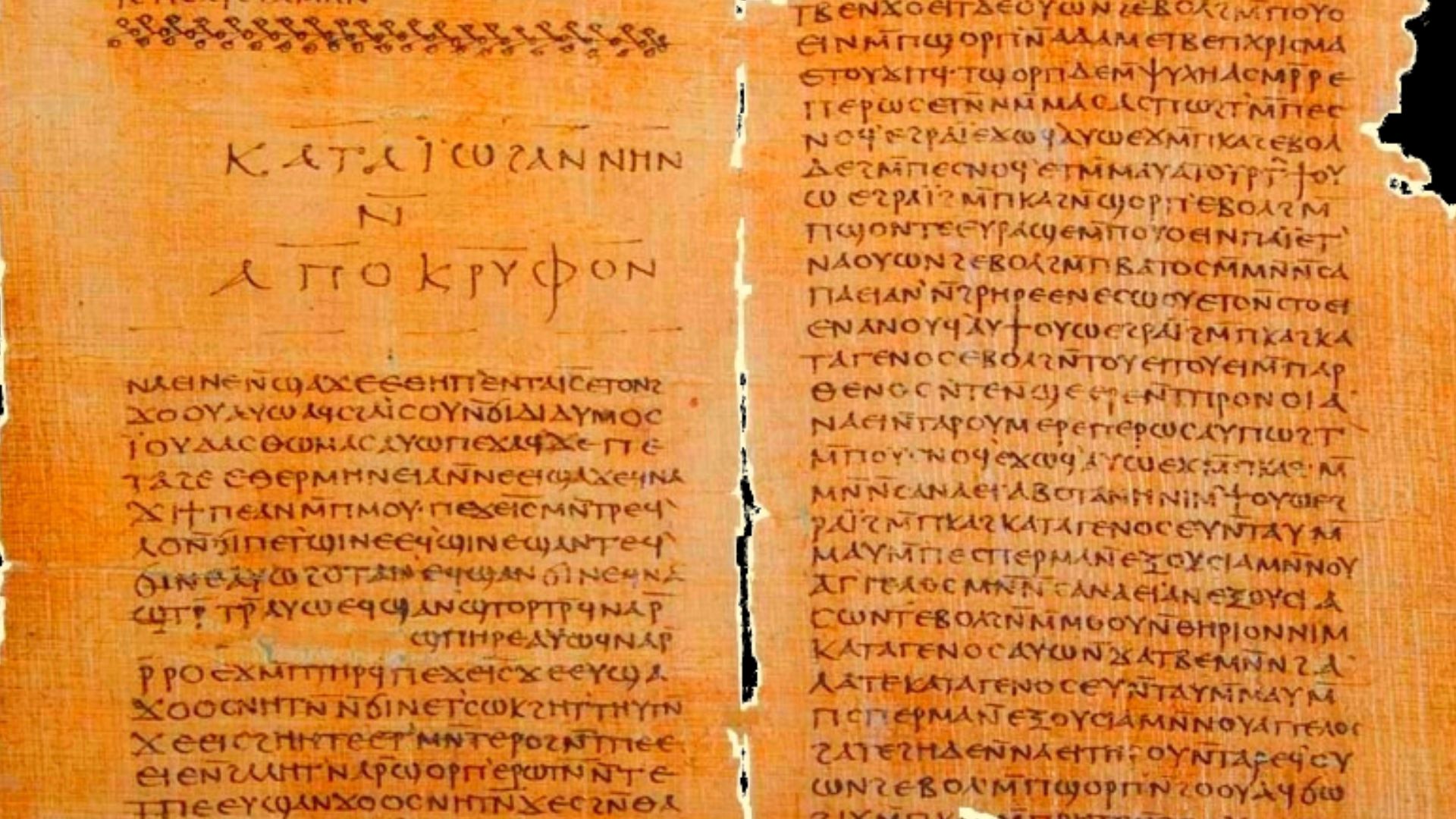
As Christianity spread, many texts competed to define belief. Some writings were embraced, while others were rejected as heretical. These excluded manuscripts reveal how early Christian communities debated theology and identity long before official doctrines solidified into the biblical canon.
 Unknown authorUnknown author, Wikimedia Commons
The Book Of Judas And A Rejected Perspective
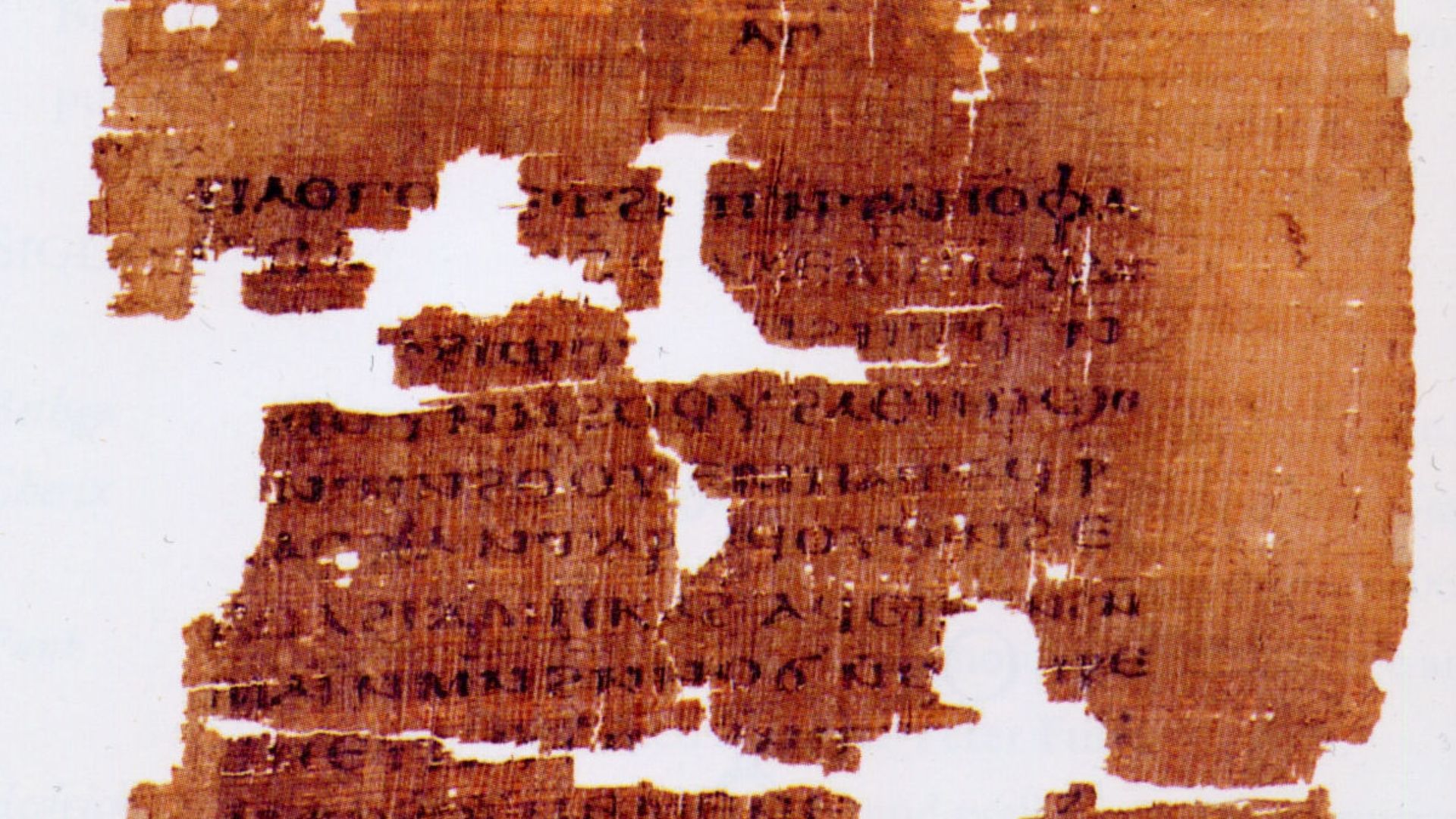
Discovered in the 20th century, the Gospel of Judas presents Judas Iscariot not as a villain but as a participant in a divine plan. Written in Coptic and dating to the 2nd century, it challenges traditional narratives and illustrates the diversity of early Christian thought.
 WolfgangRieger, Wikimedia Commons
Suppressed Texts Changed Religious History
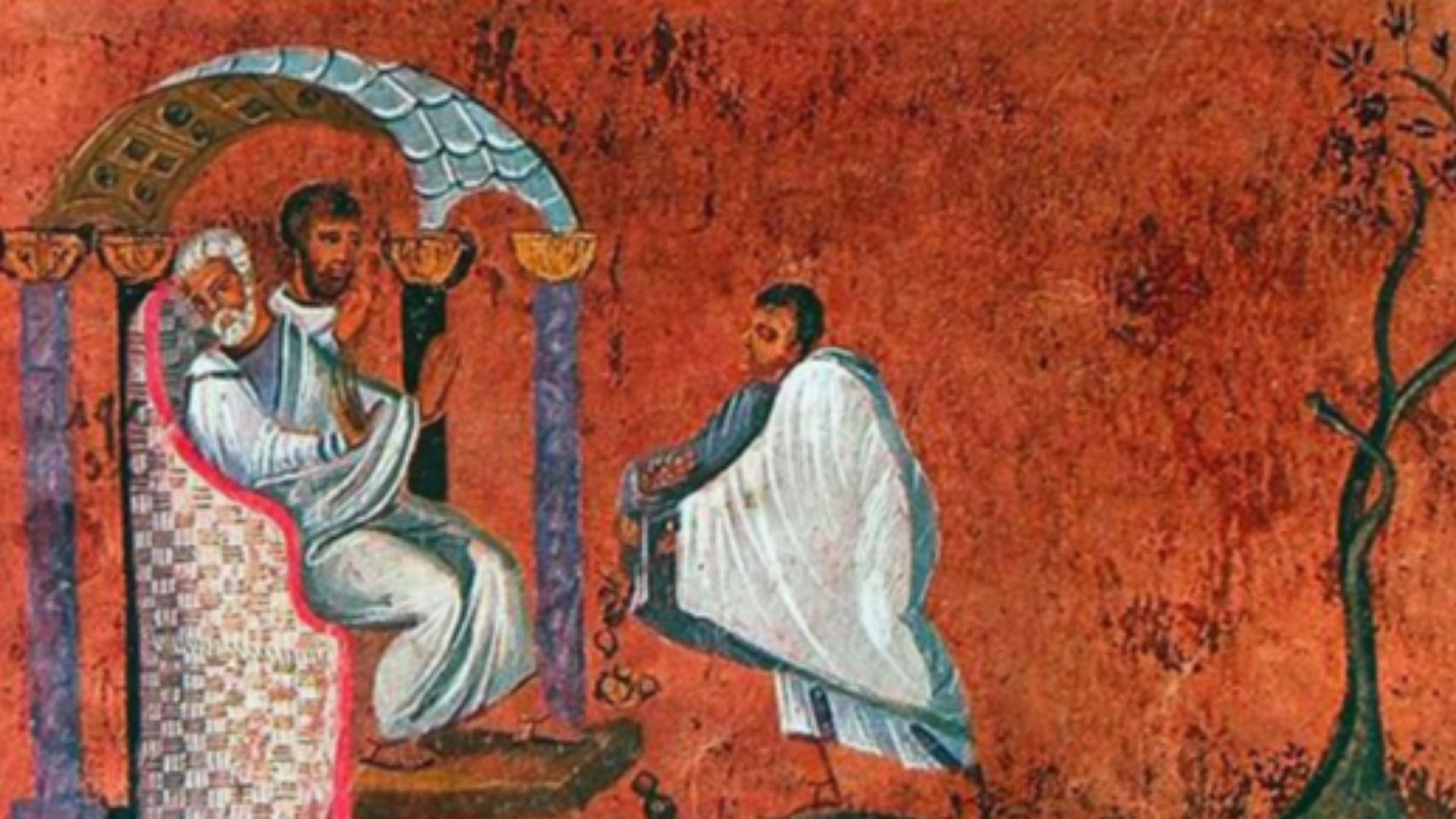
Texts like the Gospel of Judas show that exclusion did not erase alternative beliefs. Instead, suppression shaped orthodox traditions by defining what was unacceptable. Rediscovered manuscripts now help historians understand how religious authority developed through debate and selective preservation over centuries.
 AnonymousUnknown author, Wikimedia Commons
Medieval Writings That Blurred Myth And Record
During the medieval period, manuscripts often mixed history, legend, and theology. Authors recorded sacred traditions alongside symbolic narratives, which made it difficult to separate fact from allegory. These texts show how meaning mattered more than accuracy in cultures focused on spiritual truth.
The Charm Of Hidden Treasure
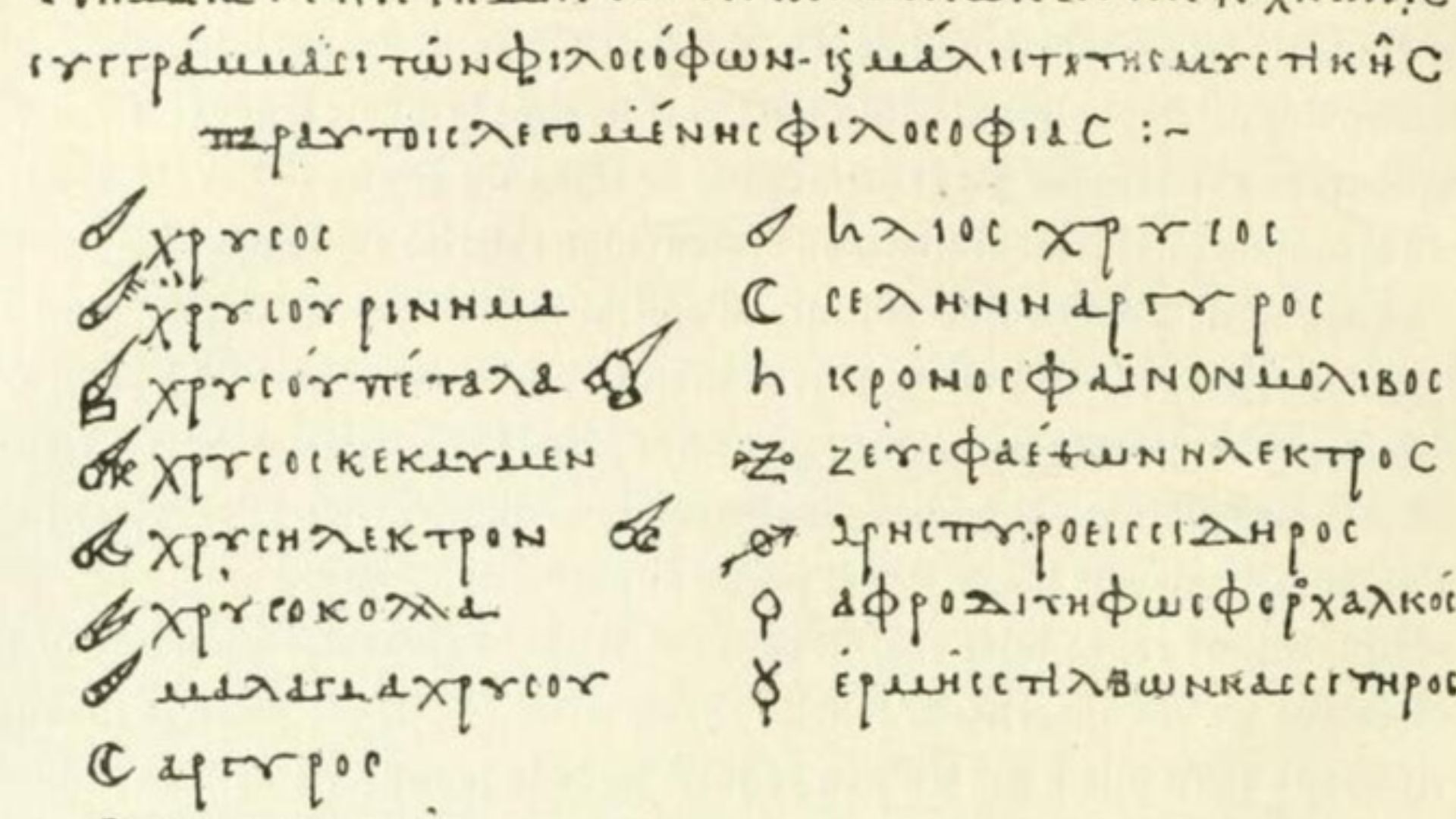
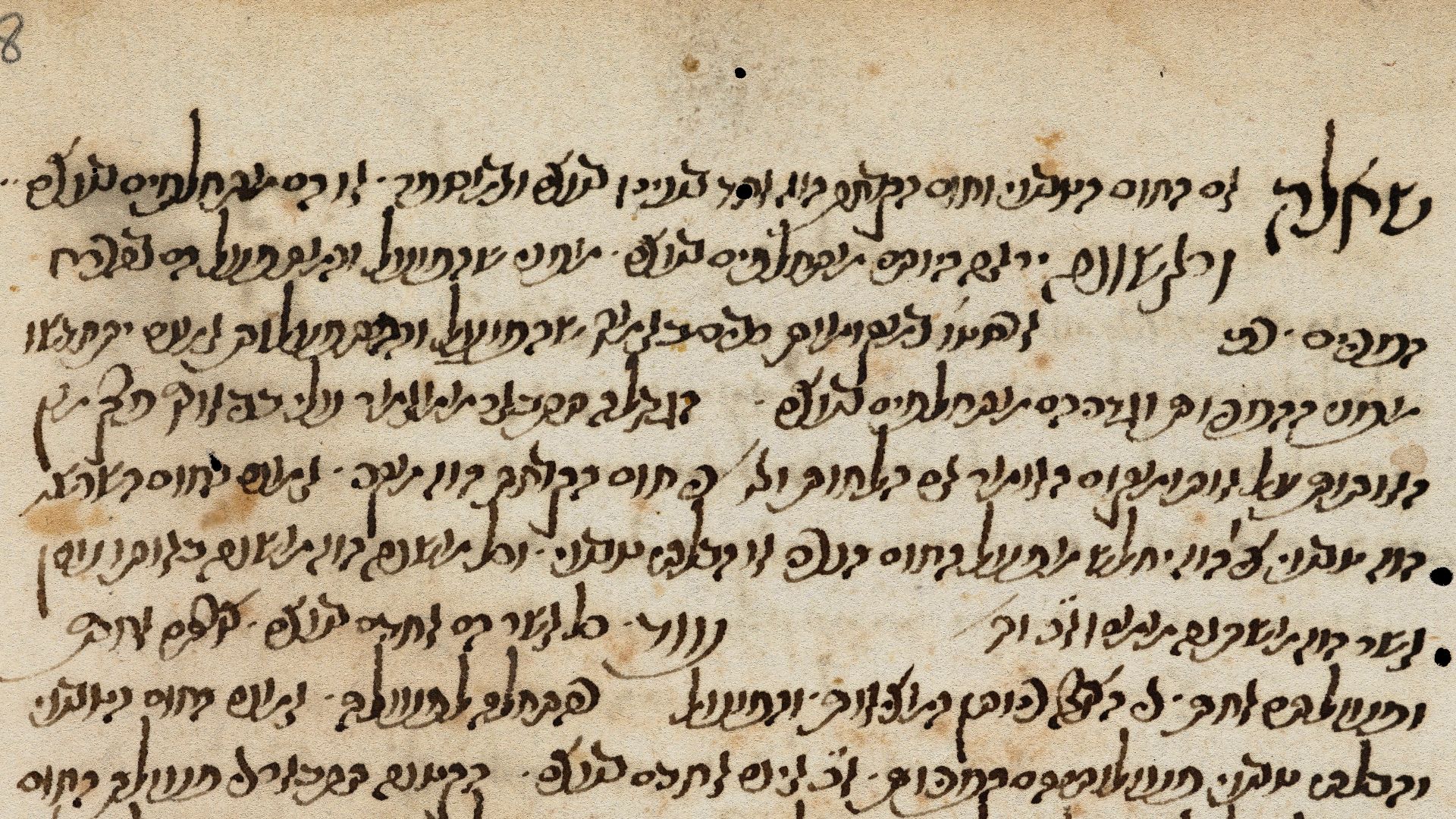
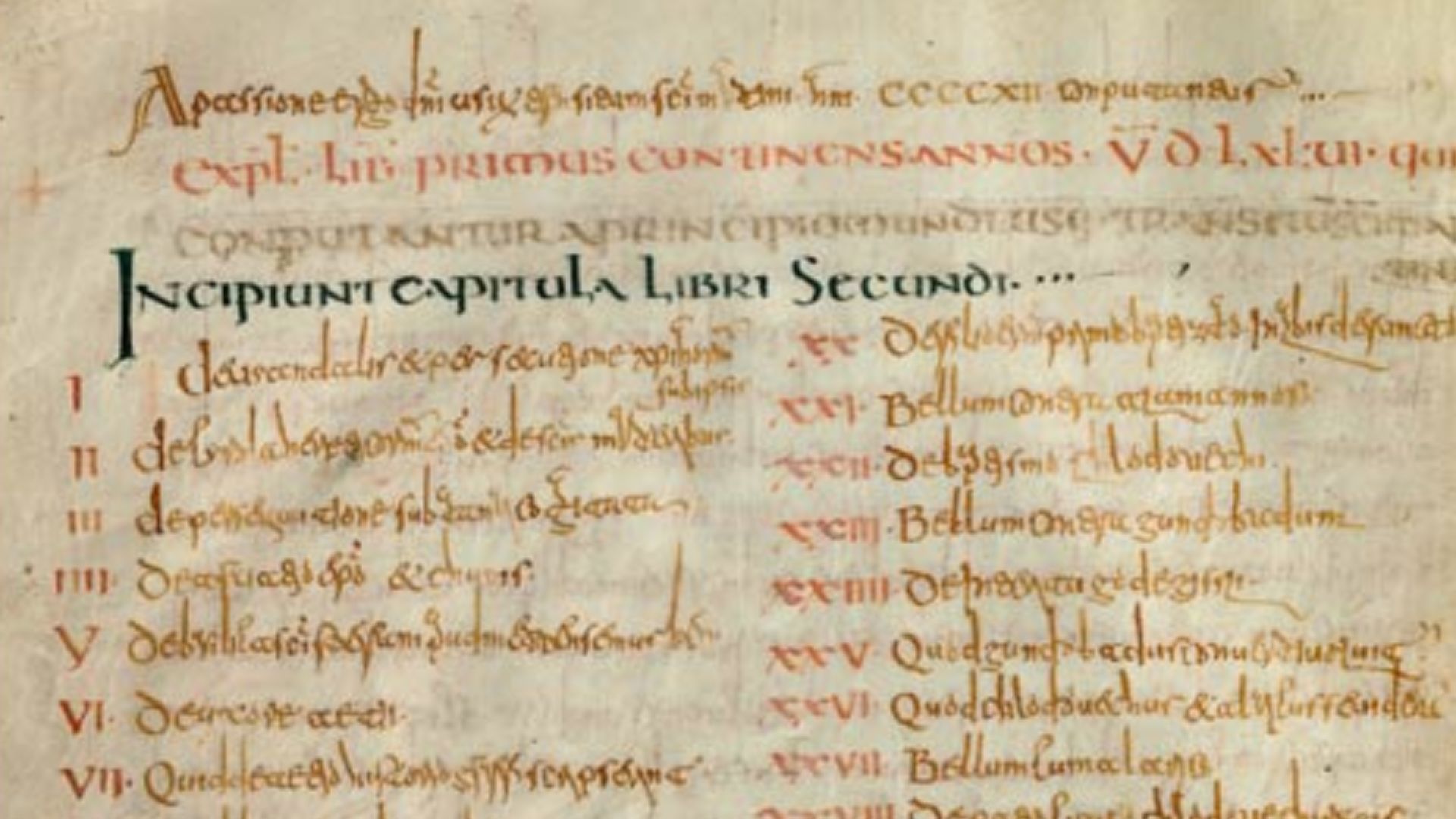
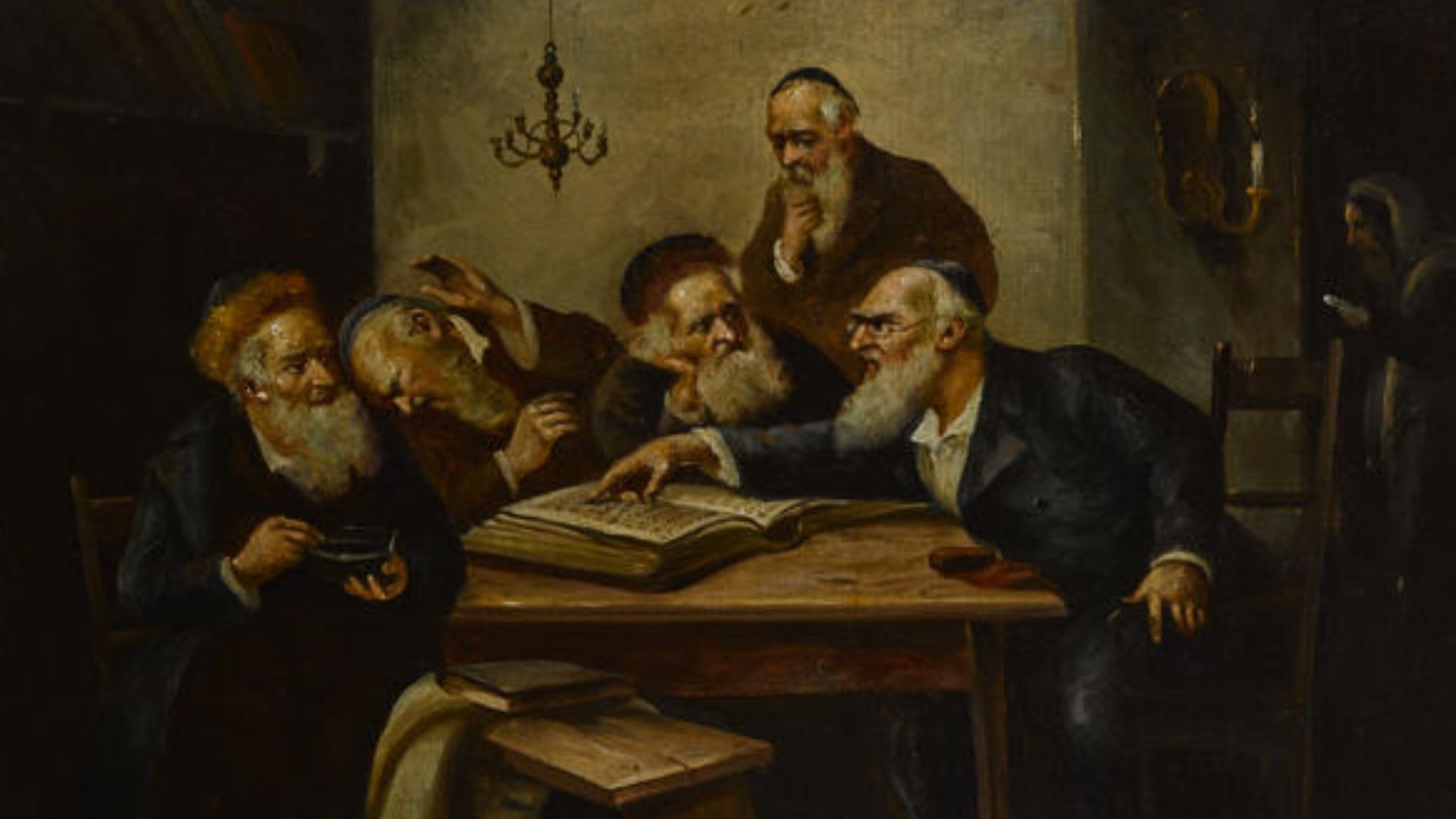
Massekhet Kelim, likely composed between late antiquity and the early medieval period, describes the hiding places of sacred treasures from the First Temple. Written in Hebrew, it mixes religious tradition with legend. The text leaves scholars unsure whether it preserves memory or devotional storytelling.
Knowledge Guarded Through Allegory And Legend
Many ancient texts deliberately obscured meaning through metaphor. Allegory protected sacred knowledge and restricted access to insiders by assigning more weight to spiritual lessons over literal facts. This tradition complicates modern interpretation, since truth was often conveyed indirectly rather than through straightforward description.
 Gregoire de Tours, Wikimedia Commons
Renaissance Curiosity And The Rise Of Esoteric Books
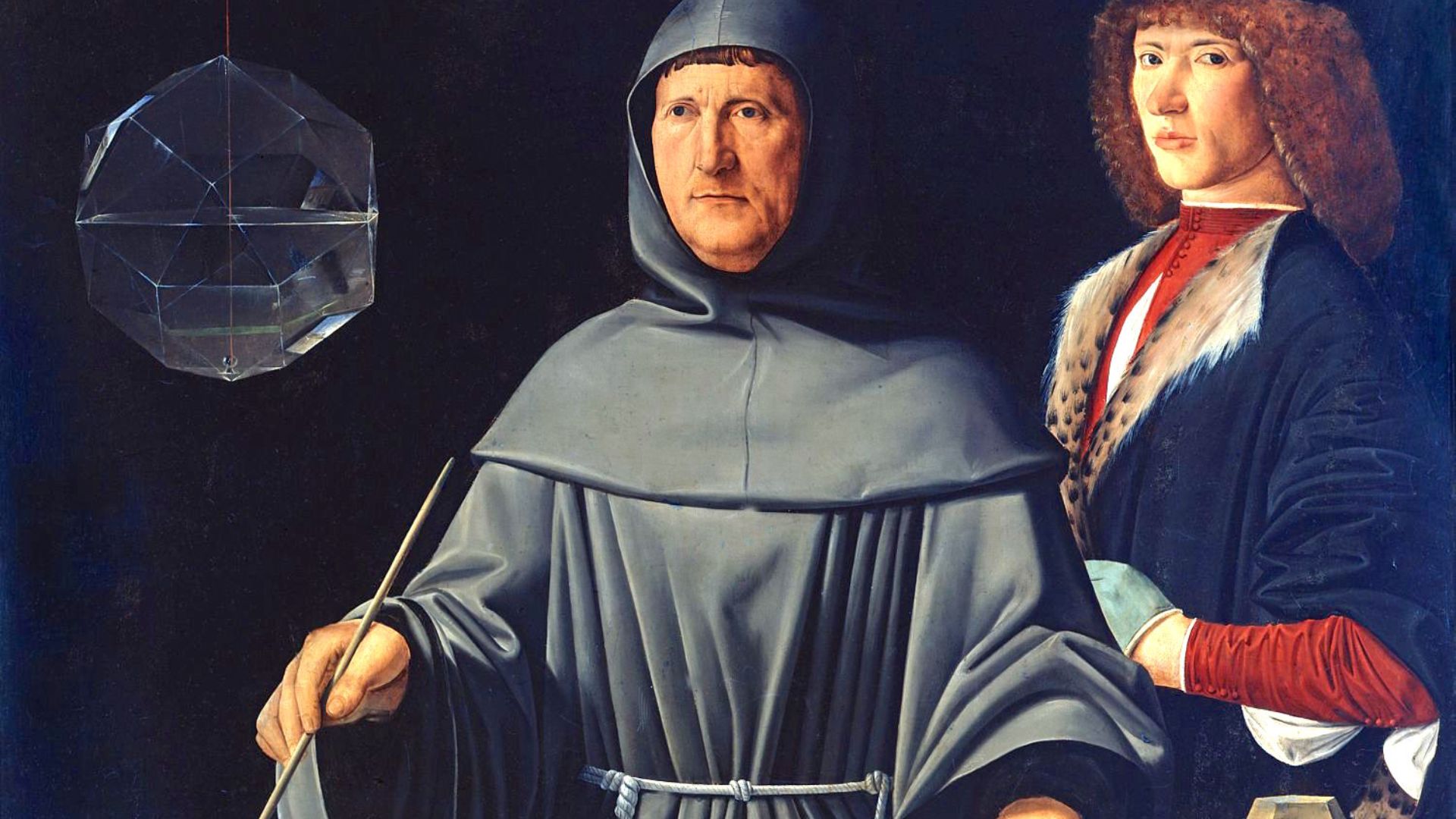
The Renaissance revived interest in ancient wisdom and mysticism. Scholars collected obscure texts, as they believed that hidden knowledge could explain the universe. This intellectual climate produced manuscripts that blended numerology and science.
 Attributed to Jacopo de' Barbari, Wikimedia Commons
The Book Of Soyga And Knowledge That Resisted Explanation
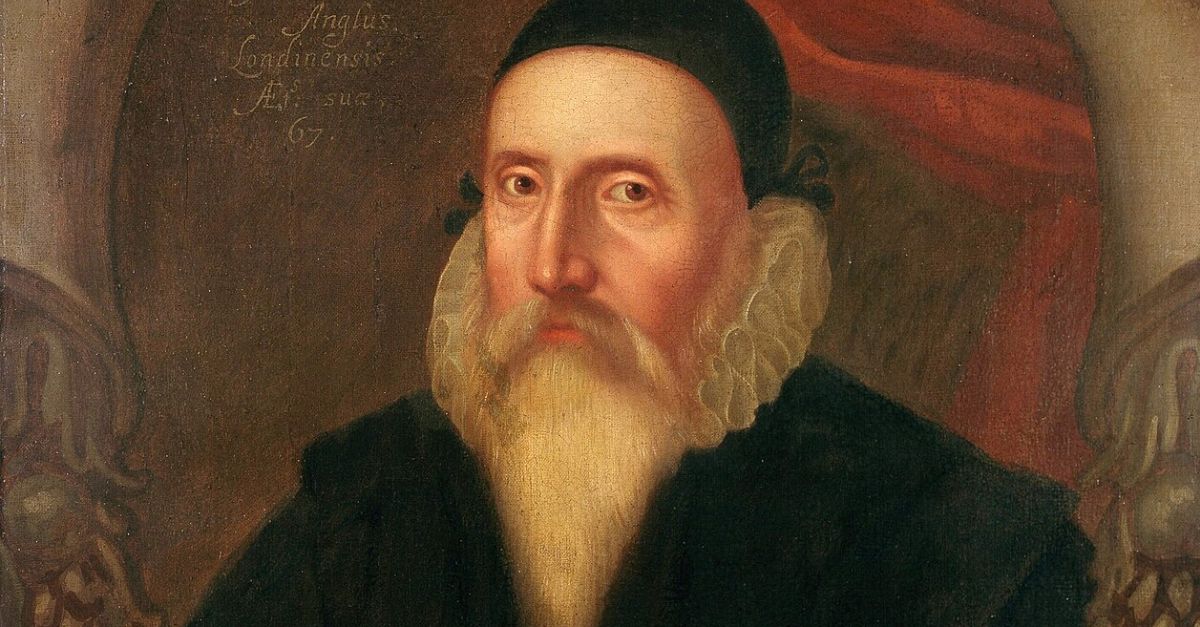
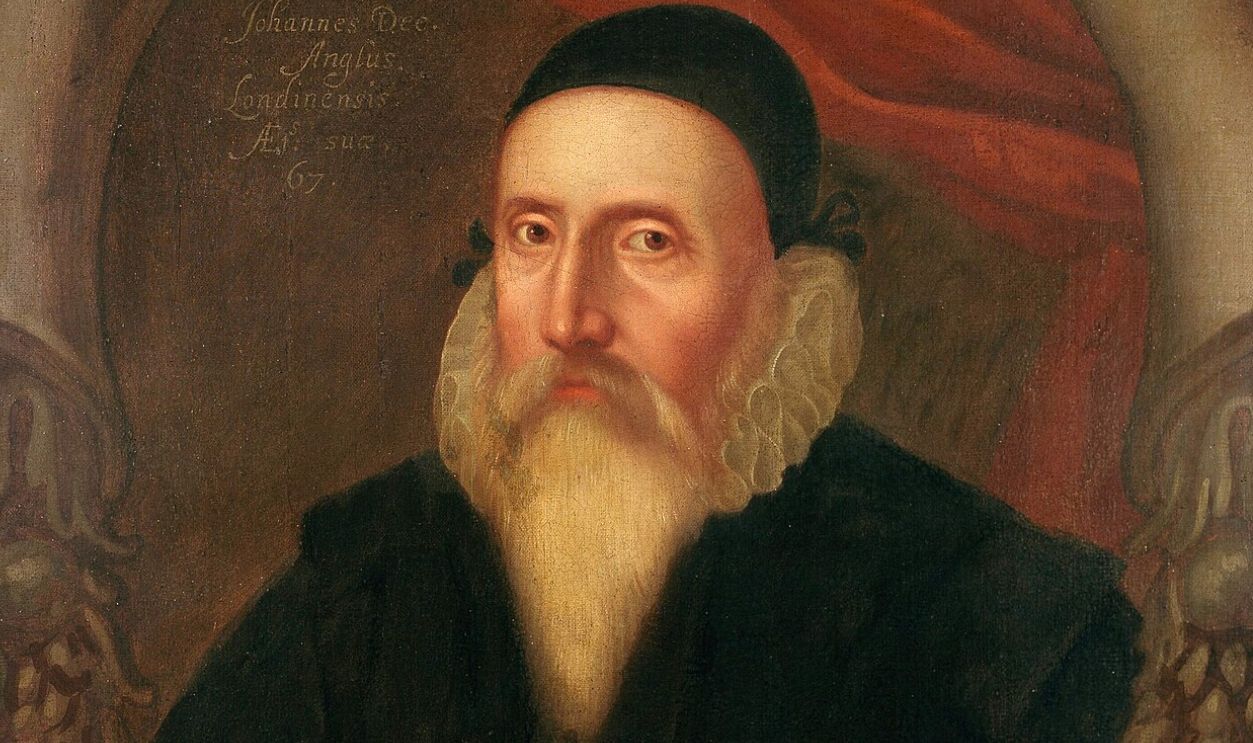
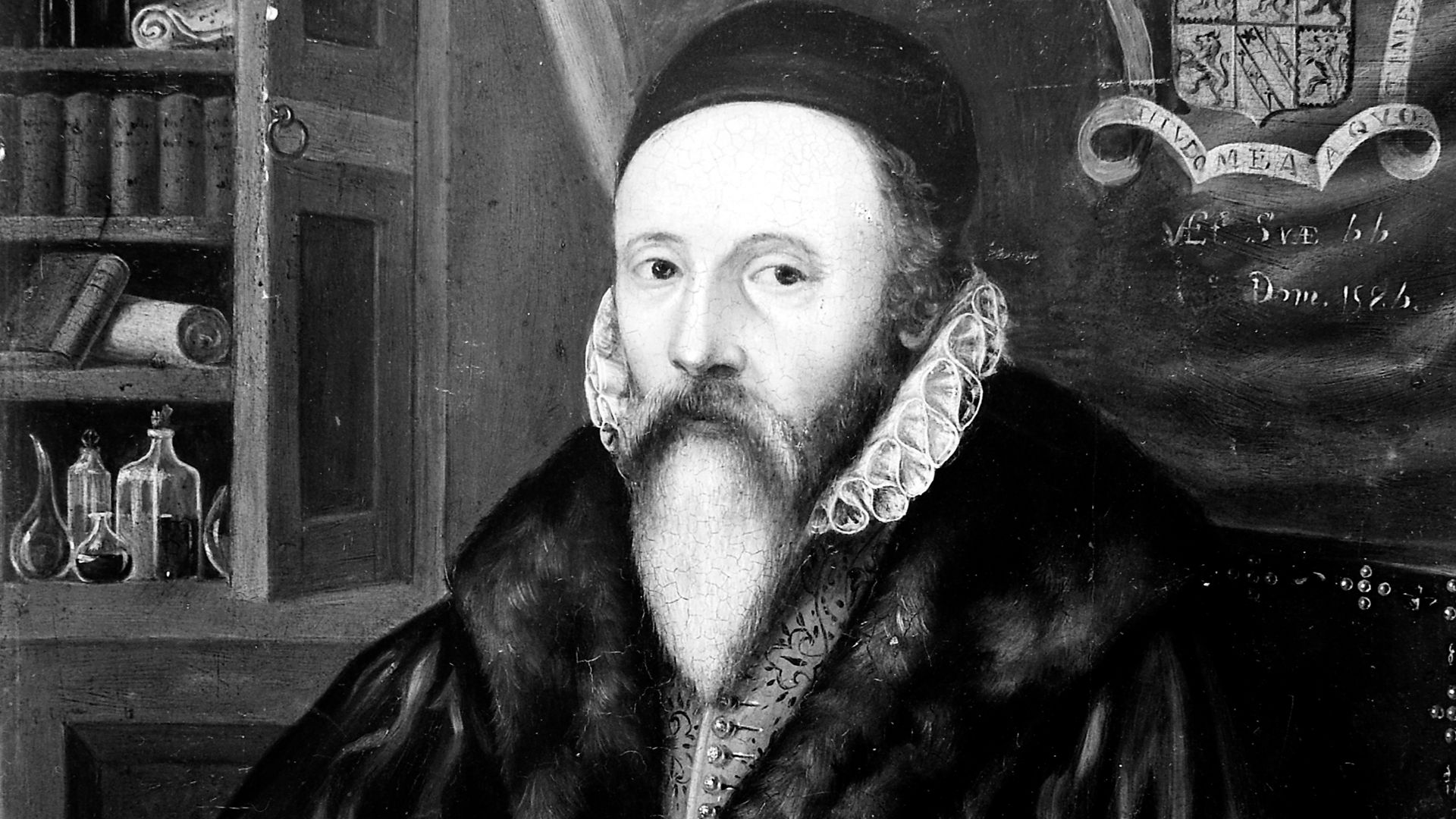
Studied by John Dee in the 16th century, the Book of Soyga contains cryptic tables and coded text tied to cosmology and angelic knowledge. Despite extensive efforts, its structure has been partially explained through algorithmic decoding, which raises questions about whether it encodes deeper meaning or reflects symbolic intellectual experimentation.
When Mathematics And Mysticism Shared The Page
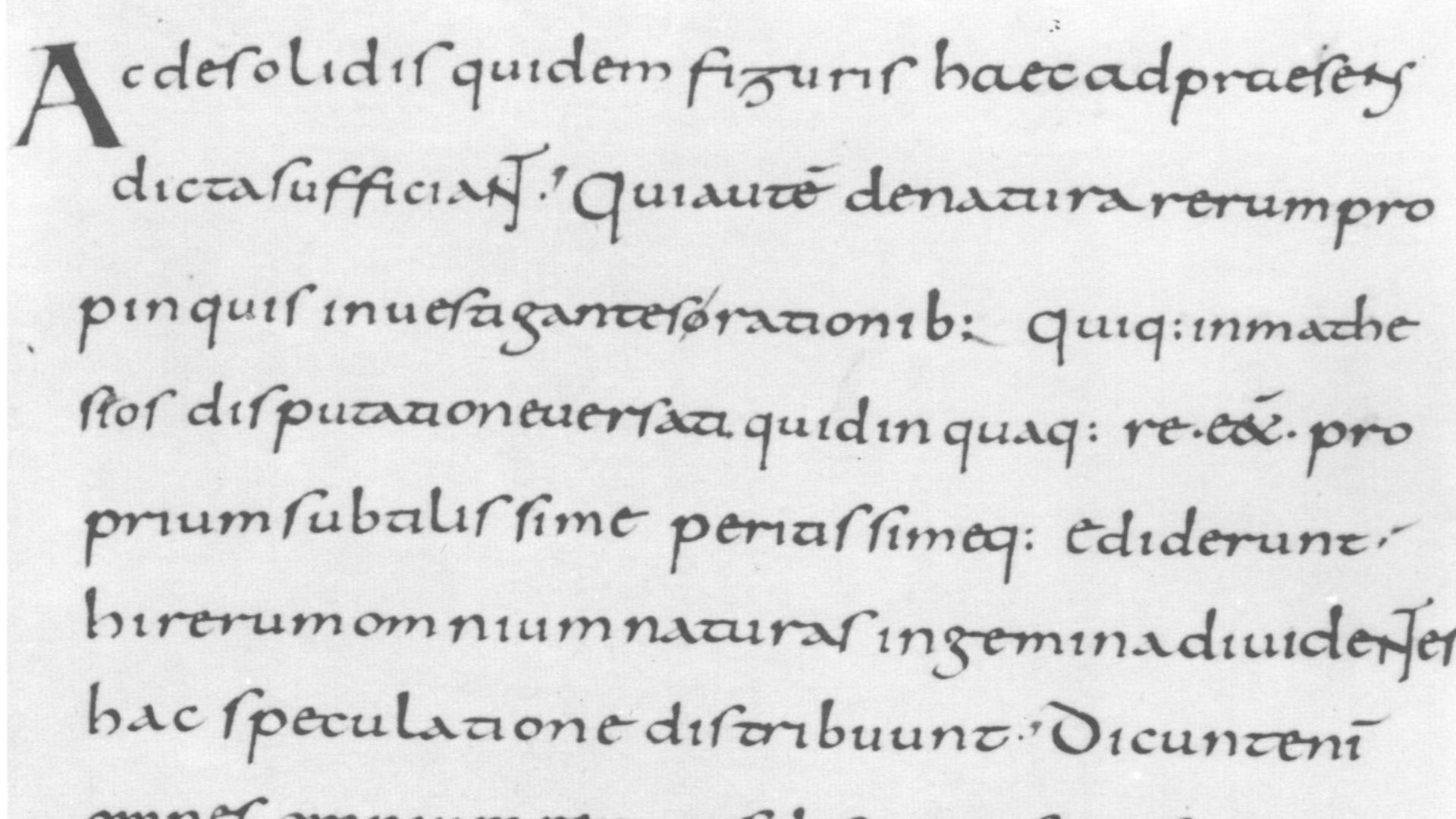
In premodern Europe, numbers held spiritual significance alongside practical value. Manuscripts often treated mathematics as a pathway to divine order, not just calculation. Texts like the Book of Soyga reflect this worldview, where numerical patterns were believed to explain cosmic truths.
Maps That Showed A World Ahead Of Its Time
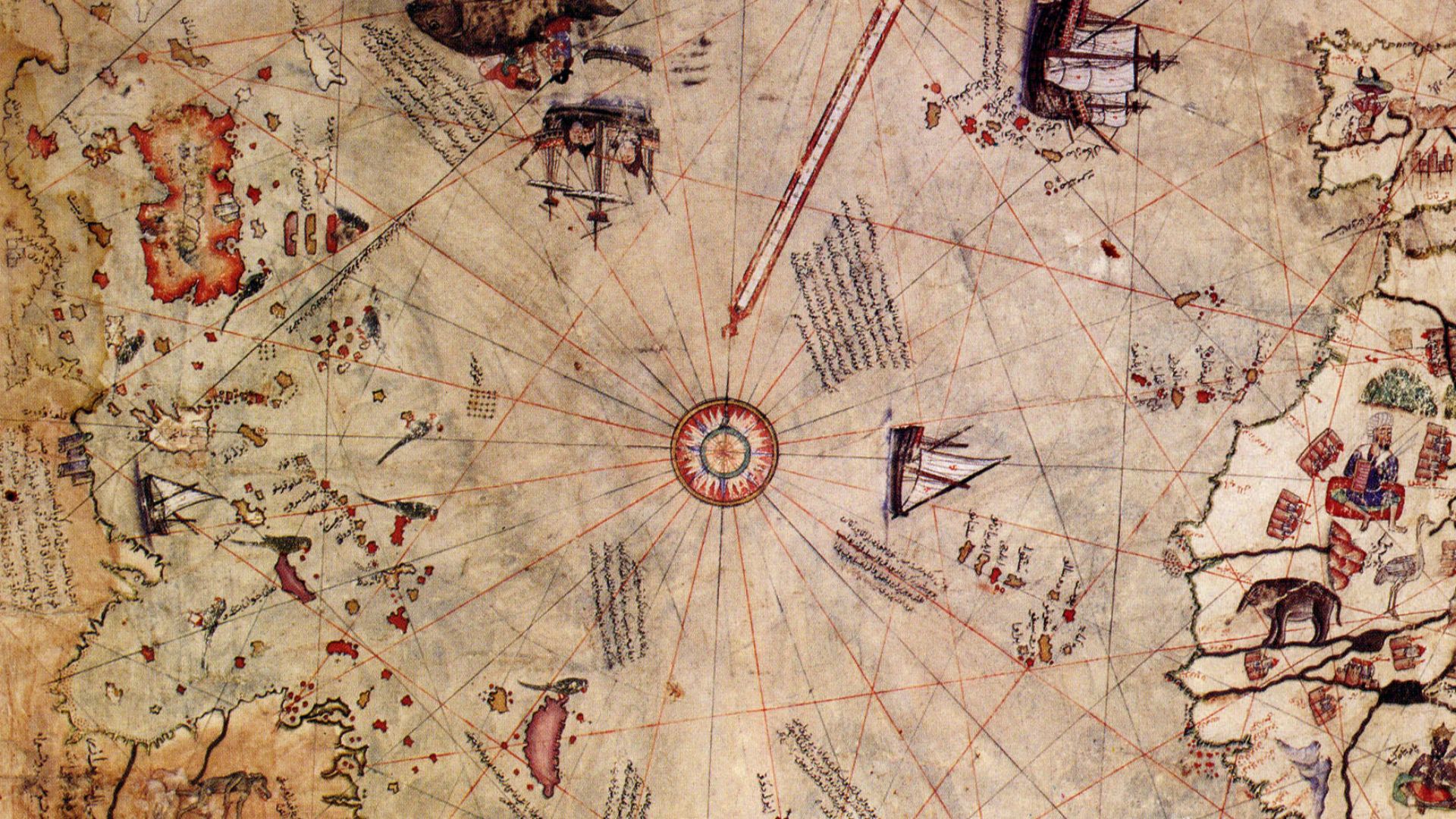
Early maps sometimes depict coastlines that appear surprisingly accurate or entirely speculative. For example, the 1513 Piri Reis map includes detailed coastlines of Europe, Africa, and South America. Some visual details were not officially discovered at the time but historians attribute their accuracy to compiled earlier sources.
Writing From Cultures On The Brink Of Disappearance
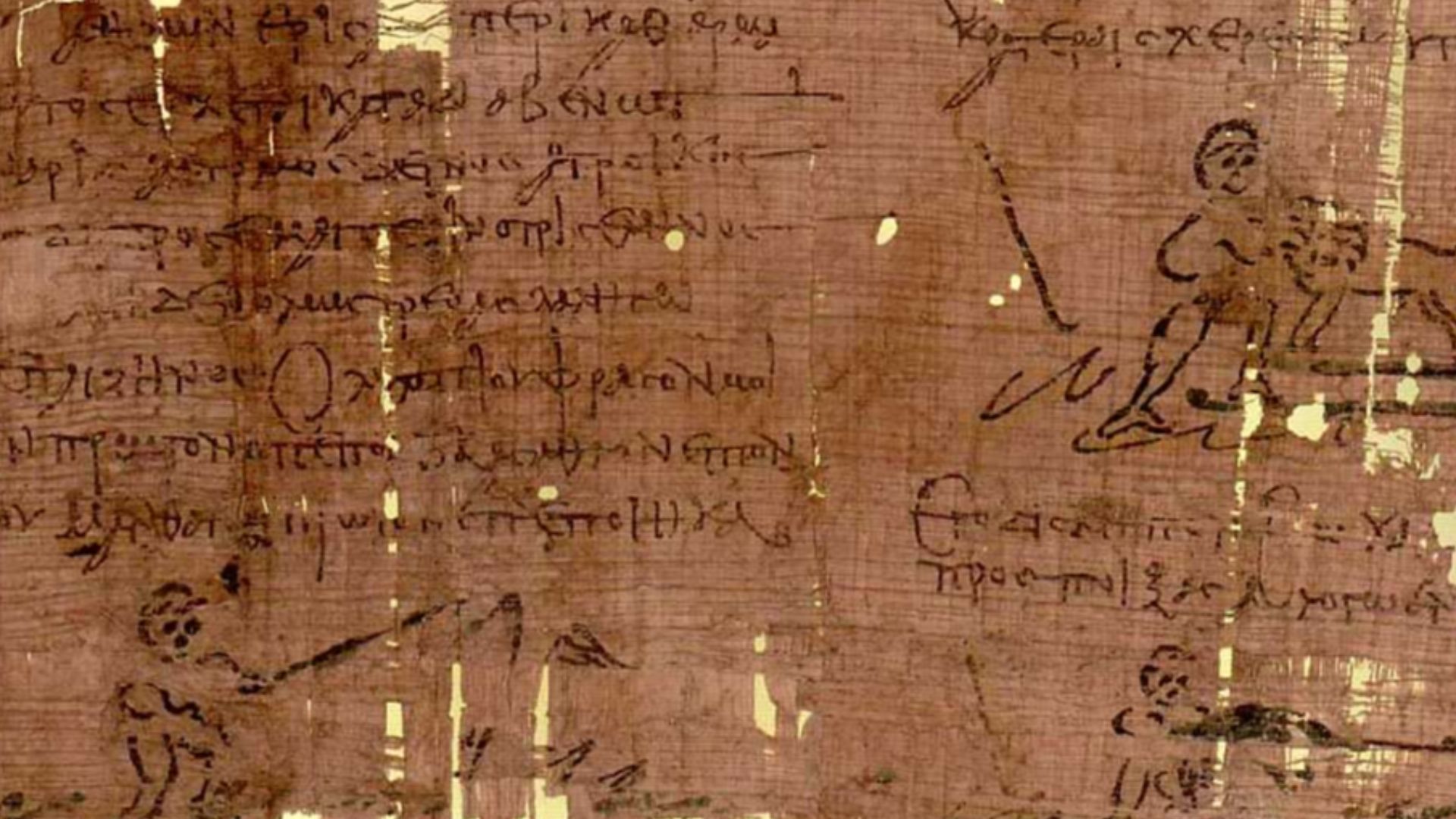
Some manuscripts come from societies facing collapse or isolation. As populations declined, writing systems vanished with them. These texts often represent final attempts to record identity or history. However, they leave modern scholars with fragments disconnected from a living cultural context.
Easter Island’s Rongorongo Script And A Silenced Voice
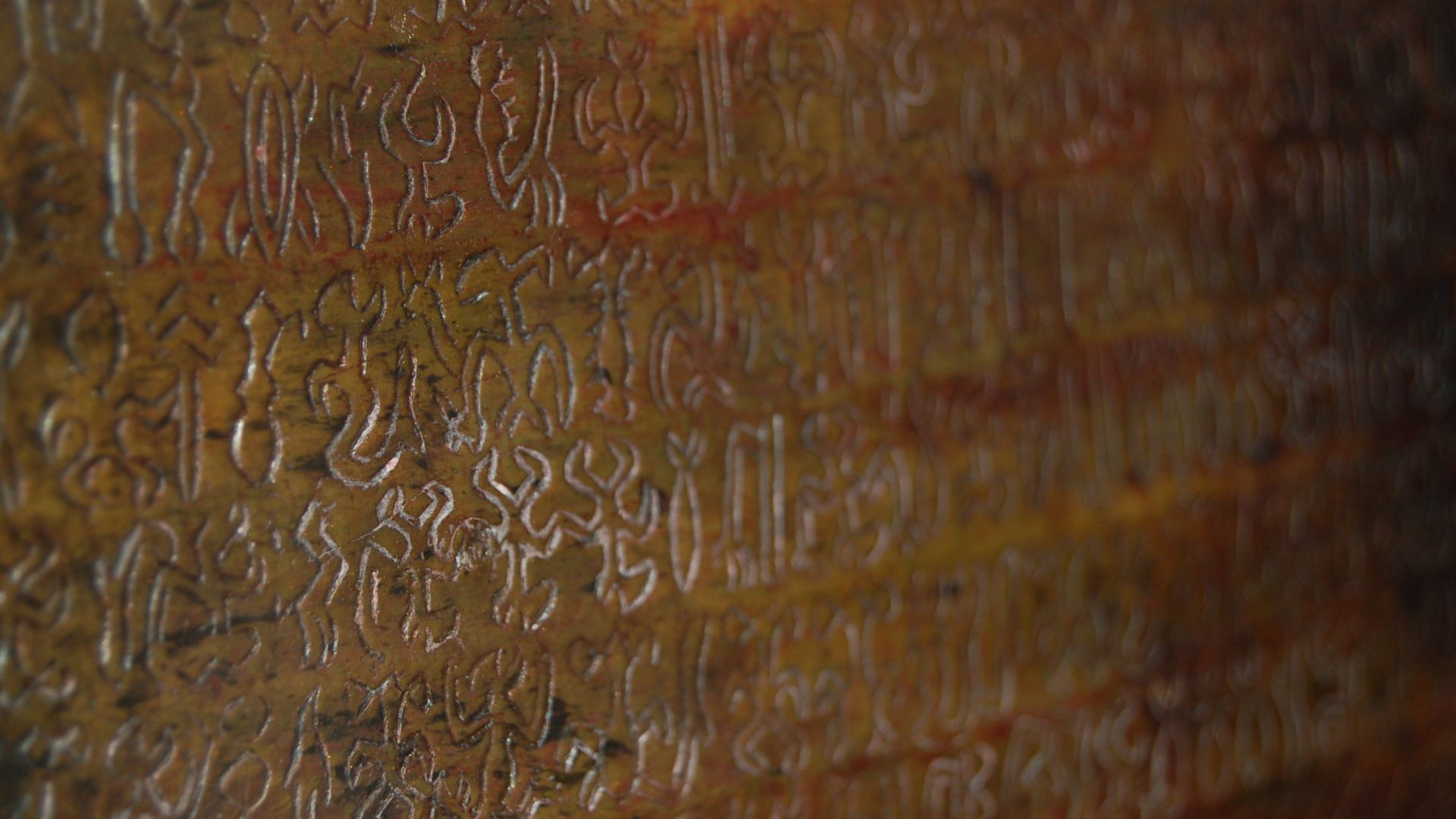
Rongorongo is a system of glyphs carved into wooden tablets on Easter Island, likely before European contact. No verified translation exists today, as colonial disruption and population loss erased oral traditions and left the script undeciphered. As a result, its purpose—religious, historical, or ceremonial—remains uncertain.
Mysterious Texts In The Age Of Colonization
The early modern period produced manuscripts shaped by cultural collision. Discovered near early colonial settlements, the Jamestown Slate bears carved symbols of unknown origin. Scholars debate its exact purpose, but some interpret the symbols as possible records of New World flora, fauna, or early colonial notations.
 Bernard Trebacz (1869-1941), Wikimedia Commons
A Cave Discovery That Immediately Raised Doubts
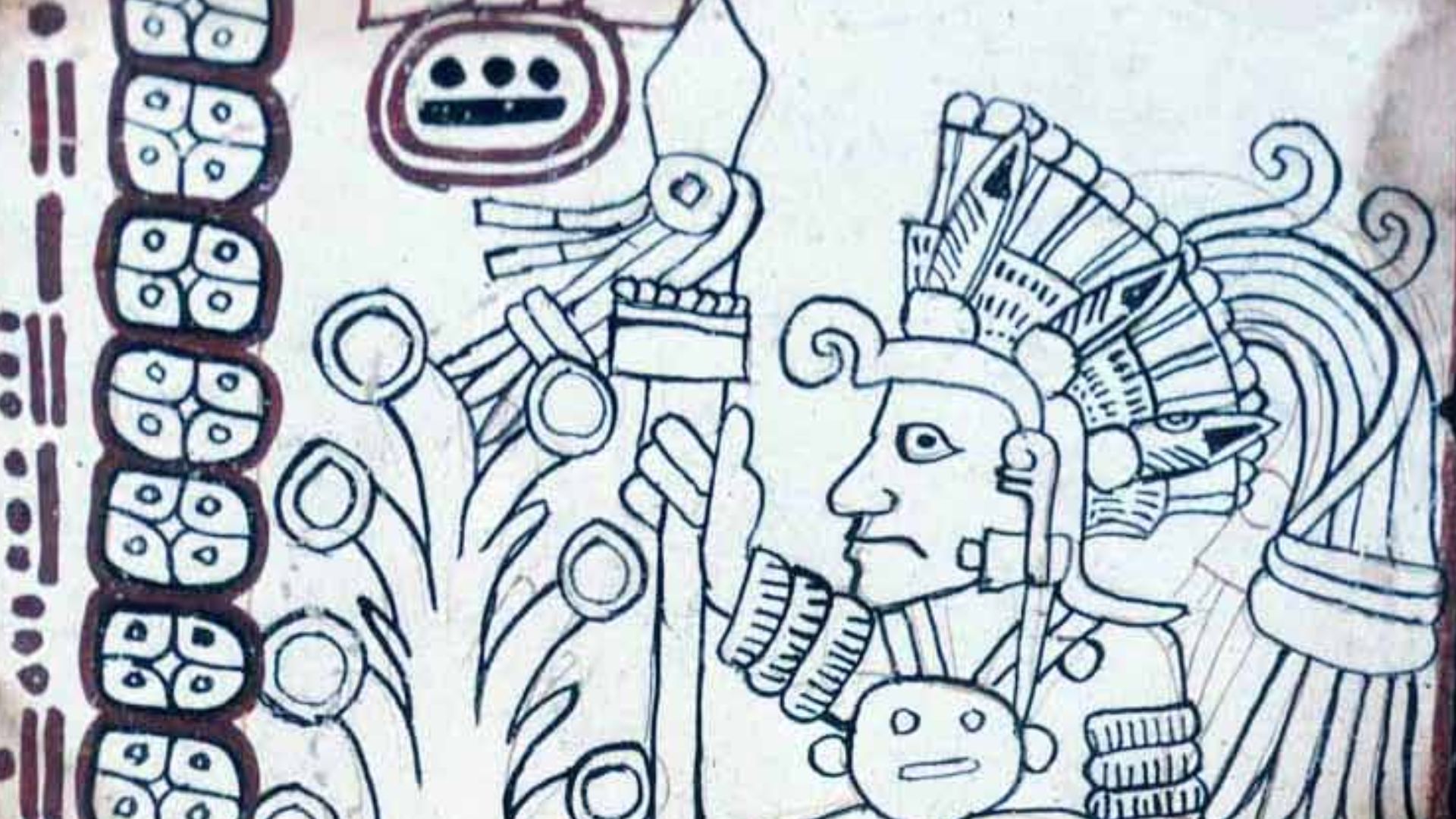
In the 1960s, looters claimed to have found a Maya manuscript inside a cave in Mexico. Known later as the Grolier Codex, the document lacked a clear archaeological context, which caused scholars to question whether it was a modern forgery rather than a genuine pre-Columbian text.
 Unknown authorUnknown author, Wikimedia Commons
How Scientific Testing Shifted Scholarly Opinion
Decades of analysis eventually changed the narrative. Radiocarbon dating and iconographic comparisons supported the codex’s authenticity. In 2016, experts concluded it was genuinely the oldest surviving Maya manuscript—a reminder that skepticism sometimes delays truth.

Were These Manuscripts Creative Expression Or Hidden Truth?
Across cultures and centuries, mysterious manuscripts challenge assumptions about knowledge and intention. Some may encode lost history, others symbolic belief, and some pure creativity. Their enduring appeal lies in uncertainty, as they show us that not every question left by the past offers a clear answer.