

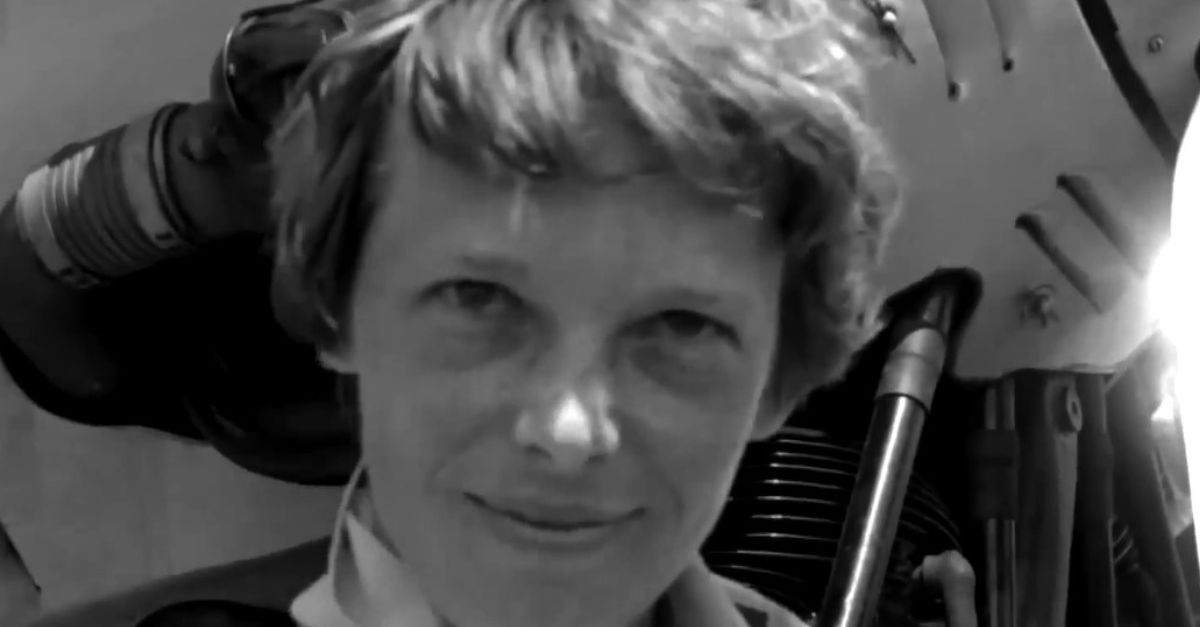
Woman Of The Skies
For Amelia Earhart, the sky wasn’t a boundary—it was an invitation. Born into an era determined to keep women grounded, she simply refused to stay earthbound. But her trailblazing journey met a haunting end somewhere over the vast Pacific, where the winds carried her into legend. What follows is the story of the woman who dared to outrun the horizon.
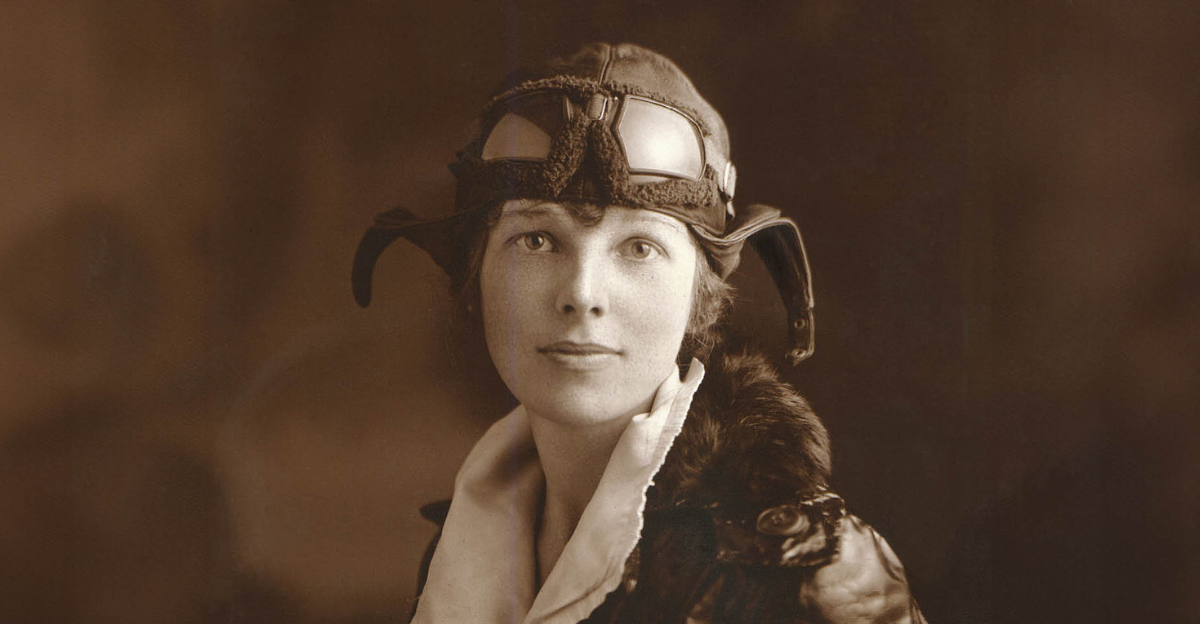
Birth And Heritage
Amelia Mary Earhart was born in 1897 on July 24, in Atchison, Kansas, at her grandfather's home. He was a judge and bank president who initially disapproved of her parent's marriage and was unhappy about her father Edwin's legal career prospects.
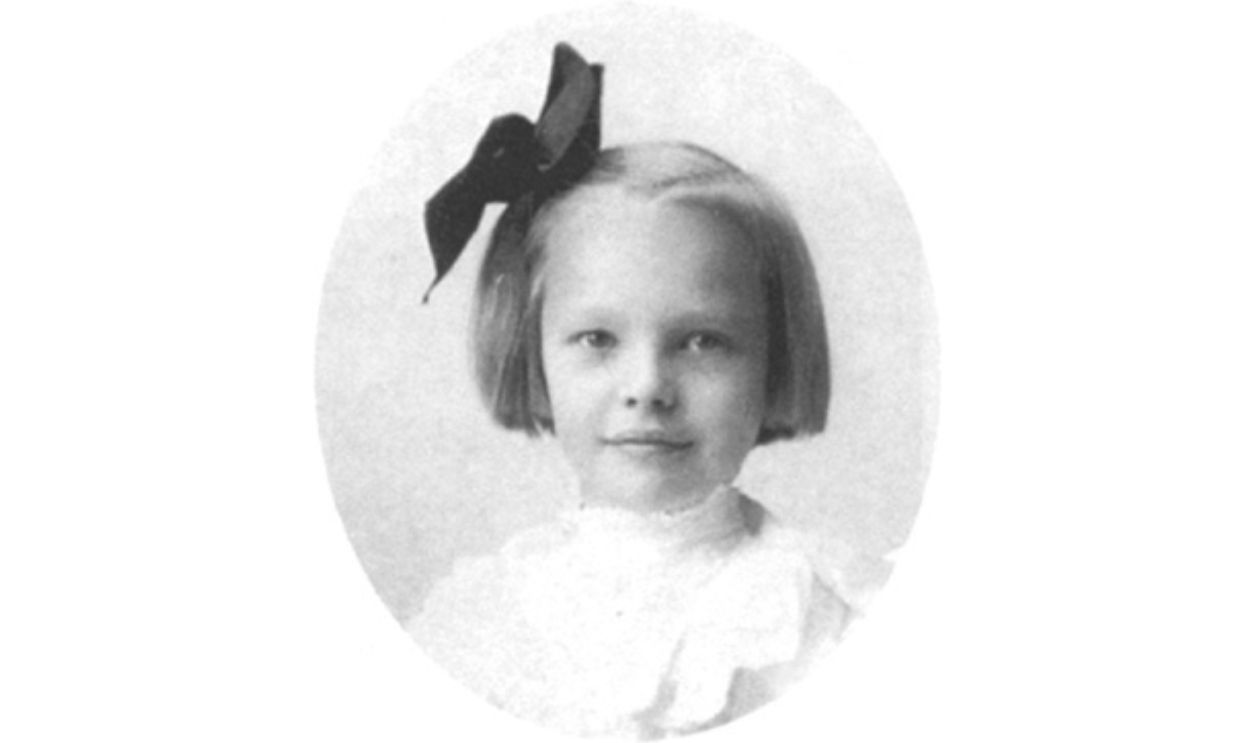 Unknown Author, Wikimedia Commons
Childhood Dynamics
The Earhart sisters developed different personalities early on. Amelia emerged as the dominant sibling, while Grace Muriel followed dutifully. They were nicknamed "Meeley" and "Pidge" and maintained these childhood names well into their adult years.
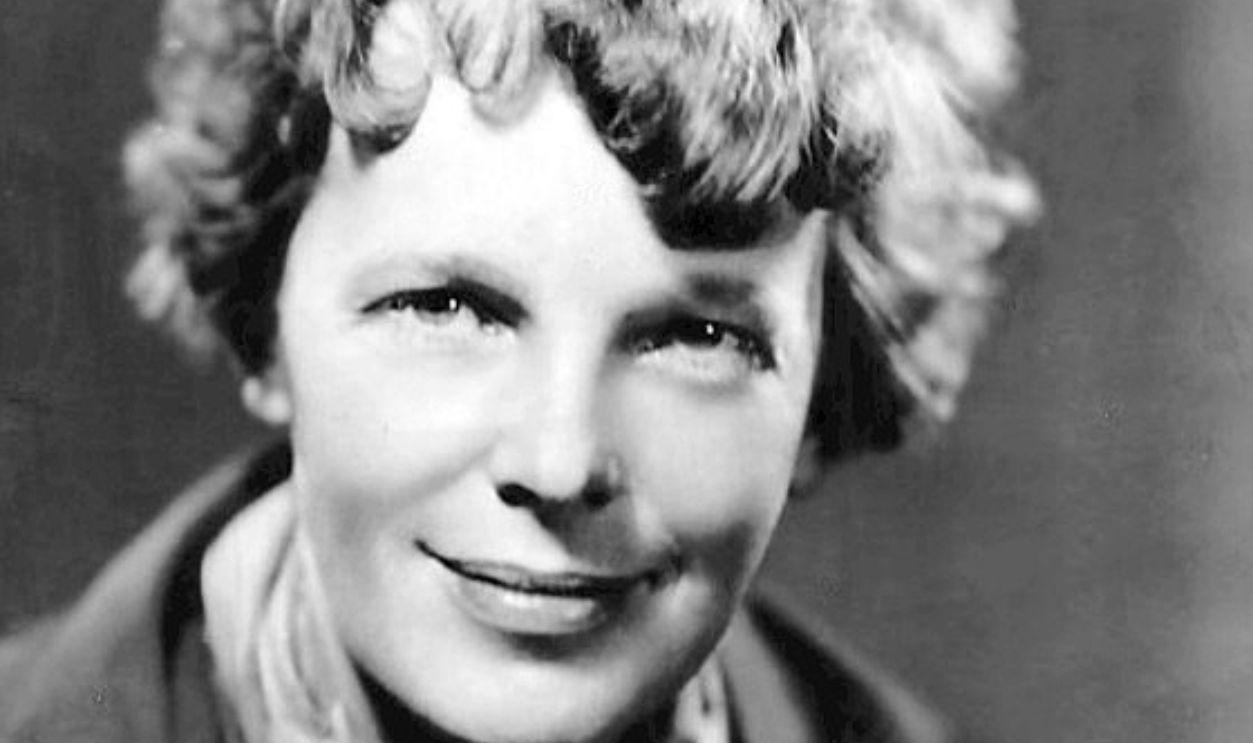 NBC Photo-NBC Radio, Wikimedia Commons
Unconventional Upbringing
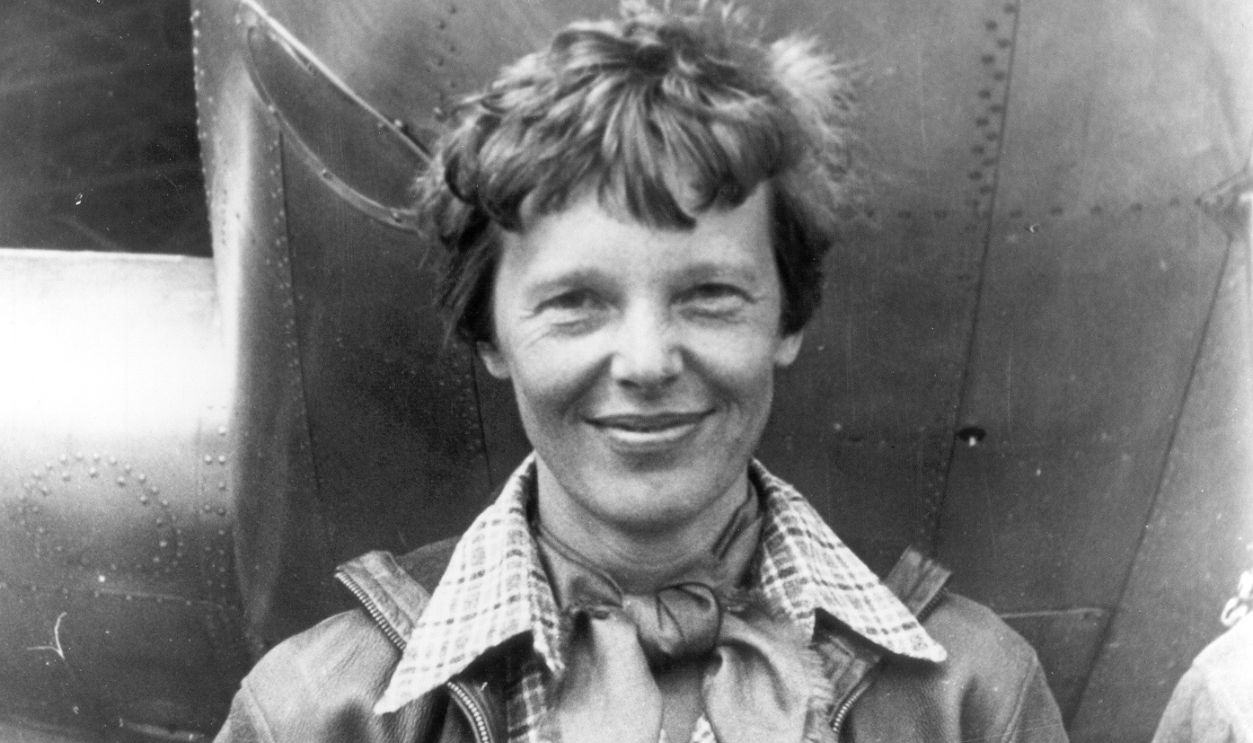
Their mother, Amy Earhart, rejected traditional female constraints. Hence, the girls spent days climbing trees, hunting rats with rifles, and building collections of worms and moths. But their grandmother disapproved of this unladylike behavior.
 Underwood & Underwood (active 1880 – c. 1950), Wikimedia Commons
First Taste Of Flight
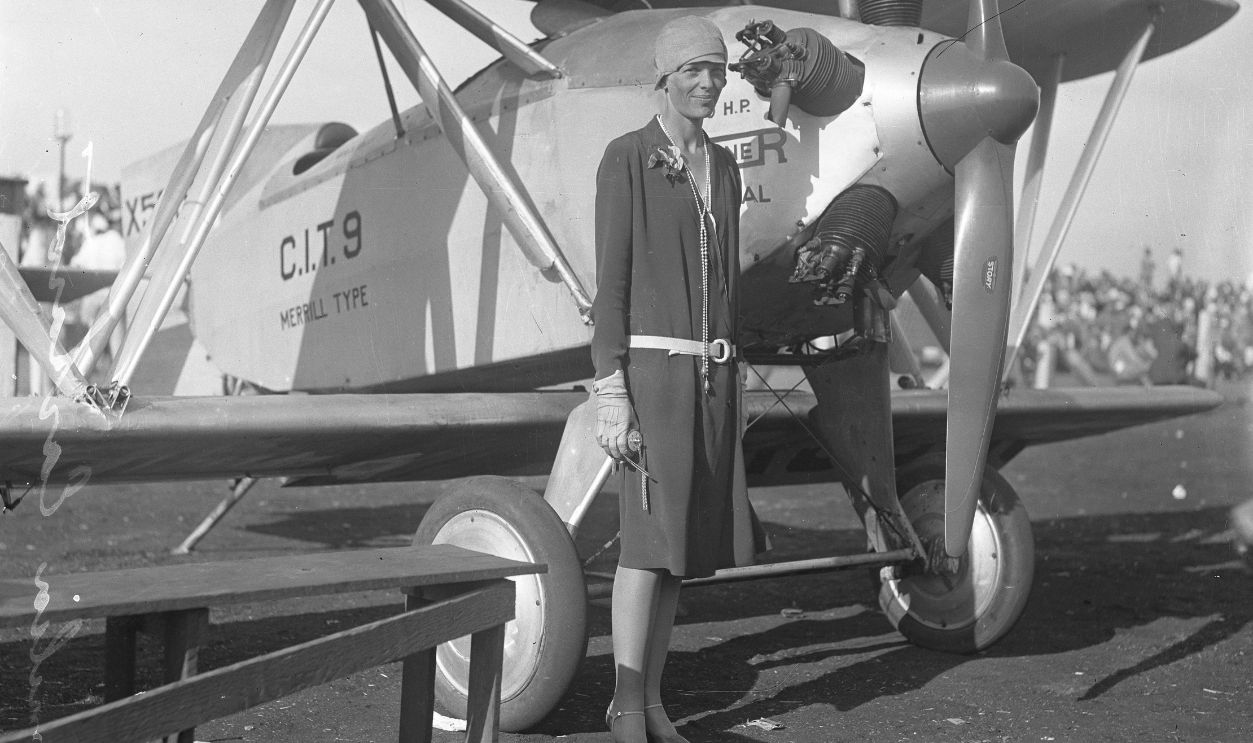
Amelia's uncle helped her build a wooden ramp in 1904. This was a copy of a roller coaster she'd seen in St. Louis. Launching from the family's toolshed roof in a wooden box-sled, she crashed but was thrilled. Amelia exclaimed, "Oh Pidge, it's just like flying!"
 Los Angeles Daily News, Wikimedia Commons
Aviation Introduction
Then came the Iowa State Fair in 1908. Here, the ten-year-old Amelia encountered her first aircraft. When her father urged her to fly, she rejected the decaying airplane, calling it "a thing of rusty wire and wood". Instead, she preferred to ride the merry-go-round.
 Iowa State Fair Historic Spectacles | Iowa State Fair 2015 by Iowa PBS
Educational Journey
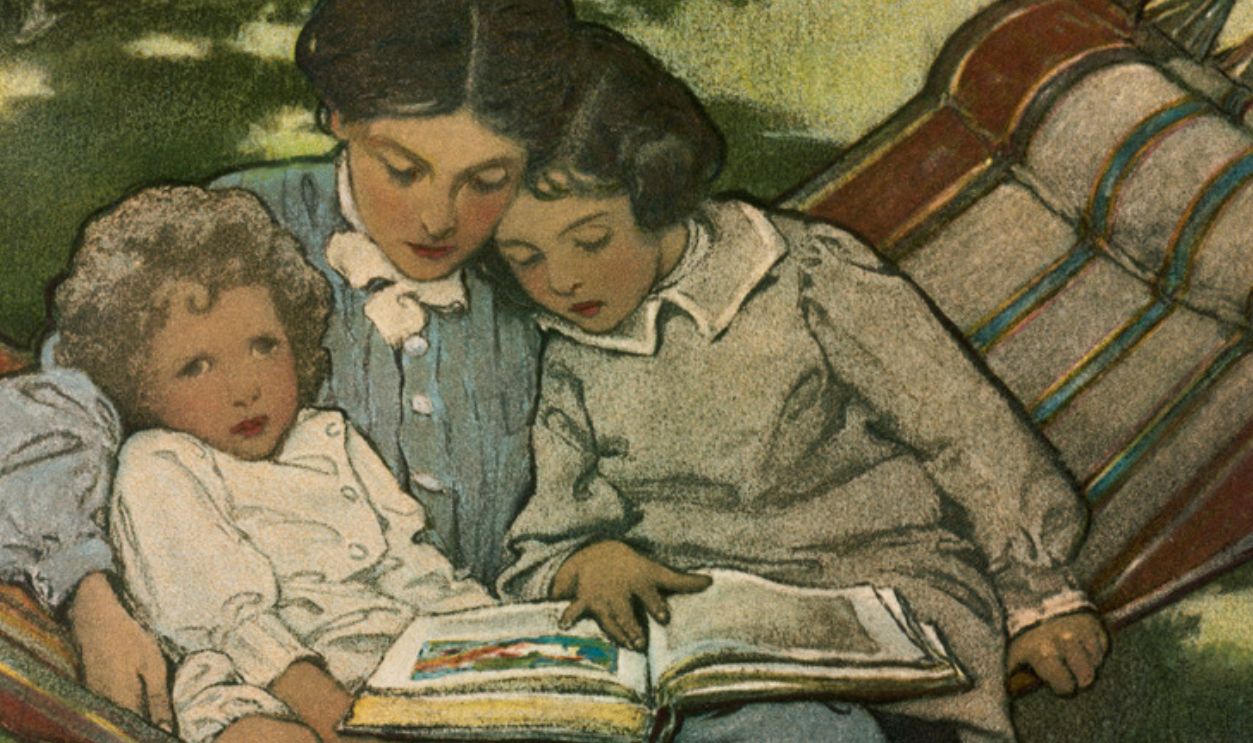
While living with their grandparents in Atchison, their mother homeschooled the Earhart girls. Little Amelia grew deeply in love with reading and books during this time. She would spend hours upon hours perusing the wide range of books in the family's vast library.
 L. Prang & Co., Wikimedia Commons
Family Challenges
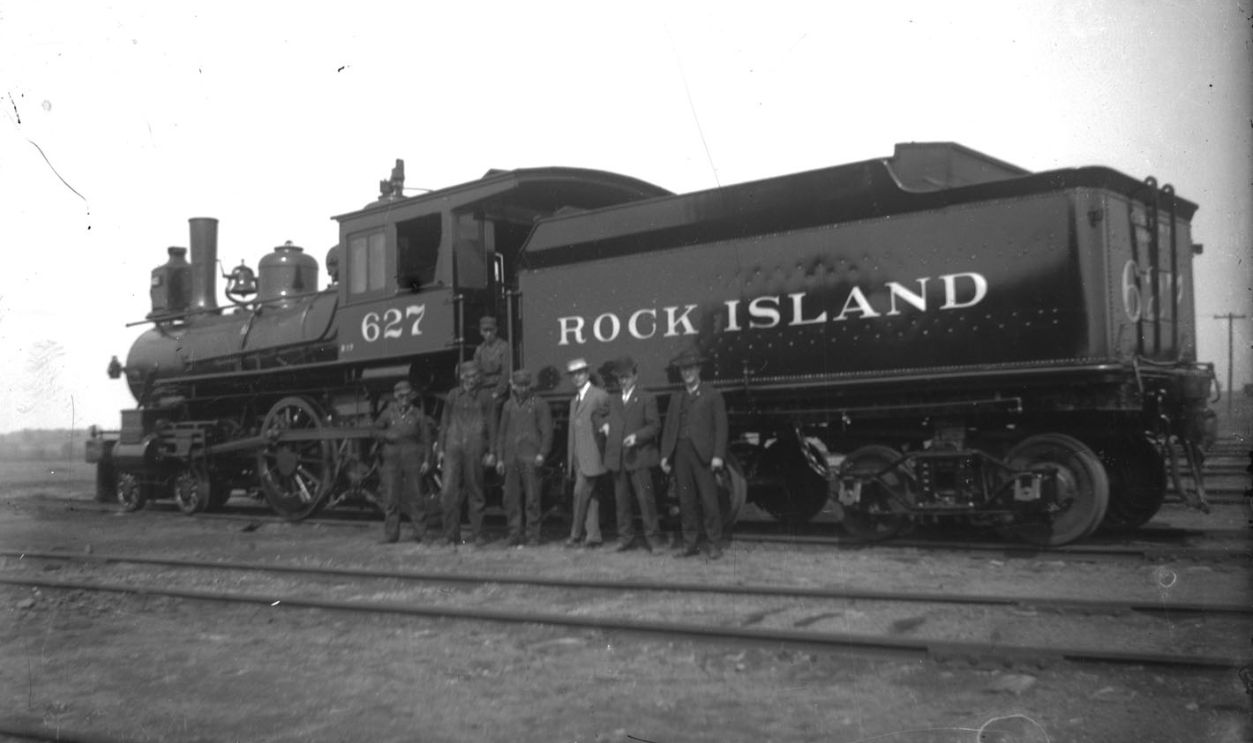
By 1914, her father’s battle with alcoholism led to his forced retirement from the Rock Island Railroad, unraveling the family’s stability. When their grandmother passed soon after—and the family estate was sold off at auction—Amelia later said it was the moment her childhood truly ended.
 Hook, William Edward, Wikimedia Commons
Wartime Transformation
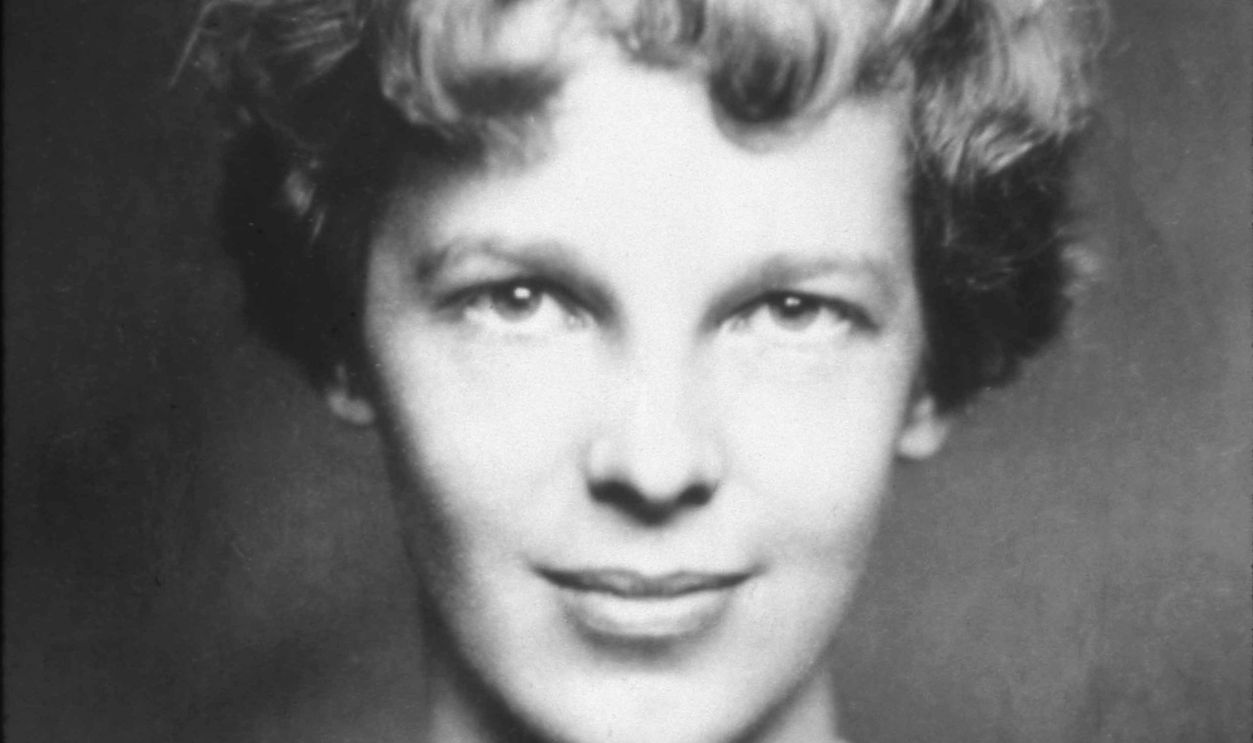
Earhart's visit to Toronto during Christmas in 1917 changed her life course. She witnessed the return of wounded WWI soldiers and decided to join the Red Cross as a nurse's aide at Spadina Military Hospital. Here, military pilots' stories sparked her interest in aviation.
 Unknown Author, Wikimedia Commons
Health Setback
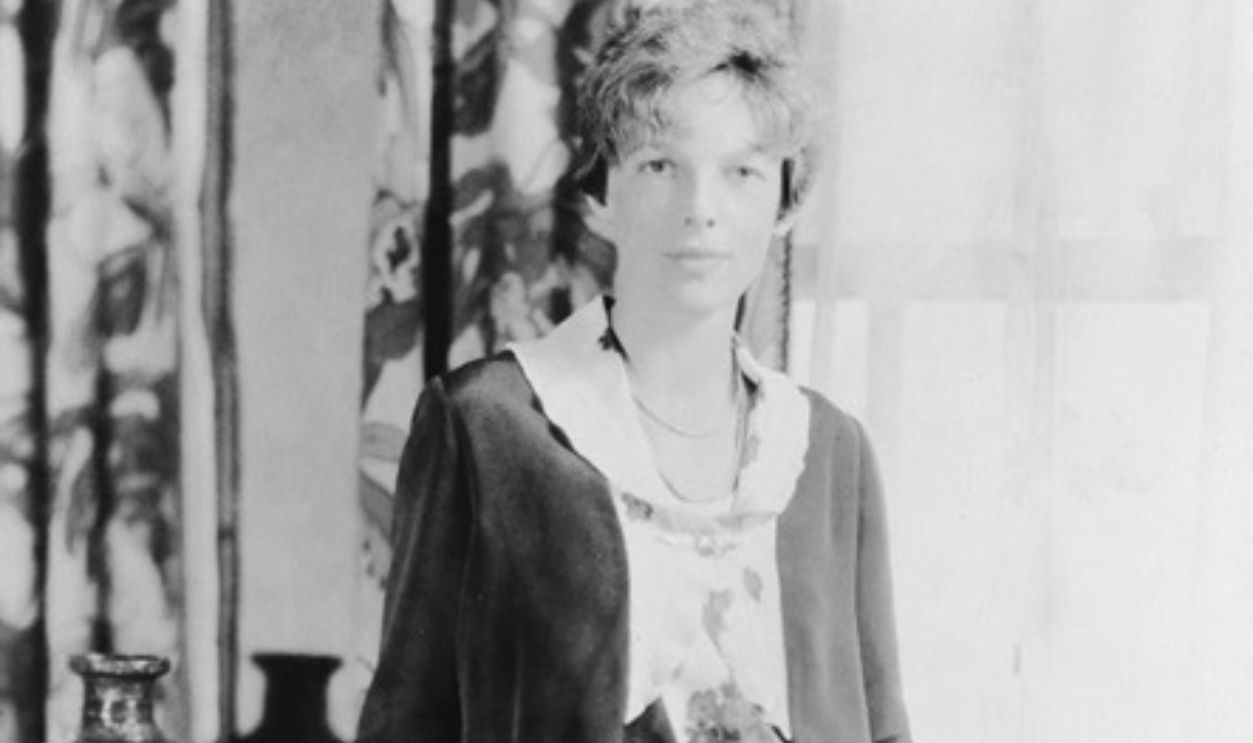
Sadly, the 1918 Spanish flu pandemic struck Earhart while nursing in Toronto. She battled pneumonia and severe sinusitis that required painful operations without antibiotics. However, she learned the banjo and studied mechanics during the year-long recovery period.
 Underwood & Underwood, Wikimedia Commons
Aviation Beginnings
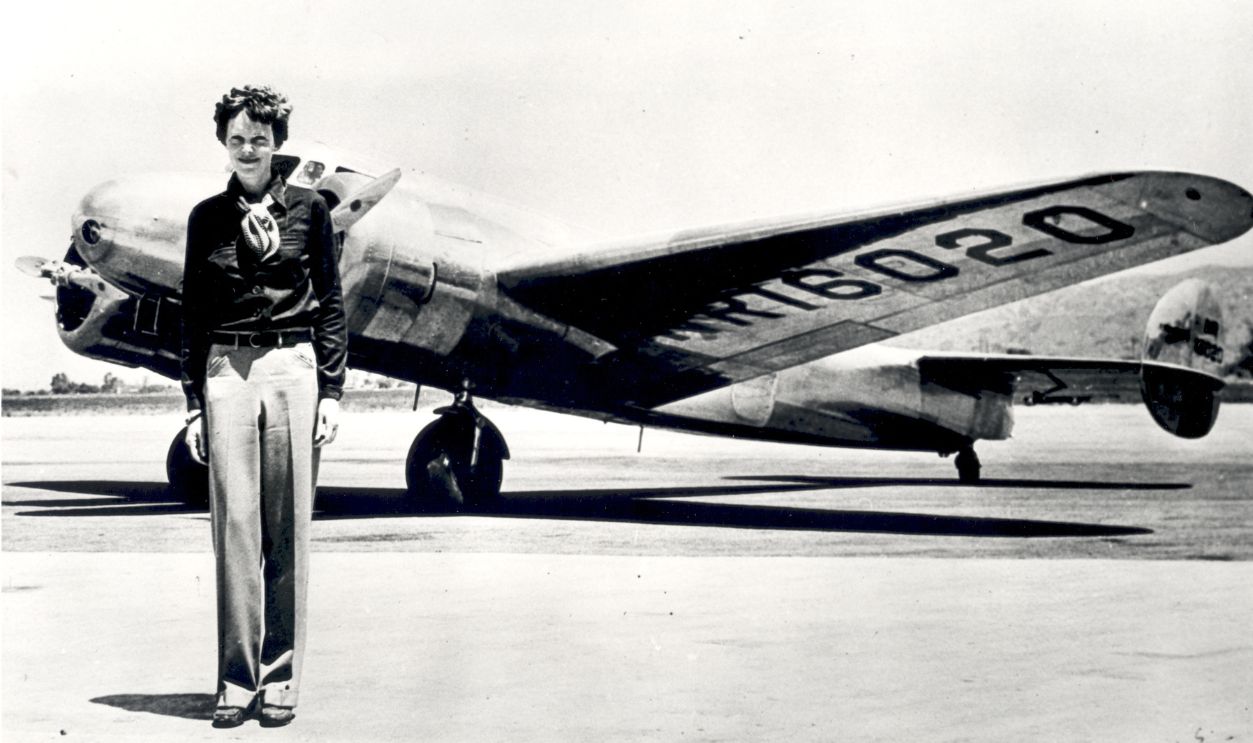
Something interesting happened on December 28, 1920. At Emory Rogers Field, Earhart paid $10 for a flight with Frank Hawks that would change her life completely. After only a few hundred feet of flight, she was determined to become a pilot herself.
 Smithsonian Institution, Wikimedia Commons
Flight Training Begins
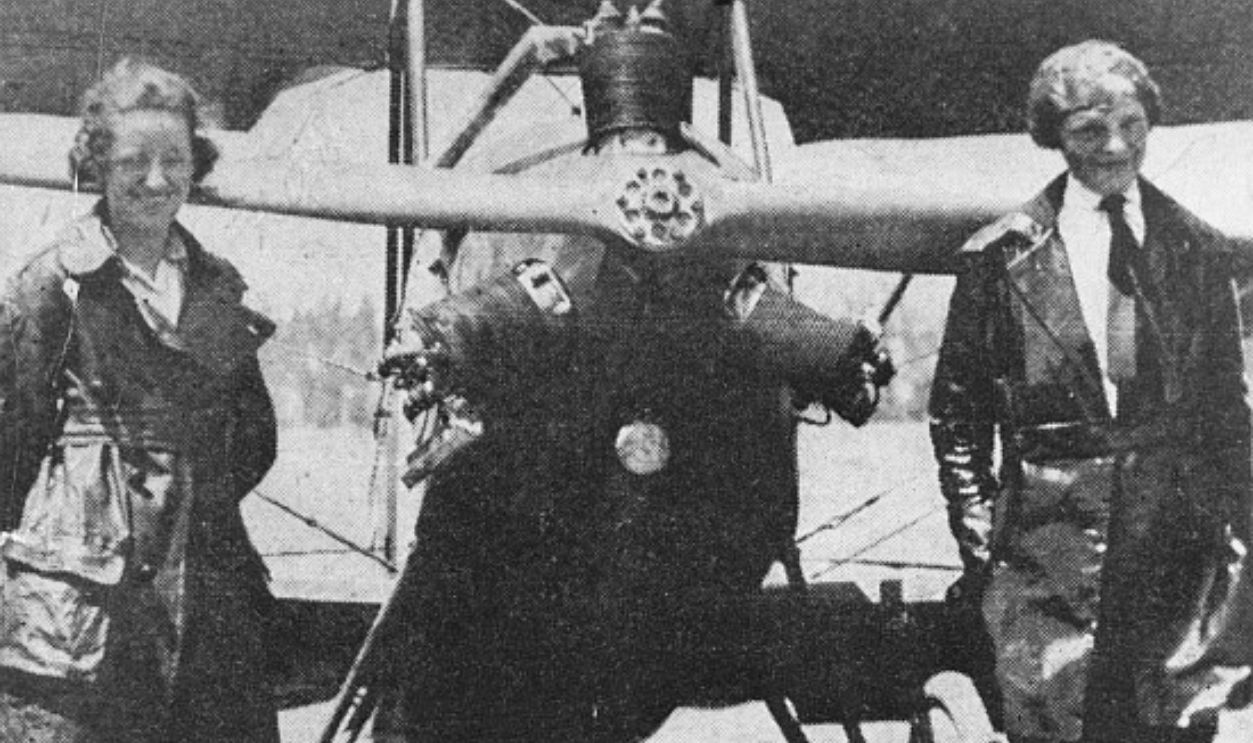
So, Earhart began flying lessons with Neta Snook at Kinner Field in Long Beach in January 1921. In order to save $1,000, she took up many jobs, such as telephone operator, truck driver, and even photographer. Though reluctantly, her mother helped pay for the training.
First Plane Purchase
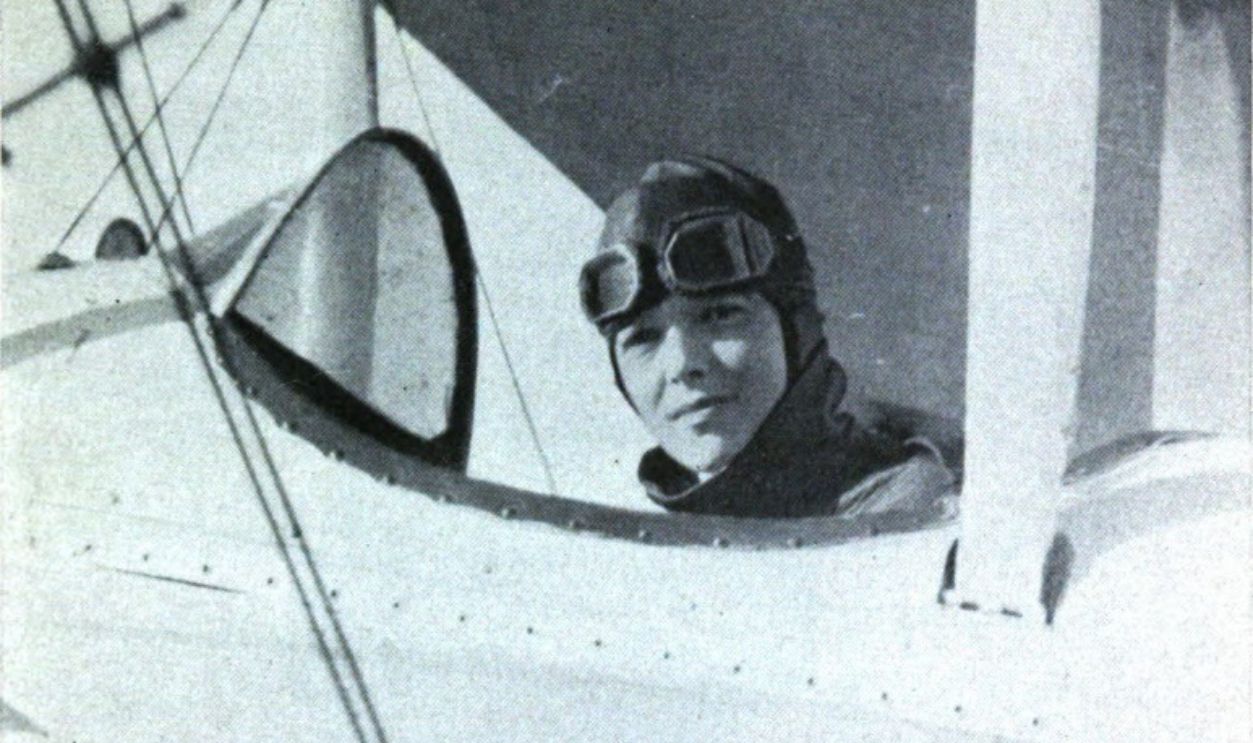
Six months into training, Earhart ignored instructor Snook's advice and bought a secondhand Kinner Airster for $2,000. She painted it chromium yellow, which led to the nickname: The Canary. Earhart also deliberately stained her new leather flying coat to age it.
 Amelia Earhart, Wikimedia Commons
Altitude Breakthrough
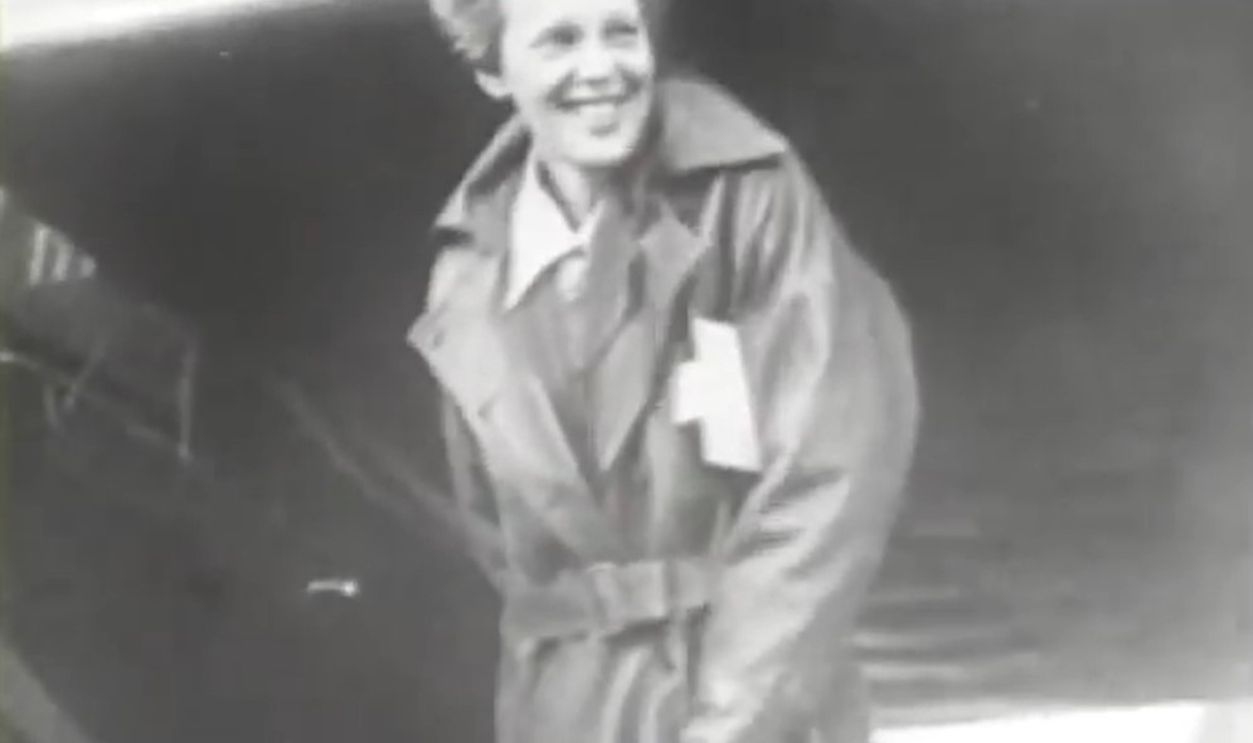
A new world altitude record was set for female pilots when Earhart flew her yellow Airster to 14,000 feet on October 22, 1922. The following spring, she became the sixteenth American woman to obtain a pilot's license from the Fédération Aéronautique Internationale, license #6017.
 Amelia Earhart Departs on Solo Flight Across Atlantic, May 20, 1932 by Smithsonian Nati
Financial Setbacks
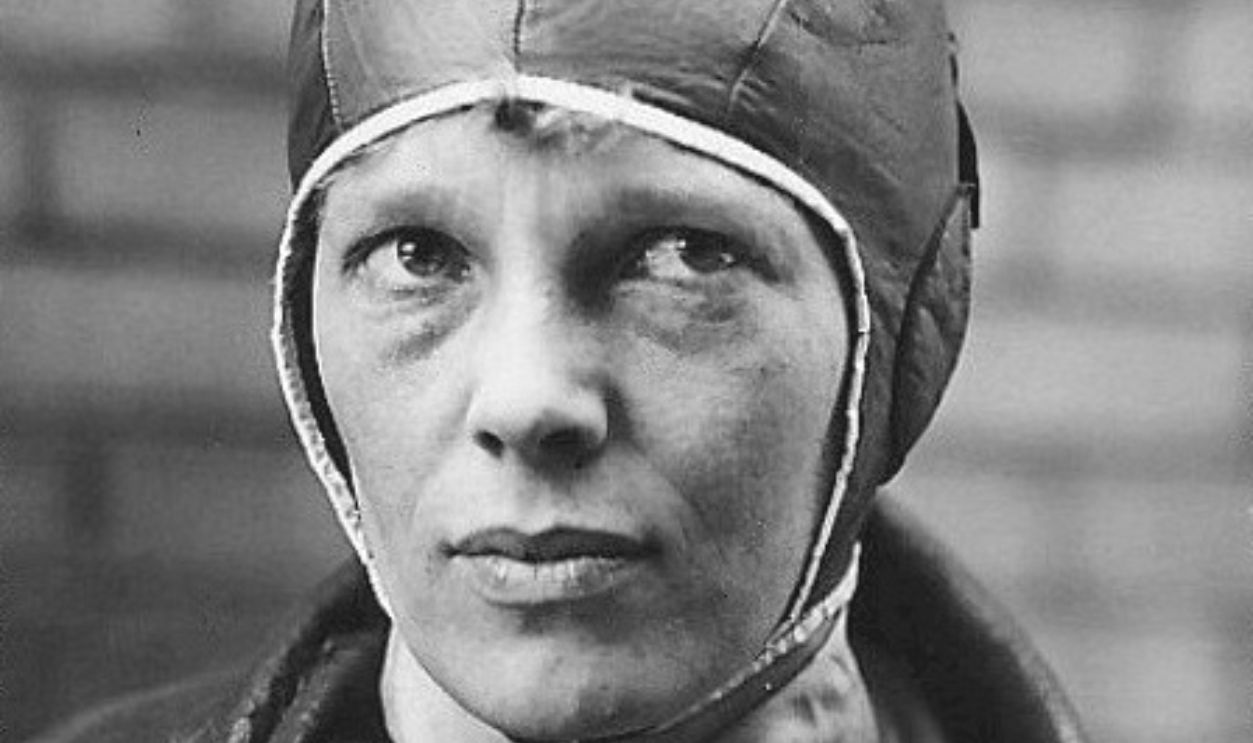
By the mid-1920s, Earhart’s finances were drained after a disastrous investment in a Gypsum mine, leaving her legacy—and her savings—on shaky ground. Facing mounting money troubles, she sold her beloved Kinner aircraft and pivoted to new opportunities the only way she knew how: boldly. She bought a bright yellow Kissel “Speedster,” cheekily nicknaming it the “Yellow Peril,” and set off in search of her next chapter.
 Wide World Photos, Wikimedia Commons
Transcontinental Journey
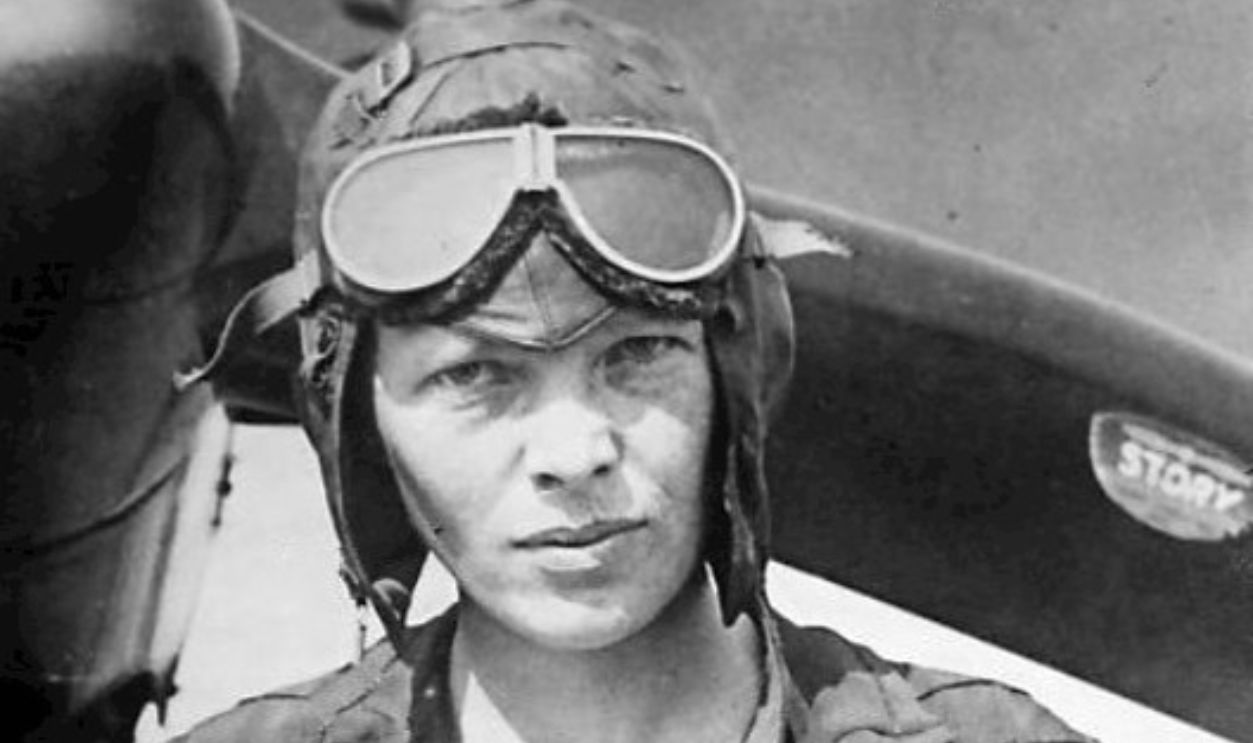
Her parents ultimately divorced in the year 1924. After this, Earhart drove her mother in "Yellow Peril" from California through western states to Banff, Alberta, finally settling in Boston. There, a successful sinus surgery provided her temporary relief from health issues.
 Wide World Photos, Wikimedia Commons
Boston Career Start
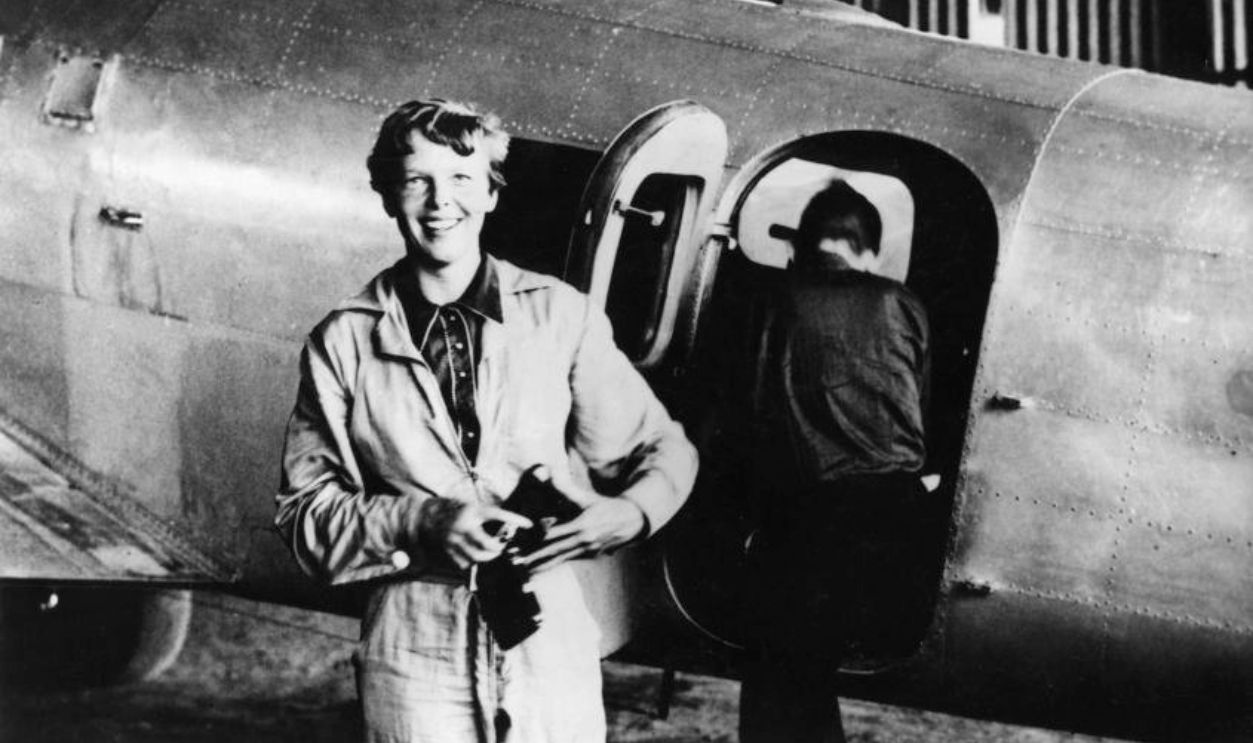
When in Boston, Earhart worked as a teacher and social worker at Denison House Settlement. She maintained aviation connections and became the vice president of the American Aeronautical Society's Boston chapter. This let her fly from Dennison Airport in Quincy.
 Unknown Author, Wikimedia commons
Atlantic Crossing
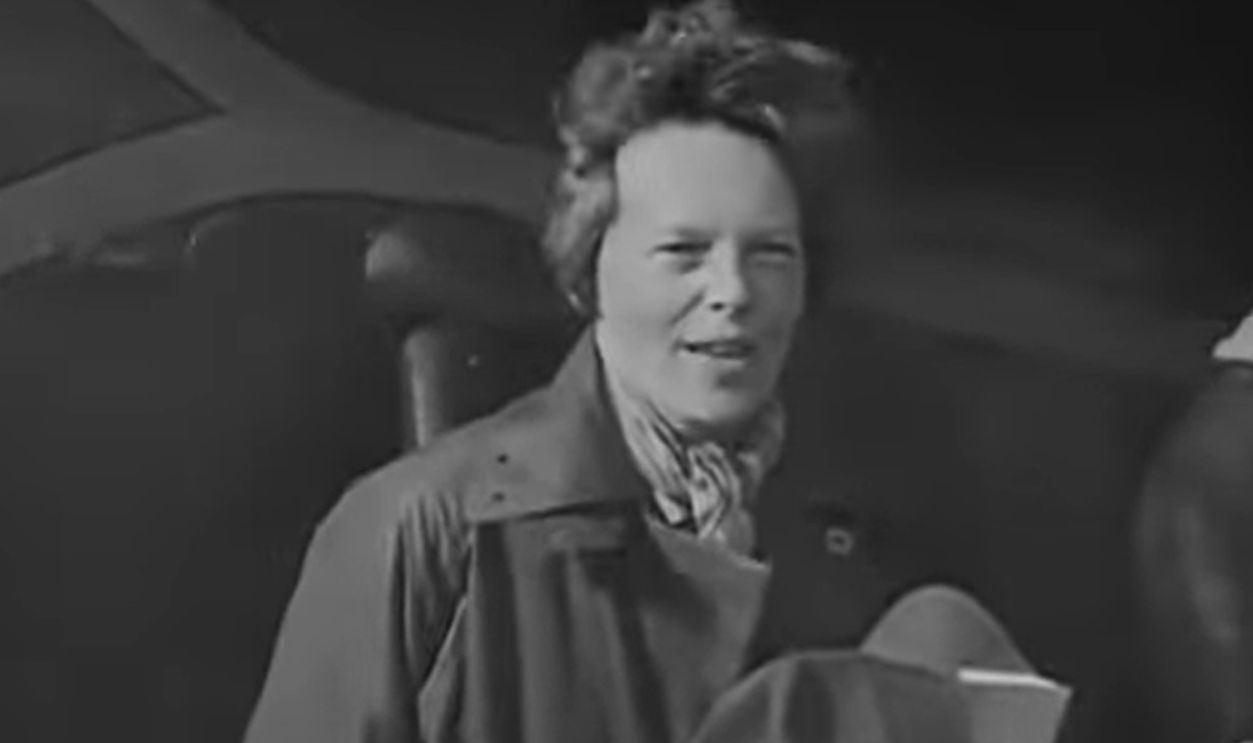
Amelia was chosen to be the first woman to fly over the Atlantic in 1928 in Fokker F.VIIb/3m "Friendship". While Amelia did not pilot the plane once during the 20-hour, 40-minute flight, she hinted at her fate by saying, "Maybe someday I'll try it alone".
 Amelia Earhart First Female Aviator Flies Solo Across Pacific in 18 Hours, 1932 by Fred Longhat
Celebrity Status
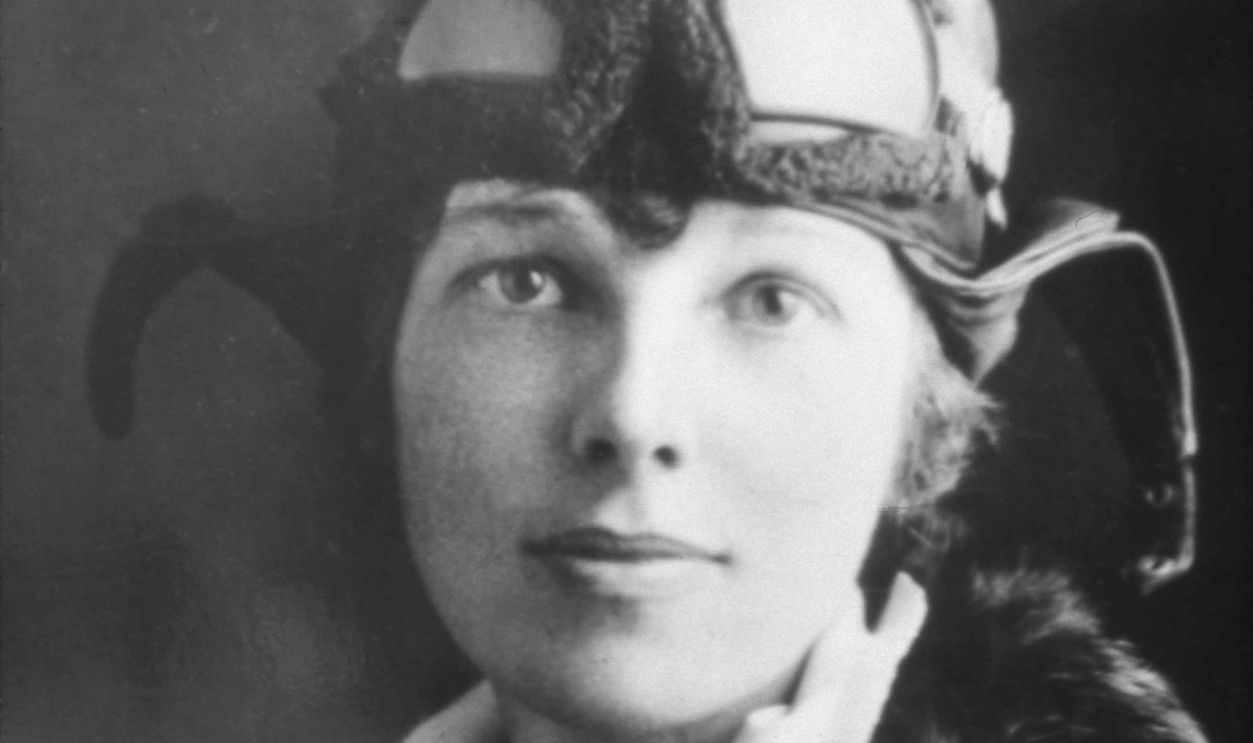
She was later called "Lady Lindy" by the media because she looked like Charles Lindbergh. After her successful Atlantic passage, Earhart became famous and began giving talks, promoting products, and collaborating with publisher George Putnam. He handled her public persona.
 Unknown Author, Wikimedia Commons
Promoting Women's Aviation
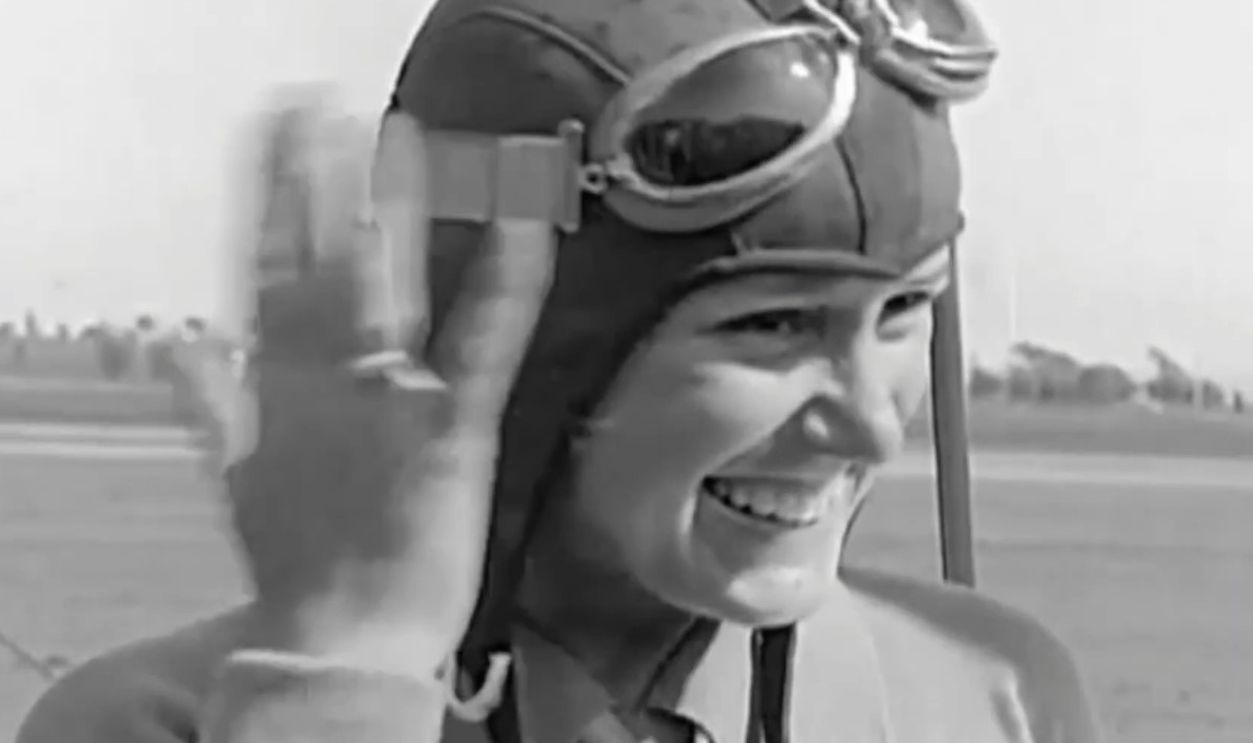
Earhart also became an associate editor at Cosmopolitan magazine. She wanted to use her platform to advocate for aviation and women's roles in flying. Earhart helped establish the Ninety-Nines, an organization for female pilots, and became its first president in 1930.
 The Ninety-NInes History of Women Aviators by The Ninety-Nines, Inc.
Marriage Revolution
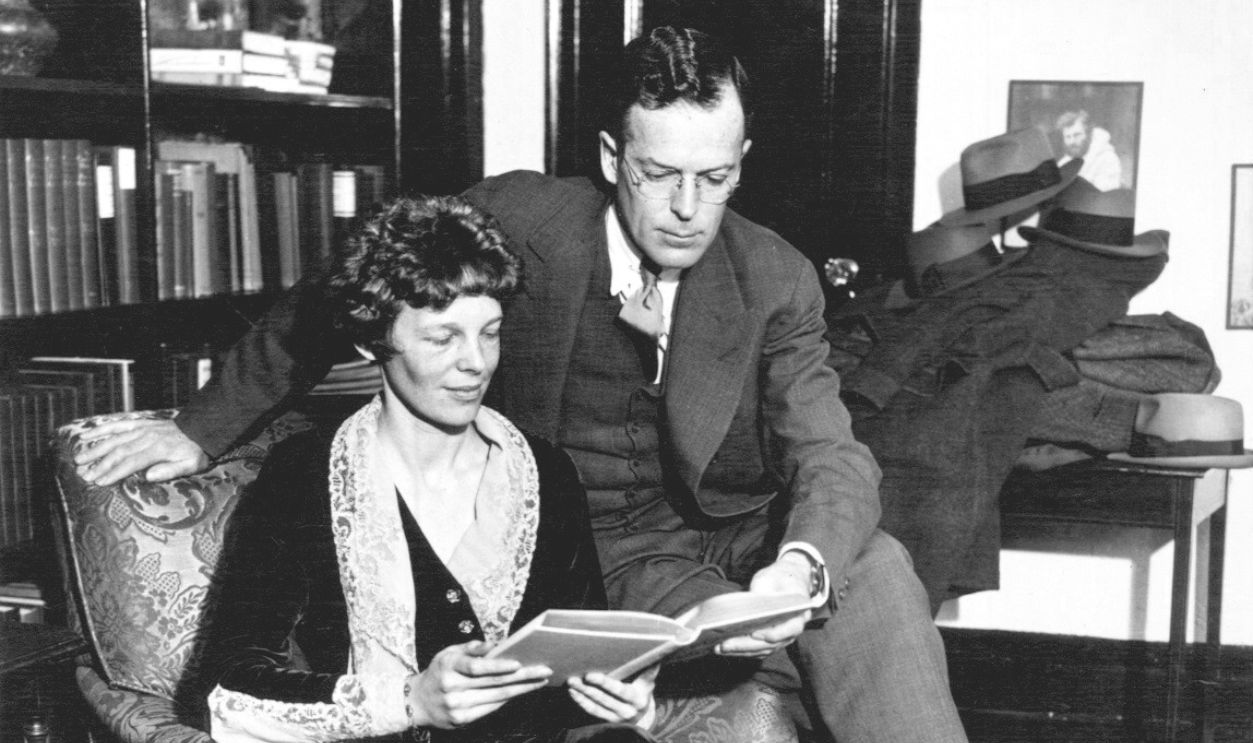
In 1931, Earhart married George Putnam, insisting on a nontraditional marriage. Revolutionary for the time, her wedding day letter sought personal space, maintained her surname, and also chose to reject traditional fidelity expectations.
 International News Photos, Wikimedia Commons
Last Atlantic Flight
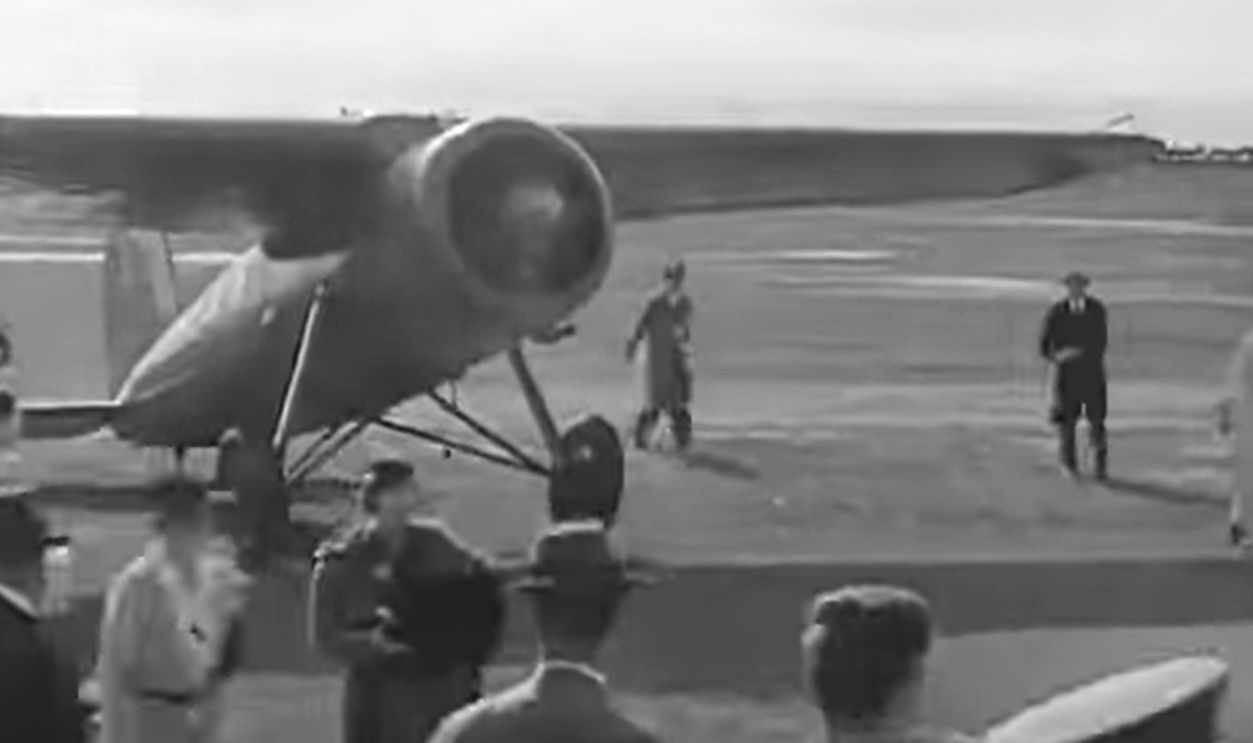
On May 20, 1932, the young aviator lifted off from Harbour Grace, Newfoundland, in her trusty Lockheed Vega, determined to etch her name into history. She became the first woman to fly solo across the Atlantic, battling vicious storms and mechanical scares along the way. After 15 grueling hours in the air, she finally touched down in Northern Ireland—exhausted, triumphant, and officially a legend.
 Amelia Earhart First Female Aviator Flies Solo Across Pacific in 18 Hours, 1932 by Fred Longhat
International Recognition
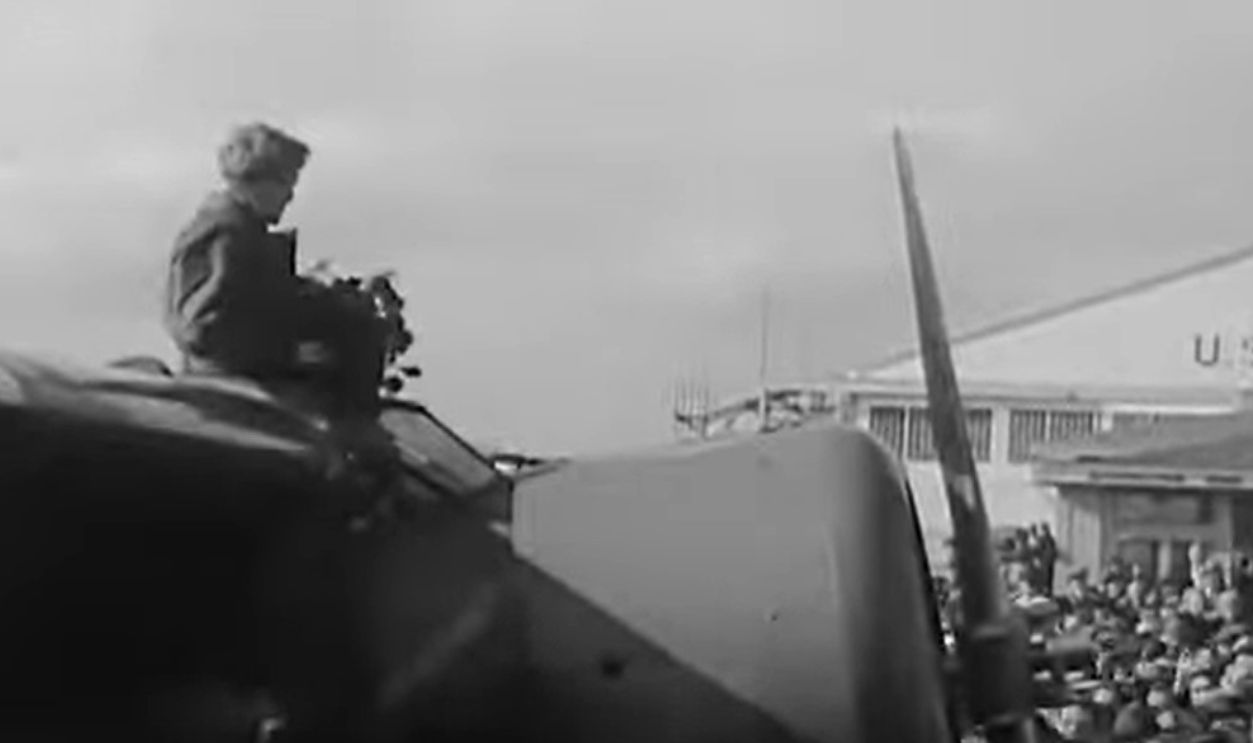
Now, this solo Atlantic flight earned Earhart recognition as the recipient of the Distinguished Flying Cross from Congress, France's Legion of Honor Cross, and the National Geographic Society's Gold Medal. She also developed a close friendship with First Lady Eleanor Roosevelt.
 Amelia Earhart First Female Aviator Flies Solo Across Pacific in 18 Hours, 1932 by Fred Longhat
Hawaiian Achievement
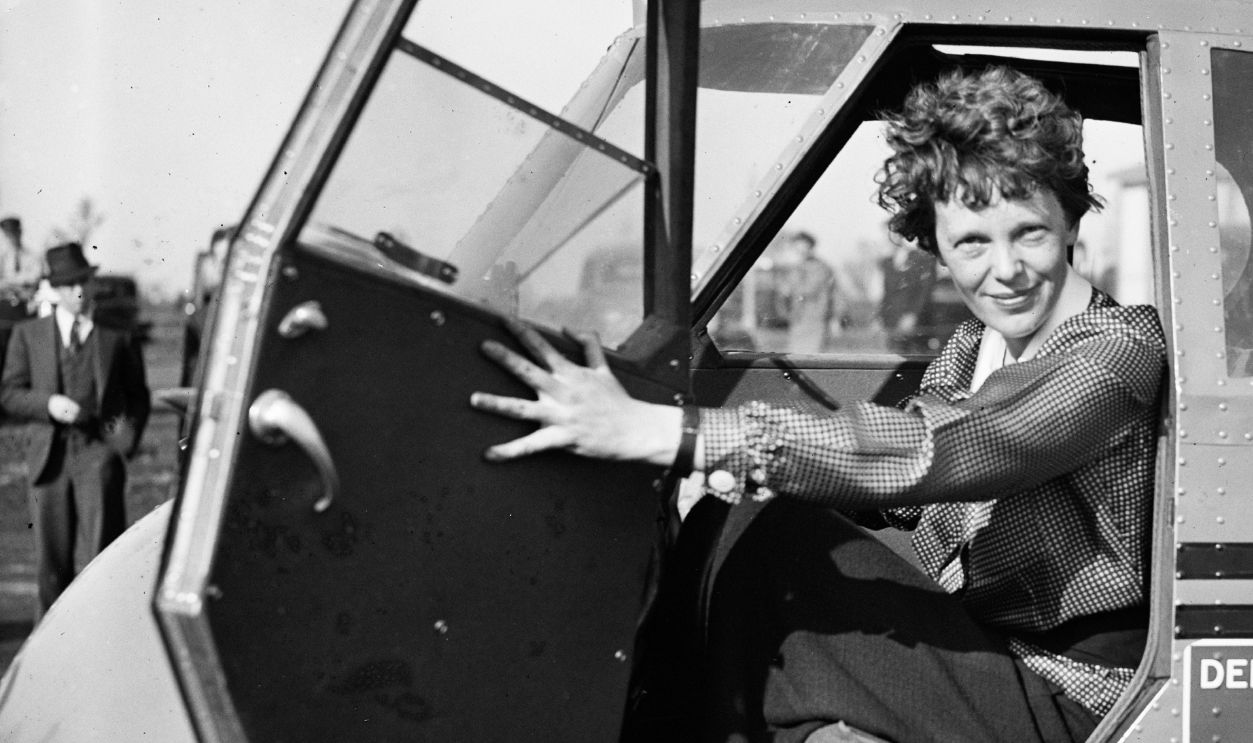
Another significant event occurred on January 11, 1935, when Amelia Earhart flew alone from Honolulu to Oakland. Listening to broadcasts of the Metropolitan Opera helped her unwind throughout the transoceanic flight in her Lockheed 5C Vega.
 Harris & Ewing, Wikimedia Commons
Mexican Connections
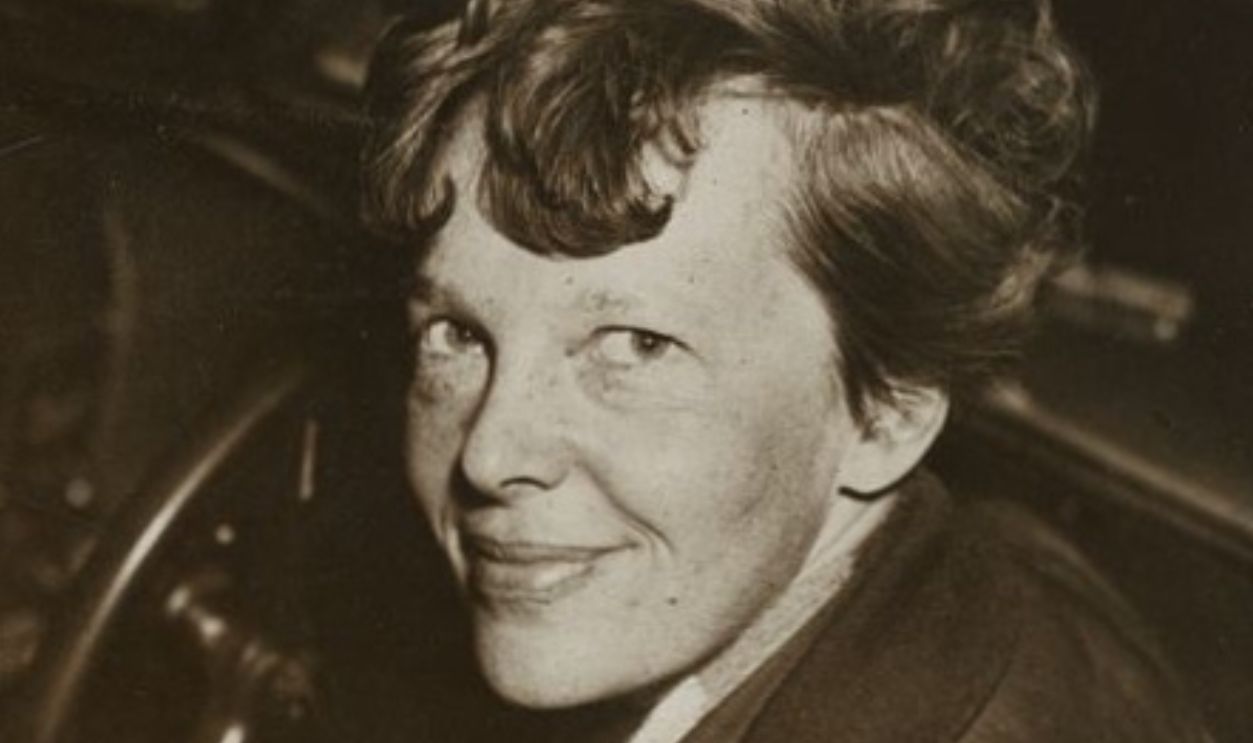
Two further records were set by Earhart in 1935 in her reliable Vega. This was also known as "old Bessie, the fire horse". After setting out on a solo flight from Los Angeles to Mexico City for the first time, she made the nonstop trip from Mexico City to Newark.
 New York World-Telegram and the Sun Newspaper, Wikimedia Commons
Academic Influence
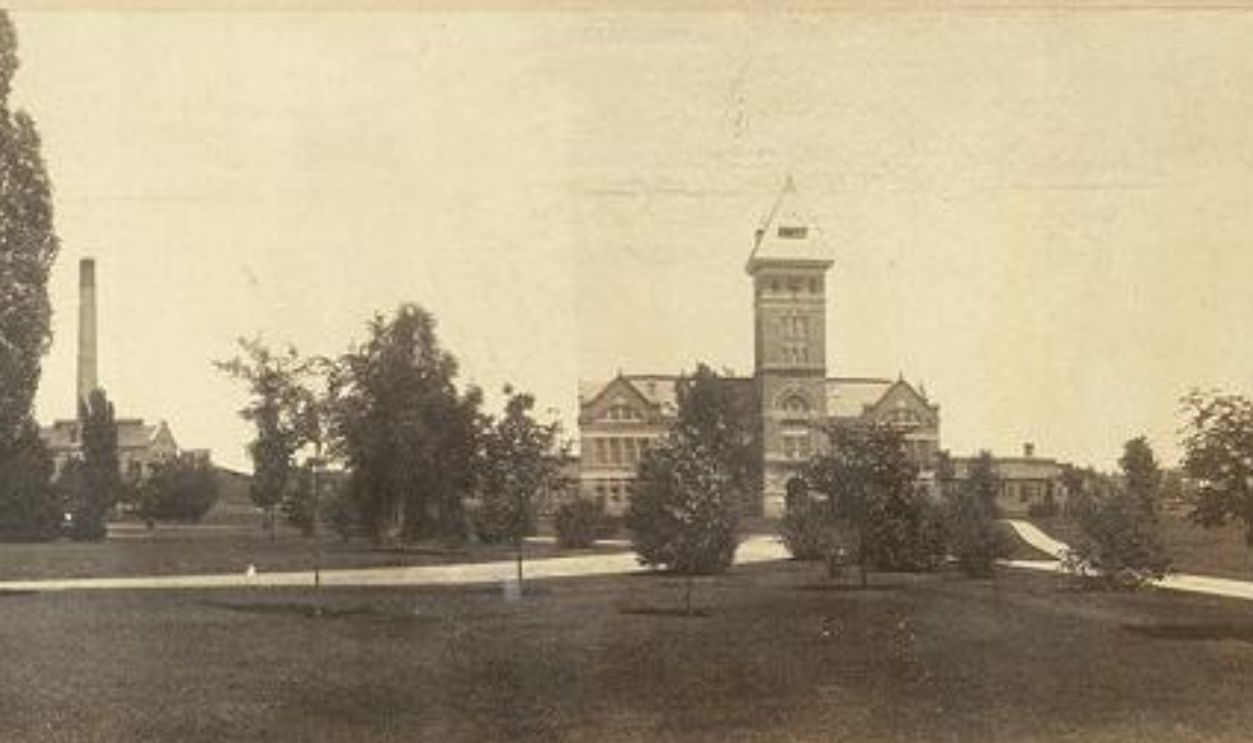
Sometime in 1935, Earhart took the position of a faculty member at Purdue University, where she worked as a technical advisor to the aeronautics department and a career counselor for female students. Later, the university funded Lockheed Electra 10E for her intended world flight.
 Orion Lawrence Foster, Wikimedia Commons
California Years
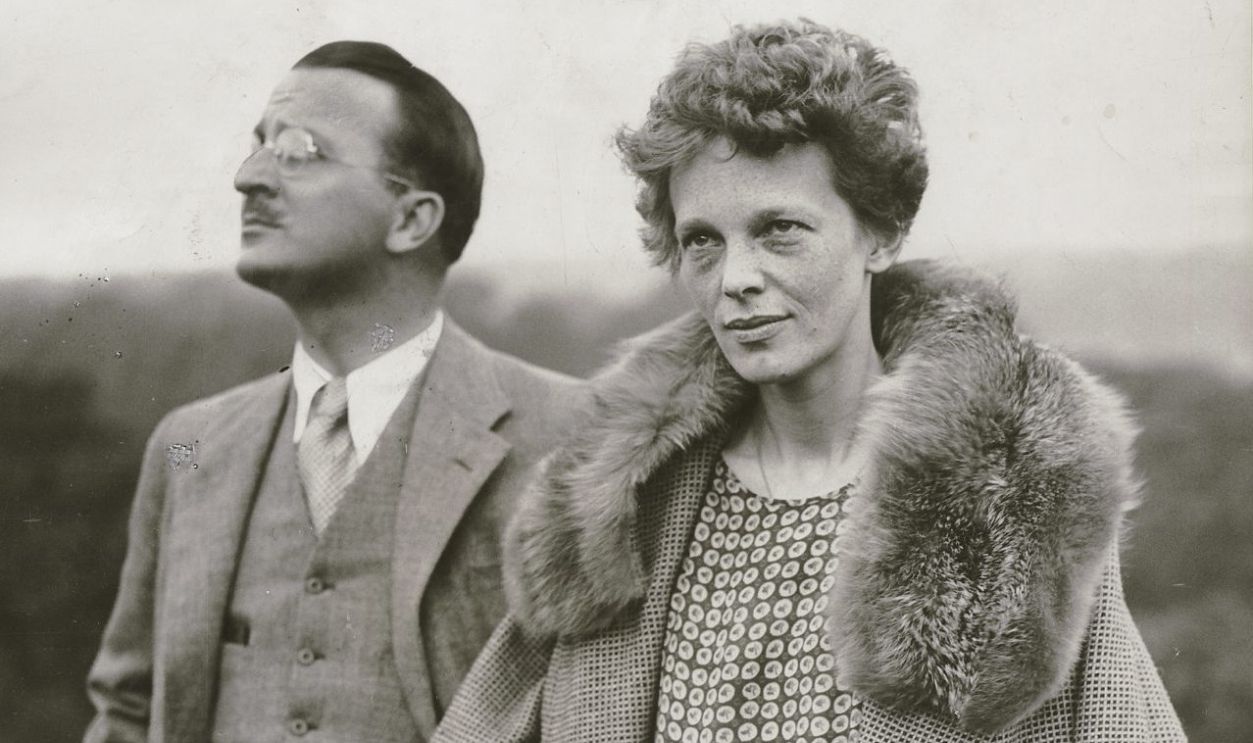
Tragedy kept following her. After a fire destroyed their Rye house in late 1934, Earhart and Putnam transferred to California. They settled in Toluca Lake, between Warner Brothers and Universal Studios. Here, Putnam was the head of the editorial board for Paramount Pictures.
 Tekniska Museet, CC BY 2.0, Wikimedia Commons
Aviation Education
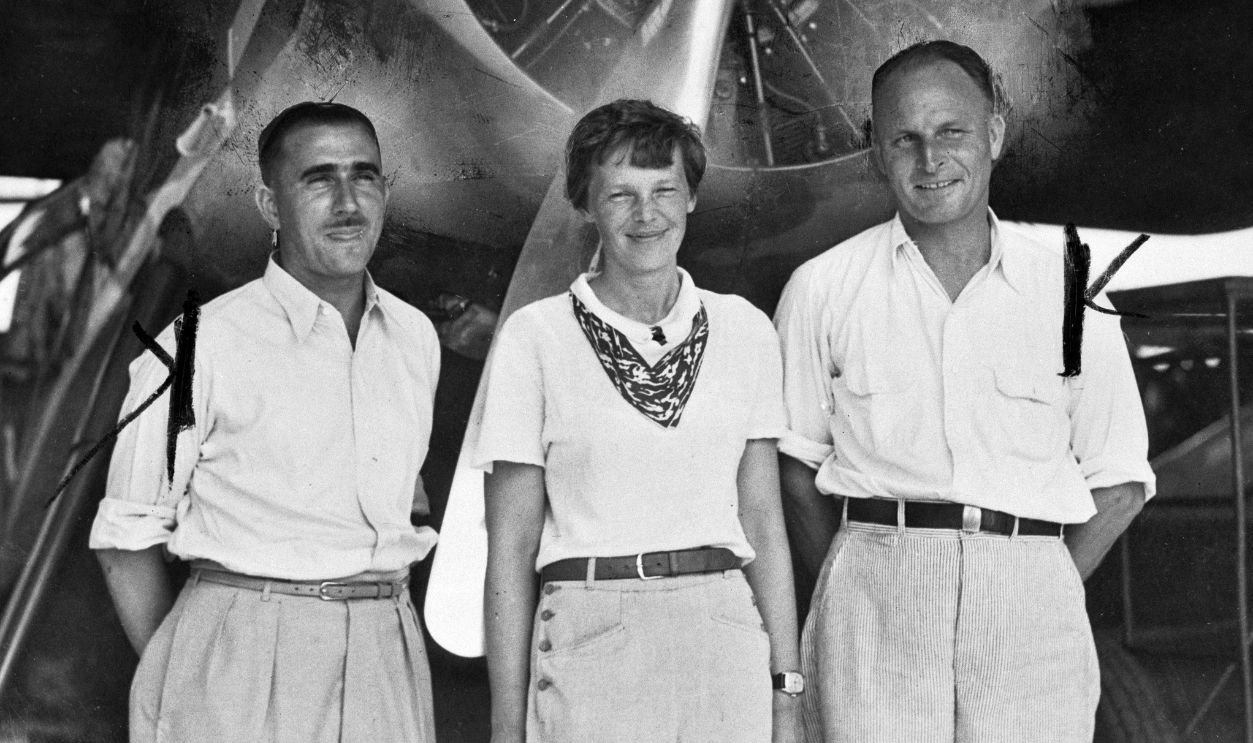
At Burbank Airport, Earhart founded the Earhart-Mantz Flying School in 1935 in collaboration with Paul Mantz. Putnam handled advertising for the school through United Air Services. The school largely specialized in instrument flying utilizing Link Trainers.
 Los Angeles Times, CC BY 4.0, Wikimedia Commons
Global Ambition
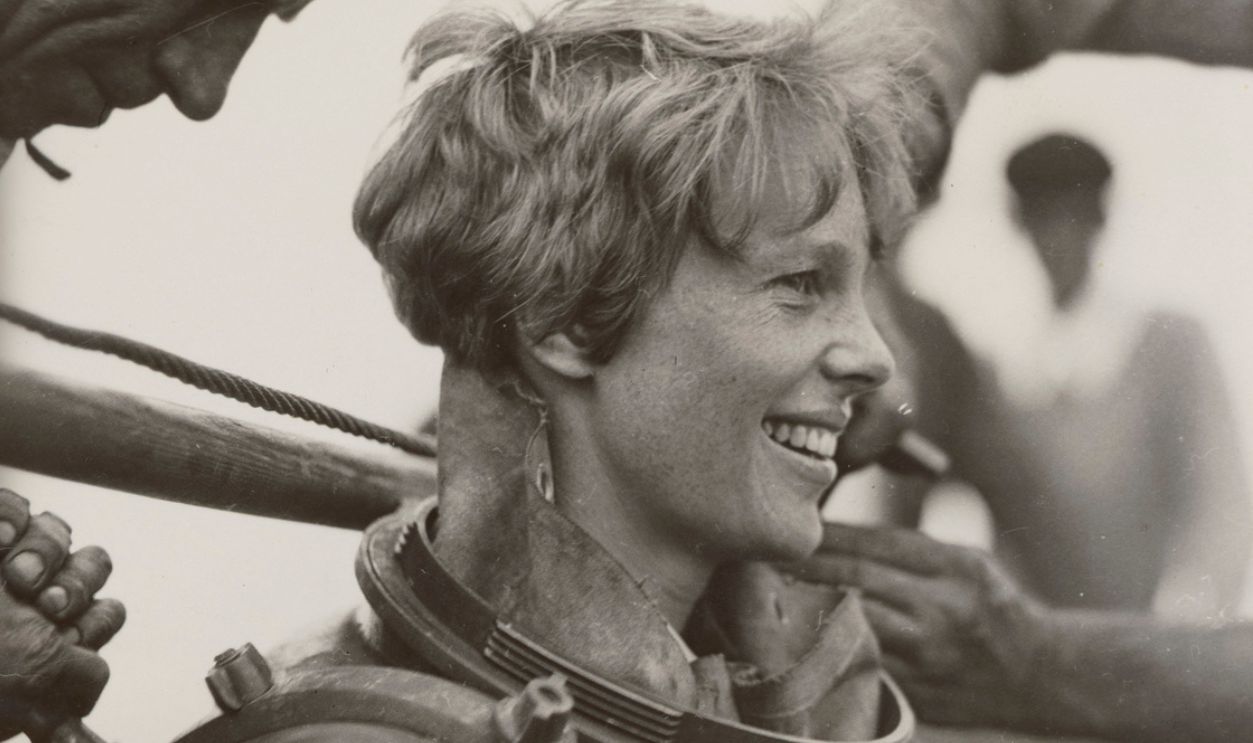
By 1936, she had turned her sights toward her boldest challenge yet: a round-the-world flight skimming the equator. Completing the 29,000-mile journey would make her the first woman to do so, a feat as ambitious as the publicity it promised for her next book. With meticulous planning and trademark fearlessness, Earhart set the stage for the voyage that would define her legacy forever.
 Luciaroblego, CC BY-SA 4.0, Wikimedia Commons
Hawaii Setback
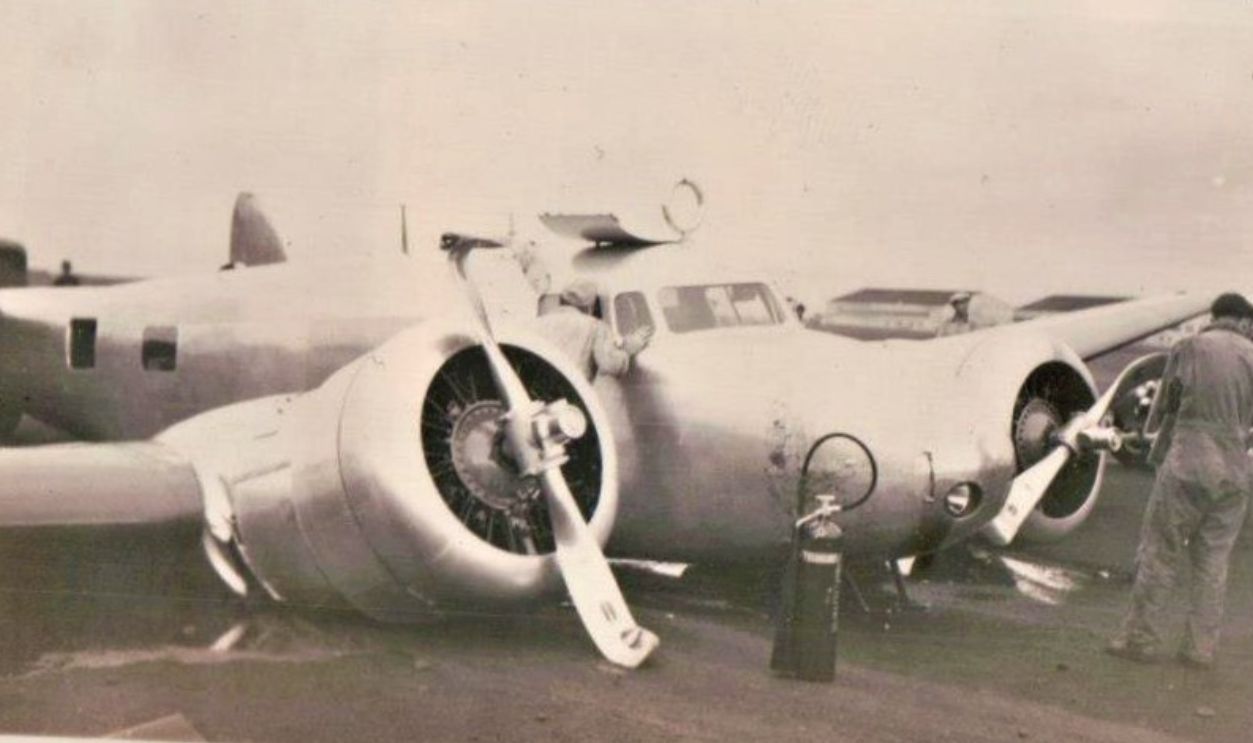
Unfortunately, in March 1937, the Electra crashed in Hawaii after takeoff from Luke Field. This ended the first attempt to complete a round-the-world flight. The accident damaged the landing gear and propellers, requiring the plane to be shipped to Lockheed for repairs.
 JRdxbcmc, CC BY-SA 4.0, Wikimedia Commons
The Last Horizon
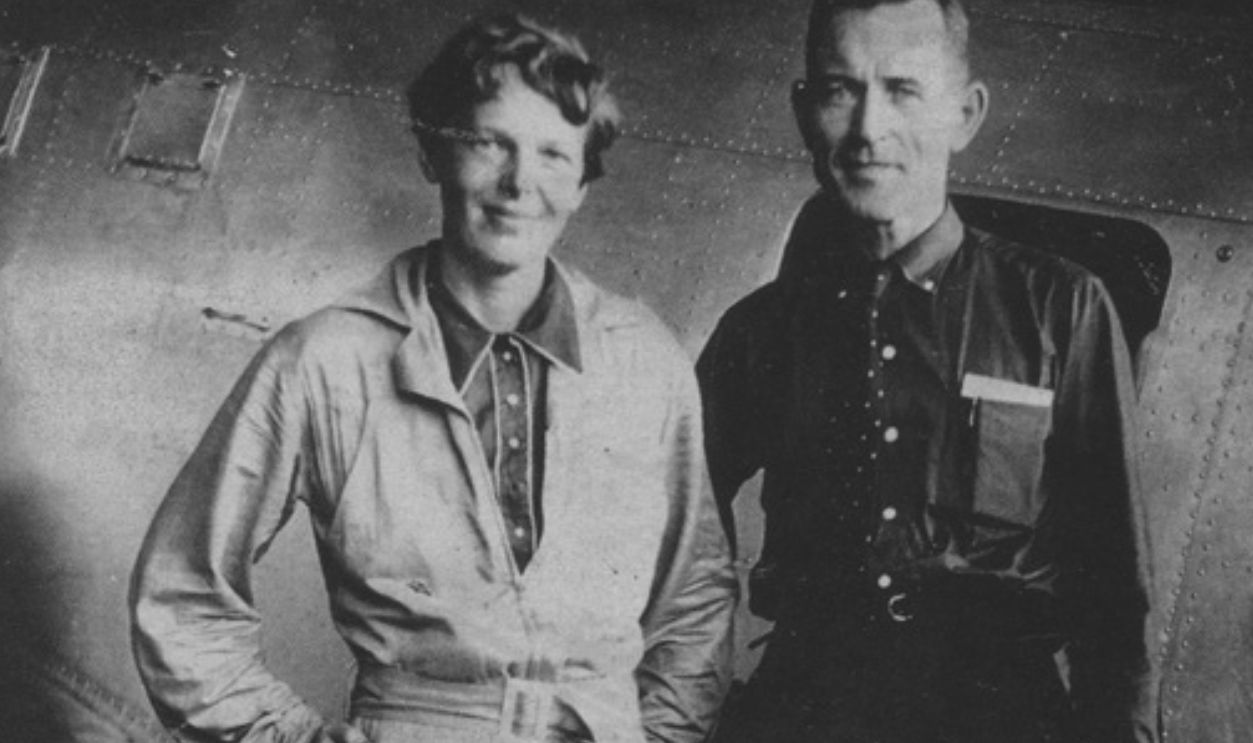
After the repairs were done, on June 1, 1937, Earhart set out from Miami for her second attempt at a world flight. Before arriving in Lae, New Guinea, she and navigator Fred Noonan successfully traveled 22,000 miles this time. They flew from west to east.
 SDASM Archives, Wikimedia Commons
Last Takeoff
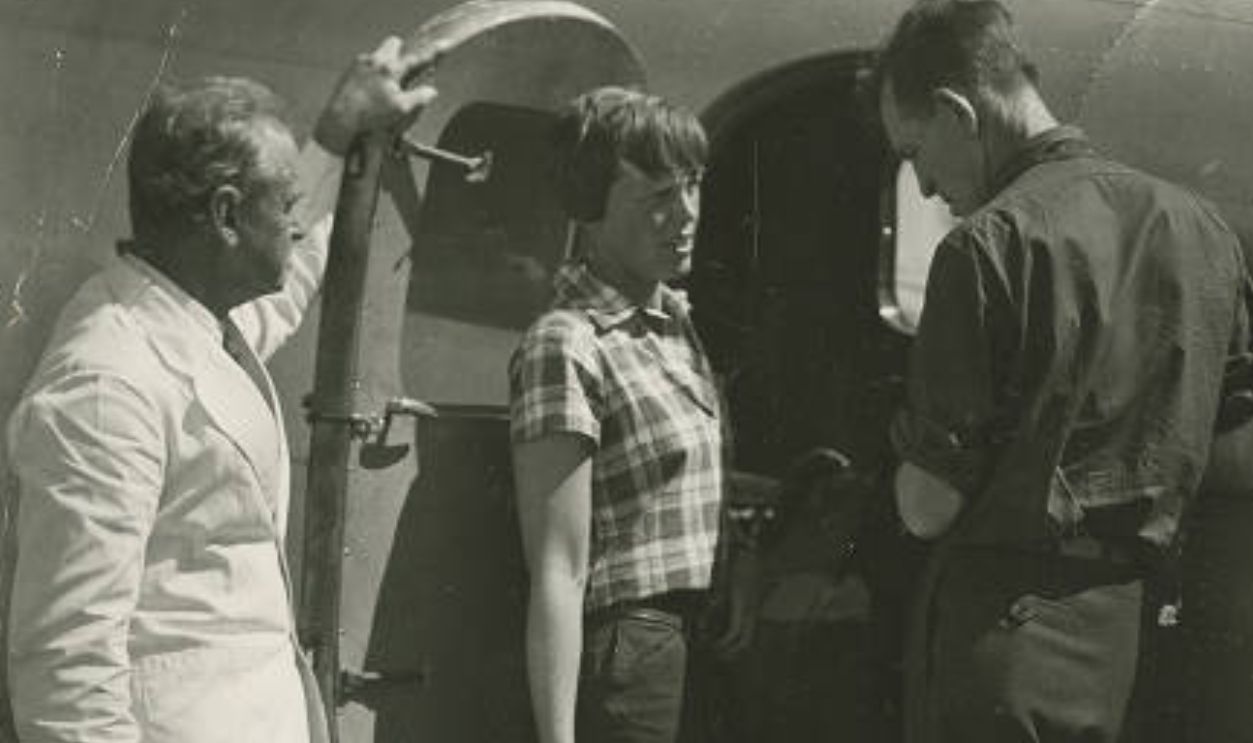
July 2, 1937, 10:00 am local time, Earhart and Noonan once again departed Lae Airfield in their heavily loaded Electra. Their destination was Howland Island, a tiny Pacific speck just 2,556 miles away, with approximately 1,100 gallons of fuel.
 Originally from, Wikimedia Commons
Communication Challenges
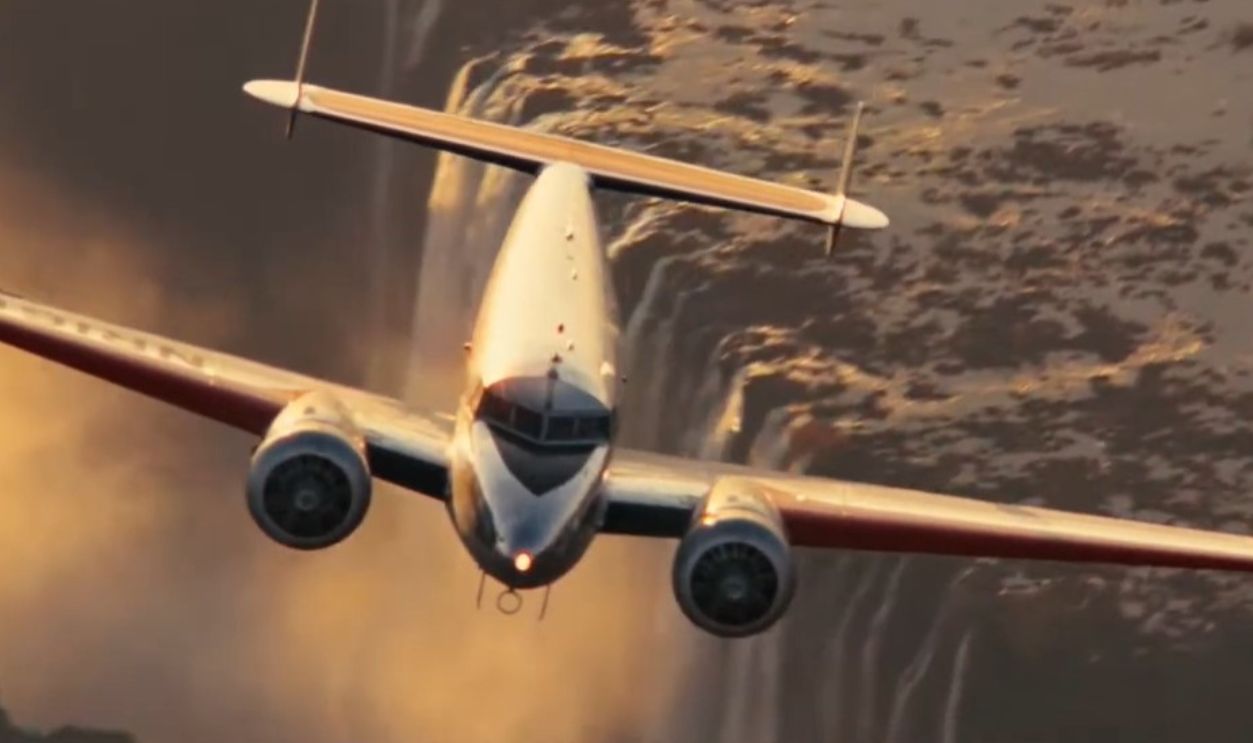
During their approach to Howland Island, Earhart was able to transmit to the USCGC Itasca but was unable to receive any of their responses. The ship's crew heard her increasingly worried calls, which indicated that they were running low on fuel around 7:30 am.
 Amelia (2009) trailer by The Movie Planet
Final Transmission
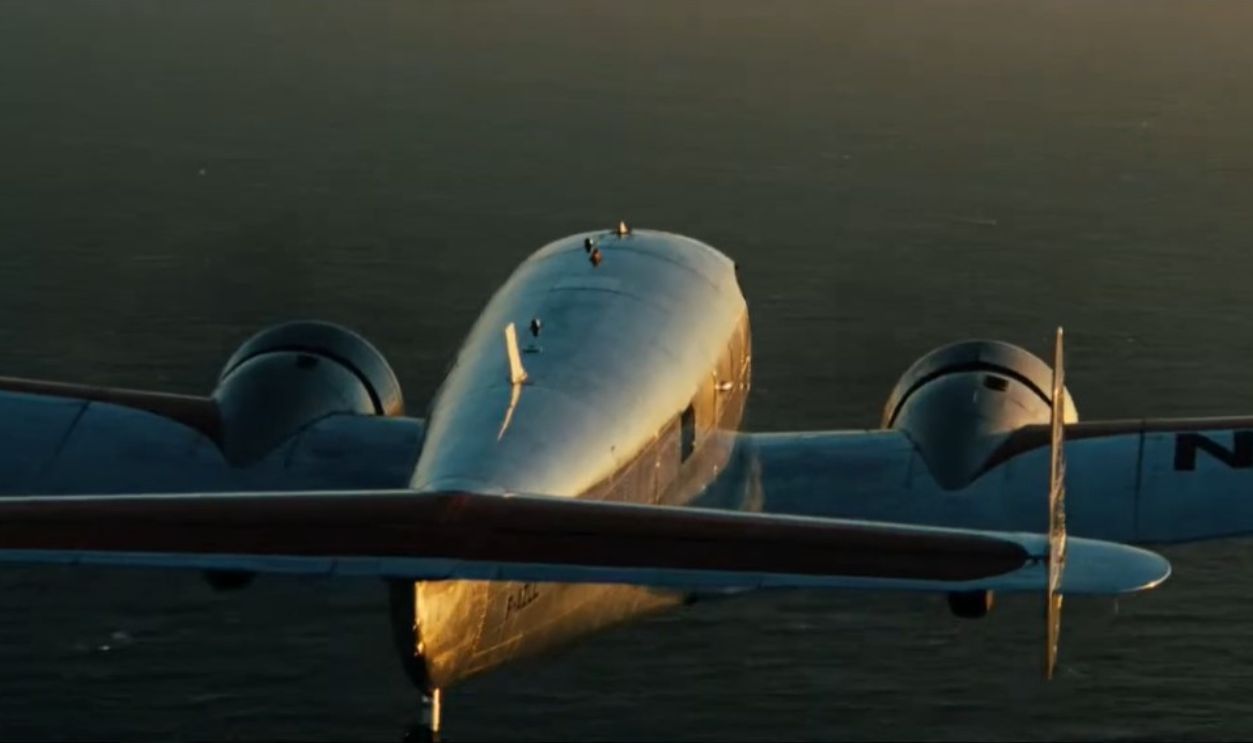
Based on the last known radio communication sent by Amelia Earhart, it was stated that they were flying north and south across Howland Island along lines 157-337 at around 7:58 am. The signals from Itasca were powerful, but she was unable to tell their direction.
 Amelia (2009) trailer by The Movie Planet
Search Operations
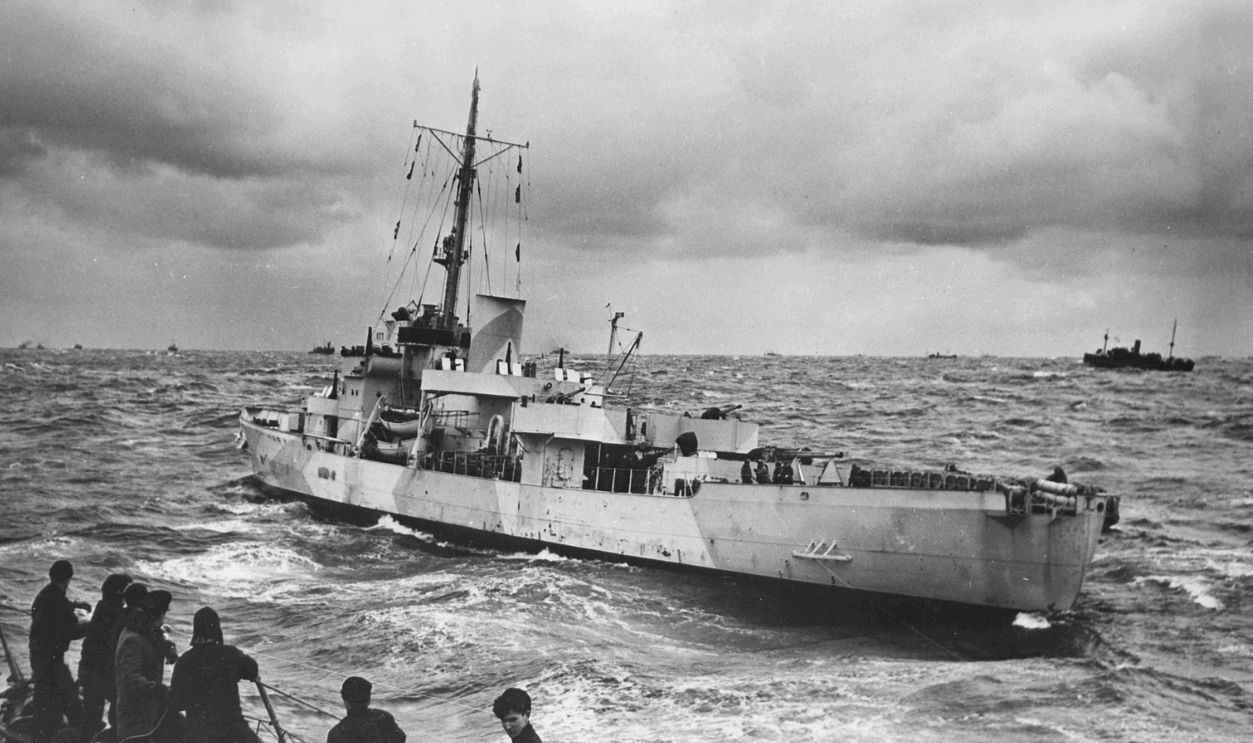
Apparently, the U.S. Coast Guard and Navy conducted the most costly and extensive air and sea search in American history. It is said to have cost them about $4 million. The search lasted 17 days until July 19, 1937, but no tangible proof was ever located.
 United States Coast Guard, photographer unknown (possibly Bob Gates), Wikimedia Commons
Radio Mysteries
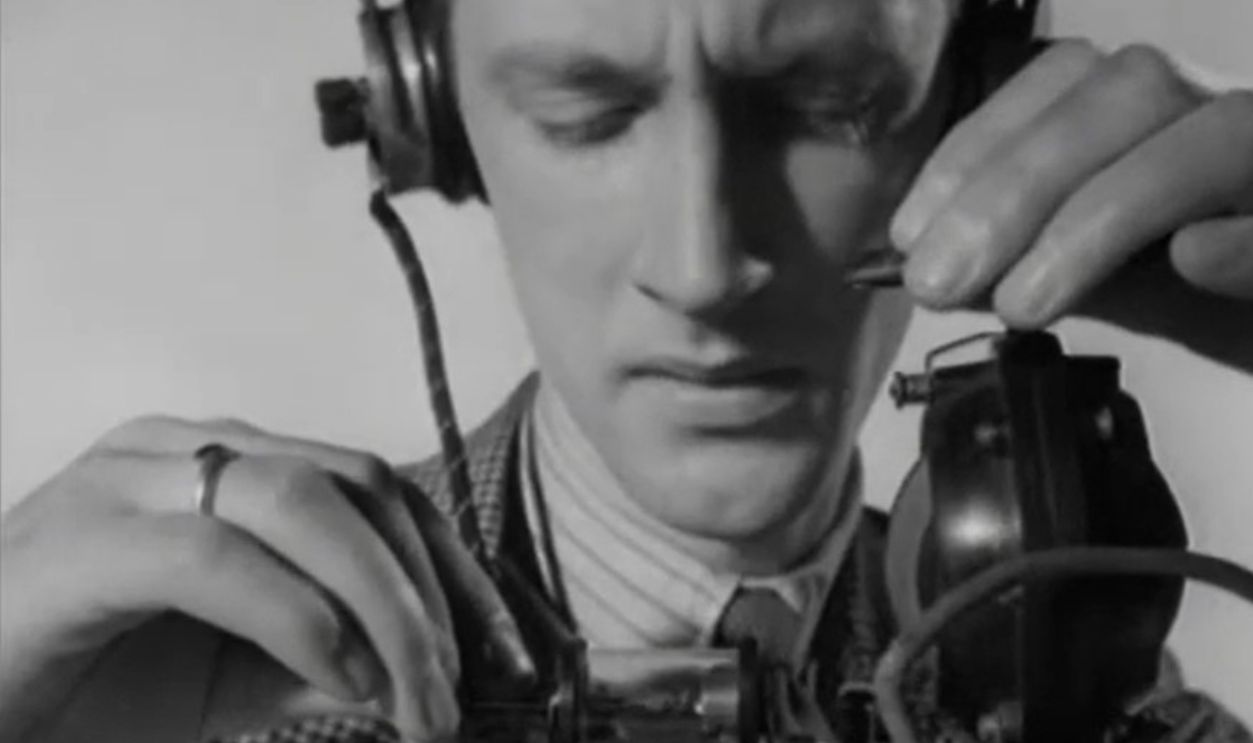
In the days following her disappearance, radio operators around the world reported picking up faint distress calls they believed were from Earhart. But as search teams scrambled to trace the signals, many of them proved to be hoaxes or simple misinterpretations. The flood of false leads only muddied the waters, slowing the desperate hunt for her plane and pushing the mystery even deeper into the fog.
 Radio Operator (1940) by British Pathé
Legal Conclusion
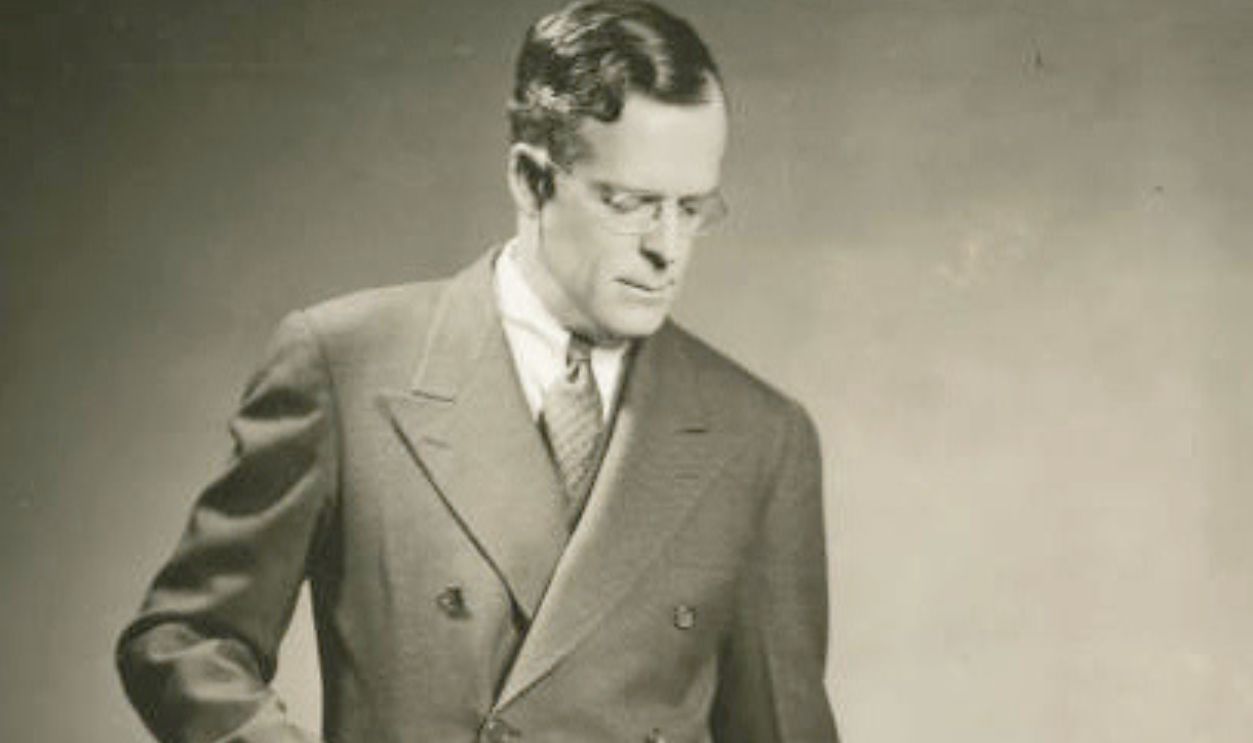
It was George Putnam who fought to maintain hope and helped finance private searches of nearby Pacific islands. However, on January 5, 1939, Earhart was officially declared dead in absentia. With this, Putnam managed her estate and continued funding search efforts.
 Official family photographer c. 1930s, Wikimedia Commons
Enduring Theories
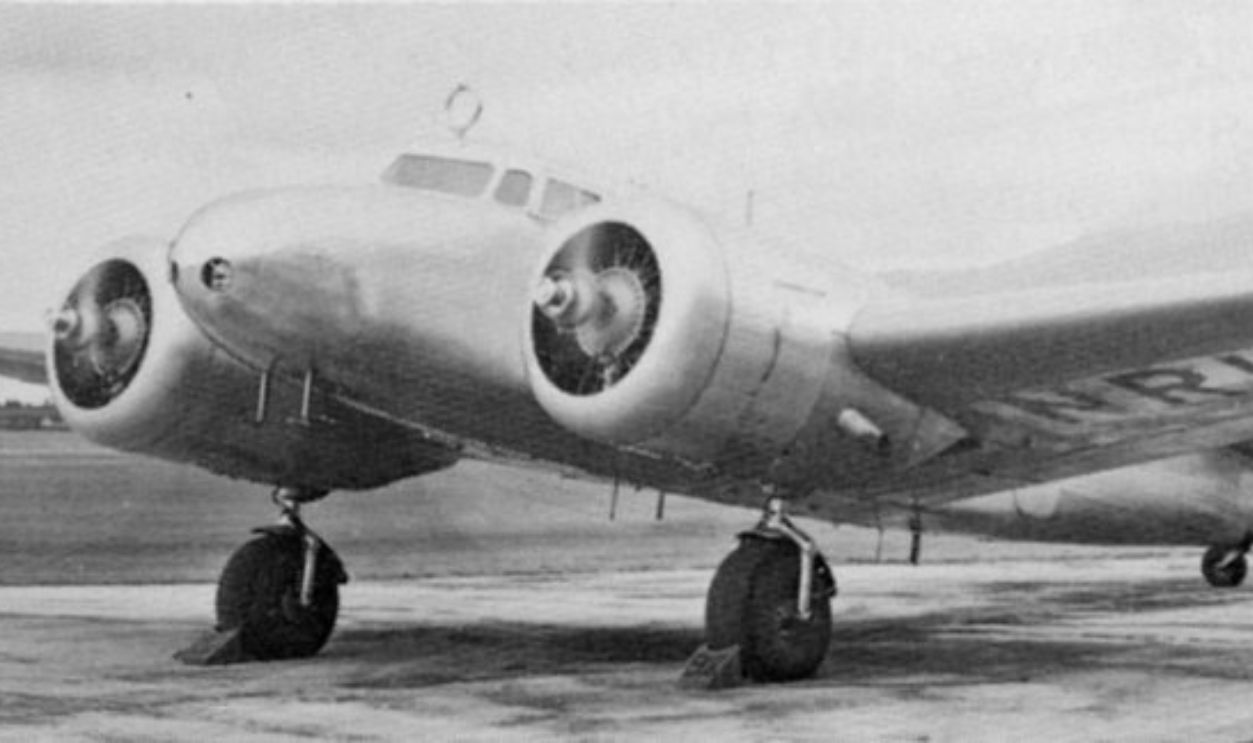
So, many theories emerged in response to the disappearance. According to most historians, they crashed into the Pacific near Howland Island after running out of gasoline. The site of the Electra is unknown; however, it is most likely 17,000 feet below the surface.
Gardner Island Possibility
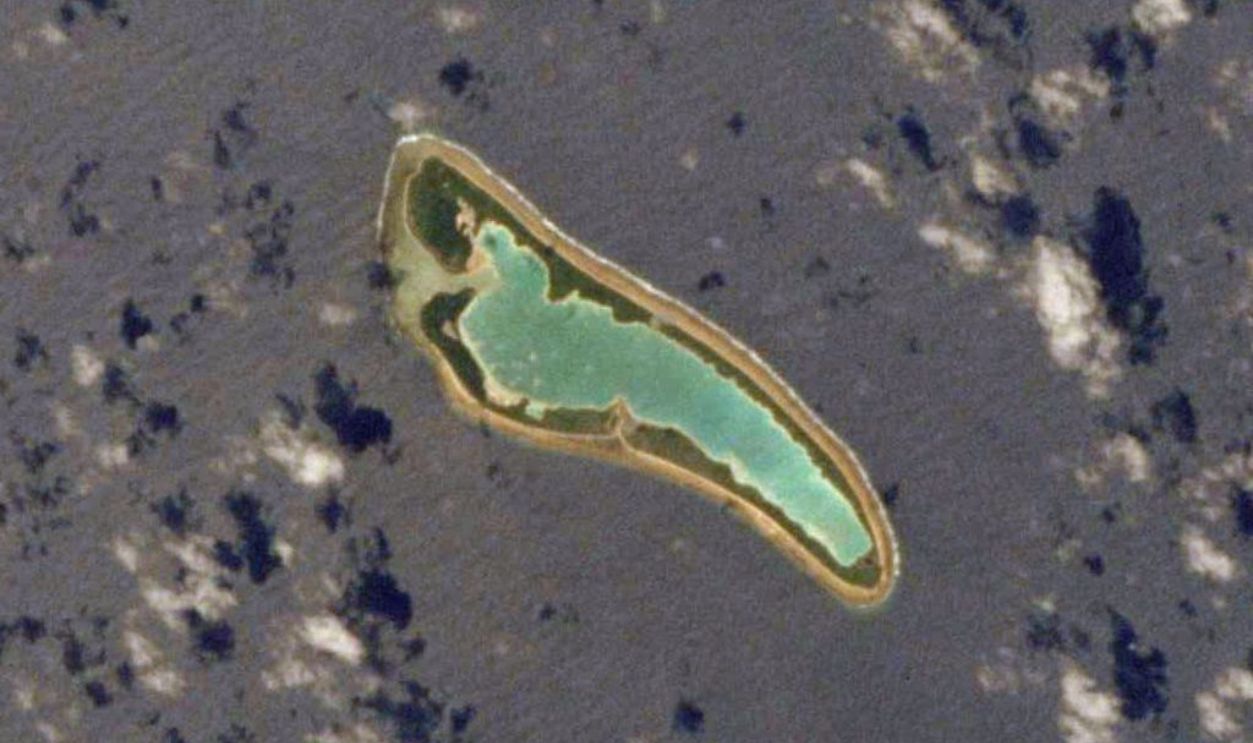
Some researchers even suggest that Earhart and Noonan may have landed on Gardner Island (now known as Nikumaroro) when they were unable to find Howland. However, no solid proof has yet been found, even after numerous trips to this isolated island.
Japanese Capture Theory
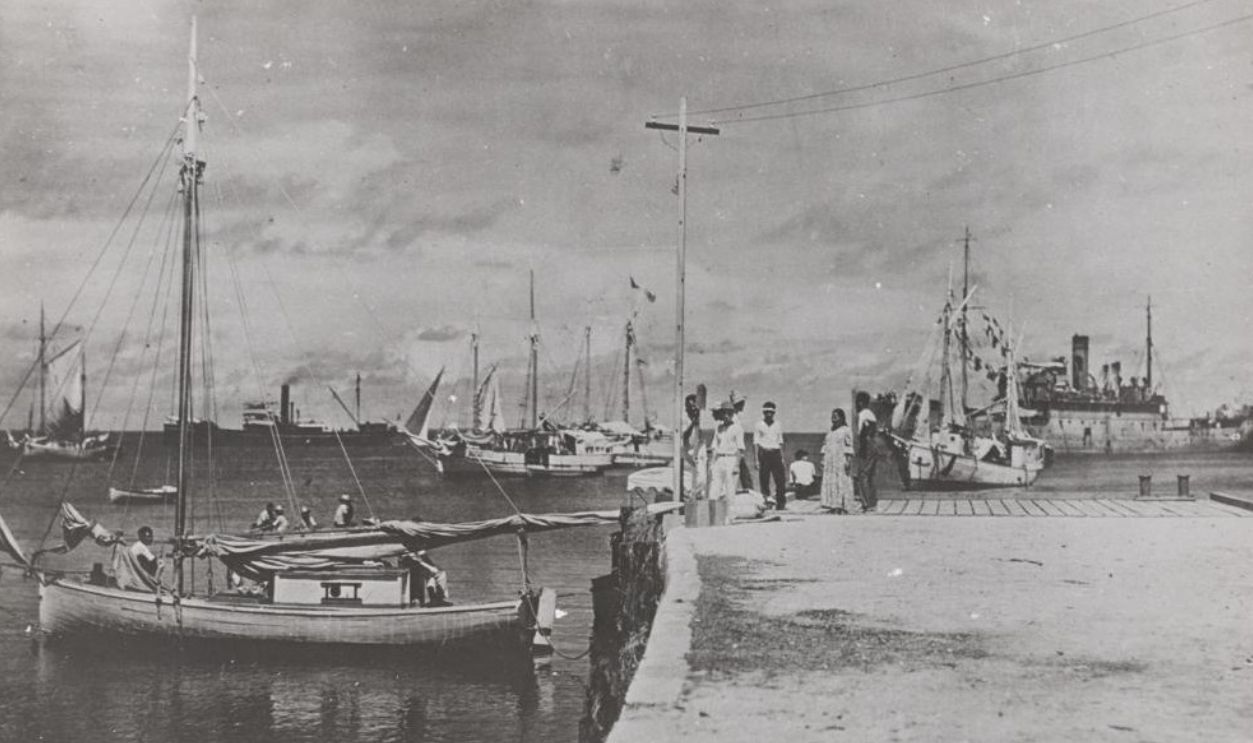
Another theory states that Japanese forces captured Earhart and Noonan in the Marshall Islands. Several of Earhart's relatives believed in Japanese involvement, citing unnamed witnesses. These included troops and Saipan natives, though evidence remains unconfirmed.
 Futabaya Gofukuten, Wikimedia Commons
Recent Investigations
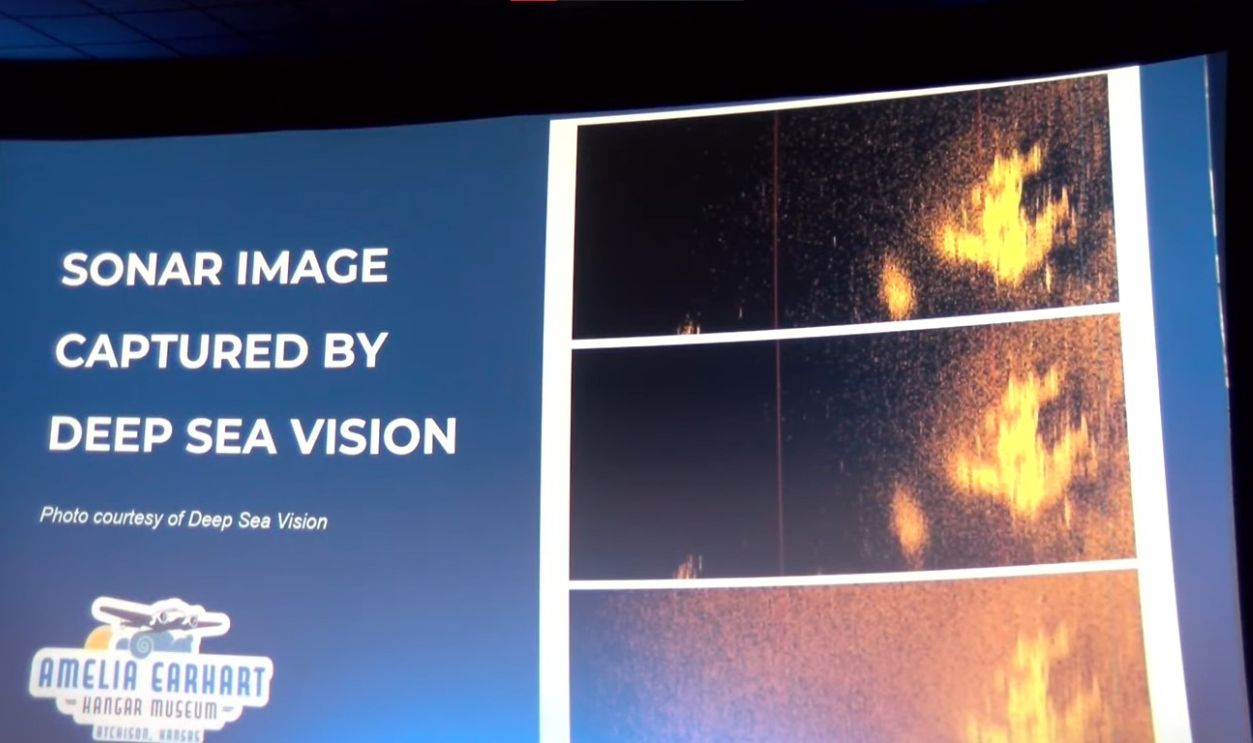
Recently, in 2024, Deep Sea Vision used sophisticated sonar to find what appeared to be Amelia Earhart's plane. This was located 16,000 feet below the surface, close to Howland Island. On closer examination, though, it turned out to be just a rock formation.
 Amelia Earhart 80 Year Mystery Solved? by KQ2
Memorial Recognition
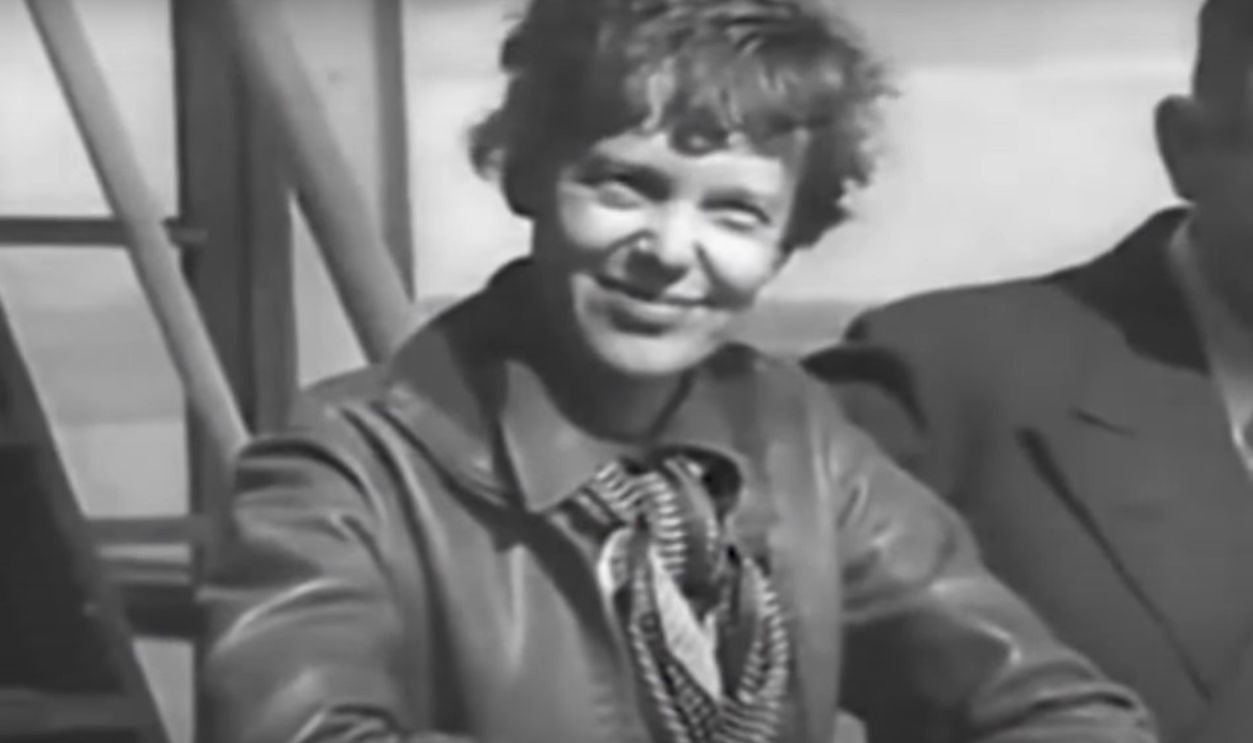
In 1968, Earhart was inducted into the National Aviation Hall of Fame, followed by the National Women's Hall of Fame in 1973. A couple of landmarks, schools, roads, and even a lunar crater now bear her name worldwide.
 Amelia Earhart's lasting legacy by FOX59 News
Aviation Influence
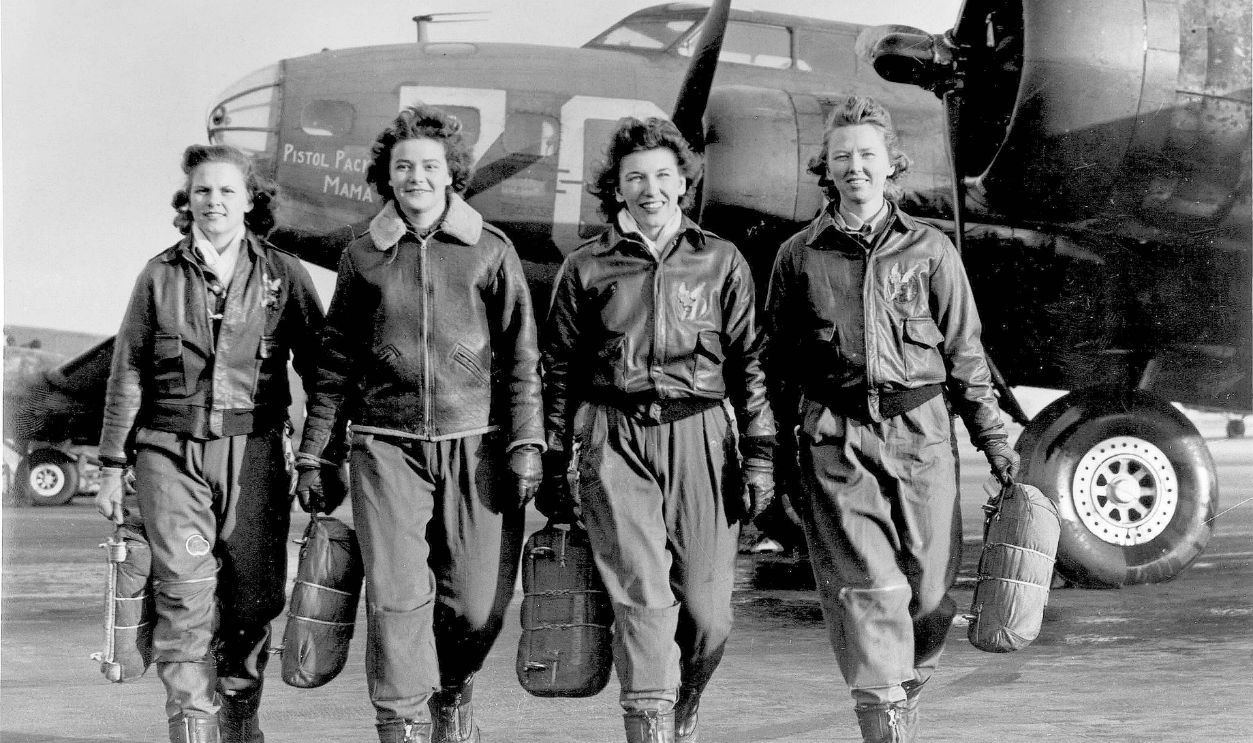
Her achievements lit the path for more than 1,000 Women Airforce Service Pilots during WWII, proving that the skies were never just for men. And the Ninety-Nines—the aviation organization she helped create—still carries her mission forward today, offering scholarships and education programs to support the next generation of women ready to take flight.
 U.S. Air Force photo, Wikimedia Commons
Published Works
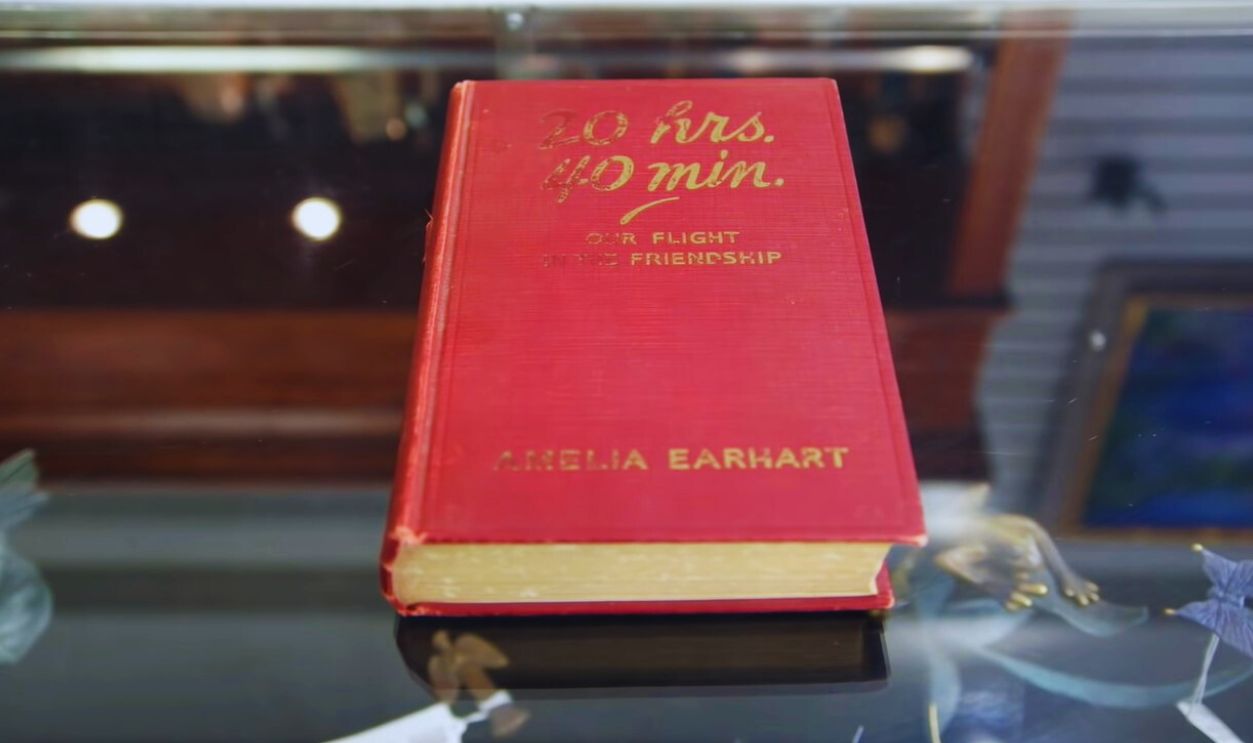
As an accomplished writer, Earhart produced two books during her lifetime. One was 20 Hrs. 40 Min. which is about her Atlantic crossing experiences. And the other, The Fun of It, which explores women in aviation. Her final book compiled her last flight journals.
Annual Celebrations
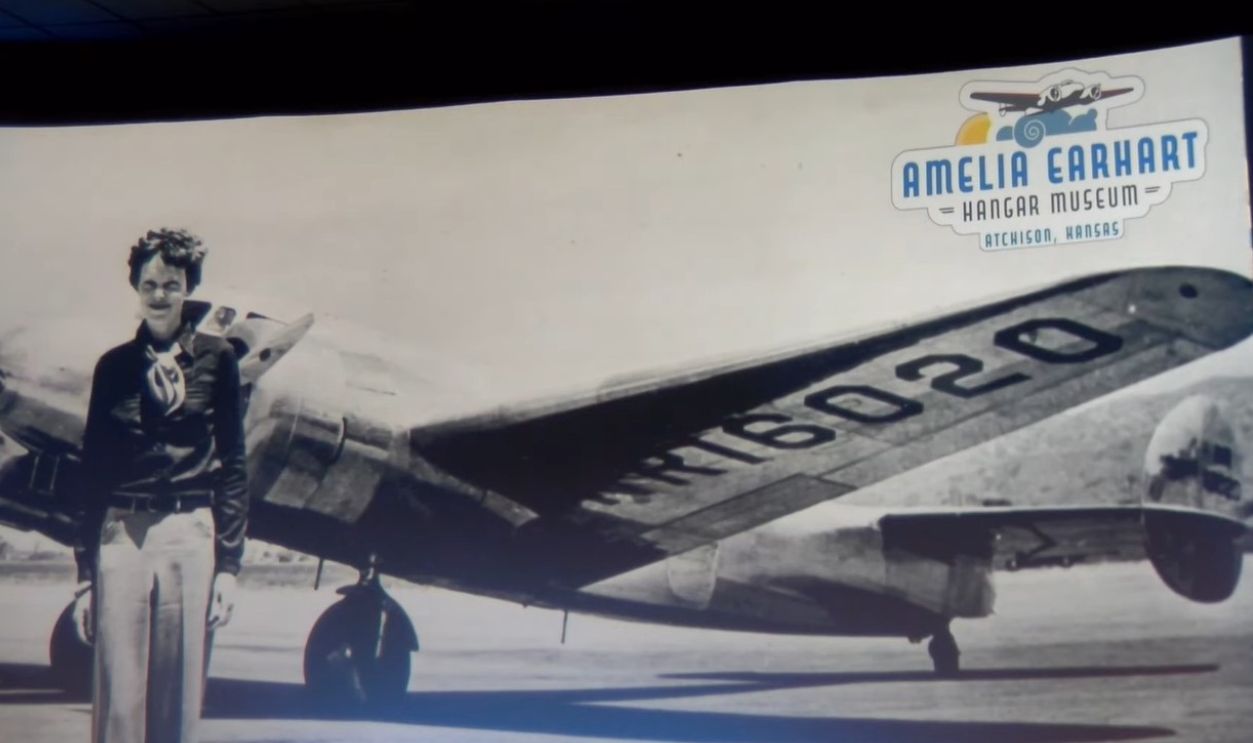
The annual Amelia Earhart Festival has been held in Atchison, Kansas, since 1996. Artifacts, photographs, and personal belongings from her extraordinary life are preserved in her birthplace museum, which is run by the Ninety-Nines.
 Amelia Earhart Festival and Discussion Over First Sonar Image by KQ2








.jpg)

.jpg)


.jpg)


