A Book Making Big Waves
A new debate is erupting in science circles and beyond. The newly translated God, the Science, the Evidence dives into modern discoveries in physics and cosmology—and makes a bold claim about what they reveal, arguing that today’s scientific discoveries don’t just allow for a Creator…they practically point straight at one.
 Meet the Authors
Michel-Yves Bolloré and Olivier Bonnassies come from scientific, engineering, and philosophical backgrounds—not clergy. Their stated goal, according to interviews, is to examine the scientific data honestly and rigorously and follow it wherever it leads.

Why Scientists Are Paying Attention
The French edition sold more than 400,000 copies and generated widespread discussion—from mainstream newspapers to religious publications to skeptical science blogs. Events hosted at institutions such as Princeton and Berkeley helped push the debate into academic circles.
The Question of Beginnings
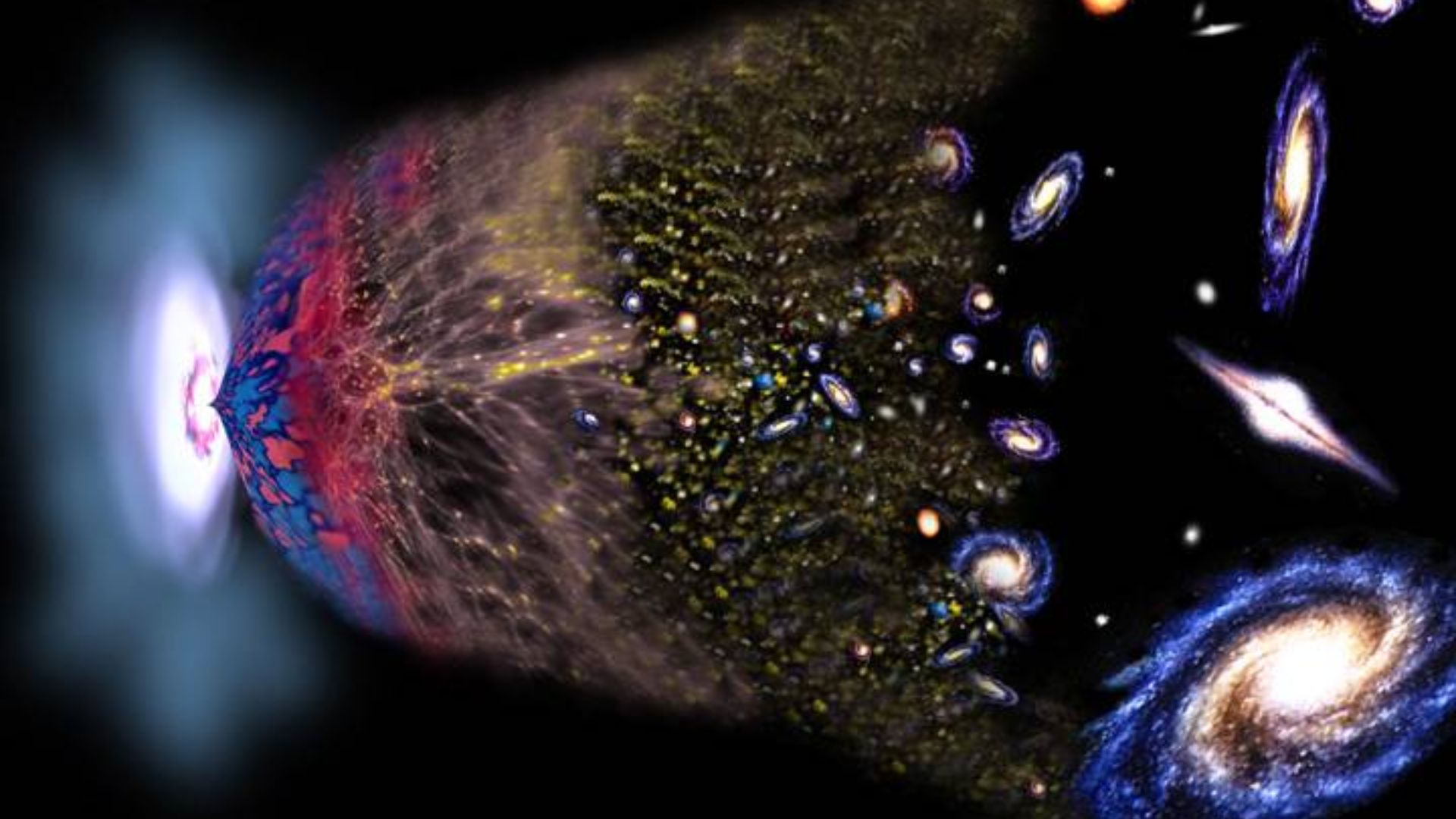
The book begins with a central point found across modern cosmology: the universe had a beginning. If time, space, and matter all started at a single point, the authors argue that whatever caused it must exist outside the physical universe we observe.
 Arabian University, Wikimedia Commons
The Big Bang’s Implications
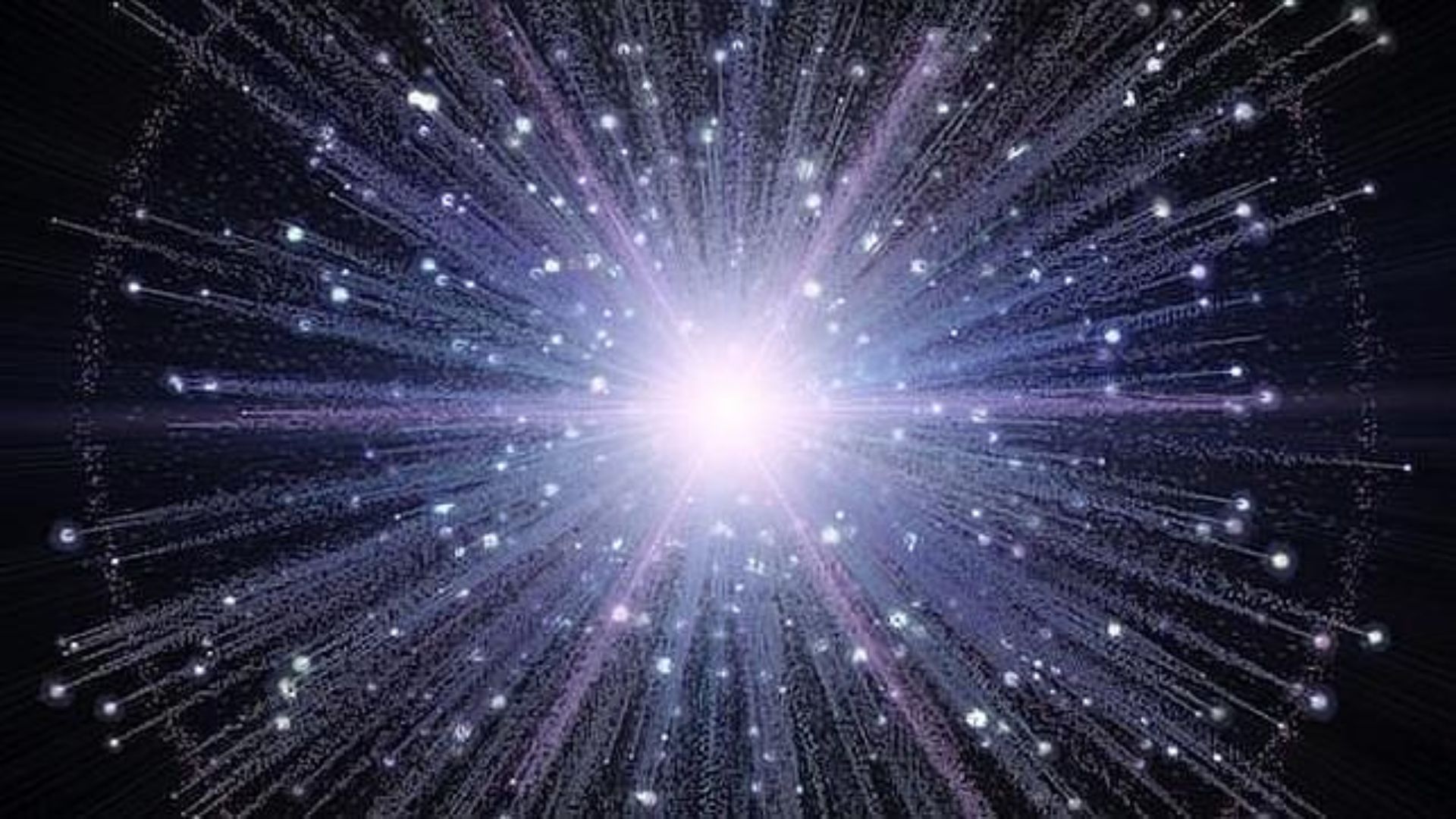
Rather than a simple explosion, the Big Bang represents the sudden appearance of everything—matter, energy, and the laws that govern them. Reviews note that the book frames this as a philosophical turning point, since physical laws cannot pre-exist the universe they govern.
Thermodynamics Steps In
Thermodynamics predicts that the universe is slowly running out of usable energy. If it were infinitely old, reviewers note the authors’ point that it would have already reached heat death. The fact that it hasn’t is presented as evidence for a finite beginning.
 Iain Thompson, Wikimedia Commons
Fine-Tuning: The Cosmic Puzzle
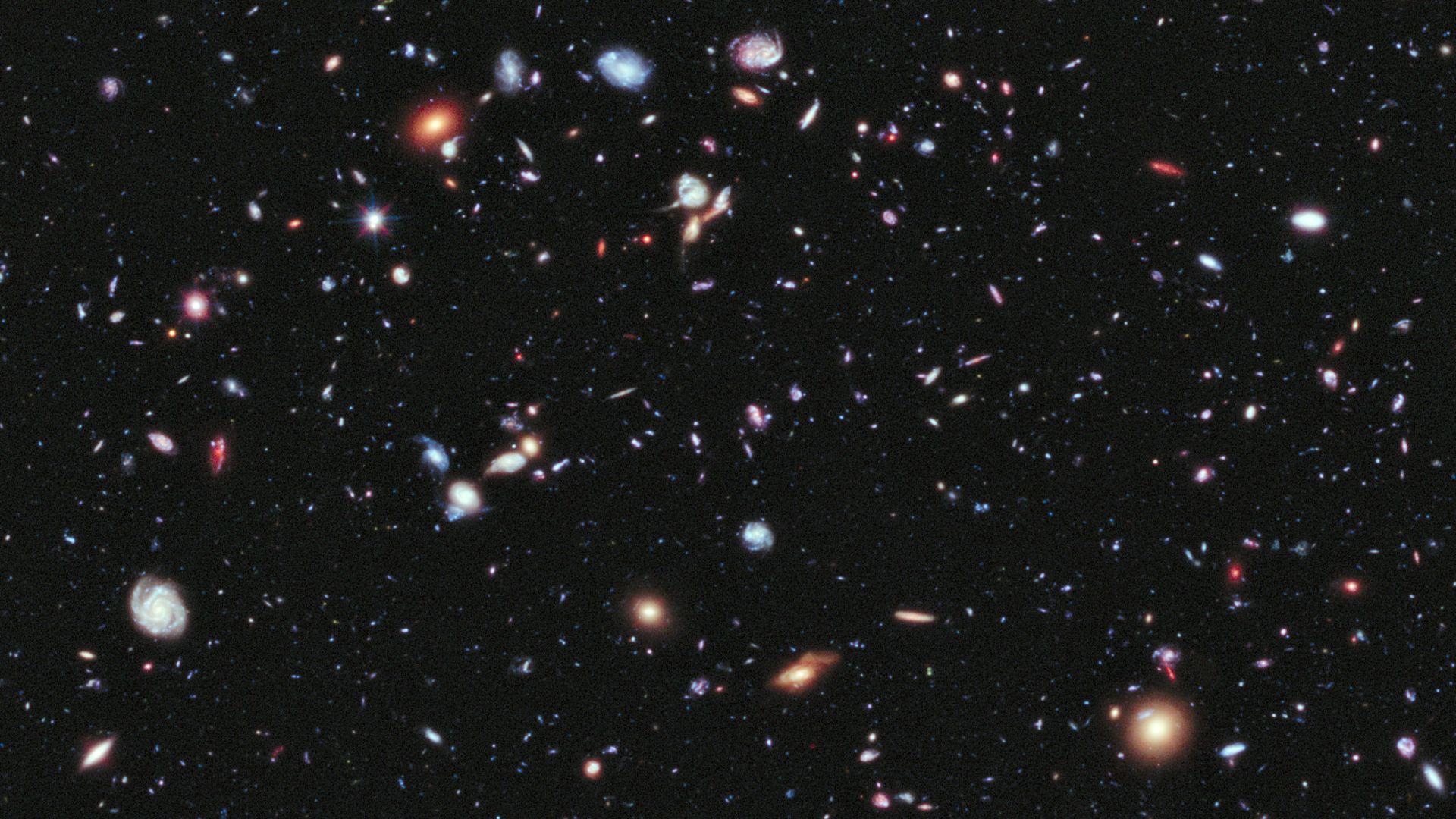
Physicists widely acknowledge that many constants—like gravity, electromagnetism, and the strong nuclear force—fall within incredibly narrow life-permitting ranges. The authors highlight this fine-tuning as one of the strongest pointers toward design.
How Improbable Is “Chance”?
The book argues that the probability of these constants aligning by coincidence is effectively zero. Some scientists counter with multiverse theories, but the authors respond that a multiverse would itself require explanation.

The Beauty of Mathematical Order
Many scientists have commented on the universe’s mathematical elegance. The authors echo this point, arguing that the consistency and intelligibility of natural laws resemble structure rather than accident. This idea appears repeatedly in summaries of the book’s thesis.
Consciousness Still Has No Agreed Explanation
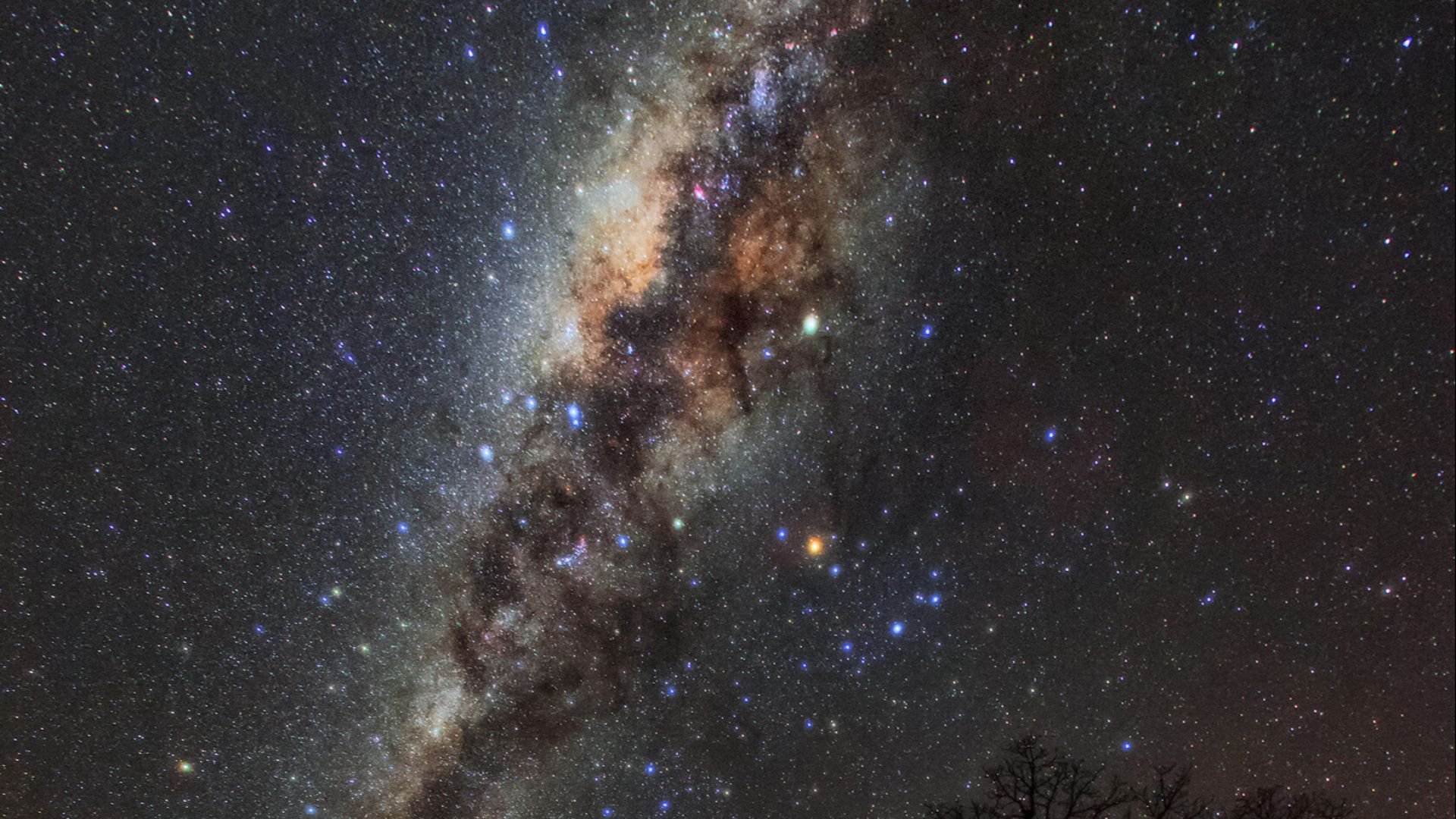
While the book focuses more heavily on cosmology and fine-tuning, it also touches on questions like consciousness—the subjective experience science has not fully explained. The authors treat this as suggestive of dimensions beyond purely physical explanations.
 Amirreza Kamkar/IAU OAE, Wikimedia Commons
DNA: Information That Behaves Like Code
Reviews of the book note its claim that the complexity and information-rich structure of DNA raises questions about whether unguided processes alone can account for life’s origin. This line of argument appears prominently in coverage of the book.

The Mystery of “Something Rather Than Nothing”
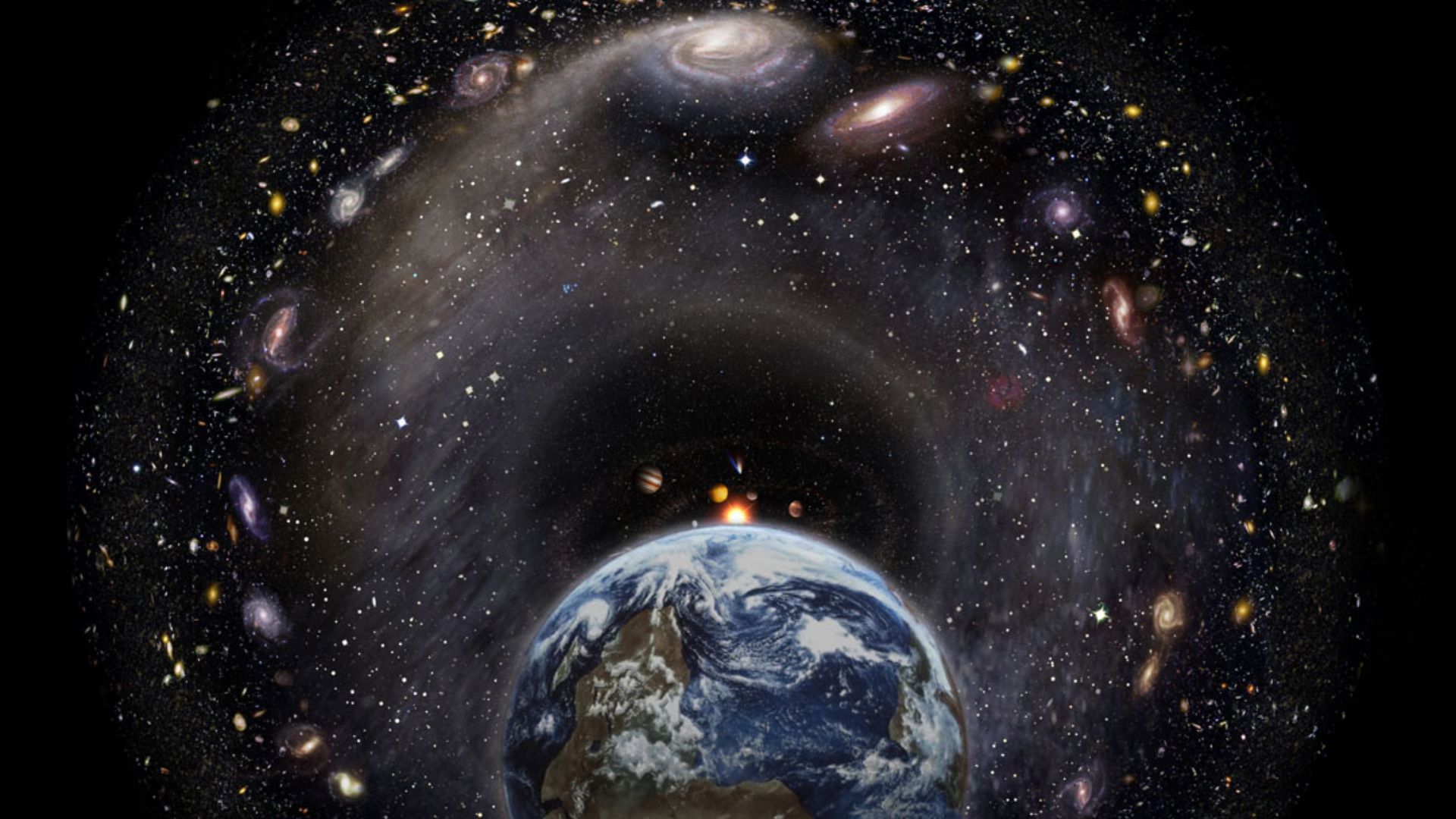
Physics can describe how the universe behaves—but not why anything exists at all. The book presents existence itself as a clue, arguing that “nothingness” is more expected unless something caused reality to begin.
 Pablo Carlos Budassi, Wikimedia Commons
Order Keeps Emerging
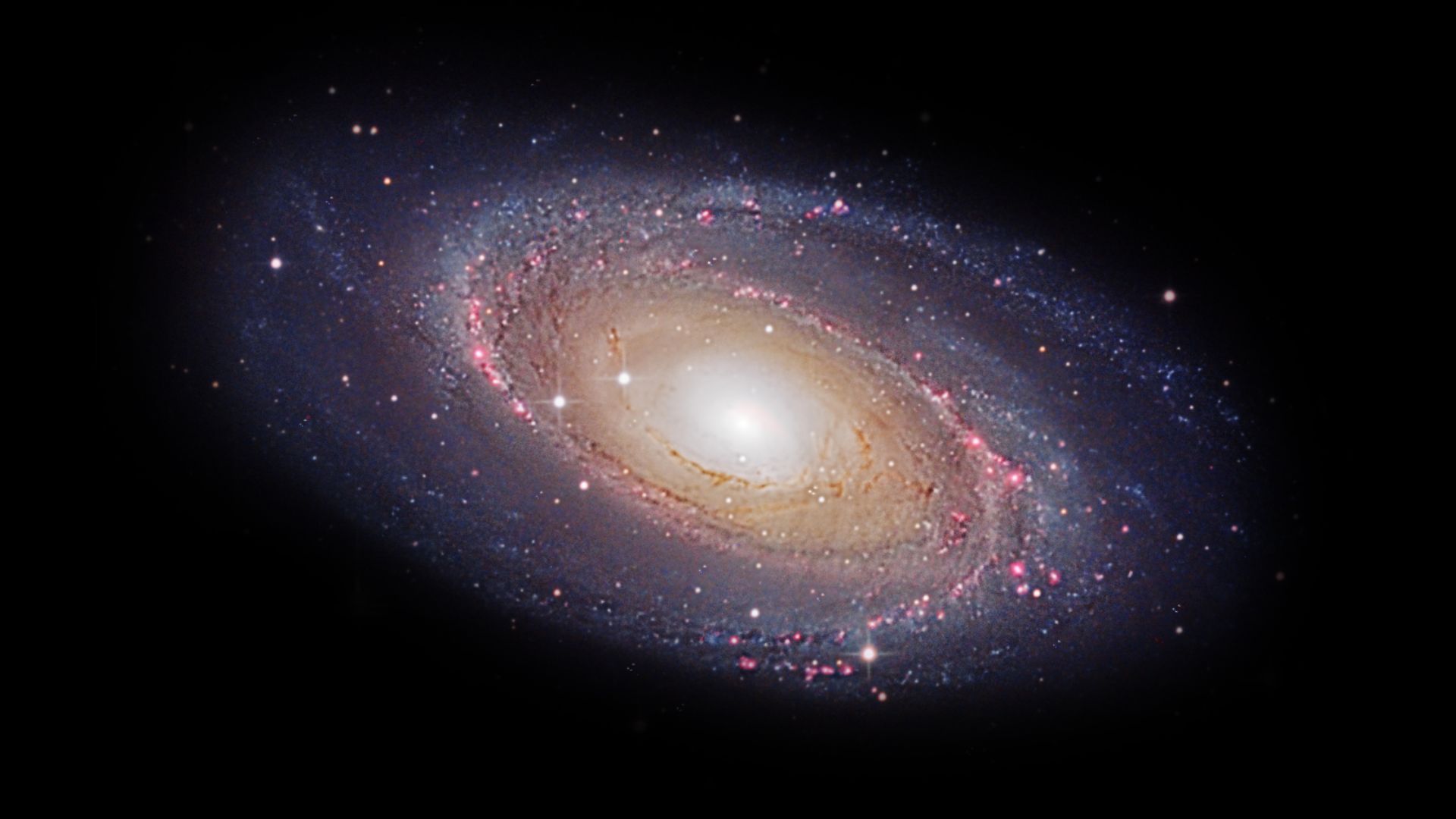
From atoms to galaxies to life, the universe consistently forms higher levels of organization. The authors interpret this upward trend as evidence of purpose or direction rather than randomness.
 Pablo Carlos Budassi, Wikimedia Commons
Critics Push Back
Skeptical scientists respond that unexplained phenomena do not automatically imply design. They argue that scientific gaps should not be filled with metaphysical conclusions. Critics nonetheless acknowledge that fine-tuning, origin, and consciousness questions are legitimate scientific puzzles.
 National Cancer Institute, Unsplash
The Multiverse Counterargument
Many critics appeal to the multiverse to explain fine-tuning. The authors argue that even an infinite number of universes needs a mechanism—and possibly a cause—so the multiverse does not eliminate the deeper question.
 NASA and ESA, Wikimedia Commons
Is Randomness Really Random?
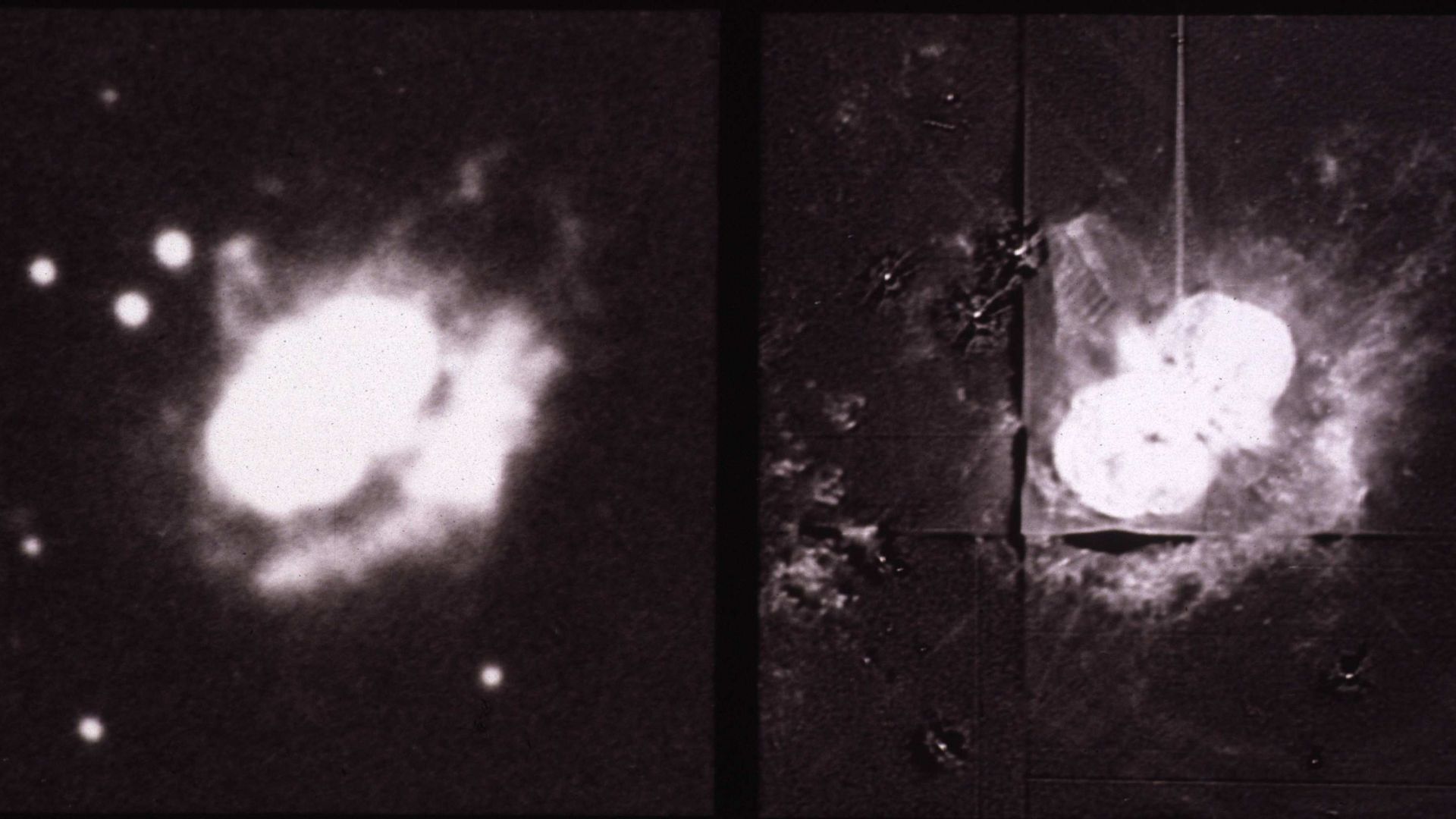
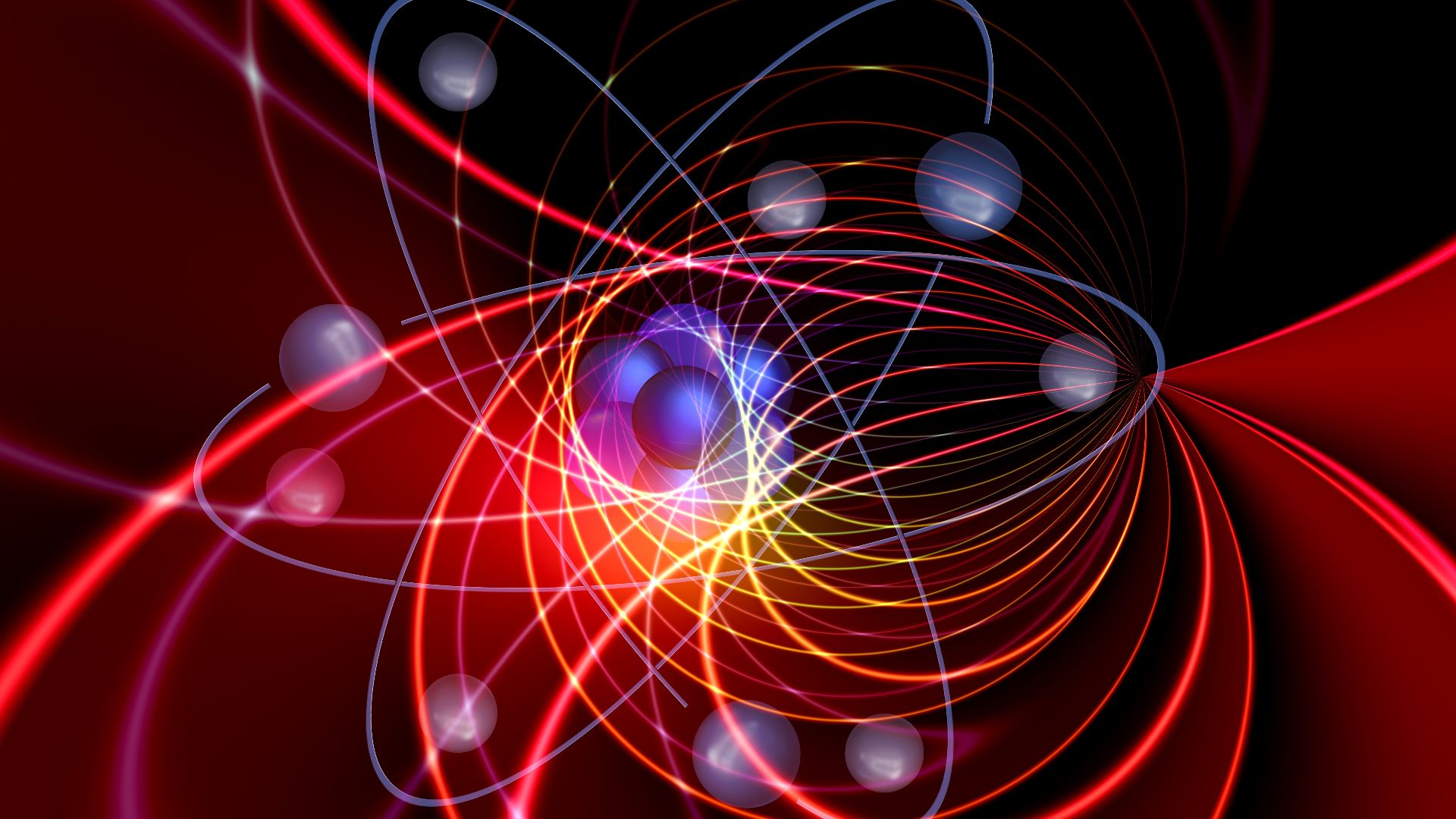
Quantum physics includes randomness at the smallest scales. The authors suggest that what appears random may still follow deeper laws science hasn’t uncovered yet.
 Geralt - geralt / 21281 images on Pixabay site, Wikimedia Commons
Einstein’s Reluctant Agreement
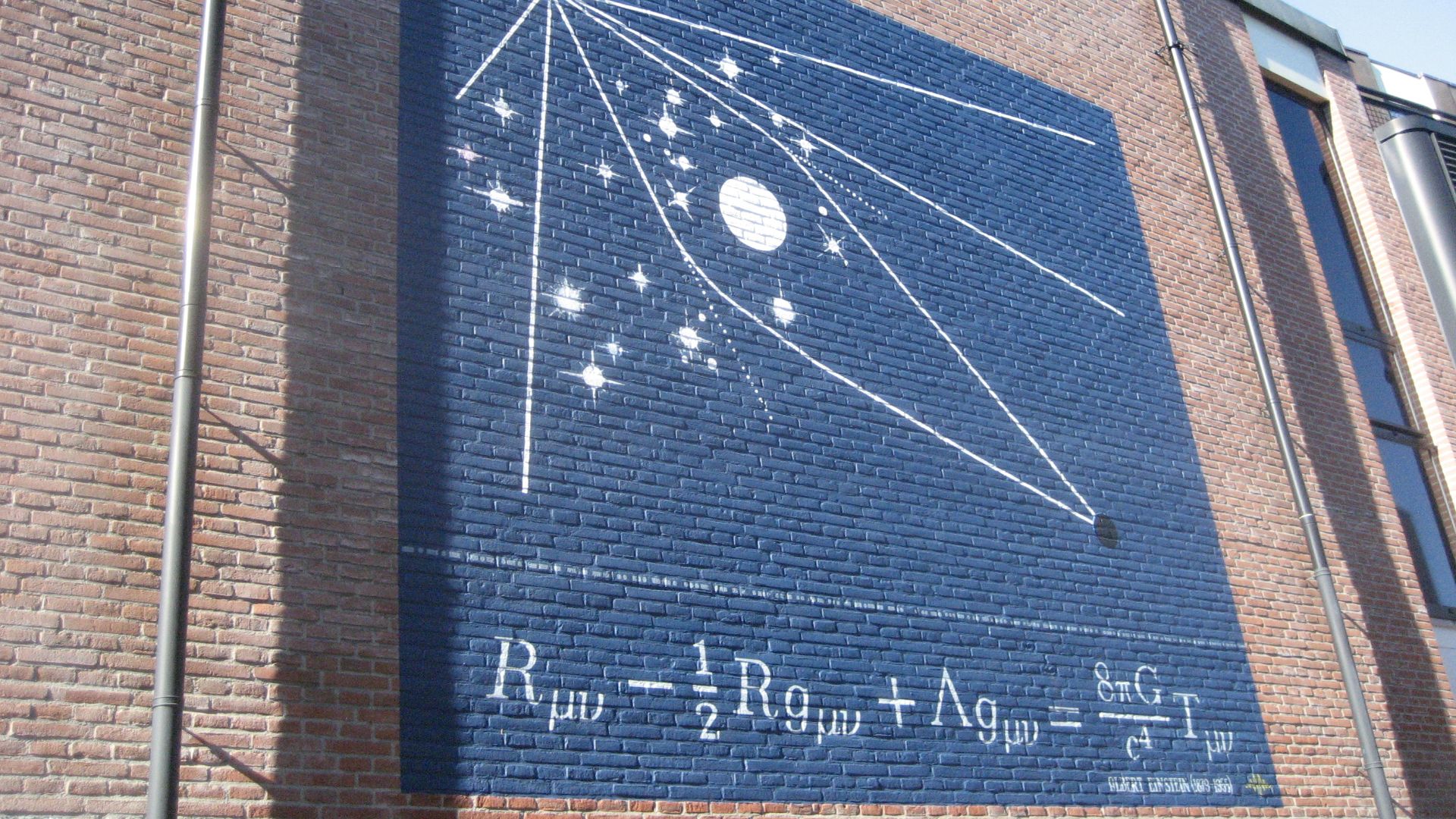
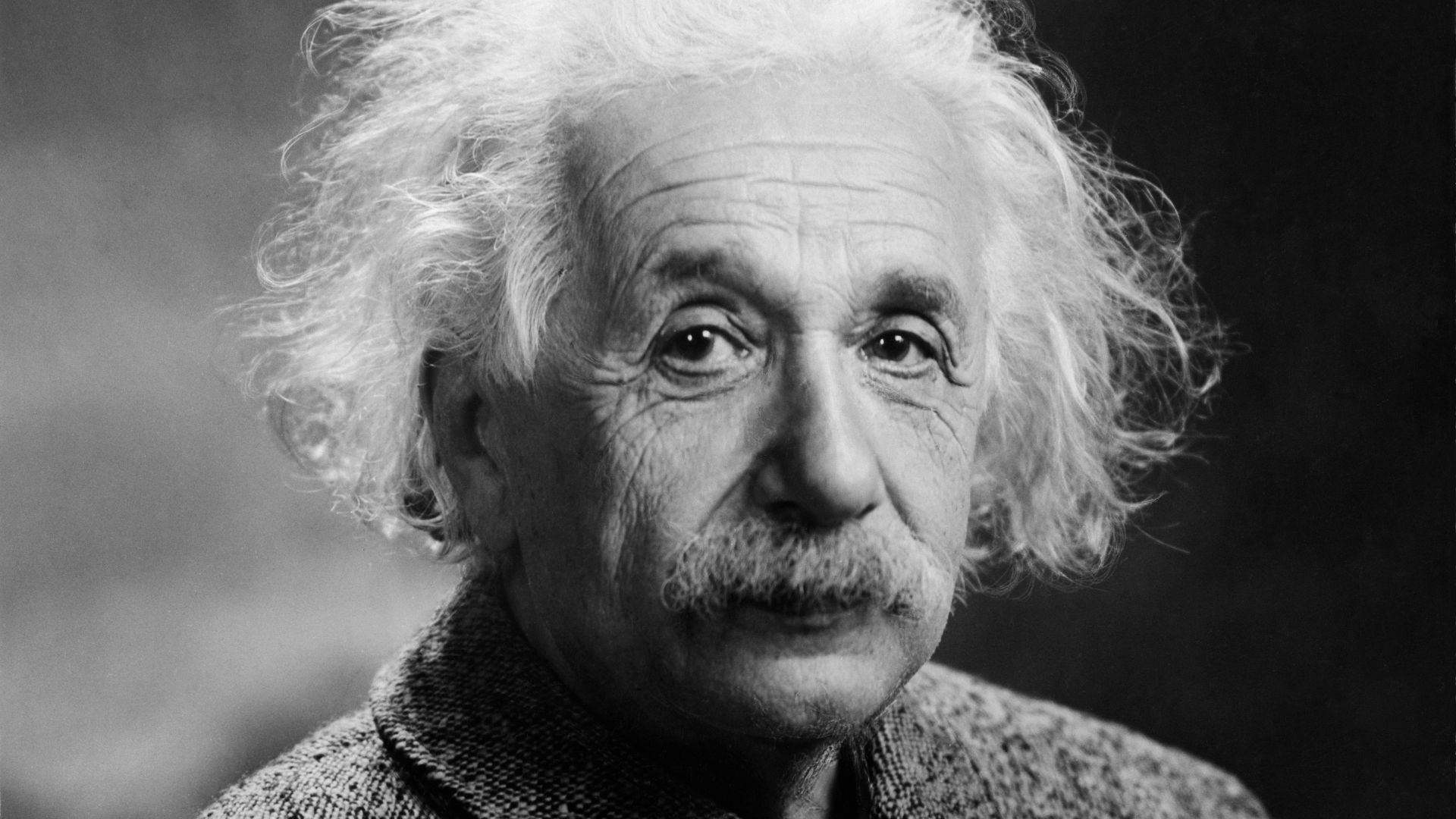
Historically, Einstein resisted the idea of a universe with a beginning, preferring an eternal model. When evidence for cosmic expansion solidified, he accepted the implication. The book uses this to show how data can reshape even deeply held assumptions.
A Universe Meant to Be Known
The authors emphasize how unusual it is that human beings can understand the universe’s laws. They argue that the intelligibility of the universe suggests underlying order rather than chaos, echoing one of the book’s recurring themes.
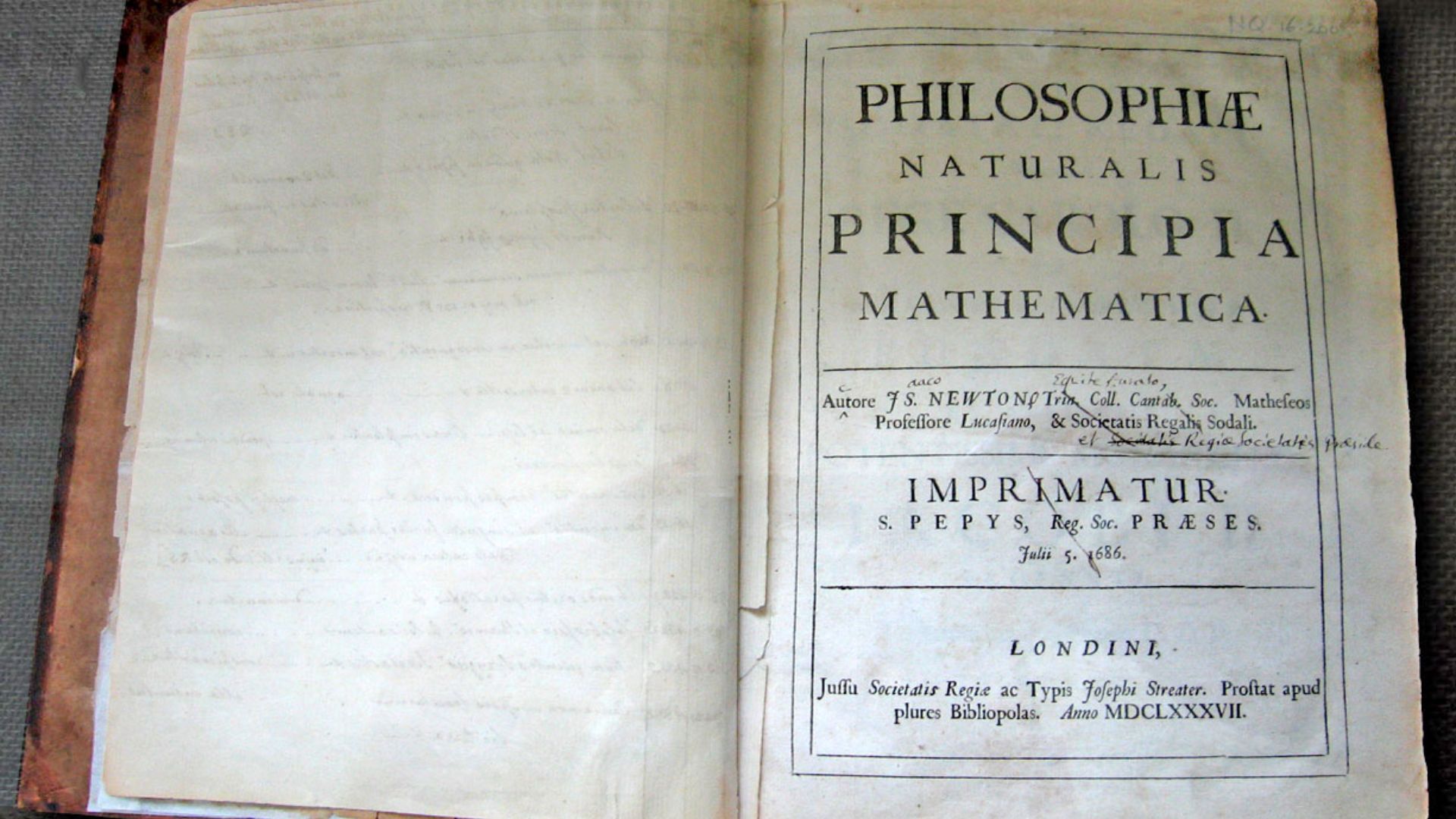 Isaac Newton, Wikimedia Commons
A Surprising Modern Reversal
Coverage of the book repeatedly highlights the idea of a great reversal: discoveries once thought to push God out of the picture are now prompting philosophical reconsideration. The authors argue that recent findings put the question of a creator God firmly back on the table.
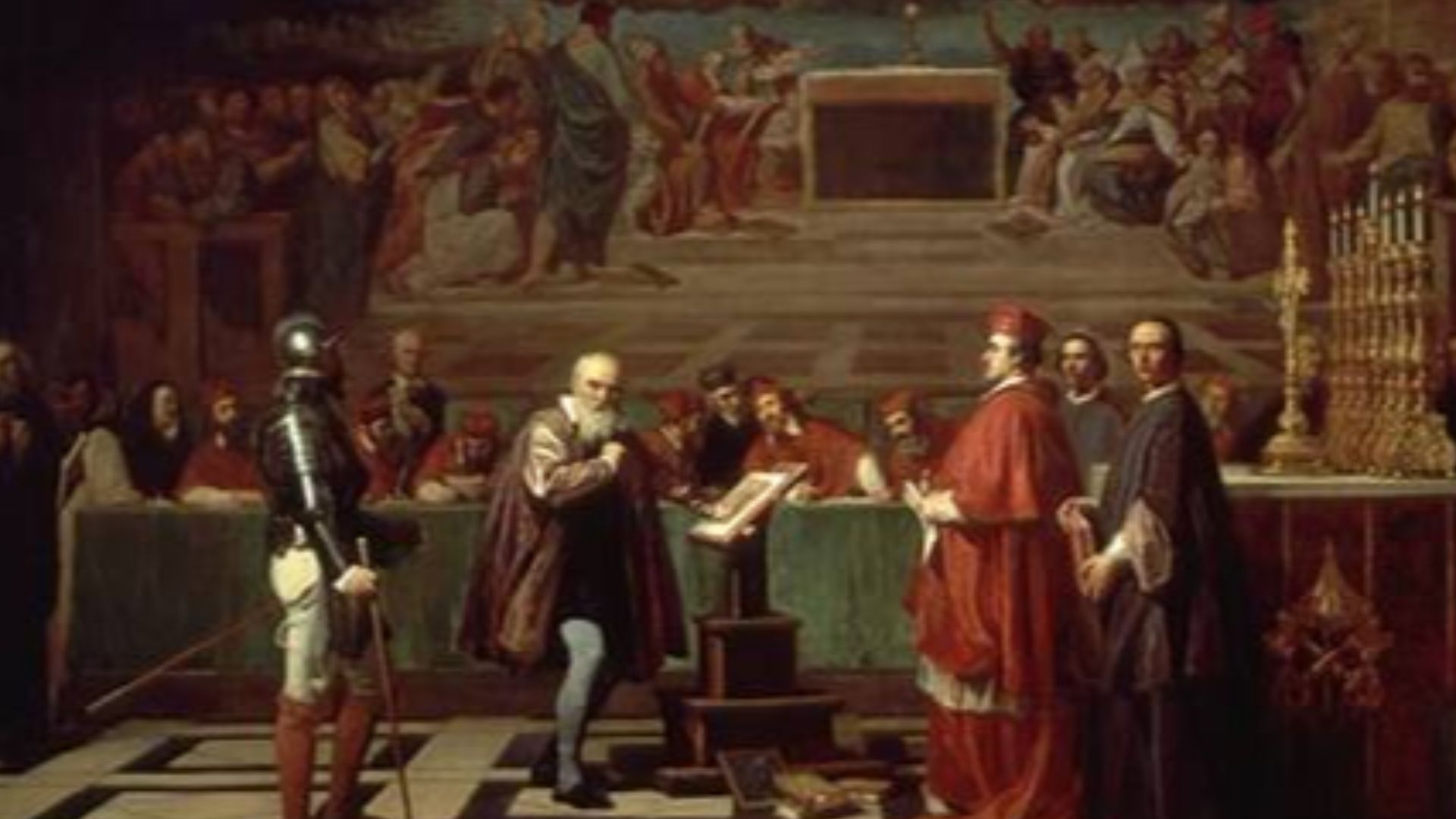 Joseph-Nicolas Robert-Fleury, Wikimedia Commons
A Rational Route to Belief
The authors do not argue for a specific religious tradition. Instead, they propose that belief in a Creator is now the most rational explanation for the data. Reviewers note that this framing—evidence first, faith second—is central to the book’s tone.
 NASA/JPL-Caltech/ESA/CXC/STScI, Wikimedia Commons
Bridging Science and Faith
The book does not claim scientific proof of God. Instead, it argues that the convergence of evidence makes a Creator a coherent and reasonable explanation. Science and faith, in this view, become two complementary ways of approaching the same reality.
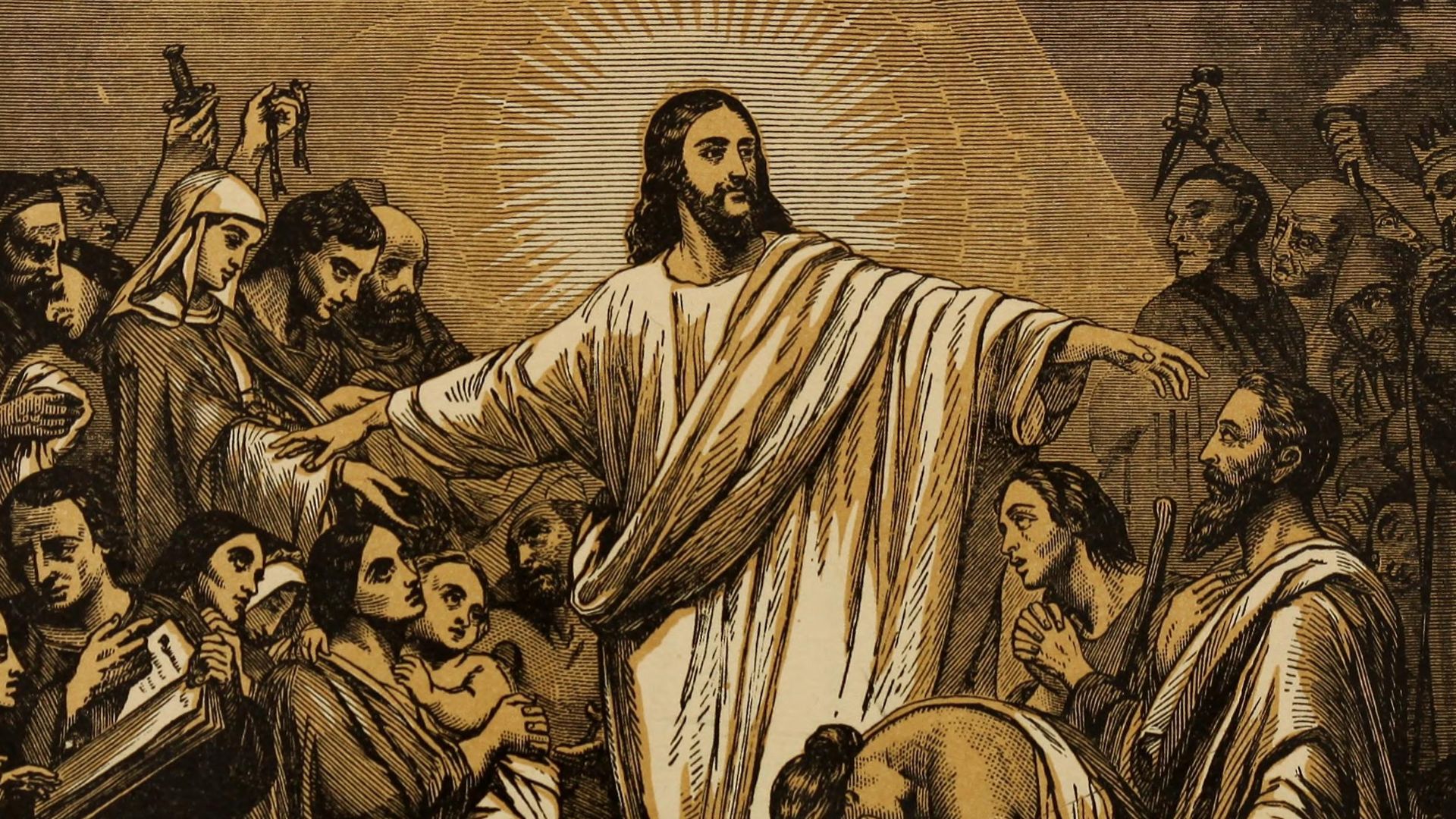 Internet Archive Book Images, Wikimedia Commons
Why Readers Are Hooked
Readers appreciate the book’s attempt to present evidence without preaching. Reviews suggest the appeal comes from its data-driven style, which invites readers to think through the arguments rather than simply accept a conclusion.

A New Conversation Begins
The book encourages a shift in the science-faith conversation—one that sees curiosity as the bridge between worldviews. Whether one agrees or disagrees, the authors argue that the debate itself has become scientifically relevant again.
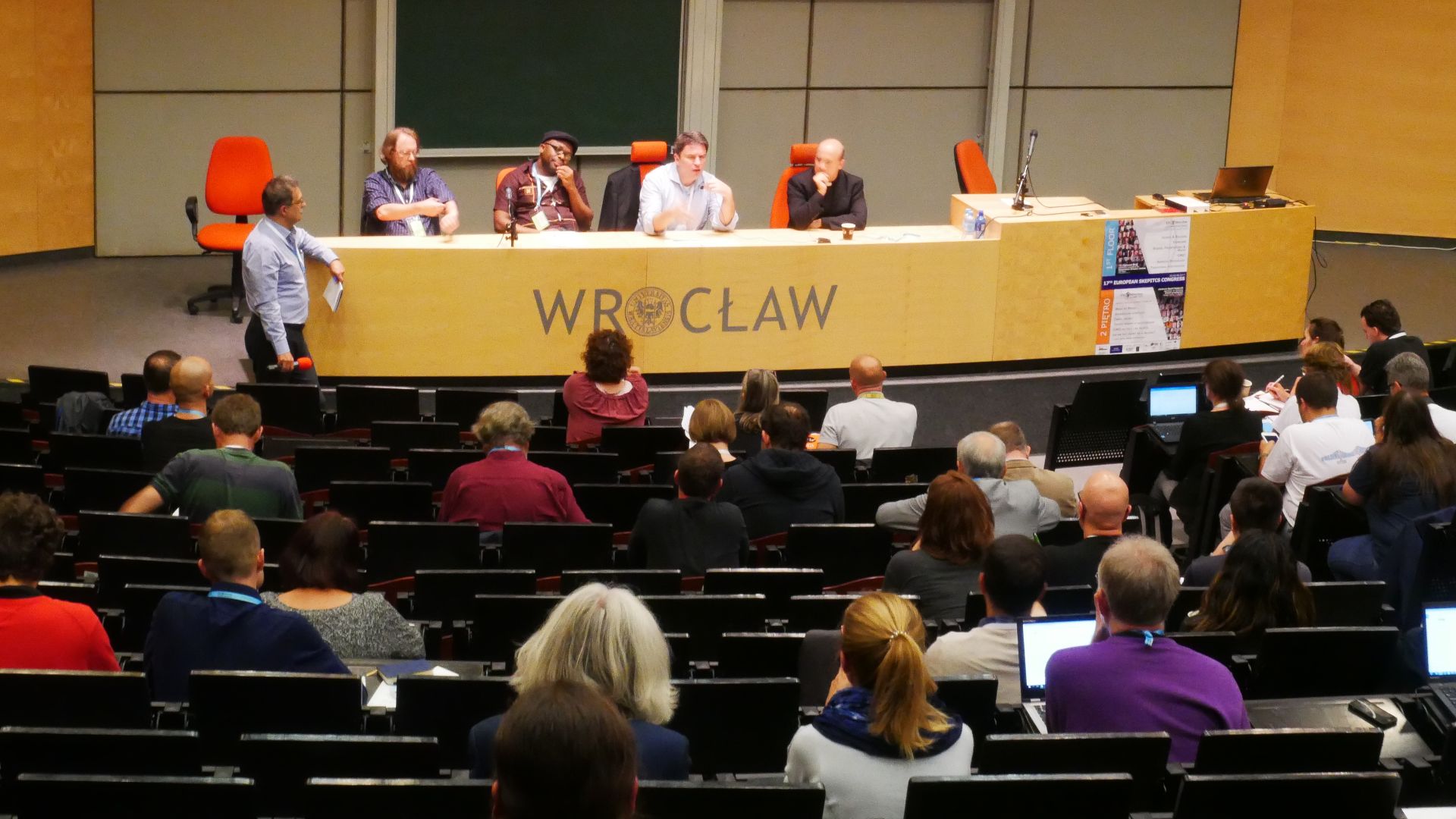
The Bigger Picture
In the end, the authors suggest two basic possibilities: either the universe is a spectacular accident…or it reflects intention. And if it does reflect intention, the next question becomes unavoidable—what, or who, caused it?
 Rochus Hess, Wikimedia Commons
You Might Also Like: