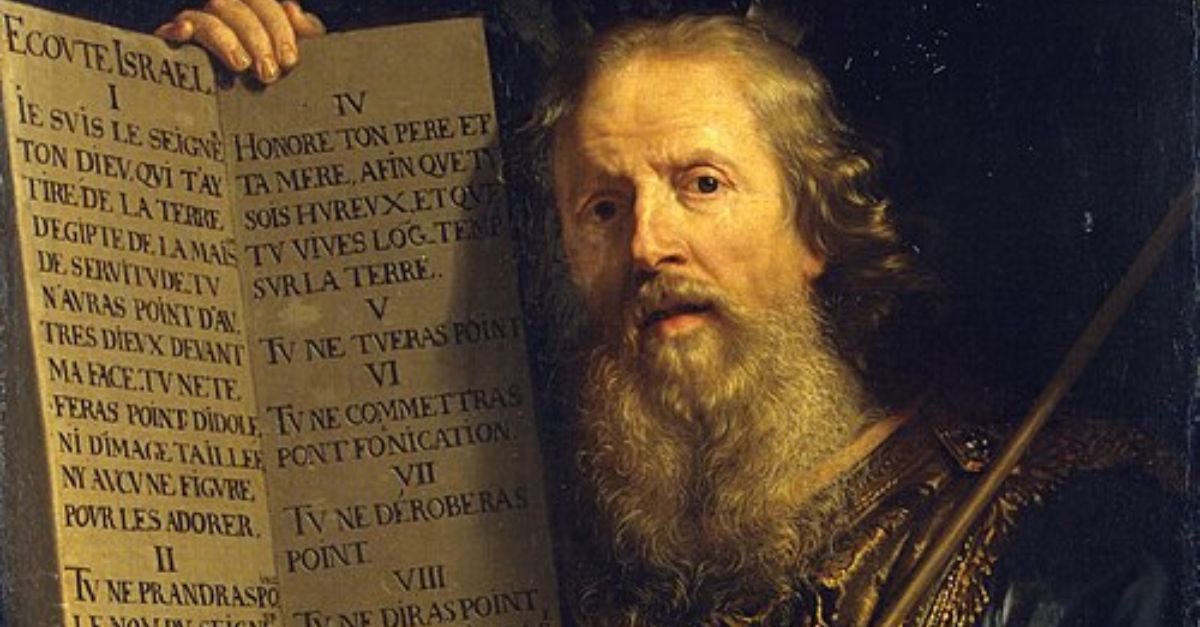
A Theory Split Down The Middle
This debate circles around Moses and Akhenaten as supporters highlight intriguing overlaps and skeptics push back, leaving a narrative shaped by shifting timelines and bold personalities.
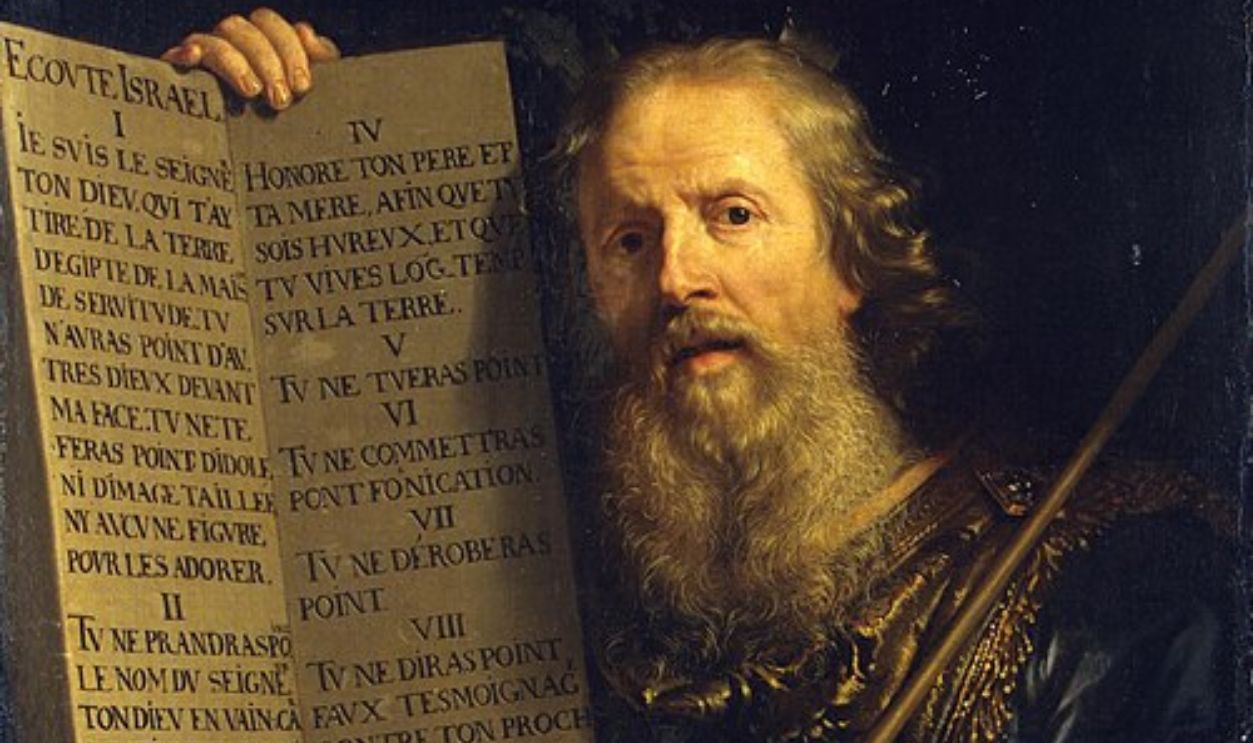
Both Promoted A Form Of Monotheistic Worship
You spot something striking when comparing Moses and Akhenaten: each championed a single divine presence during eras overflowing with gods. Their audiences faced a dramatic religious pivot that reshaped daily routines and power structures. Aten’s radiating disk and Yahweh’s commanding authority turned followers toward focused devotion anchored in distinct traditions.
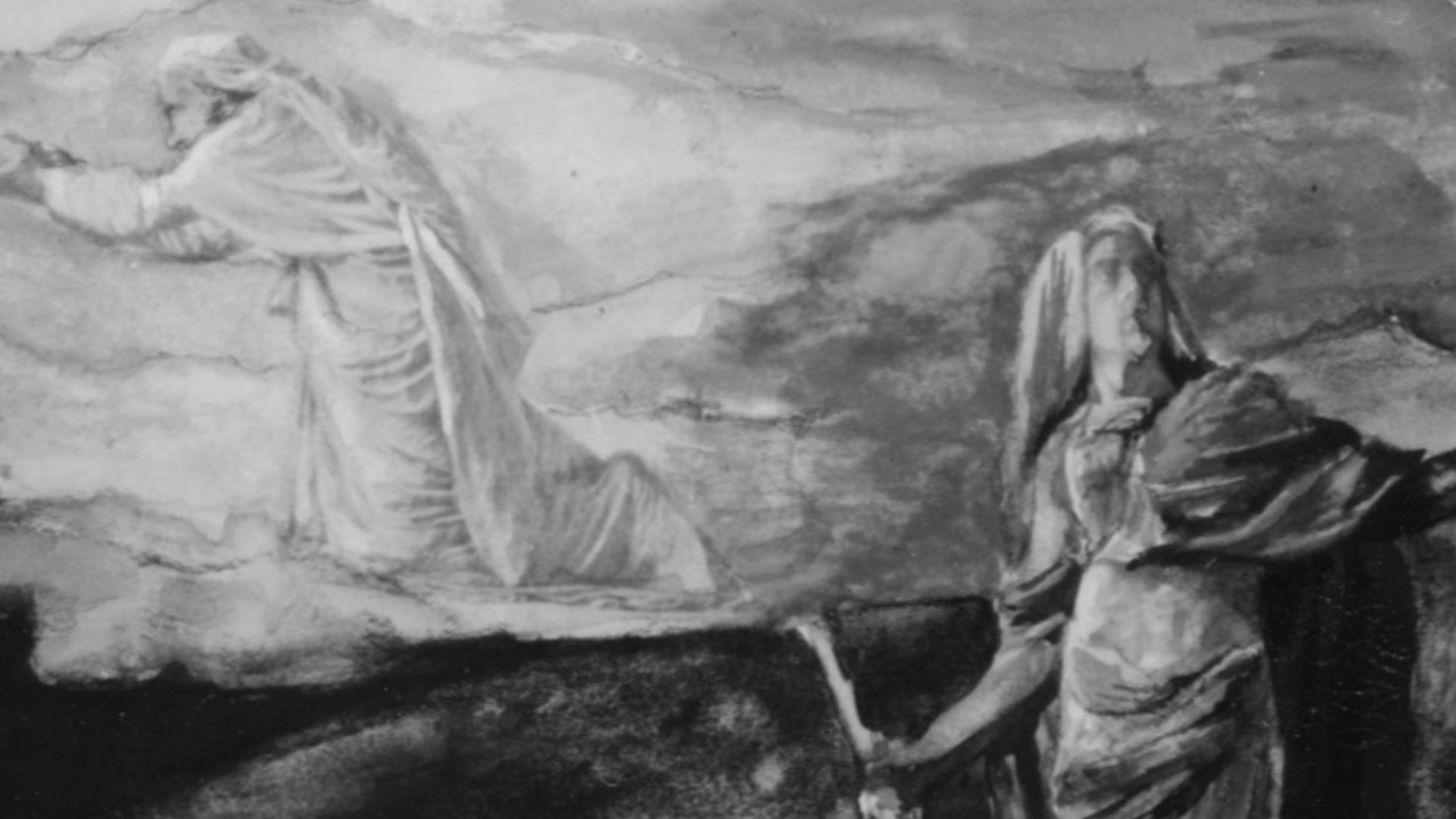 John La Farge, Wikimedia Commons
Akhenaten’s Atenism Was Not True Monotheism
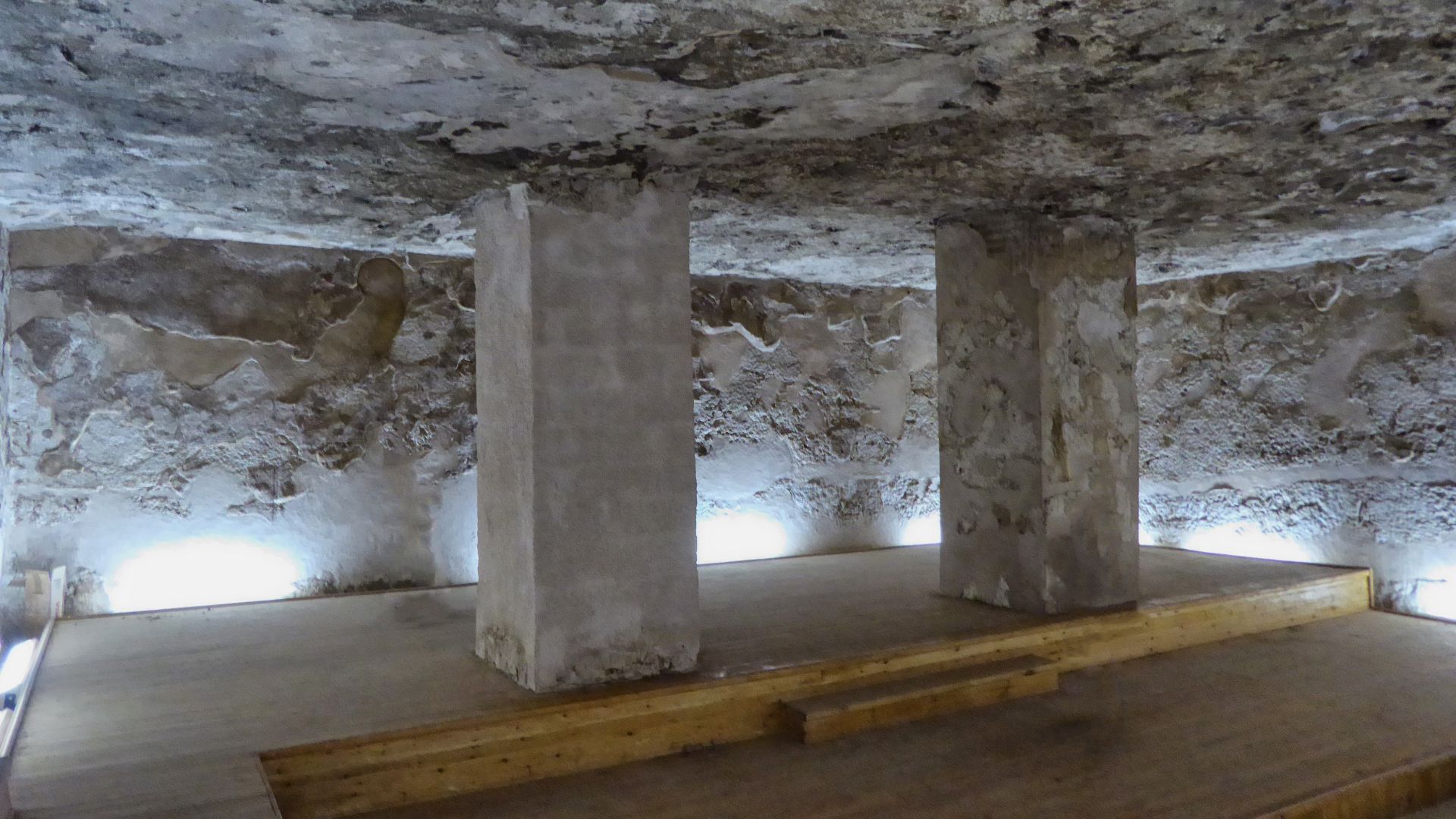
Atenism limited worship to the sun disk, though temples for traditional gods didn’t instantly vanish from collective memory. Egyptians viewed Akhenaten’s reforms as royal directives meant to elevate his preferred deity. Moses, however, grounded his teachings within a community seeking cultural identity, creating two very different religious frameworks anchored in specific contexts.
 Aidan McRae Thomson, Wikimedia Commons
Both Experienced Rejection From Egyptian Establishments
Whispers of resistance shaped both stories. Akhenaten’s push for Aten worship met fierce opposition from the powerful Amun priesthood and was later wiped from official memory. Moses’s conflict with the Pharaoh is recounted in the Hebrew Bible.
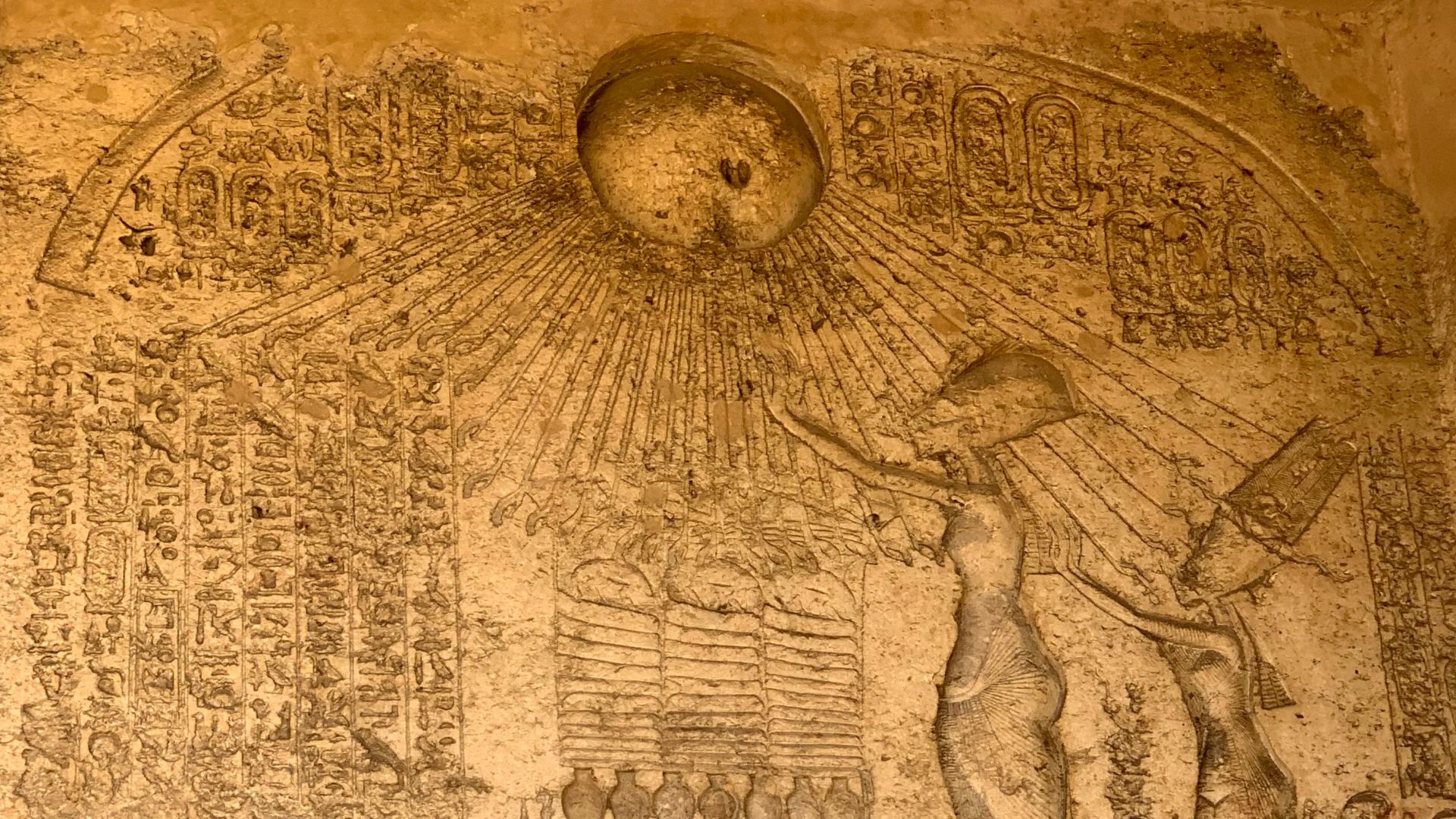
Their Timelines Do Not Align Historically
Akhenaten ruled in the fourteenth century BCE, whereas most historians place the Exodus story centuries later. Archaeological layers, pottery styles, and recorded dynasties guide this dating. These chronological anchors help establish the historical scenes surrounding both figures’s legacies. This contradicts the claim that they were the same character.
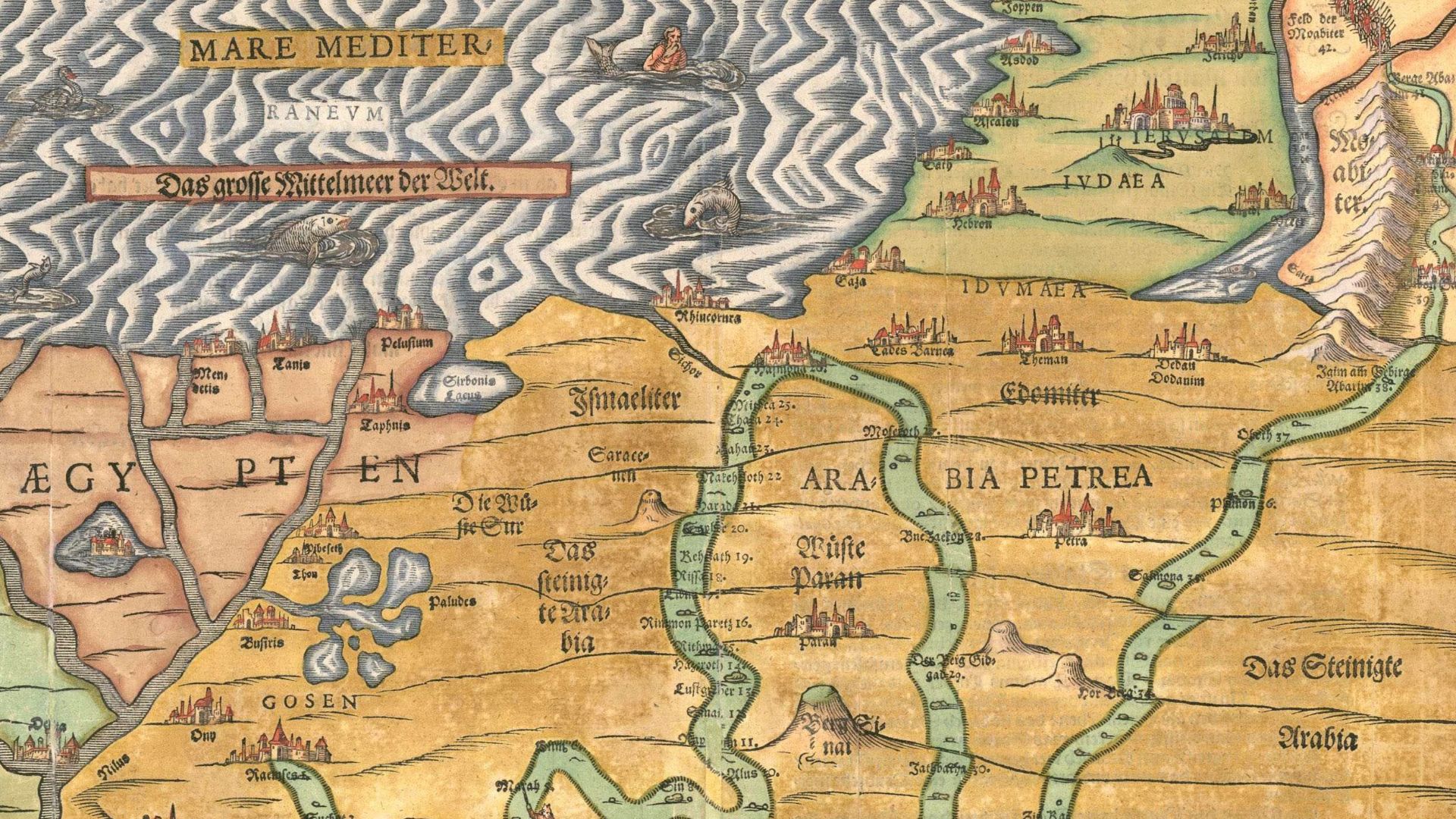 The Education Center of the National Library of Israel, Wikimedia Commons
Both Led Groups Toward Religious Purification
Each movement centered on redefining religious loyalty. Moses directed his community toward covenant-based worship that rejected competing practices. And Akhenaten issued royal decrees shifting temple life toward exclusive devotion to Aten. Both efforts aimed to suppress rival traditions, though their methods and contexts differed sharply.
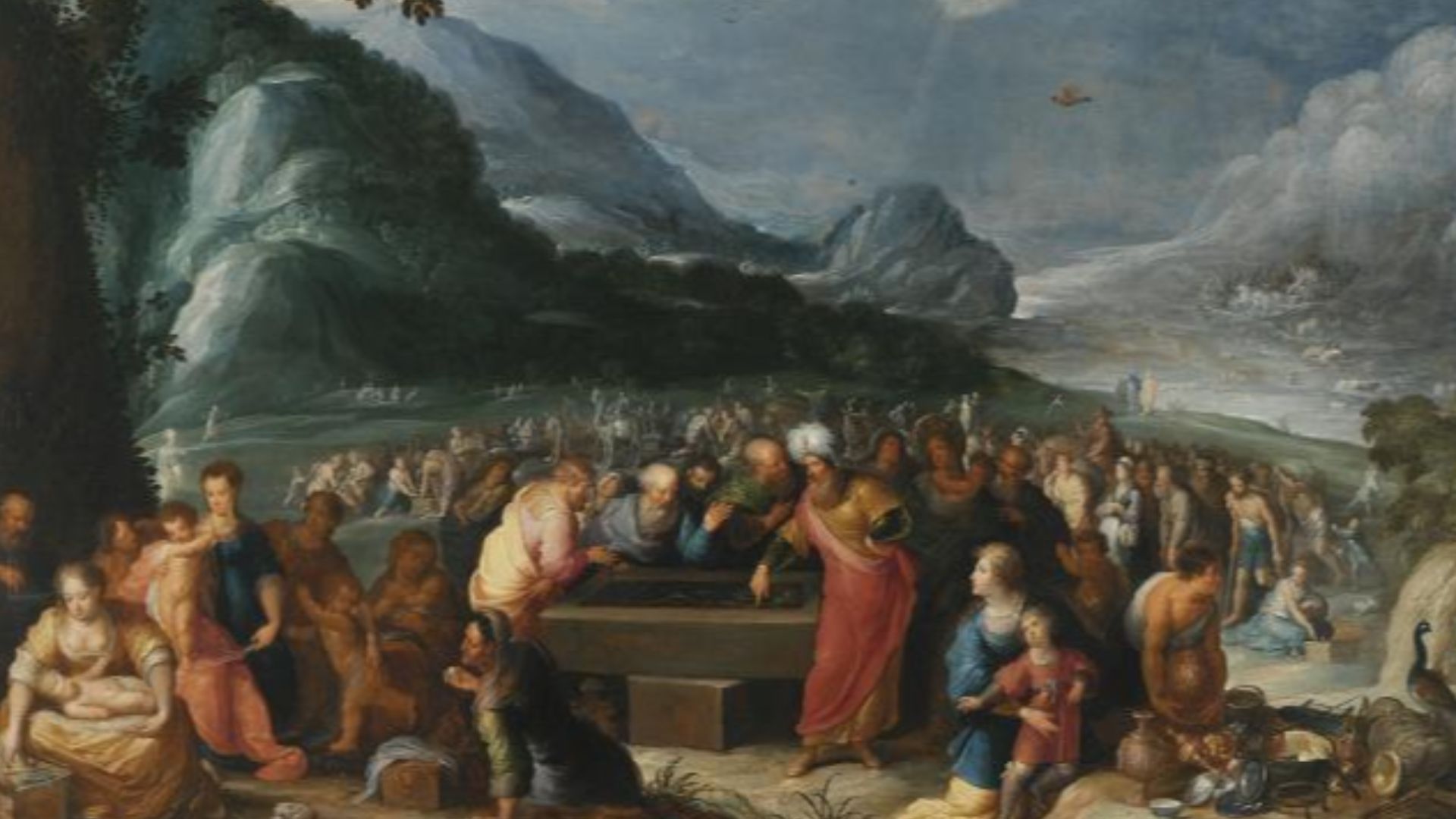 Vincent Malo (I), Wikimedia Commons
Moses Is Portrayed Outside Royal Authority
Biblical tradition presents Moses as aligned with Israelite identity rather than Egyptian authority. His story centers on leading his community rather than pursuing royal power. Archaeology confirms that Semitic groups lived in Egypt and Canaan during the Late Bronze Age, though no direct evidence links Moses himself to these populations.
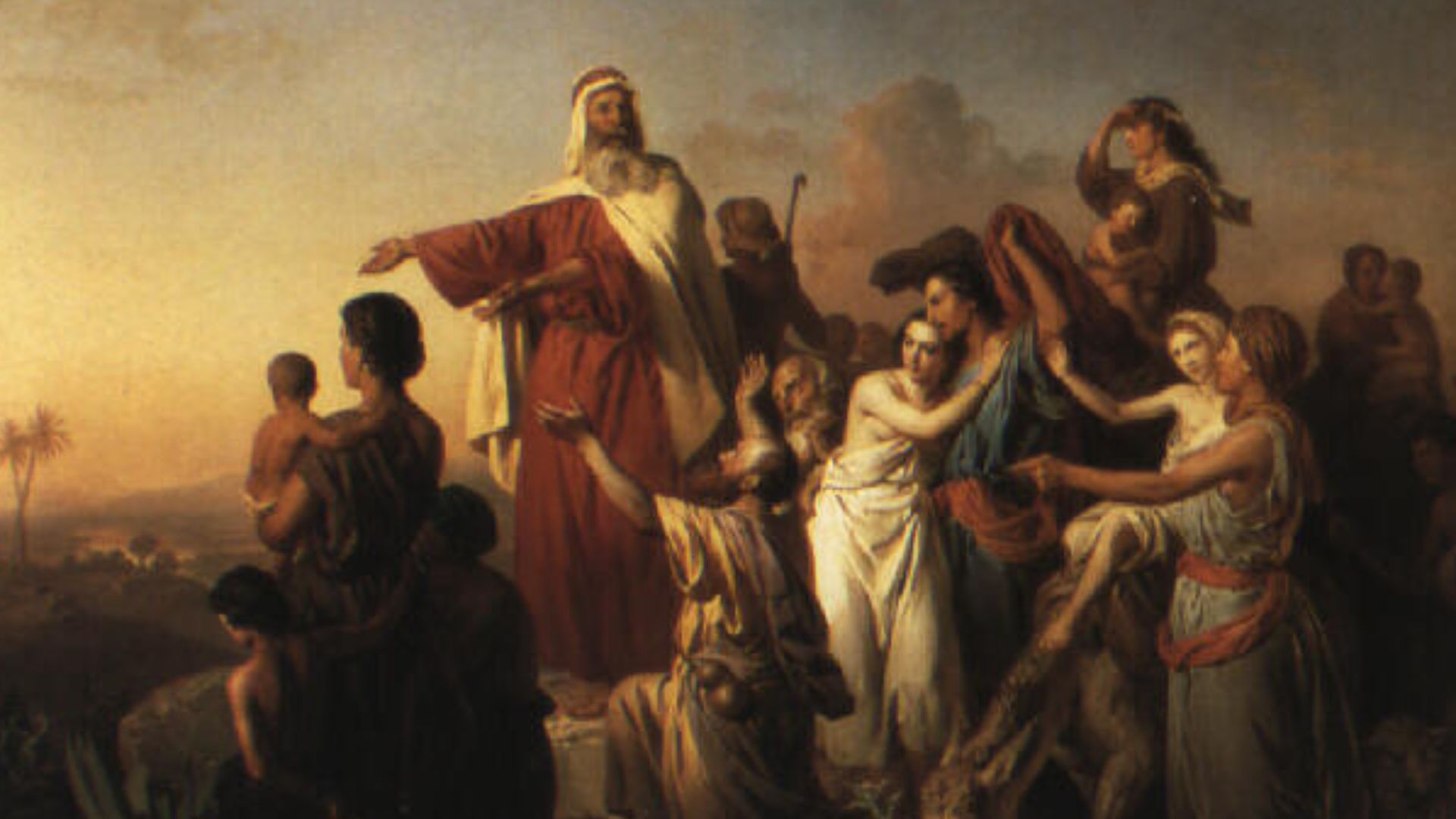 József Molnár, Wikimedia Commons
Akhenaten’s Exile Parallels Moses’s Departure Narrative
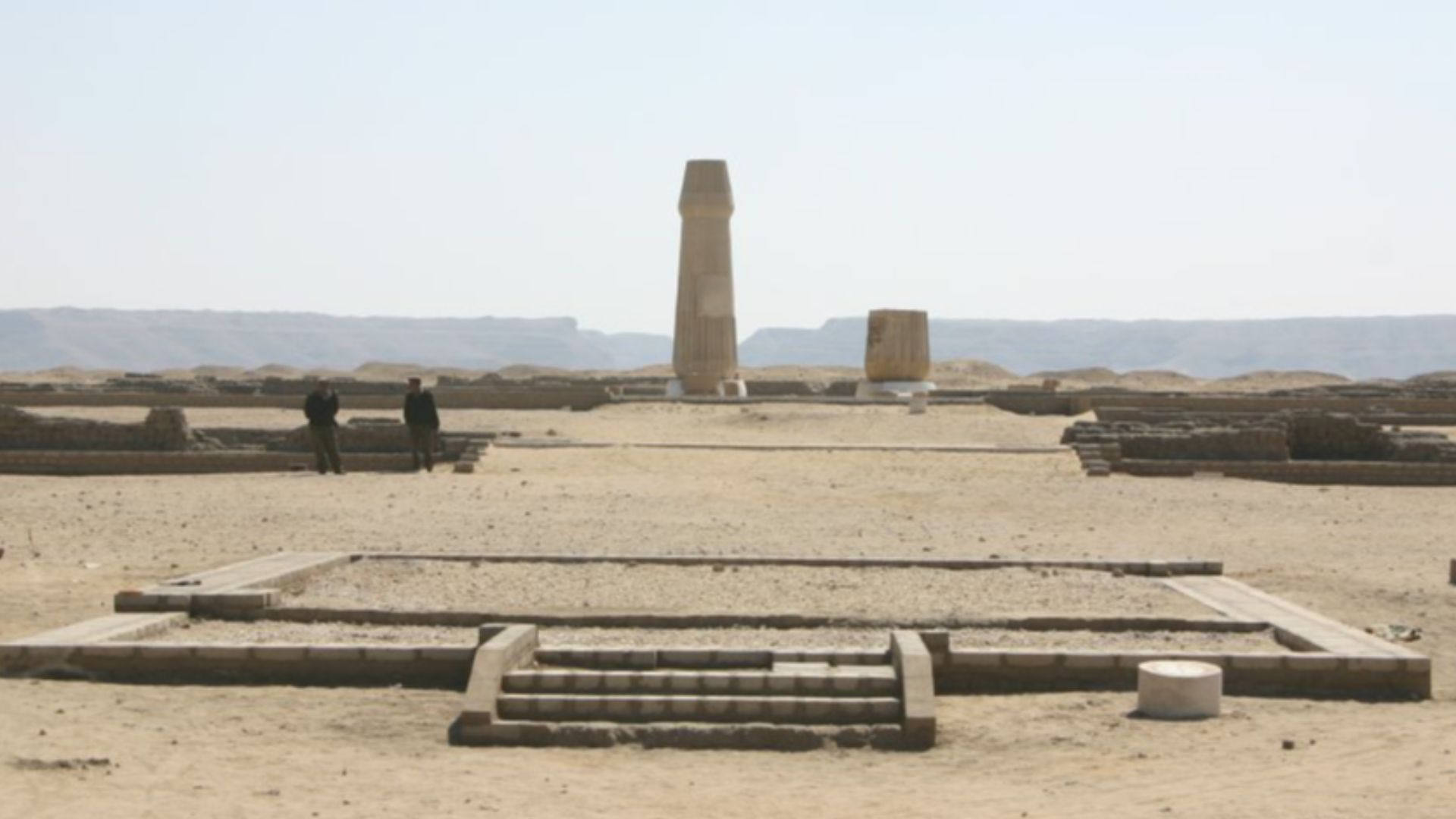
Both narratives describe a shift away from established power centers. Moses’s departure from Egypt belongs to religious tradition, while Akhenaten’s move to Amarna is a documented political choice made while he remained Pharaoh.
 en:User:Markh, Wikimedia Commons
No Egyptian Records Link Akhenaten To A Hebrew Population
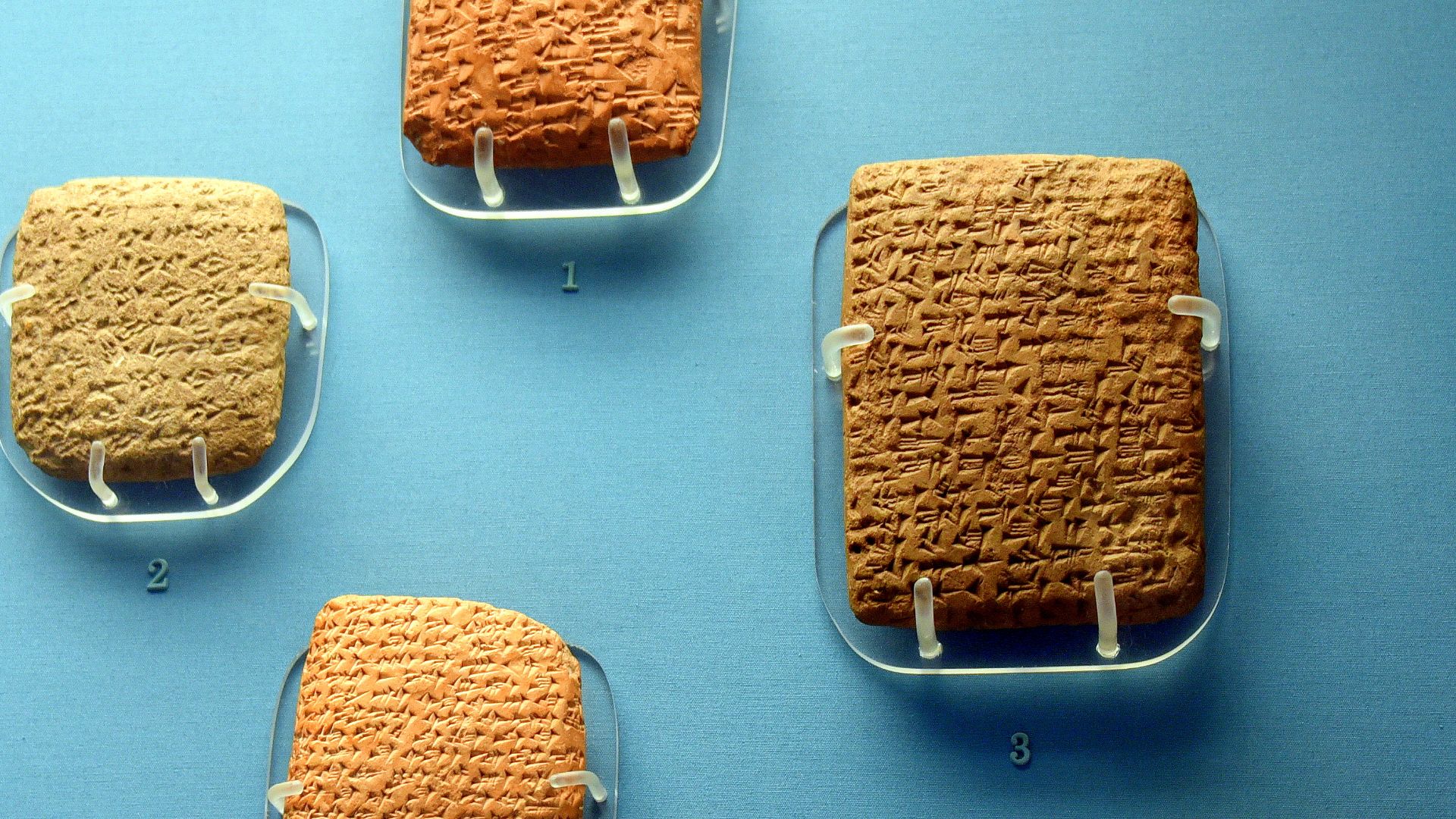
Egyptian scribes loved recording taxes, temple goods, and foreign workers, yet no surviving documents connect Akhenaten to a community later identified as Hebrew. Lists of laborers and diplomatic letters reference groups across the region, giving historians firm clues about populations living under Egyptian rule.
 Osama Shukir Muhammed Amin FRCP(Glasg), Wikimedia Commons
Both Used A Single Divine Source As Moral Authority
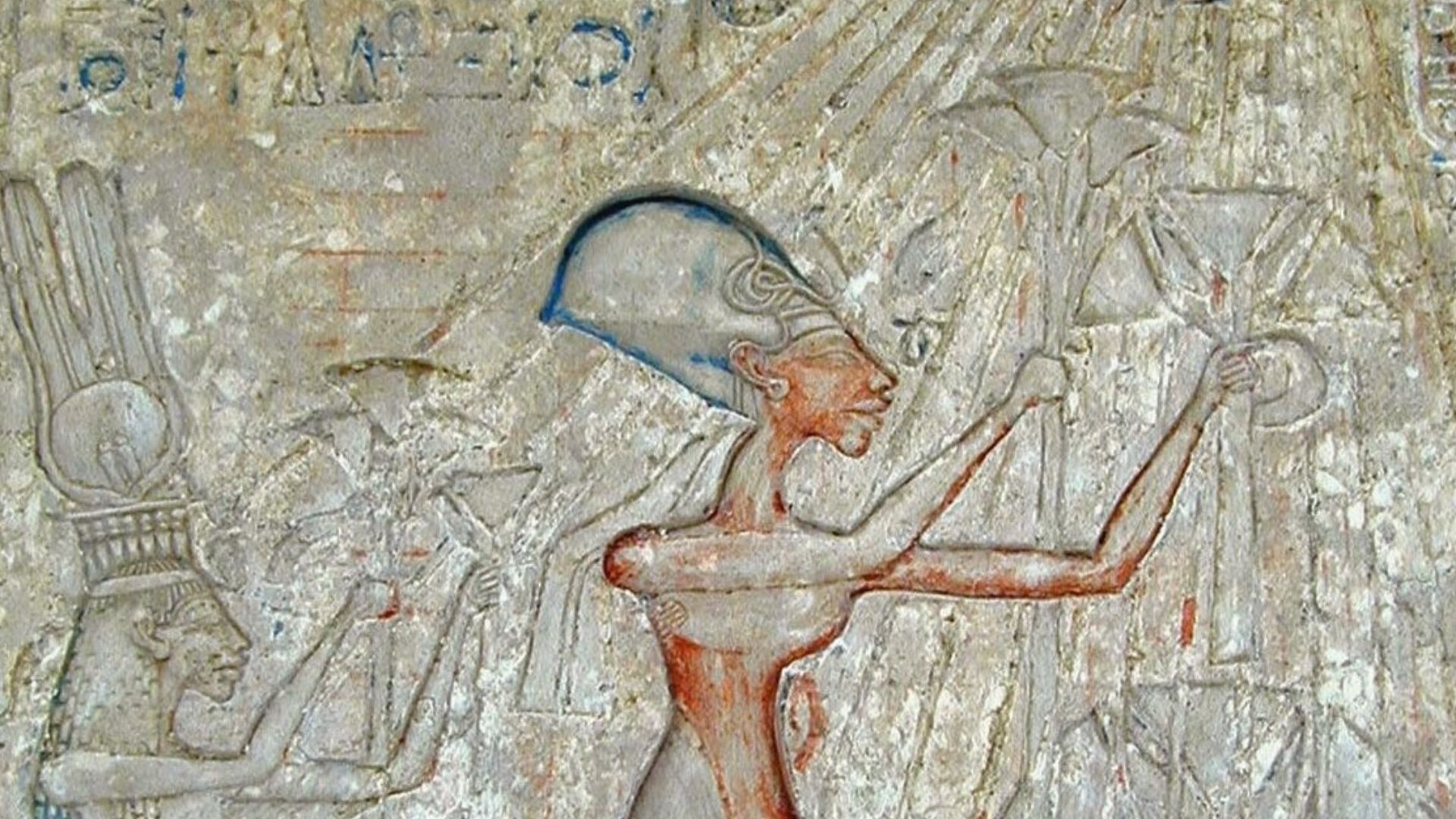
Both figures centered their authority on a single divine source, but in very different ways. Mosaic tradition presents laws and ethics attributed to Yahweh that governed justice and community life. Akhenaten elevated Aten as supreme, yet Atenism emphasized cosmic order and royal devotion rather than detailed moral or legal codes for daily behavior.
 Jean-Pierre Dalbéra from Paris, France, Wikimedia Commons
Moses’s Identity Is Rooted In Semitic Culture
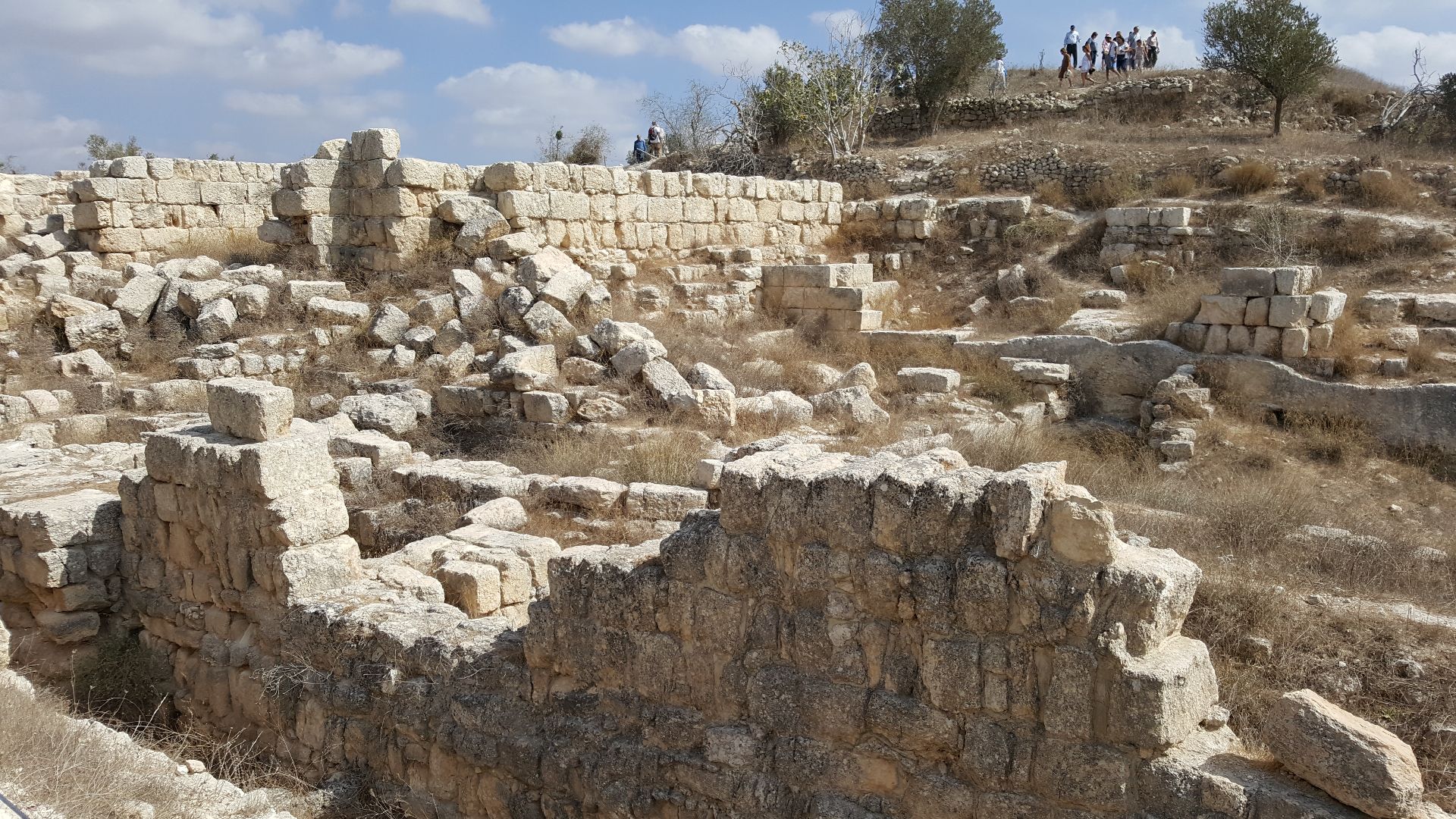
Cultural touchstones tied Moses to Semitic language and social networks. Names and localized traditions place him firmly within the Levant’s world rather than Egypt’s palace structure. Historians have consistently used these pointers to trace connections between early Israelite communities and neighboring groups documented across the region’s archaeological sites.
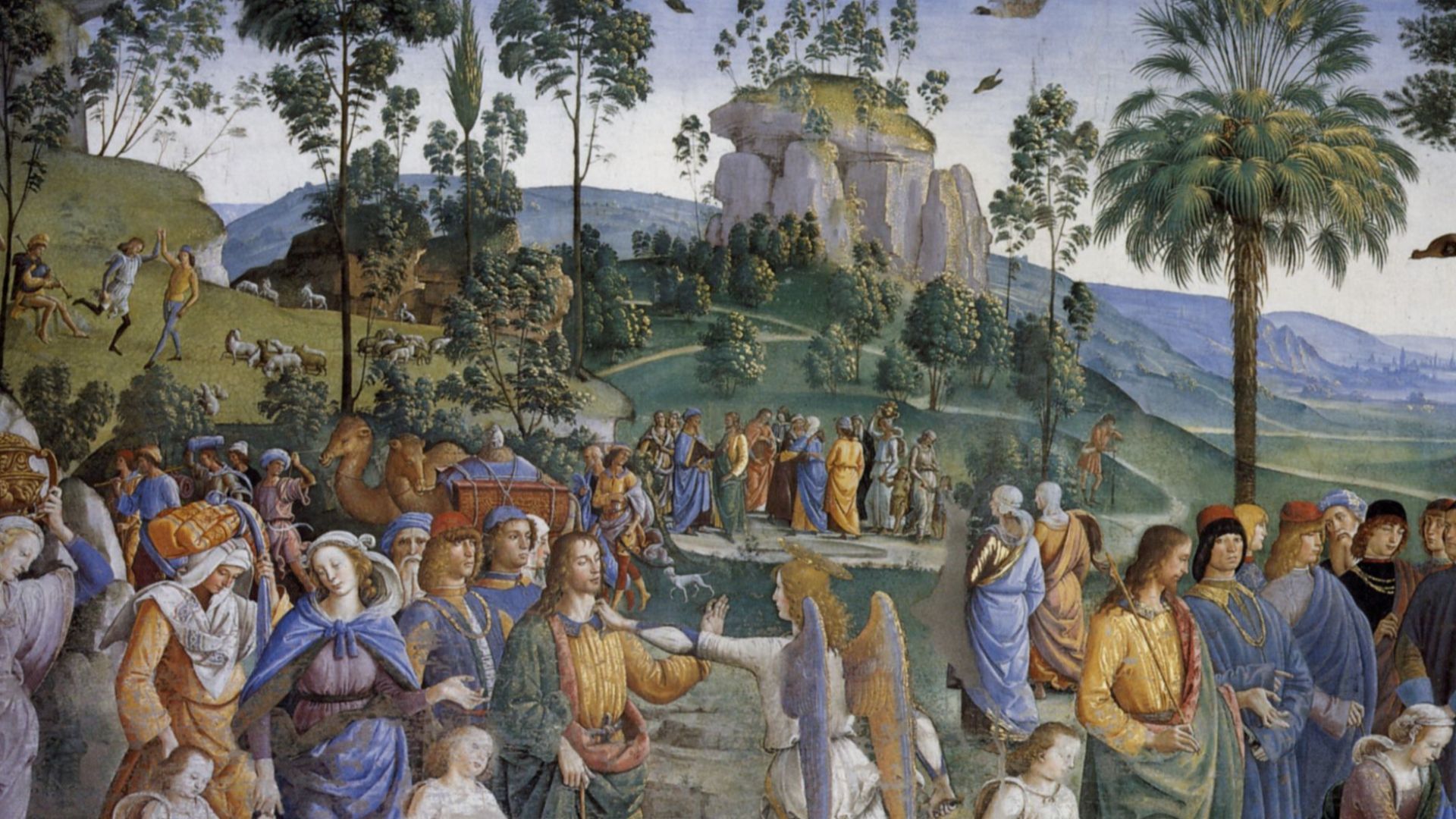
Some Theories Cast Moses As A Royal Who Left Egypt During Upheaval
Writers often point to turbulent transitions in Egypt, moments when palace life shifted rapidly. They propose that someone with elite access could slip out during political reshuffling. Egypt’s courts underwent several documented disruptions that reshaped hierarchies across dynastic boundaries, recorded in multiple inscriptions.
 Pietro Perugino, Wikimedia Commons
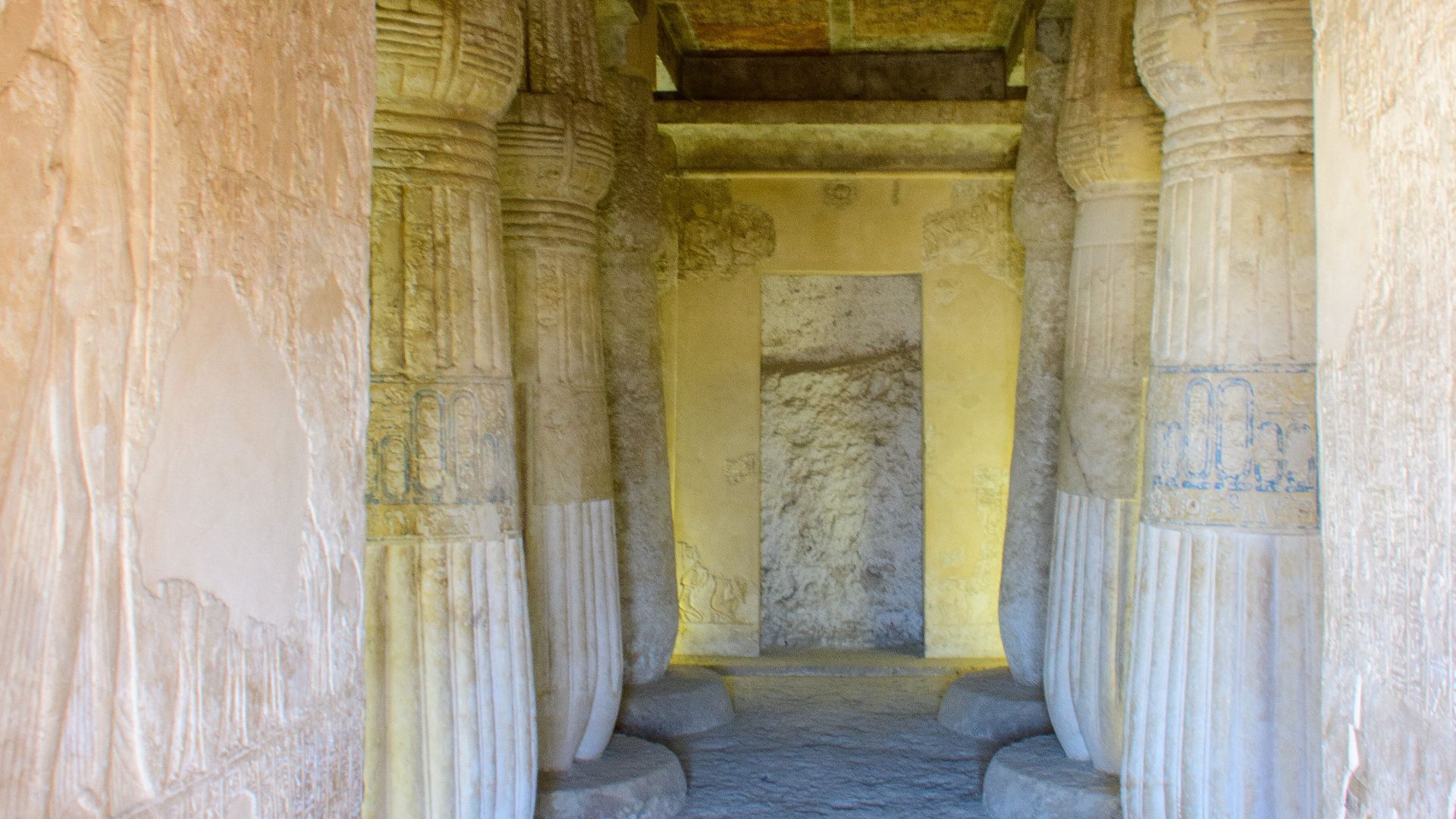
Akhenaten Died In Egypt, According To Existing Evidence
Excavations around Amarna reveal burial features tied to Akhenaten’s final years. Relief fragments mention preparations for a royal resting place within the city he built. Archaeologists use these pieces to pinpoint the location of his passing inside Egypt rather than beyond its borders.
 Bruce Allardice, Wikimedia Commons
Both Are Connected To Radical Breaks From Tradition
Akhenaten turned established worship on its head by elevating Aten above long-standing cults. Moses, meanwhile, guided a community toward covenantal identity with striking determination. Ancient records of Egyptian ritual reforms and early Israelite traditions preserve the depth of these transformative shifts.
 Ägyptischer Maler um 1360 v. Chr., Wikimedia Commons
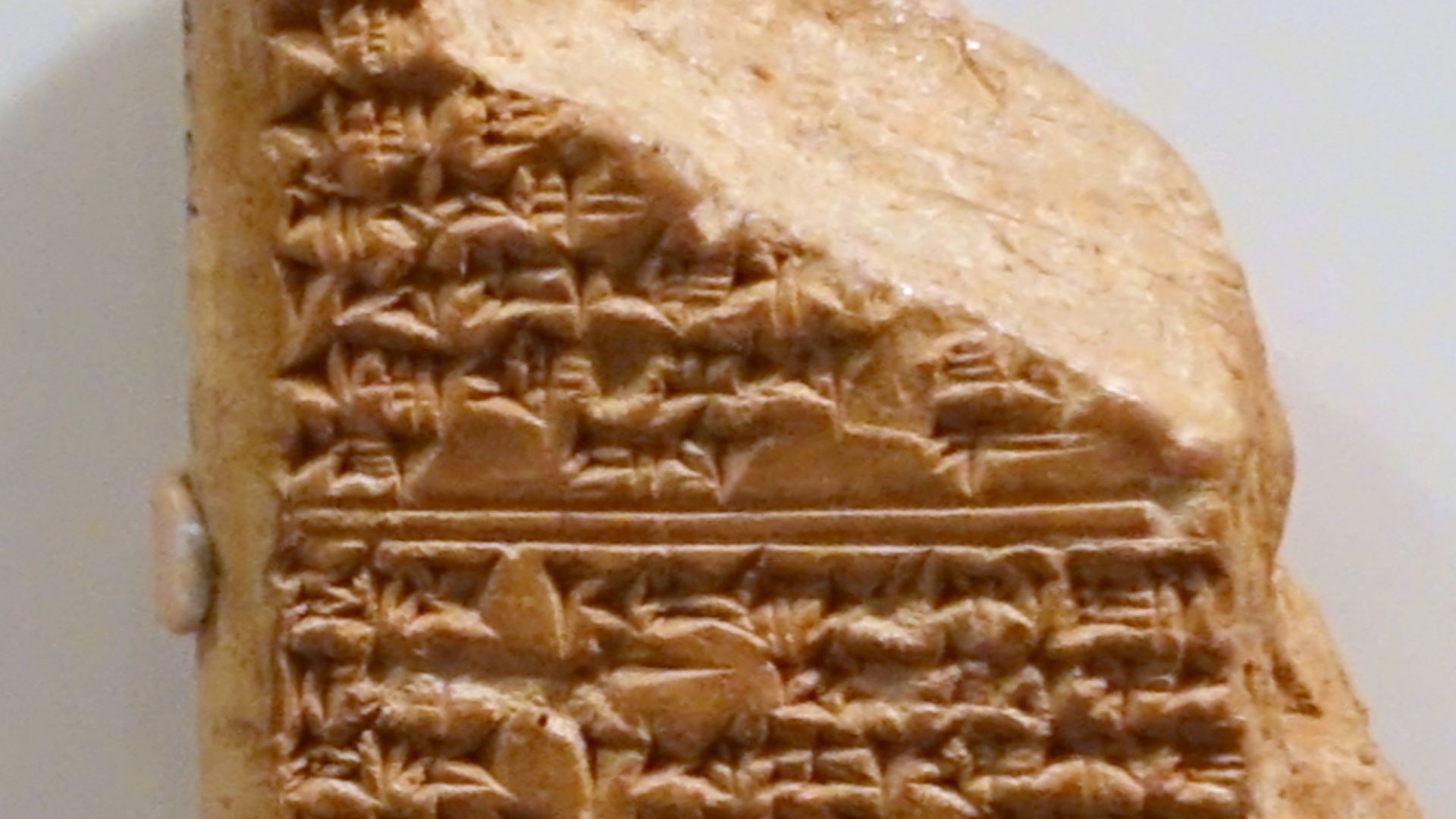
Exodus Events Do Not Match Akhenaten’s Known Life
Egyptian texts chart Akhenaten’s movements in Amarna, describing festivals, royal visits, and diplomatic exchanges without any mention of plagues or mass departures. Archives such as the Amarna Letters trace political negotiations across the region, outlining a stable administrative environment during his reign.
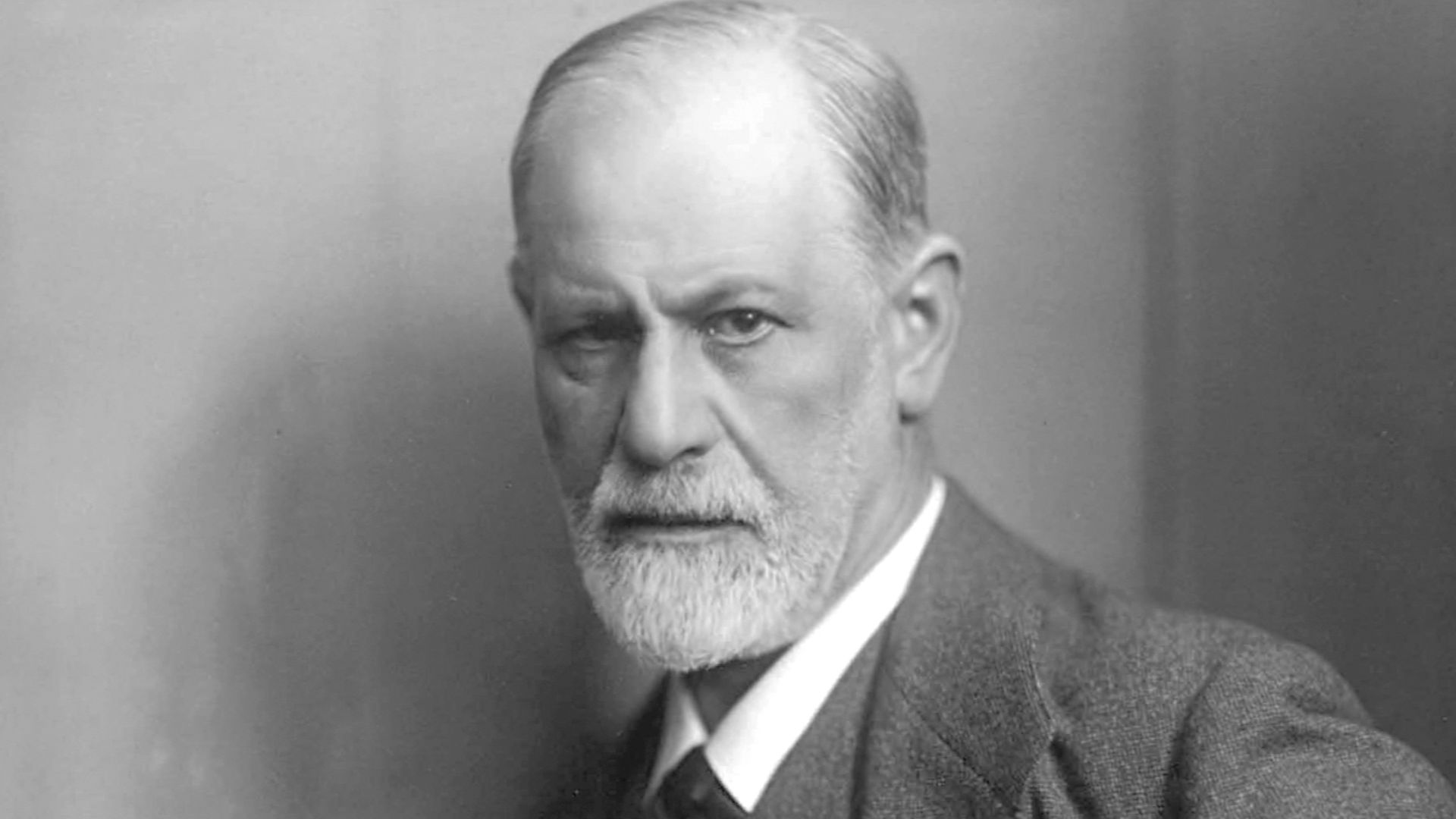
Freud Connected Moses’s Monotheism To Egyptian Ideas
Sigmund Freud explored how cultural influence travels. He even proposes that Moses absorbed concepts from Egypt’s intellectual world. He compared Aten’s singular focus with the structure of Israelite worship. Freud drew heavily from available Egyptological research while crafting one of his most debated historical interpretations.
 Max Halberstadt, Wikimedia Commons
Freud Did Not Claim Moses Was Akhenaten
Freud separated their identities by presenting Moses as someone influenced by Egyptian thought rather than as a pharaoh. His argument emphasized cultural transmission instead of personal overlap. That distinction appears clearly in his treatment of Moses’s origins and Akhenaten’s documented life.
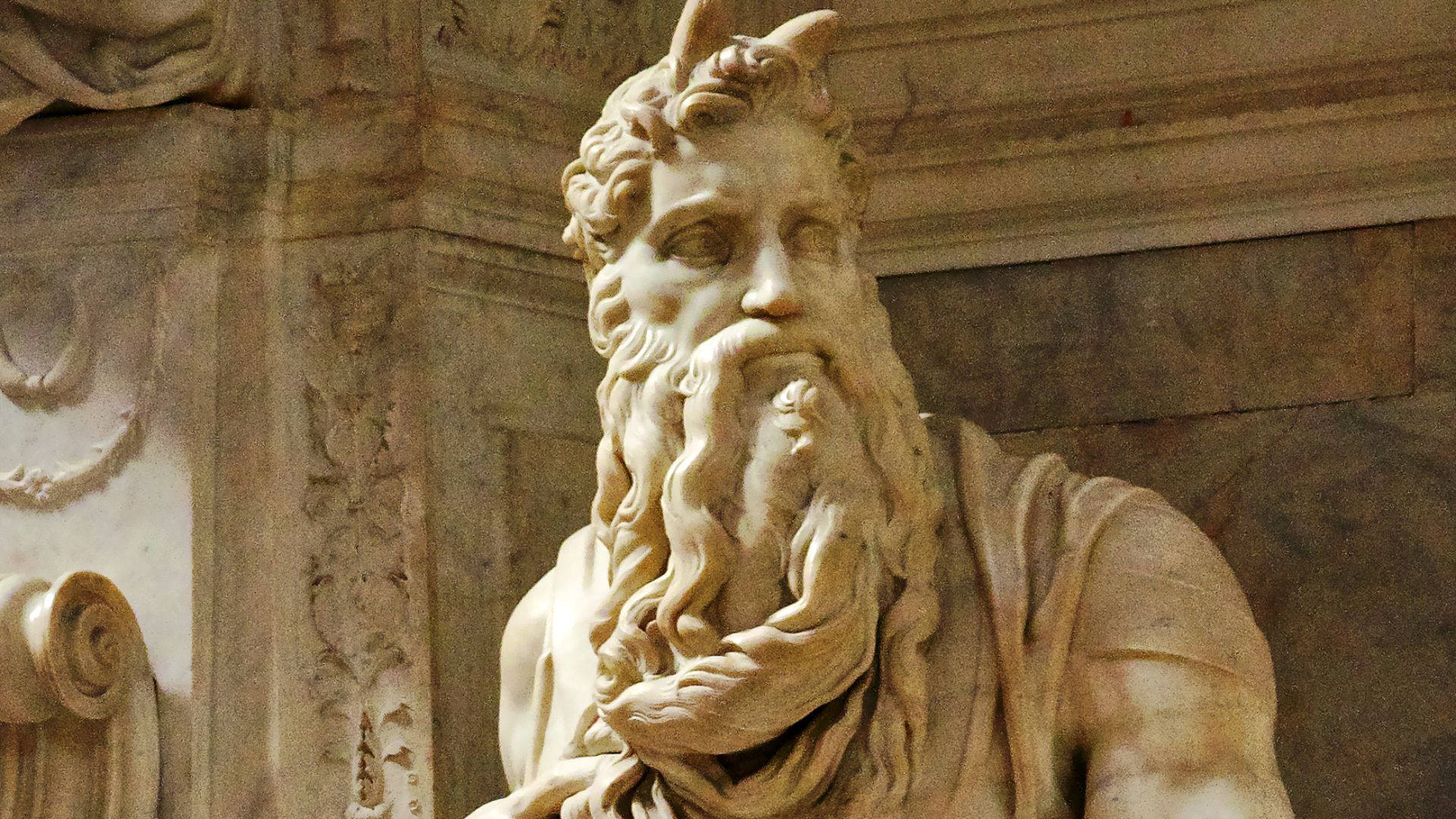 Goldmund100, Wikimedia Commons
Both Are Depicted As Outsiders Within Their Communities
Biblical tradition portrays Moses as outside Egyptian royal structures and aligned with a community under harsh labor demands, while Egyptian inscriptions and Amarna records show Akhenaten distancing himself from traditional cults by shifting authority to his new capital.
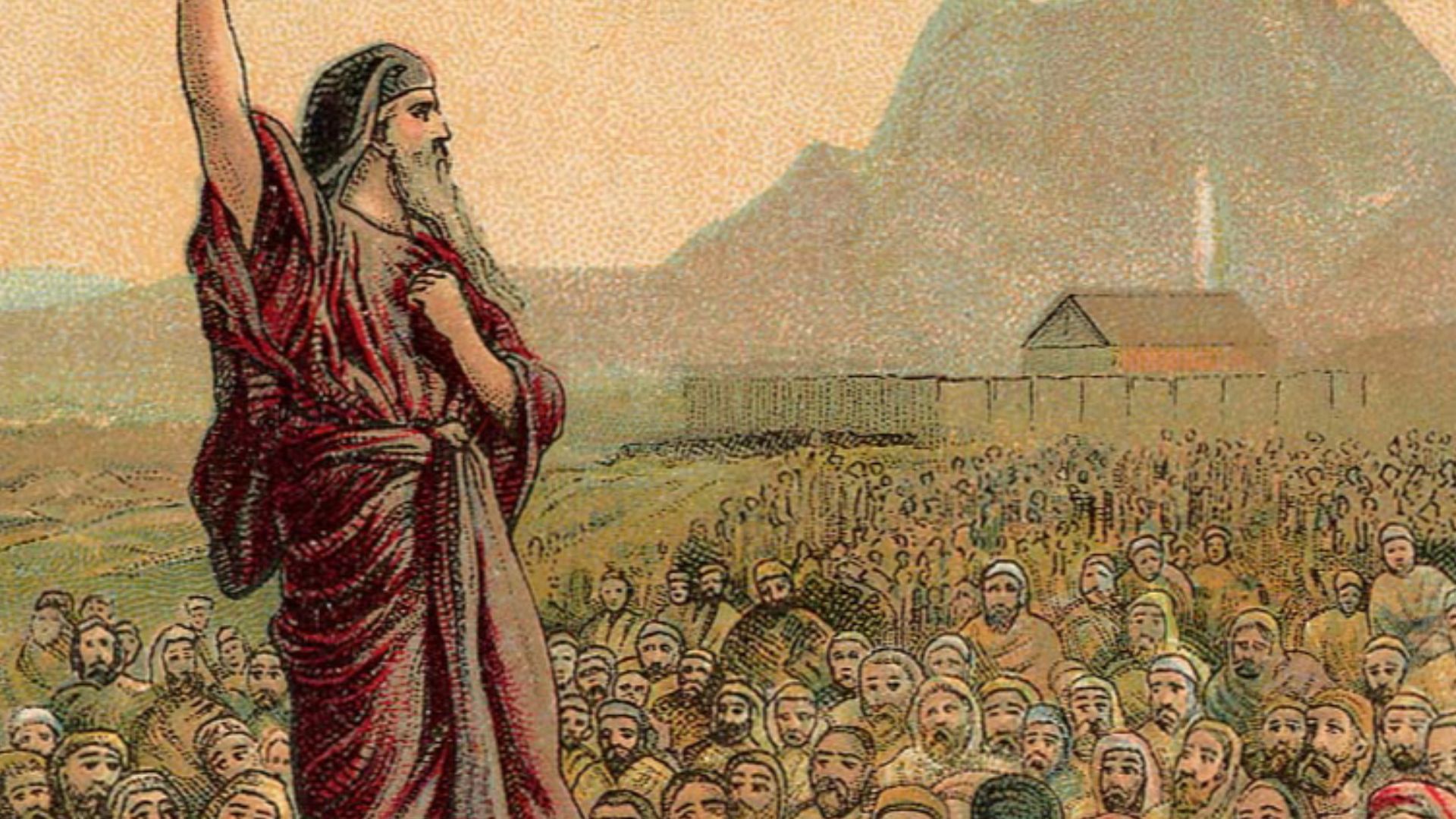 the Providence Lithograph Company, Wikimedia Commons
Akhenaten’s Family And Burial Context Are Well Documented
Wall carvings from Amarna portray Akhenaten alongside his children during public ceremonies, and this gave researchers rare glimpses into royal dynamics. Tomb designs near the city show planned chambers and inscriptions tied to his household. These artistic and architectural details establish a rich profile of his lineage.
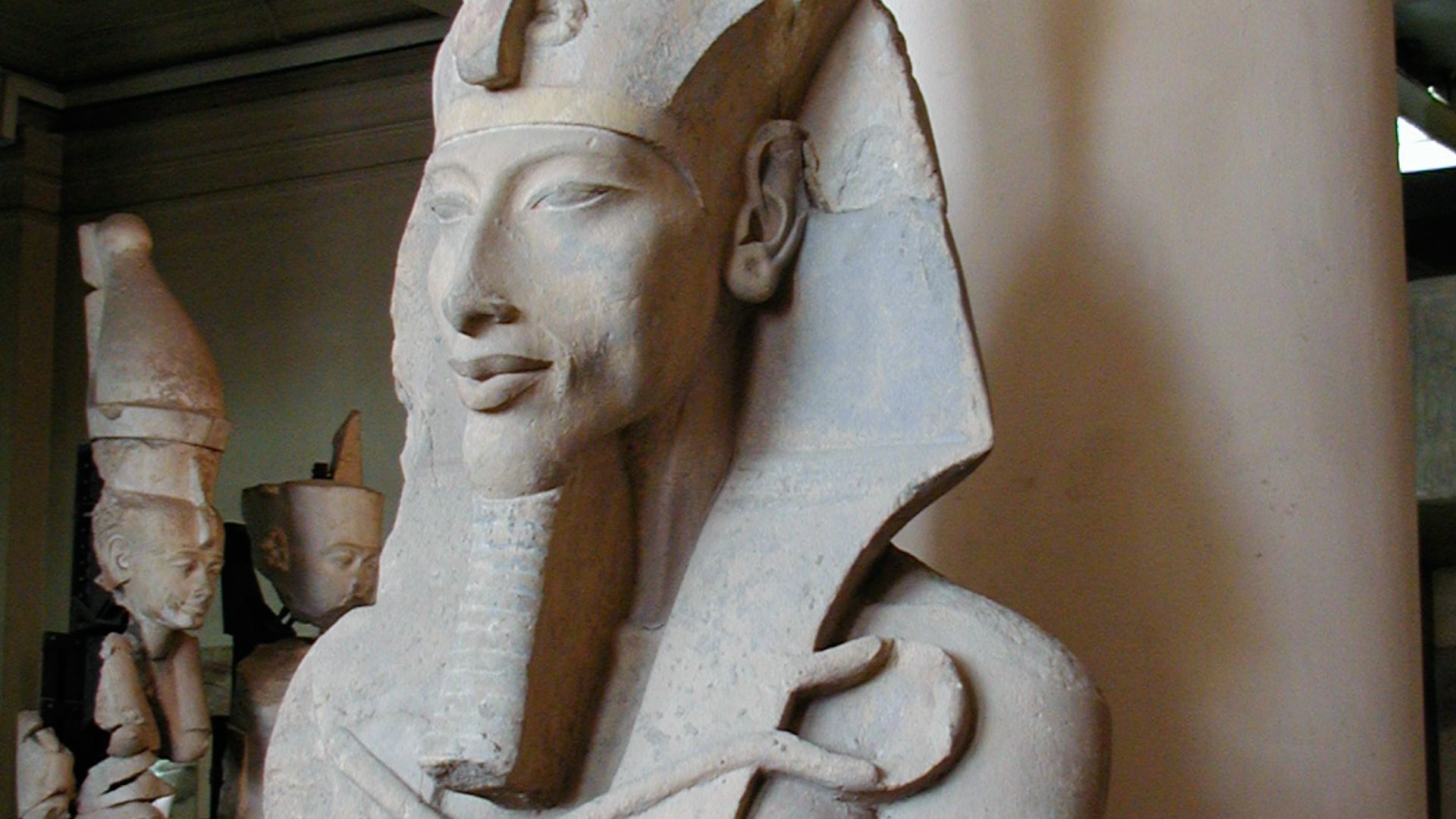
Some Believe Moses’s Story Preserves The Memory Of Akhenaten
A few theorists look for echoes of Amarna’s reforms in later storytelling and trace narrative motifs that resemble episodes from the period. Discussions along these lines reference how cultural memories can reshape earlier events when transmitted across generations with limited archival support.
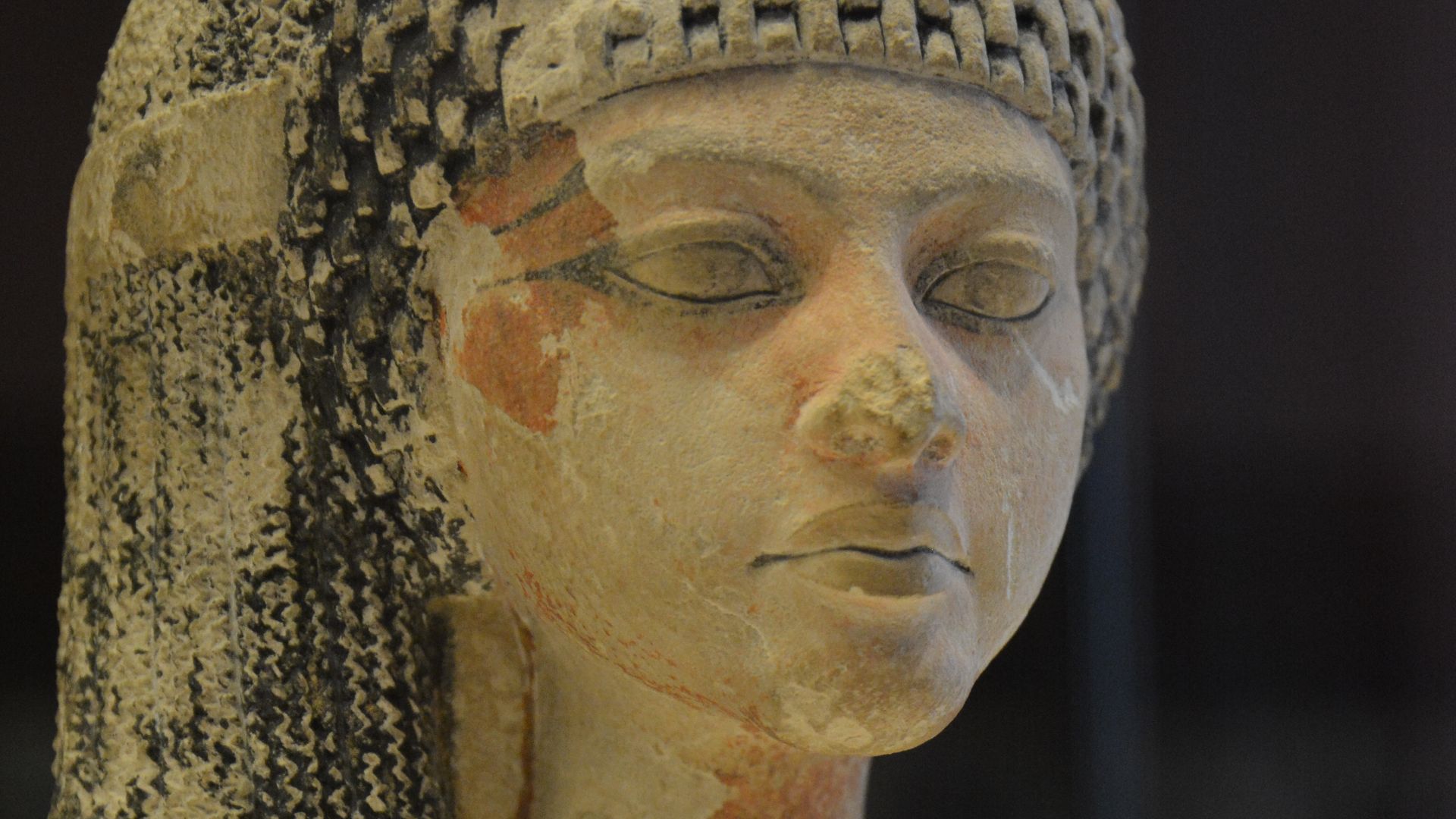
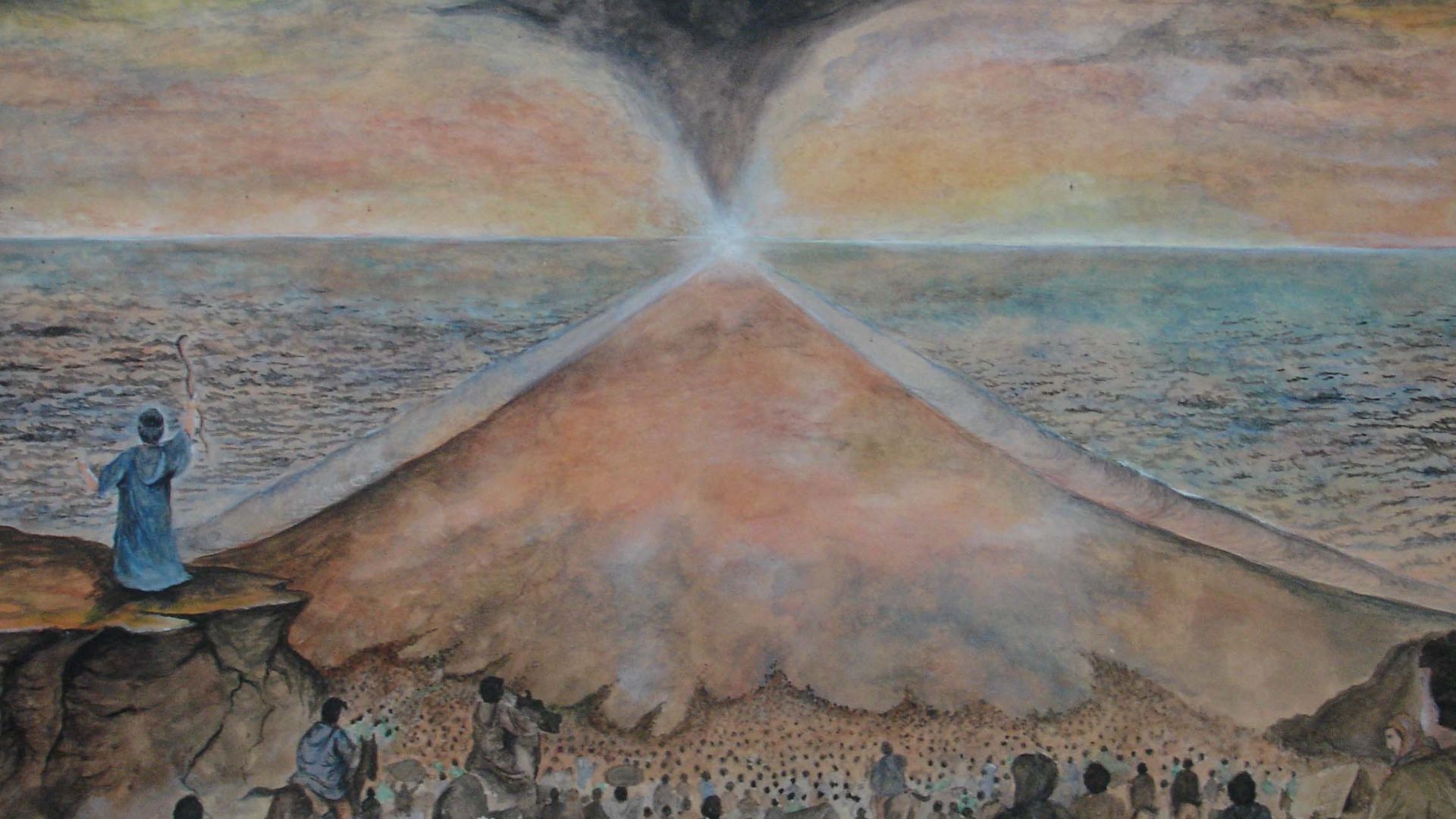
Moses’s Miracles Do Not Appear In Akhenaten’s Record
Texts from Akhenaten’s reign describe offerings, hymn recitations, and diplomatic correspondence but exclude wilderness miracles or supernatural signs. Inscribed stelae often praise Aten’s daily radiance. Administrative tablets reveal inventories and shipments, grounding Akhenaten’s world in bureaucratic detail rather than dramatic interventions.
 Ramesh Raju (User:Redaloes), Wikimedia Commons
Both Introduced Religions That Outlived Them In Altered Forms
Atenism disappeared after Akhenaten’s reign, though later Egyptian writings preserved solar imagery and cosmic praise in thematic—not institutional—ways. Mosaic teachings, preserved in early Hebrew texts, shaped a community whose traditions continued to develop. Inscriptions and scriptures trace these legacies across very different historical paths.
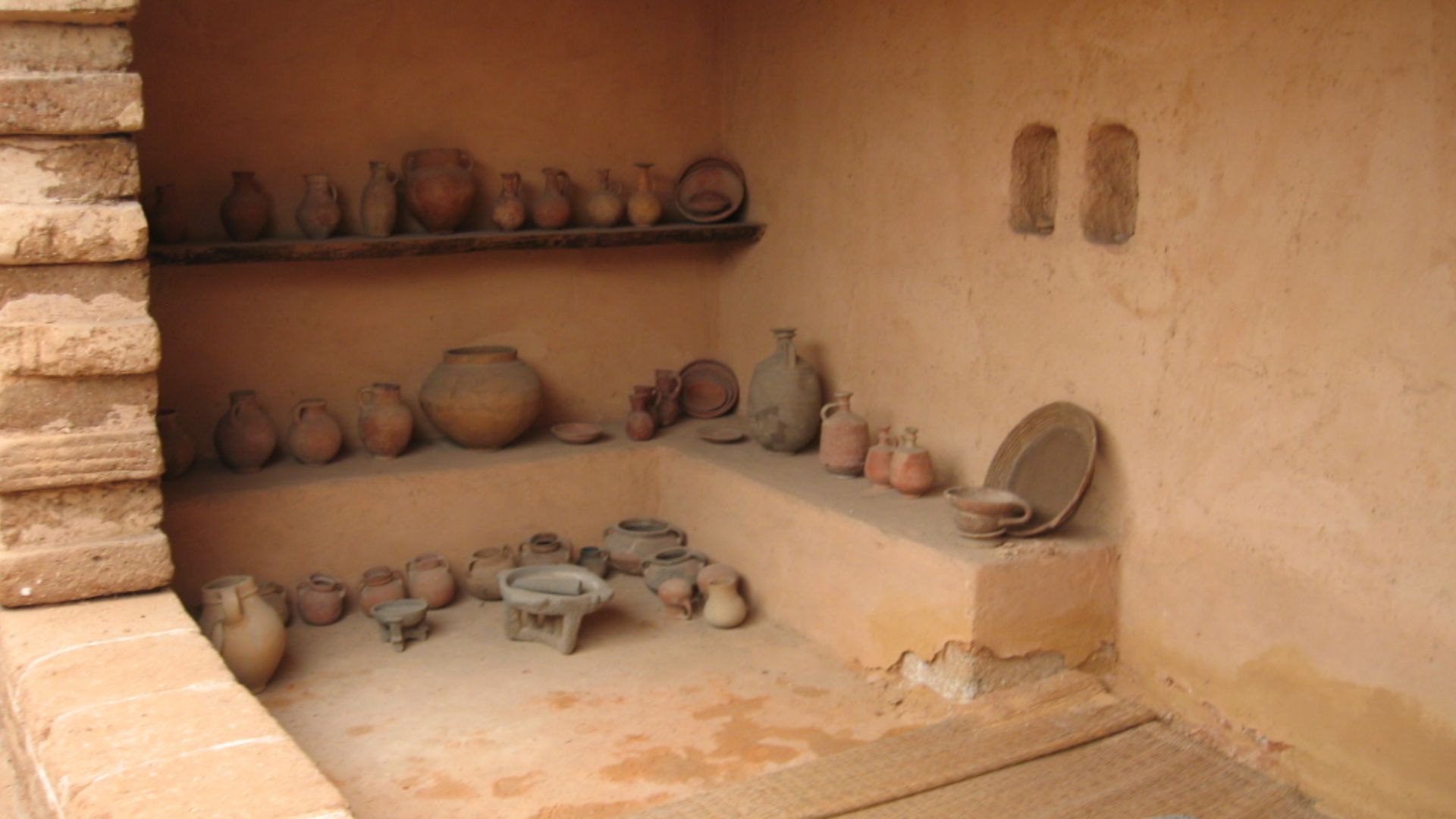
Archaeology Places Hebrews In A Different Period Than Akhenaten
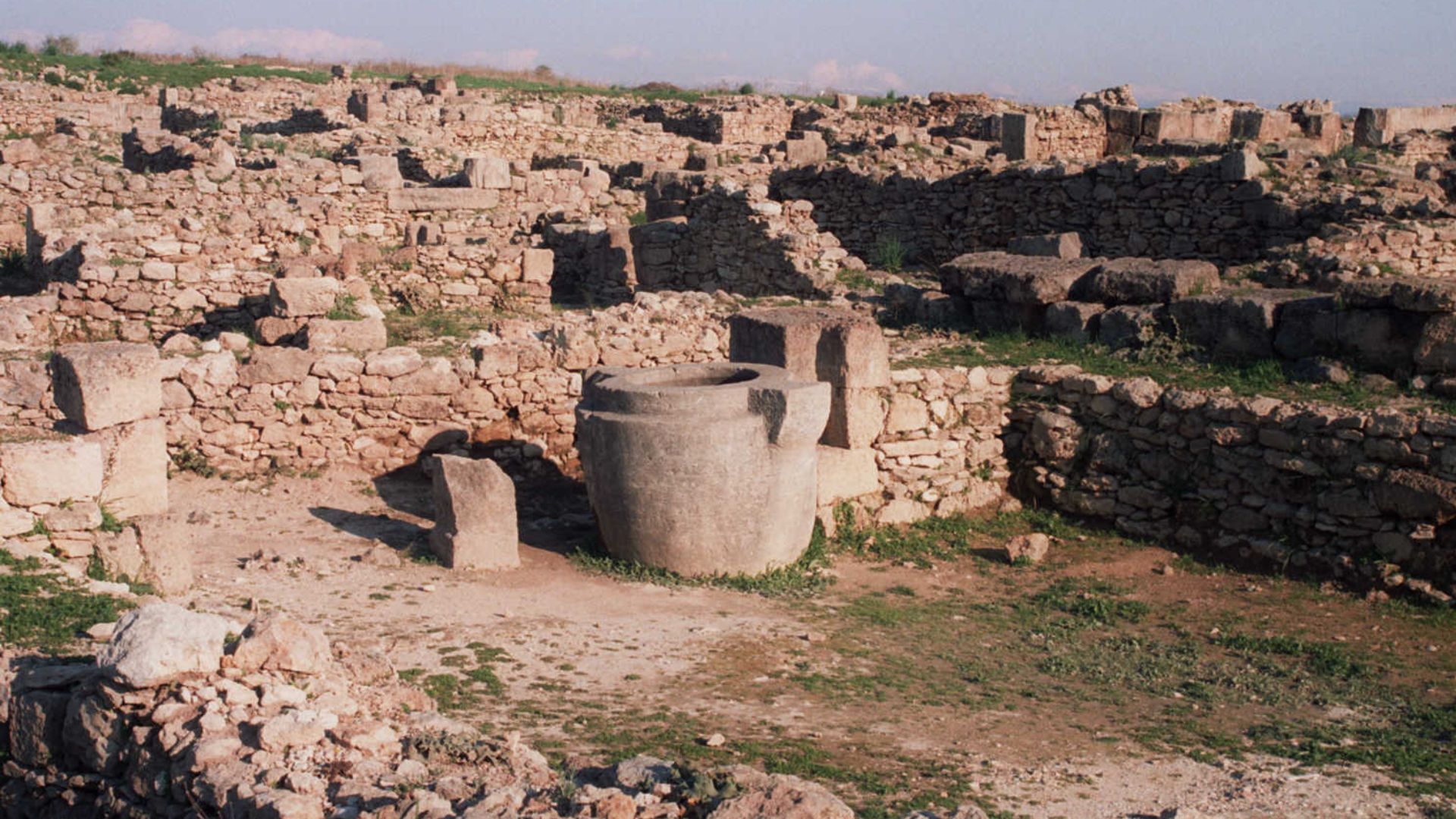
Excavation layers at Levantine sites point to settlement patterns dated long after Akhenaten’s rule. Pottery sequences, architectural layouts, and household tools align with later periods. Egypt’s records from the Amarna age list many foreign groups, but none match early Israelite profiles.
 Loris RomitoThe original uploader was LorisRomito at Italian Wikipedia., Wikimedia Commons
Both Are Linked To Solar Imagery In Particular Interpretations
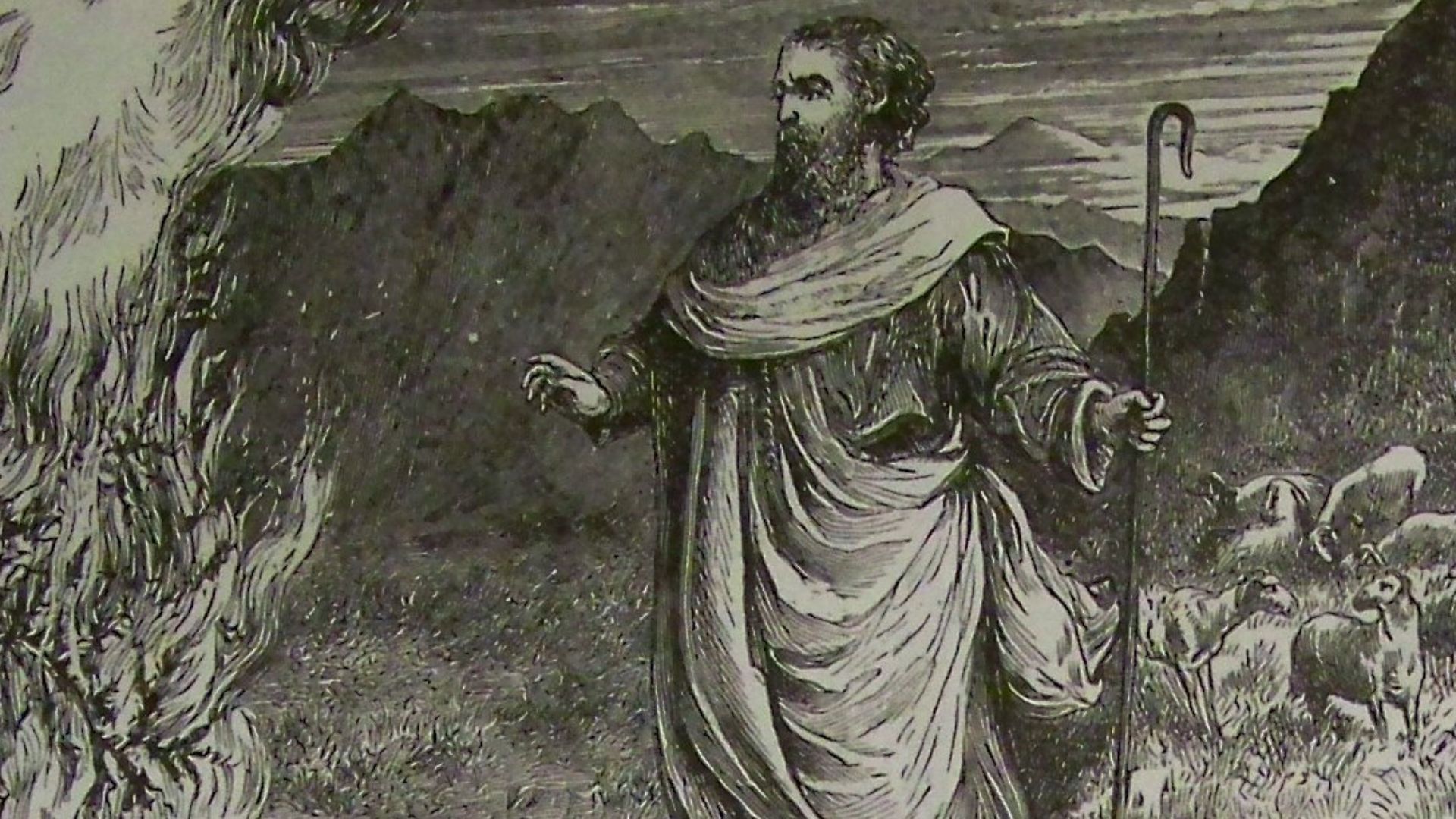
Aten’s radiant disk appears everywhere in Amarna art, stretching across lintels, stelae, and boundary markers. Some interpreters mention moments when Moses encountered divine fire imagery in wilderness narratives. Ancient cultures frequently turned to the sun to express power, authority, and cosmic order.
 illustrators of the 1890 Holman Bible, Wikimedia Commons
Moses’s Geographic Route Does Not Resemble Akhenaten’s Sphere
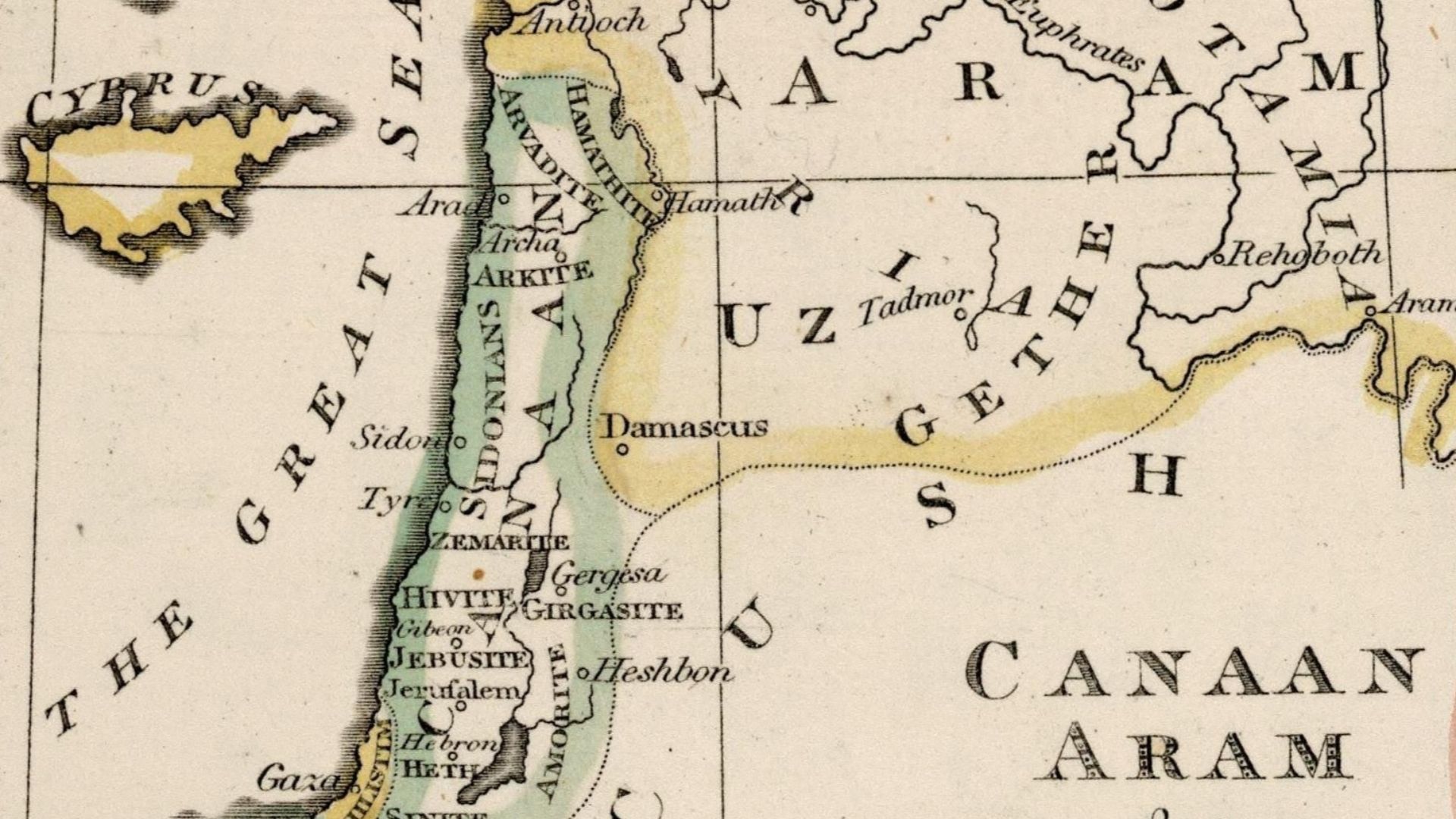
Akhenaten governed from Amarna and influenced regions through diplomatic letters sent to Near Eastern rulers. Moses’ journey traveled through desert corridors shaped by trade and seasonal movement. Known Egyptian border forts illustrate how tightly pharaohs monitored travel in and out of the Nile Valley.
 John Melish, Wikimedia Commons
Akhenaten’s Hymns Share Themes With Biblical Texts
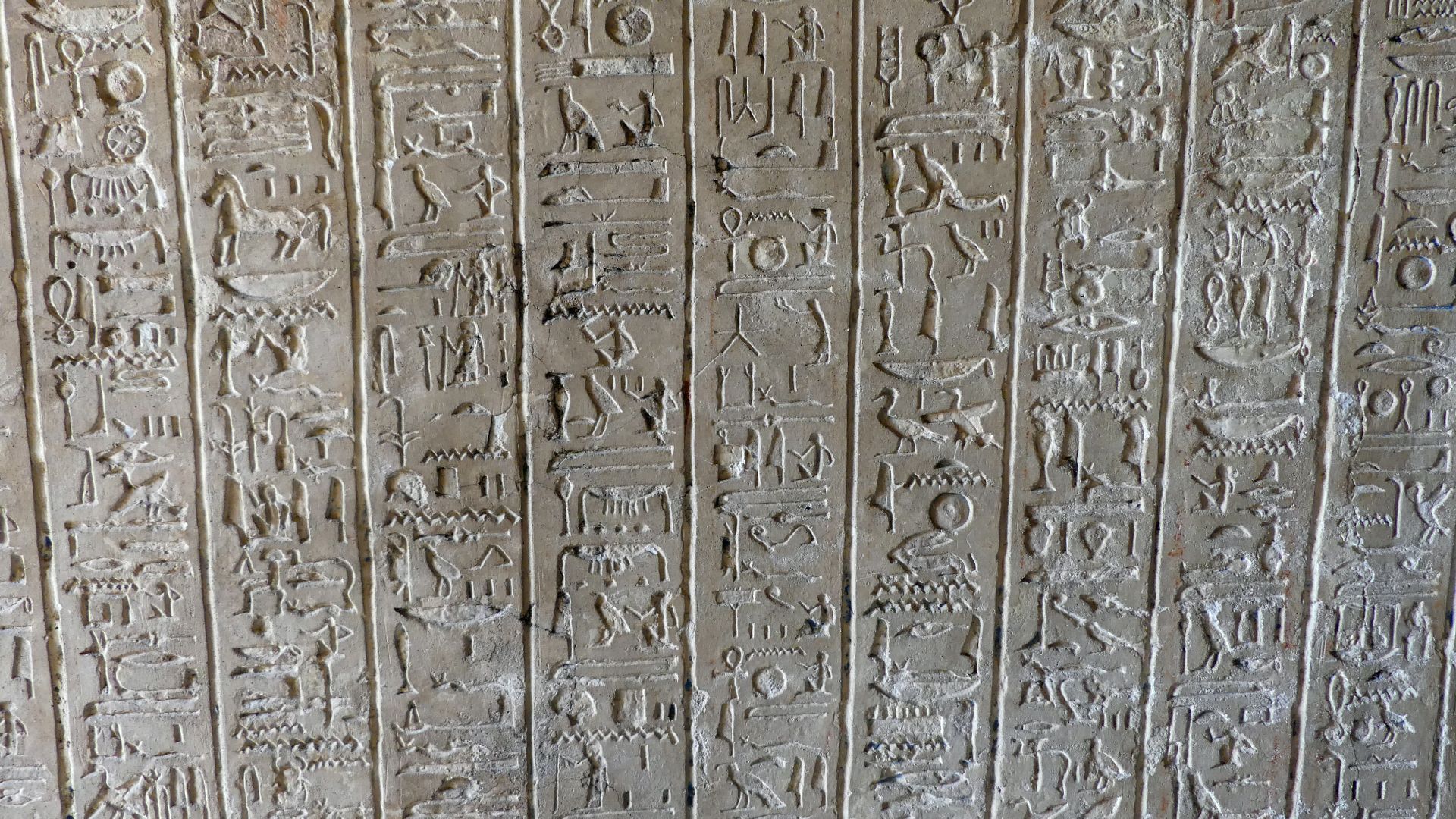
The Great Hymn to the Aten praises daily renewal through vivid natural imagery that mirrors poetic lines found later in Hebrew writings. Both traditions used rhythmic language to portray divine vitality. These similarities appear in literary studies focusing on ancient Near Eastern poetry.
 Tobeytravels, Wikimedia Commons