A Storm That Changed History in One Night
In September 2023, Storm Daniel slammed into eastern Libya with terrifying force. Within hours, entire cities were underwater—and thousands of lives were lost. But far from the headlines, something else happened in the hills above Derna. A 2,600-year-old city—Cyrene—was about to reveal secrets it had kept buried for centuries.
The Ancient City Sitting Quietly Above the Chaos
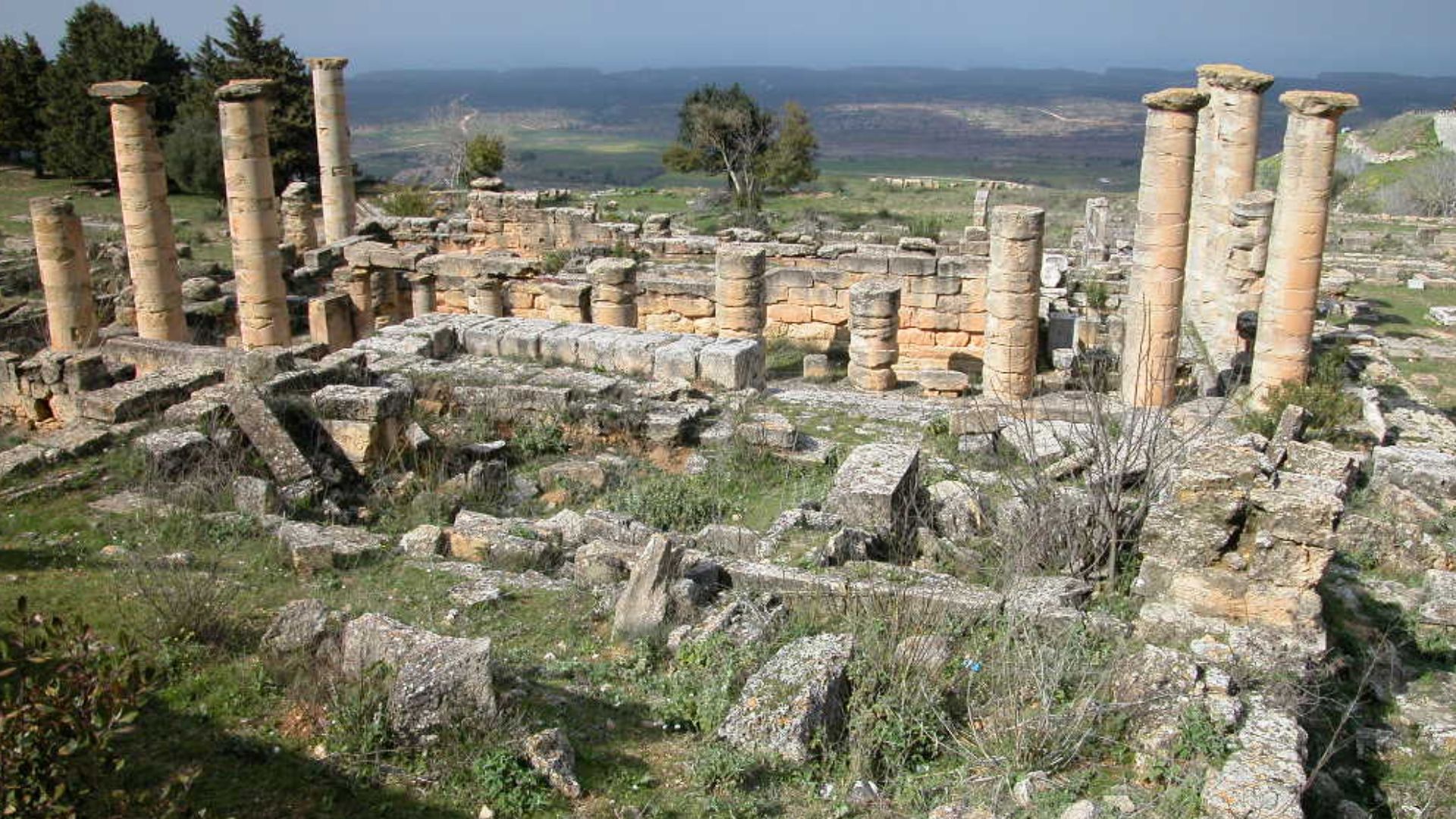
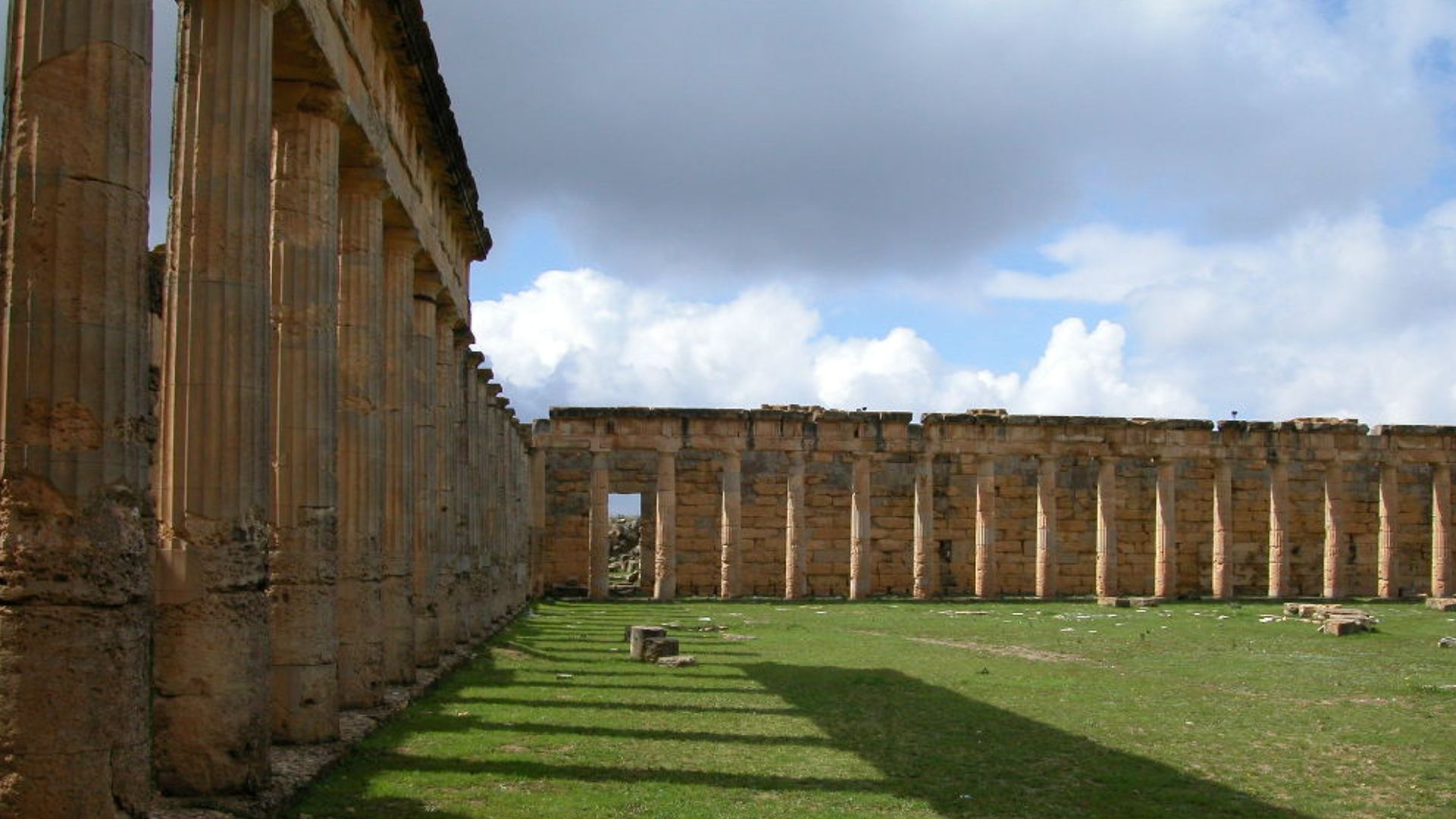
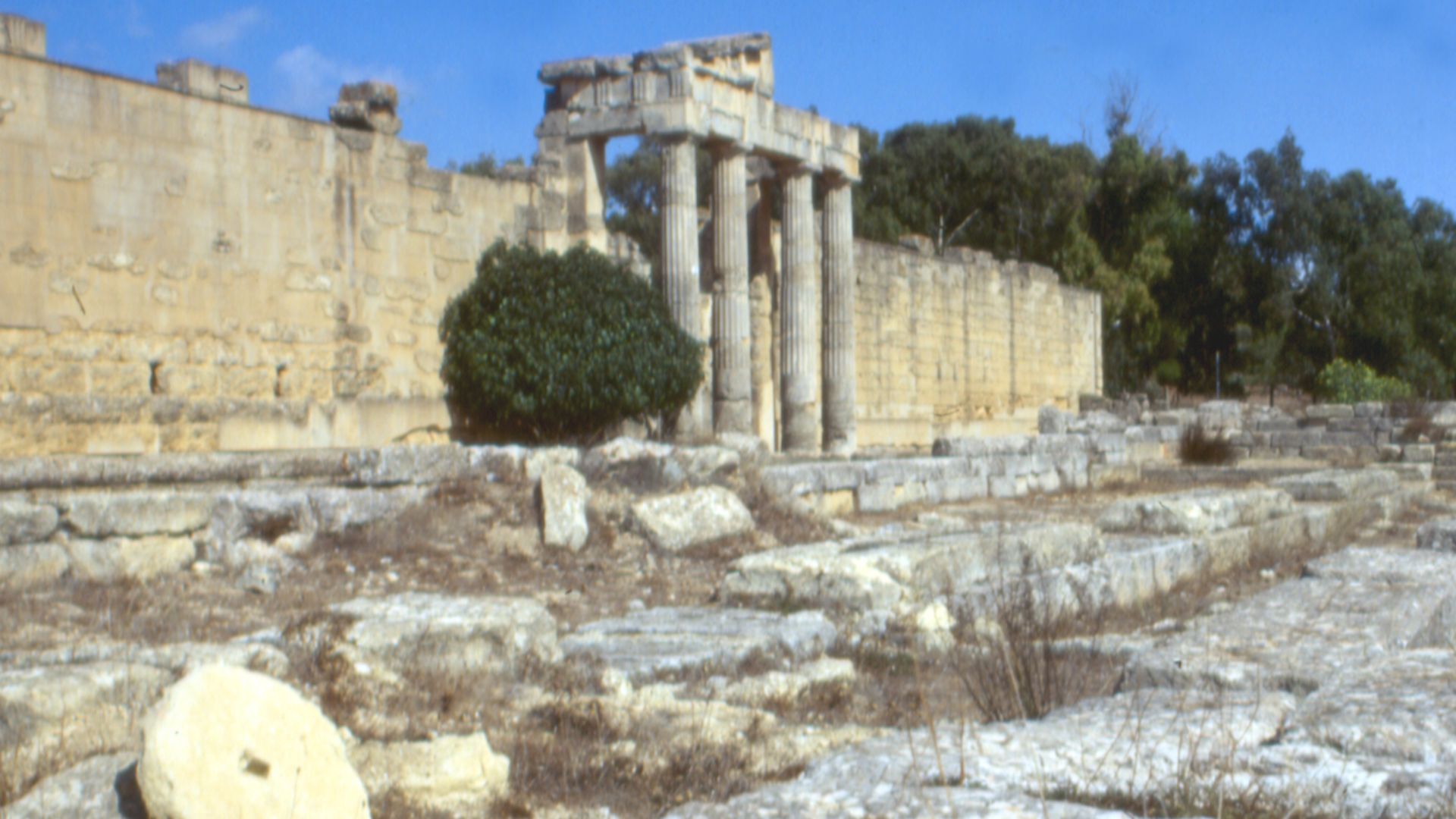
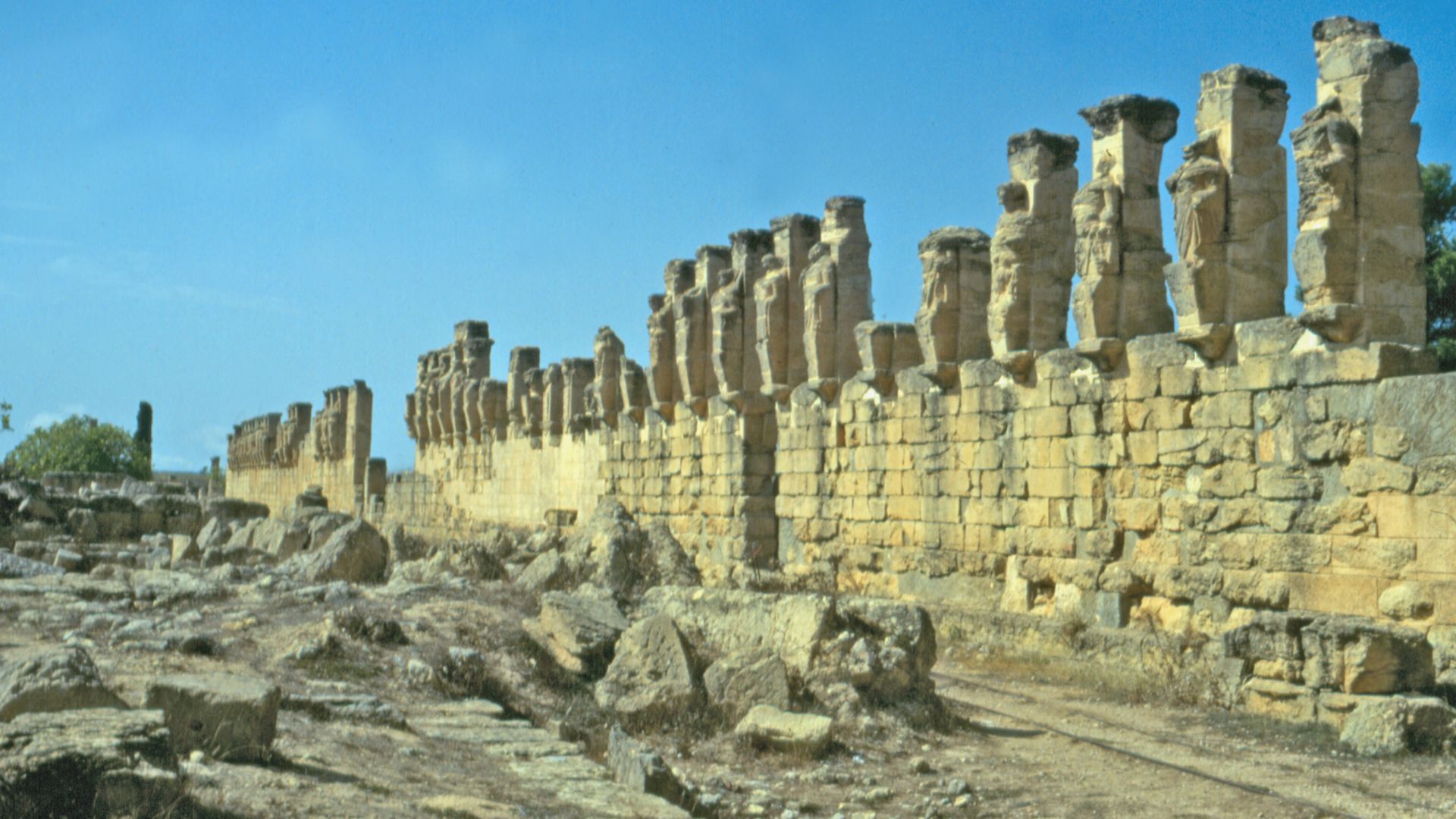
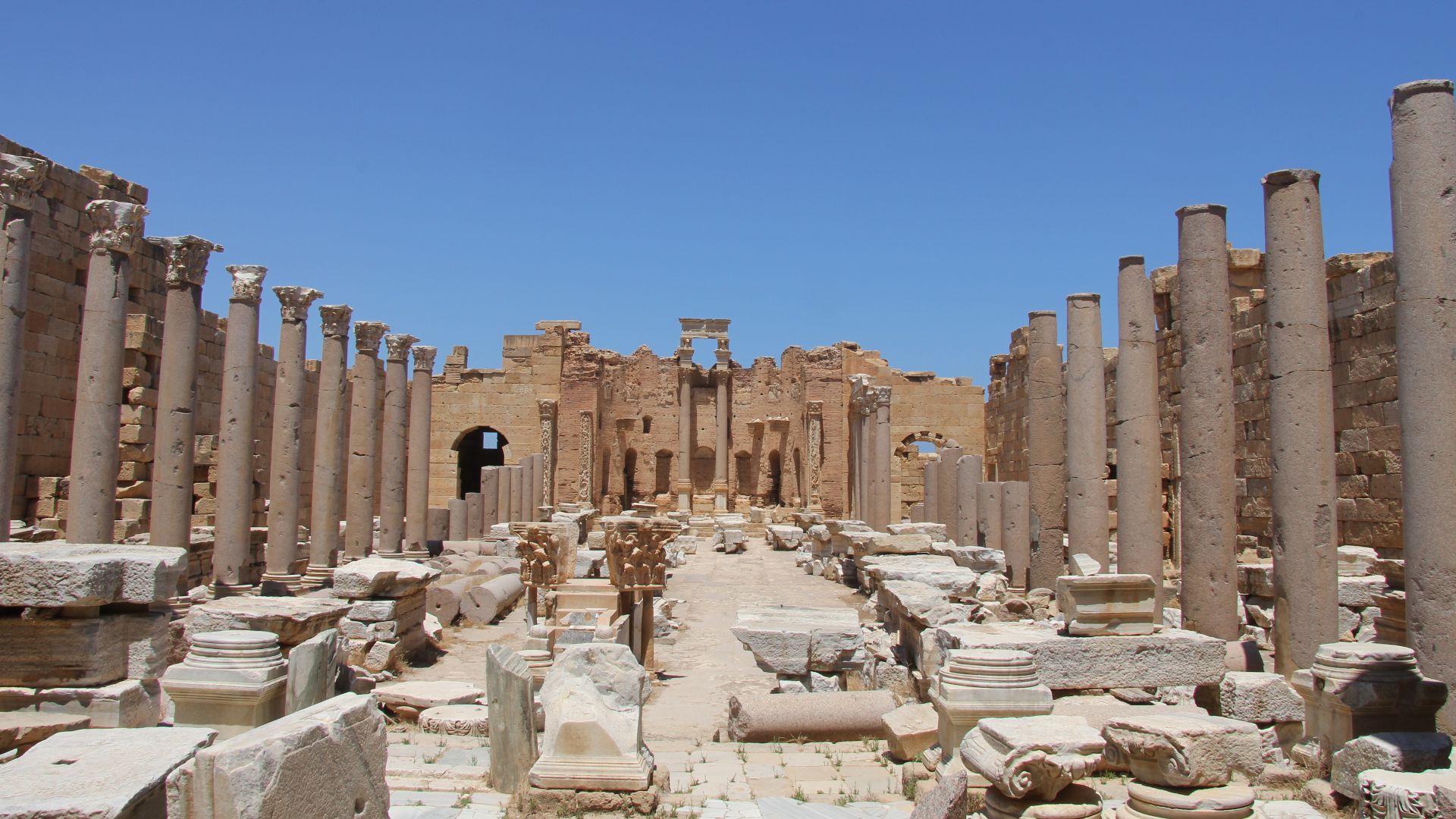
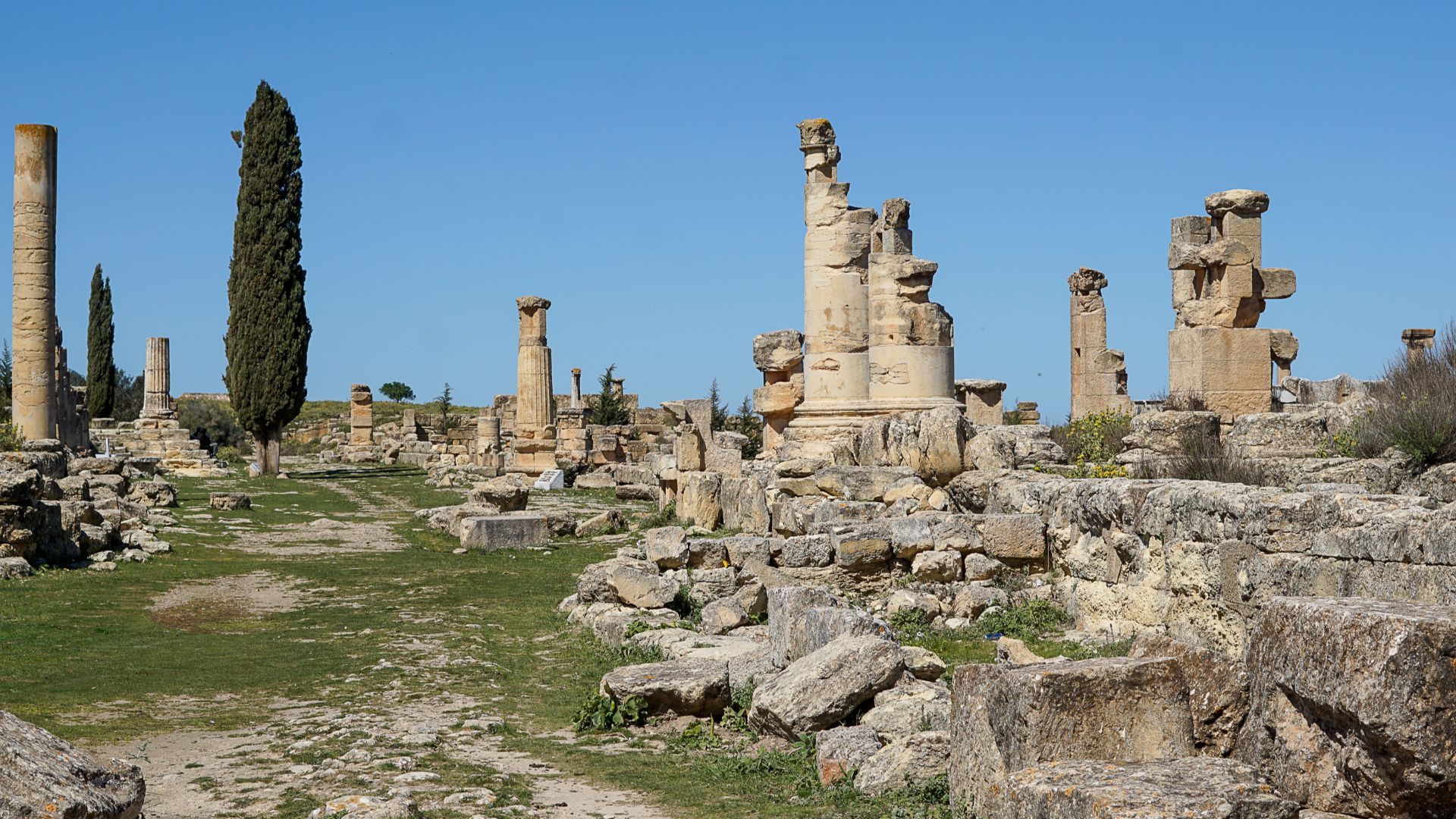
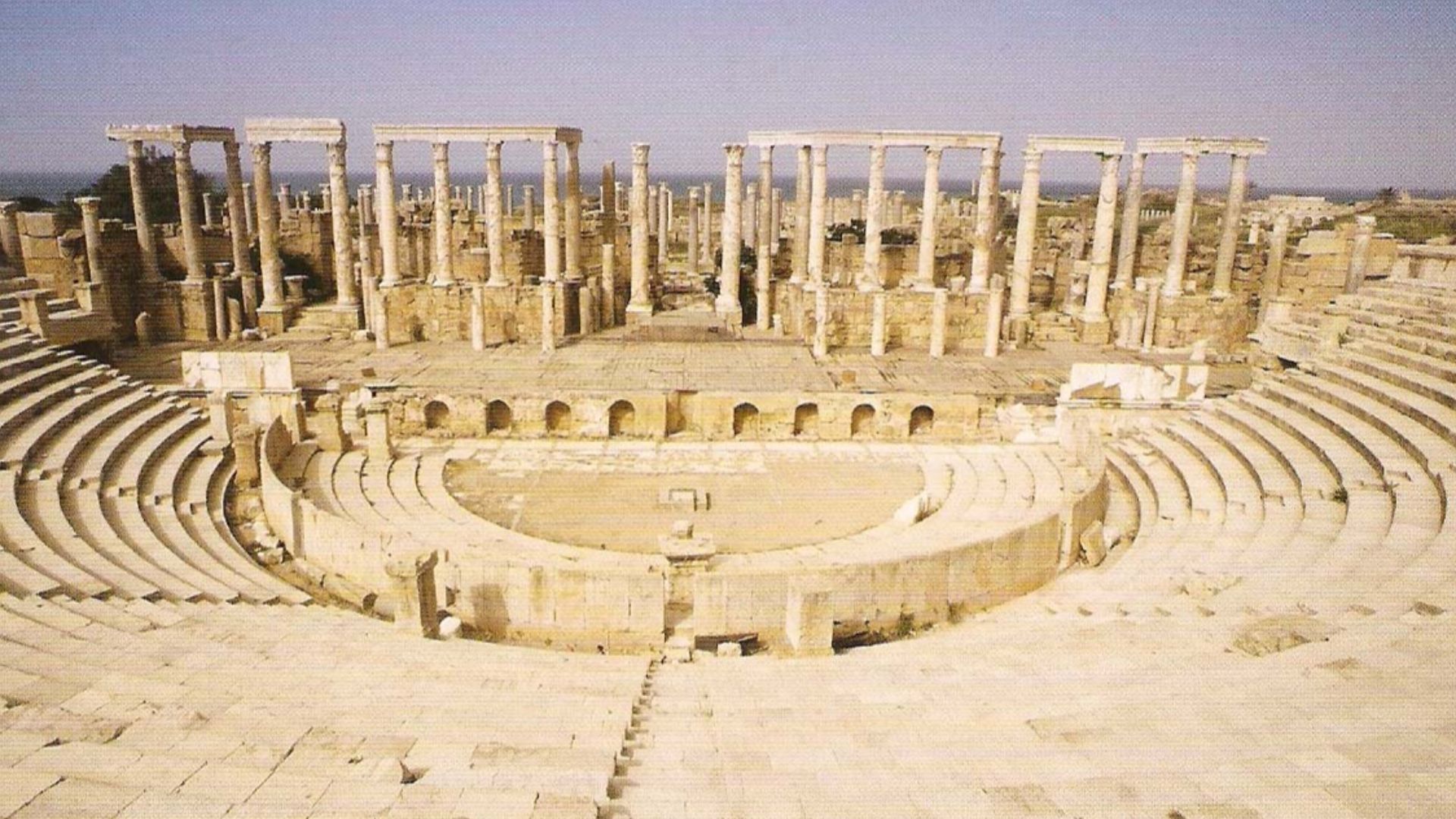
Cyrene wasn’t just any ruin. Founded around 631 BC, it was once one of the most important Greek cities in North Africa, later thriving under Roman rule.
Perched on a lush hillside near modern-day Shahhat, the site had survived earthquakes, empires, and centuries of neglect—earning its place as a UNESCO World Heritage Site.
 Giovanni Boccardi, Wikimedia Commons
When the Sky Opened Up
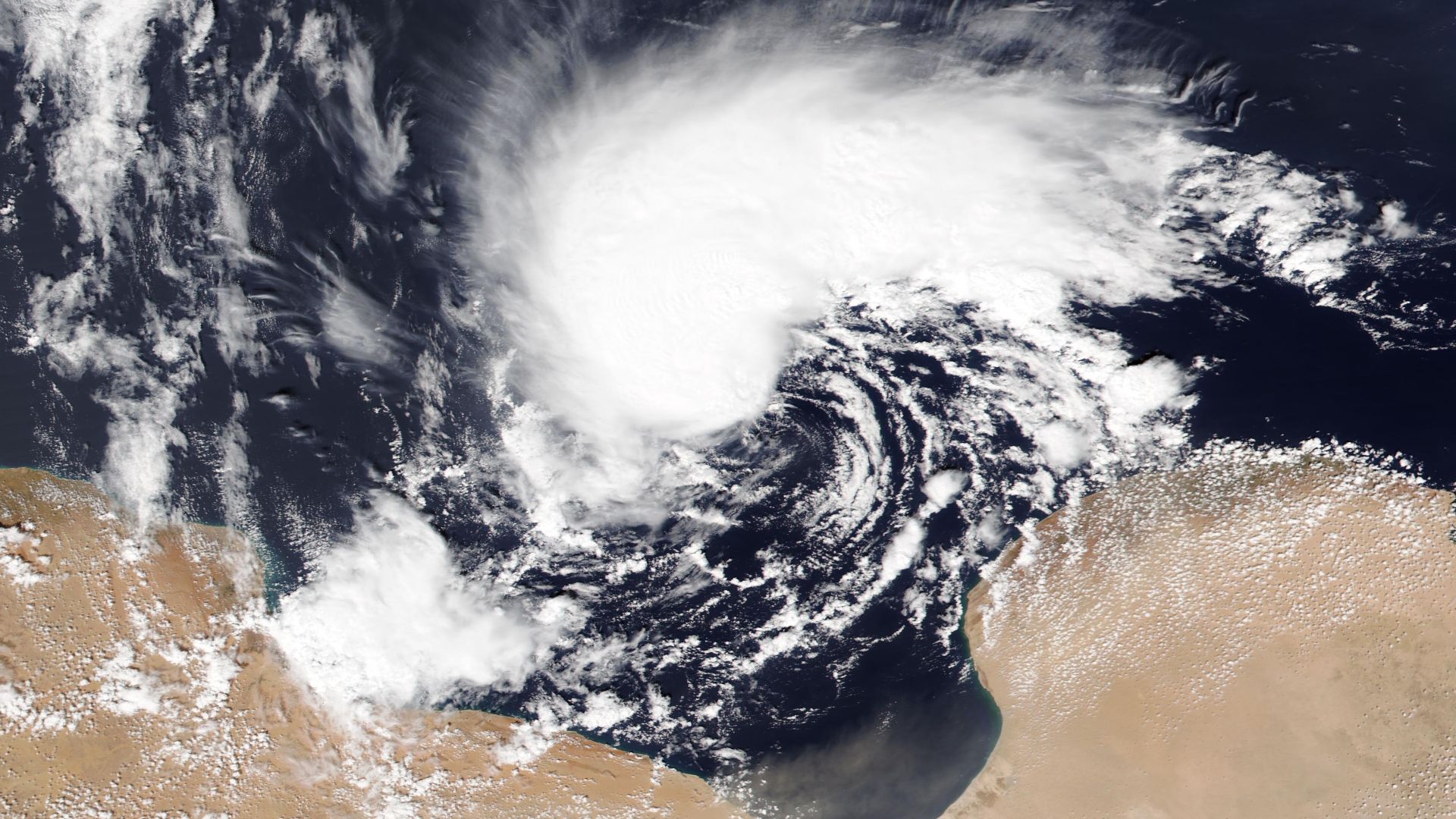
On September 11, 2023, Storm Daniel unleashed record-breaking rainfall across eastern Libya. Scientists later estimated the storm brought up to a meter of rain—something the region had never seen before.
The ground couldn’t handle it. Rivers formed where none existed. And everything in their path was swept away.
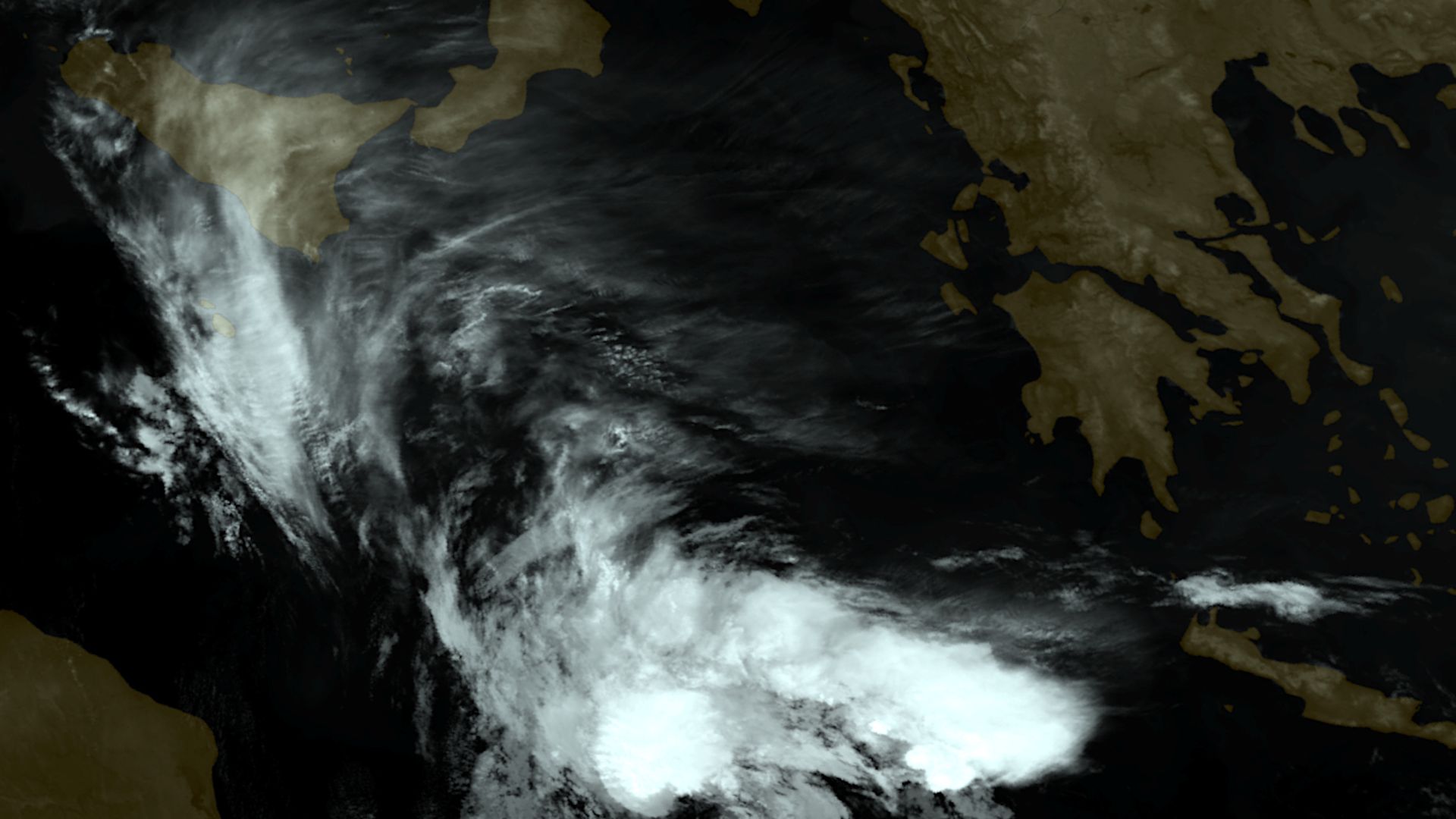 European Union, Copernicus Sentinel-3 imagery, Wikimedia Commons
The Disaster That Shocked the World
The nearby city of Derna was hit hardest. Two dams collapsed, sending a wall of water through the city. Tens of thousands were killed or went missing in what became one of Libya’s deadliest disasters.
But just a short distance away, the floodwaters were doing something very different.
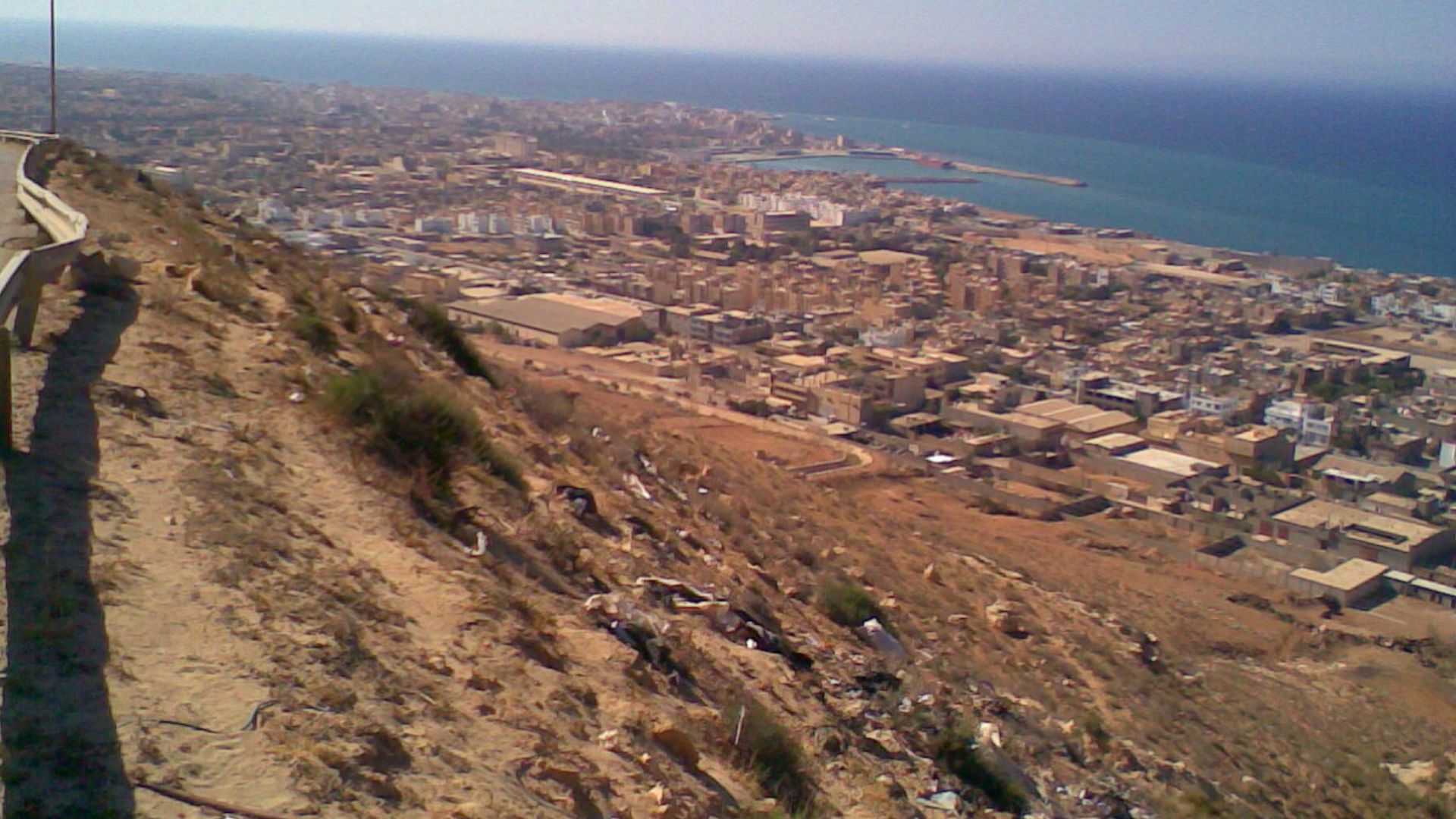 Maher A. A. Abdussalam, Wikimedia Commons
Water Rushed Through an Ancient Landscape
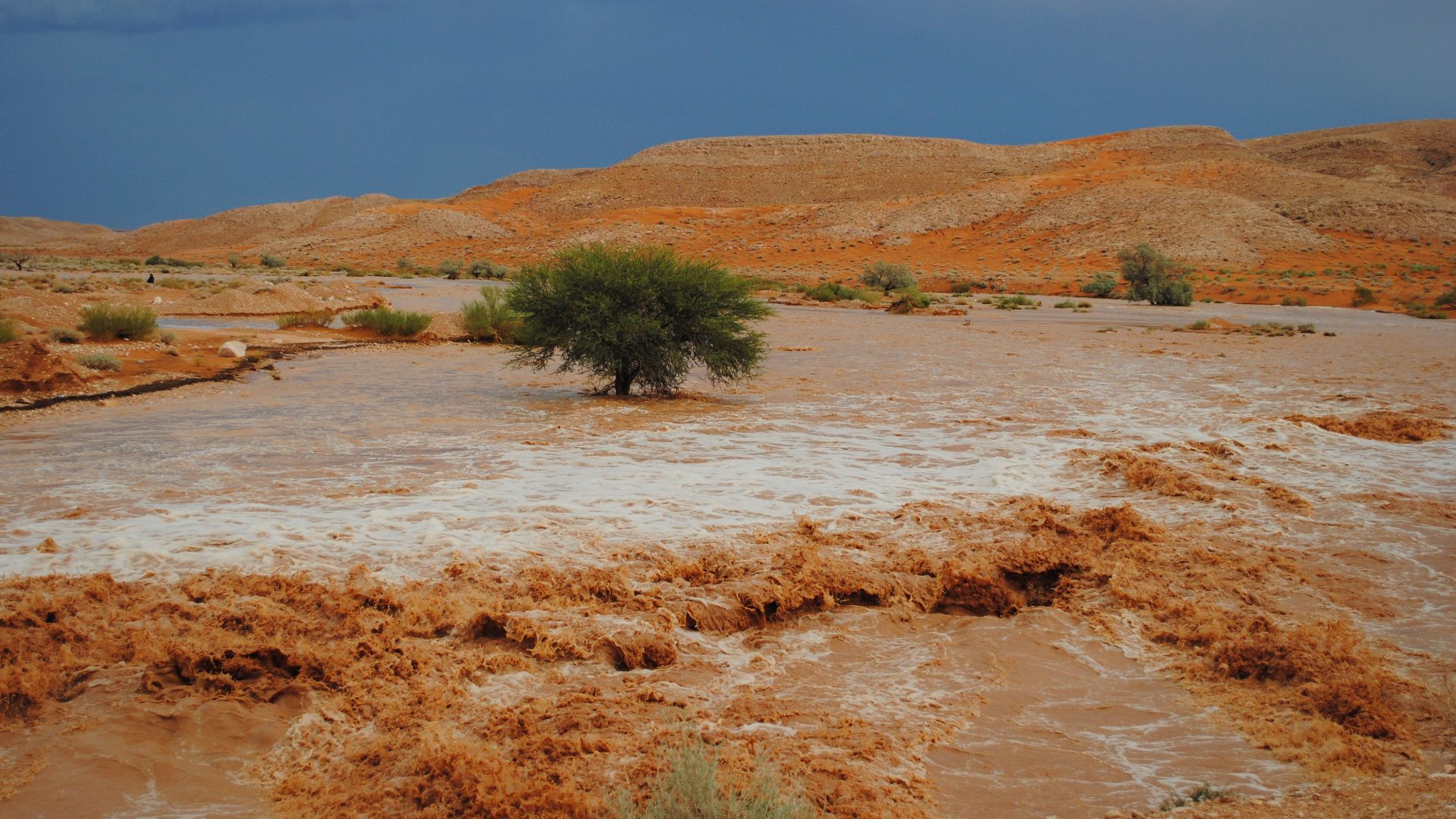
As torrents of water surged through Cyrene, they carried mud, stones, and debris directly into its ancient streets and temples. Structures that had stood for centuries were suddenly submerged, weakened, or buried.
But this was nothing compared to what they were about to discover.
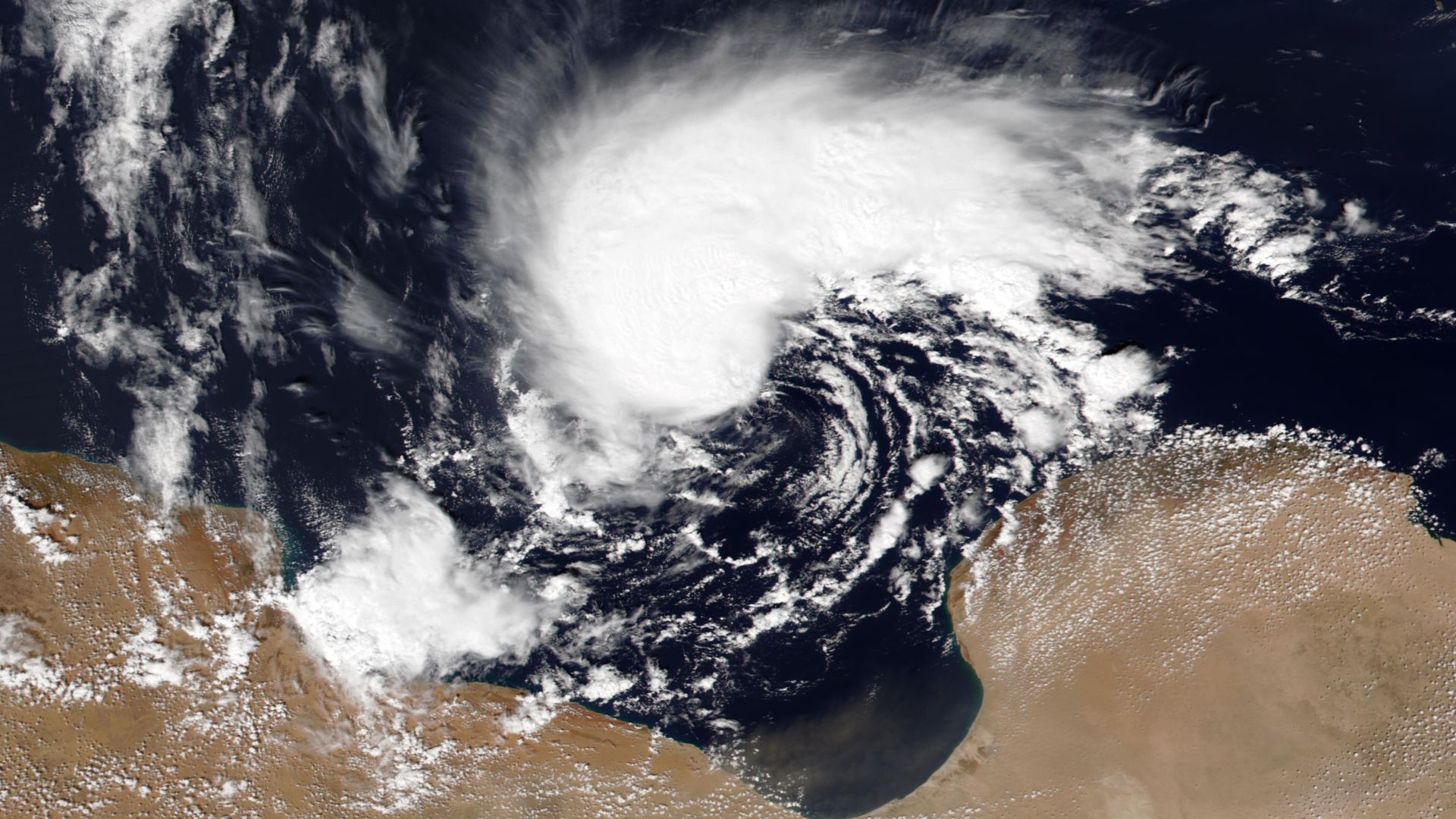 VIIRS Imagery from the NOAA-20 Satellite, Wikimedia Commons
Archaeologists Feared the Worst
Experts quickly warned that the damage could be severe. Underground water seepage threatened to destabilize foundations that had held for millennia.
Local official Adel Boufjra even warned: “We’re expecting… one of these landmarks could collapse.”
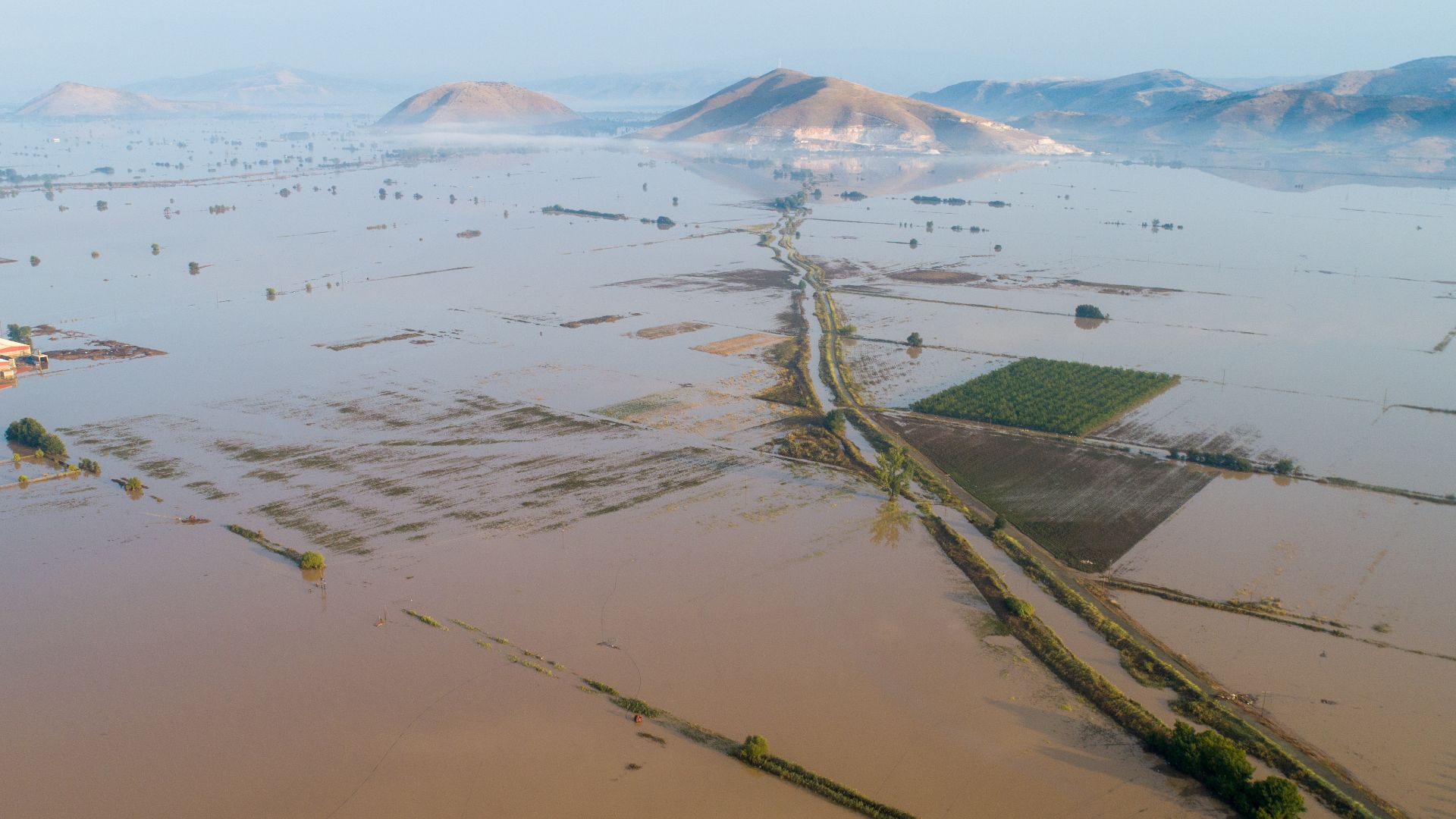 Makis Theodorou, Wikimedia Commons
Monuments Were Put at Risk
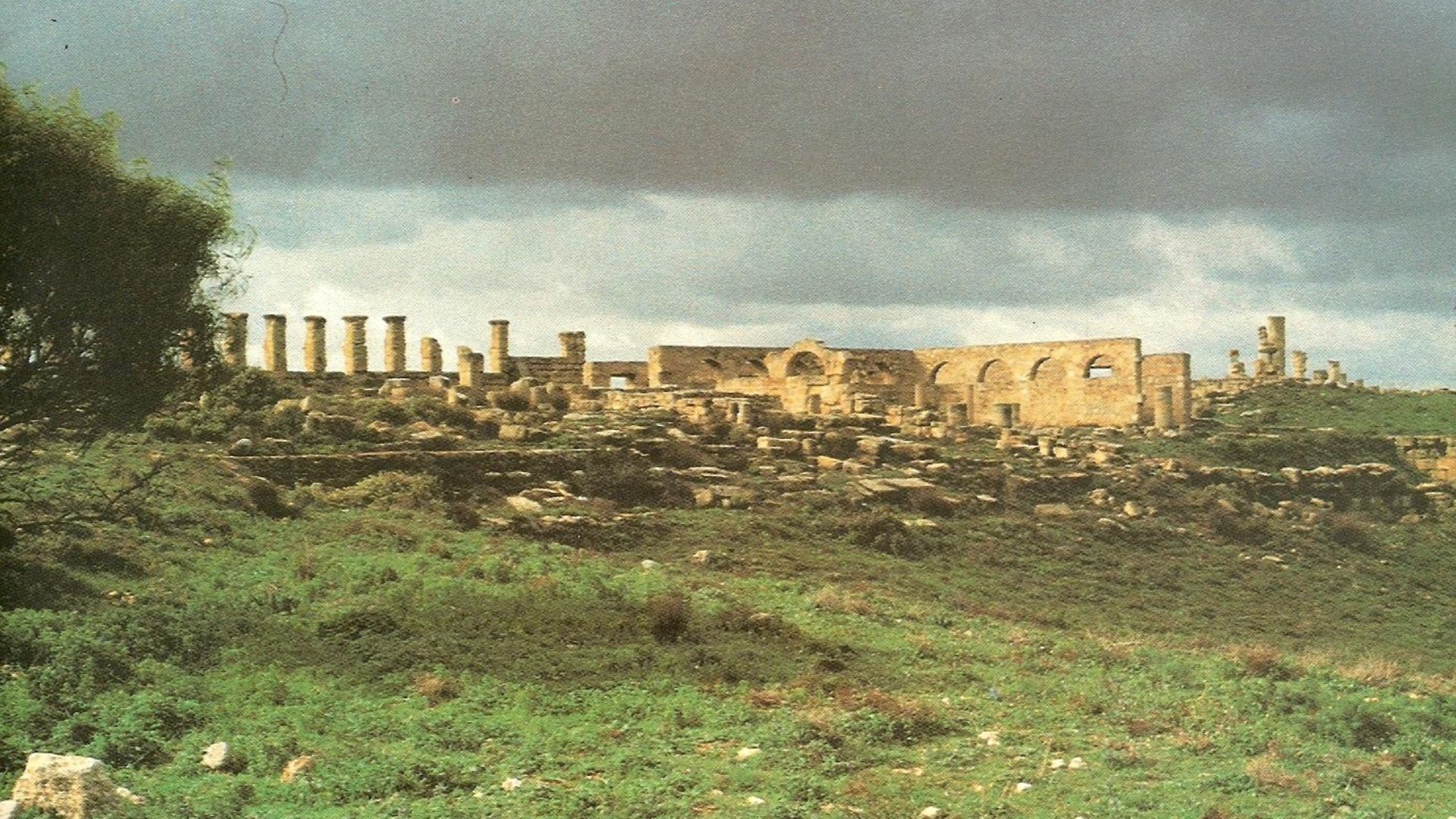
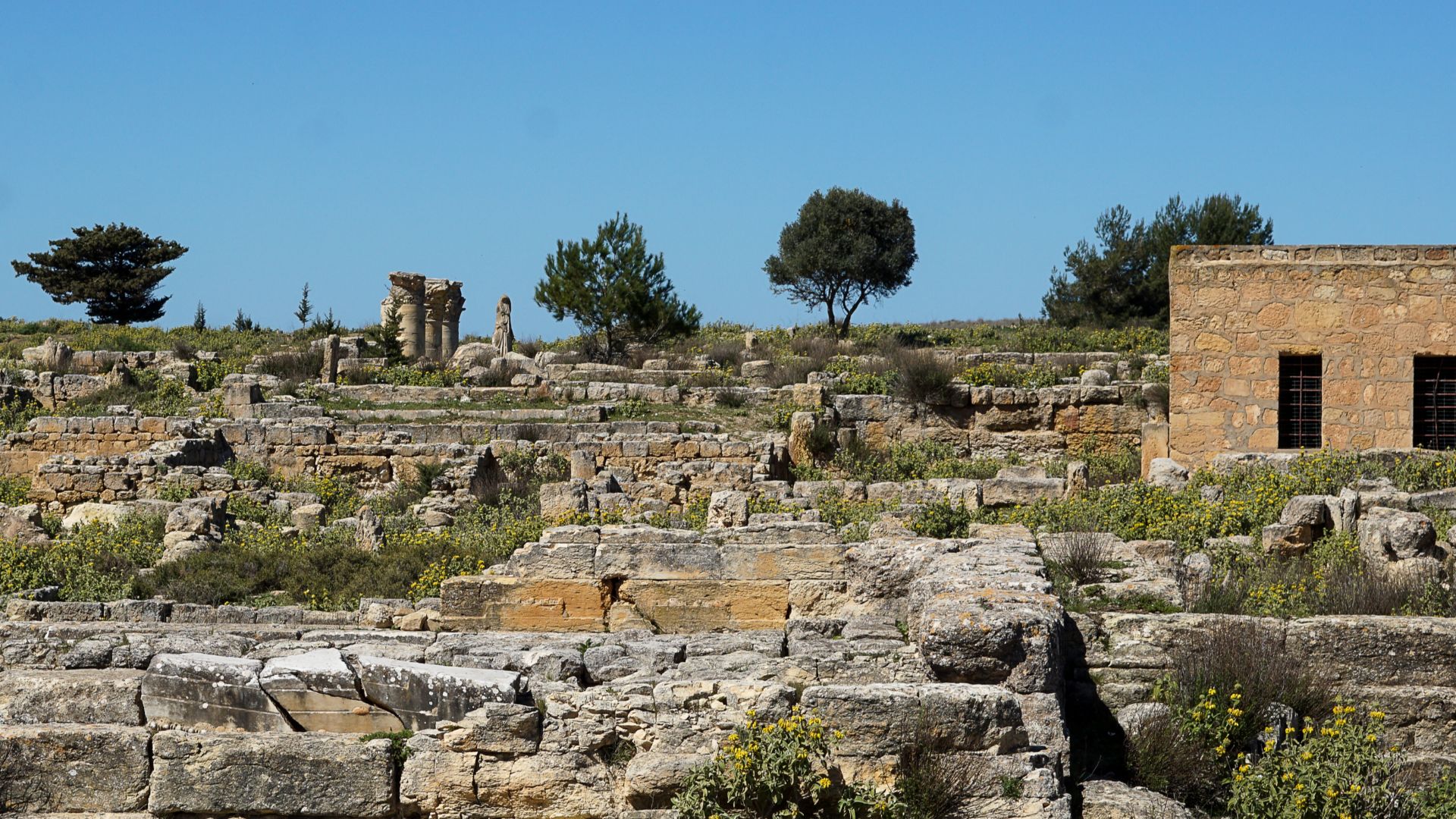
Temples, baths, and stone columns—some dating back to the Greek era—were covered in mud. Parts of the site were eroded. Others were quietly shifting beneath the surface.
For a moment, it seemed like nature had finally claimed what time had spared.
 Munsha'at al Akhdar lil Alwan, Benghazi., Wikimedia Commons
But Then Something Strange Happened
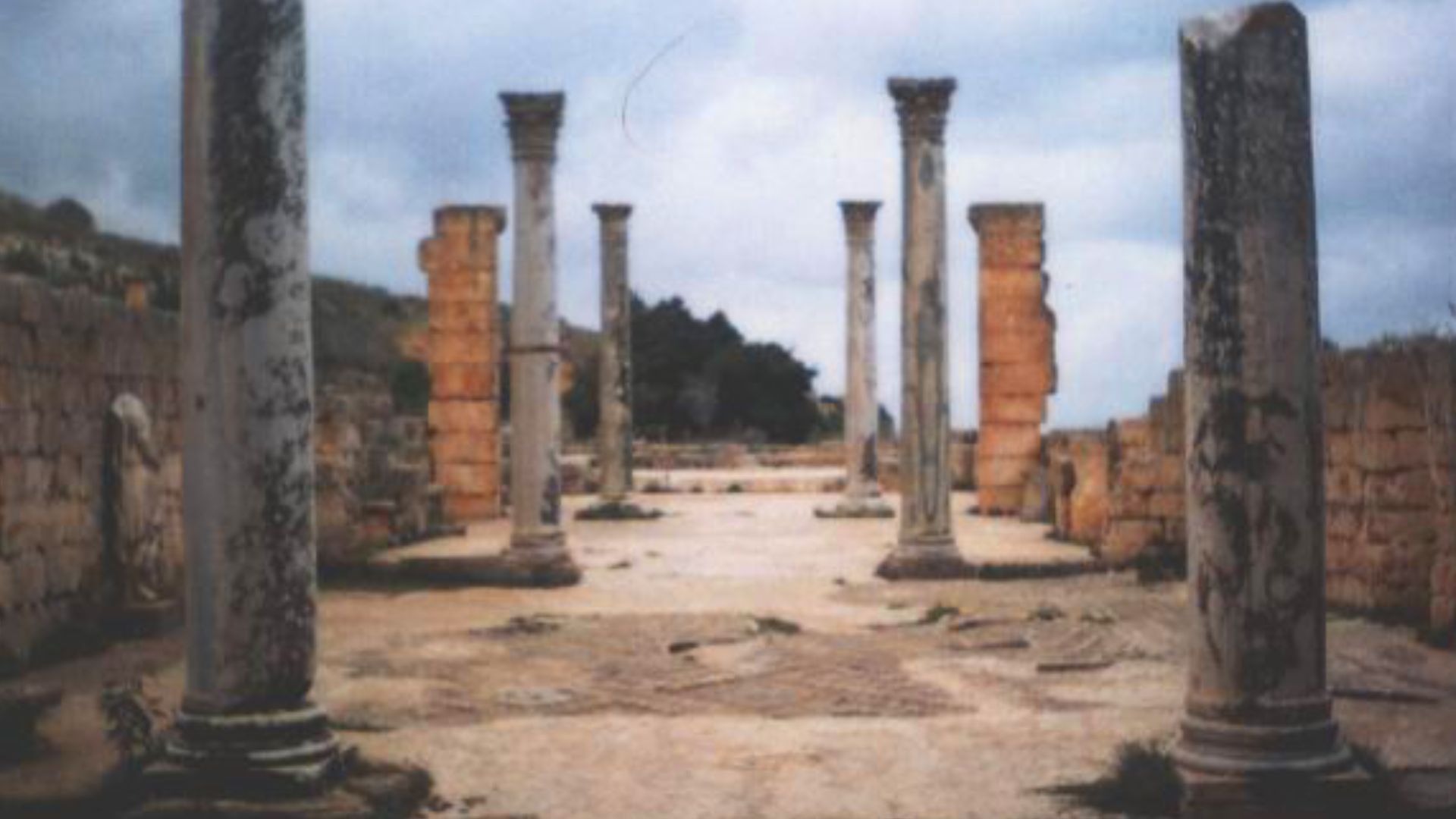
As the floodwaters began to recede, archaeologists noticed something unexpected. The same water that buried parts of Cyrene had also stripped away layers of earth that had been hiding something underneath.
The Ground Had Been Peeled Back
Centuries of soil, debris, and sediment were suddenly gone. And it their place was something magnificent. It was as if the flood had “cleaned” parts of the ancient city—revealing structures no one had seen before.
 AbdAlrhman Abdulrasol, Wikimedia Commons
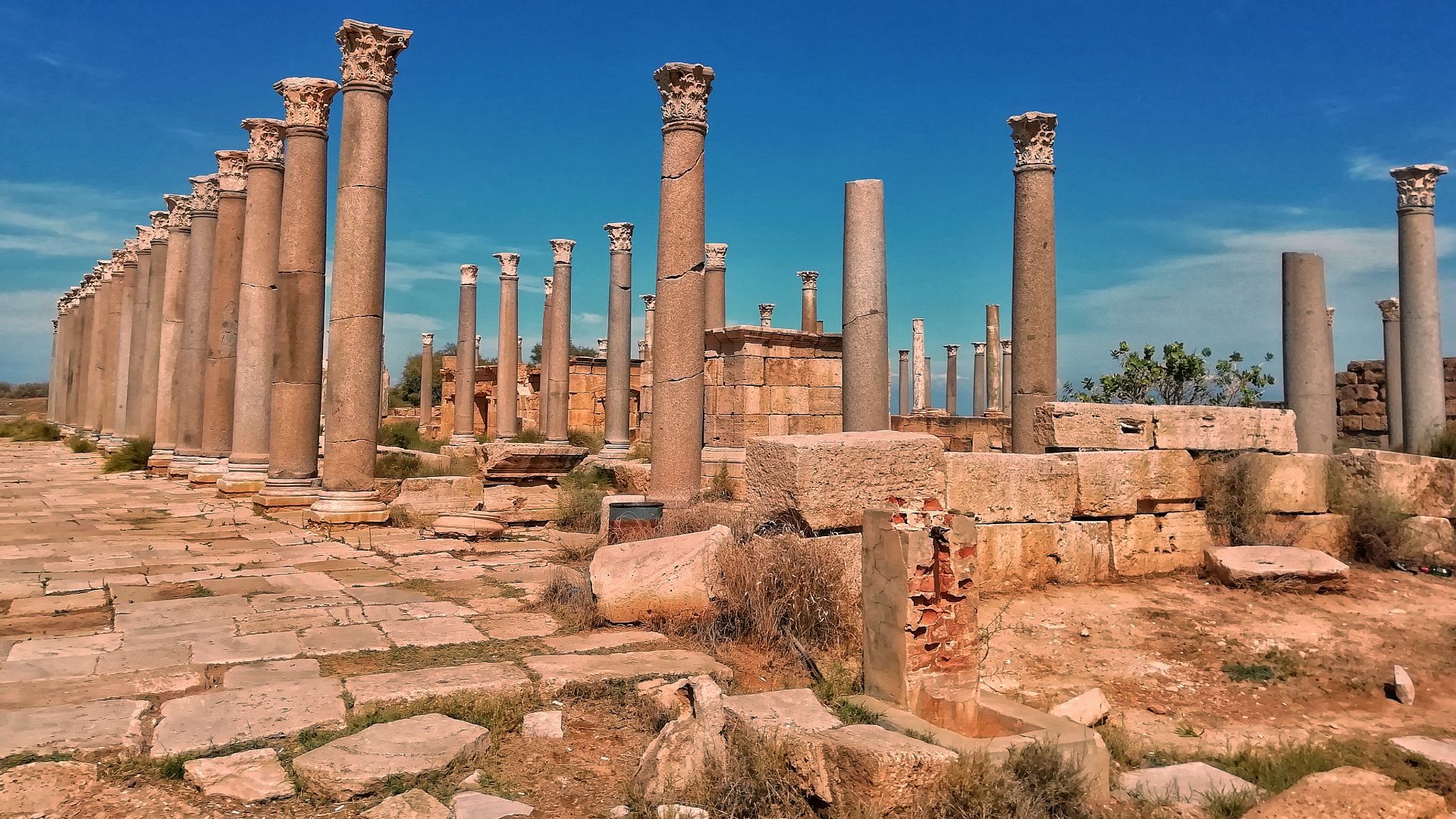
A Hidden Roman System Emerges
One of the first discoveries was a previously unknown Roman drainage system. “The flooding has revealed a new site—a water canal… dating back to the Roman era,” Boufjra explained.
Ironically, a flood had uncovered ancient flood-control engineering. And that's not all.
A City That Still Had Secrets
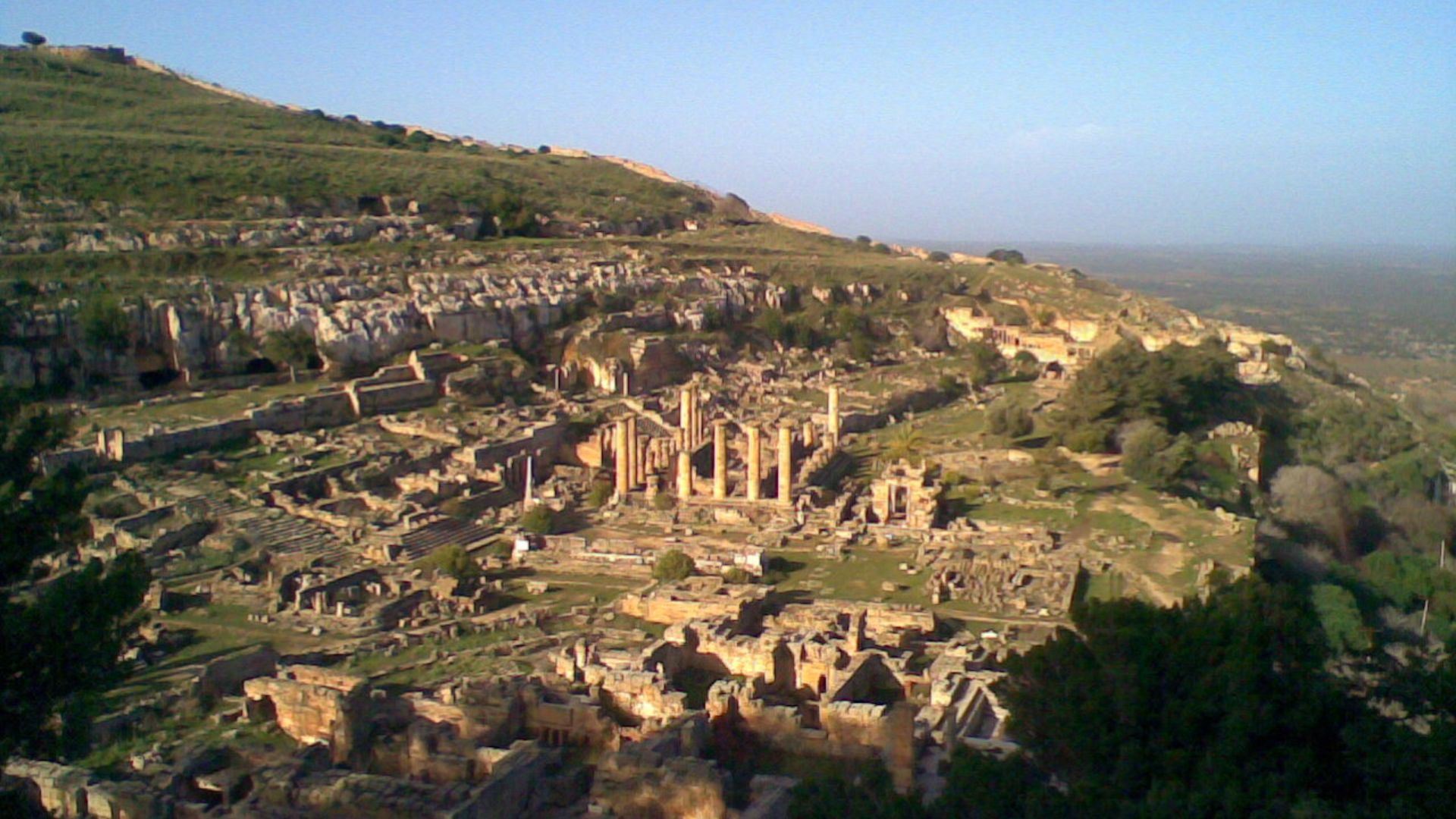
Cyrene had been studied for over a century. Archaeologists thought they knew its layout. But suddenly, new features were appearing—structures that had never been mapped, recorded, or even suspected.
And it was about to get so much better.
 Giovanni Boccardi, Wikimedia Commons
Artifacts Began to Surface
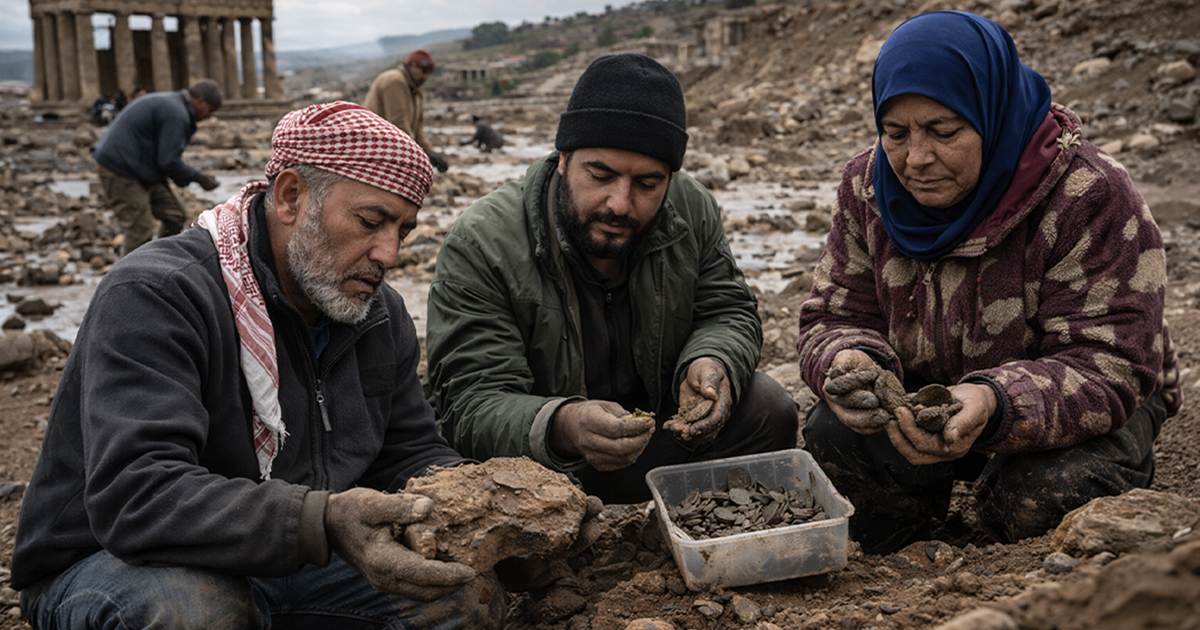
As more areas were exposed, archaeologists began finding objects scattered by the water. Some had been buried for thousands of years—only to be revealed in a matter of hours.
A Greek Tombstone Appears
One of the most significant finds was a limestone Greek tombstone uncovered in the nearby area of Shahat. The Libyan Antiquities Authority confirmed it had been revealed directly by the storm’s floodwaters.
A Race Against Time
Once news spread, archaeologists rushed to secure the site. Teams were quickly formed to recover and document the artifacts before looters—or further weather—could destroy them.

The Flood Didn’t Just Reveal One Thing
Reports indicated that multiple discoveries were made across the region—not just one tombstone. Entire sections of ancient infrastructure and unknown features had been exposed.
 joepyrek from Richmond, Va, USA, Wikimedia Commons
A Dangerous Double-Edged Sword
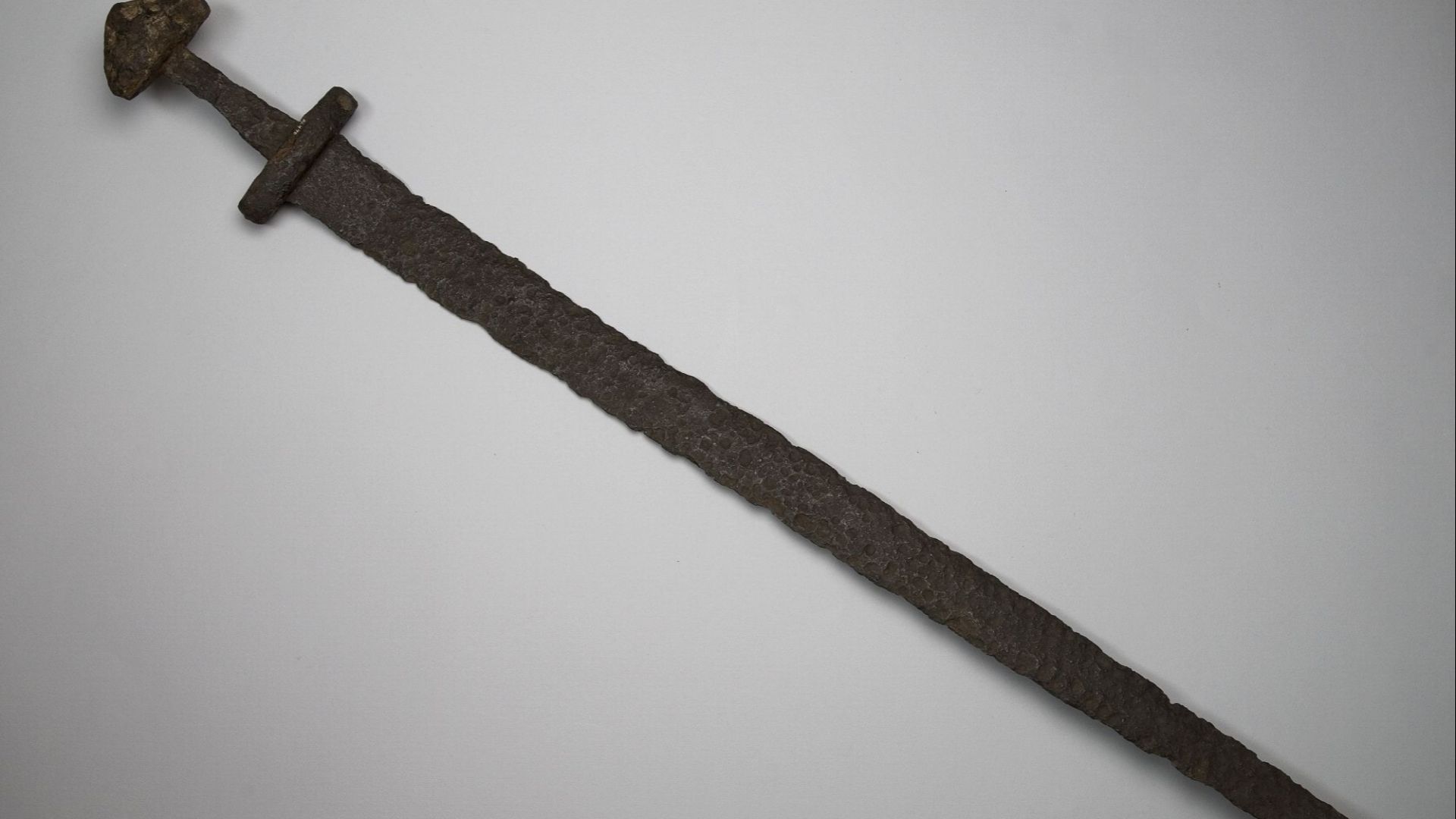
This was the paradox: The flood had both damaged Cyrene and expanded human knowledge of it. It was destruction… and discovery… happening at the exact same time.
But this isn't as exciting as it sounds.
 Christer Ahlin, Wikimedia Commons
Scientists Pointed to a Bigger Problem
Researchers later suggested climate change may have made the storm significantly more intense. Meaning this kind of event—and its impact on ancient sites—could happen again.
The pressure was on to recover as much as they could.
Some Artifacts Were Lost Forever
Unfortunately, not everything was recovered. Floodwaters reportedly swept some objects away completely—possibly into the sea.
Those pieces of history may never be seen again.
 Syed Wali Peeran, Wikimedia Commons
Others Were Preserved by Chance
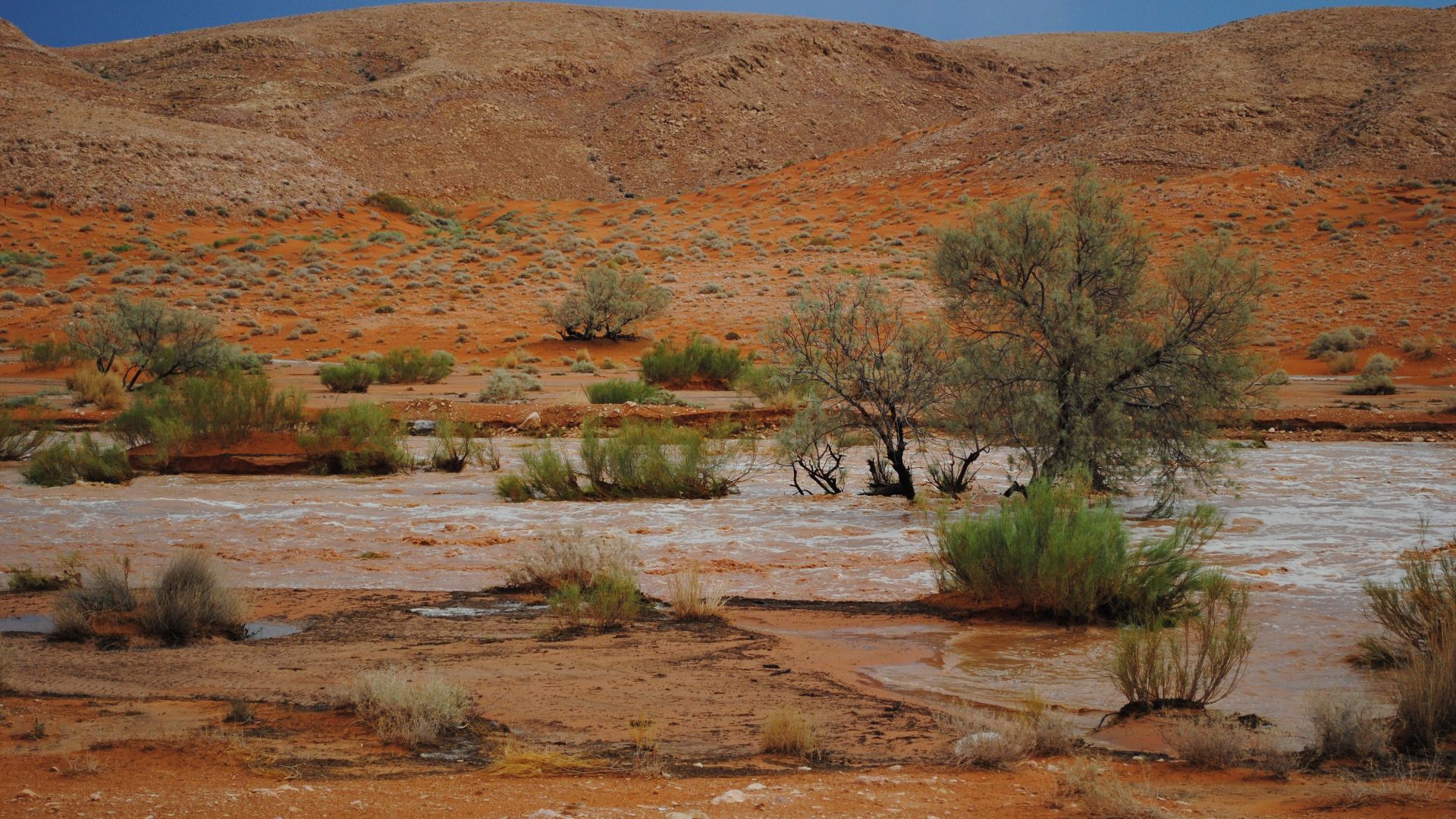
Ironically, some artifacts may have been protected by the mud that buried them. In archaeology, sudden burial can act like a time capsule—shielding objects from erosion and human interference.
 Syed Wali Peeran, Wikimedia Commons
The Story of Cyrene Isn’t Over
Restoration efforts began soon after the disaster, with international teams working alongside Libyan experts. But the site remains fragile—and full of unanswered questions.
 Saleh Tarab, Wikimedia Commons
A Discovery Hidden Inside a Tragedy
What makes this story unforgettable isn’t just the artifacts—it’s the timing. Thousands of lives were lost in the same event that revealed pieces of a civilization over 2,000 years old.
And then came the realization...
Nature: Destroyer… and Accidental Archaeologist
Archaeologists began to understand something chilling: How many other ancient secrets are still buried—waiting for the next disaster to uncover them?
Storm Daniel didn’t just rewrite Libya’s modern history. It also reshaped its ancient one—exposing forgotten systems, artifacts, and clues about how people lived, built, and survived long before us.
The Final Twist Nobody Expected
No treasure chest. No piles of gold. Instead, something arguably more valuable: New knowledge of a lost world—revealed in a single catastrophic moment.
 Saleh Tarab, Wikimedia Commons
You May Also Like: