It Started as a Boring School Project
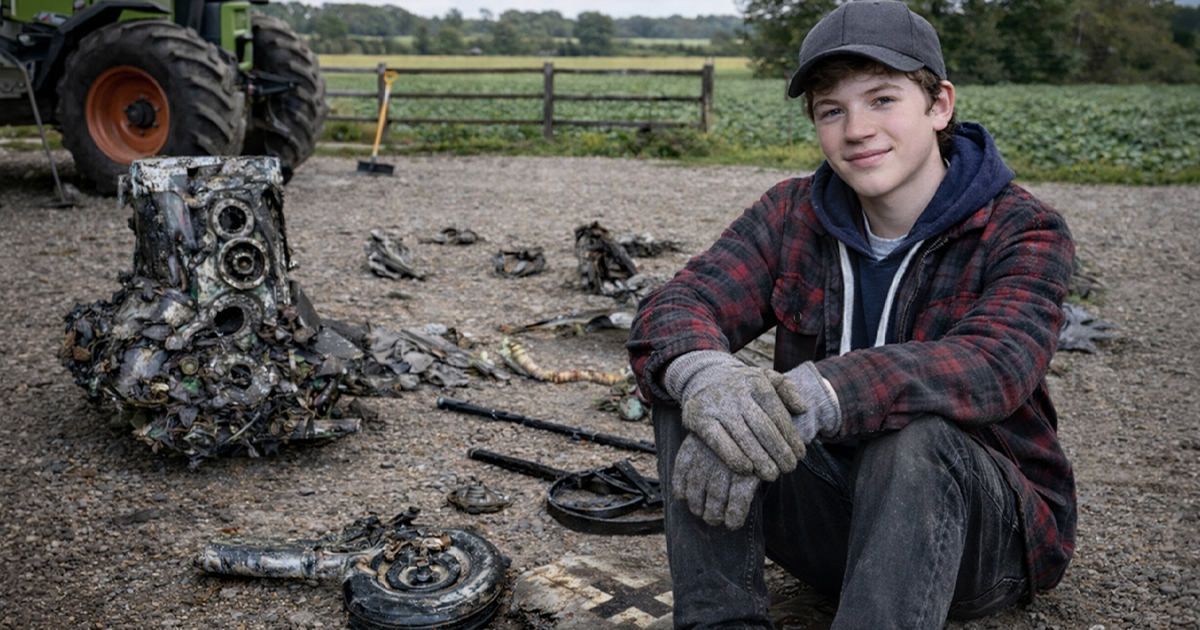
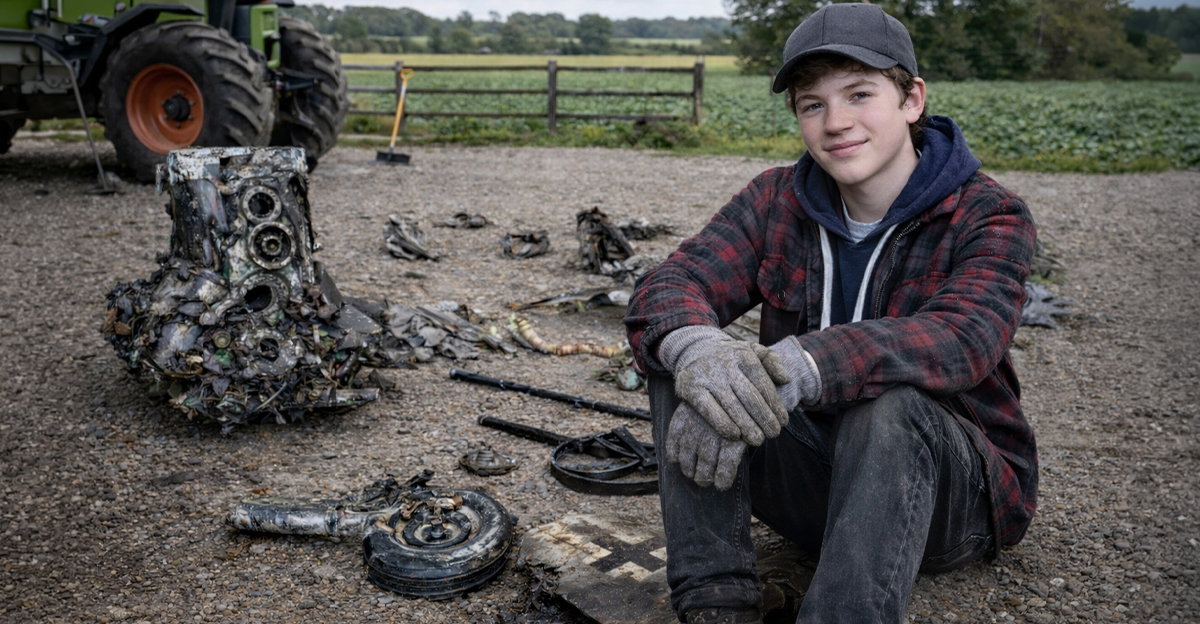
In 2017, a 14-year-old Danish boy named René Emil was working on a school project about World War II. Nothing exciting—just the usual homework most students try to finish as quickly as possible. But instead of heading straight to Google, he took a metal detector into the field—and ended up finding something that would completely change everything.
A Rumor From His Dad
When René’s dad, Klaus Emil, heard of his son's project, he mentioned something he’d heard years earlier—that a German plane might have crashed somewhere on their farm near Birkelse. It wasn’t confirmed, just one of those local stories people repeat without really knowing if it’s true. Still, it was way more interesting than writing a basic report.

Homework, But Make It an Adventure
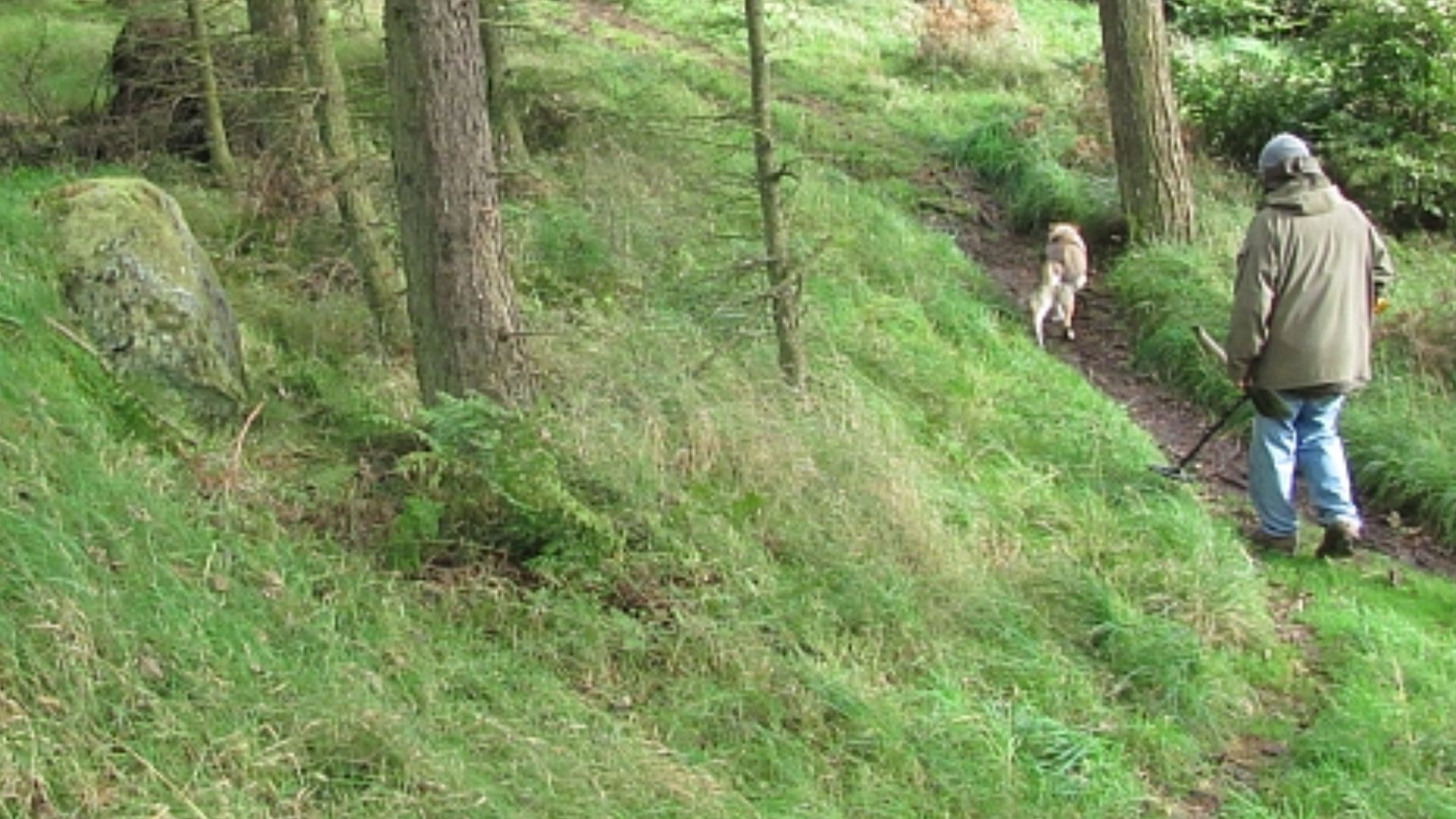
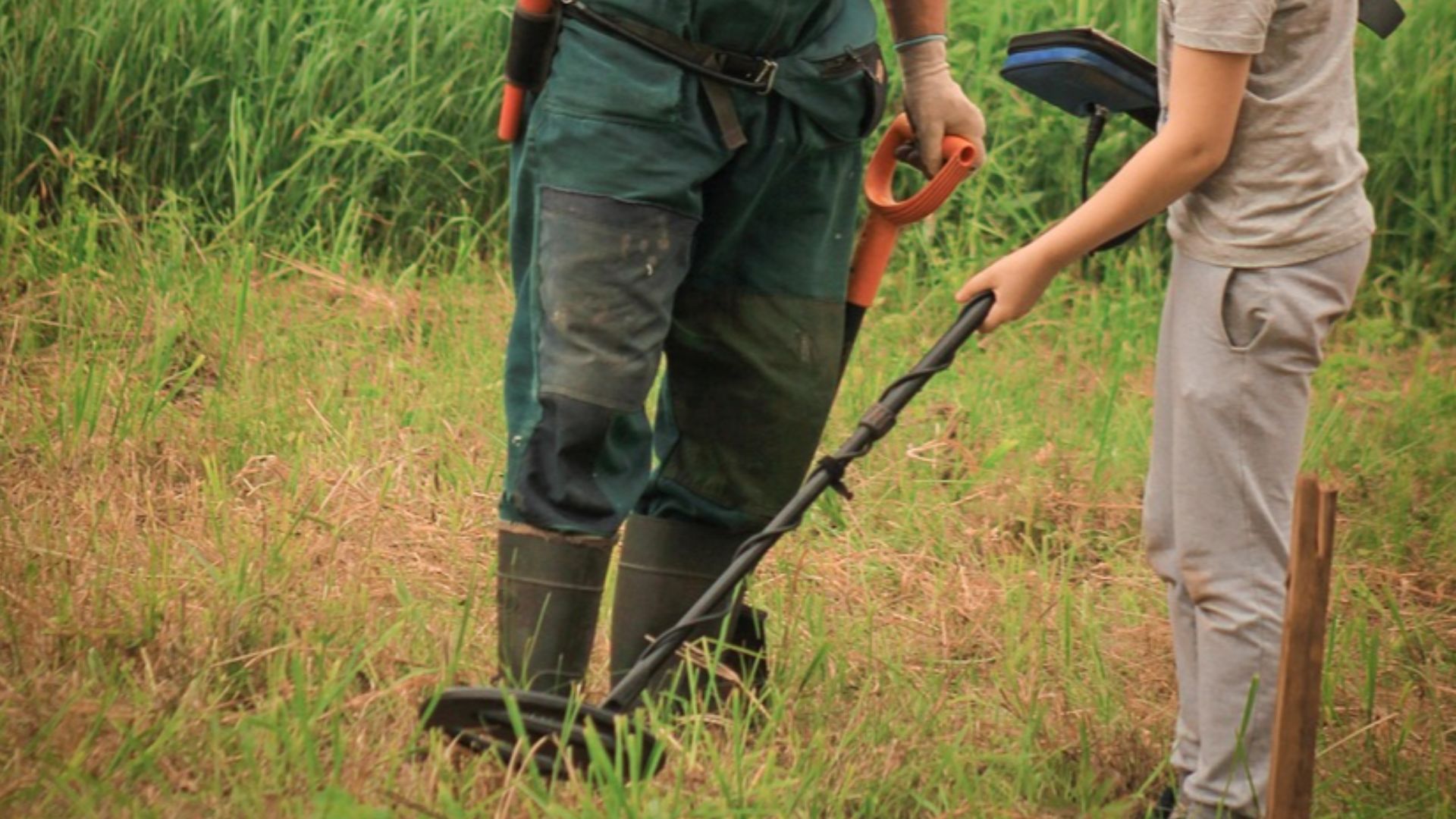
Instead of ignoring the story, René decided to actually check it out. He grabbed a metal detector and headed into the fields with his dad, turning his homework into a full-on search mission. Honestly, this is already more effort than most people put into school projects.
 Richard Webb , Wikimedia Commons
The First Beep
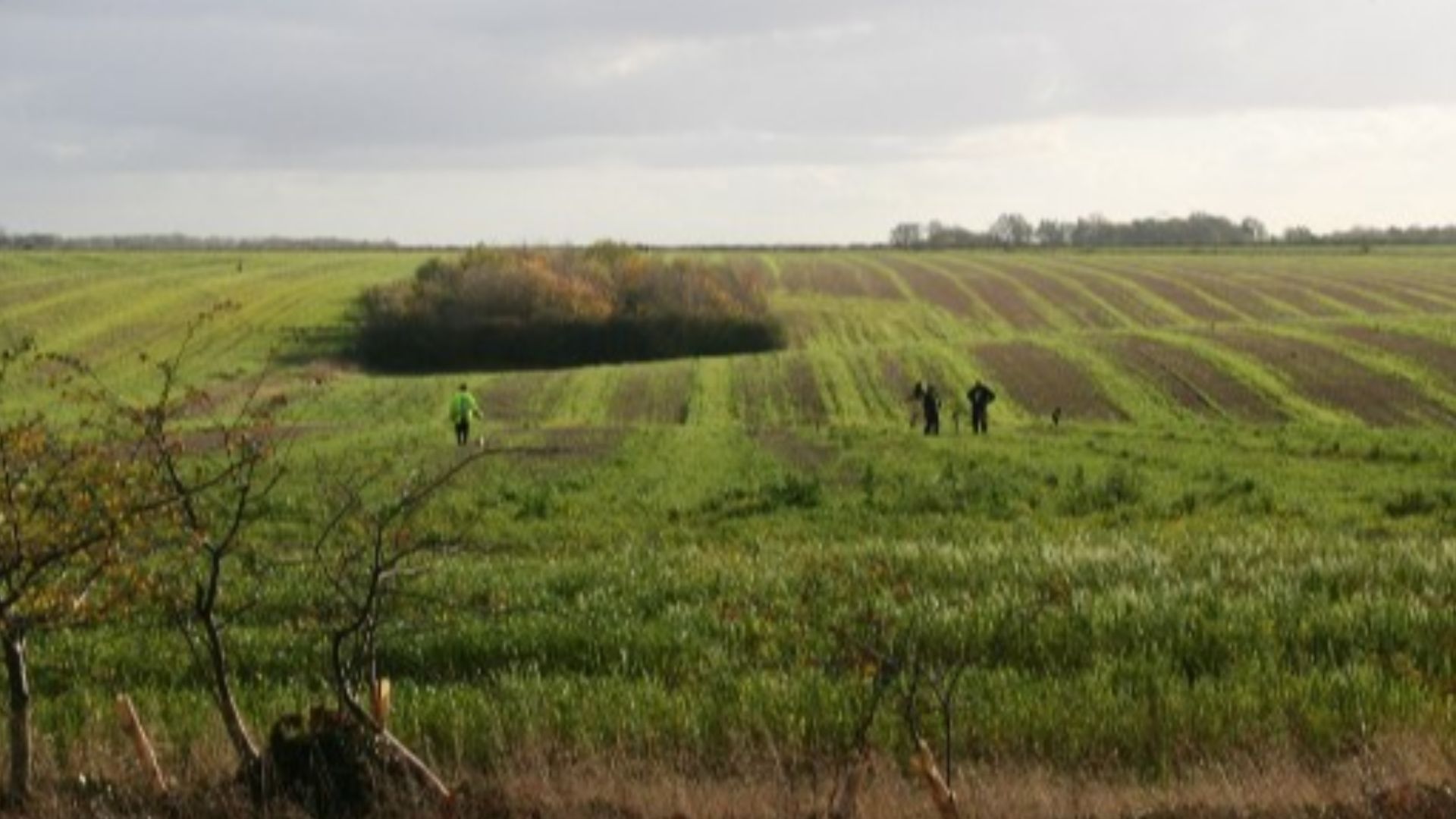
After walking around for a while, the metal detector finally made a sound. At first, it was a weak signal, the kind you might expect from random junk buried in the ground. But when they scanned the same spot again, the signal got stronger—and a lot more interesting.
Digging Into Something Bigger
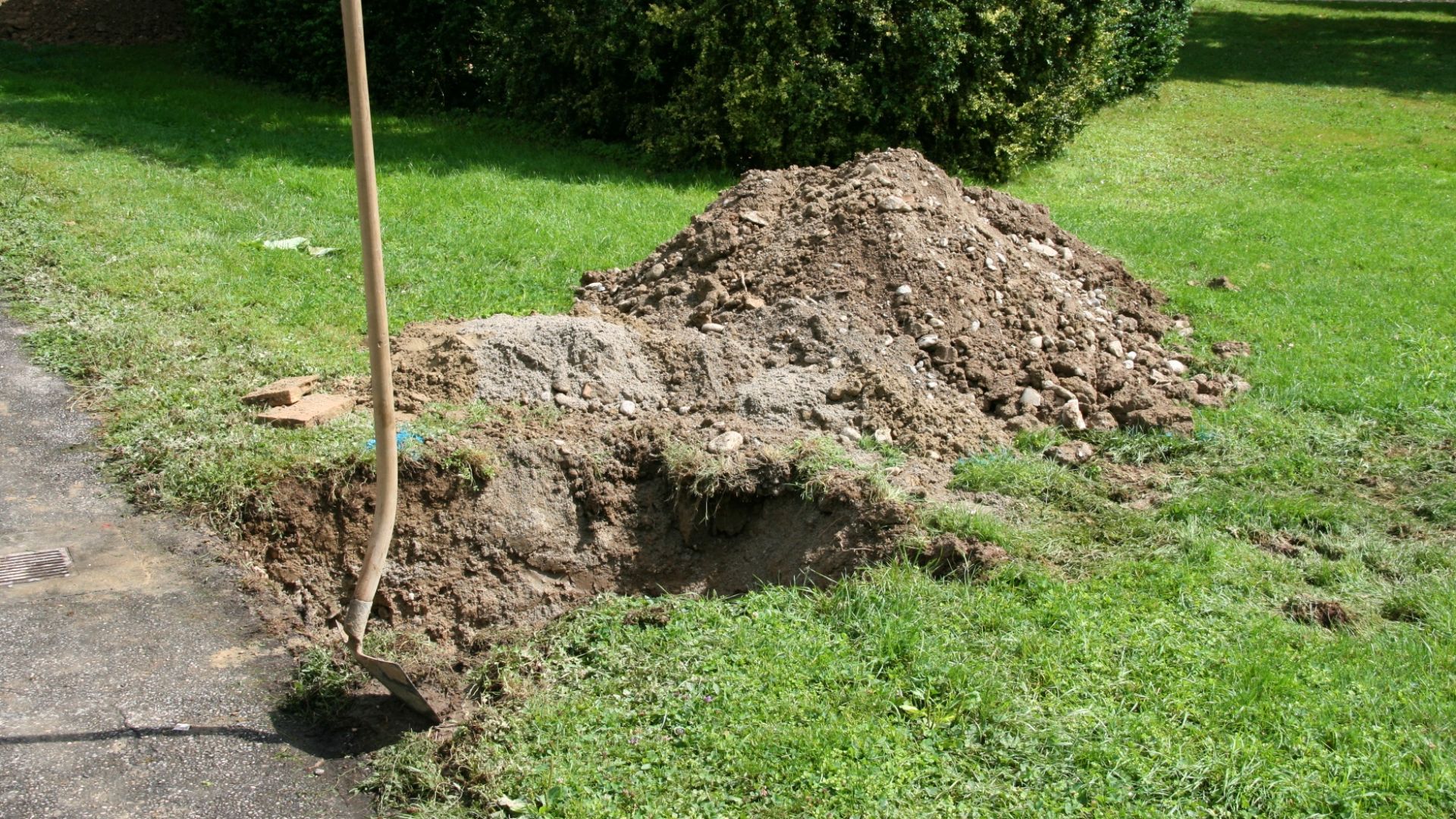
They started digging carefully, expecting maybe a few small metal scraps. At first, that’s exactly what they found—nothing too exciting. But then the pieces got bigger, heavier, and a lot less random-looking.
 Marek Ślusarczyk (Tupungato) Photo portfolio, Wikimedia Commons
This Was Definitely Not Farm Trash
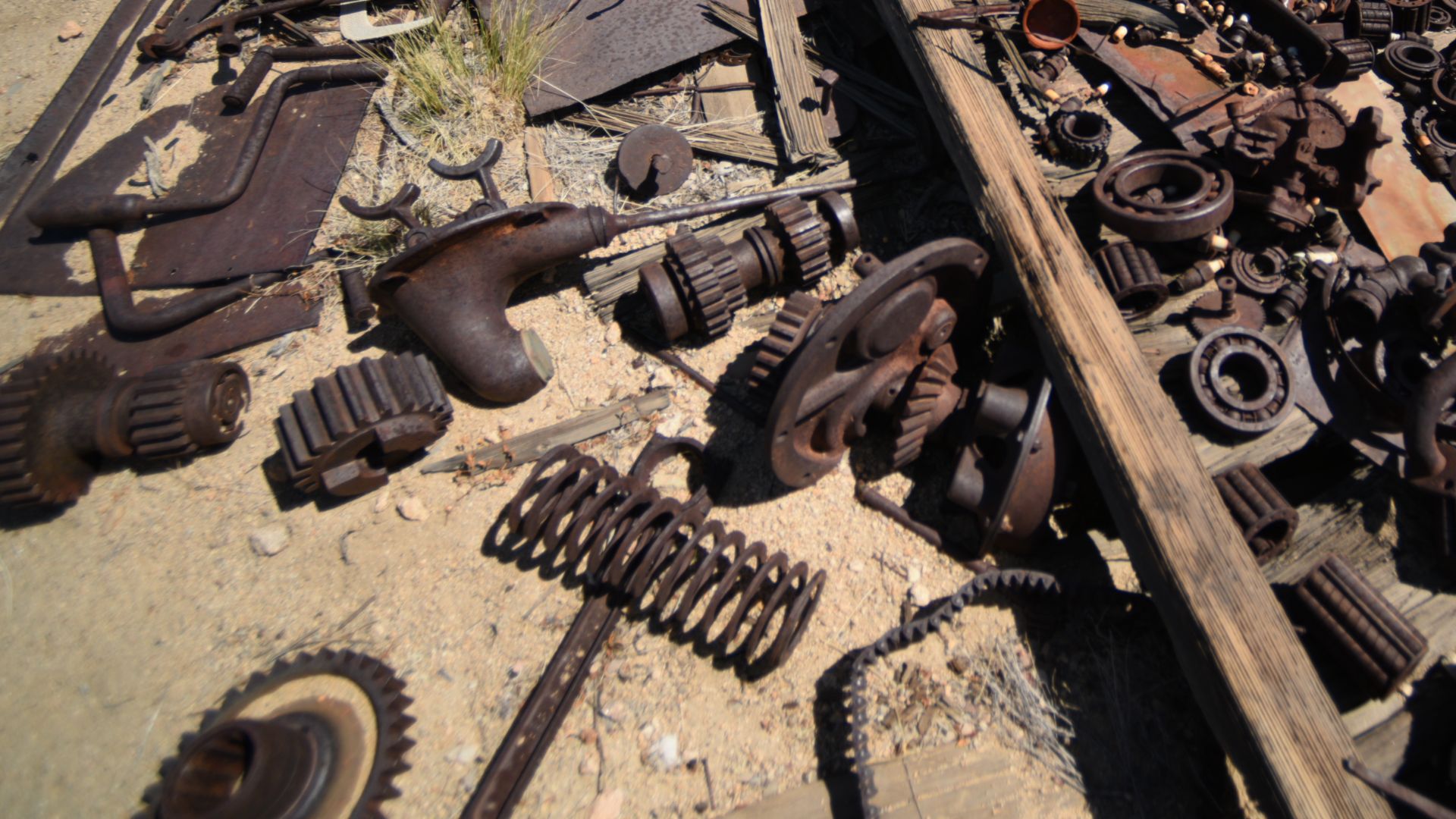
The metal fragments didn’t look like anything from farming equipment. They had curves, thickness, and shapes that suggested something mechanical—something built, not broken. That’s when things started to feel a little more serious.
 Joshua Tree National Park, Wikimedia Commons
Time to Call the Experts
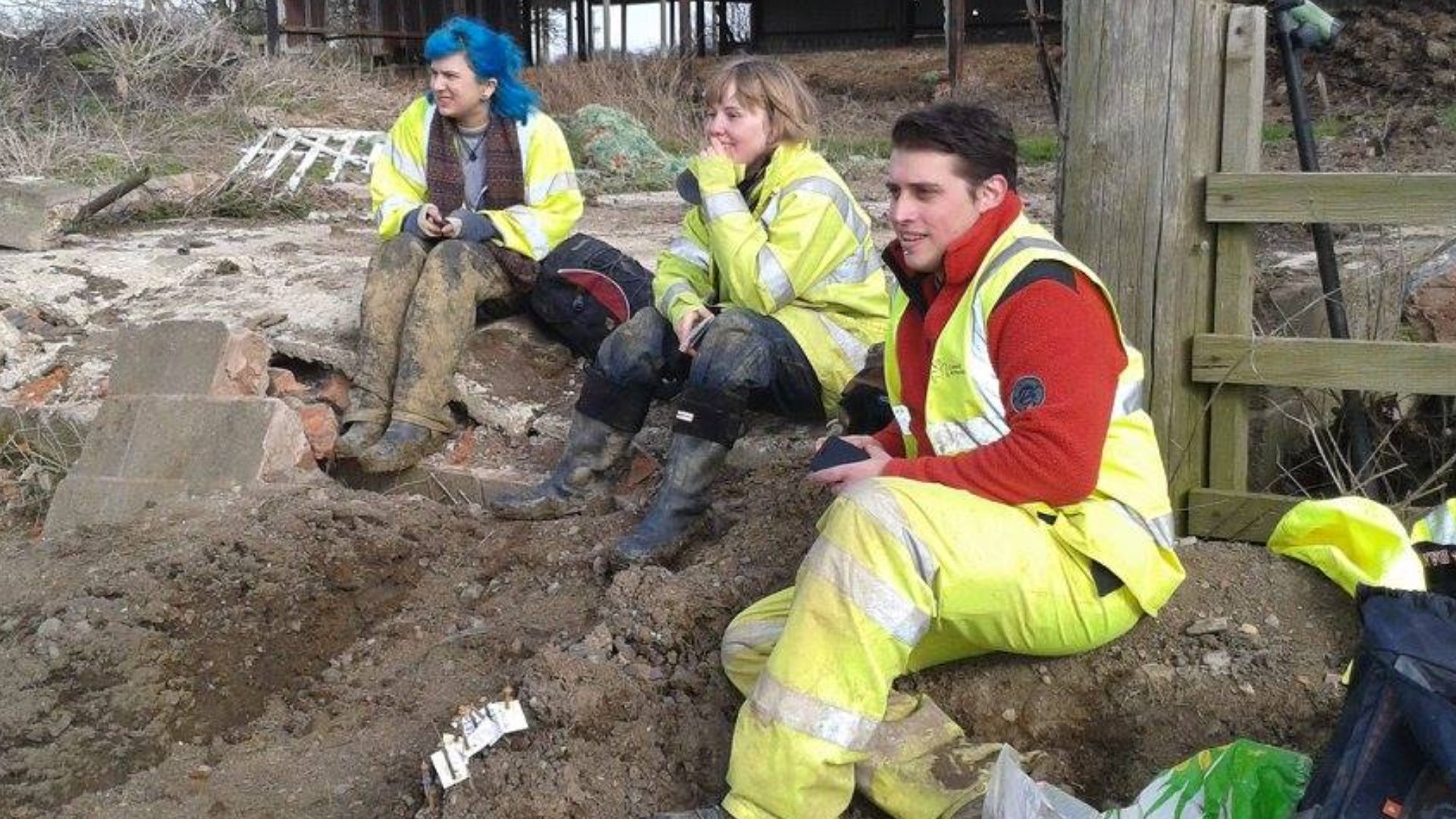
At that point, they realized this might be bigger than a school project. They contacted local authorities, who quickly brought in archaeologists and historians to take a proper look. Because yeah… this was no longer just “homework.”
But what they found was a lot more than what they were expecting.
 PeopleImages, shutterstock.com
The Big Reveal
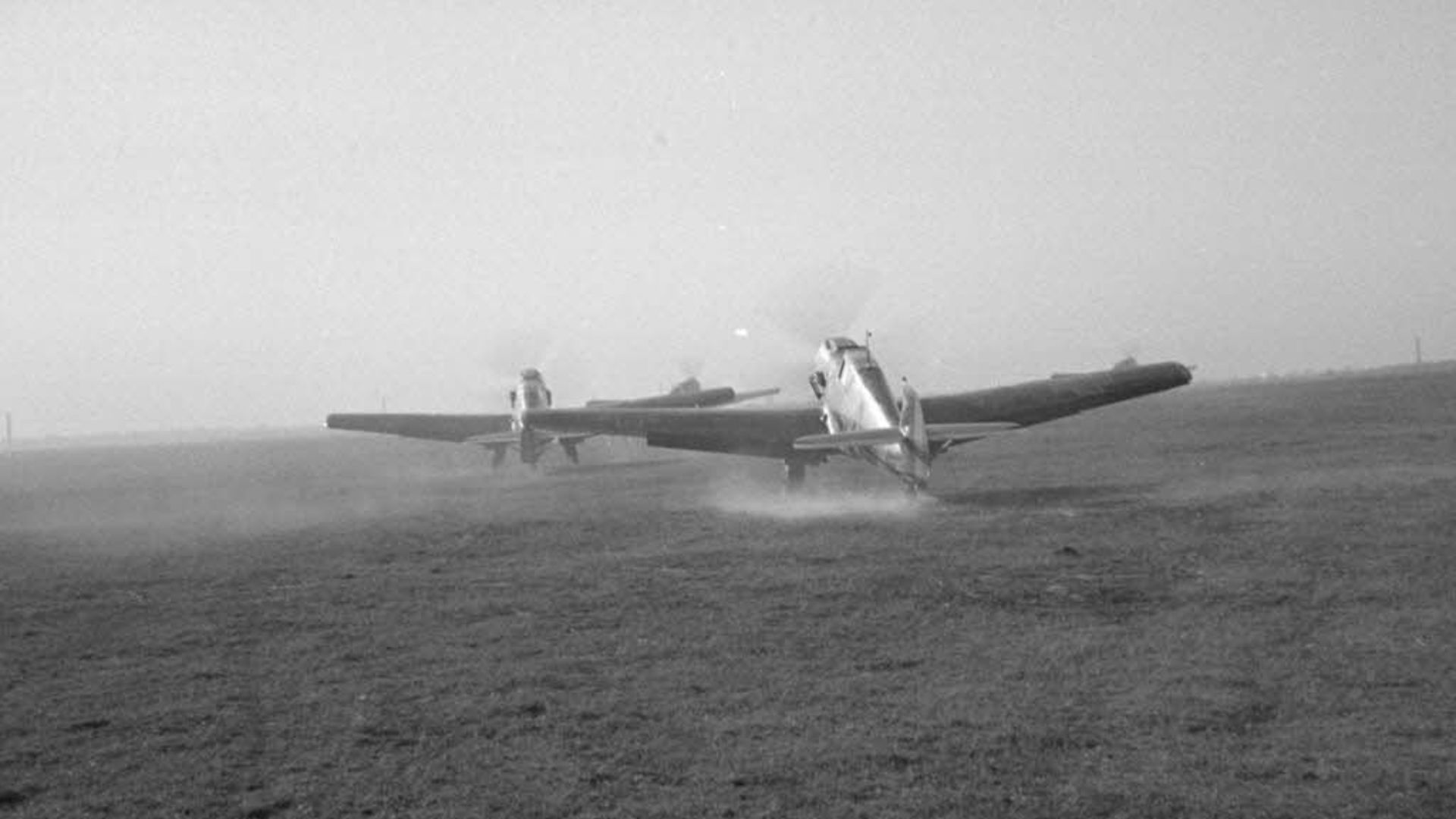
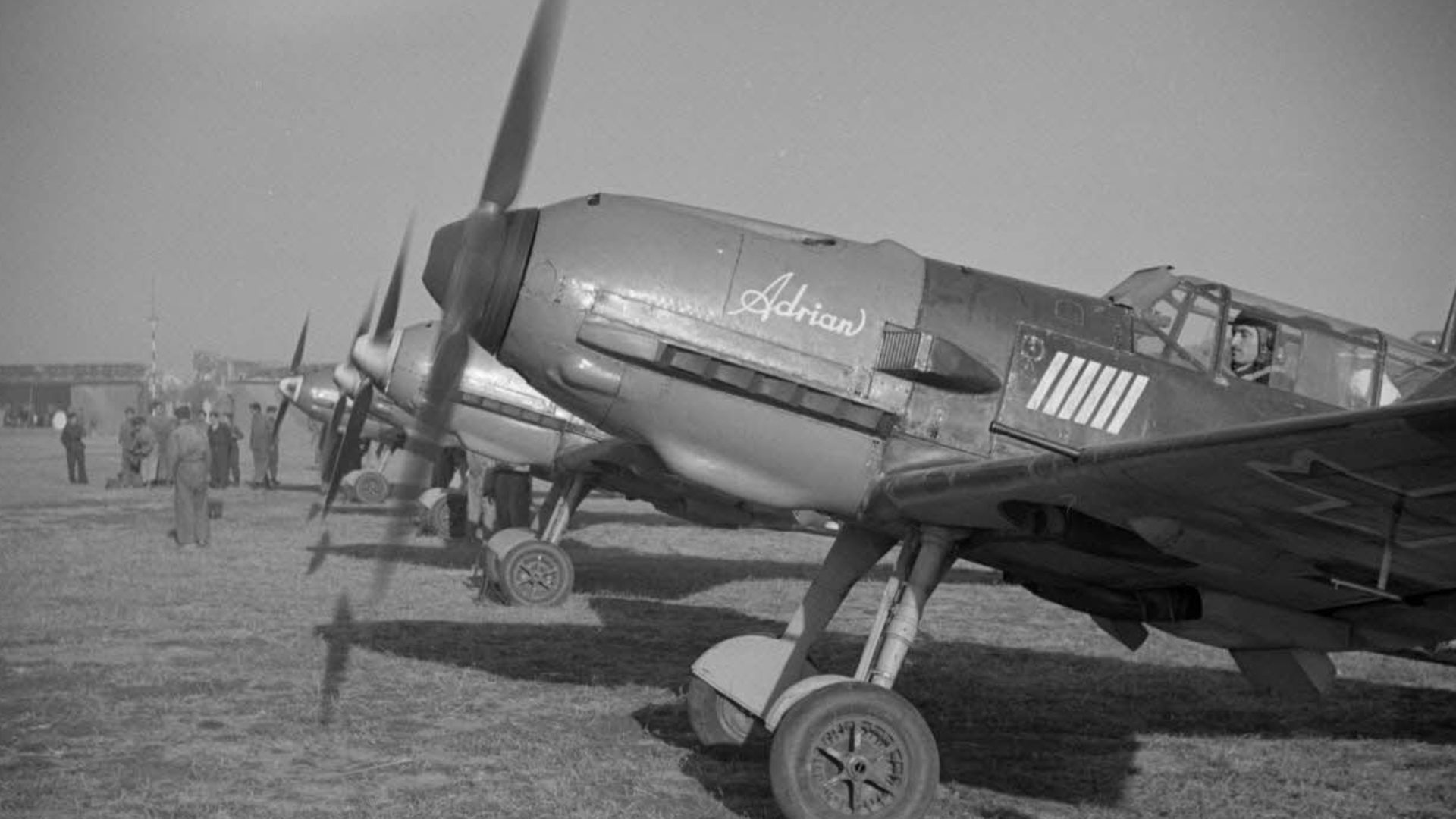
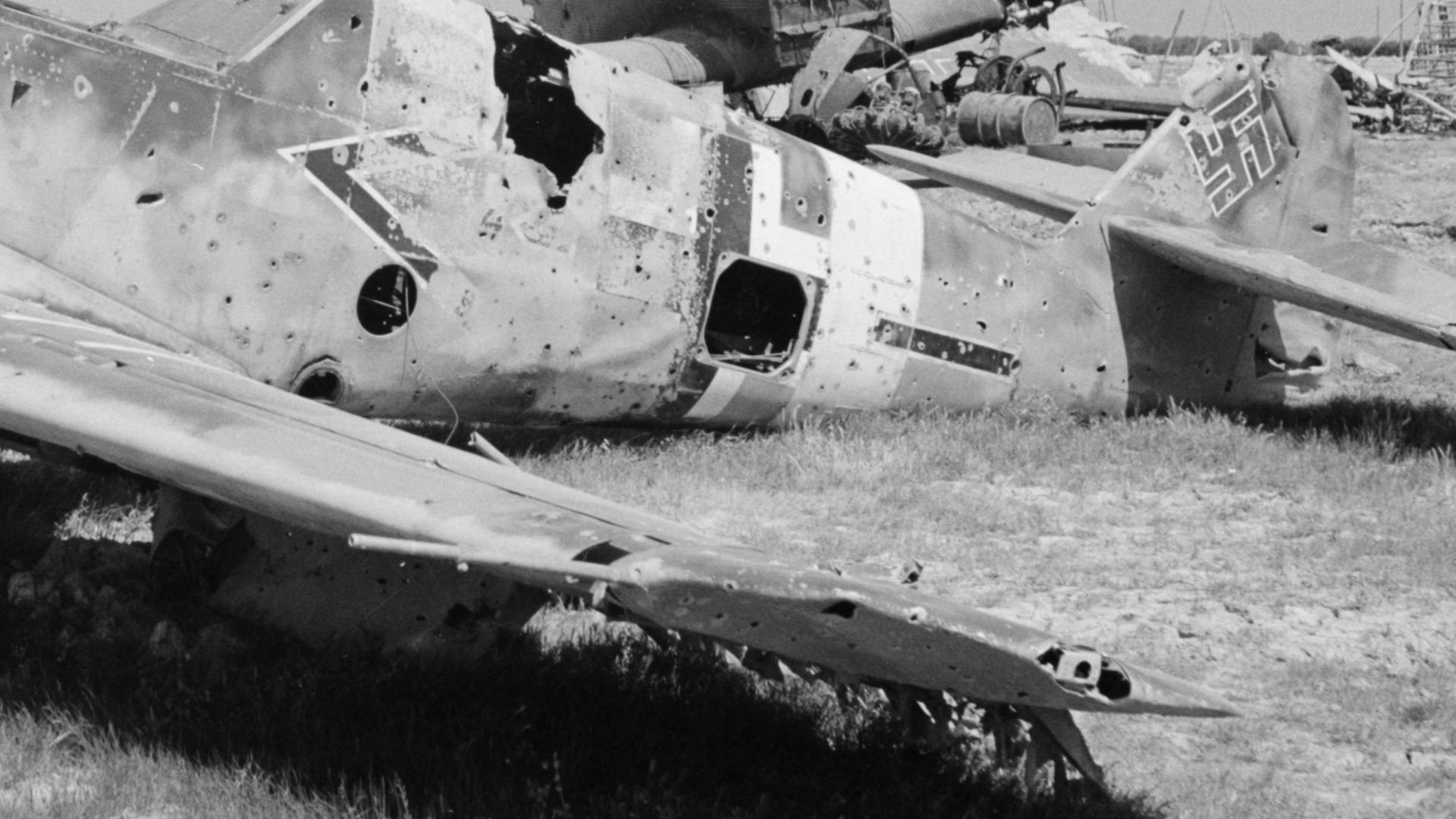
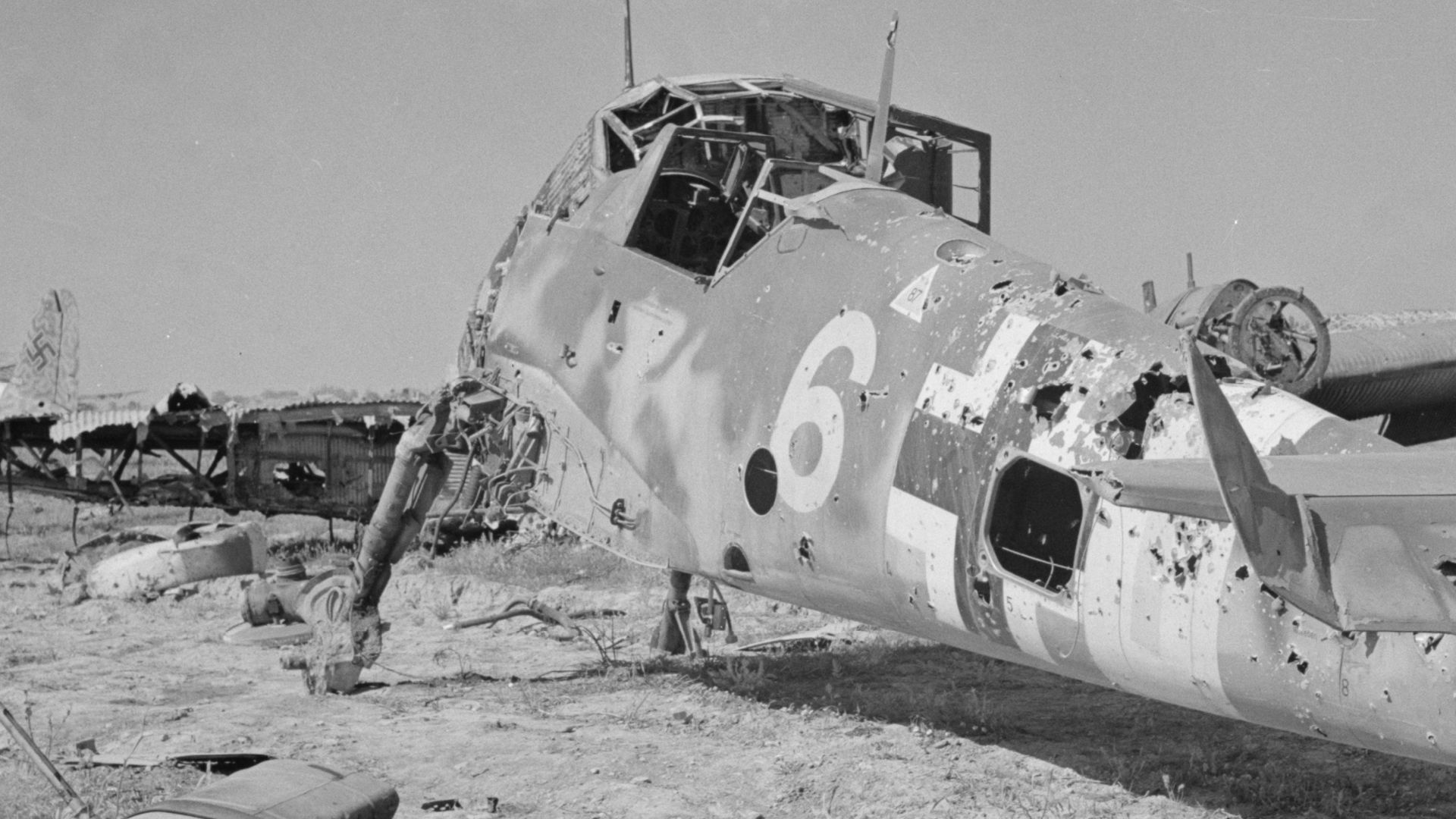
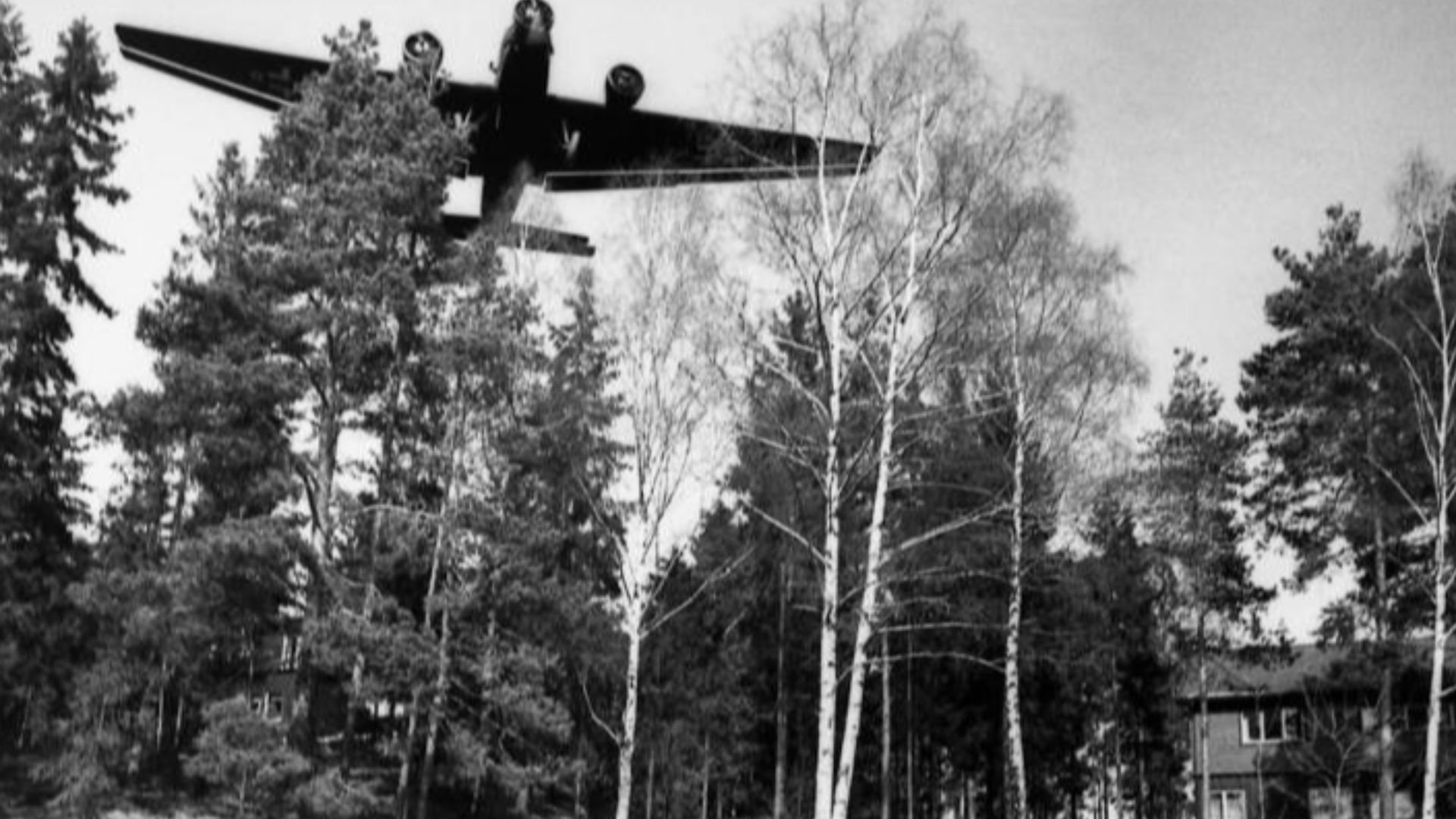
It didn’t take long for experts to figure it out. The buried wreckage belonged to a German WWII aircraft, most likely a Messerschmitt fighter plane. These planes were widely used by Germany during the war, so it made sense—but it was still a huge discovery.
And that wasn't all.
 Walter Jacobi, Wikimedia Commons
Then Things Got Real
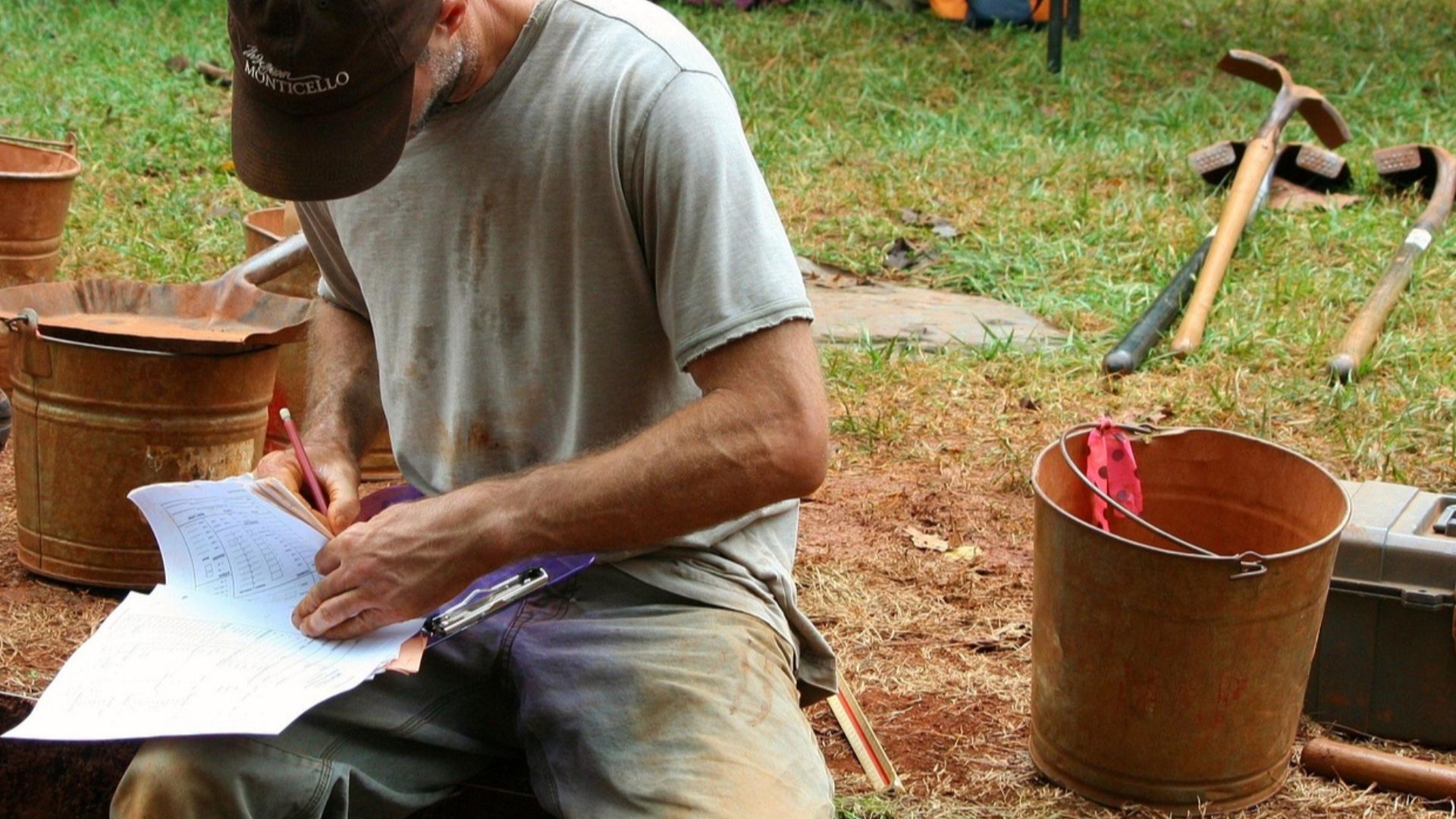
At first, it was all about the plane. But as the excavation continued, the team found something much heavier—human remains inside the wreckage. That’s when the tone shifted from “cool discovery” to something much more serious.
A Pilot Who Never Made It Home
The remains were believed to belong to the pilot of the aircraft. He had crashed there during WWII and had been buried beneath that field for over 70 years. It was a quiet reminder that this wasn’t just history—it was someone’s life.
 Walter Jacobi, Wikimedia Commons
A Crash No One Recorded
What made it even more surprising was the lack of records. There was no clear documentation of a crash at that exact location. But during WWII, especially toward the end, many crashes were never officially recorded.
Luckily, they kept looking.

Clues in the Dirt
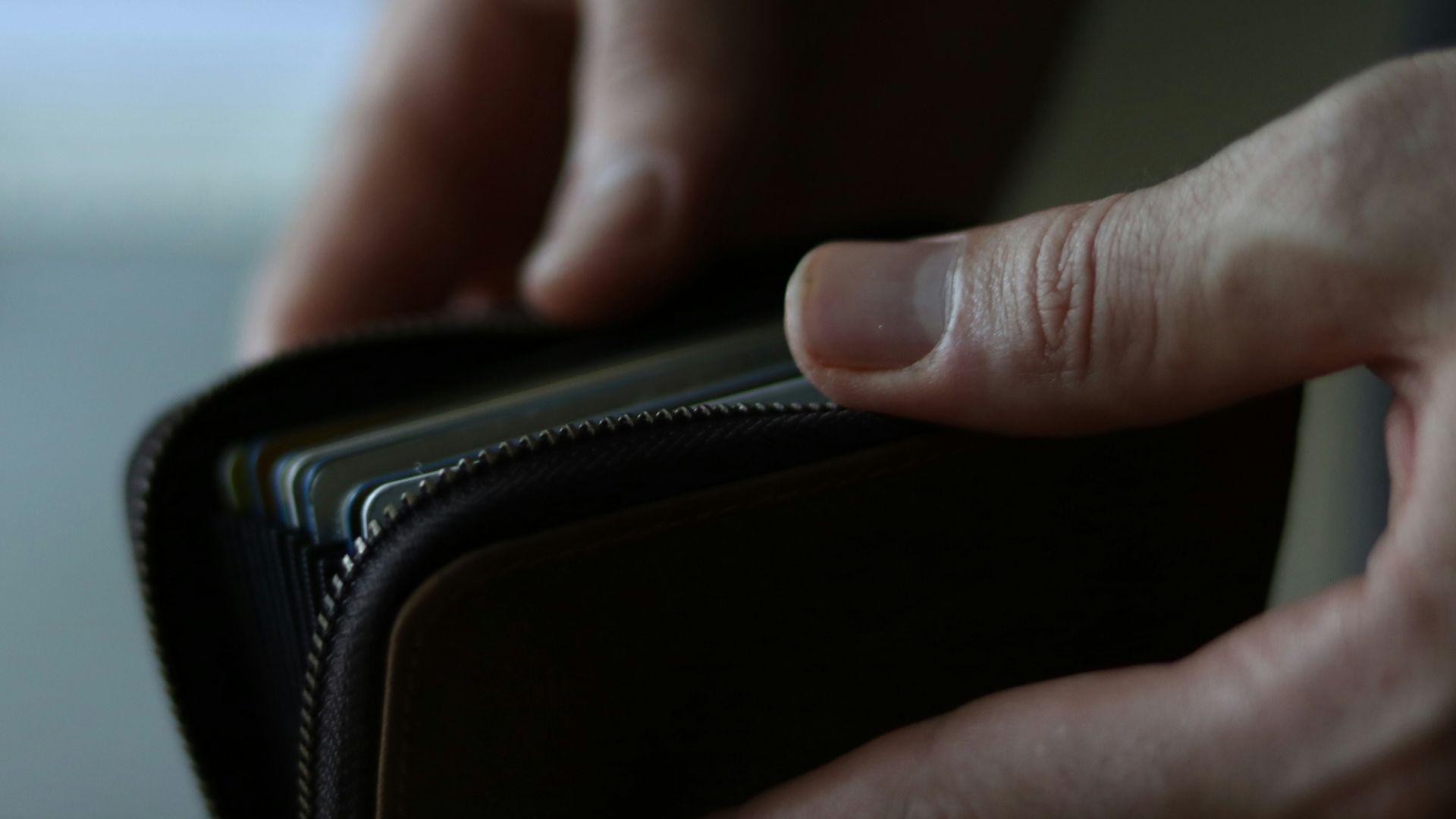
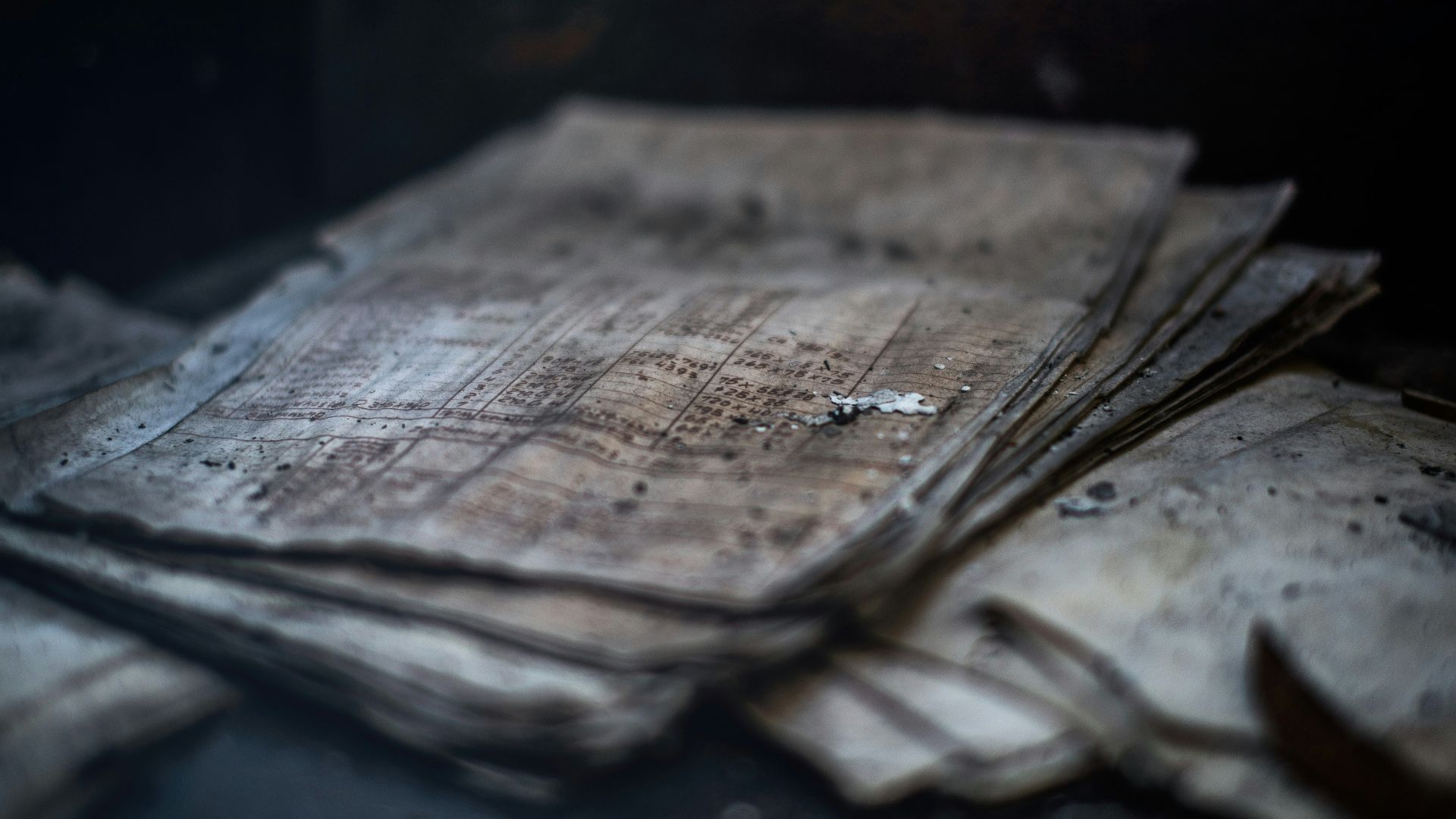
Along with the remains, archaeologists found personal belongings. One of the most important items was a wallet, which still contained documents. These kinds of finds are rare—and incredibly important.
 Alicia Christin Gerald, Unsplash
Piecing Together an Identity
Those documents gave experts a chance to identify the pilot. It turned the discovery from a random wreck into a real story about a real person. Suddenly, this wasn’t just about a plane—it was about someone who never made it home.
More Than Just a Crash Site
The excavation also uncovered parts of the aircraft itself—engine pieces, ammunition, and other components. These helped confirm the type of plane and gave clues about how the crash may have happened. It also showed just how much was still preserved underground.
 Marjory Collins, photographer, Wikimedia Commons
What Actually Happened?
No one knows exactly why the plane went down. Experts believe it could have been shot down during combat or suffered mechanical failure. At the time, Denmark was occupied by Germany, so military activity in the area was common.
 Marjory Collins, photographer, Wikimedia Commons
From Homework to Headlines
At this point, René’s school project had gone way beyond anything he expected. He didn’t just write about history—he uncovered it. Safe to say, his assignment probably stood out.
And his family had quite the experience, too.

A Farm With a Secret
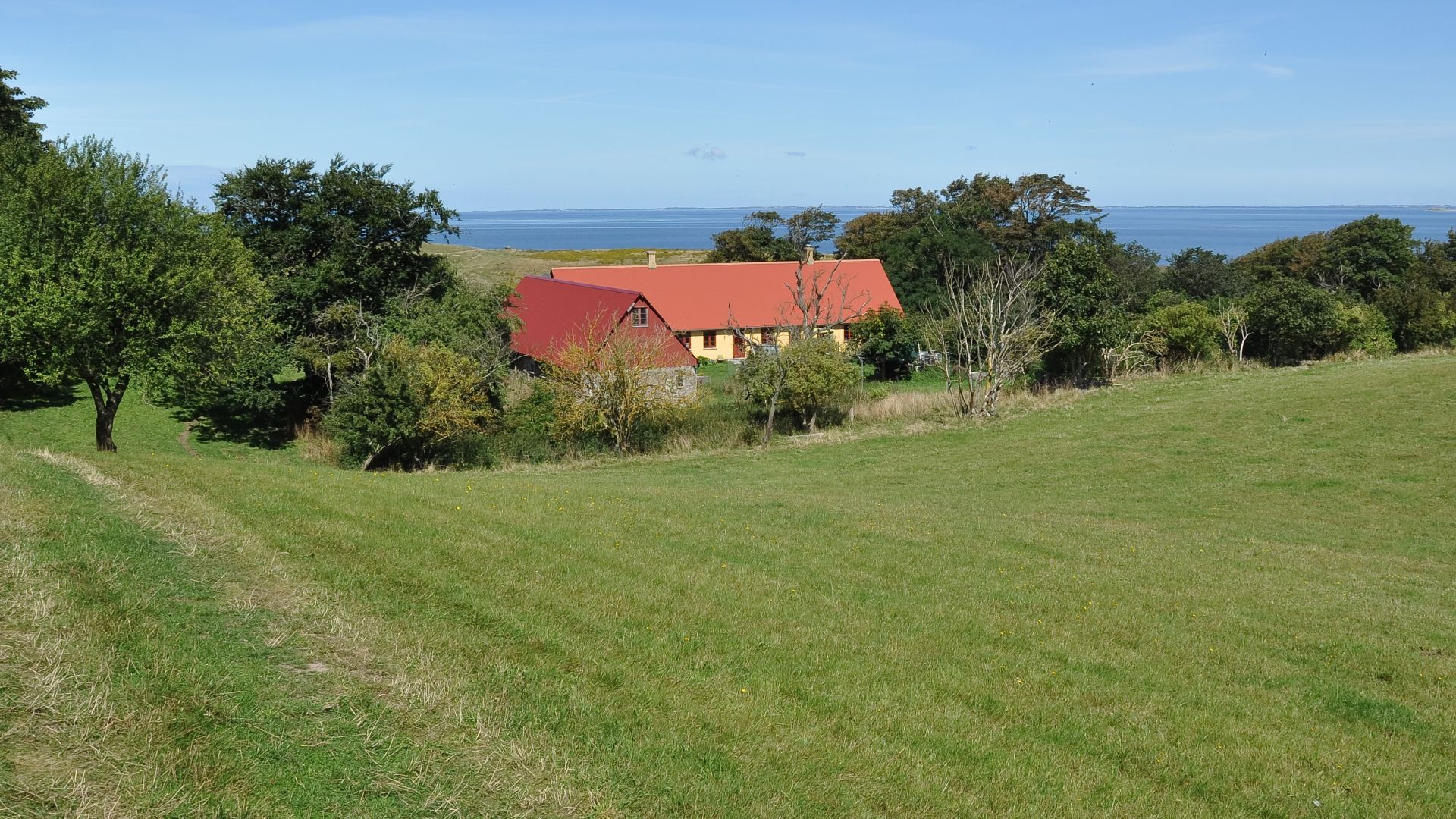
For the Emil family, this discovery hit close to home—literally. Their land had been hiding a piece of WWII history for decades without anyone realizing it. It’s kind of wild to think about what might still be buried in places like that.
 Bob Collowan, Wikimedia Commons
Handling It the Right Way
Authorities made sure everything was handled respectfully. The remains were carefully recovered, and efforts were made to identify the pilot properly. It wasn’t just about discovery—it was about respect.
 Cotswold Archaeology, Wikimedia Commons
History Isn’t Always in Books
This whole story is a reminder that history isn’t just something you read about. Sometimes, it’s sitting right under your feet, waiting for the right moment to be found. And sometimes, all it takes is a curious kid with a metal detector.
WWII Is Still Leaving Clues Behind
Even decades later, World War II continues to leave traces behind. Discoveries like this show how widespread and lasting its impact really was. It’s not as far in the past as it might seem.
A Kid, a Detector, and a Huge Find
At the center of it all is a 14-year-old who decided to go a little further than expected for a school project. Instead of writing a report, he ended up making a real archaeological discovery. Not bad for homework.

You May Also Like: