
Legends Meet Evidence
Everyone loves a good myth, especially when experts roll their eyes. Time passed. Dust settled. Evidence refused to stay buried, and familiar fairy tales suddenly came back, wearing boots, teeth, walls, and fingerprints everywhere.
 Maria Camila Castano, Pexels, Modified
King Tut's Tomb
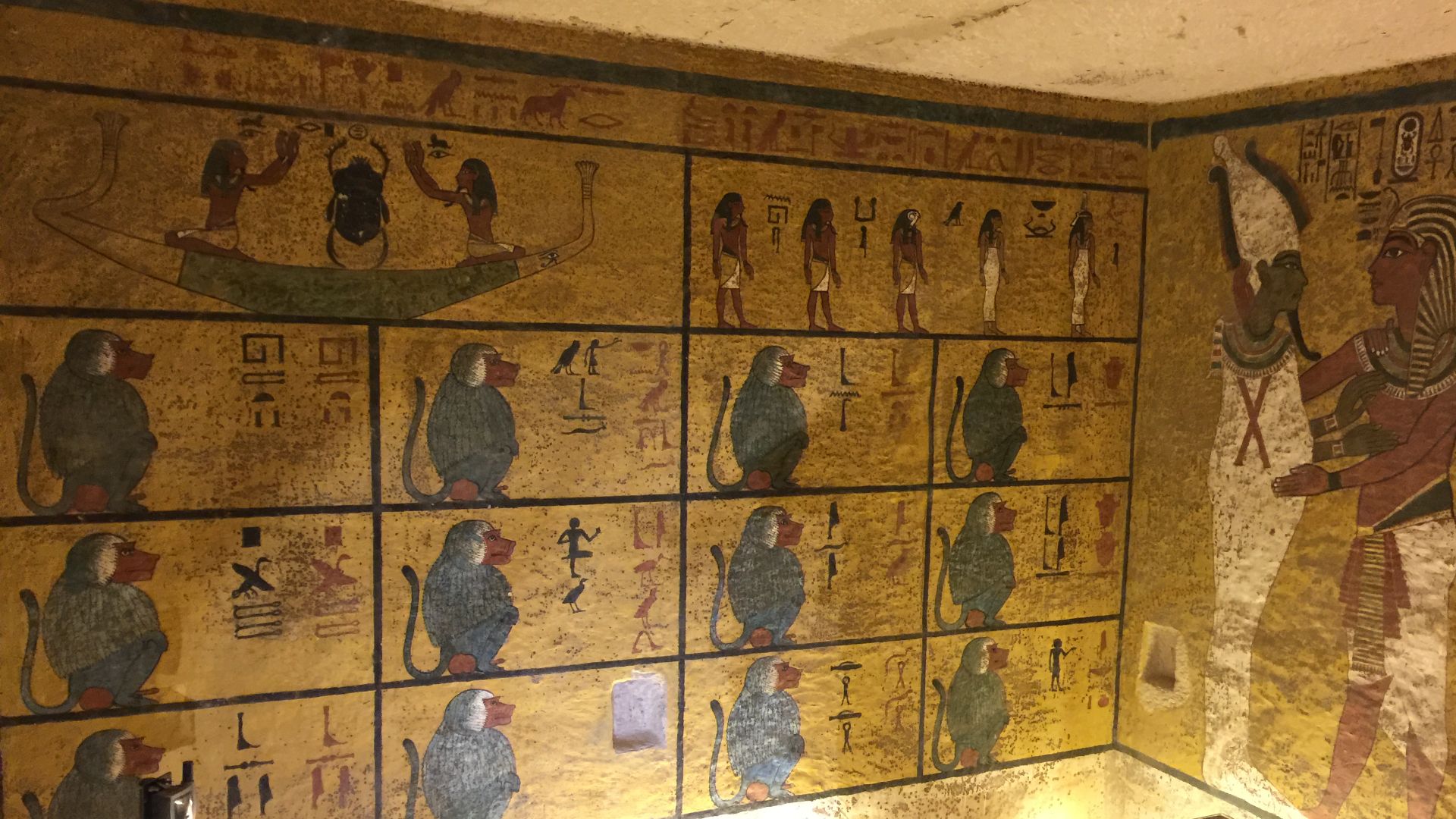
On November 4, 1922, Howard Carter's water boy stumbled upon a stone step in Egypt's Valley of the Kings. What lay beneath was the first unlooted pharaoh's tomb discovered in modern times, packed with over 5,000 artifacts.
 EditorfromMars, Wikimedia Commons
King Tut's Tomb (Cont.)
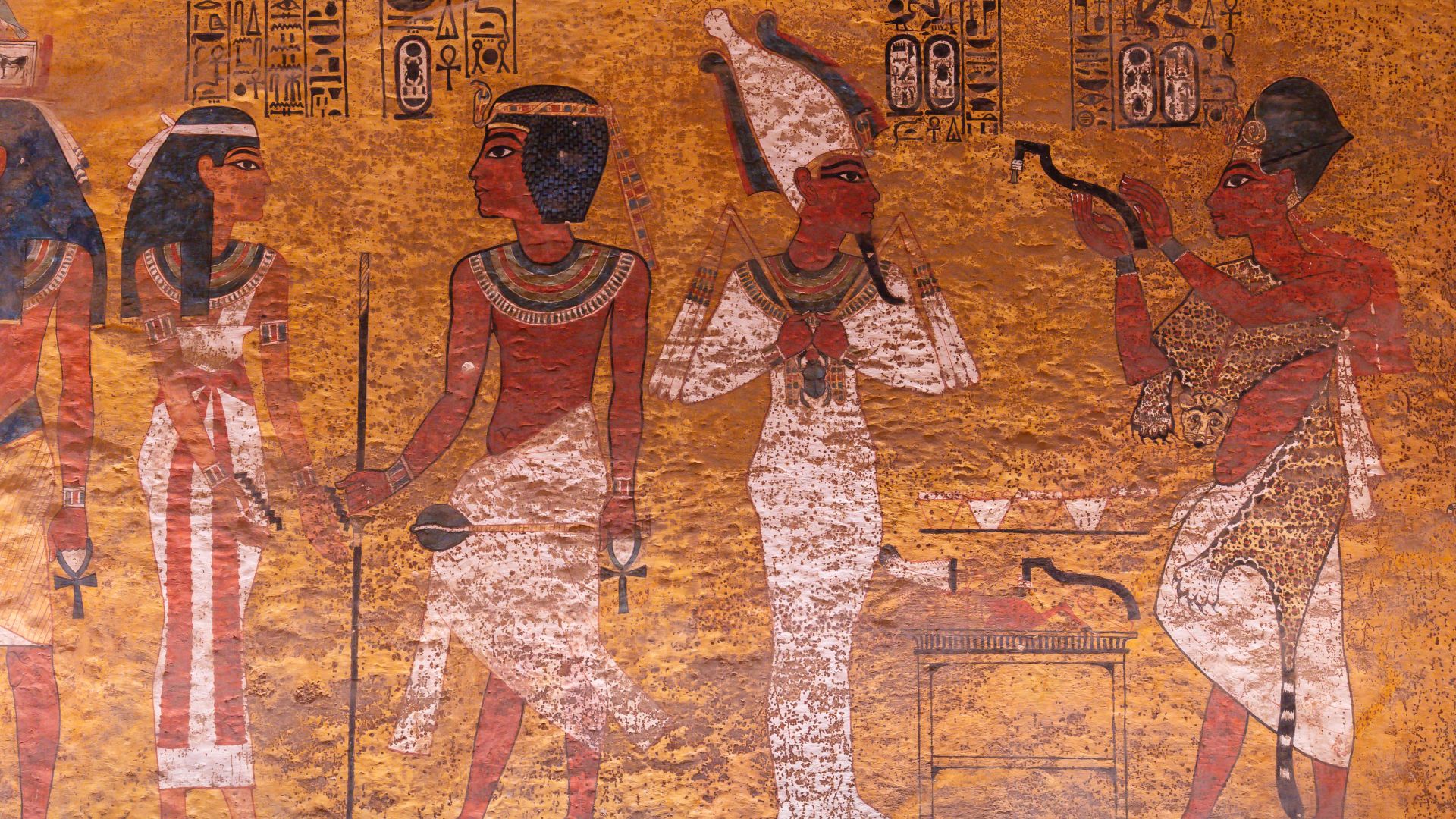
The young pharaoh Tutankhamun, who ruled from 1332 to 1323 BCE and died around age 19, had been virtually forgotten by history. His tomb remained sealed under 19–23 feet of rocky debris, perfectly preserving golden treasures and his iconic funeral mask made of 24 pounds of solid gold.
 Diego Delso, Wikimedia Commons
Giant Squid
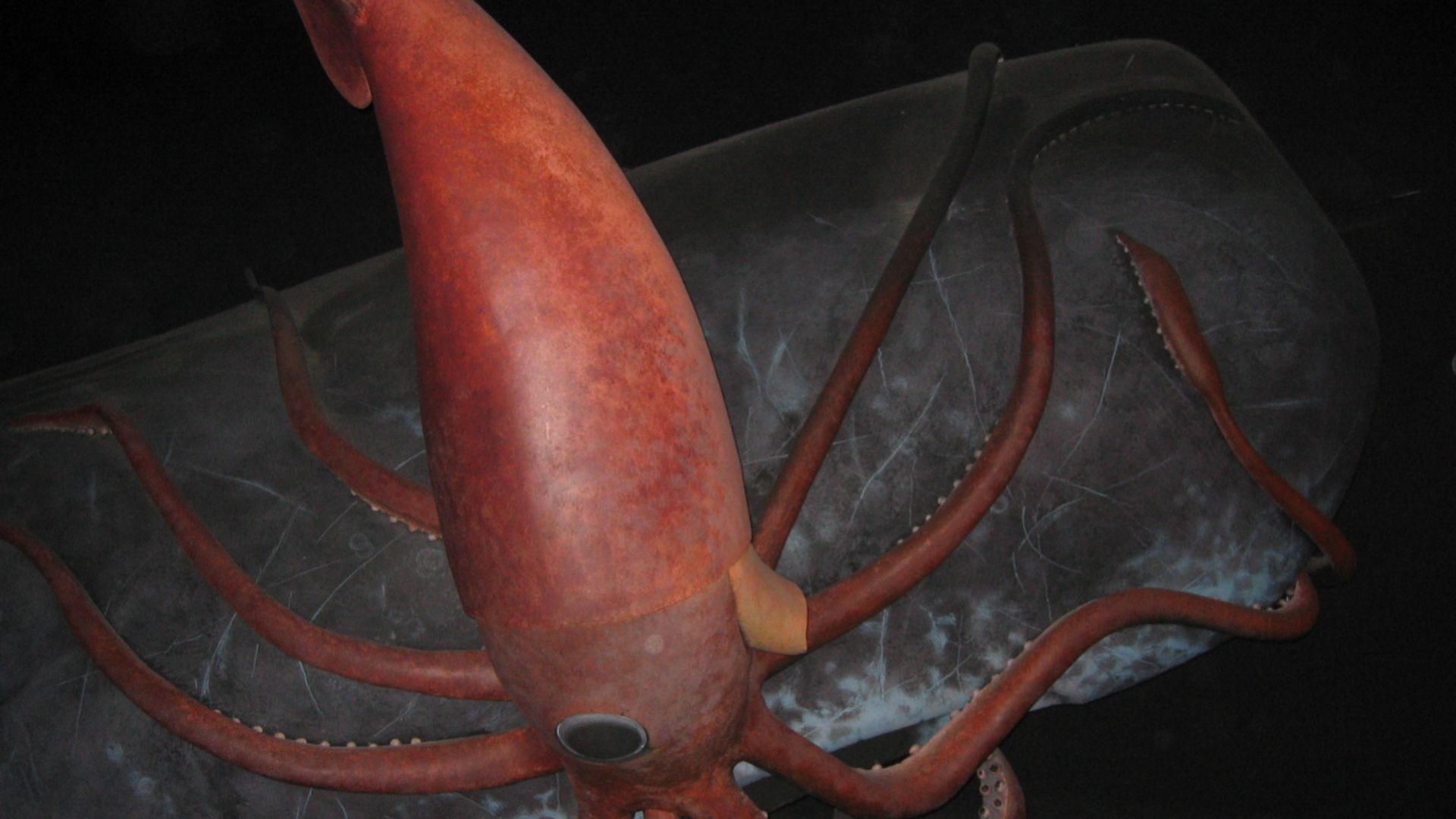
Tales of the Kraken—massive tentacled monsters dragging ships to watery graves—circulated among Norwegian sailors since King Sverre's 1180 manuscript. Scientists scoffed at these sea monster stories as drunken fantasies until physical evidence washed ashore in 1853.
 Mike Goren from New York, Wikimedia Commons
Giant Squid (Cont.)
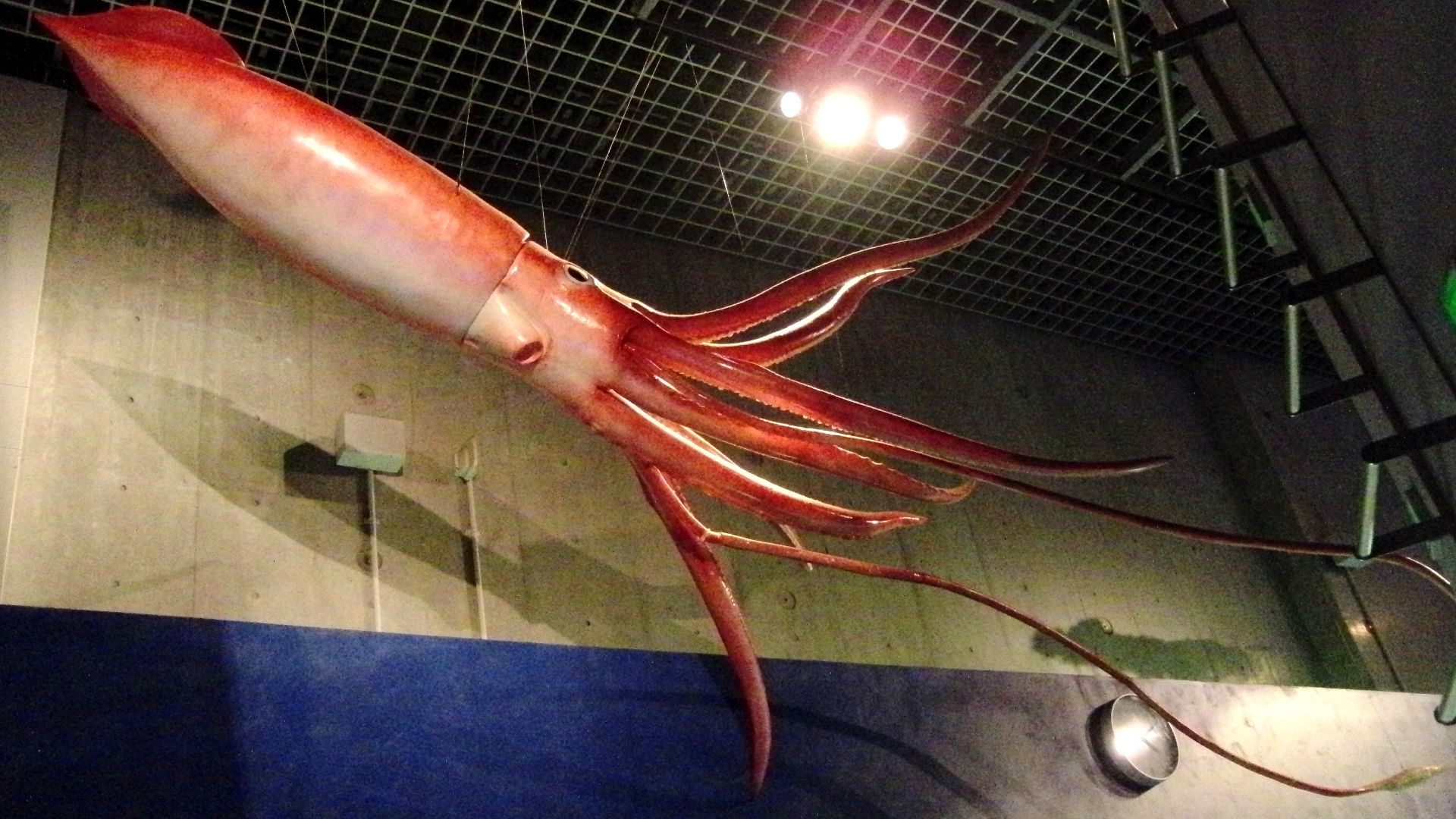
When a giant cephalopod stranded on a Danish beach, Norwegian naturalist Japetus Steenstrup scientifically described Architeuthis dux, the giant squid. These elusive creatures can reach 43 feet in length, possess the largest eyes in the animal kingdom, and weren't filmed alive in their natural habitat until 2012.
 Momotarou2012, Wikimedia Commons
Troy's Walls
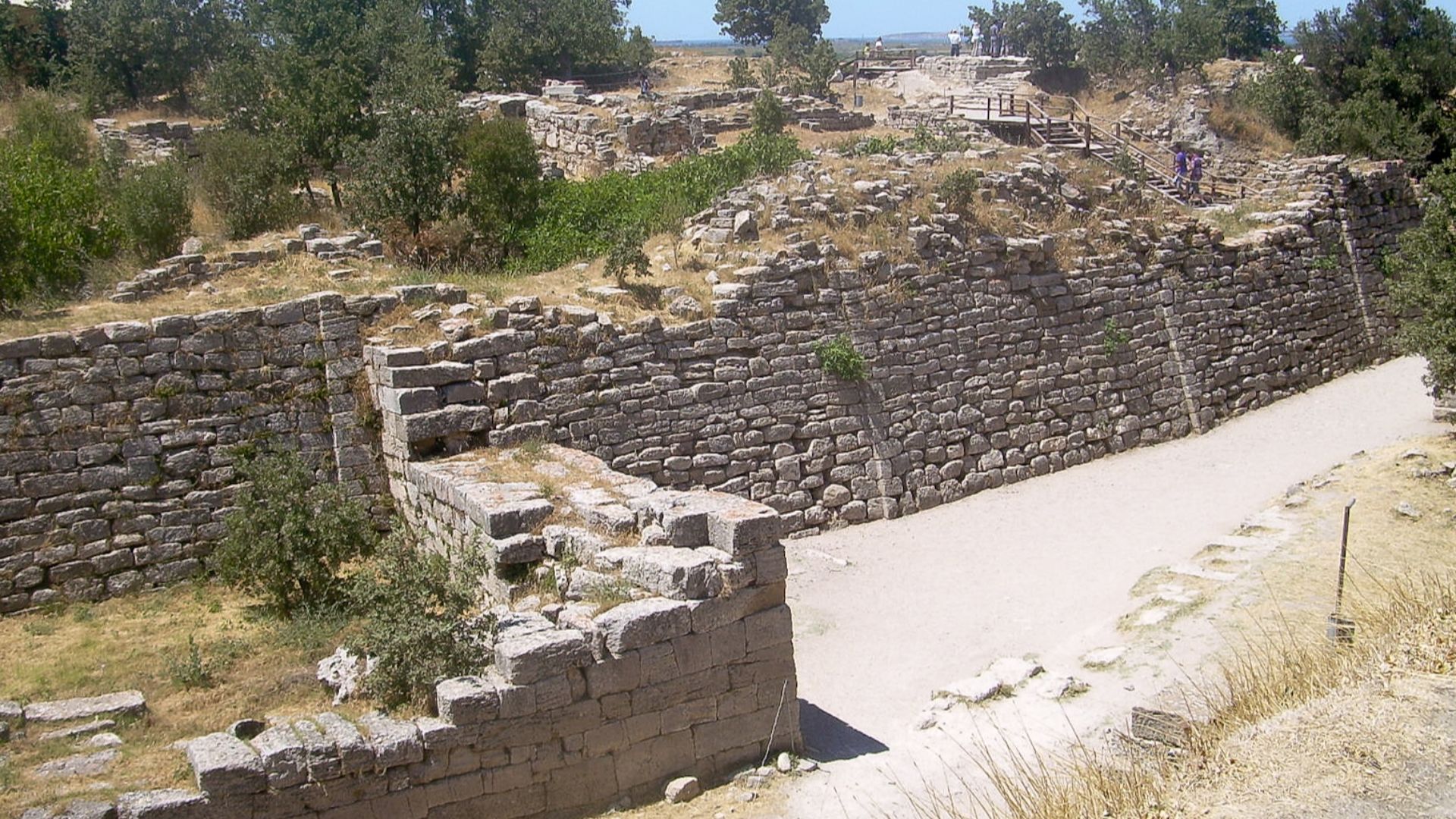
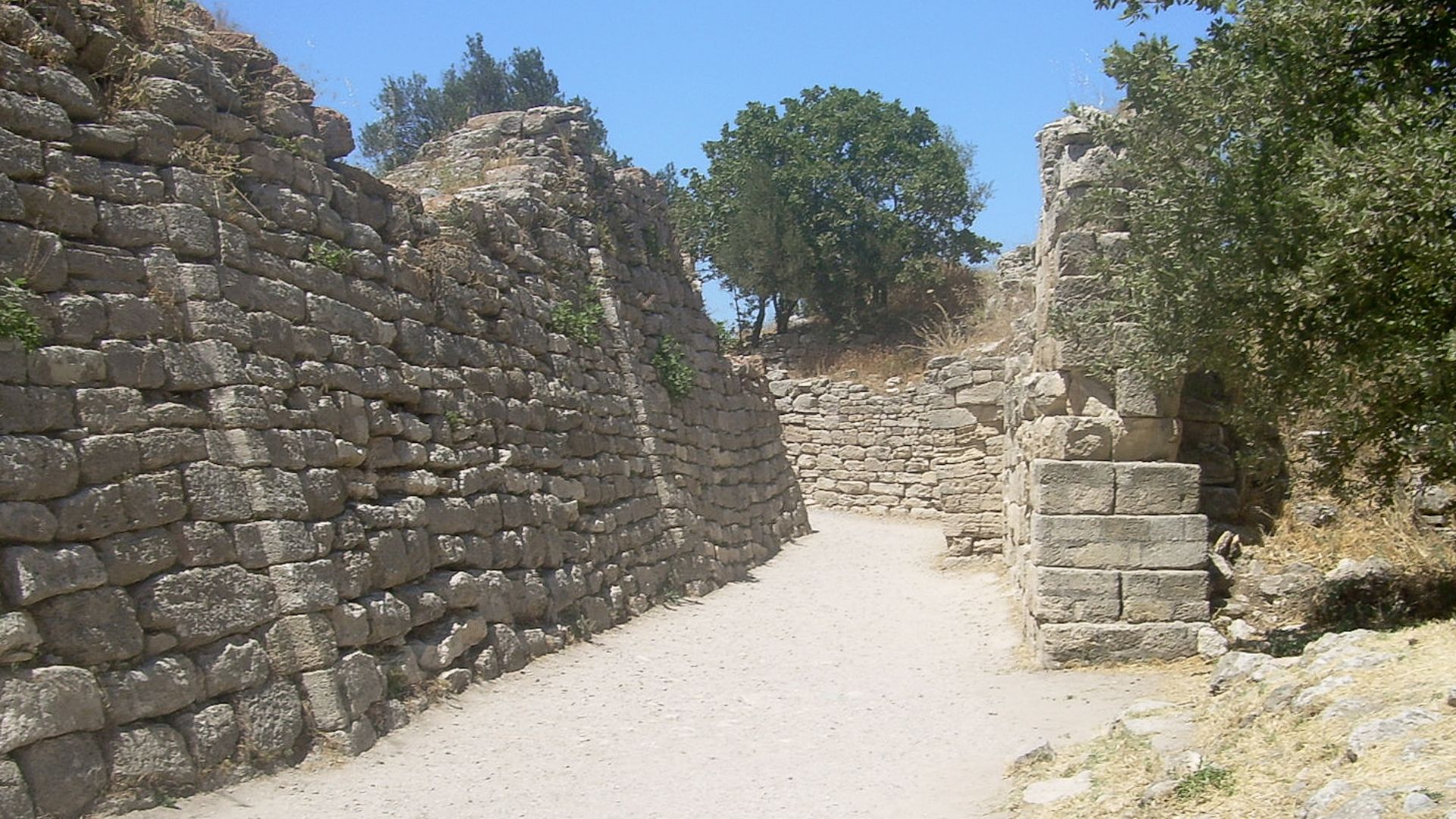
For centuries, scholars dismissed Homer's Iliad as pure fiction, laughing off tales of the famous city besieged by Greeks. Troy was considered no more real than Atlantis until 1871, when German businessman Heinrich Schliemann grabbed a spade and proved everyone wrong.
Troy's Walls (Cont.)
Digging at Hisarlik in Turkey, Schliemann unearthed nine archaeological layers revealing a city repeatedly destroyed and rebuilt over 4,000 years. The site, now a UNESCO World Heritage Site, confirmed that Troy VI-VII (circa 1180 BCE) matches Homer's descriptions perfectly.
Mountain Gorillas
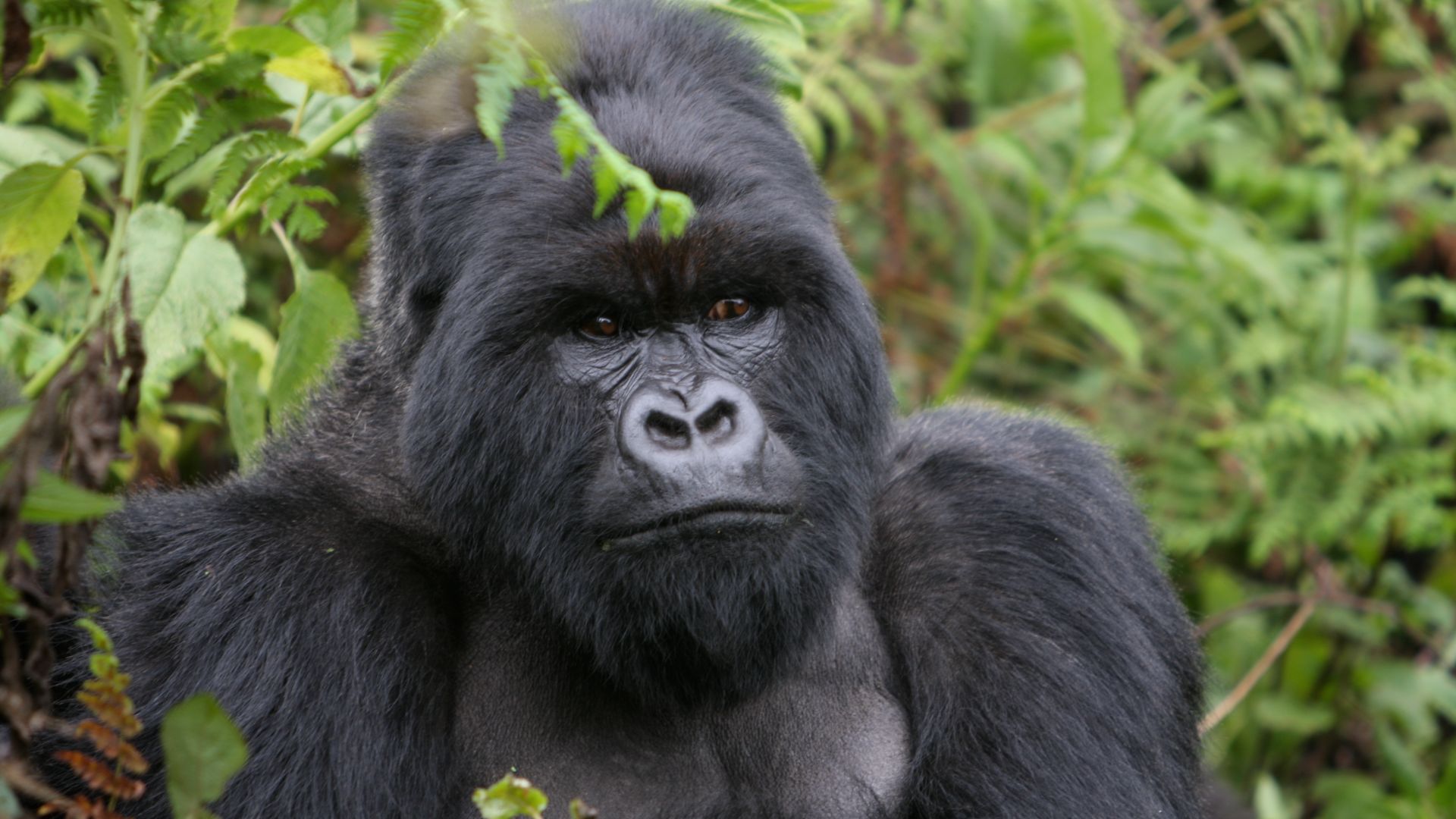
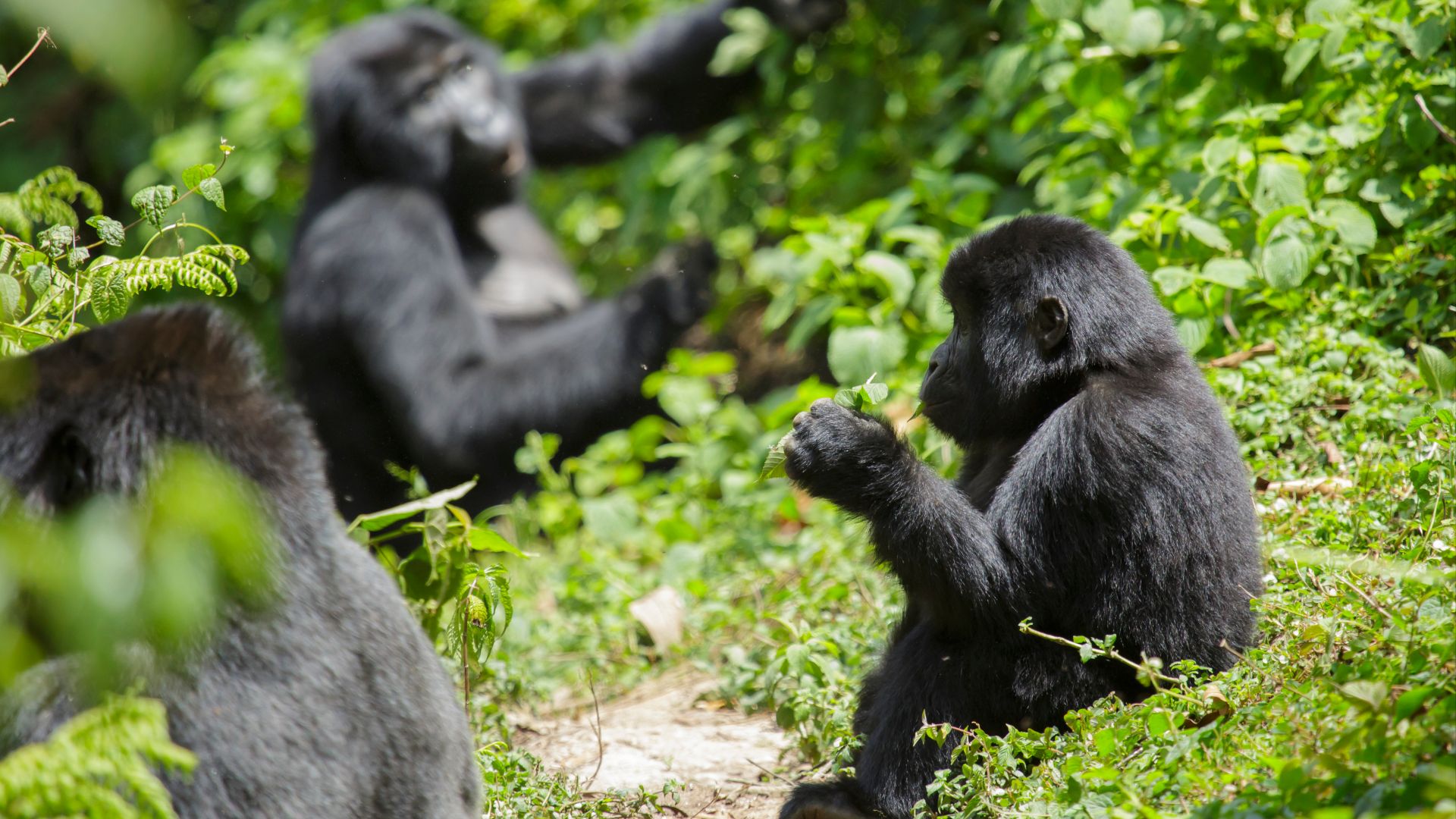
Ancient explorers returned from African jungles with wild stories about hairy, giant man-beasts of terrible strength who supposedly abducted women. Western scientists dismissed these reports as utter nonsense, refusing to believe such creatures existed beyond campfire tales.
 U.S. Fish and Wildlife Service Headquarters, Wikimedia Commons
Mountain Gorillas (Cont.)
In 1902, German Captain Robert von Beringe trekked through Rwanda's Virunga Mountains and shot two specimens, sending their skins back as proof. This distinct subspecies, named Gorilla gorilla beringei in his honor, remained so elusive that, even after its discovery, it was believed extinct until its 1980s rediscovery.
 Thomas Fuhrmann, Wikimedia Commons
Pompeii Ruins
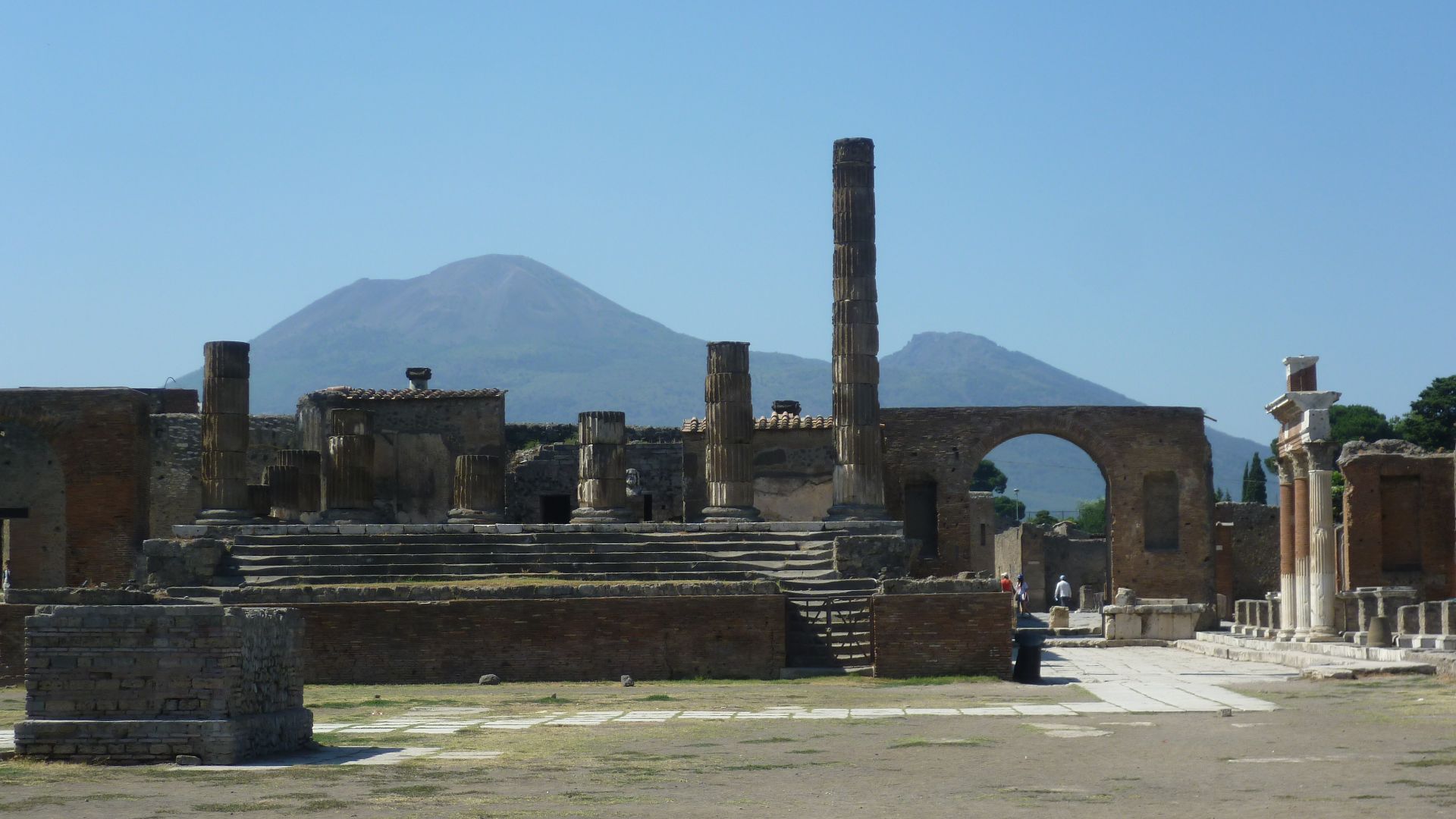
When Mount Vesuvius erupted on August 24, 79 CE, it buried the Roman city of Pompeii under pyroclastic flows traveling 180 miles per hour, entombing approximately 2,000 residents beneath 19–23 feet of volcanic debris. The city vanished from memory.
 Kim Traynor, Wikimedia Commons
Pompeii Ruins (Cont.)
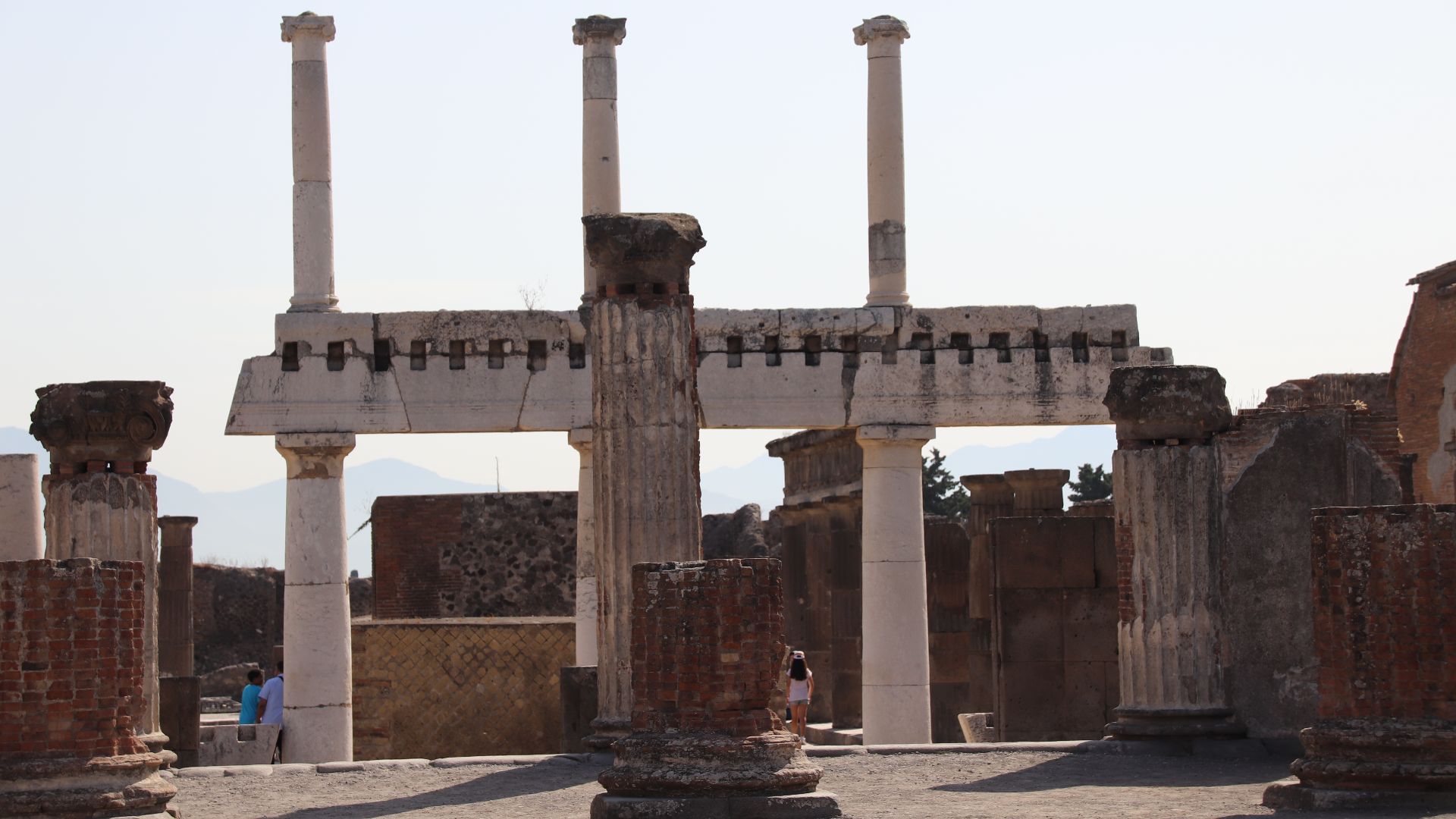
Architect Domenico Fontana accidentally discovered ancient walls while digging an aqueduct in 1592, but systematic excavation didn't begin until 1748. The volcanic ash had acted as a perfect time capsule, preserving buildings, artwork, food still in ovens, and even the hollow forms of victims' bodies.
 Gary Todd from Xinzheng, China, Wikimedia Commons
African Okapi
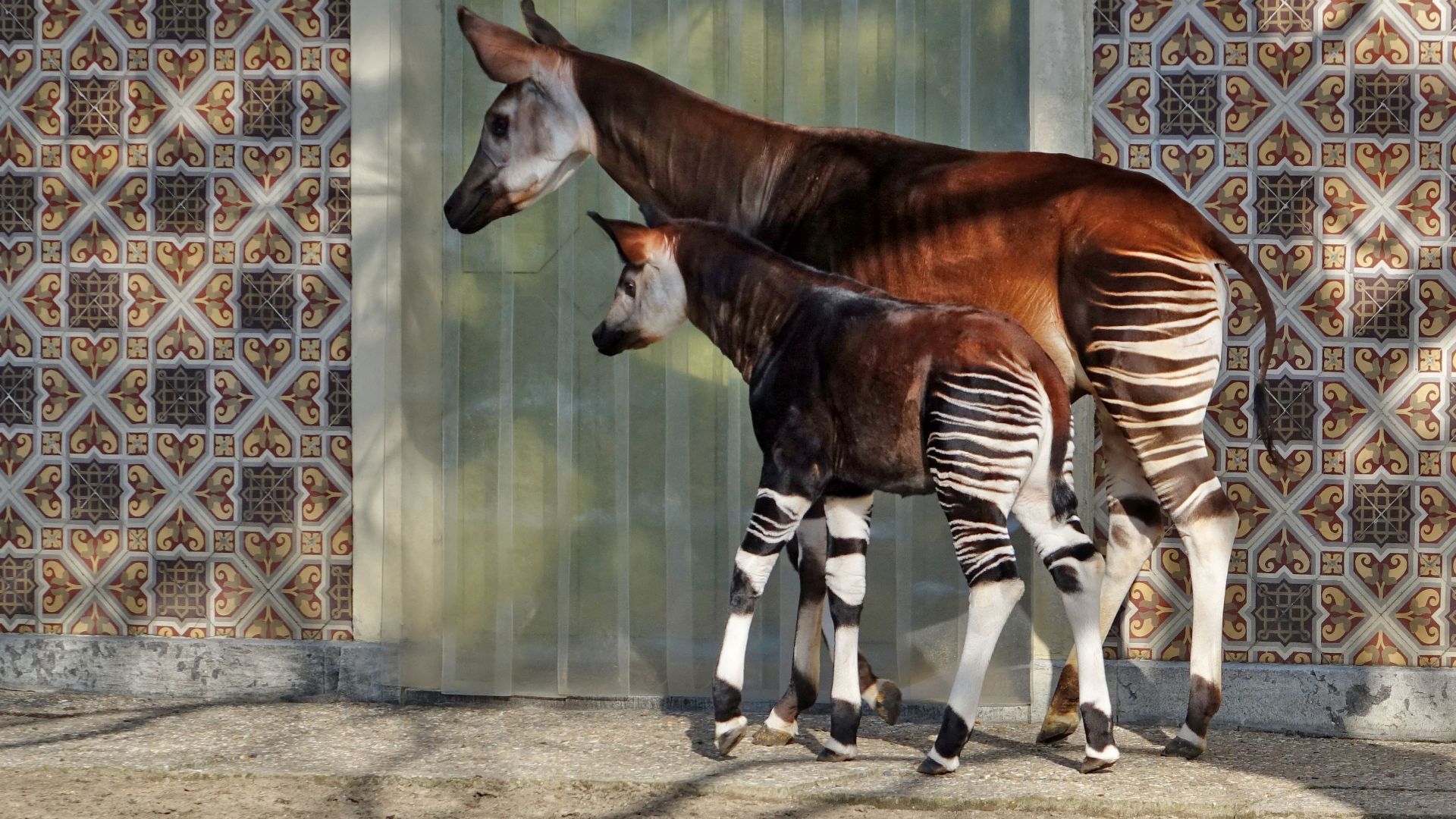
Deep in Congo's Ituri Forest lurked whispered tales of a striped "African unicorn"—a creature so bizarre that 19th-century Western scientists mocked it as impossible fantasy. How could a 700-pound, zebra-striped animal with giraffe features remain hidden from the world?
 Alan Eng from Brussels, Belgium, Wikimedia Commons
African Okapi (Cont.)
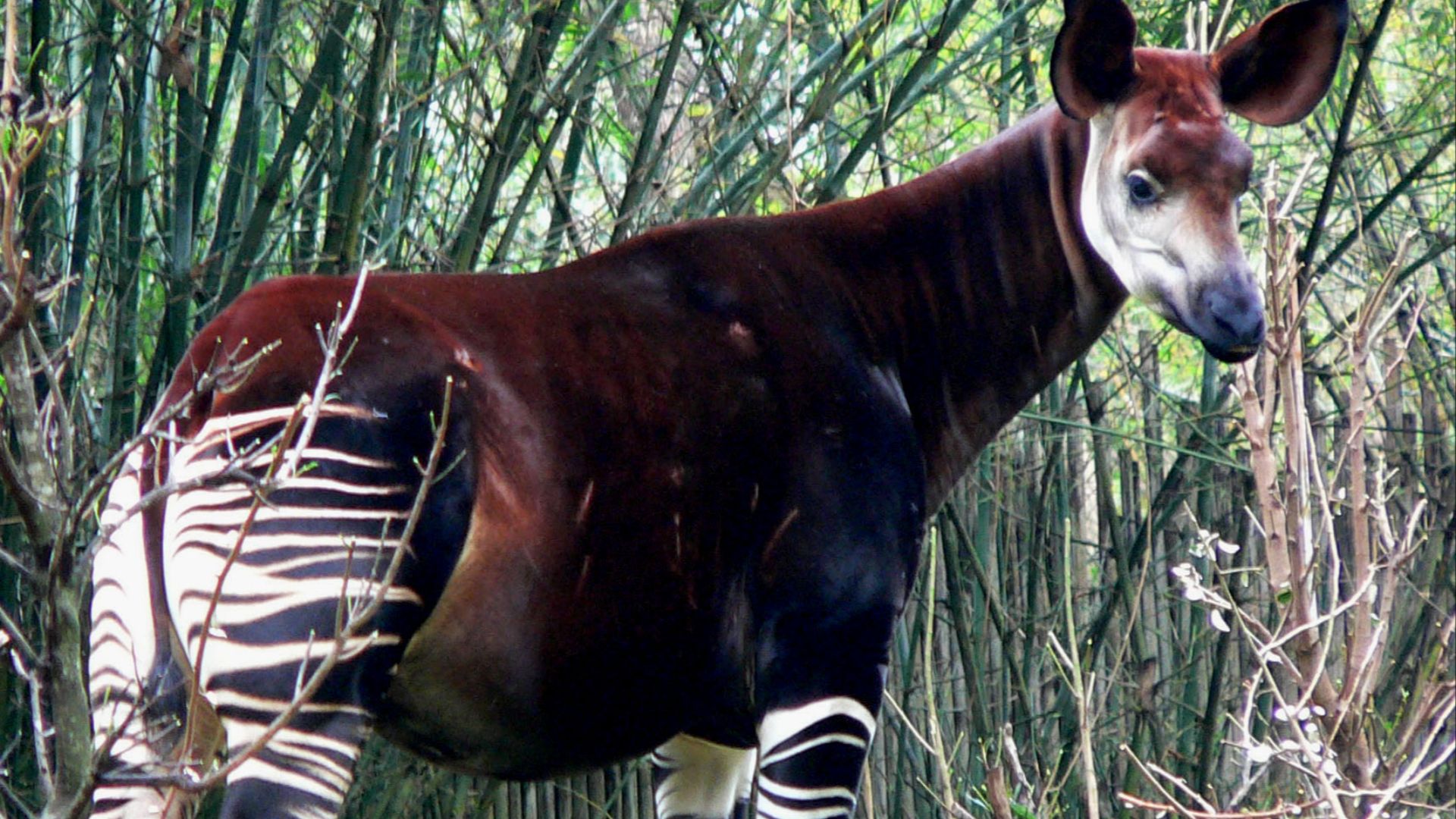
British explorer Sir Harry Johnston finally obtained okapi skins and skulls in 1901, stunning the scientific community. This elusive mammal, scientifically named Okapia johnstoni, turned out to be the giraffe's only living relative. Despite weighing as much as three grown men and standing five feet tall, okapis remained virtually unknown.
Komodo Dragons
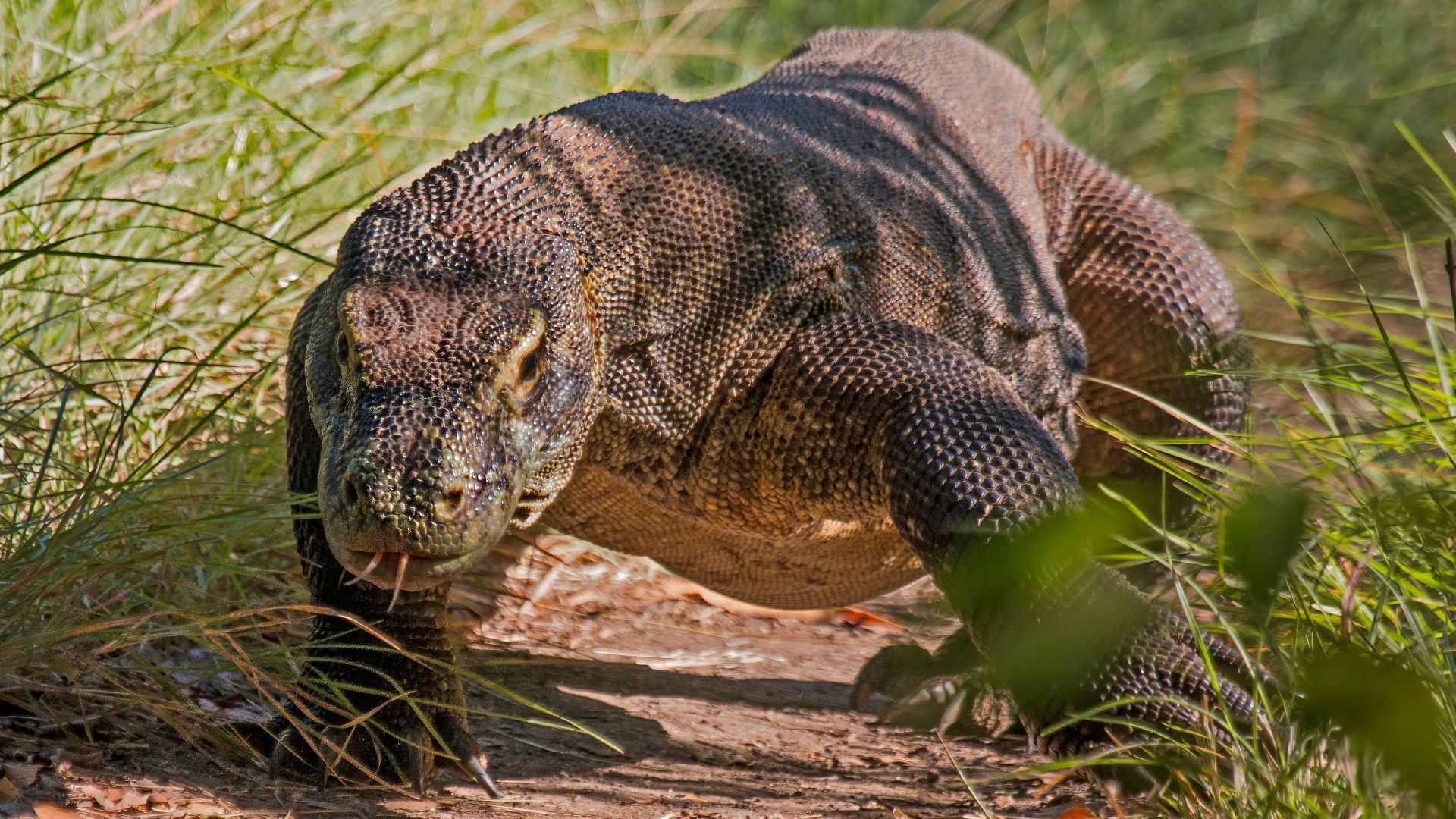
Indonesian islanders spoke of "ora," terrifying land crocodiles over 20 feet long that prowled volcanic islands like living dragons. European colonists heard these stories and dismissed them as superstitious folklore, another tall tale from remote tropical jungles.
 Charles J. Sharp, Wikimedia Commons
Komodo Dragons (Cont.)
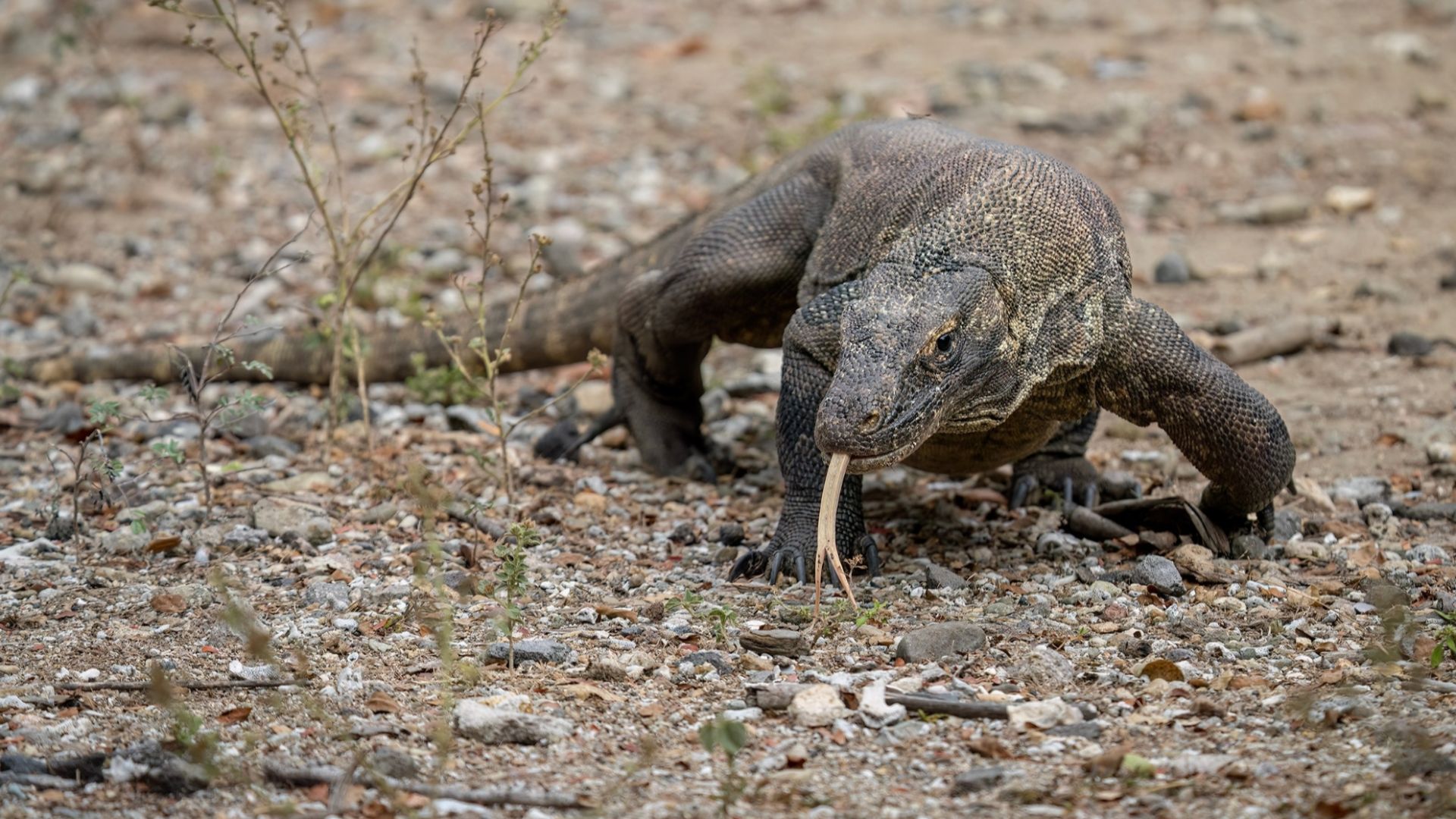
Lieutenant Jacques Karel Henri van Steyn van Hensbroek changed everything in 1910 when he caught and killed a six-foot specimen, bringing photos and skin back to Europe. The world's largest living lizards, growing up to 10 feet and weighing 330 pounds, were officially confirmed.
 James Jolokia (james1203), Wikimedia Commons
Viking America
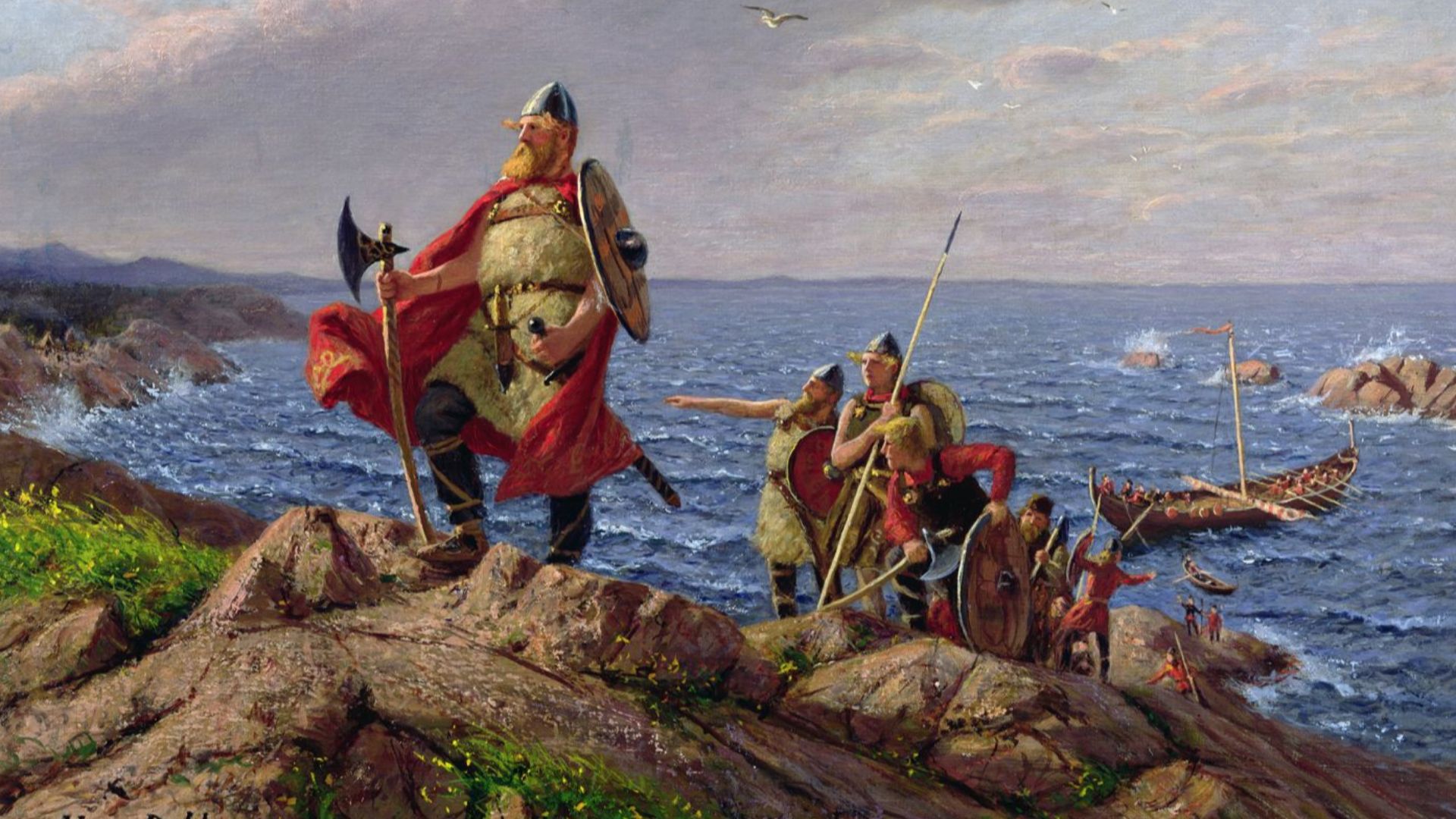
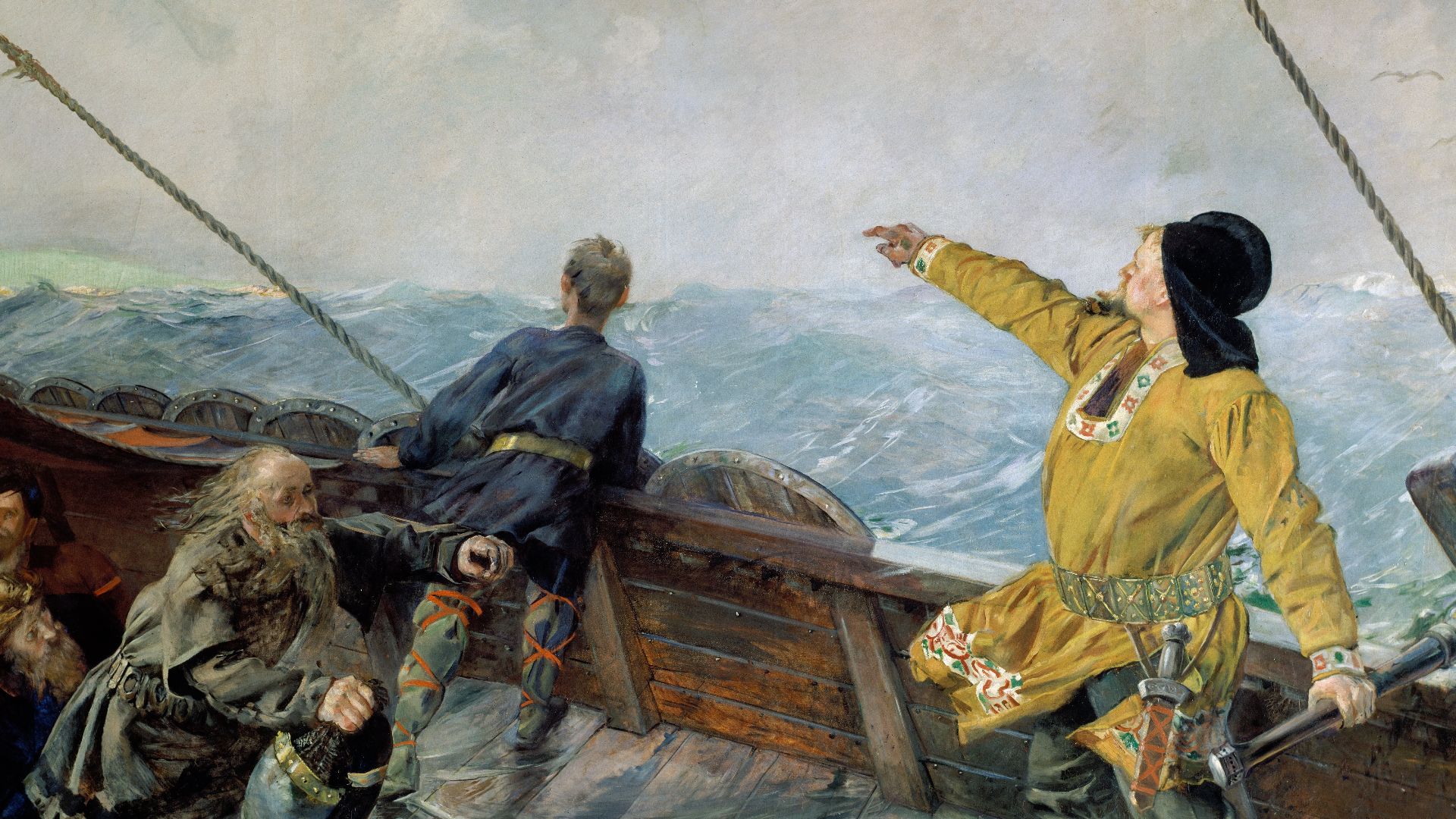
For centuries, the idea that Vikings set foot in North America was dismissed as legend. The Norse sagas spoke of Leif Erikson’s voyages to a place called “Vinland,” a mysterious land west of Greenland around 1000 CE, but historians long insisted it was just myth.
 RickyBennison, Wikimedia Commons
Viking America (Cont.)
That perception changed dramatically in 1960, when Norwegian explorer Helge Ingstad and archaeologist Anne Stine Ingstad uncovered eight Norse buildings at L’Anse aux Meadows in Newfoundland, Canada. Among the finds were workshops, living quarters, and a forge with iron slag.
 Christian Krohg, Wikimedia Commons
Machu Picchu
The Spanish conquistadors scoured Peru's mountains for Incan treasures during their 16th-century invasion, yet they never stumbled upon the greatest architectural wonder hidden in plain sight. Machu Picchu remained cloaked in cloud forests and dense vegetation, known only to local Peruvian families.
 Pedro Szekely at https://www.flickr.com/photos/pedrosz/, Wikimedia Commons
Machu Picchu (Cont.)
Everything changed on July 24, 1911, when American historian Hiram Bingham, led by indigenous guides, climbed through the mist to discover a breathtaking mountaintop city. Sprawling across a ridge 7,970 feet above sea level, the site revealed 150 buildings constructed with such masterful dry-stone techniques that no mortar was required.
 Diego Delso, Wikimedia Commons
Coelacanth Fish
Paleontologists knew coelacanths intimately from fossils. These prehistoric fish, with their distinctive lobed fins, supposedly went extinct 66 million years ago alongside the dinosaurs. Every textbook declared them long-lost relics of Earth's ancient seas.
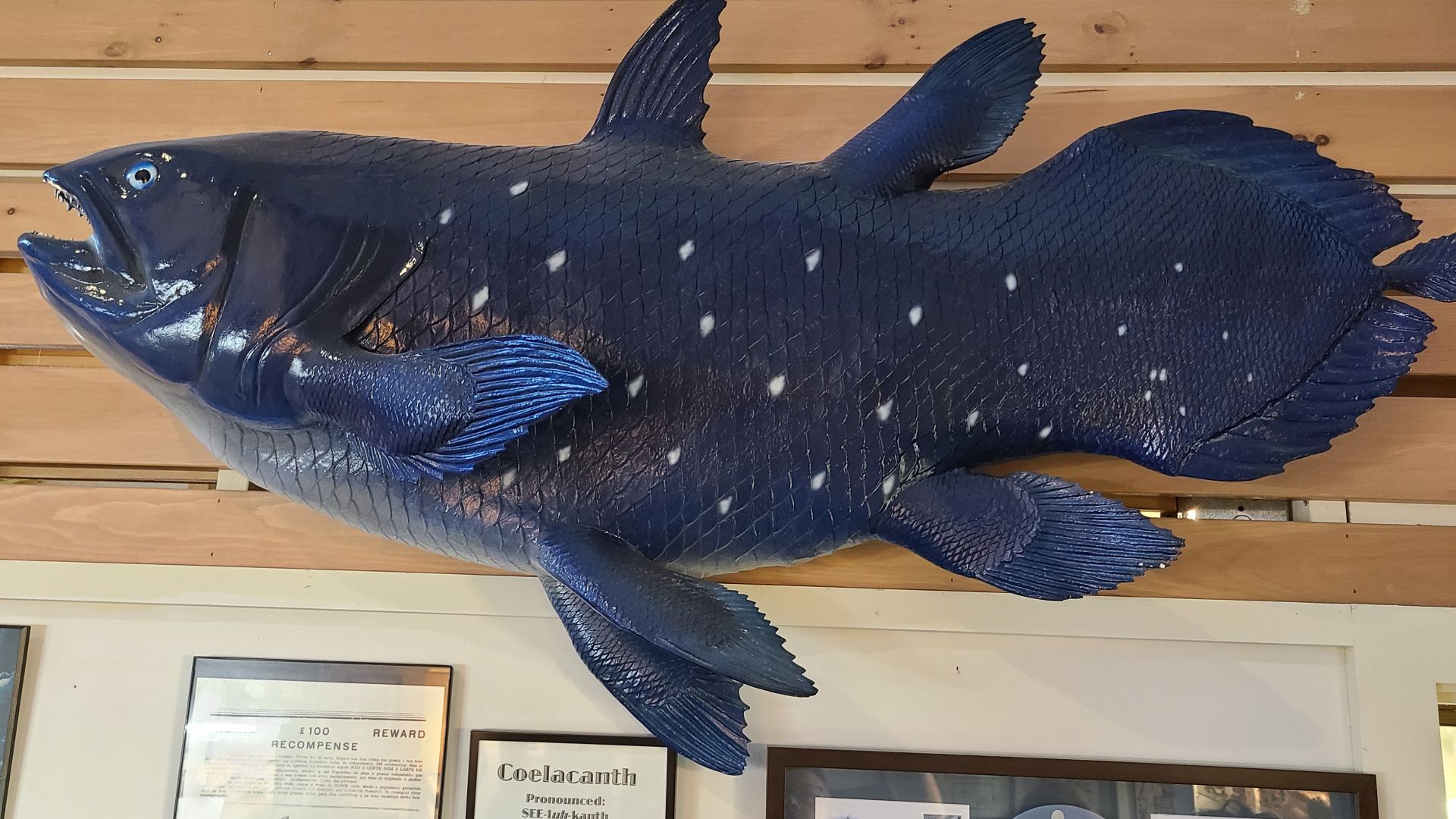 Bigmacthealmanac, Wikimedia Commons
Coelacanth Fish (Cont.)
On December 22, 1938, South African museum curator Marjorie Courtenay-Latimer spotted a strange blue fish among a fisherman's catch off the Chalumna River. She'd discovered a living coelacanth, stunning the scientific world and earning the nickname "living fossil”. These deep-sea dwellers can live 100 years.
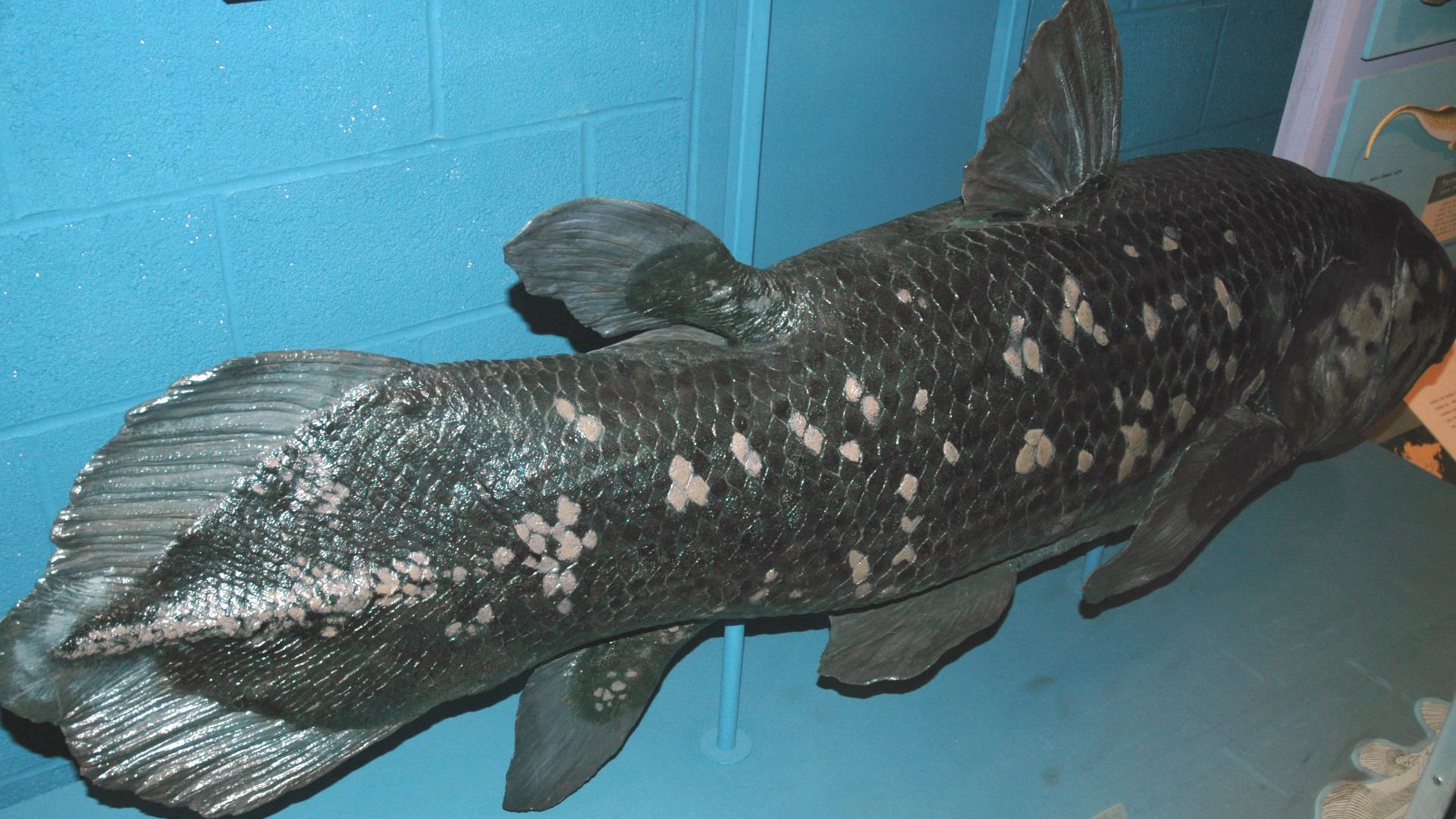 James St. John, Wikimedia Commons
Platypus Discovery
British naturalist George Shaw stared at the peculiar specimen delivered from Australia in 1798, convinced he was witnessing an elaborate hoax. The preserved pelt appeared to show a duck's bill surgically attached to a beaver's body with an otter's fur—surely this was another taxidermist's prank.
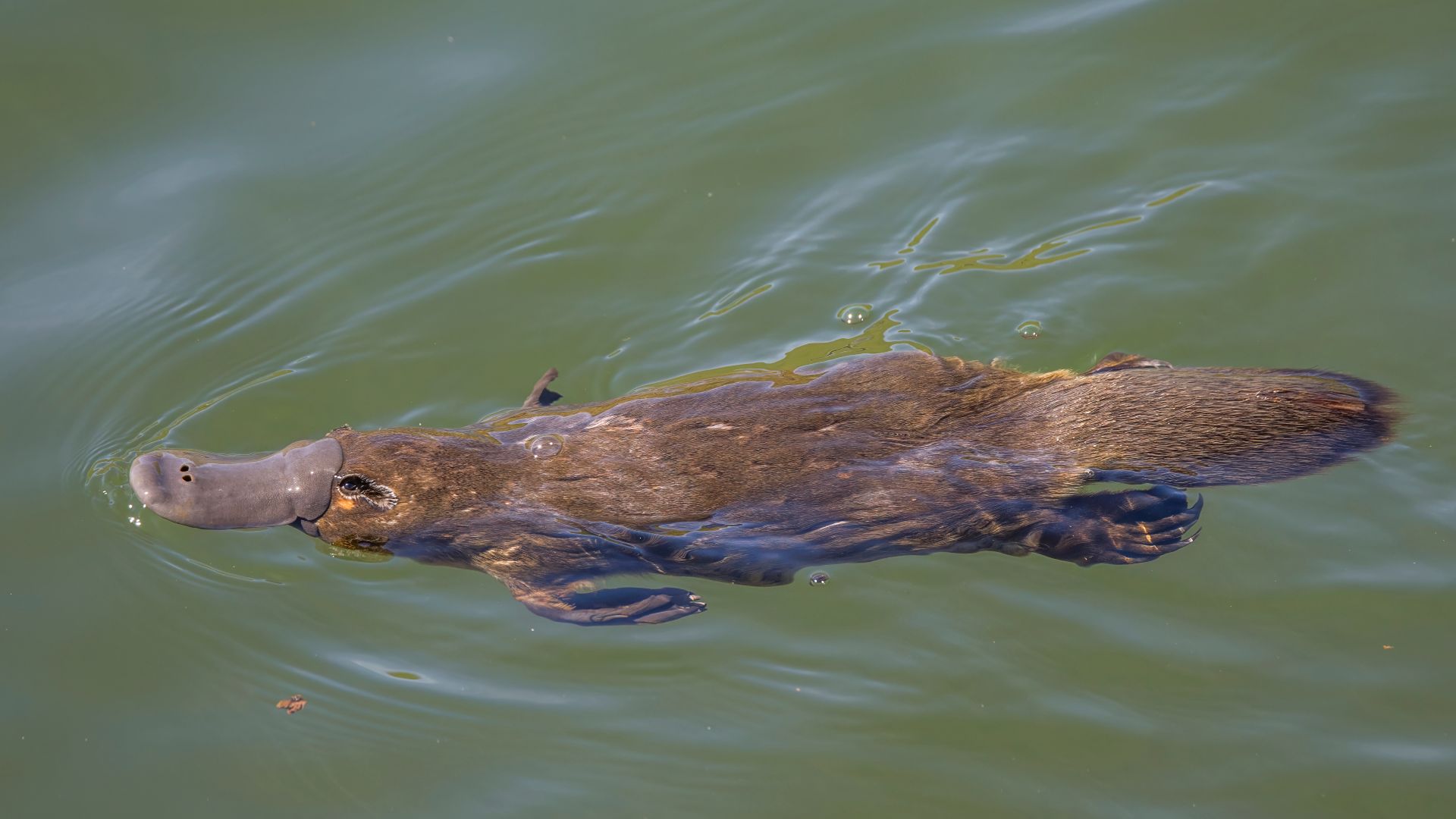 Charles J. Sharp, Wikimedia Commons
Platypus Discovery (Cont.)
Shaw took scissors to the pelt, carefully searching for stitches that would expose the forgery. He found none. The creature was genuine, forcing him to publish the first scientific description in 1799 of this biological impossibility: a furry, egg-laying mammal with venomous spurs.
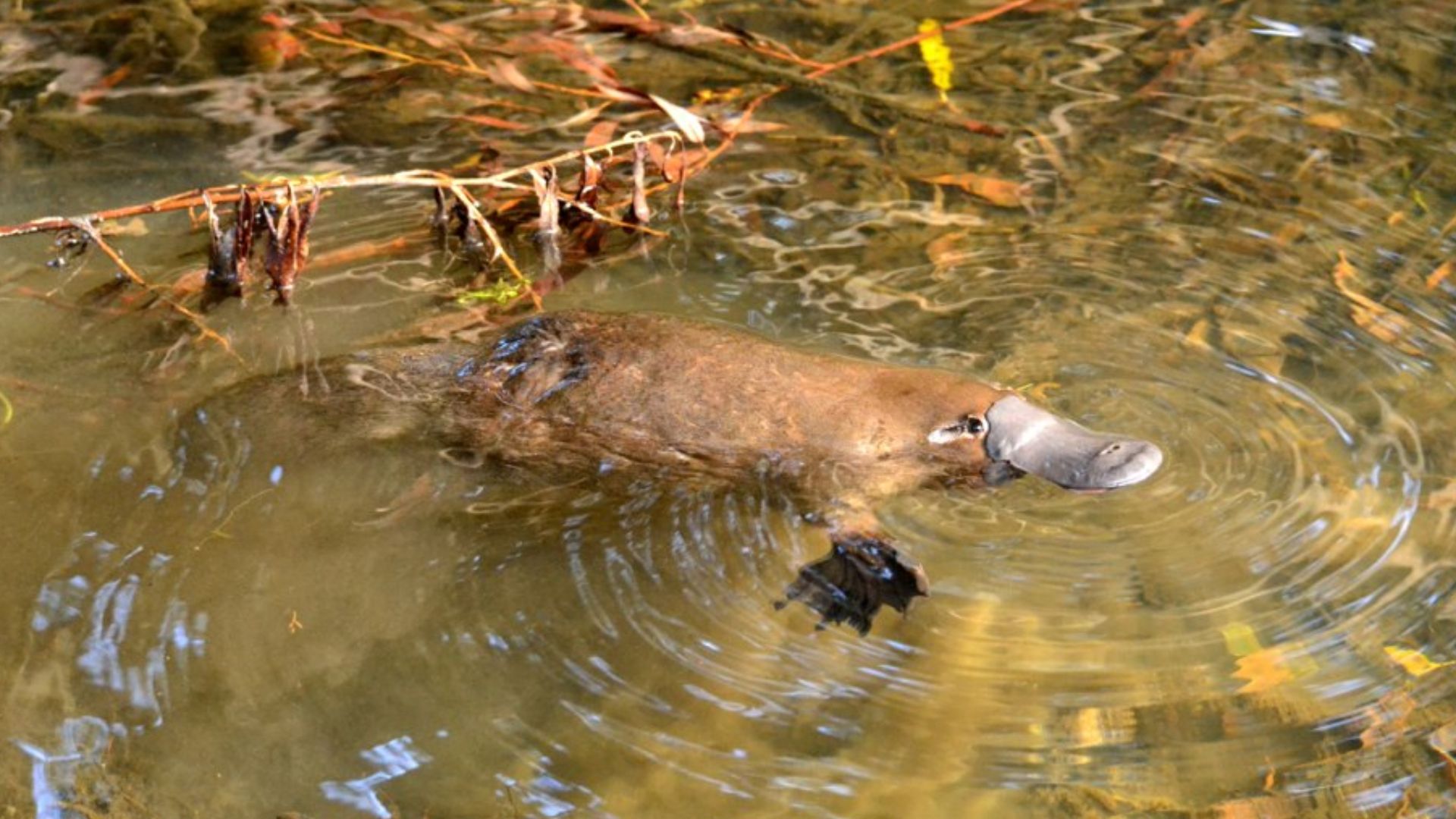
Dead Sea Scrolls
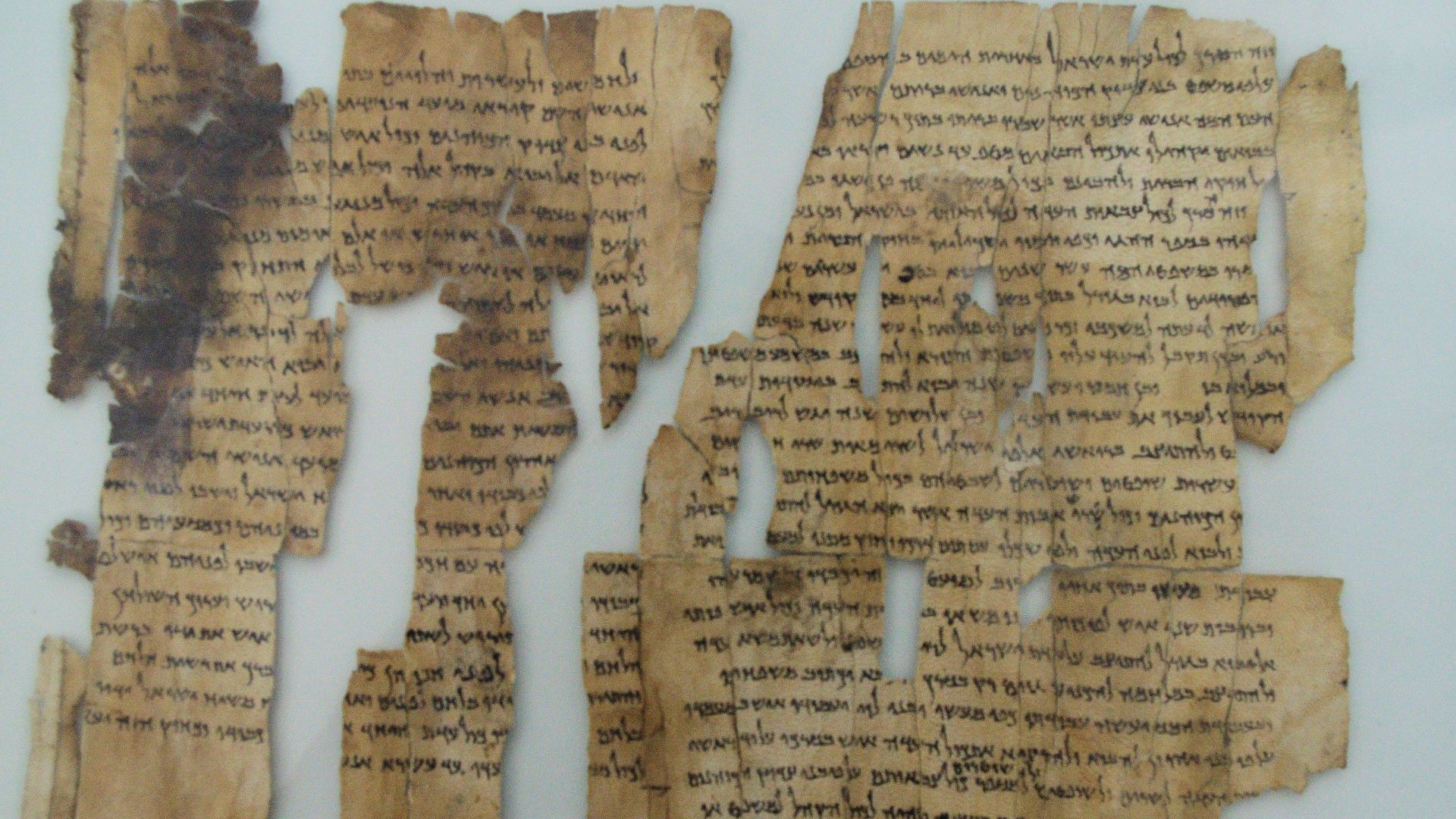
A Bedouin shepherd named Muhammed edh-Dhib was searching for a stray goat near Qumran in the Judean Desert during early 1947 when he began tossing stones into cave openings dotting the limestone cliffs. One throw produced an unexpected shattering sound that echoed from within.
 Ken and Nyetta, Wikimedia Commons
Dead Sea Scrolls (Cont.)
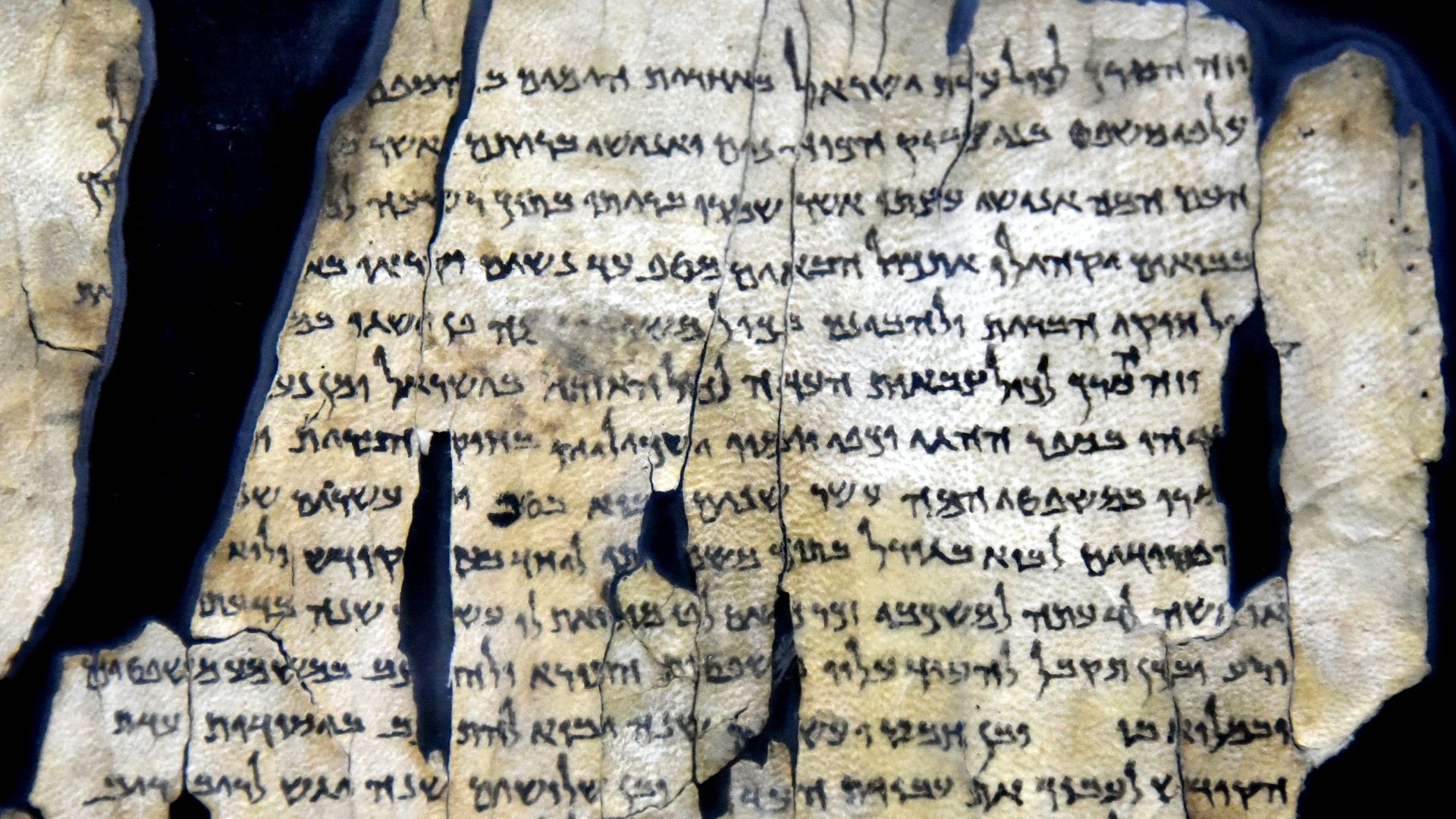
Curious but cautious, he returned the next day with companions to investigate the narrow cave entrance. Inside, they discovered tall clay jars—most empty, but one containing three ancient leather scrolls covered in faint Hebrew writing. The shepherds sold their find to a Bethlehem cobbler.
 Osama Shukir Muhammed Amin FRCP(Glasg), Wikimedia Commons