
Welcome Home… Or Not?
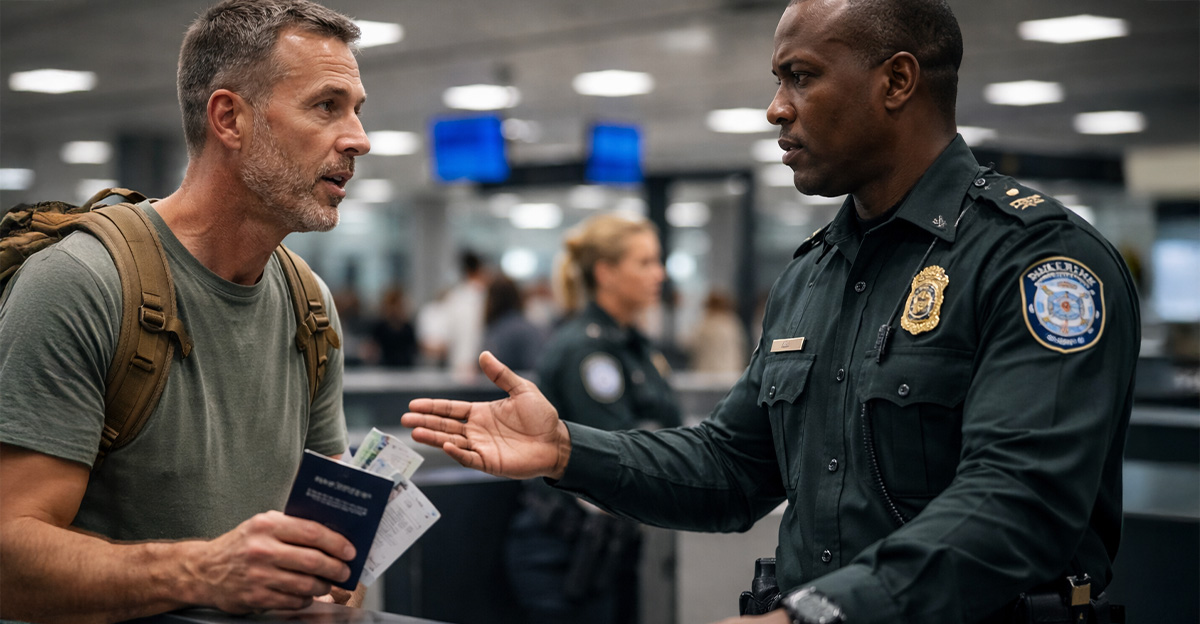
You step off a long flight sunburned, jet-lagged, and already thinking about your own bed. This part is supposed to be easy. You hand over your passport, expect a quick stamp, and instead hear the words nobody wants to hear: “Please step aside.” Suddenly, you’re not home—you’re stuck. You’re a U.S. citizen. You’re a veteran. So how did your own country just tell you no?
The Big Myth About Citizenship And Borders
Most Americans grow up believing citizenship is an all-access pass. While it’s true that U.S. citizens cannot be permanently barred from entering the country, that doesn’t mean entry is always immediate or painless. Border law makes a sharp distinction between the right to enter and the process of entering, and that gap is where problems arise.
 Yellowstone National Park from Yellowstone NP, USA, Wikimedia Commons
What “Denied Entry” Usually Really Means
In nearly every case involving citizens, being “denied entry” is actually a temporary refusal. Border officials may delay your admission while they verify identity, investigate a database alert, or wait on another agency. To the traveler, it feels like rejection. Legally, it’s more like a bureaucratic pause button.
 Army Corps of Engineers, Wikimedia Commons
Why Border Agents Have So Much Power
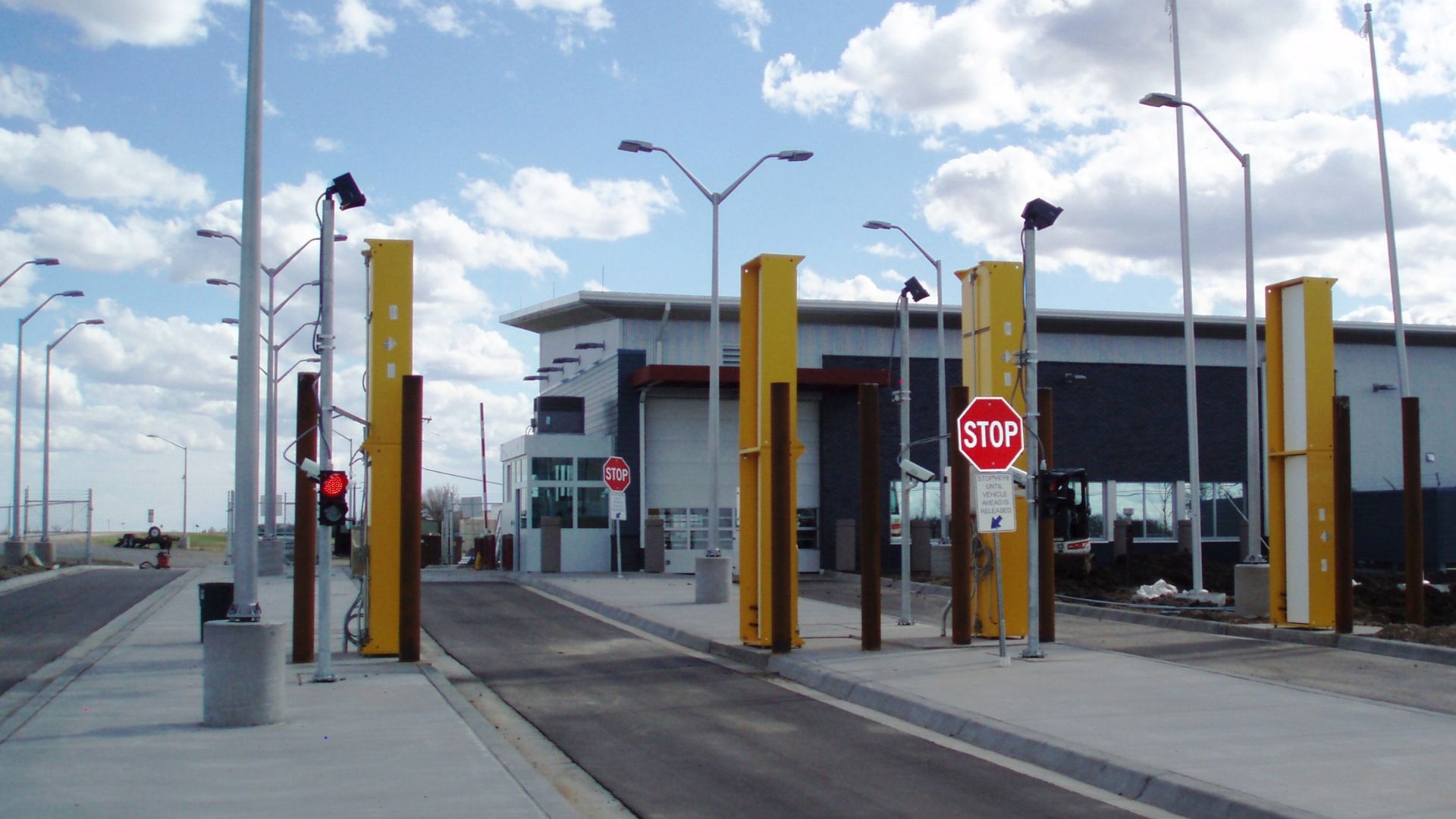
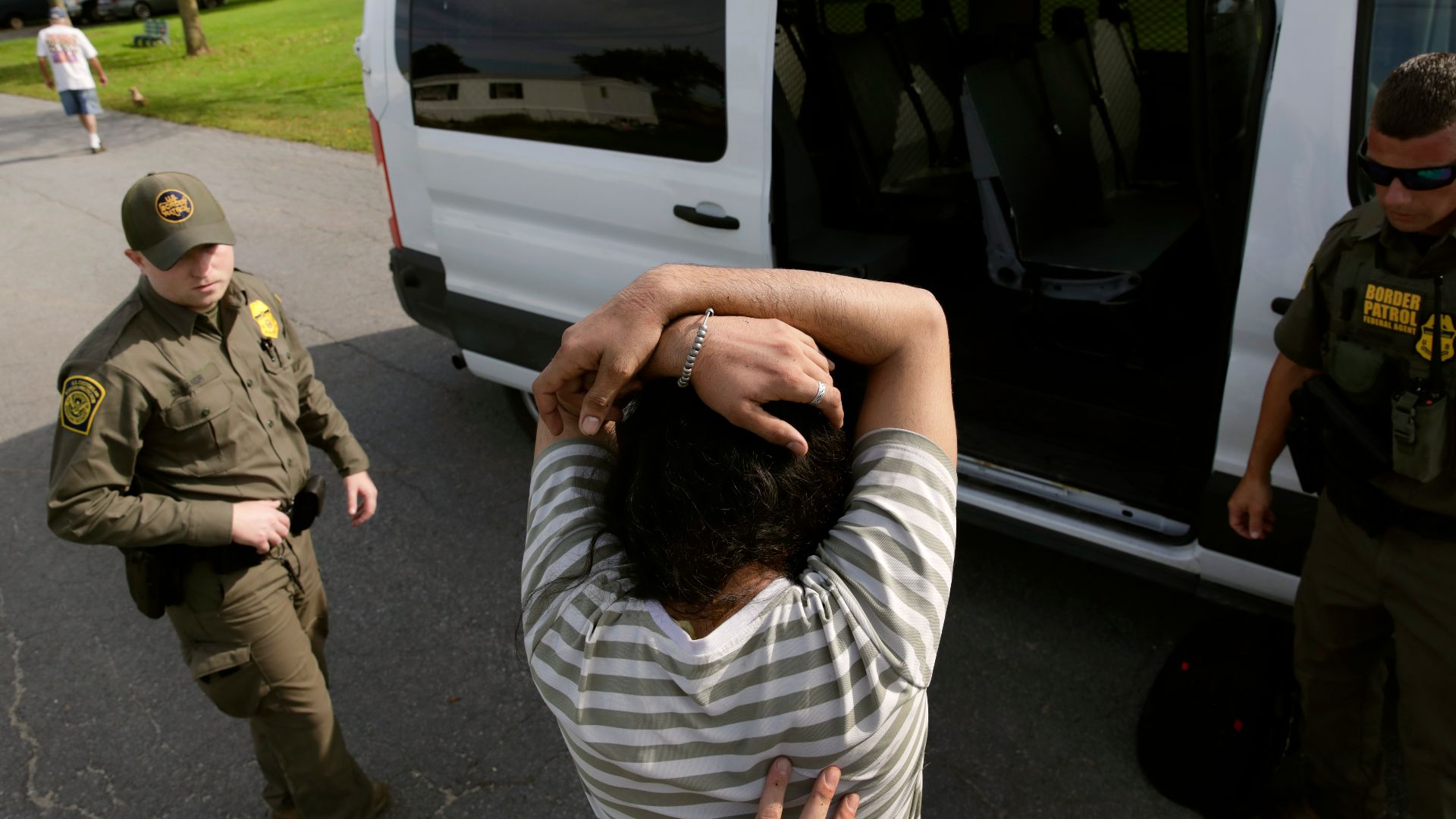
Ports of entry operate under a different legal framework than the rest of the country. Courts have repeatedly ruled that border agents can exercise broader authority in the name of national security. That means officers can detain you, question you extensively, and search your belongings without the standards required elsewhere.
 U.S. Customs and Border Protection, Wikimedia Commons
Citizenship Doesn’t Cancel Suspicion
Holding a U.S. passport proves citizenship, but it doesn’t override every red flag. Border systems cross-reference travelers against massive databases, and if anything doesn’t line up perfectly—whether accurate or not—officers are required to investigate before allowing entry.
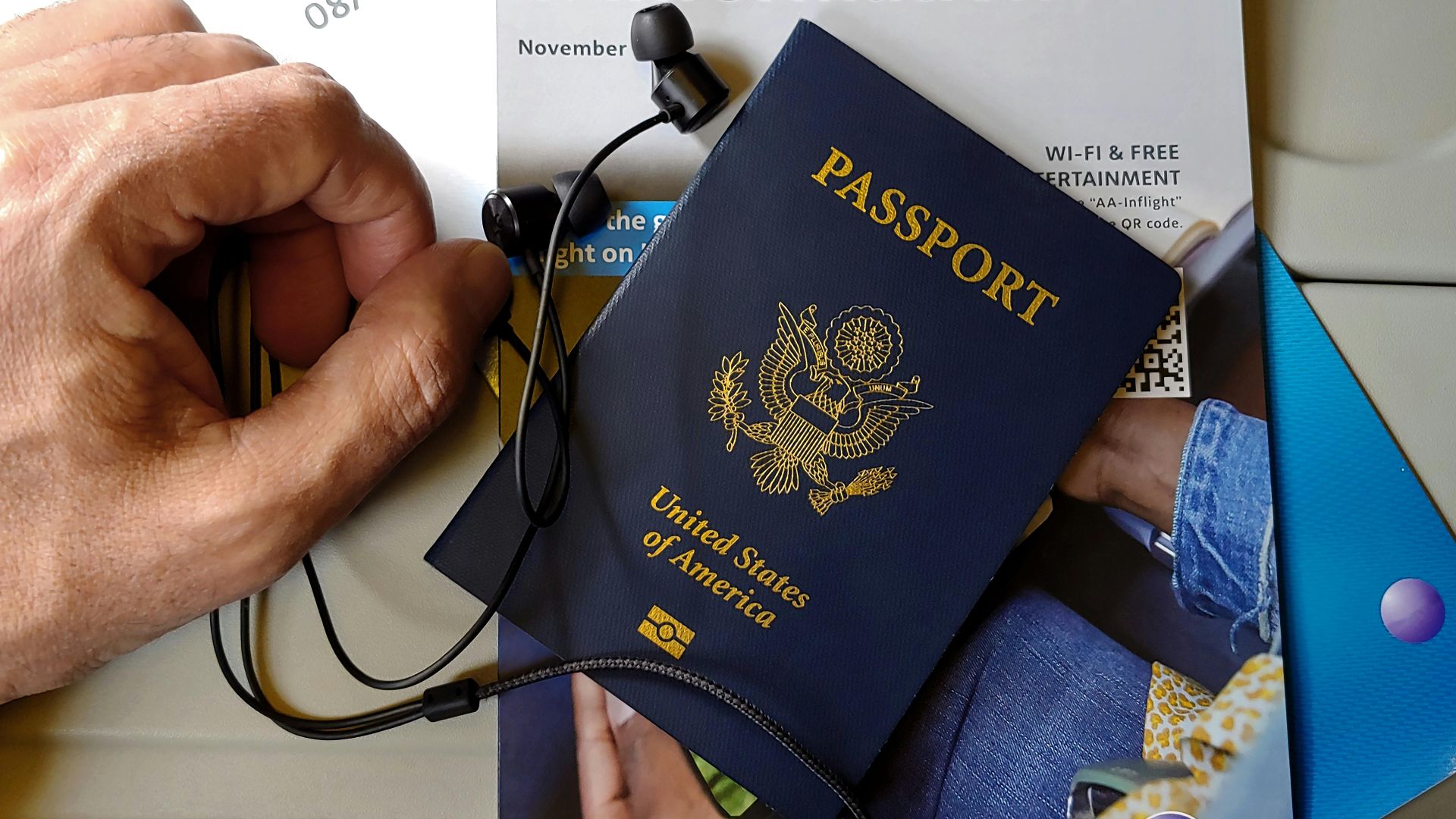
Military Service Doesn’t Equal Automatic Clearance
This is the part that stings the most for veterans. While military service is honored culturally, it doesn’t confer special legal treatment at the border. CBP officers are tasked with enforcing policy, not evaluating patriotism, and they are not authorized to waive scrutiny based on service history.
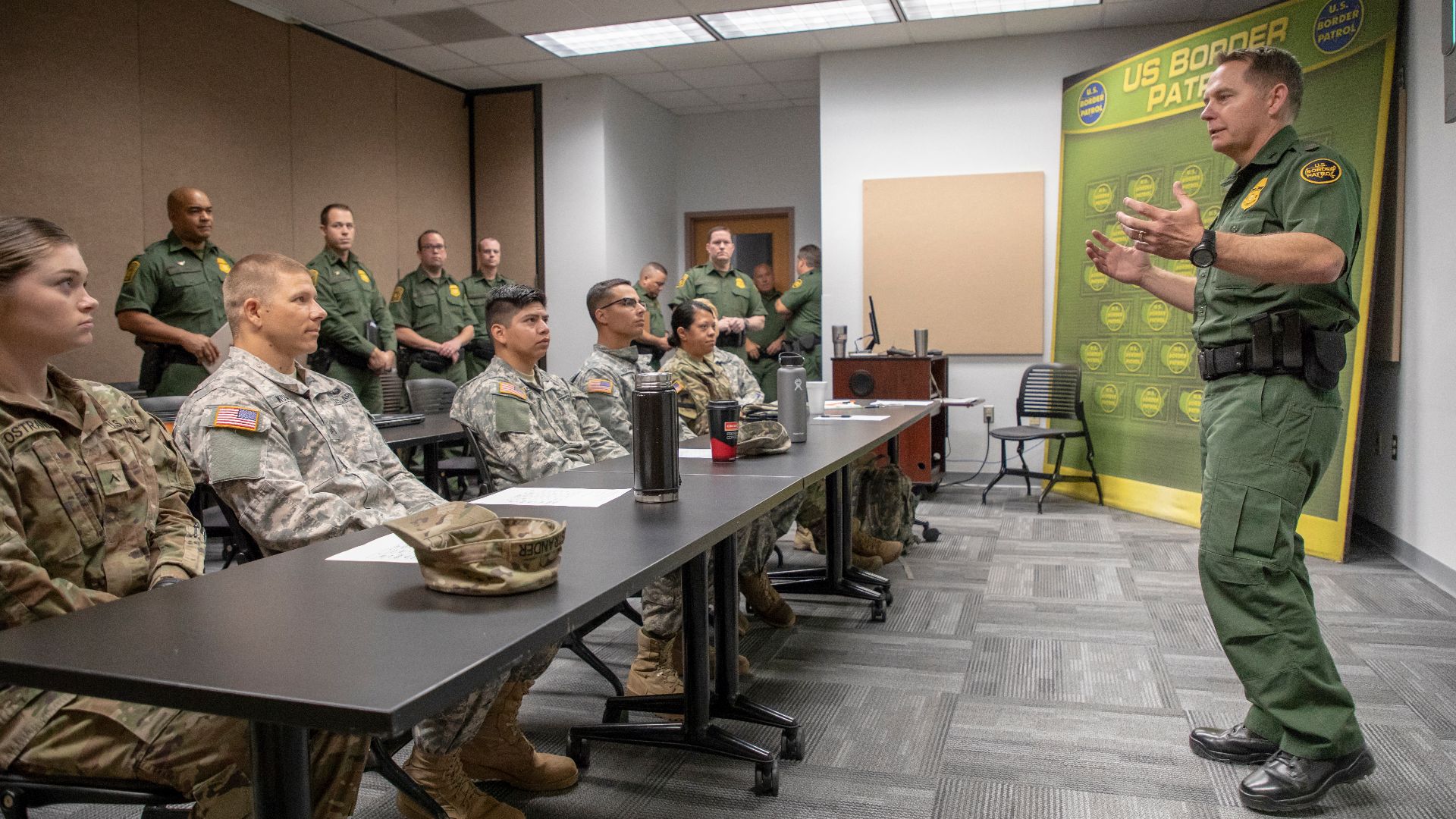 CBP Photography, Wikimedia Commons
When Names Become The Problem
One of the most common reasons citizens are stopped is simple coincidence. If your name closely matches someone flagged in a criminal or security database, the system doesn’t assume innocence—it demands confirmation. Clearing up a name match can take minutes or many hours depending on complexity.
Old Legal Issues Don’t Always Stay Buried
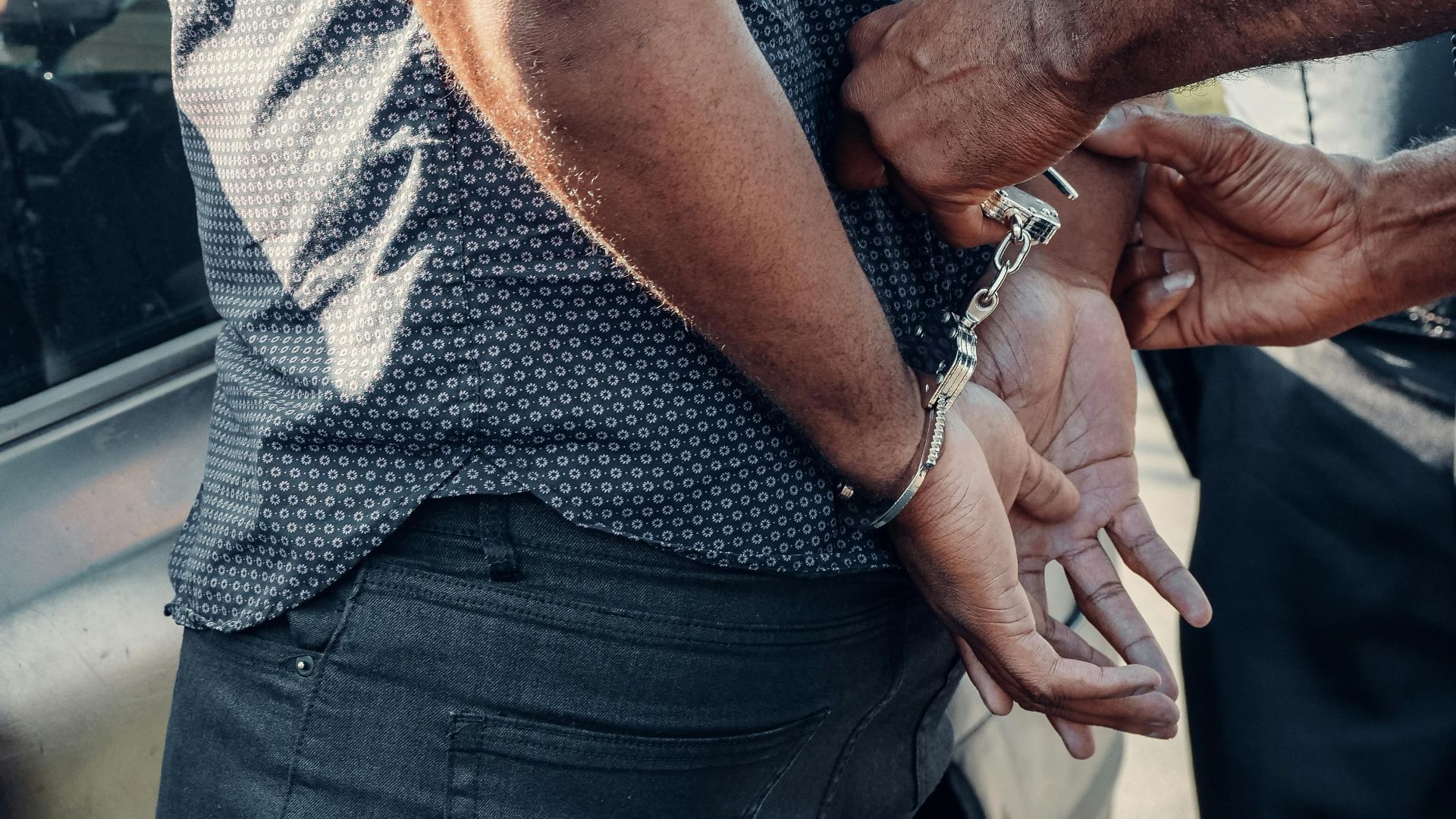
You might assume a dismissed charge or decades-old arrest is irrelevant. Unfortunately, some records linger across interconnected systems long after they should have disappeared. Even expunged cases don’t always update properly, and the border is often where those ghosts resurface.
Secondary Inspection Feels Worse Than It Sounds
Being sent to secondary inspection is intimidating by design. You’re separated from other travelers, questioned repeatedly, and left waiting without updates. It’s not an arrest, but it’s not freedom either. For many citizens, this is where panic sets in.
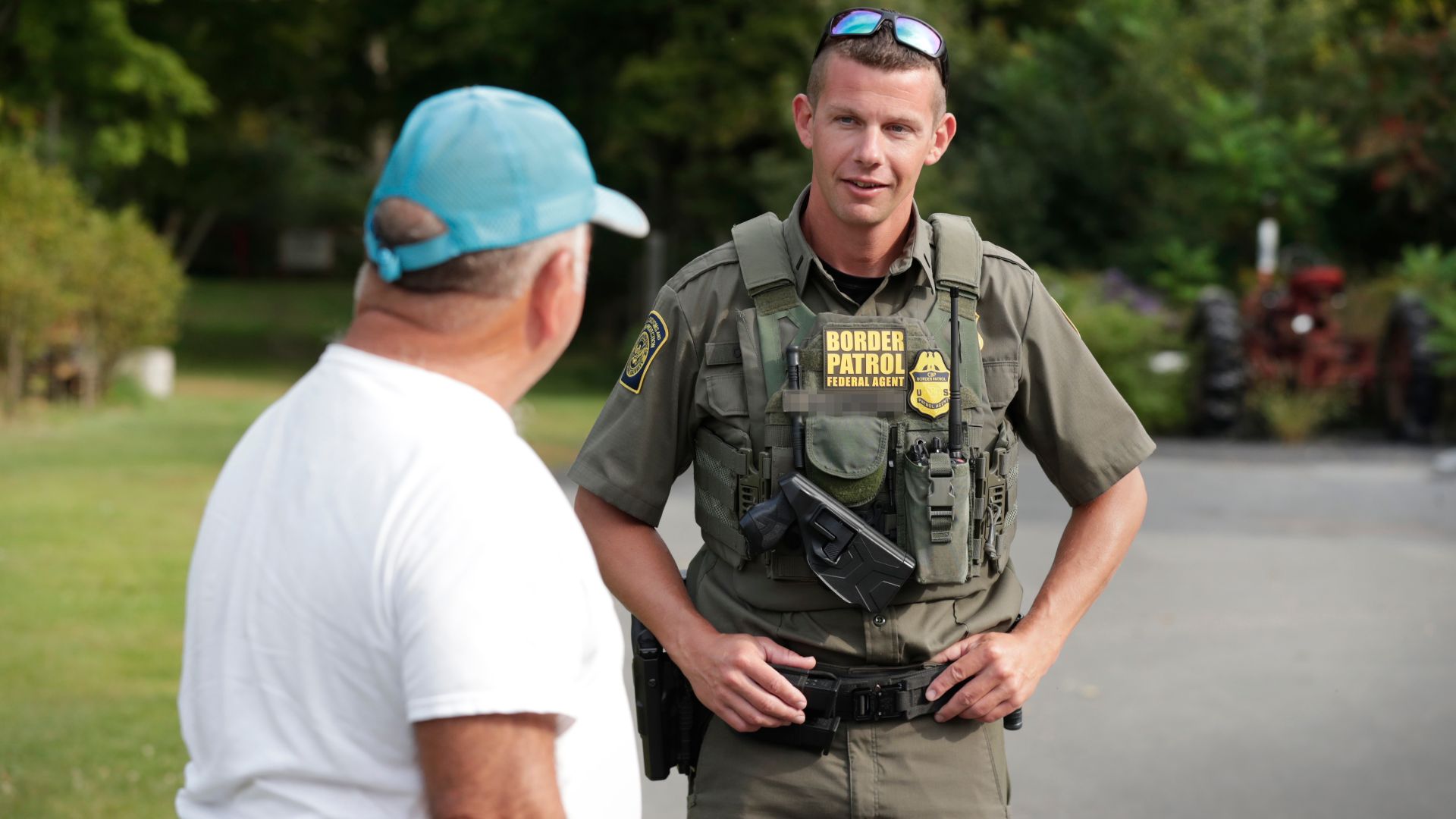 CBP Photography, Wikimedia Commons
Why Officers Often Won’t Explain The Delay
Border agents are famously vague, and that’s partly intentional. Officers may be restricted from disclosing what triggered a stop, especially if it involves intelligence sources or ongoing investigations. Silence doesn’t mean suspicion—it often means protocol.
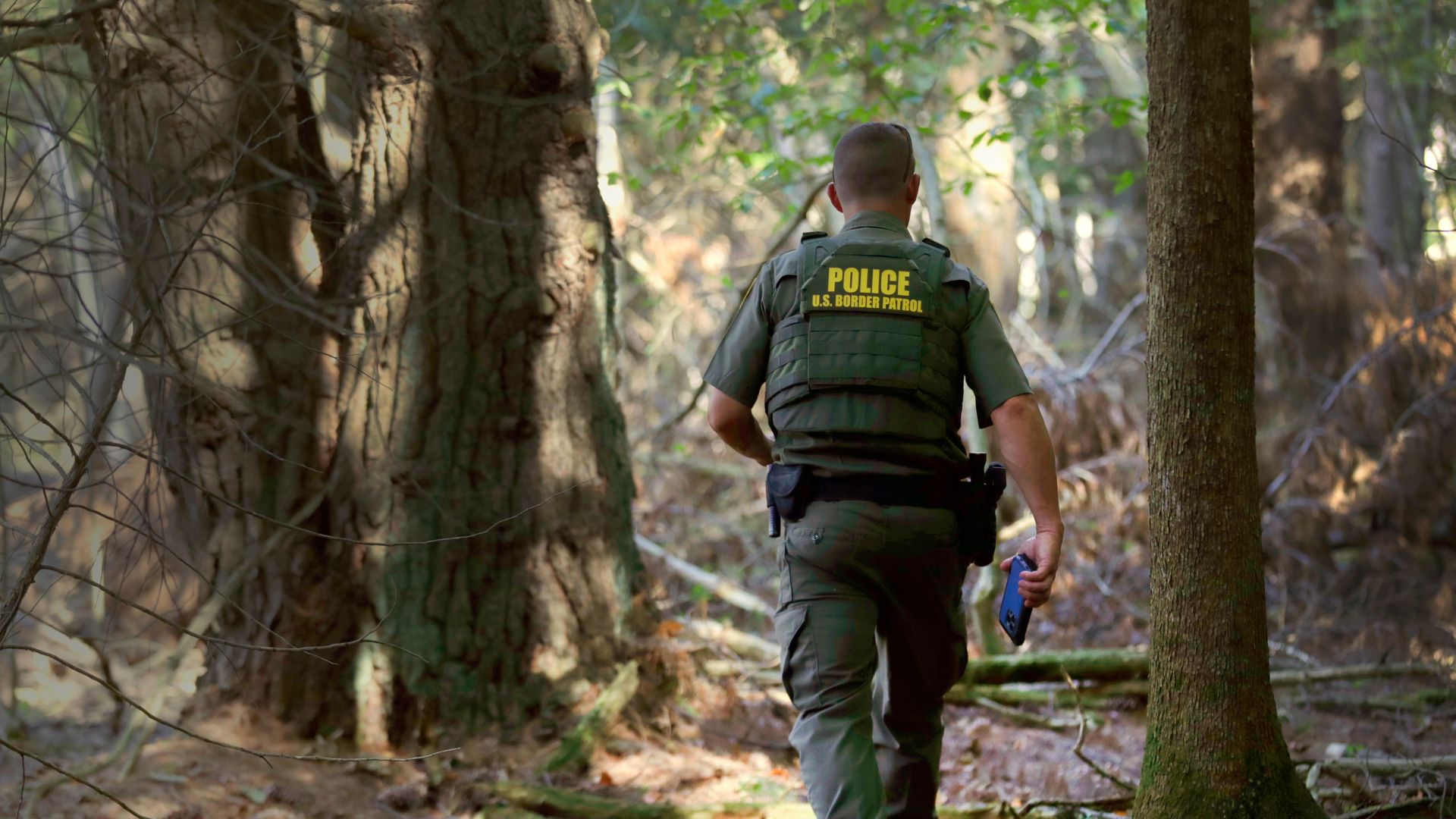 CBP Photography, Wikimedia Commons
Your Electronics Are Fair Game At The Border
At U.S. borders, electronic devices fall into a legal gray zone. Officers may conduct basic searches of phones or laptops without a warrant. While refusals are allowed, they often come with consequences like longer detention or temporary device seizure.

Passport Problems Make Everything Slower
A damaged, expired, or flagged passport can significantly delay entry. Even valid passports can trigger additional checks if authenticity systems raise questions. When that happens, officers must independently verify citizenship before proceeding.
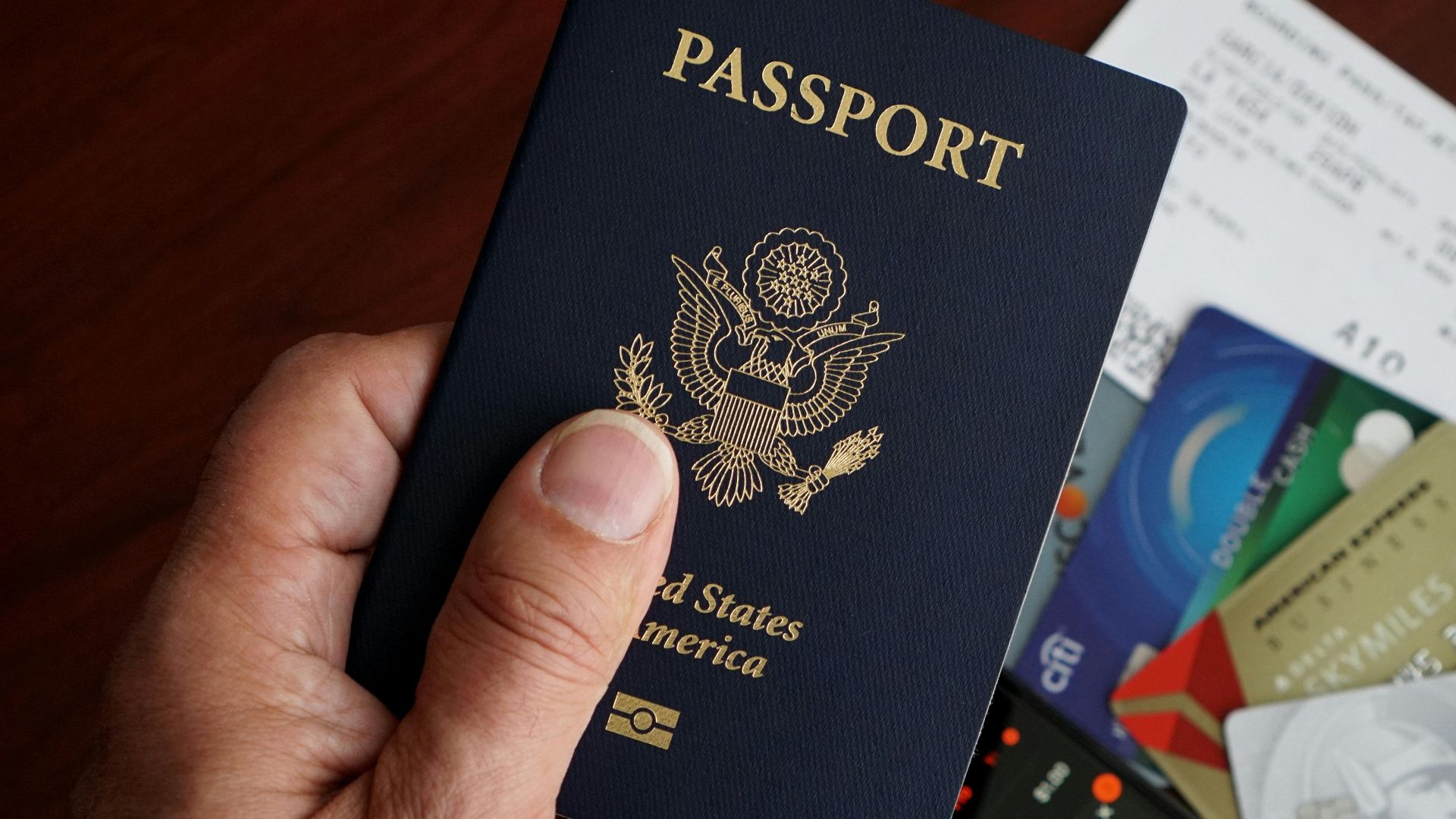
Entering Without A Passport Is Legal—But Painful
Citizens can legally re-enter the U.S. without a passport, but the process is rarely quick. Without standard documentation, CBP must rely on alternative records, which can mean hours or even days of waiting while identity is confirmed.
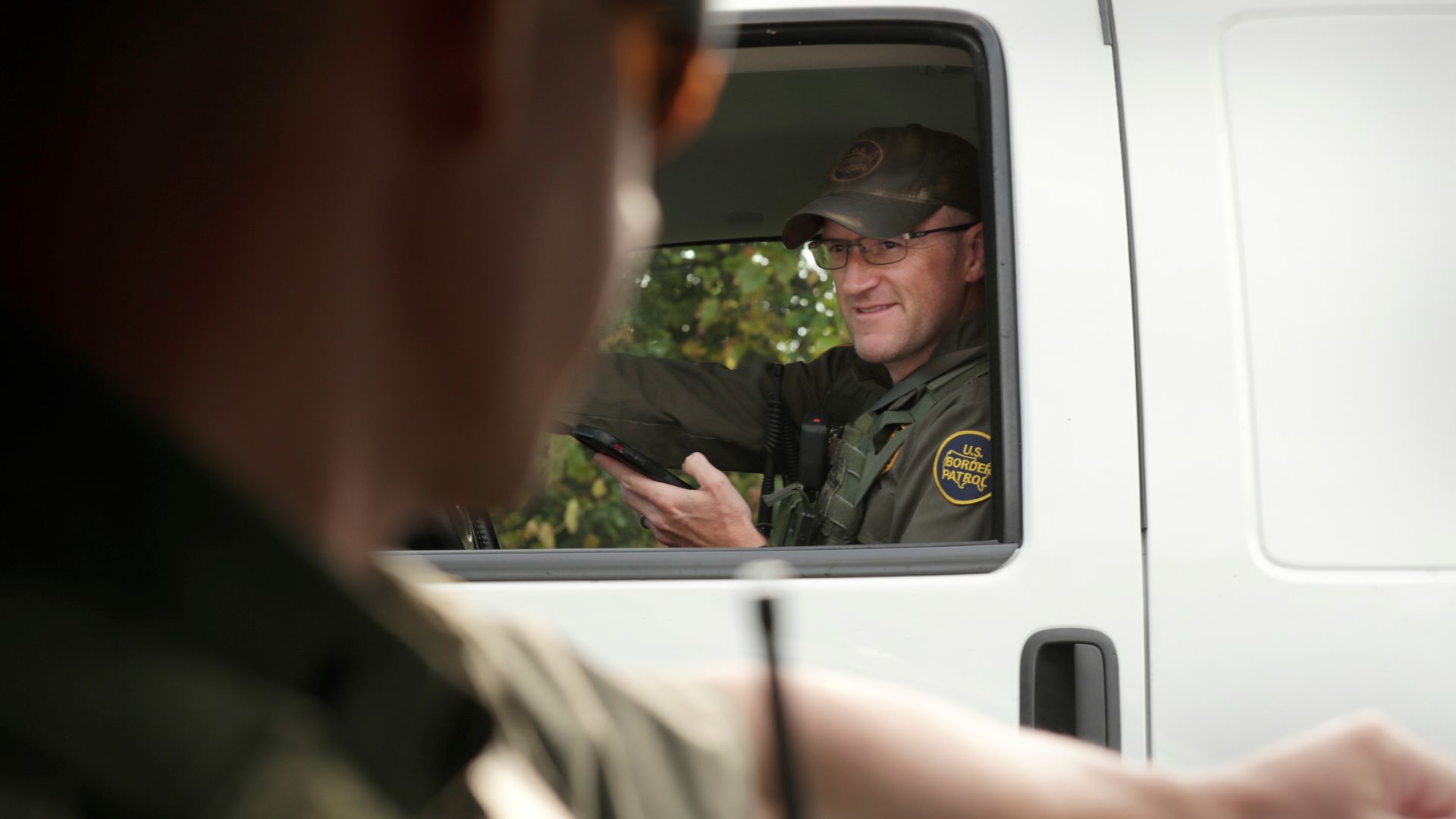 CBP Photography, Wikimedia Commons
Mental Health Flags Can Complicate Travel
In rare but serious situations, prior mental health incidents documented during international travel can prompt additional scrutiny. These cases are sensitive and controversial, and while they don’t erase citizenship rights, they can slow the process significantly.
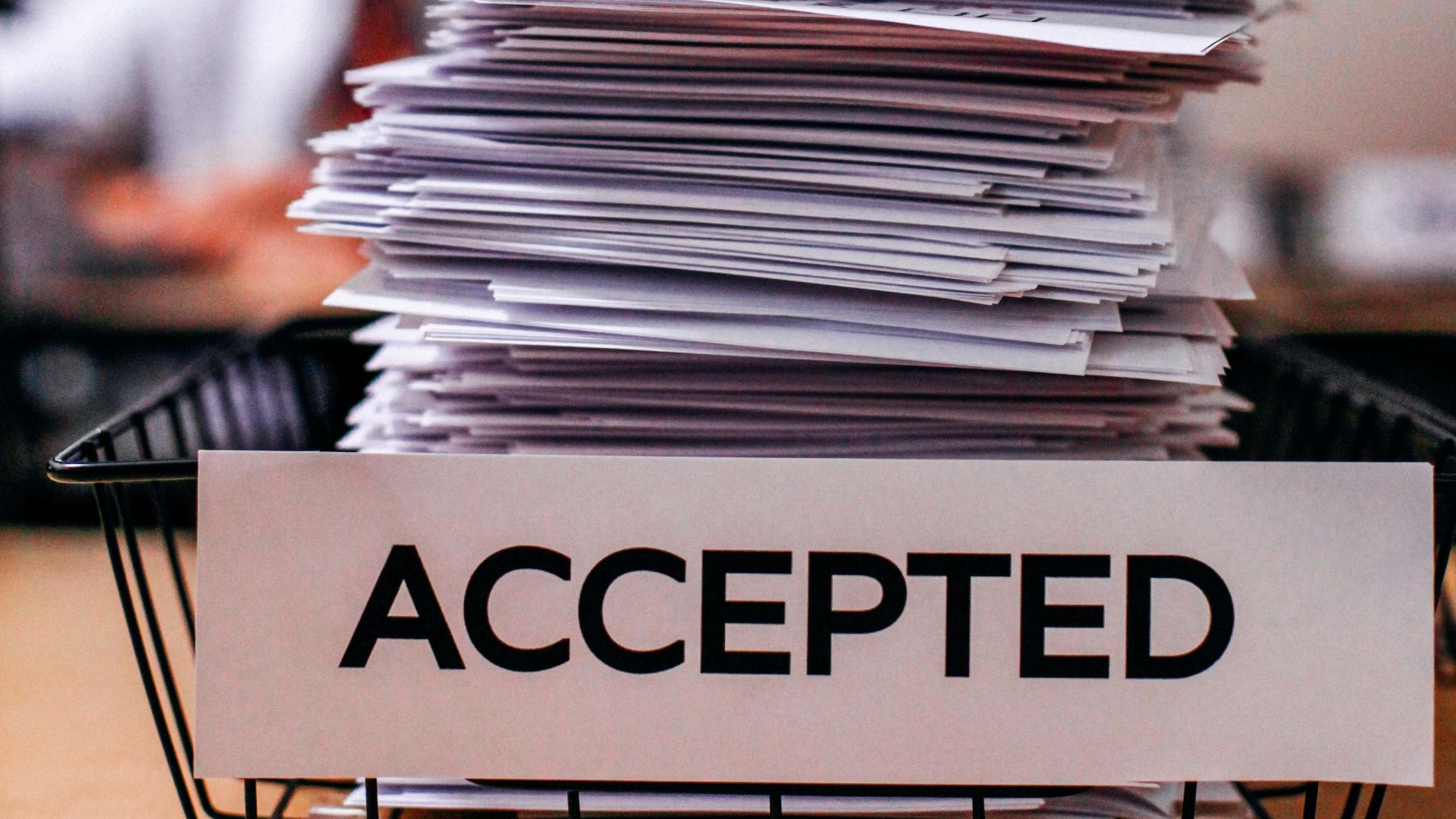
Why Veterans Sometimes Face Extra Verification
Ironically, military service can create more complex records. Overseas deployments, security clearances, and multiple identifiers can complicate database checks. What feels like proof of loyalty can look like extra paperwork to a computer system.

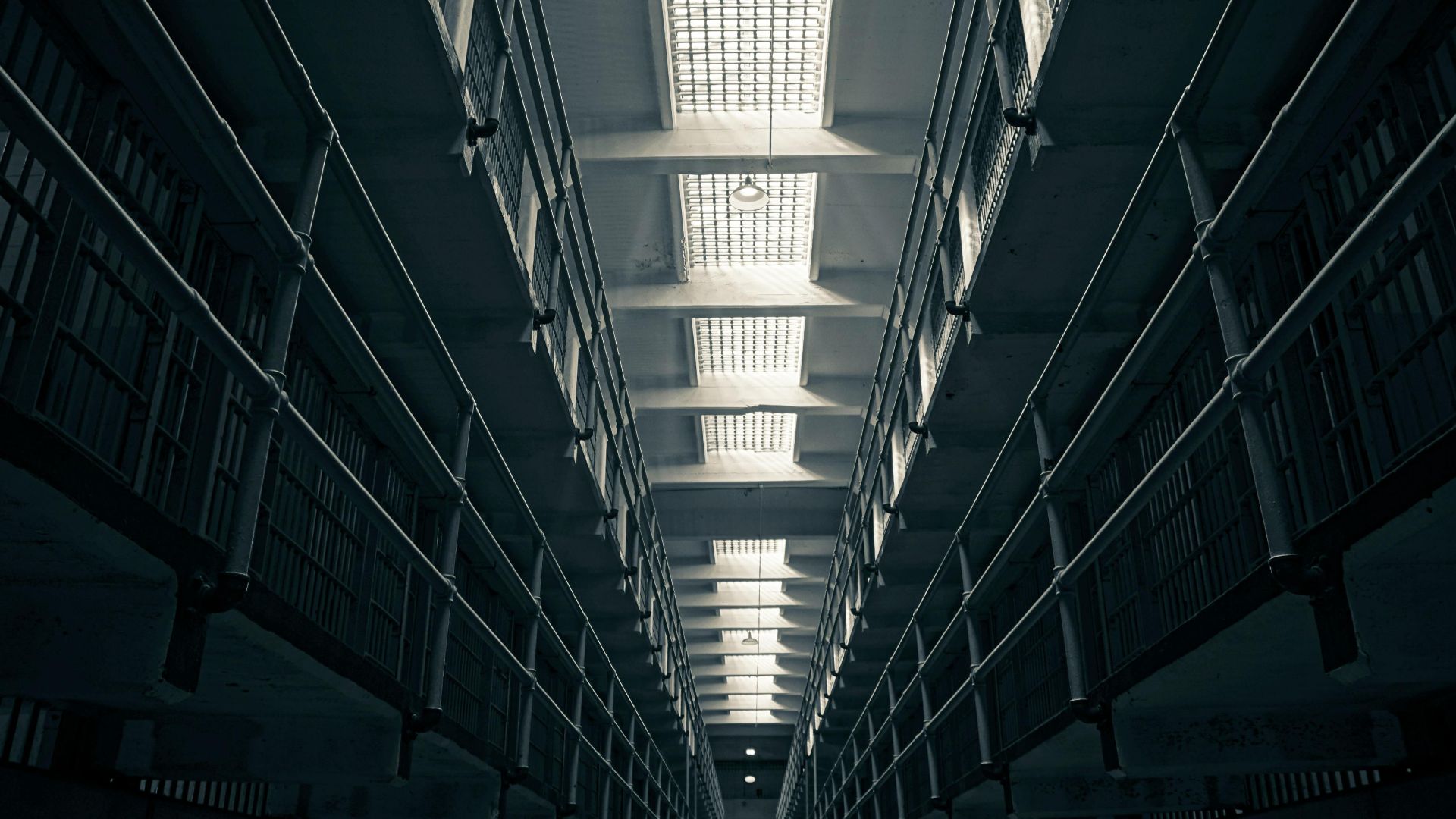
When Detention Turns Into An Overnight Stay
If an issue can’t be resolved before staffing changes or agency coordination ends, travelers may be held overnight. This doesn’t imply wrongdoing. It often means someone needs to come in the next day to finish confirming details.

Your Rights Still Exist—Just Narrowed
Citizens retain rights at the border, though they are more limited. You can ask why you’re being detained, choose to remain silent beyond identity questions, and request legal counsel. What you cannot demand is immediate entry.
How Behavior Can Influence The Outcome
While it shouldn’t matter, demeanor does. Staying calm and respectful often helps move things along. Aggression or hostility rarely speeds the process and can sometimes prolong it.
 CBP Photography, Wikimedia Commons
What To Do Once You’re Released
Once you’re allowed in, the ordeal isn’t necessarily over. Ignoring the incident increases the chance it happens again. Following up is essential if you want future trips to be smoother.

The Power Of A FOIA Request
Filing a Freedom of Information Act request can reveal what records or flags caused the delay. While the process is slow, it’s one of the most effective ways to uncover hidden errors.

DHS TRIP Is Your Best Long-Term Fix
The Department of Homeland Security’s Traveler Redress Inquiry Program exists for exactly these situations. Many travelers report that repeated detentions stopped only after completing the TRIP process and having their records corrected.
Why This Experience Feels So Personal
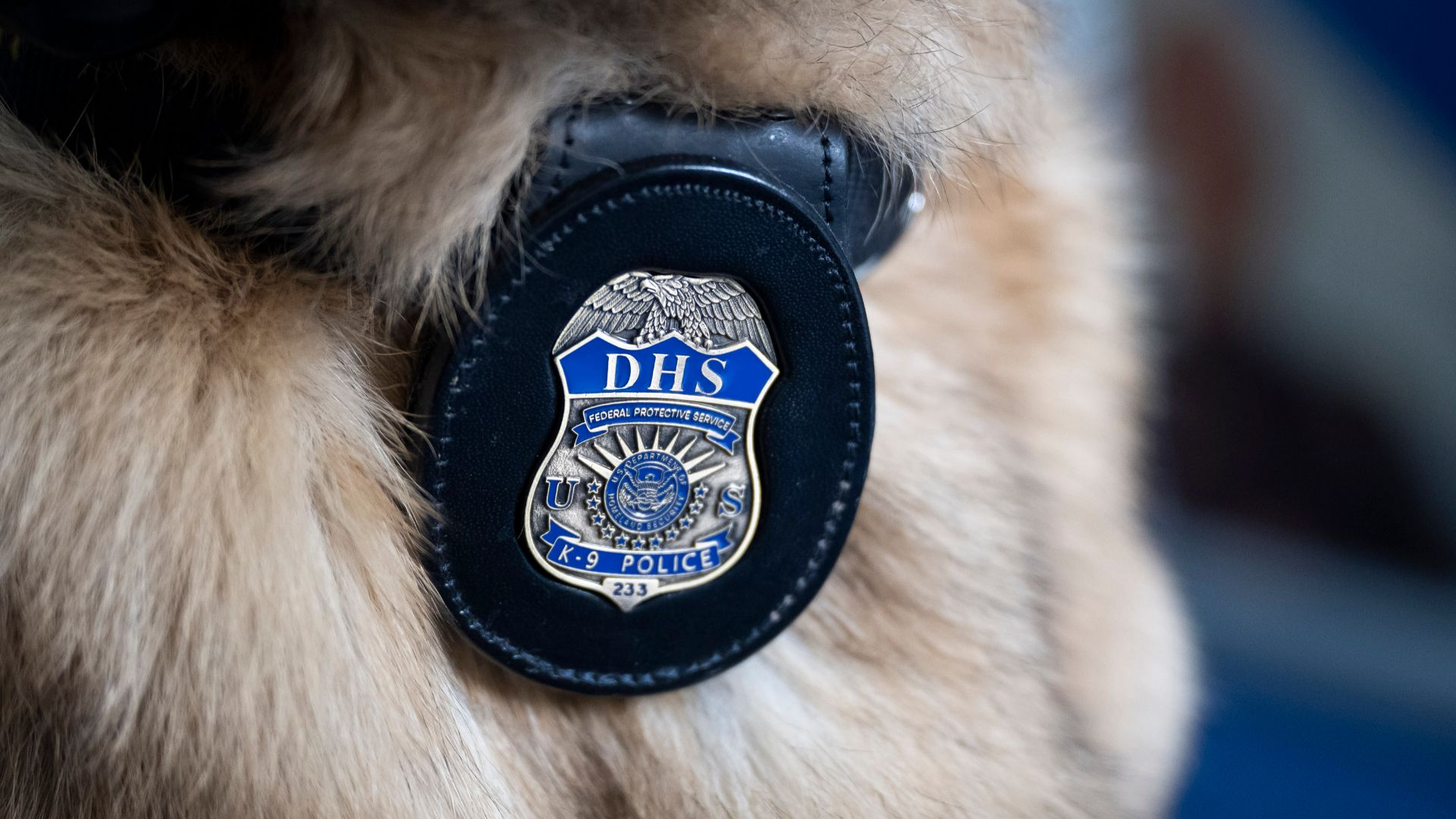
Being stopped by your own country cuts deep, especially for veterans. It feels like distrust layered on top of sacrifice. Unfortunately, border enforcement operates on systems and checklists, not personal history.
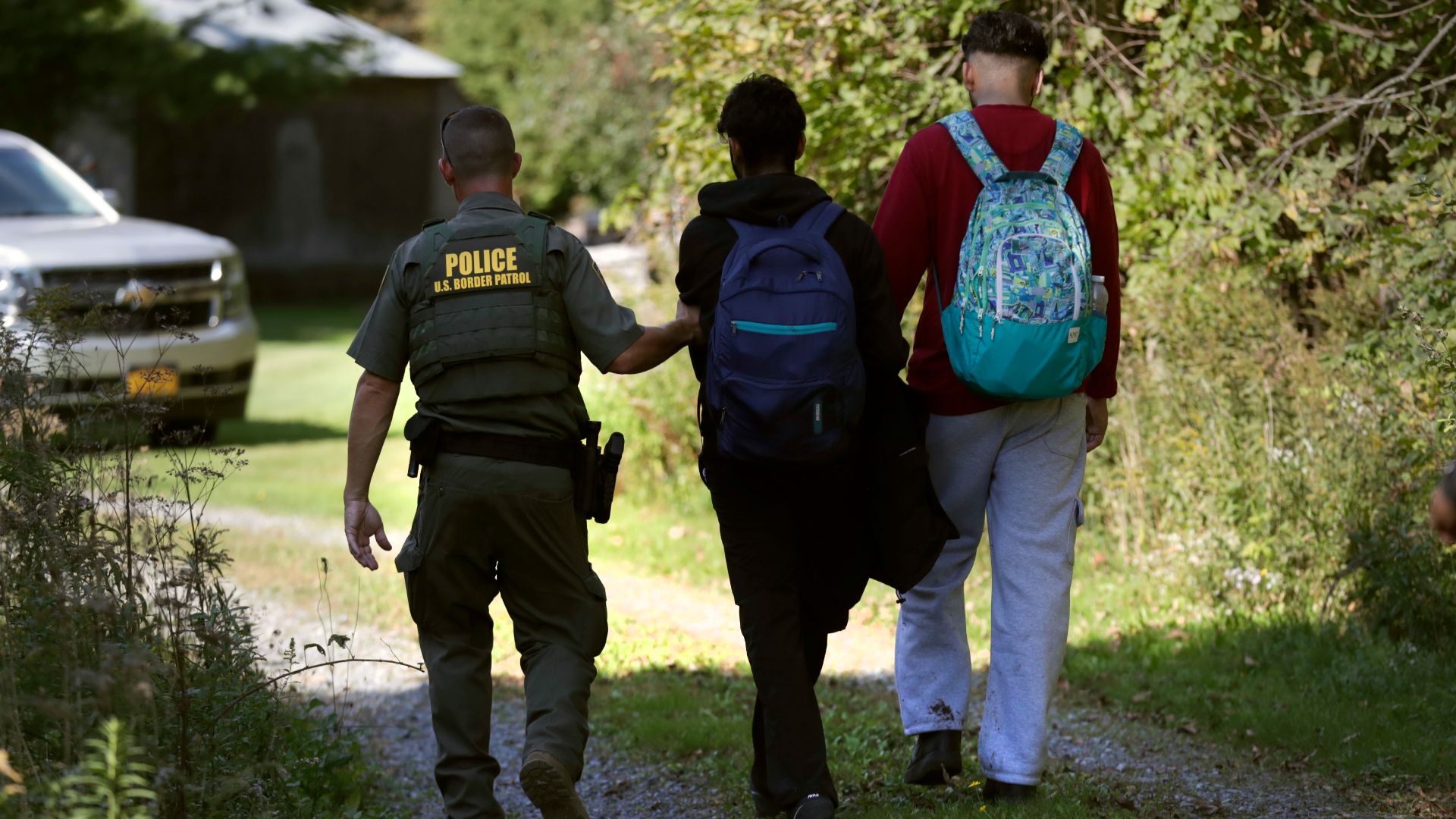 CBP Photography, Wikimedia Commons
You’re Not As Alone As You Think
Thousands of U.S. citizens face serious border delays every year. Most never talk about it, which makes the experience feel isolating. In reality, it’s an unspoken but widespread issue.

The System Isn’t Built For Grace
Border enforcement prioritizes caution over comfort. That means errors are tolerated longer than inconvenience, and travelers often pay the emotional price for administrative uncertainty.
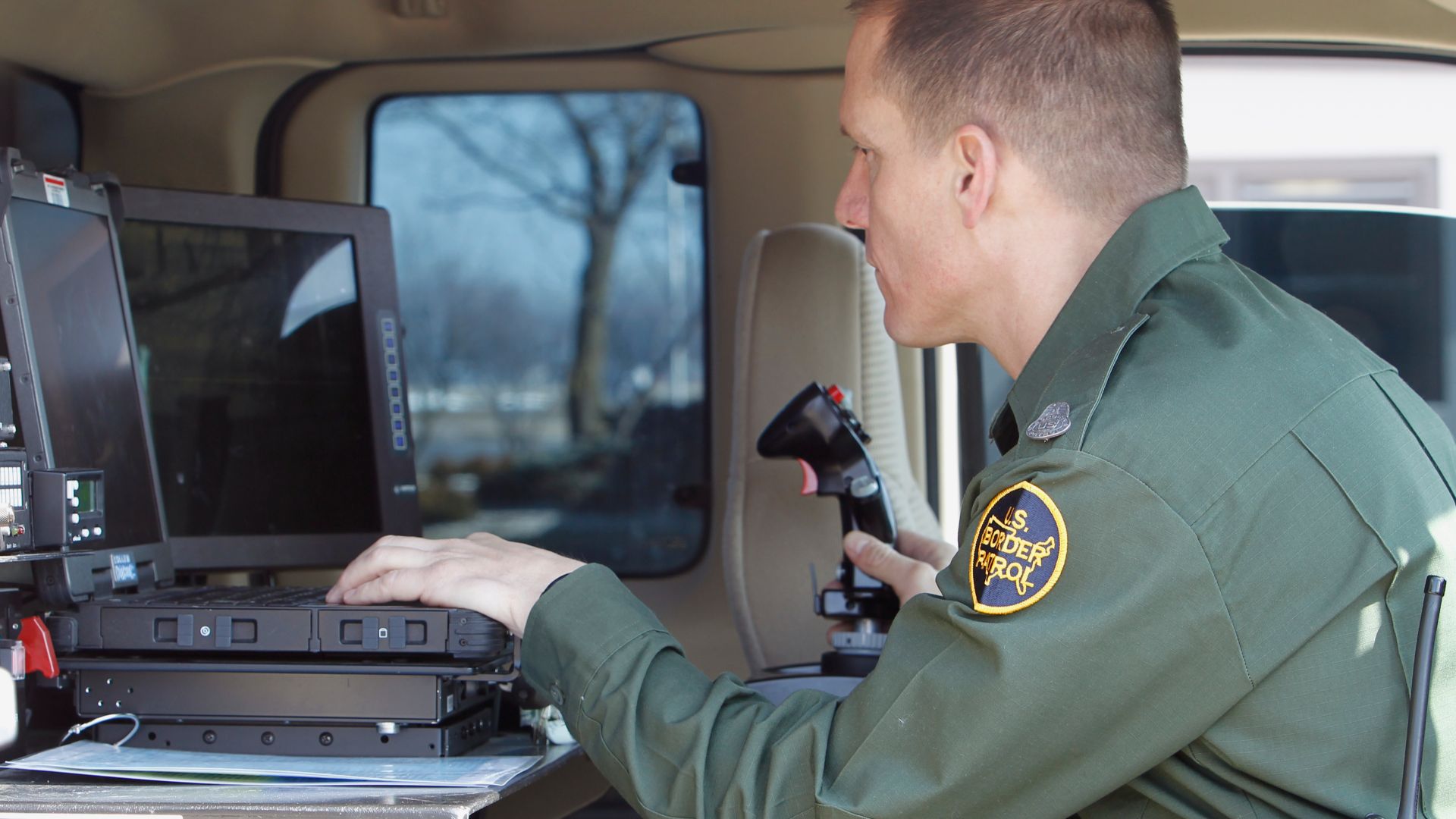 CBP Photography, Wikimedia Commons
What This Really Says About Border Security
Incidents like this highlight how dependent border control is on databases and automation. When systems work, entry is seamless. When they fail, even citizens can get caught in limbo.
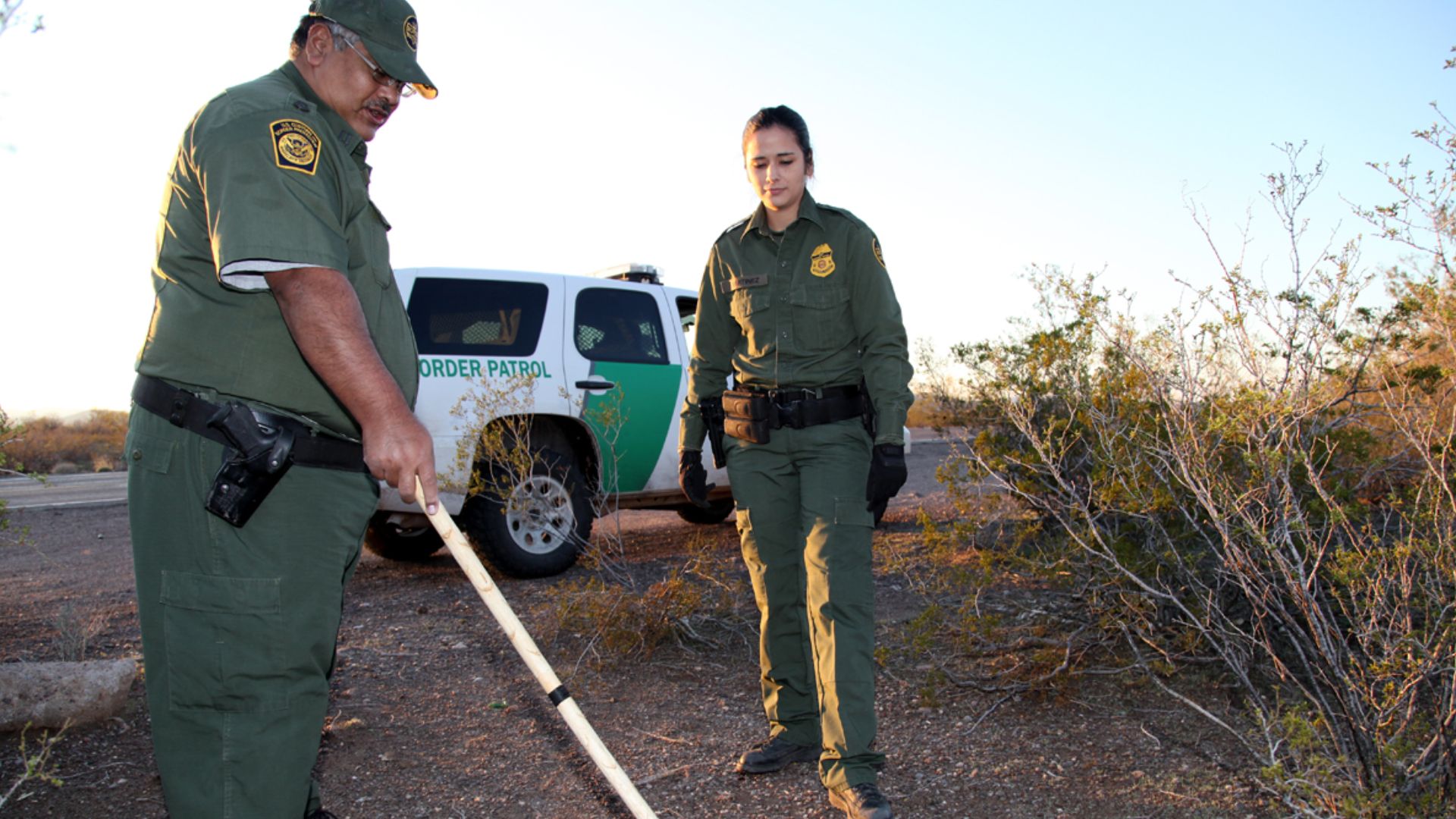 CBP Photography, Wikimedia Commons
The Core Truth About Citizenship And Entry
Citizenship guarantees the right to return, not the experience of returning. The distinction matters, especially when systems misfire and human discretion takes over.

You Will Get Home—Eventually
If you are a U.S. citizen, you will be admitted into the country. It may take hours, explanations, paperwork, or patience you didn’t expect to need. But denial at the border doesn’t mean exile. It means delay, frustration, and a reminder that even homecoming isn’t always simple.
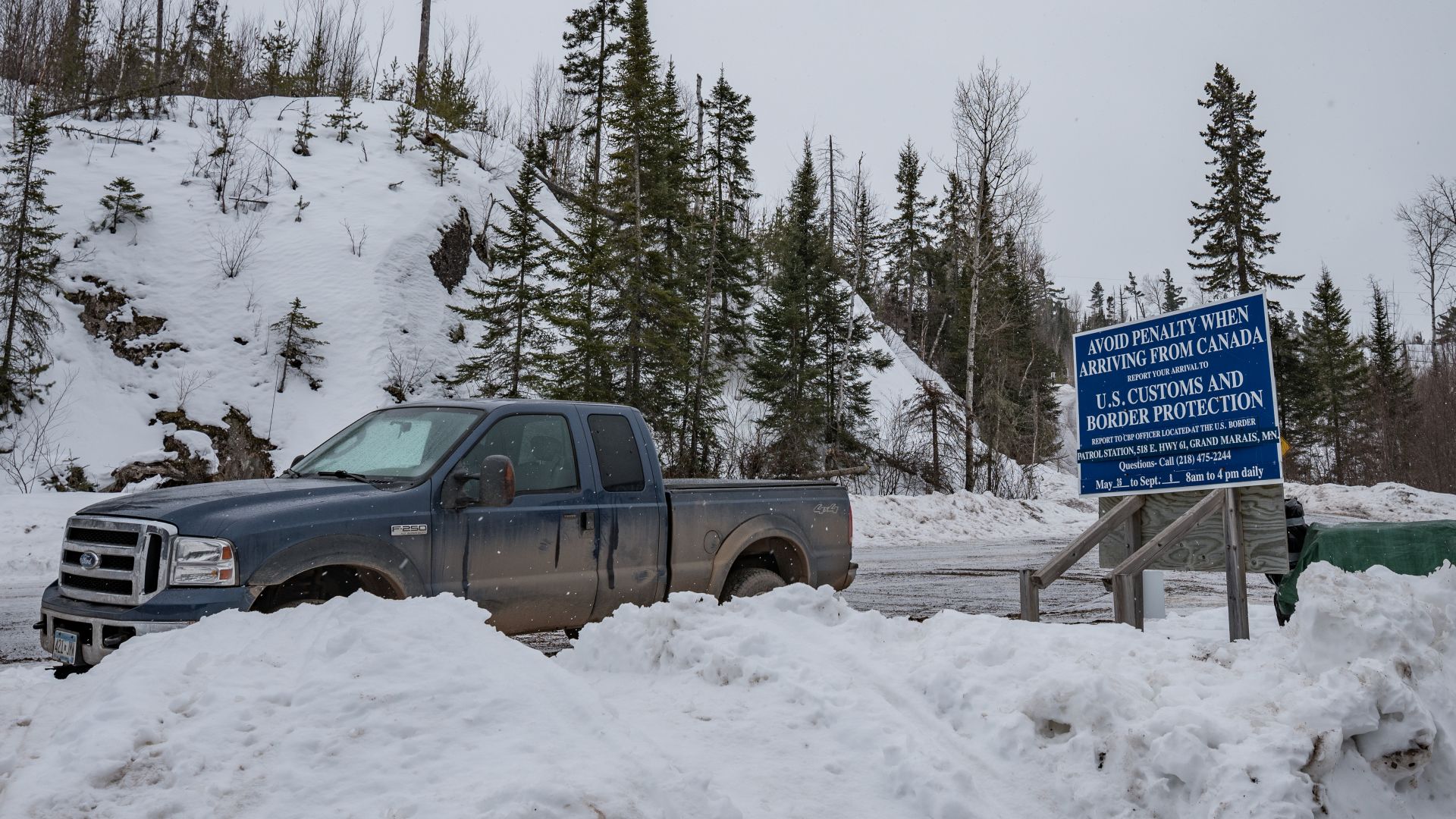 Tony Webster from Minneapolis, Minnesota, United States, Wikimedia Commons
You May Also Like:
Scientists just tapped into an energy source that could last forever
The World’s Most Overrated Tourist Destinations (And The Ones That Are Actually Worth The Hype)