
That Surprise Gate Check Can Get Expensive Fast
You packed carefully, kept your valuables close, and still got stopped at the gate. The airline took your carry-on, tagged it, and said it would be waiting after landing. Then it vanished. You're furious, but the question remains: What are they required to cover?

The Short Answer Is Yes, But There Are Limits
In many cases, the airline can be responsible for a gate-checked bag that is lost, delayed, or damaged. But that does not mean you automatically get paid for every dollar of what was inside. How much you can recover often depends on whether your flight was domestic or international, and whether the airline had lawful exclusions in its contract of carriage.
Gate-Checked Bags Usually Count As Checked Bags
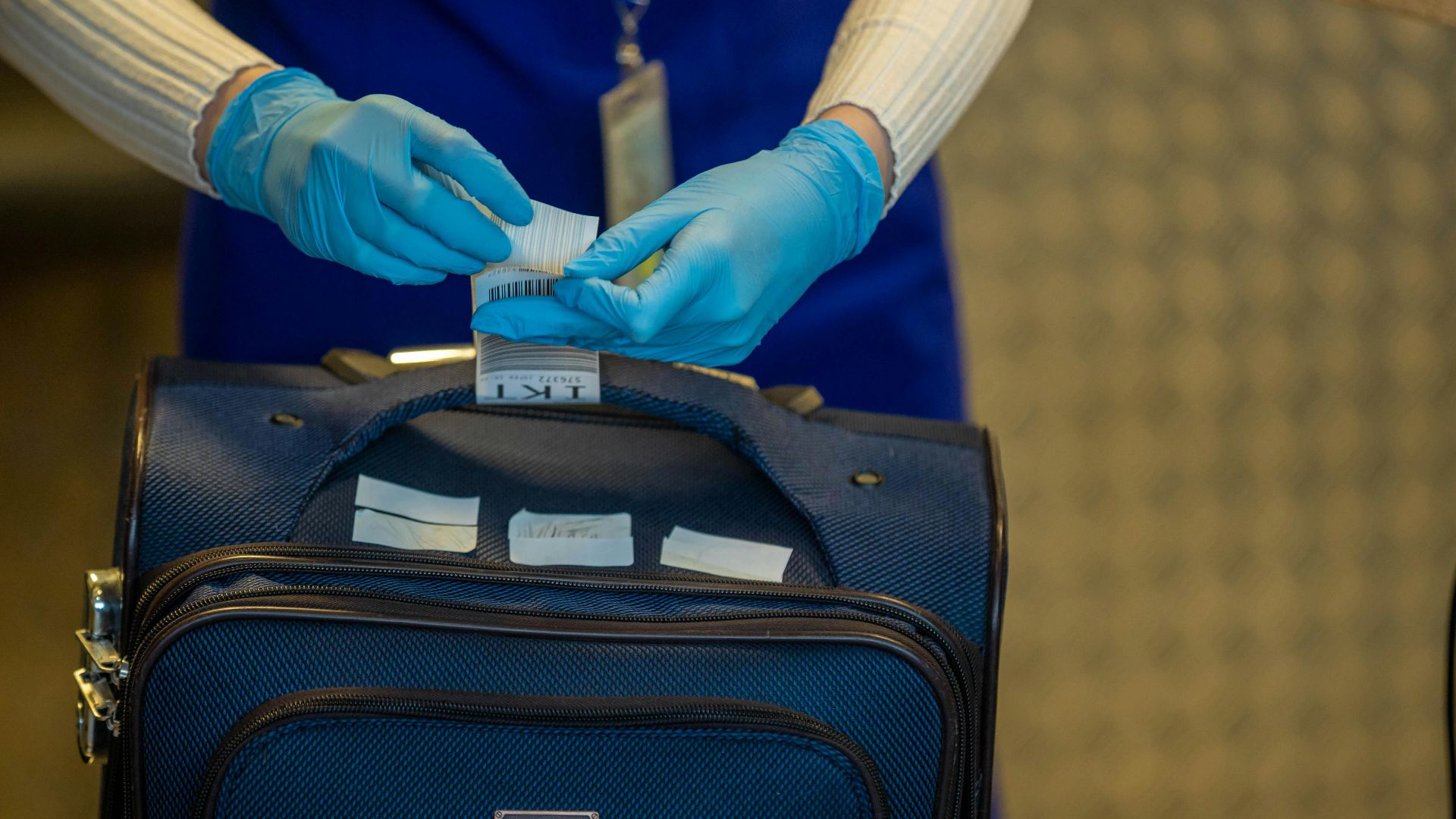
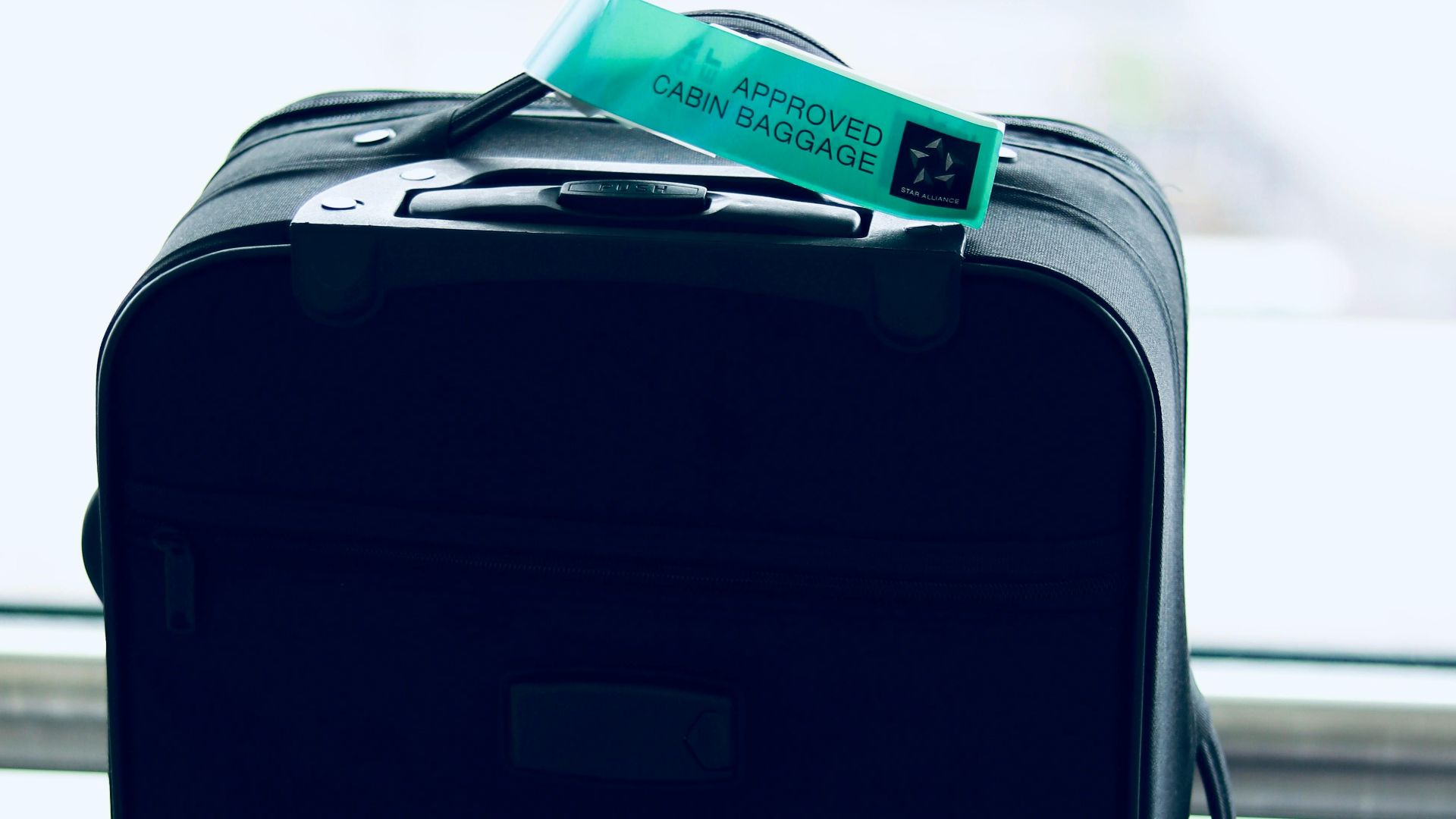
That detail matters more than most travelers think. If an airline makes you hand over your carry-on at the gate, it is generally treated as checked baggage for liability purposes. The U.S. Department of Transportation says airlines are responsible for compensating passengers if checked baggage is lost, damaged, or delayed, subject to maximum liability limits.
Domestic Flights Follow A Federal Compensation Rule
For domestic flights within the United States, the current maximum liability limit for lost, delayed, or damaged baggage is $4,700 per passenger. The Department of Transportation lists that amount as the required maximum airlines must provide. That ceiling applies even if the contents of your bag were worth more.
 AgnosticPreachersKid, Wikimedia Commons
The Dollar Cap Can Change Over Time
These baggage liability limits do not stay the same forever. The Department of Transportation adjusts them from time to time for inflation. That means older articles and travel tips may quote outdated numbers, so it is smart to check the current federal limit before filing a claim.
 Don Ramey Logan, Wikimedia Commons
International Flights Use A Different System
If your trip was international, the legal framework is usually the Montreal Convention. Under that treaty, airline liability for baggage is capped at 1,519 Special Drawing Rights per passenger for destruction, loss, damage, or delay, unless a higher value was declared in advance and any extra fee was paid. The International Air Transport Association and the convention text both lay out that system.
 Jiaqian AirplaneFan, Wikimedia Commons
What A Special Drawing Right Actually Is
A Special Drawing Right, or SDR, is an international reserve asset created by the International Monetary Fund. Its dollar value changes over time because it is based on a basket of currencies. So the Montreal Convention cap is not a fixed amount in U.S. dollars, and passengers may need to convert the SDR figure using current IMF rates when estimating a claim.
 Tony Webster, Wikimedia Commons
The Fine Print Can Shape What You Get Back
Even when an airline is responsible for a lost gate-checked bag, compensation is not unlimited or automatic. Airlines may point to terms in their contract of carriage, especially for fragile, perishable, or prohibited items in checked baggage. That is one reason a forced gate check can turn into a messy dispute when valuables were inside.

Many Airlines Warn Against Packing Valuables In Checked Bags
Major carriers often tell passengers not to place jewelry, electronics, cash, keys, medication, documents, or other high-value items in checked baggage. Those warnings usually appear in baggage policies and contracts of carriage. If you were forced to gate check your carry-on and those items were inside, the airline may still argue that some of them were excluded from liability.

A Forced Gate Check Makes That Argument Harder
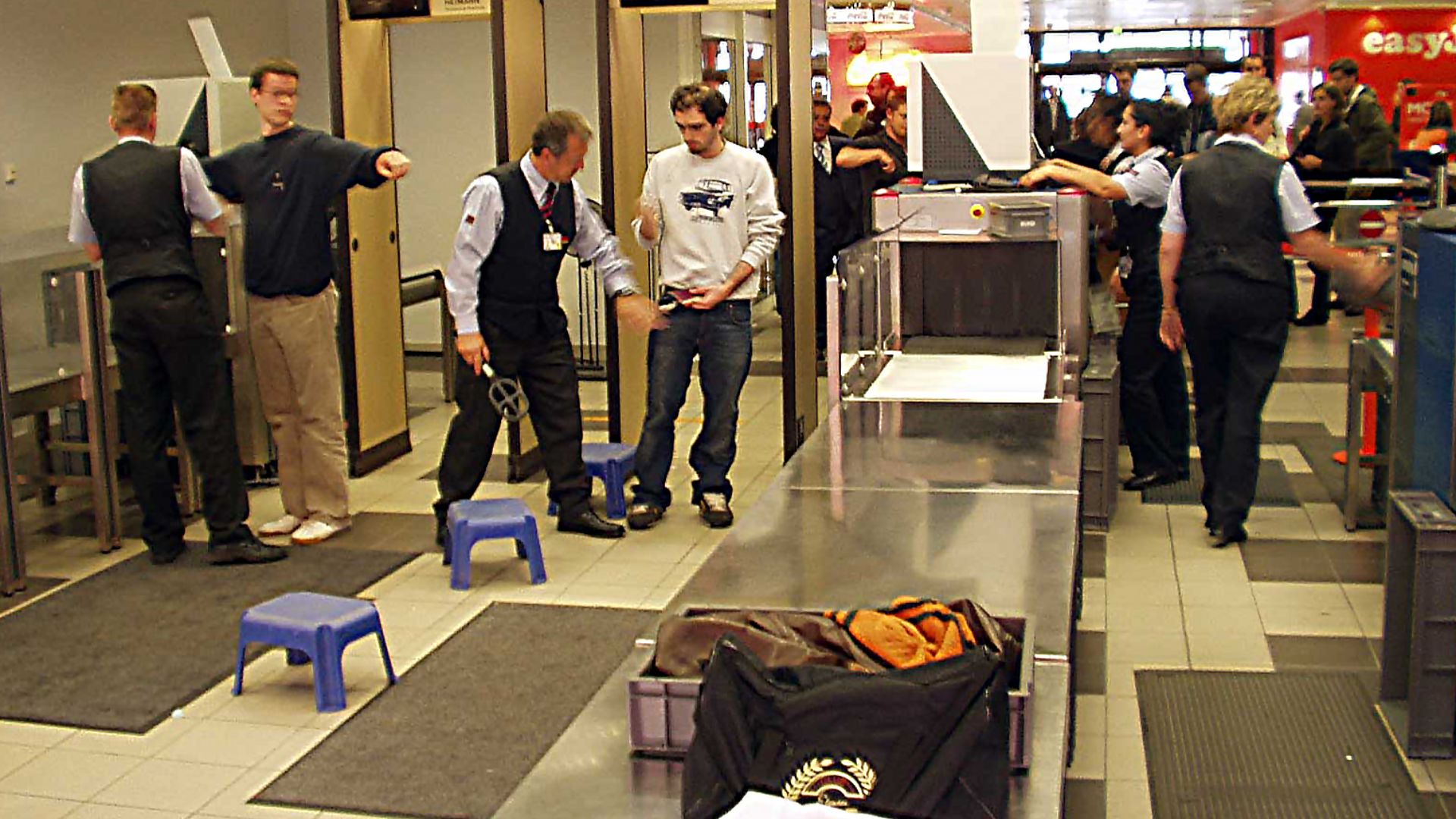
This is where things get tricky. If you did not choose to check the bag at the ticket counter and instead had to hand it over at boarding because overhead space ran out, you may have a stronger fairness argument. Consumer advocates have long argued that airlines should not be able to force a bag into the checked system and then deny responsibility for what was inside.
 Ralf Roletschek, Wikimedia Commons
The DOT Has Been Clear About One Key Point
The DOT says airlines are responsible for compensating passengers for reasonable, actual, and verifiable damages up to the liability limit. That wording matters. It means you usually need proof of what you lost and what it was worth, not just an estimate made after the trip goes off the rails.

Receipts Can Make Or Break Your Claim
If your gate-checked bag goes missing, documentation is everything. Receipts, order confirmations, card statements, photos of packed items, and even old product serial numbers can help prove value. The better your paper trail, the harder it is for an airline to brush off your claim.
Report The Loss Right Away
Do not wait until you get home. Report the missing gate-checked bag to the airline before leaving the airport if possible, and get a written report or file reference number. The DOT advises passengers to ask how the airline will deliver the bag if it is found and whether reimbursement for interim expenses is available.

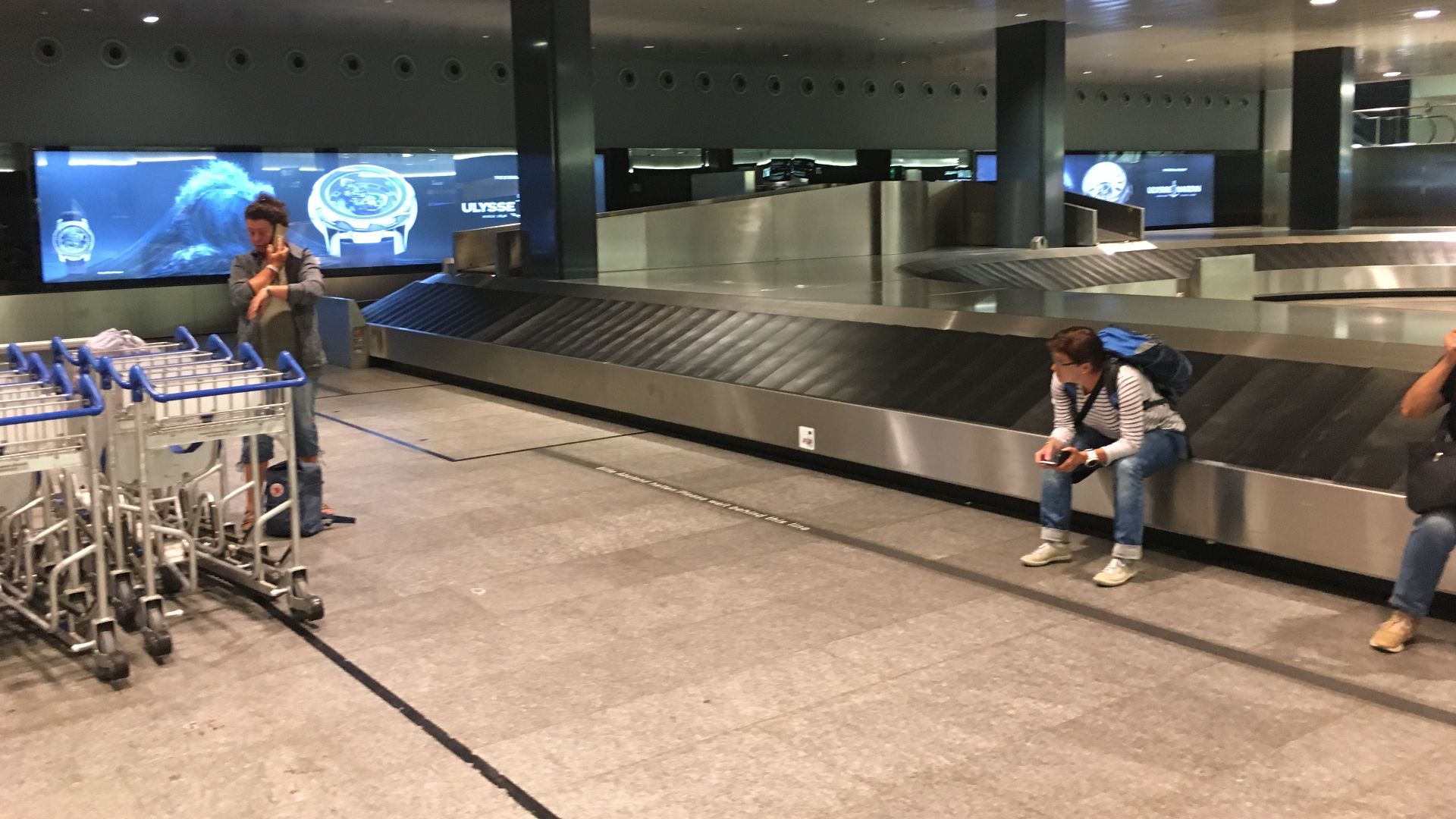
Delayed And Lost Are Not The Same Thing
Airlines often first classify a missing bag as delayed rather than lost. That can affect what kind of reimbursement you can seek in the short term, such as toiletries or replacement clothing. If the airline later declares the bag lost, the claim process usually shifts to compensation for the value of the bag and its contents.
 Jo-Jo Eumerus, Wikimedia Commons
Reasonable Expenses During A Delay May Be Covered
If your bag is delayed, you may be entitled to reimbursement for reasonable incidental expenses. The DOT says airlines can define what they consider reasonable, but they cannot set an arbitrary daily dollar cap for delayed baggage expenses. Keep every receipt if you have to replace essential items while you wait.

Airlines Cannot Dodge Responsibility With Tiny Payouts
Federal rules do not let airlines set compensation limits below the DOT maximum for domestic baggage claims. In other words, a carrier cannot just decide that every lost bag is worth only a few hundred dollars. But that does not mean you will automatically get the maximum. It means the airline's liability can go up to that ceiling if your documented losses support it.

There Is One Big Catch For High-Value Items
If your carry-on held items worth more than the standard liability cap, you may not be fully covered. Some airlines offer excess valuation coverage on domestic trips for an added fee, though availability varies by carrier. On international trips, the Montreal Convention allows passengers to make a special declaration of interest in delivery at destination before travel, which can raise the compensation limit if the airline accepts it.

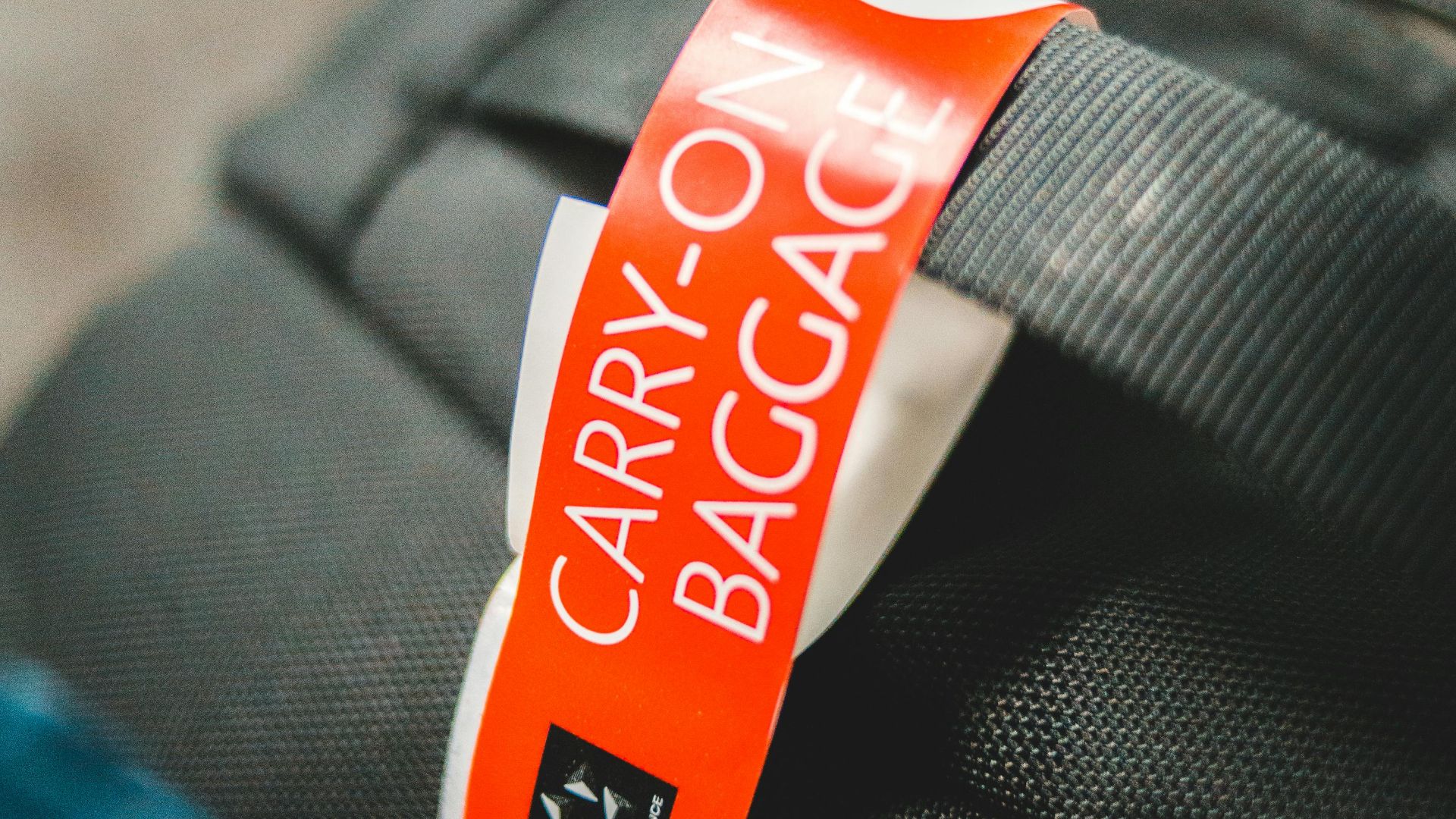
Proof That The Bag Was Gate Checked Matters
Hold onto the claim check or baggage tag the gate agent gave you. That small strip of paper may be key evidence that the airline took custody of the bag. Without it, you can still file a claim, but proving the chain of responsibility can get tougher.
A Quick Photo Before Boarding Can Help
Many seasoned travelers snap a quick photo of their bag and its contents before flying. That can help show the bag's condition, size, and packed items if there is a dispute later. It is not legally required, but it can make a frustrating claim much easier to back up.

Do Not Throw Away Your Boarding Pass Yet
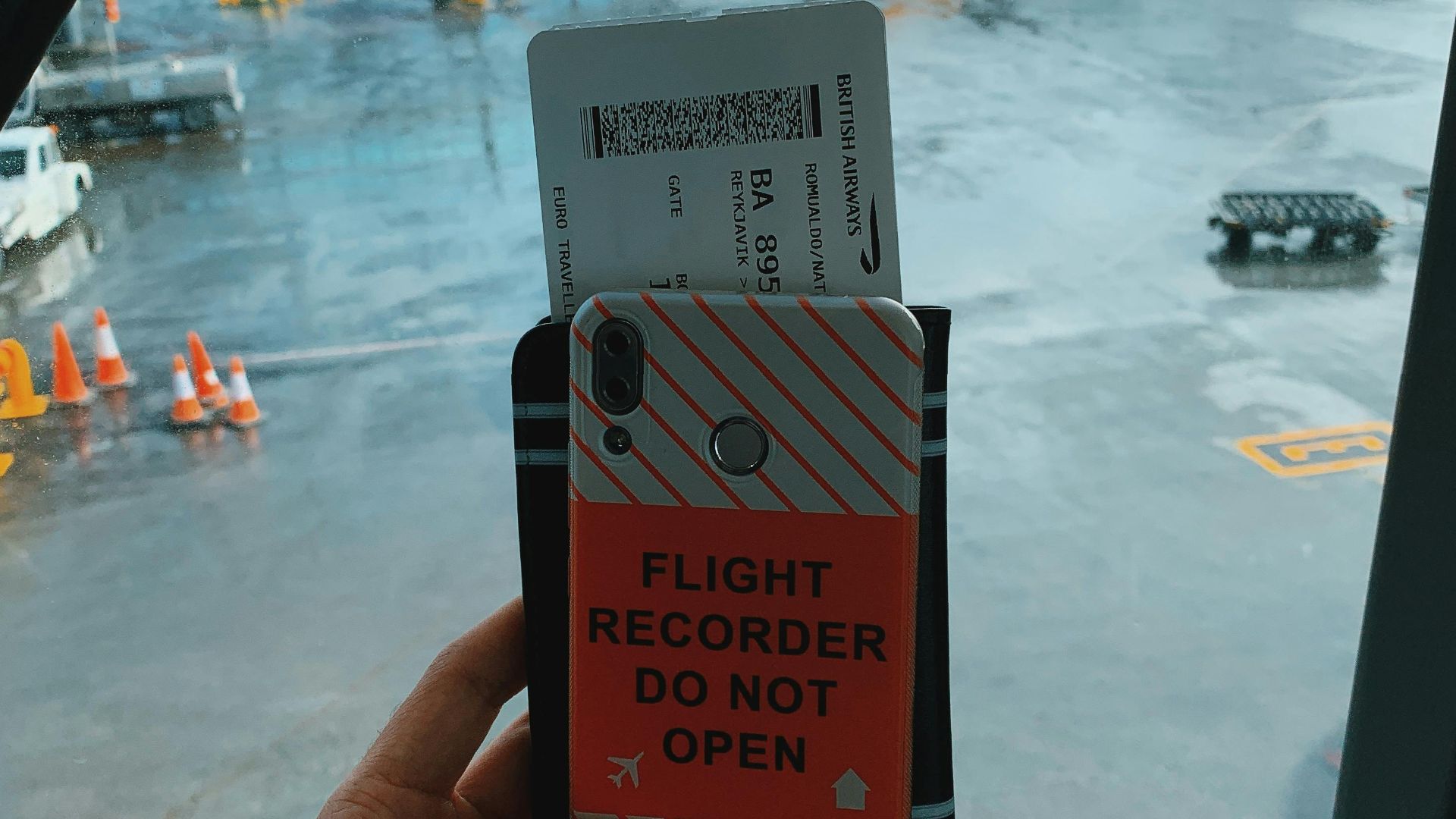
Your boarding pass, baggage tag, and written report help establish the timeline. They show when and where the airline took the bag, what flight was involved, and when you notified the carrier of the loss. Those details can matter if the airline later challenges your account.
Airline Contracts Still Matter
Every airline publishes a contract of carriage that spells out baggage rules, deadlines, and exclusions. These documents are not fun reading, but they can decide the outcome of a claim. If the airline denies reimbursement for some items, the reason is often buried in that contract.

Domestic Claim Deadlines Can Vary
Federal law sets the liability framework, but airlines often set their own internal claim deadlines for domestic baggage issues in their contracts. Missing that window can make a bad situation worse. File quickly, and keep copies of everything you submit.

International Flights Usually Come With Treaty Deadlines
For international travel governed by the Montreal Convention, timing matters too. Claims for damaged baggage generally must be made in writing within seven days, and delayed baggage claims within 21 days from the date the bag is placed at your disposal. Lawsuits for damages under the convention are generally subject to a two-year limit.

Credit Cards And Travel Insurance Can Close The Gap
If the airline payout does not cover everything, your credit card benefits or travel insurance policy may help. Some premium cards include baggage delay or lost luggage coverage when you pay for the trip with the card. Coverage terms vary a lot, so check the limits, exclusions, and paperwork requirements before counting on it.

If The Airline Denies Your Claim
If the airline rejects your request or offers far less than your documented loss, you still have options. The DOT accepts consumer complaints about airline service problems, including baggage disputes, though it does not decide every dollar of a private claim. A complaint can still put pressure on a carrier to respond more carefully and create a record of the dispute.

Small Claims Court May Be Worth A Look
For some domestic disputes, small claims court can be a practical next step, especially if the amount involved falls within local limits. Bring your receipts, photos, baggage tags, correspondence, and a copy of the airline's contract of carriage. The more organized you are, the stronger your case.

The Best Move Happens Before The Flight
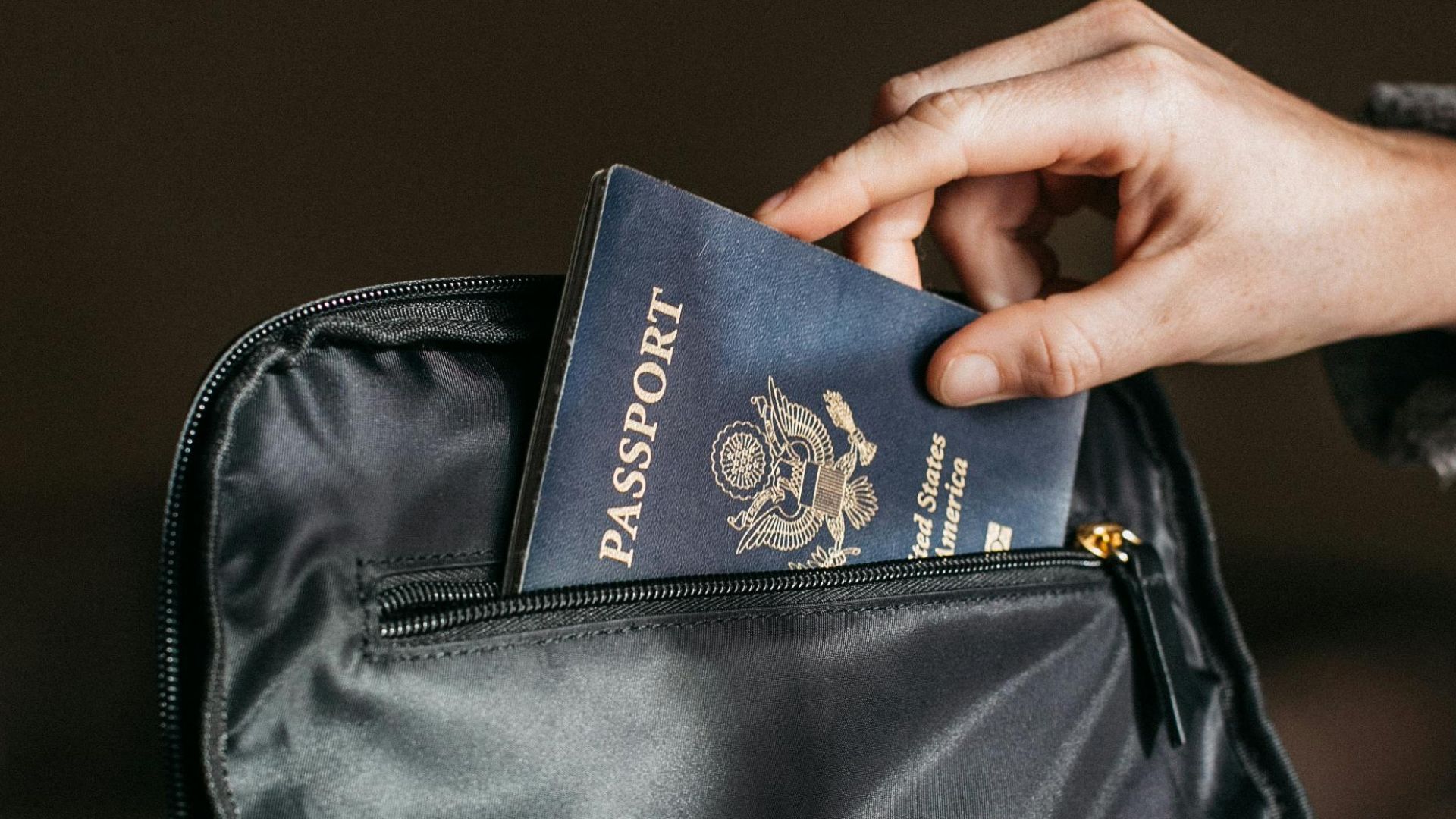
If you are carrying prescription medication, passports, keys, irreplaceable documents, lithium batteries, or expensive jewelry, keep them in a smaller personal item that fits under the seat. That is the safest move if your larger carry-on gets taken at the gate. A little planning before boarding can save you weeks of hassle later.
 Vinta Supply Co. | NYC, Pexels
So, Are They Responsible For Everything Inside
Not always everything, and not without limits, but they are usually responsible for a forced gate-checked bag in much the same way they are for other checked baggage. On domestic flights, that generally means up to $4,700 per passenger for proven losses. On many international trips, it usually means up to 1,519 SDRs per passenger under the Montreal Convention, unless you declared a higher value in advance.

The Bottom Line
If the airline forced you to check your carry-on at the gate and then lost it, do not assume you are out of luck. The law gives you a path to compensation, but the amount may be capped and some items may still be disputed. File fast, document everything, and keep that little baggage tag like it actually matters, because it does.
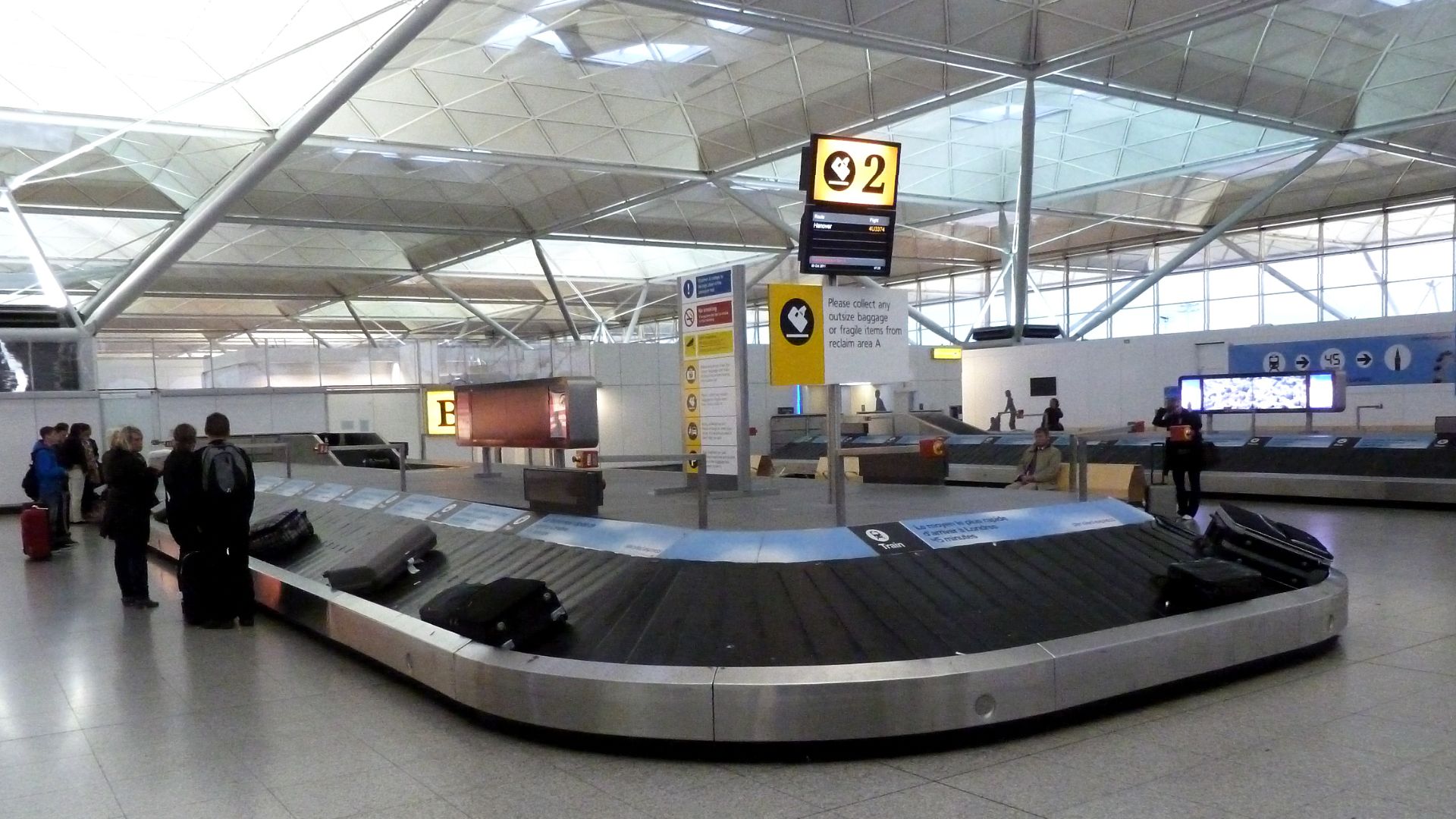 Oxfordian Kissuth, Wikimedia Commons