
A Sticky Situation
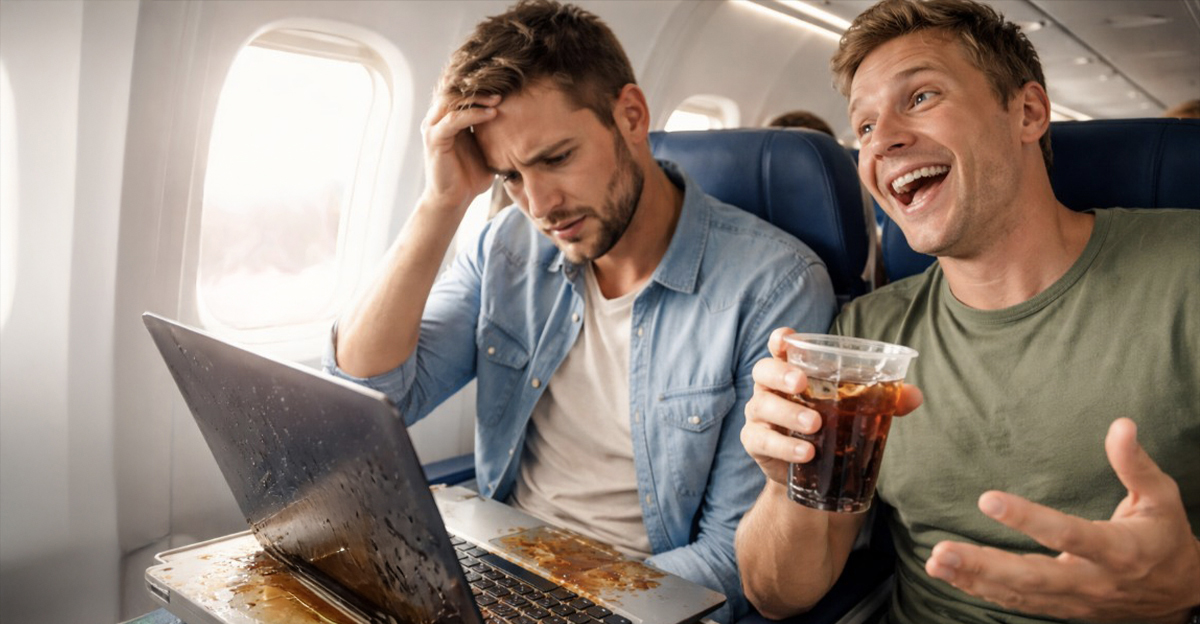
You were on a flight when your loquacious but none-too-attentive seatmate spilled a sticky, sugary drink all over your laptop. Now the keyboard is all sticky, keys are malfunctioning, and the airline crew offered you no assistance or compensation. You’re left with the potential repair costs for the computer and no clear guidance on whether the airline, the passenger, or your insurance should have to cover the damage.
Who Is Actually Responsible?
Airlines generally aren’t responsible for any damage caused by another passenger unless a crew member was the one who directly caused the spill. In most instances, the liability falls on the individual passenger who spilled the drink. This makes airline compensation a long shot, but understanding who's responsible helps you pursue the proper next step instead of wasting time squabbling with the carrier.
Ask The Crew To Document The Incident
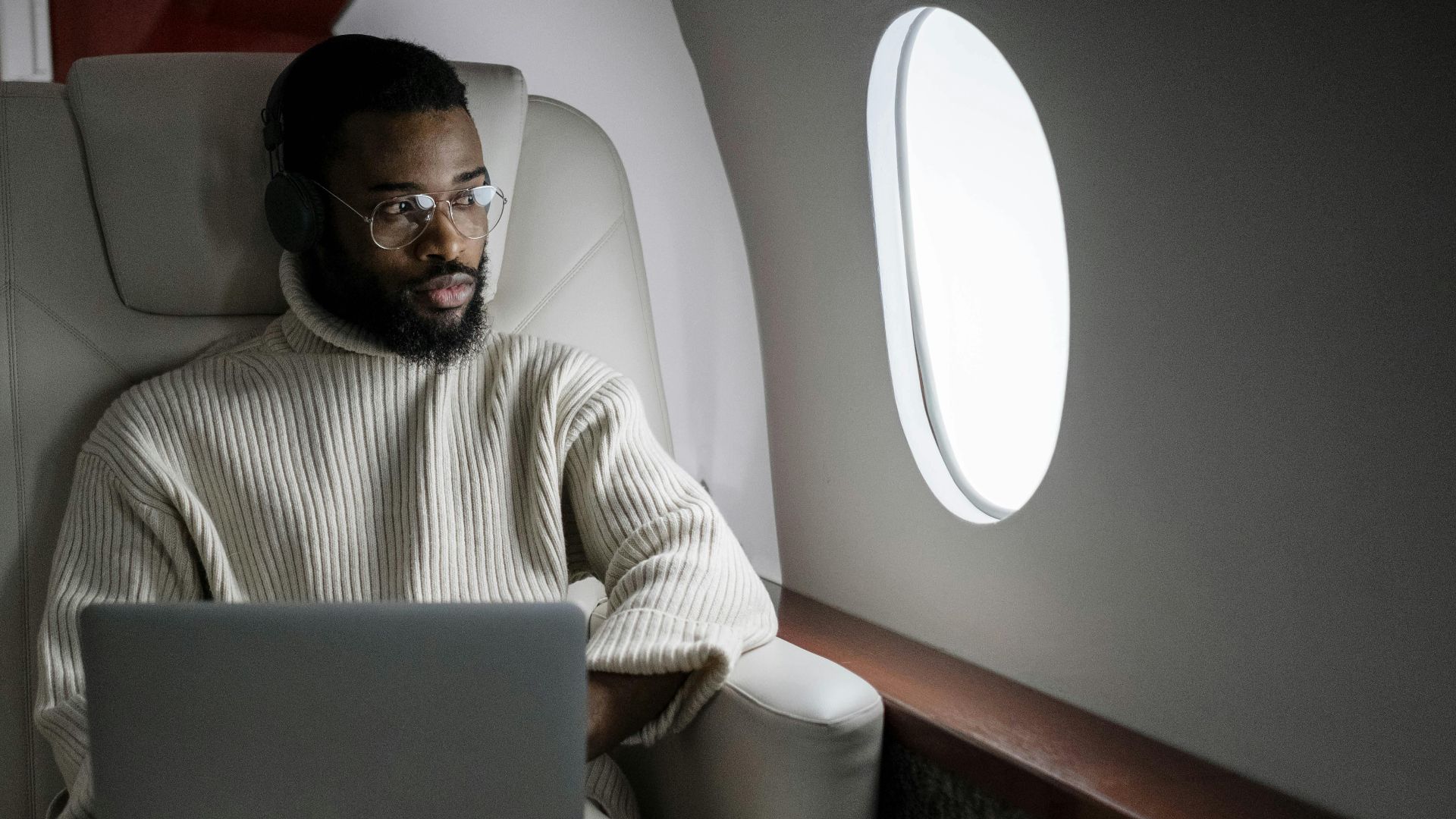
While it may feel awkward or formal, having a flight attendant document what happened is critical. A brief incident report showing the time, flight number, and general circumstances of the incident can strengthen future claims. Even if the airline refuses to compensate you, official documentation at least can help with any possible insurance claims and credit card protections later.

Politely Request The Passenger’s Contact Information
If possible, calmly ask the seatmate for their name and contact details. Many people will cooperate, especially if the spill was clearly accidental. You don’t need to argue or demand payment on the plane. Simply collecting the information gives you options once the repair estimates are known. Of course, if you haven't done so already by the time you're reading this, the person is most likely long gone. What other steps can you take?
Don’t Expect Anything From The Airline
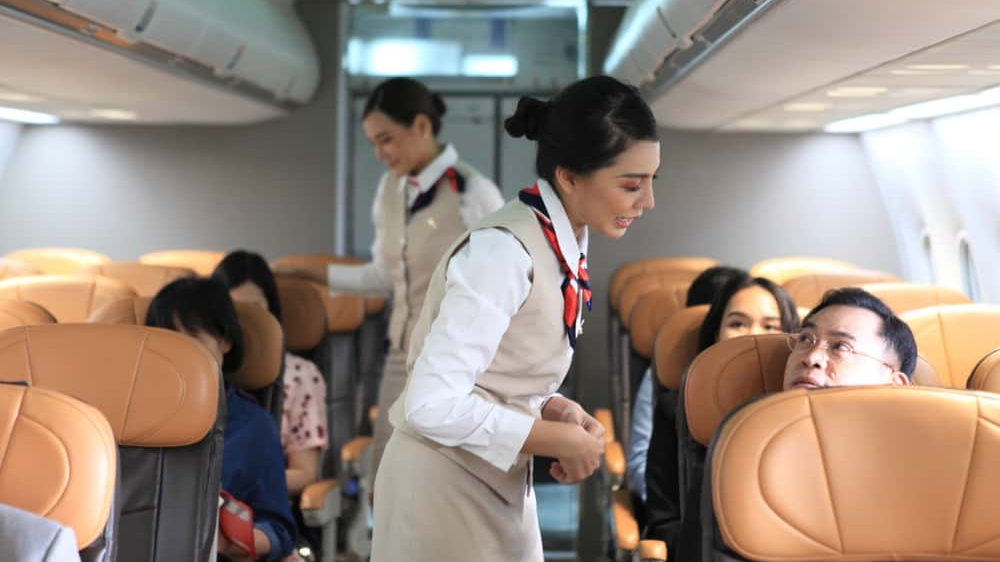
In most spill scenarios, airlines don’t offer cash compensation or vouchers. Flight crews don’t have the authority to settle property damage claims between passengers. While this may be disappointing, it is standard policy across major airlines. Knowing this from the start can help you shift focus toward more realistic possibilities for reimbursement.
Use Your Credit Card Purchase Protection
If you bought the laptop using a credit card, check to see whether your card includes purchase protection or accidental damage coverage. Some cards cover things like spills within a specific time window after purchase. Even partial reimbursement can significantly offset your out-of-pocket repair or replacement expenses.
Check Your Travel Insurance Coverage
Many travel insurance policies include coverage for personal electronics damaged during a trip. This applies even if another passenger was the one who caused the damage. Review your policy’s exclusions in detail, especially what they say about liquids and electronics. Filing a timely claim is essential, as insurers often impose strict reporting deadlines.

Look Into Homeowners Or Renters Insurance
Your homeowners or renters insurance may cover accidental damage to personal property outside the home. Deductibles apply, but for pricier laptops, filing a claim may still be the financially sensible thing to do. Be sure to ask if filing could affect future premiums before you proceed any further.
Get A Professional Repair Assessment
Before you file a claim, take the laptop to an authorized repair technician. Sticky keys from sugary drinks often get worse over time as the liquid residue corrodes the interior components. A written repair estimate will help you determine if the repair is viable or replacement is more cost-effective and strengthens your reimbursement requests.

Avoid DIY Repairs That Void Coverage
You may be tempted to pry off keys or clean with household products, but this can void manufacturer warranties and insurance claims. Stick to using professional diagnostics first. Many insurers require proof that the damage wasn’t caused by you monkeying around trying to do the repair yourself without knowing what you’re doing.

Contact The Airline’s Customer Relations Anyway
Even if airlines rarely pay, submit a written complaint to the carrier’s customer relations department. Attach photos, receipts, and repair estimates. While reimbursement is unlikely, some airlines may offer goodwill credits or miles. Written complaints also create a paper trail for reference. In any case, the prospects for success are dim but it’s at least worth a try.
What Federal Rules Do And Don’t Cover
In the United States, the U.S. Department of Transportation doesn’t require airlines to compensate passengers for damaged personal electronics caused by other travelers. This means complaints to regulators rarely result in payment, but they can bring about better customer service practices.
Consider Small Claims Court As A Last Resort
If the repair costs are high and the passenger has refused to cooperate, small claims court could be an option. You would need the passenger’s identity, repair estimates, and incident documentation. The court costs won’t break the bank, but the small claims route only makes sense for significant damage amounts.

Be Careful Accepting Informal Agreements
If the passenger makes a casual offer to pay for the damage later, follow up promptly in writing. Verbal promises have a strange habit of being forgotten. A simple email confirming responsibility and estimated costs helps avoid misunderstandings. Instead of ramping up the tension level through aggressive behavior, avoid escalating conflict by keeping all communication factual.

Prevent Further Damage Immediately
As soon as possible, power off the laptop and disconnect the battery if it’s accessible. Sticky, sugary liquids cause corrosion as they dry. Even if repairs are delayed, immediate shutdown can contain the long-term damage and improve the chances of a successful repair job.

Back Up Your Data
If the laptop powers back on, make sure you back up your data immediately. Hardware failure may worsen over time. Protecting your files keeps the overall loss limited to the device even if it becomes unusable or if the repairs take weeks to complete.

Seat Spills Usually Go Unresolved
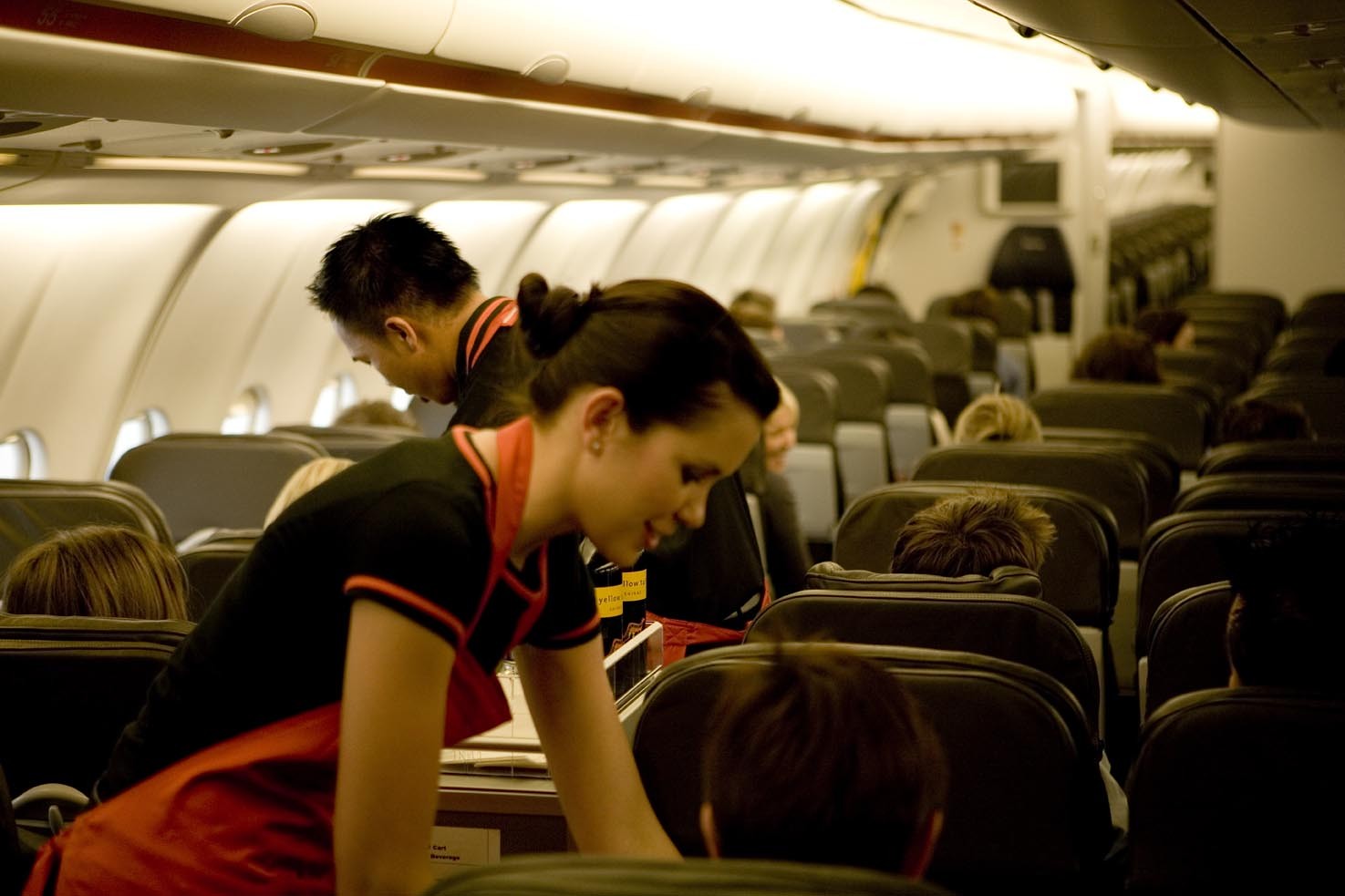
Careless and/or rowdy passengers frequently spill drinks on flights. Airlines normally treat these instances as personal disputes unless crew negligence is involved. This encourages travelers to rely on personal insurance instead of airline goodwill when accidents such as stained clothing, damaged personal items occur onboard. Understanding this reality will help you set your expectation level more to the low side.
Use This Experience To Protect Future Trips
Consider using a keyboard cover in the future or storing laptops away during in-flight drink service. Small preventative steps can go a long way toward eliminating the risk. Travel mishaps are unpredictable, but protecting high-value electronics can save hundreds or thousands of dollars later.
When Replacement Makes More Sense
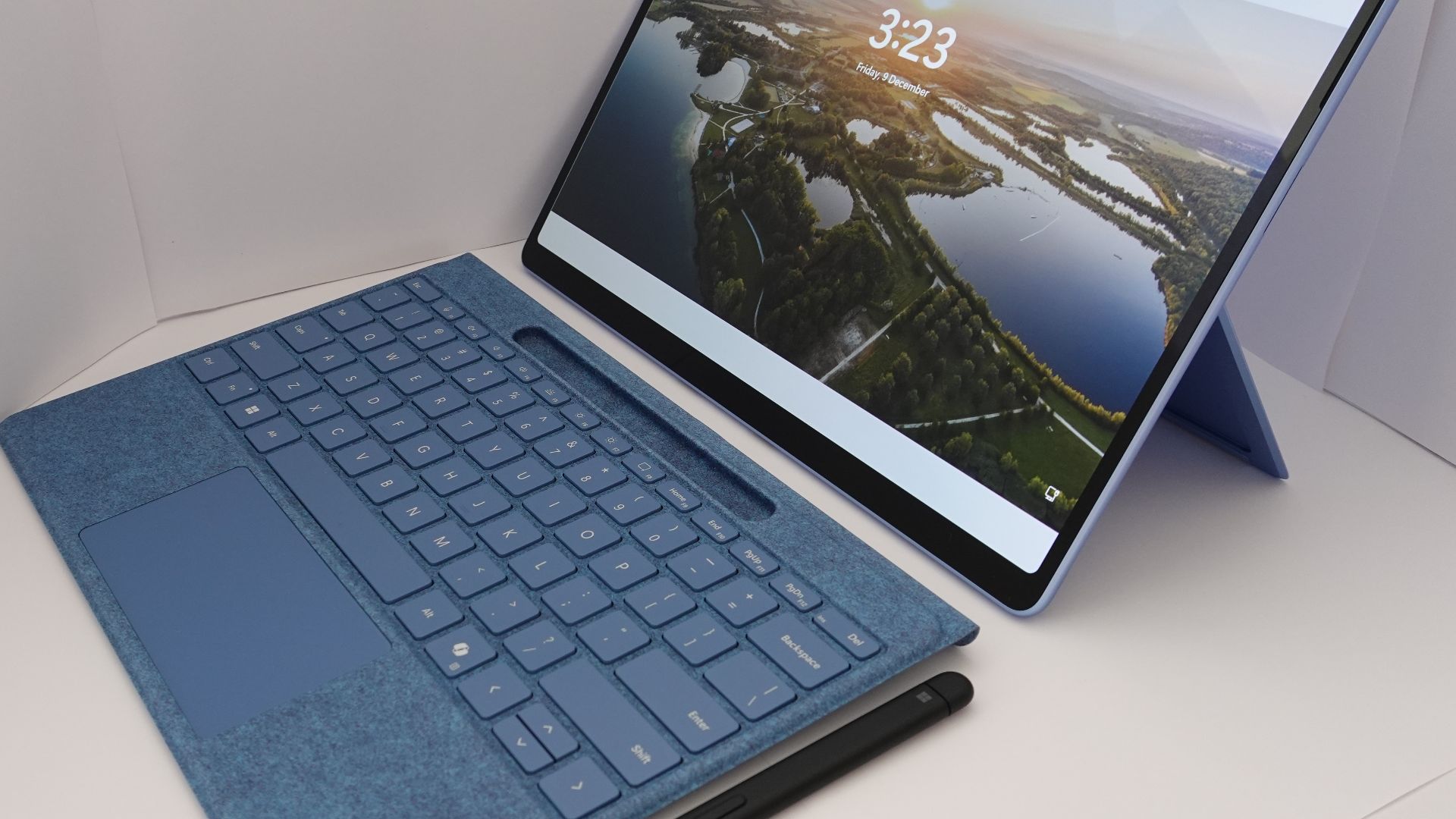
If repair costs approach the laptop’s resale value, replacement may be your best bet. Insurance settlements often favor replacement over extensive repairs. Reviewing depreciation and warranty status can help you make a financially sound decision.

The Practical Bottom Line
While the airline is very unlikely to help, you still have options through insurance, credit cards, and direct resolution with the passenger, although if the flight is over that passenger will be long gone. Focus on documentation, realistic reimbursement paths, and damage prevention. Acting quickly and calmly gives you the best possibility of cutting your losses in both money and time.

You May Also Like: