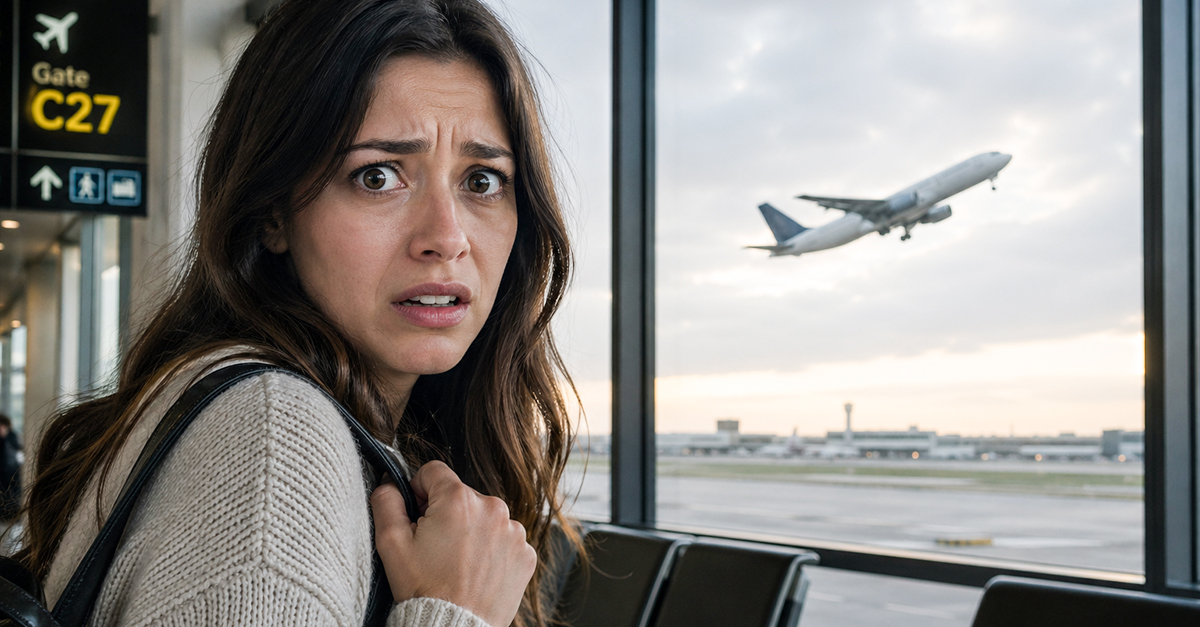
Are You Terrified To Fly?
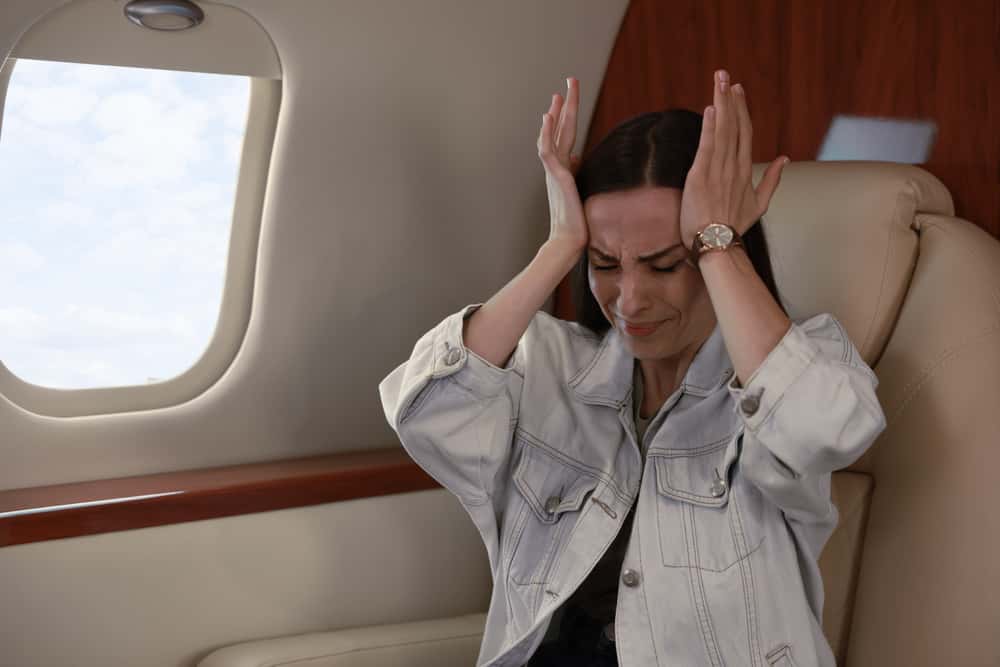
You want to see the world, but the idea of getting on a plane stops you cold. Fear of flying is more common than people admit, and it can feel overwhelming when it takes hold. The real question isn’t just whether travel is worth it—it’s whether you can move through the fear to get there.
You’re Not the Only One
Fear of flying, or aviophobia, affects millions of people worldwide. Studies suggest that up to 40% of adults feel some level of anxiety about flying, and a smaller percentage avoid it entirely. You’re not unusual at all. You’re dealing with something many people quietly struggle with.

Why Flying Feels So Intense
Flying combines several anxiety triggers at once: lack of control, confined space, unfamiliar sounds, and turbulence. Even if you logically understand that it’s safe, your brain can still interpret the experience as a threat, triggering a very real stress response.

The Safety Reality
Commercial air travel is one of the safest forms of transportation available. Statistically, the risk of a fatal accident is extremely low, far lower than driving (not that this fact is any comfort when you're dealing with a very real phobia). However, while knowing this doesn’t instantly remove fear, it helps ground your thinking in reality rather than instinct.

Fear Vs. Risk
Your brain tends to treat fear and danger as the same thing, even when they aren’t. Fear of flying is about perceived risk, not actual risk. Recognizing that disconnect is an important step toward managing the anxiety instead of letting it dictate your choices.
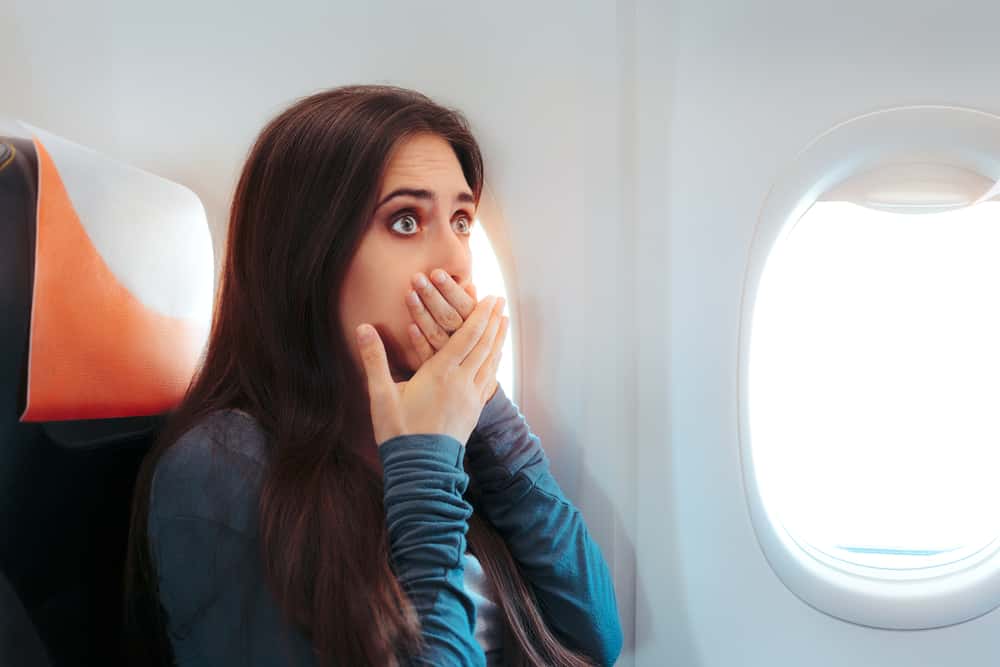
Is Travel Worth It?
For many people, the answer is a resounding yes. Travel offers new perspectives, experiences, and connections that are difficult to replicate in any other way. The question becomes whether the potential reward—seeing the world—is worth facing a temporary period of discomfort.
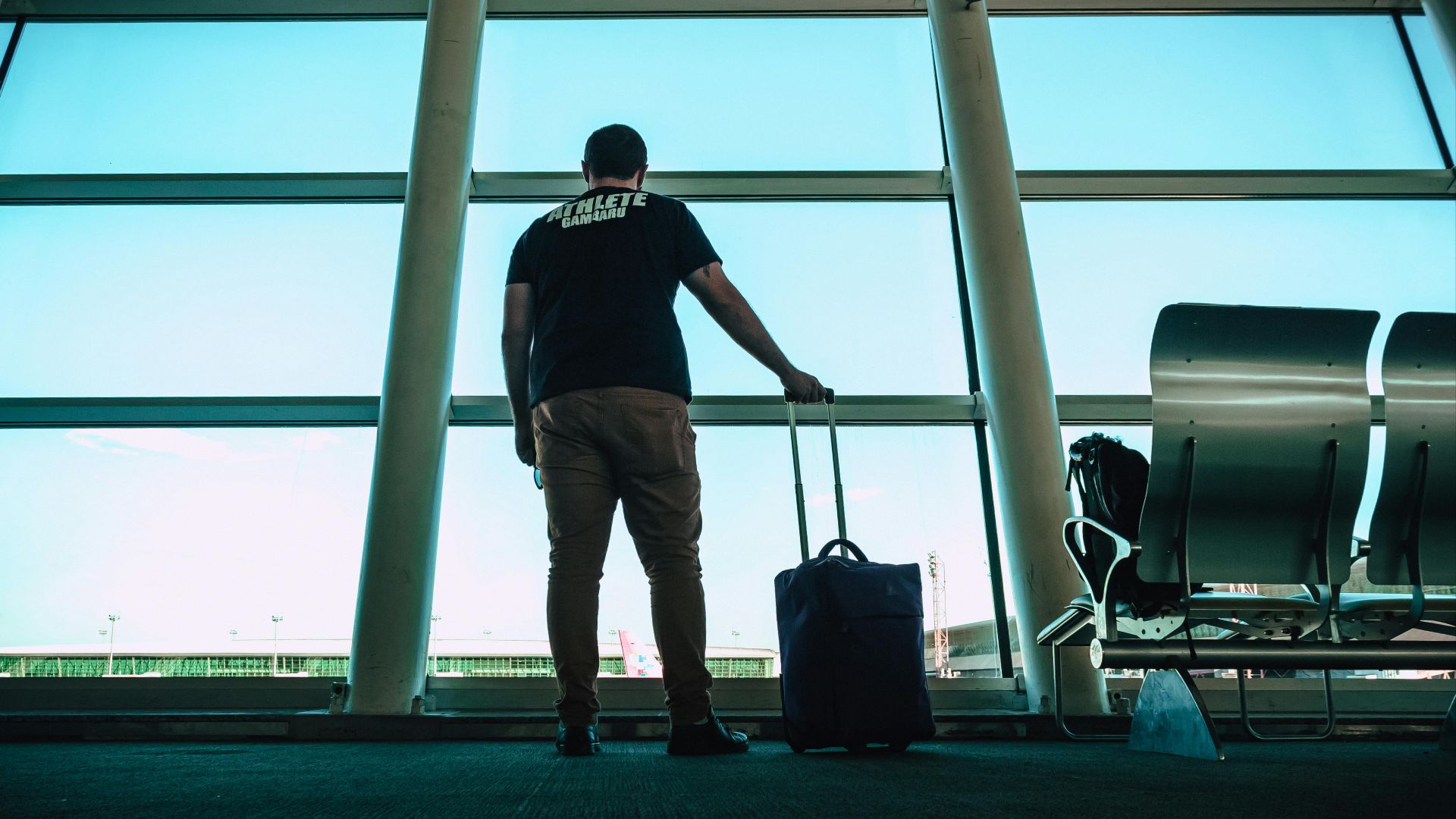
What You Might Be Missing
Avoiding flights can quietly limit opportunities: international travel, visiting faraway loved ones, or even career experiences. Over time, the fear may shape your life more than you realize, closing doors you might otherwise want to walk through. This fear might also extend to other areas of uncertainty in your life.

Start Smaller Than A Long Flight
If flying feels overwhelming, don’t begin with a long international trip. Short, direct flights can help you build tolerance gradually. Starting small gives you a sense of progress without forcing you into an intense, hours-long experience right away.
Learn What’s Actually Happening
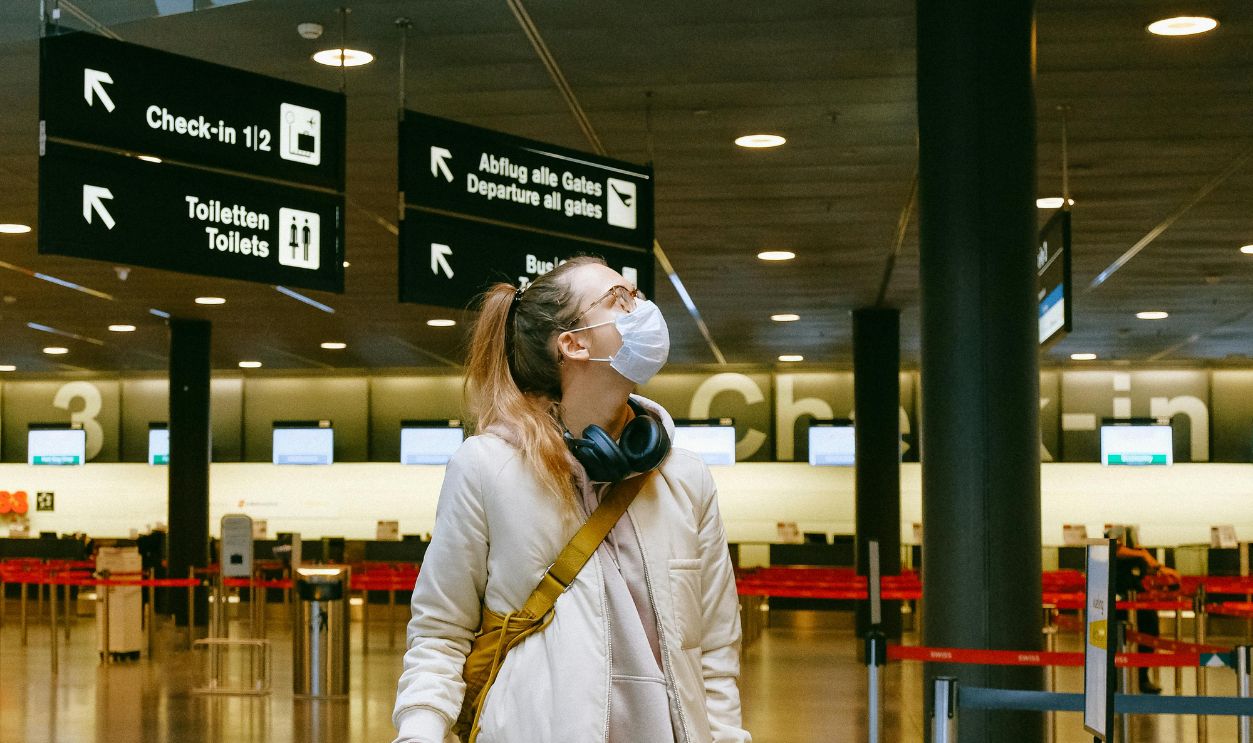
Understanding how planes work can make a big difference. Turbulence, for example, is normal and rarely dangerous. Pilots are trained to handle it, and aircraft are engineered to withstand forces far beyond what most flights will ever encounter.
The Power Of Exposure
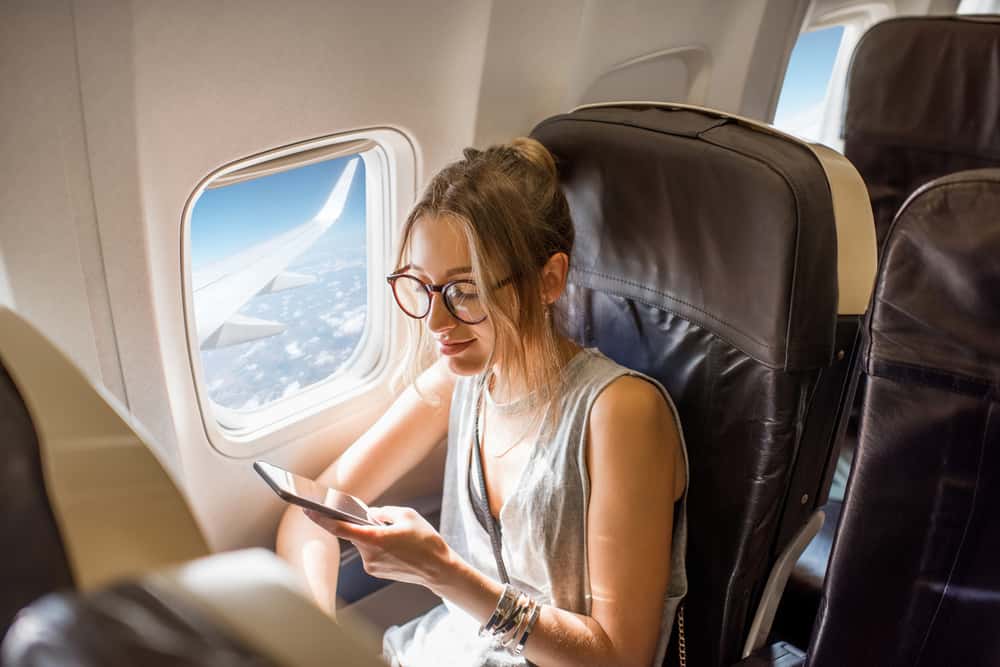
Gradual exposure is one of the most effective ways to reduce phobias. This could mean visiting an airport, watching planes take off, or eventually taking a short flight. Each step helps your brain learn that the situation is not as dangerous as it feels.

Breathing Through The Panic
When anxiety spikes, your body goes into a fight-or-flight response. Slow, controlled breathing can help interrupt that cycle. Focusing on steady inhales and exhales signals to your nervous system that you are safe, even if your thoughts say otherwise.
Reframing The Experience
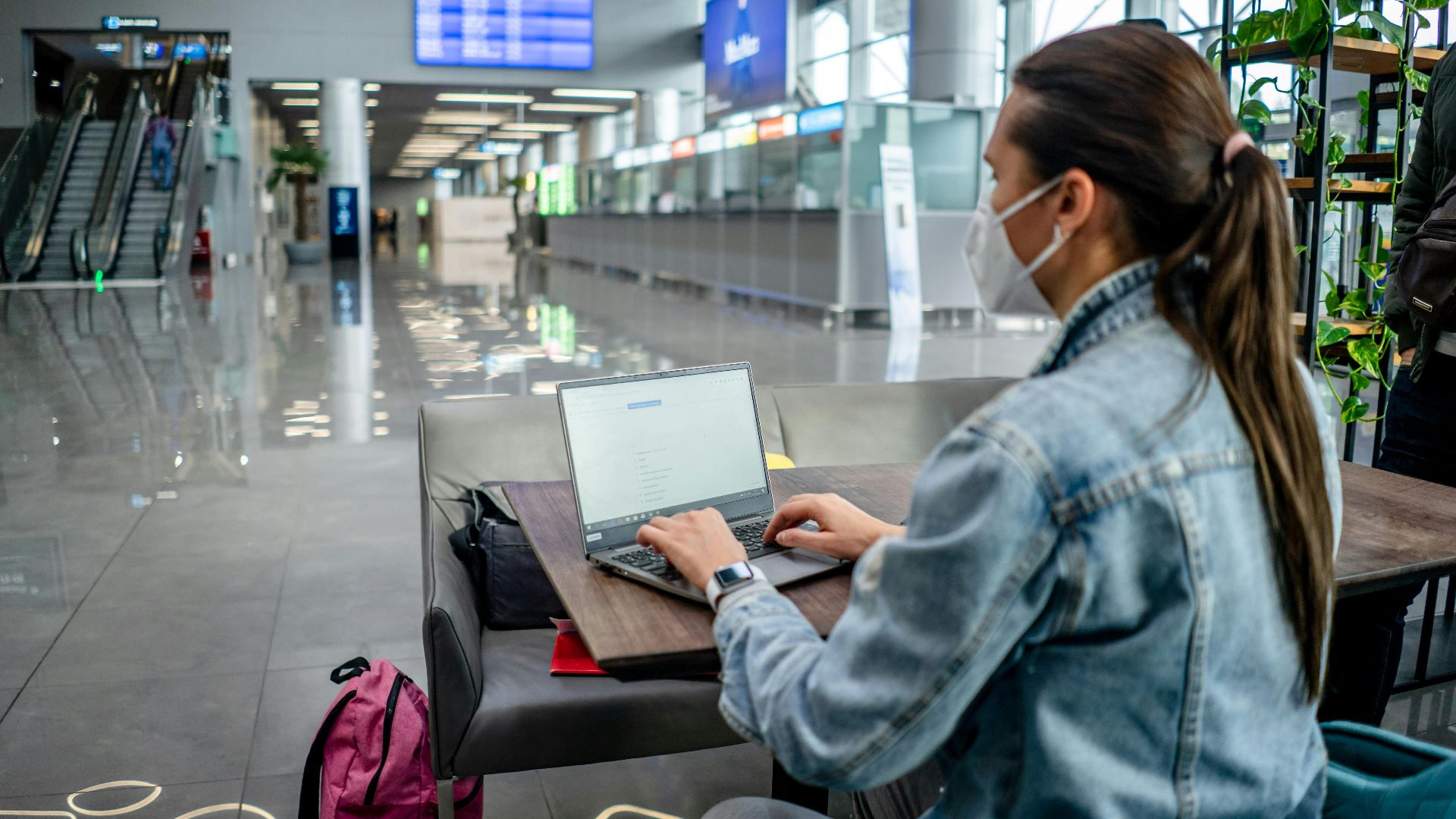
Instead of thinking “this is dangerous,” try reframing the situation as “this is uncomfortable, but safe.” That shift doesn’t eliminate fear, but it creates distance between your emotions and the actual level of risk.
Distraction Helps More Than You Think
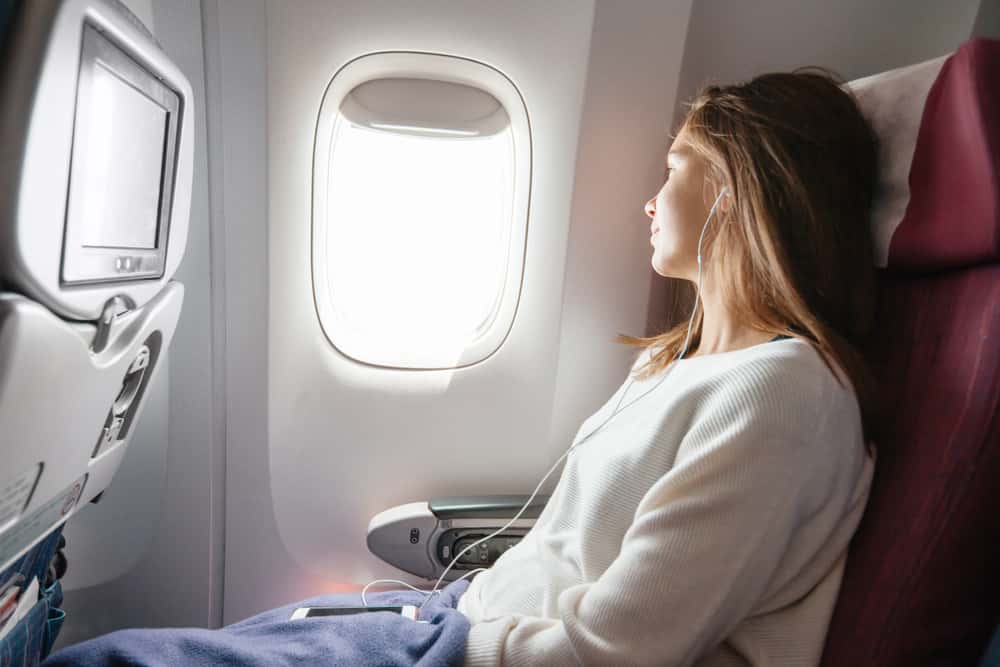
Keeping your mind occupied can significantly reduce anxiety. Movies, podcasts, games, or even reading can redirect your attention. The less mental space you give to fear, the less power it has to build and spiral.
Choosing The Right Flight
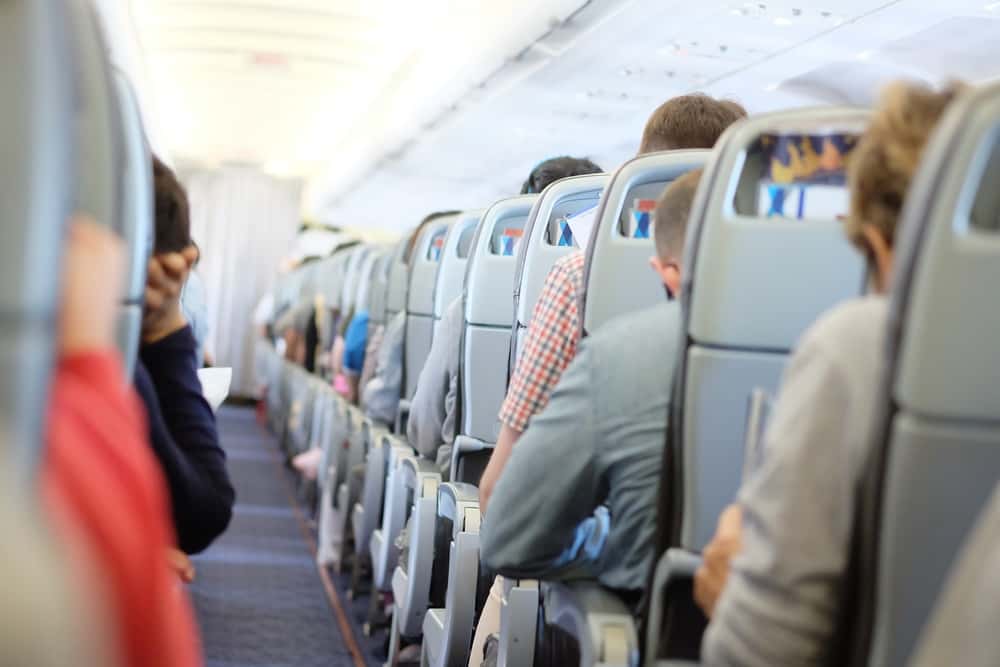
Certain choices can make flying feel more manageable. Daytime flights, smoother routes, or larger planes can reduce anxiety for some people. Even small adjustments can help create a sense of control in an otherwise unfamiliar environment.
Talk To Someone About It
Therapists often use cognitive behavioral therapy (CBT) to treat fear of flying. These approaches focus on changing thought patterns and gradually facing the fear. Even a few sessions can provide practical tools that make a real difference.

Courses Designed For Fearful Flyers
Some airlines offer specialized programs for nervous flyers. These courses explain how aviation works and often include a guided flight. Combining education with real-world exposure can help reduce fear in a structured, supportive way.

Medication As An Option
In some cases, doctors may prescribe short-term medication to help manage anxiety during flights. This isn’t the only solution, but it can be helpful when combined with other strategies, especially for particularly intense fear.

What Happens If You Never Fly
It’s completely valid to decide that flying isn’t for you, but it’s worth asking why. If the decision is based on fear rather than preference, it may be limiting your life in ways that don’t reflect what you actually want.

The First Flight Is the Hardest
For most people, the first flight after confronting their fear is the most difficult. Once you’ve done it, your brain begins to adjust. Each successful experience builds confidence and reduces the intensity of future anxiety.

You Don’t Have To Be Fearless
The goal isn’t to eliminate fear entirely. It’s to reach a point where fear no longer controls your decisions. You can still feel anxious and choose to fly anyway—that’s where real progress happens.

So... Is It Worth It?
For many people, the answer is yes. Not because flying suddenly becomes easy, but because the world on the other side of that fear is larger, richer, and more rewarding than the fear itself. Plus, stepping out of your comfort zone only opens up your world. The best kind of change is always going to be difficult at first.

You May Also Like:
15 Travel Scams No One Talks About—And How To Outsmart Them
Four Tips For A Successful Vacation