
The Six Month Surprise At Check In
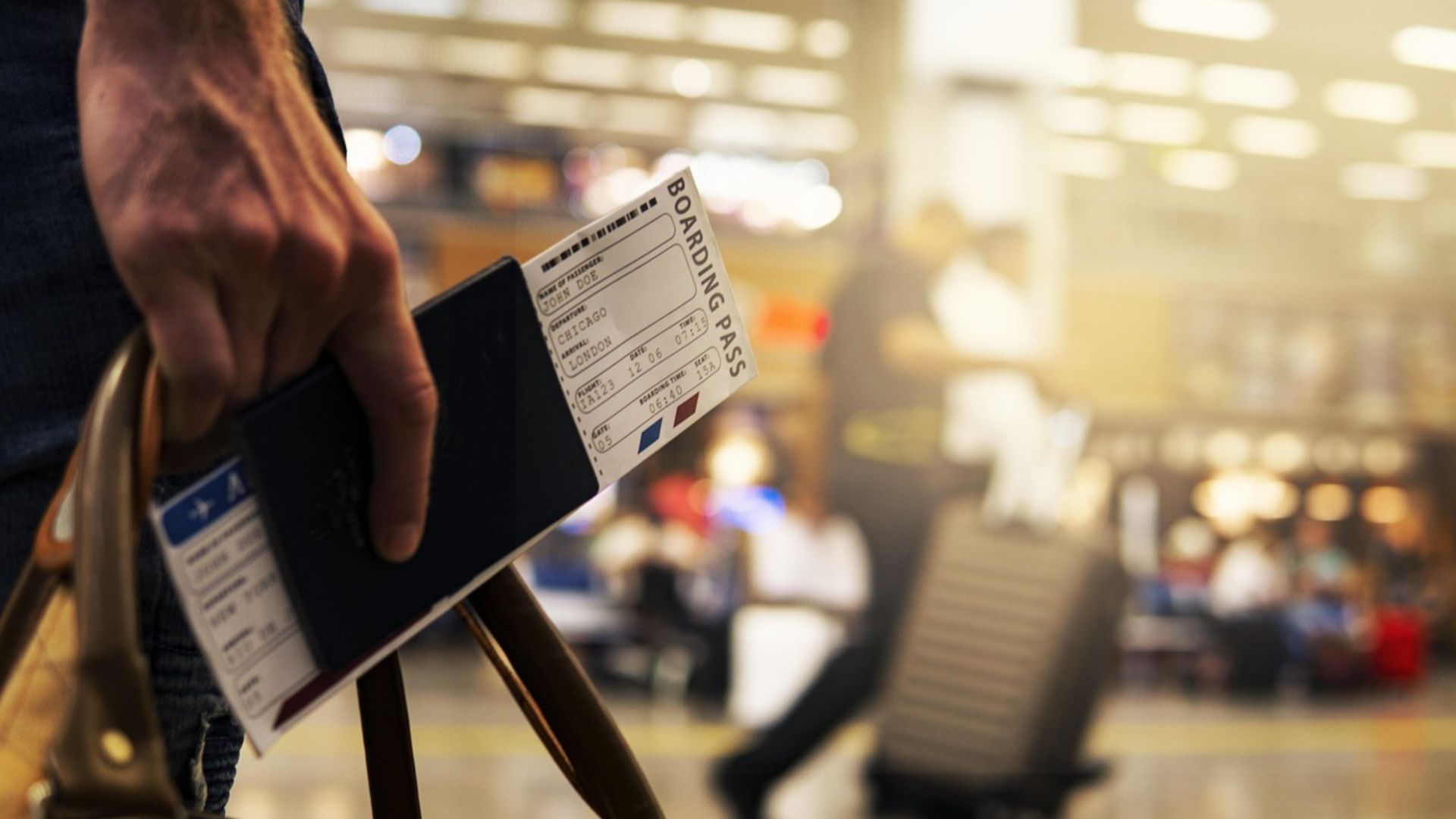
You show up with a valid passport and a boarding pass, and the airline still says no. This happens every day at airports, and it almost always comes down to one rule: your passport must be valid for long enough after you arrive. The frustrating part is that it is not an airline rule you can negotiate at the counter.

It Is Not About Getting Out Of Your Country
Most countries let their own citizens leave even if a passport is close to expiring, as long as it is still valid. The issue is the entry rules of the country you are flying to, and sometimes the countries you transit through. Airlines check those rules before you board because they can be fined and forced to fly you back if you are refused entry.
Why Airlines Act Like Border Officers
Airlines use databases that compile government entry requirements and update them constantly. The most common tool is IATA’s Timatic, which is widely used across the industry for passport, visa, and transit checks. If Timatic says you do not meet the destination’s passport validity rule, the airline often will not let you board.
 User:Mattes, Wikimedia Commons
The “Six Months” Rule Is Real, But Not Universal
Many travelers have heard “six months validity required,” and it is true for a long list of destinations. But some countries require three months, some require only validity for the length of your stay, and a few have their own quirks. That is why two people flying to different places can have totally different outcomes with the same passport expiry date.

What “Six Months Validity” Usually Means
In many places, your passport must be valid for six months beyond your date of entry. In others, it is six months beyond your date of departure. The airline agent is usually following the rule as written for your destination and your exact itinerary, including connections.
Schengen Rules: The Big Exception People Miss
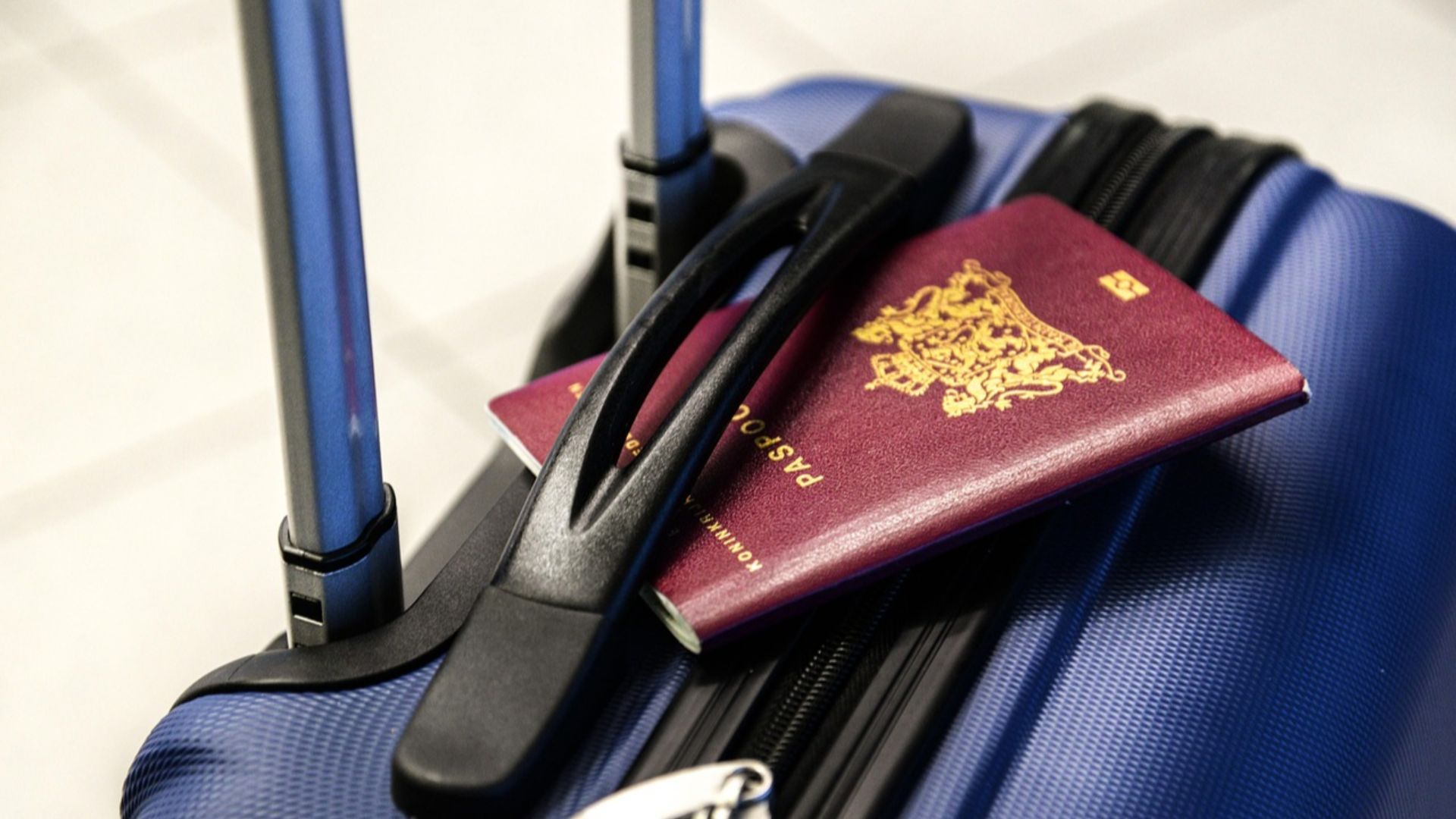
Europe’s Schengen Area, which includes most of mainland Europe and Iceland, has the passport rule “valid for at least three months after the intended date of departure” for anyone who plans to visit for 90 days. It also must be issued within the previous 10 years on the day you enter.
So if you're going for three months, you need to have at least six months total before passport expiry.

Where That Schengen Rule Comes From
The European Commission explains the passport validity requirements for short stays in the Schengen Area. It is not airline policy, and it is not optional. If your passport fails the “10 years old” or “three months after departure” test, you can be refused entry to dozens of European countries, and the airline can be stuck with the cost.

When “Six Months” Still Hits Europe
Even if your destination is in Schengen, your routing can trigger a stricter check. A transit through a non Schengen country with a six month rule can become the deciding factor. So can an onward flight to a country with stricter passport validity rules after your Schengen visit.

Canada And Mexico: Often Less Strict Than People Assume
Canada generally requires that your passport be valid for the duration of your stay, not six extra months, though your airline still has to verify your exact situation. Mexico is widely described as requiring a passport valid for the length of your stay. The key is that “often” is not “always,” and entry rules can vary by nationality and status.

The United States Has Its Own Twist
The US does not have a universal six month passport validity rule for all visitors. Instead, it uses the “Six Month Club,” where some countries’ passports are treated as valid for six months beyond the expiration date for admission purposes. If you are not covered, you can be held to stricter validity expectations.

Why The Airline Can Still Say No On A US Flight
Even when the US might admit you under a policy like the Six Month Club, airlines still rely on the database rules and your exact documents. They also have to consider transit points and return requirements. If there is any mismatch, they may refuse boarding rather than risk penalties.

Timatic: The Quiet Decider At The Counter
Timatic is the tool many agents consult when they type in your nationality, destination, and transit points. Some airlines expose a version of this to travelers, like United Airlines’ “TravelReady Center” and other document check tools. The output can be blunt: board or do not board.

Why Your Friend Flew With Less Validity
Two travelers can have different results because nationality matters, not just the destination. A visa, residency permit, or dual citizenship can also change the passport validity rule. Even a different connection airport can flip the answer.

The Hard Truth: Airlines Are Managing Risk
If you are denied entry on arrival, the airline may have to transport you back and cover costs. Governments can also fine carriers for bringing improperly documented passengers. So the airline’s incentives push toward refusing boarding when the rule is unclear.

“But My Passport Is Still Valid”
A passport can be valid and still not meet a destination’s minimum remaining validity requirement. Think of it like arriving at a hotel after check in closes. Your reservation exists, but the property rules still control what happens next.
 Monkey Business Images, Shutterstock
Connections Can Be The Trap
A simple itinerary becomes complicated when you add a transit country with its own rules. Some countries apply passport validity requirements even for airside transit. If your layover involves changing airports or passing immigration, the checks can be stricter.

Cruises And Tours Can Add Another Layer
Cruise lines often set passport validity requirements that match the strictest port on the itinerary. Tour operators can do the same, because they do not want the trip derailed by a denial at the border. If you are flying to join a cruise, the airline may look at the immediate destination, but your overall trip still matters.

How To Check The Rule Before You Buy The Ticket
Start with the destination government’s official travel or immigration guidance. Then check your airline’s travel document tool, which often pulls from Timatic. If the two do not match, assume the stricter rule will win at the airport.

The Most Reliable Way To Confirm: Official Government Guidance
For Schengen, the European Commission’s guidance spells out the three month after departure and 10 year issuance rules. For the US, Customs and Border Protection explains document requirements and the Six Month Club concept. For other destinations, look for the immigration ministry or border agency, not a blog summary.
 James Tourtellotte, Wikimedia Commons
What To Do If Your Trip Is Soon
If you are within weeks of departure, look up urgent passport options in your country. In the US, the State Department offers expedited service and urgent travel appointments for certain situations. Other countries have their own emergency or fast track processes.

Do Not Assume A Passport Card Or ID Will Save You
Some documents work only for specific land or sea crossings, or only within certain regions. For most international flights, you need a passport book that meets validity rules. If you show up with the wrong document, the airline will treat it like you have no passport at all.

Check Your Passport’s Issue Date Too
Even if the expiration date looks fine, some regions care about how long ago the passport was issued. Schengen’s “issued within the last 10 years” rule is a classic example. A renewed passport can still be rejected if it was issued more than 10 years ago, even if the printed expiry is later.

One More Gotcha: Damaged Passports
Airlines and border officers can reject a passport that is water damaged, torn, or has loose pages. Some countries also require a certain number of blank pages for entry stamps. A passport that is close to expiring often is also heavily used, which raises the odds of damage.

How To Avoid Getting Stuck At The Counter
As a rule of thumb, renew when you have under a year left if you travel frequently. Before every international trip, check the destination’s passport validity rule and any transit country rules. Screenshot the official guidance and keep it with your travel documents in case you need to explain your case calmly.

If You Think The Airline Is Wrong
Ask the agent to recheck your itinerary details, including transit airports and final destination. If the airline is using Timatic, ask whether the result changes based on return date or visa status. If the system still flags you, the fastest fix is usually changing the trip or renewing, not arguing.
 Frame Stock Footage, Shutterstock
The Bottom Line
The six month issue matters because it is often a legal entry requirement, not a preference. Airlines enforce it because they carry the financial risk if you are turned away at immigration. If your passport expires in six months, the smart move is to verify your specific route and renew early when the rules are even slightly unclear.