
The Free Trip Problem
Your parents generously paid for a family vacation to Europe, but the gift seems to have come with invisible strings. They expect everyone at breakfast, every museum, every dinner, and every excursion. You appreciate the trip, but spending every waking minute together is starting to feel exhausting.
Money Changes The Dynamic
When one person pays for a group trip, financial generosity can quietly become decision-making power. Your parents may sincerely believe that paying means organizing, while you may have understood the vacation as a gift. Neither assumption was necessarily discussed, which is exactly where resentment starts growing.

Gratitude Is Still Important
Start by acknowledging the scale of what your parents have done. Flights, hotels, meals, and attractions for several people can represent a significant expense. Expressing genuine appreciation does not mean surrendering control of every hour. Gratitude and reasonable independence can exist at the same time.

Understand Their Expectations
Before pushing back, figure out what your parents actually want. Perhaps they imagined a rare opportunity for everyone to reconnect, rather than merely subsidizing separate vacations in the same destination. Multigenerational travel works better when expectations about togetherness, activities, budgets, and downtime are discussed clearly.

Paying Does Matter
There is a practical distinction between accepting a family trip and accepting money for your own vacation. If your parents invited everyone specifically to spend time together, attending some major shared activities is reasonable. Accepting their generosity and then disappearing for five days would understandably feel dismissive.

But Not Every Minute
A family vacation does not require the entire group to move as a single organism. Different ages, energy levels, interests, dietary needs, and physical abilities make total agreement unlikely. Building independent time into a multigenerational trip can actually make the shared portions more enjoyable.

Travel Styles Can Clash
One traveler wants to reach the museum when it opens. Another wants a two-hour breakfast. Someone wants nightlife, while somebody else is exhausted by 8 p.m. These differences are normal. Travel companions should discuss budget, privacy, responsibilities, priorities, and travel style before conflict erupts.

Identify The Real Conflict
Ask yourself what is actually bothering you. Is the itinerary too crowded, or do you resent being treated like a child? Do you dislike the activities, or simply want one afternoon alone? A specific complaint is much easier to solve than declaring that your parents are controlling everything.

Talk Before You Explode
Don't wait until everyone is exhausted outside a crowded attraction to announce that the vacation is unbearable. Choose a calm moment and explain what you need without attacking the entire itinerary. Frame the conversation around making the trip work better, rather than winning control from your parents.

Offer A Concrete Compromise
Instead of saying, “I need freedom,” suggest something practical. Join the family for the morning tour and dinner, but spend the afternoon exploring independently. Agree to three major group activities while choosing two of your own. Specific proposals are easier to accept than vague demands.

Protect The Anchor Events
Every family trip has moments that matter more than others. Perhaps your parents dreamed of taking everyone to a particular museum, ancestral hometown, national park, or special dinner. Identify those anchor events early, commit to attending them, and negotiate greater flexibility around everything else.

Splitting Up Is Fine
A group doesn't fail because everyone separates occasionally. Parents can visit a cathedral while adult children explore a neighborhood, or grandparents can relax while younger relatives hike. Successful group planning can involve subgrouping when preferences conflict, rather than forcing one itinerary onto everyone.

Couples Need Space Too
Your relationship with your parents is not the only dynamic involved. If you are traveling with a spouse or partner, they may reasonably want some private time with you. Couples with different travel styles can benefit from communication, compromise, and occasional independent activities rather than constant togetherness.

Children Change The Equation
If grandchildren are traveling too, the schedule becomes even more complicated. Young children may need naps, teenagers may want independence, and parents may need breaks from managing everyone else’s expectations. A rigid itinerary can collapse quickly when one generation’s schedule is imposed on every other generation.

Respect Physical Limits
Multigenerational groups can have dramatically different stamina. A packed day of walking through Paris, Rome, or New York may delight one traveler and exhaust another. An overfilled itinerary needs more flexibility and downtime.

Money Needs Clear Boundaries
Clarify what your parents are actually paying for. Flights and hotels may be covered while meals, optional excursions, shopping, and transportation remain individual expenses. Groups with different budgets benefit from discussing financial limits openly and offering activity choices at different price points.

Pay For Independence
If you want an activity your parents don't support, consider paying for it yourself. The same principle applies to a private dinner, separate train journey, or optional excursion. Covering your own discretionary choices makes the boundary cleaner and reduces arguments about how the family vacation budget is being spent.

Don’t Keep Score
Family travel becomes miserable when every compromise creates a debt. Your mother attended your brewery tour, so now you owe her three museums. Your father paid for dinner, so everyone must follow tomorrow’s schedule. Focus on balancing the trip overall rather than calculating every concession minute by minute.

Let People Opt Out
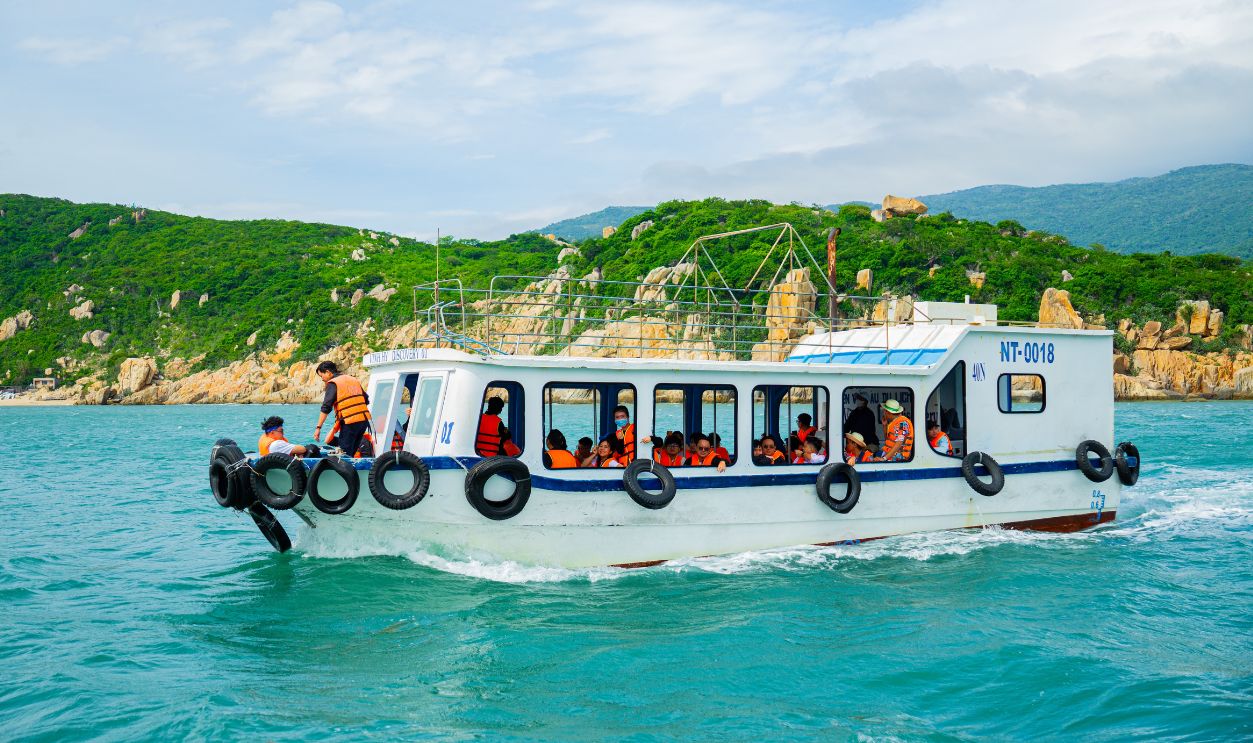
A useful family rule is that declining an optional activity should not be treated as rejection. Someone skipping a boat tour because of seasickness or missing dinner because they need rest is not insulting the family. Respectful boundaries and flexibility can reduce conflict during complicated family trips.
Remember The Bigger Goal
Your parents probably didn't spend thousands of dollars hoping everyone would return home furious with each other. The point was presumably to share time and make memories. Reminding everyone of that larger goal can shift the discussion away from who controls Tuesday afternoon and toward what actually matters.

Plan The Next One
If this trip exposed major differences, use them next time. Discuss expectations before anyone books flights or pays deposits. Decide how much togetherness everyone wants, identify essential group activities, establish budgets, and schedule independent time. Early planning helps multigenerational groups balance schedules, accessibility, interests, and costs.

Generosity Isn’t Ownership
Your parents’ generosity deserves appreciation, consideration, and participation, but paying for a vacation does not automatically give them ownership of every traveler’s time. The best compromise honors why they funded the trip while recognizing that adults still need autonomy. Share the important moments, then give everyone room to breathe.

You May Also Like: