 Ketut Subiyanto, Pexels, Modified
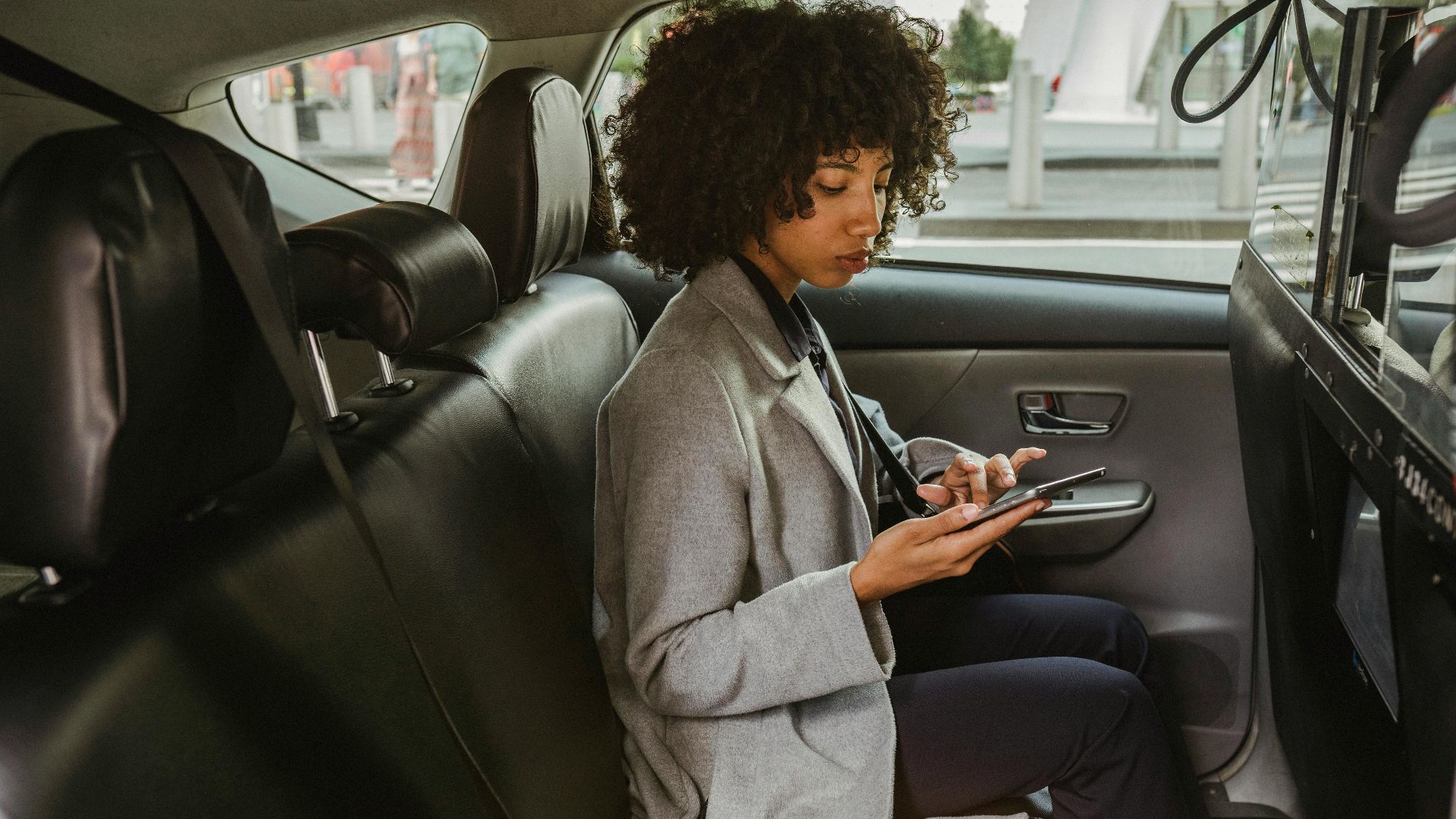
You're in a US city, and you've just hailed a taxi to get back to your hotel. The ride seems smooth until you arrive at your destination. The driver suddenly demands double the metered fare. When you question the charge, his tone shifts—he becomes hostile, raising his voice and blocking your exit. Your heart races. What do you do? While this is a hypothetical scenario, it's one that could happen to anyone navigating unfamiliar streets or even in your own neighborhood. Taxi disputes involving overcharging are not uncommon, while those with intimidation are rarer but serious when they occur. Understanding how to respond protects you from further harm and ensures the driver faces appropriate consequences for misconduct.
Understanding Passenger Rights In The US
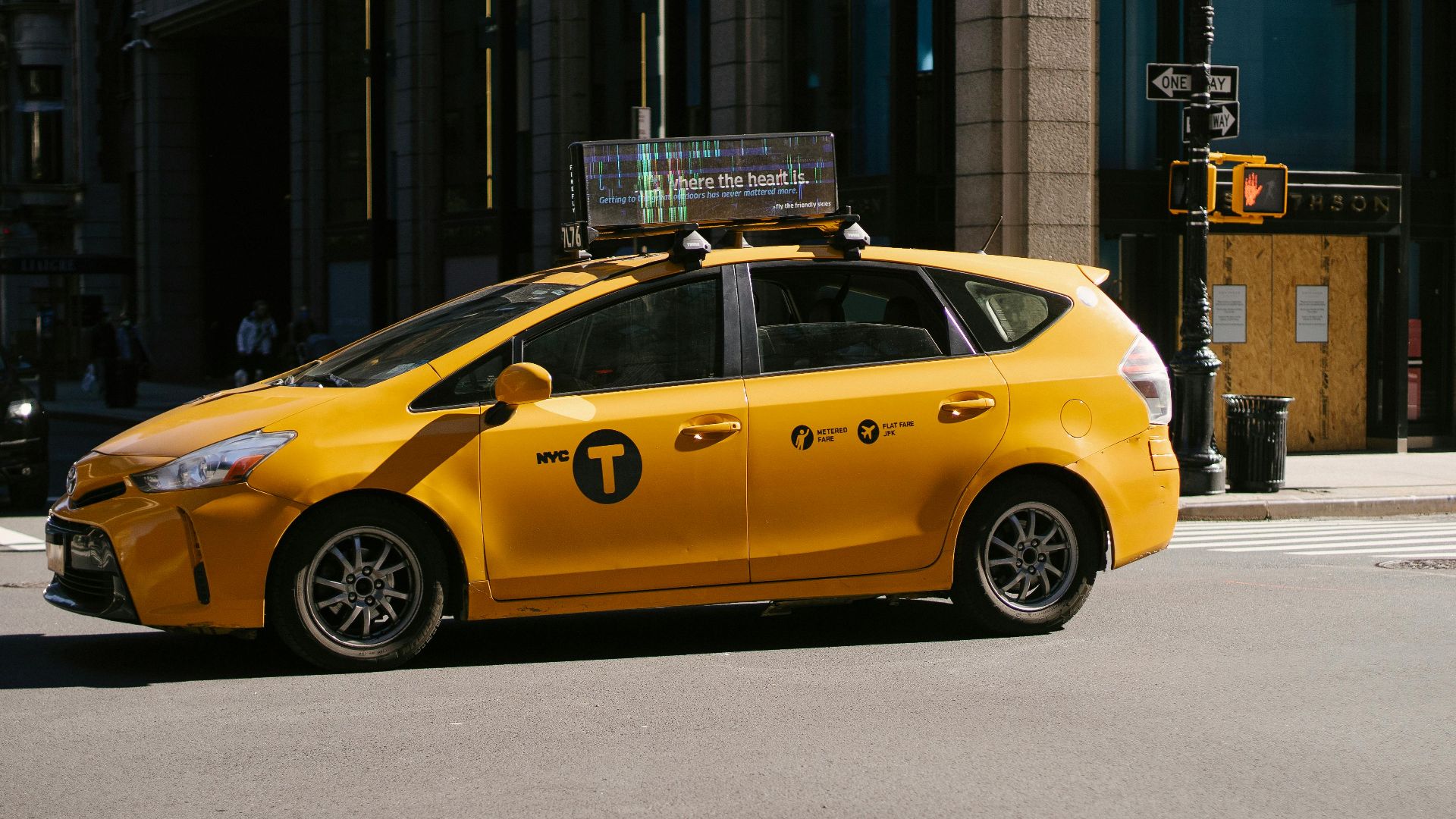
Taxi services across the US operate under strict regulations enforced by local transportation authorities. Whether you're in New York, Chicago, Los Angeles, or a smaller city, you have legal protections as a passenger. First, you have the right to a clear and transparent fare structure. This means the taxi must use a working meter or provide you with a pre-agreed flat rate before the trip begins. Second, you're entitled to safe and respectful treatment throughout your ride. Any form of verbal harassment, physical intimidation, or threatening behavior is unacceptable and may constitute criminal conduct such as harassment or assault. Third, every city provides complaint channels where passengers can report misconduct. For example, New York's Taxi and Limousine Commission oversees all yellow cabs and for-hire vehicles, while the Department of Business Affairs and Consumer Protection in Chicago handles taxi licensing and complaints. Knowing these rights before you even step into a taxi empowers you to recognize when something is wrong and take action confidently.
Immediate Steps To Take If Confronted
If you find yourself in a situation where a driver overcharges you or becomes threatening, your first priority is your safety. Stay calm and avoid escalating the conflict with raised voices or aggressive gestures. If the driver becomes hostile or physically threatening, exit the vehicle immediately in a public, well-lit area where other people are present. Do not stay in the car if you feel unsafe. Before you leave or while still at the scene, document every detail you can: the taxi's license plate number, the driver's identification badge, the company name displayed on the vehicle, the exact time, and the location where the incident occurred. Take photos if it's safe to do so. If the driver's behavior crosses into aggression or violence, call 911 right away. Police can intervene and create an official record of the incident. If the situation involves only an overcharge without threats, firmly refuse to pay more than what the meter or agreed fare shows, and tell the driver you will report the incident to the local taxi authority.
How To Report And Prevent Future Issues
After you've safely left the situation, it's important to file a formal complaint to hold the driver accountable and protect future passengers. Contact your city's taxi commission or consumer protection office as soon as possible. Most major US cities offer online complaint portals where you can submit detailed reports along with supporting evidence like receipts, photos of the taxi, and witness statements if anyone else was present. Be thorough in your description of what happened, including the driver's behavior and the fare discrepancy. Many cities take these complaints seriously and can investigate, fine, or even revoke a driver's license for serious violations.
To avoid running into situations like this in the future, consider using ride-share apps like Uber or Lyft, which provide upfront fare estimates and streamlined dispute resolution systems. Before any ride, check fare estimates using apps or the taxi company's website. Always choose licensed, marked taxis from official taxi stands or reputable companies. And whenever possible, pay by credit or debit card rather than cash, as electronic payments create a clear record of the transaction. In the end, reporting incidents not only helps you seek justice but also creates a safer environment for everyone who relies on taxis to get around.