
The Family Group Chat Just Took Off
The difference between Economy and First Class has never been bigger. It's so much that your uncle says he "just can't fly economy anymore."{ The problem is, you book together, and now he expects the whole family to help pay for the luxury. A lot of people would see that request as outrageous, especially if it's framed as an obligation instead of a polite ask, but family dynamics get complicated with money involved.

Why This Feels So Loaded
Air travel is not just about getting from one place to another. It is money, comfort, status, health, and family expectations all packed into one cramped cabin. When one person asks everyone else to cover a luxury upgrade, the issue stops being about a seat and starts being about fairness.

First Class Is Usually a Luxury, Not a Necessity
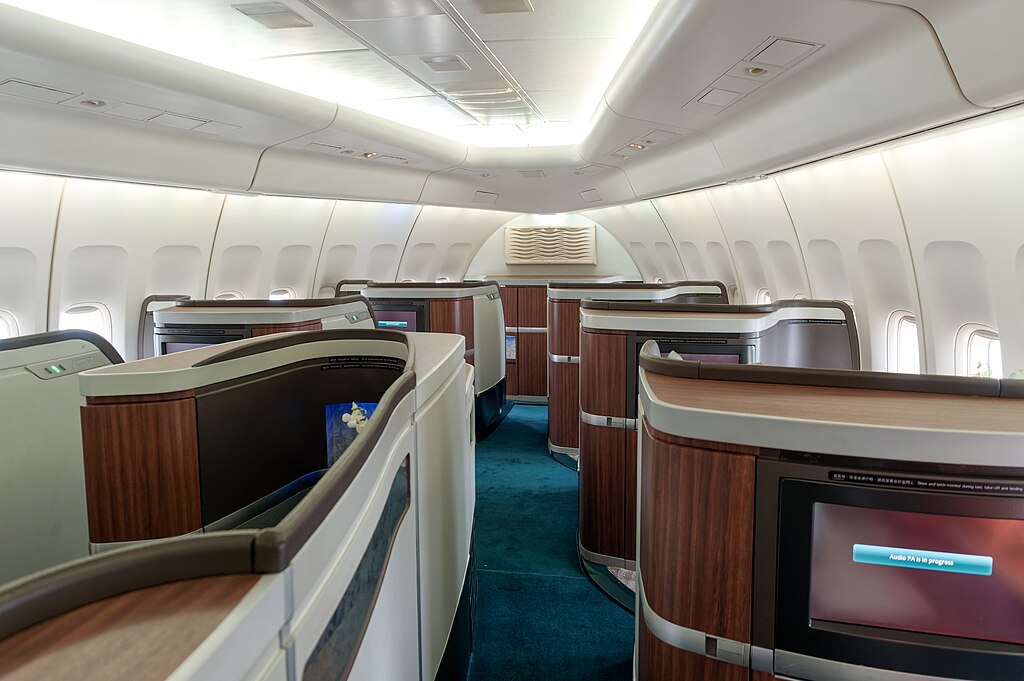
On most airlines, first class or business class is a premium product with bigger seats, better food, and extra perks. Economy is still the standard way most people fly. If your uncle wants more space, that feeling is understandable, but it does not automatically become everyone else's financial problem.
 Melv_L - MACASR, CC BY-SA 2.0, Wikimedia Commons
What the Data Says About Flying Economy
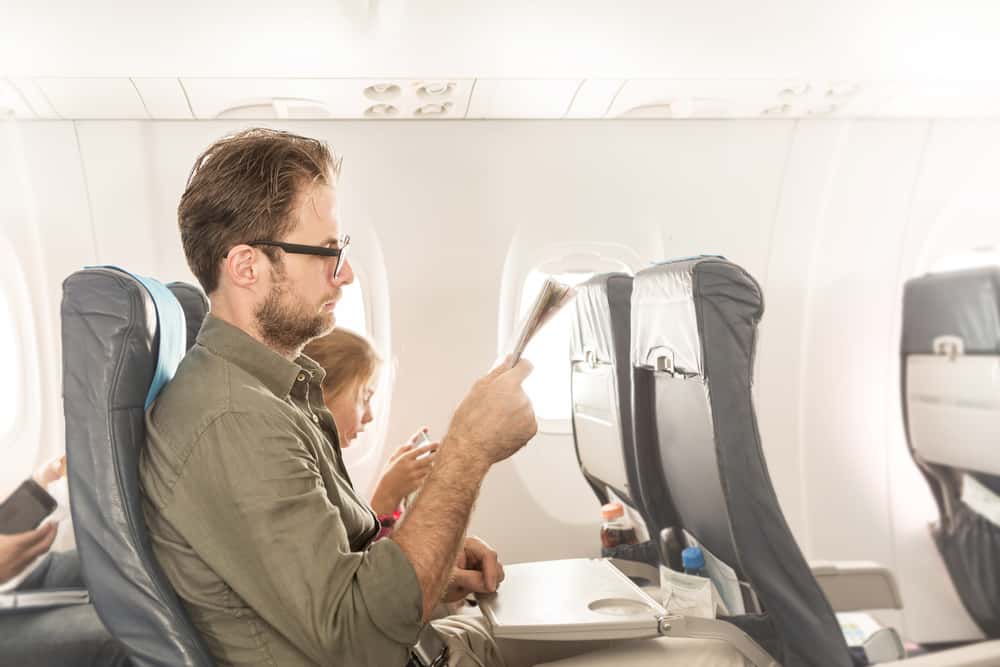
The International Air Transport Association, or IATA, has repeatedly reported that global air travel is dominated by economy-class passengers. Airlines are built around filling the main cabin, not around treating economy like some extreme hardship. That matters because "I cannot fly economy anymore" is usually a personal limit, not a universal one.
Premium Seats Cost a Lot More
The U.S. Bureau of Transportation Statistics tracks airfare trends and shows that ticket prices can vary a lot by route, timing, and cabin. Premium cabins can cost several times more than coach, not just a little extra. Asking relatives to split that added cost may mean asking them to give up money they need for their own flights, hotels, or day-to-day expenses.
There Is a Difference Between Need and Want
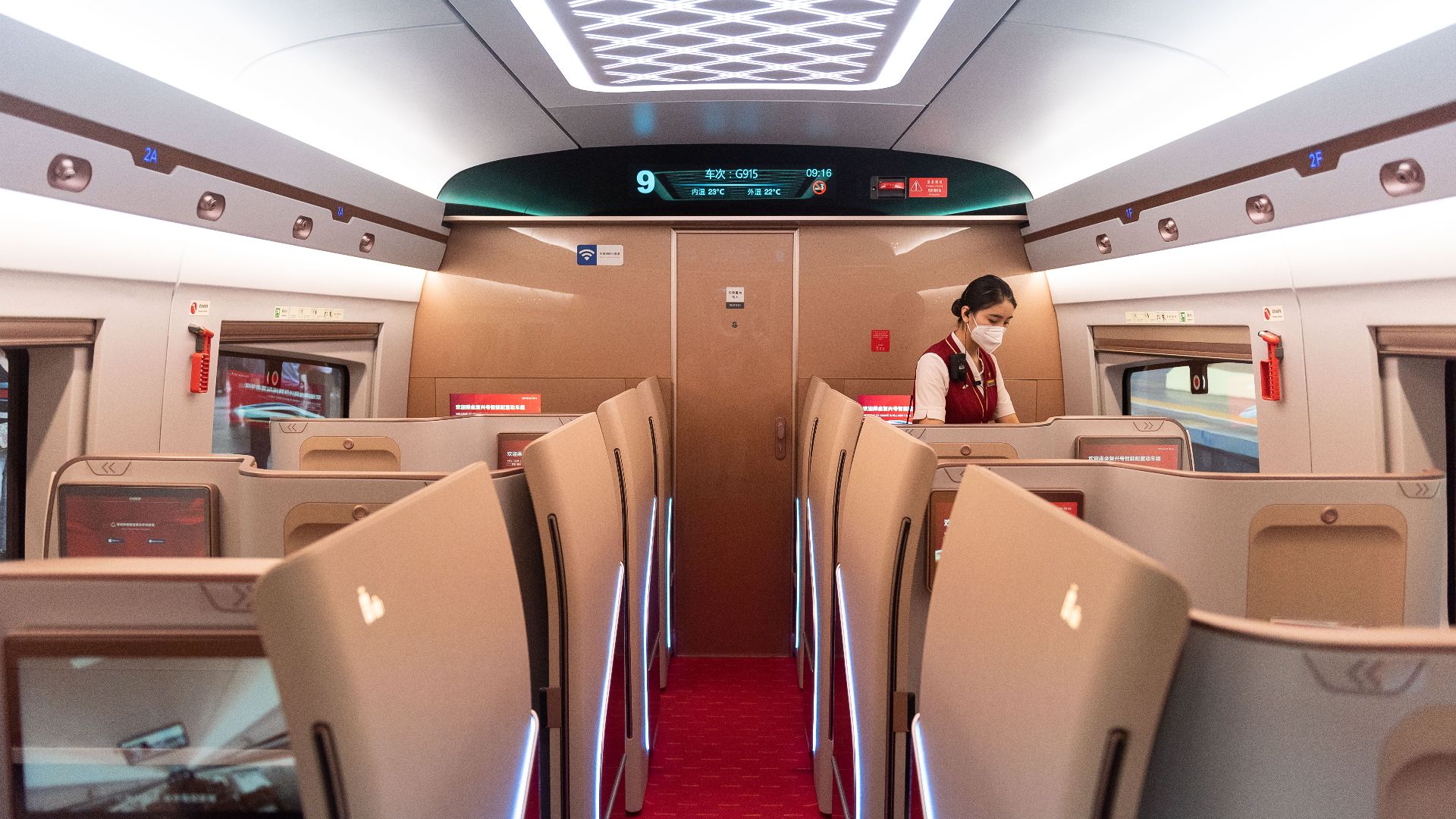
This is where the conversation gets real. If your uncle has a documented medical issue, mobility limit, or another serious condition that makes standard seating difficult, then the discussion changes. If the issue is simply that he has gotten used to more legroom and nicer service, family members are not unreasonable for saying no.

What Airlines Actually Offer for Accessibility
The U.S. Department of Transportation requires airlines to provide certain accommodations for passengers with disabilities, but those rules do not guarantee a free first-class seat. Airlines must help with boarding, wheelchairs, and certain access needs. They generally are not required to upgrade someone because economy feels uncomfortable.

Seat Size Has Been a Real Consumer Issue
There is a reason this debate hits a nerve. Flyers have complained for years that legroom and seat width in economy have gotten tighter on many aircraft. The Federal Aviation Administration has faced pressure to examine seat dimensions and safety concerns, so discomfort in coach is not imaginary. Even so, that does not mean relatives are responsible for paying for premium travel.
Basic Economy Made the Gap Feel Bigger
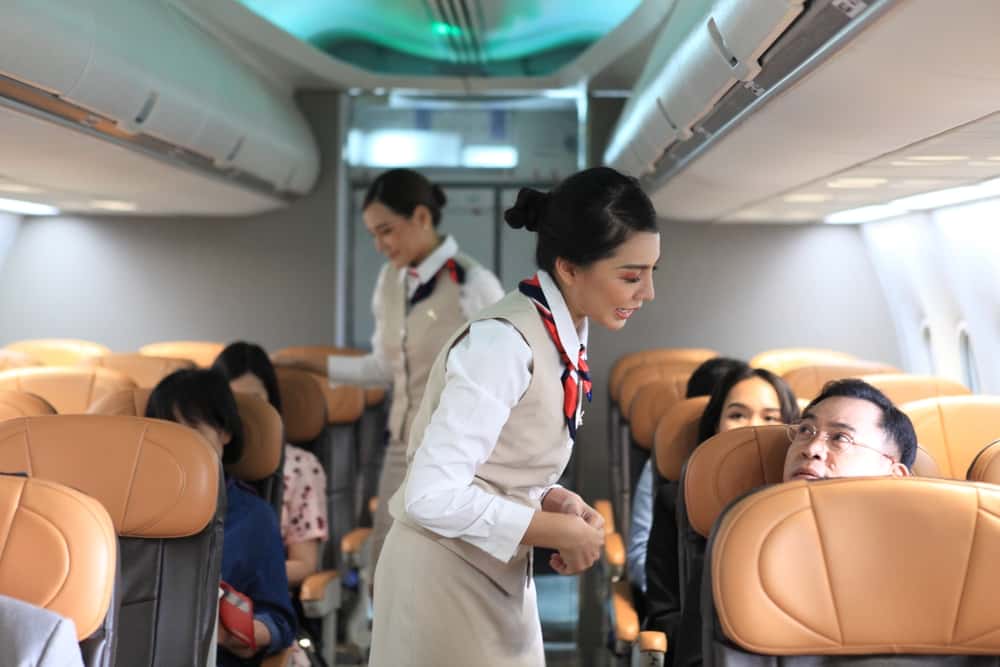
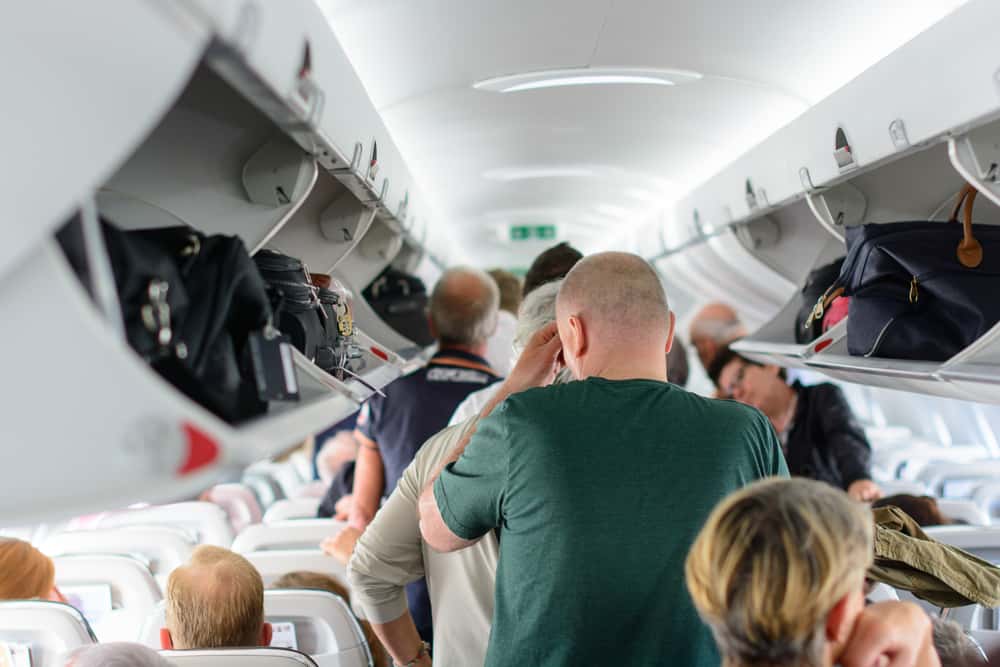
Airlines in the United States spent the last decade expanding basic economy fares, a stripped-down product with more restrictions. That made the difference between the cheapest seat and a premium cabin feel even sharper. When your uncle says he cannot do economy, he may be reacting to a real drop in comfort, but he is still asking other people to pay for his fix.
Family Money Rules Matter More Than Cabin Rules
Every family has its own etiquette, but one basic rule holds up well. You can ask for help, but you cannot demand that other adults subsidize your upgrade because your standards changed. Travel costs are already one of the biggest barriers to family gatherings, and adding a premium-seat bill can create resentment before the plane even leaves the ground.

When the Request Crosses Into Entitlement
The line gets crossed when the request is presented as something the family owes him. That is especially true if everyone else is flying economy, cutting corners, or stretching their budgets just to make the trip. A luxury choice framed like a shared duty usually reads less like need and more like entitlement.

There Are Cases Where Relatives Do Pitch In
Sometimes families are happy to help an older relative travel more comfortably. That usually happens when the person is in pain, very tall, recovering from surgery, or dealing with another clear hardship. The key difference is tone, honesty, and consent, not pressure.

Medical Limits Can Be Real
Long flights can be especially hard for passengers with arthritis, circulation problems, back pain, or post-surgical limits. Health agencies such as the CDC advise travelers to think about mobility, blood clot risk, and comfort on long trips. Still, that guidance does not make first class a medically required family expense unless a doctor and airline arrangement clearly support that case.

A Better Ask Might Be More Modest
If your uncle really struggles in standard coach, he could ask for help paying for a more practical upgrade like premium economy, an exit-row seat, or an aisle seat with extra legroom. Those options are often much cheaper than first class. That kind of compromise sounds more reasonable and is easier for relatives to consider in good faith.

Airline Fare Reality Is Brutal
Anyone who has priced flights lately knows how fast costs pile up. The fare is just the start once baggage, seat selection, and change flexibility come into play. Asking several family members to chip in for one person's premium cabin can quietly raise the cost of the trip for everyone else.

People Often Regret Blurry Money Boundaries
Travel experts often point out that shared-trip tension usually comes from unclear expectations about spending. One person wants luxury and another wants value, and suddenly nobody is enjoying the trip. A calm but firm no can prevent a much bigger fight later.

How to Decide if It Is Outrageous
Ask three questions. Is there a real medical or mobility reason, has he clearly explained the cost difference, and was this presented as a choice rather than an expectation. If the answers are no, no, and no, then yes, most people would call it outrageous.

If He Needs Help, the Family Can Set Terms
Support does not have to mean writing a blank check for first class. The family could offer a fixed contribution, help compare fares, or suggest a shorter route with a better seat at a lower price. That keeps generosity on the table without rewarding pressure.
There Is Also a Timing Problem
Premium cabins can get dramatically more expensive when booked late. If your uncle waited too long and now wants everyone else to cover the jump, that is another reason people may push back. Last-minute planning by one traveler should not automatically become a group expense.

Loyalty Points Change the Math
If he flies often, he may have miles, elite status, upgrade certificates, or a travel credit card that could offset the cost. Many frequent flyers have tools that occasional travelers do not. Before asking family for cash, it is reasonable to expect him to use those options first.

Group Trips Work Best With Clear Budgets
Consumer advice on family travel often comes back to one simple idea. Decide early what is shared, what is optional, and what each traveler is paying for on their own. A premium seat usually belongs in the optional and self-funded category unless everyone agrees otherwise.
 Filip Rankovic Grobgaard, Unsplash
Do Not Ignore the Emotional Side
Money requests inside families are rarely just about money. They can stir up old patterns about who pays, who sacrifices, and who gets accommodated. That is why a first-class request can feel so explosive even when it is "just for a flight."

What to Say if You Want to Decline
You do not need a long speech. Try something like, "I understand you want a more comfortable seat, but I am only able to pay for my own travel costs." It is polite, direct, and does not open the door to a long negotiation over your wallet.
 Kobus L/peopleimages.com, AdobeStock
What to Say if You Want to Help a Little
If you want to be supportive without paying for the whole thing, keep the offer specific. You could say, "I can contribute a small fixed amount toward an upgrade, but not to a first-class ticket." That gives help without creating an open-ended obligation.

The Fairness Test Is Pretty Simple
Would your uncle willingly pay extra so everyone else could be more comfortable too. If the answer is no, it is easier to see why relatives may feel annoyed being asked to fund his preference. Fairness tends to look bad when it only goes one way.

So, Is It Outrageous
In most ordinary situations, yes. Expecting family members to chip in for your first-class ticket because you no longer like economy sounds more like outsourcing a luxury than making a reasonable travel request. The exception is when there is a serious, documented need and the family freely agrees to help.

The Practical Bottom Line
Your uncle is allowed to want first class. He is not automatically entitled to have everyone else pay for it. The best rule here is the same one that saves a lot of family trips: separate personal preferences from shared obligations before takeoff.