
The Swipe That Starts The Spiral
Few vacation fights blow up faster than the moment one traveler says, “Just put it on your card and I’ll pay you later.” It sounds small over appetizers, but it can turn ugly by dessert when one person realizes they are quietly covering the trip. Money tension is one of the quickest ways to turn a fun getaway into a friendship stress test, so the best thing to do is to act.

Why Trips Magnify Tiny Problems
Travel squeezes time, money, sleep, and expectations into a tight space. Researchers have long found that financial stress is a major source of tension in close relationships, and trips add a rush of decisions on top of that. A friend who seems easygoing at home can feel deeply inconsiderate after three overpriced meals, a delayed train, and a bad hotel check-in.

Money Is Not A Small Travel Detail
The U.S. Federal Trade Commission advises travelers to watch credit and debit card charges closely and review statements for unauthorized or unexpected activity. That matters because travel often means shared costs, fast purchases, and moments when one person hands over a card without a clear plan for getting paid back. If your friend keeps putting fancy dinners on your account, this is no longer just annoying. It is a real financial risk.

What “Pay Me Later” Really Means
Sometimes “pay me later” means “I forgot my wallet.” Sometimes it means “I’m seeing if you’ll just eat the cost.” The issue is not only the total on the check. It is the lack of a firm date, a clear split, and an instant transfer. Vague repayment promises leave room for resentment to grow fast.

Travel Brings Out Different Money Personalities
One friend may see vacation as the perfect time to splurge on seafood towers and tasting menus. Another may have carefully planned for museums, transit, and one nice dinner. When those styles are never discussed before the trip, the person holding the card can end up acting like an accidental lender.

The Psychology Behind The Blowups
The American Psychological Association has repeatedly identified money as a major source of stress for adults in the United States through its annual Stress in America reporting. Stress changes how people read ordinary behavior, so an expensive dinner can start to feel less like a meal and more like disrespect. On a trip, where there is little privacy and almost no downtime, those reactions can turn into arguments fast.

Why Friends Avoid The Talk Until It Is Too Late
Many adults would rather sit with discomfort than risk sounding cheap. Asking a friend to send money right now can feel awkward, especially in a restaurant or while traveling. That hesitation gives the spender more room to keep acting like the setup is fine.

Credit Cards Add Real Stakes
If the charges land on your credit card, you carry the risk, not your friend. Interest can build, your available credit can drop, and you may still be on the hook even if repayment never comes. The Consumer Financial Protection Bureau advises consumers to understand card terms, monitor transactions, and act fast when something looks wrong.

One Dinner Can Become A Pattern
The first expensive meal often comes with a smooth promise and no urgency. The second arrives with a joke about settling up later. By the third, a pattern is in place, and the cardholder is stuck choosing between confrontation and another charge.

Expectation Gaps Wreck Group Travel
Travel experts and consumer agencies both stress the value of planning ahead because spending expectations can vary wildly. One traveler may assume every cost gets split evenly, while another thinks each person should only pay for what they ordered. Without a clear system, every receipt turns into a mini negotiation.

Why Restaurant Bills Trigger Outsized Emotion
Meals bring social pressure because the check shows up in public and demands an immediate choice. Almost nobody wants to make a scene in front of servers or other diners. That is exactly why repeated restaurant swipes can become such an easy way for one person to shift costs onto someone else.
The Fastest Way To Stop The Damage
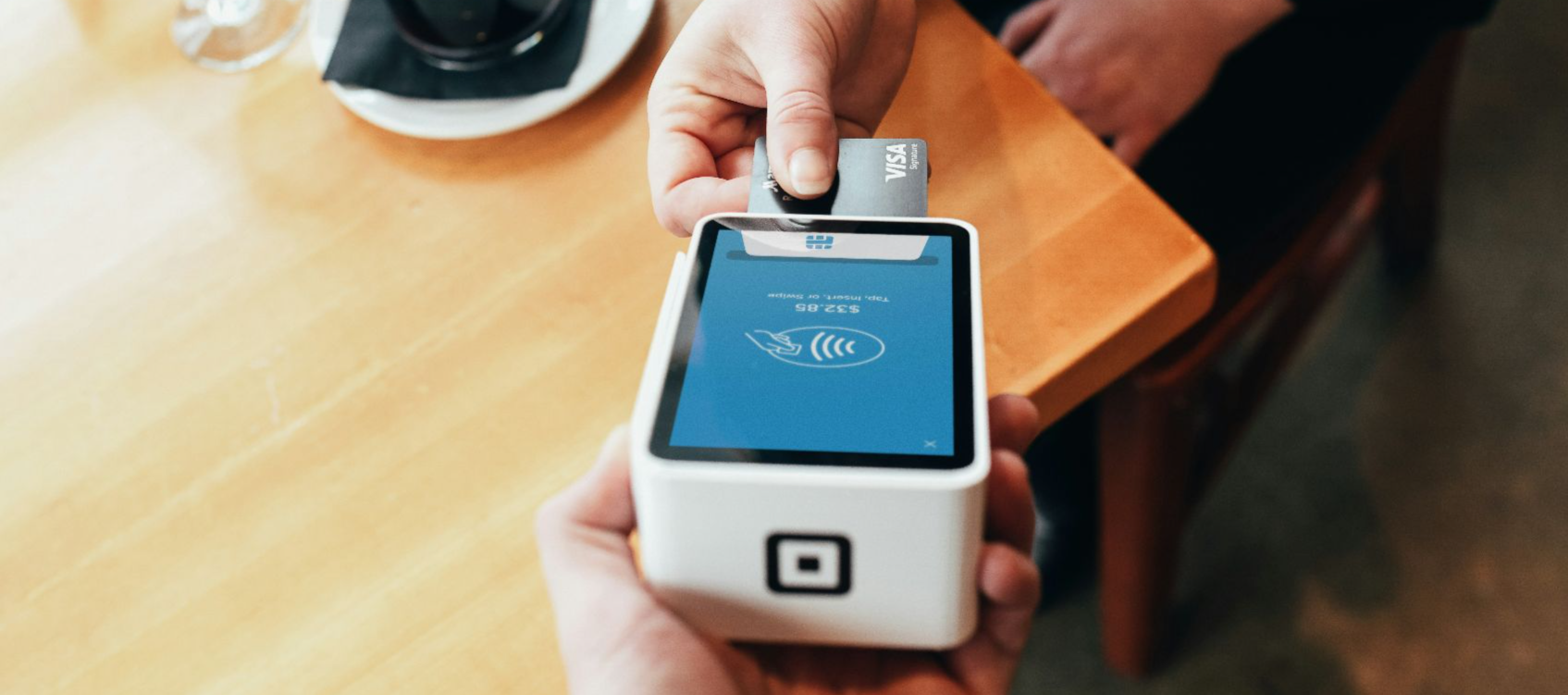
Bring it up the first time it starts to bother you, not after five silent grudges. Ask for reimbursement that day through a payment app or bank transfer, and name the exact amount. A direct request with a deadline is clearer and fairer than stewing over it on the flight home.

Use The Language That Leaves Little Wiggle Room
You do not need a dramatic speech. Try, “I’m sticking to a budget on this trip, so please send me your half tonight.” It is calm, direct, and focused on logistics instead of blame.

Set A Payment Rule Before The Next Meal
If one person keeps forgetting or dodging, change the system right away. Ask for separate checks, alternate who pays only if both people agree, or settle each expense as it happens. Paying in real time keeps “later” from turning into next month.

Digital Tools Can Save The Friendship
Expense-splitting apps help because they replace fuzzy memory with visible numbers. Instead of arguing over who paid for lunch in Lisbon or cocktails in Chicago, both travelers can see the running total. Clear numbers often cool things down because the facts are right there.

Keep Receipts And Screenshots
This is not petty. It is smart. The FTC recommends reviewing account activity and keeping records when problems come up, and shared travel spending is one of those times when documentation matters.

Do Not Let Courtesy Override Common Sense
Adults sometimes confuse politeness with endless flexibility. Covering one emergency meal is generous. Repeatedly funding someone else’s expensive habits is something else entirely.

When It Stops Feeling Like A Misunderstanding
There is a difference between a friend who is disorganized and a friend who is taking advantage of your reluctance to push back. The clue is repetition after you have already raised the issue clearly. If it keeps happening after a direct conversation, treat it as a boundary problem, not a billing mix-up.

How To Tell If You Are Being Used
Look for patterns. Does your travel buddy pick the most expensive spots, order freely, then go quiet when the check arrives? Does repayment take repeated reminders while they keep spending on other nonessential things?

What To Do Mid-Trip If The Debt Is Growing
Pause and reset the trip budget together. Say exactly how much is still owed and what needs to happen before any more shared spending continues. If needed, stop covering costs entirely and switch to everyone paying their own way on the spot.

Protect Your Card While You Travel
The FTC recommends setting account alerts, checking statements, and reporting problems quickly. Those habits help even when the issue is not outright fraud because they show you exactly how much exposure you have. If too many charges are ending up on your account, the cleanest move is often to stop handing over your card.

Why Some Friendships Do Not Survive Vacation
Trips reveal habits that everyday life can hide. You see how someone handles stress, inconvenience, money, and accountability in real time. A friendship can survive different tastes in food or sightseeing, but repeated financial unfairness cuts deeper.

There Is A Reason This Feels So Personal
Money often stands in for respect, trust, and give-and-take. When a friend delays repayment, it can feel like they are saying your budget matters less than their comfort. That is why the conflict can feel much bigger than a single restaurant receipt.

How To Bring It Up Without Blowing Up
Stick to facts. Mention the date, the place, and the amount owed, then ask for payment by a specific time. Concrete details keep the conversation grounded and make it less likely to drift into a vague emotional fight.

When To Stop Traveling Together
If the same payment drama happens across multiple trips, believe the pattern. Not every good friend is a good travel companion. Deciding not to book another vacation together can be a smart boundary, not a betrayal.

The Best Pre-Trip Money Talk
Before booking, agree on a daily budget range, how meals will work, and whether anyone is comfortable fronting costs. Decide whether you will split everything evenly or only shared items like lodging and transportation. Ten clear minutes before departure can save ten miserable hours of conflict later.

Friendship Can Recover, But Only With Fast Honesty
A trip does not have to end a friendship, but avoidance usually makes the damage worse. Prompt repayment, a real apology, and a better system for future spending can rebuild trust. Without those steps, “I’ll pay you later” is often the line people remember long after the vacation photos fade.