The Vacation That Turns Into A Film Set
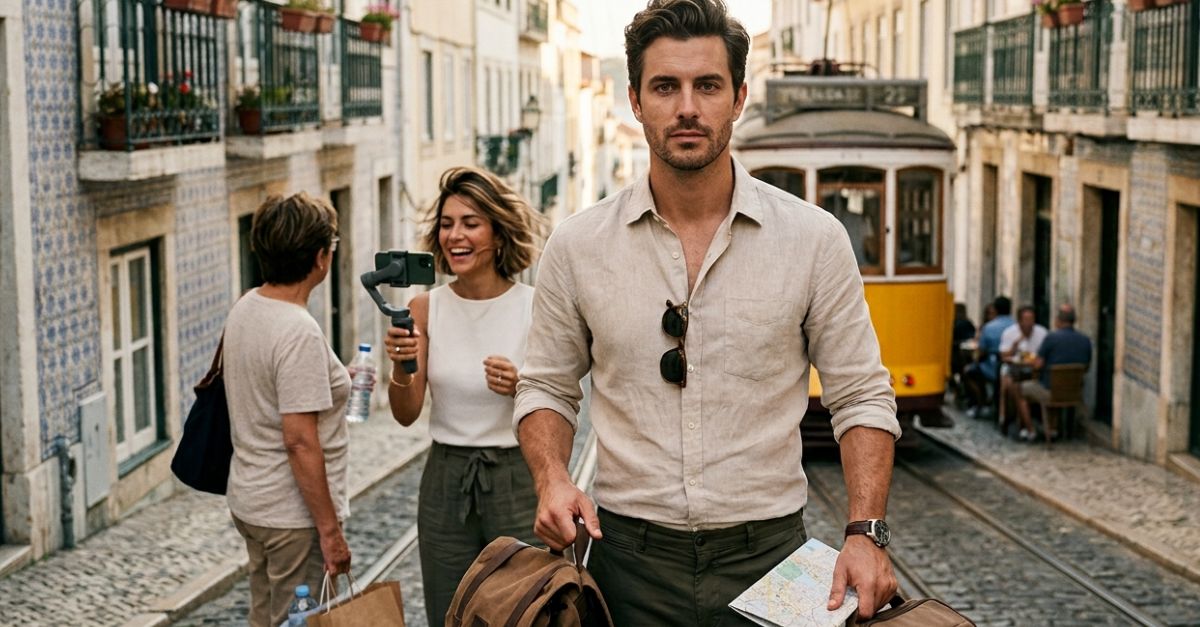
You booked the trip to relax, but your sister brought ring lights, backup batteries, and three outfit changes for brunch. Sound familiar? Social media has changed not just how people remember travel, but how they act while they are on the trip—and it has created a completely different reality for any tourist visiting a travel hotspot.
Why This Hits A Nerve
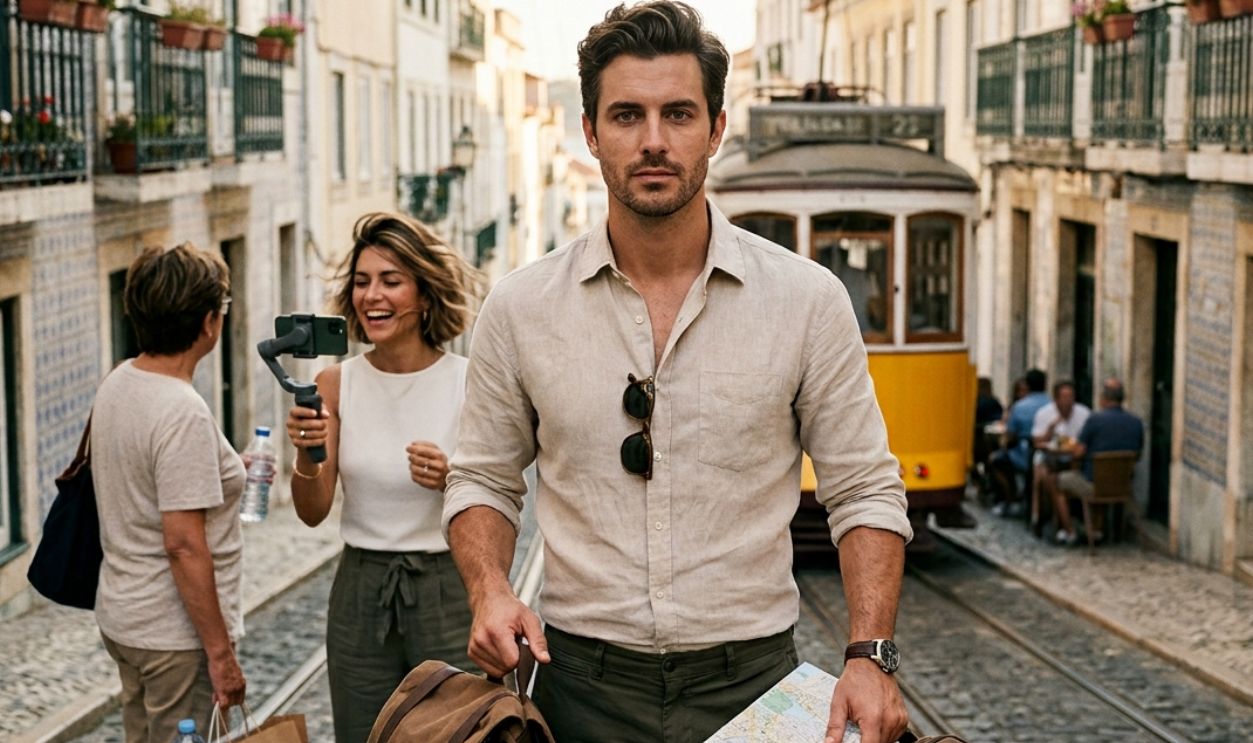
Travel is supposed to be one of the few times people can really be present with family and friends. But when every scenic stop turns into a retake and every meal gets held up for photos, the mood can go bad fast. The issue is bigger than simple annoyance. It is about whether the trip is for connection or for content.
TikTok Helped Push This Into Overdrive
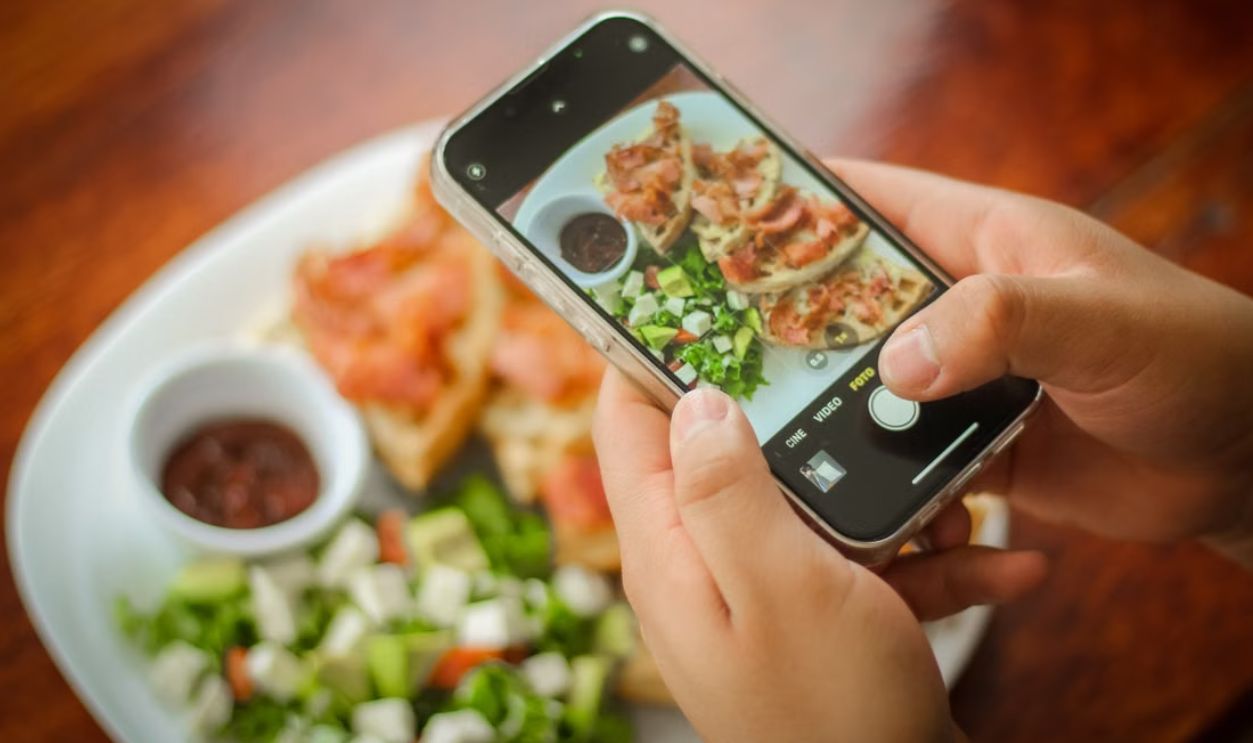
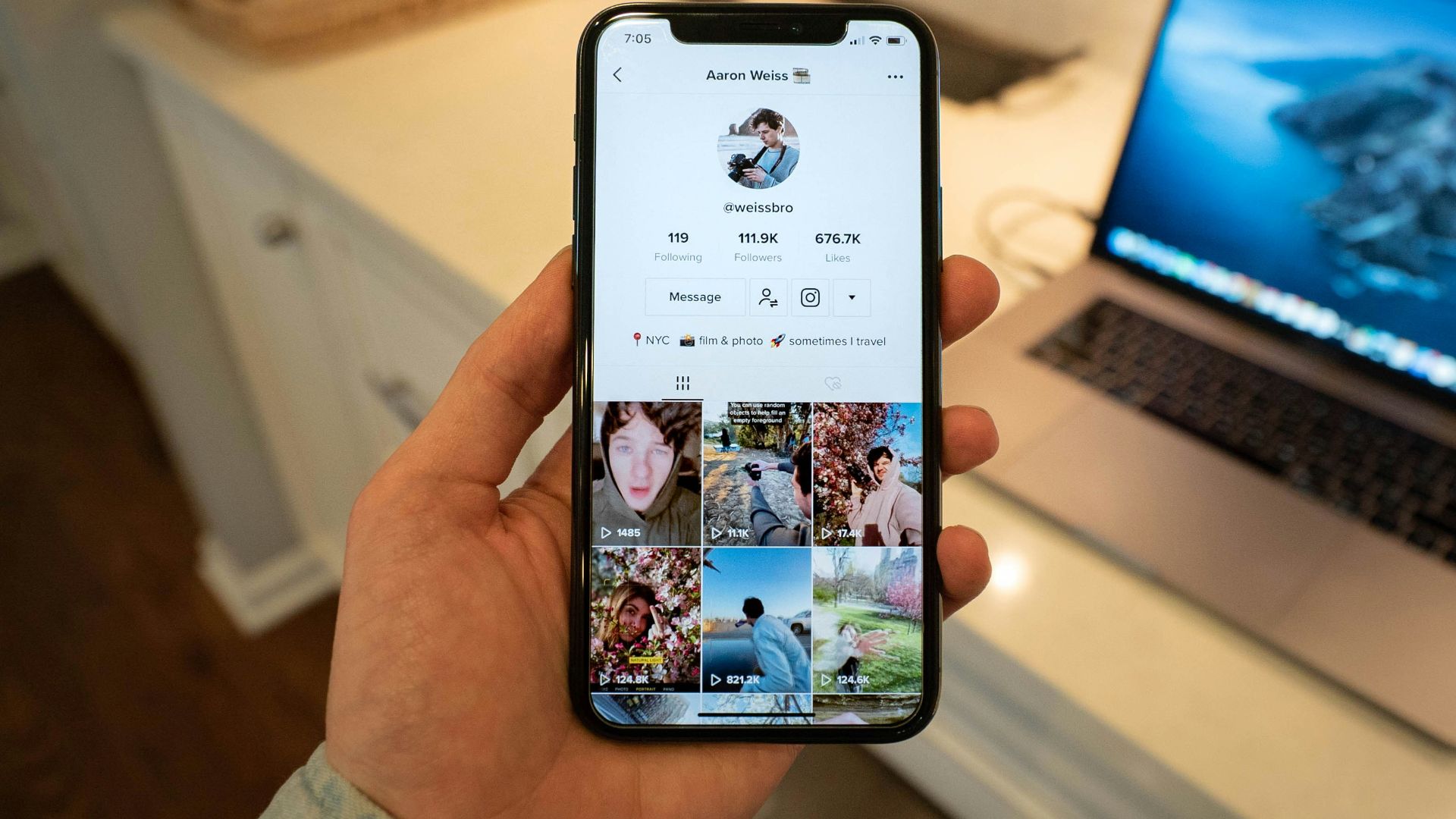
TikTok launched internationally in 2017 after ByteDance merged Musical.ly into TikTok in 2018, and it quickly became a major force in travel inspiration. The app rewards flashy visuals, short clips, and repeatable trends that make destinations look impossible to resist. That has pushed more travelers to treat places like backdrops and vacations like shooting schedules.
Travel Planning Now Starts On Social Media
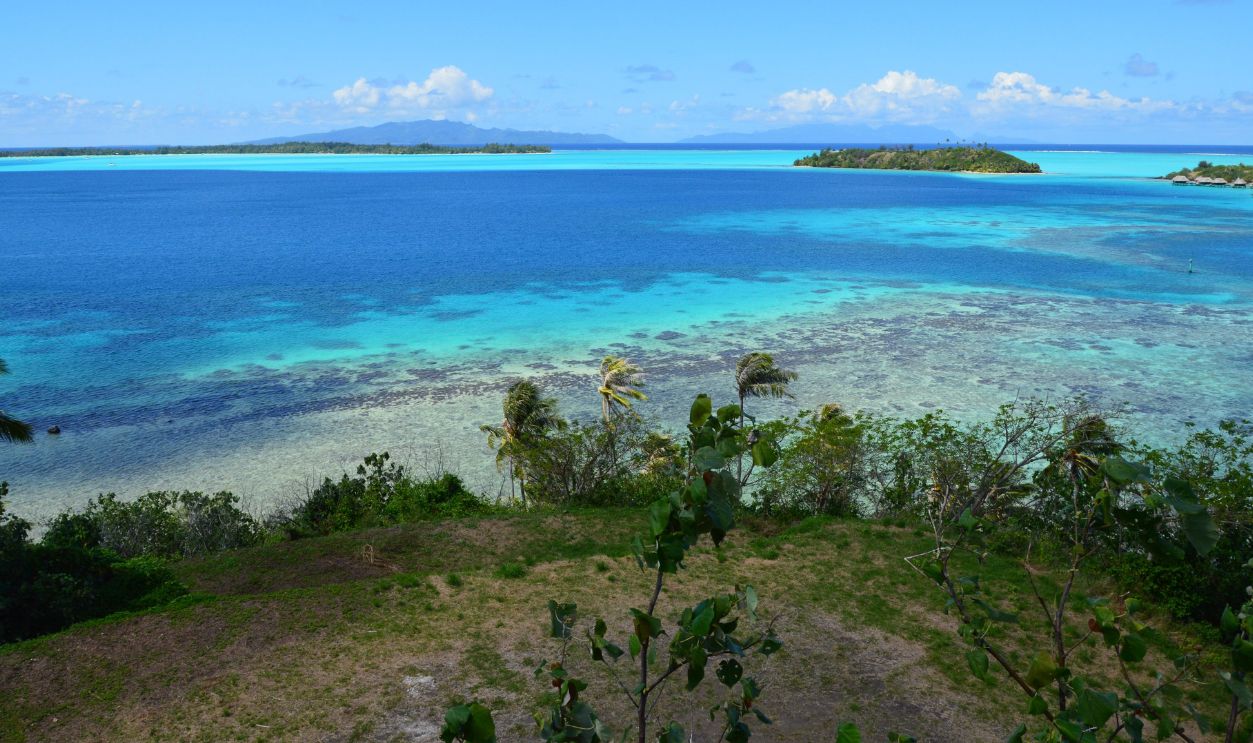
This is not just a vibe. Expedia Group’s 2022 Traveler Value Index found that 38 percent of respondents had booked travel inspired by social media. Once a trip is chosen because it looked amazing in a video, it is easy to feel pressure to recreate that same moment in real life.
Gen Z Feels It Even More
A 2023 survey from Morning Consult for the American Hotel & Lodging Association found that social media strongly shaped younger travelers’ decisions. Among Gen Z adults surveyed, many said online content influenced where they wanted to go and what they wanted to do. That does not mean every young traveler is performing for the algorithm, but it does help explain why filming can feel built into the trip.
Instagram Wrote The Original Script
Long before TikTok, Instagram helped set the modern vacation photo formula after launching in 2010. Fancy breakfasts, infinity pools, and sunset silhouettes became a kind of travel checklist. TikTok just sped things up by turning still-photo envy into fast-moving, algorithm-driven copycat behavior.
There Is A Reason Overtourism Became A Buzzword
As social media pushed certain beaches, neighborhoods, and viewpoints into viral fame, the strain on local places became harder to ignore. The World Tourism Organization and tourism researchers have spent years tracking overtourism and its effects on residents, infrastructure, and heritage sites. Viral travel trends can turn a quiet place into a packed one almost overnight.
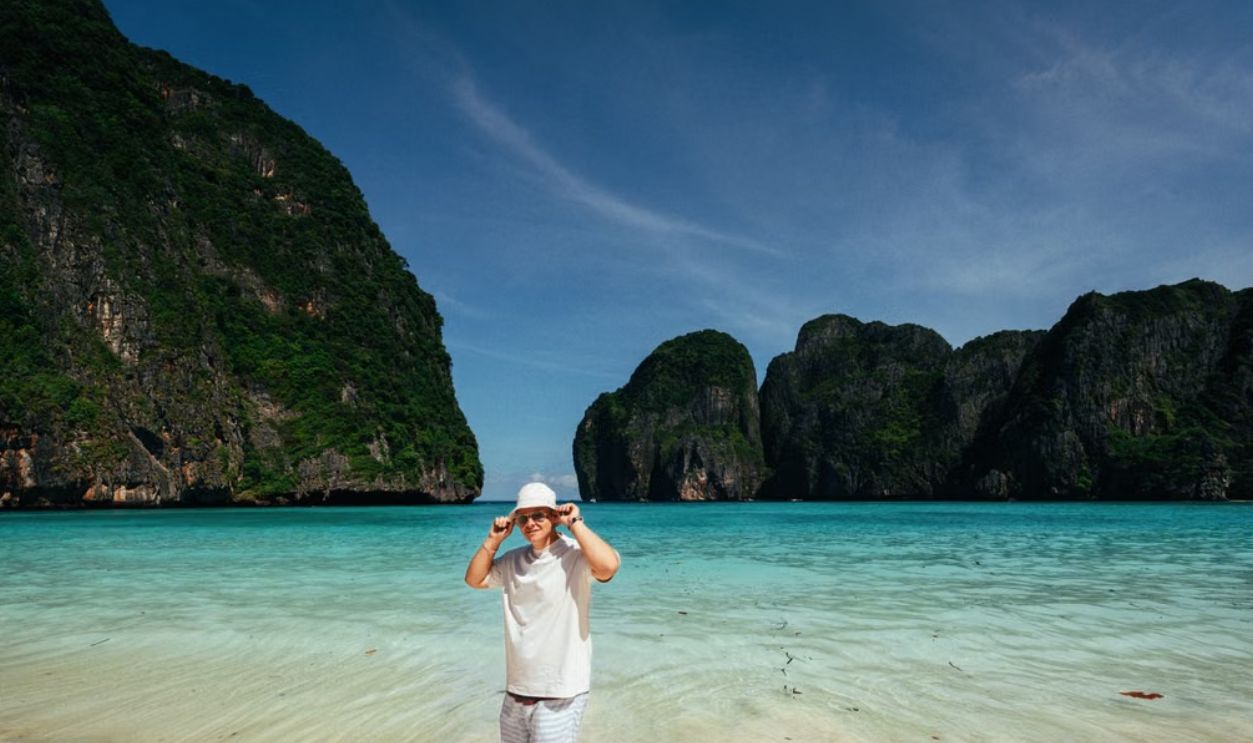
One Viral Post Can Change A Place Overnight
Tourism boards used to control much of the imagery that drove travel demand. Now one creator can send thousands of people to a hidden cove, café, or residential street. Researchers and destination managers have warned that user-generated content can speed up crowding at fragile or unprepared sites.
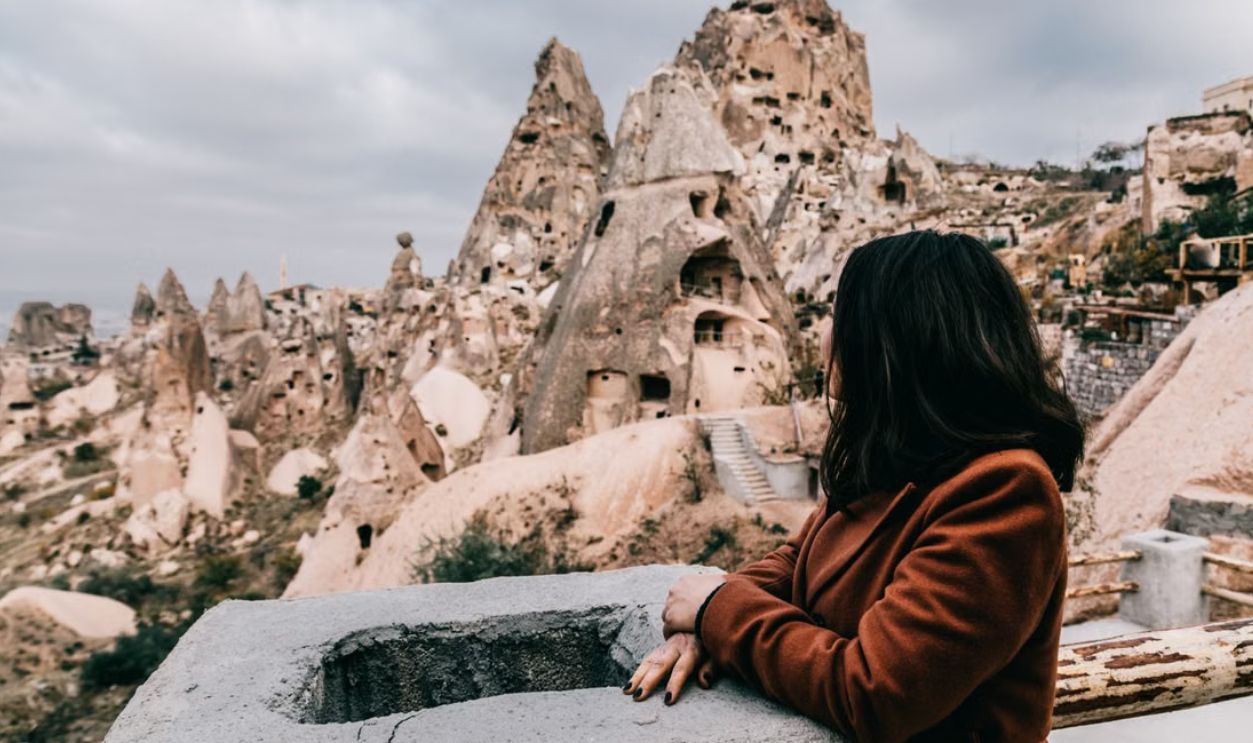
National Parks Are Feeling It Too
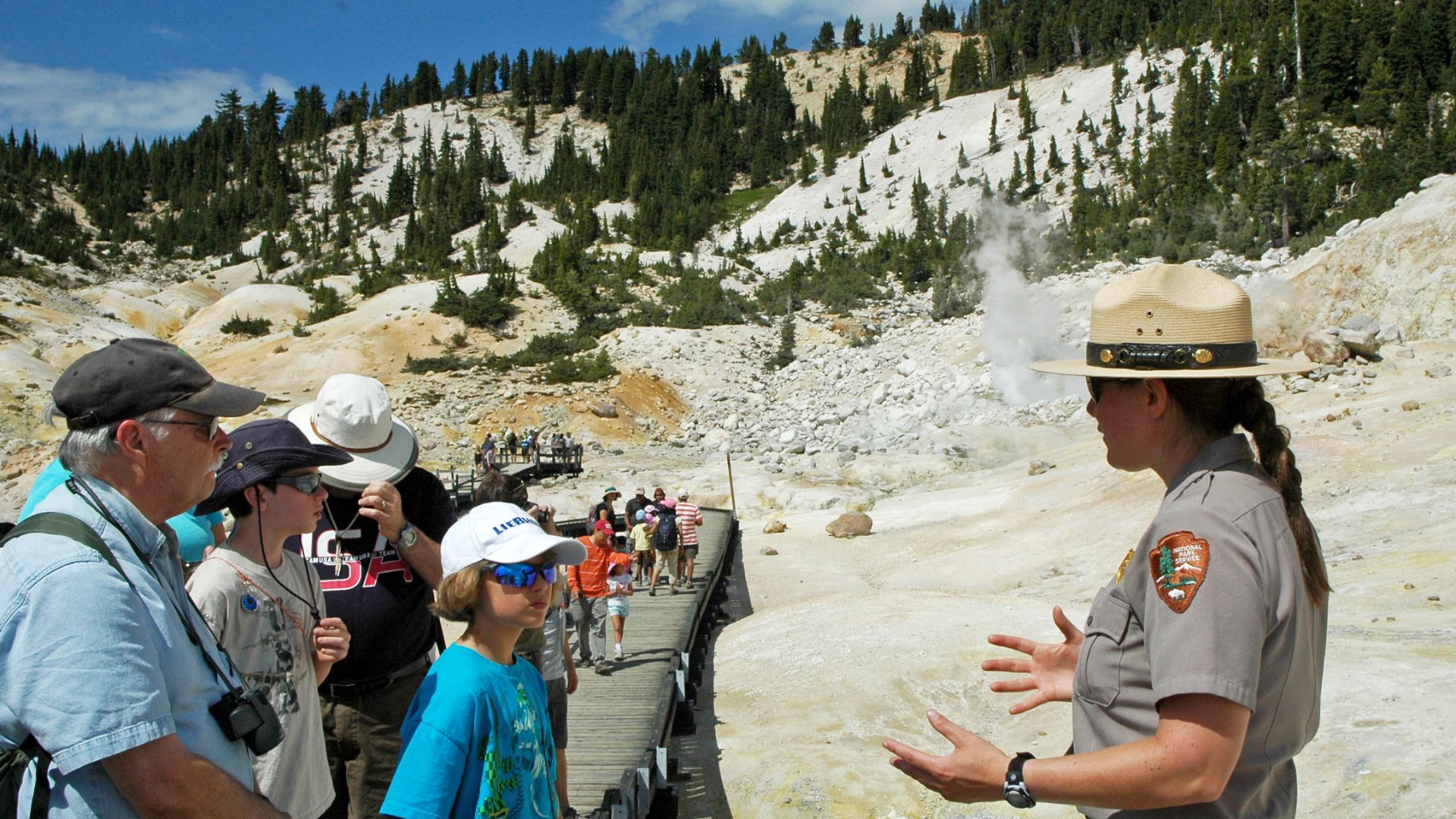
The U.S. National Park Service has repeatedly asked visitors to recreate responsibly as geotagging and viral location sharing draw crowds to sensitive areas. Park officials have warned travelers not to leave trails, damage ecosystems, or risk injury for photos. The message is blunt for a reason. The shot is not worth the rescue.
When The Pose Turns Dangerous
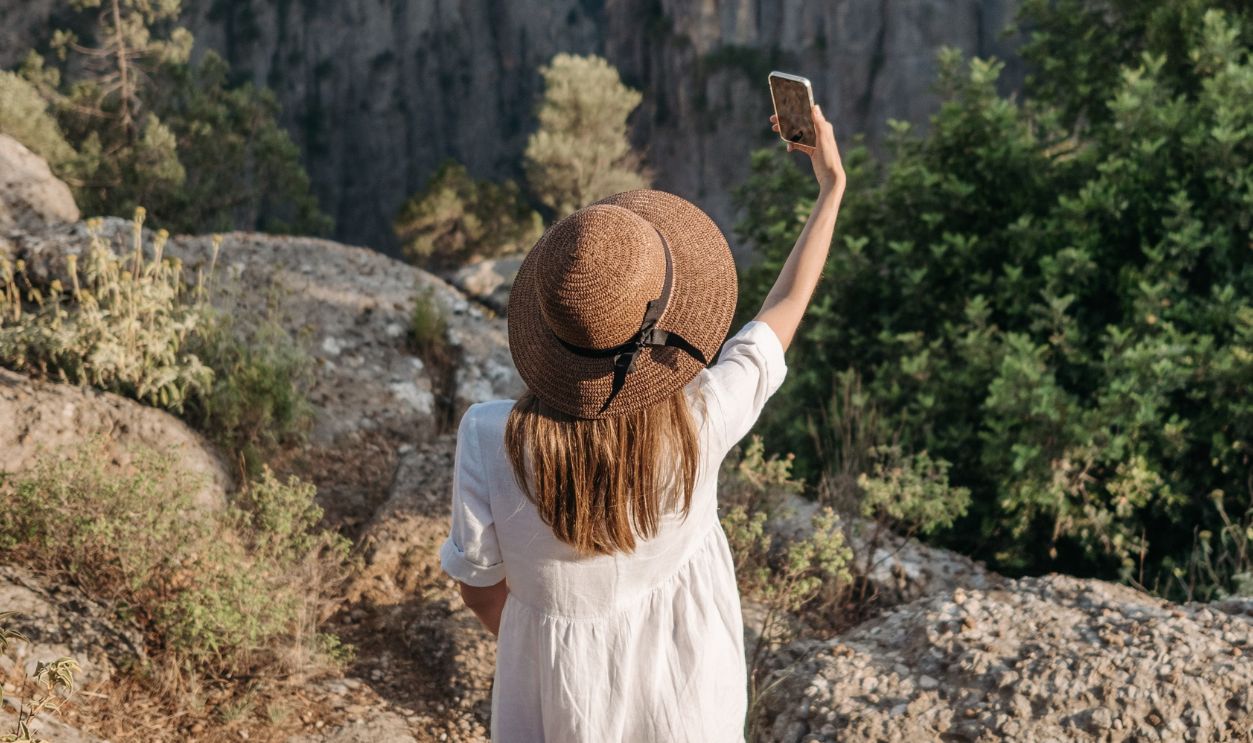
Researchers have studied selfie-related injuries and deaths, especially at cliffs, coastlines, and transport hubs. A widely cited 2018 study in the Journal of Family Medicine and Primary Care counted 259 selfie deaths worldwide between October 2011 and November 2017. The authors found that height, water, and transport were among the biggest dangers.
Some Destinations Have Started Pushing Back
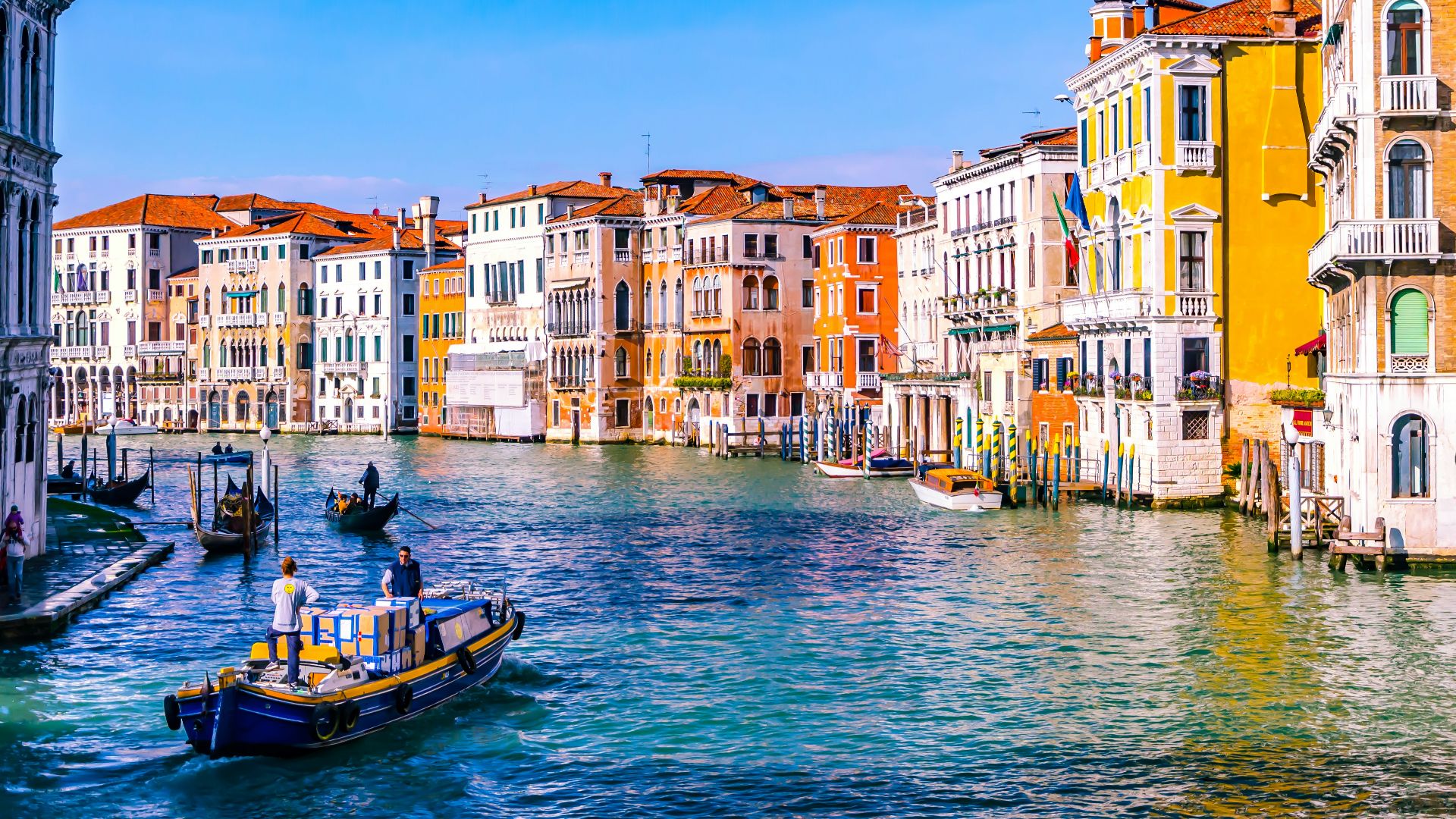
Officials in several heavily visited places have introduced restrictions aimed at crowd control and quality of life. In 2024, Venice began a day-tripper entry fee on certain peak dates after years of debate over overtourism. It was a clear sign that the pressure of mass tourism, amplified by online hype, had hit a political breaking point.
Japan Has Pushed Back Too
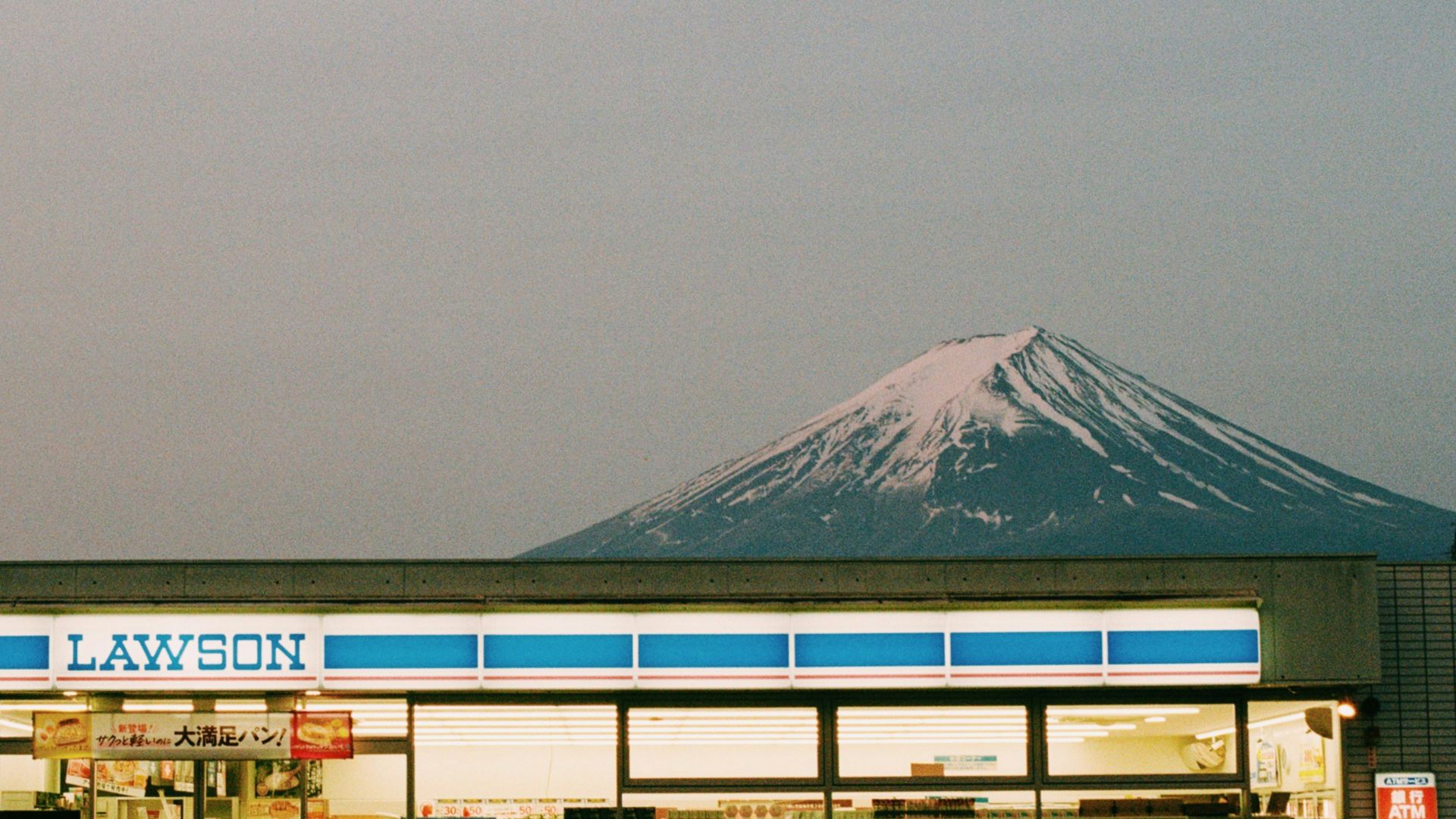
In 2024, local authorities in Fujikawaguchiko installed a large screen near a convenience store with a famous Mount Fuji view after tourists crowded the area for photos. Reporting from major outlets showed the problem was not the mountain itself, but dangerous behavior, littering, and disruption to residents. It was social-media-era travel in one neat image: a beautiful view and a fed-up neighborhood.
Even Museums Are Fed Up
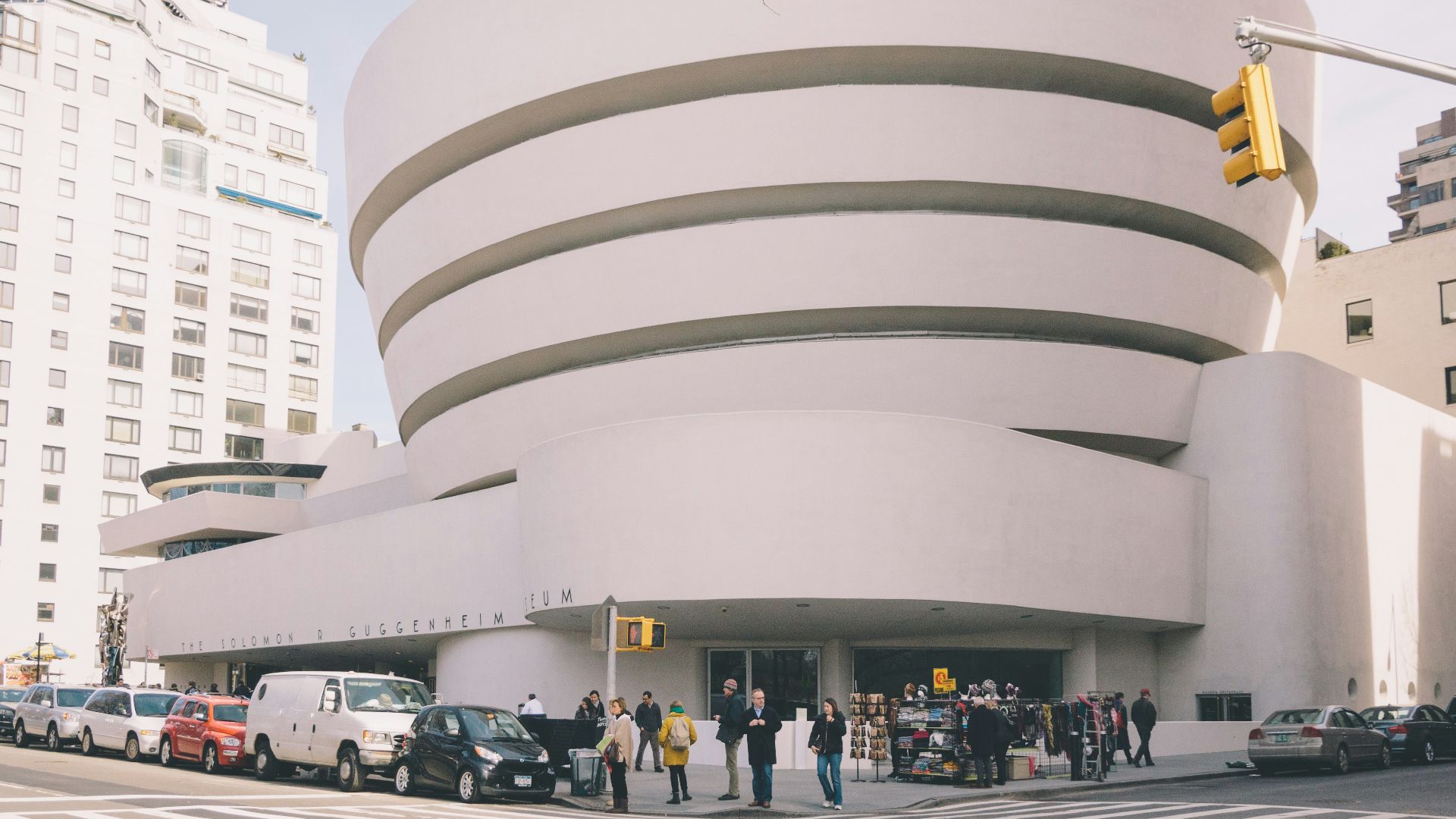
Cultural institutions have had to respond to photo-first behavior too. Some museums and heritage sites limit tripods, selfie sticks, flash, or filming in certain rooms because congestion and object safety are real issues. The goal is not to kill the fun. It is to keep a visit from turning into a slow-moving traffic jam.
The Psychology Is Real
There is a reason the urge to post feels hard to turn off. Social platforms are built around feedback loops of likes, views, comments, and comparison. Travel is perfect raw material because it signals taste, freedom, and status in a few quick seconds.
Trying To Capture Everything Can Make You Miss It
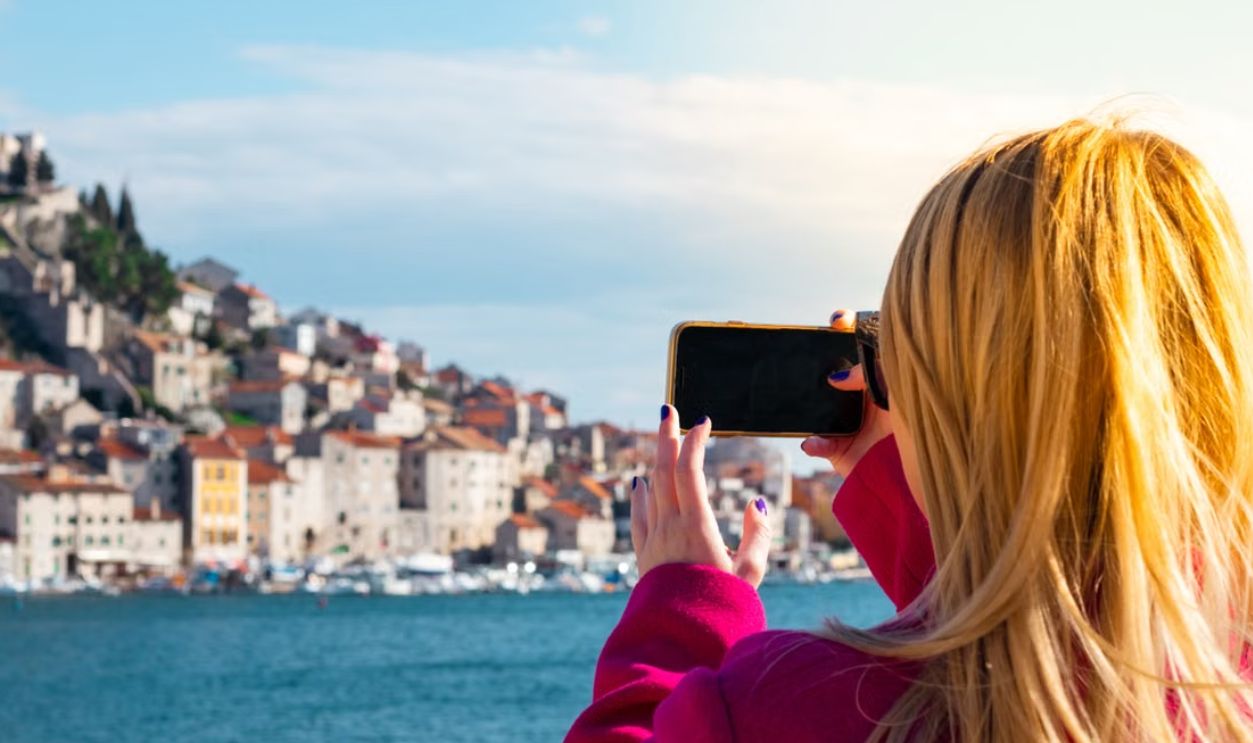
Researchers have long studied how photographing experiences affects memory, with mixed findings depending on attention and intention. A 2014 study by Fairfield University’s Linda Henkel found that people remembered fewer details about museum objects they had photographed than objects they had simply observed. In plain English, trying to record everything can sometimes make you experience less.
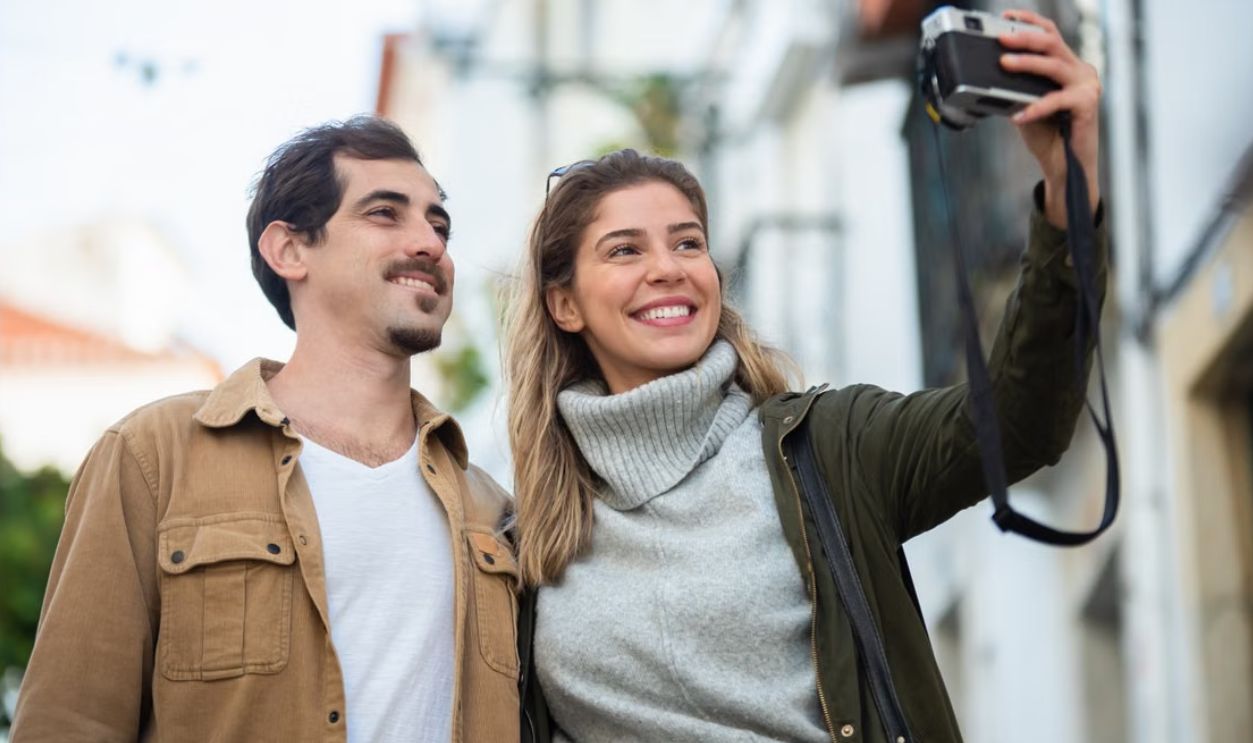
But Social Media Is Not All Bad For Travel
It would be too easy to say phones ruined vacations and stop there. Social platforms help travelers find lesser-known destinations, small businesses, accessibility tips, safety updates, and cultural context from people who have actually been there. For many creators, documenting trips is work, creativity, or both, not just showing off.
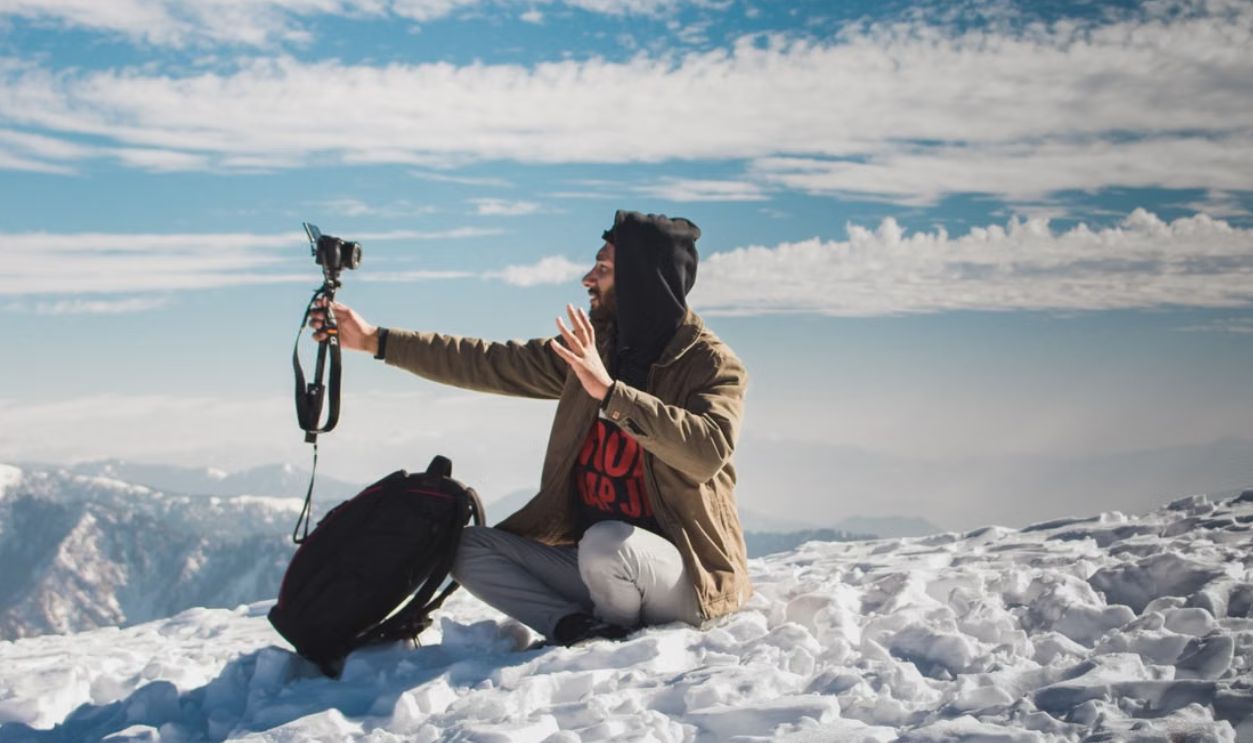
Creators Can Help Small Businesses
Restaurants, boutique hotels, guides, and local shops can all benefit when a creator shares them with the right audience. Tourism boards now actively work with influencers because the marketing effect is measurable and often cheaper than traditional campaigns. The problem is not content itself. The problem starts when the whole trip begins serving the content instead of the other way around.
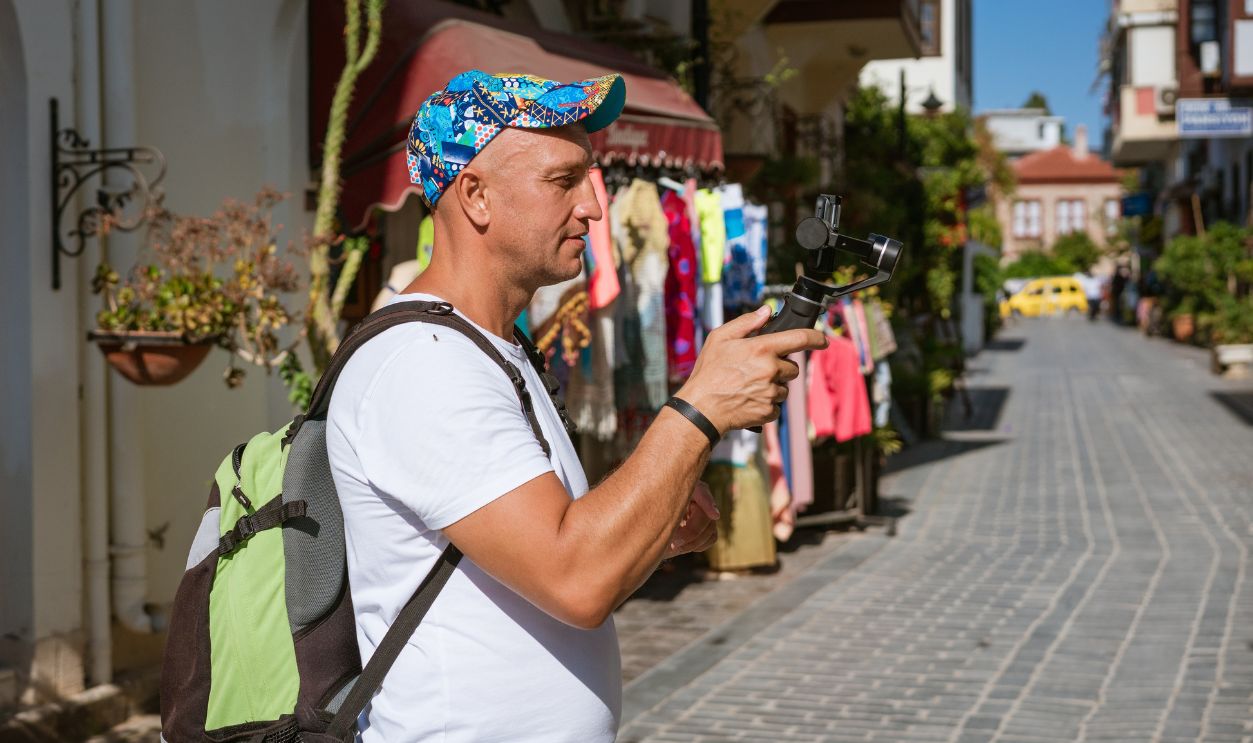 Pereslavtseva Katerina, Shutterstock
Most Family Fights Start With Timing
Most travel arguments about filming are not really about one photo. They build up from repeated delays and mismatched expectations. One person wants to wander. Another wants the golden-hour shot. Suddenly a relaxing afternoon turns into a tense debate over retakes.
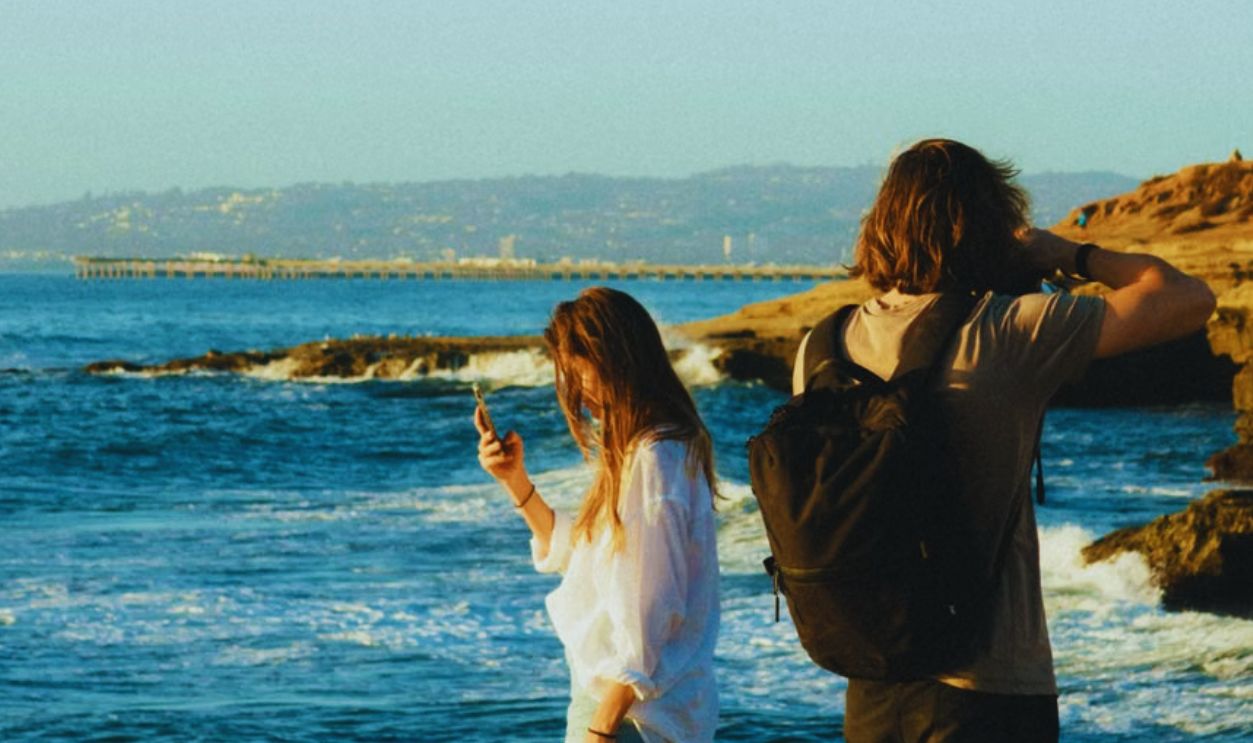
Talk Before You Even Leave
If you know someone in your group loves filming, have that conversation before the airport coffee. Decide how much time each day can realistically go to content creation and which moments are off limits. It is a lot easier to agree on boundaries ahead of time than to snap at each other in front of a waterfall.
Set Content Windows
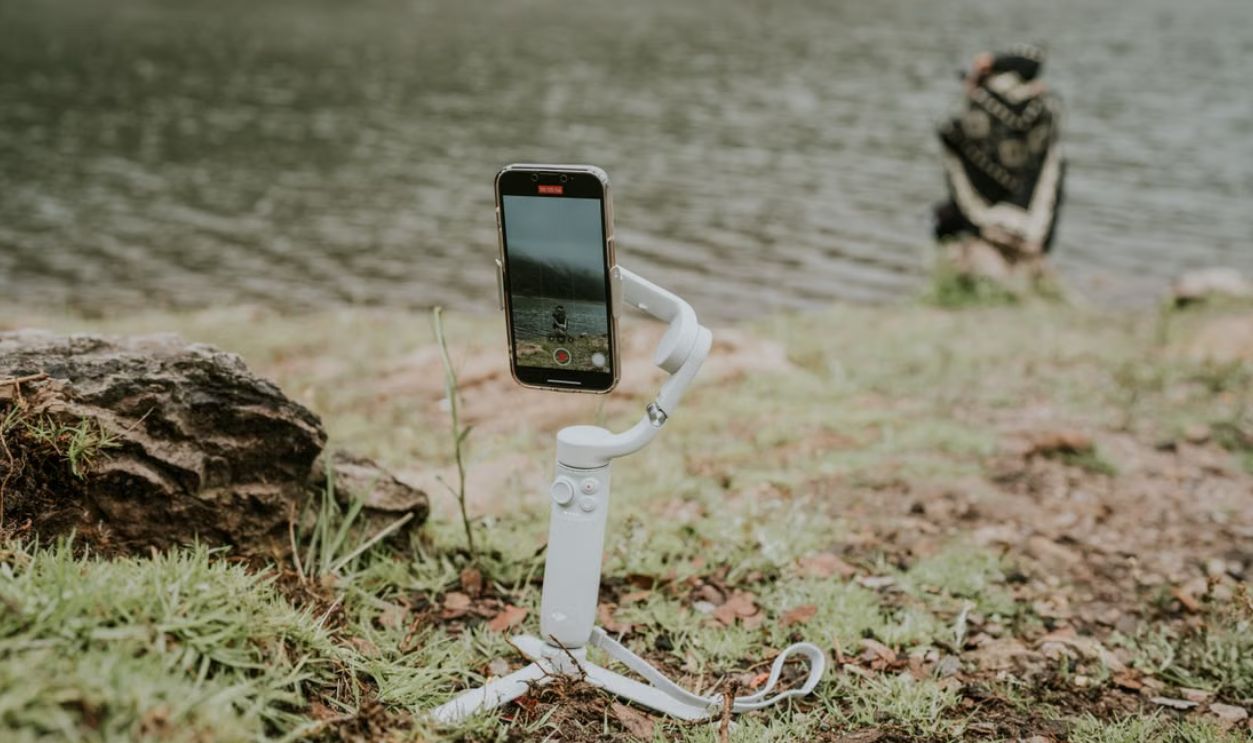
A simple rule can save a lot of resentment. Try setting one or two dedicated content windows each day, maybe 30 minutes in the morning and 30 minutes near sunset. That gives the creator time to shoot while protecting the rest of the day for the actual vacation.
Pick One Great Shot And Move On
This sounds obvious, but it works. Agree that each stop gets one strong photo or video idea instead of 27 versions of the same twirl, sip, or slow walk. A limit pushes people to be more creative and keeps everyone else from waiting around forever.
Build In Phone-Free Moments
Meals, boat rides, spa time, and certain views are perfect for no-filming periods. You still get memories, but you also get conversation and real attention. A lot of travelers find that the moments they remember best are the ones nobody tried to package.
Respect The Place, Not Just The Feed
Responsible travel matters even more in the social media era because one person’s clip can bring a crowd tomorrow. Do not block sidewalks, trespass for angles, climb barriers, or geotag fragile spots that cannot handle extra traffic. If locals are clearly frustrated, that is not background noise. That is part of the story.
Be Careful With Children And Strangers
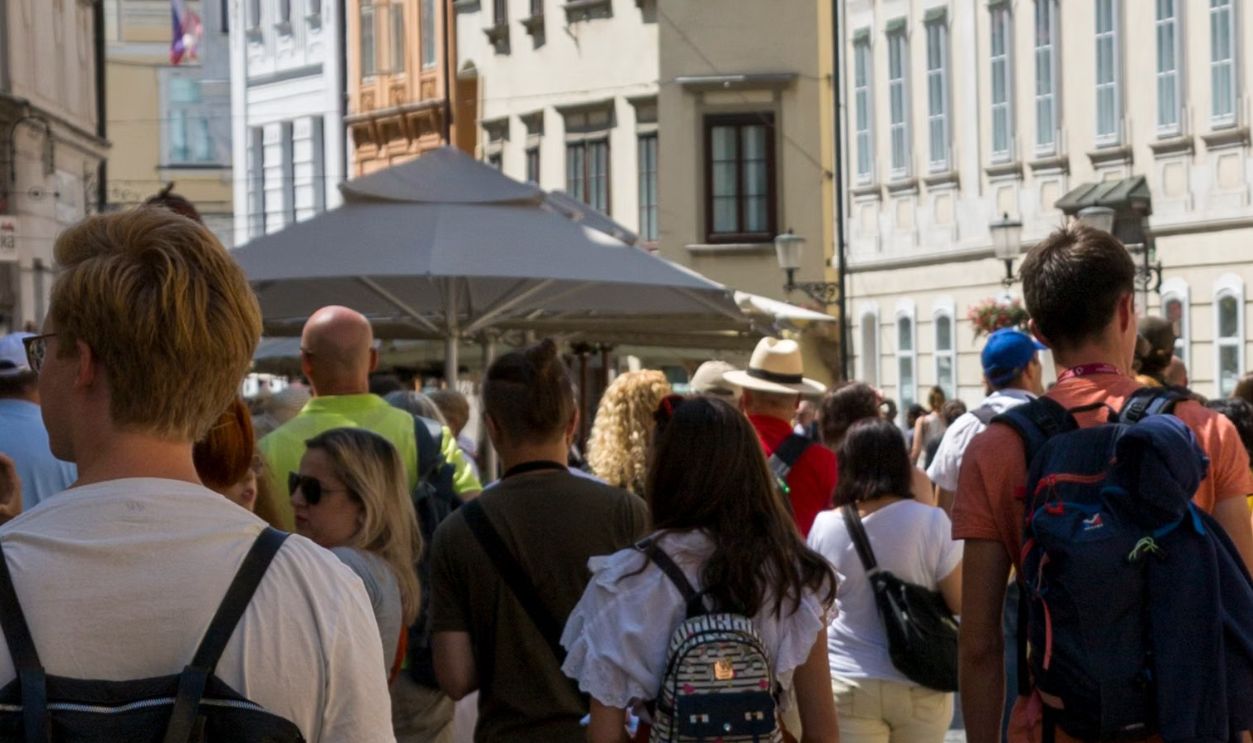
Filming in public can easily capture people who did not agree to be in the shot, especially at pools, beaches, and family attractions. That raises privacy concerns and can lead to uncomfortable confrontations. A good vacation rule is simple: keep the camera on your own group unless permission is clear.
If Content Is Part Of The Job, Say So
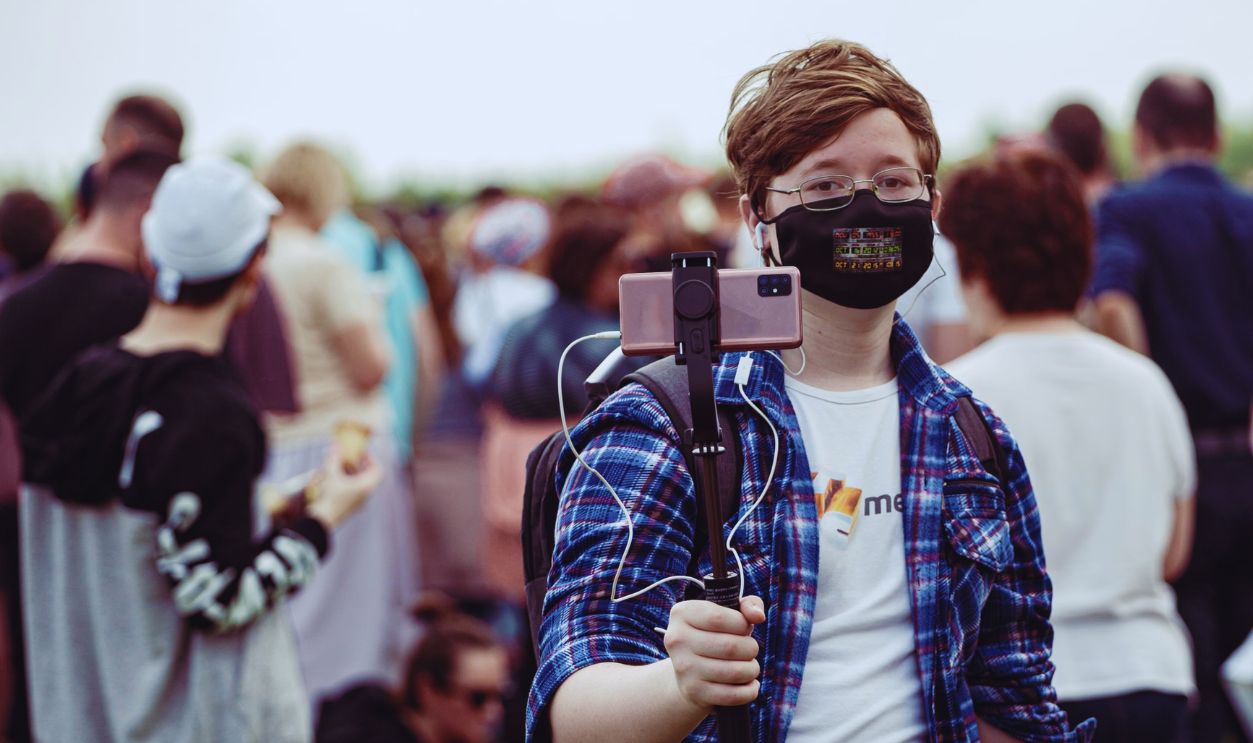
Some travelers really are working while they travel. If that is the case, be upfront about it and plan the trip around that reality. A blended trip can work, but only if everyone knows when that person is on assignment and when they are off the clock.
So Has Social Media Made Travel Unbearable
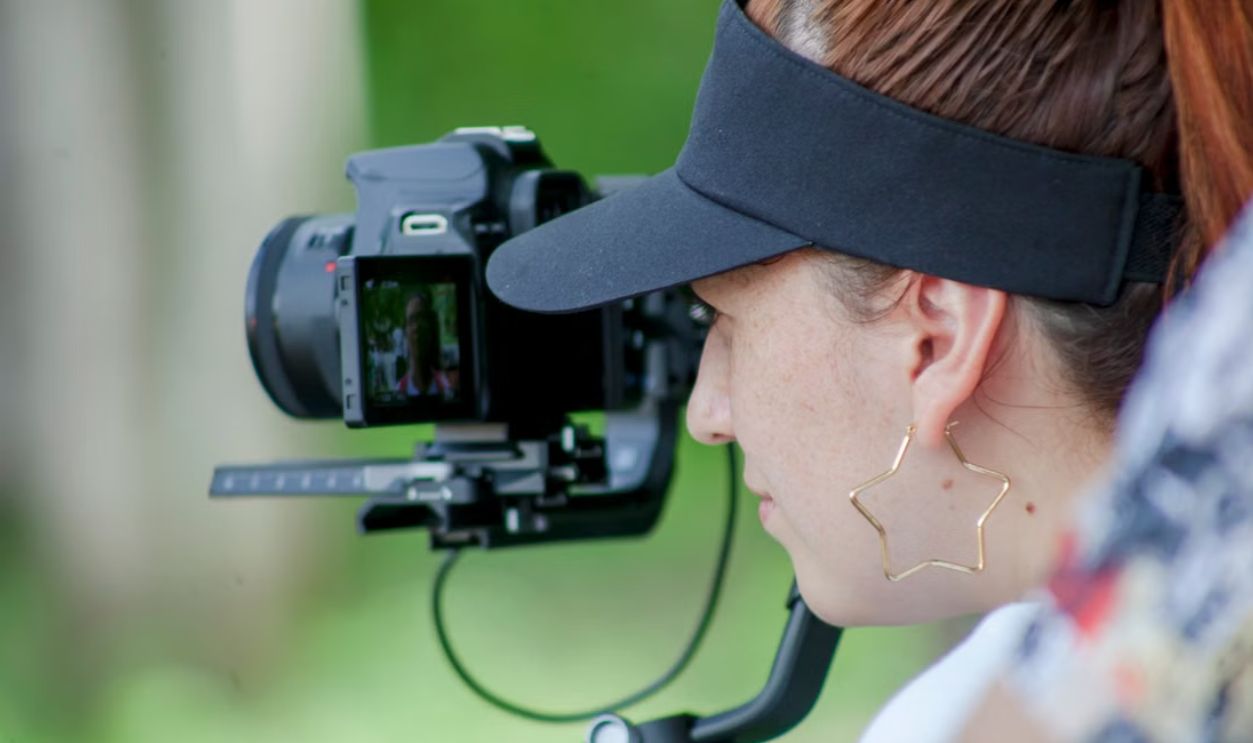
Not automatically. But it has made bad travel habits more visible, more performative, and more likely to hijack group dynamics. The same tools that inspire amazing trips can also flatten them into a checklist of shots, captions, and reposts.
The Real Question Is Who The Trip Is For
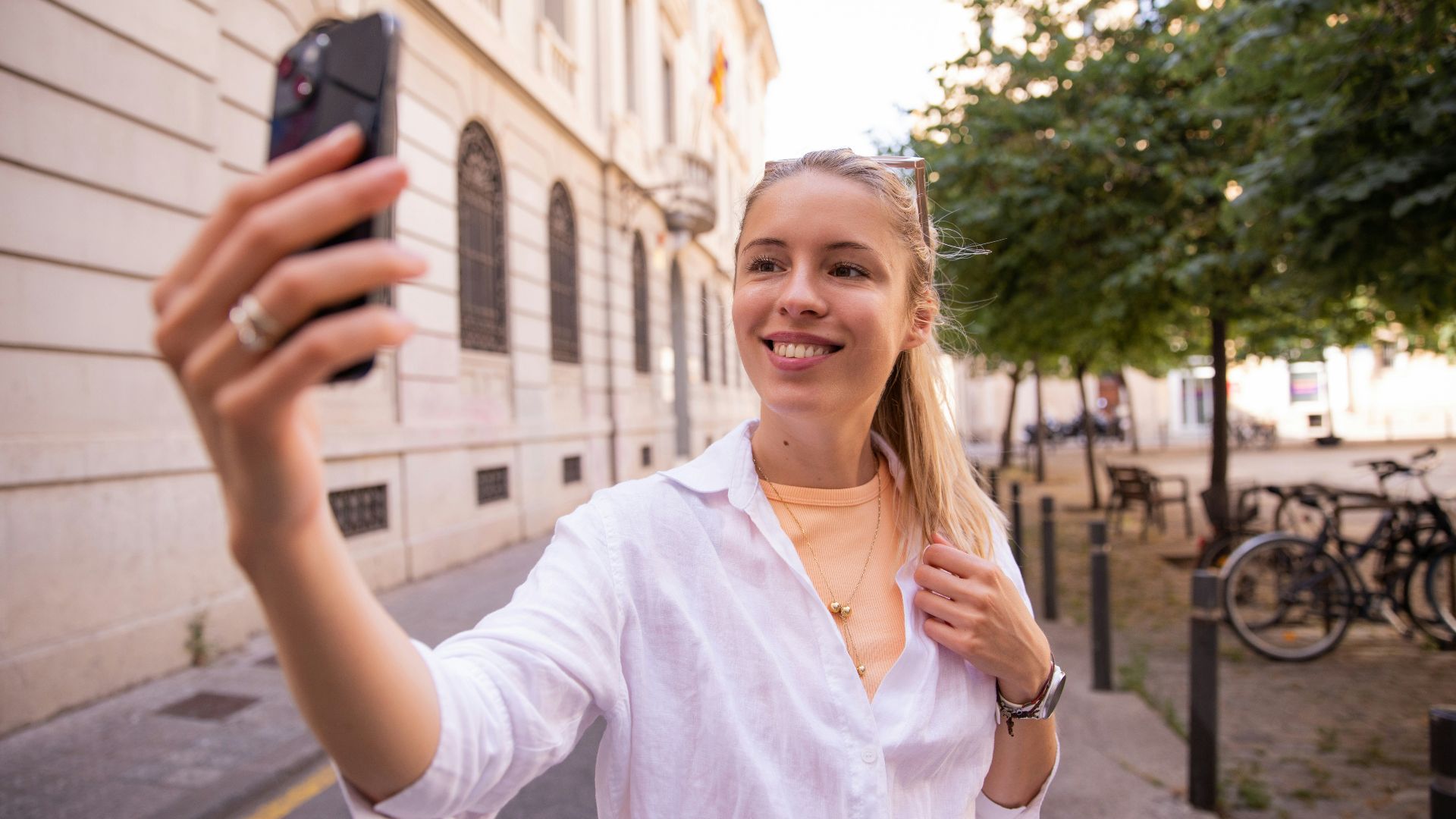
If your vacation starts feeling like unpaid production support for someone else’s TikTok, your frustration makes sense. The best trips usually find a balance between documenting the experience and actually living it. The best souvenir is still the one thing no app can fake: the feeling that you were truly there.