
The Cruise Fight That Feels Bigger Than A Vacation
A family cruise sounds easy: sunny decks, buffet dinners, and a few days to relax. But for a lot of families, the real stress starts before the ship even leaves port. If one sibling assumes everyone else will take turns babysitting so she and her spouse can have date nights, the question gets tense fast: is this still a vacation, or did other relatives just get handed unpaid childcare?

Why This Scenario Hits Such A Nerve
This is not really about one dinner or one show. It is about expectations, consent, and whether a family trip comes with hidden work. Cruise lines and travel experts make it pretty clear that cruises often have kids' programs and babysitting options, so childcare does not have to land on relatives by default.

What Cruise Lines Actually Offer Families
Major cruise lines sell heavily to families, and onboard childcare is a big part of that pitch. Royal Caribbean, Carnival, Disney Cruise Line, and Norwegian all promote youth clubs or supervised activities for kids, though the age rules and hours vary. That matters because it weakens the idea that grandparents, siblings, or cousins are supposed to cover every evening.

Royal Caribbean Has Structured Youth Programs
Royal Caribbean’s Adventure Ocean program has age-based spaces and activities for kids, and the line also lists babysitting and nursery-related options depending on the ship and the child’s age. Parents are expected to check their specific ship before sailing because details can change. The bigger point is simple: date-night planning belongs with the parents first, not with relatives who never signed up for it.
 Felix Mizioznikov, Shutterstock
Carnival Also Builds Child Care Into The Family Pitch
Carnival’s Camp Ocean is one of the line’s main family features, with supervised activities split up by age group. Carnival also provides information on Night Owls babysitting services on many ships, which are meant for evening care. Put plainly, there is already a paid and organized option for parents who want time without the kids onboard.

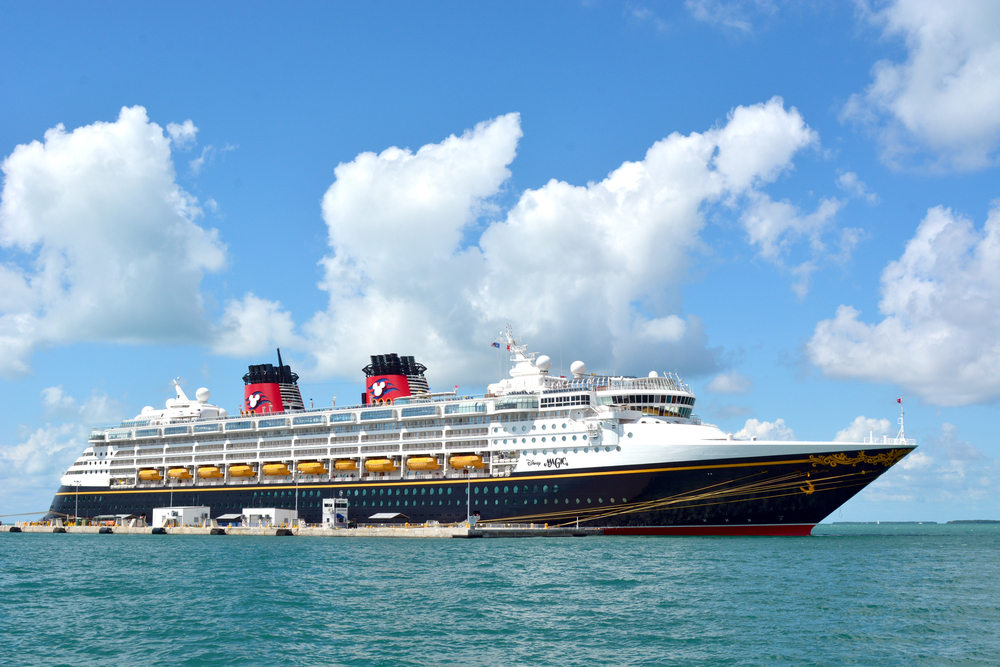
Disney Cruise Line Makes Family Logistics A Selling Point
Disney Cruise Line promotes children’s clubs, nurseries for younger kids on select ships and sailings, and adult-only spaces for parents who want a break. Disney’s family image can make everything look effortless, but childcare still comes with rules, age limits, and reservations. The takeaway is that family cruising runs on planning, not on last-minute assumptions that an aunt or uncle will step in.
Norwegian Sells Freedom, Not Forced Family Shifts
Norwegian Cruise Line also promotes youth programs and group babysitting options on many ships. The company frames this as part of a flexible vacation where adults can enjoy dinners, shows, and nightlife while kids stay in supervised programs. That setup makes one thing clear: cruise lines know parents want alone time, and they already offer services for it.

Why Assumptions Cause More Drama Than Requests
The trouble usually starts when childcare is treated like a given instead of a favor. A request gives relatives room to say yes or no without guilt. An assumption turns the trip into a work schedule, and that is when resentment can spread through a family fast.

A Vacation Is Supposed To Include Choice
Most adults do not mind helping once or twice if they are close to the kids and get enough notice. What they push back on is losing control of their own free time after paying thousands for a shared trip. If every evening comes with a babysitting shift, the cruise stops feeling like a holiday and starts feeling like a job.

Experts Often Warn Against Unclear Group Travel Expectations
Travel advice from major publishers often says the same thing: talk through budgets, schedules, and responsibilities before a group trip starts. That includes childcare, dining plans, excursions, and how much time people are actually expected to spend together. Families that skip that talk often find the real conflict only after the deposits are paid.

Money Changes The Temperature Fast
If relatives are paying their own fare, they are usually paying for leisure time, not signing up to become onboard caregivers. If the parents are covering another adult’s cruise fare specifically in exchange for childcare, that is a different deal, but it needs to be said out loud. No one should have to guess whether a “gift” comes with job duties.

Why Date Nights Are Reasonable But Not Automatically Shared
There is nothing strange about parents wanting time alone on vacation. Cruise lines practically build evenings around that idea, with adult-only restaurants, bars, shows, and spa packages. What is unfair is acting like relatives are the built-in fix without asking whether they want that role.

Family Cruises Already Come With Child Friendly Built Ins
Many ships already offer kids’ clubs, family entertainment, early dining, and cabin setups meant to make traveling with children easier. Some lines also provide in-room babysitting through third parties on select sailings or offer paid group care in the evening. Parents may still need to book early, but the setup is there.

The Best Question To Ask Before Booking
Before anyone puts down a deposit, ask one direct question: what exactly is everyone expecting from each other on this trip? That one question can cover meals, excursions, splitting bills, cabin locations, and childcare. It may feel awkward for a minute, but it is much less awkward than a fight on day two because someone missed the comedy show while watching toddlers.

Set The Terms In Plain English
If you are willing to help, say exactly what that means. You might agree to one evening, one afternoon during a shore excursion, or only emergency backup if the ship’s kids’ program is full. A vague promise to “help with the kids” is where a lot of cruise arguments begin.
 Filip Rankovic Grobgaard, Unsplash
Boundaries Work Better Than Passive Resentment
It is better to say no before sailing than to keep saying yes and quietly stew about it. Clear boundaries protect relationships because they cut down on scorekeeping later. A sibling may be disappointed, but disappointment is easier to deal with than open bitterness halfway through a seven-night trip.

If You Want To Help, Put A Limit On It
Some travelers really do not mind giving parents one special evening off. In that case, the healthiest move is to choose the time yourself and set clear limits. For example, offering to watch the kids from 6 p.m. to 9 p.m. on one sea day is generous, easy to measure, and much less likely to grow into something bigger.

If You Do Not Want To Help, Say It Early
You do not need a big speech to turn down unpaid childcare on your own vacation. A simple response works: “I’m excited for the cruise, but I’m not available for babysitting, so please book the kids’ club or another option.” That kind of answer is clear, firm, and hard to misunderstand.

Parents Should Check Ship Specific Rules Before Promising Themselves Freedom
One practical catch is that not every ship has the same services, hours, or age minimums. Parents who assume nightly childcare exists on every vessel can end up scrambling after they board. Cruise line websites repeatedly say that offerings vary by ship and sailing, which is why checking ahead matters so much.

Reservations Matter More Than Many First Time Cruisers Realize
Some nurseries and paid babysitting programs have limited space and may require reservations. Popular evening times can fill up, especially during school breaks or on family-heavy routes. If parents wait too long and then lean on relatives as the backup plan, that is still a planning problem, not a family duty.

There Is Also A Difference Between Helping And Parenting
Watching kids for an hour while their parents grab dessert is one thing. Taking over bedtime, bathroom breaks, meltdowns, and nightly supervision on a rotating schedule is something else completely. Families usually do better when they admit that childcare is work, even when it is done with love.
 https://kaboompics.com/, Pexels
Why This Feels Especially Loaded On A Cruise
On a land vacation, adults can often split up more easily or stay in separate places. On a cruise, everyone is in the same floating bubble, with set meal times, nearby cabins, and fewer ways to escape tension. That makes unspoken expectations feel bigger and harder to dodge.
Grandparents And Child Free Relatives Often Get Targeted First
In many families, the people without young children get treated like they must be more available. But free time is not the same as volunteered time. Whether someone is single, child-free, retired, or just more flexible, they still get to decide how to spend the vacation they paid for.

A Fair Compromise Is Possible
If everyone wants the trip to go smoothly, there is a middle ground. Parents can book the ship’s youth programs, pay for any babysitting services that are available, and ask relatives for one optional night of help instead of assuming several. That keeps the trip feeling shared without quietly turning one side of the family into staff.

The Most Practical Rule For Family Cruise Peace
No one should be assigned childcare without clearly agreeing to it. That is fair to parents, fair to relatives, and in line with how cruise lines set up their own family services. A vacation can include kindness and flexibility, but it should not depend on unpaid work that was never freely offered.

So Is It A Vacation Or Unpaid Childcare
If the babysitting is optional, limited, and agreed to ahead of time, then it is just one family member doing another a favor. If it is expected, built around the parents’ social plans, and treated like part of everyone else’s role on the ship, it starts to look a lot more like unpaid childcare. The difference is not the ship, the itinerary, or even the kids. It is consent.