Summer Makes Dress Codes Feel Especially Ridiculous
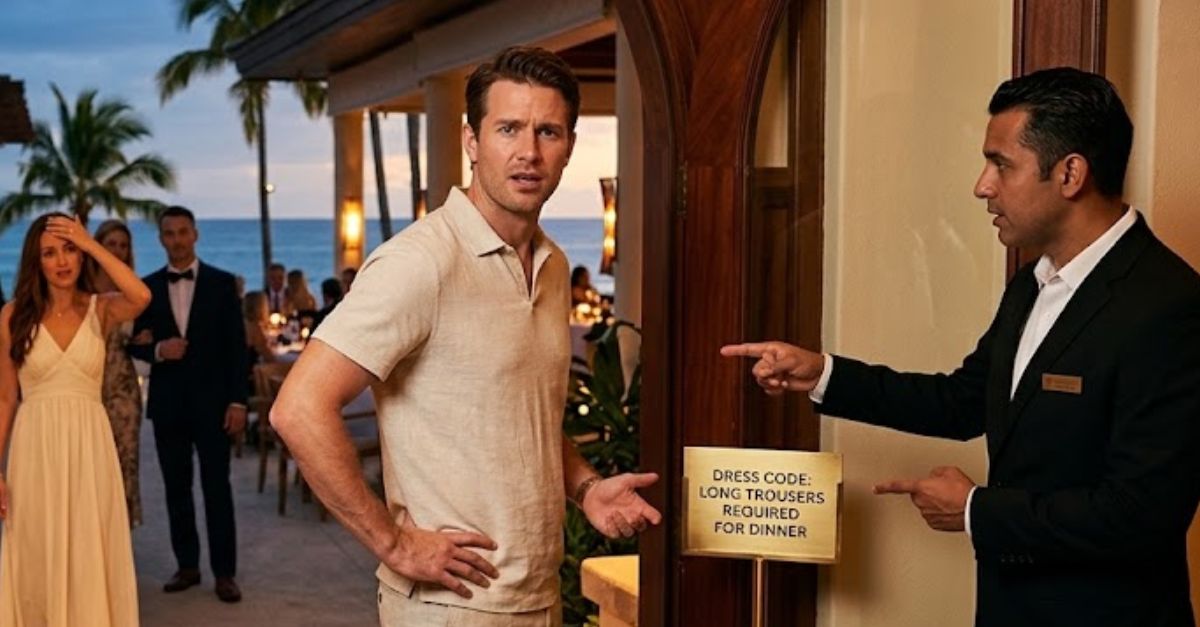
You pack linen shirts, sandals, and light vacation clothes, then dinner rolls around and the nice hotel you booked has other plans. If you're hot, tired, and hungry, and you get turned away from the restaurant for not wearing pants? At the hotel where you're spending thousands? Being mad makes sense. But being mad doesn't mean i.
Private Hotels Usually Get To Make Their Own Rules
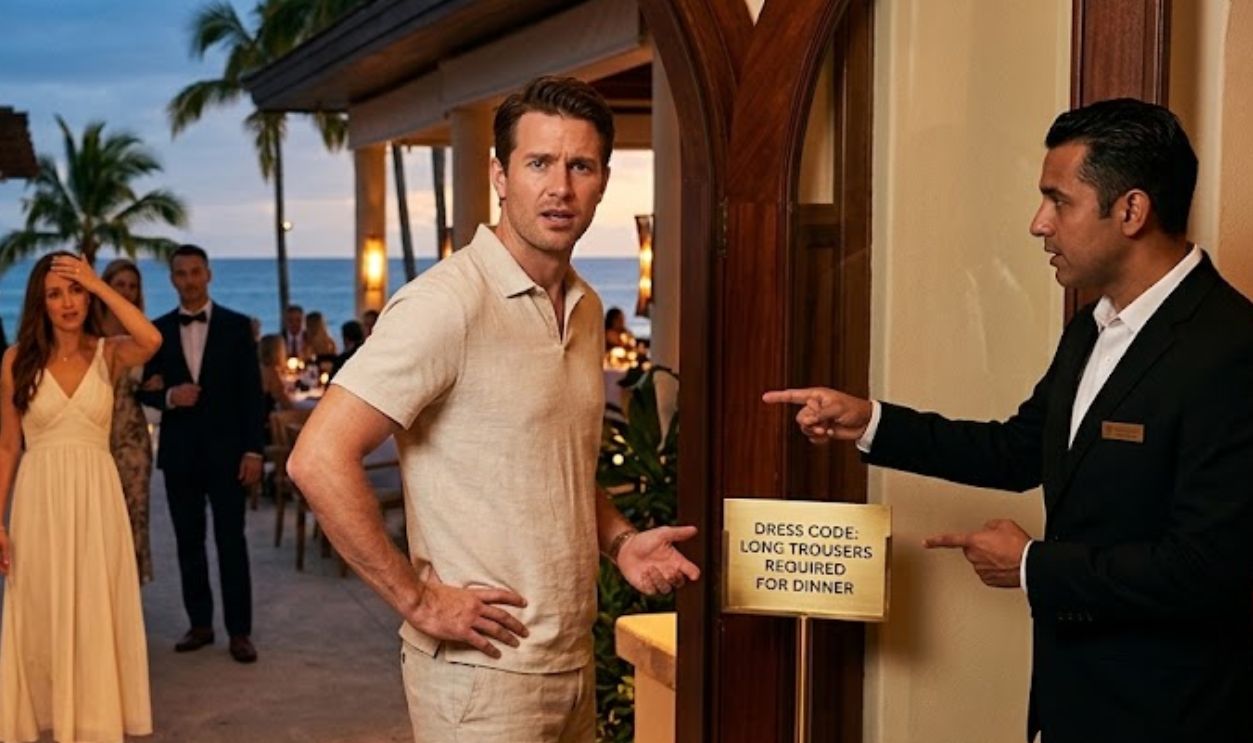
Luxury resorts are usually private businesses, which gives them a lot of room to set dress codes for restaurants and shared spaces. If the rules are clearly posted and treated as a condition of entry or service, they are often legal. That is especially true when the rule applies to a fine-dining restaurant rather than basic access to your room.
Booking A Room Does Not Mean You Can Enter Every Venue However You Want
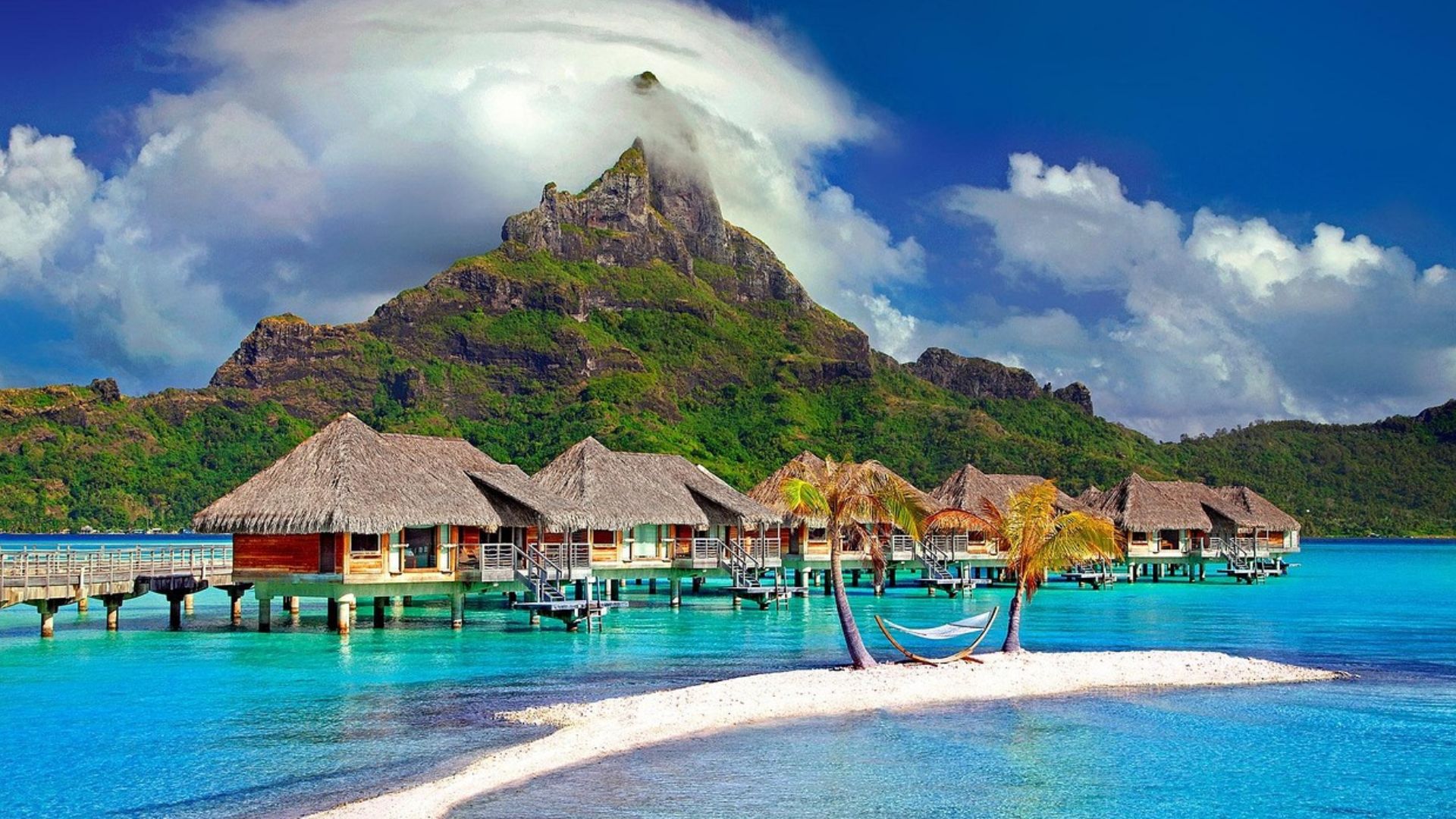
When you book a stay, you are not automatically promised access to every restaurant, lounge, or club on the property under whatever conditions you prefer. Hotels often treat some spaces as separate experiences with their own standards. So a guest can be welcome at the resort overall but still be turned away from dinner for breaking the dress code.

Luxury Dining Still Loves Dress Codes
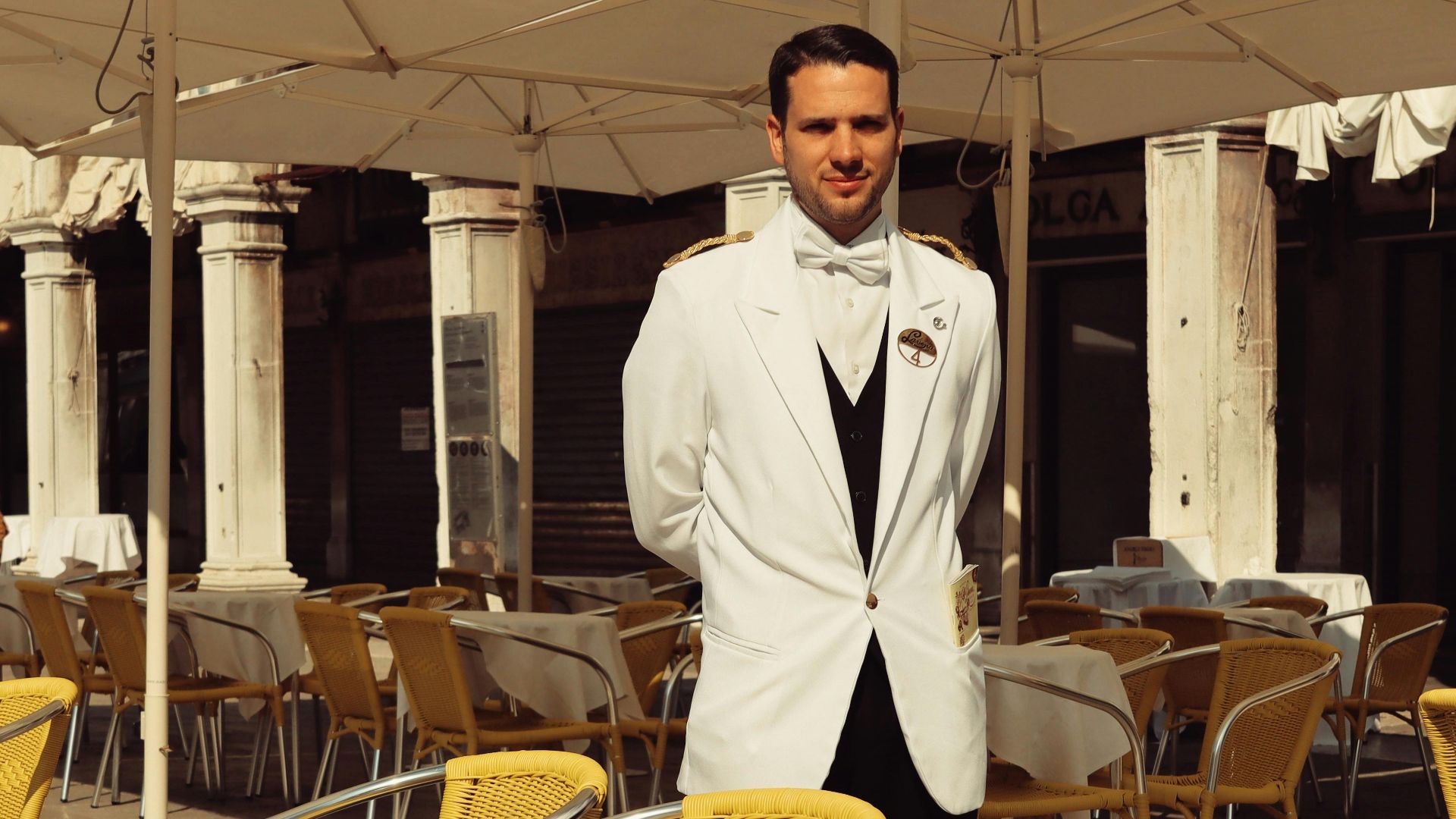
Many upscale hotels still use labels like “resort elegant,” “smart casual,” or “evening chic” for dinner. In real terms, that often means collared shirts, closed-toe shoes, and long pants for men. The wording sounds polished, but the rule itself is pretty simple.

Hot Weather Usually Does Not Change The Rule
A 95-degree night might seem like a good reason to swap trousers for nice shorts. But unless the hotel changes its policy, heat alone usually does not cancel the requirement. Resorts in the Caribbean, Mexico, the Middle East, and tropical parts of Asia have all kept formal evening dress rules at some restaurants despite the climate.

One Major Resort Brand Says Fine Dining Can Require Trousers
Sandals Resorts says this plainly in its dining guidance. The company says men may be required to wear dress pants or jeans in specialty restaurants, while shorts, T-shirts, sleeveless tops, sneakers, flip-flops, and slippers may not be allowed. That makes it clear that long-pants rules are not just a leftover from another era.
Another Luxury Brand Keeps Similar Evening Rules
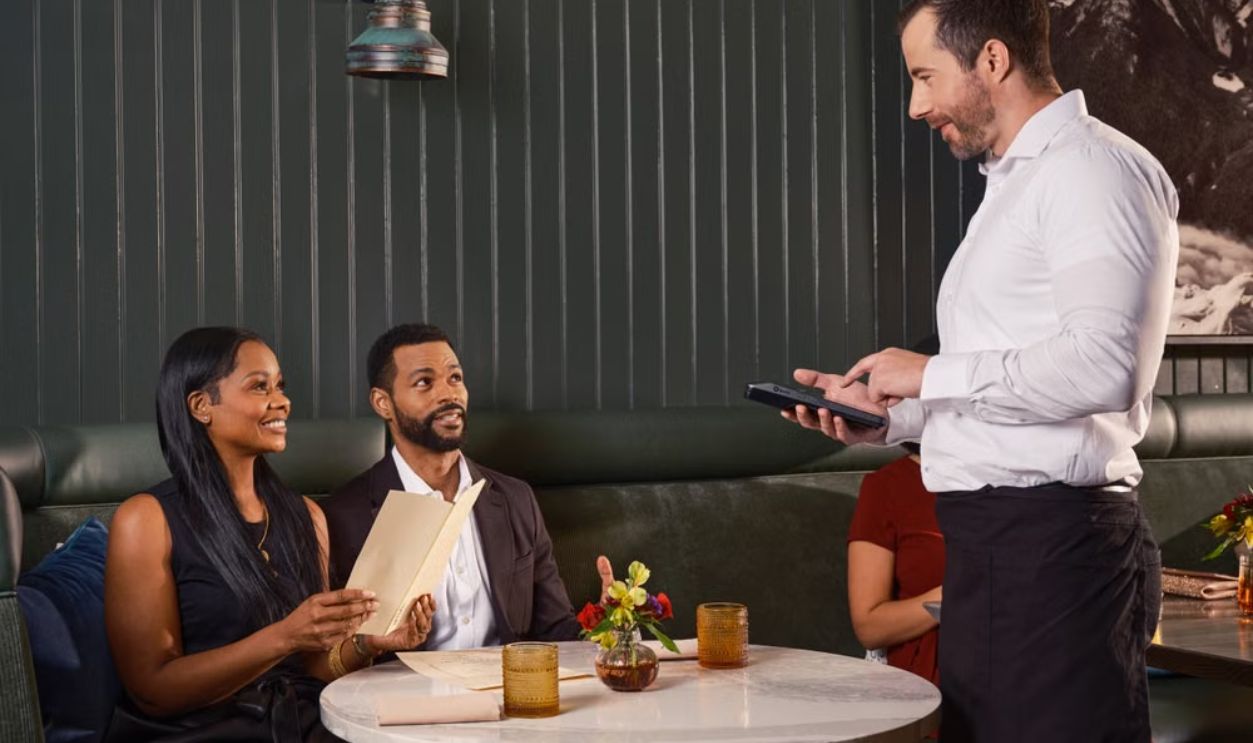
Beaches Resorts, which shares corporate ownership with Sandals, also lays out dress expectations for evening dining. Its guidance for “resort evening attire” says men should wear dress pants or jeans, long- or short-sleeve dress shirts with or without a collar, and dress shoes or sandals. The details can change by venue, but the long-pants rule is still very much in play.
Hotels Usually Sell It As Part Of The Atmosphere
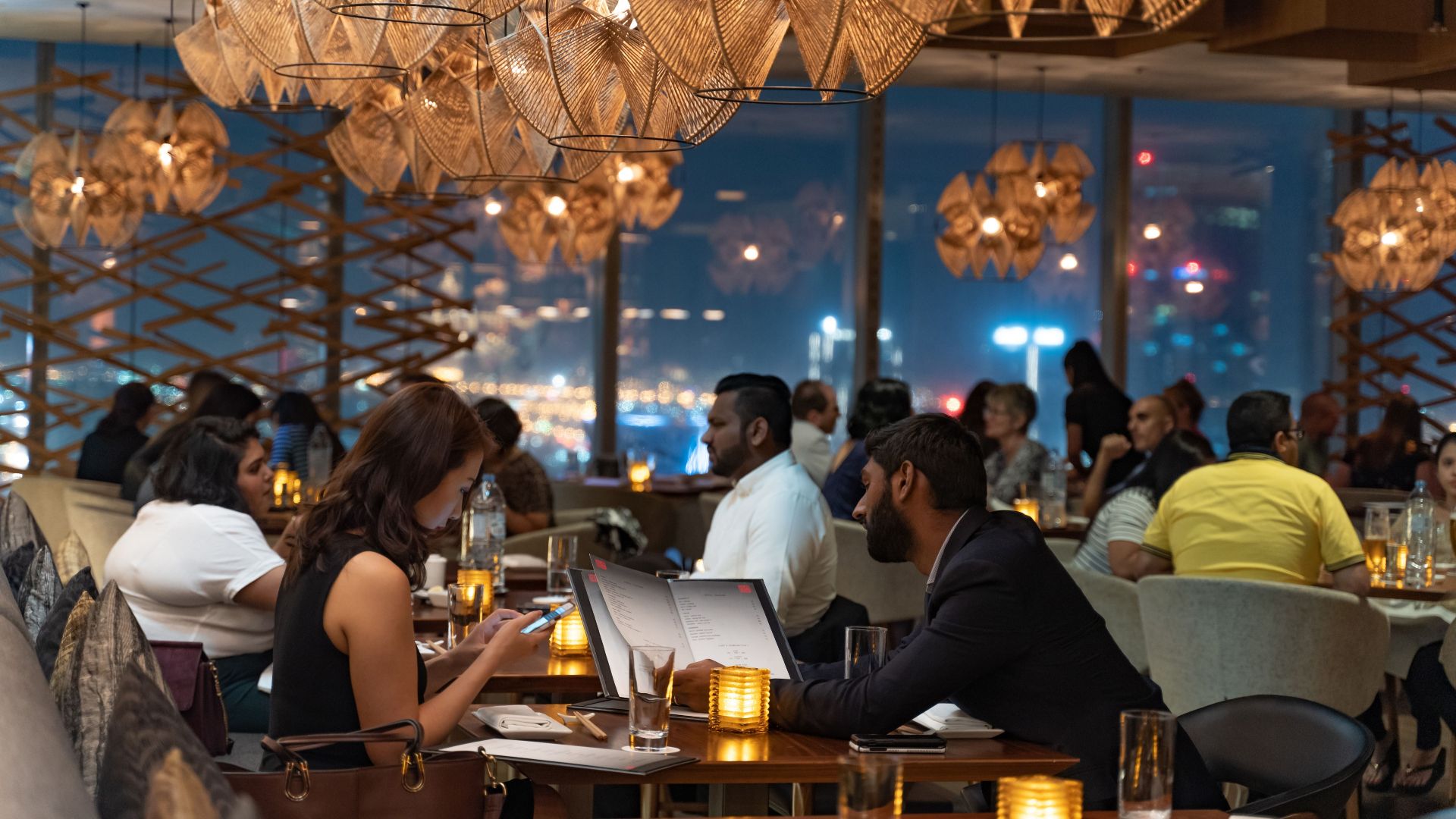
Resorts do not usually defend these rules by talking about comfort or common sense. They frame them as part of a polished, upscale experience, especially at night. The idea is that dinner should feel different from the pool bar or beach grill.
Dinner Is Usually Where Guests Run Into Trouble
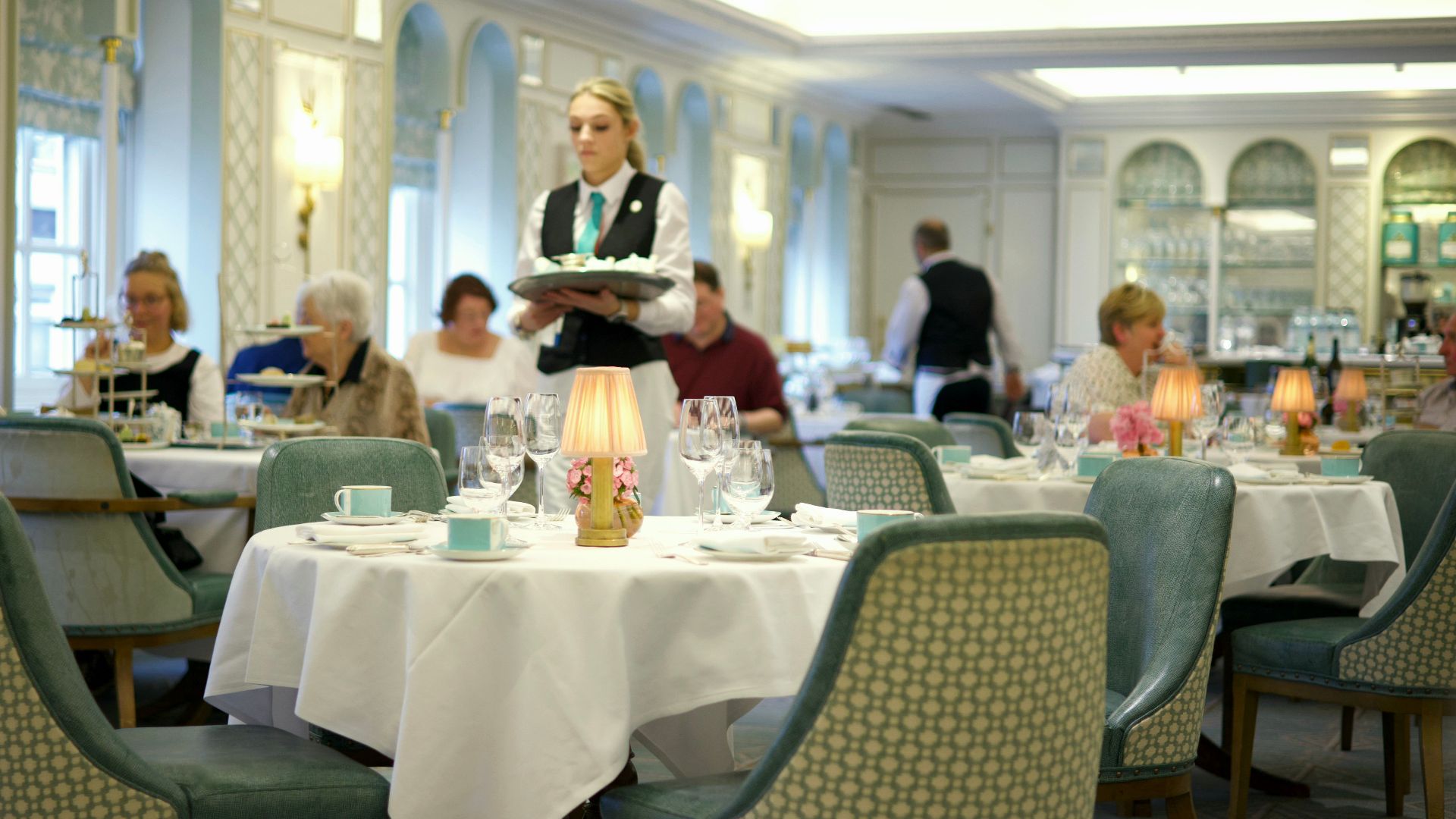
The strictest dress rules tend to show up at specialty restaurants in the evening. Breakfast and lunch are usually much more relaxed, with cover-ups and casual resort wear accepted in many places. Dinner is where vacation comfort and old-school hotel standards tend to collide.
Cruise Lines Follow The Same Playbook
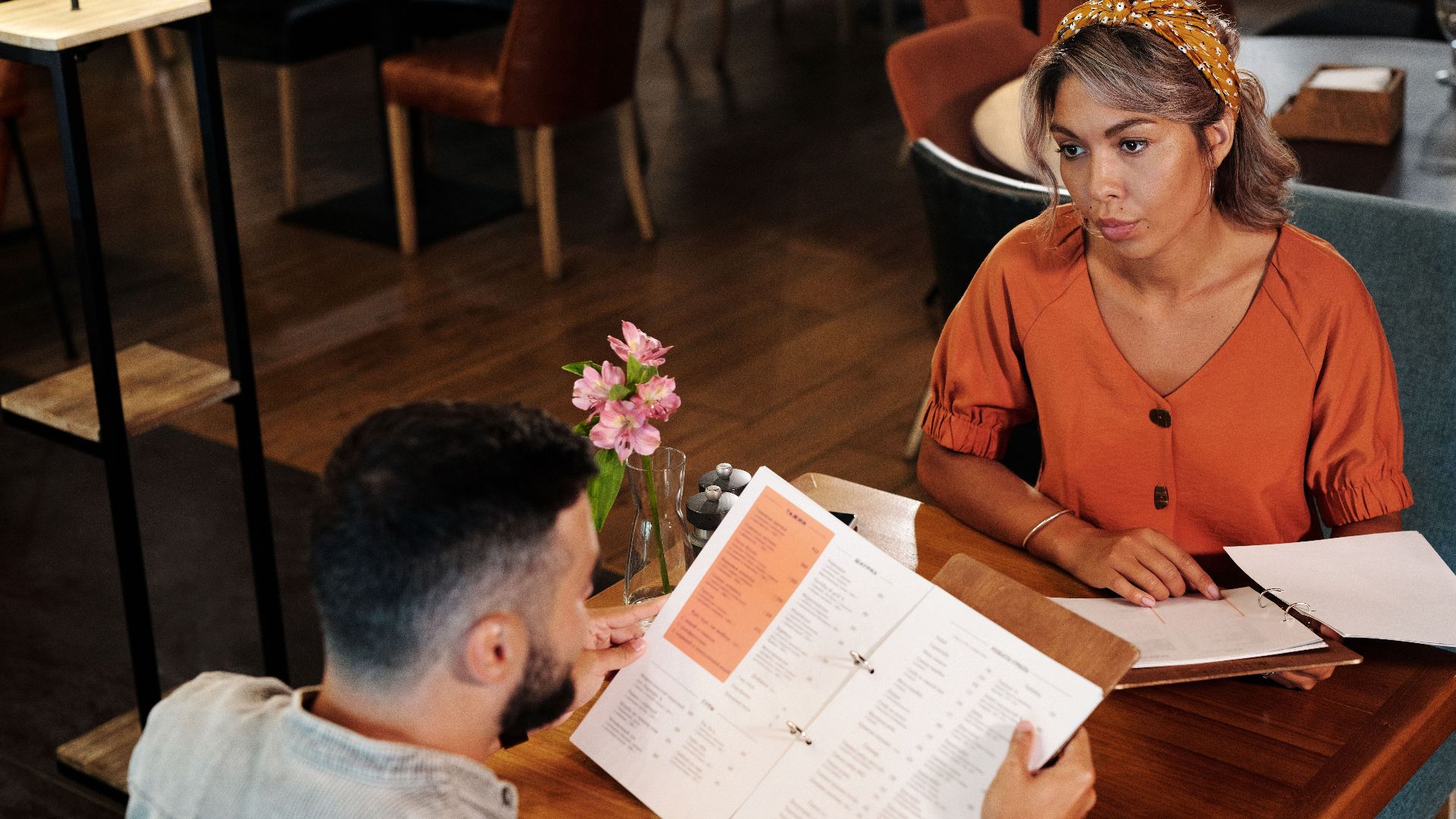
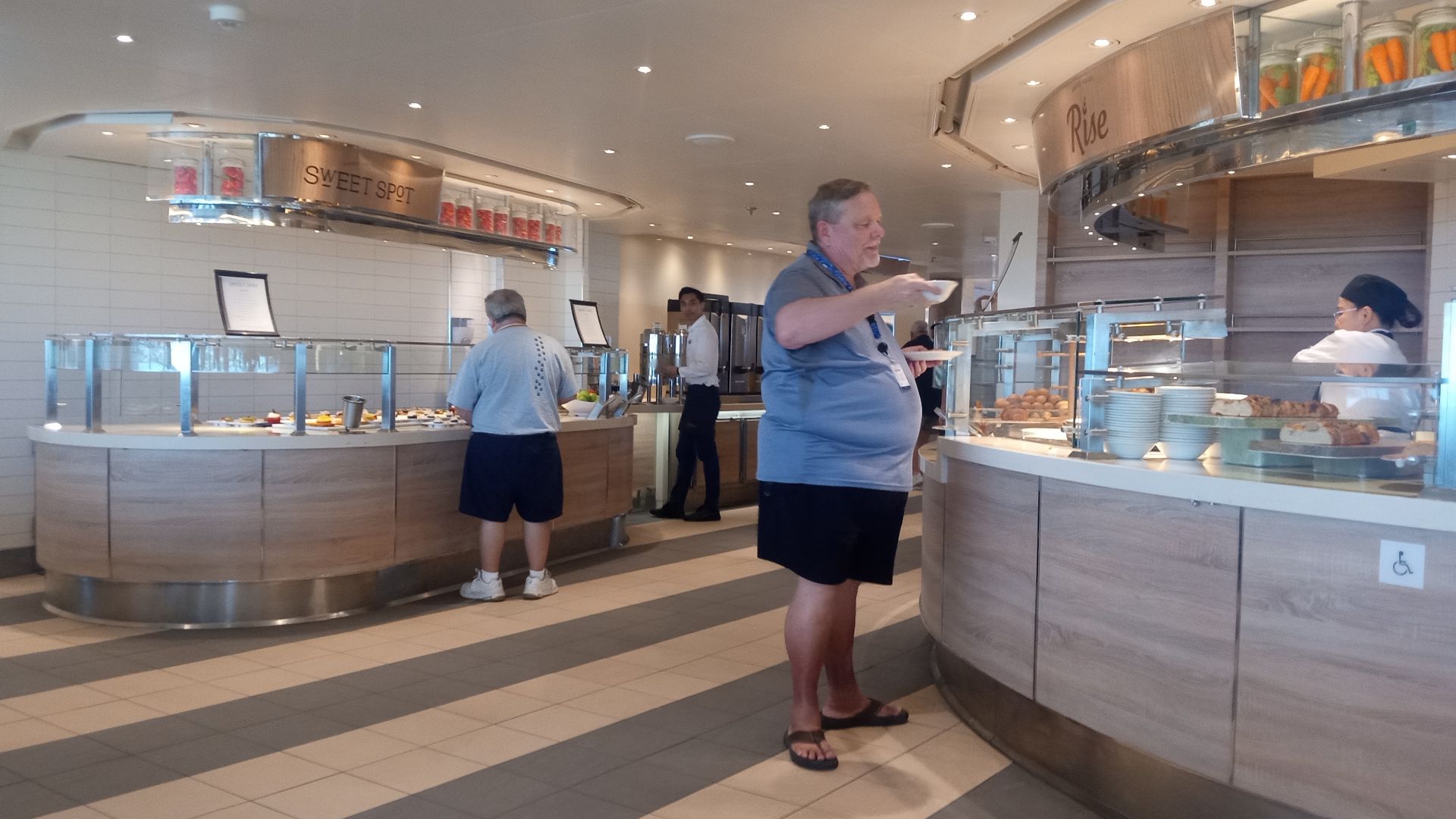
This is not only a hotel thing. Cruise lines like Cunard still publish dress expectations for some dining rooms and evening events, which shows that premium travel brands still hold on to a certain level of formality. That matters because it shows the rule is part of a bigger hospitality pattern, not just one picky resort.
 Grandmaster Huon, Wikimedia Commons
Could A Rule Like This Become A Legal Problem
It could, depending on how the rule is written and enforced. A dress code might look neutral on paper but still raise problems if it is applied unevenly or in a way that discriminates against protected groups. In the United States, public-accommodation laws and employment discrimination principles help show where businesses have room to set standards and where they can run into trouble.

Sex-Based Dress Rules Get More Scrutiny Than They Used To
Gender-specific dress codes now face more cultural and legal pressure than they once did. Guidance from the U.S. Equal Employment Opportunity Commission has addressed sex-based discrimination and gender identity in workplace settings, and those ideas have shaped public expectations more broadly. Even when a hotel rule is not automatically illegal, it can still feel dated and draw criticism.

The Big Question Is Whether The Policy Is Unequal
A resort may have a tougher time defending a rule if men are required to wear heavier, more restrictive clothing while women are allowed much cooler and more casual options in the same restaurant. The exact legal answer depends on where the hotel is and what local anti-discrimination law says. A rule can be irritating and still legal, but that does not mean it cannot be challenged.

Disability Issues Can Change The Picture
There can also be disability-related concerns. If a guest needs certain clothing for a medical reason, the Americans with Disabilities Act may require a reasonable change to the policy in covered settings in the United States. That does not mean every request has to be approved, but it does mean a hotel should not treat every dress code as untouchable.

Outside The United States, Local Law Matters Most
If your resort is outside the United States, local consumer law and anti-discrimination rules come first. A Caribbean or European resort may use the same luxury-dining language, but enforcement depends on that country or region’s laws. That is why travelers should not assume a rule accepted in one place will be viewed the same way somewhere else.
Hotels Also Have A Business Reason To Keep These Rules
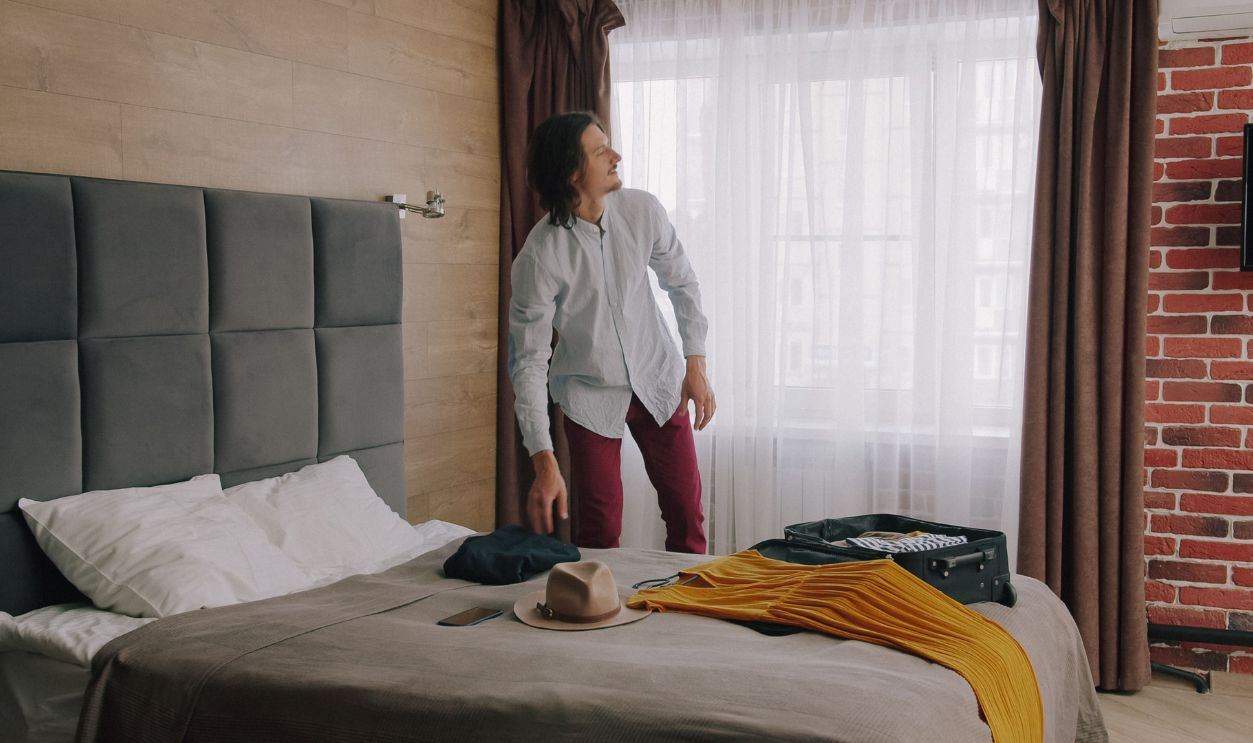
Luxury brands sell atmosphere as much as they sell food and rooms. If a specialty restaurant charges premium prices, the hotel may believe formal clothing helps support that image. Guests may not agree, but from the resort’s side, the rule can be part of the brand.

The Frustration Makes Sense
This is not a petty complaint when the heat is intense. Lightweight tailored shorts can look perfectly polished, and many travelers do not see why those should be banned while dresses or skirts stay allowed for others. The irritation gets worse when the hotel did not make the rule clear before arrival.

Clear Disclosure Is The Hotel’s Best Defense
The simplest way for a resort to avoid unhappy guests is to spell out the dress code before check-in. The best hotels put it on restaurant pages, booking confirmations, and pre-arrival emails. Vague labels like “elegant casual” often create confusion because people read them in very different ways.
 Harrison Keely, Wikimedia Commons
If The Rule Was Not Clear, Ask About Other Options
If no one warned you, start by calmly asking what the hotel can do. A manager might offer another restaurant, bend the rule if possible, or point you to a place on the property where you can get acceptable clothing. Being direct usually works better than turning the entrance into a standoff.

It Is Worth Asking If Linen Trousers Are Fine
Not all long pants feel the same. Many resorts that require trousers will still accept lightweight linen or breathable cotton, which can make a huge difference in serious heat. Asking for details can keep you from buying something much heavier than you need.
 LightField Studios, Shutterstock
Do Not Assume Jeans Are Better
Some hotel policies specifically allow jeans, but denim can be miserable in tropical weather. Other resorts ban jeans and allow dress trousers instead. The only safe move is to check the hotel’s exact wording, because “smart casual” can mean almost anything until the property explains it.
Bring One Dinner Outfit, Even If You Hate The Rule
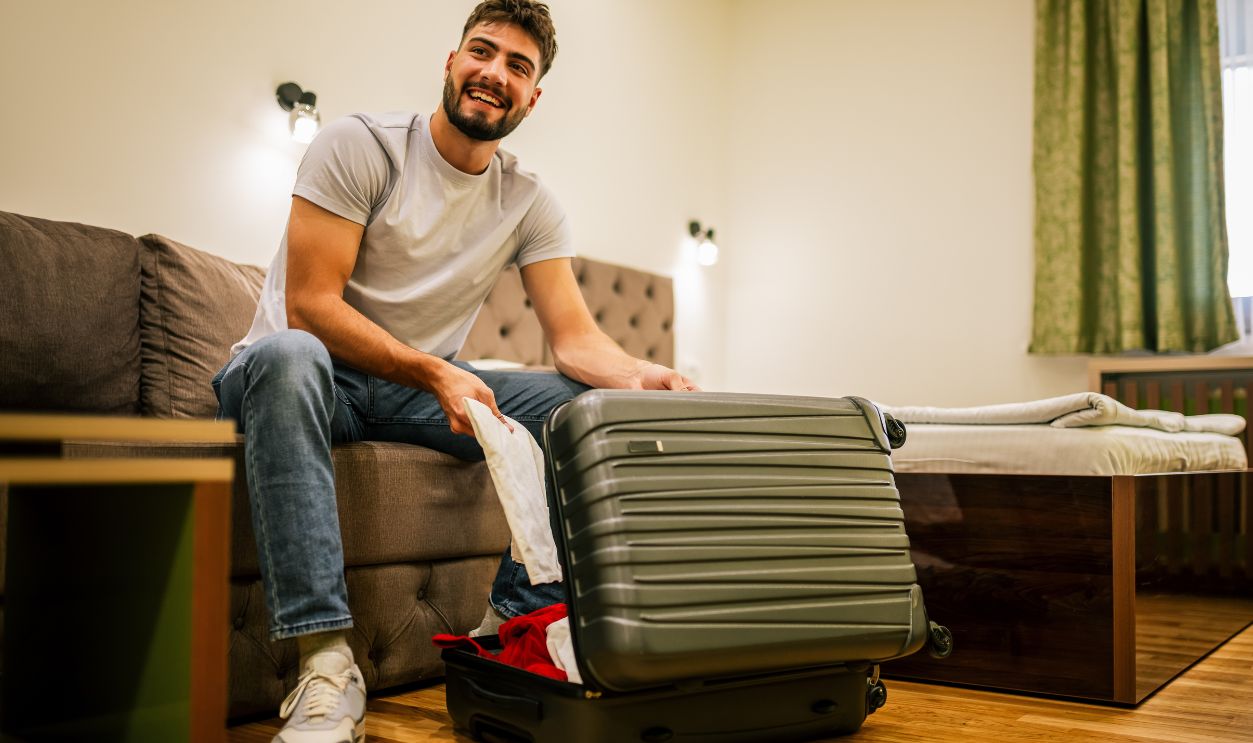
If you are heading to a luxury resort, the practical move is to pack at least one outfit that works for dinner. For men, that often means lightweight trousers, a collared shirt, and shoes that meet the hotel’s standard. It may not feel very vacation-friendly, but it can save you from an argument when you should be sitting down to eat.

If You Want To Push Back, Do It Before You Book
The best time to question a dress rule is before you pay for the stay. Ask the hotel to confirm the policy in writing and decide whether that fits the trip you want. Once you are already there, your leverage is much lower because the resort has your reservation and the restaurant is operating under its own rules.

Reviews Can Push Hotels To Catch Up
Luxury brands pay attention to guest feedback, especially when the same complaint comes up again and again. If a rule feels impractical, outdated, or poorly explained, say that clearly in a factual review after the trip. Hotels may not change right away, but steady criticism can push them toward more weather-friendly standards.

Some Resorts Are Relaxing, Just Not Fast
Across the travel world, there has been a broader move toward comfort and less formality over the past decade. Even so, the most traditional luxury brands have not fully let go of dress expectations. That means long pants at dinner are still very much a thing, even when the air feels like soup.
The Bottom Line
Yes, luxury hotels can still enforce long-pants rules for men at dinner, especially in specialty restaurants, as long as the policy follows local law and is not applied in a discriminatory way. The best practical move for travelers is to check the dress code before arrival and pack one outfit that can handle both the heat and the rules. It may feel absurd in 95-degree weather, but plenty of upscale resorts still treat trousers as part of the price of entry.