
That Tiny Wristband Can Come With A Big Fee
You check out, hand over your towel card, and then the front desk hits you with a surprise: losing your room key wristband costs $50. For a lot of travelers, that sounds steep for something that looks like a basic piece of plastic.

Why This Keeps Coming Up
All-inclusive resorts and cruise-style properties are using wearable wristbands more and more instead of standard keycards. These bands can unlock rooms, identify guests, charge purchases, and control access to certain areas. So the fee is not always just about the cost of the plastic.
What A Resort Wristband Usually Does
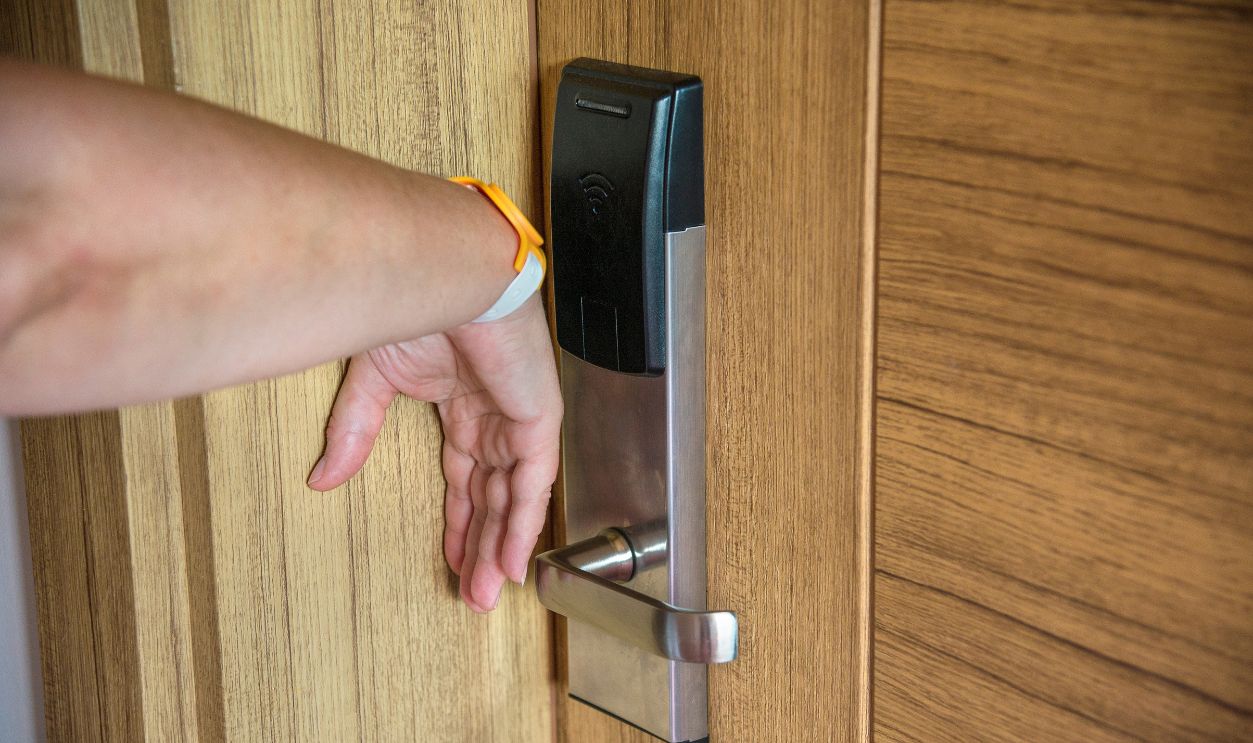
Modern resort wristbands often use RFID or NFC technology. Guests can tap them to get into rooms, pay for food and drinks, and confirm what package or access level they have. In some places, the wristband works like a room key, wallet, and ID all in one.

Plastic On The Outside, Tech On The Inside
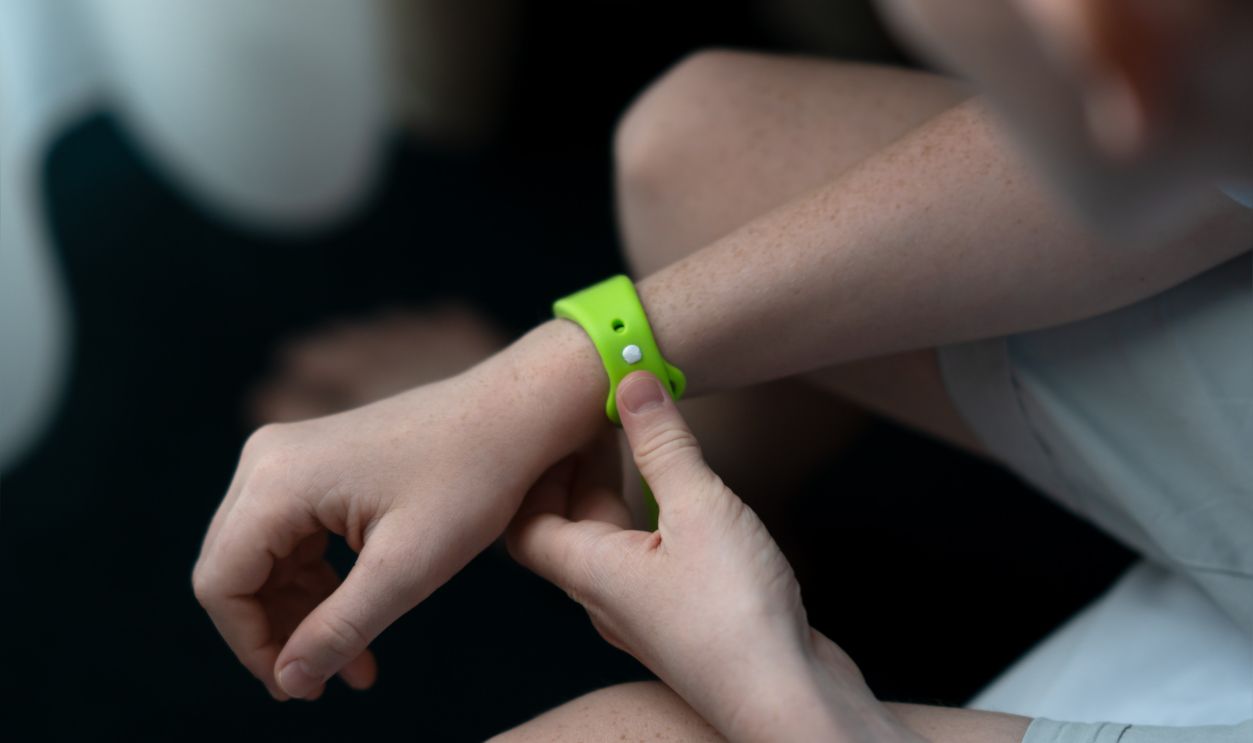
The outside may look cheap, but the chip inside is the important part. RFID bands are popular in hospitality because they are fast, waterproof, and tough enough for pools and beaches. Still, that does not automatically make every high replacement fee reasonable.

What RFID Wristbands Usually Cost
Industry suppliers show a wide range of prices for RFID wristbands. Depending on the material, chip type, order size, branding, and whether the band is reusable or tamper-evident, the cost per band can run from well under a dollar to several dollars. Some custom resort bands cost more, but that is still often far below $50.
 Natali Skripnikova, Shutterstock
Disney Gives A Useful Comparison
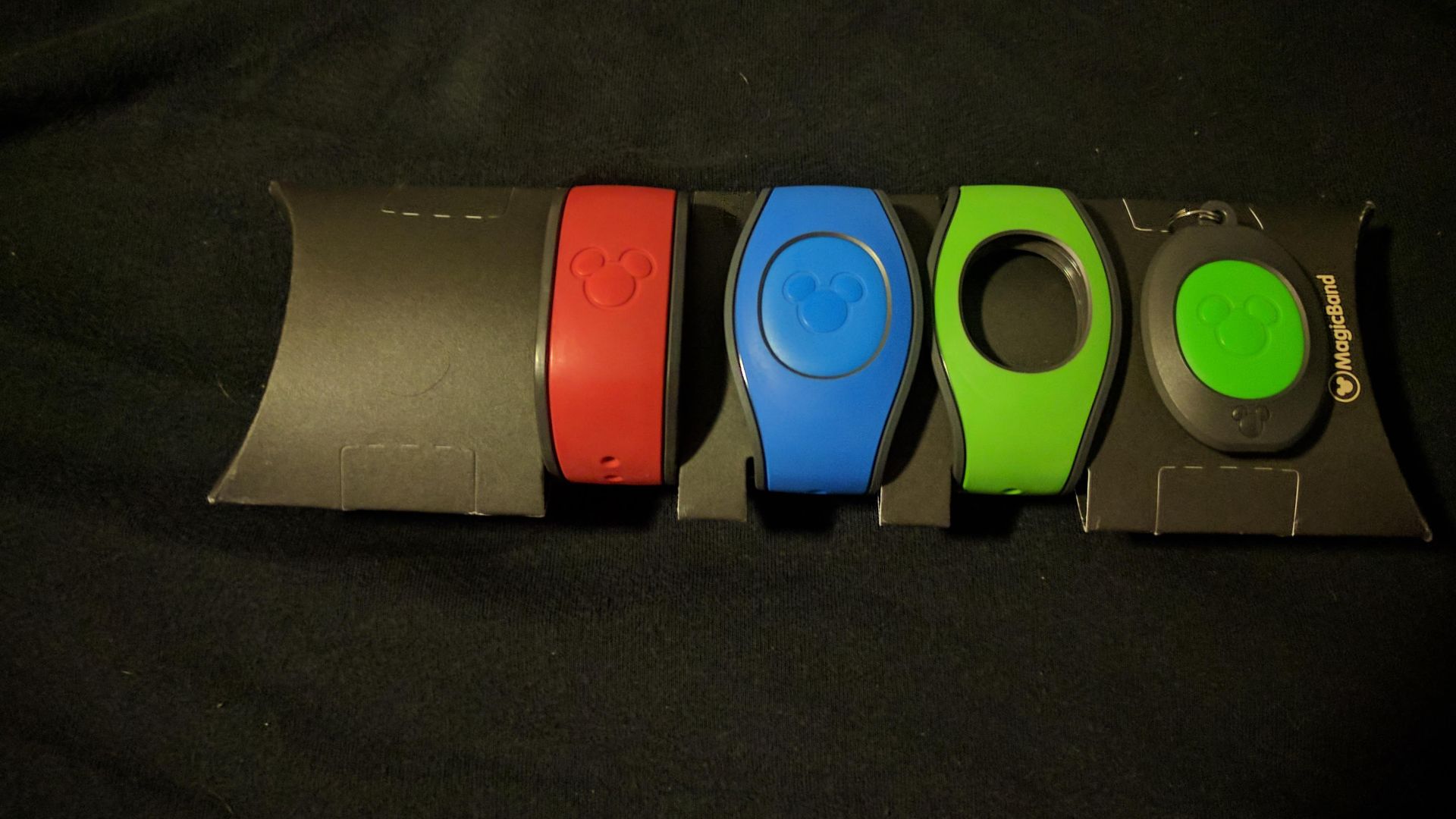
Walt Disney World has long used wearable tech through its MagicBand products. Disney sells replacement MagicBands and newer MagicBand+ devices at public retail prices, which gives travelers a real-world comparison point. Those prices are usually in the tens of dollars for a full consumer wearable, not just a replacement fee on the back end.
 elisfkc from Orlando, FL, United States, Wikimedia Commons
A $50 Charge Is Usually About More Than The Band
If a resort charges $50, it is probably counting more than the item itself. The fee may include admin work, reprogramming, security concerns, and a built-in deterrent so guests do not treat the bands carelessly. Put simply, resorts often set these fees partly to change behavior.

Security Is Part Of The Story
A lost wristband is not just missing property. If it still works, someone might be able to use it to enter a room or charge purchases, depending on how the system is set up. That risk helps explain why resorts may take a lost wristband more seriously than a missing souvenir cup.

How Hotels Usually Handle Regular Keycards
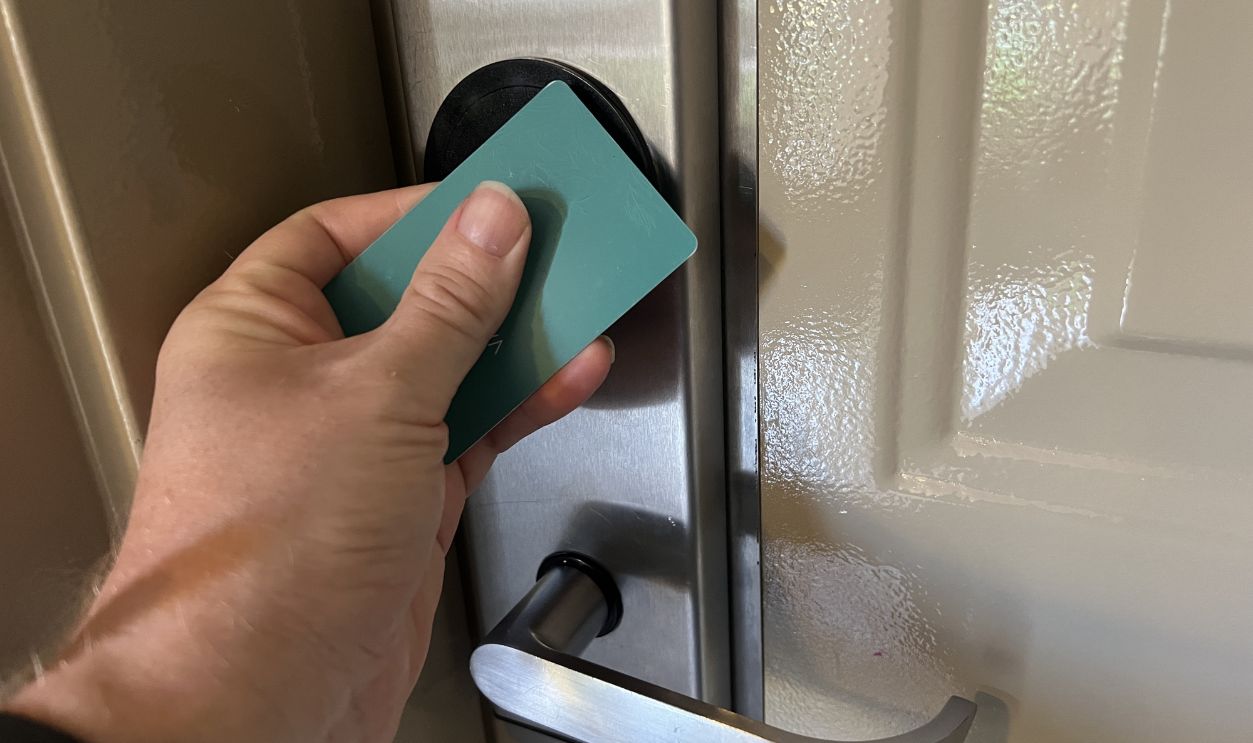
Traditional hotel keycards are often replaced with little hassle and little or no fee. The American Hotel & Lodging Association has noted the wider use of contactless and mobile access technology across the industry, but many standard hotels still rely on cheap cards. Against that backdrop, a $50 wristband charge can feel especially aggressive.
 Smith Collection/Gado, Getty Images
The Fine Print Matters More Than The Plastic
The real question is whether the fee was clearly disclosed before or during check-in. If it shows up in booking terms, registration paperwork, or the guest app, the resort is on firmer ground. If it appears only at checkout as a surprise, guests have a good reason to push back.

When The Fee Starts To Feel Fair
A replacement fee is easier to defend when the band is custom programmed, reusable, and tied to room access and spending. It also matters whether the resort quickly deactivates the lost band and issues a newly encoded one. In that case, the resort is doing more than handing over another piece of plastic.

When The Fee Starts To Feel Excessive
If the band is single-use, low-tech, or obviously cheap, a $50 charge can be hard to justify. The same goes for resorts that do not explain the fee upfront or cannot say what the charge covers. A penalty without much transparency looks less like cost recovery and more like a revenue play.
 Hryshchyshen Serhii, Shutterstock
Consumer Law Is Tougher On Hidden Fees
The Federal Trade Commission has taken a harder line on misleading or hidden fees in travel and hospitality. In late 2024, the FTC announced a final rule aimed at unfair or deceptive fees, including charges that hide total prices or mislead consumers. The rule does not ban all replacement fees, but it does add pressure for clear disclosure.

State Laws Can Matter Too
Hotel fee disputes can also turn on state consumer protection rules and contract law. If a guest agreed to a posted lost-band fee at check-in, the resort usually has a stronger case. If the fee was buried, vague, or out of step with posted policies, the guest may have grounds to complain.

Not Every Wristband Is The Same
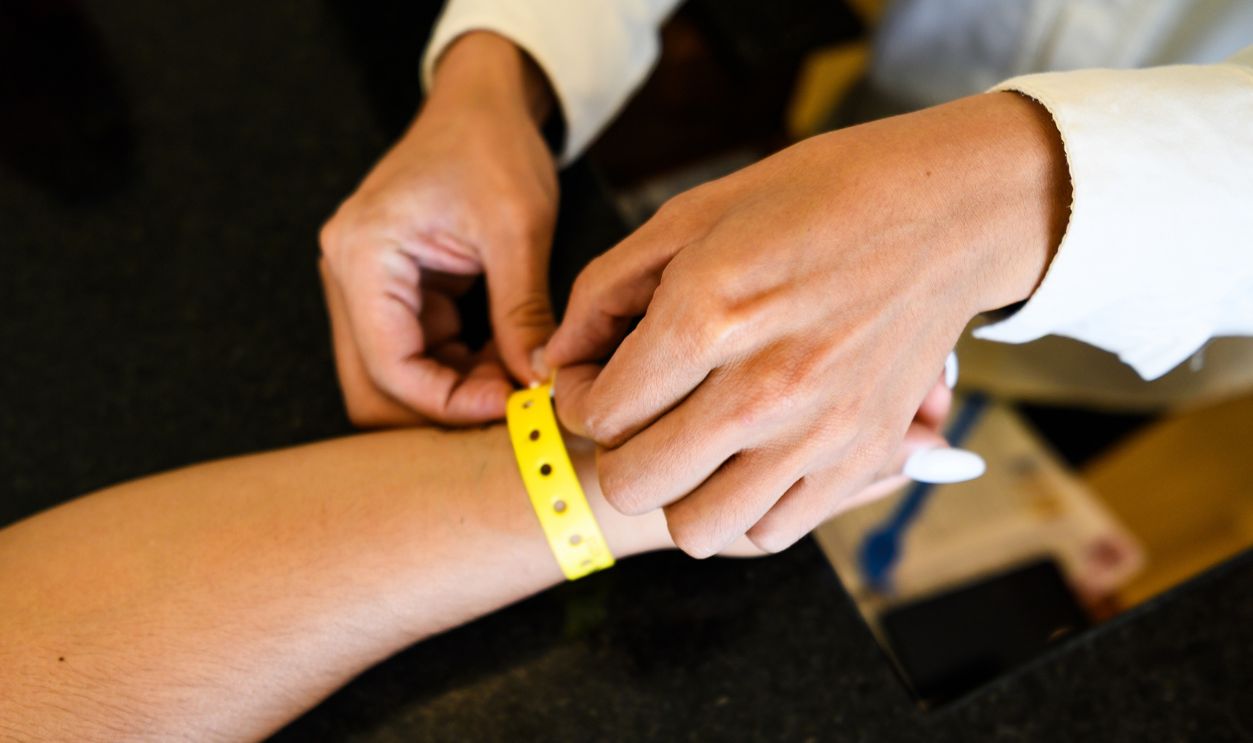
Some resorts use disposable paper or vinyl RFID bands, while others use reusable silicone or more premium branded wearables. Some bands only open the room, while others connect to payment systems and guest profiles. That is why there is no one-size-fits-all answer on what a replacement should cost.
 Alejandro Franco Garcia, Shutterstock
Bulk Pricing Changes The Math
Manufacturers often charge much less per band when resorts buy in bulk. Trade suppliers like RFID Wristbands and EasyRFID list products that can cost only a few dollars or less depending on quantity and specs. That does not prove any specific resort is overcharging, but it does show why many guests flinch at a $50 replacement fee.

Admin Costs Are Real, But Not Endless
Replacing a lost wearable is not completely effortless. Staff may need to verify identity, shut off the old band, program a new one, and note the change in the guest account. Even so, many travelers will reasonably wonder whether that really adds up to $50.
 LightField Studios, Shutterstock
Deterrence Is Often The Real Logic
Resorts may set a high fee on purpose to keep guests from being careless. That can cut down on replacement requests, lower security risks, and make things run more smoothly at busy properties. The business logic makes sense, even if the charge still annoys people.

What To Ask At Check-In
Before you head to the pool, ask whether the wristband has a replacement fee and how much it is. Ask whether a lost band can be deactivated right away and whether there is a cheaper option for children. A quick question at the desk can save an ugly surprise later.

What To Do If You Lose One
Report it right away. Ask staff to deactivate the band and give you a written explanation of any replacement charge. If the amount seems too high, politely ask for a manager and ask how the fee is calculated.

How To Push Back Without Starting A Fight
Stay calm and keep your questions specific. Ask where the fee was disclosed, whether it is posted anywhere, and whether the charge reflects the real replacement cost or a penalty. If the answer is vague, ask for a copy of the policy and keep your paperwork.

Credit Card Protections Can Help Later
If you think the fee was undisclosed or unfair, save screenshots, folios, and check-in documents. You may need them if you decide to dispute the charge with your card issuer. A solid paper trail matters more than a tense argument at the front desk.

There Is A Difference Between Common And Reasonable
A fee can be common at resorts and still feel unreasonable in a specific case. The big questions are disclosure, actual function, and the replacement process. Travelers should judge the charge based on what the band actually did, not just what it looked like.

So Is $50 Reasonable
Sometimes, but not automatically. If the wristband is a secure, programmable, multi-use device and the fee was clearly disclosed in advance, $50 can fall within the range of a defensible policy. If it is basically a cheap band, poorly explained, and charged as a checkout surprise, $50 is much harder to defend.

The Bottom Line For Travelers
Treat a resort wristband like a room key and a credit card rolled into one. Read the check-in terms, ask about replacement fees, and report any loss immediately. The band itself may be cheap, but the policy attached to it can be expensive.
 Zoshua Colah, Unsplash, Modified