The Fine Print Behind The Feast
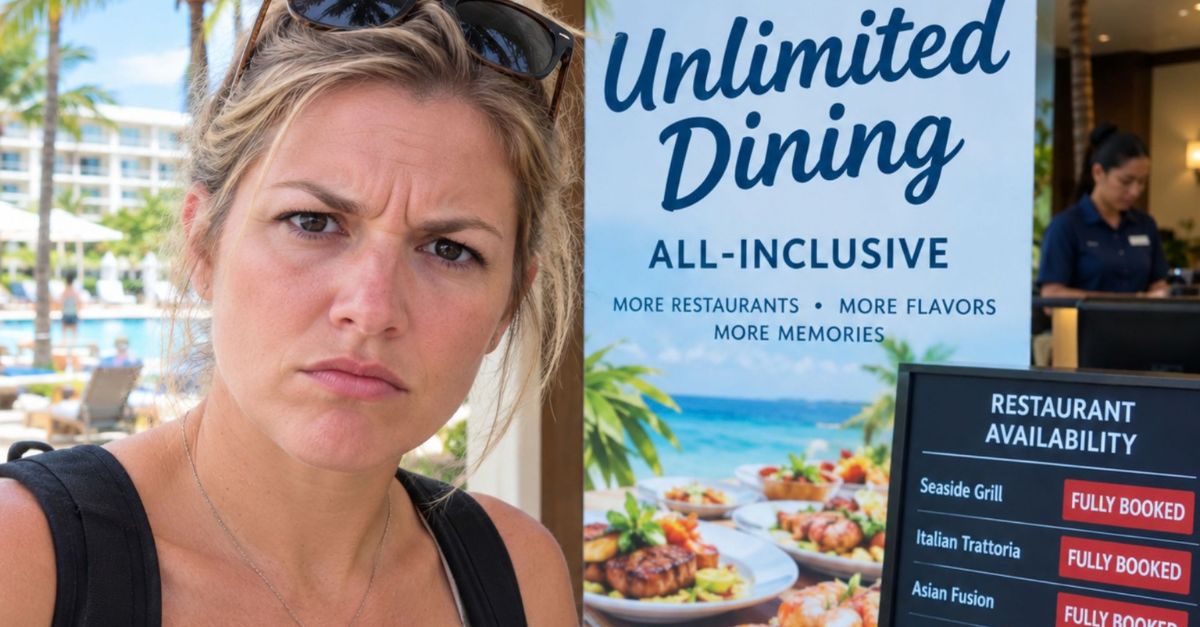
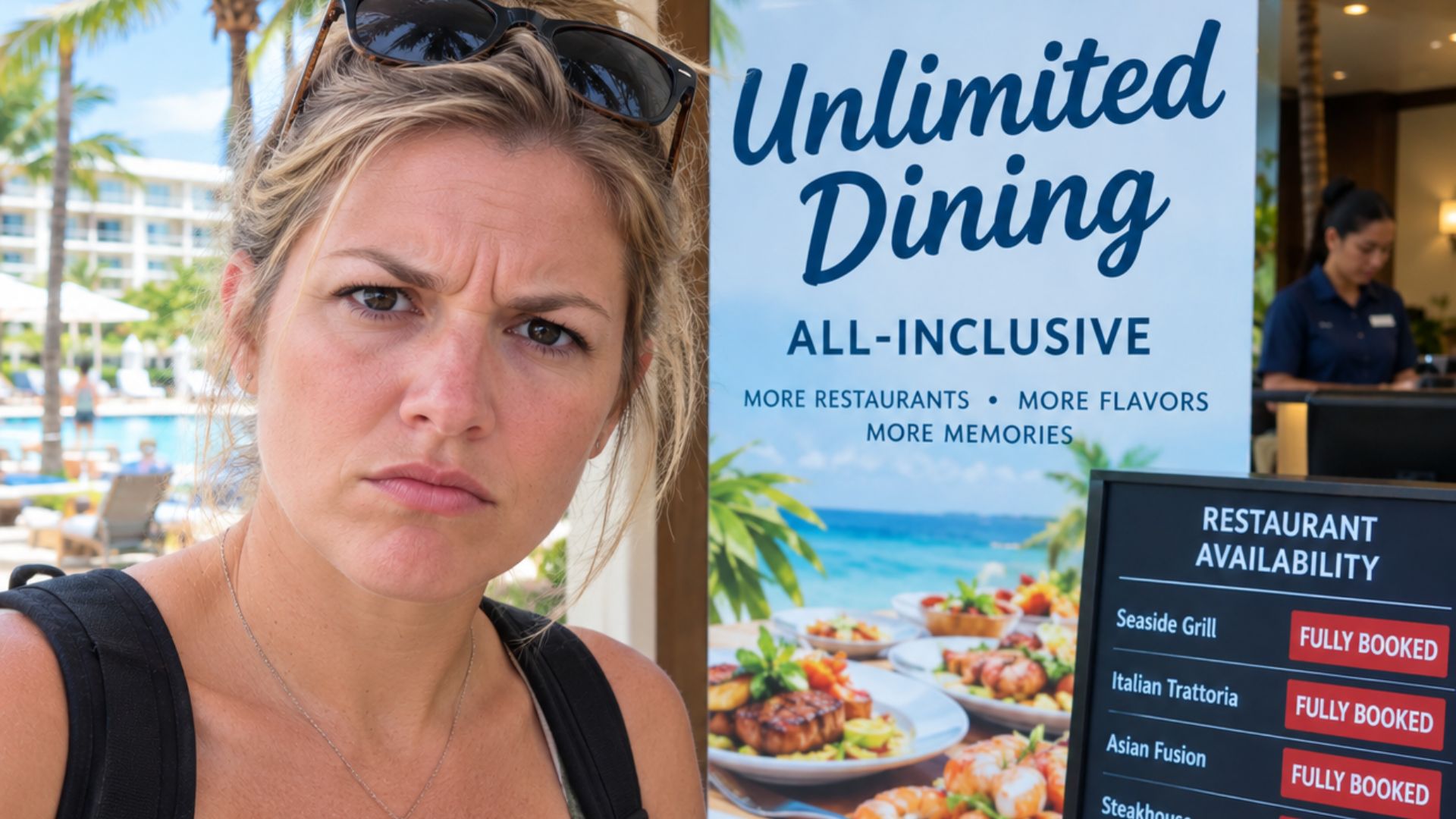
“Unlimited dining” sounds like the whole point of an all-inclusive vacation. You picture easy nights moving from the steakhouse to the sushi spot to the grill by the beach without thinking about the check. But at a growing number of resorts, the real problem is not the price. It is getting a reservation at all.
Why This Question Keeps Coming Up
This is not a made-up issue, and it is not unusual. Travelers often arrive at all-inclusive resorts only to find that the most popular restaurants were booked days or even weeks earlier. That gap between the promise and the reality shows up all over review sites, travel forums, and consumer advice pages. It also leads to a fair question: if dining is included, what does that really mean when the restaurants you want are basically out of reach?
 KONSTANTIN_SHISHKIN, Shutterstock
What All-Inclusive Usually Promises
An all-inclusive package usually covers your room, meals, drinks, and some on-site entertainment for one upfront price. The big draw is how simple it feels. But that broad promise often comes with conditions tucked into booking details, resort apps, or pre-arrival emails. Specialty restaurants are one of the clearest examples of where glossy marketing runs into plain old supply and demand.

The Reservation Bottleneck Is Real
Travel advice sites have been warning about this for years. NerdWallet notes that meals may be included at all-inclusive resorts, but some specialty restaurants require reservations and can fill up fast. U.S. News & World Report says travelers should check before arrival because the top spots can book quickly. So yes, the meal may be included, but that does not mean your seat is.

Not Every Included Restaurant Works The Same Way
Some resorts run buffets and casual places as walk-in spots, while nicer à la carte restaurants use strict reservation systems. Others cap the number of specialty bookings you can make based on your room type or loyalty status. Hyatt’s Inclusive Collection, for example, says dining policies vary by resort and that some restaurants may require reservations. In other words, “unlimited” does not always mean open access.
 YAKOBCHUK VIACHESLAV, Shutterstock
What The Big Hotel Brands Actually Say
Big resort brands usually do mention these limits, though often in policy pages instead of the main sales pitch. Sandals says restaurant availability can vary and that some dining experiences may need advance reservations. Club Med also says specialty dining options and schedules vary by resort and season. Those details matter because they show that access rules are often part of the deal, even if the headline sounds much looser.
 Anastasia Ilina-Makarova, Pexels
The Cruise Industry Offers A Familiar Warning
Resorts are not alone here. Cruise Critic has long reported that specialty dining on cruise ships can sell out before passengers even board, especially on popular sailings. That comparison matters because it shows how prepaid vacation perks can still turn into a scramble for limited premium spots. More and more, resorts are working the same way.

Online Reviews Reveal The Frustration
Tripadvisor forums and resort reviews are full of travelers swapping tips on how to lock in dinner reservations. One common complaint is that guests do not understand the system until it is already too late. Some say they were told to use an app only after they arrived. Others found out there was a pre-booking window they never knew existed. It may not be a scam, but it can sure feel like one.

Why Resorts Do This At All
The reason is pretty simple. Specialty restaurants have fewer tables, slower turnover, and more hands-on service than buffets. Resorts cannot fit every guest into every premium restaurant every night, especially when the property is full. Reservations help control demand, but they also create a pecking order that clashes with the easygoing image all-inclusive resorts sell.

Unlimited Does Not Mean Infinite Capacity
This is the key point many travelers miss. “Unlimited dining” usually means you are not charged each time you eat at included restaurants. It does not mean every place has endless space or that every guest can show up at prime time and get a table. The word “unlimited” describes the pricing, not the actual capacity.

Peak Season Makes Everything Worse
Holiday weeks, school breaks, and busy wedding seasons put even more pressure on restaurant booking systems. The fuller the resort, the tougher it is to get those prime dinner slots. U.S. News & World Report has warned that all-inclusive amenities can get crowded during busy times, and dining is often one of the first places guests feel it. If you are traveling over Christmas, spring break, or midsummer, your odds of missing out go up.

Room Category Can Change The Rules
Some resorts quietly tie restaurant access to the room you book. Preferred Club, butler service, concierge levels, and villa guests may get earlier booking windows or extra help landing hard-to-get tables. That means two people staying at the same resort can have completely different dining experiences. If one guest walks straight into the teppanyaki restaurant while another ends up at the buffet again, the room category may be the reason.

Loyalty Status Can Matter Too
Repeat guests sometimes get perks first-timers do not. Priority booking, concierge help, and simply knowing when reservations open can all make a difference. Hotel loyalty programs have trained travelers to expect layers of access, and all-inclusive resorts are no different. The restaurant may be included for everyone, but easy access often is not.

The App Can Decide Your Vacation
At some resorts, the app is not optional anymore. It may be the only way to book restaurants, and the best times can vanish as soon as reservations open. If guests do not know the release schedule, they can miss out before they even leave home. That is why checking the app setup before your trip matters almost as much as remembering your passport.

Pre-Arrival Emails Are Easy To Miss
Many resorts send booking instructions before check-in, but travelers do not always realize how important those messages are. A basic-looking email about dining, spa bookings, or mobile check-in may actually hold the key to the restaurants you care about most. If it lands in spam or gets ignored, you may arrive already behind. The takeaway is simple: read every pre-arrival email.

Travel Advisors Often Know The Workarounds
Experienced travel advisors can sometimes flag these rules before you book. They may know which resorts allow advance dining reservations, which use first-come systems, and which ones regularly frustrate guests. They cannot create tables that do not exist, but they can steer travelers toward resorts whose dining setup matches their expectations. On a more complicated all-inclusive trip, that can save a lot of stress.

Consumer Experts Say To Ask Better Questions
The advice from travel experts is pretty consistent. Before you book, ask how many restaurants require reservations, when reservations open, whether you can book before arrival, and whether your room type affects access. NerdWallet recommends digging into exactly these details to avoid surprises later. It is not the fun part of vacation planning, but it may be the most useful.

Look For The Words That Change Everything
Small phrases in the booking terms can tell you a lot. “Subject to availability,” “select restaurants,” “reservation required,” and “hours may vary” are all signs that access is limited. These lines are common on resort websites, and they matter both legally and in real life. If you see them, assume the dining promise has strings attached

When Included Dining Still Feels Inadequate
The real issue is not just whether food exists somewhere on the property. It is whether guests can actually enjoy the better dining experiences that helped sell them on the resort in the first place. If the fallback option is a packed buffet while every specialty venue is full, the value of the package can feel a lot weaker. That gap between expectation and reality is what drives the strongest complaints.

Could This Be Considered Misleading
Not always, but it depends on how the resort marketed the experience and what it disclosed before booking. If reservation rules and availability limits were clearly spelled out, the resort can argue that dining was included even if access was competitive. If those limits were vague, buried, or easy to miss, guests may reasonably feel they got the wrong impression. That gray area is where most of the frustration lives.

Refunds Are Usually Hard To Win
In practice, it is usually tough to get money back over restaurant access. Resorts can point to terms saying restaurant hours, reservation systems, and availability may change. Unless the property made a very specific promise and failed to deliver it, complaints are more likely to end with a goodwill credit than a refund. Frustrating, yes, but that is how many of these packages are built.

What You Should Do Before You Book
Start with the resort’s own dining page, not just polished photos on an online travel site. Check how many places are walk-in, how many need reservations, and whether any are adults-only or come with extra charges. Then read recent guest reviews that mention how the booking process actually worked. The goal is to understand the system before you put down your deposit.

What You Should Do Right After Booking
Once your stay is confirmed, download the resort app, set up your login, and keep an eye on pre-arrival emails. If restaurant reservations open before check-in, set a reminder and book as soon as the slots go live. If your package includes a concierge or butler, reach out early and ask about the best approach. Acting fast can be the difference between dinner by the water and another night at the buffet.
 ANTONI SHKRABA production, Pexels
What To Do If You Arrive And Everything Is Full
Do not stop at the first “sorry” from the front desk. Ask if there is a waitlist, whether cancellations happen often, and when same-day spots might be released. Try earlier or later dining times, and see whether the concierge can help. It will not always work, but plenty of travelers do get tables by staying flexible and asking the right questions.

How To Spot A Better Fit Next Time
If dining variety really matters to you, look for resorts that allow reservations before arrival or clearly say that most restaurants do not need them. Smaller luxury properties may have fewer restaurants, but they can also have less chaotic booking systems. Recent reviews can help too. Phrases like “could never get in” or “booked solid on arrival” are easy red flags to watch for.

So Is All-Inclusive Meaningless
No, but it can be narrower than it sounds. All-inclusive still usually means your meals are covered, but it does not promise equal access to every dining experience featured in the brochure. The real question is not whether food is included. It is whether the restaurants you actually want are realistically available.

The Bottom Line For Travelers
If you cannot get a table at the restaurants that helped sell you on the resort, your frustration makes sense. “Unlimited dining” is not meaningless, but it often needs context about reservations, room categories, and availability. Smart travelers now treat restaurant access as part of the booking terms, not an afterthought. At many all-inclusive resorts, paradise may be included, but a 7:30 dinner reservation may not be.