
When The Kids’ Club Takes A Vacation Too
A kids’ club can be the difference between relaxing and scrambling. If the resort prominently promised supervised children’s programming and it stayed closed throughout your visit, you may have a real consumer complaint rather than ordinary vacation disappointment.

Start With What Was Actually Promised
Look at the wording you saw before booking. Specific claims about a kids’ club, age ranges, hours, supervision, or included activities give you a stronger case than a vague “family-friendly” description.

A Kids’ Club Can Be A Material Feature
Under U.S. advertising guidance, a claim is considered material when it is important to a consumer’s buying decision. If the club influenced your resort choice, make that point clearly in your complaint.
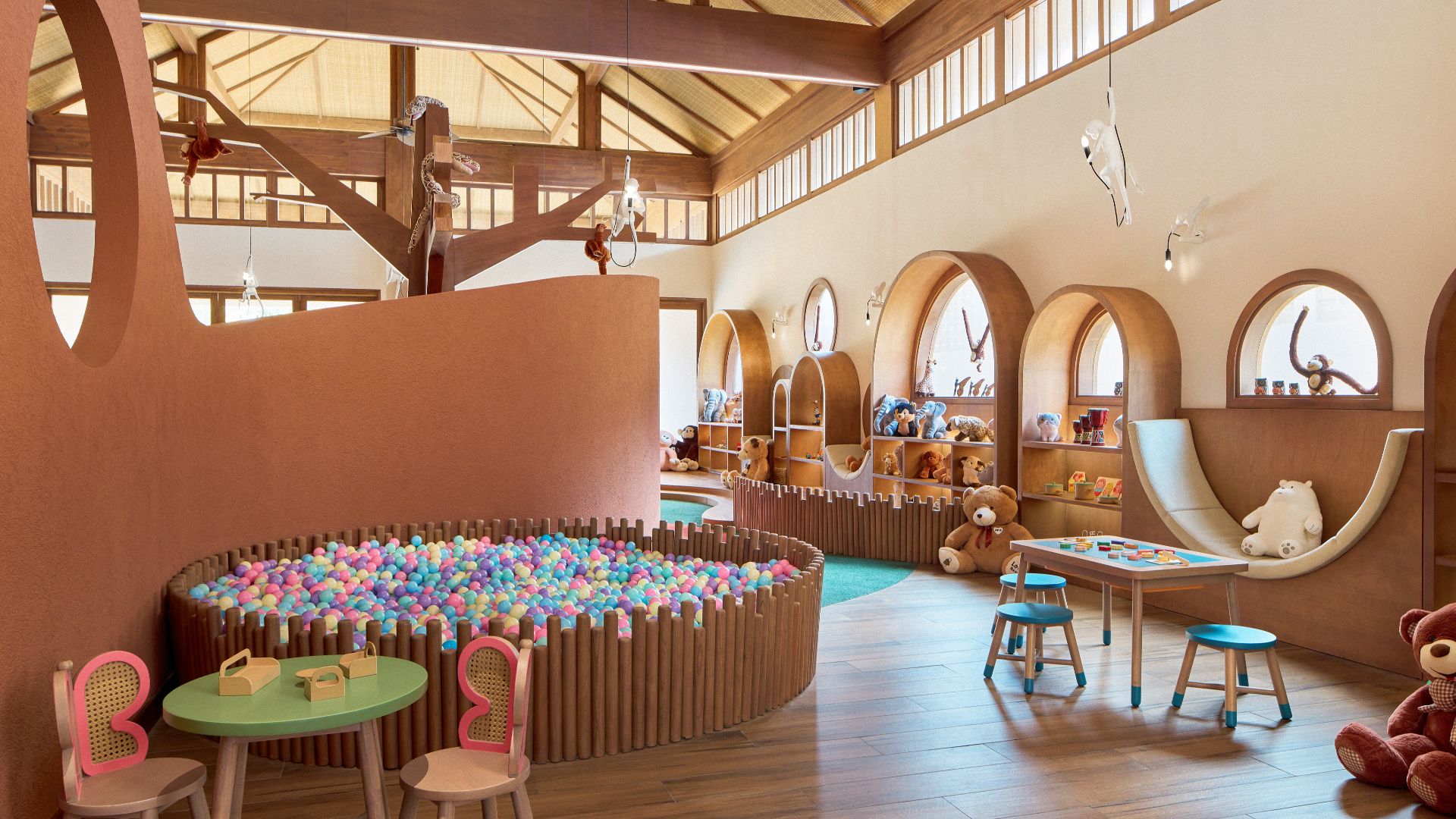 Paradisus Bali, Wikimedia Commons
Save The Advertisement Before It Changes
Keep screenshots of the resort website, booking-platform listing, brochure, confirmation email, and package description. Preserving exactly what appeared when you booked gives you evidence of the representation on which your decision was based.

Screenshots Beat Vacation Memories
Save images showing dates and the exact kids’ club language. Photograph closed signs, locked facilities, or notices at the entrance. Supporting documentation is important when a travel complaint later has to be investigated.

Read The Fine Print
Check whether the listing said the club was seasonal, subject to availability, open only on certain days, or separately operated. Clear restrictions disclosed before purchase can weaken a complaint about later unavailability.

Seasonal Language Matters
A resort has a better argument if limited operating dates were clearly disclosed. An unqualified kids’ club promise followed by an undisclosed weeklong closure is a much stronger basis for claiming the advertised experience was not delivered.

Advance Notice Changes The Picture
If the resort warned you before arrival and offered cancellation or rebooking, your argument may be weaker. If you learned only at check-in, the difference between the advertised trip and the delivered trip becomes more significant.

Complain While You Are Still There
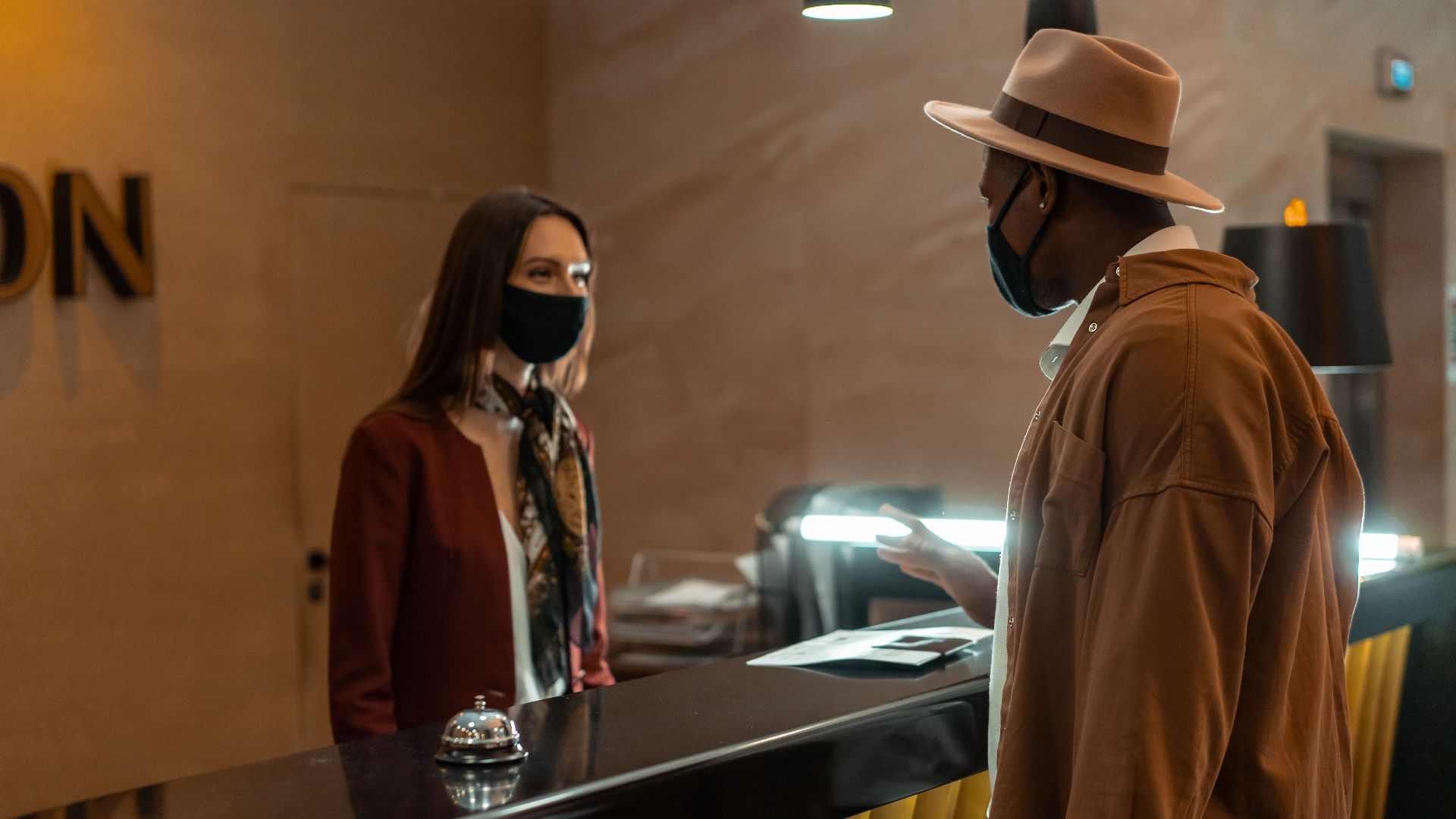
Tell the front desk, guest services, and a manager immediately. Reporting the problem gives the resort an opportunity to address it and creates a record showing that you raised the issue during the stay.

Get The Closure In Writing
Ask management to confirm that the kids’ club was closed and identify the affected dates. A simple email can prevent later arguments about whether the facility was actually unavailable during your vacation.

Give The Resort A Chance To Fix It
Ask whether there is a comparable supervised program, access to a sister property, or another workable substitute. A genuinely similar replacement could reduce the amount of compensation reasonably connected to the original problem.
A Babysitter Is Not Automatically Equivalent
A paid babysitter may not replace an included club offering group activities, programming, or set hours. If the substitute costs extra or significantly changes the experience you purchased, document those differences.

Keep Every Extra Receipt
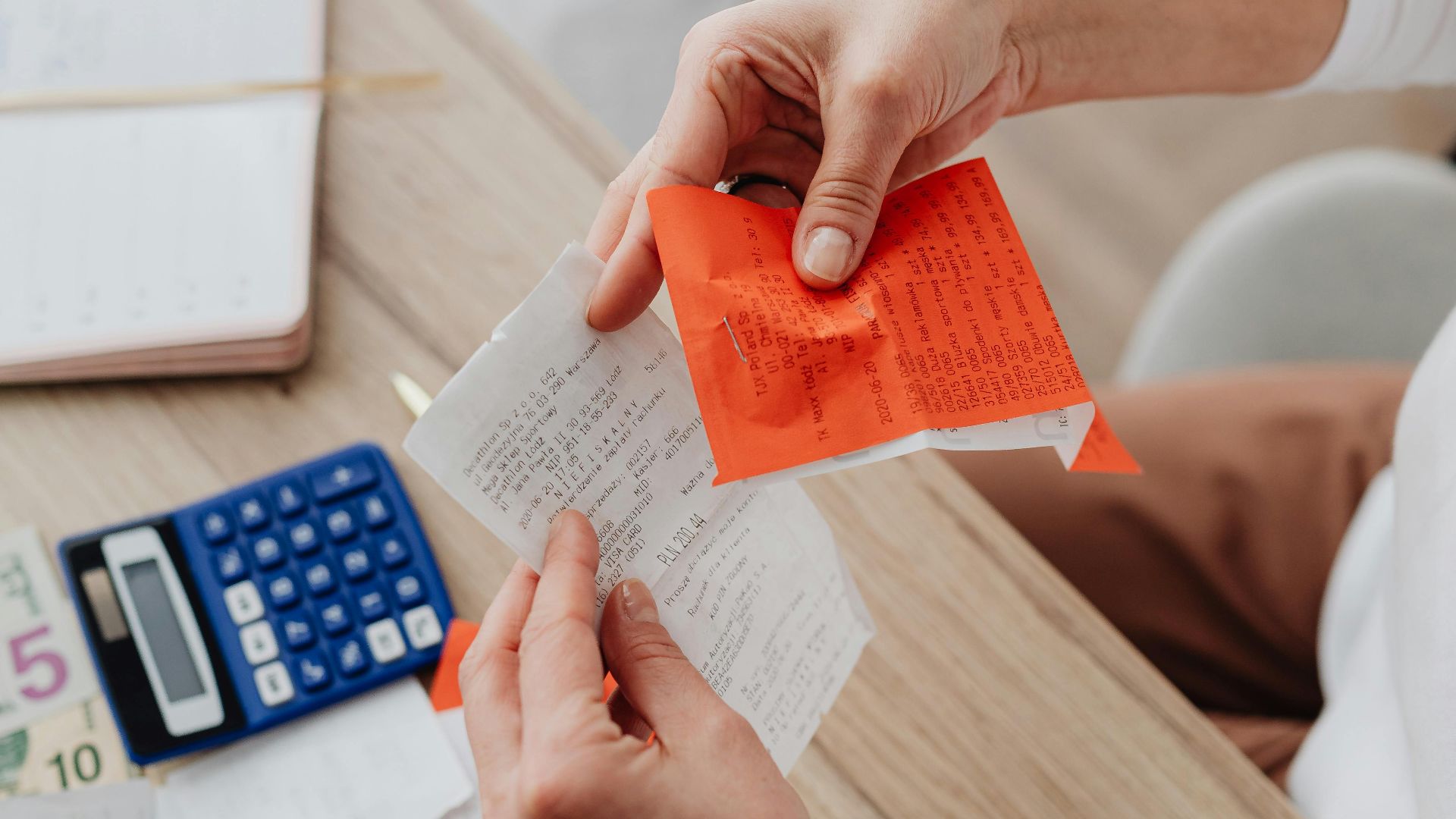
Save receipts for substitute childcare and other direct costs caused by the closure. Whether those expenses are recoverable depends on the contract and applicable rules, but undocumented expenses are substantially harder to support.
Separate Costs From Frustration
List measurable losses first, then explain why the club mattered to your booking. A focused complaint makes a clearer case than demanding repayment simply because the vacation was disappointing.

A Partial Refund Is A Sensible Starting Point
You still received accommodation and other resort services, so a proportionate refund may be more realistic than demanding the entire trip cost. Tie your request to the missing amenity and documented expenses.

A Full Refund Is A Higher Bar
A total refund generally requires a much more serious failure. Under EU package rules, exceptionally severe nonconformity can support a full refund when the package has effectively lost its purpose for the traveler.

“Ruined Our Trip” Is Not A Universal Formula
The trip may genuinely have been ruined, but compensation for lost enjoyment varies by jurisdiction. EU package rules expressly contemplate non-material damage such as loss of holiday enjoyment in qualifying circumstances.

U.S. Advertising Rules Can Help
U.S. advertising rules require claims to be truthful and non-deceptive and consider both express statements and the overall impression of an advertisement. A prominently featured kids’ club can therefore matter even without a separate price.

Your Credit Card May Be Another Route
If the seller refuses to resolve the problem, ask your card issuer whether the charge qualifies for a dispute. U.S. rules cover some services not delivered as agreed, although disputes about service quality can be treated differently.

Watch The U.S. 60-Day Deadline
For U.S. credit cards, federal guidance says written notice of a qualifying billing error generally must be sent within 60 days of the statement containing the disputed charge. Waiting too long can reduce statutory protections.

Canadian Advertising Rules Are Similar In Spirit
Canadian competition rules prohibit materially false or misleading representations. Information is considered material when it could influence consumer behavior, making your reasons for choosing that particular resort potentially important.
Ontario Travelers Have A Useful Example
Ontario travel guidance specifically identifies a hotel failing to provide amenities advertised by a tour operator as the type of complaint its regulator can assist with. That is unusually relevant to a closed kids’ club.
Booking Channel Matters
Ontario’s travel complaint system applies to registered travel retailers and wholesalers rather than every hotel worldwide. Direct resort bookings, online agency purchases, and tour-operator packages can therefore produce different complaint routes.

Package Holidays May Offer Stronger Rights
Under EU package rules, the organizer is responsible for performance of included travel services. When contracted services are not properly provided, travelers can have rights to correction, price reduction, or compensation.

EU Rules Specifically Address Price Reductions
EU law provides for an appropriate price reduction during periods of nonconformity unless the problem is attributable to the traveler. Compensation can also be available for resulting damage, subject to statutory exceptions.

Put The Complaint In Writing
After the trip, send a concise complaint with booking details, screenshots, closure evidence, receipts, and the remedy you want. Ontario travel complaint guidance recommends first attempting to resolve an eligible dispute directly with the travel company.

Ask For A Specific Remedy
Request a defined partial refund, reimbursement of documented substitute-childcare costs, or another concrete remedy. Explain how you calculated it rather than simply asking the company to “make things right”.

Escalate To The Right Party
If the resort refuses, escalate to the booking company, tour operator, card issuer, or applicable regulator. Ontario’s travel regulator can facilitate certain disputes involving registered businesses, although it cannot impose a settlement.

The Evidence Is What Turns Anger Into A Claim
Can you hold the resort accountable? Potentially, yes. Your case is strongest when the kids’ club was clearly promised, unavailable all week, important to your booking, promptly reported, and backed by documents showing both the promise and your resulting losses.

You May Also Like: