That Tiny Tear Can Ruin A Big Trip
It sounds ridiculous, but yes, travelers can be denied boarding even if their passport has not expired. Airlines and border officials do not just check the date. They also look at whether the passport is damaged, altered, or too worn to trust.
 Gustavo Fring, Pexels, Modified
Valid Does Not Always Mean Usable
A passport can still be legally valid and fail a travel check. The U.S. Department of State says normal wear is expected, but serious damage, especially to the cover, the page with your photo and details, or the chip, can make a passport invalid for travel. That catches plenty of people by surprise at the airport.
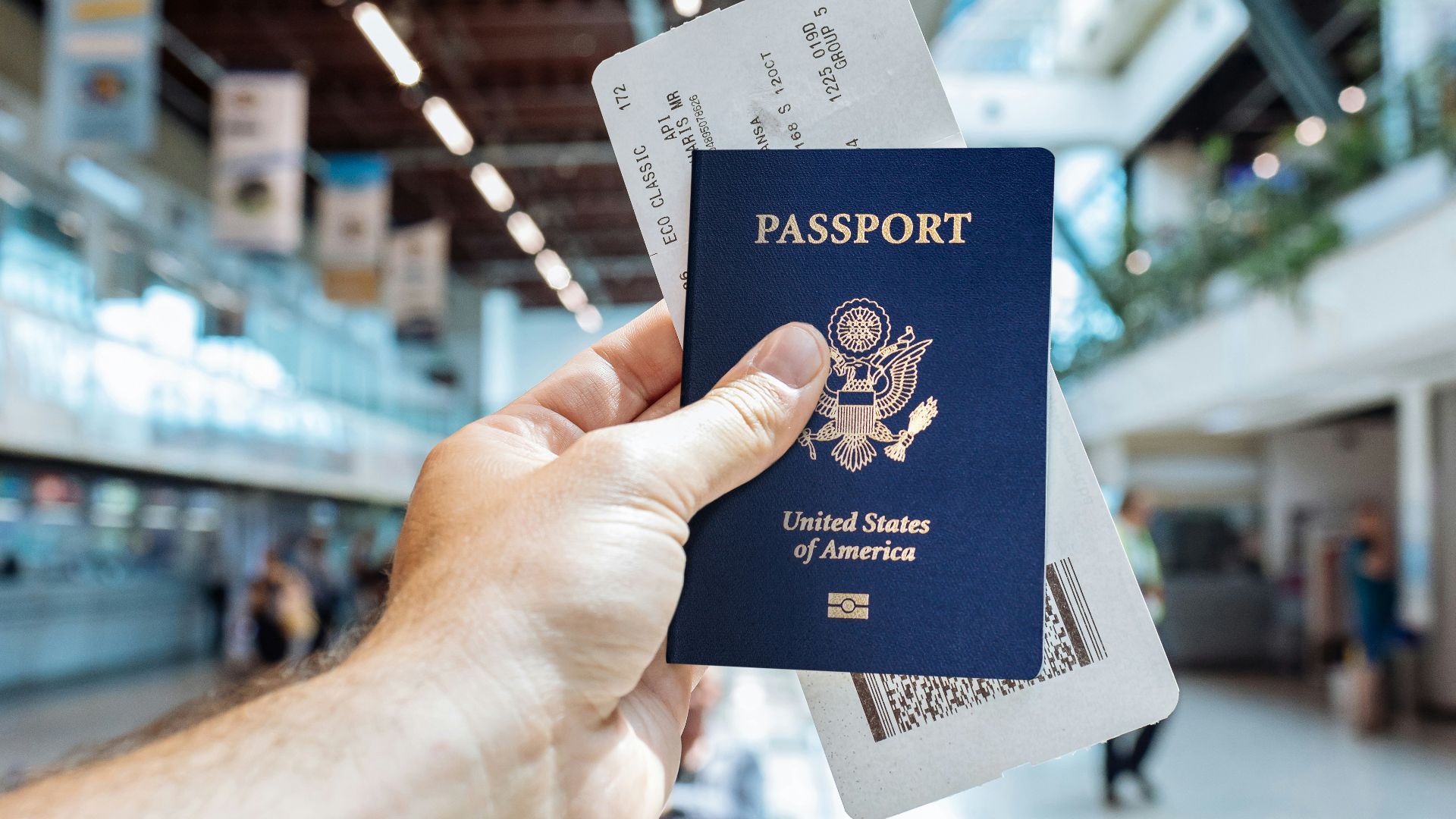
 Global Residence Index, Unsplash
Why Airlines Sometimes Stop You Before Border Control
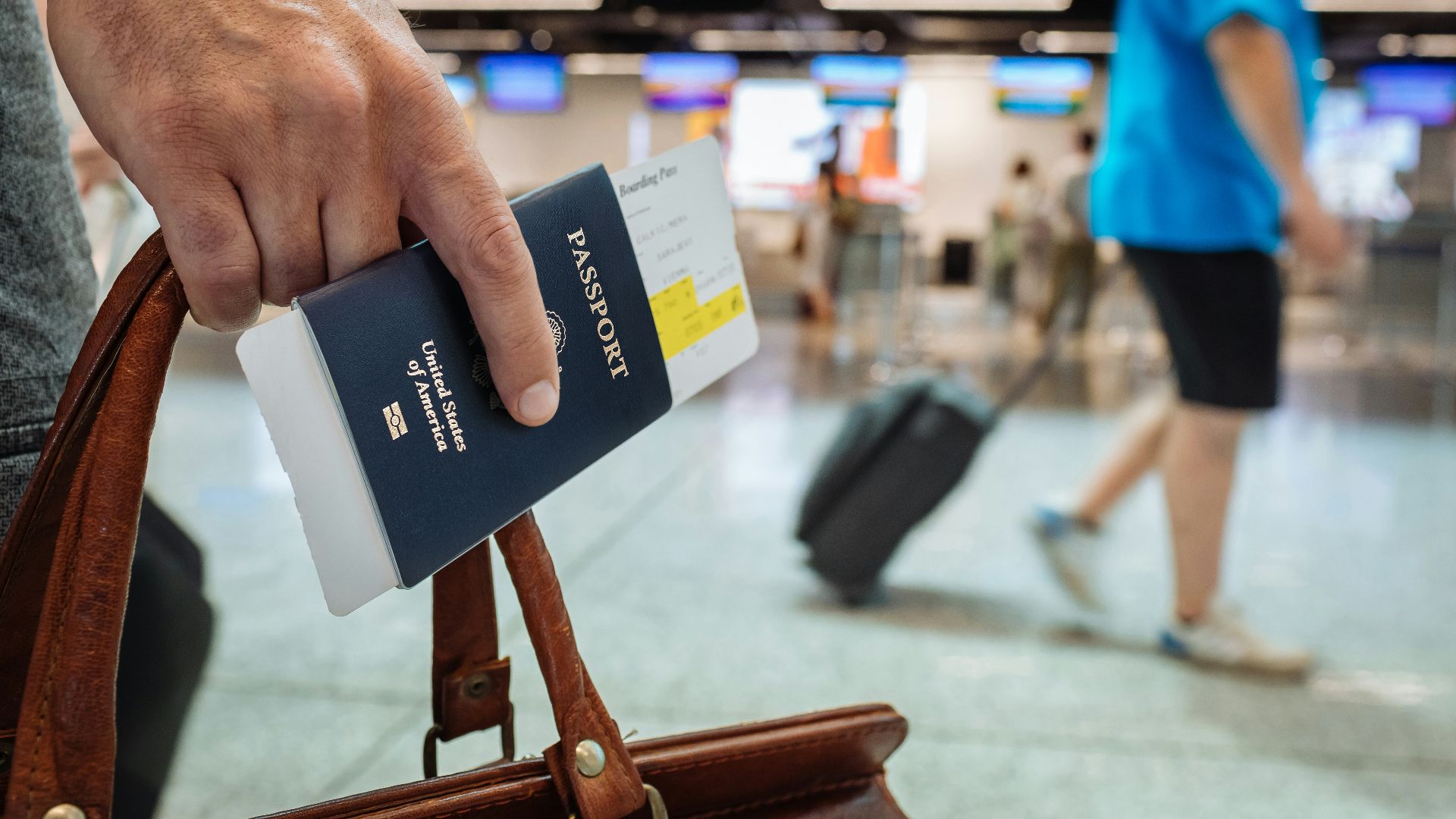
Airlines are often the first checkpoint because they can be fined for flying passengers without acceptable travel documents. Many airline staff use Timatic, the International Air Transport Association database that helps them check passport and entry rules. If a passport looks too damaged to pass inspection later, the airline may deny boarding on the spot.
The U.S. Government Has Been Pretty Direct About Damage
State Department guidance says passports with damage beyond normal wear and tear should be replaced. It specifically points to water damage, unofficial markings on the data page, torn pages, a major tear, and damage to the radio frequency identification chip. In short, if your passport looks questionable, officials may treat it as unusable even if it has months left before it expires.
What Counts As Normal Wear
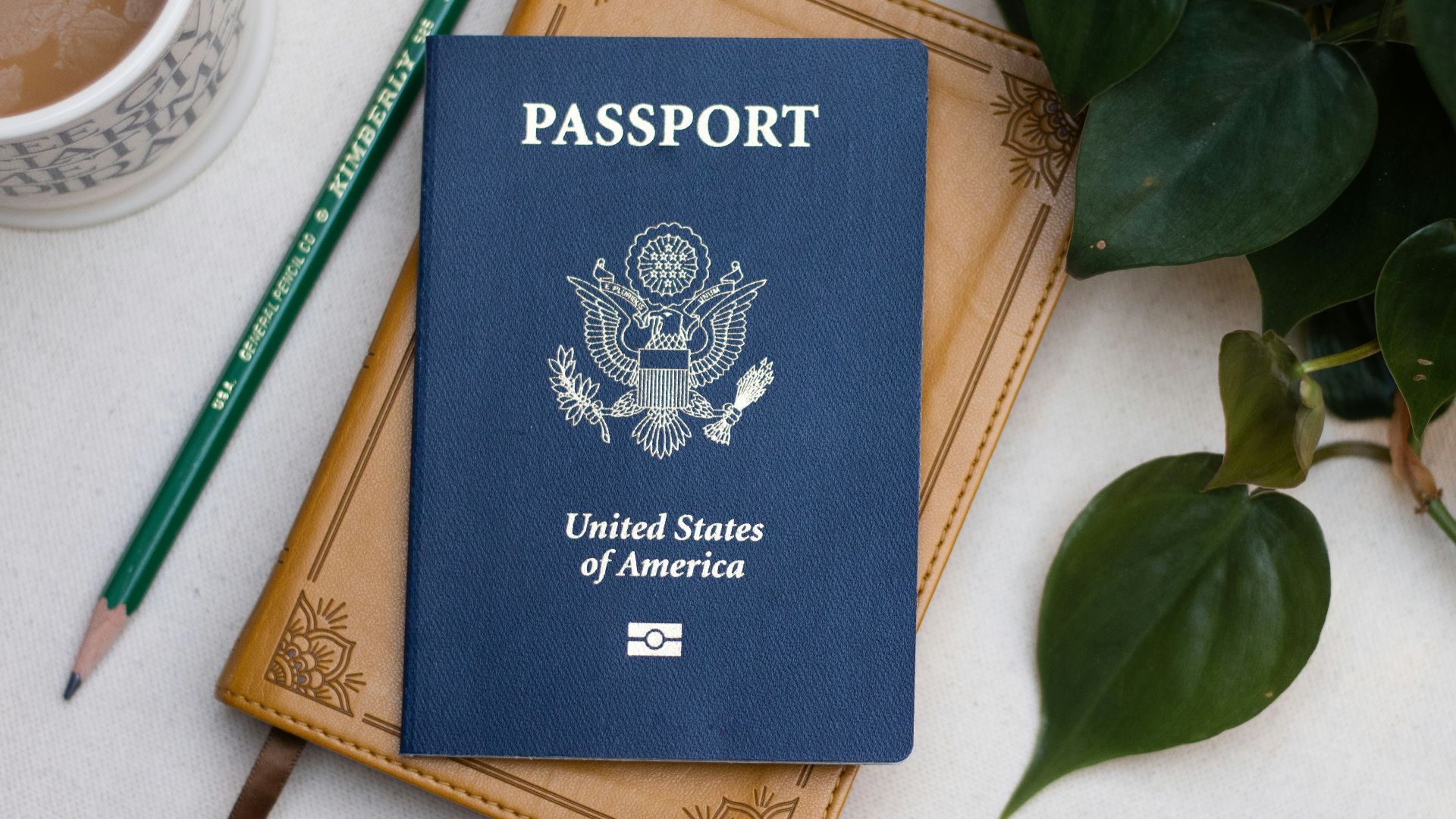
Not every scuff is a problem. The State Department says normal wear includes bending from regular use and visa pages fanning out after being opened and closed many times. A lightly worn passport may still be fine, but once the damage affects identification or readability, the risk jumps.
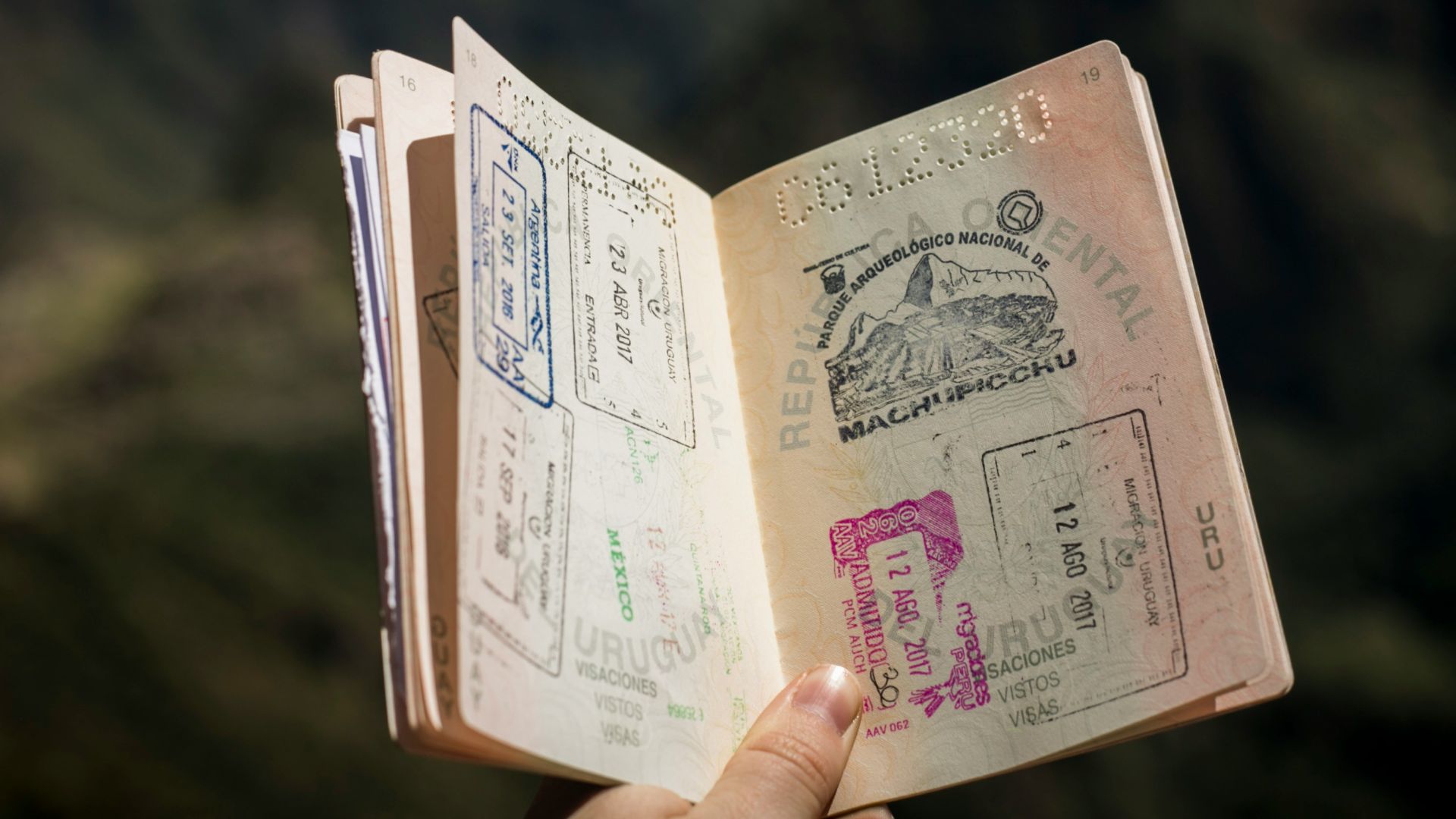
The Data Page Is The Biggest Trouble Spot
If one page matters most, it is the page with your photo and personal details. U.S. guidance warns that if this page is hard to read, marked up, peeling, or damaged, you should replace the passport. That is the page airline staff and border officers rely on first.
 Quintin Soloviev, Wikimedia Commons
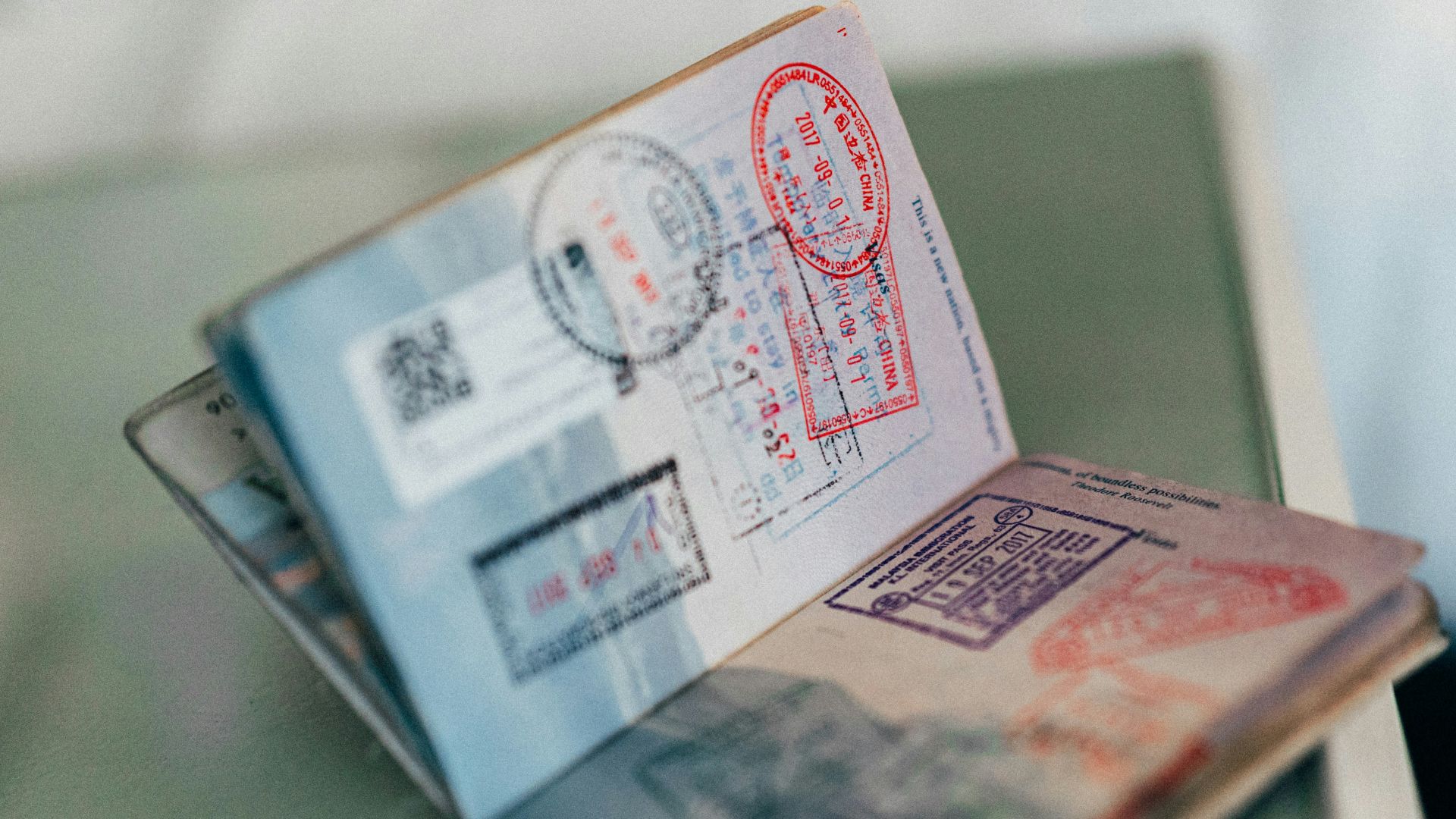
Water Damage Is A Common Deal Breaker
Water damage comes up again and again in passport warnings because it can warp pages, blur information, and damage the chip. The State Department lists it specifically as a reason a passport may need to be replaced. A passport that got soaked in a beach bag or caught in the rain may not make it through check-in.
 Kit (formerly ConvertKit), Unsplash
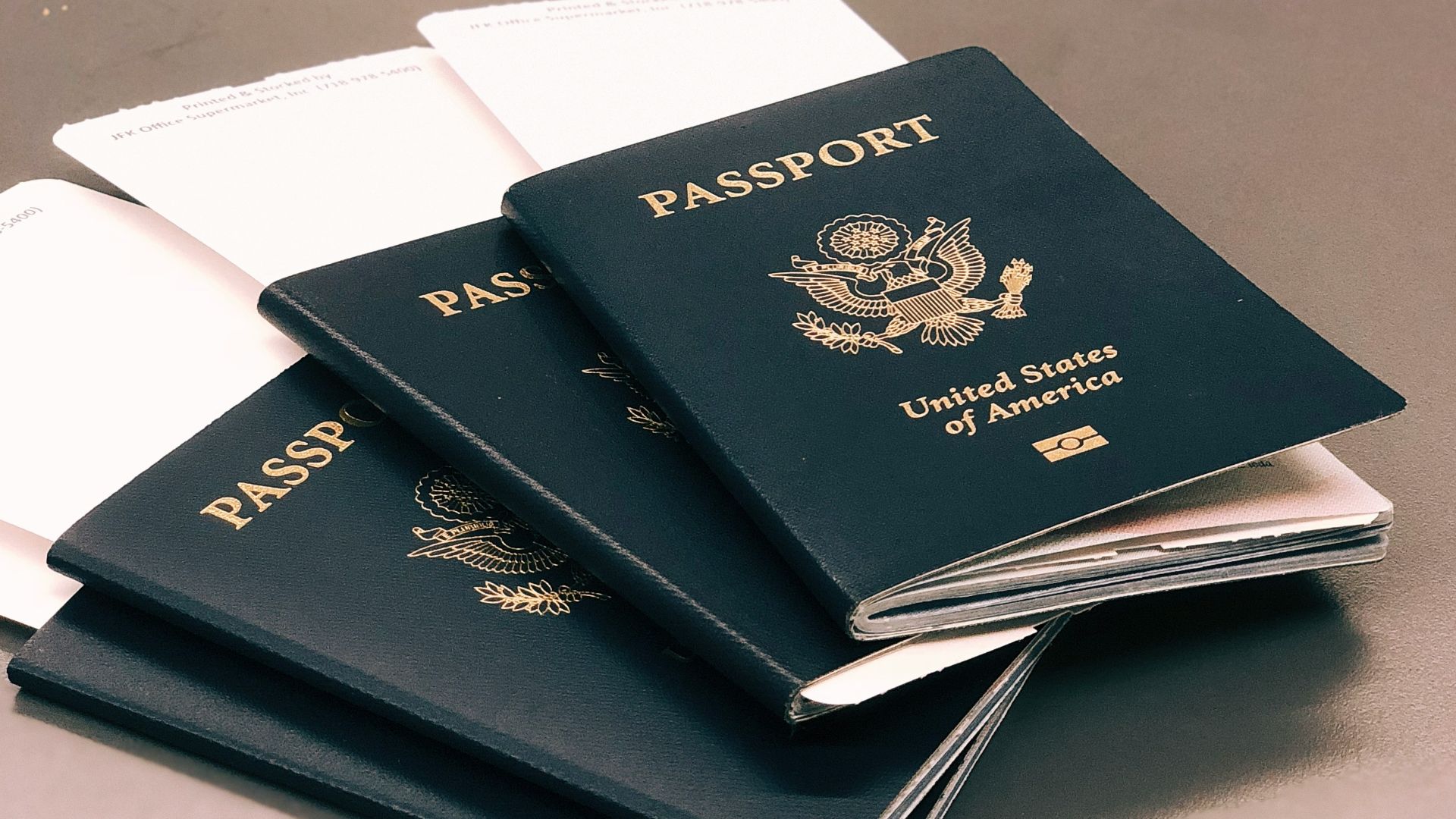
The Chip Matters More Than Most People Think
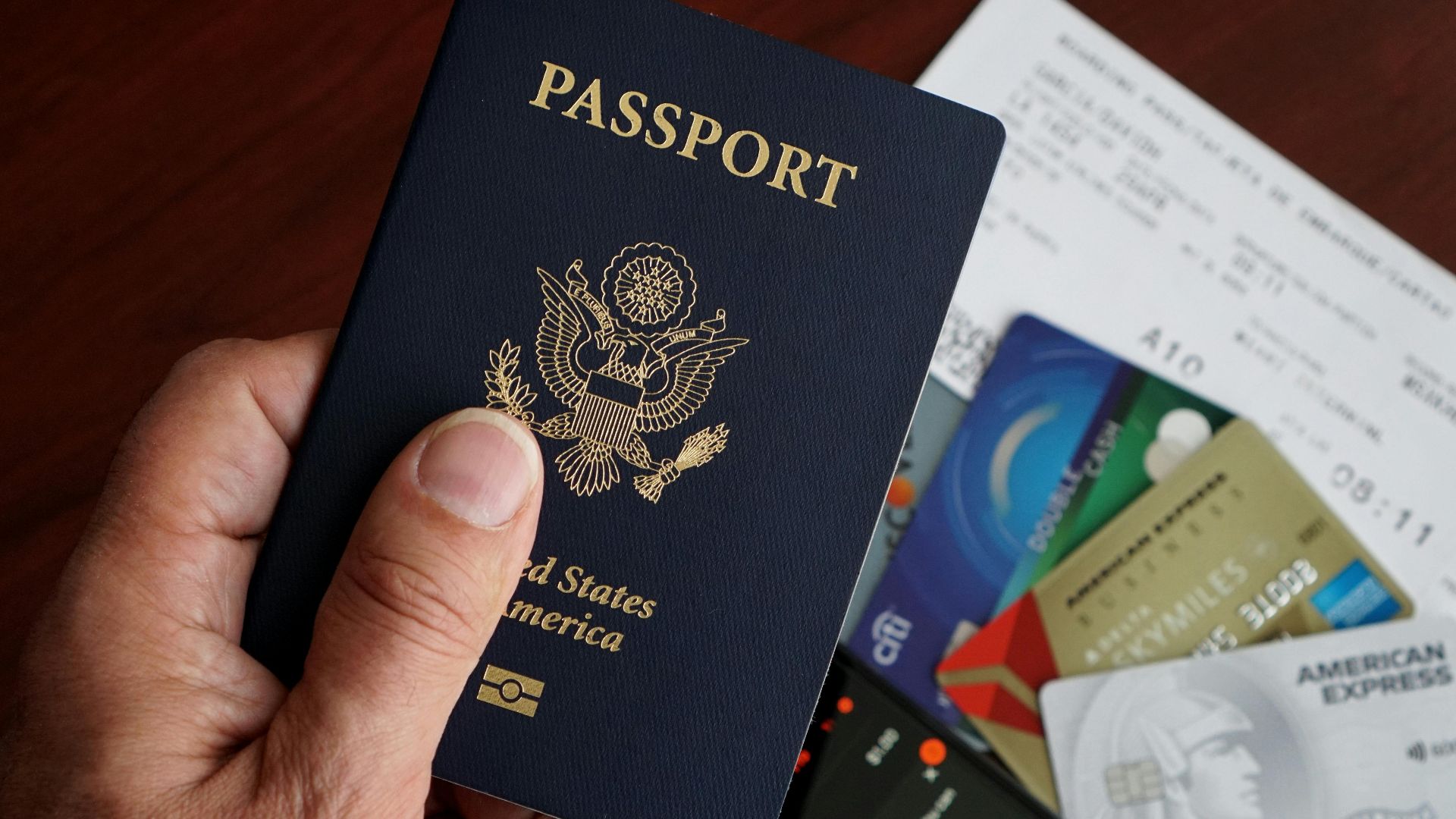
Modern U.S. passports have an RFID chip in the cover. If that chip is damaged, the State Department says the passport may no longer be valid for travel. Some checkpoints rely heavily on machine-readable features, so a passport can raise alarms before an officer even turns a page.
There Is No Universal Damage Rulebook
Part of the frustration is that there is no worldwide chart saying one bent corner is fine but one torn edge is not. A lot depends on whether the passport is still readable, intact, and machine-readable. That leaves room for judgment calls by airline staff and immigration officers, which is why travelers often say the process feels inconsistent.
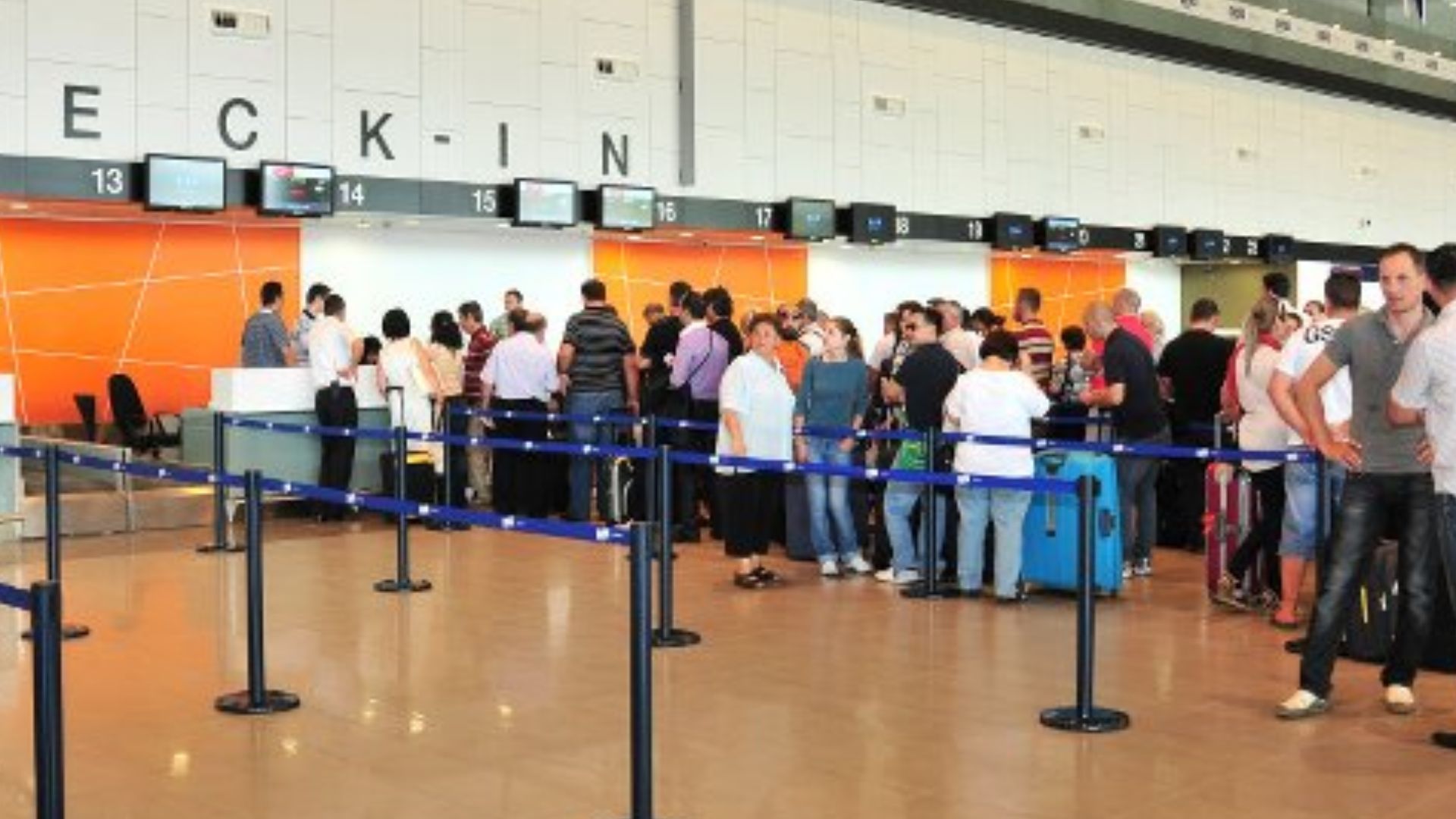
Airline Staff Are Trained To Play It Safe
From the airline’s point of view, being too relaxed can get expensive. Carriers can face costs and penalties if a passenger is refused entry and has to be flown back. That is why gate agents may reject a worn passport even when the traveler says it worked on a previous trip.
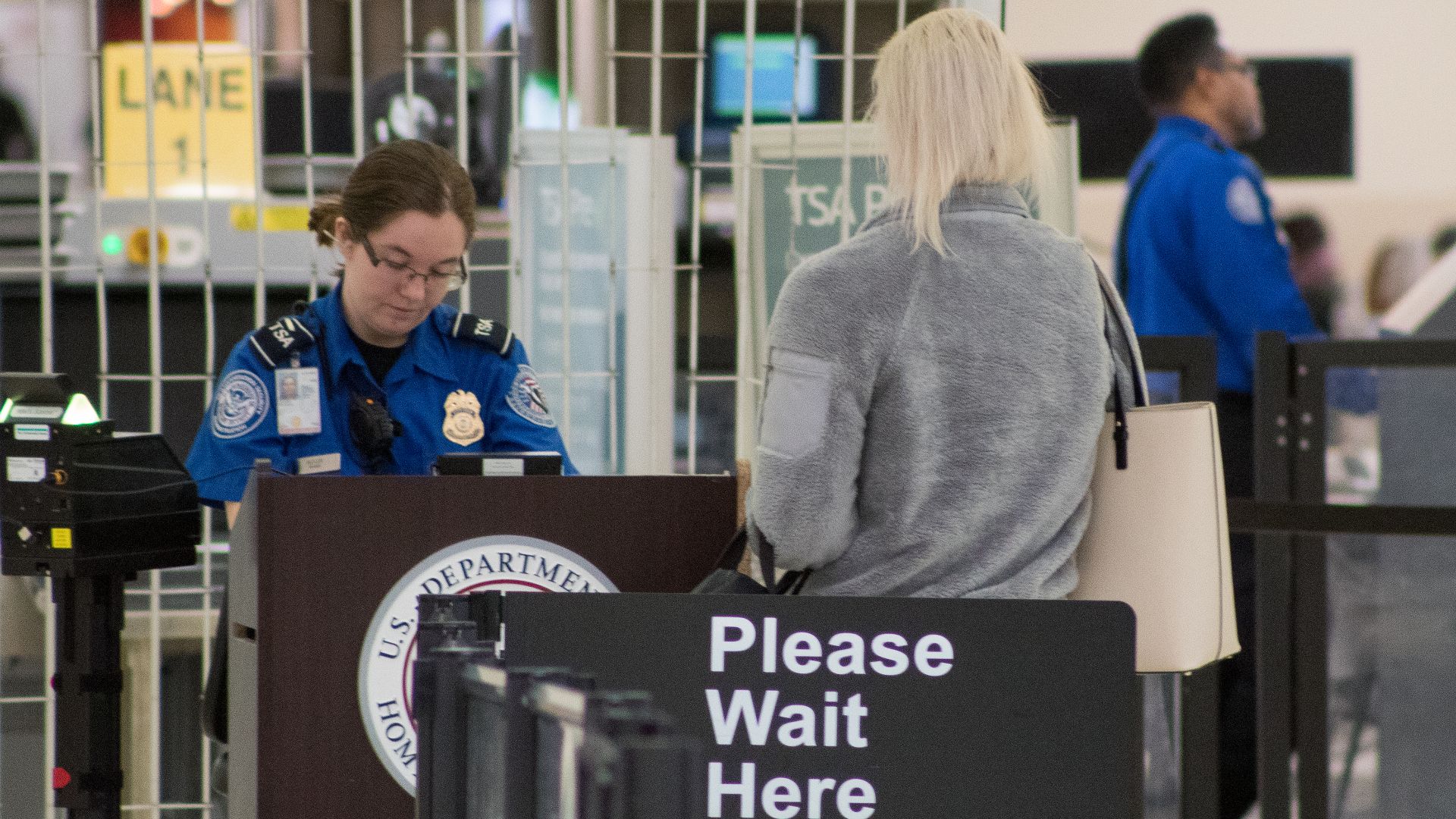 Michael Ball, Wikimedia Commons
Border Officials Still Have The Final Word
Even if an airline lets you board, entry is never guaranteed. U.S. Customs and Border Protection says a passport that is valid and not damaged is required for international travel. That wording matters because it separates expiration from condition, and it makes clear that physical damage alone can wreck a trip.
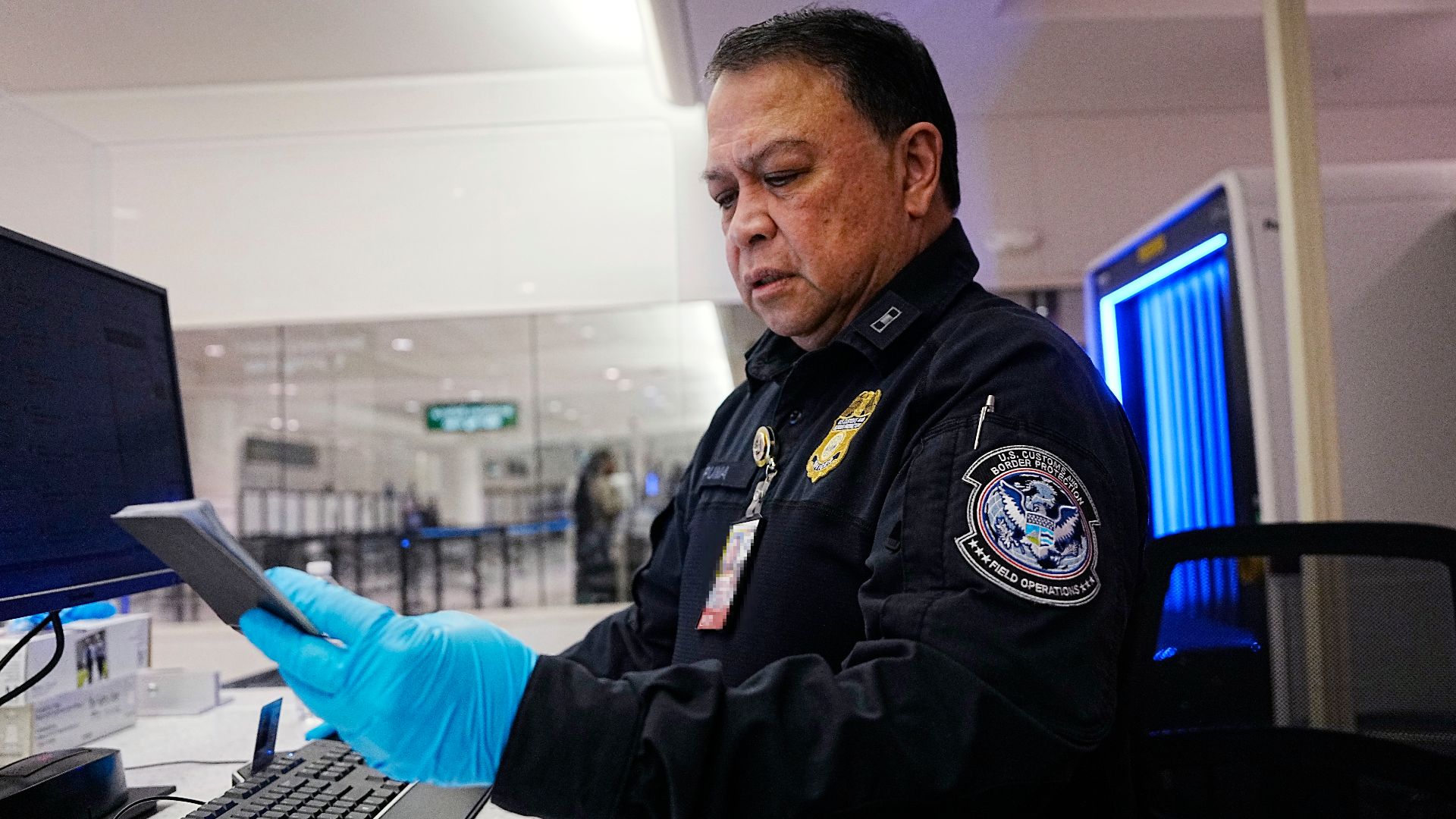 CBP Photography, Wikimedia Commons
Canada Gives The Same Warning
Canadian government guidance says a damaged passport can stop you from traveling and should be replaced. It gives examples such as water damage, torn or missing pages, and an altered identity page. That matches the wider pattern: the condition of the passport matters almost as much as the expiration date.
 Randolph Croft, Wikimedia Commons
The United Kingdom Says Much The Same
UK government guidance also says travelers should replace a passport if details are unreadable, pages are torn, cut, or missing, or if there is other damage. That matters because it shows this is not some odd one-country rule. Across major travel systems, the message is basically the same.

Why Slight Wear Can Still Turn Into A Problem
The tricky part is that “slightly worn” means different things to different people. A traveler may see harmless fraying, while an agent sees a document that looks altered or worn out. Once a passport raises doubt, the practical result can be a denied boarding, especially on international flights with strict document checks.
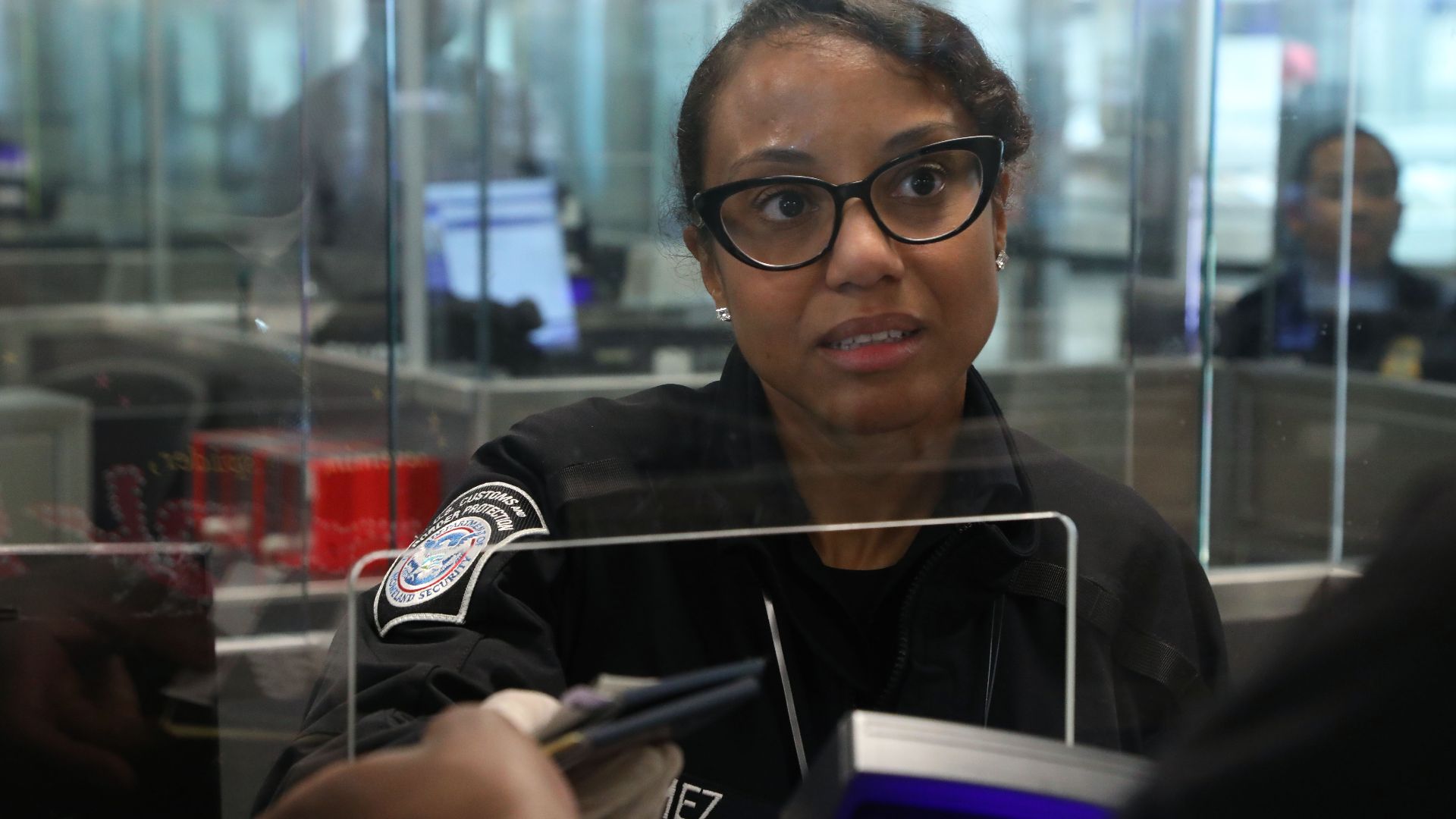 CBP Photography, Wikimedia Commons
The Most Common Trouble Spots
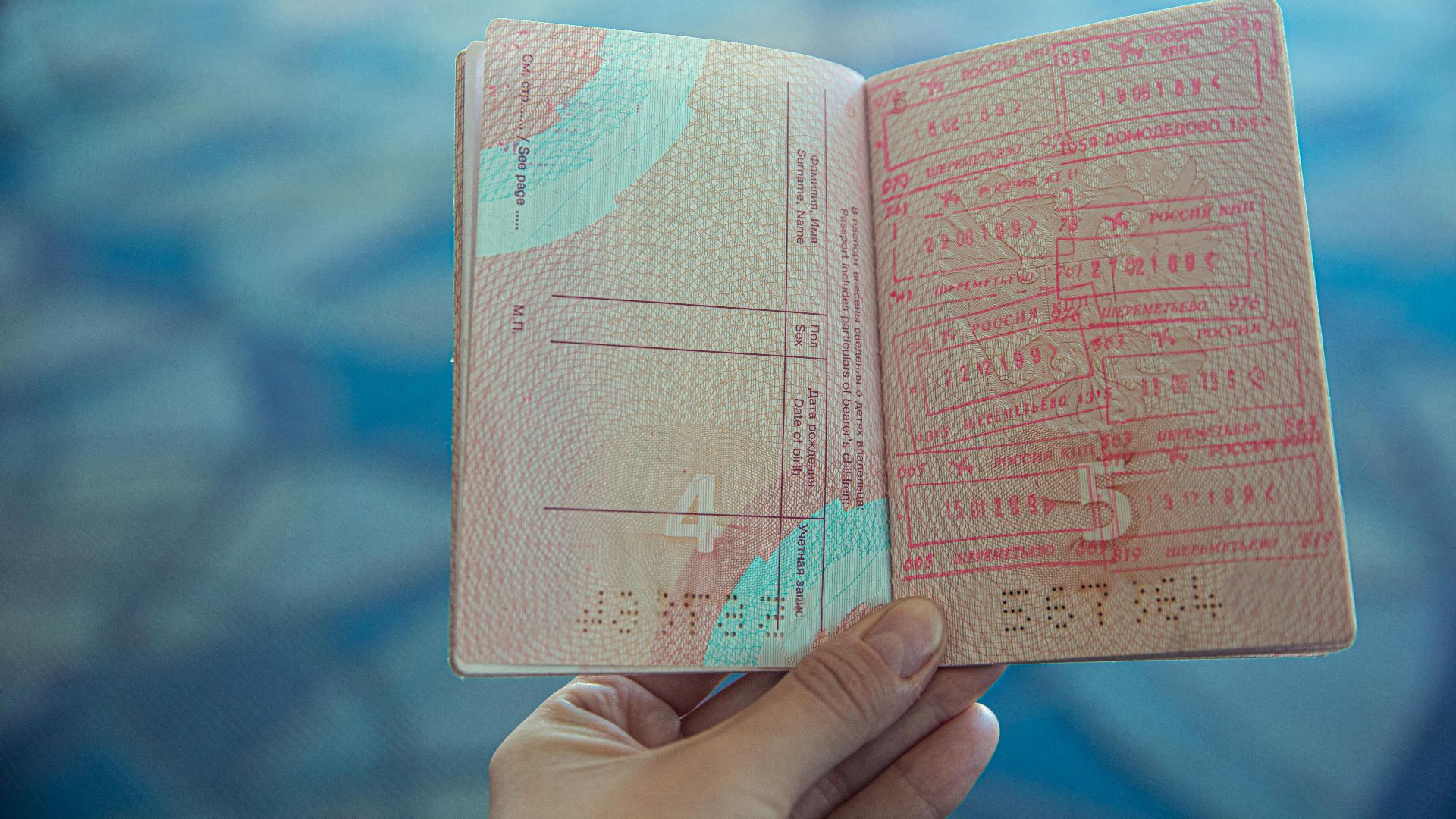
The highest-risk areas are usually the cover, the photo page, the machine-readable zone, and any page that looks torn or loose. Missing visa pages or pages that appear tampered with can trigger immediate concern. Even a small rip can become a serious issue if it touches printed information or security features.

Unofficial Markings Can Cause Problems Too
Doodles, stickers, novelty stamps, and handwritten notes can all create trouble. The State Department says unofficial markings on the data page can invalidate a passport. Something that looks minor to a traveler can look like document alteration to an official.
Children’s Passports Often Get Hit Hardest
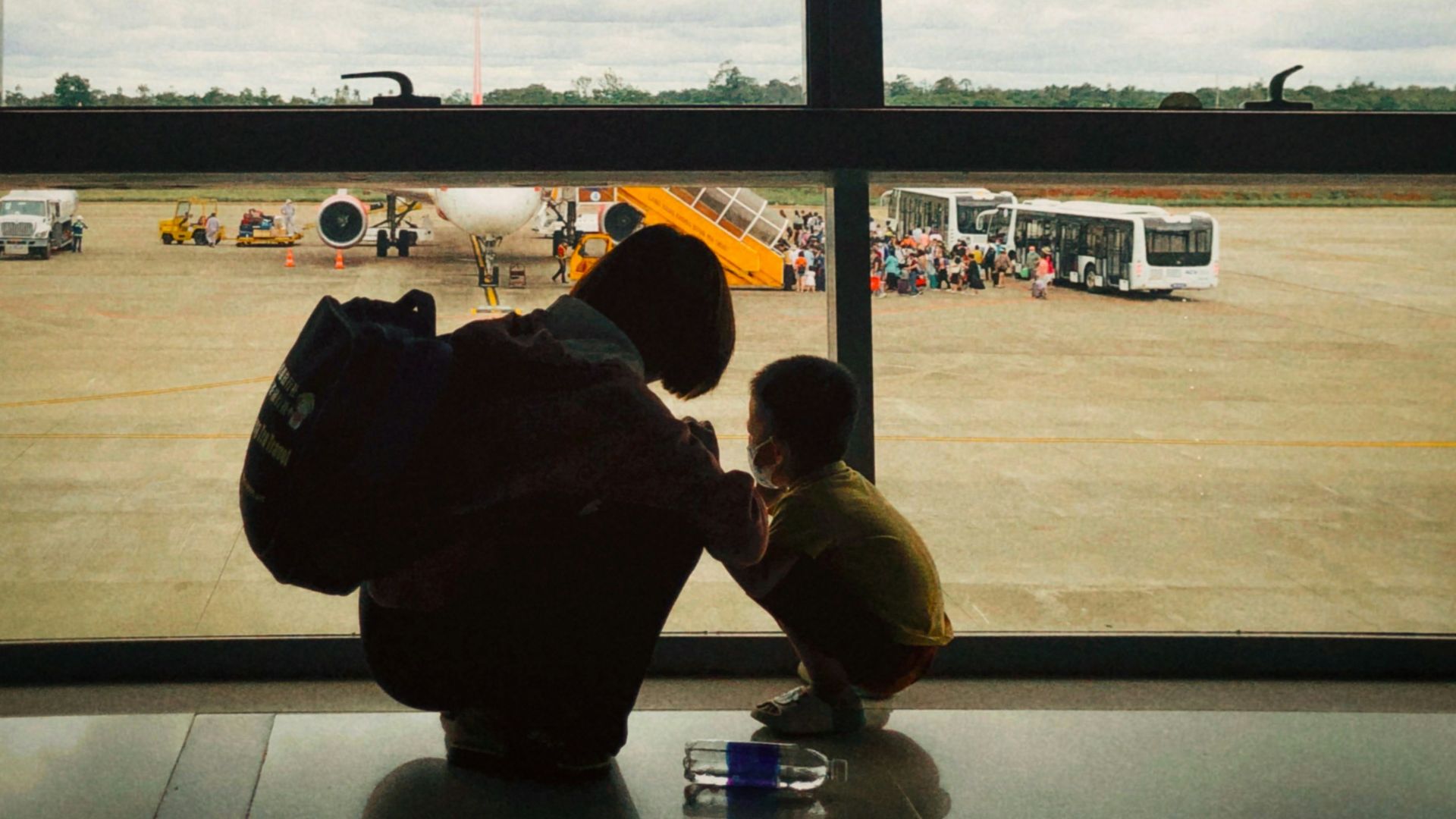
Family travel adds another complication because children’s passports often get stuffed into bags, bent, or exposed to spills. The same rules still apply. If the passport is damaged, an airline may deny boarding no matter how young the traveler is or how urgently the family needs to leave.
Cruises And Land Borders Are Not A Safe Workaround
Some travelers assume a worn passport matters less on a cruise or at a land crossing. That is a gamble. Document rules still apply, and operators may still refuse travel if a passport looks damaged. The exact rules can vary by route, but a questionable passport is never something to rely on.

If It Worked Last Time, That Does Not Mean It Will Work Again
Maybe the passport got through on your last trip, but that does not prove much. Different airline agents, airports, and border officers may make different calls on different days. A passport that passed once can still fail the next inspection, especially if the damage got worse or the route has tighter checks.
 CBP Photography, Wikimedia Commons
What To Check Before You Leave Home
Look over your passport in bright light and pay close attention to the photo page, the cover, the chip area, and the pages inside. Watch for signs of moisture, peeling laminate, tears, ink marks, or loose pages. If anything looks off, replacing it is usually smarter than trying to argue at the airport.

When Replacement Is The Safer Move
If the data page is marked or hard to read, if pages are torn or missing, if the passport got wet, or if the cover or chip is damaged, replacement is the safest option. That comes straight from government guidance, not travel gossip. It may cost time and money, but it is usually cheaper than losing a trip.
How Replacement Works In The United States
The State Department tells travelers with significantly damaged passports to apply for a new passport and submit the damaged one. Standard processing times vary, and urgent travel options exist in limited cases through passport agencies. The key point is simple: a damaged passport is usually not repaired for travel use. It is replaced.
 Unknown authorUnknown author, Wikimedia Commons
Do Not Wait Until Check-In To Find Out
The airport is the worst place to learn your passport is not acceptable. Airline agents are under time pressure, lines are long, and there is usually little room to argue once a document is judged too damaged. If you have doubts, deal with them before travel day.
 CBP Photography, Wikimedia Commons
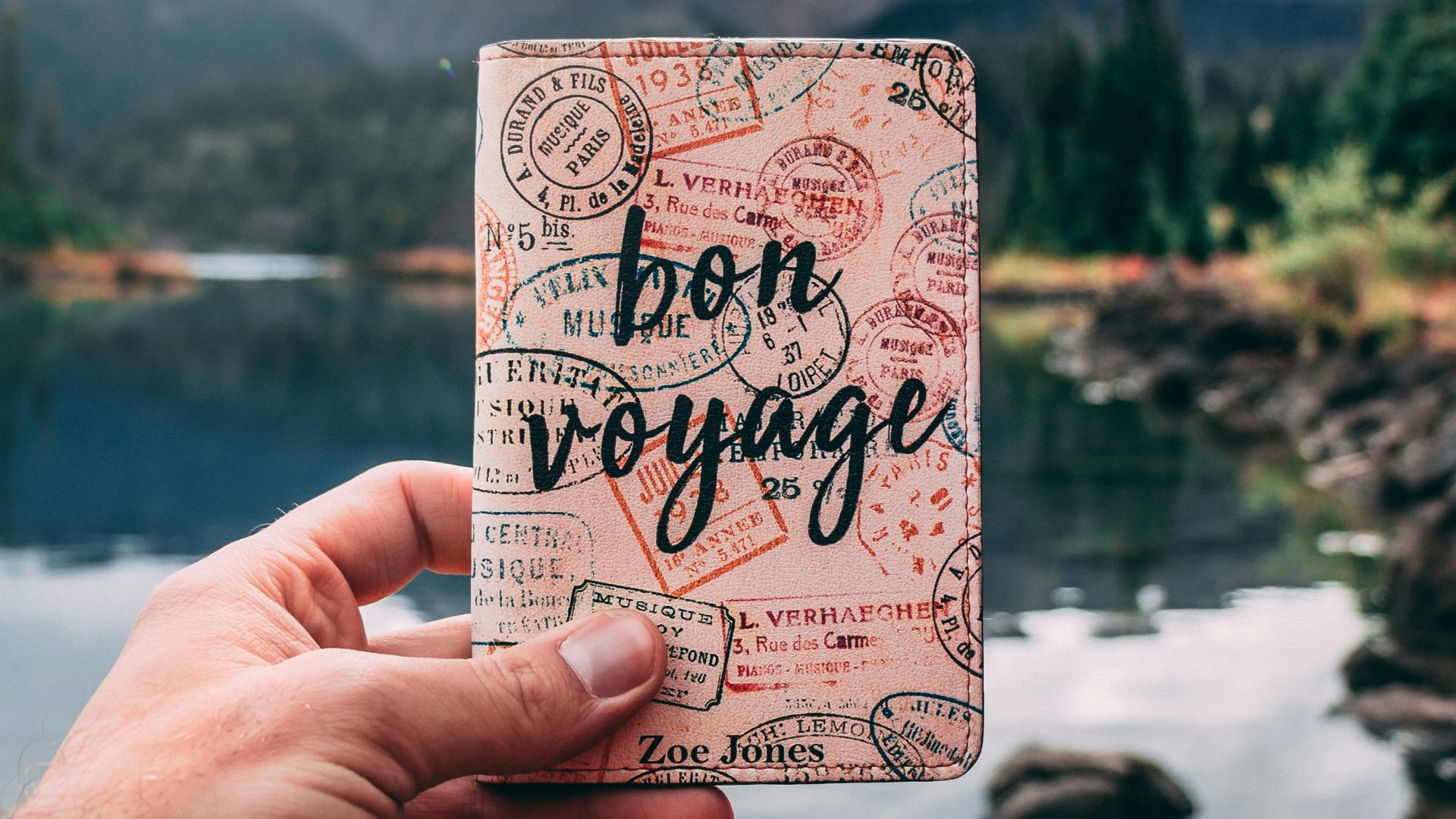
A Protective Cover Can Help
One simple habit can lower the risk. Keep your passport flat, dry, and away from liquids, and do not cram it into overstuffed pockets where the cover and chip can crack. A protective holder will not save a soaked passport, but it can help prevent the kind of wear that leads to trouble later.
What To Do If An Agent Flags It
Stay calm and ask politely what damage is causing concern. If there is time, ask whether a supervisor can take a look, though that does not guarantee a different answer. The point is not to win an argument. It is to find out whether the issue is a judgment call or a firm policy stop.
 CBP Photography, Wikimedia Commons
This Is Not Just A Travel Horror Story
It may not happen every day, but it happens often enough that multiple governments warn about it directly. The United States, Canada, and the United Kingdom all publish guidance on damaged passports. So no, this is not a myth, and it is not especially rare either.

The Bottom Line Before Your Next Trip
If your passport is valid but slightly worn, you may get through without any trouble, but once the wear goes beyond the ordinary, you are taking a real risk. The safest rule is simple: if key parts of the passport are visibly damaged, replace it before you fly.
 Global Residence Index, Unsplash