The Trip Was Booked Before They Even Asked
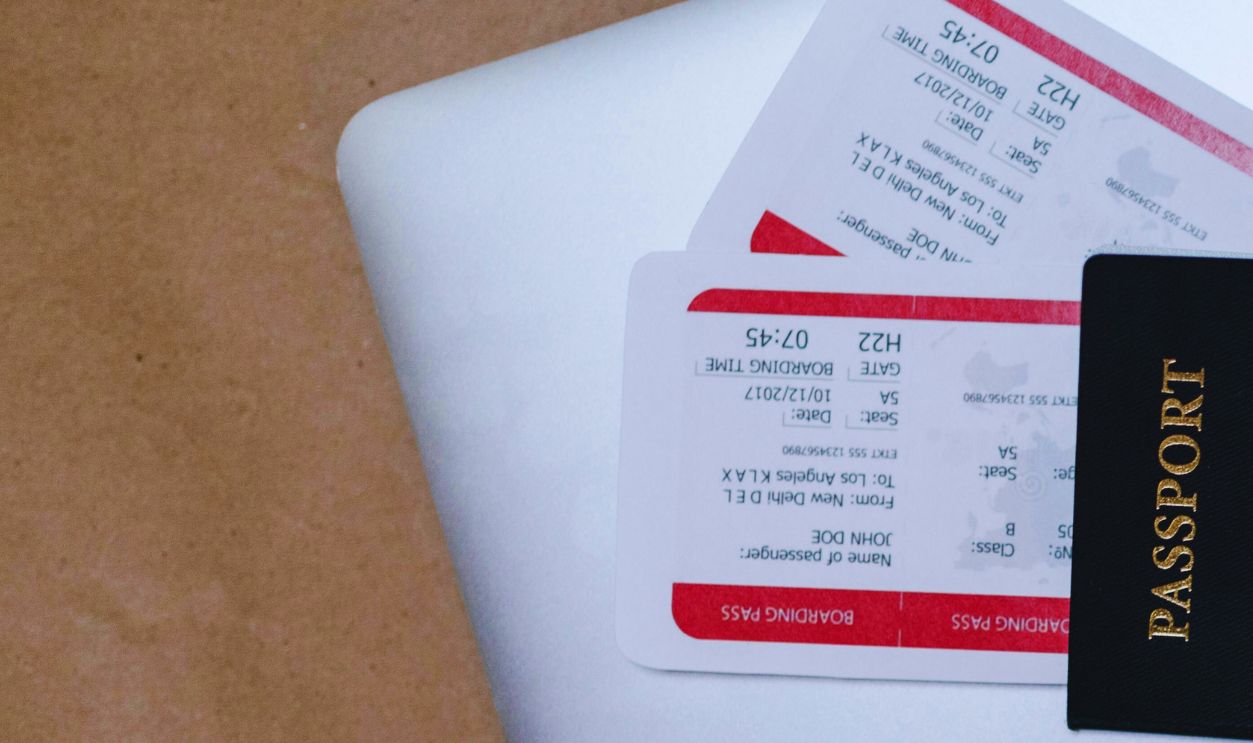
You left your passport at your parents, and suddenly you get a confirmation email for a trip you never agreed to. It would be annoying if you could go, but what if you're working and have to cancel? What if you just don't show up? Would your passport information on the booking be enough to make you

How The Story Ended Up Online
The issue came up in a post on an internet legal advice forum, where people bring real world disputes for basic guidance. This poster said their parents still had their passport information from a past trip together, and they booked an international vacation first and only then asked whether their adult child could come.

Then Came The Cancellation Fee Problem
In the real situation, when the poster said they couldn't go, the family expected them to cover the cancellation fees. Suddenly a frustrating family move turned into a genuine financial dispute. It's one thing for your parents to not consider you—it's another when it might be costing you hundreds if not thousands of dollars.
 https://kaboompics.com/, Pexels
Why This Hits A Nerve
Most adults expect to decide for themselves how they use their time, money, and vacation days. When an aging parent makes that call for them, it can feel less like a nice surprise and more like overstepping. Once passport information is involved, the whole thing starts to look like more than a family mix-up.

What Travel Companies Usually Focus On
Airlines, hotels, and tour companies usually care about a few basic things: whether a booking was made, what the rules of that booking are, and who agreed to pay. Cancellation fees usually depend on the fare, package terms, or lodging policy. Travel companies generally do not sort out family arguments about who should have asked whom first.
 Philip Mallis, Wikimedia Commons
The Contract Question Is The Big One
Under basic contract law, a person usually is not responsible for an agreement they never approved. Cornell Law School’s Legal Information Institute explains that a contract requires mutual assent, which means both sides have to agree to the terms. If someone booked a trip for you without your okay, that matters.

Mutual Assent In Plain English
Mutual assent just means people have to knowingly agree before they are bound by a deal. In travel, that usually means someone accepted the terms online, made the booking over the phone, or otherwise agreed to the charges. If the parents handled the reservation on their own, that is a key detail.

Agency Can Change Things
There is one complication that can come up in family or group bookings. If someone gave another person permission to act for them, the law may treat that person as an agent with authority to bind them. Cornell’s Legal Information Institute notes that agency law can make one person responsible for another person’s actions, but only if that authority was actually given.
 Axel Tschentscher, Wikimedia Commons
Did You Give Permission To Book
If you clearly told your parents they could book travel for you, the answer may change. But if all they had was old passport information from a previous trip, that is not the same as permission to sign you up for a new vacation or spend your money. Having your details does not automatically give them legal authority.

Who Paid Is A Huge Detail
One of the first practical questions is who paid the deposit or the full balance. If the parents used their own credit card, they may be the ones on the hook under the booking terms. If they used the traveler’s card without permission, that becomes a much bigger problem.

Credit Card Protections Could Matter
The Consumer Financial Protection Bureau says consumers can dispute unauthorized credit card charges. That does not always make things simple when the charge involves a family member, but it does mean there are formal protections if someone used your card without consent. In a situation like this, records matter fast.
 Tony Webster, Wikimedia Commons
Debit Card Cases Can Be Harder
Unauthorized debit card transactions can also be disputed, but speed matters even more. The CFPB says consumers should report unauthorized transfers quickly because legal protections can depend on how soon the problem is reported. If money came straight out of a bank account, waiting can make things worse.

Travel Insurance Probably Will Not Save The Day
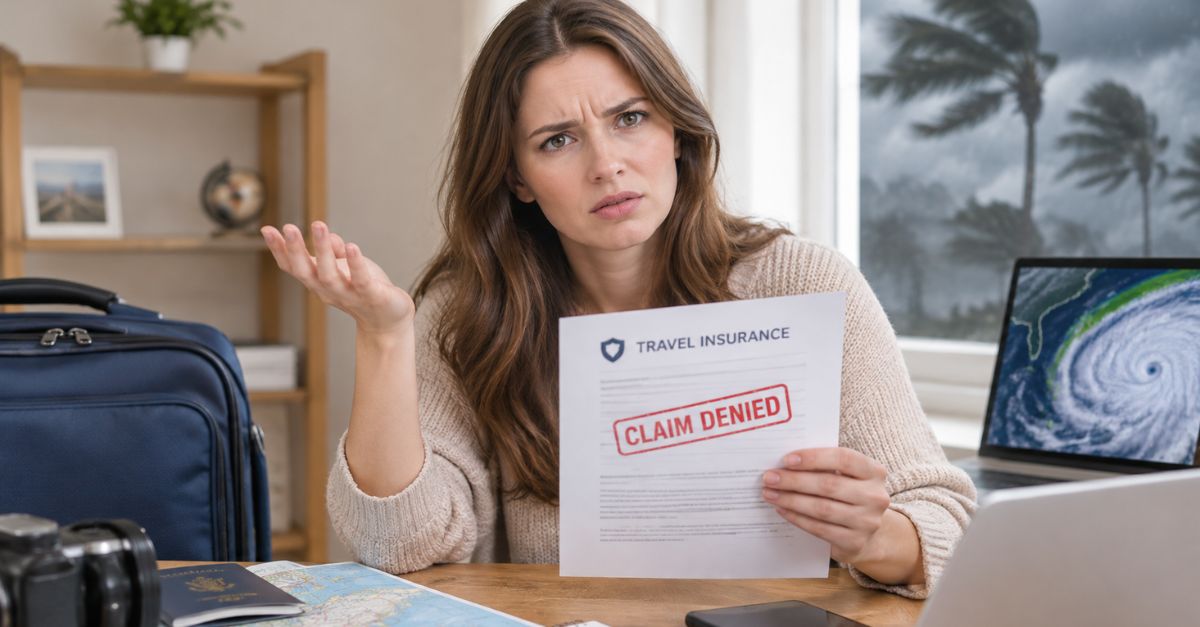
Some people assume travel insurance covers every kind of cancellation. Usually it does not. Standard policies tend to cover specific listed reasons, not a situation where someone was booked onto a trip they never agreed to take. The U.S. Travel Insurance Association says coverage depends on the exact policy language and the covered events it lists.

Tour Packages Often Have Clear Fee Schedules
If this was a package vacation or guided tour, there may be a set cancellation schedule. Companies often charge bigger fees the closer the trip gets, especially on international bookings. Those terms may be enforceable against the person who made the reservation, even if the family later argues over who should repay the loss.
 Summit Art Creations, Shutterstock
Airfare Is Often The Toughest Part To Change
Basic economy tickets and many discounted international fares can be hard to change or cancel. Some are nonrefundable, while others allow changes for a fee or only return certain taxes. The actual fare rules matter a lot more than what anybody assumed would happen.
Hotels And Rentals Play By Their Own Rules
Lodging policies can vary a lot. Some hotel reservations stay refundable up to a certain date, while prepaid rates may be locked in from the start. Vacation rentals may follow a host’s own policy or platform rules, so one trip can end up with several different cancellation terms at once.

Does Being Listed On The Reservation Make You Liable
Not necessarily. Being named as a traveler is not the same as being the person who entered the contract or agreed to pay. In many travel bookings, one person acts as the main booker and accepts the terms for everyone else.

What If The Family Says You Owe Them Anyway
This is where legal responsibility and family pressure split apart. A relative may insist you should cover the cost because it feels fair to them, even if the legal case is weak. Those are two separate issues, and mixing them together usually makes the fight messier.

If It Reached Small Claims Court
If the dispute ever ended up in small claims court, proof would matter. Texts showing you were never asked, confirmation emails showing who made the booking, and payment records could all help show what really happened. Courts usually care about solid evidence, not family memory.

Save Every Message
If this happened to you, keep the texts, emails, screenshots, and booking confirmations. Write down when you first learned about the trip and when you said you could not go. A simple timeline can make a confusing dispute much easier to explain.

There Is A Privacy Issue Too
A passport holds sensitive personal information, and travelers are told to protect it carefully. The U.S. Department of State warns people to share passport data only when needed for legitimate travel reasons. Family members often do have access to that information, but using it again without permission can feel like a serious breach of trust.

What To Do First
Start by asking for the full booking details. You need the airline, hotel, or tour company, the fare or package rules, the cancellation deadlines, and the name of the person who paid. Without that information, it is hard to know whether there are real cancellation costs at stake or how large they are.

What To Say To The Travel Company
If your card was used without your permission, contact both the travel provider and your card issuer right away. Ask whether your name can be removed from the booking and whether any credit can go to the lead passenger instead. Clear, calm questions usually work better than dragging the family fight into the call.

What To Say To Your Parents
Keep it direct. Say you did not authorize the booking, you never agreed to take the trip, and you need to see the exact terms before talking about money. That keeps the focus on the facts while protecting your position.

When It Is Worth Getting Legal Advice
If a lot of money is involved, or if your payment information was used without consent, it may make sense to talk to a consumer law attorney. The Reddit thread offered informal opinions, but online comments are not legal advice. Local law and the exact booking terms can change the outcome.

The Most Likely Bottom Line
Based on general contract law, an adult usually is not responsible for cancellation fees for a trip booked without their permission. The strongest legal responsibility usually falls on the person who made the booking and accepted the terms. Still, the answer can change if the traveler somehow authorized the arrangement or if their own money was used.

The Lesson Buried In The Family Drama
There is a simple travel lesson here. Do not book another adult onto flights, hotels, or tours until they have clearly said yes. Getting that answer in writing takes almost no effort and can prevent a lot of bad blood, surprise costs, and one very expensive argument.