The Pool Promise That Never Materialized
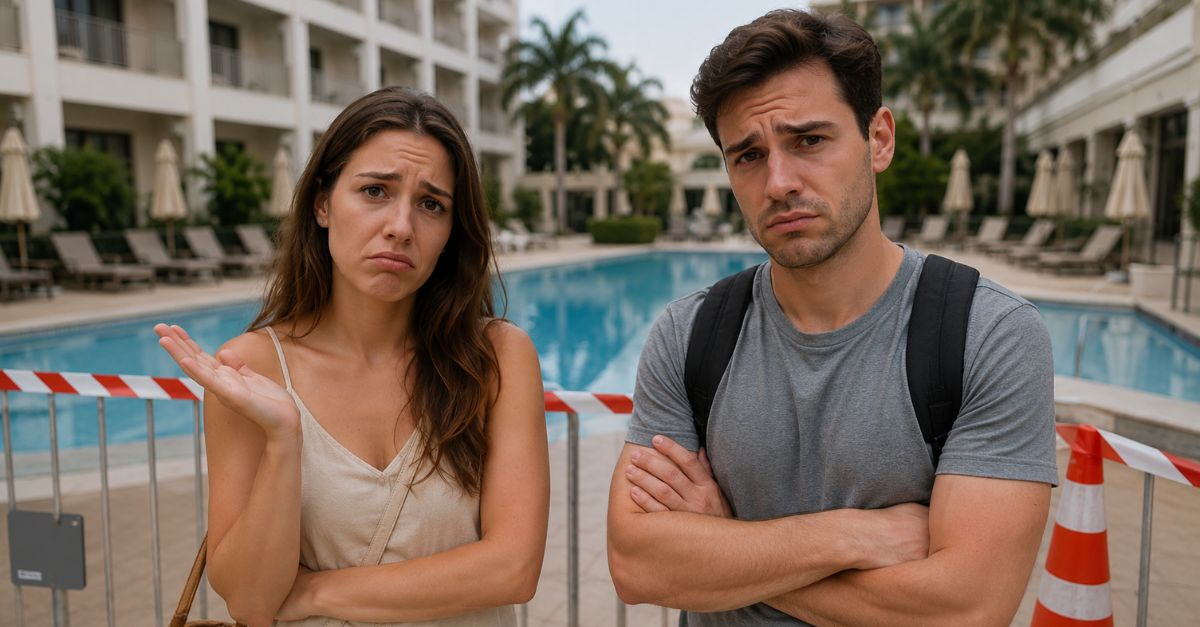
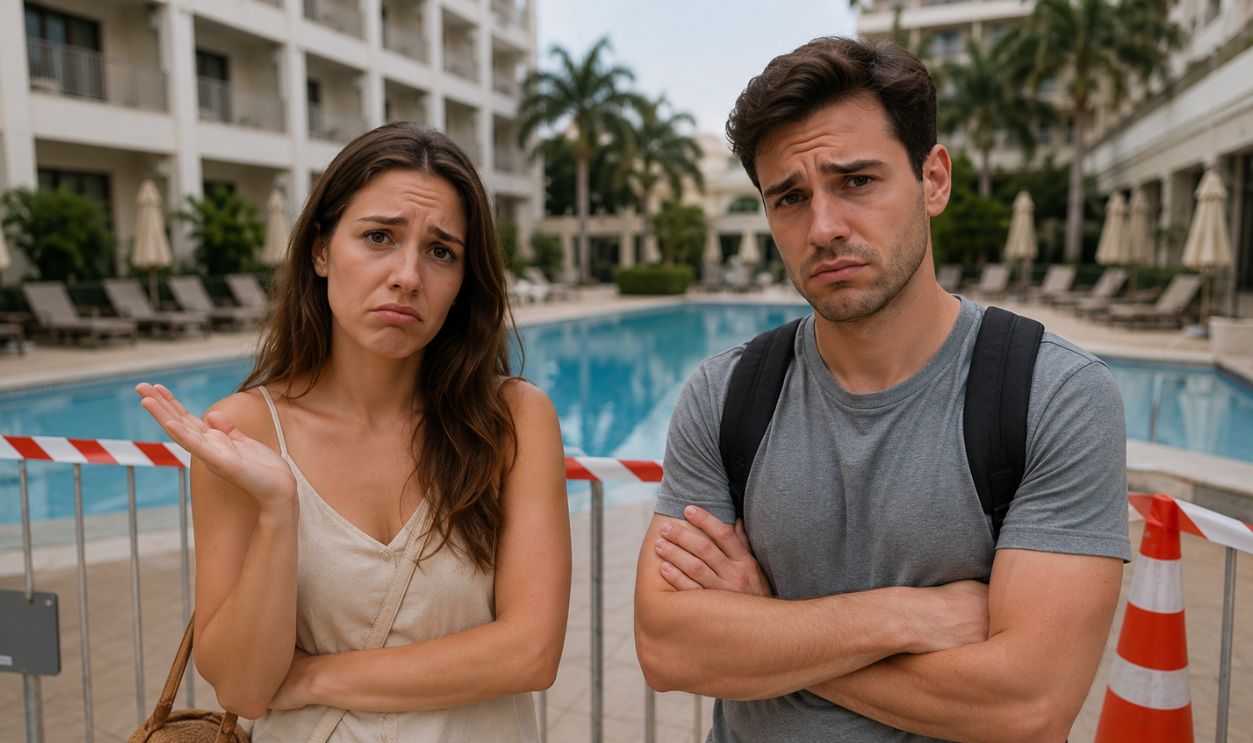
You book a hotel in-part because of its amazing pool facilities, only to find out upon arrival that they're "temporarily unavailable," and will remain so for your entire stay. This a common travel complaint, so it's fair to ask: Should you get compensation? Well, in some cases, yes, especially if the hotel advertised the pool and knew it would stay closed.
Why This Feels Bigger Than A Small Inconvenience
A pool is not always just a bonus. For families, couples, and even business travelers, it can be a serious part of why they picked one hotel over another. If the property used the pool to help sell the room, a closure can be more than a minor annoyance.

What Hotels Usually Mean By Temporarily Unavailable
That phrase often points to a short-term problem like maintenance, storm damage, or a sanitation issue. But if the pool stays closed for your whole trip, the bigger question is whether the hotel knew, or should have known, that the closure would last. That is what matters when you ask for compensation.

Start With The Hotel's Own Promises
The first thing to check is how the pool was described when you booked. Screenshots of the hotel website, your confirmation email, and the booking listing can help show whether the pool was presented as an available amenity. If the hotel featured it heavily, your case is stronger.

Advertising Matters More Than Many Travelers Realize
The Federal Trade Commission says advertising must be truthful and not misleading. That does not mean every pool closure creates a legal claim, but it does show why advertised amenities matter. If a hotel kept promoting a pool it knew was unavailable, that raises real fairness concerns.

Industry Rules Also Point To Honest Disclosures
Hotels that belong to the American Hotel & Lodging Association are expected to market accommodations accurately under its code of ethics. That is not a guarantee of compensation, but it supports a basic idea: guests should get honest information. In plain terms, surprise closures should not be brushed aside if the hotel could have warned you sooner.

When Compensation Is Most Reasonable
Compensation makes the most sense when the pool played a real role in your booking decision and the hotel did not clearly disclose the closure before arrival. It also makes more sense if no substitute amenity was offered. A small credit, points, partial refund, or waived fee can all be fair depending on the situation.
When The Hotel Has The Stronger Argument
If the closure was sudden and truly unexpected, the hotel may argue it did not mislead you. A storm, equipment failure, or a health issue can force an immediate shutdown. In that kind of case, you can still ask for a goodwill gesture, but the case for a bigger refund is weaker.
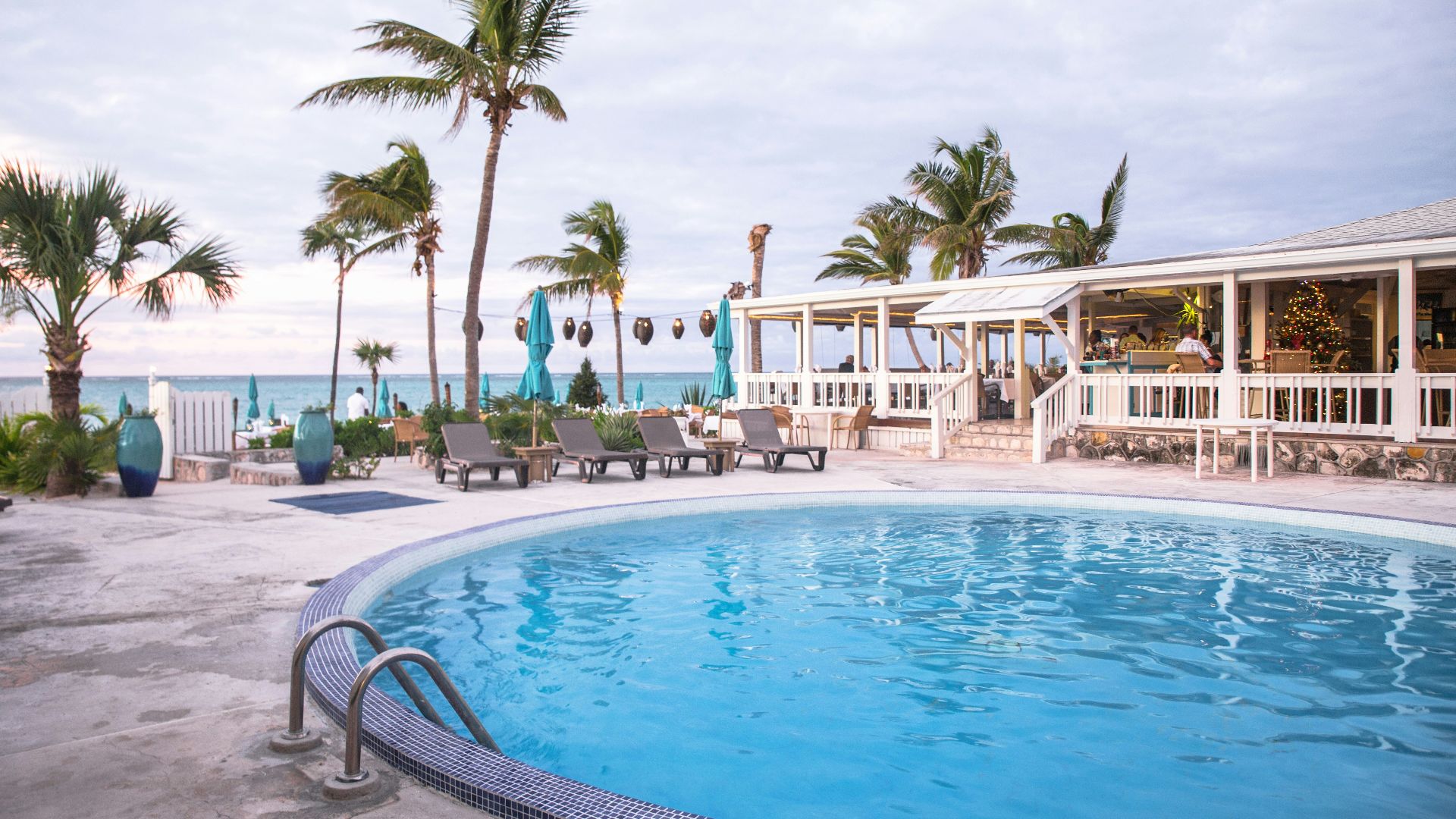
Timing Is The Detail That Often Decides Everything
The key question is simple: when did the hotel know the pool would be out of service? If staff or management knew before your check-in date and still let you arrive expecting pool access, that is when many compensation requests become much stronger.

What Booking Sites Say About Property Information
Major booking platforms usually note that property descriptions and amenity details come from hotels or partners. Expedia and Booking.com both say amenities can change and travelers should review property details carefully. Still, if the listing showed a pool without a clear closure notice, that can help support your complaint to both the hotel and the platform.

Why Families Often Have The Best Practical Case
For parents traveling with kids, a pool can be a big part of the trip plan. If the hotel knew the pool was closed and said only that it was temporary, that missing detail can seriously affect the value of the stay. Hotels often understand this and may be more willing to offer a credit or points adjustment.
Resort Fees Can Make The Situation Worse
If you paid a resort fee or amenity fee, your argument gets stronger. Consumer advocates have long criticized mandatory fees when key amenities are unavailable. If the pool was part of what that fee was meant to cover, asking for at least that fee back is especially reasonable.

Document Everything Before You Complain
Take photos of the closed-pool signs and note the dates of your stay. Save pre-arrival emails, app messages, and booking pages that mention the pool. The more specific your timeline, the harder it is for the hotel to dismiss your complaint as a vague frustration.

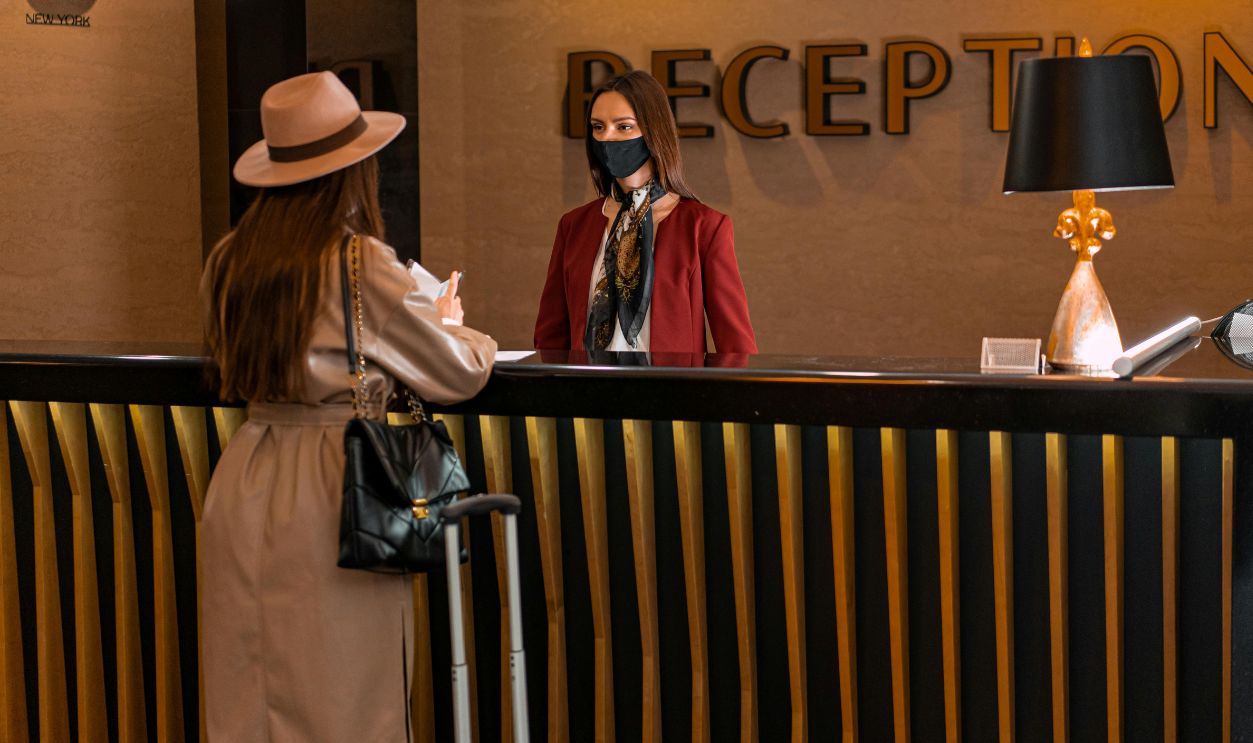
Ask One Crucial Front Desk Question
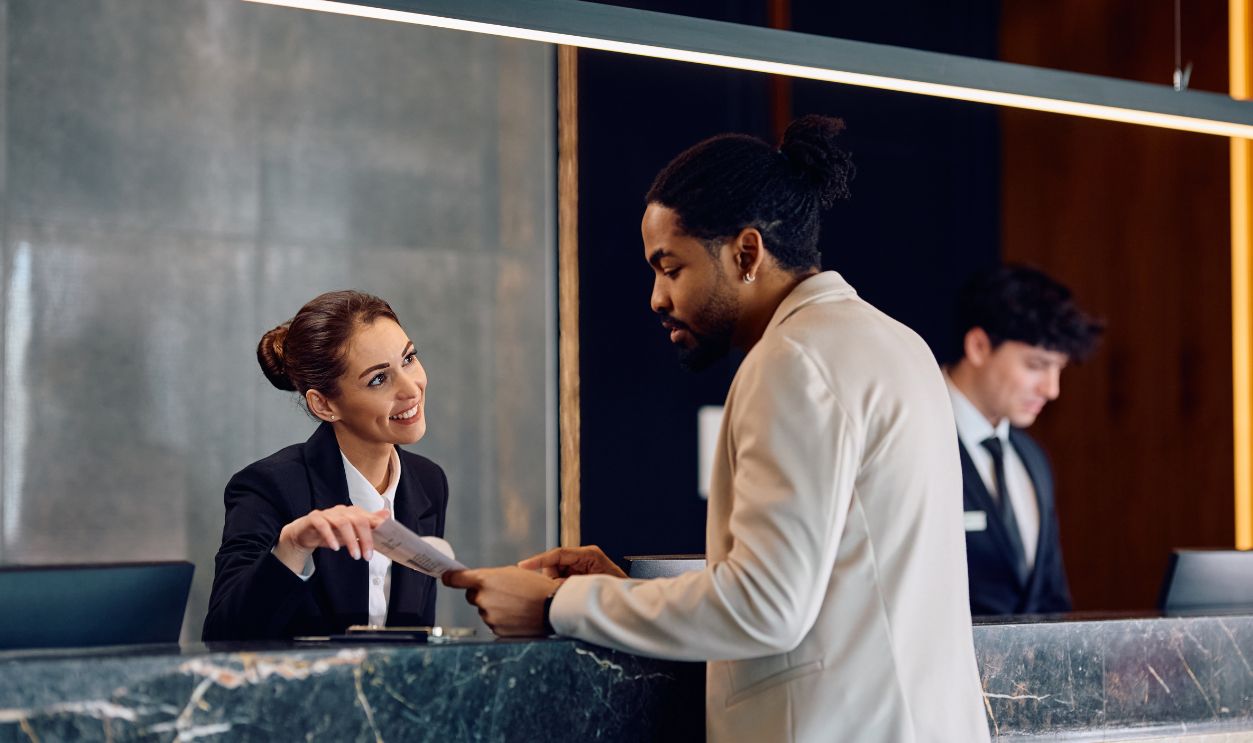
Politely ask when the pool closed and when the hotel expects it to reopen. If a staff member says it has been shut for days or weeks, write that down with the date and time of the conversation. That detail can become the backbone of your request.

Reasonable Compensation Usually Means Proportionate Compensation
A full refund for the entire stay is rarely likely unless the pool was the main reason for the trip and the hotel badly misrepresented the situation. More common outcomes include a partial refund, loyalty points, food and beverage credit, a parking waiver, or a refund of amenity fees. The best request is one that matches the actual loss in value.
 LightField Studios, Shutterstock
How To Phrase The Request Without Sounding Combative
Keep it calm and specific. Say that the pool was advertised, you were told it was temporarily unavailable, and it stayed closed throughout your visit. Then ask whether the hotel can offer an appropriate adjustment because the stay did not include a key advertised amenity.
 Hryshchyshen Serhii, Shutterstock
Why "Temporary" Can Be A Red Flag
Sometimes "temporary" is accurate. Sometimes it sounds better than "closed indefinitely." If the closure lasted your entire stay and the hotel had no realistic reopening date, vague wording may feel misleading even if no one directly promised it would reopen that day.
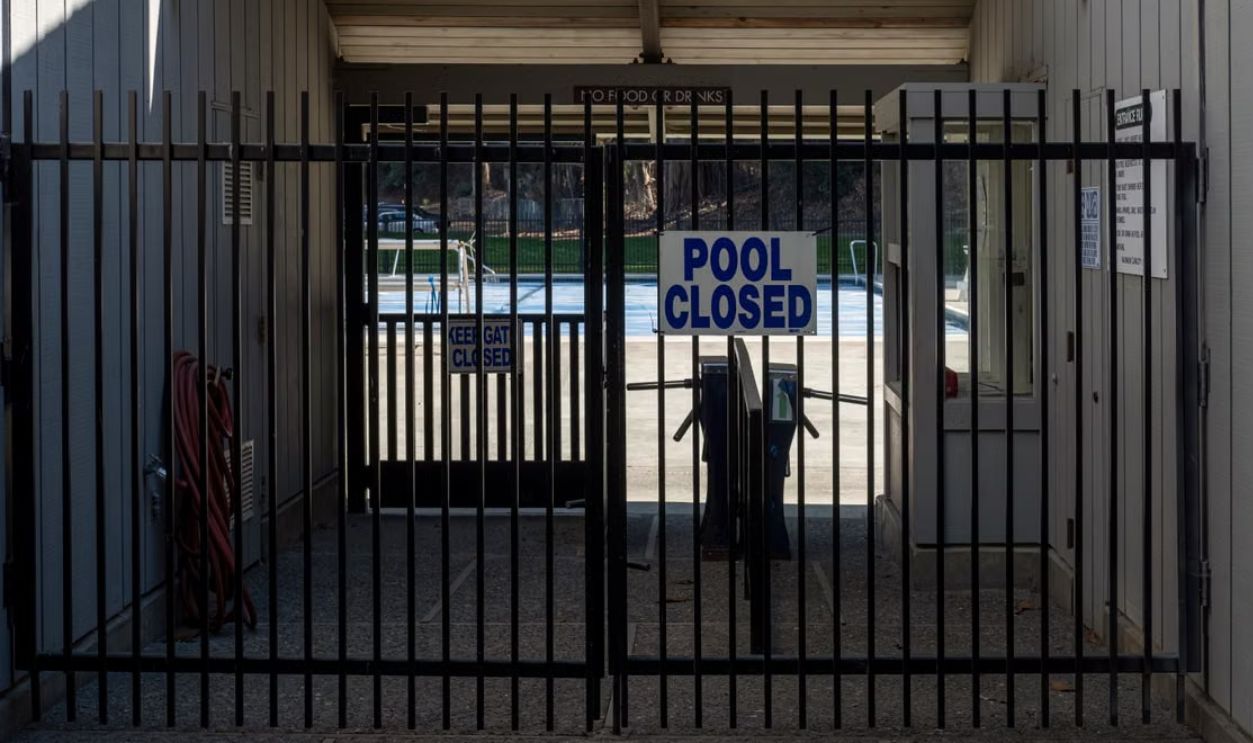
What To Do If The Hotel Refuses
If the front desk cannot help, escalate to the general manager or the brand's customer care team. Large chains often have centralized complaint systems and goodwill budgets that individual properties do not control. If you booked through a platform, file a complaint there too, especially if the listing did not clearly mention the closure.

Credit Card Disputes Are Not A First Step
A chargeback can be tempting, but it is usually better to try the hotel and booking platform first. Card issuers often want evidence that the service was misrepresented and that you tried to fix the problem directly. Save that option for cases where the hotel clearly failed to provide what was advertised and refused a fair remedy.

Reviews Can Help, But Use Them Carefully
An honest review can warn future travelers and sometimes get the hotel's attention. Stick to facts you can verify, like the dates of your stay, what the listing said, and that the pool stayed closed the whole time. Avoid exaggeration because precise reviews are more believable and more useful.

Package Travelers May Have Extra Protection
If your stay was part of a package holiday, different rules may apply depending on where you booked. In some markets, package organizers can be responsible when a major part of the trip is not delivered as described. That will not apply to everyone, but it is worth checking if your flight and hotel were sold together.

Travel Insurance Usually Will Not Solve This
Most travel insurance policies focus on cancellations, medical issues, delays, and major disruptions. An unavailable pool is usually not the kind of loss standard policies reimburse. That means your strongest path is usually direct negotiation with the hotel or booking company.

There Is A Difference Between Disappointment And Misrepresentation
Not every bad surprise deserves compensation. The case gets stronger when the hotel's wording or marketing created a reasonable expectation that the pool would be available. If that expectation was never corrected before arrival, your request stands on firmer ground.
What A Fair Outcome Might Look Like
For a short stay, a modest room-rate adjustment or fee refund may be fair. For a longer family vacation built around on-site amenities, a larger partial refund may be appropriate. If the hotel gave no advance notice and no substitute, it is reasonable to ask for more than a token apology.

The Best Time To Raise The Issue
Bring it up during the stay if you can, not weeks later. Hotels are more likely to fix the problem in real time with a room move, access to a sister property's pool, or an immediate credit. Waiting until after checkout can still work, but your leverage is often lower.
Your Strongest Argument In One Sentence
If you need a simple way to frame it, try this: "I chose this hotel partly because it advertised a pool, and because it was closed for my entire stay without clear advance notice, I would appreciate a reasonable adjustment." It is factual, direct, and hard to misunderstand.

So, Is Compensation Reasonable?
Yes, compensation is reasonable when a hotel advertised a pool, described the closure vaguely, and the amenity stayed unavailable for your entire trip. The more clearly you can show that the property knew about the closure and failed to disclose it, the better your chances. In travel, small details help sell the stay, and when one of the big ones disappears, asking for a fair make-good is not unreasonable.