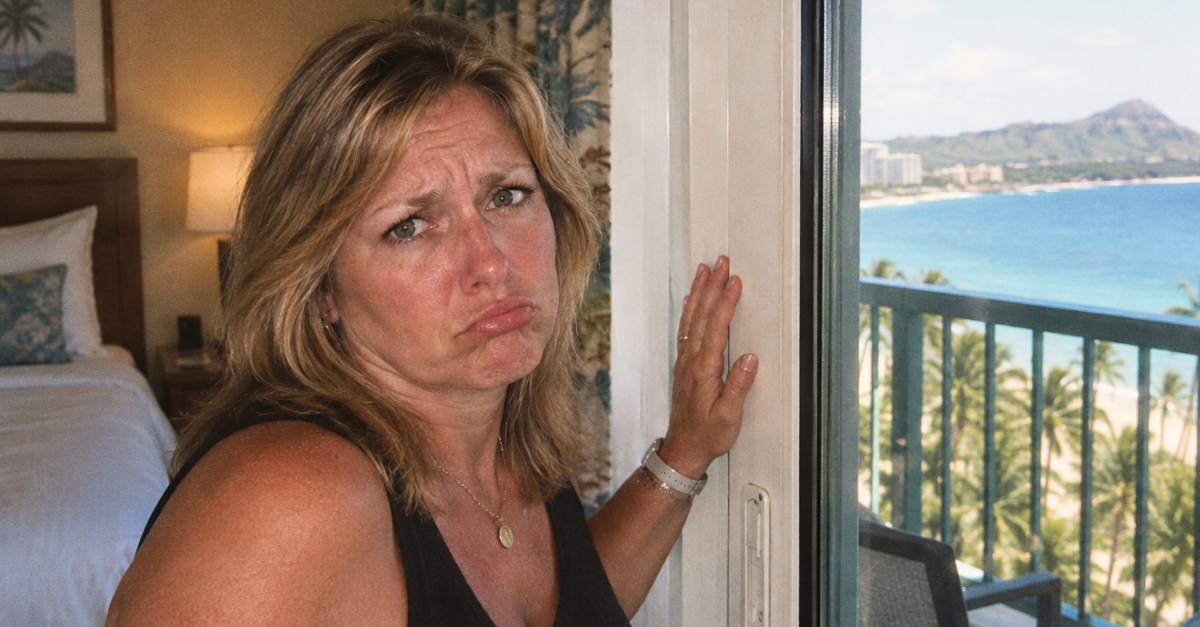
That Balcony Was Not Much Use.
If you specifically booked and paid for a room advertised with an usable balcony, finding the door permanently locked can represent a meaningful difference between what was marketed and what was delivered. Safety restrictions can be legitimate, but they do not automatically erase questions about disclosure, room category, and whether you should receive a different room or some money back.
The Balcony May Be Part Of What You Bought
Hotel companies routinely market balcony rooms as distinct accommodations rather than treating the balcony as incidental decoration. Marriott properties, for example, advertise specific “Water View Balcony” and “City View Balcony” categories and describe guests using those private outdoor spaces. If your reservation similarly named the balcony as a room feature, that matters.
Start With The Exact Room Description
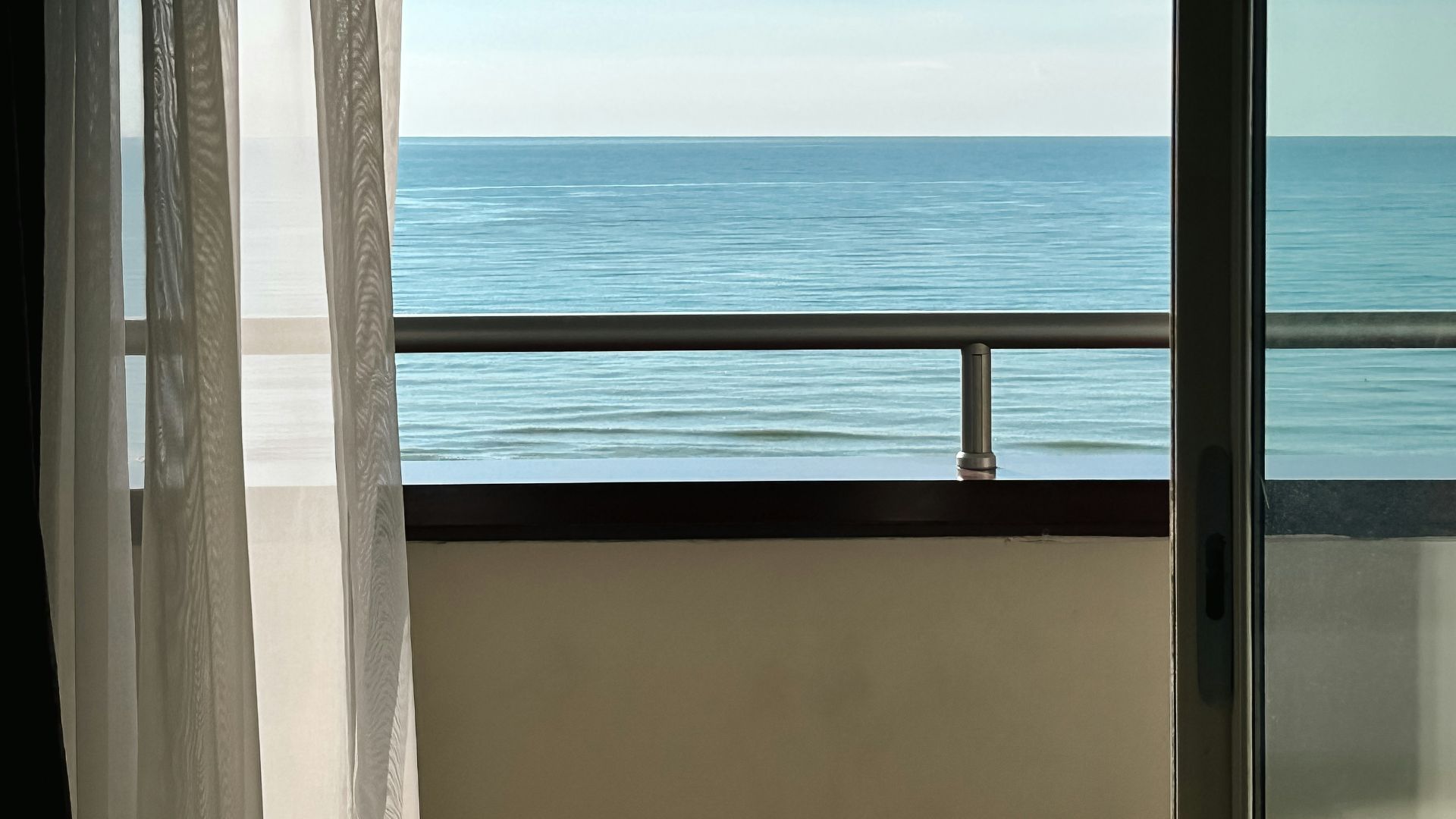
Pull up the confirmation and look for words such as “balcony,” “private balcony,” “terrace,” or “outdoor space.” Advertising law looks at both explicit promises and the overall impression created for a reasonable customer. A room merely pictured near balconies creates a weaker case than a reservation explicitly labeled “King Room With Balcony.”

Guaranteed And Requested Features Are Different
Some booking systems distinguish guaranteed room features from special requests. Marriott states that a feature selected through its guaranteed-feature system is guaranteed, while preferences added merely as requests remain subject to availability. Check whether the balcony was part of the actual room type or something you asked the hotel to provide if possible.
A Balcony Room Can Cost More For A Reason
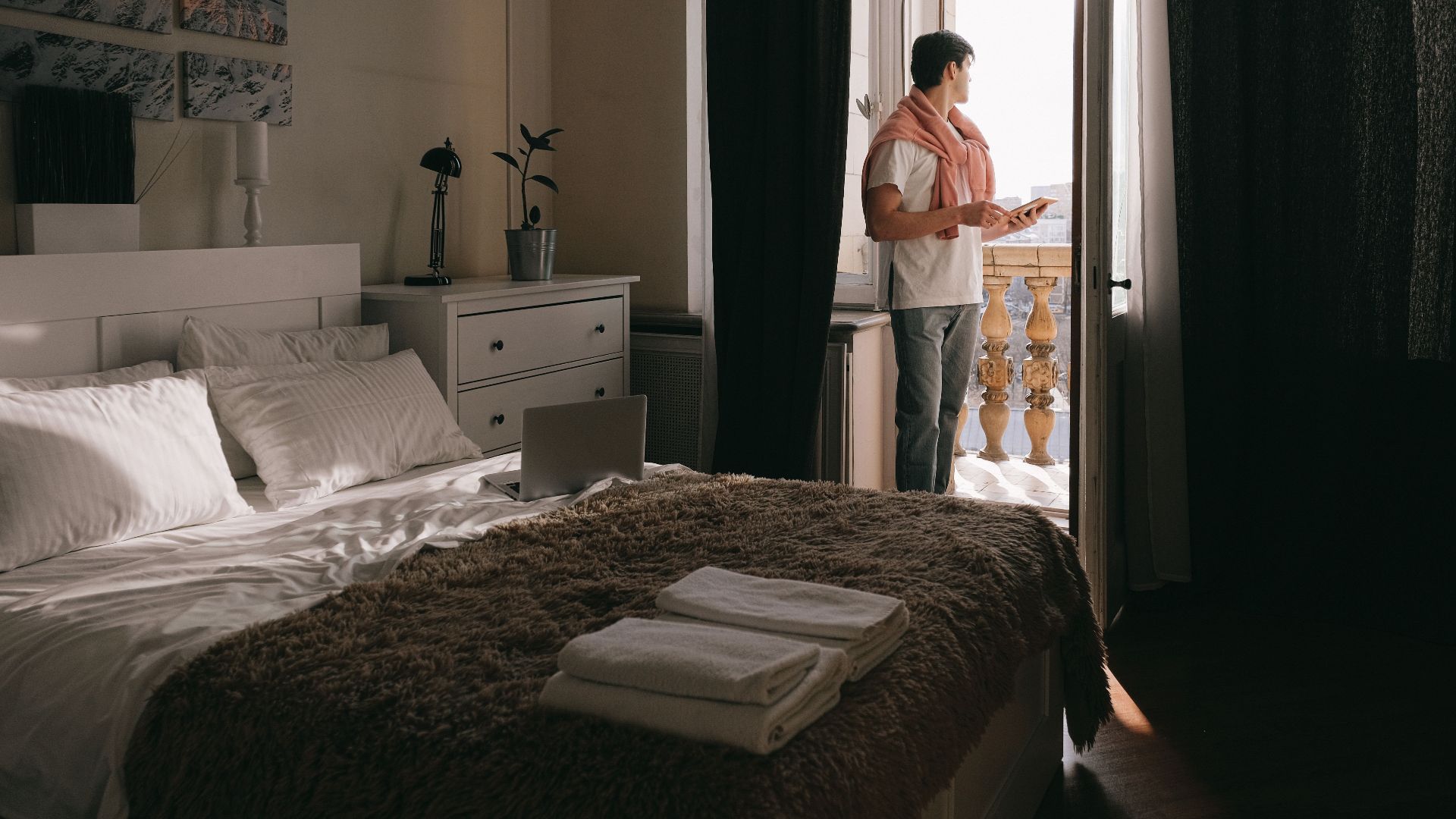
Hotels often separate balcony accommodations from ordinary rooms in their inventory. Hilton Cabana Miami Beach, for example, lists oceanfront balcony suites as specific room categories, while Marriott markets private-balcony rooms separately from rooms without that feature. That supports the common-sense idea that balcony access can be part of the value of the room itself.
The Photos Can Matter Too
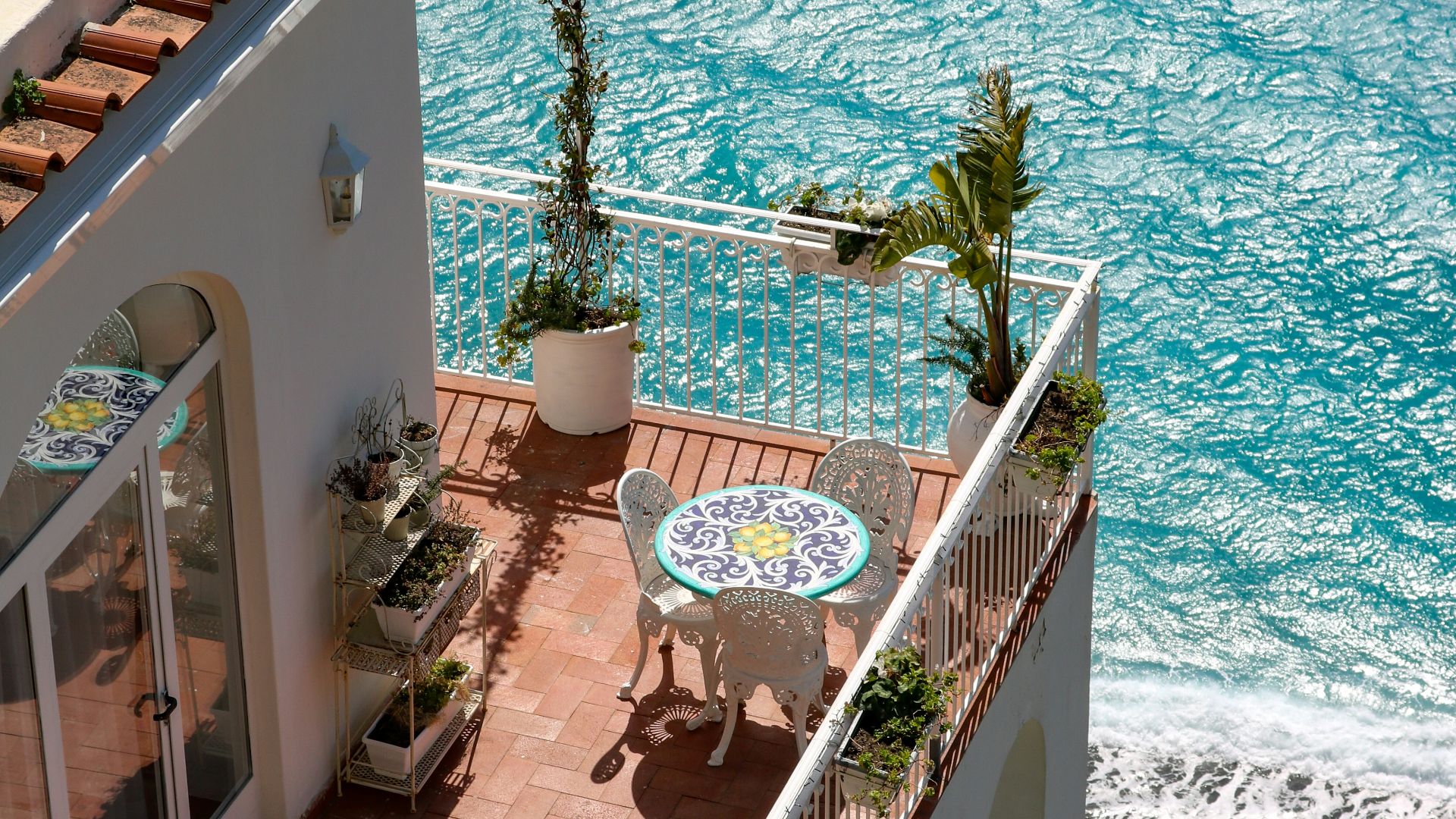
The FTC considers words, images, and context when deciding what an advertisement communicates to consumers. If the booking page showed people sitting outside, furniture on the balcony, or language encouraging guests to enjoy the outdoor space, the reasonable impression is stronger than if the balcony merely appeared in an exterior photograph. Save those images if they influenced your choice.
“Safety Reasons” Can Be Legitimate
Balconies do present genuine safety risks, and governments warn travelers about falls and unsafe railings in some destinations. A hotel may therefore have a legitimate reason to restrict access because of structural damage, dangerous weather, maintenance, or another identified hazard. The important question is not whether safety can justify locking the door, but what the hotel did for guests who paid for that feature.
Safety Does Not Make The Original Promise Disappear
A genuine safety problem may explain why the balcony cannot be used. It does not automatically mean the hotel delivered the room exactly as advertised. FTC guidance treats product features as potentially material information when they influence a consumer's decision to purchase.
Advance Disclosure Changes The Situation
If the hotel warned you before booking that balconies were temporarily inaccessible, you could decide whether the room still suited you. If you learned about the restriction only after entering the room, you lost that choice. FTC advertising guidance specifically recognizes that leaving out material information can be deceptive when the omission creates a misleading impression.
A Notice After Payment Is Much Less Helpful
A sign taped to the balcony door after check-in does not provide the same information as a disclosure on the booking page. The FTC increasingly emphasizes clear information before customers commit to hotel purchases, particularly around pricing and related terms. The basic principle is that important limitations are most useful when travelers still have the ability to choose another option.

Ask Whether Every Balcony Was Closed
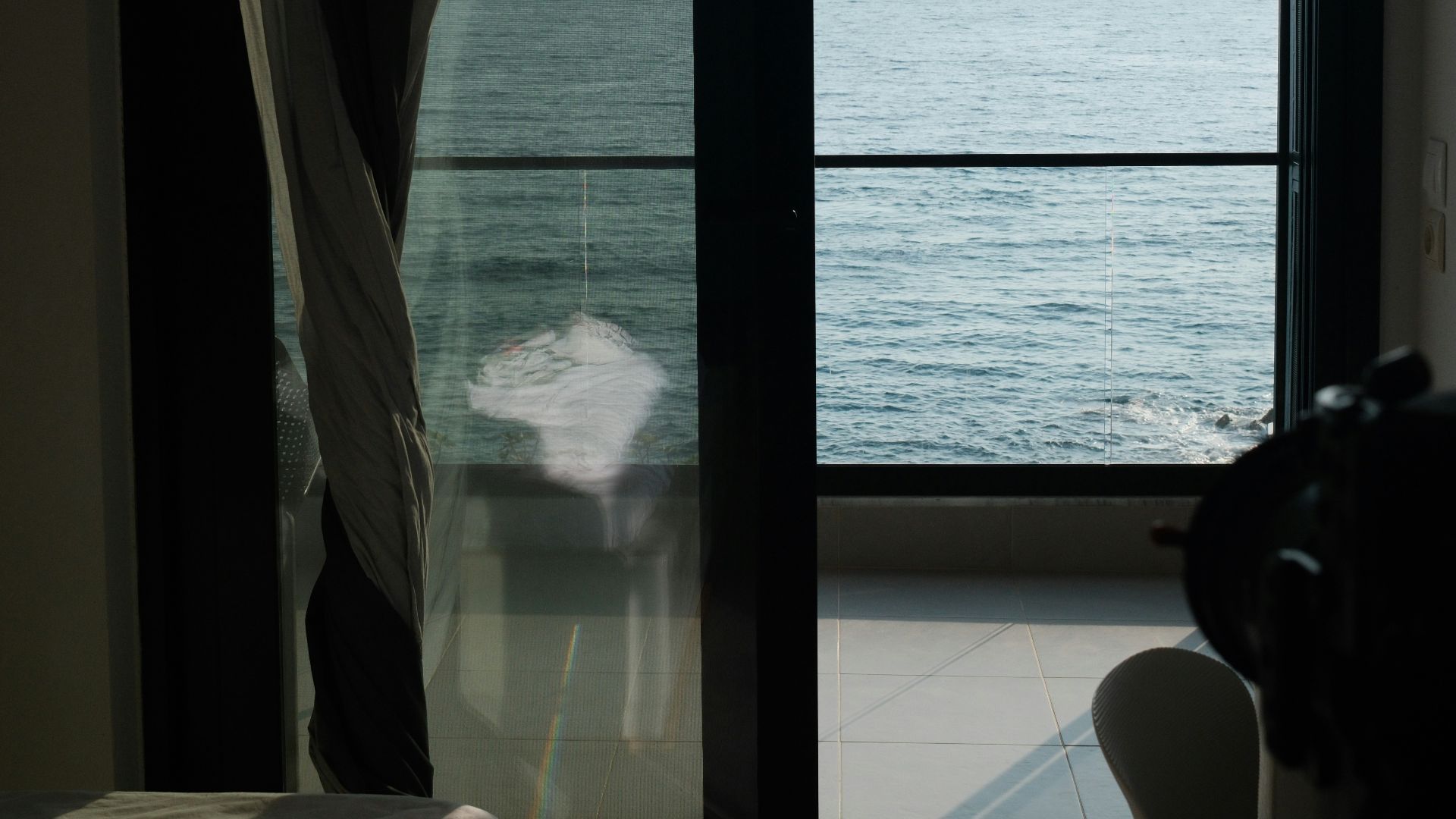
Find out whether the restriction affected the whole building or only your room. A property-wide closure caused by an identified safety issue is different from being assigned one room with a broken or defective door. If other guests were freely using identical balconies, ask why yours could not be opened.

A Broken Door Is Not The Same As A Safety Policy
“Safety reasons” is too vague to tell you whether the balcony itself was unsafe or the locking mechanism simply needed repair. Ask whether the problem involved the railing, door, weather, construction, local regulation, or temporary maintenance. A clear explanation makes it much easier to decide whether the hotel's response was reasonable.
 Arthur Charles Pratt, Unsplash
A Different Room Is The Obvious First Fix
If usable balcony rooms remain available, ask to move. That provides the accommodation you originally selected without requiring anyone to argue about compensation. USAGov advises hotel guests to begin by raising problems with the front desk, manager, or customer-service department.

The Replacement Should Actually Be Comparable
A room change should not quietly remove another feature you paid for. Compare bed type, view, room size, accessibility features, balcony type, and any premium category attached to the reservation. Hotel booking systems routinely distinguish these characteristics because they affect how rooms are sold.
A Better View Does Not Automatically Replace A Balcony
The hotel may offer an ocean-view room without outdoor access and consider it an upgrade. You may reasonably disagree if the balcony was why you booked the room in the first place. What counts as a suitable substitute depends heavily on the actual reservation and the feature you valued.
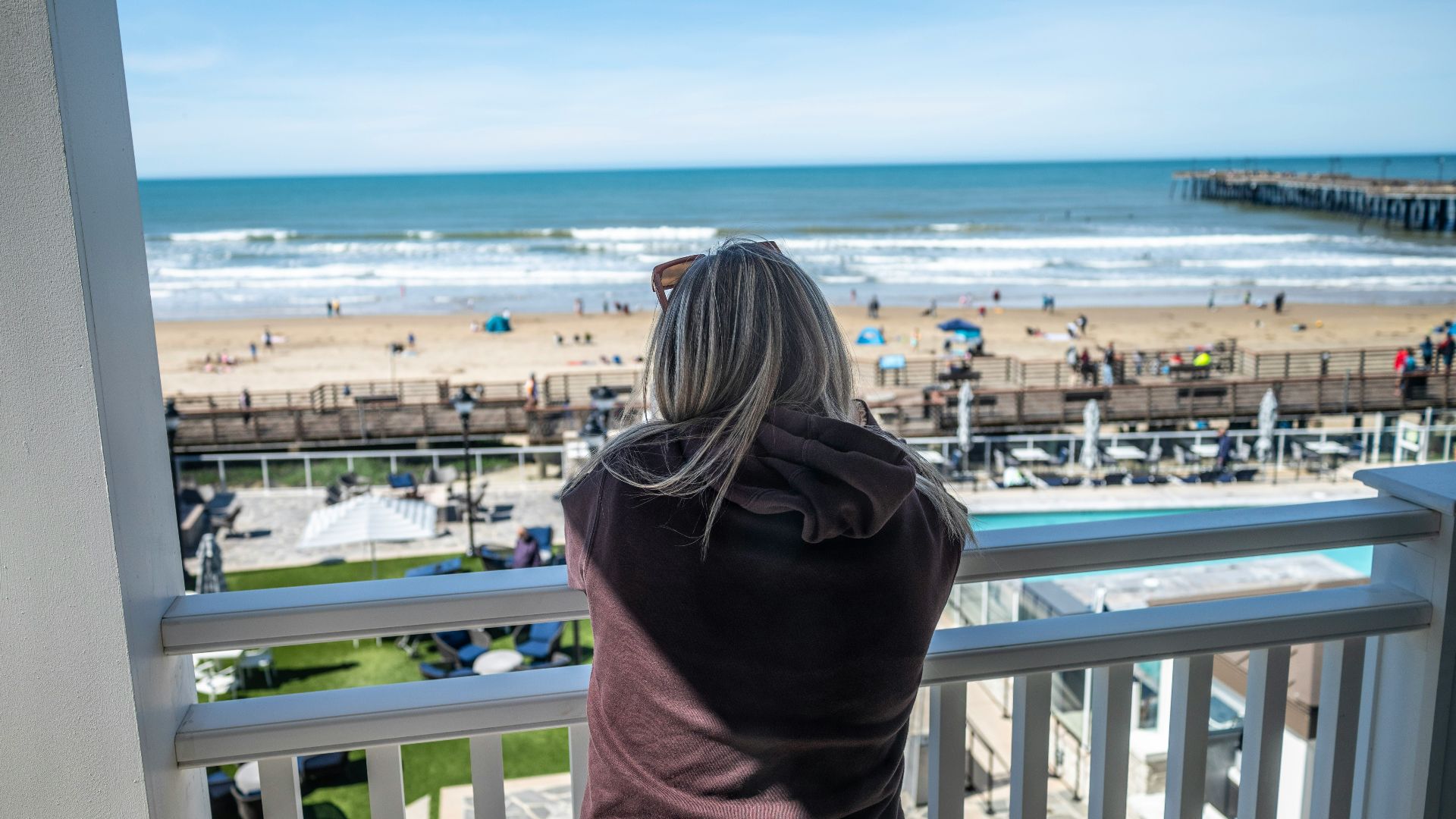
A Locked Balcony For The Entire Stay Is More Significant
A restriction lasting thirty minutes while maintenance inspects something is unlikely to affect the stay the same way as a door remaining locked for five nights. The longer the feature is unavailable, the stronger the practical difference between the marketed room and the experience you received. Document how long the restriction remained in place.

A Temporary Weather Closure Is Easier To Understand
Severe wind, storms, ice, or another immediate hazard can justify temporary restrictions that a hotel could not reasonably predict when you booked. That is different from a balcony that management knew would be unusable for weeks. The question of what the hotel knew and when it knew it can therefore matter when you ask for compensation.

Planned Construction Should Be Disclosed Early
If balconies are closed because of scheduled repairs or renovation, the property usually has more opportunity to warn arriving guests. A known limitation to a heavily advertised room feature can influence whether a reasonable customer books that category. FTC principles concerning material omissions are particularly relevant when businesses possess important information before the sale.
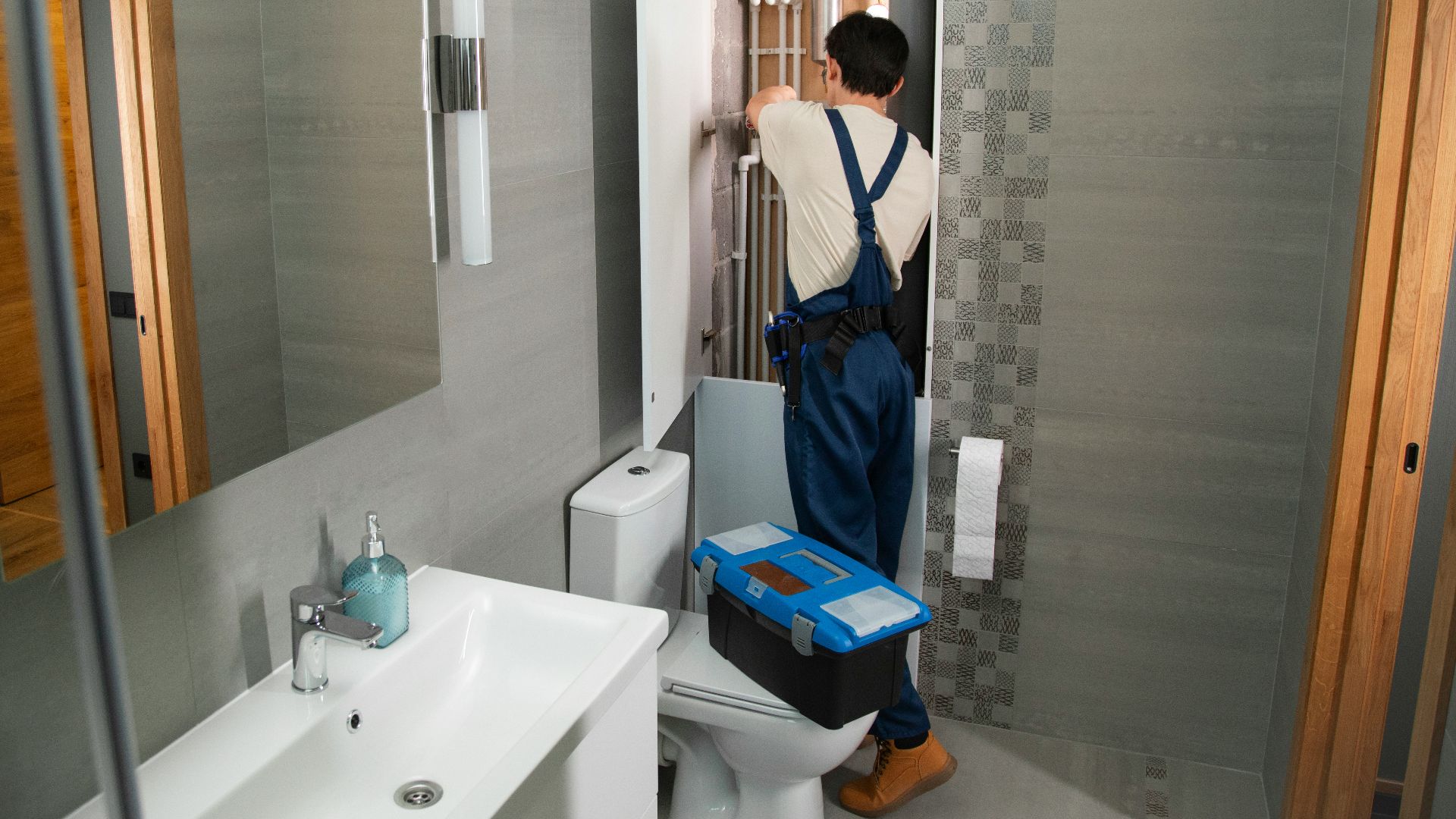
Ask For The Reason In Writing
Request an email or written note explaining why balcony access was unavailable. Also ask how long the hotel knew about the restriction and whether the closure affected your specific room or an entire section of the property. Written information is much easier to use later than a vague conversation remembered after checkout.

Save The Original Rate Too
Take screenshots showing what the balcony room cost when you booked. If the property simultaneously sold a similar non-balcony room for less, that difference can give you a logical starting point for requesting an adjustment. You are not automatically entitled to that exact amount, but it helps quantify the feature's apparent value.

Ask For A Partial Refund
When the hotel cannot provide a usable balcony or move you to an equivalent room, a partial rate reduction is a reasonable remedy to request. Explain that you selected a room category containing a feature that was unavailable throughout the stay. Be specific about what you want instead of simply saying you were disappointed.

Do Not Accept Resort Credit Automatically
A food voucher or future-stay credit may be useful, but it is not the same thing as a refund. Decide whether the proposed remedy actually compensates you for the missing feature. You can politely ask for a room-rate adjustment instead if that better reflects the problem.
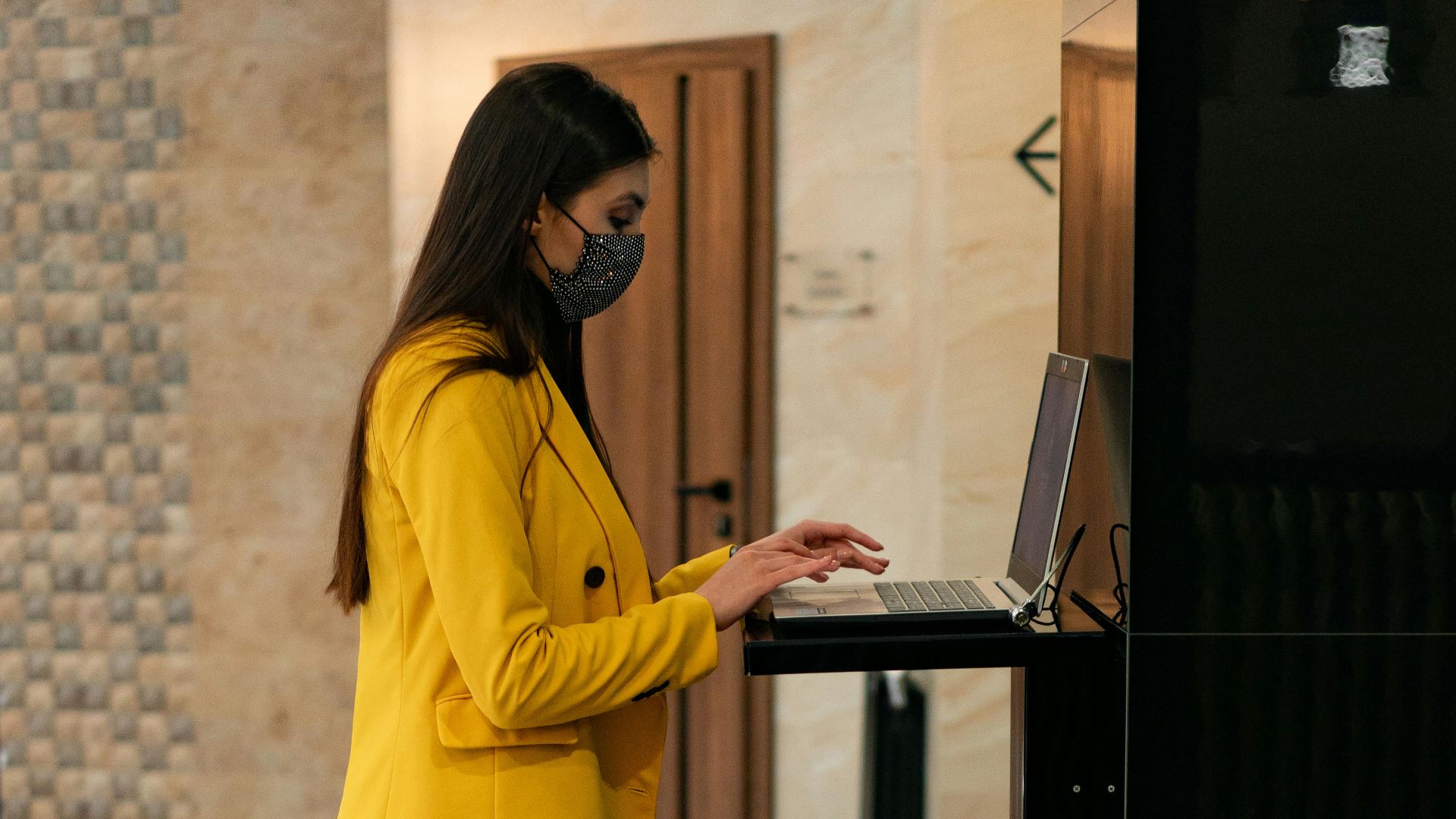
Accessibility Can Make The Issue More Serious
Federal accessibility standards state that when patios, terraces, or balconies are provided as part of certain accessible lodging rooms, those spaces generally must be accessible, subject to specified design exceptions. If balcony access was connected to an accessibility need rather than simply a preference, explain that clearly to management. The applicable requirements depend on the room, building, and circumstances.
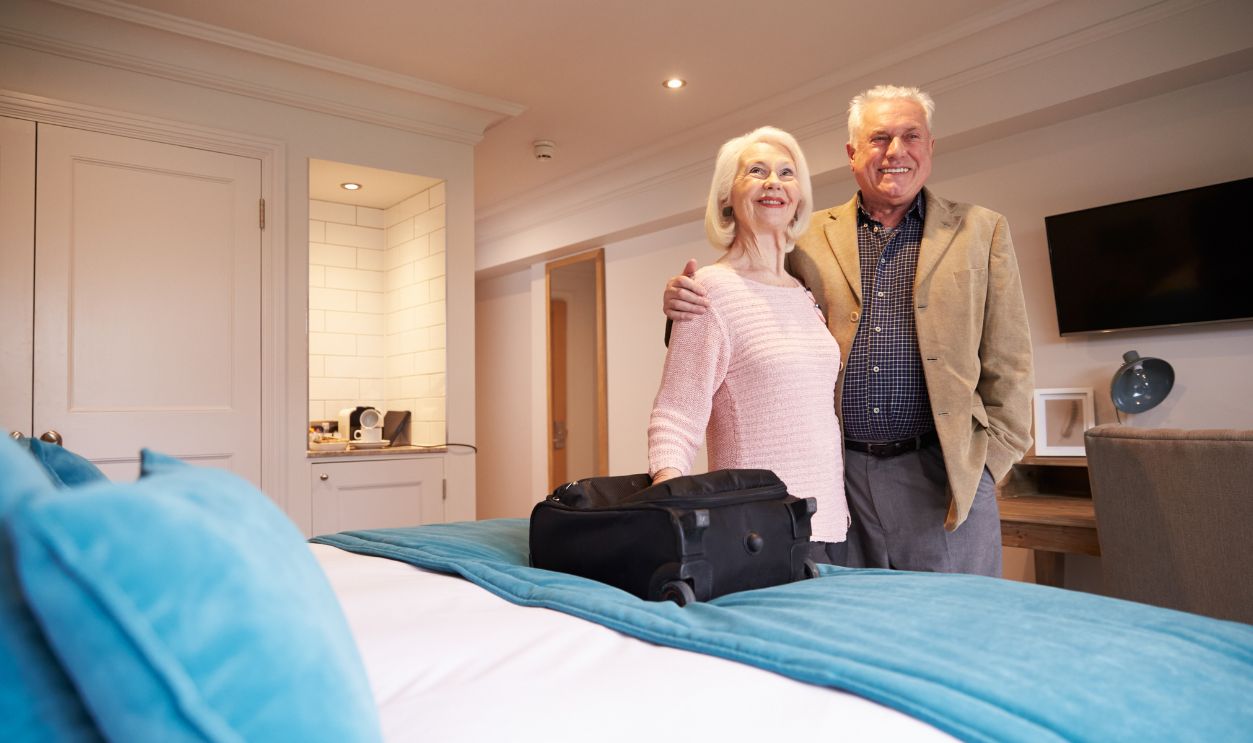 Monkey Business Images, Shutterstock
Booking Through A Third Party Complicates Things
An online travel agency may have supplied the description you relied upon even though the hotel operates the room. FTC enforcement involving hotel resellers shows that third-party booking representations and hotel policies can differ from direct-booking arrangements. If the listing was inaccurate, contact both the hotel and the company that sold you the reservation.

Keep Screenshots Before They Change
Save the room title, description, photographs, rate conditions, confirmation, and any message explaining the closure. USAGov recommends collecting contracts, receipts, emails, and other purchase records when making a consumer complaint. Screenshots can be especially valuable because hotel listings can change after your stay.

Escalate Beyond The Front Desk
If the first employee cannot resolve the problem, ask for the property manager or guest-relations department. For chain hotels, USAGov recommends contacting regional management or another senior representative when the property does not resolve the complaint. Provide a short timeline and attach your evidence.
 Frame Stock Footage, Shutterstock
A Credit Card Dispute Is Not Step One
Try to resolve the problem directly with the hotel before initiating a payment dispute. CFPB rules can cover certain cases in which services were not delivered as agreed, but they distinguish those cases from simple dissatisfaction with the quality of a service that was accepted. A balcony dispute can therefore be fact-sensitive.

Disputing The Entire Stay May Be Excessive
You still slept in the hotel room, so arguing that no accommodation whatsoever was provided may be difficult. If the missing balcony was only one component of the stay, a proportionate partial remedy may be more defensible. CFPB guidance specifically distinguishes services delivered differently from what was agreed from ordinary quality complaints.

Watch The Credit Card Deadline
If you ultimately pursue a billing-error dispute, contact the card company promptly. CFPB guidance says a written billing-error notice generally must reach the issuer within 60 calendar days after the disputed charge appears on your statement to protect applicable federal rights. Keep copies of everything you send.

Consumer Agencies Are Another Option
If a U.S. hotel refuses to resolve what you believe was misleading advertising, you can contact the relevant state consumer-protection office. USAGov specifically directs unresolved hotel and motel complaints toward state consumer authorities when appropriate. Complaints about deceptive online purchases may also be reported to the FTC.
 https://kaboompics.com/, Pexels
Overseas Hotels Follow Different Rules
The FTC framework is useful for understanding U.S. advertising principles, but it is not a universal hotel law covering every property worldwide. Consumer rights may depend on the country where the hotel operates, the company that sold the booking, and the law governing the transaction. An overseas stay may therefore require help from local consumer authorities or the booking platform.
Next Time, Make The Balcony Explicit
Before paying extra for a balcony, choose a room type that specifically names it rather than adding it as a preference. Save the room description and ask the property whether there are any current restrictions on balcony access. Some hotel systems explicitly guarantee selected room features when they are booked correctly.

Did You Get The Room You Paid For?
Possibly not, if usable balcony access was an advertised and material feature of the specific room you booked. A genuine safety problem can justify temporarily locking a dangerous balcony, but the hotel should still address the fact that an important room feature was unavailable, particularly if it knew beforehand and failed to disclose it. Ask first for an equivalent usable room, then a reasonable rate adjustment if the hotel cannot provide one.
You May Also Like:
Four Key Tips For Traveling On A Budget
10 Hidden Gems for a Safe and Affordable Family Vacation
Five Must-Have Travel Accessories
Sources: 1, 2, 3, 4, 5, 6, 7, 8, 9, 10, 11, 12, 13, 14, 15, 16