
That Reservation Felt Like A Promise
You book a hotel room, get a confirmation email, and assume the room will be there for you. That’s a normal thing to think, especially when the word “reservation” sounds like a guarantee. But in real hotel operations, a booking is usually a commitment with rules attached. If you show up late, those rules can matter a lot.
 Zoshua Colah, Unsplash, Modified
Why Late Arrivals Turn Into Big Problems
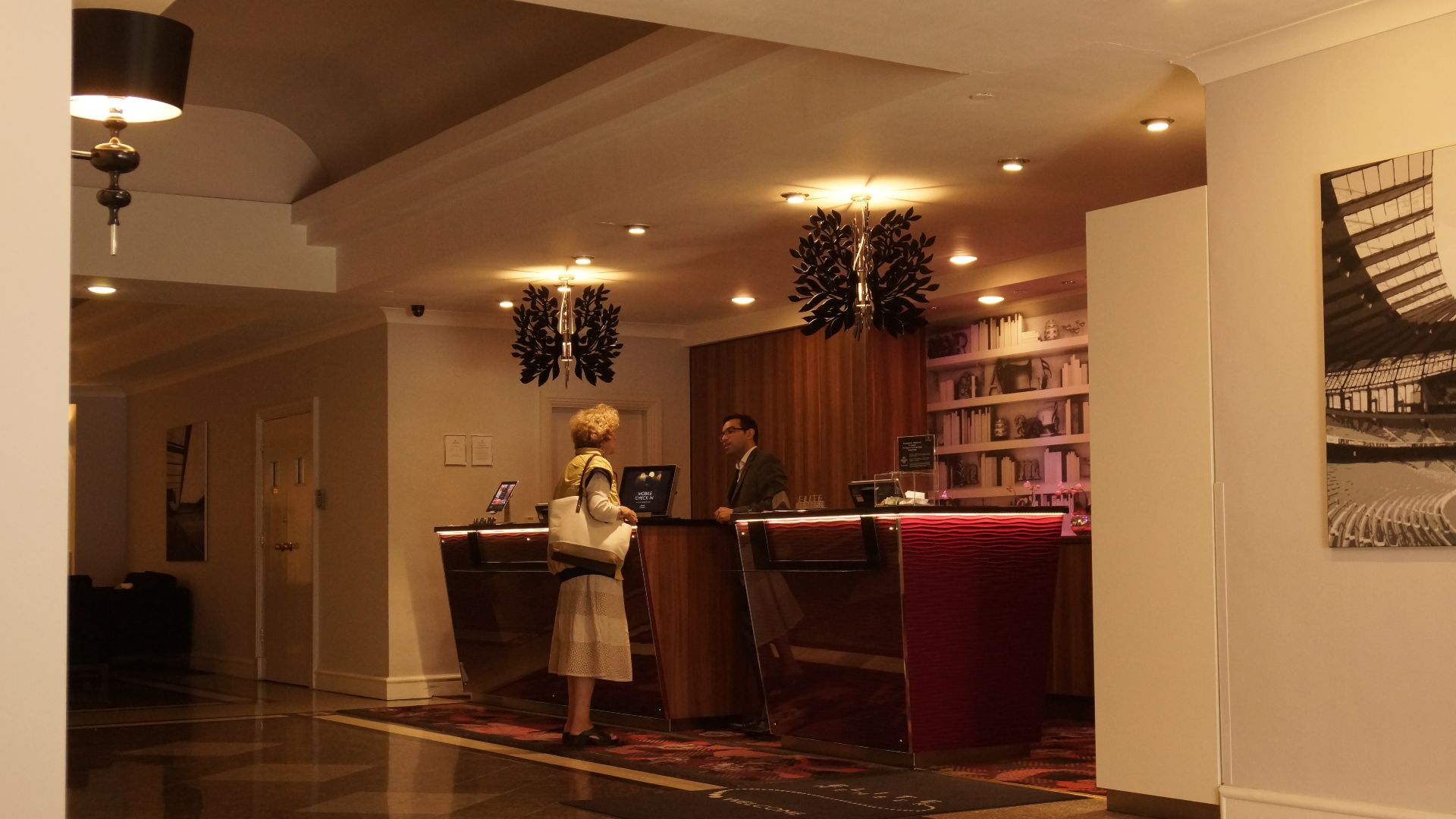
Hotels work on a day-by-day inventory system, which means an empty room for that night can’t be sold the next day. If a guest looks like a possible no-show, the hotel may try to sell that room to someone else so it does not lose money. That can cause problems when a traveler gets delayed by a late flight, traffic, or a missed connection. By the time the guest arrives, the hotel may say the room is gone.
 Anthony O'Neil , Wikimedia Commons
A Reservation Usually Is Not An Unlimited Hold
In many cases, a reservation gives you the right to a room type for a certain date under the hotel’s stated terms, not an open-ended hold until any hour of the night. Hotels often say this in their policies for check-in times, guaranteed reservations, and no-shows. If those terms say the room can be released after a certain time, the hotel may be following its policy. The key point is that the guarantee often depends on what you agreed to when you booked.

The Fine Print Matters More Than Most Travelers Think
Booking confirmations often include language about arrival dates, cancellation deadlines, and whether a room is guaranteed for late arrival. Those details are easy to miss when you are focused on price and location. But they can decide whether the hotel has to keep the room or can treat you as a no-show. A confirmation email matters, but so do the terms linked to it.

Guaranteed Reservation Has A Specific Meaning
Hotel and travel guidance has long made a distinction between a guaranteed reservation and other kinds of bookings. A guaranteed reservation usually means the hotel agrees to hold the room until the next day’s checkout time in exchange for a credit card or prepayment. If you do not show up, you may still be charged, often for one night. That setup gives the hotel more reason to hold the room later into the night.

But Not Every Booking Is Guaranteed The Same Way
Some reservations are backed by a credit card, while others are only held until a stated hour. Prepaid rates, third-party bookings, points bookings, and flexible pay-later reservations can all come with different rules. The exact treatment depends on the hotel brand, the property, and where you booked. That is why two travelers can both say “I had a reservation” and still have very different rights.

Third-Party Booking Sites Add Another Layer
If you booked through an online travel agency like Expedia or Booking.com, the hotel is still the place checking you in, but the reservation terms may be shaped by the site’s contract too. That can make disputes harder, because the traveler may have to deal with both the hotel and the booking platform. Sometimes the site shows one set of expectations while the hotel relies on another policy in its own system. When that happens, the traveler often gets stuck in the middle.

Overbooking Is Legal And More Common Than Many People Realize
Hotels sometimes sell more rooms than they actually have, much like airlines do, based on past no-show patterns. The practice is generally legal in the United States, but it can go badly when more guests arrive than expected. If you arrive late, you may be the easiest guest to “walk,” which means the hotel sends you to another property. That does not feel fair, but it is a common way hotels handle a room shortage.

Walking A Guest Is The Industry’s Backup Plan
When a hotel cannot honor a confirmed reservation, it may try to move the guest to another nearby hotel. Major hotel brands often have internal rules about helping with alternate lodging when the problem is the hotel’s fault. Depending on the brand and the situation, that may include paying for the first night somewhere else and covering transportation to the new hotel. The exact fix can vary, especially with independent hotels.

Loyalty Status Can Change How Hotels Respond
Elite members in big loyalty programs sometimes get stronger protections when a reservation cannot be honored. Some large hotel chains publish reservation guarantee benefits for top-tier members that include compensation and relocation help. Those perks are not universal, and they usually apply only when all program conditions are met. Still, status can matter when a front desk has to decide who gets priority.

State Law Usually Does Not Treat Every Reservation As Absolute
There is no broad U.S. rule saying every hotel reservation must be honored no matter when the guest arrives or what the policy says. Instead, these disputes usually come down to contract law, consumer protection rules, and the hotel’s own published terms. If the hotel did not follow its own rules, that can help a guest’s complaint. If the terms clearly allowed the room to be released after a late arrival without notice, the hotel may have more legal cover.

Payment Method Can Affect Your Leverage
A credit card is often more than just a way to pay for the room. It can help create a stronger guaranteed reservation and may also give you a way to dispute charges if the hotel refused the room and still billed you the wrong way. If the hotel charged a no-show fee even though it did not follow the agreed policy, your card issuer may review the dispute. Screenshots and written confirmations can help a lot in that situation.

Why Calling Ahead Still Matters
It may seem old-school, but calling the hotel directly when you know you will arrive after midnight can prevent a lot of trouble. A staff member can add a late-arrival note, confirm the reservation status, and tell you whether the front desk is staffed overnight. Some smaller properties lock doors, reduce overnight staffing, or close out the system at a set hour. A quick call can turn an uncertain arrival into a documented expectation.

Your Confirmation Email Is Not The Whole Story
Many travelers treat the confirmation number as the final word, but that document often gives only the basic details. The part that usually matters most is the full rate and policy disclosure connected to the booking. That may include language about no-shows, check-in cutoffs, and what happens if you do not tell the property about a delay. Even if you did not read that section, you can still be bound by it.

If The Hotel Refused You, Start By Asking The Right Questions
First, ask whether the hotel marked you as a no-show, released your room under its policy, or walked you because of overbooking. Those are different situations, and each one affects what you should ask for next. Ask for a copy of the property’s no-show or guaranteed reservation policy and save any messages from the hotel. You want the reason in writing before the details get blurry.

What You Can Reasonably Request On The Spot
If the hotel caused the problem, ask whether it will pay for a similar nearby room for the night. You can also ask for transportation costs if you have to move to another property, especially if the hotel picked it. If your original rate was lower than what is left in town, ask the hotel or booking platform to cover the difference. Calm, specific requests usually work better than a broad demand to “fix it.”

When A Refund Is The Minimum Outcome
If the hotel would not honor the reservation and also did not give you a room somewhere else, a refund is usually the starting point, not the full answer. If you had to spend more money because of the refusal, you may also have grounds to ask for reimbursement of the extra cost. That is especially true if the hotel broke its own written policy or promised a guaranteed late arrival. Documentation is what makes that case stronger.

Third-Party Customers Should Escalate Fast
If you booked through a travel site, contact the platform while you are still at the property if you can. Many online agencies have support teams that can rebook you, document the problem, or push the hotel to provide a fix. Waiting until the next day can make it easier for everyone else to say the facts are unclear. Real-time escalation gives you the best chance of building a useful paper trail.

Chargebacks And Complaints Are Backstop Options
If the hotel charged you in a way that does not match the booking terms, you can dispute the charge with your card issuer. You can also send complaints to the brand’s corporate customer service, your state attorney general’s consumer office, or the Federal Trade Commission for possible deceptive practices. Those options do not guarantee money back, but they can add pressure and create a record. For chain hotels, a corporate complaint often gets more attention than an argument at the front desk.

How To Lower The Risk Before Your Next Trip
Book directly with the hotel when possible, especially for late arrivals or complicated trips. Read the no-show and check-in policy before you pay, and take a screenshot in case the wording changes later. If you expect to arrive very late, call the hotel and ask the agent to note your reservation. Those small steps can make a big difference when travel plans fall apart.

Independent Hotels And Vacation Destinations Can Be Tricky
Smaller properties may have shorter front-desk hours, seasonal staffing, or stricter arrival rules than large city chain hotels. In resort areas or during major events, hotels may be even more aggressive about enforcing no-show policies because someone else is ready to book the room. That does not excuse poor communication, but it helps explain why late-arrival problems come up so often during busy times. The tighter the market, the less flexible the hotel may be.

So What Does A Booking Actually Guarantee
The honest answer is that a hotel booking usually guarantees a room only within the terms of the reservation. It is not always a blanket promise that your room will wait forever, even if you arrive at 2 a.m. or later. If the booking was truly guaranteed for late arrival, the hotel generally should honor it or move you somewhere else in a proper way. If it was not, the hotel may have more room to deny the stay, even though that still feels like a bad surprise.

The Best Way To Think About It
A reservation is best understood as a contract, not a magic shield. It gives you real rights, but those rights depend on the wording, the payment setup, and whether the hotel followed its own policy. So if a hotel refused to honor your reservation because you arrived late, the answer to “isn’t that what a booking guarantees?” is: sometimes, but not automatically. The safest move is to treat late arrival as something special and make sure the hotel knows you are still coming.