
The Room Next To The Bassline
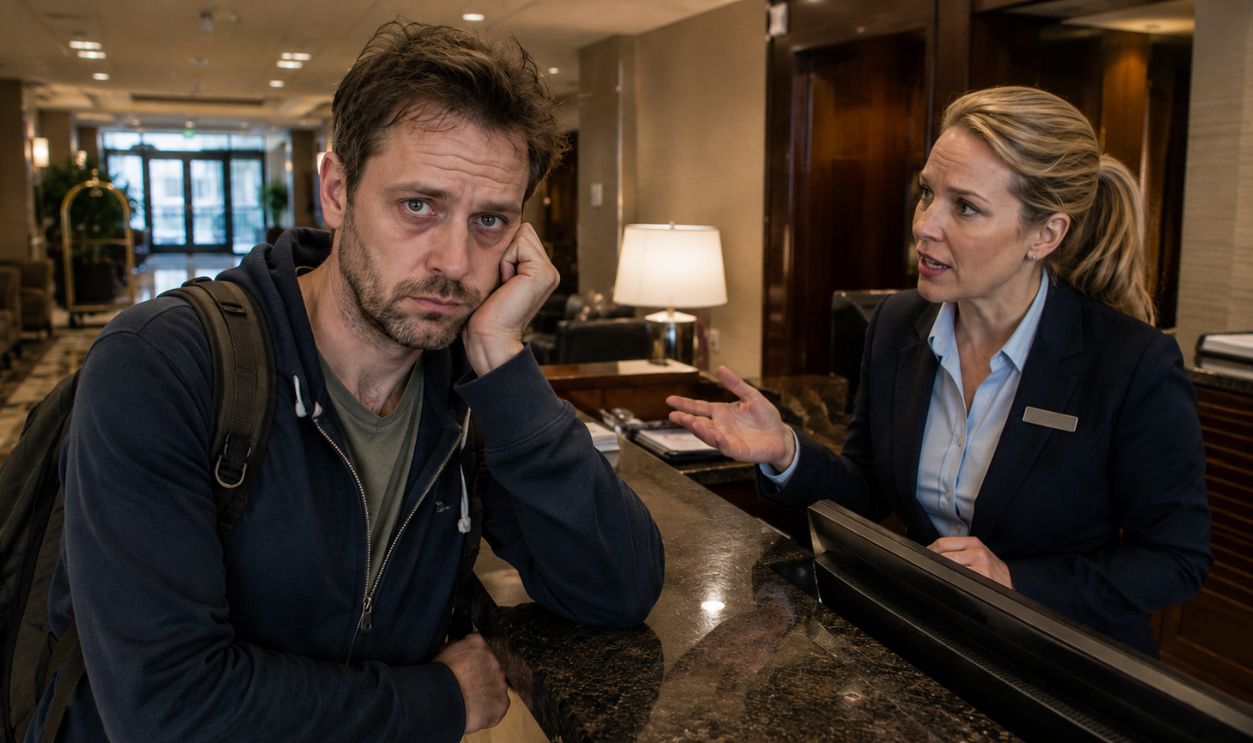
You check in, drop your bags, and then the walls start thumping. If your hotel puts you right beside a nightclub and brushes it off as “part of the experience,” you do not necessarily have to accept that. The real answer depends on what the hotel promised, what it disclosed before booking, and how it responded once you complained.
What Makes This So Frustrating
Most travelers can live with a lively area if they know about it ahead of time. The problem starts when a hotel sells comfort and sleep, then delivers nightclub noise at 1 a.m. Consumer law and normal hotel standards do not promise total silence, but they do expect businesses not to mislead guests.

The First Question To Ask
Was the noise clearly disclosed before booking? If the property openly says it is above, beside, or attached to nightlife, that matters. A hotel is in a much stronger position if it gave fair warning before taking your money.

Why Disclosure Matters
The UK Competition and Markets Authority has said businesses should not leave out important information consumers need to make informed choices. That idea appears in its guidance on unfair commercial practices and misleading omissions. If a hotel leaves out a major, predictable source of nighttime noise, that could be a serious problem.

What The Law Usually Does Not Promise
There is rarely a blanket legal right to a perfectly quiet hotel room. Hotels are not automatically responsible just because a city is loud or other guests make some noise. But if the disturbance is severe, predictable, and tied to the hotel’s own setup or operation, the complaint becomes much stronger.

When A Hotel’s Response Becomes The Problem
The phrase “part of the experience” may sound glib, but it can also suggest the hotel knew exactly what guests were dealing with. That matters if you later argue the issue was predictable and poorly handled. Once you complain, the hotel should respond reasonably, not wave you off.
 Hryshchyshen Serhii, Shutterstock
Package Holiday Rules Add Another Layer
If you booked as part of a package, your rights may be wider. The UK’s Package Travel and Linked Travel Arrangements Regulations 2018 require organizers to fix a lack of conformity if travel services do not match the contract. In plain English, if the accommodation is not what was sold, the company may have to put it right, reduce the price, or pay compensation.

Noise Can Count As A Lack Of Conformity
That does not mean every late-night sound leads to money back. It does mean serious, ongoing noise can matter if it makes the room meaningfully different from what you booked. The key question is whether the room fell below what the contract and the marketing led you to expect.

Advertising Rules Matter Too
The UK Advertising Standards Authority expects ads not to mislead consumers. If a hotel listing talks up tranquility, restful sleep, or peaceful surroundings while saying nothing about a nightclub next door, that gap could matter. Marketing language is not just fluff if it helps persuade someone to book.

Hotel Star Ratings Are Not A Silence Guarantee
Some travelers assume a higher star rating means perfect soundproofing. Not necessarily. Star systems often cover service, facilities, and general comfort, but they do not guarantee that every room will be protected from nightlife noise.
What Hotels Are Generally Expected To Do
At a minimum, staff should listen, log the complaint, and look for a practical fix. That might mean moving you, contacting the nightclub if it is connected to the property, or offering earplugs, a refund, or a partial discount if nothing else works. Doing nothing while admitting the problem is normal is about the weakest position a hotel can take.

Moving You Is Often The First Test
If quieter rooms are available, most guests would expect to be moved. Refusing that option without explanation can make the hotel look unreasonable. It also weakens any later argument that the disturbance was just an unavoidable part of the stay.
What If The Hotel Is Full
If there is no other room, the next question is what remedy is fair. A partial refund, a discount for the affected nights, or help relocating can all be relevant. The right answer depends on how bad the noise was and how much it interfered with sleep.

Why Evidence Is Your Best Friend
If the dispute goes further, details matter. Note the times the noise starts and stops, take short videos that show the volume, and keep screenshots of ads or room descriptions. Also write down exactly what staff said, including the “part of the experience” line if you heard it.

Complain Early, Not At Checkout
One of the biggest mistakes travelers make is putting up with it all night and only raising it after they leave. Consumer bodies often stress that you should give the business a chance to fix the problem. Reporting it right away makes your complaint much stronger.

Put The Complaint In Writing
A calm written message creates a paper trail. Include your room number, the source of the noise, the times it happened, and what you want the hotel to do. Ask for a written reply so there is less room for confusion later.

Photos And Listings Can Tell A Different Story
Sometimes the hotel’s own website tells on itself. If it celebrates an on-site bar, rooftop parties, or a nearby club district, the hotel may argue the atmosphere was obvious. If the listing instead sells peace and quiet and says nothing about nightclub noise, your argument gets stronger.

Booking Platform Promises Matter
Third-party booking sites often repeat hotel descriptions and summarize guest reviews. If the platform highlighted “quiet rooms” or “great sleep,” save that page. If dozens of earlier reviews warned about nightclub noise, the hotel and platform may say the information was already out there.

Reviews Can Help, But They Are Not The Whole Case
Earlier guest complaints can show the problem was recurring and known. Still, travelers should not have to rely on review digging as the only way to learn something that important. That is why accurate listings and direct disclosure matter so much.

If You Paid By Credit Card
Depending on where you are and how you booked, a card dispute may be possible if the service was significantly not as described. Card issuers usually want proof that you first tried to resolve the issue with the merchant. Keep receipts, messages, and any offer the hotel made or refused.

Travel Insurance Is Usually Not The Main Fix
Standard travel insurance usually focuses on cancellations, medical problems, or lost luggage, not disappointing hotel stays. Some premium policies include travel inconvenience or curtailed trip benefits, but cover for noise complaints is far from certain. Check the policy wording before assuming insurance will help.

Local Rules Can Come Into Play
If the nightclub itself is breaking local noise rules or licensing conditions, that can strengthen your complaint. Many councils and cities publish rules for licensed premises and nuisance noise. That said, enforcement often takes time and may not solve your sleepless night in the moment.
 cottonbro studio, Pexels, Modified
When The Hotel Might Be In The Right
Not every complaint will succeed. If the hotel clearly disclosed the nightlife setting, the room matched what was sold, and staff made reasonable efforts to move or help you, the property may have done enough. A lively district honestly marketed as lively is not the same as a hidden problem.

When The Hotel Looks Most Exposed
The risk goes up when the hotel knew the room was beside a nightclub, failed to mention it, and then brushed off complaints instead of trying to help. That combination can look misleading and unfair. It looks even worse if the booking promised comfort, rest, or peaceful accommodation.

How To Ask For A Fair Remedy
Be specific and realistic. Ask for a room change first, then ask for a partial refund if the disturbance cannot be fixed. If the whole stay was ruined and you checked out early, explain the timeline and ask for reimbursement for the unused nights.

A Simple Script You Can Use
You can say: “The room is suffering severe noise from the nightclub next door, which was not disclosed at booking. Please move us to a quiet room or confirm what refund you can offer if that is not possible.” Clear, polite language usually works better than a late-night shouting match.
The Verdict For Travelers
No, a hotel cannot automatically excuse major nighttime noise by calling it “part of the experience.” Sometimes a nightlife location is obvious and fairly disclosed, and in that case the legal argument is weaker. But if the disturbance was predictable, serious, and not properly disclosed or dealt with, your complaint is likely on solid ground.

The Smartest Move Before You Book
Check the map, read recent reviews, and look for clues like bars, clubs, live music venues, and late-night districts right beside the property. If sleep matters, email the hotel before booking and ask for a quiet room away from music venues, lifts, and street noise. That one message could be the difference between a good night’s sleep and a front-row seat to someone else’s night out.