 Mikhail Nilov, Pexels, Modified
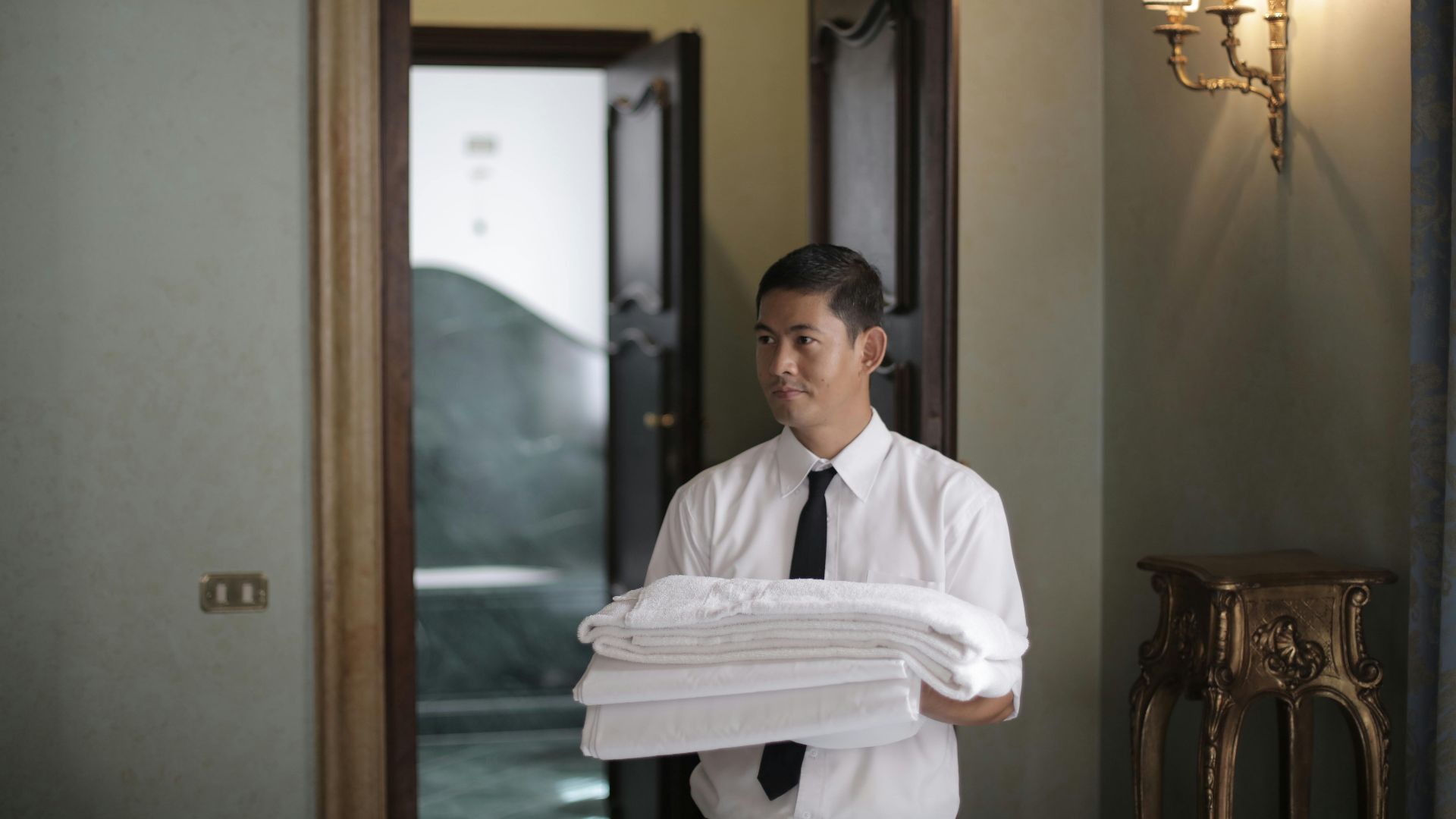
The request itself was ordinary. A guest asked for extra towels, expecting the kind of neutral response hotels usually give without pause. Instead, the answer felt abrupt, as if a basic comfort had suddenly turned into a favor. Moments like this tend to linger because they disrupt expectations rather than violate rules. Towels are rarely noticed when available, yet their absence becomes symbolic when access feels restricted. What should have been forgettable becomes oddly memorable. These interactions raise larger questions about how hospitality defines “reasonable,” where cost and environmental concerns quietly intervene, and how small refusals reshape a guest’s perception of care. This article examines standard towel practices, explains why denials sometimes happen, and outlines what both guests and hotels can learn when everyday comfort becomes negotiable.
Background and Context
Hospitality standards were developed around reducing friction during a stay. Guests are meant to move through spaces without negotiating for essentials, especially items tied directly to comfort. Towels fall squarely into that category. Most hotels even stock rooms with a baseline supply intended to support daily use without calculation or monitoring. This approach reflects long-standing service norms that prioritize ease over precision. When systems work well, towel availability fades into the background. That invisibility signals success rather than excess. Industry guidance consistently emphasizes predictability because inconvenience leaves a stronger impression than efficiency. Understanding this foundation helps explain why even minor deviations stand out so sharply to guests.
Across most hotel categories, requesting extra towels remains routine. Housekeeping teams handle such requests daily, often without documentation or scrutiny. Even budget properties tend to accommodate when inventory allows, since the cost remains low compared to the goodwill generated. This consistency shapes expectations before a guest ever checks in. When a hotel diverges from that pattern without explanation, the experience feels inconsistent rather than neutral. The baseline matters because it defines what guests consider normal, making refusals feel personal even when no offense was intended.
What Went Wrong or Why It Happens
Most refusals originate from internal pressures rather than guest behavior. Laundry represents a recurring expense, particularly for smaller hotels operating with limited stock. Some properties respond by enforcing strict limits designed to control usage, even if those limits are poorly communicated. In other cases, the problem lies in an assumption. A request may be interpreted as excessive without context, leading staff to shut it down prematurely. When discretion is removed, denial becomes the safest response. These decisions often happen quickly, without considering how they land on the receiving end.
Training and tone often amplify the issue. Hospitality relies heavily on delivery. A refusal phrased bluntly can feel dismissive even when the policy has logic behind it. Guests tend to remember how an interaction felt rather than the explanation offered. These moments surface frequently in reviews, where small denials carry emotional weight disproportionate to their scale. While most hotels do not routinely refuse basic requests, the visibility of these incidents makes them feel common and quietly erodes trust.
Solutions and Takeaways
For guests, resolution usually begins with calm clarification. Asking whether a written policy exists or speaking directly with housekeeping can reopen stalled conversations. Context often shifts outcomes, especially when staff understand the reason behind a request. Escalation does not need to feel confrontational. A manager's inquiry framed around comfort rather than entitlement frequently leads to accommodation, unless inventory shortages prevent it. Reviews also offer useful signals, since responsiveness to everyday needs tends to appear consistently in feedback. For hotels, the takeaway is straightforward. Clear communication and staff discretion protect reputation more effectively than rigid enforcement. Towels may seem insignificant, yet they represent how a property approaches service at its most basic level. When comfort feels conditional, guests notice immediately. Balancing operational efficiency with empathy defines modern hospitality and determines whether a stay feels welcoming or quietly disappointing.