
The Travel Hack That Sounds Like A Loophole In The Matrix
When someone casually drops a “life-changing” travel hack into conversation, it’s hard not to raise an eyebrow. Hidden city ticketing—also known as skiplagging—has that exact energy. It promises cheaper flights, extra destinations, and the feeling that you’ve somehow outsmarted the airline industry.
But like most things that sound a little too clever, there’s more going on beneath the surface.
 Ljupco Smokovski, shutterstock.com
What Hidden City Ticketing Actually Is
Hidden city ticketing is when you book a flight with a layover at your real destination, then simply skip the final leg. Instead of continuing to the ticket’s listed endpoint, you walk out of the airport at the connection city and call it a day.
It’s simple in theory—but the logistics and consequences are where things get interesting.

A Real-World Example That Makes It Click
Imagine you want to fly from London to Tokyo, and the direct flight is painfully expensive. Instead, you find a cheaper ticket from Barcelona to Tokyo with a stop in London.
You book that flight, hop on a cheap trip to Barcelona first, and when you return from Tokyo, you exit the airport in London during your layover—skipping the final leg back to Barcelona. Just like that, you’ve saved money and ended your trip exactly where you wanted.

Why This Hack Exists In The First Place
Airlines don’t price tickets based on distance—they price them based on demand and competition. Non-stop flights are often more desirable, so they cost more.
Meanwhile, routes with connections can be cheaper because fewer people want them, even if they technically cover more miles.

Why It Can Actually Save You Money
Because of this pricing quirk, hidden city ticketing can sometimes shave hundreds off your fare. It’s especially noticeable on popular routes where direct flights are overpriced.
In some cases, the difference is so large that the workaround feels almost ridiculous.

The Bonus Perk: Two Trips For The Price Of One
With a bit of planning, you can even turn the workaround into a mini adventure. For example, flying out of a different city might give you an excuse to spend a day or two there before your main trip.
It’s one of those rare travel tricks where being slightly inconvenient actually works in your favor.

Why It Doesn’t Work Every Time
Before you start rewriting all your travel plans, it’s worth noting this isn’t a guaranteed win. Not every route has a cheaper “hidden city” option.
Sometimes the direct flight really is the best deal, and forcing the hack just complicates things for no reason.

The Biggest Rule: You Can Only Skip The Final Leg
Here’s where people mess up—hidden city ticketing only works if you skip the last segment of your trip. If you skip any earlier flight, the airline will cancel everything that follows.
That means you can’t just jump into the middle of an itinerary and expect it to work out.

Why Round Trips Get Complicated
Skipping a flight on the outbound portion of a round trip is a disaster waiting to happen. The airline will cancel your return flight the moment you miss that leg.
If you want flexibility, one-way tickets are usually the safer move.

The Checked Bag Problem You Can’t Ignore
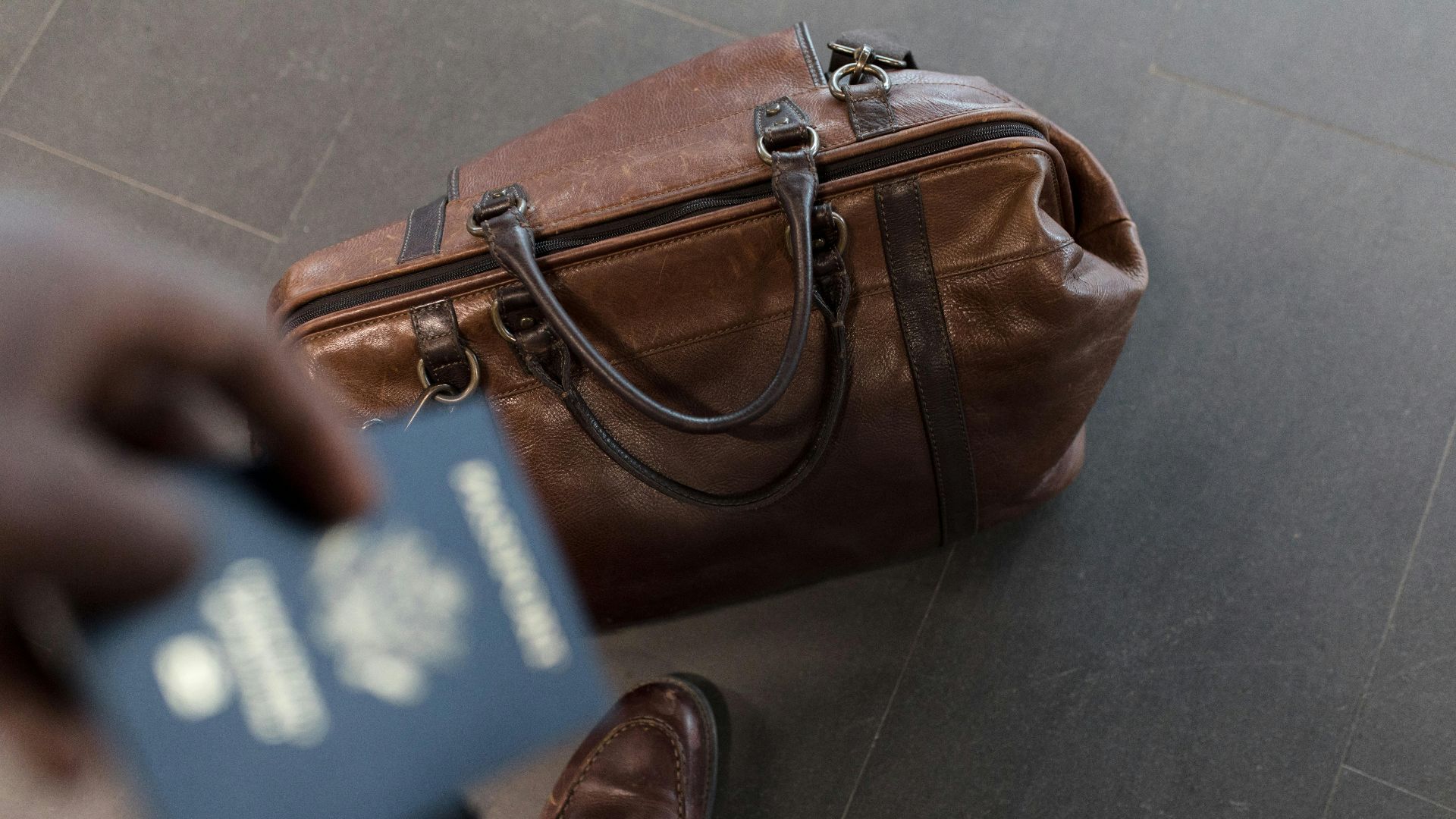
This is the dealbreaker for a lot of people. If you check a bag, it gets sent to the final destination on your ticket—not your layover city.
So if you’re planning to get off early, your luggage will happily continue the journey without you.
The One Rare Exception To The Luggage Rule
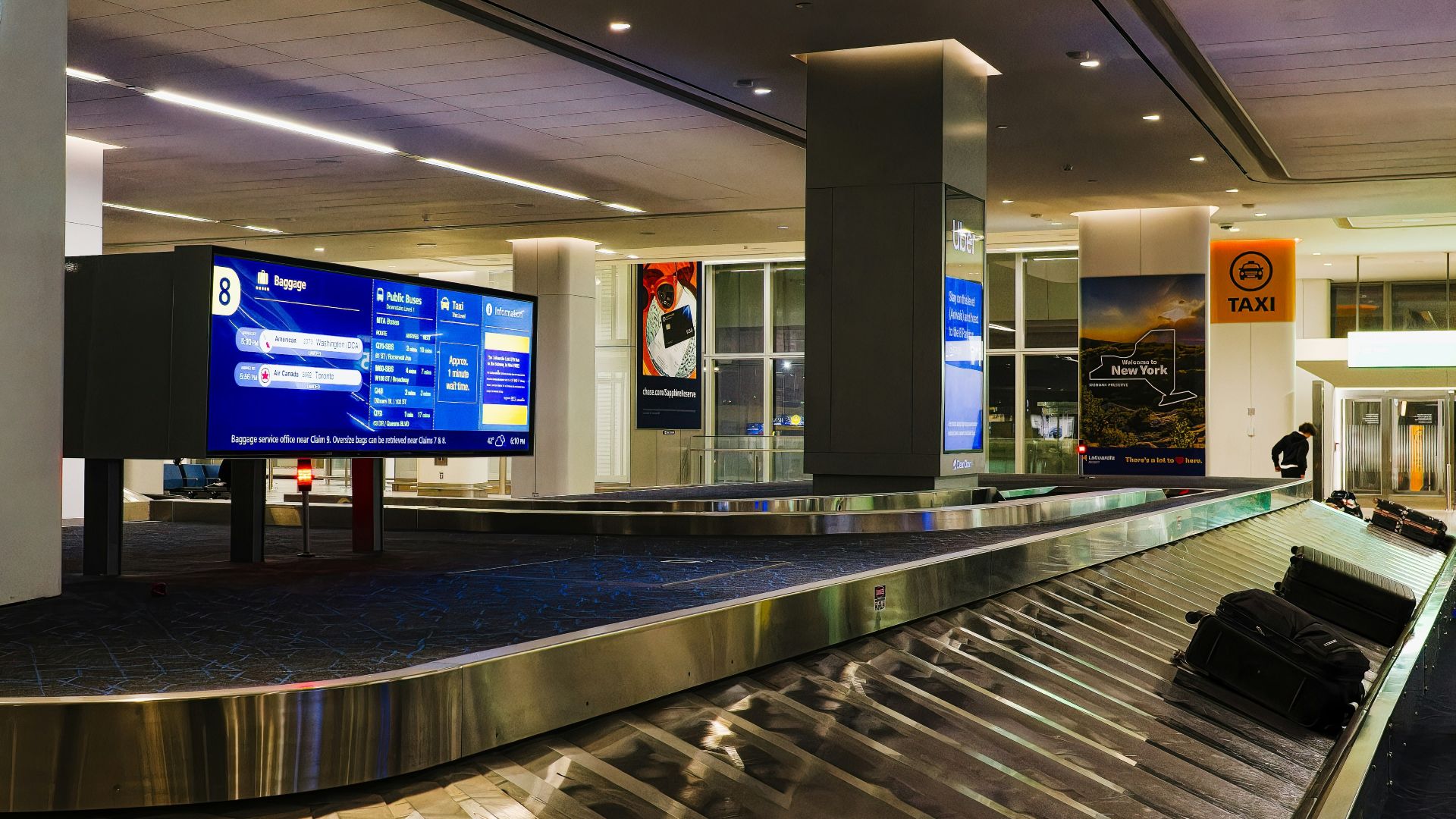
There is one loophole: if your itinerary forces you to change airports during the layover, you may have to collect your bag and re-check it.
That’s one of the few situations where hidden city ticketing and checked luggage can coexist—but it’s rare and requires careful planning.
Why Airlines Aren’t Fans Of This Trick
Airlines design their pricing systems carefully, and hidden city ticketing pokes a hole straight through that logic. From their perspective, it’s not clever—it’s misuse of the system.
That’s why they’ve started paying closer attention to passengers who do it regularly.
 Dimitris Asproloupos, Unsplash
The Risk Of Airline Crackdowns
There have been increasing reports of airlines taking action against repeat offenders. This can include losing frequent flyer miles or even being banned from flying with that airline.
It’s not common for casual users—but it’s definitely not unheard of anymore.

Why Flying Under The Radar Matters
If someone insists on using this trick, the general advice is to keep it low-key. Avoid attaching your frequent flyer account and don’t make a habit of doing it with the same airline.
The more visible your pattern, the more likely it is to raise flags.
The Small But Real Risk Of Rerouting
Flights don’t always go as planned. Weather, delays, or operational changes can cause airlines to reroute you through a completely different city.
If that happens, your carefully planned “hidden city” might disappear entirely.

Why You’re Basically Along For The Ride
When things go sideways, the airline’s priority is getting you to your ticketed destination—not your intended stopover. That means you don’t get a say in where the plane goes.
It’s a small risk, but it’s one you can’t control.
The Visa Detail Most People Forget
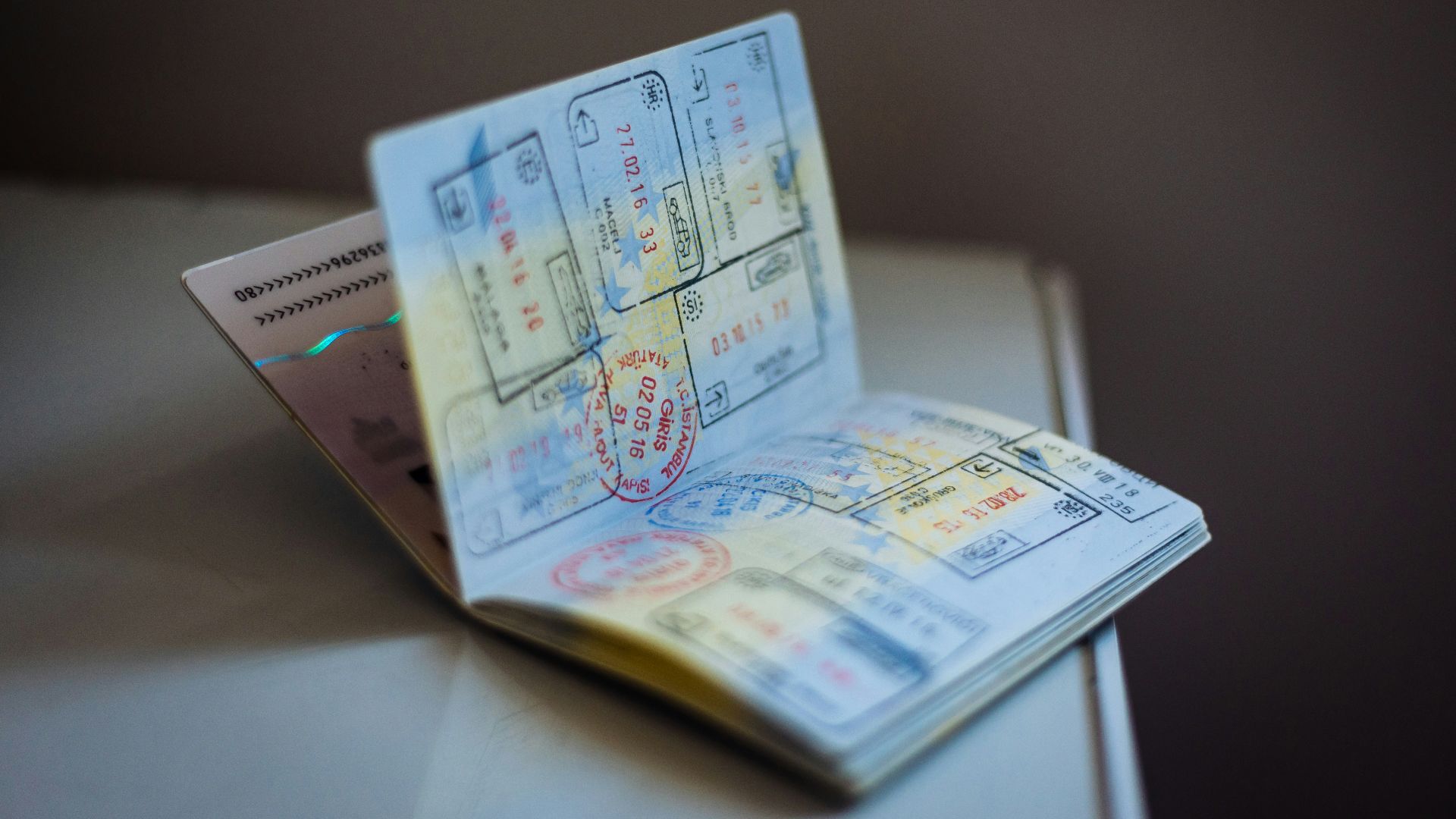
If your final destination requires a visa, you’ll still need that paperwork—even if you never plan to go there. Airlines won’t let you board without meeting entry requirements for the full itinerary.
It’s an easy oversight that can completely derail your trip before it even starts.
 Global Residence Index, Unsplash
When Hidden City Ticketing Actually Makes Sense
There are situations where this hack genuinely works well. If your layover is your true destination, the price difference is significant, and you’re traveling light, it can be a smart move.
Everything just has to line up perfectly.

When You Should Probably Avoid It
If your trip is time-sensitive, involves checked luggage, or includes multiple connections, this method quickly becomes more trouble than it’s worth.
Sometimes paying a little more is the better trade-off for peace of mind.

How People Actually Find These Flights
Most travelers either dig through Google Flights manually or use tools designed to surface hidden city routes. It takes some patience and a bit of trial and error.
It’s not exactly plug-and-play.

Why Airlines Make It Hard To Spot
Airlines don’t advertise these opportunities for obvious reasons. You have to actively look for routes that pass through your intended destination.
It’s less of a secret feature and more of a loophole hiding in plain sight.

Is Hidden City Ticketing Lawful?
Yes—it’s completely permissable to skip the final leg of your flight. People miss flights all the time, and there’s nothing unlawful about it.
That said, it does go againstairline terms, which is where the potential consequences come in.

So…Was My Girlfriend Right?
Technically, yes—hidden city ticketing can absolutely save you money. But it’s not a magical cheat code for cheap travel.
It’s a calculated gamble that works best in very specific situations.

Final Verdict: Smart Hack Or Risky Gamble?
Hidden city ticketing sits right on the edge between clever and inconvenient. When everything aligns, it can feel like you’ve cracked the system.
But more often than not, it’s a reminder that the “cheapest” option isn’t always the simplest—or the safest.
You May Also Like:
Data Reveals The Best And Worst Airports In The World—Is Yours On The List?