
The Vacation Argument Nobody Wants
Everyone has a friend who is maybe a little too attached to their dog. But even if you love the pooch and all the cute photos you take, rearranging all of your vacations around the special needs of one furry friend is an enormous ask in 2026.
If this has already been happening, your friend might not necessarily take it well, but the financial reality of travelling today means your resentment would be an even bigger trip ruiner.

The Short Answer Is No
No matter what your friend says or how things have been, on a group trip, everybody gets a say. One person does not get to set the rules for everyone else. Bringing a dog is a personal choice, not something the whole group has to organize around. The owner can ask for pet-friendly plans, and the rest of the group can still say no or choose a different setup.

Why This Turns Into A Big Deal Fast
Travel gets emotional quickly because money, time off, and expectations are all tied up in it. Add a pet, and the list of practical issues gets longer: hotel fees, restaurant rules, transportation limits, and activity restrictions. What sounds like a small preference can end up changing the whole trip.

Hotels Are Not Just A Preference Issue
Pet-friendly lodging comes with real limits that affect everyone. Many hotels that allow pets charge extra cleaning fees, set weight or size limits, cap the number of animals, or restrict where pets can be left alone. Those rules can cut down the group’s options, especially if everyone wants to stay together.

What Hotel Policies Actually Show
Big hotel brands say this pretty clearly. Best Western notes that pet policies vary by property and may include fees and restrictions. Hilton says pet fees and weight limits differ by hotel. So “pet-friendly” usually does not mean easy, consistent, or free.

Restaurants Can Be Even More Complicated
That dream list of dog-friendly cafes may be a lot shorter than your friend expects. The U.S. Food and Drug Administration says live animals generally are not allowed in food establishments, with exceptions for service animals and, where state and local rules allow it, dogs in some outdoor dining areas. If your group wants the freedom to eat indoors wherever it wants, bringing a dog can seriously narrow the choices.

Outdoor Dining Rules Change By Place
This is where the details matter. Some states and cities allow dogs in certain outdoor restaurant areas under specific conditions, but those rules are local, not universal. If your trip crosses state lines or even just moves between neighborhoods, you cannot assume every patio welcomes dogs.

Service Animals And Pets Are Not The Same
This matters for both fairness and the law. The U.S. Department of Justice says service animals under the Americans with Disabilities Act are dogs individually trained to do work or perform tasks for a person with a disability. A pet, emotional support animal, or companion animal does not automatically have the same access rights.

Air Travel Changed A Lot
This debate also got more tense because pet travel rules tightened. In December 2020, the U.S. Department of Transportation announced a final rule saying airlines no longer have to recognize emotional support animals as service animals. Since then, many airlines have treated emotional support animals as pets, which can mean fees, carrier rules, and weight limits.
Flying With A Dog Can Get Expensive Fast
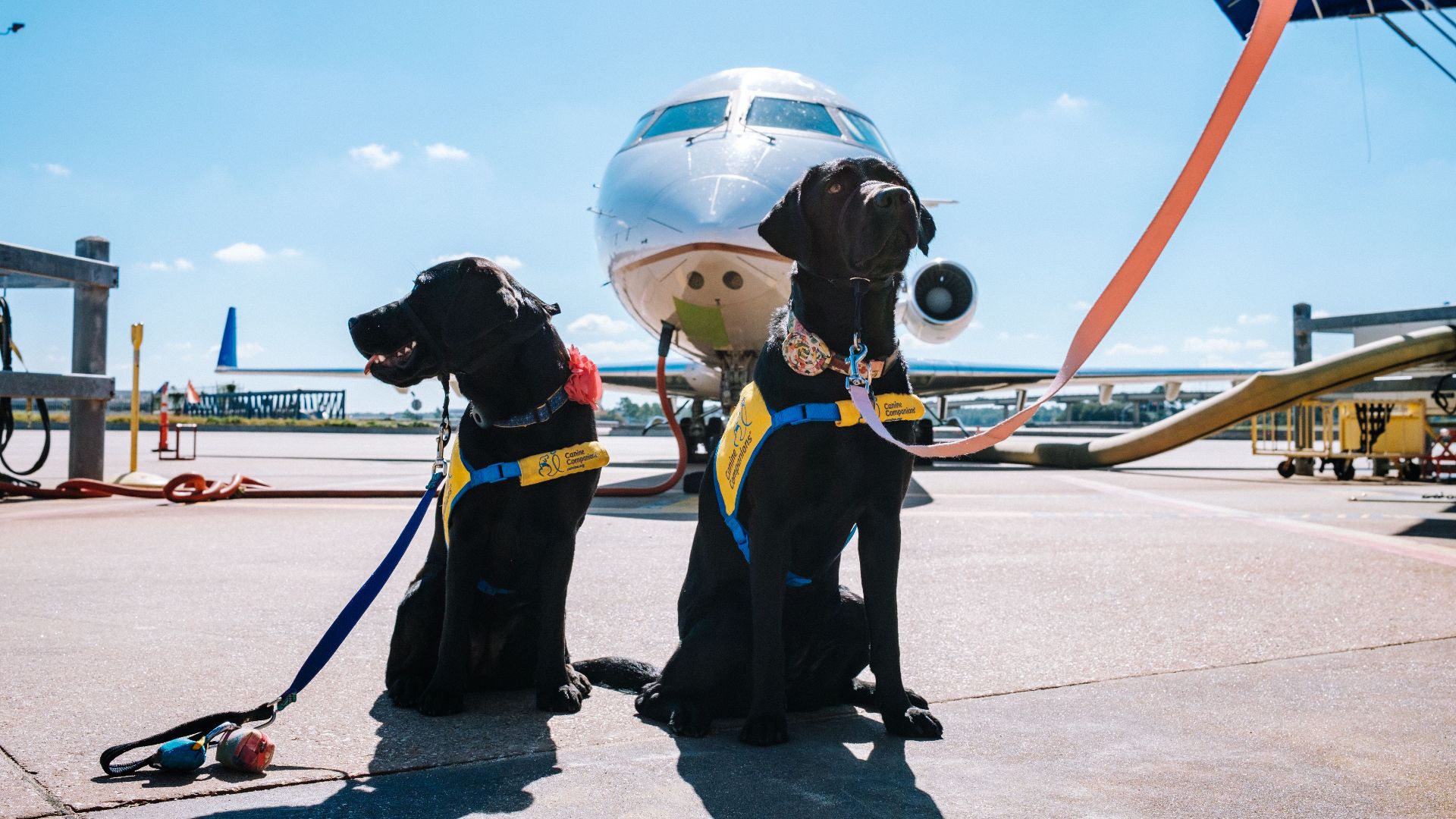
Airlines that allow pets in the cabin usually charge for it, and they often limit both the number of pets and the size of the carrier. American Airlines, Delta Air Lines, and United Airlines all post detailed pet rules and fees on their websites. If one person insists on bringing a dog, that extra cost belongs to that traveler, not the group.
Road Trips Have Tradeoffs Too
Driving with a dog might sound easier, but it still changes the day. Walk breaks, heat safety, car space, and pet-friendly stops all affect timing. If the group had a packed sightseeing plan in mind, a dog may slow the pace.

National Parks Are Not Automatically Dog-Friendly
A lot of travelers assume an outdoor trip must be easy with a dog, but that often is not true. The National Park Service says pets are allowed in some developed areas and on some trails, but they are often restricted from backcountry areas, buildings, beaches, and many hiking routes. A dog can shrink the list of activities in a place people picked for adventure.

Beach Days Can Get Complicated Too
Even dog-loving beach towns may have leash rules, seasonal bans, or time-of-day limits. Local rules can change by county, city, or even one stretch of shoreline to the next. So one traveler’s dog can turn a casual beach day into a rules check.

International Travel Raises The Stakes
Crossing borders with a pet is rarely simple. The U.S. Department of Agriculture says pet owners have to meet the destination country’s requirements, which can include health certificates, vaccines, and timing rules. That paperwork should not become everyone else’s problem if the rest of the group just wants an easy trip.

The New CDC Dog Import Rule Matters Too
For people bringing dogs into the United States or returning with one, the Centers for Disease Control and Prevention updated its dog import framework in 2024. The agency now requires specific forms and conditions based on where the dog has been during the previous six months. That is a reminder that dog travel is not just about preference. It can involve federal rules.

Vacation Rentals Are Not A Magic Fix
Some groups assume a rental house solves everything, but pet policies can still be strict. Hosts may charge pet fees, limit breeds or sizes, or ban pets from furniture and bedrooms. A rental can help, but it still means the group is adjusting to one person’s choice.

The Money Question Is Hard To Ignore
Pet fees are one of the fastest ways resentment starts. Between hotel surcharges, cleaning fees, airfare charges, and the cost of pet sitting during non-dog-friendly activities, the total can climb fast. The fairest rule is simple: the owner pays the pet-related costs.

What Is The Fair Standard On A Group Trip
Fairness usually starts before anyone books anything. If the whole group wants a dog-friendly vacation, great. But if even a few people care more about location, nightlife, dining, amenities, or access to certain attractions, then the dog does not automatically come first.

Option One: Stay Near Each Other, Not Together
One of the cleanest fixes is booking nearby instead of booking the same place. The dog owner can choose a pet-friendly hotel or rental, and everyone else can pick the property that best fits their budget and plans. You can still take the trip together without making every decision revolve around the dog.

Option Two: Split The Schedule
A group does not have to do every meal and every activity together. You can lock in a few shared plans, then let the dog owner break off for pet-friendly stops when needed. That can save both the friendship and the vacation.
Option Three: Say It Is Not A Dog Trip
That is a reasonable boundary, especially for city breaks, theme park trips, museum-heavy plans, or places with tight lodging and dining rules. Saying a trip is not a good fit for a dog is not anti-pet. It is just realistic.

How To Bring It Up Without Starting A Fight
Lead with logistics, not judgment. Say you want to keep your options open for hotels, restaurants, and activities, and that you cannot plan the whole trip around a pet. Putting the focus on practical limits keeps the conversation grounded.

What Not To Say
Do not take cheap shots about pet owners treating dogs like children, and do not say the dog will ruin the trip. That kind of language turns a fixable planning issue into a personal attack. Stick to cost, access, and the group’s shared priorities.

A Simple Script That Works
You can say, “We love traveling with you, but we do not want this trip limited to pet-friendly hotels and restaurants only. If you want to bring your dog, maybe we should stay separately or only do some activities together.” It is clear, respectful, and hard to misread.

What If Your Friend Says The Dog Has To Come
Then your friend may need a different kind of vacation than the one the group is planning. That does not make anyone the bad guy. It just means travel compatibility matters too.

Friendship Does Not Mean You Travel Well Together
Plenty of close friends make bad travel matches. One wants luxury, another wants cheap flights, another wants nightlife, and another wants to bring a dog. Mature groups deal with those differences early instead of forcing a miserable compromise.

The Best Rule Is Consent, Not Pressure
If everyone happily agrees to a pet-friendly trip, there is no problem. Trouble starts when one traveler expects automatic accommodation from everybody else. Group travel works best when the plan comes from consensus, not guilt or pressure.

The Bottom Line On Dog-Centered Travel
No, the whole group does not have to plan around one pet. Hotels, restaurants, airlines, parks, and border agencies all have real rules that can make dog-centered travel more expensive and more limiting. A friend can absolutely ask for pet-friendly plans, but the group is just as free to say no, compromise, or book separately.