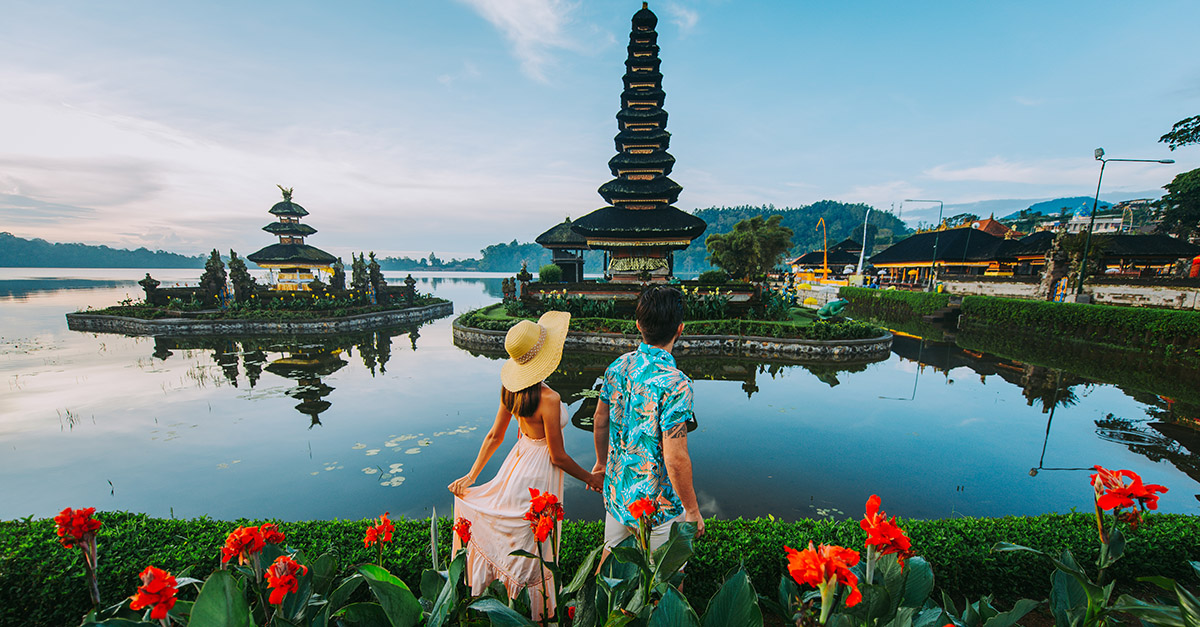
The Vacation I Thought We Had Planned
I spent weeks helping plan a vacation that looked balanced and exciting. Once we arrived, one friend kept suggesting completely different activities with almost no notice. By the end of the trip, I realized we had skipped many of the experiences I had been looking forward to. Factinate Ltd
Why Last Minute Changes Feel So Frustrating
Changing plans is normal on almost every vacation. Travel researchers have found that people frequently adjust their plans once they reach a destination because of weather, new opportunities, or changing preferences. The problem is not that plans change. The problem is when everyone is not equally involved in those decisions.

Every Traveler Has A Different Style
Some travelers love carefully scheduled days. Others prefer deciding everything as they go. Neither approach is wrong, but problems begin when people assume everyone enjoys the same pace without discussing it first.

Flexibility Is Different From Constant Change
Being flexible means adapting when circumstances require it. Constantly replacing agreed upon plans with new ideas is something else entirely. That can leave people feeling like their own priorities never mattered.

The Loudest Voice Often Wins
Many groups naturally follow whoever speaks up first. A confident traveler may unintentionally become the decision maker simply because nobody wants to argue. Over several days, those small moments can completely reshape a vacation.

Planning Creates Shared Expectations
Research into vacation planning shows that even travelers who enjoy spontaneity usually benefit from having a basic structure before departure. Plans provide a shared reference point rather than a rigid script. Everyone knows what they agreed to before new ideas appear.

The Cost Of Constant Replanning
Repeated changes do more than waste time. They create decision fatigue because everyone keeps evaluating new options instead of enjoying the destination. Eventually, people may simply give in because making another decision feels exhausting.

Memories Can Feel Uneven
One traveler may remember an incredible spontaneous afternoon. Another may remember missing the museum or hike they were most excited about. Both experiences are real because satisfaction depends on whether personal expectations were met.

Build Around Must Do Activities
One helpful strategy is asking everyone to identify one or two experiences they absolutely do not want to miss. Those activities become the foundation of the itinerary. Everything else can remain more flexible.

Separate Priorities From Nice Ideas
Not every activity deserves equal importance. Some experiences are bucket list moments while others are simply pleasant possibilities. Identifying the difference ahead of time makes it easier to compromise later.
 This And No Internet 25, Pexels
Schedule Free Time On Purpose
Free time does not have to happen by accident. Adding open blocks to the itinerary gives spontaneous travelers room to explore without replacing planned activities. Everyone knows flexibility is already built into the schedule.

It Is Fine To Split Up Sometimes
Many successful group vacations include planned periods where people do different things before meeting again later. Tourism researchers have even proposed travel systems that intentionally balance shared experiences with individual time.
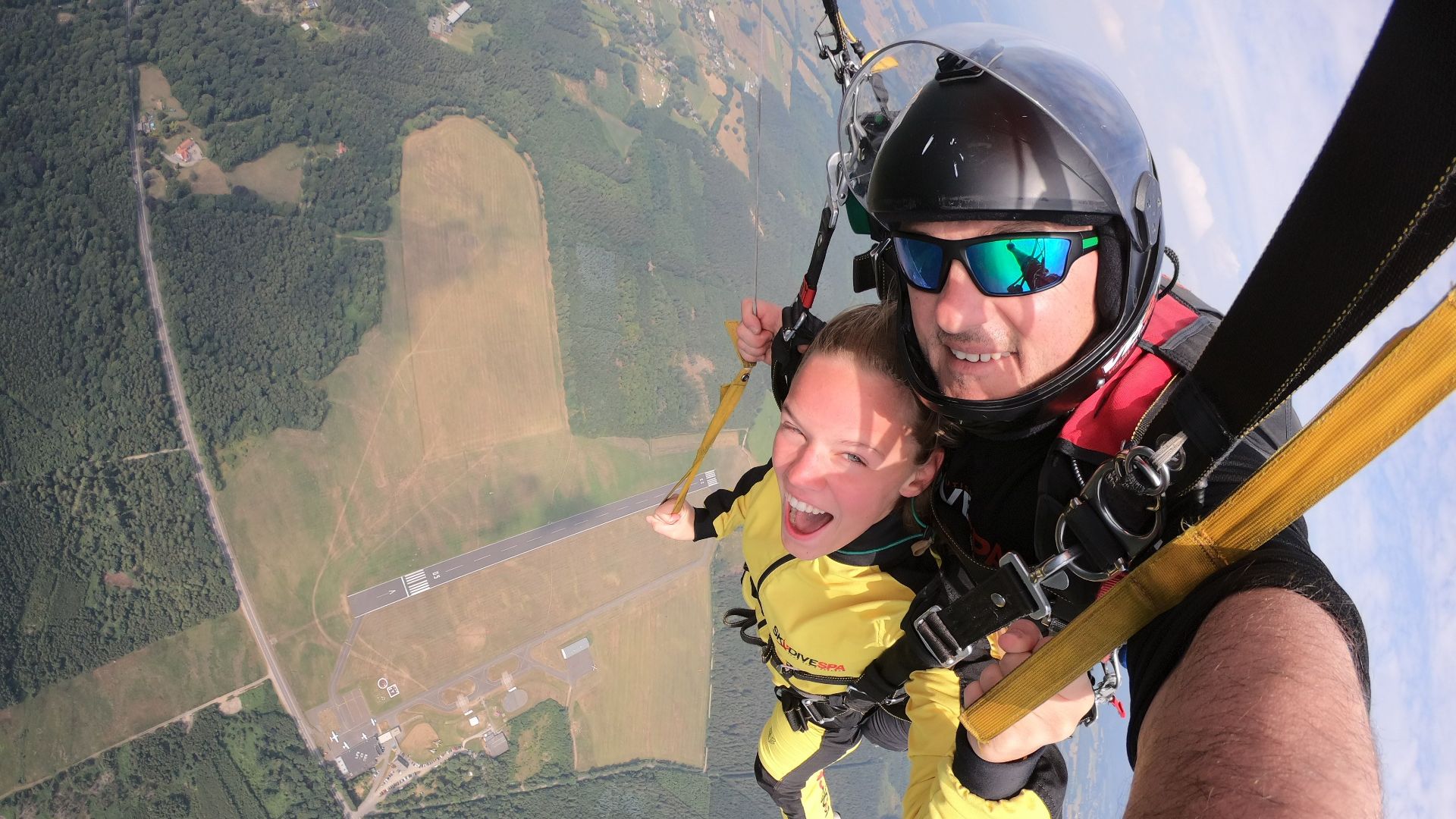
Small Groups Usually Decide Faster
As group size grows, coordinating different interests becomes more difficult. Many experienced travelers report that keeping the group small reduces disagreements and makes planning much smoother.

Talk About Expectations Before Booking
Conversations about budget, pace, and priorities should happen before anyone buys flights or reserves hotels. Those discussions often prevent misunderstandings later. Clear expectations make later decisions much easier.

Budget Differences Matter Too
Someone hoping to save money may avoid expensive attractions. Another traveler may want premium experiences throughout the trip. Financial expectations should be discussed alongside activity preferences so nobody feels pressured.
 https://kaboompics.com/, Pexels
Avoid Making Decisions While Hungry
Travel often involves long walks, delays, and unfamiliar surroundings. Fatigue and hunger make disagreements feel much bigger than they really are. Simple breaks can prevent unnecessary arguments.

Rotate Who Chooses Activities
One practical solution is letting different people lead different parts of the day. Everyone gets a chance to share something they enjoy. No single traveler controls the entire vacation.

Use Technology To Stay Organized
Shared calendars, collaborative maps, and messaging apps help everyone see the latest schedule. When changes happen, everyone receives the same information at the same time. That reduces confusion and missed plans.

Respect The Original Agreement
A new idea can sound exciting in the moment. Before changing course, ask whether everyone still wants to make the switch. Respecting previous agreements shows consideration for the whole group.

Speak Up Early Instead Of Staying Quiet
Many travelers avoid conflict because they do not want to ruin the mood. Unfortunately, staying silent often creates bigger frustration later. Calm conversations usually work better than bottled up resentment.

Leave Room For Unexpected Discoveries
Some of the best travel memories happen because plans change unexpectedly. A local recommendation or seasonal event can become the highlight of a trip. The key is making those decisions together rather than letting one person decide for everyone.
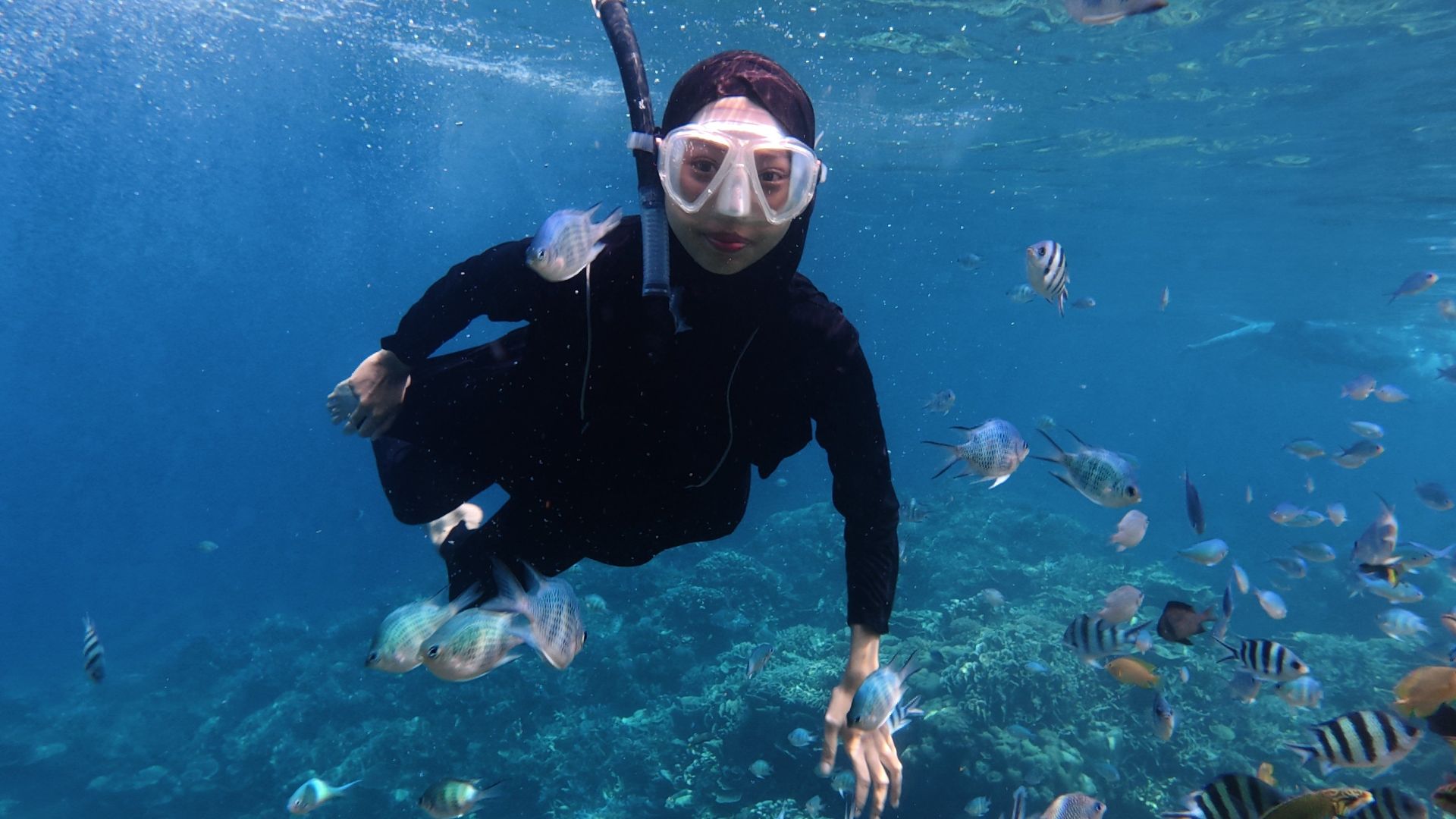
Remember That Not Every Friend Travels Well Together
Being close friends does not automatically mean you travel the same way. Some people enjoy early mornings while others prefer relaxed afternoons. Discovering those differences is completely normal.

Think About The Next Trip
Instead of focusing only on what went wrong, ask what could work better next time. Every vacation teaches something about communication and preferences. Future trips often improve because of those lessons.

Good Trips Balance Structure And Freedom
Travel planning research consistently shows that vacations involve both preparation and adaptation. The most successful trips usually combine planned highlights with enough flexibility to enjoy unexpected opportunities. That balance gives everyone something to look forward to while leaving space for discovery.

The Best Group Vacations Feel Collaborative
Nobody should feel like a passenger on someone else's itinerary. The happiest groups make decisions together, respect individual priorities, and accept that not every hour must be shared. A vacation becomes far more memorable when everyone feels they helped shape the experience.

You May Also Like: