
A Vacation Problem That Can Go Sideways Fast
Splitting a hotel room with a friend to save money is just common sense—until they invite a stranger they just met to sleep there too. If you aren't comfortable with that, you're well within your rights to insist they leave, and if push comes to shove, the hotel will back you up every single time.

Why This Gets Complicated So Quickly
A shared hotel room isn't the same as hanging out in the lobby or by the pool. It is private lodging, and hotels usually decide who can be in guest rooms, how many people can stay overnight, and what kind of behavior is allowed.
It's not just that you're uncomfortable. Once an unregistered stranger is planning to sleep there, it can quickly turn into a question of safety, occupancy limits, liability, and hotel policy.

Your Friend Cannot Change The Deal On Their Own
If the two of you agreed to share one room, your friend usually does not get to insist on adding another overnight guest without your okay. Even if they paid part of the bill, that does not automatically give them the right to bring in someone you do not know. In real life, this is as much a consent issue between roommates as it is a hotel policy issue.

Hotels Usually Make The Rules
Major hotel policies often spell out that rooms have occupancy limits and that hotels can restrict or remove unauthorized guests. Marriott says rooms are subject to maximum occupancy limits. Hilton says guests must follow occupancy and use rules, and properties can refuse or revoke accommodations in some situations under their terms.

Why Unregistered Guests Are A Big Deal
Hotels do not worry about extra people just for the sake of it. They worry because of fire code limits, security issues, noise complaints, and the risk of damage or theft. If someone is not registered and something goes wrong, it can be much harder to sort out who is responsible.

Occupancy Limits Are Not Just Nitpicking
Occupancy limits can be tied to local fire safety rules and the type of room booked. A room reserved for two people may not legally or contractually be meant for three overnight guests. If your friend invites a stranger to stay, the hotel may see that as a violation whether the person is sleeping on the bed, couch, or floor.

What The Hotel Will Probably Care About First
The front desk usually cares less about the personal drama and more about whether the extra person is allowed to be there. Staff may ask whether the person is a registered guest and whether the room is over its occupancy limit. If the answer is no, or if the situation seems unsafe, the hotel may tell that person to leave.

If Your Name Is On The Reservation, That Helps
If you are a registered guest or your name is on the reservation, you have solid ground to talk to the hotel about who is in the room. You do not have to quietly accept an overnight guest you never agreed to. Being on the booking gives you a stronger position when you ask staff to enforce the hotel’s room rules.

If Only Your Friend Booked The Room
The situation can be trickier if only your friend is listed on the reservation and paid for the room. Even then, hotels still enforce their own occupancy and guest policies, so your friend may not have unlimited freedom to add a stranger overnight. You may have less leverage with the hotel, but you can still raise safety concerns with staff.

Safety Comes Before Being Polite
If the stranger gives you a bad feeling, seems drunk, acts aggressively, or refuses to leave, skip the awkward debate and call the front desk right away. Hotel staff are in a better position to handle unauthorized visitors than guests trying to argue it out in a tense room. If you feel in immediate danger, contact local emergency services.

Start With A Clear No
Before calling the hotel, it is reasonable to tell your friend plainly that you do not agree to the stranger staying overnight. Keep it short and direct. You can say that you agreed to share with your friend, not with someone they met a few hours ago, and that the person needs to leave or get their own room.

Keep The Argument Simple
Try not to turn it into a bigger fight about your friend’s judgment or the stranger’s character. The strongest point is also the simplest one. You did not agree to share sleeping space with an extra person, and a hotel room is not automatically open to whoever one guest wants to bring back.
 https://kaboompics.com/, Pexels
The Front Desk Can Back You Up
If your friend refuses, go to the front desk or call from the room and explain that an unregistered person has been brought in to stay overnight without your consent. Ask staff to enforce the hotel’s occupancy or visitor rules. Hotels deal with unauthorized guests all the time, and this is often the fastest way to move the issue out of personal conflict and into hotel policy.

Ask About Other Options
Sometimes the cleanest fix is not a dramatic removal but a different sleeping setup. Ask whether the stranger can book another room, whether your friend can move, or whether you can be reassigned if there is availability. If the hotel is full, staff may still be able to separate people or document what happened.

Document What Happened
If the disagreement gets serious, write down what happened and when. Save texts with your friend about the overnight guest, note when you contacted the front desk, and keep any written response from the hotel. That can help later if there is a billing dispute, property damage claim, or formal complaint.

Splitting The Cost Does Not Mean Unlimited Rights
Friends sometimes assume that paying half means each person can do whatever they want with their half of the room. That is not really how hotel rooms work. The room is one lodging unit governed by one set of hotel rules, and one guest’s payment does not cancel out another guest’s right to object to a surprise overnight stranger.

What If The Stranger Says They Have Nowhere To Go
This is where emotions can spike, especially late at night in a busy vacation spot. But their lack of a backup plan does not mean you have to share your sleeping space. The hotel can point them to open rooms, nearby properties, or transportation options, but you do not have to become their emergency lodging.

Could The Hotel Make You Leave Instead
In some cases, if the conflict blows up or hotel rules are being broken, the property could decide to remove everyone involved. That is one reason it helps to notify staff early and stay calm before things turn into a loud fight. Guests who seem cooperative and focused on safety are usually in the stronger position.
 LightField Studios, Shutterstock
Privacy Matters Too
Even if the stranger seems harmless, sleeping in a room with someone you do not know creates obvious privacy issues. Your belongings, devices, travel documents, and personal safety are all in that room. It is completely reasonable to draw a firm line before an unfamiliar person spends the night a few feet from your passport and wallet.
Hotels Often Keep Broad Power
Many hotel terms give properties wide power to remove people who break rules, disturb others, or create safety concerns. Choice Hotels, for example, says it may refuse service or evict guests in certain situations. That matters because hotel staff often have more authority here than your friend may think.

A Vacation Hookup Does Not Override Hotel Rules
People meet on trips all the time, and plenty of hotels allow daytime visitors within reason. But overnight stays are different because they can trigger occupancy, registration, and safety rules. Your friend’s vacation romance may be exciting to them, but it does not automatically give their new companion the right to stay in your shared room.

When To Ask For Security
If the person will not leave after you have said no and the front desk has been told, ask the hotel to send security if the property has it. Do not try to physically remove anyone yourself. Let trained staff handle access, de-escalation, and any decision about calling police if trespassing becomes an issue.

How To Protect Your Stuff Right Away
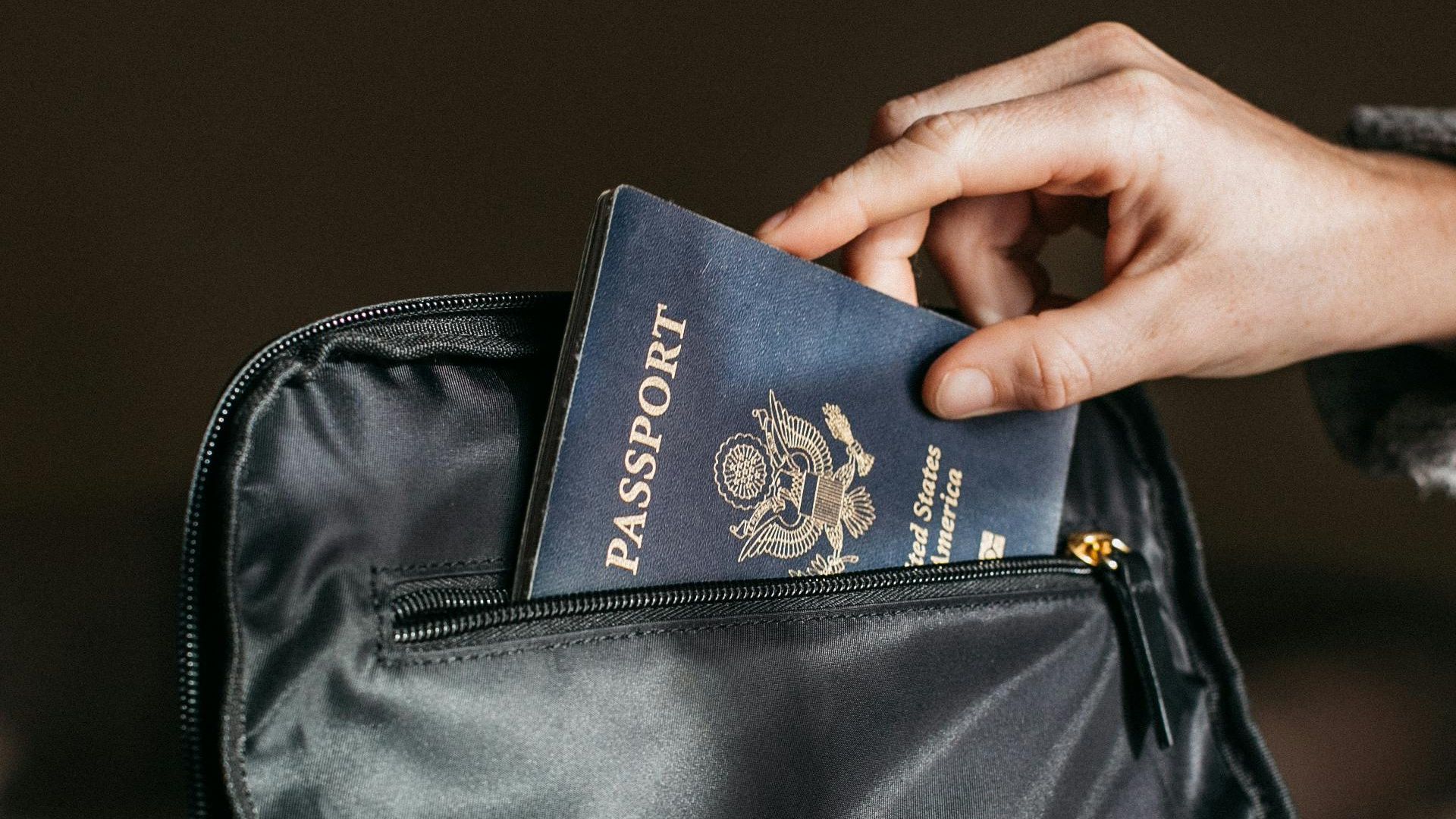
If there is any chance the stranger will stay in the room, secure your essentials immediately. Keep your phone, passport, wallet, medications, and keys with you, and use the in-room safe if there is one. That does not solve the bigger problem, but it does lower the chance that things get even worse by morning.
 Vinta Supply Co. | NYC, Pexels
What To Say To The Hotel
A simple script can help if you are flustered. Try this: I am a registered guest in room ___, and my roommate brought an unregistered person to stay overnight without my consent. I am not comfortable with that, and I would like the hotel to enforce its guest and occupancy policy.
 LightField Studios, Shutterstock
The Best Outcome Usually Happens Fast
These situations rarely get better if everyone just sleeps on it. The later it gets, the harder it can be to find another room, and the more likely tempers are to rise. Dealing with it as soon as the invitation turns into an overnight plan gives you the best shot at a calm, policy-based fix.

How To Avoid This On Future Trips
Before you travel with a friend, set some ground rules about bringing people back to the room. Talk about whether visitors are okay, whether overnight guests are ever okay, and what happens if one person is uncomfortable. A two-minute conversation before check-in can stop a midnight standoff later.

The Bottom Line
Yes, you can usually insist that a stranger your friend met on vacation not sleep in your shared hotel room, especially if you are a registered guest and the hotel’s rules limit unauthorized or extra occupants. Start by telling your friend no, then bring in the hotel quickly if needed. That is not being difficult. It is protecting your safety, privacy, and the terms of the room you agreed to share.