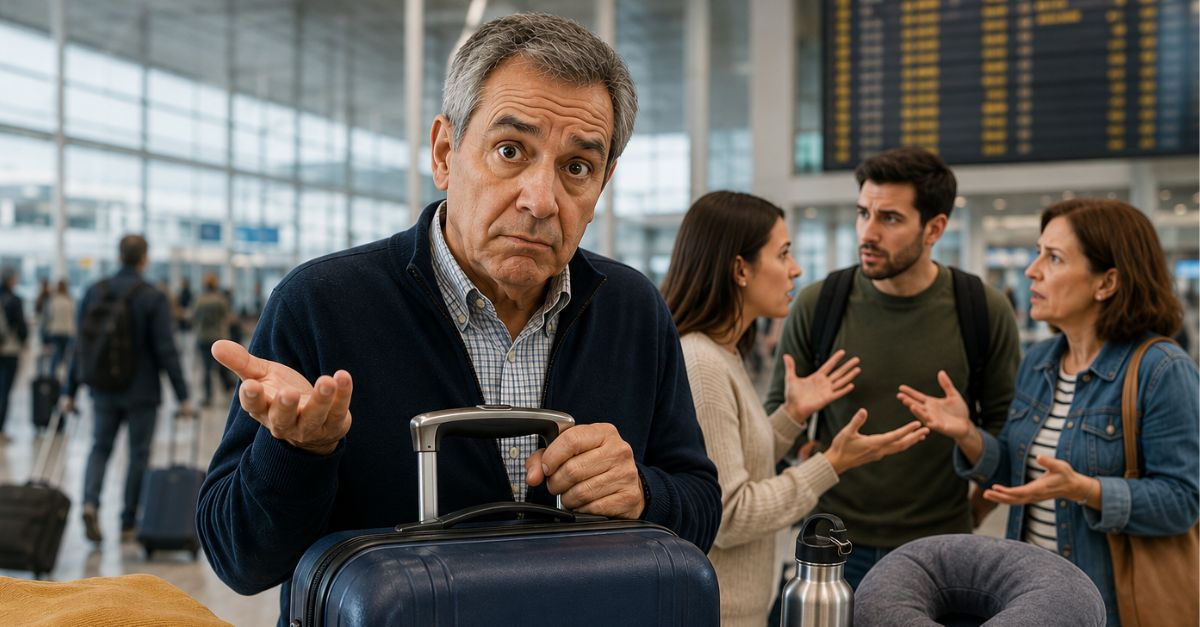
When One Suitcase Rule Sparks A Family Feud
If your father refuses to fly unless everyone checks bags together, the fight is probably not really about suitcases. It is about predictability, coordination, and who gets to set the travel rules. In many families, airport habits turn into a quiet power struggle because flying is expensive, stressful, and packed with decisions that feel strangely personal.
Why This Feels Bigger Than Baggage
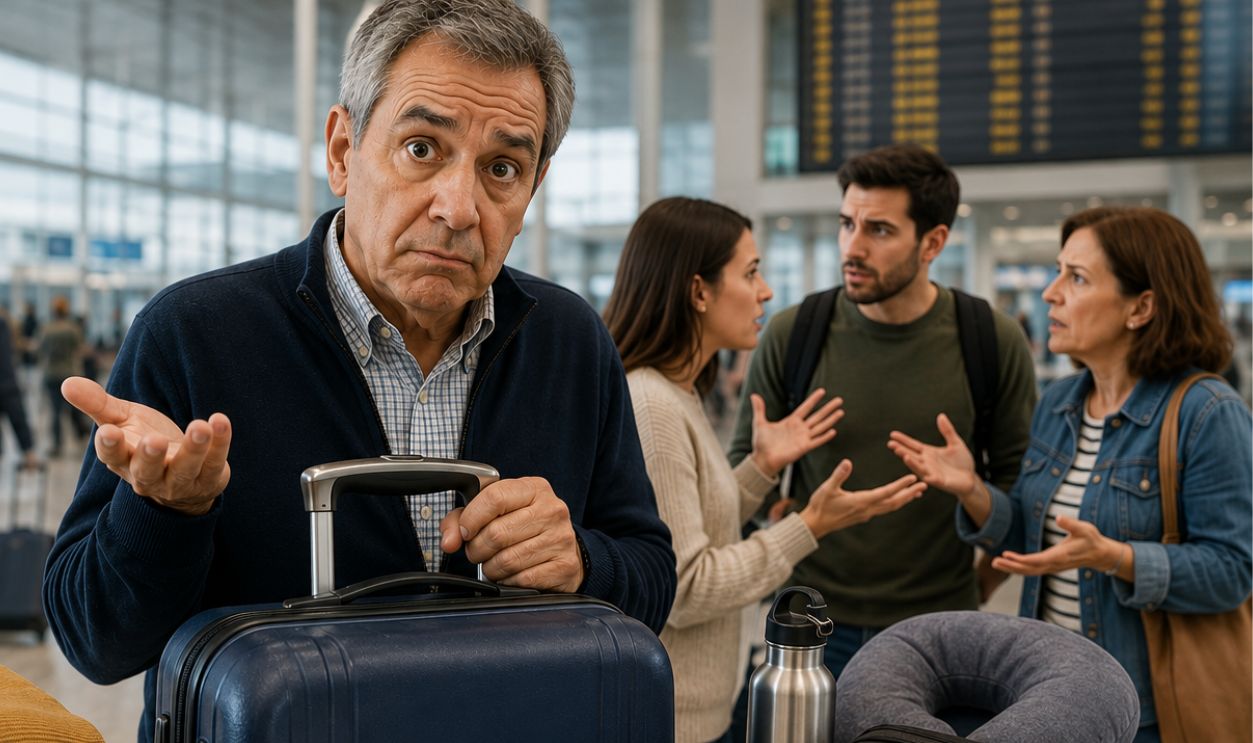
Checking a bag is a practical choice, but insisting that every traveler do the same can feel like a demand for obedience. That is why the argument keeps coming back even when the trip is supposed to be fun. When one person treats a preference like a hard rule, other relatives often experience it as control.
What The Data Says About Carry-On Crowding
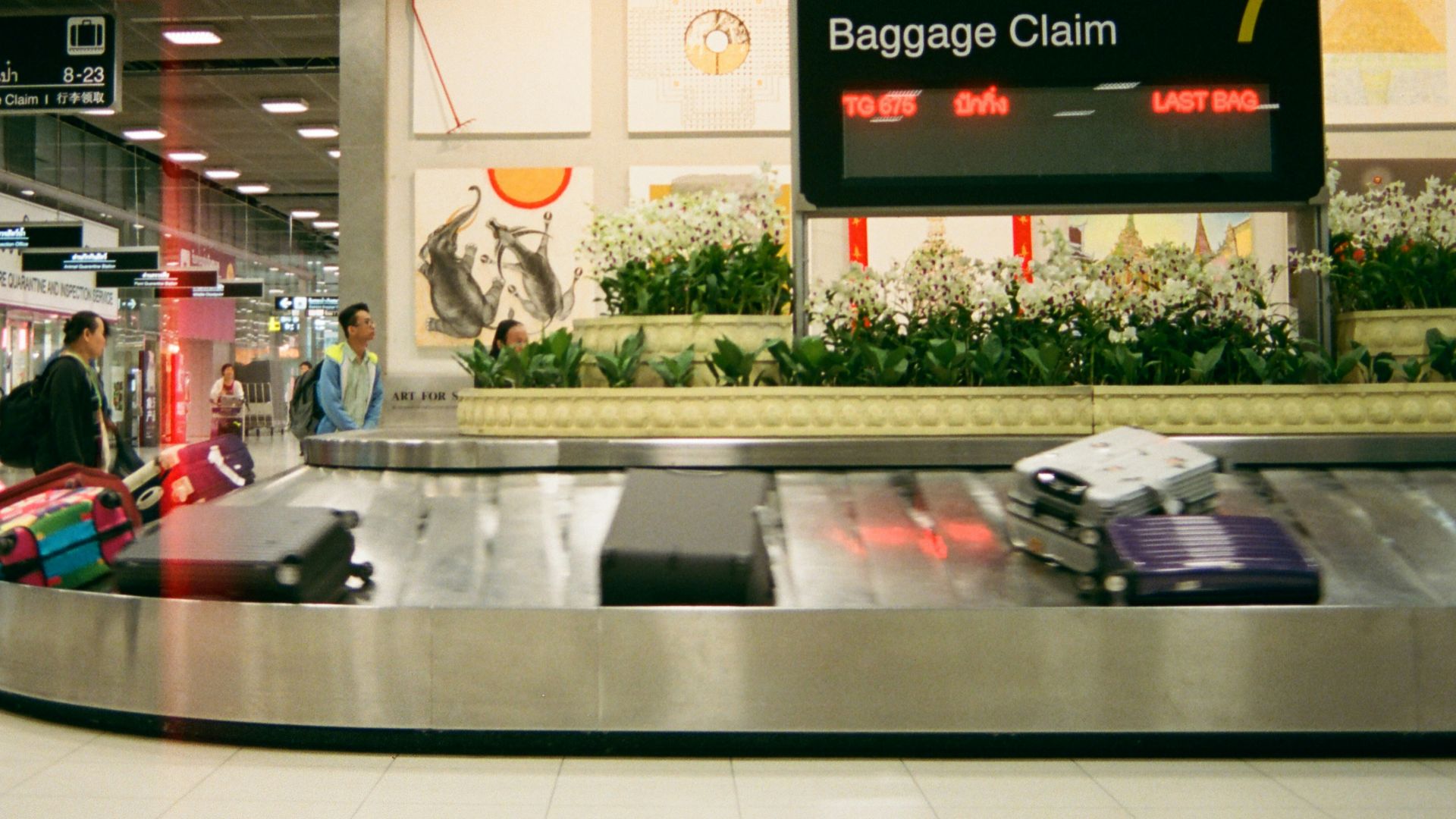
There is a real reason some travelers hate carry-ons. Airlines for America said in a 2024 summer travel update that U.S. airlines were expected to carry a record 271 million passengers from June 1 through August 31, 2024. More people usually means fuller overhead bins, slower boarding, and more chances for friction at the gate.
The Case For Checking Bags
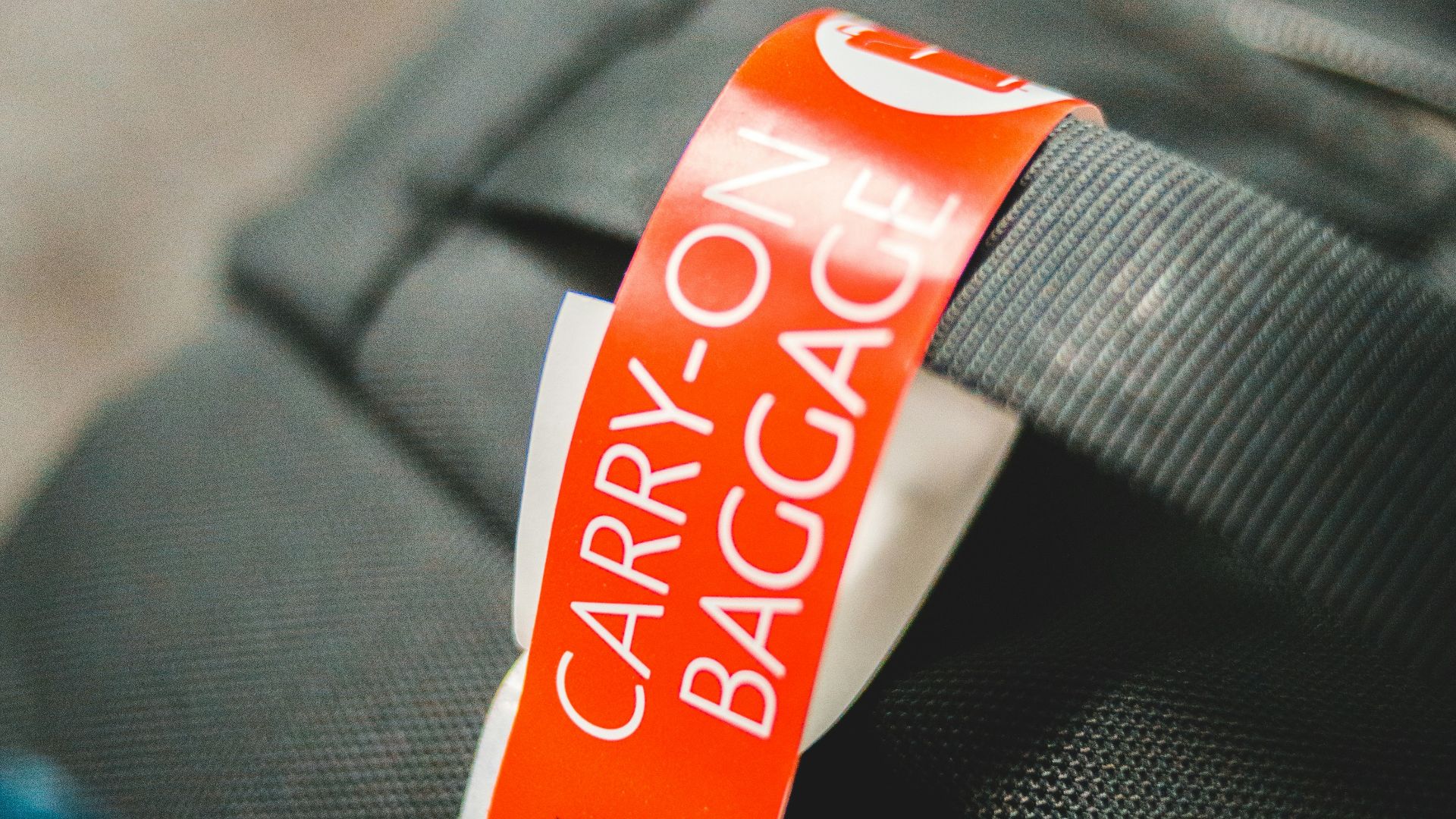
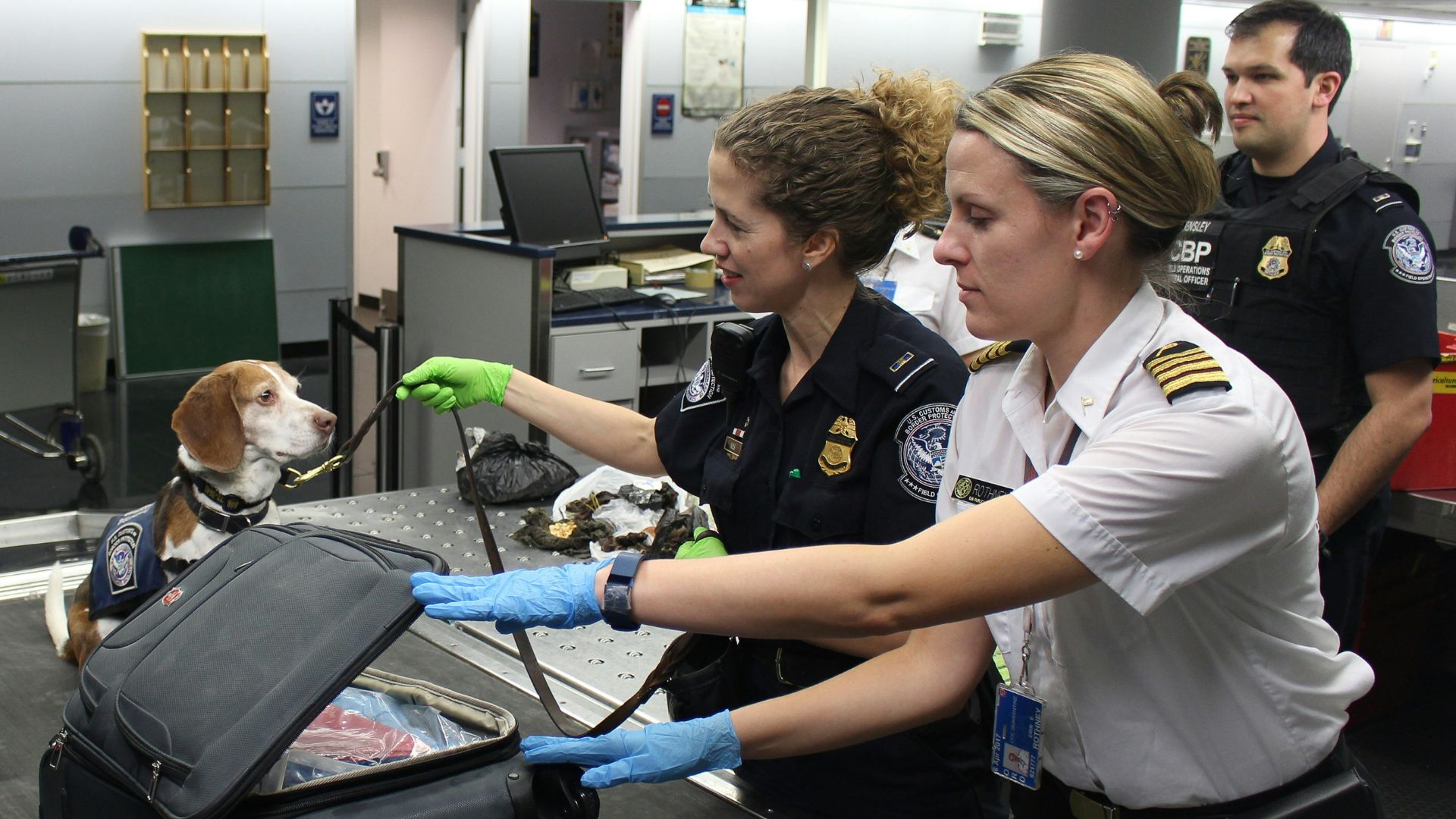
Your father is not entirely wrong if he thinks checked bags can make the cabin experience easier. The Transportation Security Administration has long limited liquids in carry-on luggage under its 3-1-1 rule, which pushes some travelers toward checking larger toiletry items. For families bringing gifts, sports gear, or bulky clothes, checking bags can cut down on a lot of in-seat chaos.
Why Other Travelers Dig In Their Heels
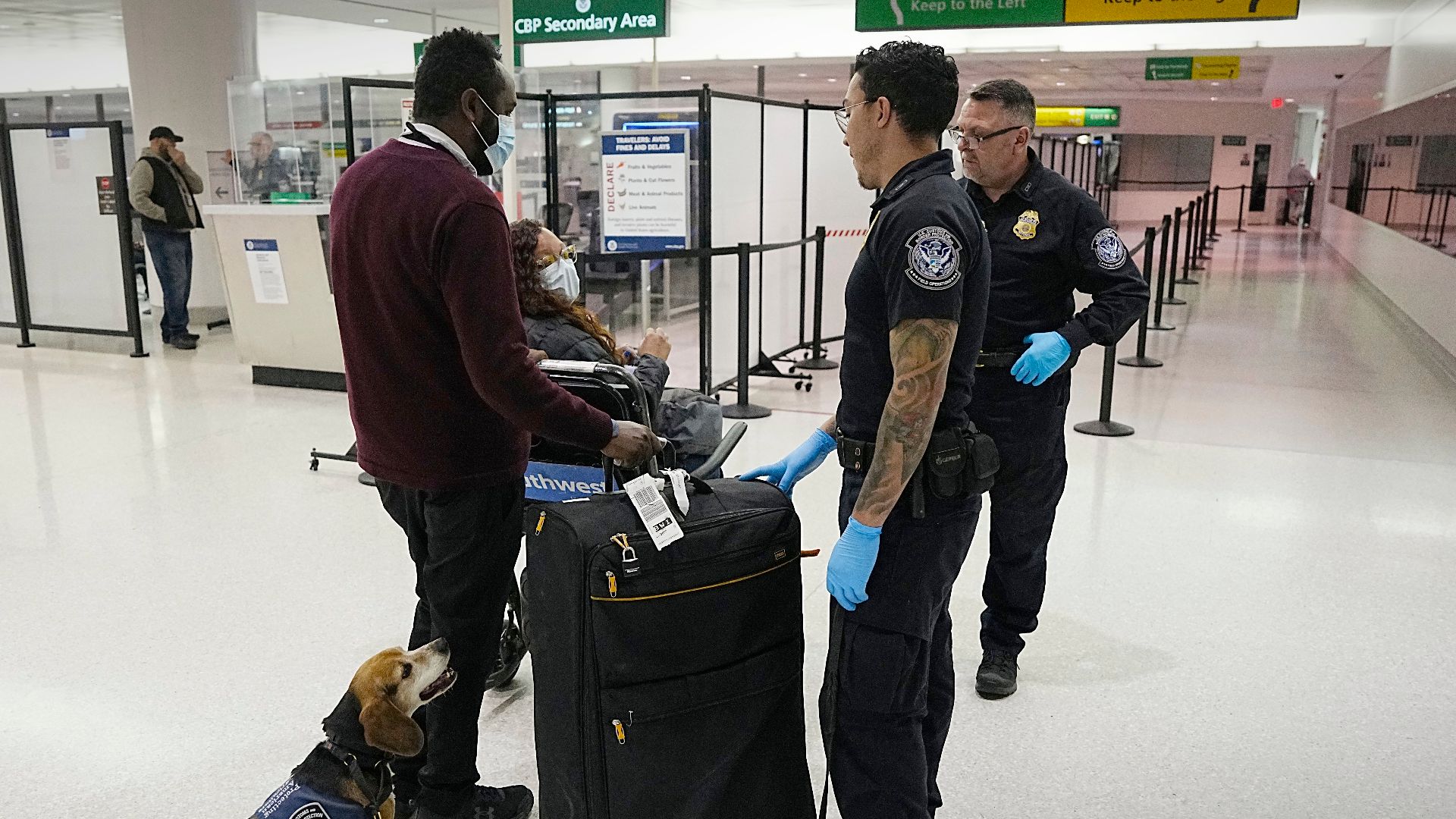
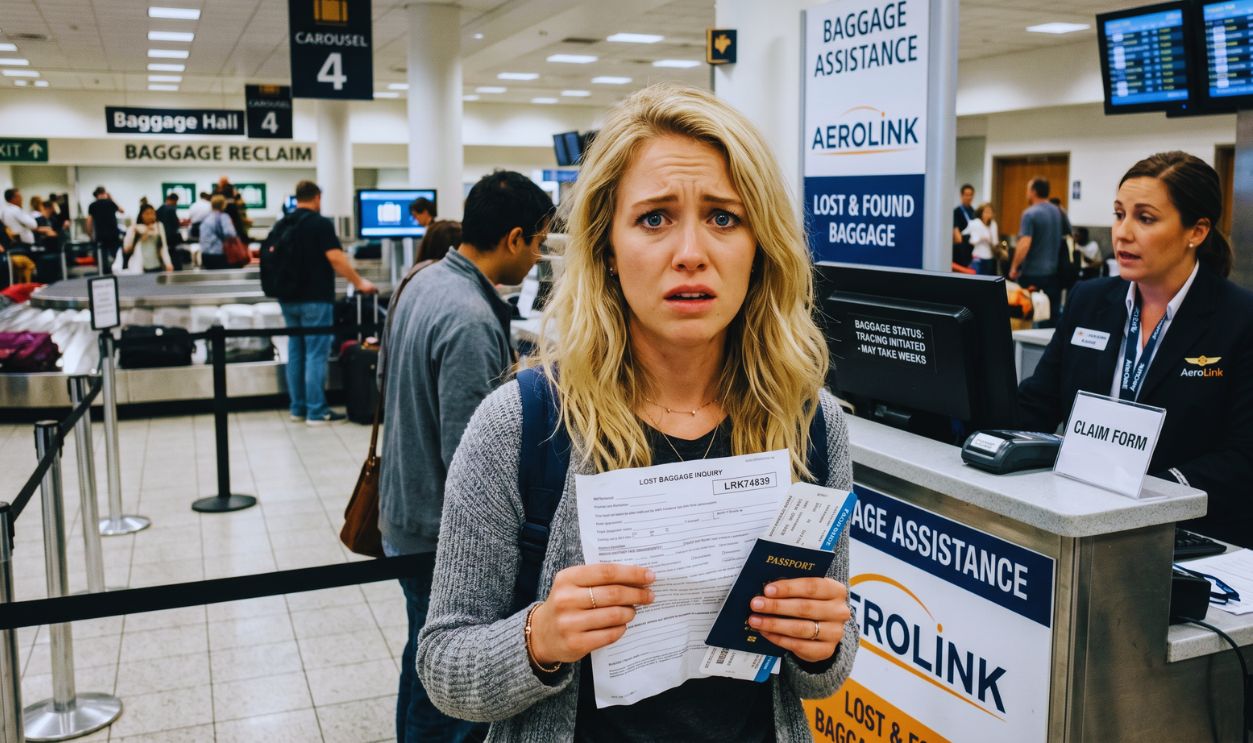
The anti-checked-bag side has solid evidence too. The U.S. Department of Transportation requires airlines to report mishandled baggage, and those numbers are a real concern for travelers who want to keep essentials with them. Even if the odds are fairly low, a delayed bag can wreck the first day of a trip and turn a vacation into a customer service slog.

The Numbers Behind Lost And Delayed Luggage
SITA’s 2024 Baggage IT Insights reported that the global mishandled baggage rate was 6.9 bags per 1,000 passengers in 2023, up from 2022 as traffic rebounded. That is still far below the much higher rates seen in 2007, which shows long-term improvement. Even so, the report makes one thing clear: baggage problems still happen often enough to shape how people pack.
 CBP Photography, Wikimedia Commons
Why Group Check-In Can Feel Safer To Some People
Families often build little rituals to manage travel anxiety. Going to the check-in counter together, tagging every bag at the same time, and moving as a unit can make one anxious traveler feel like nothing is being missed. If your father gets especially tense before flights, his baggage rule may be less about domination and more about managing stress through sameness.
Control Issue Or Anxiety Response
The distinction matters. A control issue usually shows up as a rigid demand with little patience for other adults making reasonable choices. An anxiety response can sound similar on the surface, but it is driven by fear of mistakes, delays, or separation rather than a need to run everyone else’s behavior.
Psychologists Have Long Linked Travel Stress And Rigid Habits
The American Psychological Association has repeatedly reported that stress can affect decision-making and raise irritability. Airports pile several classic stress triggers into one place, including time pressure, unfamiliar procedures, crowds, and money. When stress climbs, people often cling harder to routines that make them feel safe.
What Happens At The Airport When People Split Strategies
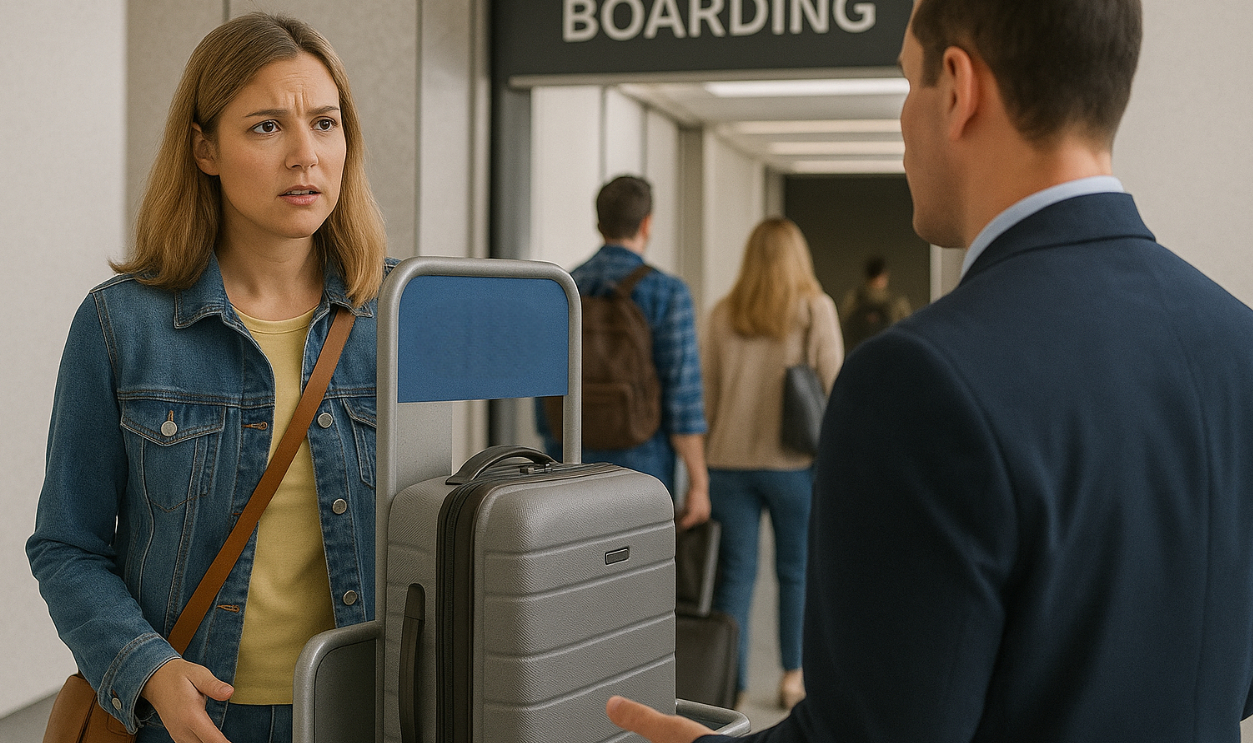
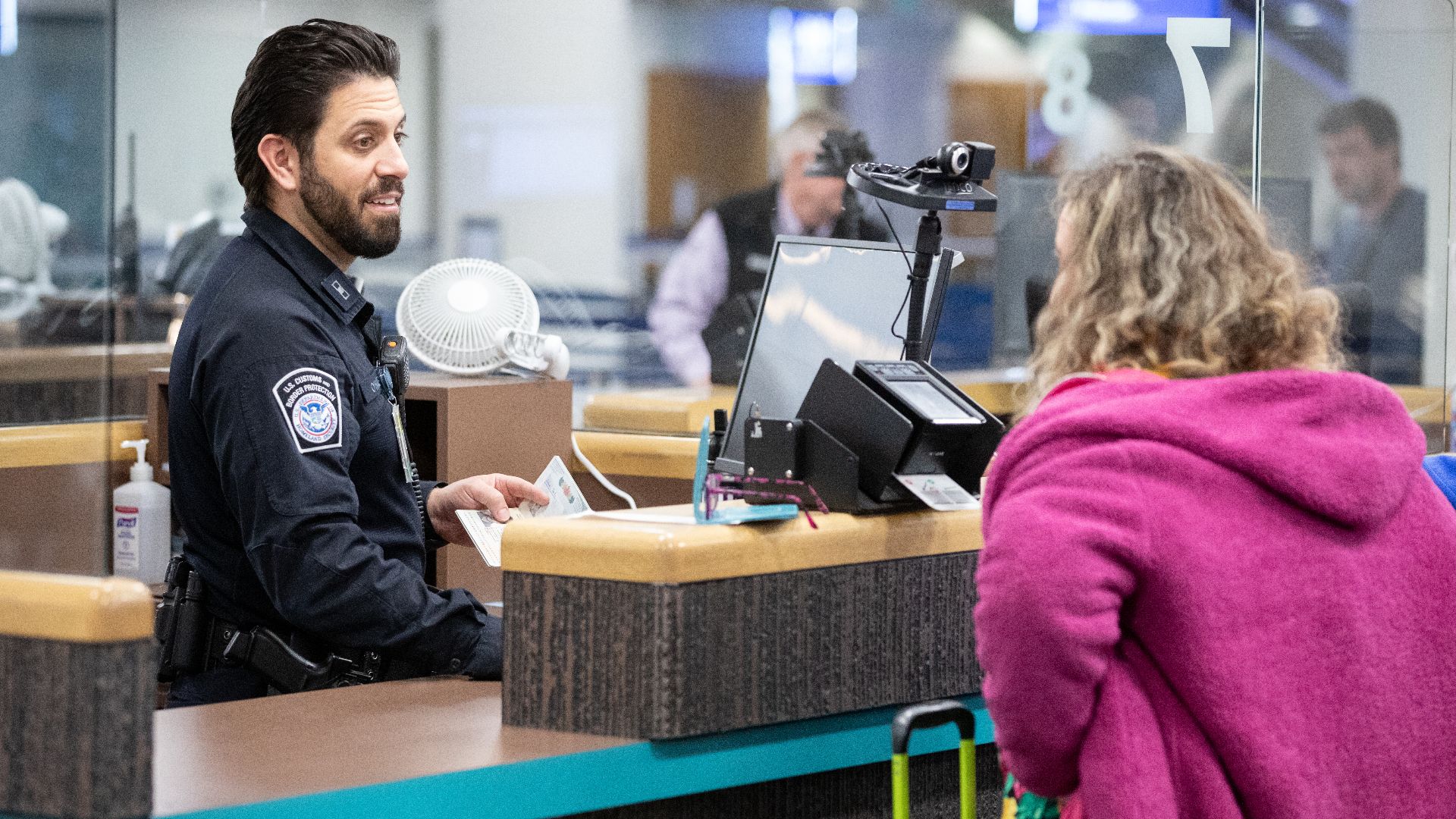
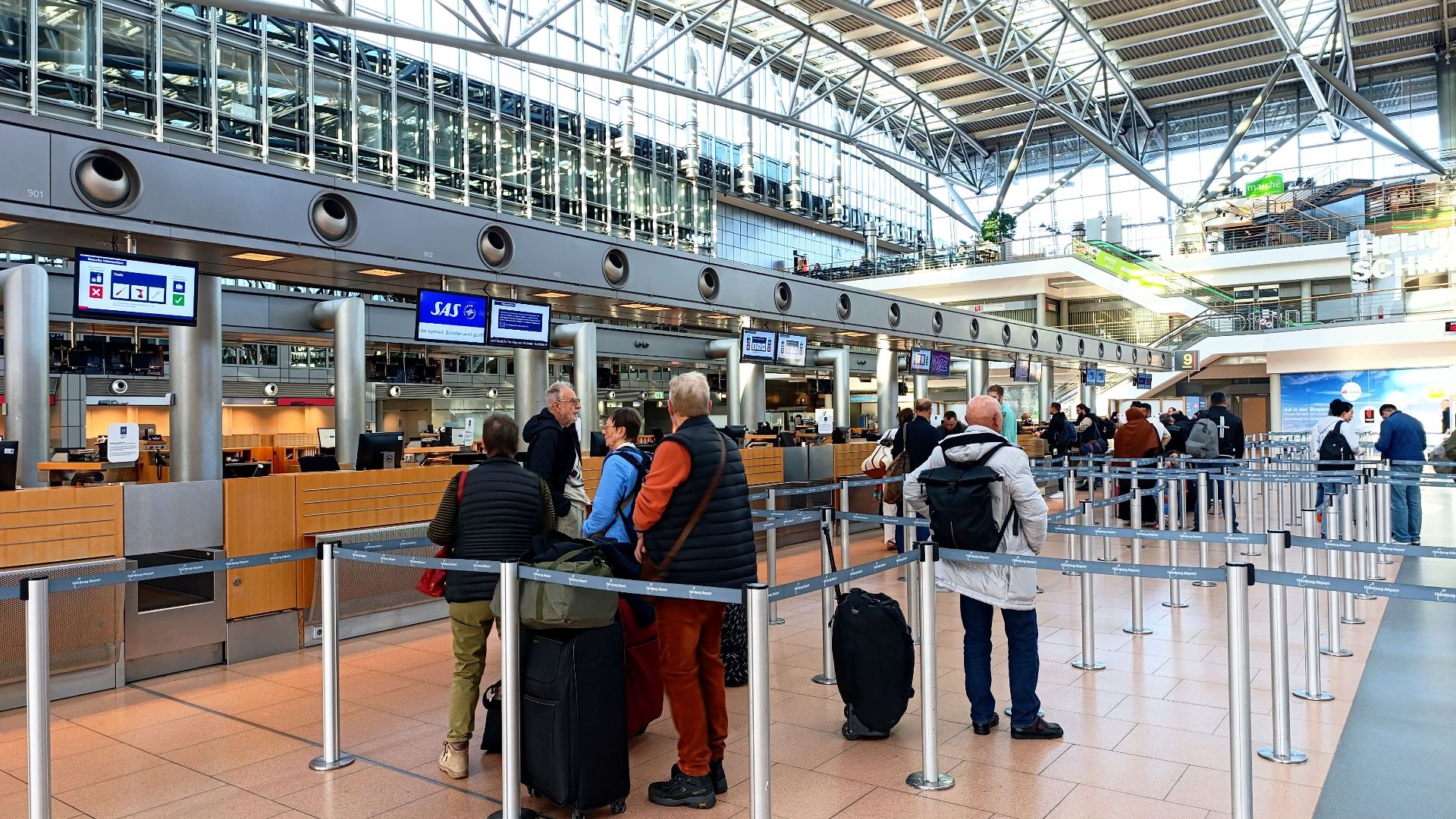
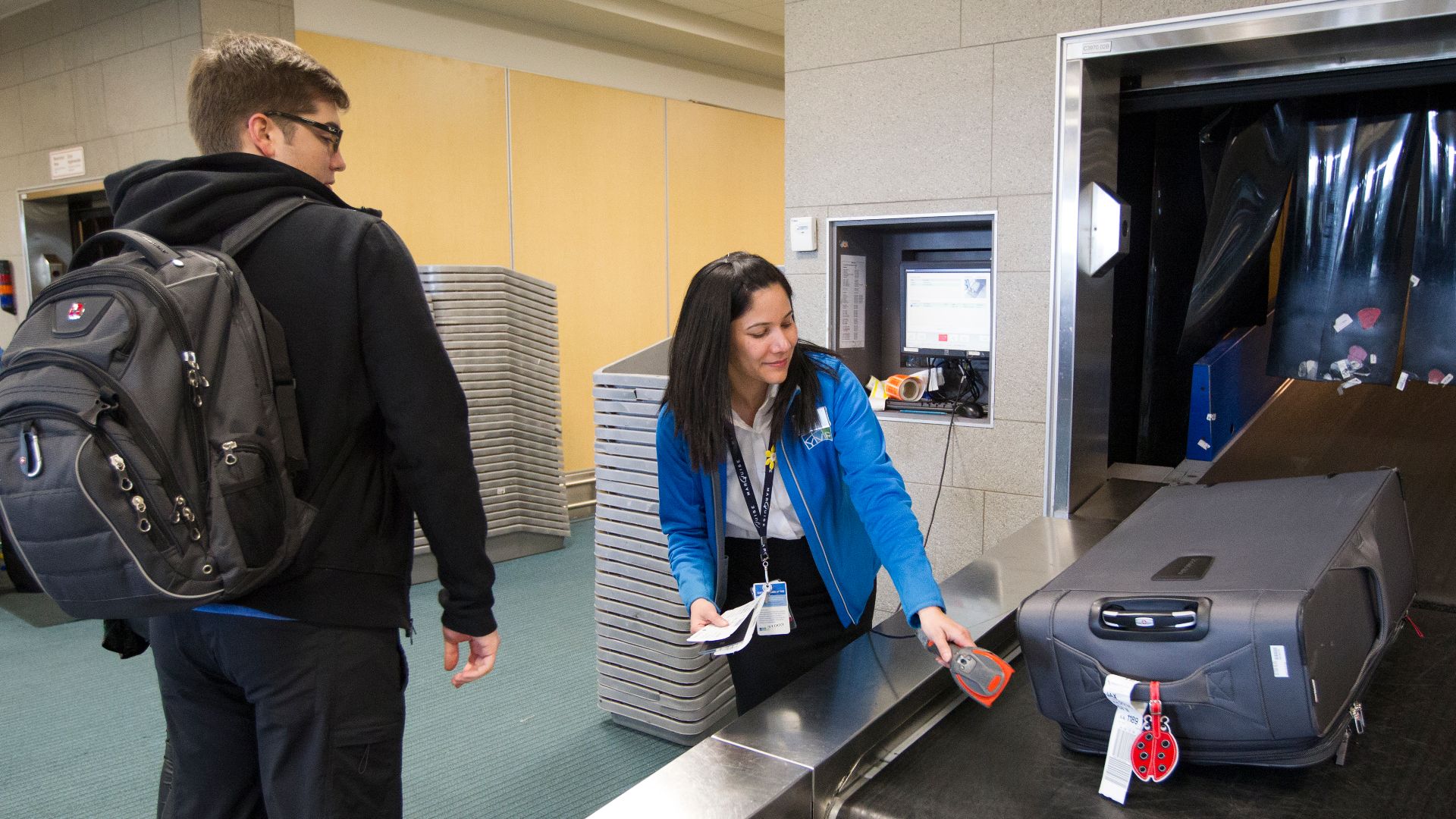
Mixed packing plans can create real logistical problems. One traveler may need the ticket counter to check a bag, while another wants to go straight to security with only a carry-on. That difference can force the group to choose between staying together or splitting up, and either option can spark conflict in families that care a lot about sticking together.
Airline Fees Make The Stakes Feel Personal
This argument also hits the wallet. Many U.S. airlines charge checked baggage fees on standard economy tickets, which means one person’s preference can become everyone else’s expense. It is a lot easier to call it a control issue when the person making the rule is not covering the full cost.
 CBP Photography, Wikimedia Commons
What The Transportation Department Says About Baggage Complaints
The U.S. Department of Transportation’s Air Travel Consumer Reports track complaints and mishandled baggage data, giving travelers a factual basis for their concerns. These reports exist because baggage handling is not just an occasional annoyance. It is a long-running consumer issue with enough impact to be tracked by the federal government.
 AgnosticPreachersKid, Wikimedia Commons
Why Carry-On-Only Travel Has Become So Popular
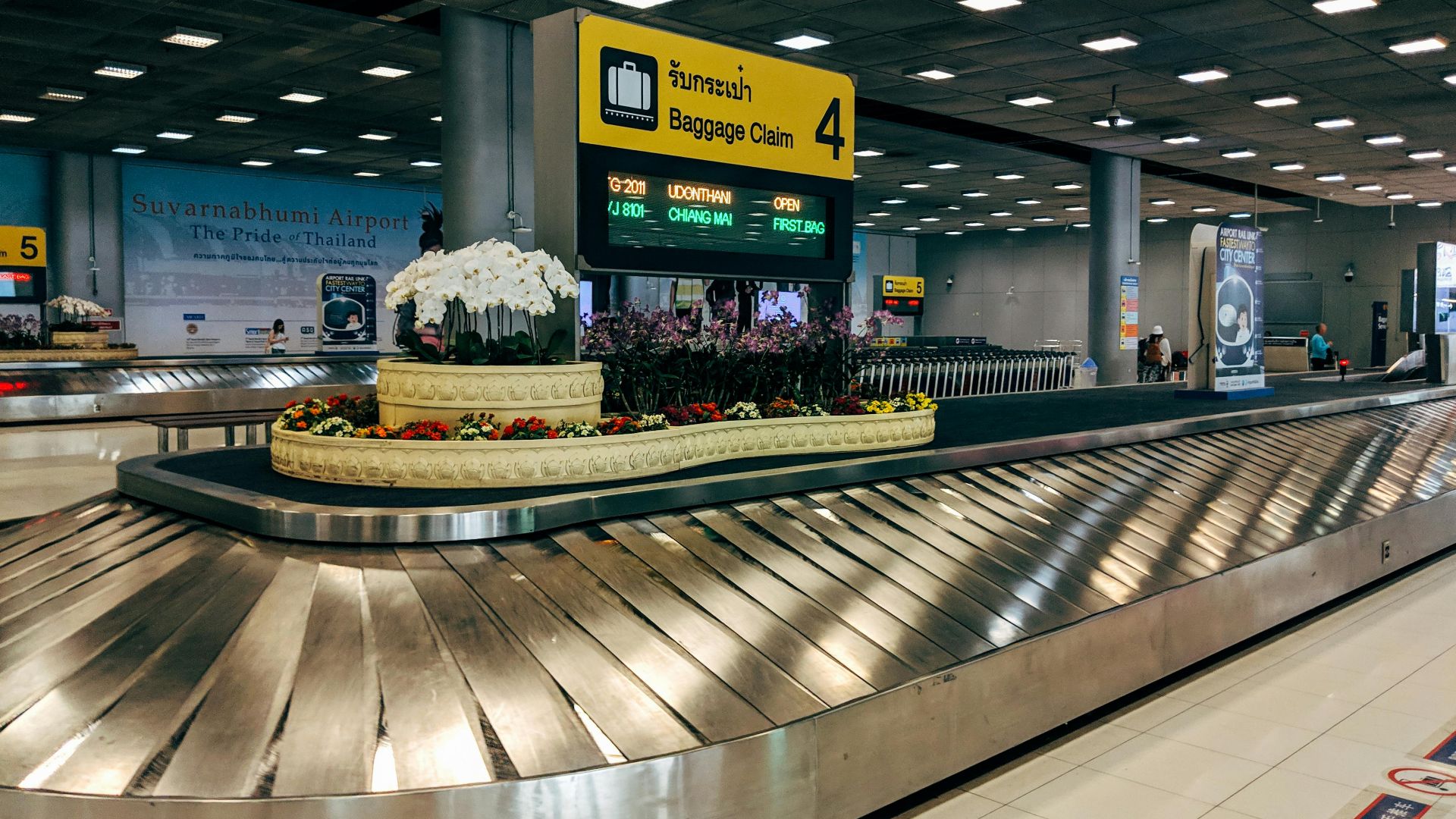
Carry-on travel promises speed, flexibility, and independence. You can skip the baggage carousel, avoid checked bag fees on many trips, and lower the risk of ending up in a different city than your clothes. For adults who are used to traveling efficiently, being told to check a bag they do not need can feel infantilizing very quickly.
The Hidden Appeal Of Everyone Doing The Same Thing
Uniform rules can simplify group travel. If everyone checks bags together, nobody has to compare line lengths, overhead bin space, or separate plans after security. To the family member who loves order, that one rule may feel like the easiest way to prevent ten smaller arguments.
 CBP Photography, Wikimedia Commons
When A Preference Becomes A Red Flag
There is a practical way to tell whether this has crossed into controlling behavior. If your father can explain his reasons, listen to alternatives, and compromise when needed, it is probably a stress-driven preference. If he threatens not to travel, punishes disagreement, or treats adult family members like they need permission, that points more clearly toward control.

Ask What He Thinks Will Go Wrong
This may be the most useful question in the whole conflict. Does he fear someone will be stopped by TSA, forced to gate-check, separated from the group, or delay boarding? Once the specific fear is out in the open, you can deal with the real problem instead of fighting over the suitcase as a symbol.
TSA Rules Can Fuel Family Arguments
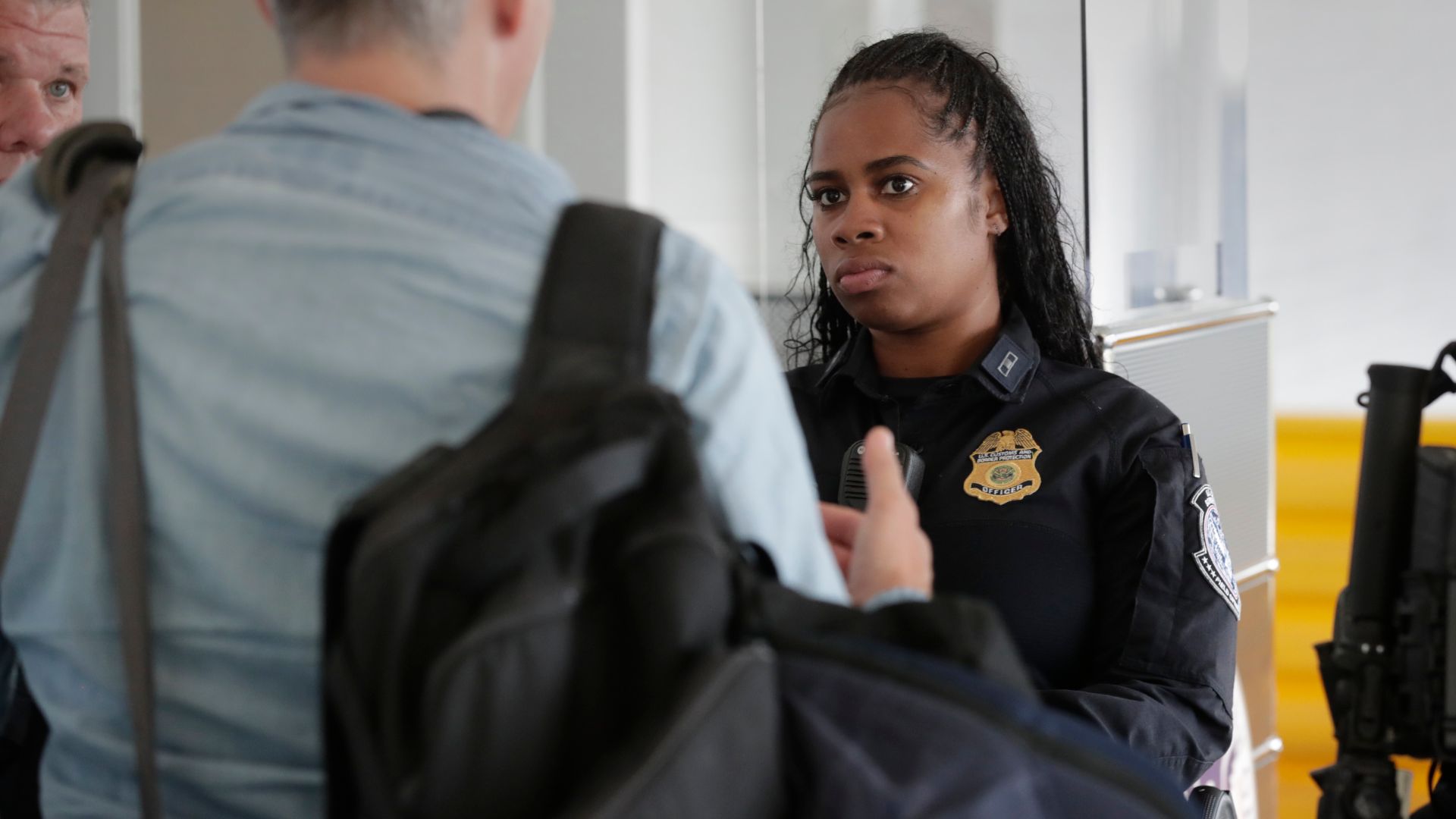
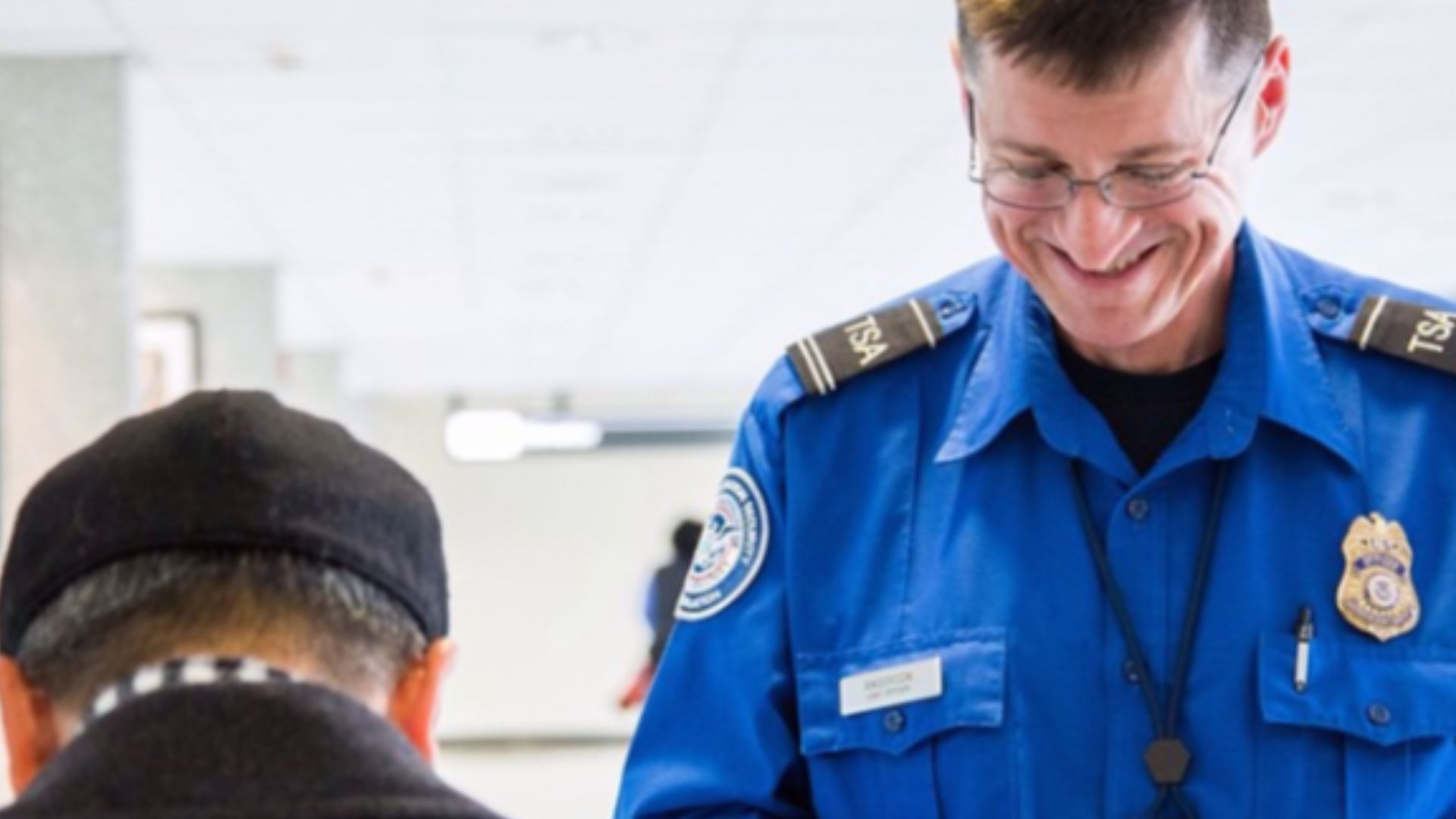
The Transportation Security Administration’s carry-on rules are detailed enough to trip up occasional travelers. Liquids generally must follow the 3-1-1 rule, and certain items that are fine in checked luggage are restricted in the cabin. A parent who has seen one family member get pulled aside at security may start trying to control everyone’s packing choices on every future trip.
 Transportation Security Administration, Wikimedia Commons
Baggage Policy Confusion Is Not Imaginary
Different airlines have different size limits, fee structures, and fare rules. Even experienced travelers can get caught by a low-cost fare that charges for full-size carry-ons or has strict personal item measurements. If your father has been burned by an airline policy before, his all-check-together stance may be a clumsy attempt to avoid another surprise.
 U.S. Customs and Border Protection, Wikimedia Commons
The Group Dynamics Piece Matters Too
Family travel can bring old roles roaring back. A father who used to manage every detail when his kids were young may keep acting like the trip leader long after everyone is an adult. That can make a baggage dispute feel less like a travel problem and more like a fight over independence.

Try A Trial Run Instead Of A Showdown
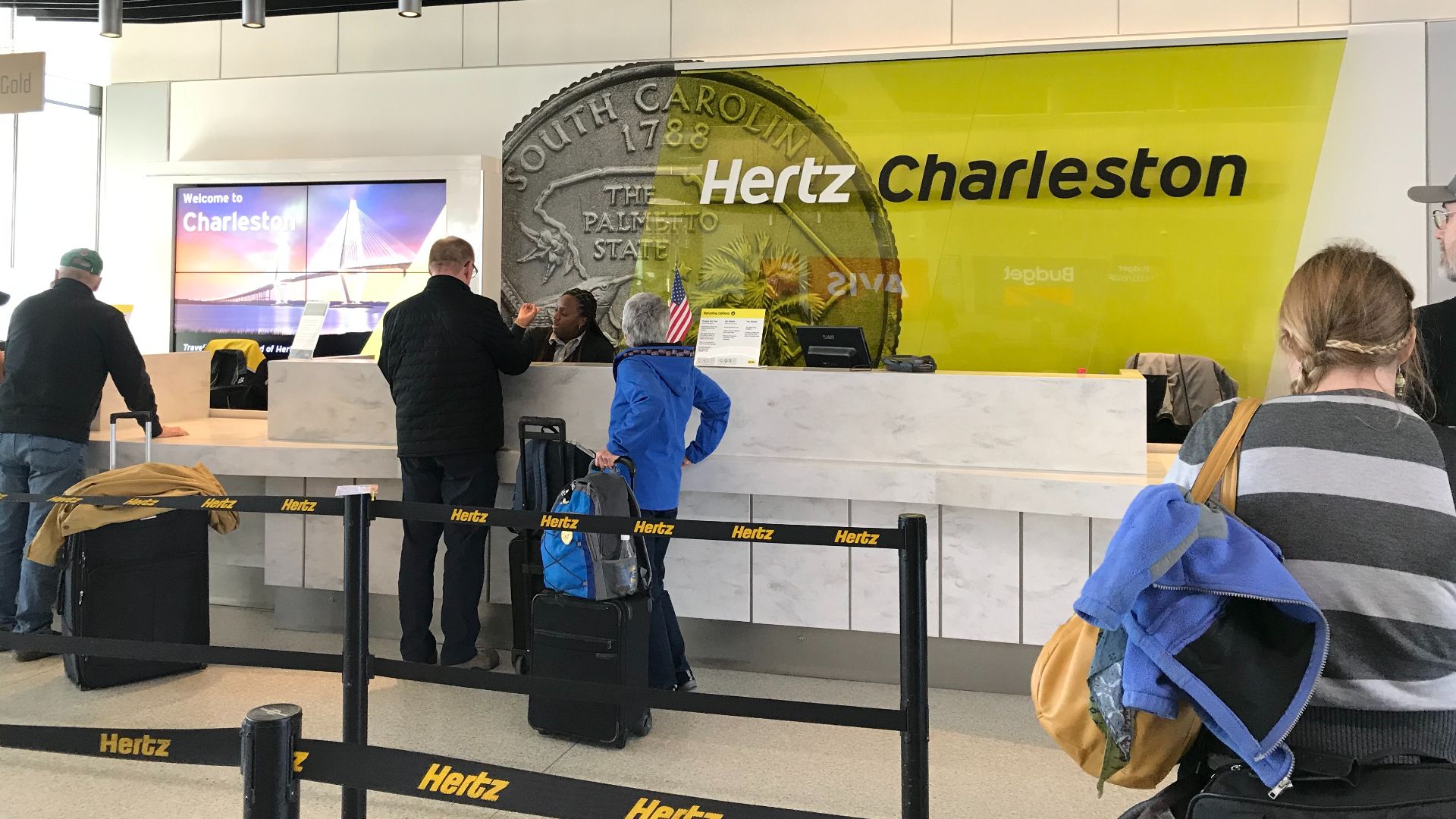
If you want to lower the temperature, suggest a test on a short trip. For example, one or two travelers can go carry-on only while others check bags, then everyone can compare how the airport experience actually went. Turning the debate into an experiment often works better than turning it into a verdict on someone’s personality.
 AutoRentals, Wikimedia Commons
Set A Fair Money Rule
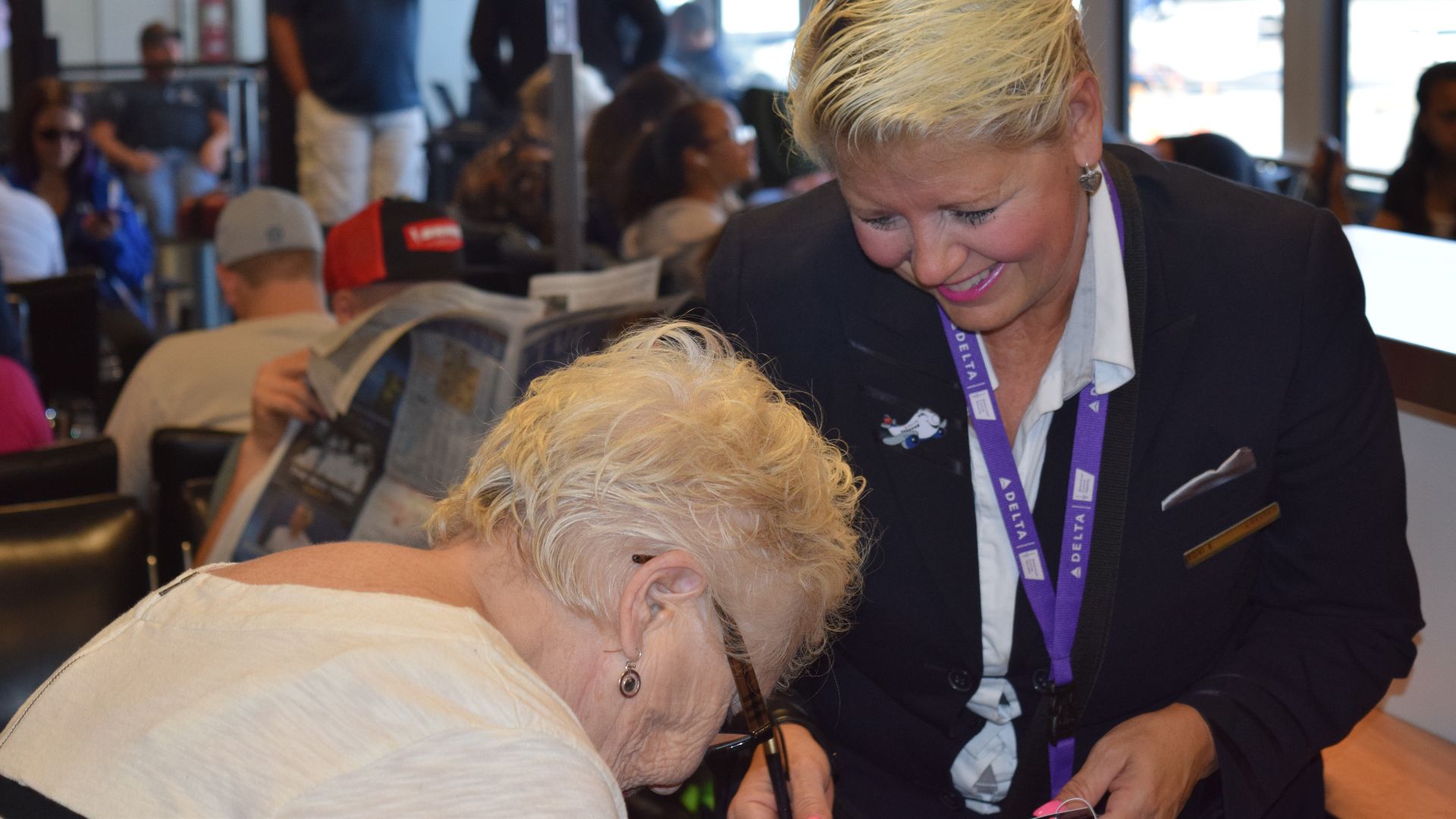
Costs should follow preferences whenever possible. If your father insists on everyone checking bags for his peace of mind, it is reasonable to ask him to cover the checked bag fees. That small shift often reveals whether the issue is really about logistics or simply about getting his way.
 Delta News Hub, Wikimedia Commons
Use A Timing Rule To Reduce Stress
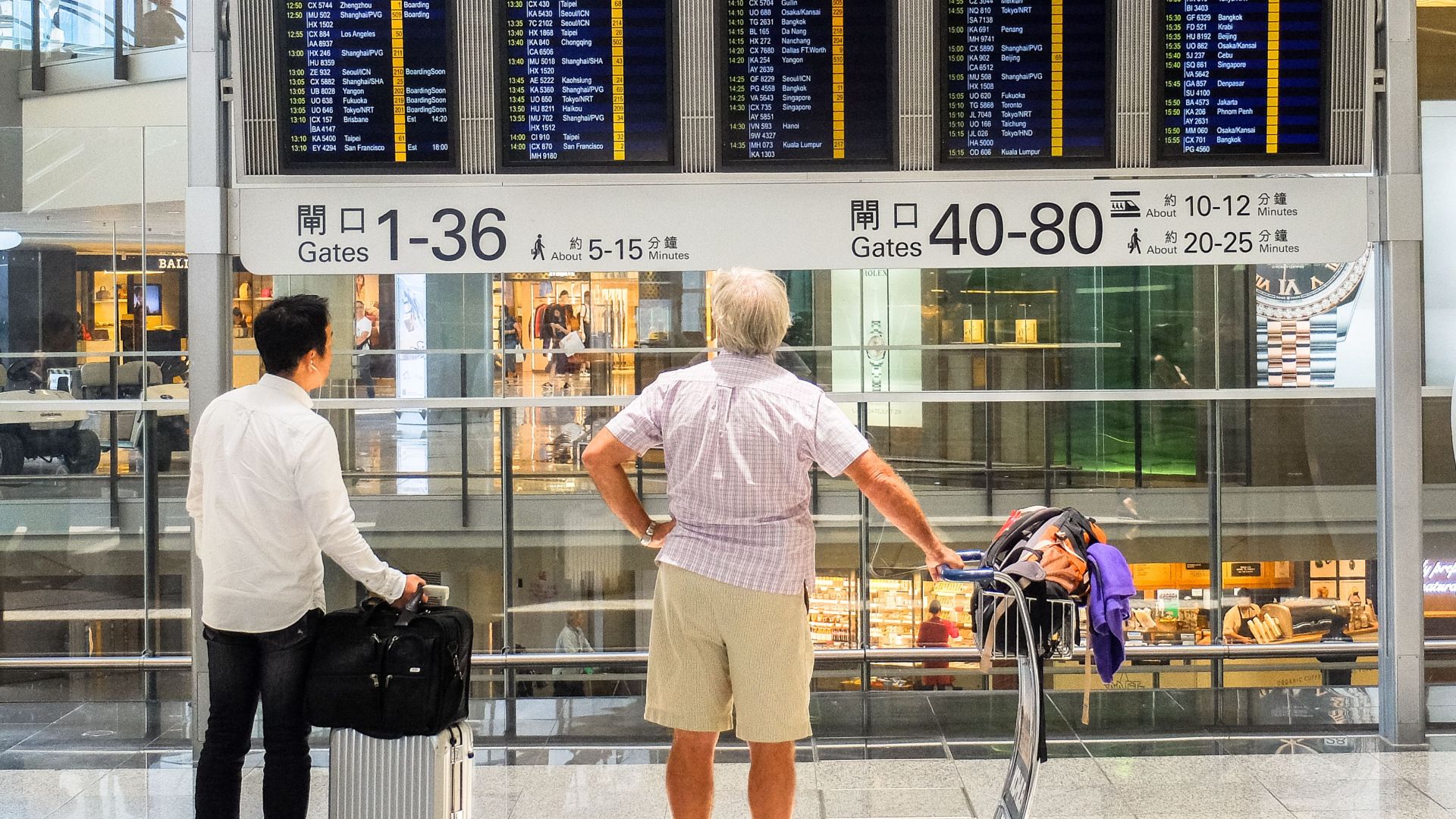
One practical compromise is to agree on a shared airport arrival time rather than a shared packing style. If everyone gets to the terminal early enough, travelers checking bags can do so without forcing carry-on-only travelers into the same process. This keeps the group coordinated without making every adult use the same baggage strategy.
Pack For The Worst Case Either Way
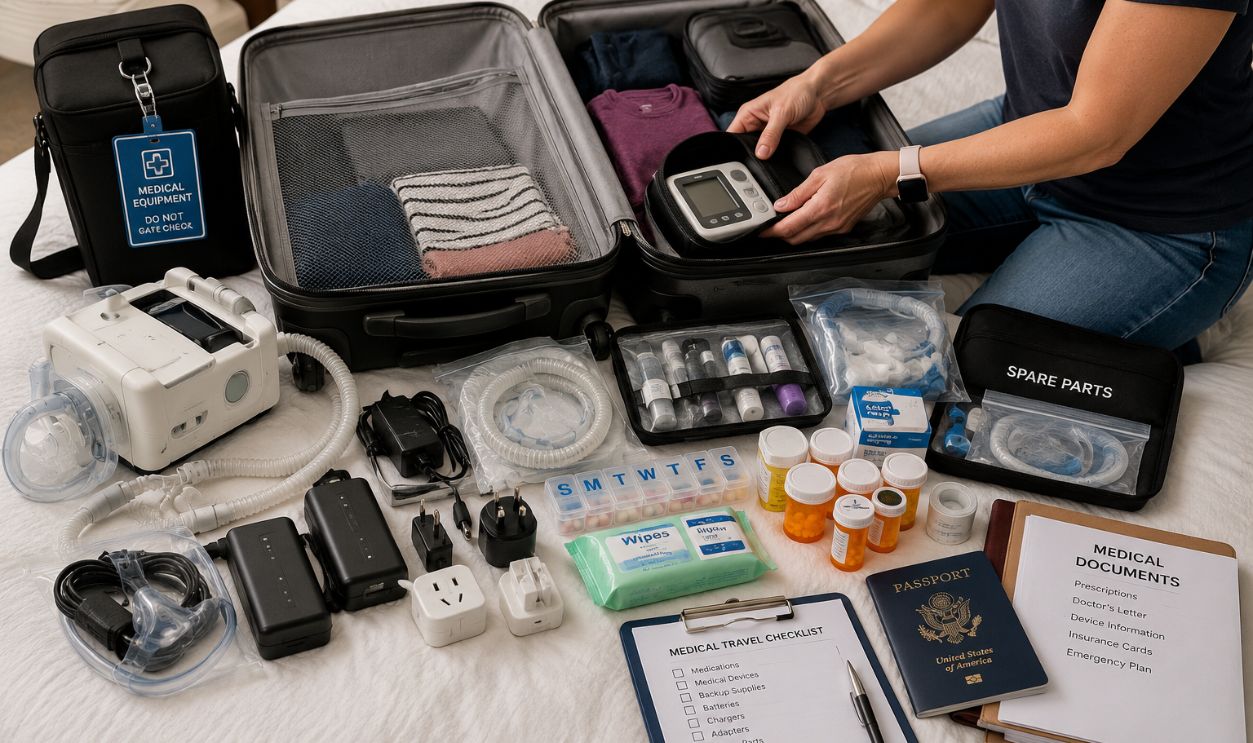
Whether you check or carry on, smart travelers hedge their bets. Keep medication, identification, chargers, valuables, and a day of essentials with you in the cabin. That advice is standard for a reason: delays, reroutes, and baggage problems can happen no matter who wins the family argument.
What Airlines And Airports Have Learned
The baggage system has improved over time, but not enough to erase traveler anxiety. SITA’s long-term data shows a sharp drop in mishandled baggage since the mid-2000s, thanks in part to better tracking and technology. Still, summer surges, weather disruptions, and tight connections create just enough uncertainty to keep this debate alive.
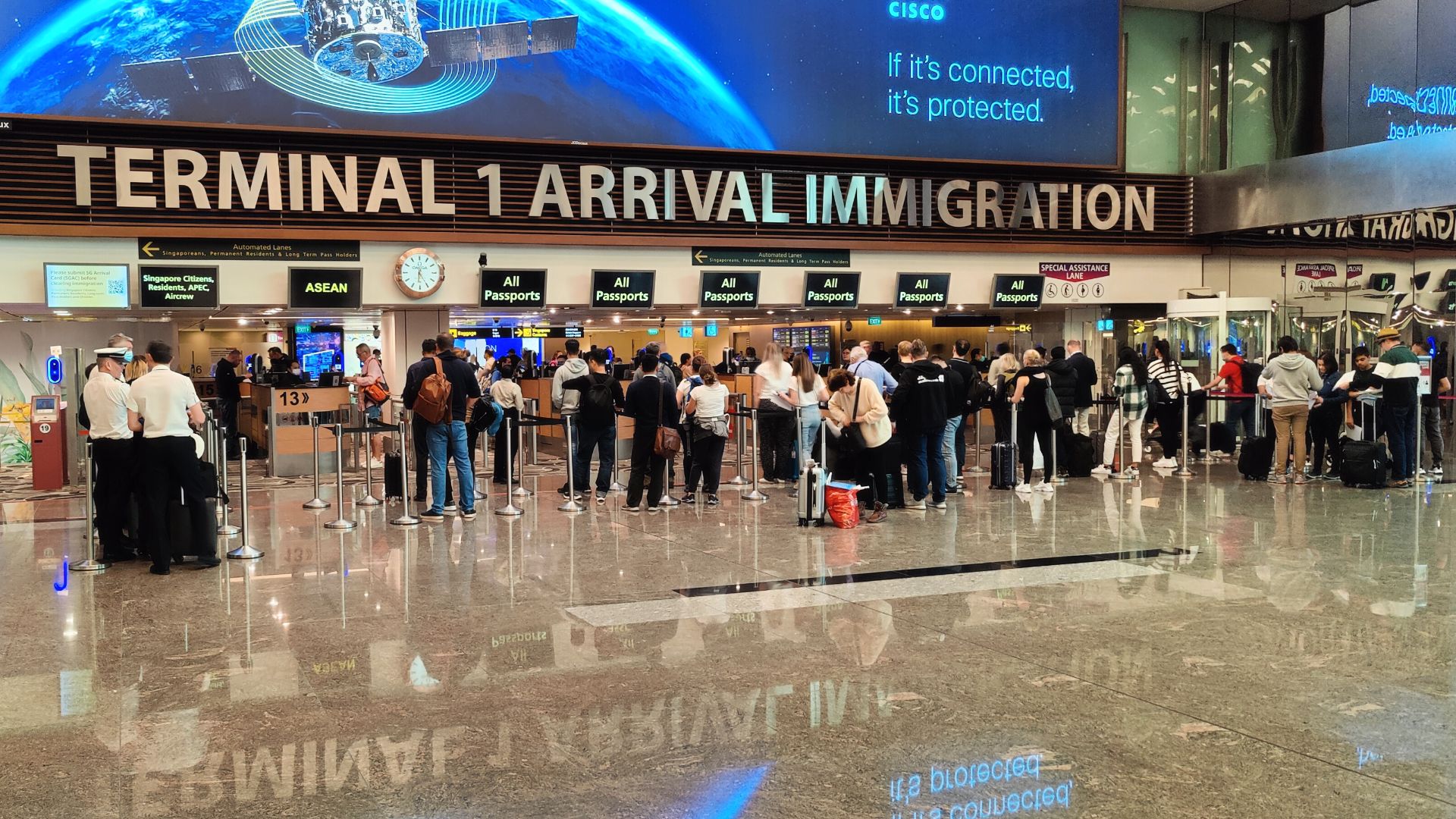
How To Phrase The Conversation Without Escalating It
Try language that focuses on needs, not accusations. Saying “I travel better with a carry-on because I like having my essentials with me” will usually land better than “you are controlling.” In return, he may be more willing to admit “I get anxious when everyone does something different,” which is a much more workable place to start.
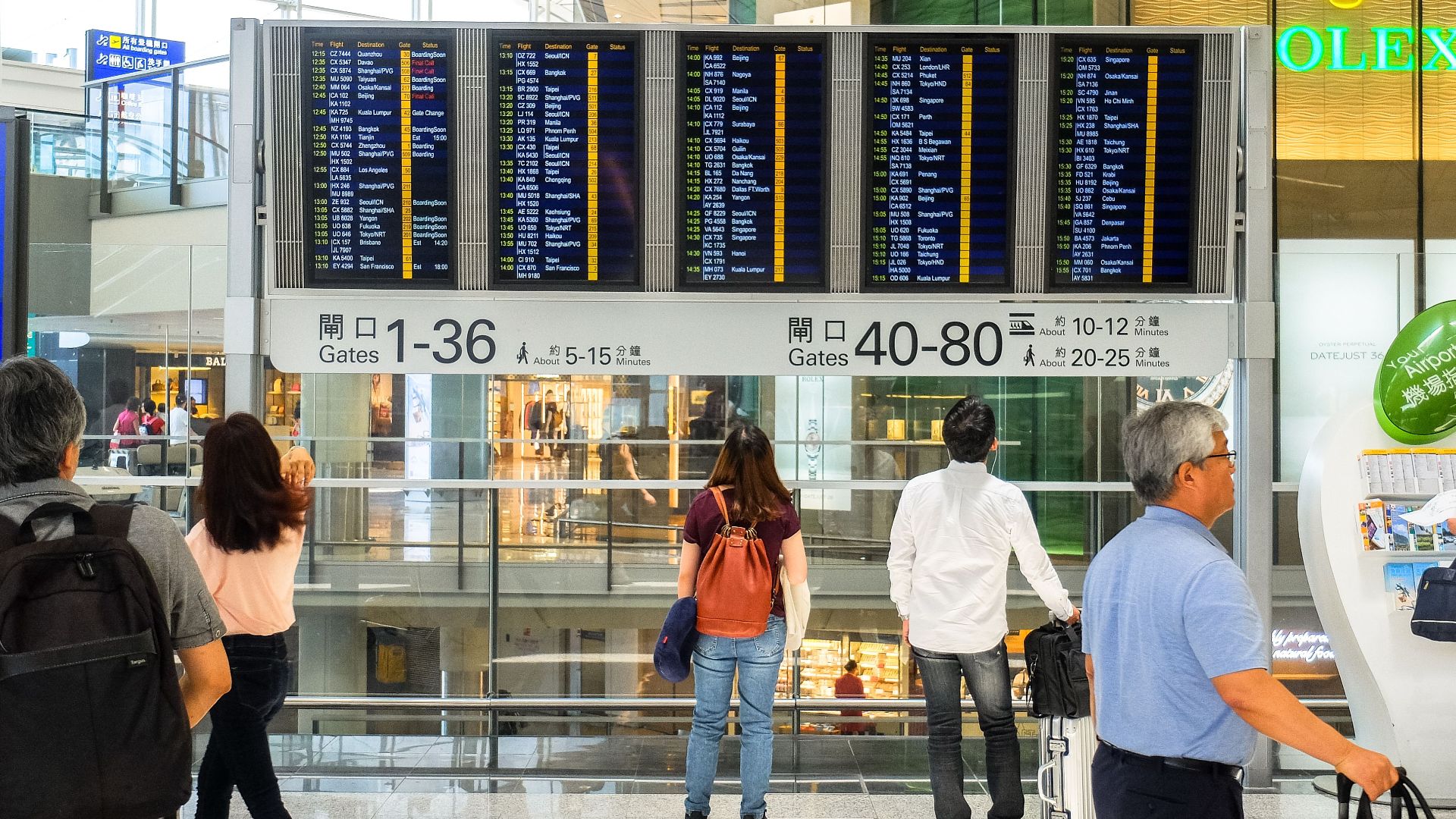
So Is It A Control Issue
Sometimes yes, but not automatically. If your father refuses all compromise and uses the trip to enforce obedience, that looks like control. If he is trying, awkwardly, to manage airport stress and keep the family together, the better label may be anxiety mixed with an outdated family command style.
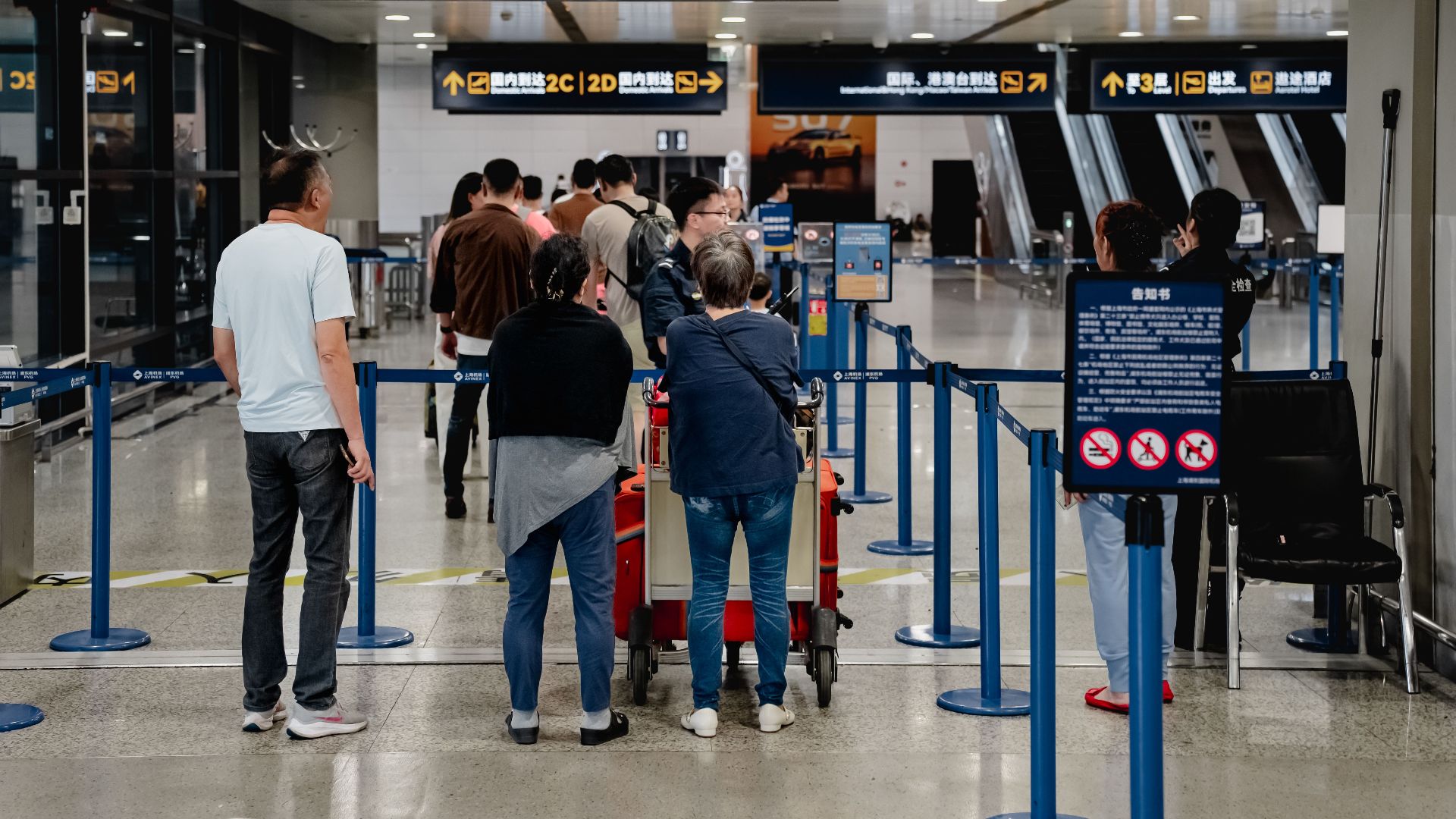
The Travel Fix That Usually Works Best
The most durable solution is a simple adult rule: each traveler chooses their own bag strategy, while the group agrees on timing, documents, and a meeting point. That respects independence without turning the airport into chaos. In other words, solve the real problem, which is coordination, and stop pretending the suitcase itself is the enemy.