The Four Hour Airport Family Feud
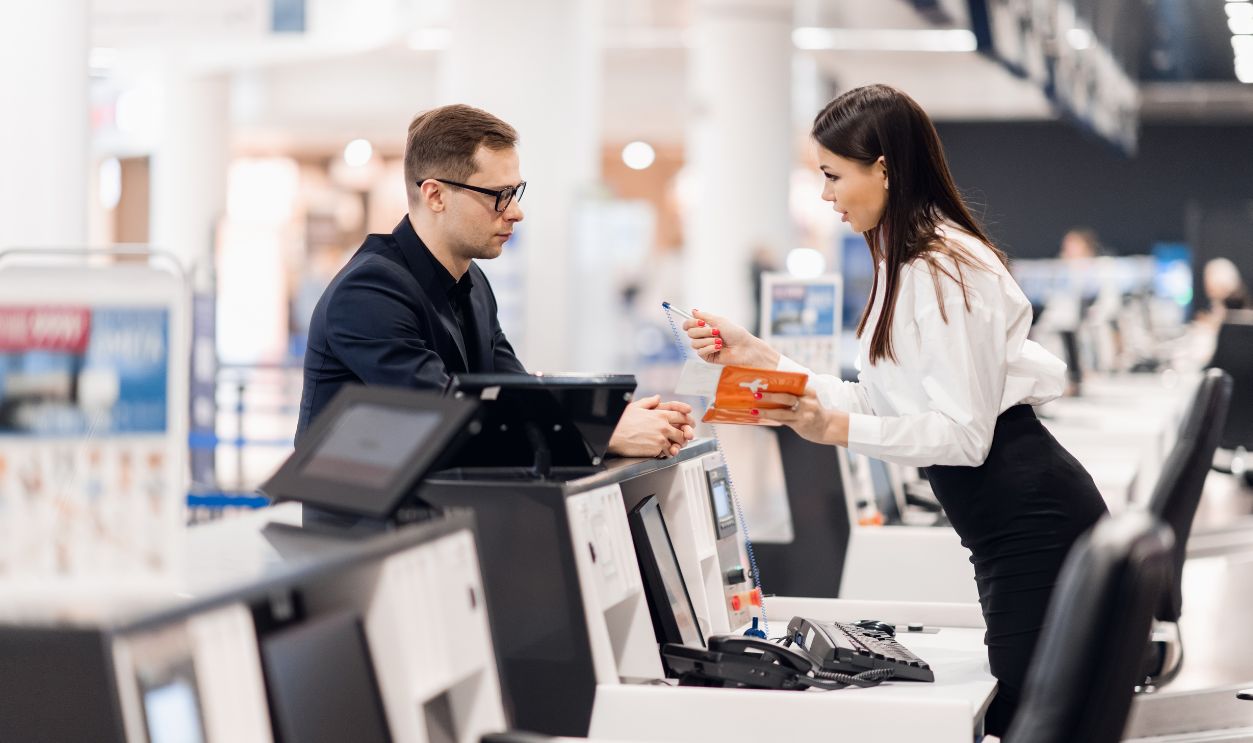
One person wants a calm cup of coffee at home before a long day. Another is mentally boarding the plane before sunrise. The truth is, if your father insists on getting at the airport four hours early, every single time—he isn't completely off base. But he is probably building in more cushion than the experts recommend.

What Most Airlines Actually Recommend
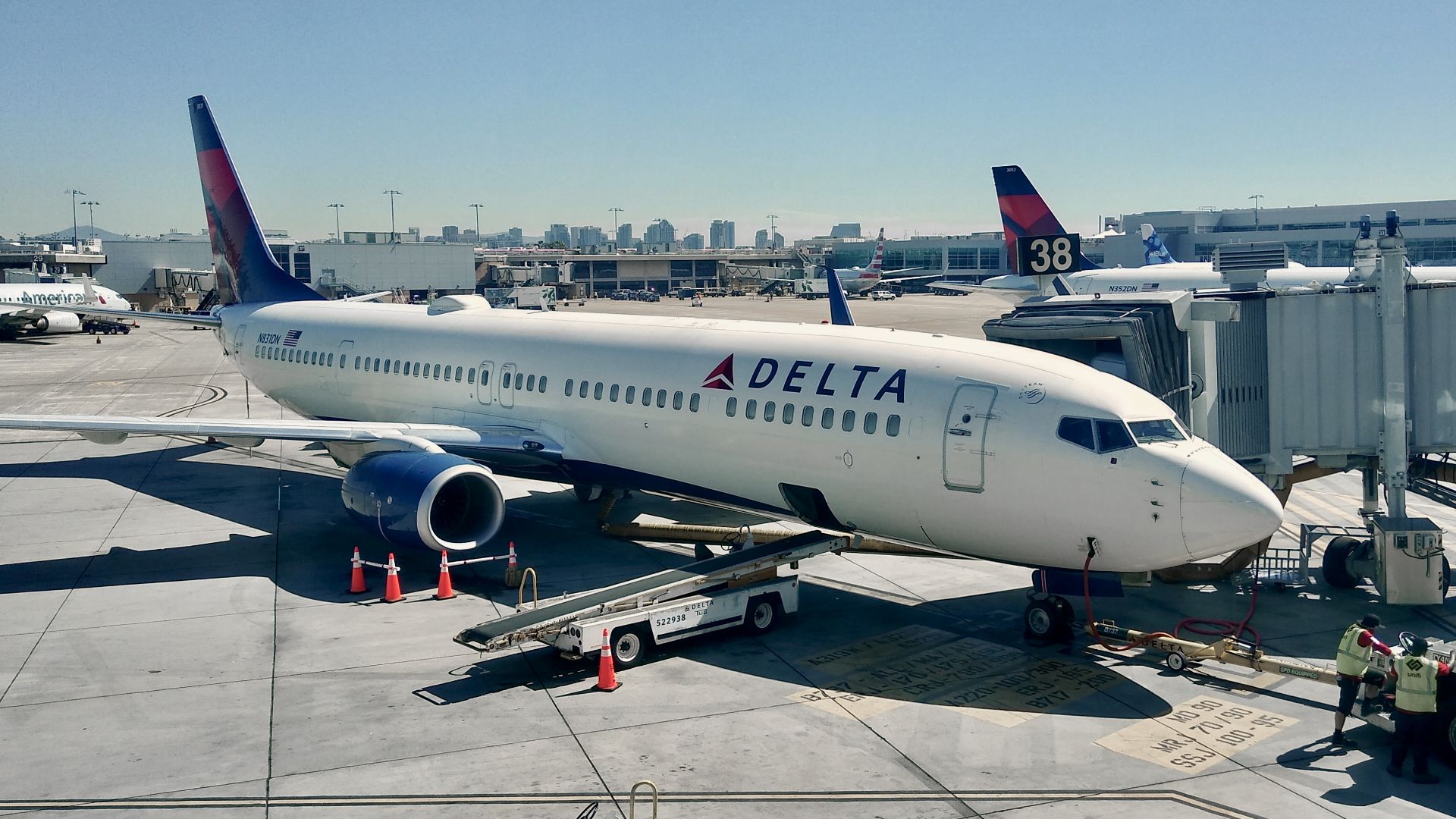
For domestic flights, many major airlines still tell passengers to arrive about two hours before departure. For international flights, the usual advice is about three hours. Delta, American Airlines, and United all publish versions of that guidance on their travel info pages. That makes four hours look less like a rule and more like a personal comfort zone.
Why The Three Hour Rule Exists
International travel comes with more moving parts, which is why the standard recommendation is longer. Travelers may deal with document checks, checked bag cutoffs, bigger passenger loads, and more complicated security lines. That extra hour compared with domestic travel comes from procedure, not paranoia.
 Frame Stock Footage, Shutterstock
Domestic Flights Usually Do Not Need Four Hours
If you are flying within the United States, arriving four hours early is usually more than airlines and security officials suggest. Two hours is the basic recommendation from many carriers, and at some smaller airports even that can feel generous. The problem is that airports are not all the same, and one bad experience at a busy hub can turn into a lifelong family rule.
Security Wait Times Can Be Wild
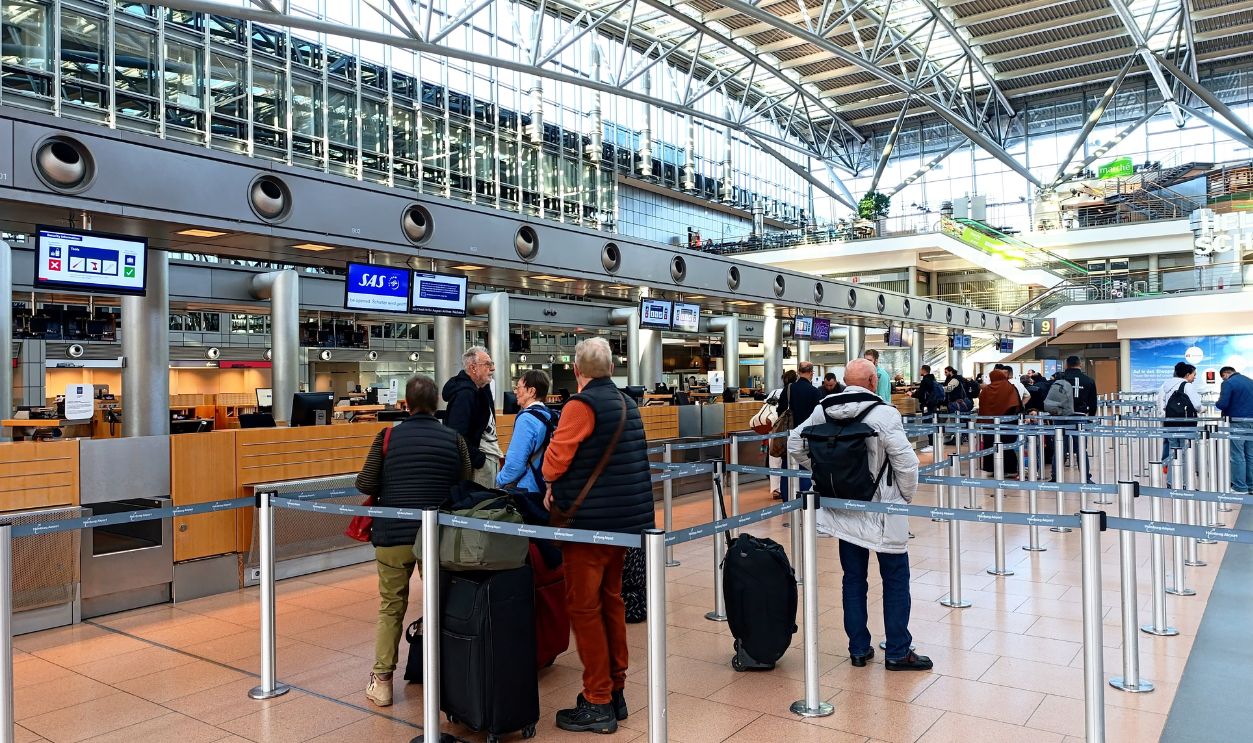
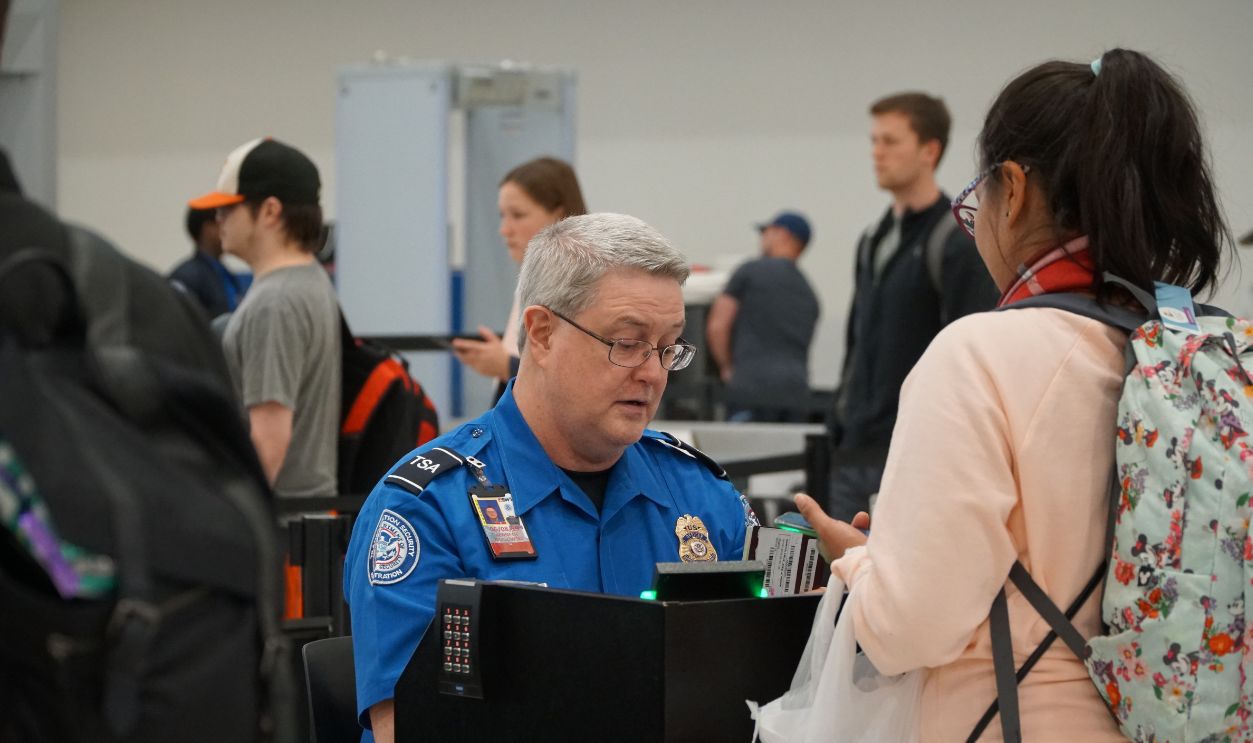
The Transportation Security Administration operates at hundreds of airports, and wait times can swing a lot depending on the airport, the season, and the time of day. During holiday surges, lines can stretch far beyond the usual pattern. That unpredictability is one reason anxious travelers would rather be way too early than even a little late.
 everythingforall, Shutterstock
TSA PreCheck Changes The Math
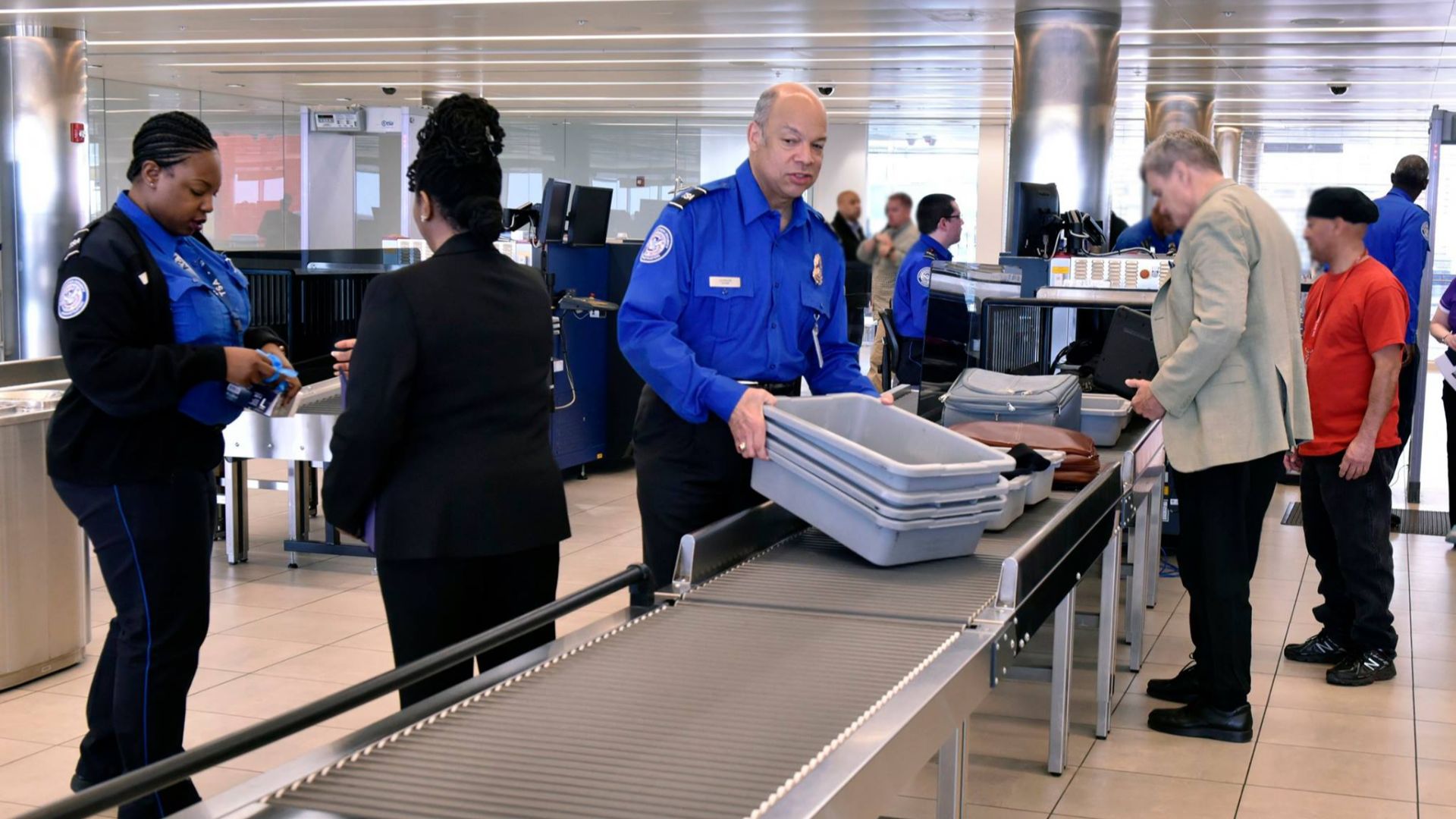
TSA PreCheck can cut wait times for eligible travelers because passengers usually keep shoes, belts, and light jackets on and leave electronics and compliant liquids in their bags. TSA says most PreCheck passengers wait less than 10 minutes at checkpoints. If your family has PreCheck, the case for showing up four hours early gets a lot weaker on most days.
 U.S. Department of Homeland Security (DHS), Wikimedia Commons
Checked Bags Create Real Deadlines
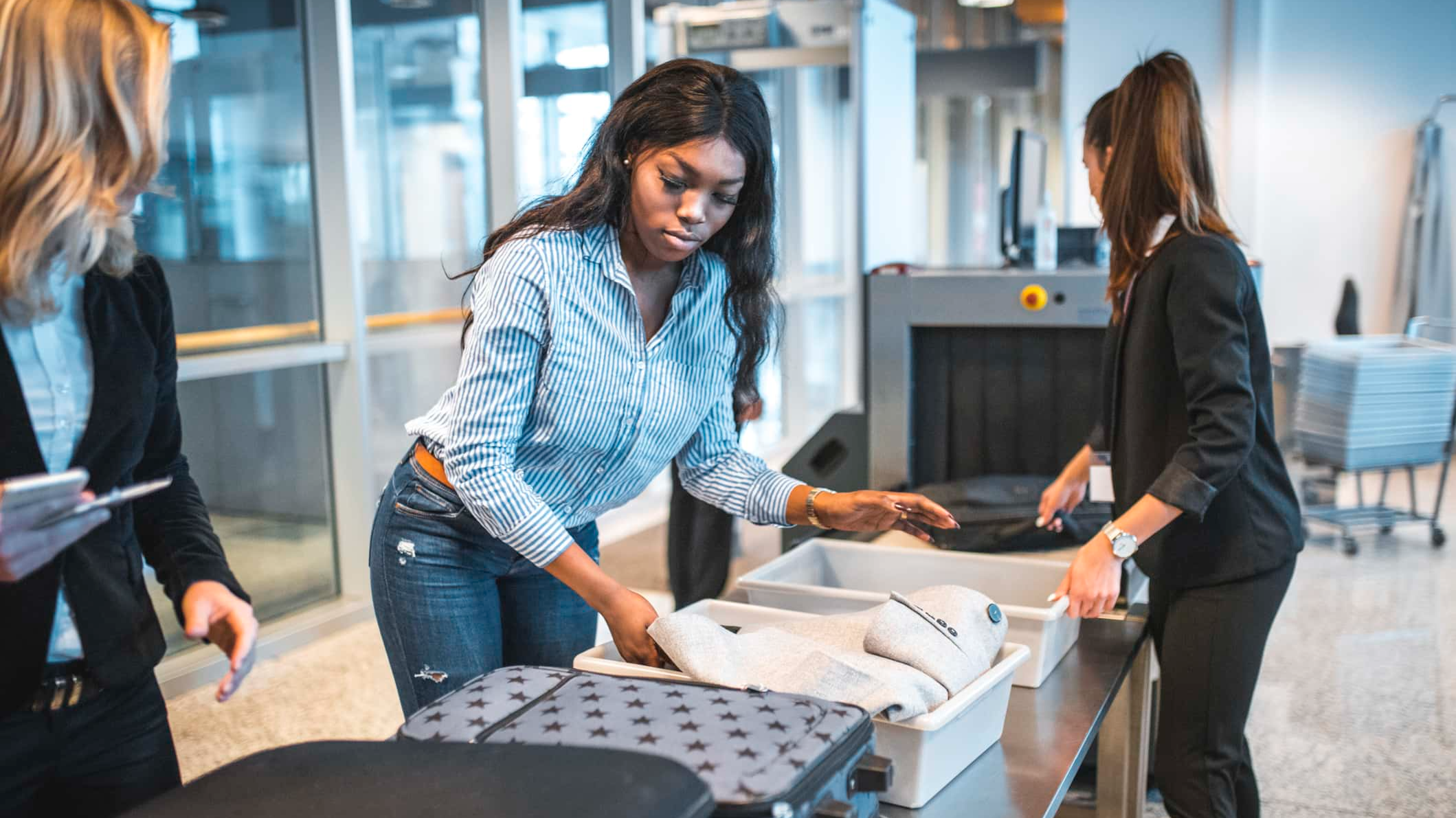
One reason people panic is that check-in and bag drop deadlines can hit well before the plane leaves. American Airlines, for example, tells travelers that checked bags and check-in close at different times depending on the route and airport. Miss that cutoff and you can miss the flight, even if security is empty and the gate is still open.
Boarding Starts Earlier Than Many People Think
Passengers often talk about departure time like it is the last possible moment to show up, but boarding usually starts 30 to 50 minutes before takeoff. Gates also close before departure, often around 15 minutes for domestic flights, though airline policies vary. That means a traveler who gets to the airport too close to departure can burn through their margin very fast.
Big Airports Reward Caution
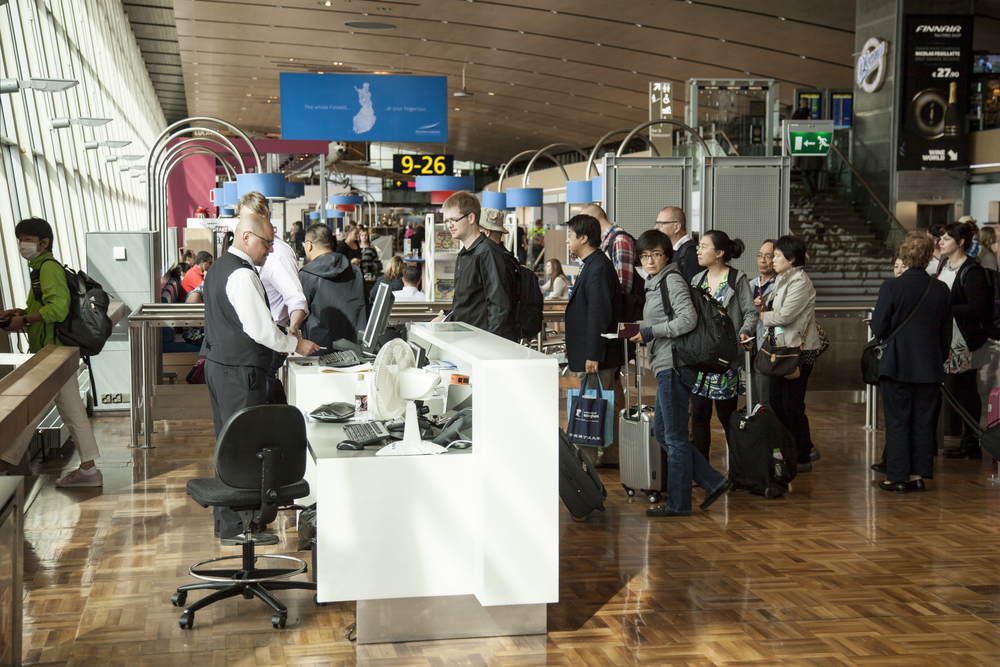
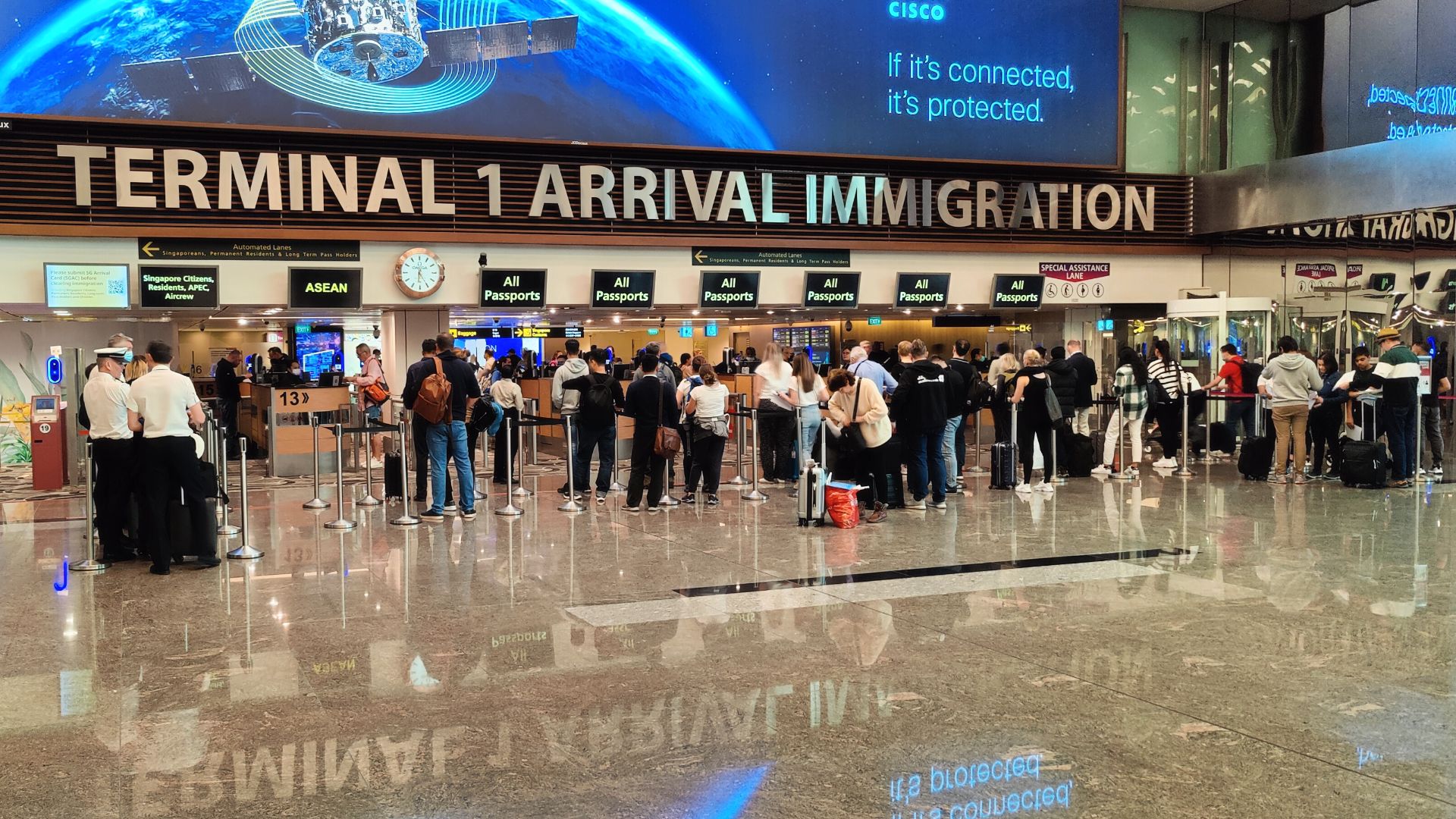
At huge hubs, getting from curb to gate can take much longer than people expect. Parking shuttles, terminal trains, bag drop lines, and long walks all eat up time. A parent who has once sprinted through a major airport may never fully recover, even if the next ten trips go smoothly.
Small Airports Tell A Different Story
At a smaller regional airport, arriving four hours early can feel almost absurd. Security may open close to the first wave of departures, and travelers can be through the checkpoint in minutes. In those cases, the wait may be more painful than the risk of cutting it a little close.
Holiday Travel Really Is Different
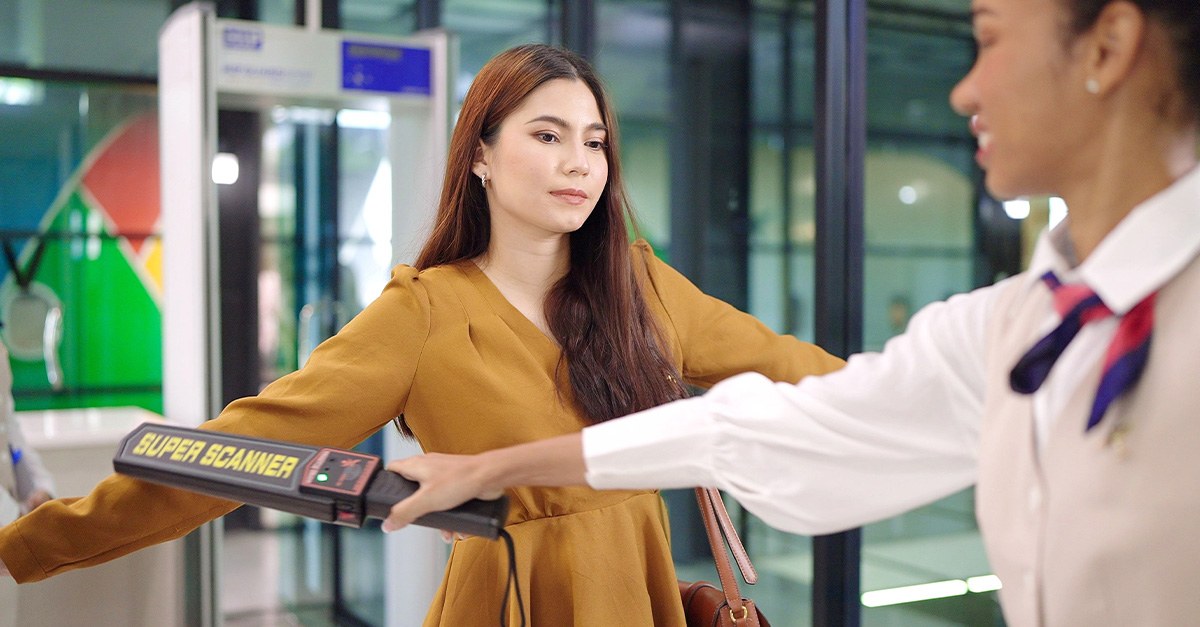
Peak travel periods are not just a story nervous relatives tell. TSA regularly warns travelers to allow extra time during Thanksgiving, winter holidays, spring break, and summer peaks because passenger volumes rise sharply. On those days, a father who adds more buffer is reacting to a real pattern, even if four hours still overshoots the usual recommendation.
Weather Can Break A Perfect Plan
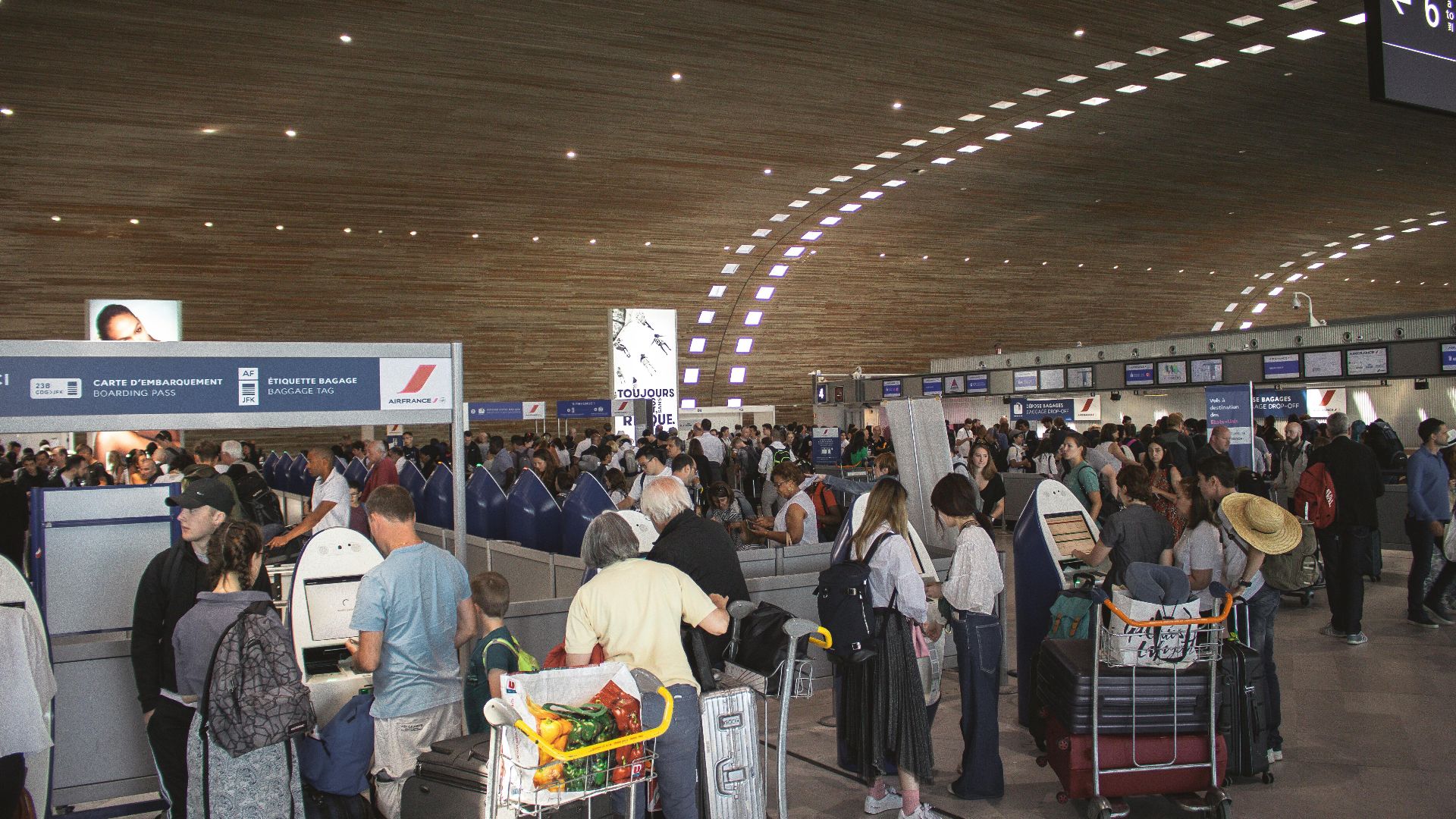
Thunderstorms, snow, fog, and heavy rain can cause traffic jams on the way to the airport and operational delays once you arrive. Getting there early does not stop a delayed departure, but it can lower the odds that bad roads or parking backups make you miss the flight altogether. For some travelers, that peace of mind is worth the extra wait.
International Trips Often Add Document Checks
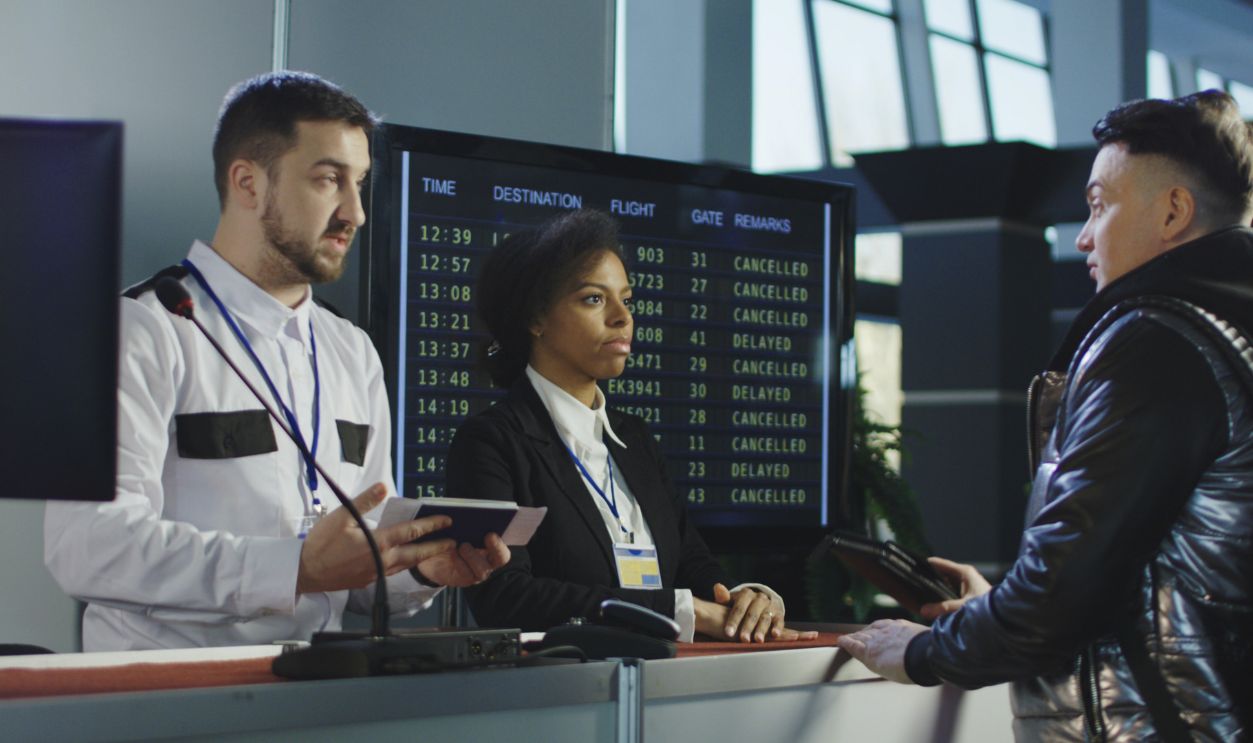
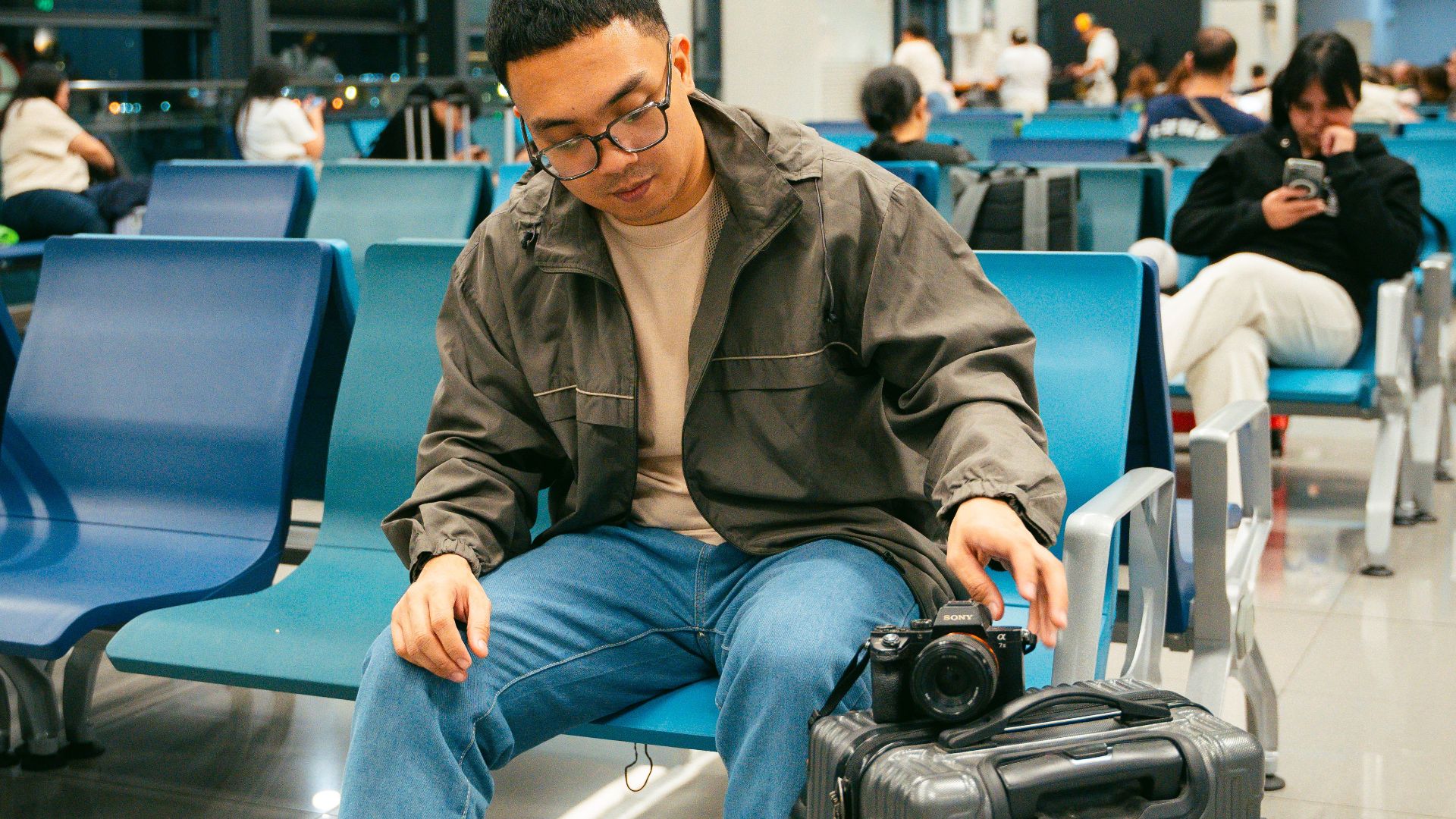
On international trips, airline staff may need to verify passports, visas, and destination entry requirements at check-in. Some routes also involve extra screening or airline document review before boarding. Those extra layers help explain why the widely published recommendation jumps from two hours to three.

The Real Cost Of Being Too Early
Still, arriving four hours early has a downside, and it is not just boredom. It can mean waking children before dawn, dragging the family into rushed packing, paying more for parking, and turning the whole day into a stress event before the trip even starts. If the routine always ruins the mood, that cost matters too.
Anxiety Often Hides Behind The Schedule
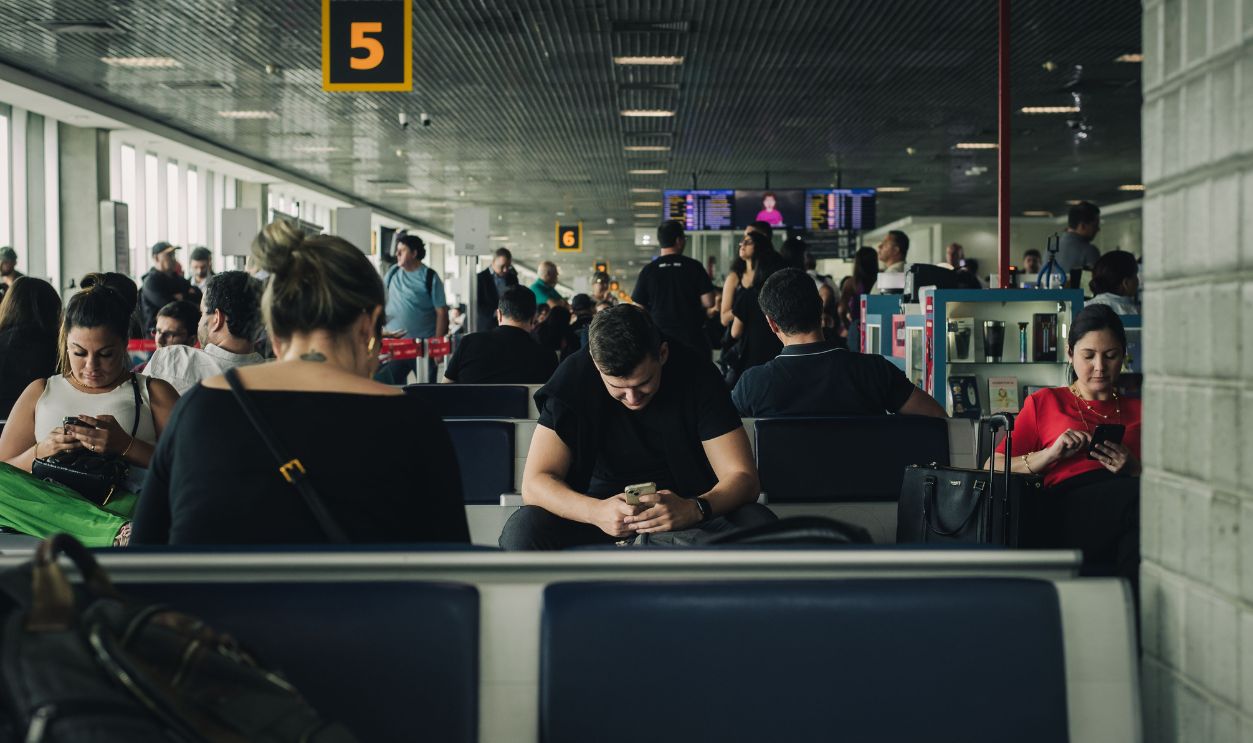
Many rigid airport habits are less about actual airport data and more about fear of uncertainty. A missed flight is expensive and embarrassing, so some travelers cope by trying to remove every possible risk. That reaction makes sense, but it can spread stress to everyone else in the car.

Your Father Is Probably Not Overreacting To Everything
If he is thinking about traffic, airport size, checked bags, holiday crowds, or an international route, he is reacting to real factors. The facts do support arriving earlier when the trip is more complicated. What the facts do not strongly support is treating every airport, every route, and every season like disaster is always one minute away.
But He May Be Overreacting On Routine Trips
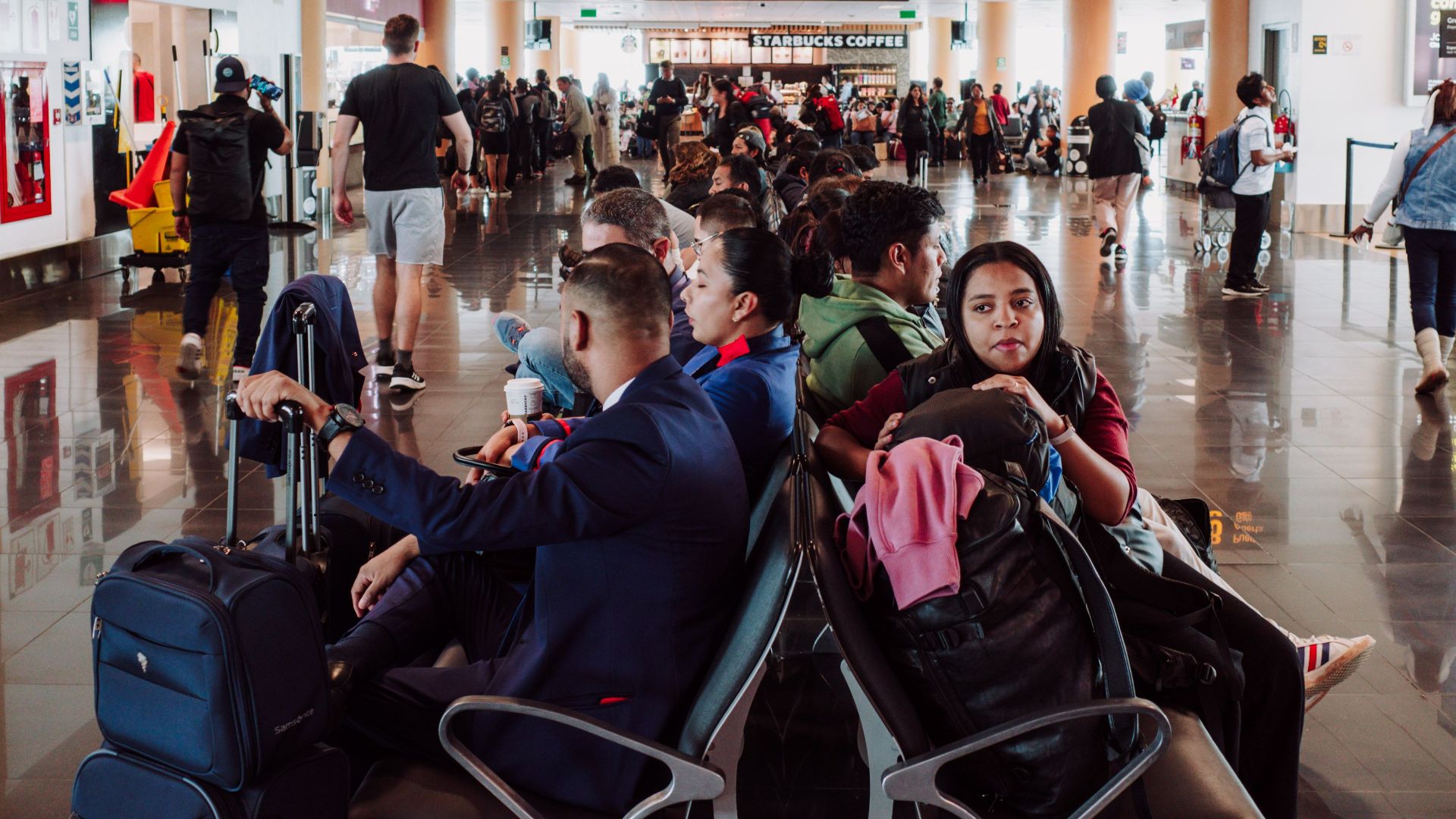
For a normal domestic flight from a familiar airport, especially with online check-in and no checked bags, four hours is usually more time than necessary. Airline guidance and TSA programs are built around much shorter lead times. In that setting, his rule looks more like a stress habit than a travel need.
A Better Rule Starts With The Airport
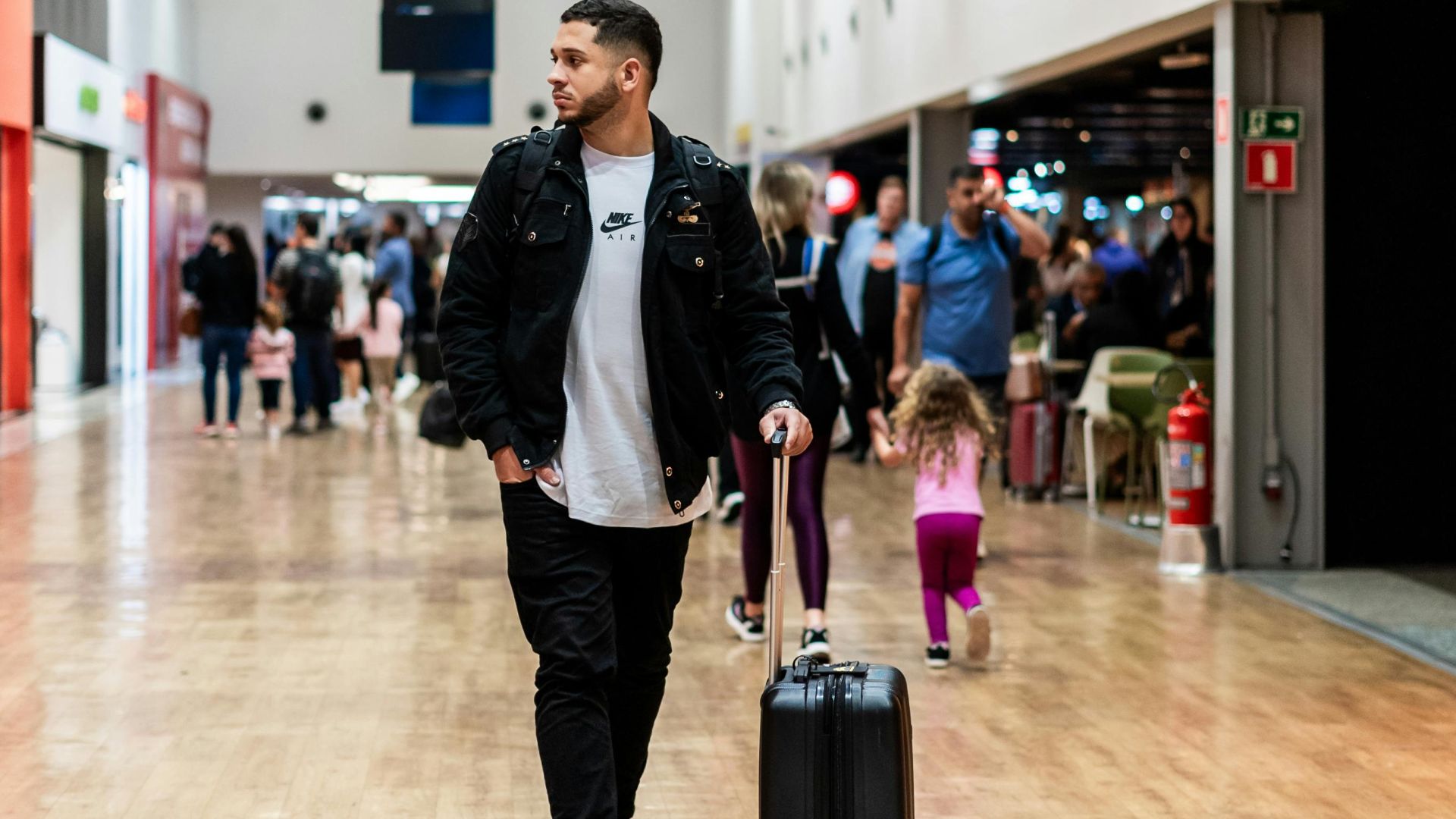
Instead of using one blanket rule, start with the airport itself. A giant hub like Atlanta, Chicago O'Hare, or Los Angeles may call for more cushion than a small regional airport. Checking the airport website, the airline's guidance, and current security conditions gives you a more grounded plan than family folklore.
Then Factor In The Flight Type
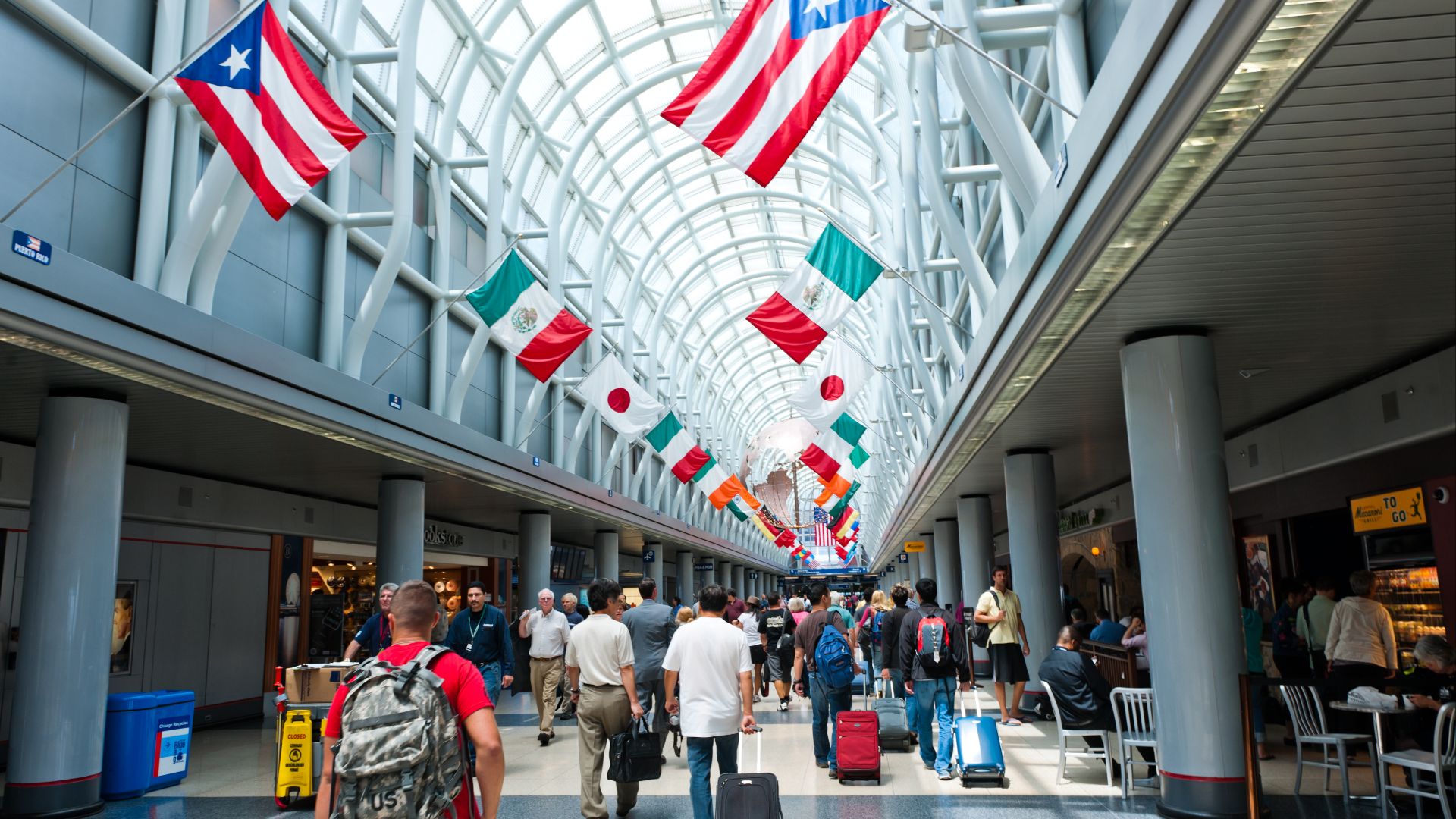
Domestic and international flights should not be treated the same. A domestic trip with carry-on bags only is the low-stress version of flying. An international flight with passport checks, luggage, and a busy terminal deserves a bigger time buffer.
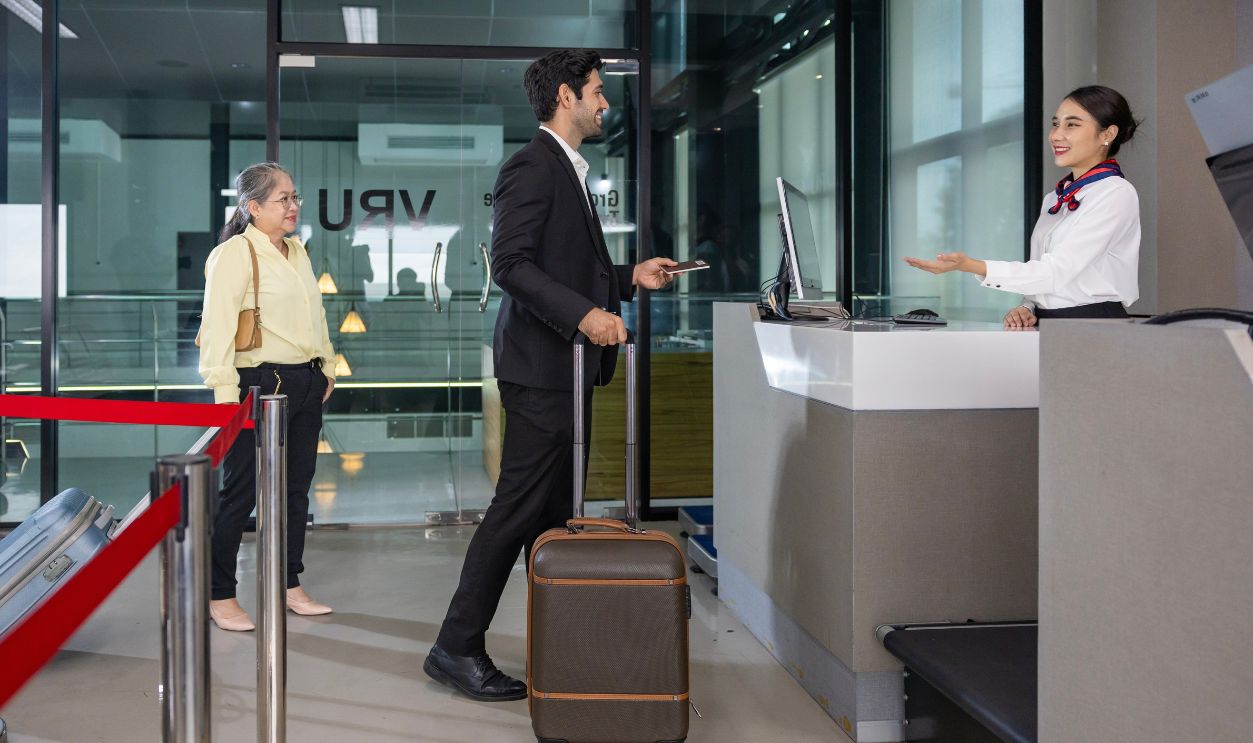
Bag Drop Is The Detail That Trips People Up
Travelers who check bags need to know the airline's cutoff, not just the departure time. That deadline can be 45 minutes or more before departure depending on the route and airport. Missing it can turn a calm morning into a very expensive lesson.
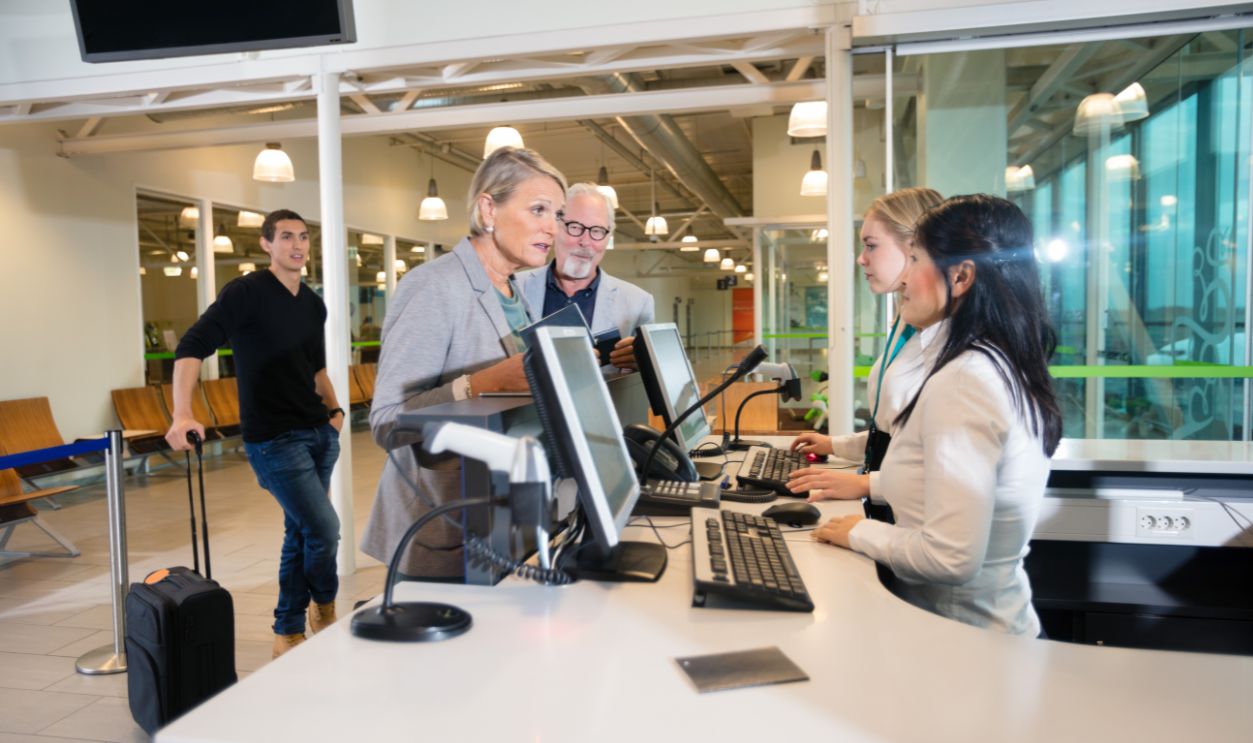
Technology Can Replace Some Guesswork
Airline apps, airport websites, and TSA tools help travelers make smarter timing decisions than people could a decade ago. Mobile boarding passes, real-time traffic apps, and checkpoint information can all cut down on uncertainty. If your father still plans like it is 1998, updated information may help loosen the routine.
PreCheck And Trusted Traveler Programs Help Families
For frequent flyers, enrolling in TSA PreCheck can be one of the easiest ways to lower airport stress. Global Entry can also help on the return leg of international travel because it includes PreCheck eligibility for approved members. These programs do not erase delays, but they can make extreme early arrivals feel a lot less necessary.

Try A Compromise Window
If the debate is ruining every trip, compromise works better than trying to win. Consider an airport arrival target of two hours for domestic flights and three for international ones, then add extra time only for holidays, checked bags, or large airports. That approach lines up more closely with published guidance and still respects the worrier in the family.
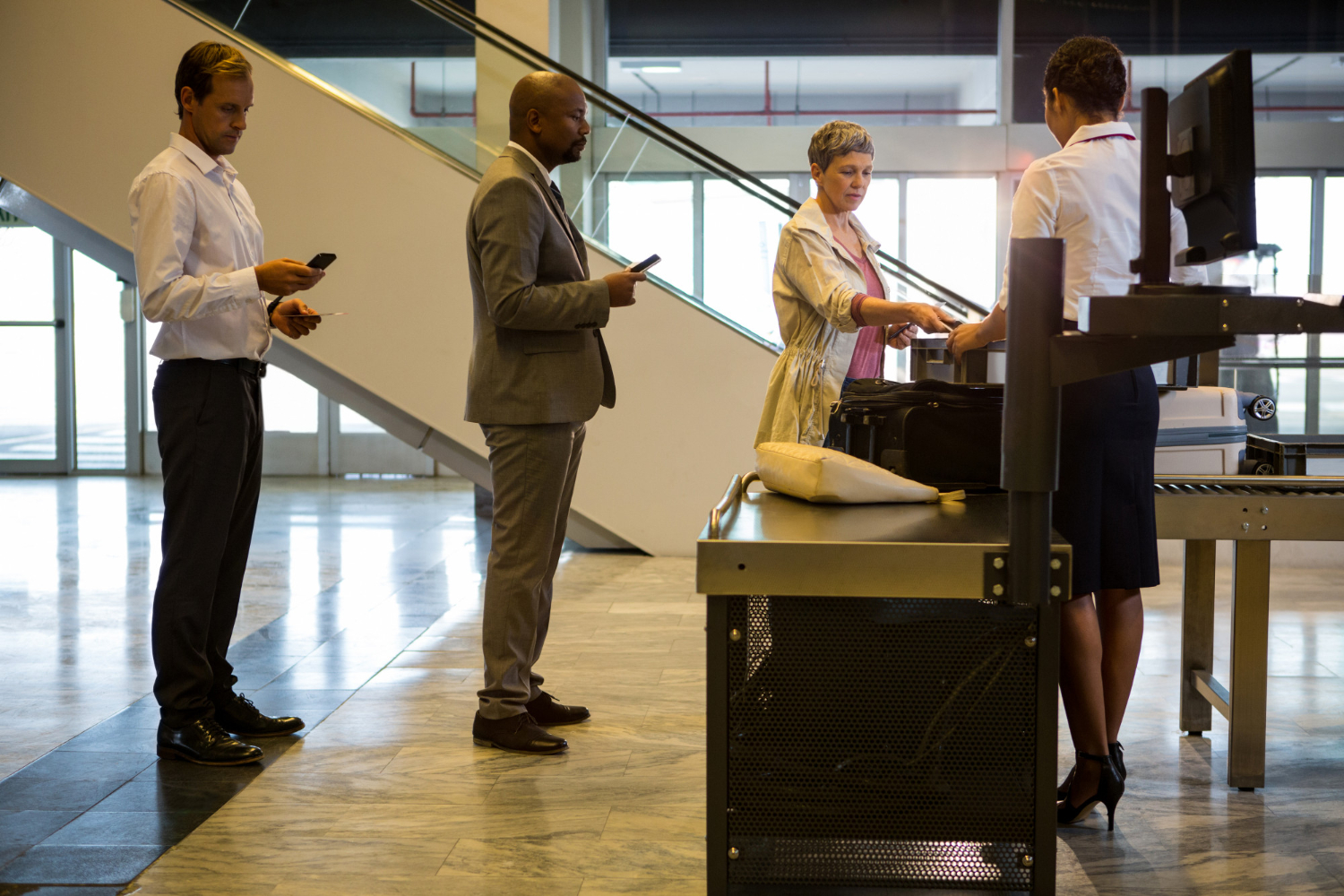
Build A Calm Departure Routine At Home
Some airport stress starts long before anyone gets in the car. Packing the night before, checking in online, confirming documents, and picking a realistic departure time can make the whole process feel less chaotic. When the routine at home is calmer, the need for a huge airport buffer often shrinks.

Give The Early Arriver A Job
If your father likes control, give him a useful role instead of fighting over the clock. Ask him to monitor traffic, confirm bag deadlines, or handle parking reservations. Turning anxiety into practical planning can make him feel heard without forcing the whole family into an unnecessary four-hour wait.

So Is He Overreacting
Sometimes yes, but not always. The evidence from major airlines and TSA supports two hours for many domestic trips and three for most international ones, with extra time for peak periods and complicated airports. Four hours is usually more buffer than the average traveler needs, but it is not completely irrational if specific risks are in play.

The Smartest Airport Rule Is Not One Size Fits All
The best answer is flexible, not extreme. Match your arrival time to the airport, the route, the season, your baggage, and your own tolerance for risk. That way, your trip can start with something better than a family argument in the dark.