
Love Them, Then Leave Town Without Them
No, wanting an occasional trip with your spouse is not inherently selfish. Research links enjoyable shared time with couple relationship quality, while grandparent research also shows that close grandparent-grandchild relationships can matter. Both relationships can be important at once.
 PerfectWave, Shutterstock Images
Couple Time Has Real Value
Studies of married and partnered adults have found that shared leisure is associated with greater relationship satisfaction and closeness. The point is not simply being together. Enjoyable, intentional time appears to matter more than merely logging hours side by side.

Travel Can Create That Space
Vacations remove many couples from everyday routines and household tasks. Research on holidaying couples has linked collaborative vacation decisions with emotional well-being and couple satisfaction. A trip for two can therefore serve a different purpose from a larger family getaway.

Grandchildren Still Matter
None of this minimizes the grandparent relationship. Recent U.S. survey data found that most grandparents age 65 and older are in contact with their grandchildren at least monthly. Closeness does not require every vacation to include every generation.

Family Trips Are Genuinely Popular
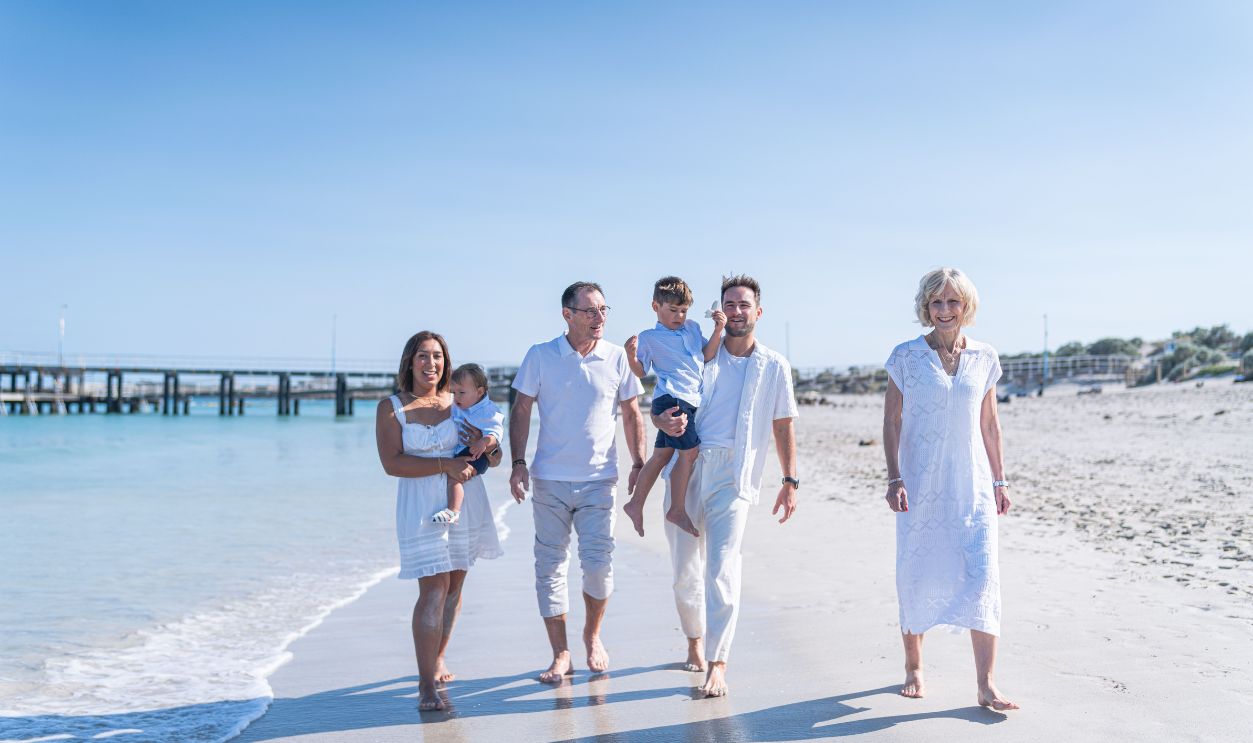
Multigenerational travel is common. A 2025 U.S. family-travel survey found that 71% of surveyed grandparents had taken a multigenerational trip in the previous three years. That helps explain why relatives may view shared vacations as a normal tradition.
Popular Does Not Mean Mandatory
A common tradition does not have to become a rule. The same travel research also tracks skip-generation trips, in which grandparents travel with grandchildren without the parents. Families already use different travel combinations for different experiences.

Boundaries Are Not Punishments
Health guidance describes healthy boundaries as rules of engagement that clarify responsibilities and support well-being. A boundary is not a withdrawal of affection. Saying that some vacations will be spouse-only simply defines how you want to divide your time.

Guilt Is A Poor Itinerary
Boundary setting can feel uncomfortable when others expect the old pattern. Clinical guidance notes that people may feel pressure when they begin saying no more clearly. Discomfort does not automatically mean the boundary is unreasonable.

Talk To Your Spouse First
Before explaining anything to the family, make sure you and your spouse agree. Research on vacation decision-making shows that both partners influence choices involving destinations, accommodation, transport, budgets, timing, and activities. A united plan is easier to communicate.

Decide What You Actually Want
“Sometimes” can mean many things. You might want one couples trip each year, every other major vacation, or only certain destinations to remain spouse-only. Defining that privately first makes the family conversation clearer.

Say It Before The Suitcases Appear
Boundaries are easier to understand when stated before plans feel settled. If relatives already assume they are included, a later change may feel like a cancellation. Communicating early makes separate family and couple trips part of the normal planning process.

Use “We” Instead Of Blame
Frame the choice around what you and your spouse want rather than what the grandchildren make difficult. “We want some time to travel as a couple” explains the need without criticizing anyone’s schedules, habits, or travel style.

Do Not Ask Permission
You can listen to disappointment without turning the decision into a family vote. Boundary guidance emphasizes responsibility for your own choices rather than other people’s reactions. A respectful explanation can still be firm.

Make The Categories Obvious
It may help to label trips from the beginning. Some can be multigenerational, some can be grandparents-and-grandchildren trips, and some can be couples trips. Clear categories prevent every new destination from automatically becoming a whole-family invitation.

Keep The Family Adventures You Enjoy
There is no reason to abandon multigenerational travel if you enjoy it. Survey data show strong participation in larger family trips, while travel research describes grandparent-grandchild vacations as opportunities to bond and spend extended time together.

Consider A Grandkids-Only Trip
If you enjoy traveling with the grandchildren but want a different rhythm, skip-generation travel is another option. These are trips where grandparents travel with grandchildren without the parents. They can create dedicated grandparent time without replacing couple travel.

Quality Can Matter More Than Quantity
Research on couples suggests that the quality of shared time can matter alongside the amount of time spent together. The same idea can guide family travel. A smaller number of eagerly chosen trips may feel better than repeated vacations accepted from obligation.

Novel Experiences Can Help Couples Connect
Relationship research found that couples completing novel, stimulating activities together reported short-term increases in relationship quality compared with those doing more routine tasks. Travel naturally offers unfamiliar places and activities, which may help explain its appeal for couples.

Grandparent Relationships Do Not Depend On Vacations
Travel is only one way to stay connected. Large surveys count in-person visits, phone calls, and texting when measuring grandparent-grandchild contact. Meals, local outings, celebrations, calls, and ordinary visits can maintain connection between bigger trips.

Let Your Adult Children React
Your children may be disappointed if they imagined every vacation as a whole-family event. That reaction can be heard without reversing course. Healthy relationship guidance emphasizes honest communication, respect, and working through differences rather than avoiding every disagreement.
Avoid Turning It Into Scorekeeping
Trying to make every trip, weekend, holiday, and visit perfectly equal creates a difficult ledger. Families have different schedules, budgets, health needs, and interests. Aim instead for a pattern that feels sustainable while preserving meaningful family contact.

Remember That Vacations Serve Different Purposes
A trip with grandchildren may center on their pace and interests. A trip with a spouse may focus on rest, conversation, food, culture, or activities better suited to two adults. Different travel formats can meet different needs without competing.

Protect The Relationship That Started The Family
Research on older couples has found positive associations between shared activities and relationship quality. That does not prove a vacation can solve relationship problems, but it supports continuing to do enjoyable things together after children and grandchildren arrive.

Watch For Resentment
Repeatedly agreeing to trips you do not want can undermine enjoyment. Boundary guidance links clearer limits with lower stress and greater life satisfaction. A smaller number of willing yeses may be healthier than a long string of reluctant ones.

Build A Pattern Everyone Can Understand
Consistency helps. If relatives learn that one trip is for the whole family and another is reserved for you and your spouse, expectations can adjust. Clear traditions also reduce the need to reopen the same debate for every destination.

Wanting Both Is The Point
You do not have to choose between being an involved grandparent and a spouse who enjoys private travel. Research supports both family connection and shared couple leisure. The most workable answer is usually a deliberate mix, not an all-or-nothing rule.

You May Also Like:
Sources: 1, 2