
The Cheap Flight Catch
A free flight is a free flight, you can't deny that. But money isn't the only way you pay for things. When your domineering dad books the absolute cheapest flights, the hidden costs often show up as stress, lost sleep, and long airport waits. If he then insists everyone follow a rigid plan because they paid, the fight is no longer really about airfare—and paying for your own flights might be worth the price.

What Paying For The Trip Actually Buys
Covering the flights means your dad paid for transportation, not ownership of everyone else’s time, mood, or freedom. In most families, money can create influence, but it does not automatically create healthy authority over every decision. The real question is whether the trip was offered as a gift, a group plan, or a transaction with strings attached.

Why The Cheapest Ticket Is Rarely The Whole Story
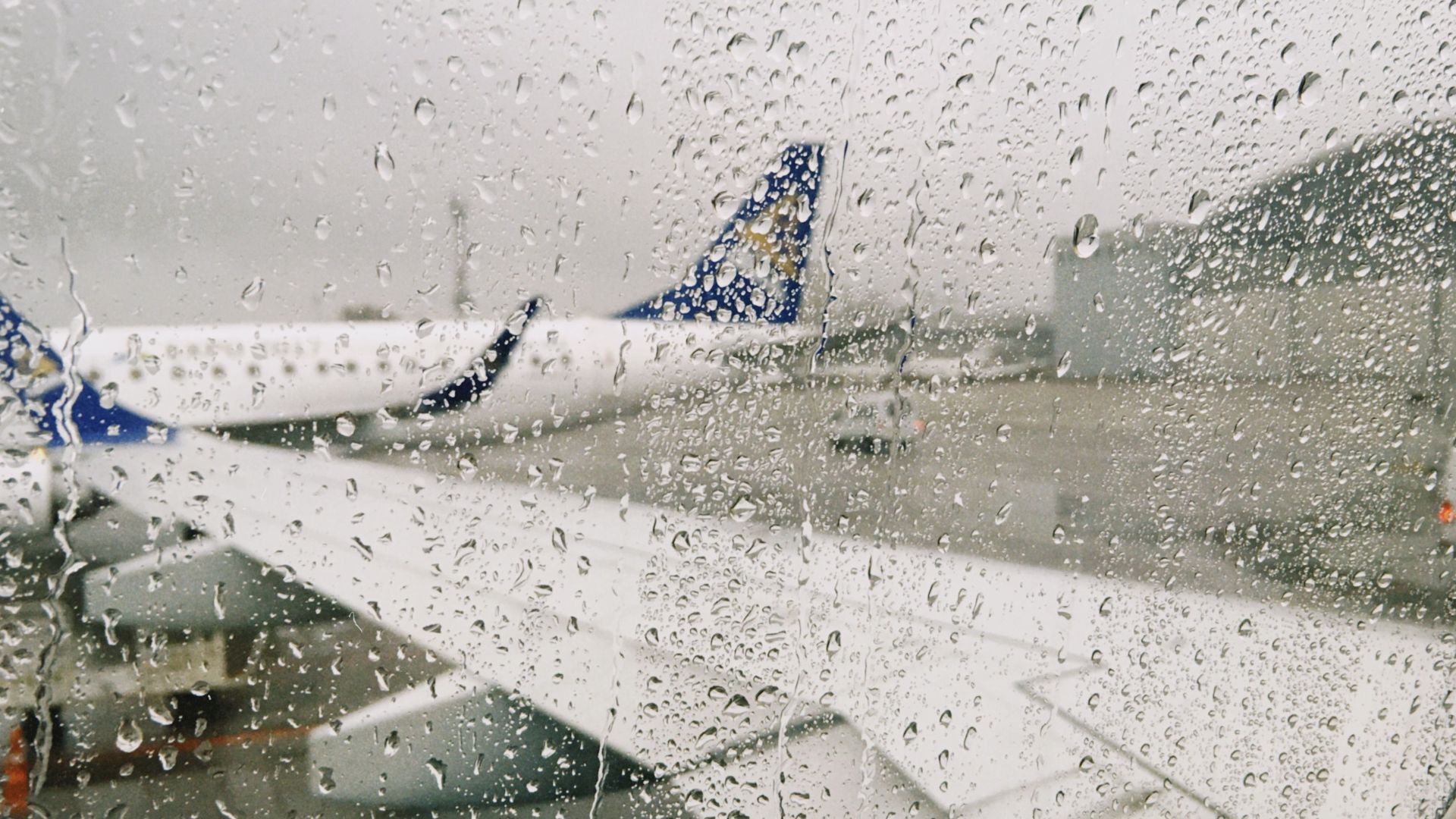
The U.S. Department of Transportation requires airlines and ticket agents to show the full fare up front, including mandatory taxes and fees, under its full fare advertising rule. That helps travelers compare prices, but it does not erase the pain of a 5 a.m. departure, a brutal layover, or a no-frills fare with restrictions. A cheap flight can still be expensive in comfort, convenience, and family goodwill.

Budget Airlines Changed The Family Travel Debate
Ultra-low-cost carriers helped normalize the idea that airfare should be chased at the lowest possible price. Spirit Airlines has long described its model as offering a low base fare with optional extras, which works for some travelers and drives others crazy. For families, that model can turn one booking decision into a chain reaction of bag fees, seat worries, and a miserable first day.

Those Miserable Departure Times Are Not In Your Head
Very early flights and awkward connections are often cheaper because they are less convenient and less appealing to many passengers. Travel companies like Expedia have often said flexibility can save money, but those savings usually come with tradeoffs in timing and comfort. If your dad keeps choosing the rock-bottom option, he may be saving cash while everyone else pays in exhaustion.

Family Trips Work Better With Expectations Up Front
If the itinerary shows up like an order after the tickets are booked, resentment is almost guaranteed. The better move is to talk before money changes hands about wake-up times, downtime, meals, and whether the trip will be packed or relaxed. Paying first and negotiating later is how a vacation starts to feel like a draft notice.

A Gift With Strings Feels Different From A Gift
Etiquette experts have long pointed to a simple truth. A gift loaded with demands does not feel generous to the person receiving it. If your dad presents the flights as a treat but uses them to control each day, family members are likely to experience the trip less as a gift and more as leverage.

Control Often Hides Behind The Word Practical
Some controlling travel habits get dressed up as efficiency. Maybe he says the cheapest flight is simply the smart choice and his itinerary is the only way to make the most of the trip. But practicality is not a free pass to ignore everyone’s limits, preferences, or need for rest.
 AI25.Studio AI GENERATIVE, Pexels
What Experts Say About Money And Power
Relationship experts often point out that money can easily become a tool for control when expectations are not discussed openly. The National Domestic Violence Hotline specifically identifies using finances to influence or restrict others as a form of economic abuse in more serious situations. A family vacation disagreement is not automatically abuse, but the principle still helps: paying should never silence everyone else.

There Is A Difference Between Leadership And Dictatorship
Every trip needs someone to handle logistics. Booking airfare, arranging transport, and making sure people get to the airport on time is real work. But leadership means coordinating the group, while dictatorship means acting like everyone owes obedience in exchange for the booking confirmation.

The Cheapest Flight Can Trigger A Cascade Of Bad Decisions
A painfully early arrival can lead to skipped meals, short tempers, and an overstuffed first day because someone wants to justify the bargain. That is how one great deal turns into a terrible itinerary. Saving $150 per person can stop looking impressive when the family spends the next 36 hours tired and sniping at each other.

Why Sleep Matters More Than Stubbornness
The Centers for Disease Control and Prevention warns that not getting enough sleep affects mood, attention, and reaction time. That matters on vacation days filled with navigation, driving, crowds, and lots of decisions. If the schedule starts with a predawn airport run and rolls straight into mandatory sightseeing, conflict is not surprising at all.

Layovers Are More Than A Minor Inconvenience
Long or badly timed layovers can add hours of dead time and raise the risk of delays wrecking the whole plan. The U.S. Department of Transportation keeps a public dashboard on airline customer service commitments, which reflects how common disruptions and missed expectations can be. Chasing the absolute lowest fare can leave a family with a fragile itinerary that falls apart the moment one flight slips.

Who Gets A Say In Group Travel
In healthy group travel, the person paying may get a stronger voice, but not a veto over every personal choice. Adults still get to have limits, skip an activity, or ask for a slower pace. Family harmony usually improves when everyone has at least some control over how their own day unfolds.

The Fairness Test Is Simple
Ask whether the itinerary would still seem reasonable if everyone had split the airfare equally. If the answer is no, then the plan may be less about smart travel and more about one person asserting control. That question cuts through a lot of family mythology fast.

Cheap Flights Can Also Mean Hidden Fees
Low fares sometimes stop looking so low once bags, seat assignments, and change fees get added. The Department of Transportation has repeatedly scrutinized airline fee transparency because optional charges matter to real travelers making real budgets. A parent who boasts about scoring the cheapest flight may ignore the fact that the family experience is being nickel-and-dimed from every direction.

Rigid Itineraries Usually Backfire
Travel research and common experience point the same way. Overscheduling leaves little room for delays, bad weather, fatigue, or simple changes of heart. The more inflexible your dad becomes, the more likely the trip is to feel like a marathon nobody actually signed up for.
Compromise Is Not Ingratitude
This is the emotional trap many adults fall into with family travel. They worry that pushing back sounds ungrateful because someone else paid. But saying “thank you for the flights” and “I am not doing a 14-hour sightseeing day after a red-eye” can both be true at the same time.
 Kobus L/peopleimages.com, AdobeStock
Set The Rules Before The Booking
The best time to deal with this dynamic is before anyone enters their credit card details. Agree on flight windows, maximum layover length, whether budget airlines are acceptable, and how much downtime each person needs. That turns travel planning into a shared decision instead of a post-purchase power struggle.

A Sample Boundary That Actually Works
Try language that is calm and clear. You might say, “We appreciate you paying for the flights, but paying does not mean you get to schedule every hour of our vacation.” Then offer a practical alternative, such as one main activity per day with free time around it.

Offer Better Options Instead Of Just Complaining
If you want more influence, come prepared with alternatives. Find a midrange fare with better departure times or suggest splitting the cost difference to avoid a nightmare itinerary. That shifts the conversation from rebellion to problem-solving, which is much harder to dismiss.

Sometimes The Lowest Fare Is Still The Right Call
There are times when the cheapest flight really does make sense. Maybe the destination is expensive, maybe the family budget is tight, or maybe everyone agrees that saving money matters more than convenience this time. The key difference is consent, not cost.

When The Trip Starts Feeling Like A Debt
If your dad keeps reminding everyone who paid, the vacation may be running on an emotional ledger. That usually poisons the atmosphere because every meal, detour, or complaint gets treated like a personal insult. Gifts should create gratitude, not a lasting sense of obligation.

Adult Children Do Not Have To Relive Childhood Rules
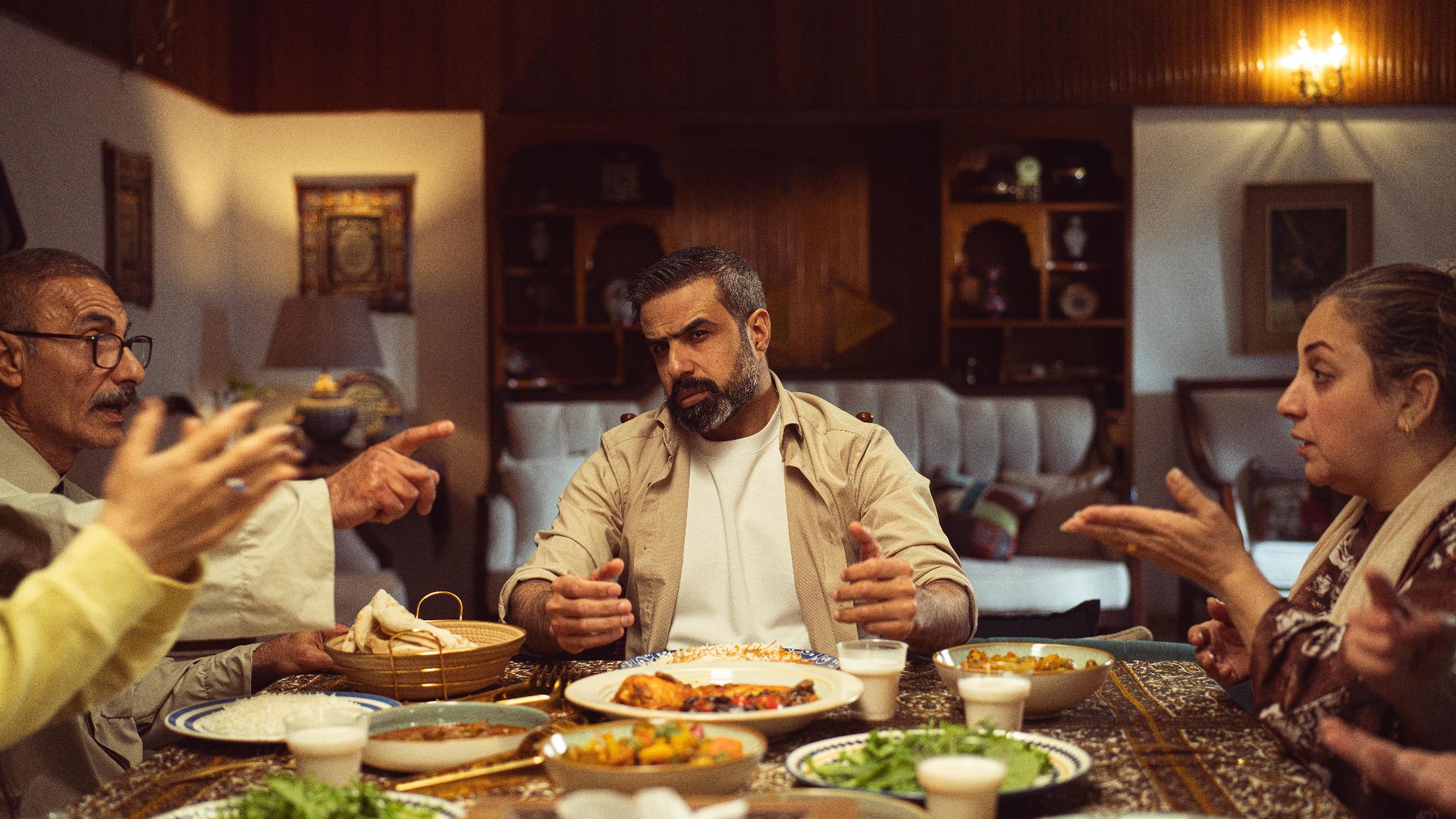
Many family travel blowups happen because old roles quietly return. A parent books the trip and slips into command mode, while adult children are expected to comply like they are 14 again. Naming that pattern can be powerful because it shows the conflict is really about respect, not just logistics.
There Is A Practical Middle Ground
One sensible compromise is to let the person paying choose a few nonnegotiables while the group controls the rest. For example, he can pick the flight budget and one major daily activity, while everyone else gets input on pace, meals, and free time. That keeps planning efficient without turning the trip into a one-man regime.

Watch For The Real Red Flag
The biggest warning sign is not merely that your dad loves a bargain. It is whether he uses the bargain to shut down discussion and demand obedience. Once money becomes the argument-ender, the vacation problem is really a control problem.

So Does Paying Give Him Control
Not total control. Paying gives him a legitimate voice in the budget and some planning influence, but it does not entitle him to dictate everyone’s behavior or force a miserable itinerary on adults. The healthiest family trips treat money as one factor in decision-making, not a crown.

The Best Family Travel Rule Of All
Cheap flights are great when they help everyone get somewhere exciting without wrecking the experience. They are terrible when they become the opening move in a week of exhaustion and resentment. If your family wants the trip to feel like a vacation, the rule should be simple: whoever pays can contribute, but nobody gets to rule.