The Door Between You And A Stranger
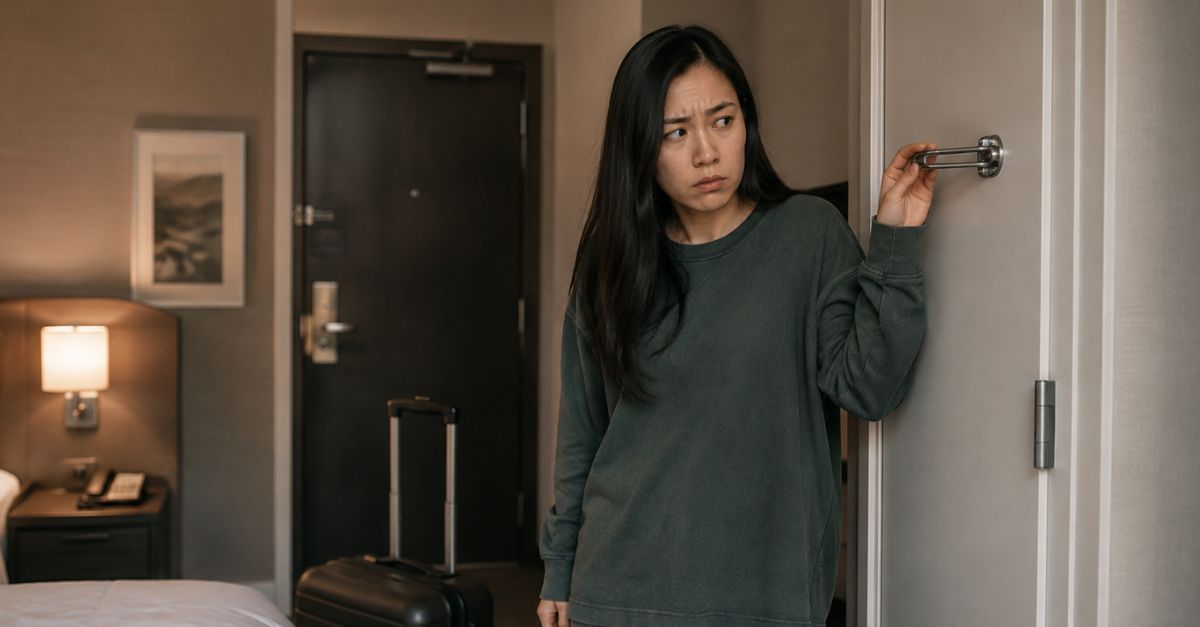
You check into a hotel, drop your bags, and notice a connecting door to the room next door. Then you see the lock looks flimsy, and the room suddenly feels a lot less relaxing. If that makes you want a different room right away, you are definitely not just being paranoid.

Why This Bothers So Many Travelers
Connecting doors are common in hotels because they work well for families and groups. But if you are traveling alone or just want privacy, that extra entry point can feel like an unnecessary risk. The concern is pretty simple. More doors mean more things that need to be locked and maintained properly.
What Hotels Say About Connecting Rooms
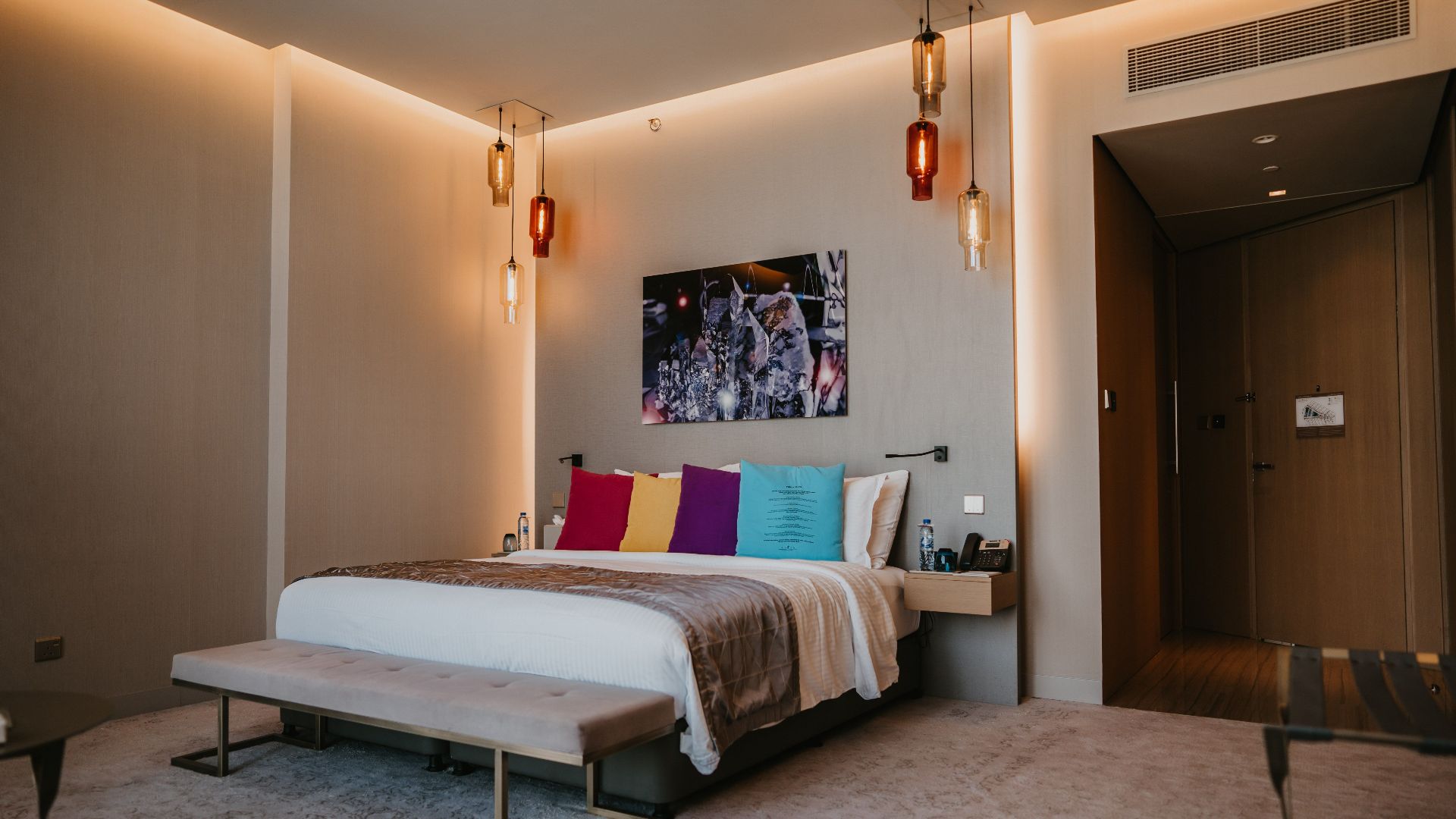
Major hotel brands openly promote connecting rooms as a convenience feature. Marriott, for example, describes them as guest rooms with separate entrances from the outside and a door inside that links the two rooms. That matters because it confirms the inside door is a real access point, not just a decorative panel.
Security Advice Usually Comes Down To Layers
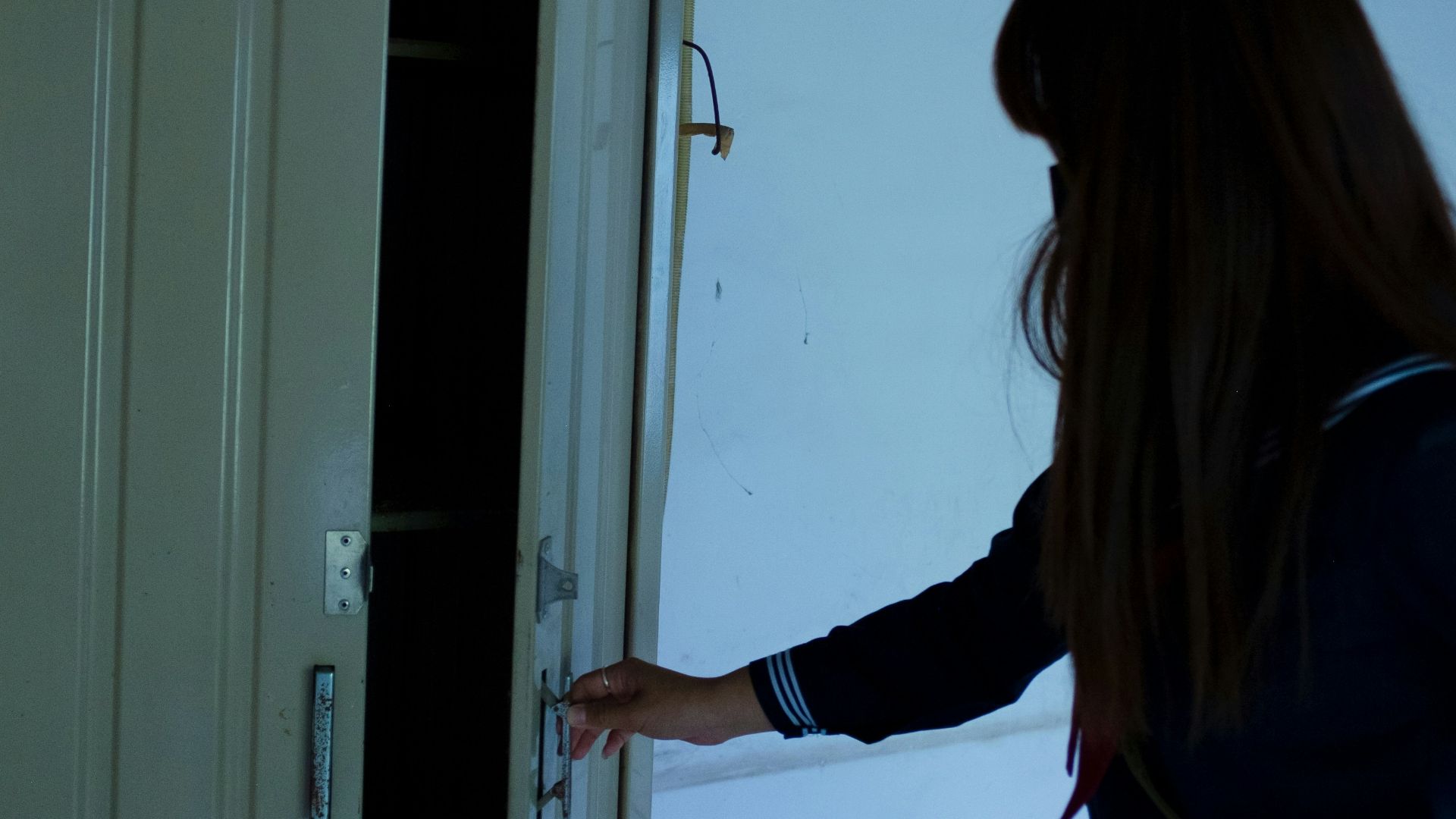
Travel safety advice often stresses using every lock available in a hotel room. Consumer Reports recommends locking the deadbolt and using the security latch if the room has one. The basic idea is that hotel room safety usually depends on layers, not one perfect lock.

A Flimsy Lock Is Not A Small Thing
If the connecting door does not close tightly, has visible gaps, or seems to rely on a weak latch, that is worth taking seriously. Hotels are supposed to keep guest room hardware in safe working order. A door that feels insecure is, at the very least, a maintenance problem and possibly a guest safety problem too.
There Is Real Concern Around Hotel Security
The American Hotel & Lodging Association says hotels use multiple security measures, but problems still happen across the industry. That does not mean connecting doors are automatically dangerous. It does mean travelers are being sensible when they check room security instead of assuming everything is fine.
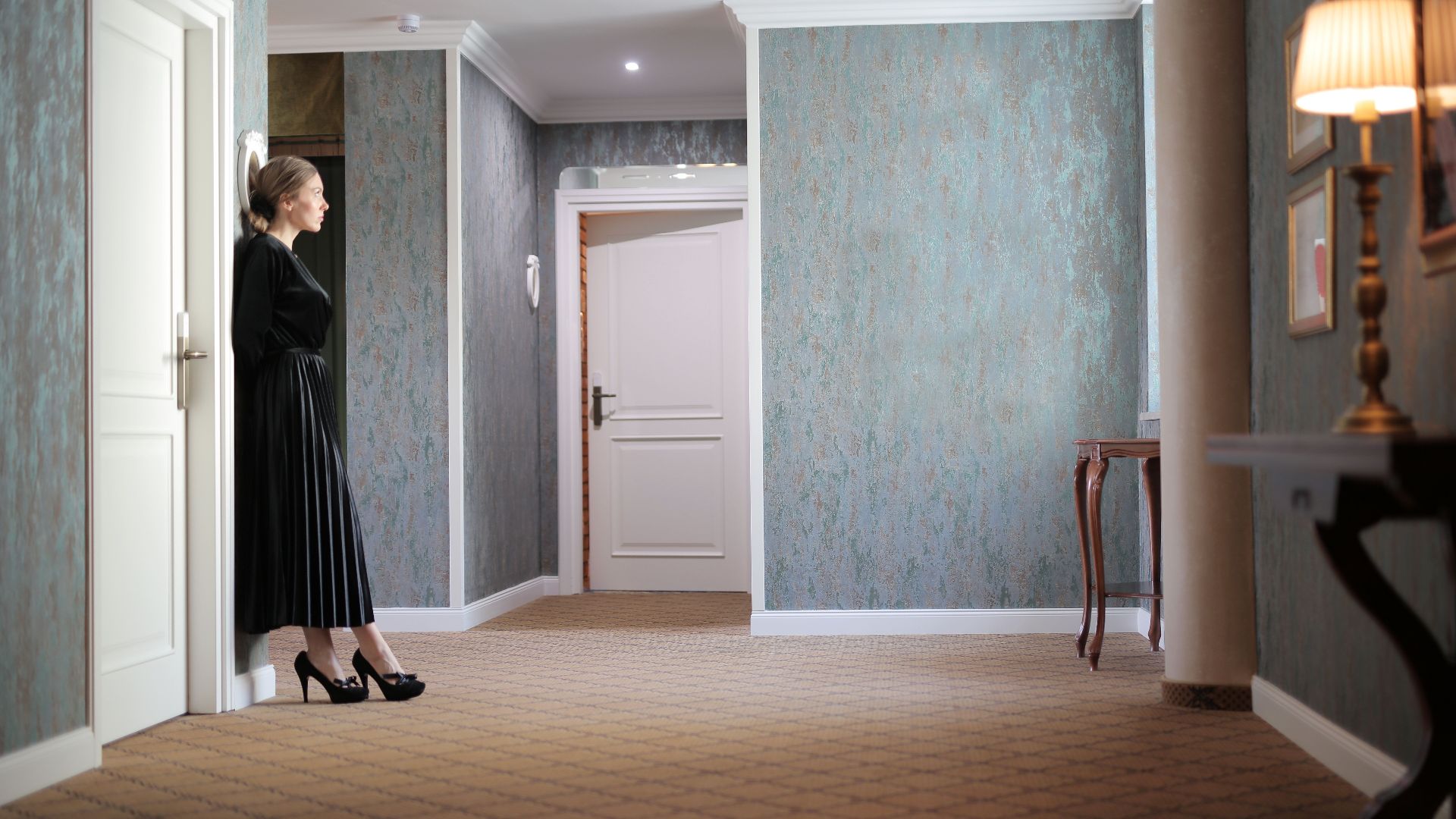
Fire Safety Rules Matter Too
Hotel room doors are not only about privacy and theft. They also matter for life safety. The National Fire Protection Association says hotel and motel fire safety depends in part on doors that work properly and help block smoke and fire. So if a door seems defective, that deserves quick attention.
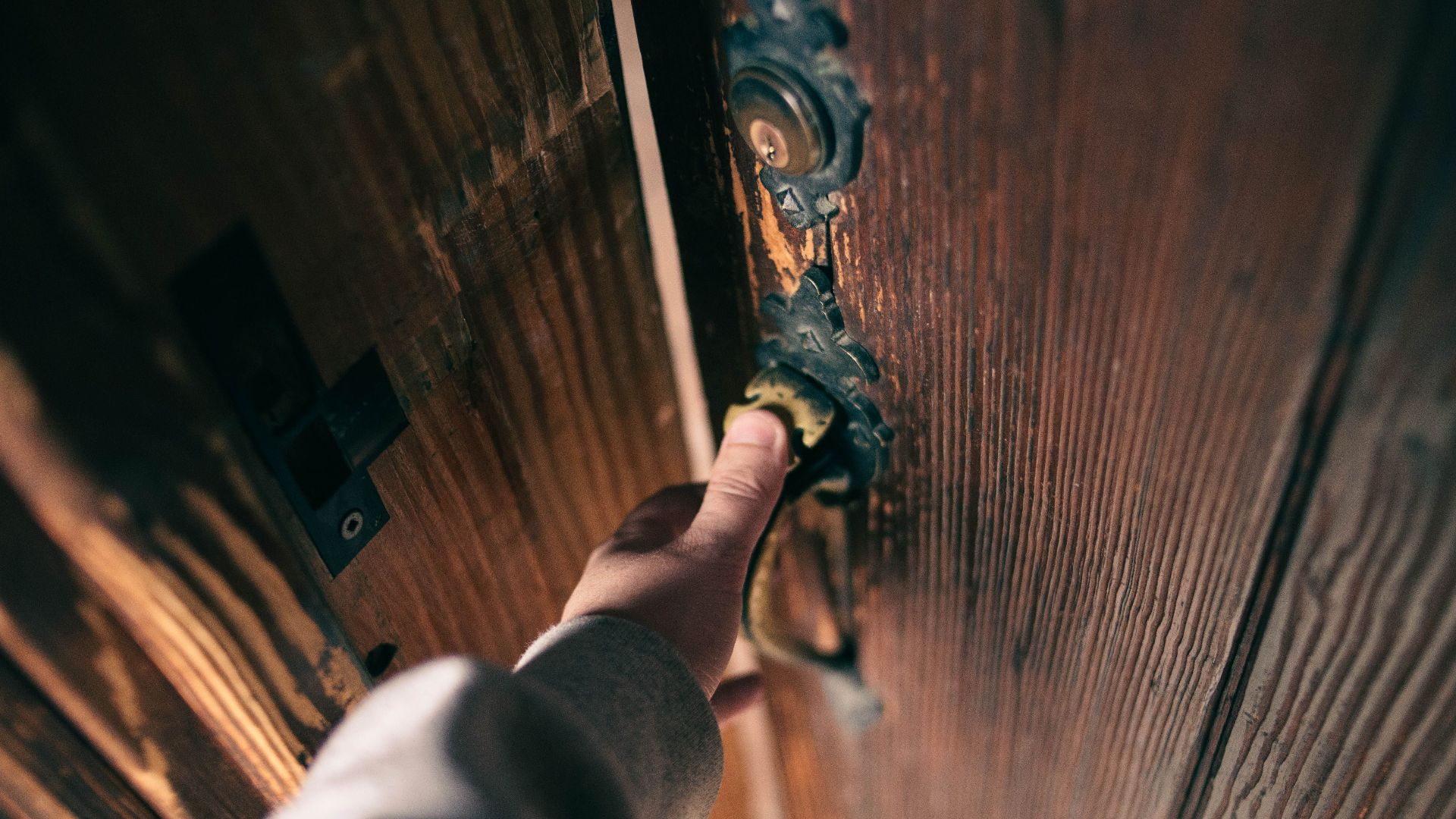
Door Safety Has Drawn Serious Scrutiny Before
Door and lock issues in hotels are not just theoretical. After the 2017 mass shooting in Las Vegas, reporting by outlets including The New York Times looked at how hotel door security, surveillance, and access procedures became part of a much bigger safety conversation. That was a very different situation from a normal hotel stay, but it showed how fast room access can become a critical issue.

Privacy Still Matters Even If Problems Are Rare
Most people who get a room with a connecting door will never have any trouble. Even so, it makes sense to feel uneasy about being separated from strangers by one interior door. Privacy is part of what you are paying for, and it is reasonable to expect a room that feels secure enough to sleep in.

The First Thing To Check When You Walk In
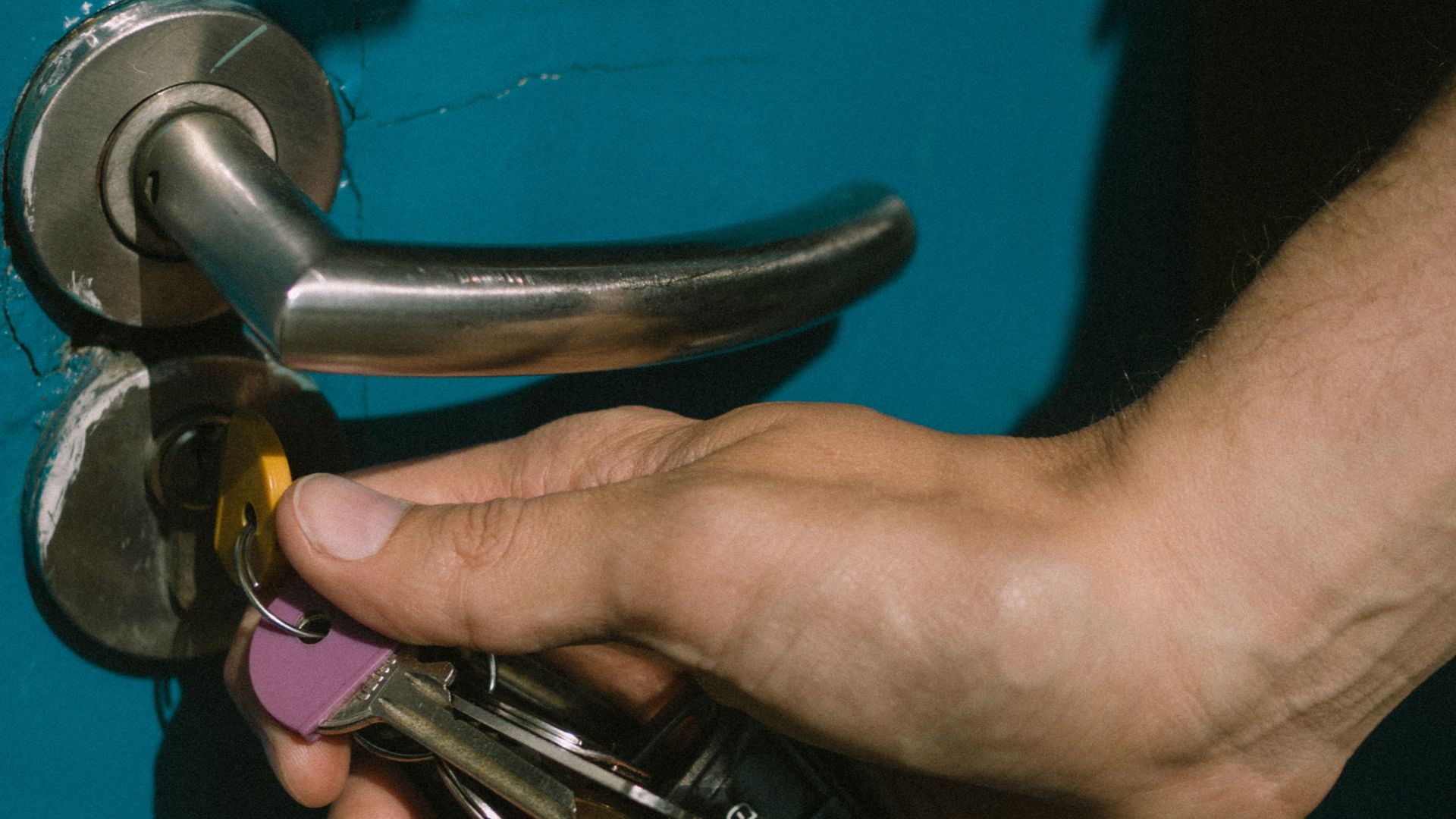
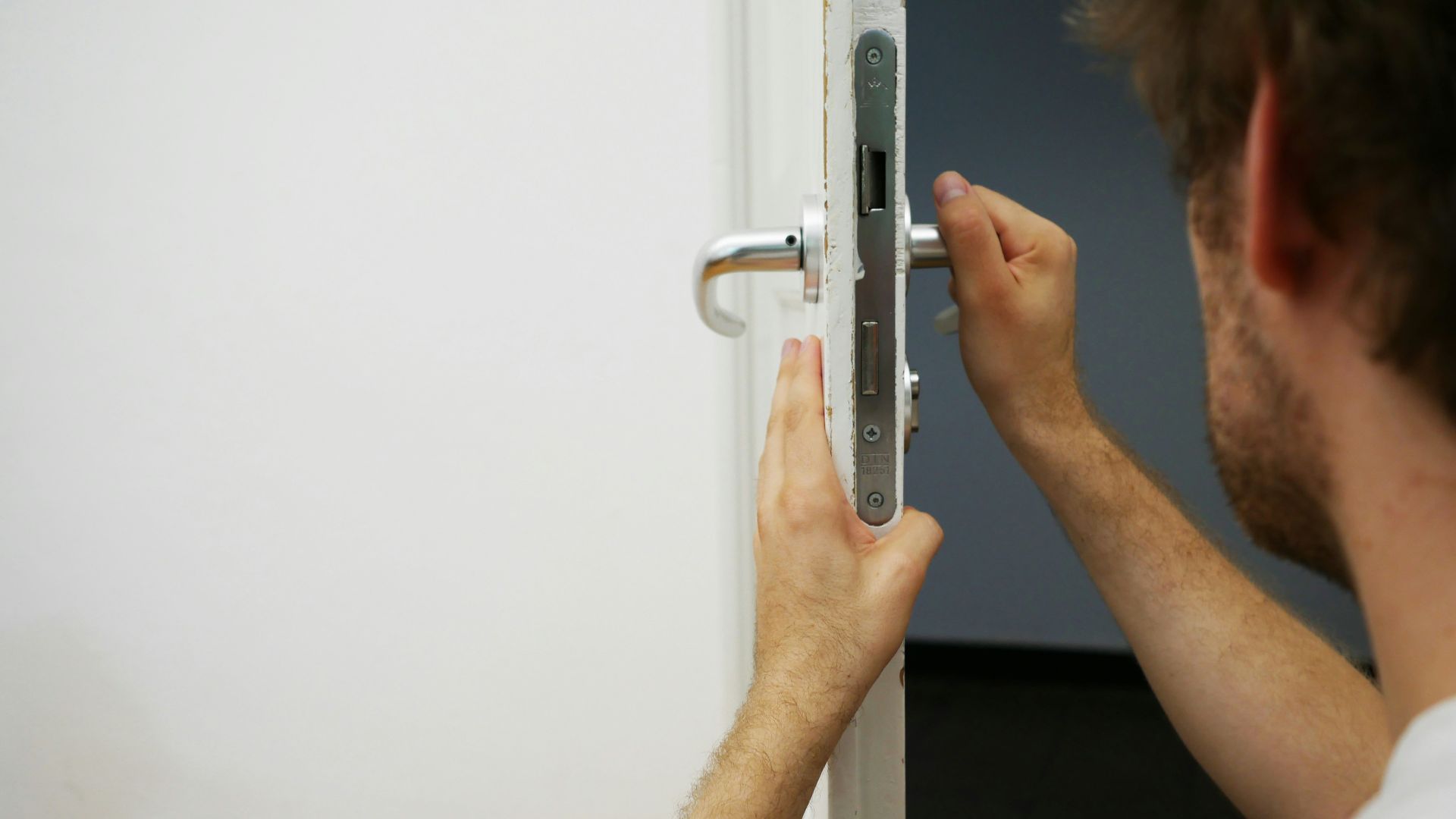
Before you unpack, check the main door and any connecting door. Make sure the deadbolt works, the latch is firmly attached, and the handle does not wobble. If the connecting door only has a basic privacy lock and no second lock, that is something to bring up with the front desk right away.
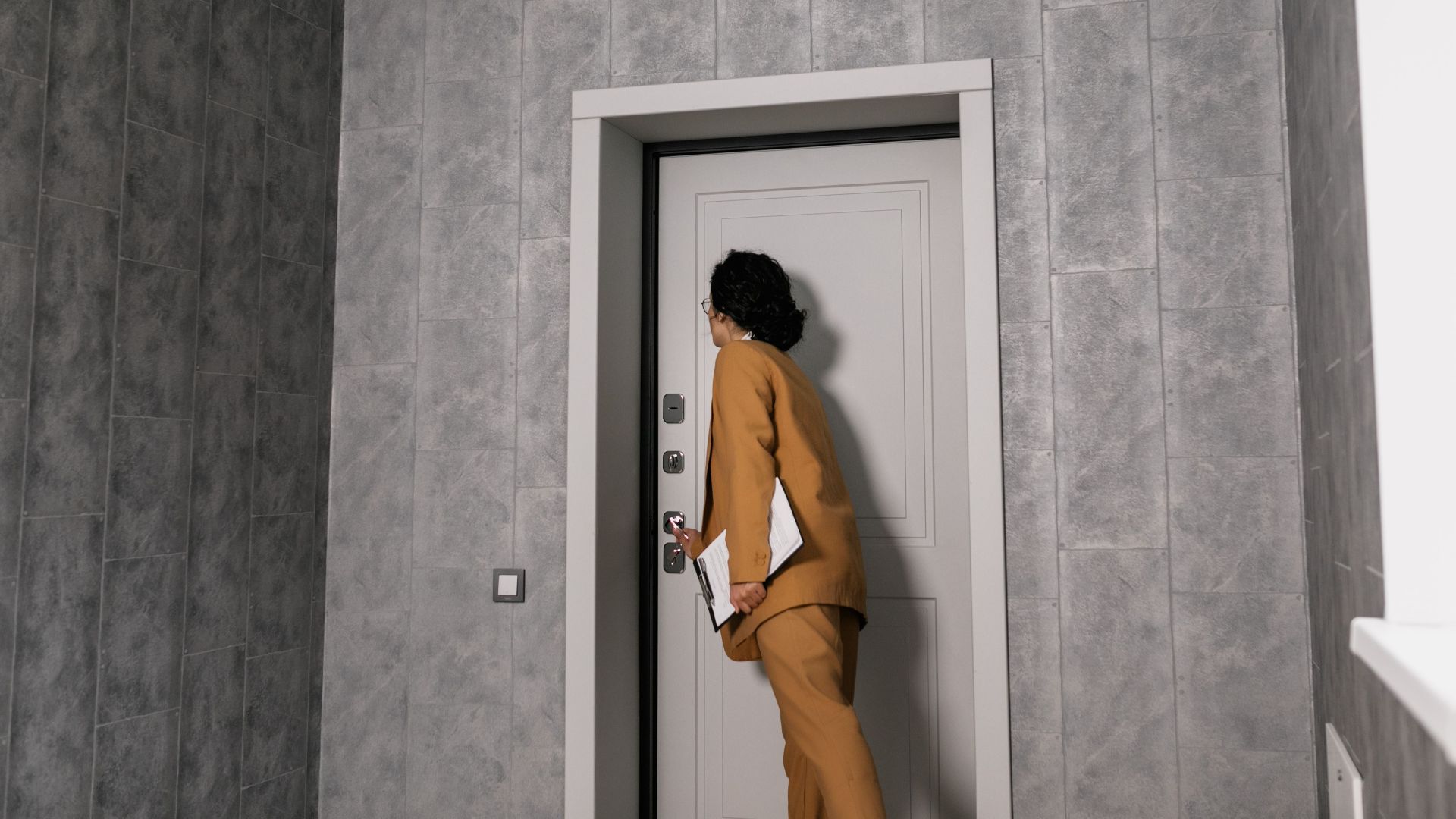
Check The Room Before You Settle In
Travel advice often treats hotel room entry points the same way it treats safes and windows. Check them early, not after you are already winding down for the night. If something feels off during that first quick look, ask for a fix or a room change while the hotel still has options.

Not Every Connecting Door Feels The Same
Some connecting doors are heavy, solid, and fitted with sturdy hardware on both sides. Others feel more like a basic interior apartment door than a secure hotel entry point. That is exactly why your own inspection matters more than assuming every property uses the same setup.
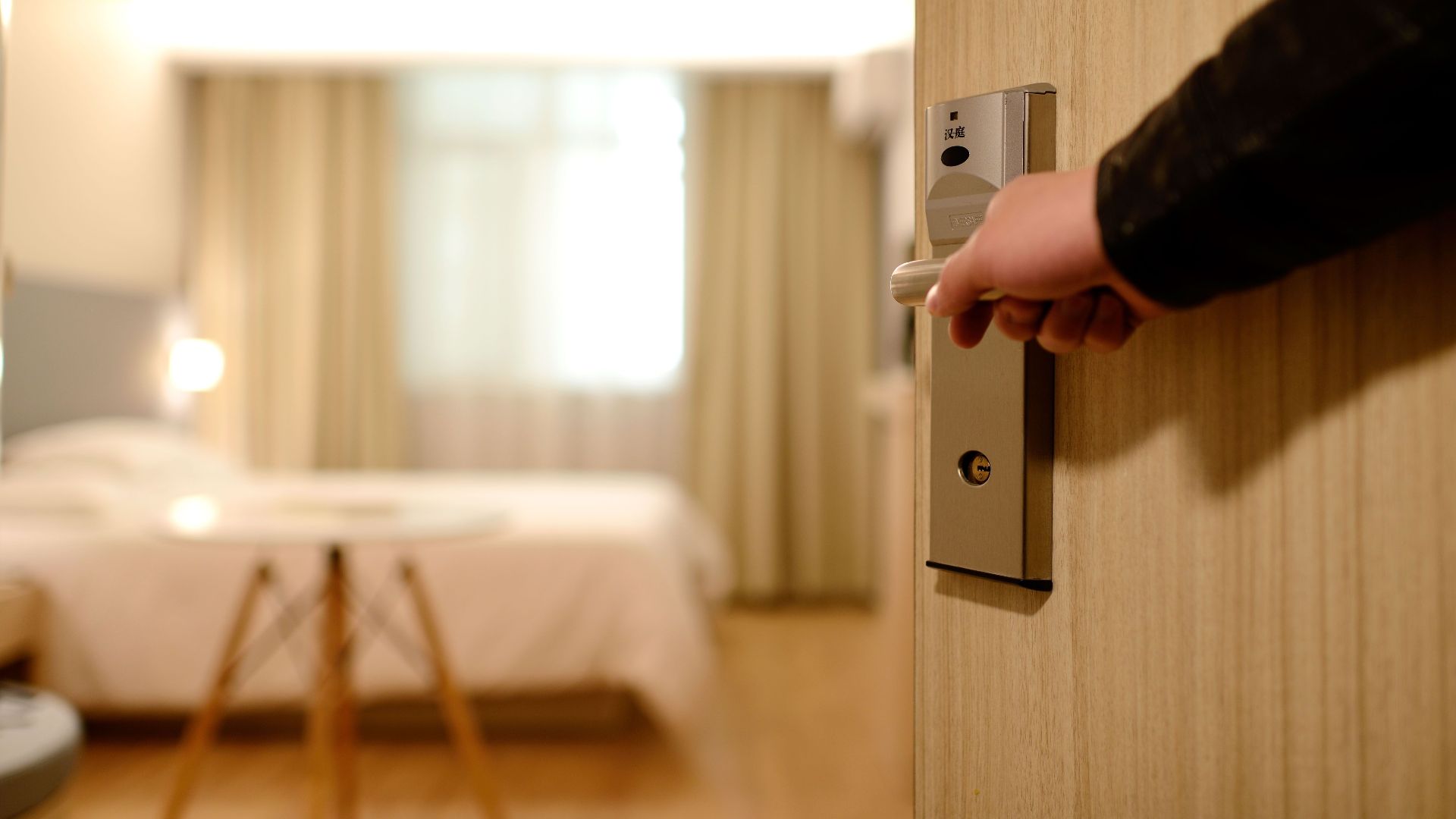
When Asking For A Different Room Makes Sense
If you are traveling alone, carrying valuables, or staying somewhere that already feels chaotic, asking for another room is a smart move. The same goes if the room next door is occupied and the connecting door seems like the weakest lock in the room. Front desk staff get room change requests all the time, and this is a reasonable one.

How To Ask Without Making It A Big Scene
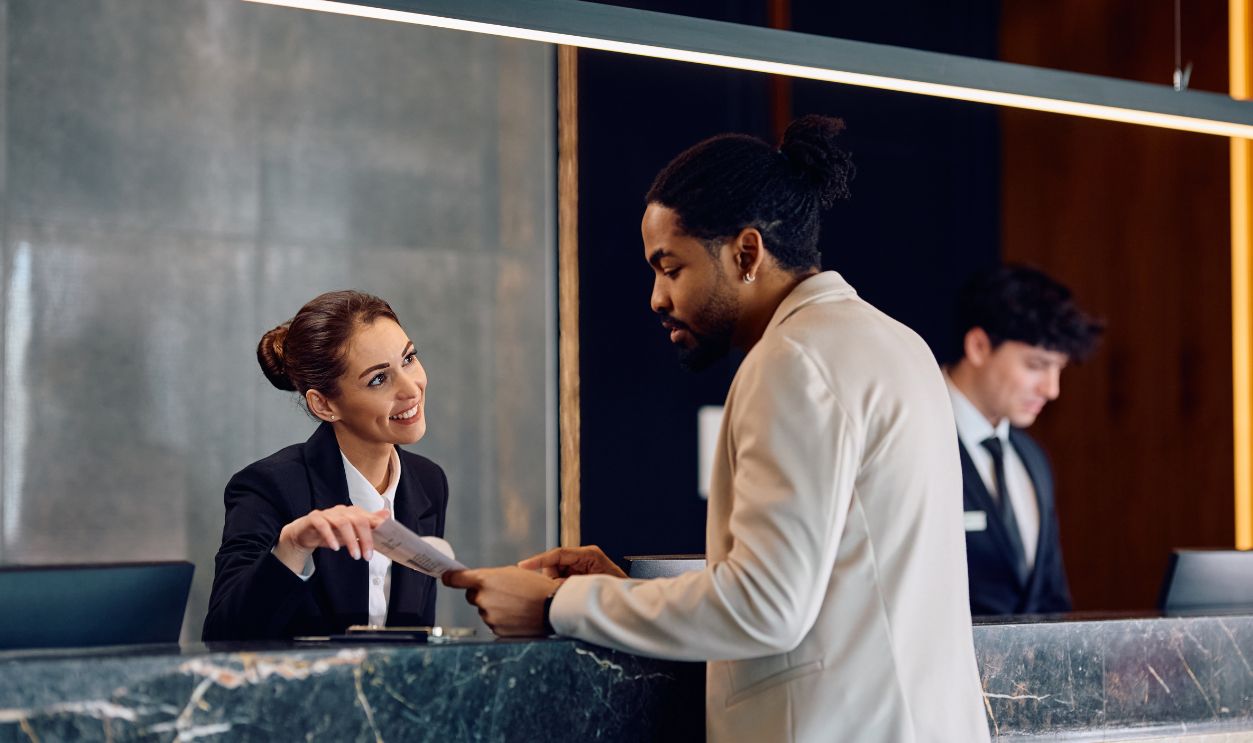
You do not need to accuse the hotel of being unsafe. Just keep it simple and specific. Say the connecting door lock seems insecure and you would prefer a non-connecting room or one with a more secure secondary lock.
 Tongpool Piasupun, Shutterstock
What To Say If The Hotel Pushes Back
If the hotel says all connecting rooms are secure, bring the conversation back to the actual door in your room. Mention any looseness, a missing latch, or the fact that the door does not feel solid or properly secured. You are pointing to a condition you observed, not making a vague complaint.

If They Cannot Move You Right Away
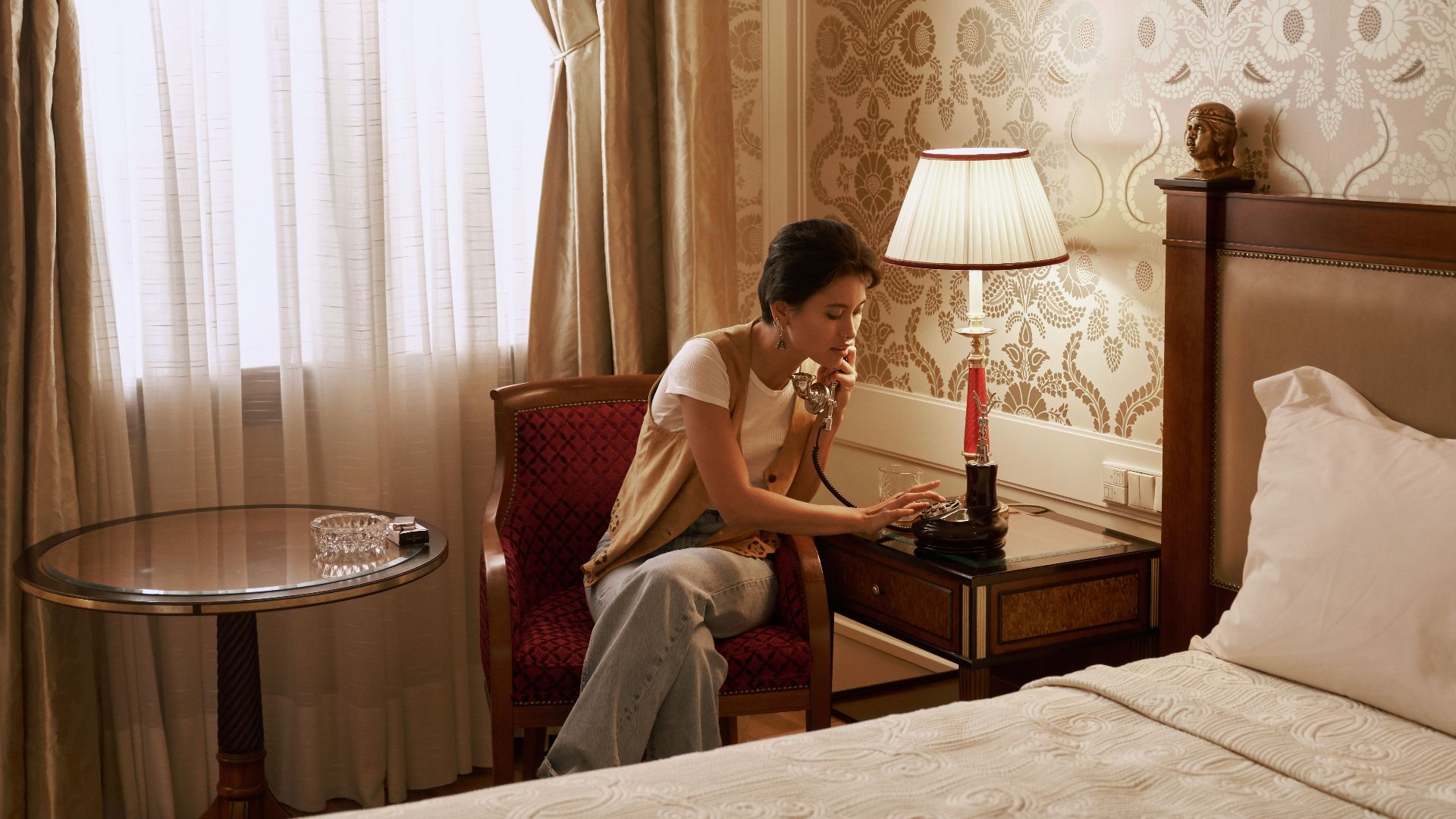
Ask whether maintenance can inspect the door immediately. Request that the concern be noted in the hotel system. If you have to stay there for the moment, use every available lock on the main door and consider a portable door alarm or wedge on the corridor door, though that does not secure the connecting door itself.
Portable Security Devices Can Help A Bit
Many travelers now carry door wedges, portable alarms, and add-on locks for the main entry door. Consumer Reports has noted that simple physical barriers can add peace of mind in hotels and rentals. Still, they work best as backup, not as a substitute for proper hotel maintenance.
There Is A Difference Between Unsafe And Uneasy
Sometimes the lock technically works, but the setup still leaves you uncomfortable. That does not make your reaction unreasonable. Travel is exhausting enough without lying awake because you do not trust the door between you and a stranger.

Hotels Already Know Room Preferences Matter
Hotels regularly handle requests for high floors, rooms away from the elevator, and feather-free bedding when they can. Asking to avoid a connecting room fits right into that same category of normal room preferences. If the hotel is not sold out, there is a decent chance they can move you.
Book Smarter Next Time
If connecting doors bother you, call the hotel directly before you arrive and ask for a non-connecting room. Some booking systems and room descriptions mention connecting-room options, but plenty do not. A quick call ahead can lower the odds of an unpleasant surprise at check-in.
Read The Room Description Closely
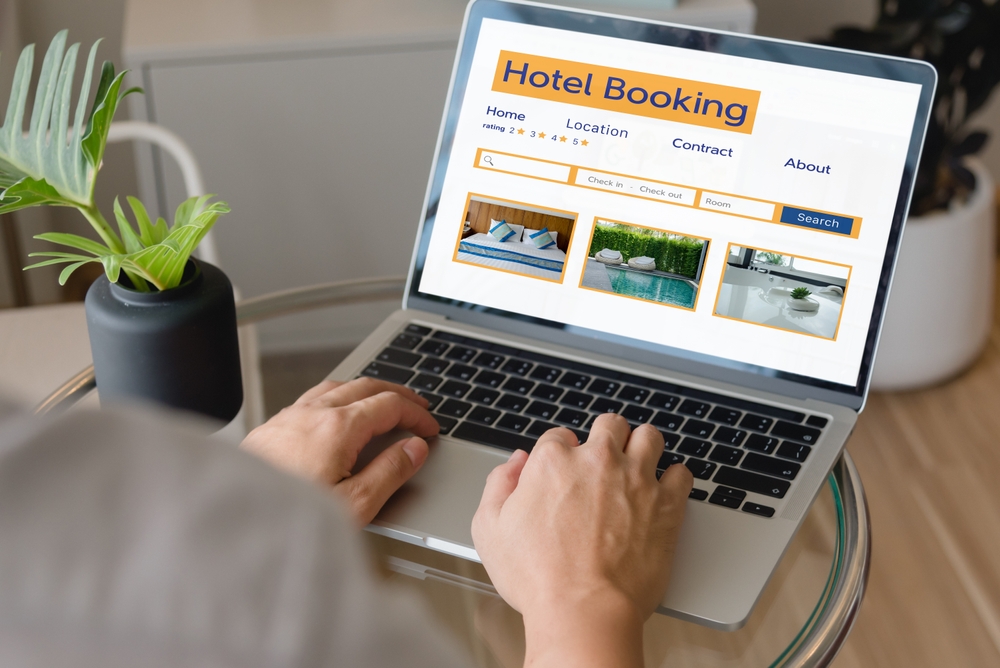
Hotel websites sometimes highlight connecting rooms because families want them. That can be a clue that a lot of rooms at the property have that setup. If privacy is your top priority, it is worth checking the layout or calling to ask how many rooms have interior connections.
Who Is On The Other Side Can Change Everything
The issue can feel a lot more urgent if you hear loud behavior, repeated knocking, or signs of intoxication from the next room. At that point, the connecting door stops being an abstract concern. It becomes part of your immediate comfort and sense of control.

Trust What You Can See
The best way to handle this is to focus on the details you can actually check. Does the door shut flush. Does the lock engage firmly. Is there a secondary latch or deadbolt, and does it feel intact. Those facts are much more useful than arguing with yourself about whether you are overreacting.
What Hotel Staff Should Do
A good hotel should move you, inspect the door quickly, or clearly explain how the lock setup works. Staff should not brush off a guest who reports weak room hardware. A hotel is selling rest and security just as much as it is selling a bed.

When To Escalate The Problem
If the hotel refuses to help and the door appears damaged or unable to lock properly, ask for a manager. If there is still no solution, consider leaving if that is safe and practical. Take photos and keep records in case you later need to dispute the charge.
The Bottom Line
No, you are not paranoid for asking for another room when a connecting door lock looks flimsy. You noticed a specific security concern and asked for a practical fix. In a hotel, peace of mind is part of the product, and it is reasonable to insist on it.