When Your Cruise Suddenly Leaves From Somewhere Else
You’ve got the hotel booked, the airport ride figured out, and maybe even your suitcase half packed. Then, about two weeks before sailing, the cruise line tells you the ship is no longer leaving from the port on your ticket. If that change means another flight, a longer drive, or an extra hotel night, the big question is simple: Can they really do that and expect you to pick up the slack?
Usually, Yes
Frustrating as it is, the answer is usually yes. Cruise contracts generally give cruise lines a lot of power to change itineraries, ships, schedules, and even embarkation ports if they think it is necessary. That does not mean passengers are completely out of luck, but it does mean the paperwork is usually written in the cruise line’s favor.

The Fine Print Carries A Lot Of Weight
Most people booking a cruise care more about cabins and drink packages than the ticket contract. But that contract is where cruise lines spell out that schedules and ports are not guaranteed. These clauses are standard across major cruise brands, and they are a big reason last-minute changes can be legal.

Carnival Gives Itself Wide Leeway
Carnival Cruise Line’s ticket contract says the line may, “for any reason and at any time and without prior notice,” cancel, advance, postpone, or deviate from a scheduled cruise or sailing. The same section says Carnival may also change or substitute ports of call, destinations, and lodging or berth. Put plainly, that gives the company broad room to change where and when your trip starts or ends.
Royal Caribbean Says Much The Same
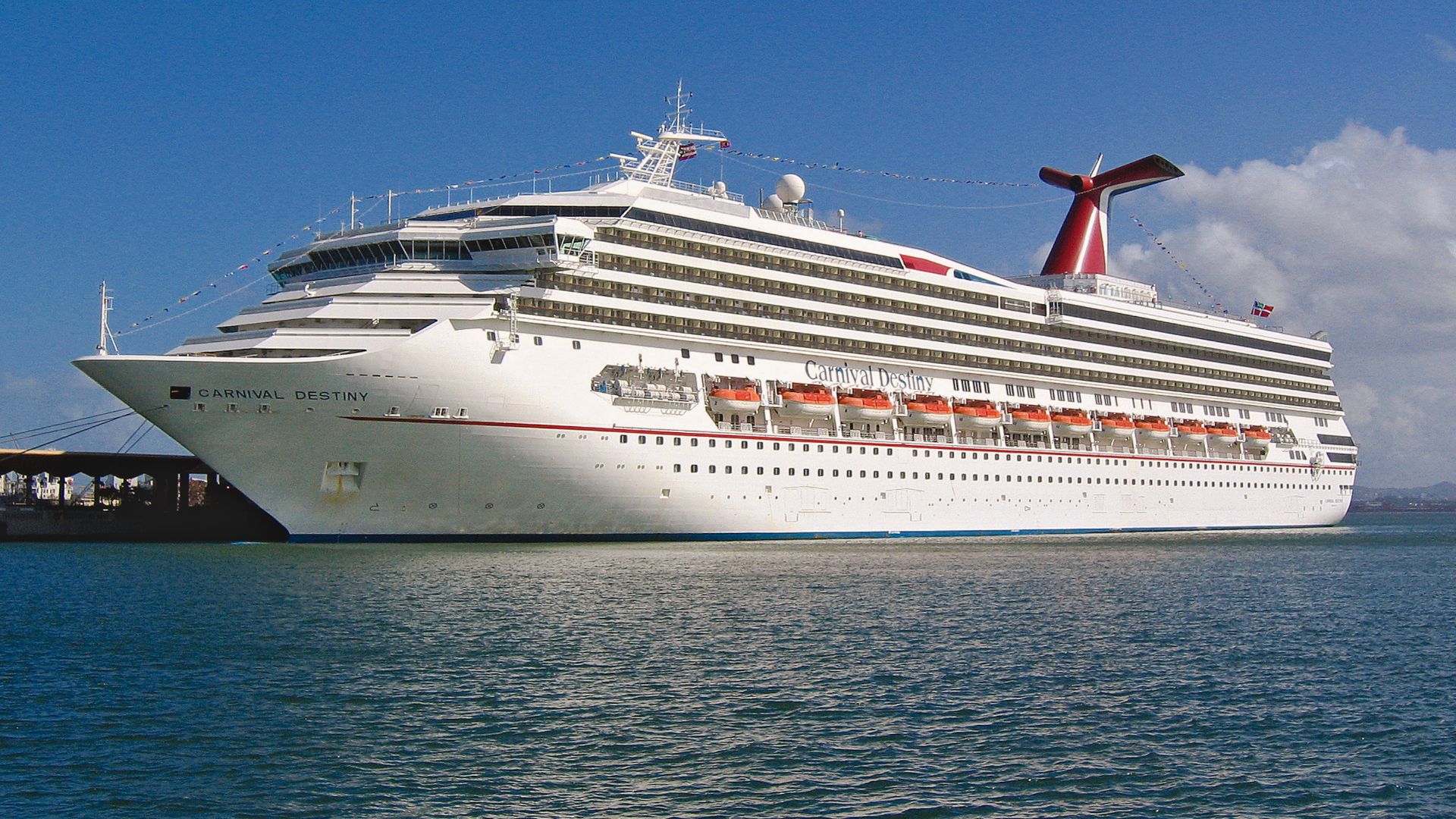
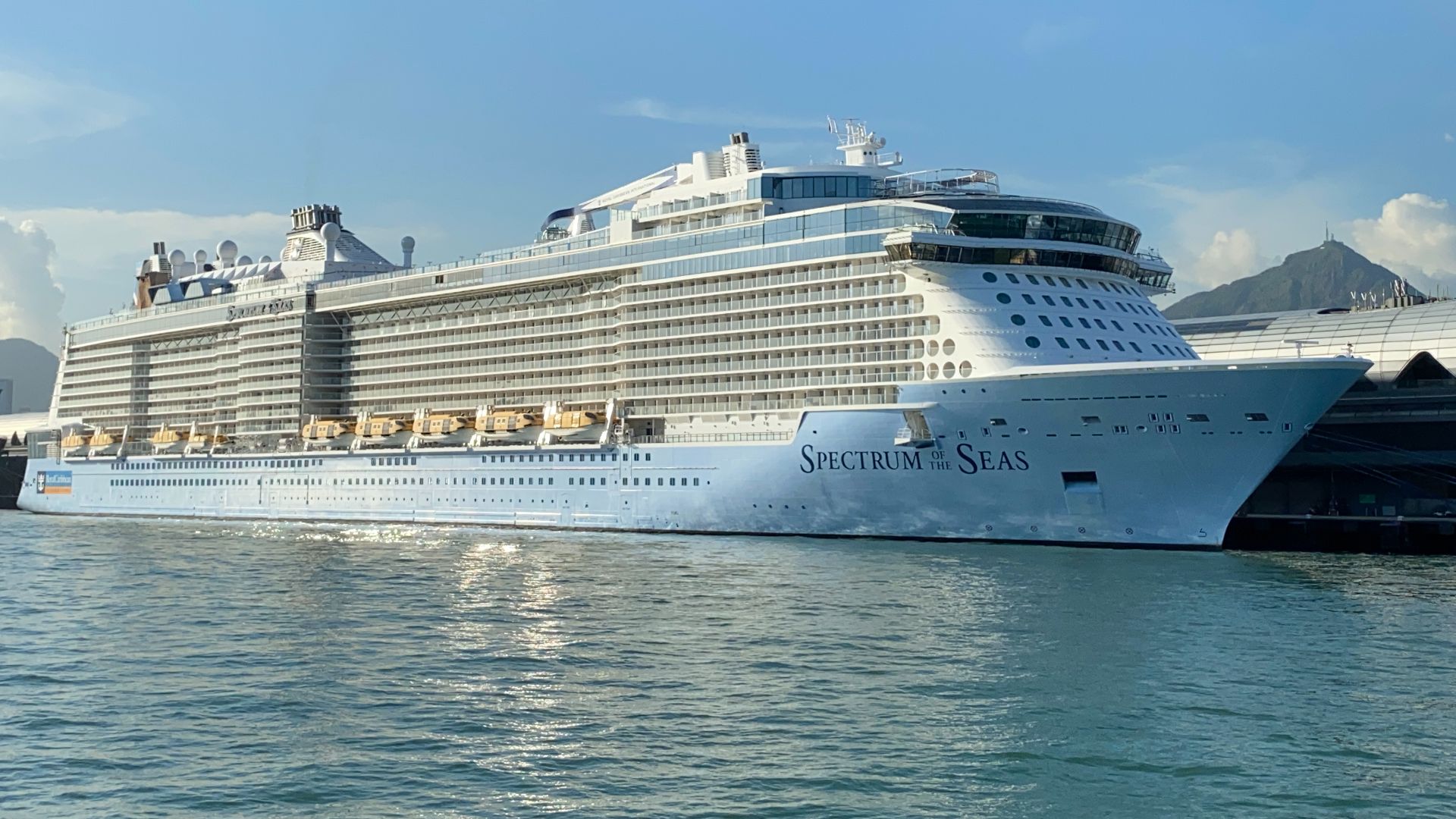
Royal Caribbean’s cruise ticket contract also makes clear that schedules and ports can change. Its terms say the carrier may substitute another vessel, change departure or arrival dates and times, and alter ports of embarkation or disembarkation when needed. In other words, this is not unusual language.
Norwegian Has Similar Terms
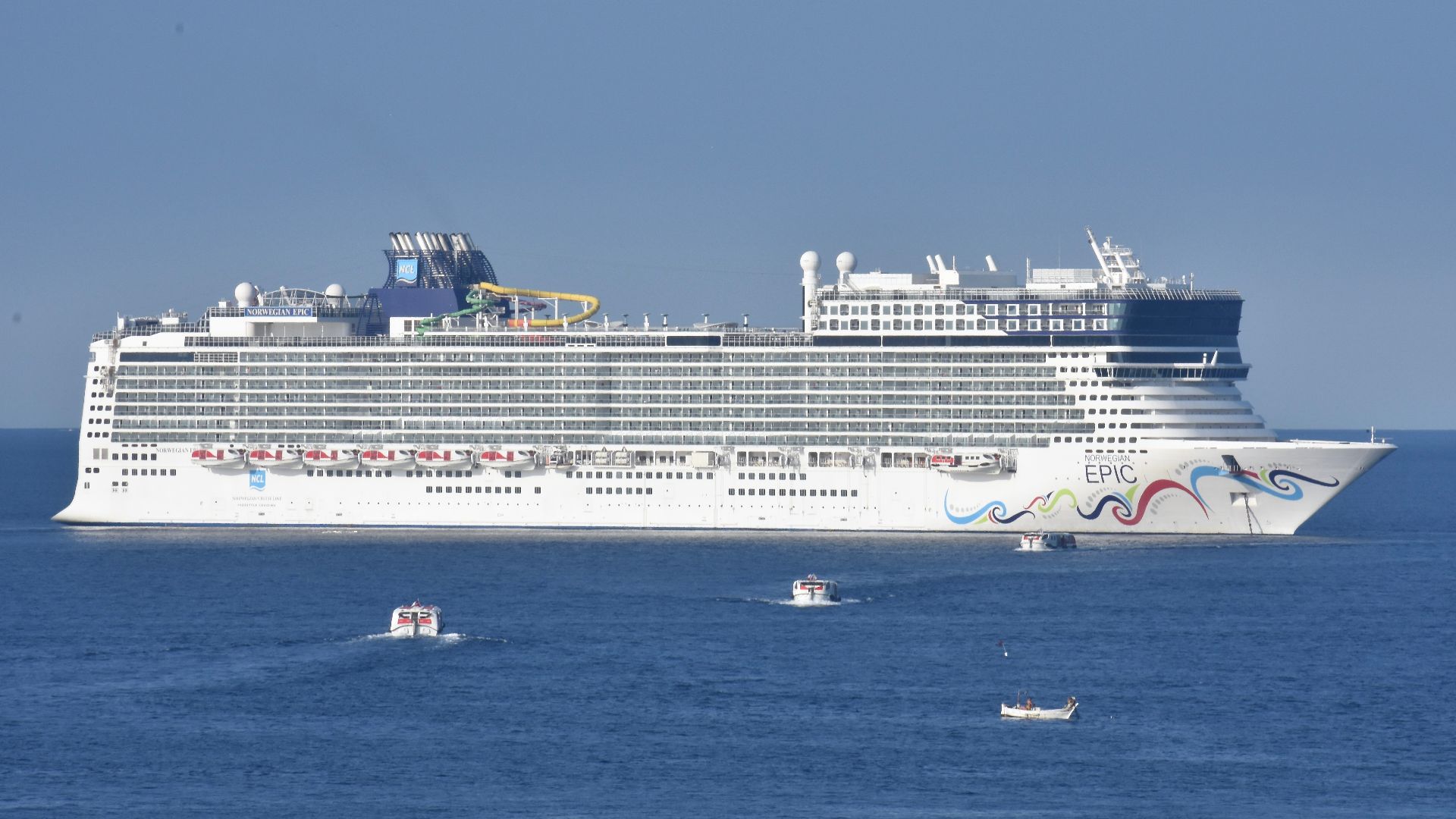
Norwegian Cruise Line’s passenger ticket contract includes similar protections for the company. It says the line may cancel, advance, postpone, or deviate from a sailing or itinerary and may substitute ports. That same pattern across major cruise lines is one reason these situations can be so hard for travelers to fight.
 Guillaume de Syon, Wikimedia Commons
Why A Port Change Can Happen So Late
Cruise lines usually do not move a departure port for no reason. Late changes can happen because of weather, port congestion, mechanical trouble, labor issues, government orders, or other ship operations problems. The closer it gets to sailing, the bigger the mess for passengers who already booked flights and hotels.
Weather Is One Of The Biggest Causes
Hurricanes and other serious weather can force cruise lines to rearrange sailings quickly. The U.S. Federal Maritime Commission notes that itineraries can change because of weather, mechanical issues, or government action, and that passenger contracts often allow those changes. So even a major disruption can still fall under the terms you agreed to when you booked.
 Pjotr Mahhonin, Wikimedia Commons
Port Congestion Can Cause Real-World Problems
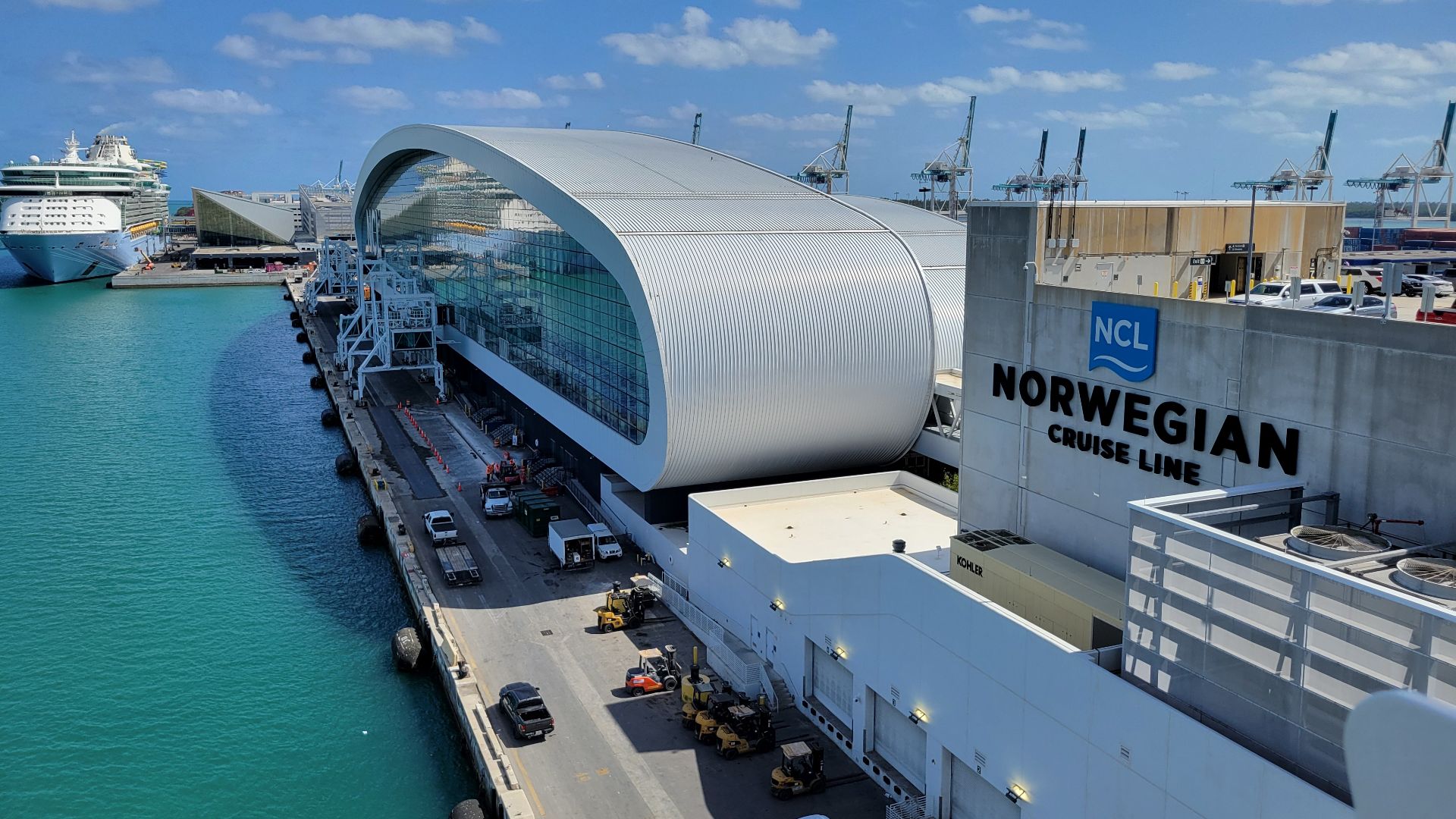
Port capacity issues are not just a hypothetical. During busy travel periods, ship schedules can be moved around to match terminal space and operating limits. If that happens close to embarkation day, passengers can end up rushing to rework flights, especially if the new port is in a different city or even a different state.
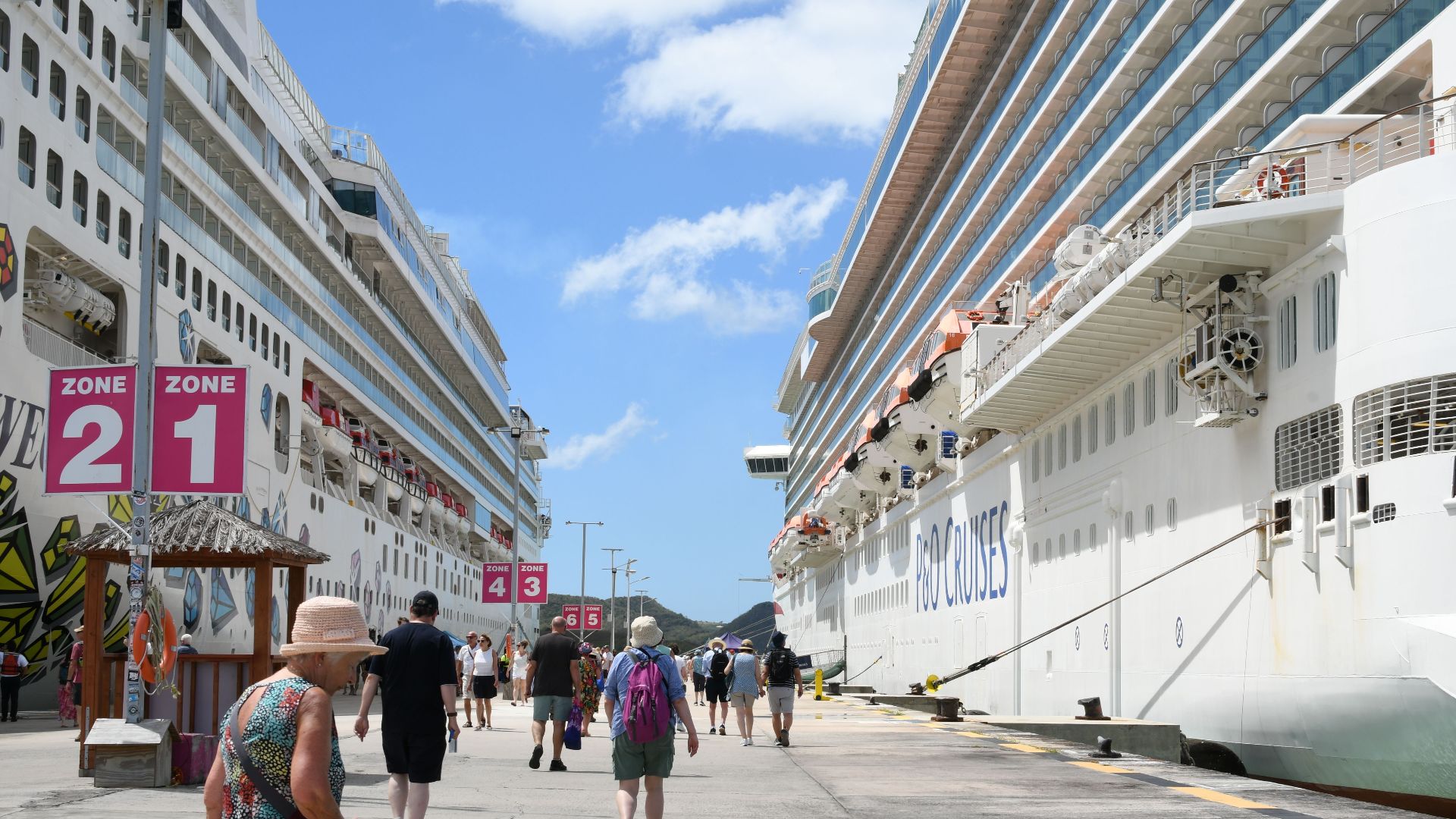
Mechanical Trouble Can Throw Off Everything
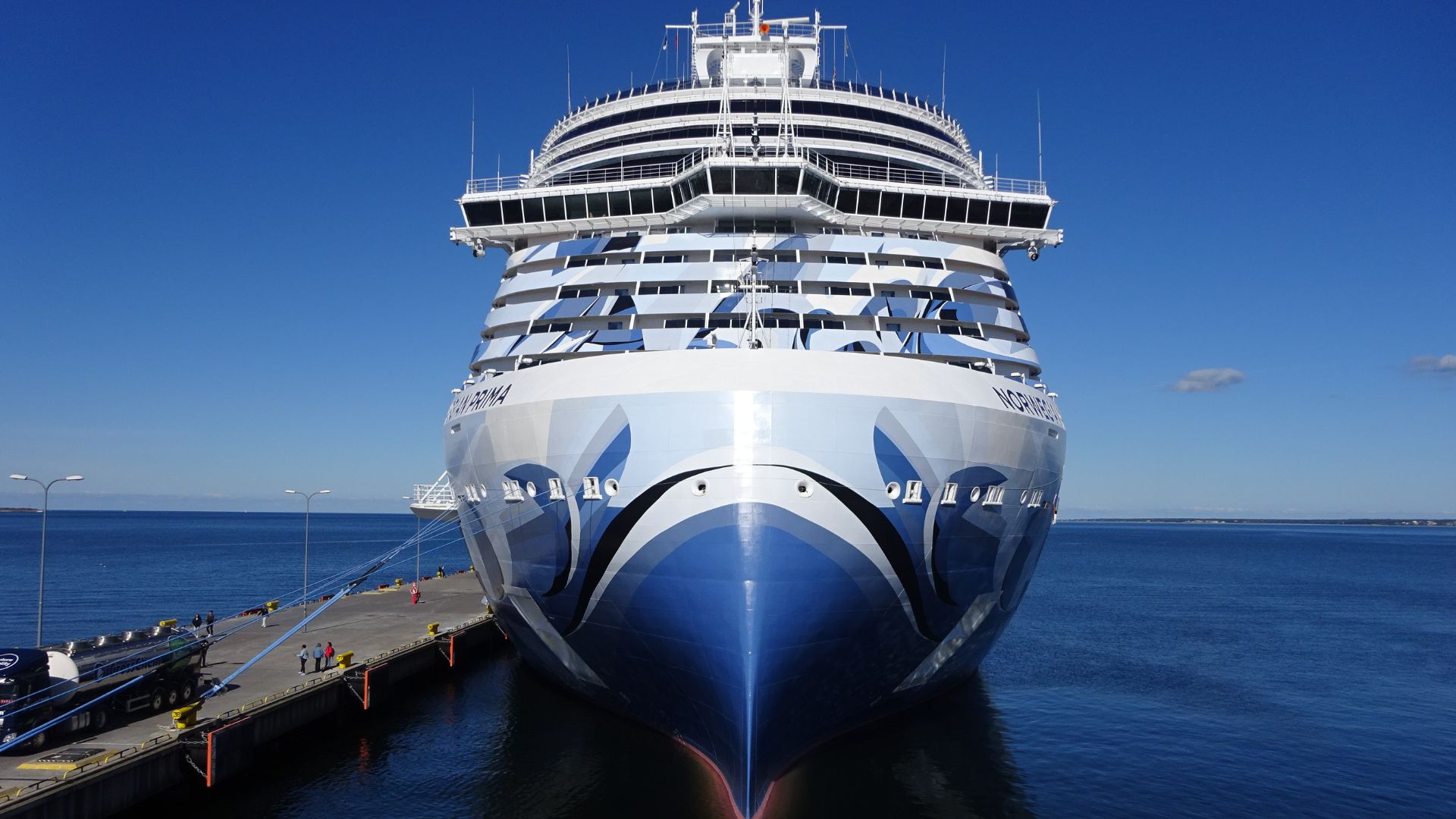
If a ship has a propulsion problem, a maintenance issue, or delayed dry dock work, the original schedule may stop making sense. In some cases, the cruise line may decide a different port works better than the one first advertised. For passengers, the effect is the same: a trip that looked straightforward suddenly gets a lot more expensive.
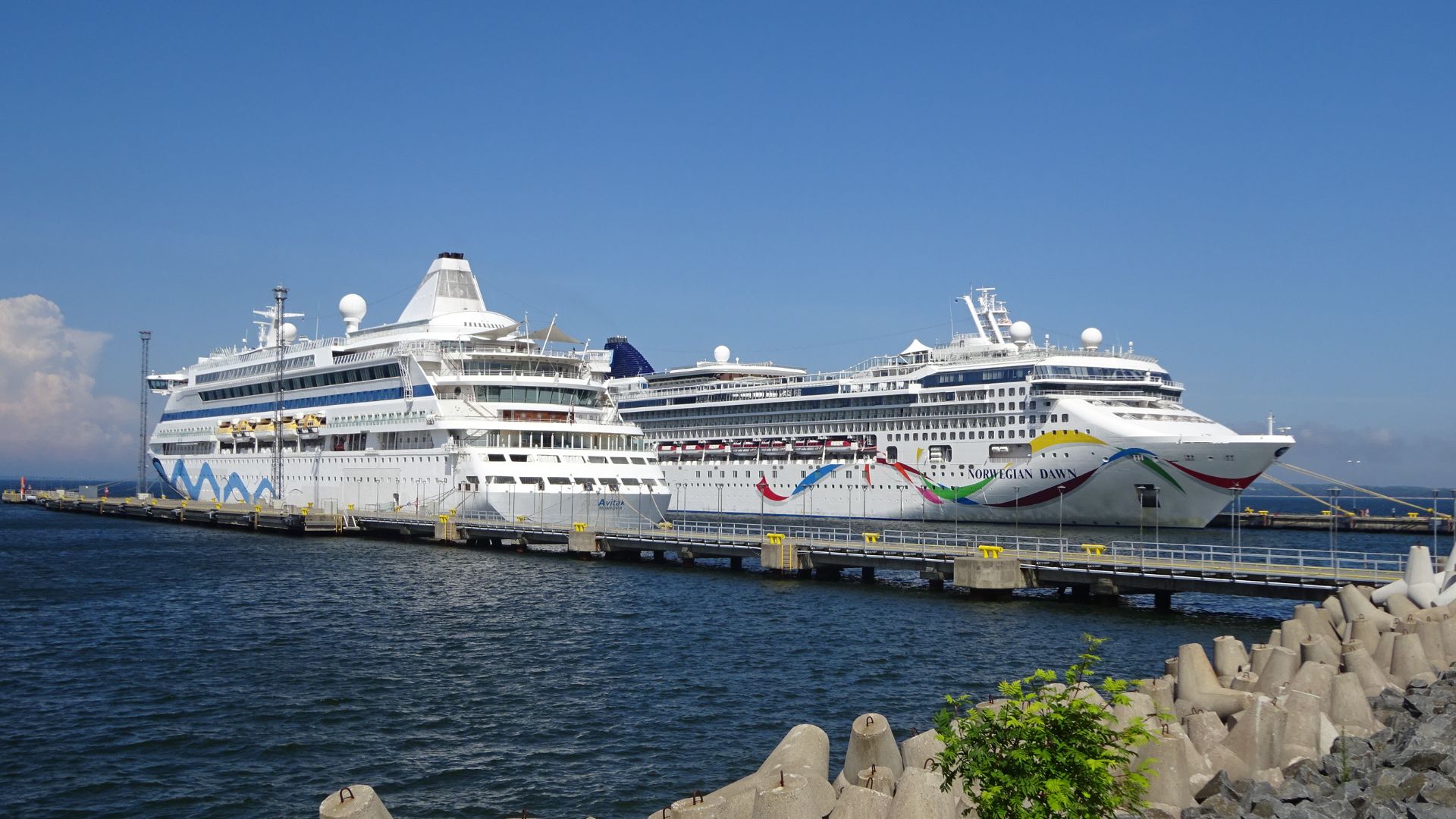 Pjotr Mahhonin, Wikimedia Commons
Government Orders Can Force Changes Too
Health restrictions, customs rules, local port orders, and security concerns can all lead to last-minute changes. That was especially obvious during the pandemic, when embarkation procedures and approved ports shifted fast. Even outside emergencies, cruise lines usually keep the right to follow government instructions without covering every extra passenger expense that follows.
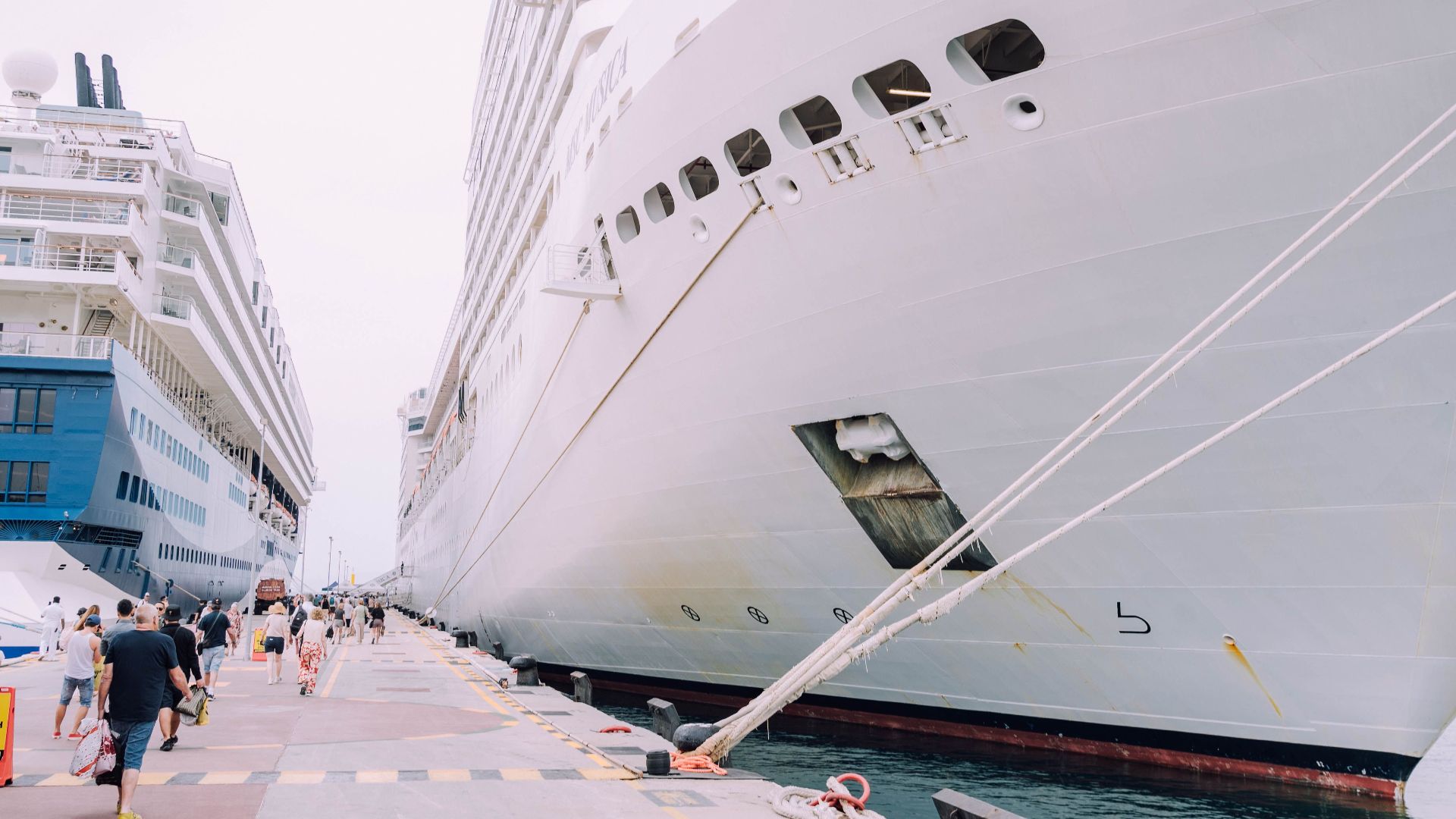
Do You Have To Pay For The Extra Flight
Often, yes. If you booked your own airfare and the cruise line changes the embarkation plan, the contract may not require the company to pay you back for new transportation costs. That is one of the biggest risks of arranging your own travel around a cruise.

There Is One Important Exception
If you bought airfare through the cruise line, your position may be better. Some cruise air programs help with rebooking or schedule coordination when the line changes the sailing plan. The exact help depends on the cruise brand and fare rules, but cruise-booked flights are often easier to deal with than a plane ticket you booked on your own.

Travel Insurance Can Matter A Lot
This is where travel insurance can really earn its keep. Depending on the wording, a policy may help cover extra transportation, hotel costs, or trip interruption losses tied to a covered reason. The key point is that coverage depends on the policy language, not just on the fact that your cruise changed.

But Do Not Assume Every Policy Covers It
Not every travel insurance plan covers every cruise disruption. Some policies exclude supplier schedule changes unless the change happened because of a listed covered event. Before you count on reimbursement, read the exact terms or call the insurer and ask how a departure-port change is handled under your plan.

The Federal Maritime Commission Gives Helpful Background
The Federal Maritime Commission says cruise lines must make their passenger contract terms available on their websites. The agency also warns consumers that those contracts often limit the line’s liability for itinerary changes and related costs. It may not be the answer stranded travelers want, but it is the reality.

The Department Of Transportation May Matter For Your Flights
If the port change means canceling or rebooking flights, airline rules matter too. The U.S. Department of Transportation explains that passengers may be entitled to a refund if an airline cancels a flight or makes a significant schedule change and the traveler decides not to accept the alternative. That right depends on the airline situation, not on the cruise contract.
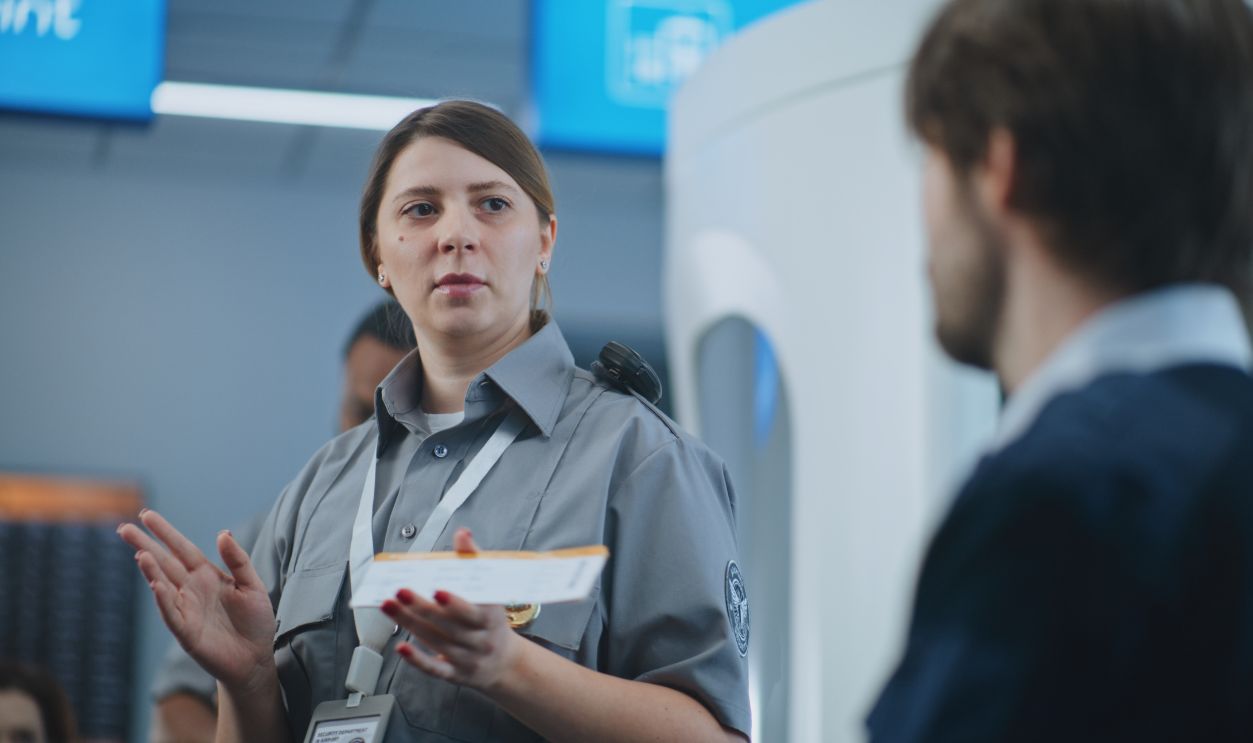 Frame Stock Footage, Shutterstock
Your First Step Should Be Calling The Cruise Line
As soon as you get notice of a port change, contact the cruise line and ask exactly what help is being offered. Ask about rebooking options, cancellation rights, credits, hotel help, and whether any waivers are available. Even when the contract favors the company, agents sometimes have room to offer practical help.

Get Everything In Writing
Make sure you get the updated embarkation details, timing, and any promises of help by email or chat transcript. Written records matter if you later file an insurance claim, dispute a charge, or try to escalate the issue. A phone call may solve the problem faster, but documentation protects you.

See If You Can Cancel Without Taking A Big Hit
Some cruise lines may offer a refund, future cruise credit, or penalty-free change if the embarkation-port switch is major enough. That is not guaranteed, and it varies by cruise line, fare type, and timing. Still, it is worth asking directly because the answer may be better than the strictest contract language suggests.

Check Airline Change Rules Right Away
If you booked your own flights, do not wait around. Look at whether your ticket can be changed, canceled for credit, or refunded because of a carrier schedule change. If the airline made a major change of its own, that may create a refund option that helps pay for the new travel you now need.

Hotels And Car Rentals May Be Easier To Fix
Flights are usually the biggest headache, but your other reservations matter too. Many hotel bookings and rental car reservations come with cancellation windows or same-day change options that can save you money if you move fast. Pull up every booking tied to the old departure port and deal with them one by one.

Credit Card Protections Are Worth A Look
Some travel credit cards include trip delay, interruption, or cancellation protections, but the benefits vary a lot. Check the guide to benefits for the card you used to pay. If coverage is available, ask what paperwork you need so you do not miss any deadlines.

If You Think The Cruise Line Was Misleading, File A Complaint
If you believe the cruise line did not communicate clearly or failed to follow its own policies, you can file complaints with the company and consumer protection channels. The Federal Maritime Commission handles certain cruise-related consumer issues, and state attorneys general may also take complaints. A complaint will not guarantee reimbursement, but it can create a record and sometimes add pressure.

Some Travelers Look At Small Claims Court
Some passengers consider small claims court when they think they were treated unfairly. Whether that goes anywhere depends on the contract terms, arbitration clauses, and the facts of the case. It is not an easy path, but for large out-of-pocket costs, some travelers decide it is worth looking into.

The Best Protection Starts Before You Book
If you want to lower the odds of a last-minute scramble, build some cushion into your plans. Arrive a day early, book flexible airfare when you can, and compare the pros and cons of buying flights through the cruise line versus on your own. None of that stops a port change, but it can make the financial blow easier to handle.

The Cheapest Option Can End Up Costing More
Basic economy flights, nonrefundable hotels, and tight same-day connections can look like a bargain until cruise plans change. More flexible travel arrangements usually cost more up front, but they give you room to adapt when something shifts. In cruise travel, flexibility is often what saves the trip.

The Bottom Line
If your cruise line changes departure ports two weeks before sailing and now you need an extra flight, the company usually can do that under the terms of its contract. Whether you can recover the extra cost depends on the contract, any help the cruise line offers, your airline rules, your insurance, and your credit card protections. It is a tough situation, but the smartest move is to act quickly, document everything, and chase every possible refund or coverage option at the same time.