Too Much Fun
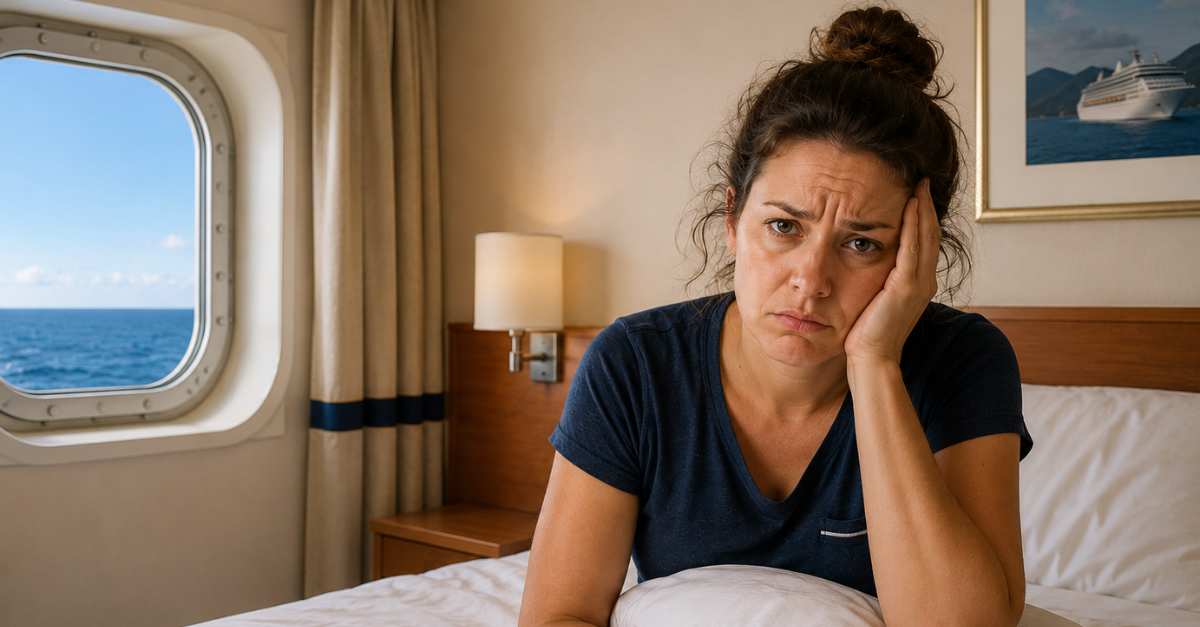
You can ask for a refund, but a full refund is not automatic because a cabin was unbearably noisy. Cruise disputes over cabin conditions are usually handled through the cruise line’s ticket contract and customer-service process.
A Bad Cabin Is Different From A Canceled Cruise
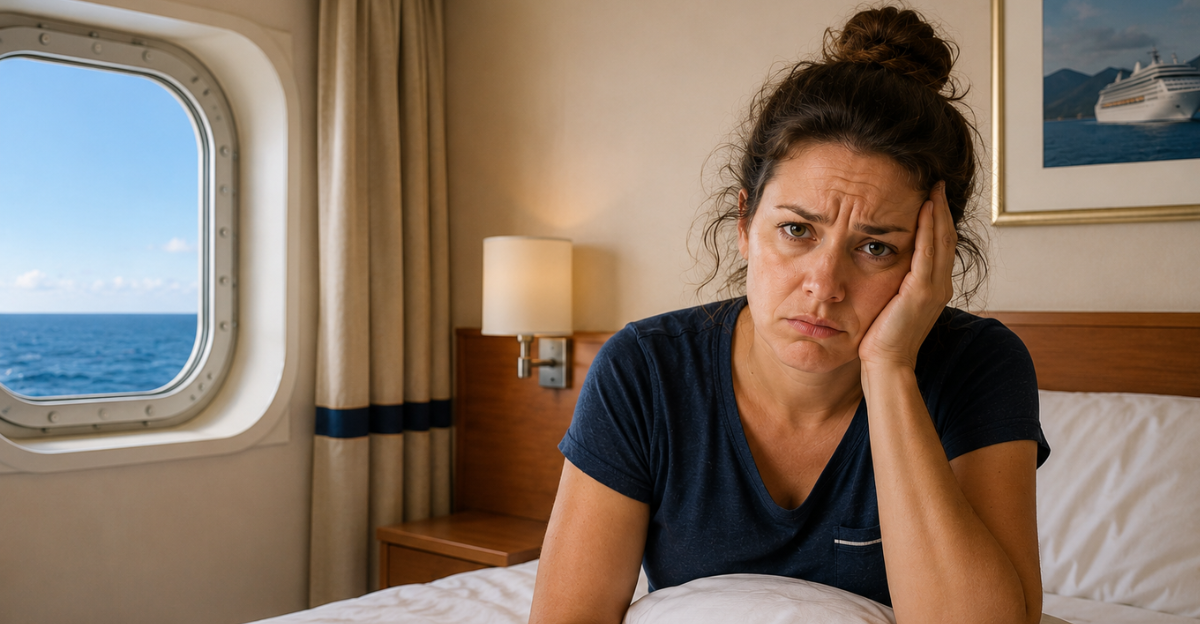
Federal Maritime Commission refund protections focus on “nonperformance,” including canceled voyages and certain delays of at least three calendar days. A cruise that sailed as scheduled but included a noisy cabin generally falls outside that specific framework.
The Passenger Bill Of Rights Is Narrow Too
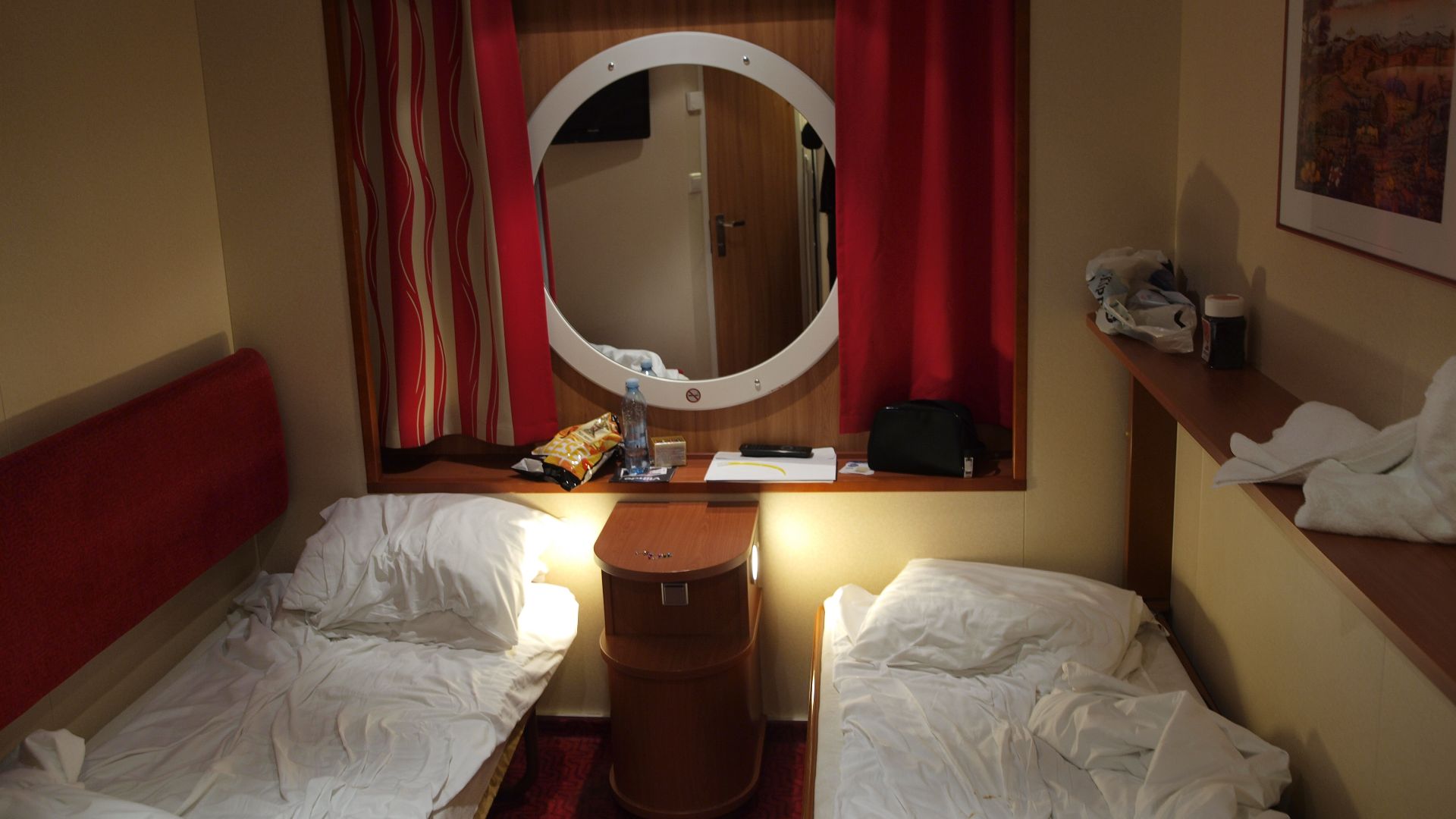
The cruise industry’s Passenger Bill of Rights provides refunds for trips canceled or terminated early because of mechanical failures. It does not establish a specific refund right for nightclub noise or other ordinary cabin complaints.

Cabin Complaints Still Matter
The FMC specifically lists “cabin concerns” among cruise customer-service issues. It also says no federal agency broadly regulates those disputes, making the cruise line’s contract, complaint procedure, and response especially important.

Your Ticket Contract Is The Starting Point
Cruise tickets are contracts. Major lines use them to set claim deadlines, governing law, arbitration requirements, venue rules, and other limitations, so find the version that applied to your sailing before making a formal demand.

Report The Noise While You Are Still Onboard
USAGov tells passengers with an onboard complaint to contact guest services. Reporting the noise immediately gives the crew a chance to verify and address it while creating evidence that the problem was raised during the voyage.

Ask For A Different Cabin
If the nightclub is making sleep impossible, ask to move. Another cabin may not be available, but the request shows that you sought a practical solution instead of waiting until after disembarkation to raise the problem.

Get A Case Number
Ask guest services for a complaint or incident number and note who handled it. The FMC asks consumers seeking dispute-resolution assistance to provide correspondence and supporting documentation, so a clear paper trail can strengthen your file.

Record What You Can Hear
Short audio or video clips from inside your cabin can demonstrate bass, music, shouting, or vibration better than a general statement that the room was loud. Preserve timestamps and keep the original files.

Keep A Night-By-Night Log
Write down when the noise started and stopped, each call or visit to guest services, and the response. A detailed chronology helps show whether the problem was recurring and whether the cruise line tried to fix it.

Save The Deck Plan
Cruise experts advise light sleepers to avoid cabins above or below nightclubs, theaters, pool decks, and other active spaces. Save the ship’s deck plan showing exactly where your stateroom was located relative to the venue.
 Captain-tucker, Wikimedia Commons
Save The Cabin Description Too
Keep screenshots of the cabin listing, booking confirmation, fare category, and communications with the cruise line or travel adviser. Those records can show exactly what was represented when you paid for the room.

“Nobody Warned Me” Is Not Automatically Enough
A nightclub directly above your room may feel like something the line should have highlighted, but there is no universal federal rule requiring a refund simply because a special noise warning was not provided.
 Juan Pablo Serrano Arenas, Pexels
A Guarantee Cabin Can Complicate Things
A guarantee fare generally leaves the specific stateroom assignment to the cruise line within the booked category. If that is how you booked, review the fare terms carefully before claiming you were promised a particular cabin location.

A Full Refund Is The Hardest Ask
You completed the cruise and received transportation, lodging, meals, and other services, so recovering every dollar may be difficult. Your case is stronger when the disturbance was severe, repeated, documented, and repeatedly reported without an effective remedy.

A Partial Refund May Fit The Problem Better
If the cabin was unusable for restful sleep, consider requesting compensation tied to the affected accommodation instead of the entire vacation price. State the amount you want and explain how you calculated it.

Future Cruise Credit Is Another Possible Outcome
A cruise line may offer future cruise credit or another goodwill remedy rather than cash. Whether to accept depends on the terms, expiration date, restrictions, and whether you actually want to sail with that company again.

Put The Post-Cruise Complaint In Writing
Send a concise written complaint listing the ship, sailing date, cabin number, nightly noise, onboard reports, requested remedy, and supporting records. Keep proof of submission instead of relying only on phone conversations.

Move Quickly Because Deadlines Can Be Short
Ticket contracts can impose surprisingly short notice periods. The deadline depends on the cruise line and claim type, so waiting months can hurt your position even if customer service says the matter remains under review.

Carnival Uses A 30-Day Notice Period
Carnival’s current ticket contract says non-injury claims require written particulars within 30 days after the passenger leaves the vessel. It also sets a six-month period for starting proceedings on those claims.

Princess Can Be Even Faster
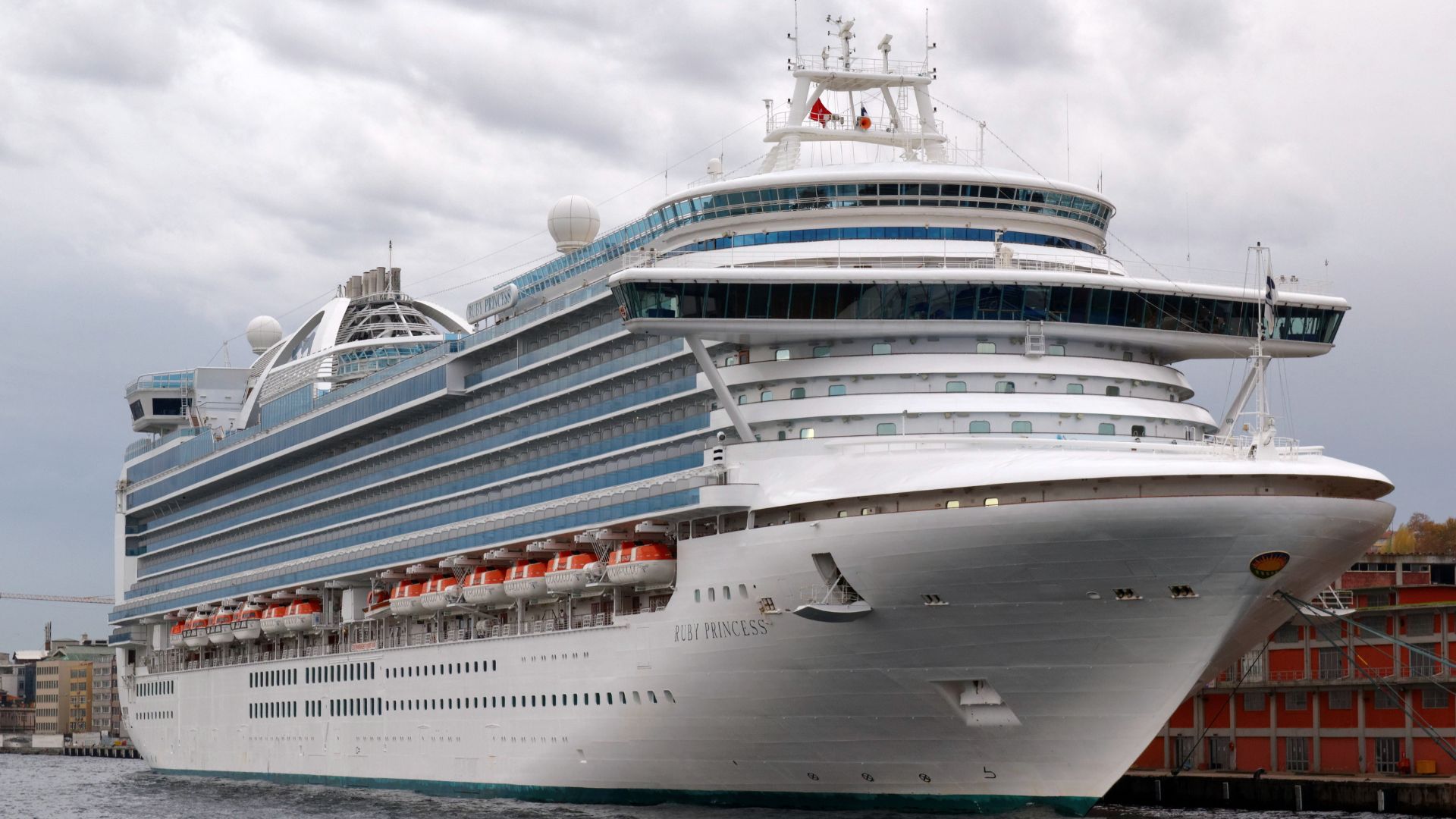
Princess’s current passage contract says most non-injury claims require written notice within 15 days of the cruise’s actual or scheduled termination date, whichever comes first. That makes prompt action especially important.
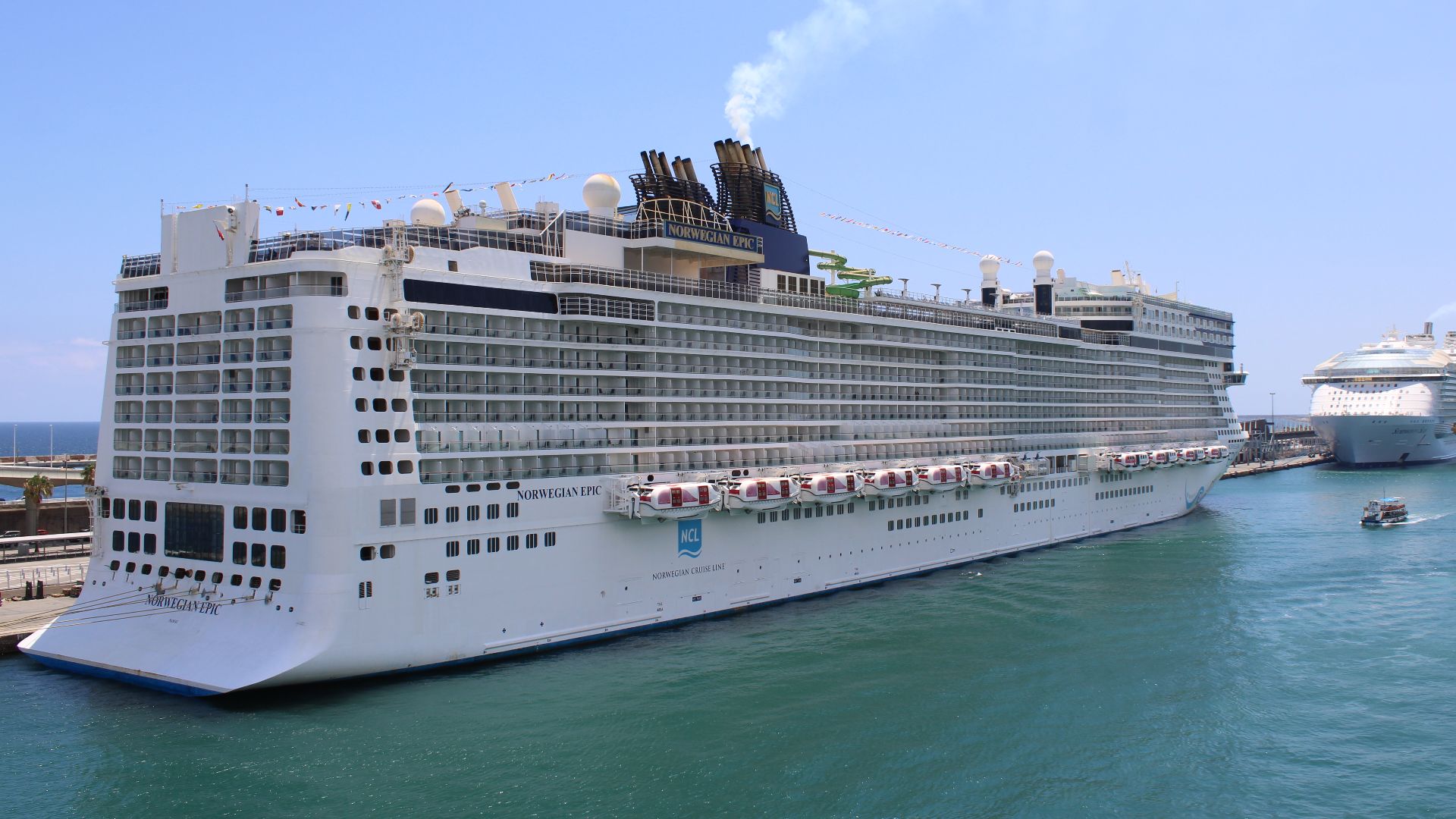
Norwegian Also Sets A 30-Day Clock
Norwegian’s February 2026 U.S. contract requires written notice of non-injury claims within 30 days after the cruise ends and says action must begin within six months. Most such disputes are routed to arbitration.
 Anthony Levrot, Wikimedia Commons
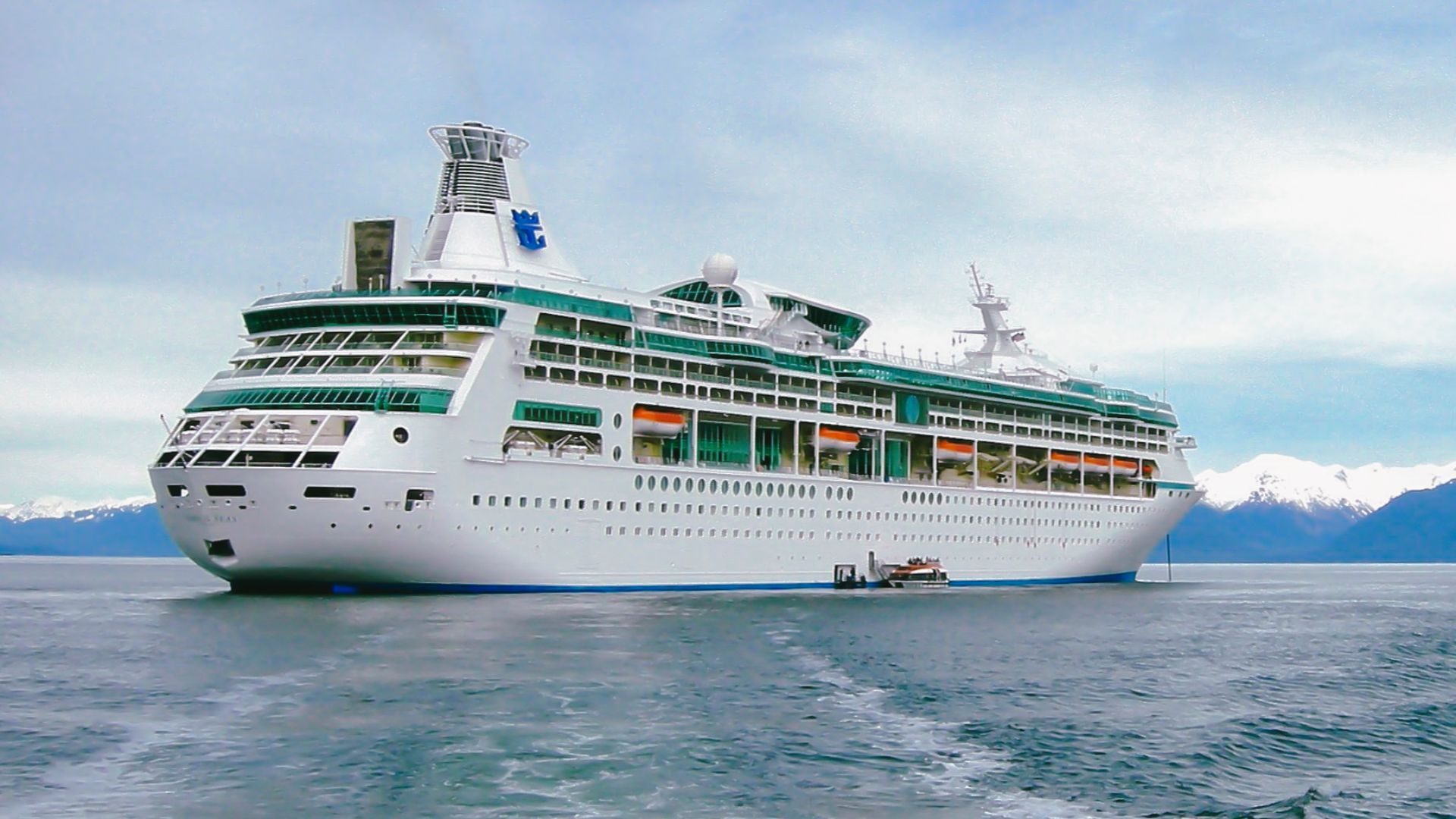
Royal Caribbean Has Its Own Process
Royal Caribbean’s U.S. contract sends many disputes to arbitration and requires a written Notice of Dispute before arbitration begins. It also sets time limits and forum rules, so the contract procedure matters.
 Matthew T Rader, Wikimedia Commons
The FMC Can Help With An Unresolved Complaint
For eligible U.S.-embarking cruises bought directly from the line, the FMC’s Consumer Affairs and Dispute Resolution Services may assist. It asks for the complaint, booking confirmation, ticket contract, insurance policy, and correspondence.
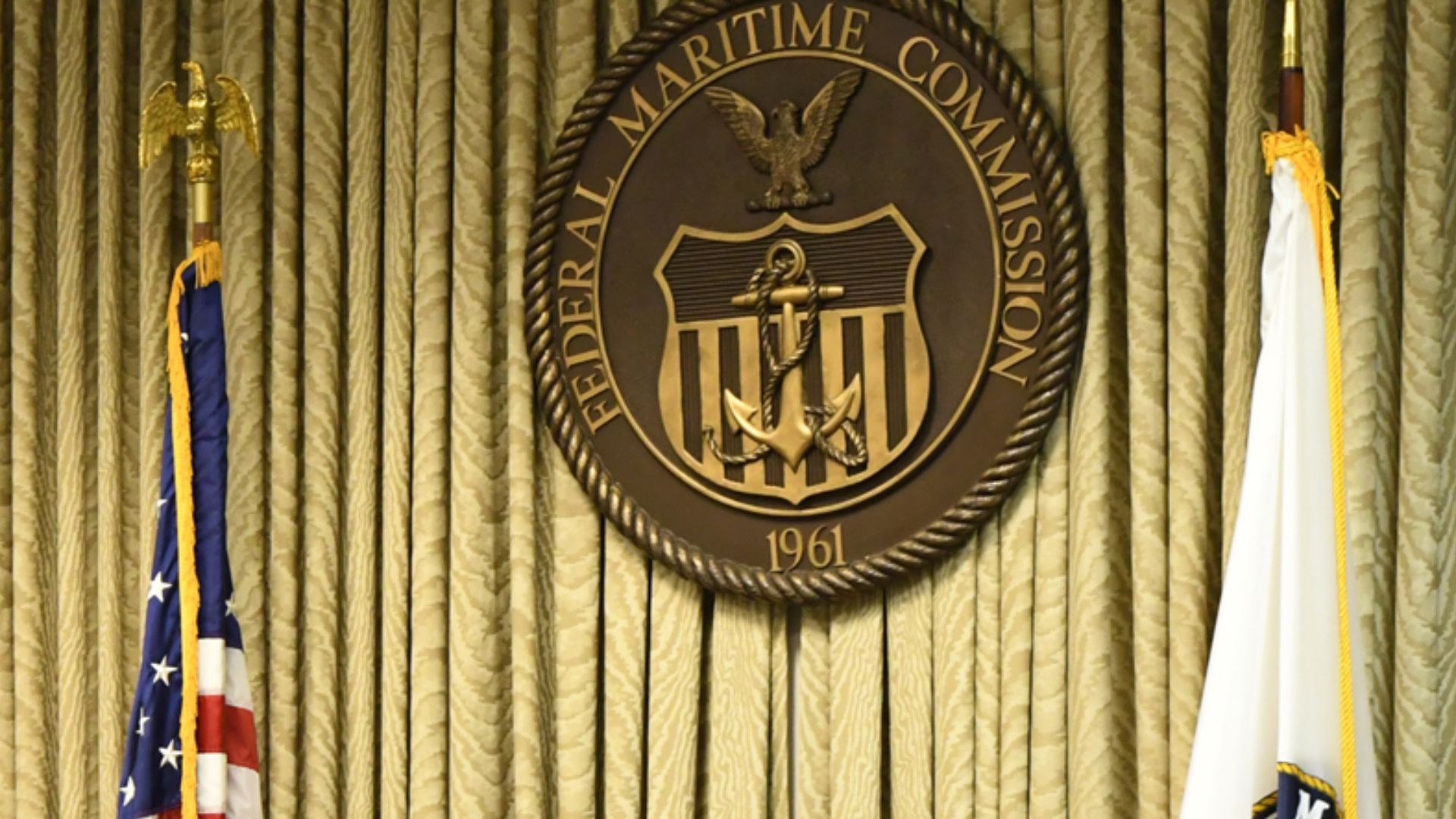 Photo Credit: U.S. Federal Maritime Commission, Wikimedia Commons
But The FMC Cannot Order A Refund
The FMC says its cruise complaint process is voluntary and it cannot compel a cruise line to take a particular action. It may help facilitate a resolution, but it does not simply order compensation for cabin noise.

Be Careful With A Credit-Card Chargeback
A chargeback is not an automatic solution. CFPB guidance distinguishes services not delivered as agreed from quality disputes involving services a consumer accepted, which can make a noisy-cabin dispute more complicated than a canceled cruise.

Travel Insurance May Not Cover This
Trip-cancellation and trip-interruption benefits generally depend on a listed covered reason. Insurers advise travelers to read their policy’s covered reasons and exclusions, so do not assume ordinary cabin noise qualifies.
Ask For A Specific Resolution
Your best next step is a prompt written claim seeking a defined remedy, backed by the deck plan, recordings, complaint numbers, and log. A full refund is not guaranteed, but partial reimbursement is reasonable to request.

You May Also Like: