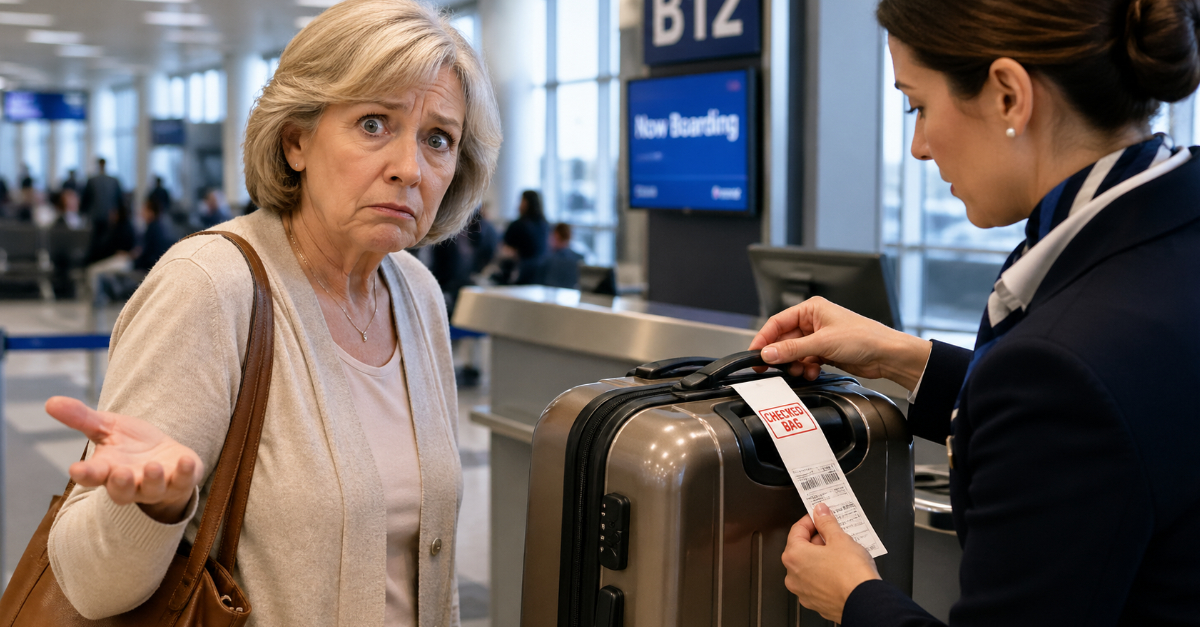
How Did A Carry-On Turn Into A Checked Bag With A Fee?
Your bag met the carry-on rules, so you assumed it would go in the overhead bin. But then you get to the gate and are told it needs to fit under the seat. Not only that, but if it doesn’t fit, you’re going to have to pay to check it. So when did that become part of the rule?
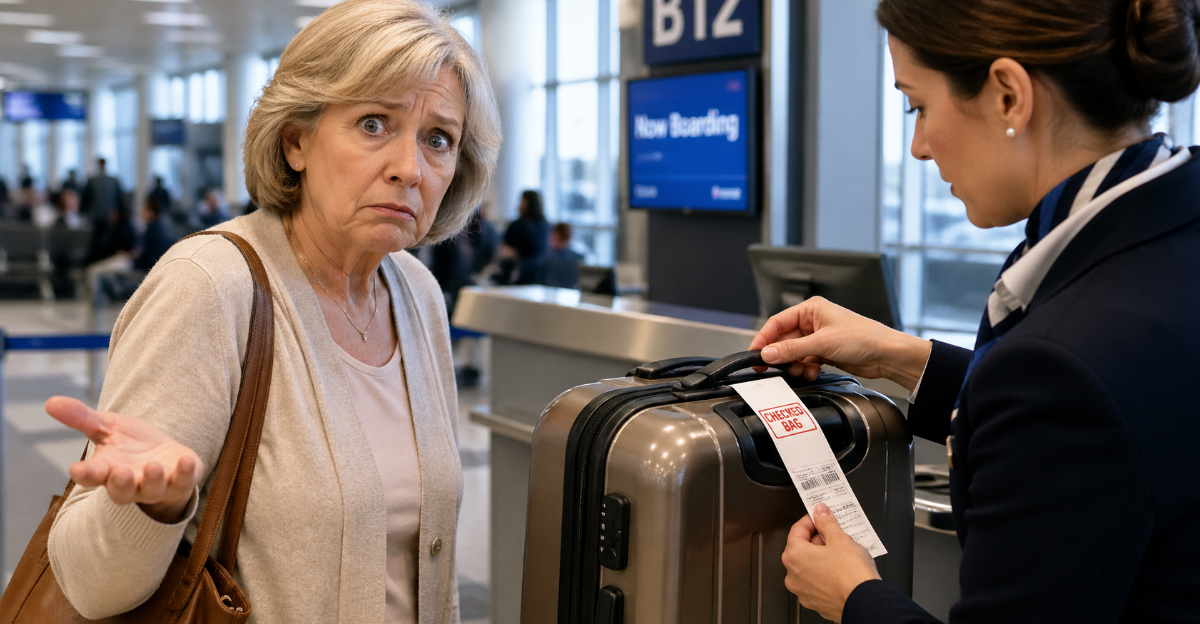
Carry-On vs Personal Item—This Is Where Confusion Starts
Most airlines allow one carry-on (usually around 22x14x9 inches) plus one personal item. Carry-ons go overhead, while personal items must fit under the seat (often under 18 x 14 x 8 inches). If your bag was treated as a personal item instead, that alone can trigger both a forced check and a fee.
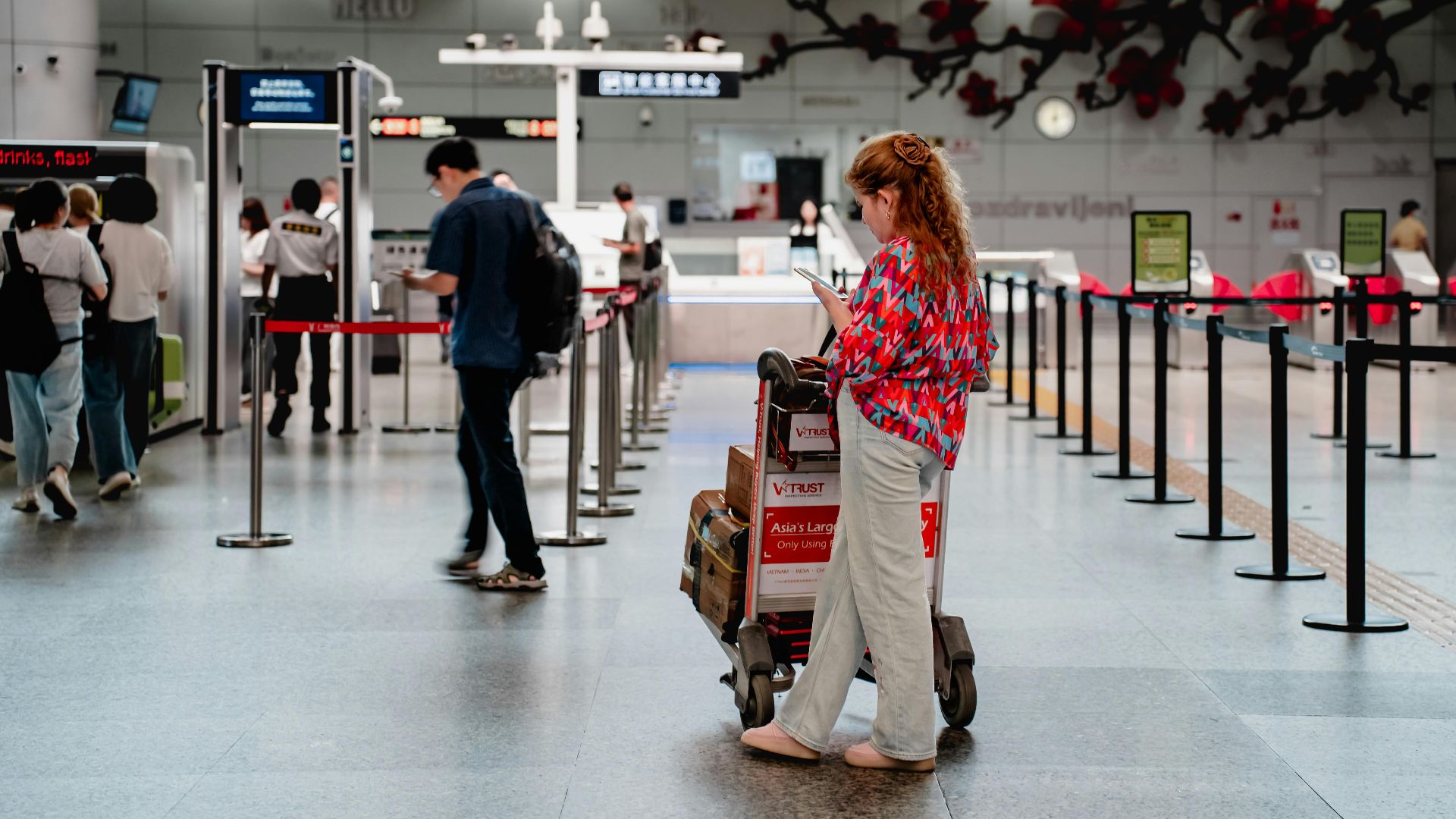
Size Limits Include Wheels, Handles, And Bulging
Airlines measure total dimensions, including wheels, handles, and exterior pockets. A soft bag that technically fits when empty can exceed limits once packed. Even being 1–2 inches over can be enough for a gate agent to deny it.
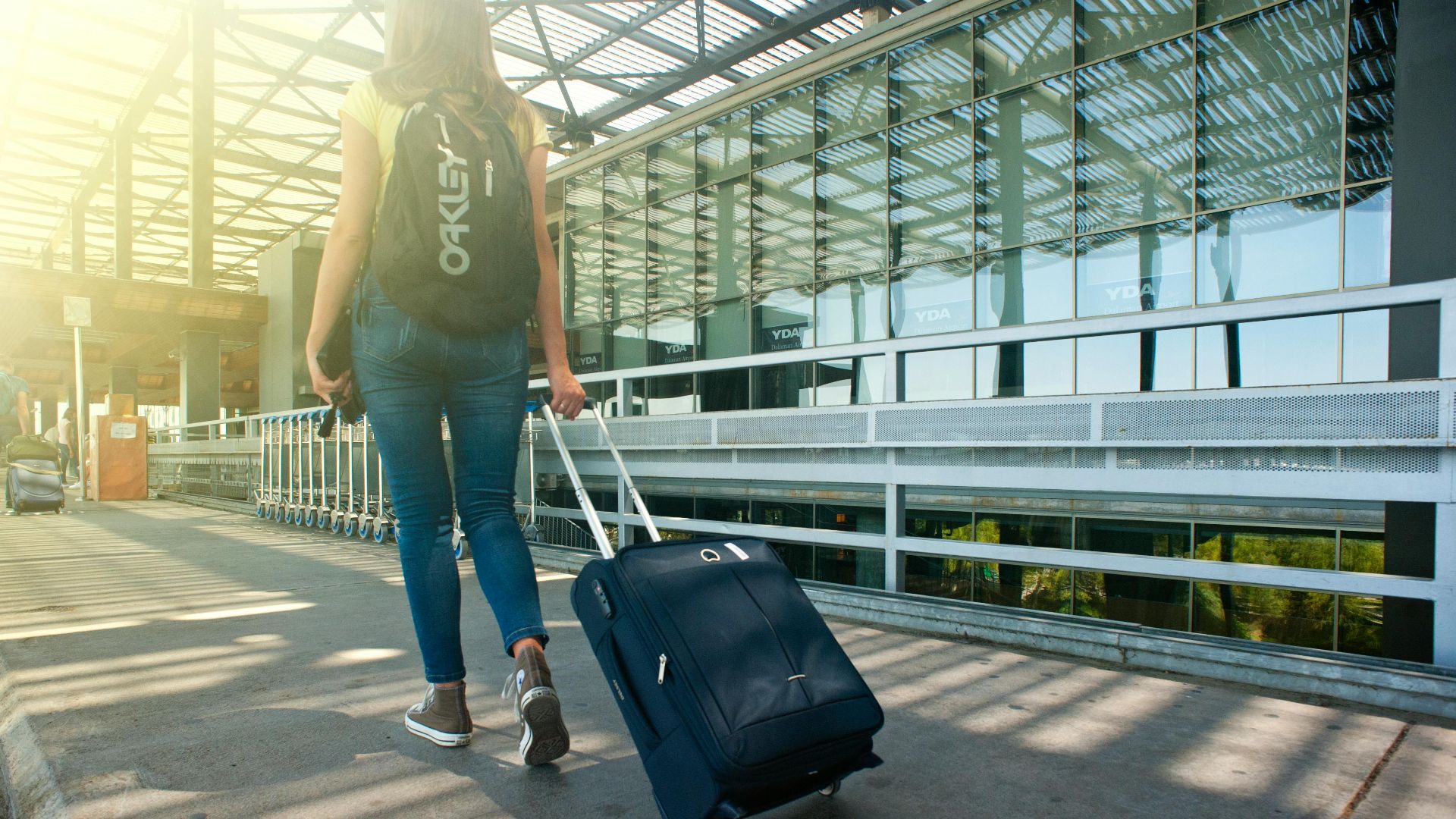
Weight Limits Are Enforced More Than You Think
While most U.S. airlines don’t routinely weigh carry-ons, many international carriers enforce limits between 7–10 kg (15–22 pounds). If your bag looks heavy or overstuffed, it can be flagged visually and may be subject to further checks or reclassification.
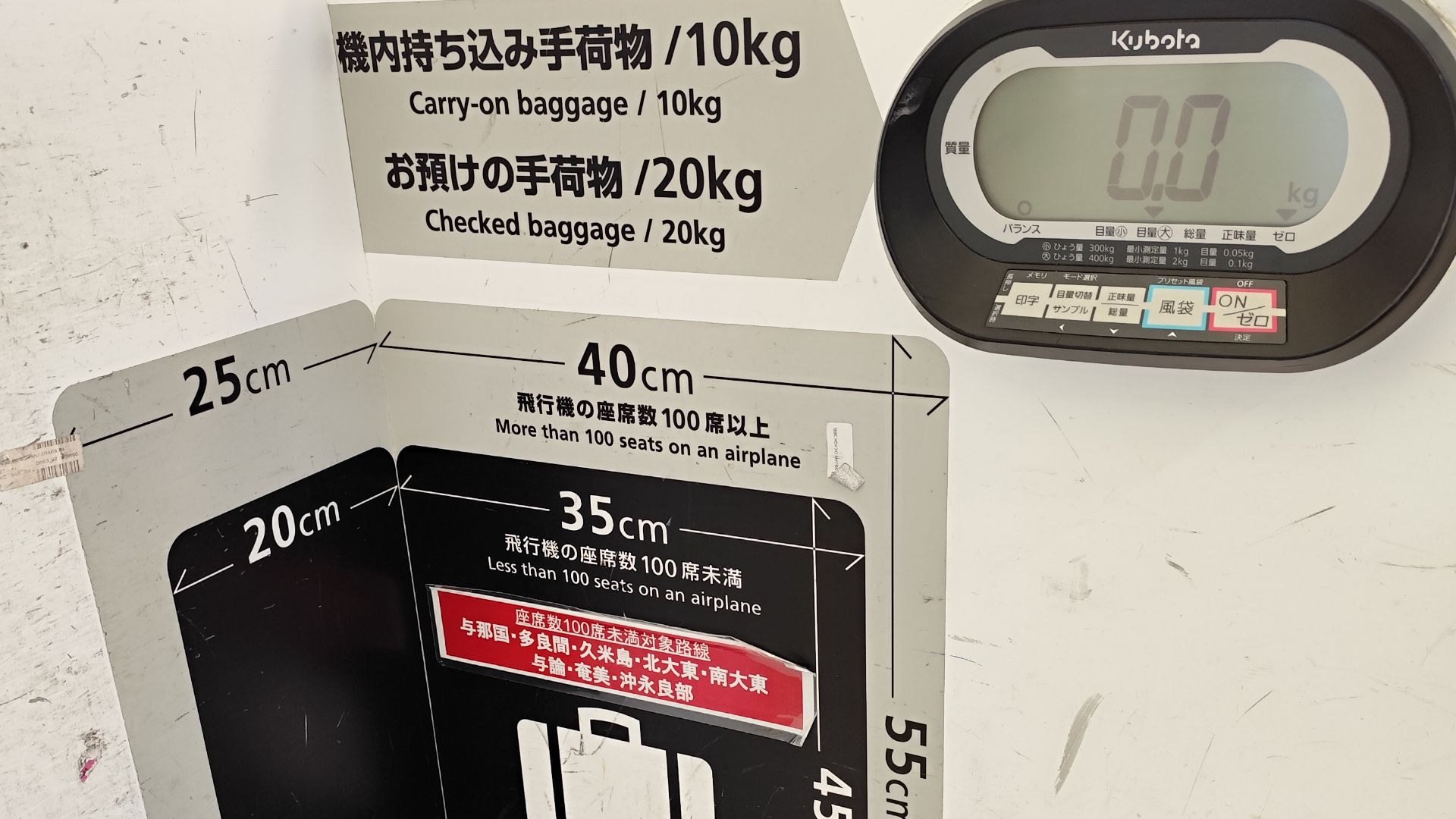 NORTLAUKAU 26088 JP, Wikimedia Commons
Overhead Bin Space Isn’t Built For Every Passenger
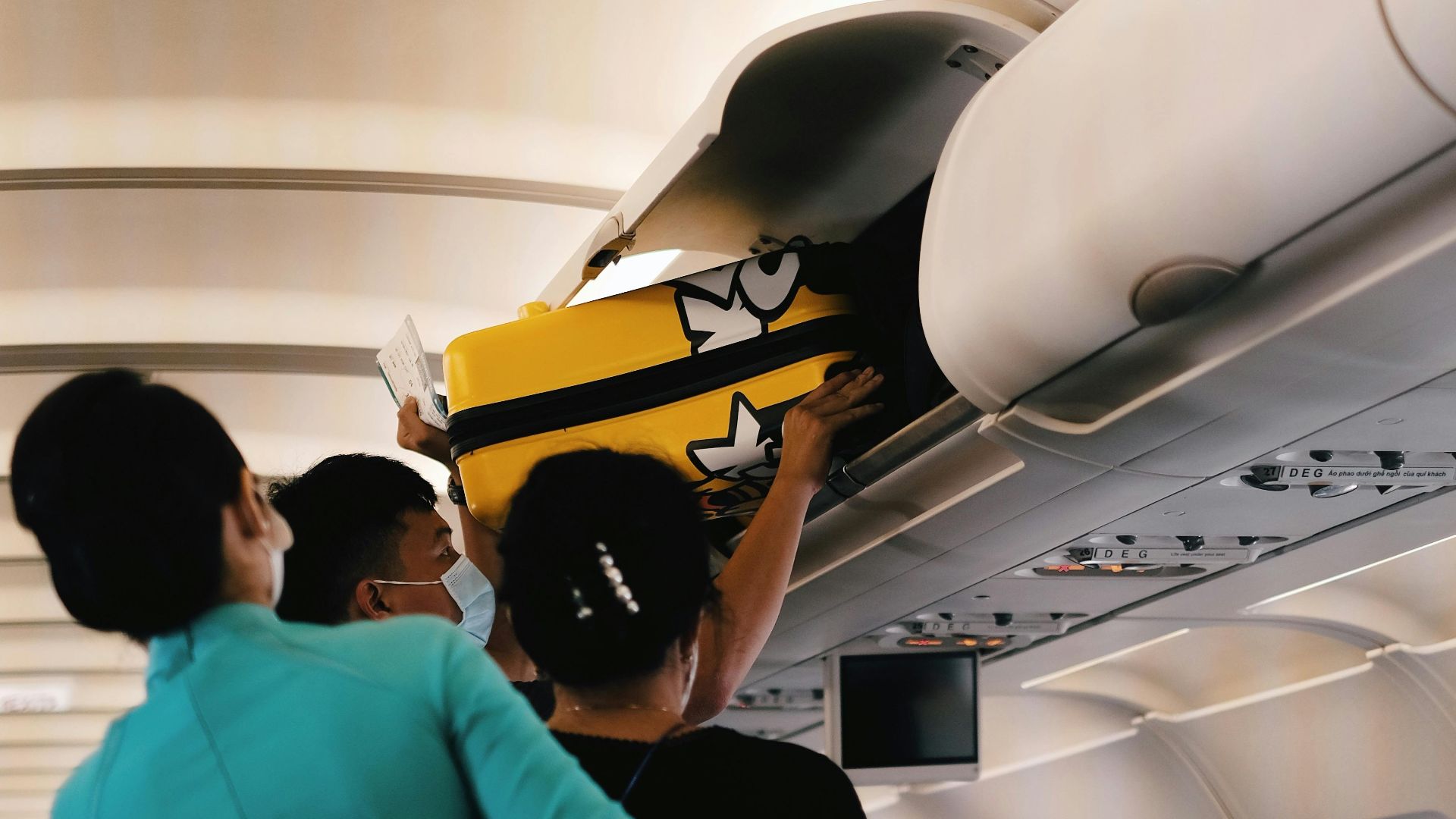
Even on newer aircraft, overhead bin capacity isn’t designed for every passenger to bring a full-size carry-on. Airlines rely on some travelers checking bags, which is why bins fill quickly on flights operating at load factors above 80–90%.
Boarding Group Strongly Affects Your Chances
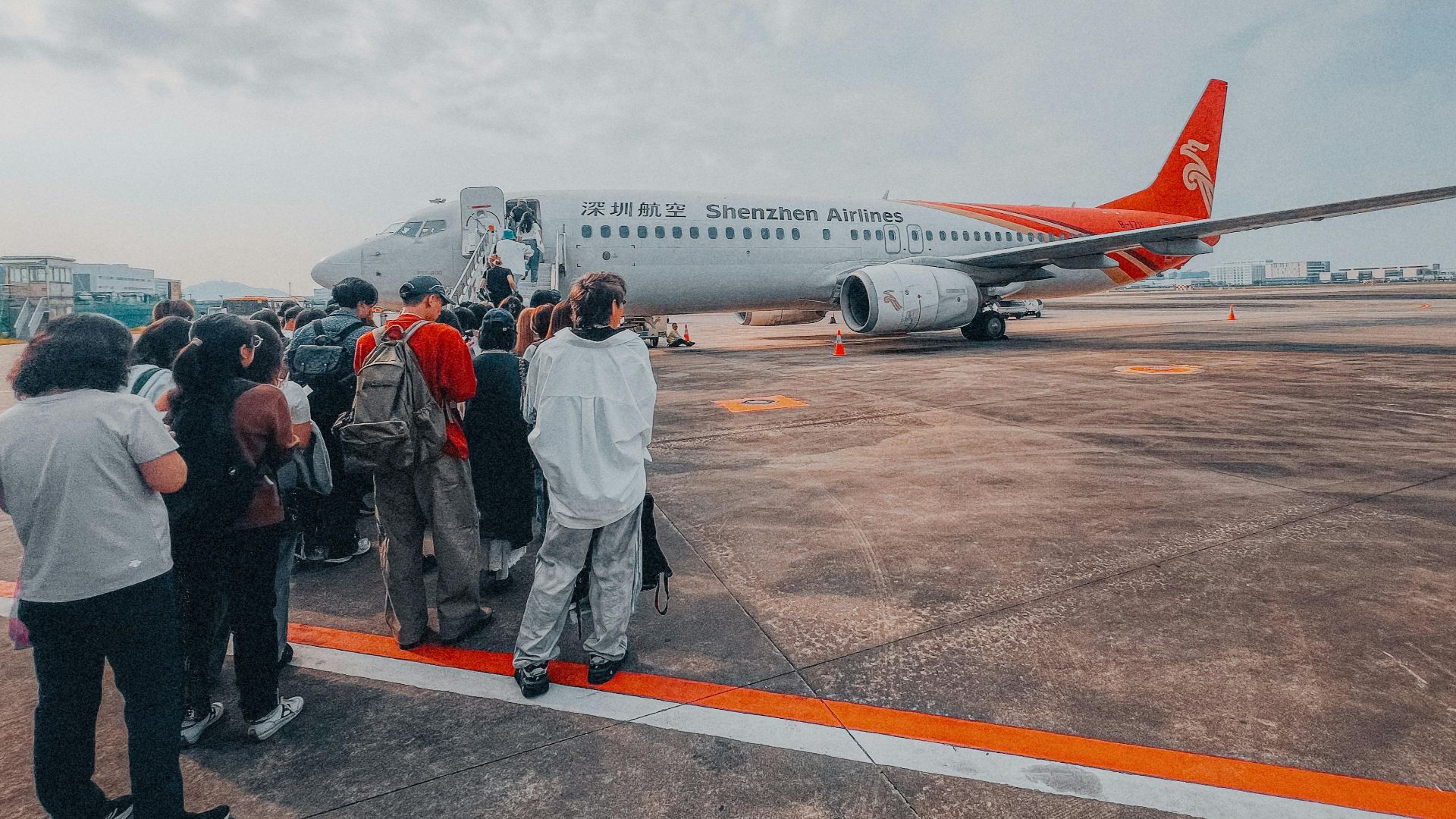
Passengers boarding in later groups (often Groups 4 through 6) face a much higher risk of losing bin space. By that point, bins near your assigned seat are frequently full, forcing gate agents to begin pulling bags before you even reach your row.
Basic Economy Can Trigger Automatic Fees
On airlines like United, Spirit, and Frontier, basic economy fares often include only a personal item. If your bag doesn’t fit under the seat, it’s treated as a checked bag—and fees can increase significantly at the gate.
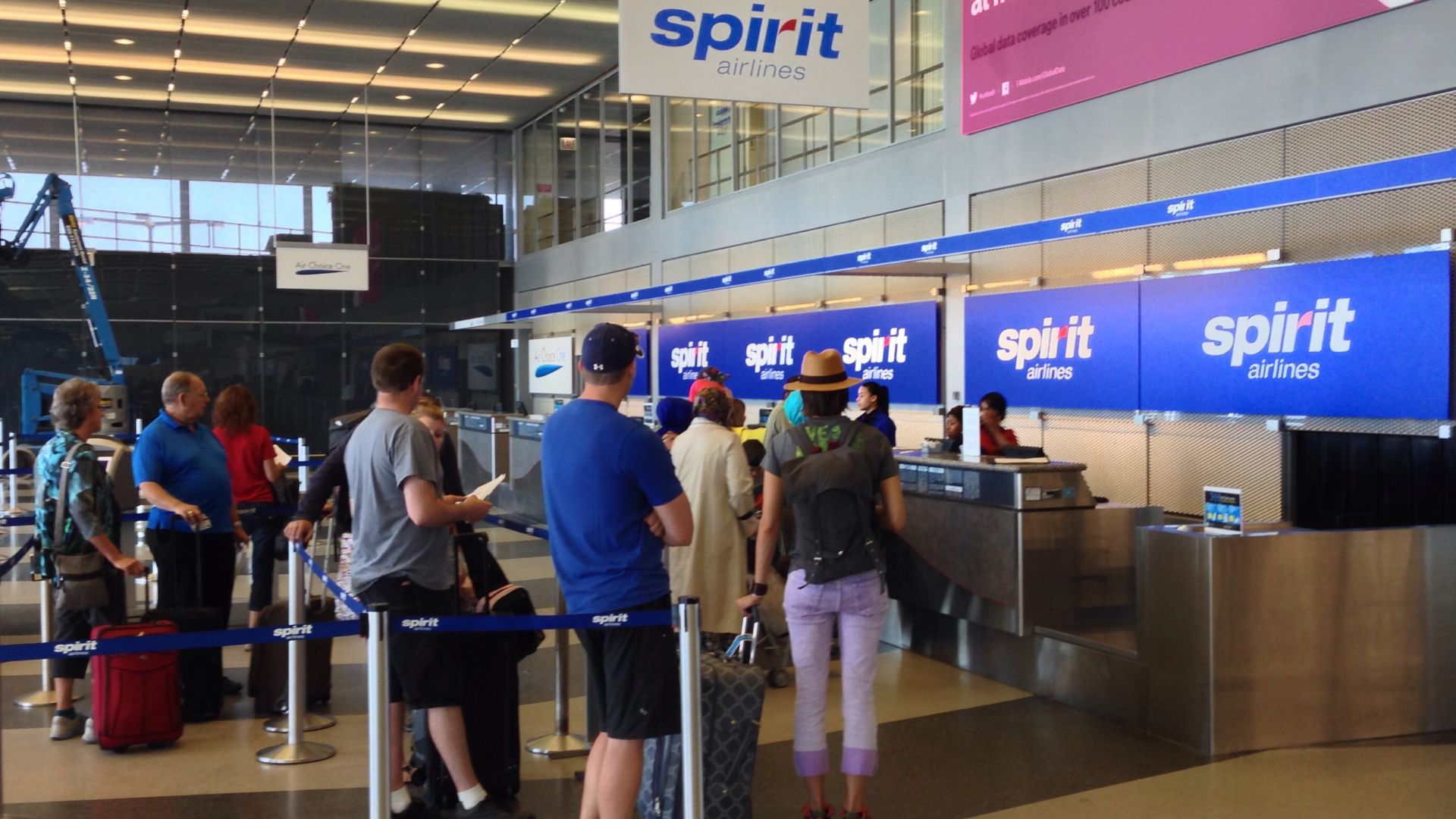 WestportWiki, Wikimedia Commons
Aircraft Type Makes A Bigger Difference Than You Think
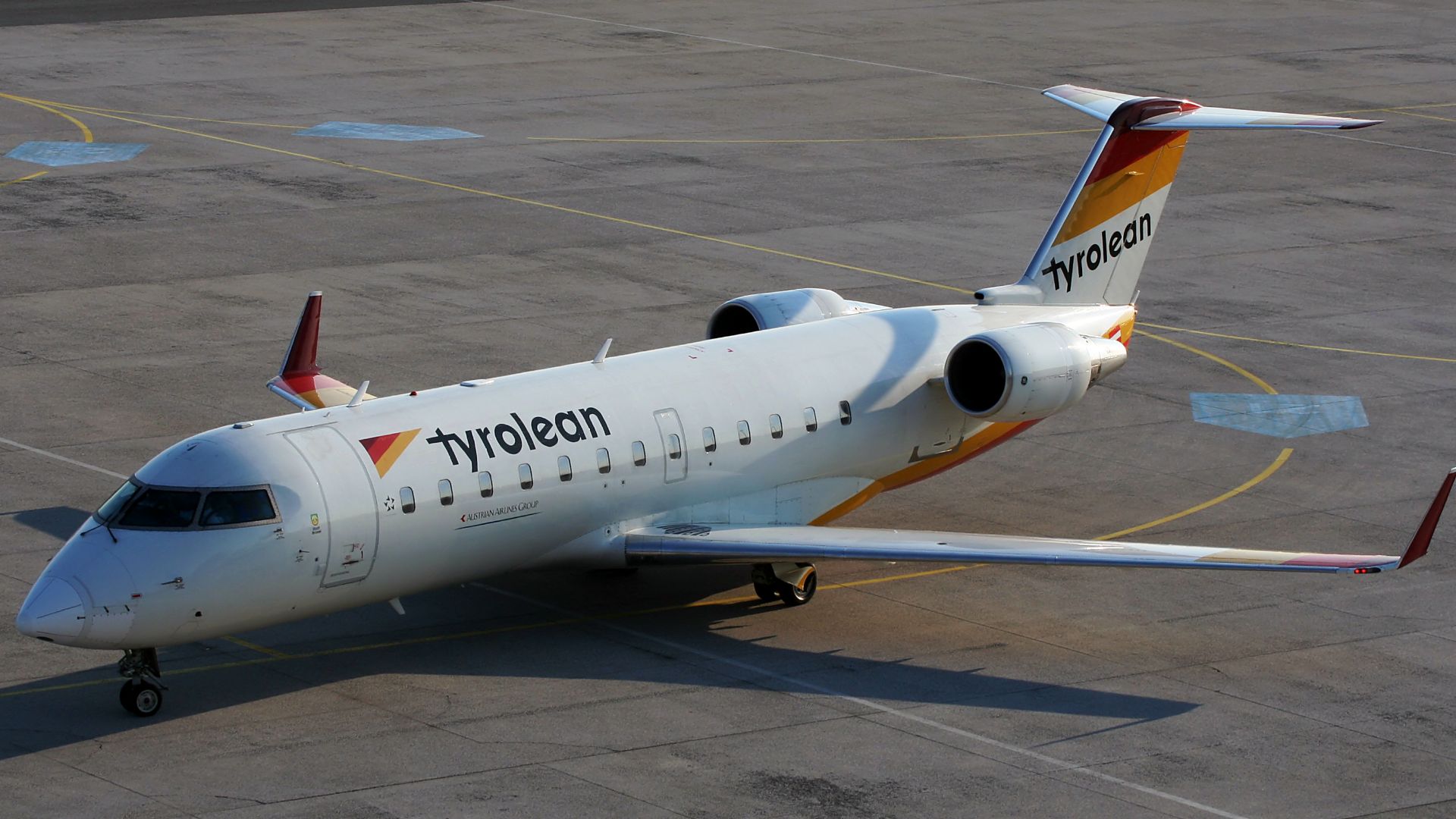
Regional jets like CRJ or Embraer models have noticeably smaller overhead bins. Standard roller bags that fit on a Boeing 737 or Airbus A320 often won’t fit sideways (or at all) leading to mandatory gate-checking regardless of size compliance.
 Dralon~commonswiki, Wikimedia Commons
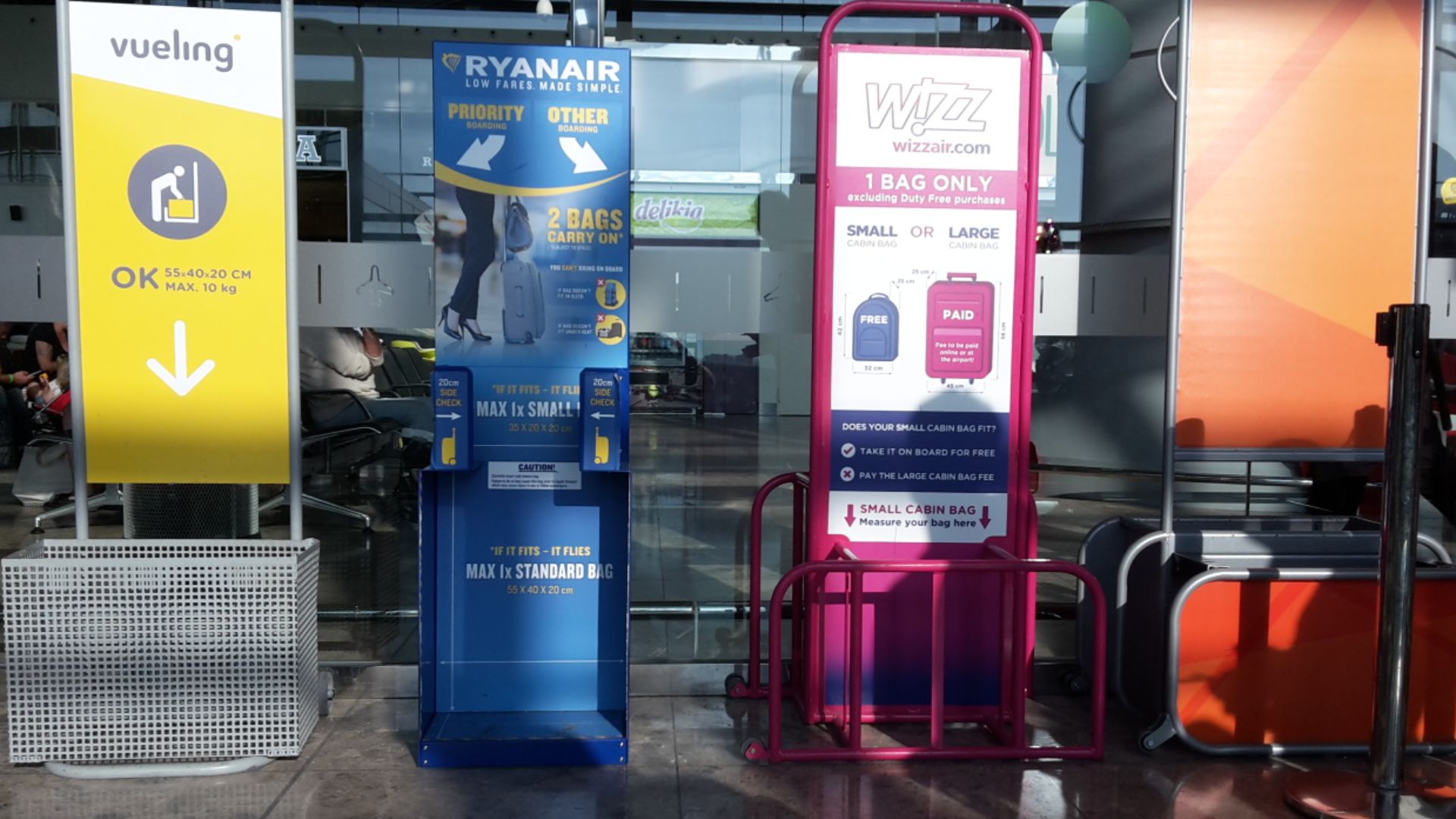
Passing The Sizer Doesn’t Guarantee Anything
The airport sizer only proves your bag can meet size requirements. It doesn’t guarantee space onboard. Even if your bag fits perfectly in the frame, you’re still competing with every other passenger for limited overhead bin availability.
Under-Seat Space Is Smaller Than Most People Realize
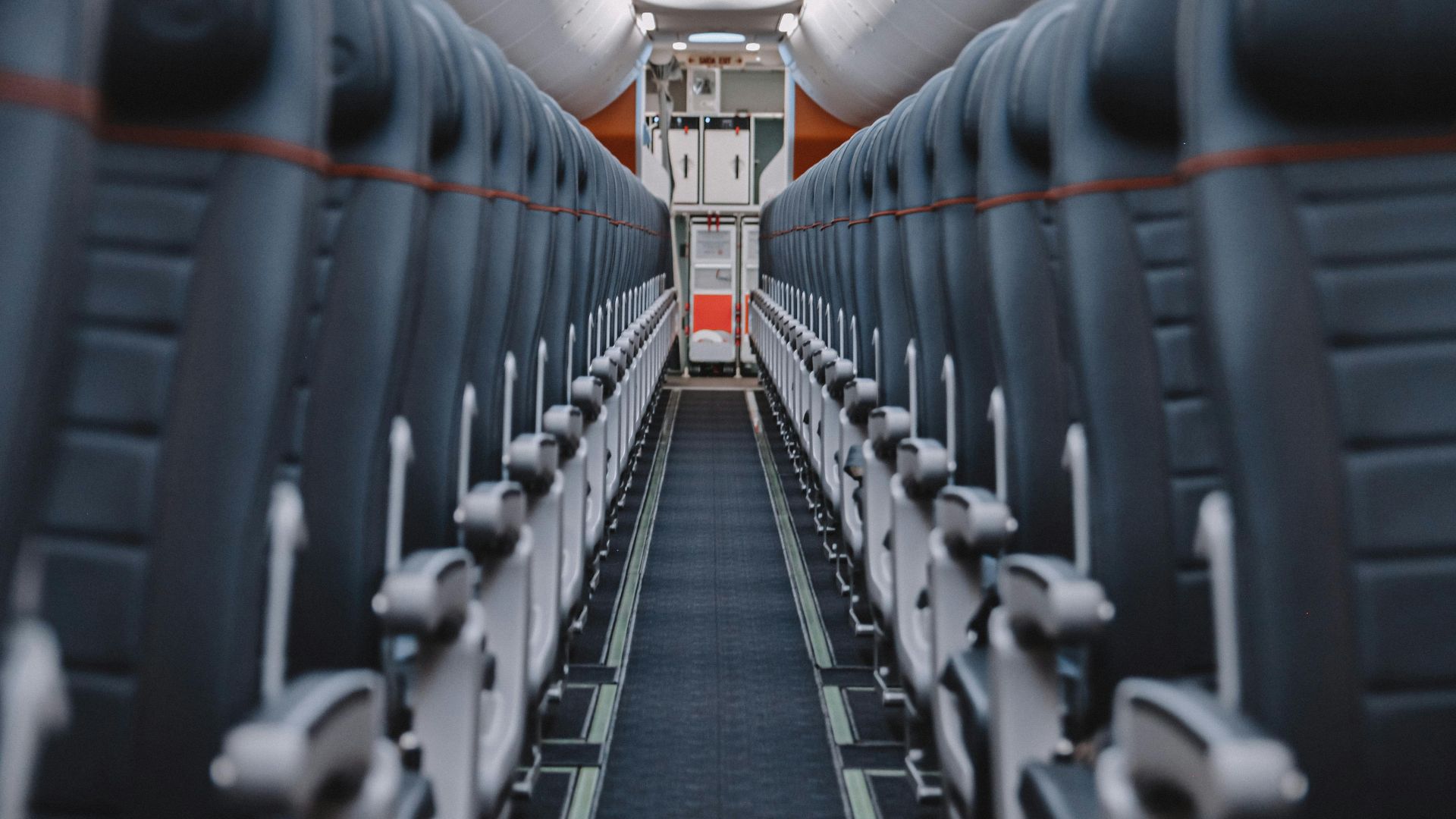
Typical under-seat clearance is less than 10 inches high and varies by aircraft. Larger backpacks, duffel bags, or roller bags often won’t fit. Bulkhead rows remove under-seat storage entirely, forcing all items into overhead bins or checked baggage.
FAA Rules Require Bags To Be Properly Secured
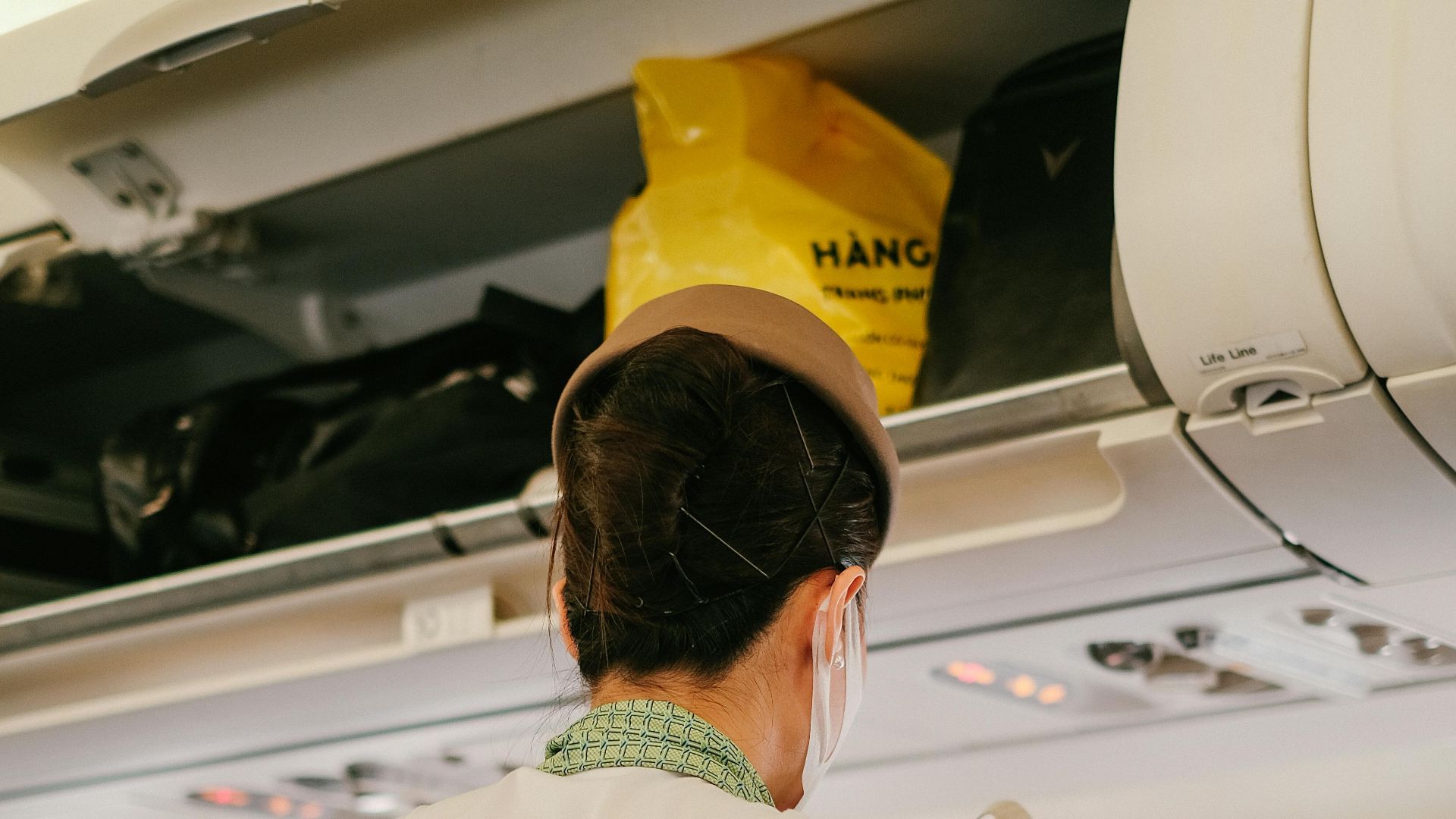
FAA regulations require all carry-on items to be properly secured during taxi, takeoff, and landing, usually under a seat or in an overhead bin. If a bag can’t be safely stowed, it cannot remain in the cabin.
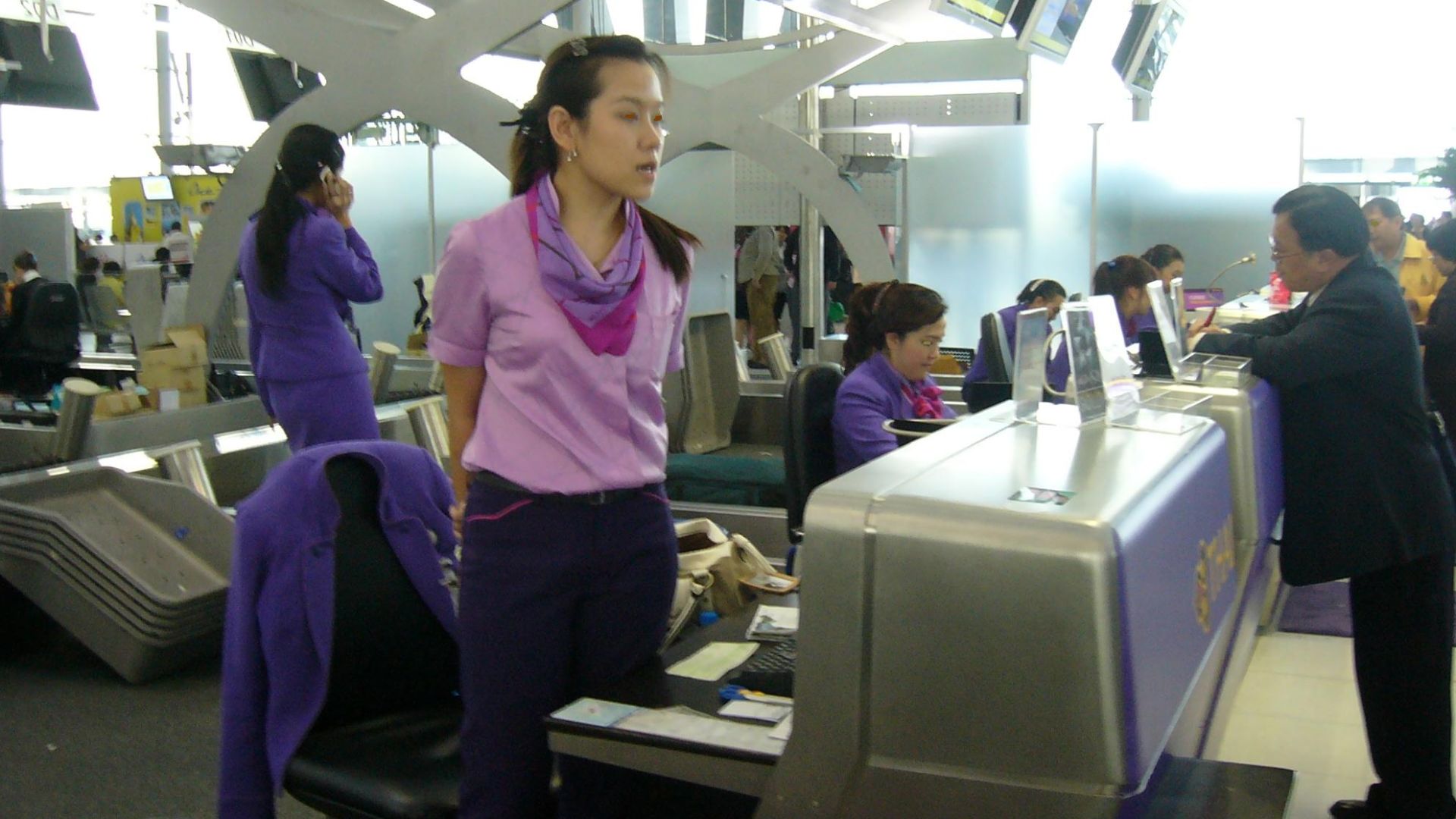
Gate Agents Can Override The Posted Rules
Even if your bag meets the airline’s listed requirements, gate agents have full discretion. Their decisions are based on real-time conditions like bin space, boarding delays, and passenger load, not just the measurements shown online.
 User:Mattes, Wikimedia Commons
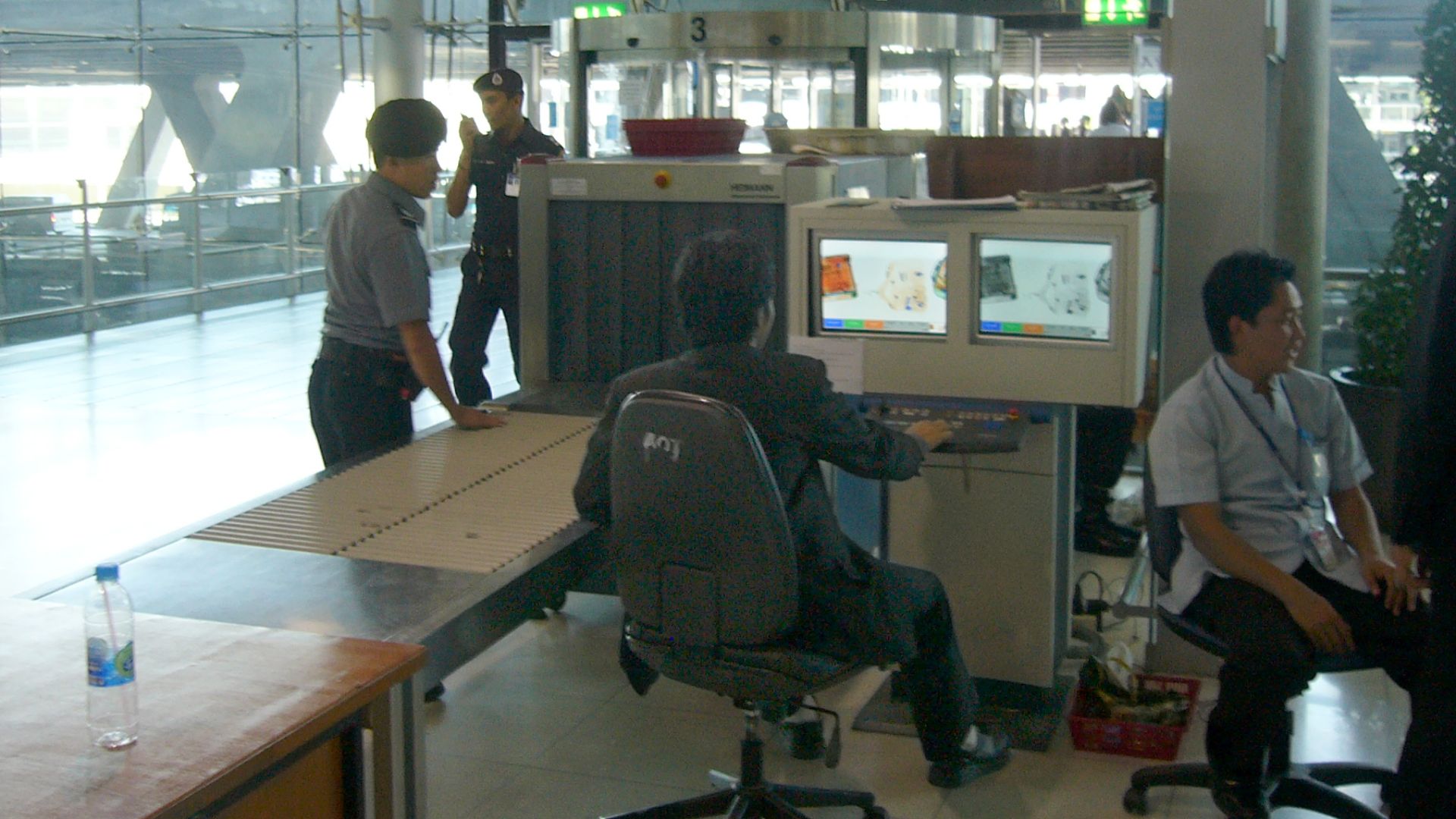
Airlines Start Gate-Checking Before Bins Look Full
To avoid boarding slowdowns, airlines often begin checking bags early, sometimes before overhead bins appear full. This prevents aisle congestion caused by passengers searching for space and helps keep departure times on schedule.
 User:Mattes, Wikimedia Commons
Boarding Speed Is A Bigger Priority Than Fairness
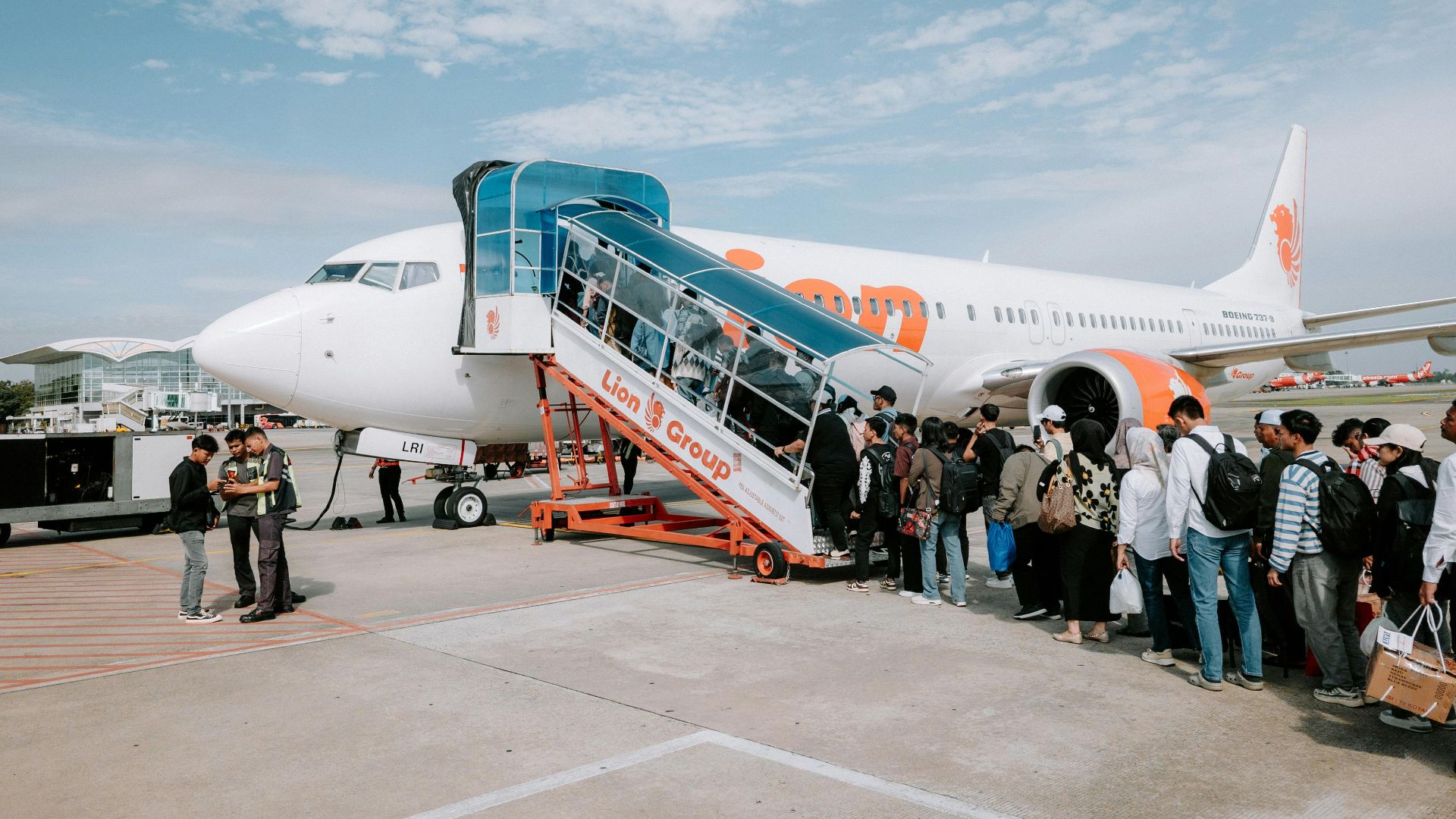
Airlines prioritize on-time departures above consistency. If checking a handful of extra bags speeds up boarding, staff will do it—even if your bag technically meets the rules and others were allowed earlier.
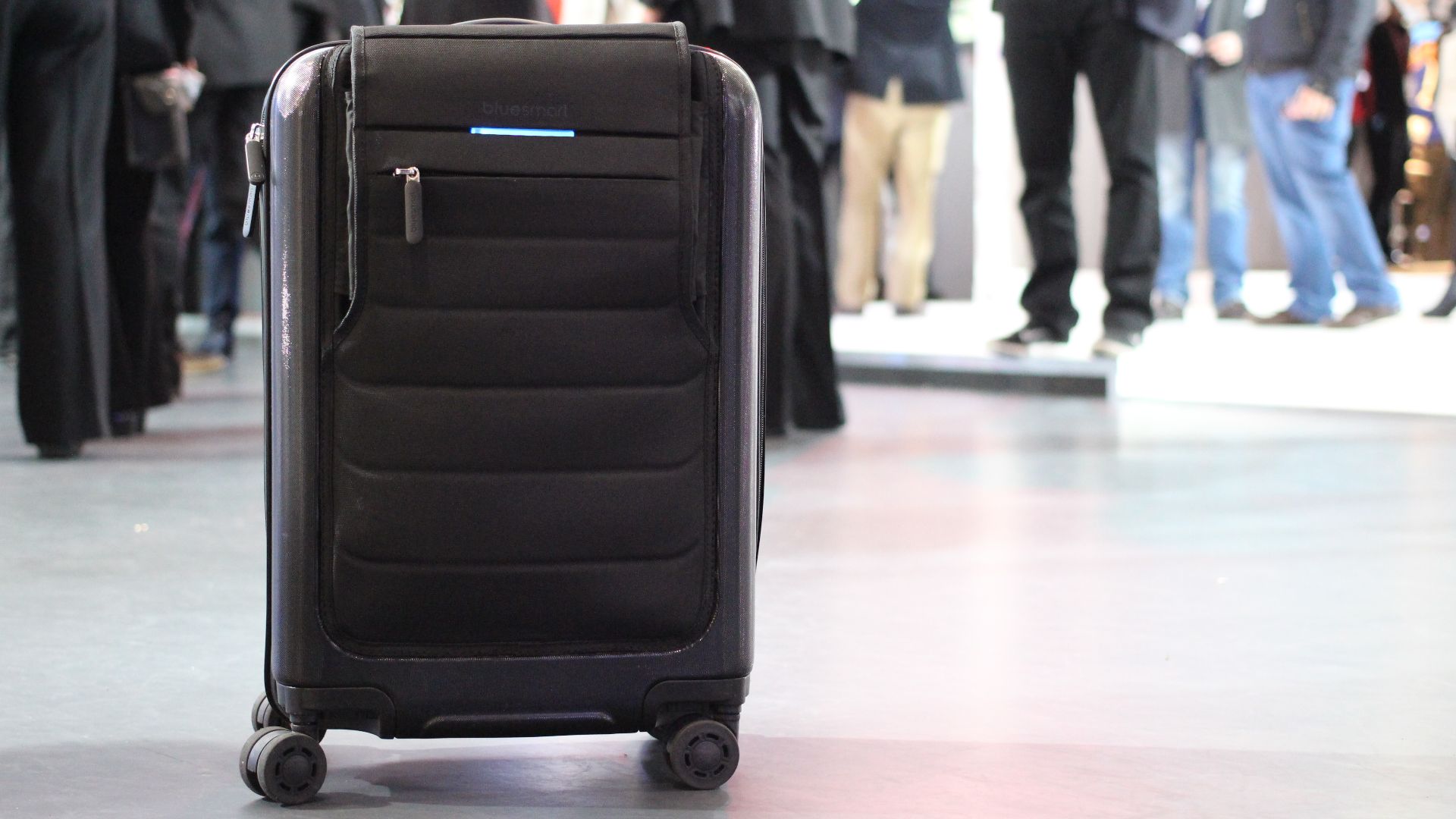
Roller Bags Take Up Disproportionate Space
Hard-shell roller bags often need to be placed wheels-in or flat, taking up more room than soft bags. Just a few oversized rollers can fill an entire bin that could otherwise accommodate several smaller personal items.
 Maurizio Pesce from Milan, Italia, Wikimedia Commons
Your Bag Can Be Reclassified In Seconds
If a gate agent decides your bag won’t fit under the seat and overhead space is tight, they can instantly reclassify it. That changes it from a carry-on to a checked item, regardless of what you were told earlier.
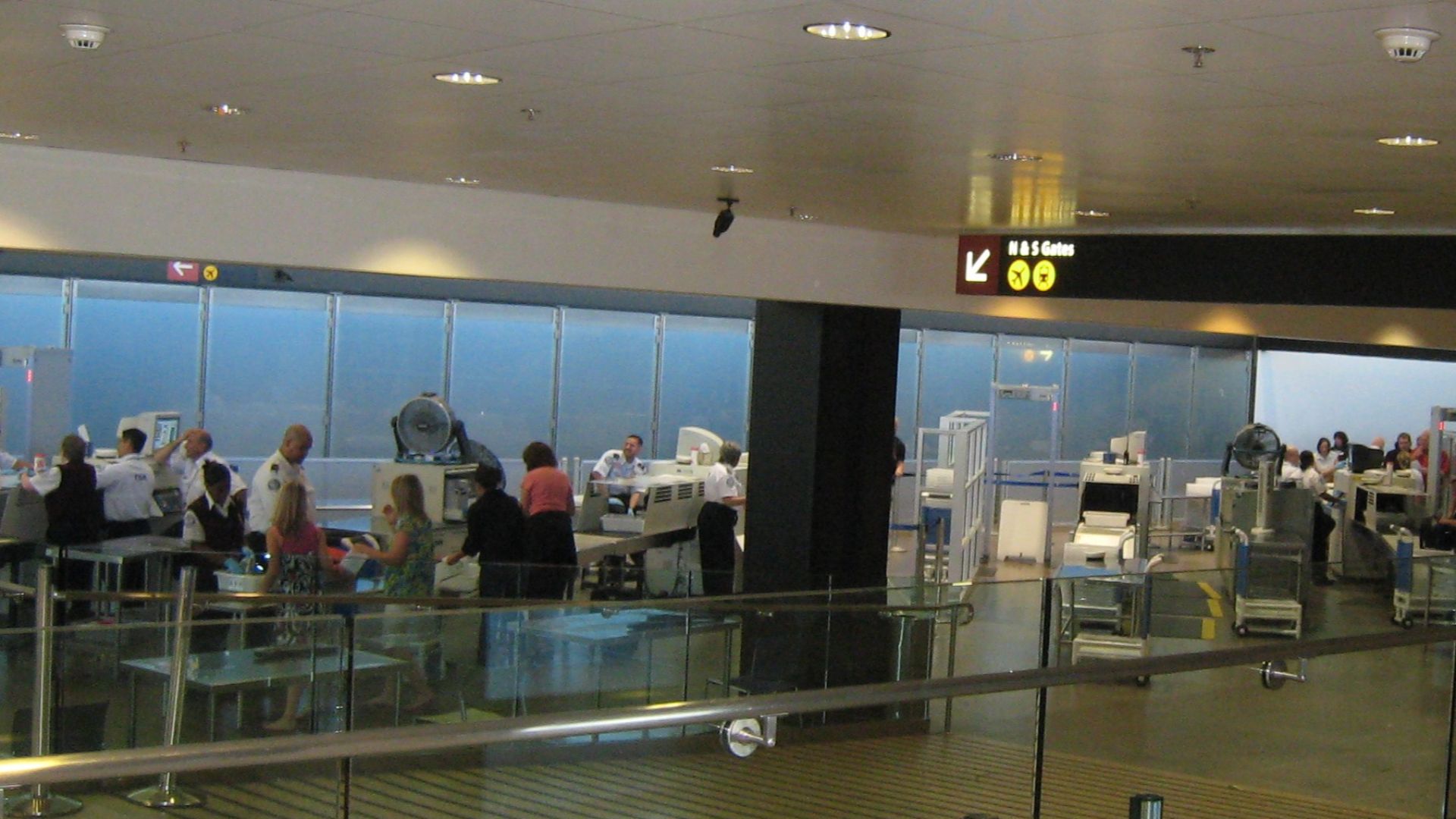
They Enforce Rules Late (And That’s When Fees Hit)
Airlines don’t always enforce size or fare rules at check-in. If your bag is flagged at the gate instead, you can still be charged—and sometimes at higher “gate rates” than you would have paid earlier.
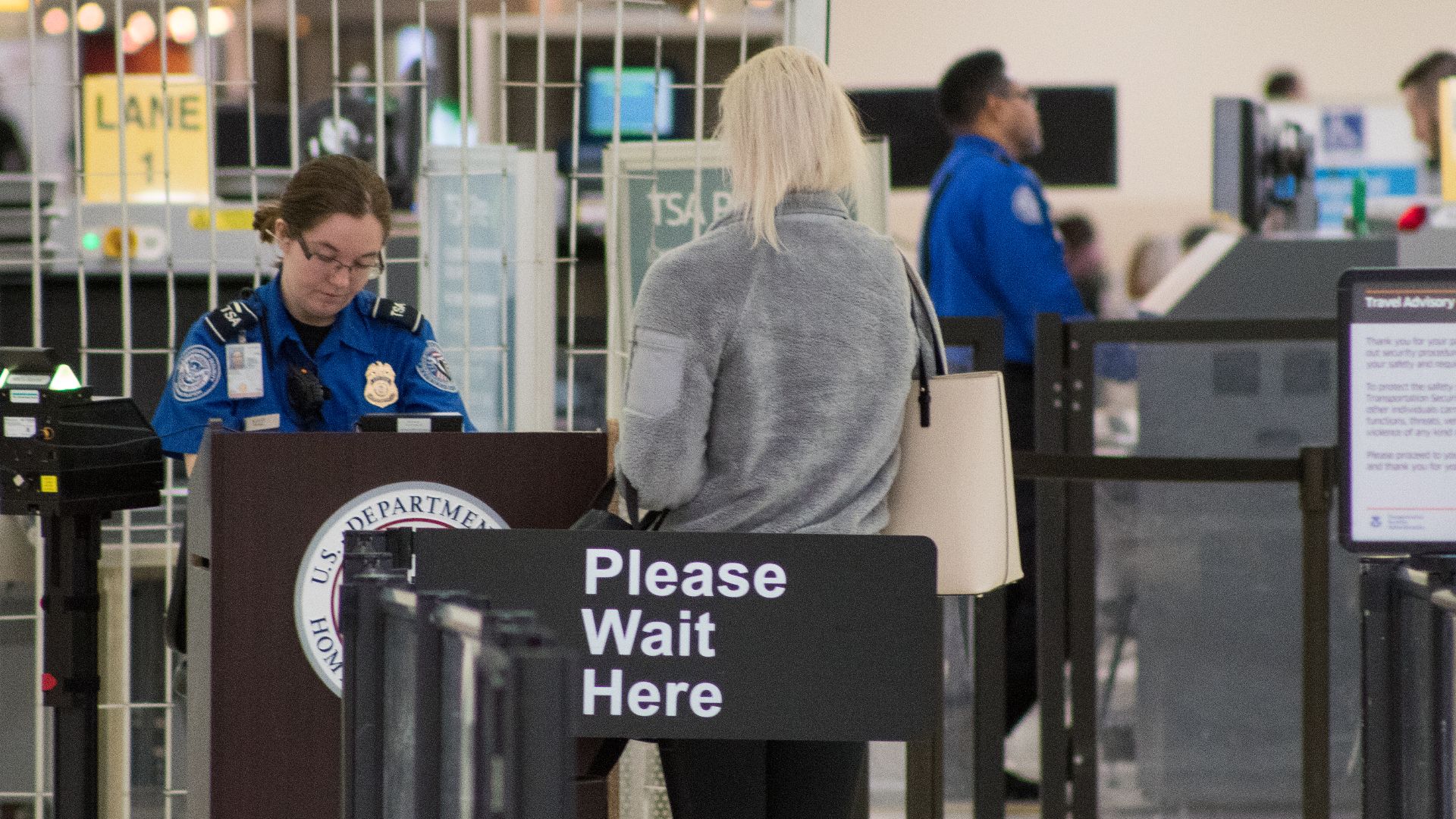 Michael Ball, Wikimedia Commons
Gate Fees Can Be Significantly Higher
Some airlines charge more at the gate than at check-in. A checked bag that might cost $35 at the counter can increase substantially at boarding, sometimes reaching $50–$65 or more on certain airlines.

Gate-Checked And Paid Checked Bags Are Different
If your bag is taken due to lack of space, it’s usually free. But if it’s taken because of size limits or fare restrictions, it’s treated as a standard checked bag, and that’s when fees are applied.
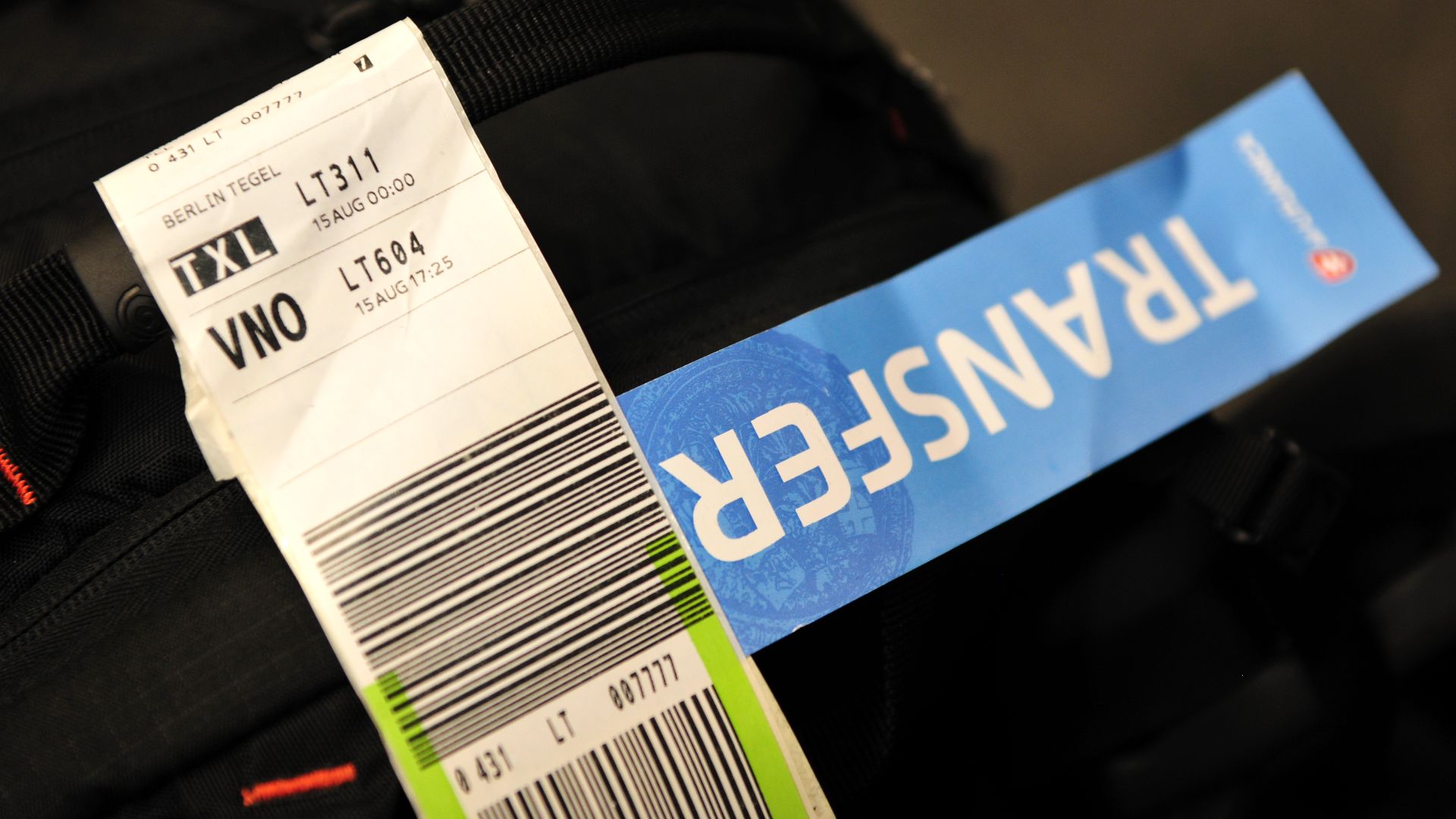 Ralf Roletschek, Wikimedia Commons
International Airlines Are Often Much Stricter
Many international carriers weigh every carry-on at the gate and enforce limits closely. Going even slightly over can result in immediate fees, sometimes charged per kilogram, making enforcement feel far stricter than in North America.
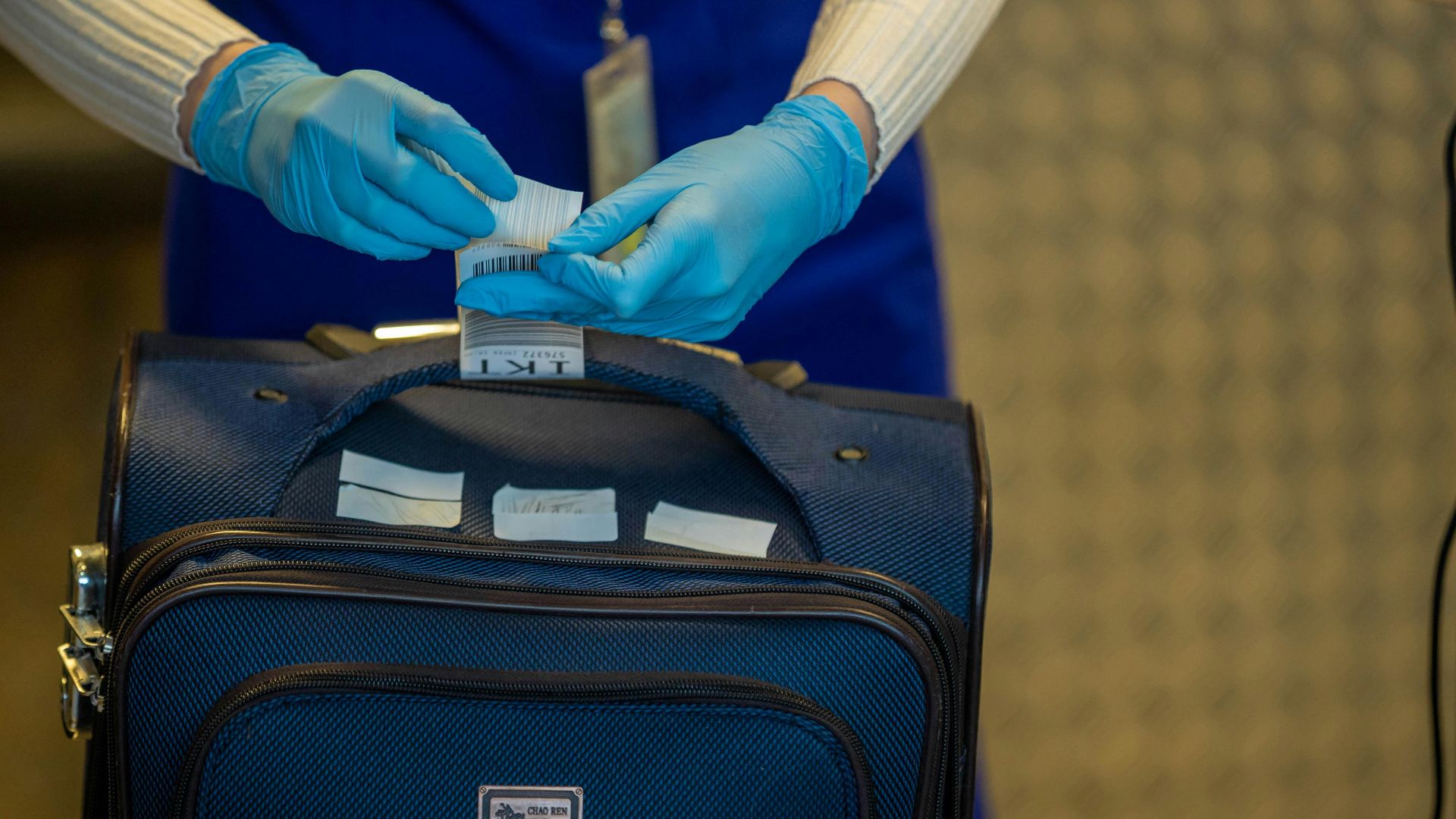
How To Reduce The Risk Next Time
Board as early as possible, avoid basic economy fares when you can, and use a slightly smaller or soft-sided bag. Bags that aren’t overpacked and can compress slightly are far less likely to be flagged or reclassified.
So…Did You Actually Do Anything Wrong?
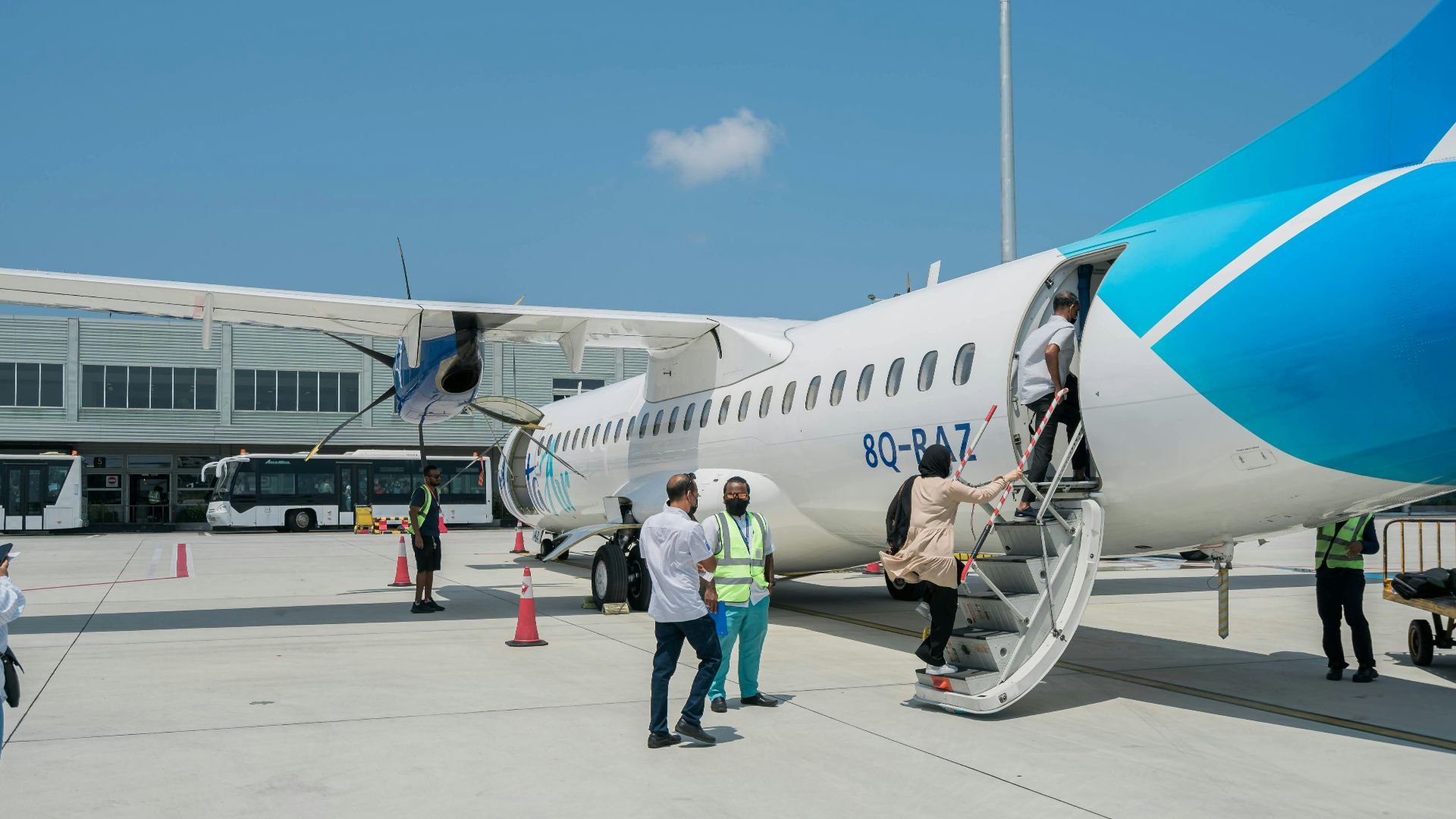
Not necessarily. Your bag may have met the rules exactly. But when enforcement happens late and flights are full, even compliant bags can be reclassified based on space, timing, and boarding logistics.
Bottom Line
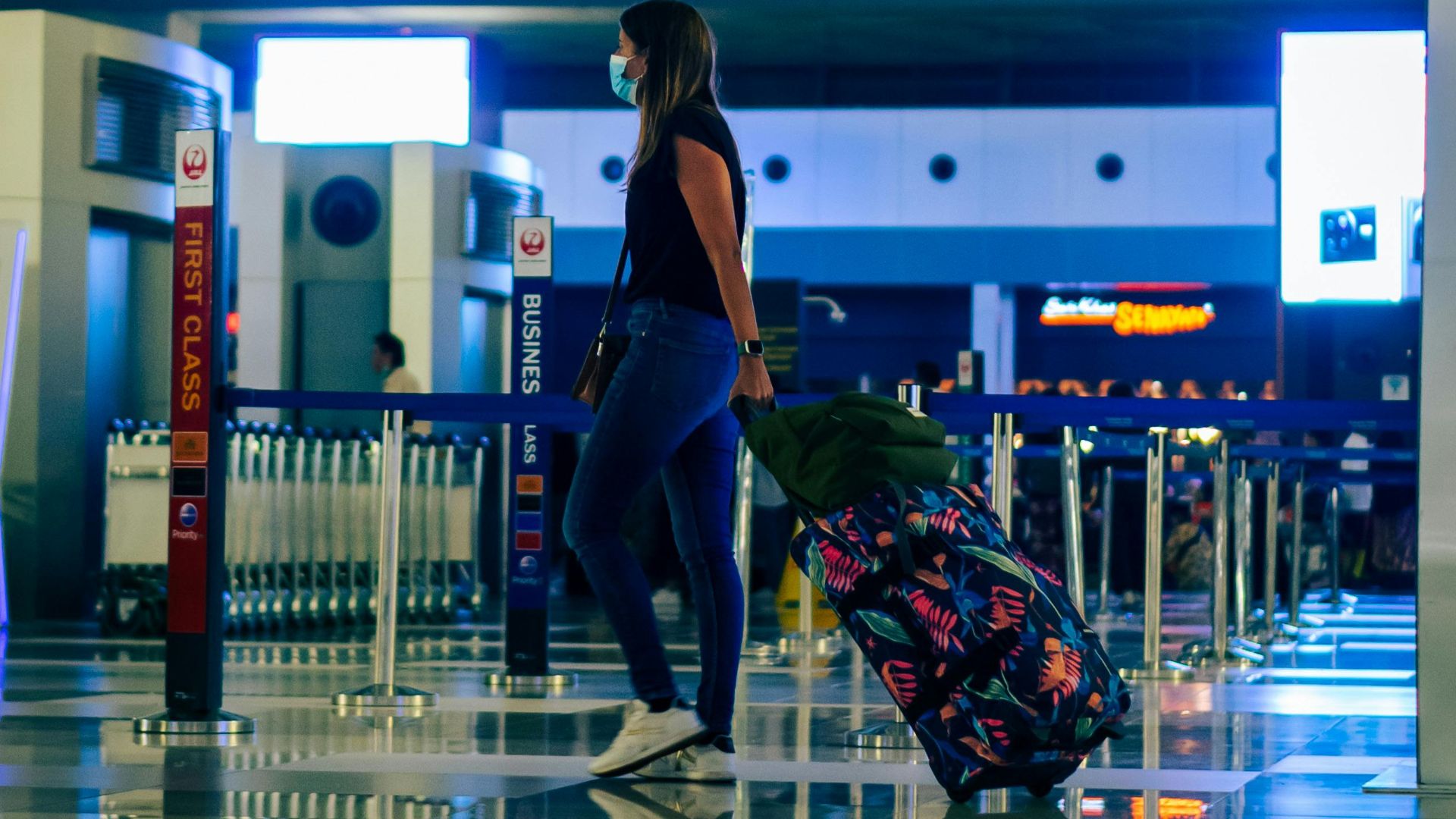
Overhead bins are intended for carry-ons, but they aren’t guaranteed for every passenger. And if your bag gets flagged at the gate instead of earlier, it can quickly shift from allowed to checked with a fee attached.
You Might Also Like: